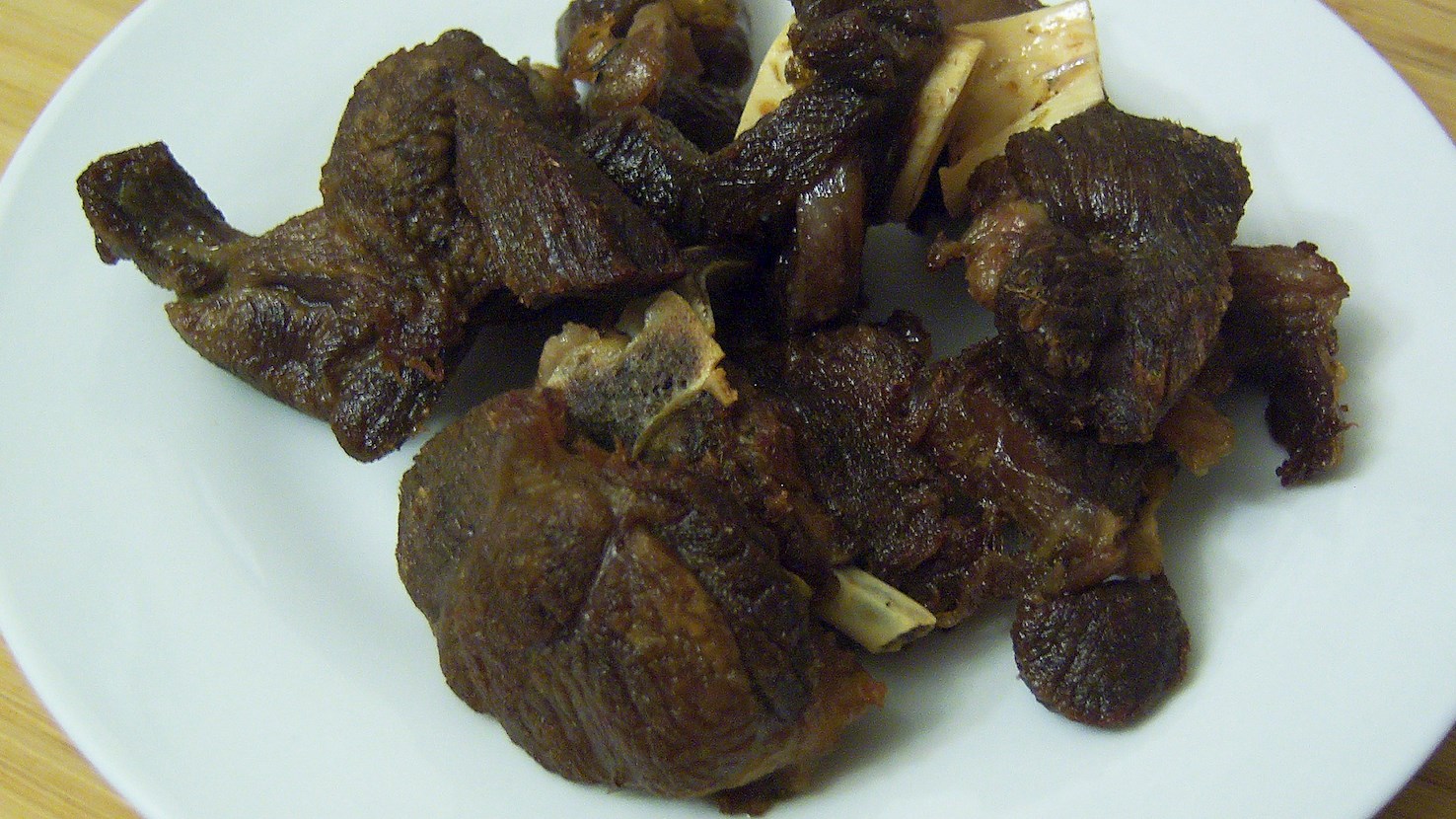
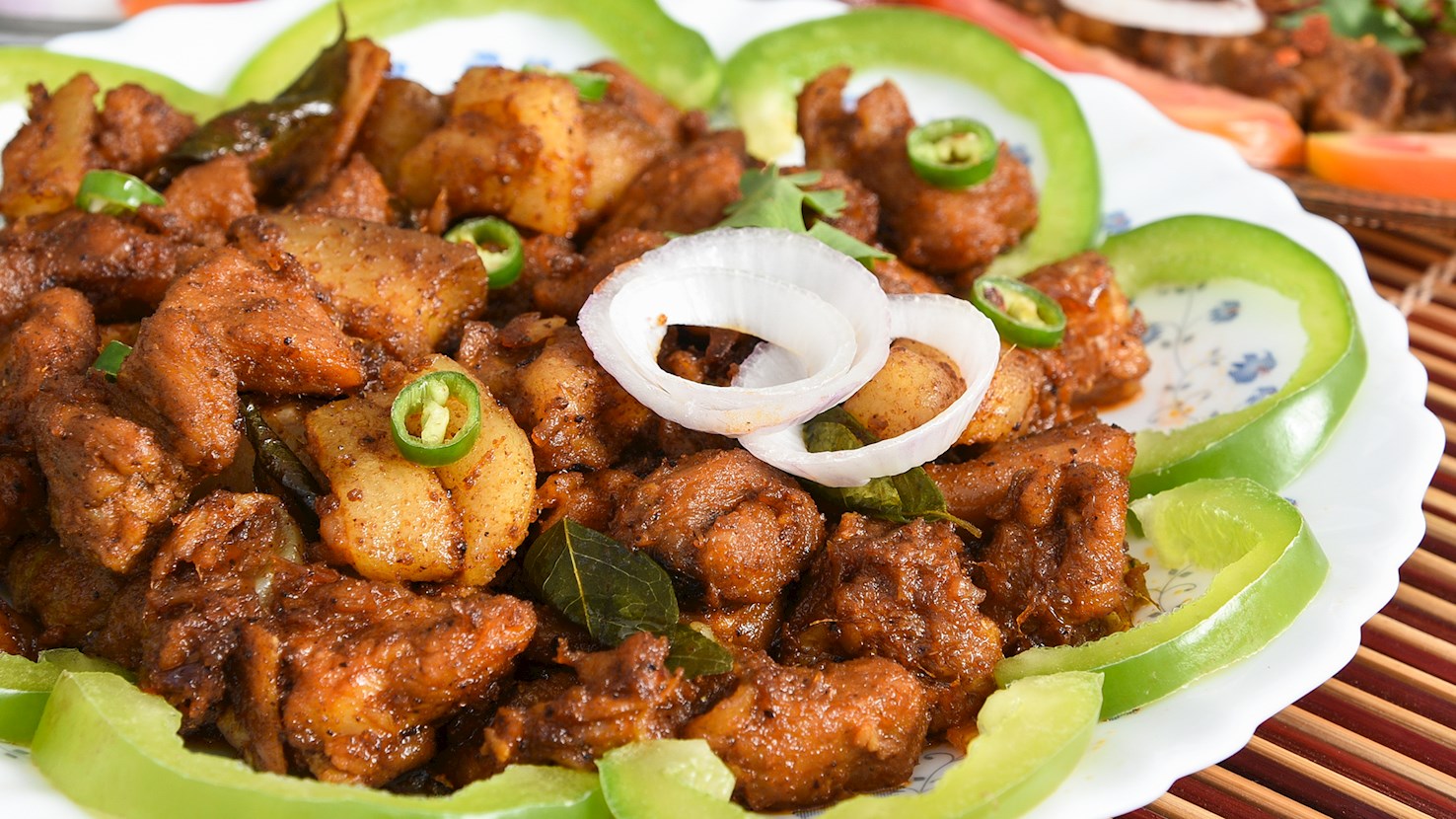
Tassot is a traditional dish made with goat meat or beef as the main ingredient. Cubed meat is usually marinated in a combination of onions, orange juice, and lemon juice. It is then fried until it develops a crispy, brownish exterior. The dish is typically served with fried plantains, rice and beans or mushroom rice, and a spicy sauce known as ti malice on the side.
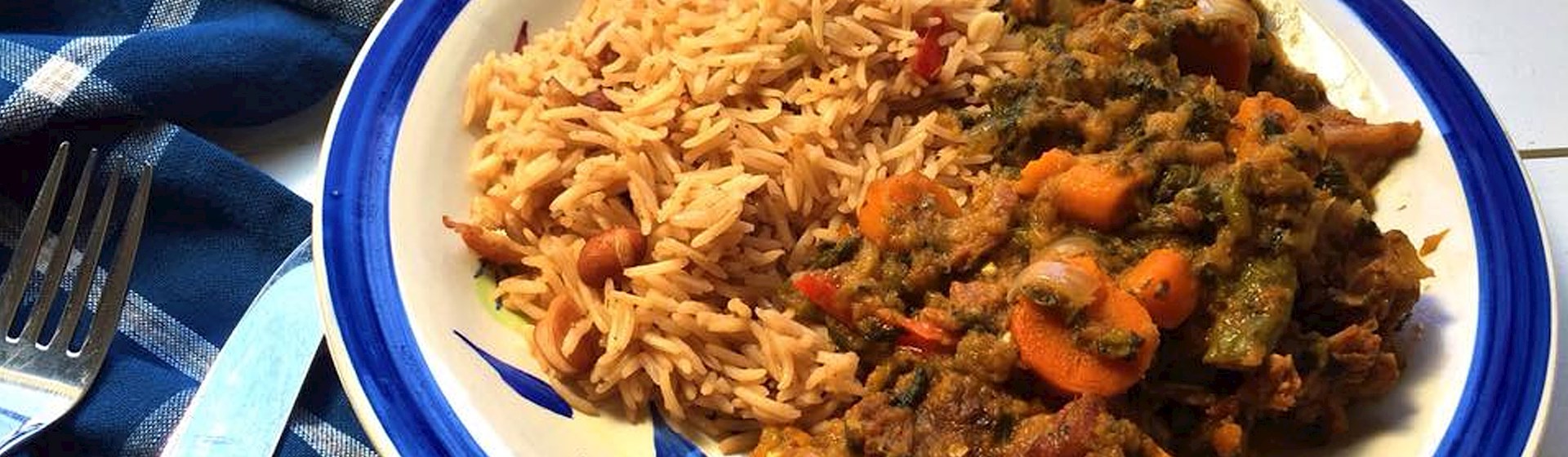
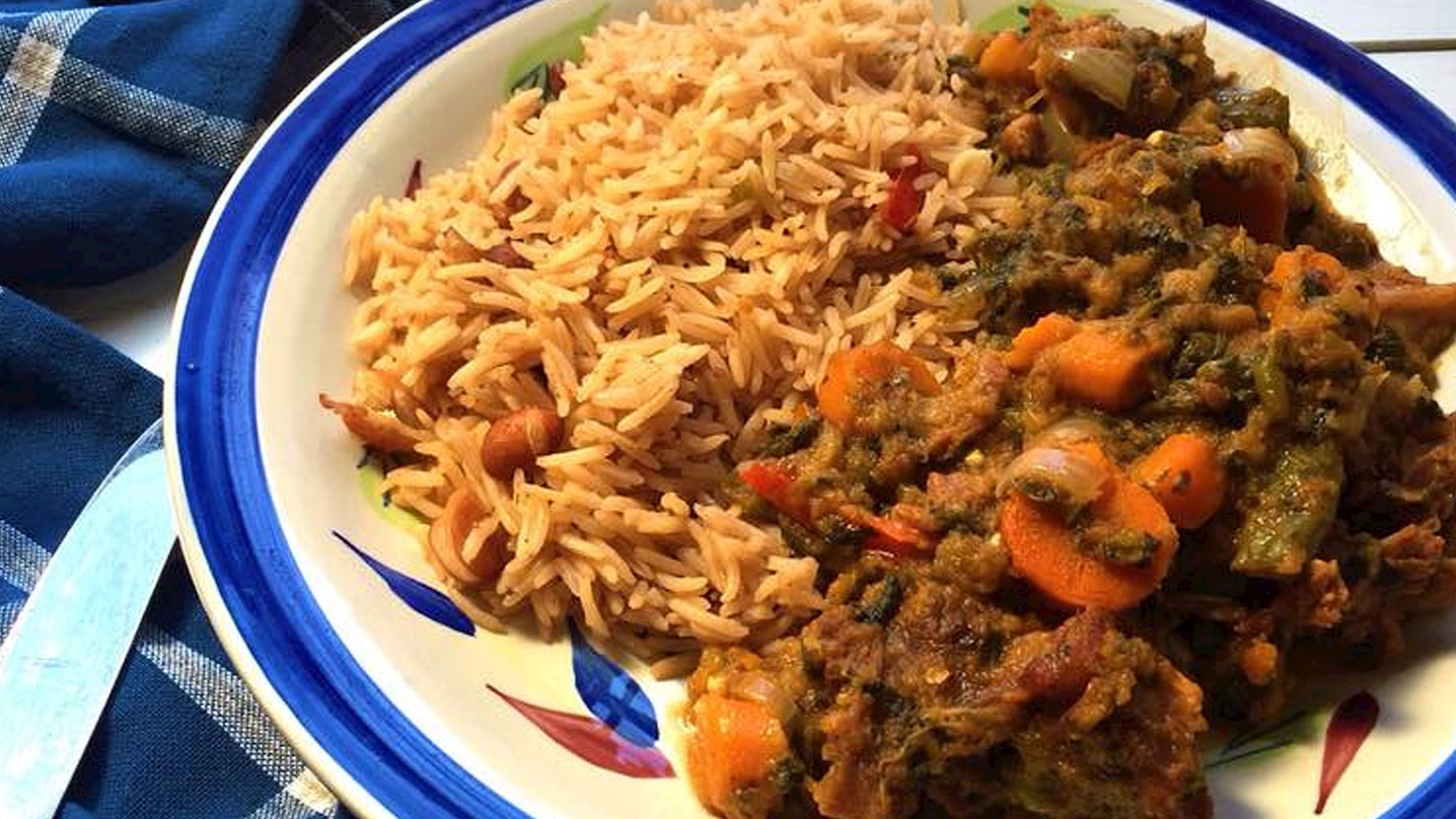
Heavily influenced by African cooking traditions, legim is a popular Haitian dish with many variations regarding the ingredients. It typically consists of various mixed vegetables that are cooked with meat (usually beef) and then mashed together. Legim (meaning legumes or vegetables) usually contains cabbage, eggplant, watercress, green beans, carrots, and chayote squash. The stew is traditionally prepared on Saturdays, and it is often accompanied by cornmeal or rice.
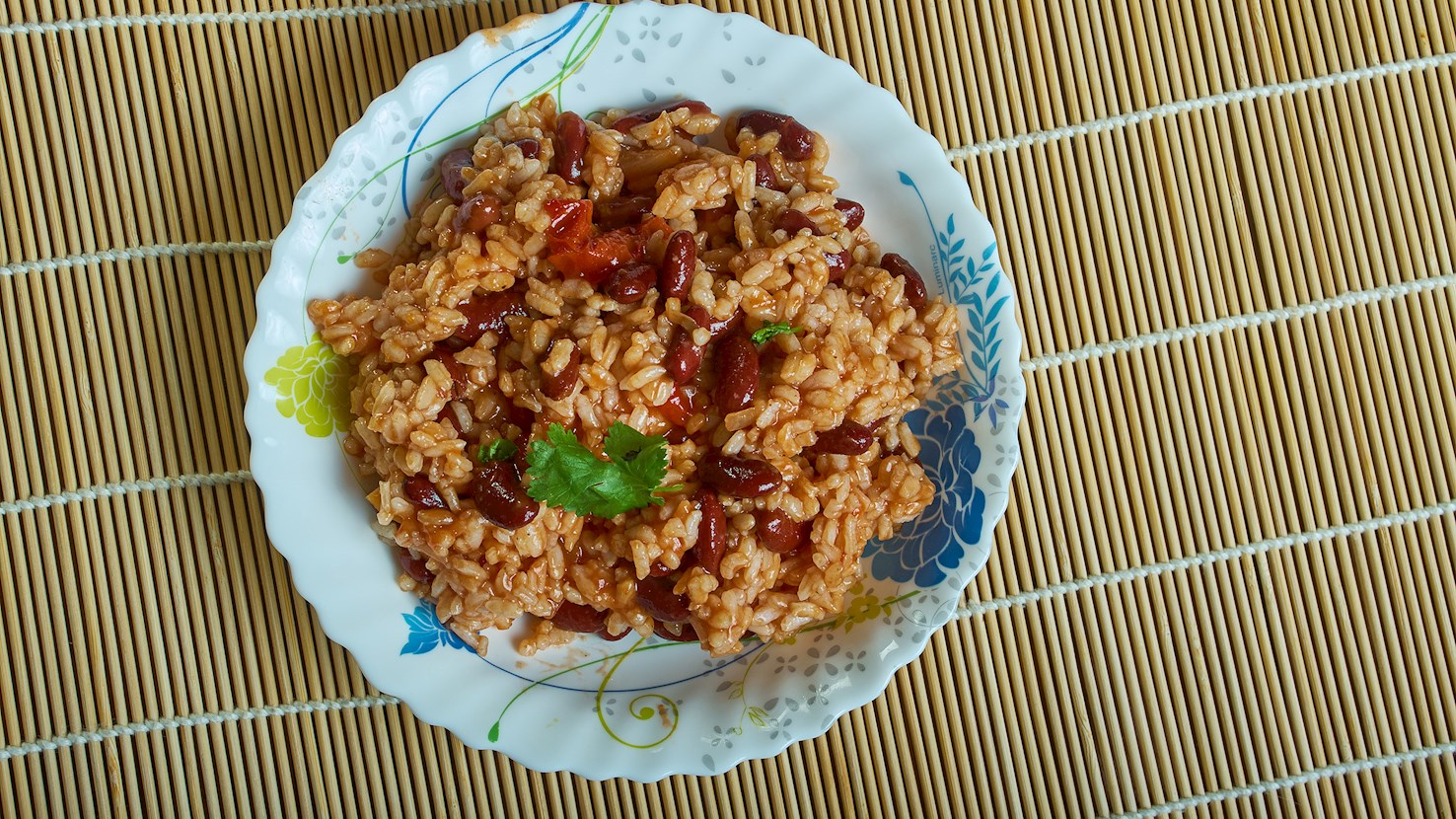
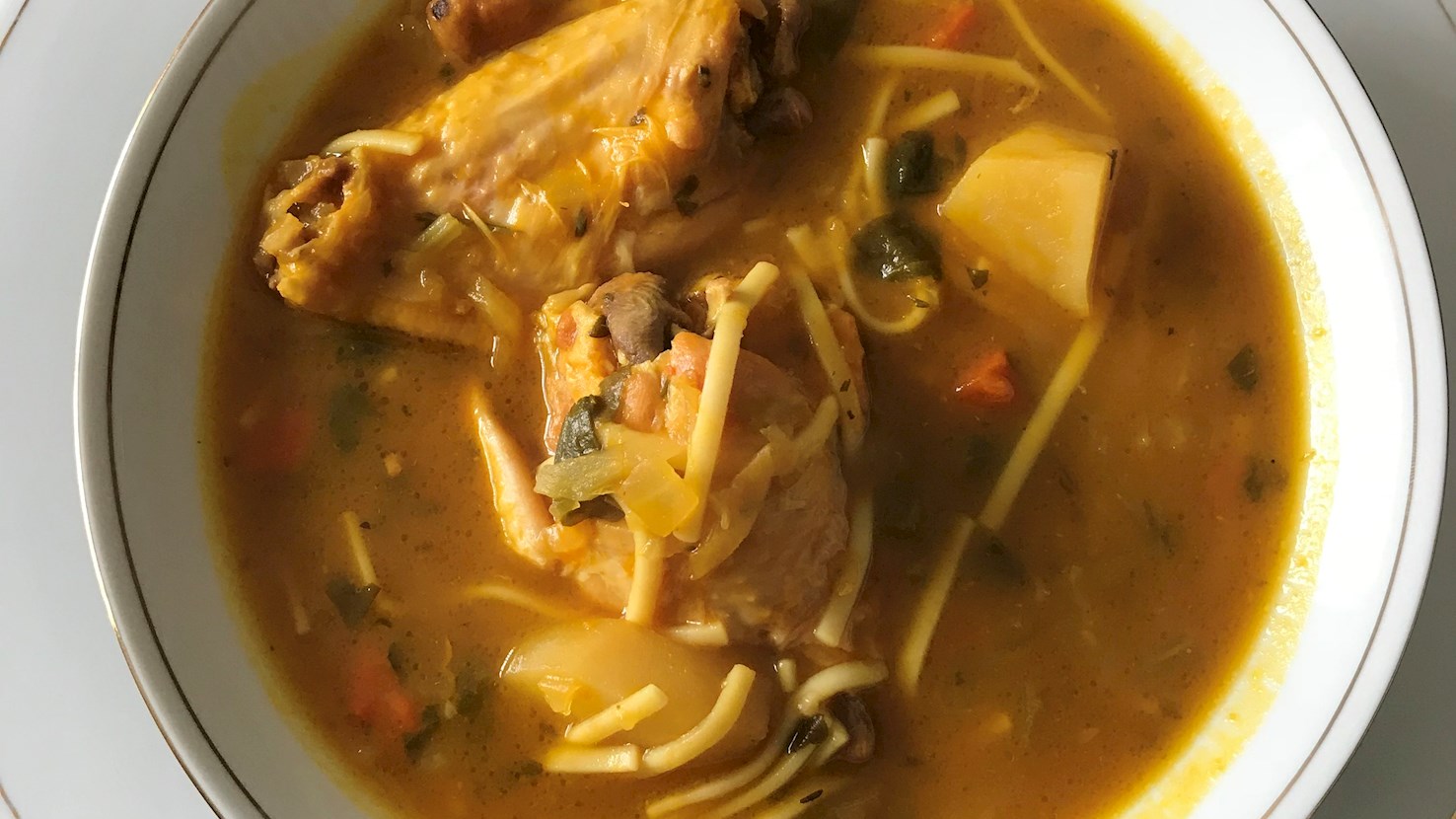
Diri ak pwa, also called diri kole ak pwa, is the national dish of Haiti, consisting of rice and beans. The dish became a common, everyday staple during the period of slavery, when rice and beans were two of the few ingredients that were fed to the slaves by their owners. It can be made with a variety of beans, but pinto, red kidney beans, and black beans are the most common options. Diri ak pwa is exceptionally nutritious as rice is rich in starch and contains iron, vitamin B, and protein, while the beans also contain iron and a greater amount of protein than rice. When combined, they make a complete protein. A true Haitian classic, you can see diri ak pwa eaten everywhere on the island, and as the locals say "A meal is not a meal without a side of rice and beans." Even though the dish is tasty and nutritious on its own, Haitians often serve it with a lot of sauce, and it is best paired with Creole chicken or topped with red snapper, tomatoes, and onions. Another interesting accompaniment to diri ak pwa is bouillon, a hearty stew consisting of tomatoes, potatoes, spices, and goat or beef meat.
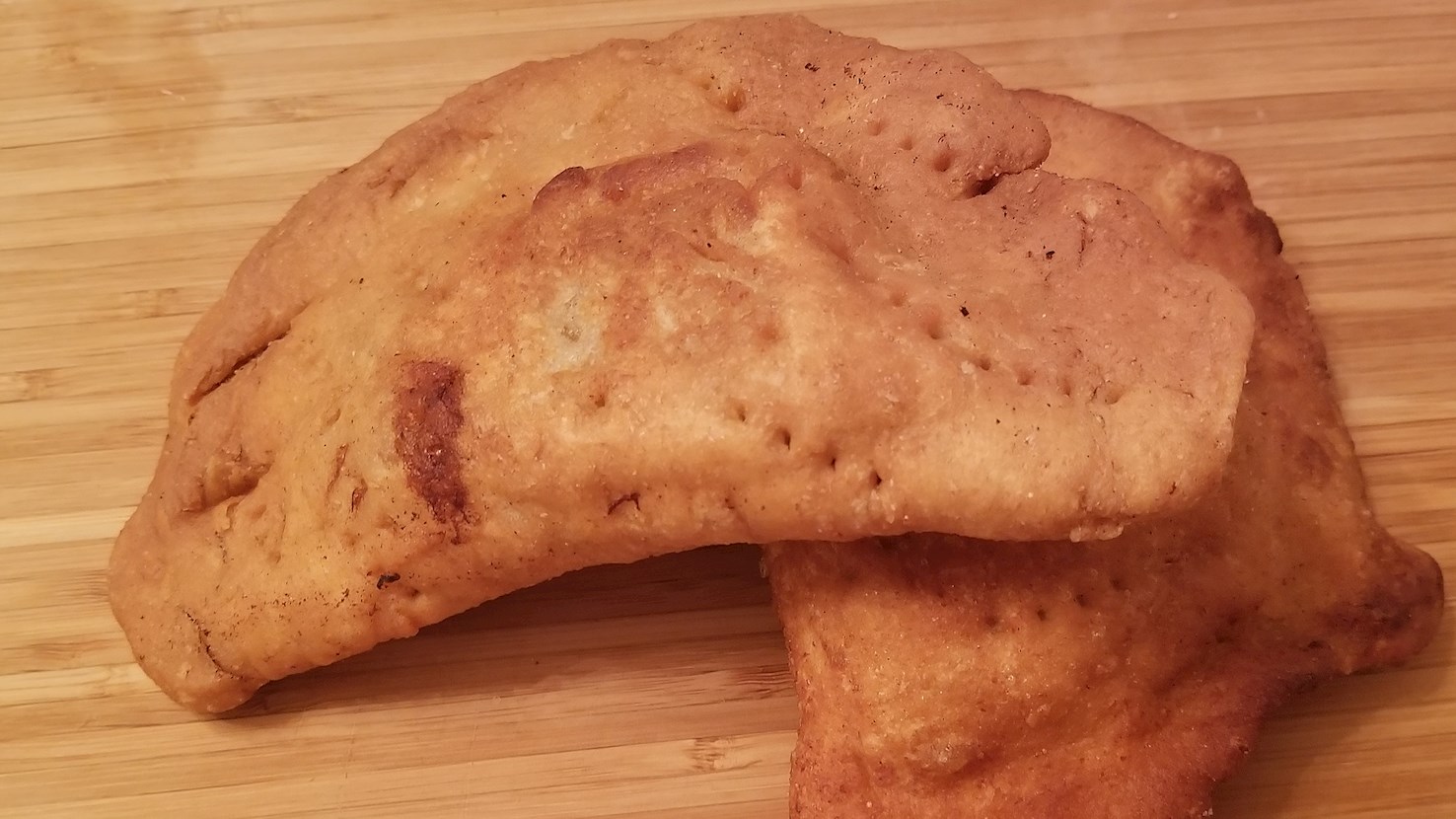
These Haitian delicacies consist of puff pastry that is shaped into small squares and filled with various types of meat such as beef, chicken, pork, or even fish. They are regularly served at numerous special events and celebrations, but Haitian patties can also be paired with rice and beans as a filling meal. Although they can be made at home, these pastries can also be bought on Haitian streets where food stall vendors sell them freshly prepared.
Griot is a typical Haitian dish consisting of pork meat cubes slowly simmered in a sweet, spicy, and tangy marinade of chile peppers, onions, and orange, lime, or lemon juice until tender, then fried in a skillet. Instead of developing the flavor from the pan drippings, the sauce acts as a cooking liquid, typically reduced to a shiny glaze. The dish is an homage to the griot, a person of high social status in many West African countries, traditionally a local historian, diplomat, warrior, tribal chief, community leader, or a teacher. As pork meat was scarce and expensive in Haiti, the dish was made only for special occasions and festive events, and the link between the two griots is obvious - they are both very important to their respective cultures. Today, it is considered Haiti's national dish and is made more often than in the past. Like the African griot, the dish is also special for its flavors - heat from the chiles, the sweet and sour acidity of citrus juices, the richness of meat, and the unique, browned exterior.
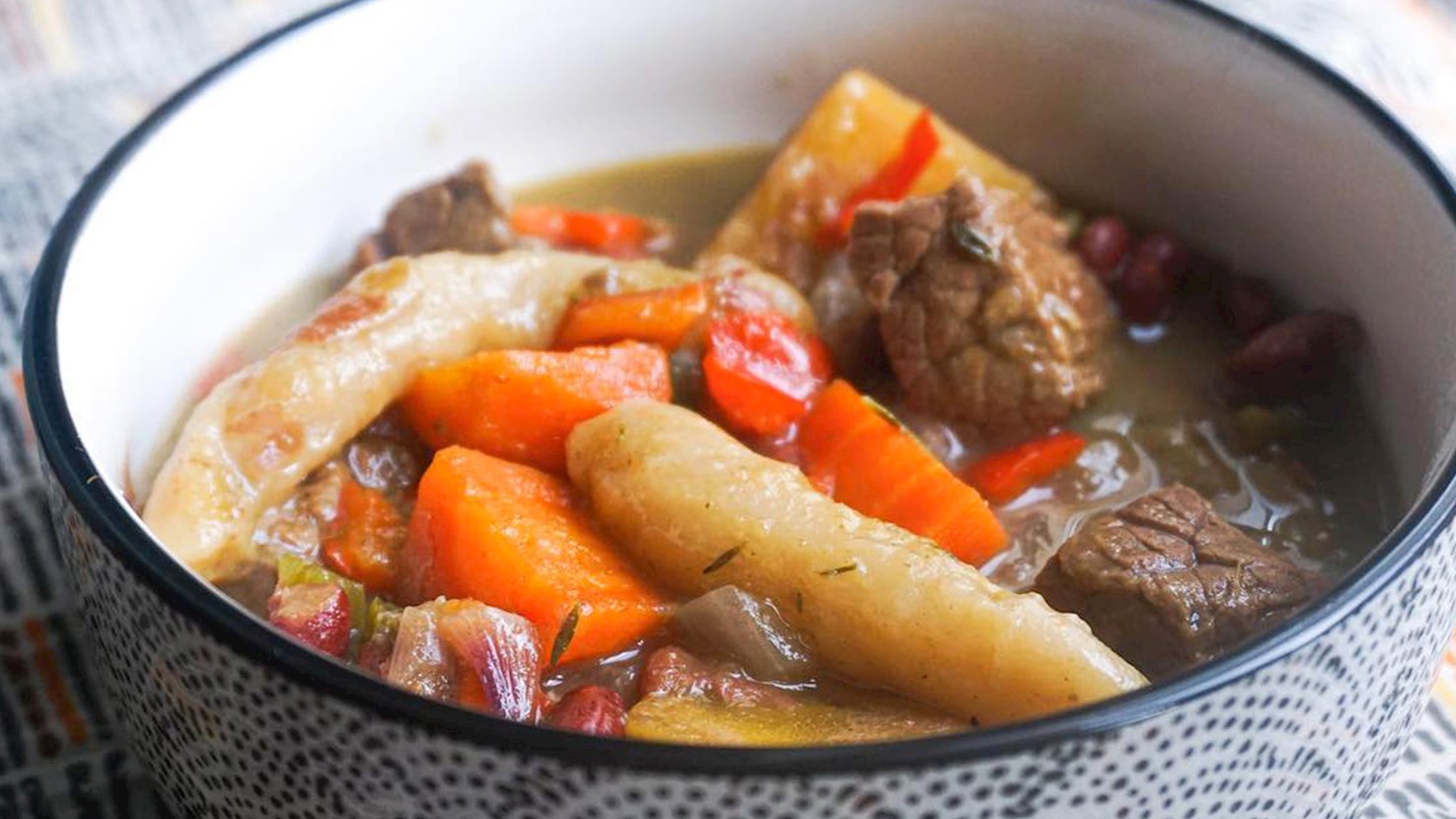
Bouillon is a hearty and slightly thick Haitian soup made with meat, epis, yams, kelp, cabbage, plantains, potatoes, scotch bonnet peppers, and celery. It is sometimes served with small dumplings which are made by rolling the flour into a small amount of broth. The name of the soup is derived from the French word bouillir, meaning to boil. It is recommended to serve bouillon piping hot, preferably on rainy days.
Haitian pumpkin soup is traditionally served on New Year's Day as a celebratory reminder of Haiti's hard-won liberation from slavery and independence from France. The soup was once a delicacy reserved only for white masters, while the slaves who prepared it were forbidden to eat it, but ever since January 1, 1804 — the day when Haitian revolutionary leader Jean-Jacques Dessalines declared Haiti’s independence—joumou has become a symbol of liberty that graces every Haitian's table on the first of every January. Apart from pumpkin or squash, the thick, savory joumou is loaded with various other vegetables, beef, and flavorings such as thyme, parsley, and chili peppers.
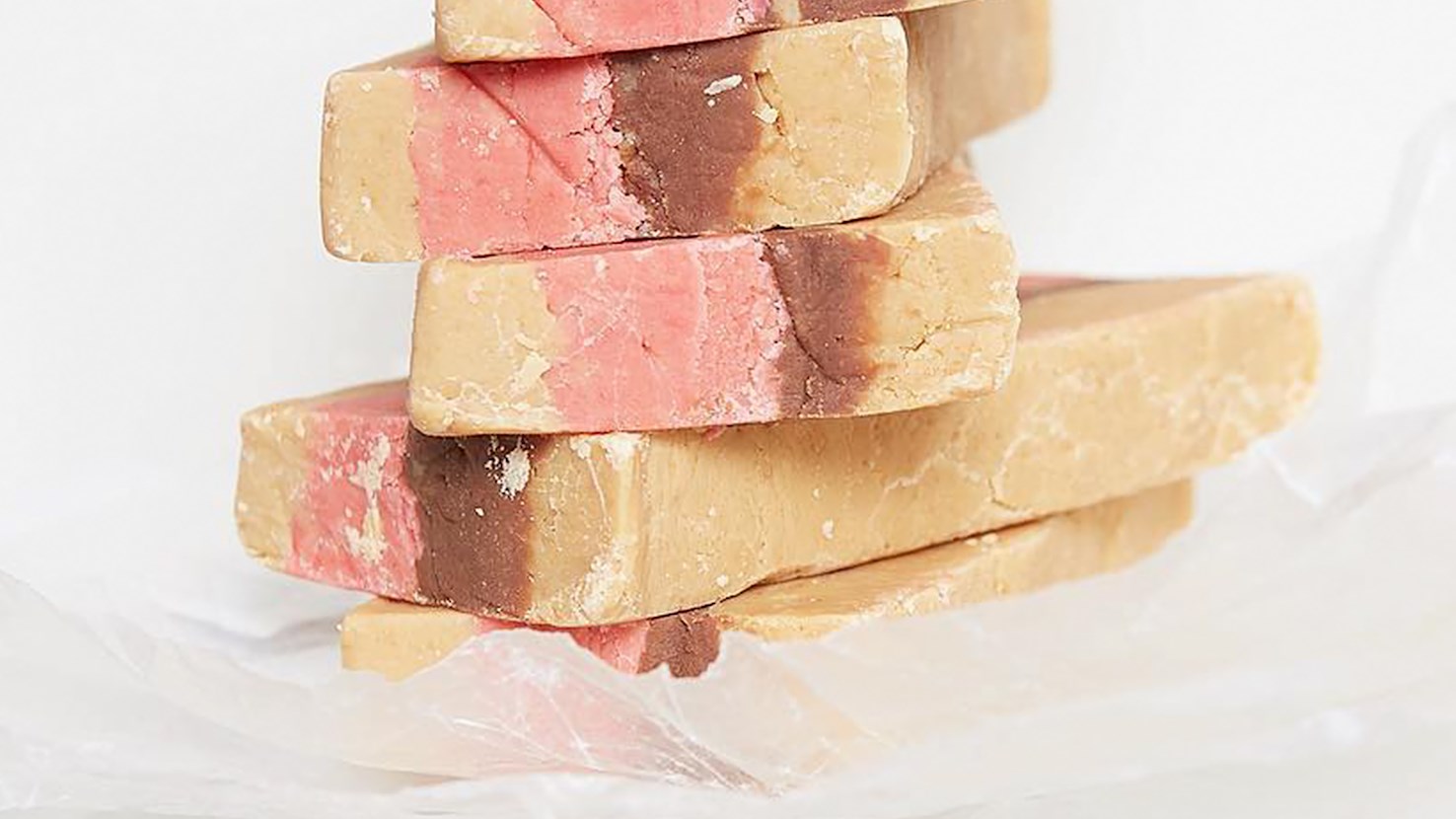
Dous makos is the Haitian version of fudge. This sweet dessert originates from the town of Petit-Goave and dates back to 1939, when it was invented by Fernand Macos, a Belgian entrepreneur. It is made from sugar, milk, flavorings, and colorings. Dous makos usually has three or more distinctive layers which are all colored and flavored differently. Usually, the flavors come from chocolate, cinnamon, almonds, vanilla, rum, peanut butter, or citrus peels. Before the fudge hardens, it is typically placed in rectangular molds, and it is then cut by hand into smaller pieces before consumption.
In Haiti, pwason boukannen refers to fish that has been grilled using a traditional technique called boukan. It is prepared by taking a large piece of wood and splitting it into two, then tying one end and leaving the other end open so the fish can be inserted in between. Before the fish is inserted, it is sliced, seasoned (usually only with salt, pepper, and chili), and then a small stick is inserted through the fish, from its mouth to the tail. It is recommended to use cinnamon sticks as they impart a unique flavor to the fish. The other end of a boukan stick is tied, and each end of the big stick is then placed on two stones, so the fish can be grilled over the embers of a fire that had been lit between the stones. The fish is regularly turned, ensuring that it is cooked and smoked evenly until it develops a brownish hue, and when it happens, all that is left is to serve and consume this unique Haitian specialty.
Diri ak djon djon is a rice dish from Haiti made by cooking white rice in a dark, intensely flavored liquid extracted from dried djon djon mushrooms. The mushroom broth gives the grains a charcoal-gray to almost black color and a distinctive earthy, smoky, deeply savory flavor. The rice is commonly seasoned with epis, thyme, garlic, onion, peppers, cloves, and Scotch bonnet, and often contains lima beans or green peas. Djon djon is the Haitian name for a group of small, dark edible mushrooms rather than a single, securely identified species. The mushrooms most closely associated with the name belong to the Psathyrella group, particularly forms identified as Psathyrella cf. hymenocephala. Dried market mixtures can contain more than one closely related species, so identifying all djon djon as Psathyrella coprophila is incorrect. The mushrooms grow wild in humid areas, often around decaying wood, buried branches, tree stumps, and other organic material. They are especially associated with the mountainous areas surrounding Haiti's Artibonite Valley and with northern Haiti, although they also occur in other parts of the country. People collect them during wet periods and dry them for storage and sale. Diri ak djon djon is especially associated with northern Haitian cooking and has long been regarded as a prestigious rice specialty. It is particularly common at weddings, communions, birthdays, Sunday meals, holidays, and other celebrations. Real dried djon djon can be expensive and difficult to obtain outside Haiti, which has also led to the widespread use of commercial djon djon bouillon cubes as a substitute. To make the characteristic broth, dried djon djon mushrooms are soaked or simmered in water. As they hydrate, they release dark pigments and soluble flavor compounds that turn the water grayish brown to nearly black and give it a strong earthy aroma. The liquid is then strained carefully. The mushrooms themselves are usually discarded because the dried stems and other fibrous pieces remain tough and unpleasant to eat. The valuable part is the concentrated mushroom liquid, which provides both the color and much of the flavor of the finished rice. The rice base usually begins with oil and Haitian epis, made from aromatics such as garlic, scallions, parsley, thyme, bell pepper, and other herbs and peppers. Onion or shallot may be added separately, and whole cloves are another characteristic seasoning. Lima beans, often called butter beans, are one of the most recognizable additions. Green peas can also be used. They cook with the rice and provide a soft, slightly sweet contrast to the dark mushroom broth. The strained djon djon liquid is poured into the seasoned pot and brought to a simmer. Long-grain white rice is added and cooked until the grains absorb the mushroom broth. The finished rice should remain separate and fluffy rather than becoming a soft or sticky mass. A whole Scotch bonnet may be placed in the pot while the rice cooks. Keeping it intact allows its fruity aroma and moderate heat to perfume the rice without releasing the much stronger heat that comes when the pepper is cut or broken. Shrimp is one of the most established variations. It can be seasoned separately and incorporated into the rice or cooked alongside the aromatics before the mushroom broth is added. The briny sweetness of shrimp works particularly well with the deep mushroom flavor. Lobster and other seafood can also be added, particularly in more elaborate versions made for celebrations. These richer seafood versions strengthen the savory character of the djon djon without changing the basic rice-and-mushroom structure. Smoked herring can accompany many Haitian starches, but it is not one of the defining additions to diri ak djon djon. Bulgur and millet are likewise separate grains and should not be presented as standard variations of this rice specialty. Replacing the rice with either produces a different food rather than a conventional form of diri ak djon djon. Diri ak djon djon can be served as part of a meatless meal, but it frequently accompanies chicken, pork, goat, seafood, or other substantial mains. Poul ak nwa, the northern Haitian chicken-and-cashew stew, is a particularly natural partner because both foods are strongly associated with northern Haiti. Griot, fried or braised chicken, fish, shrimp, and richly sauced meats can also be served alongside. The dark mushroom rice functions as a flavorful starch rather than simply a neutral base. Fried or boiled plantains are common additions to a larger Haitian plate. Sweet ripe plantains provide a soft, caramelized contrast, while fried green plantains give a firmer, more savory texture. They are common accompaniments but are not required every time diri ak djon djon is served.
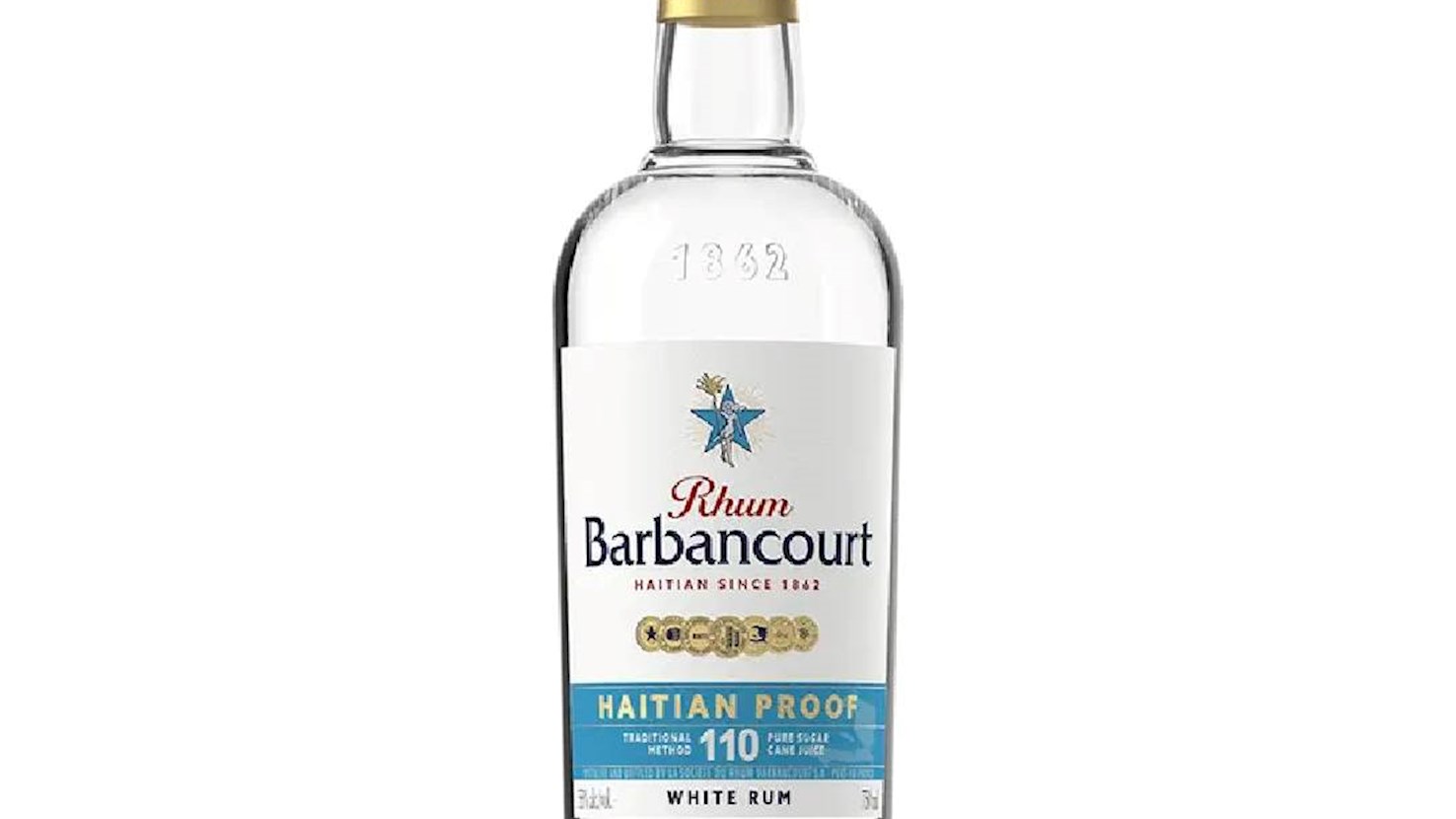
Rhum Barbancourt is a renowned Haitian rum producer, established in 1862 by Dupré Barbancourt, a native of the Cognac region in France. The company is celebrated for its high-quality rums, crafted from pure sugar cane juice and distilled using methods similar to those employed in cognac production.
Over the years, Rhum Barbancourt has become a national institution in Haiti, embodying the country's rich cultural heritage and commitment to excellence.
Awards
SFWSC - San Francisco World Spirits Competition - Double Gold
(2024)
IWSC- International wine & spirit competition - Silver
(2024)
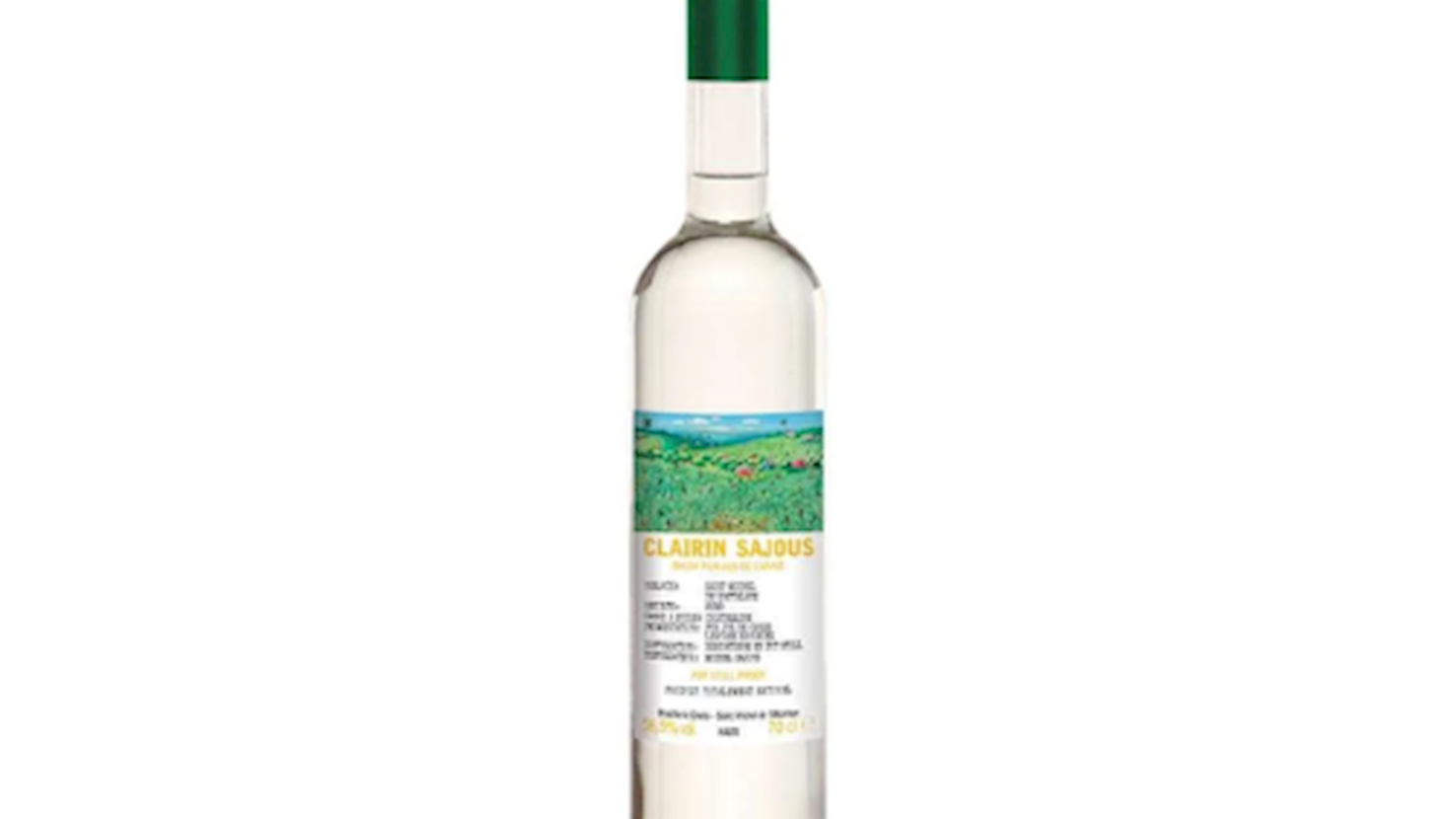
Distillerie Chelo is a family-run artisanal distillery from Saint-Michel-de-l’Attalaye in northern Haiti, recognized for producing Clairin, a traditional, unfiltered rum made exclusively from the local Cristalline sugarcane variety. The cane is hand-cut, spontaneously fermented with wild ambient yeasts, and distilled in classic copper pot stills, without additives, dilution, or industrial intervention.
The result is a powerful, raw spirit - typically 54-56% ABV - with a profile defined by grassy, herbal, and earthy notes, complemented by subtle citrus and restrained fruit undertones. Their flagship expression, Clairin Sajous, reflects the terroir of northern Haiti and the multigenerational expertise of the Sajous family, offering a spirit that stands in stark contrast to commercial, highly processed rums.
Chelo remains committed to minimal manipulation and traditional techniques, positioning its Clairin as one of the purest and most authentic representations of Caribbean rum heritage.
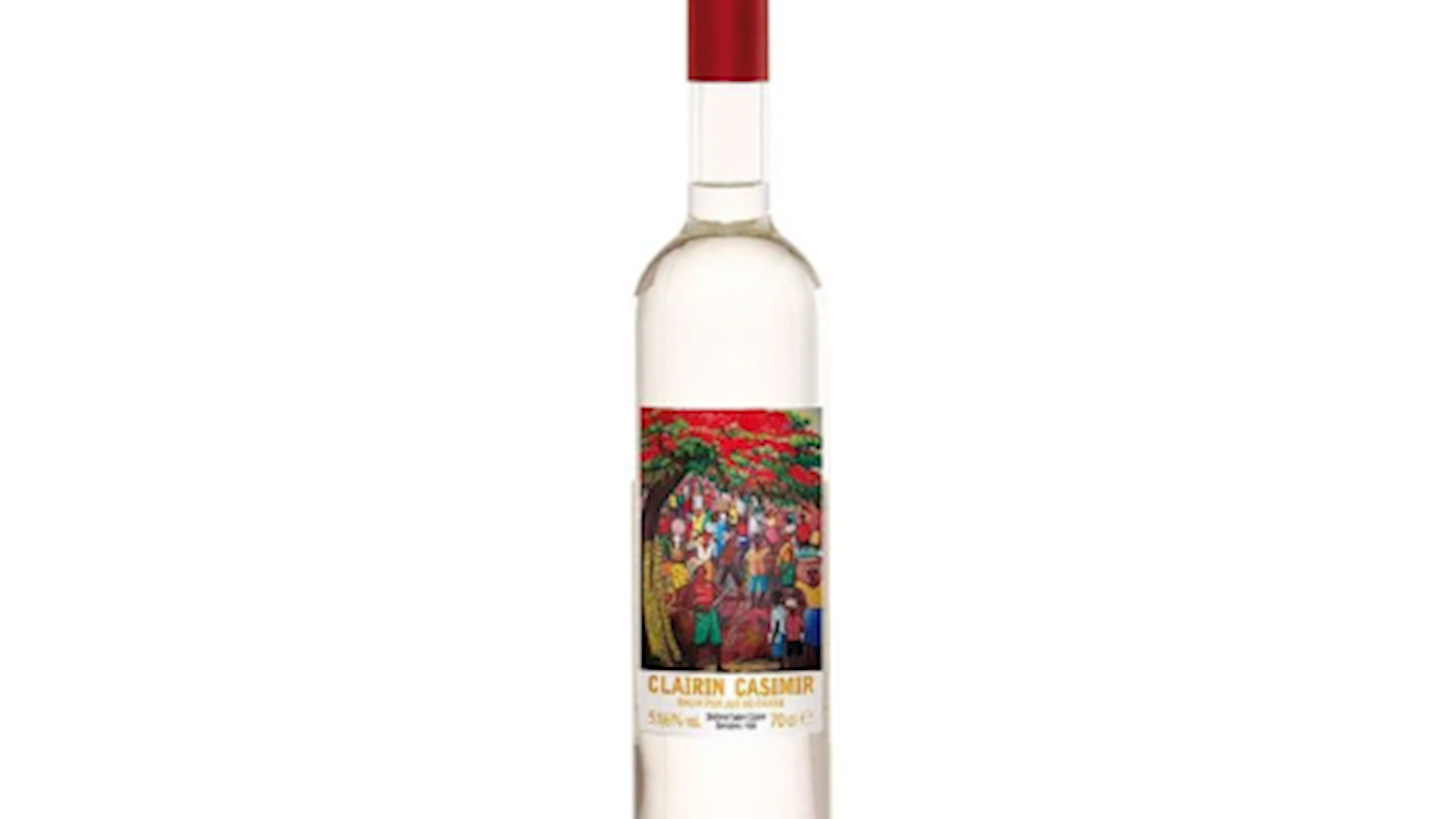
Distillerie Faubert Casimir, located in the village of Barradères in Haiti, is one of the most authentic representatives of traditional clairin production, working exclusively with hand-cut sugarcane of the Hawaii Blanche and Hawaii Rouge varieties, grown without chemicals. Fermentation occurs spontaneously using only wild ambient yeasts, while distillation in small copper pot stills preserves the full terroir-driven character of the spirit.
Clairin Casimir, their flagship product, is bottled in small batches at around 49-54% ABV, retaining its natural vegetal, earthy, and mineral profile. The aroma reveals fresh cane juice, lemongrass, herbal notes, and subtle citrus hints, while the palate carries olive-like, grassy, and spicy elements accented by ginger and a gentle bitterness.
Its texture is oily, powerful, and unrefined, entirely focused on the raw authenticity of Haitian tradition rather than the sweetness found in commercial rums. Distillerie Casimir remains dedicated to ancestral craftsmanship and a production style that fully reflects the local terroir.
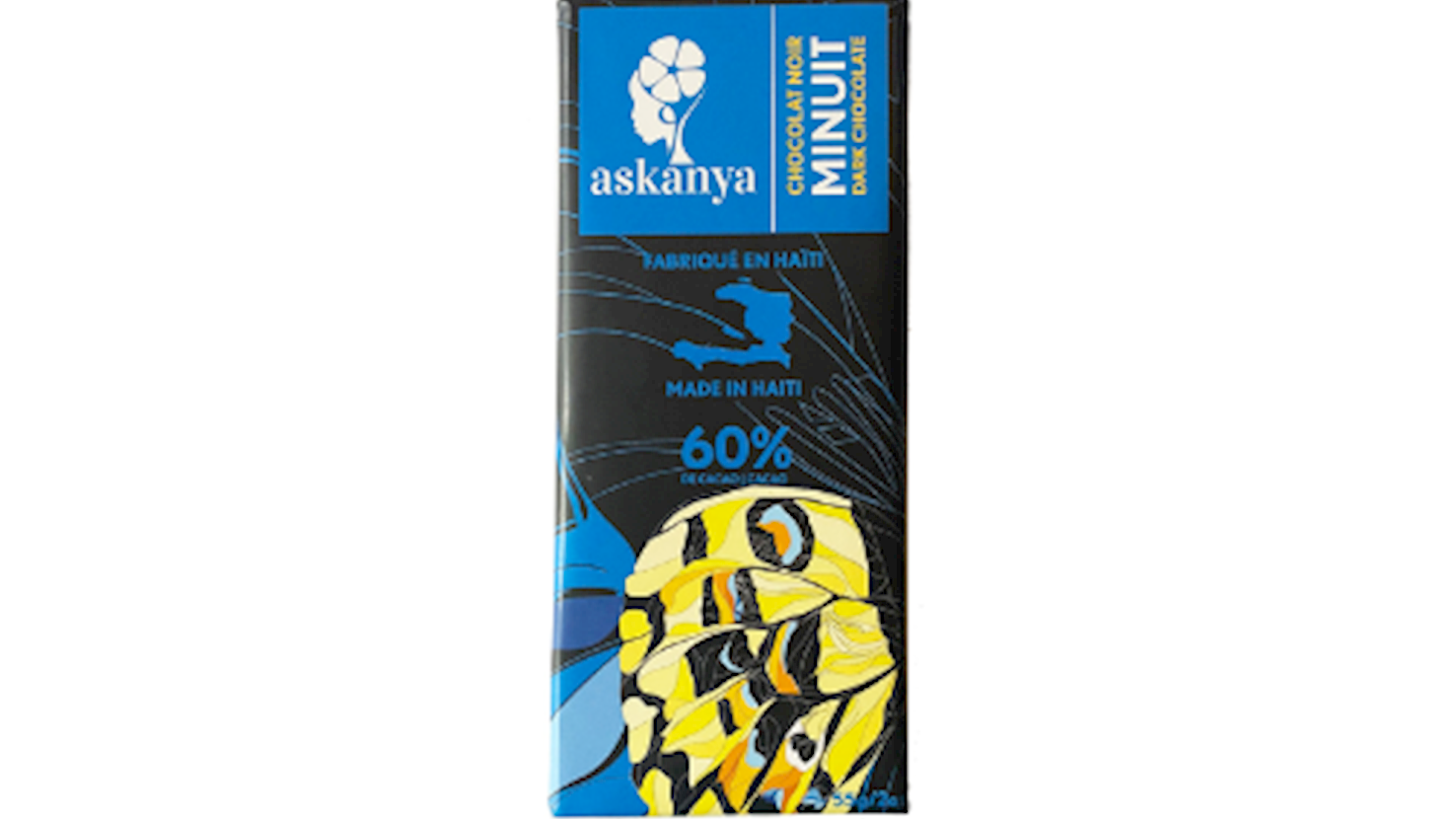
Les Chocolateries Askanya is Haiti’s first premium bean-to-bar chocolate maker, founded in 2015 with the mission of processing high-quality Haitian cacao entirely within the country and creating stable, fair income opportunities for local communities. All raw materials - cacao and the traditional unrefined cane sugar rapadou - come from small Haitian farmers, while the entire production takes place in their workshop in Ouanaminthe, where the beans are hand-selected, roasted, ground, and transformed into chocolate.
Askanya employs primarily women, emphasizing the social impact of the brand and positioning chocolate as a tool for economic empowerment. Their assortment includes milk, dark, and extra-dark bars, including vegan and high-percentage options, all highlighting the clean, expressive flavor profile of Haitian cacao.
Guided by the principle “grown in Haiti, made in Haiti”, Askanya combines quality, traditional methods, and sustainable practices to create products that reflect local identity and deliver true developmental value.
TasteAtlas food rankings are based on the ratings of the TasteAtlas audience, with a series of mechanisms that recognize real users and that ignore bot,
nationalist or local patriotic ratings, and give additional value to the ratings of users that the system recognizes as knowledgeable.
TasteAtlas Rankings should not be seen as the final global conclusion about food. Their purpose is to promote excellent local foods,
instill pride in traditional dishes, and arouse curiosity about dishes you haven’t tried.
The initial list of top producers was compiled based on available reviews, awards, local recommendations, media and blog coverage, and consumer reviews.
The list will be updated with ratings from TasteAtlas local ambassadors and TasteAtlas users.







What People Say