
shutterstock

Top 100 Irish Foods

Last updated on June 24, 2026

Best Irish foods

01
Savory Pie

Beef and Guinness pie

4.2 ·

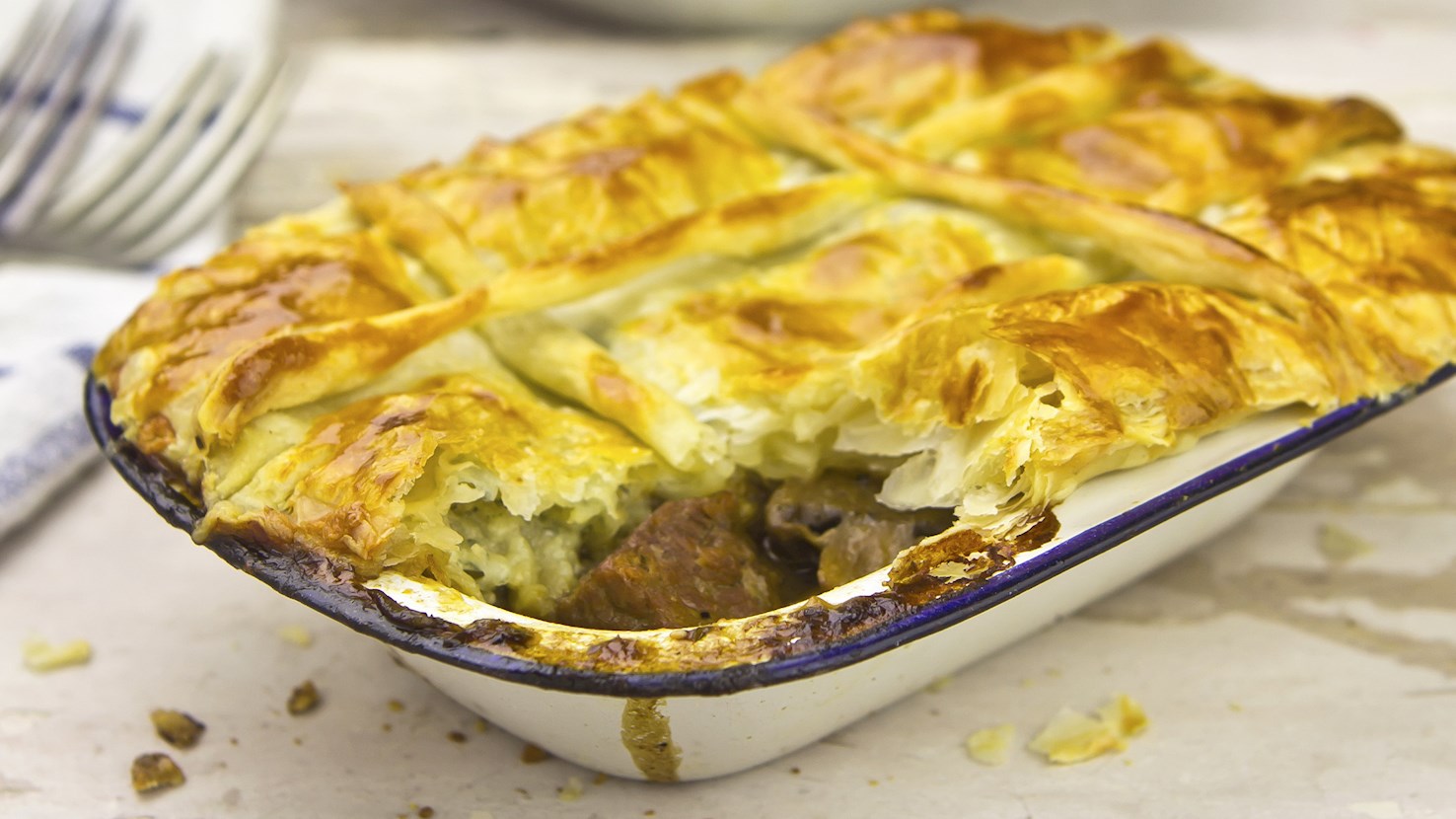
Beef and Guinness pie is a savory dish from Ireland, made by slow-cooking beef with onions, carrots, and herbs in a rich sauce built on the dark, malty character of Guinness stout, then sealing the filling beneath a golden pastry crust. Its roots are found in the longstanding Irish habit of using stout in cooking, where the beer’s depth of flavor complements meats and turns stews into robust, warming meals. Over time, cooks took the hearty beef and Guinness stew and enclosed it in pastry, creating a dish that combined the comforting qualities of a slow-braised filling with the satisfying crispness of baked dough. The preparation begins with browning cubes of beef to develop flavor, followed by softening onions and other vegetables in the same pot. Flour is often added to thicken the sauce before Guinness is poured in along with stock, herbs like thyme or bay leaf, and sometimes a touch of Worcestershire sauce or mustard for complexity. The filling is simmered until the beef becomes tender and the sauce takes on a silky texture. It is then cooled slightly, placed into a baking dish, and topped with shortcrust or puff pastry, brushed with egg wash, and baked until the crust is crisp and golden. Beef and Guinness pie is served across Ireland in pubs, restaurants, and homes, especially during colder months or festive gatherings. It is often accompanied by mashed potatoes, chips, or buttered greens, and sometimes paired with a pint of stout to echo the flavors in the filling. Its reputation has spread beyond Ireland, and it is now found in Irish pubs abroad, where it has become a marker of Irish comfort cooking.

02
Chowder

Irish seafood chowder

4.1 ·

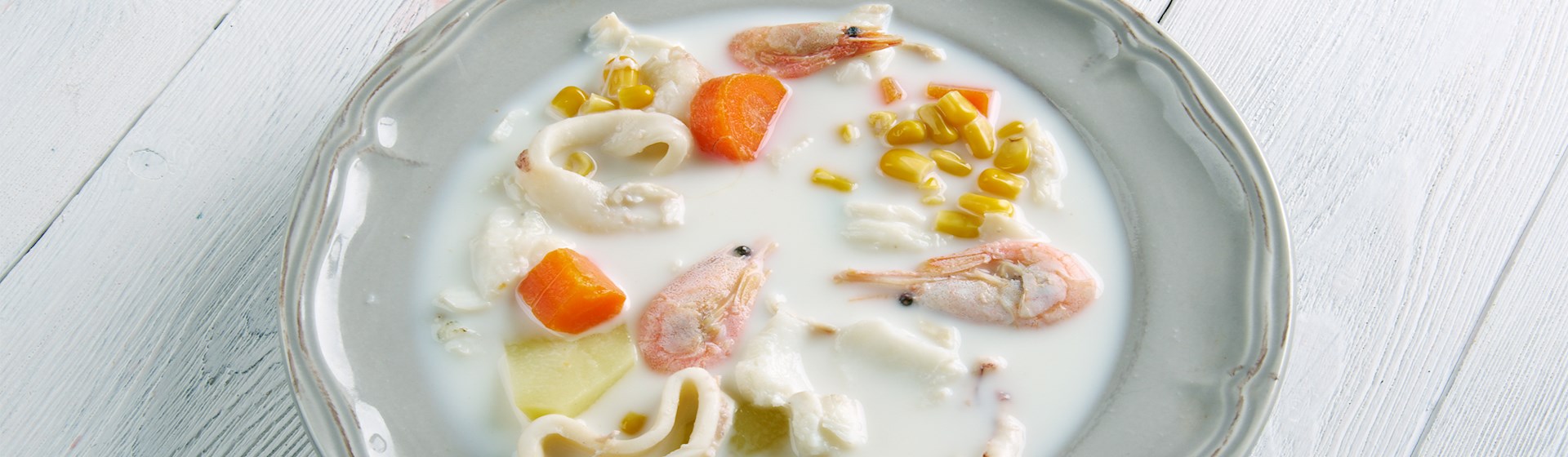
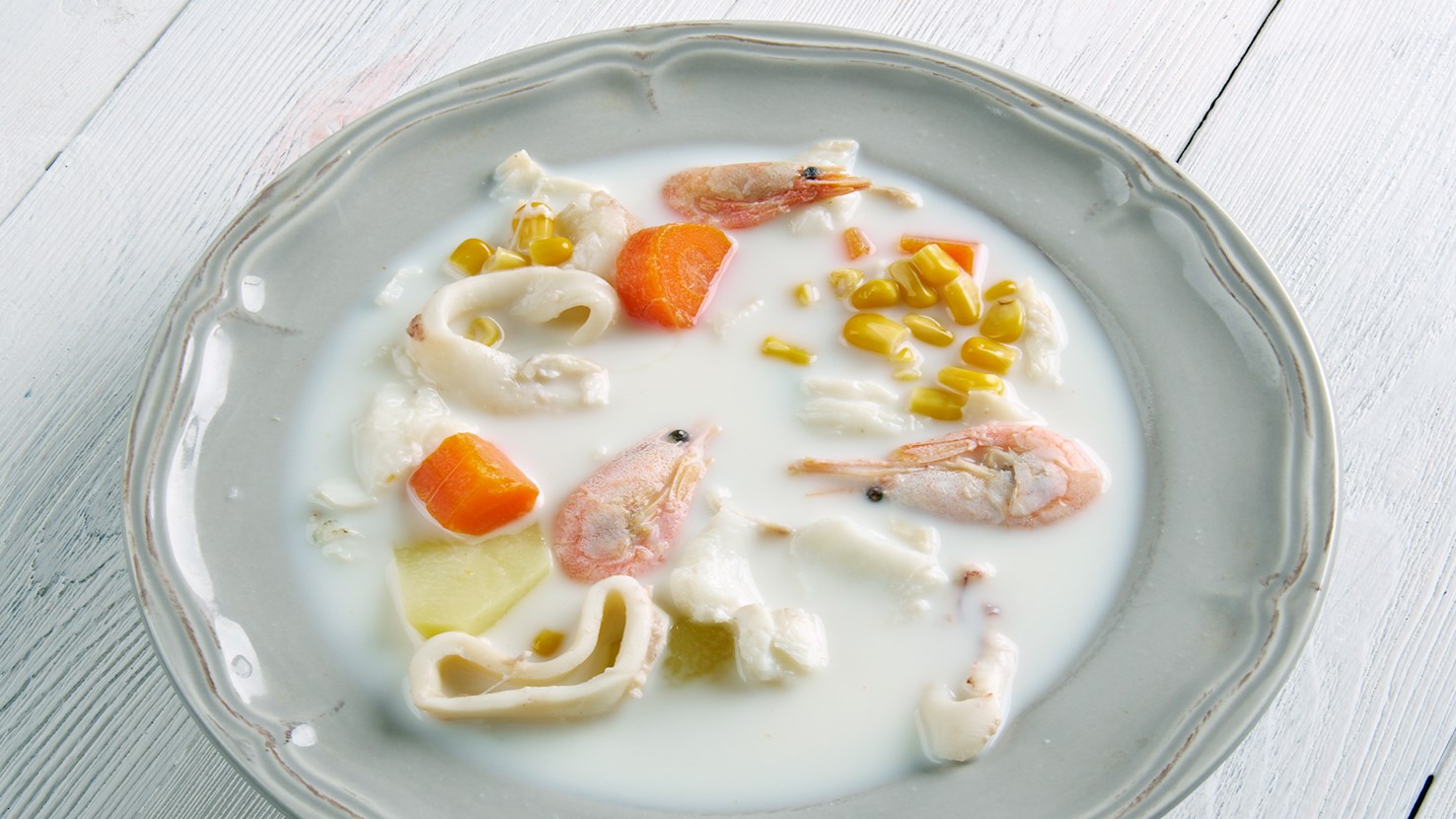
Irish seafood chowder is a hearty soup that comes from the coastal communities of Ireland, where the Atlantic Ocean has long provided an abundance of fish and shellfish. It is a dish shaped by geography, as fishing villages relied on what was freshly caught, from salmon and cod to mussels and prawns, and combined these with staples such as potatoes, onions, and milk or cream to create a warm and filling meal. Its roots go back to the practical cooking of fishermen and households who needed to make use of the daily catch in a way that could feed families with simple yet nourishing ingredients. Over time it became a signature part of Irish food culture, carried from small harbors to restaurants and pubs across the country. Preparation begins with a base of butter, onions, and leeks gently softened before being joined by diced potatoes, fish stock, and milk or cream. The seafood, often a mix of white fish and shellfish, is added near the end so it cooks quickly and retains its delicate flavor and texture. Herbs such as parsley or thyme may be included for freshness, and the chowder is sometimes finished with a splash of cream to give it a smooth body. It is served hot, usually in deep bowls, accompanied by brown soda bread that can soak up the broth. One distinctive aspect of Irish seafood chowder is its flexibility. Unlike fixed recipes, it often reflects what the local boats bring in, which means it may vary slightly from one town to another. In some coastal areas, smoked fish is added, lending a stronger and more complex flavor, while in others mussels or clams feature prominently. This adaptability has allowed the dish to remain both consistent in spirit and diverse in expression, making it as common at a rural inn as in a modern restaurant. Today, it is eaten throughout Ireland, especially in seaside towns where it is offered as a highlight of the menu. It is enjoyed as a starter or a full meal, often paired with brown bread and butter, and it matches well with a pint of stout or a glass of crisp white wine.

03
Stew

Beef and Guinness stew

4.1 ·

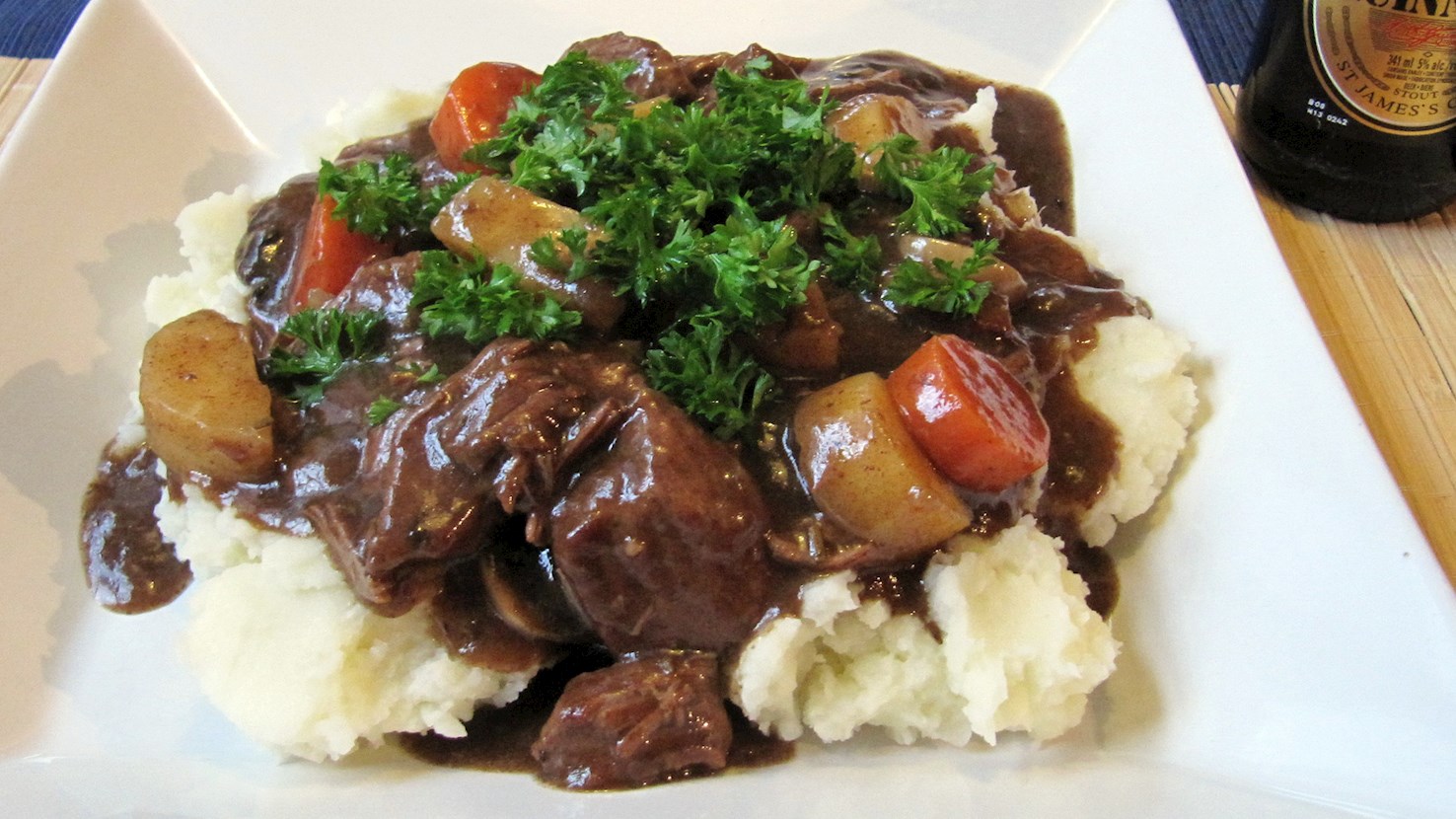
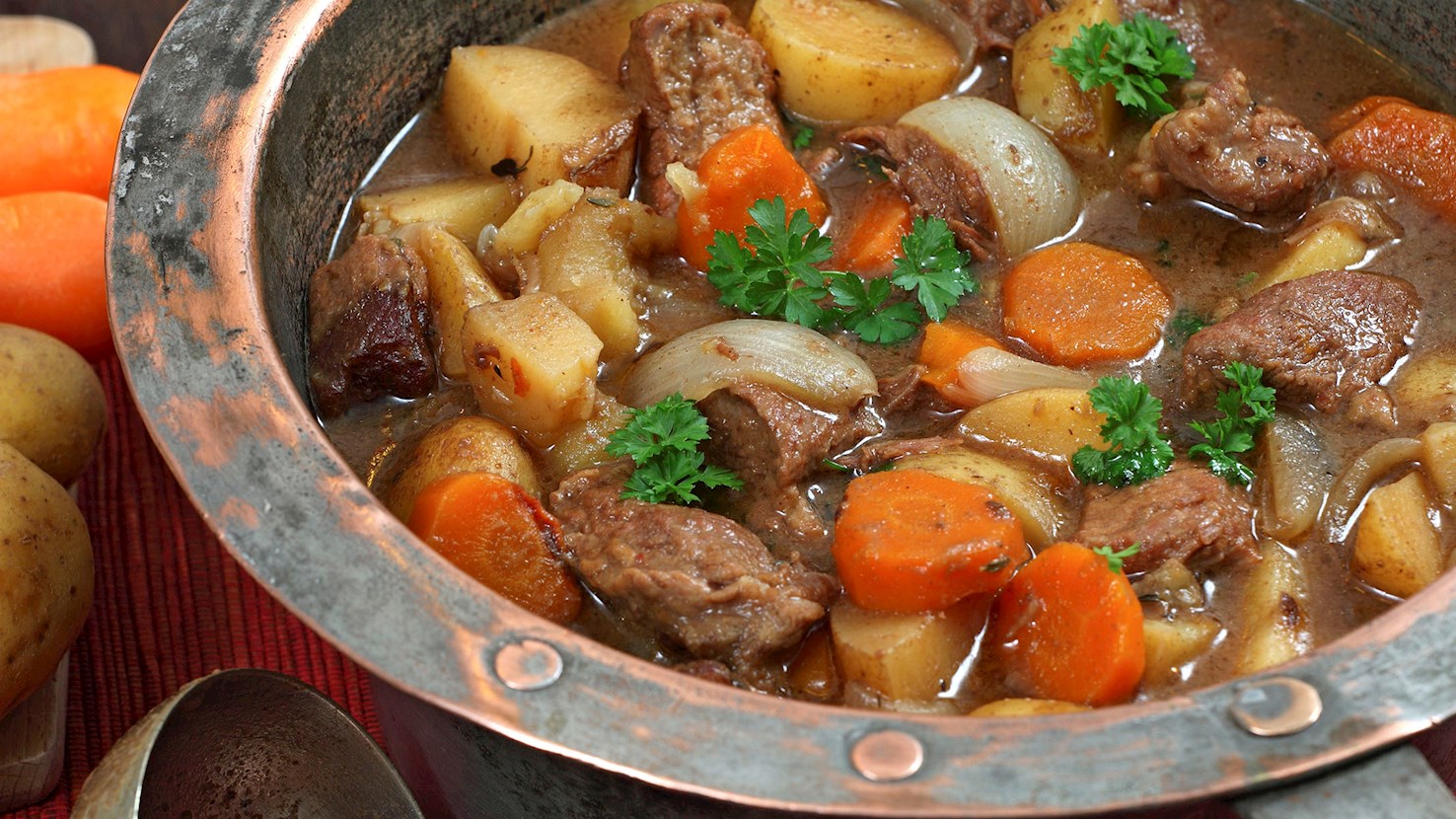
Beef and Guinness stew is a slow-cooked meat dish from Ireland that brings together the depth of stout beer with the richness of braised beef. Its roots are connected to rural cooking, where hearty stews were a practical way to transform modest cuts of beef and simple root vegetables into a warming and filling meal. The introduction of Guinness stout into the preparation reflects Ireland’s brewing heritage, adding both flavor and character to an otherwise straightforward preparation of beef, onions, carrots, and potatoes. The method of making this stew is centered on patience. Beef is first browned to build flavor, then simmered gently in a mixture of stock and Guinness until tender. Vegetables are added, sometimes in stages to maintain texture, and the stew thickens naturally as the starch from the potatoes mingles with the broth. The stout itself mellows during cooking, leaving behind notes of roasted malt and a slight bitterness that balances the sweetness of onions and carrots. In some variations, herbs like thyme or bay leaf are included, and cooks may thicken the sauce further with flour or add a small splash of Worcestershire sauce for extra depth. Today, beef and Guinness stew is eaten widely in Ireland and has become a hallmark of Irish pubs around the world, particularly during gatherings such as St. Patrick’s Day. It is most often served with bread like soda bread to soak up the sauce, or with mashed potatoes for an even heartier meal. Pairings are naturally straightforward: a pint of Guinness itself is the most iconic accompaniment, though other robust ales or even red wines also complement its rich, slow-cooked flavors.

04
Cheese

Dubliner

4 ·

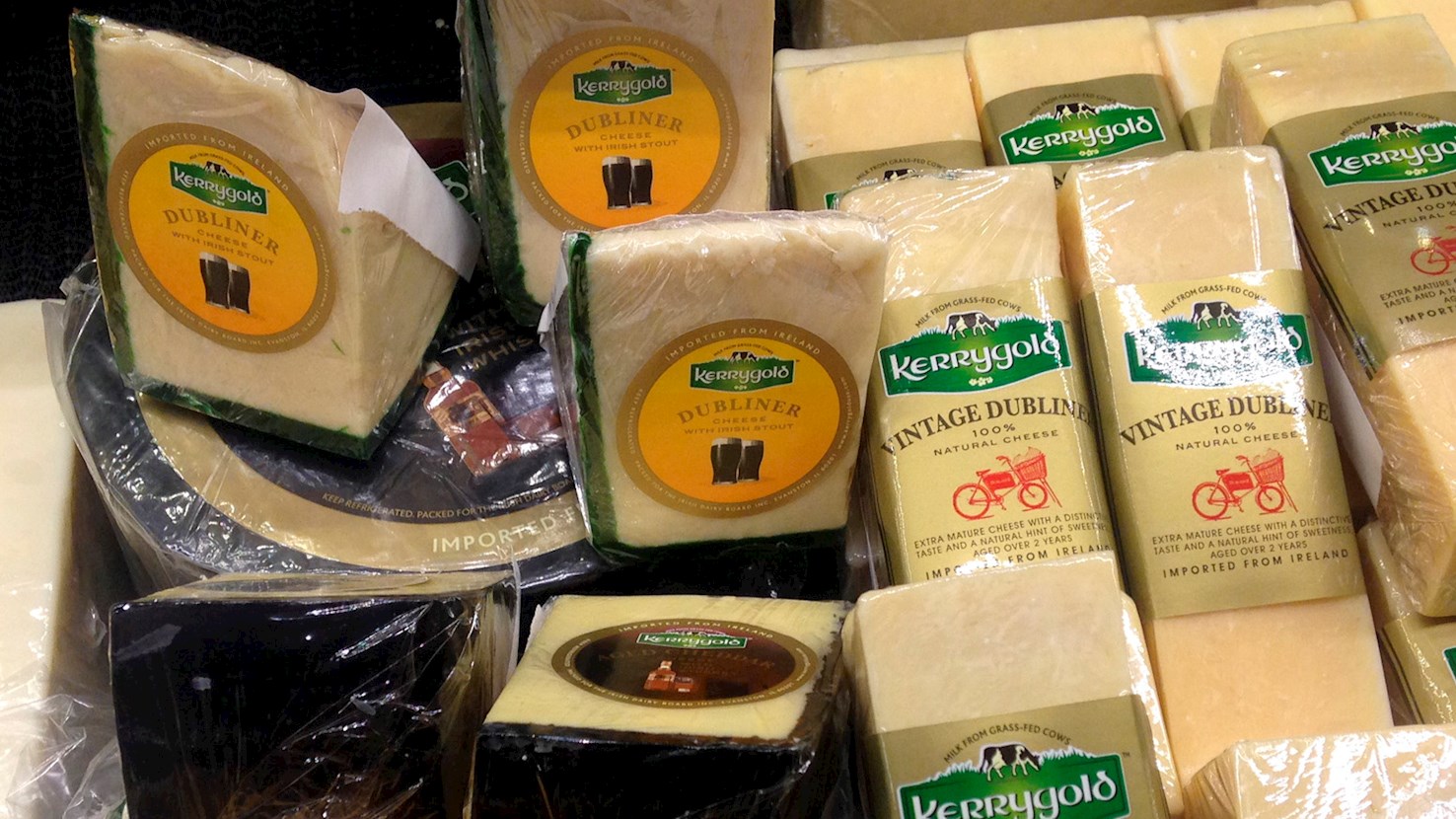
Dubliner is an Irish cheese that comes from County Cork, produced by Carbery, a cooperative of small farmers and dairies. The cheese was originally invented by John Lucey, who still keeps the secret recipe. It was first developed in the 1990s and quickly gained recognition for its distinct character, which sets it apart from both Irish cheddar and continental cheeses. Its name was chosen to highlight its Irish identity while making it appealing to international markets, and though it is not made in Dublin, the brand connection helped introduce it abroad, particularly in the United States where it became a widely exported Irish cheese. The production involves cow’s milk and careful aging, often for more than a year, which gives it a crumbly yet firm texture. The flavor profile is layered, combining nutty sharpness with a subtle sweetness that comes from the aging process. Unlike many cheeses that fit neatly into one style, Dubliner balances qualities found in cheddar, Parmigiano-Reggiano, and Swiss-style cheeses without being identical to any of them. This has made it versatile both in everyday cooking and in more refined dishes. It is commonly served as part of cheese boards, grated over pasta, or melted into sandwiches. In Ireland and abroad, it also finds its way into soups, pies, and gratins where its depth of flavor adds richness. One notable characteristic is its compatibility with drinks, as it pairs well with stout, Irish whiskey, and red wines, which complement its sharp yet slightly sweet notes.

05
Chicken Dish

Spice bag

3.9 ·

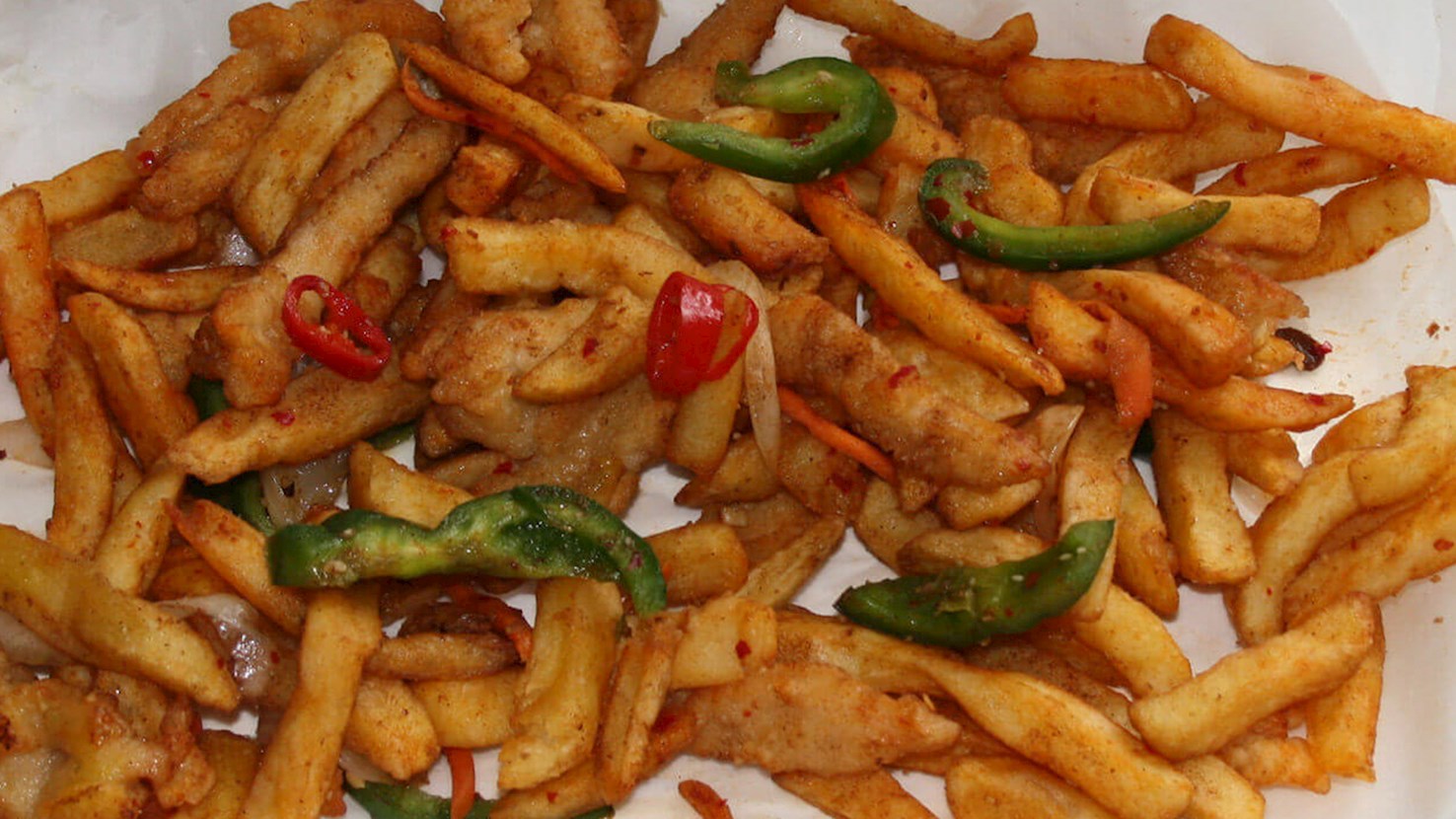
The spice bag is an Irish fast-food dish made with fried chicken, chips, vegetables, and a bold spice blend, usually served together in a paper bag. It originated in Dublin in the mid-2010s, introduced by Chinese takeaways that adapted their offerings to local tastes, quickly becoming a late-night favorite. Preparation involves deep-fried chicken, often shredded or cut into strips, mixed with thick-cut chips, stir-fried onions and peppers, and a dry mix of spices that usually includes chili, salt, garlic, and sometimes curry powder. What makes it stand out is the way the components are tossed together before being served in a bag, which not only gives the dish its name but also intensifies the flavors as the ingredients mingle. Over time, variations have appeared, with some versions including crispy prawns, extra vegetables, or different spice blends, showing its flexibility as a canvas for experimentation. Today, the spice bag is eaten across Ireland, found in Chinese takeaways, fast-food shops, and even gastropubs, most often enjoyed as a late-night meal, a weekend indulgence, or a casual comfort food. It pairs well with cold beer or a fizzy soft drink, underscoring its role as a social and satisfying dish that has secured a place in Ireland’s modern food culture.

06
Breakfast

Irish breakfast

3.9 ·

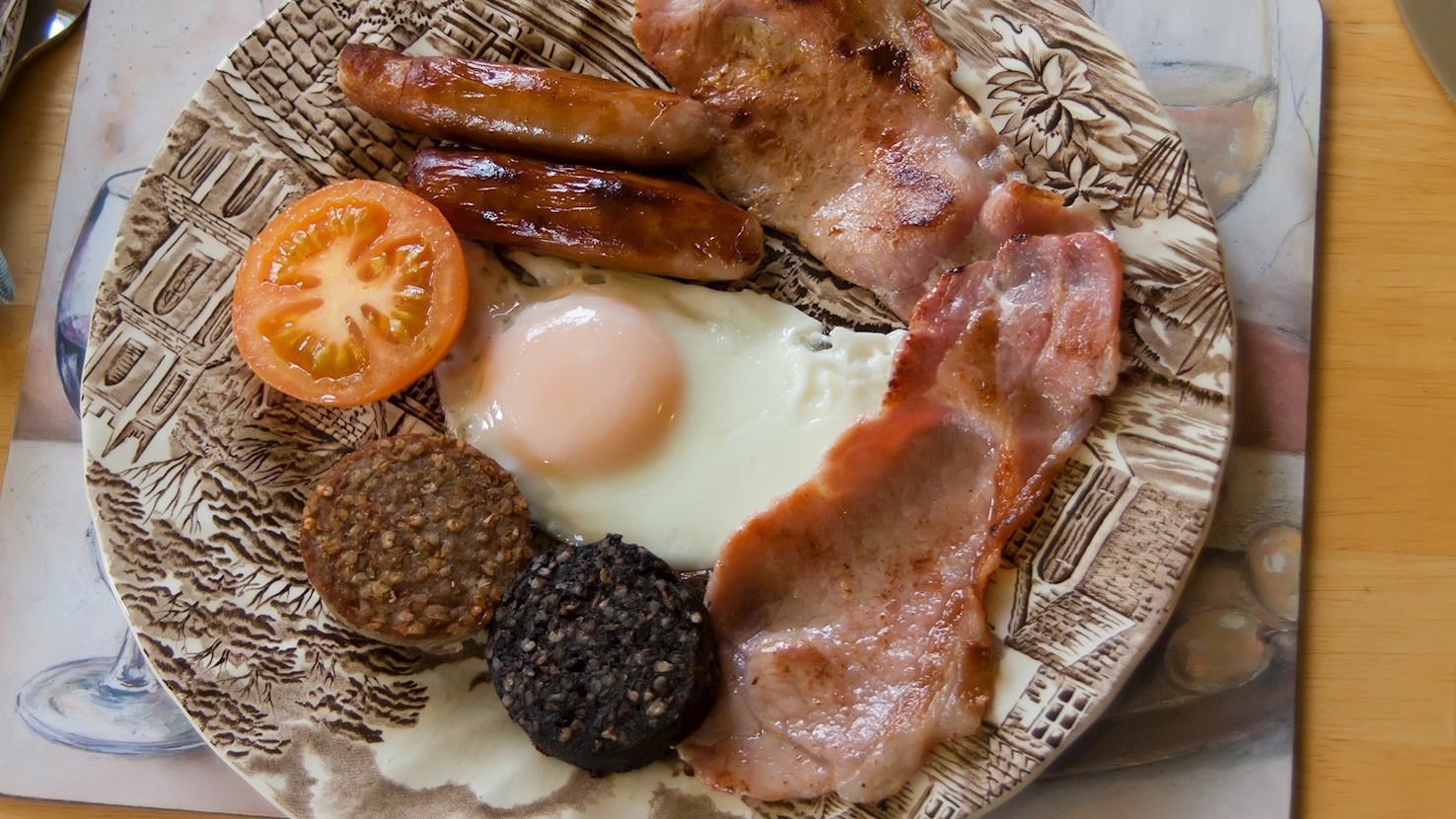
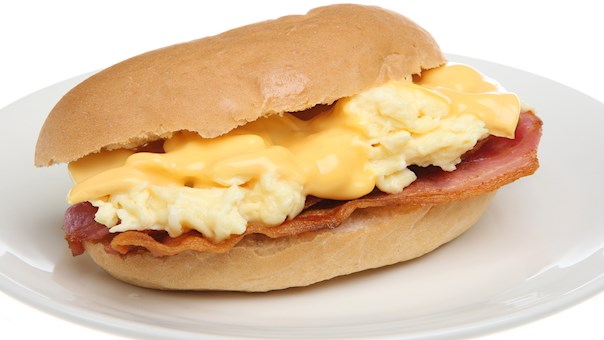
Irish breakfast is a traditional meal consisting of fried eggs, vegetables, potatoes, and meats such as bacon, sausages, and both black and white puddings. The large meal is almost always served with Irish soda or brown bread, a cup of tea, and a glass of orange juice on the side. All of the ingredients are most commonly fried in creamy butter. Originally, the breakfast was invented as a way to prepare the people for a day of hard work on the farm, and the meal was especially popular on cold winter mornings. Today, its huge size is making it somewhat impossible to consume on most working day mornings, so it is usually prepared on Sunday morning (or Christmas morning, when it's especially popular). Although it is called a breakfast, it can be consumed at any time of day. Key ingredients are not set in stone, so every household can add other ingredients according to their preference, such as mushrooms, baked beans, boxty, or hash browns.

07
Mussel Dish

Mussels in cream

3.9 ·

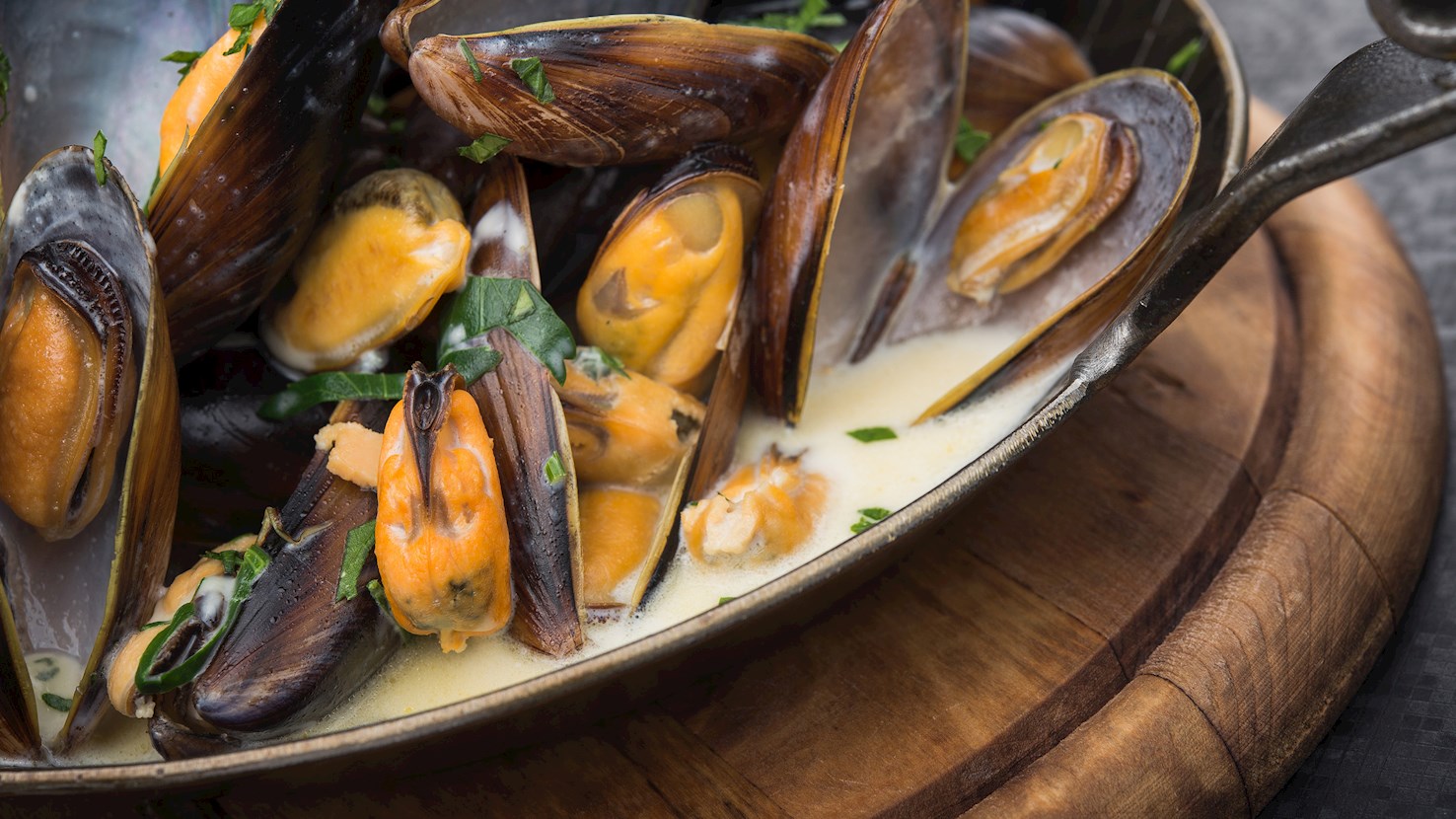
Irish mussels in cream are a dish rooted in the island’s coastal food culture, where seafood and dairy have long been at the heart of daily cooking. Along the shores of Galway Bay, Killary Harbour, and other inlets of the Atlantic coast, mussels have been harvested for centuries, first gathered wild from rocks and later farmed on ropes in sheltered waters. The addition of cream reflects Ireland’s rich dairy heritage, where cows raised on grassland produce milk of notable quality, giving dishes a distinct depth and richness. The dish is prepared by cleaning fresh mussels and steaming them until they open, often with butter, shallots, and a splash of Irish cider or white wine to form the base of the broth. Cream is then added, creating a sauce that is both smooth and full-bodied, carrying the briny sweetness of the shellfish. Parsley or thyme may be sprinkled in before serving, adding a note of freshness that balances the richness. It is a meal designed to be eaten hot and immediately, usually accompanied by Irish brown bread or soda bread, perfect for soaking up the sauce. Irish mussels in cream are often enjoyed in pubs, seafood restaurants, and homes along the coast, served as either a starter or a main course. They are frequently paired with a pint of stout, whose roasted notes balance the cream, or with Irish cider, which adds a crisp and fruity contrast.

08
Soda Bread

Irish brown bread

3.9 ·

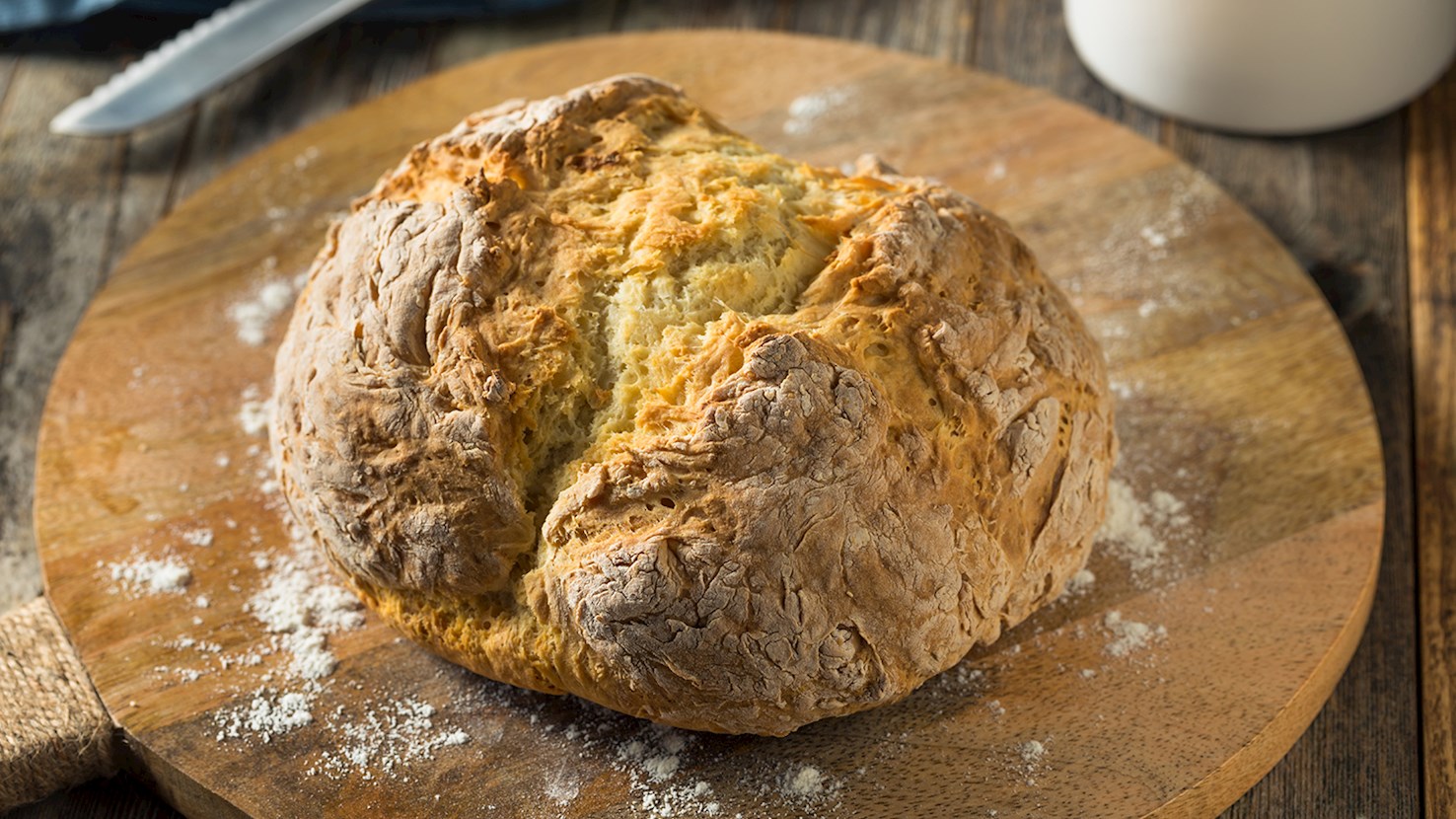
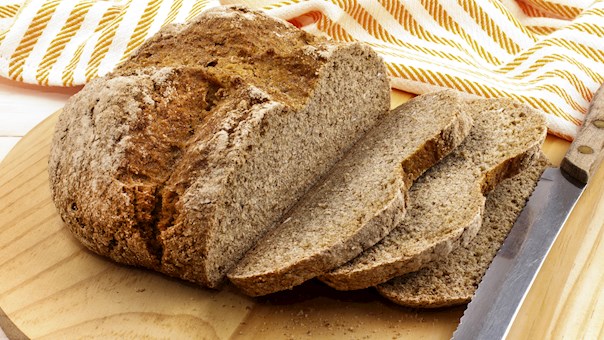
Irish brown bread is a staple loaf from Ireland, made with coarse wholemeal flour, baking soda, and buttermilk, giving it a dense texture and a distinctively nutty flavor. It grew out of the need for a hearty and inexpensive bread that could be baked quickly in rural households where yeast was not always accessible. Over time, it became closely associated with daily Irish meals, appearing at breakfast tables, in lunch baskets, and alongside stews and soups. The preparation is straightforward, relying on the natural reaction between baking soda and the acidity of buttermilk to give rise to the bread. Wholemeal flour provides most of the body, often mixed with some white flour to lighten the loaf, and salt balances the flavor. The dough is shaped into a round, scored with a cross on top, and baked until it forms a firm crust with a tender interior. Some families add small touches like a spoonful of molasses or treacle for sweetness, while others keep it plain and robust. What sets Irish brown bread apart from similar soda breads is the use of coarse wholemeal flour, which gives it a hearty bite and makes it more filling. Because of this, it has long been regarded as an everyday bread rather than a special-occasion one, and its rustic character reflects the practical nature of Irish home cooking. Today, it is eaten across Ireland in both homes and restaurants, often sliced thick and served with butter, smoked salmon, or cheeses, and it is just as common on the side of a bowl of seafood chowder or a plate of Irish stew. In cafés, it appears with soups and salads, while in hotels it is part of breakfast spreads alongside jams and marmalades.

09
Stew

Irish stew

3.9 ·

Irish stew is a traditional folk stew that first appeared at the beginning of the 19th century and was developed out of necessity to make a meal out of available, leftover ingredients. Originally, the stew was made only with mutton, onions, potatoes, and sometimes barley, while lamb meat and other root vegetables like carrots, turnips, and parsnips were added later. It is said that goat meat was also used in the past, but besides the previously mentioned mutton and lamb, beef is a common addition in today's recipes. Given that the meat used in the dish is chewy and hard, usually bone-in, the stew is cooked slowly for a couple of hours so that the meat turns tender and releases the fat into the stew, thus enhancing the flavor of the entire dish. A stew made with Guinness stout has gained widespread popularity throughout Ireland as it intensifies the flavors and gives the broth a rich, brown color. Traditionally, the stew is consumed on St. Patrick's Day and for Samhain, an old Gaelic festival, but it can also be found on the menus of most Irish restaurants throughout the year.

10
Vegetable Dish

Colcannon

3.9 ·

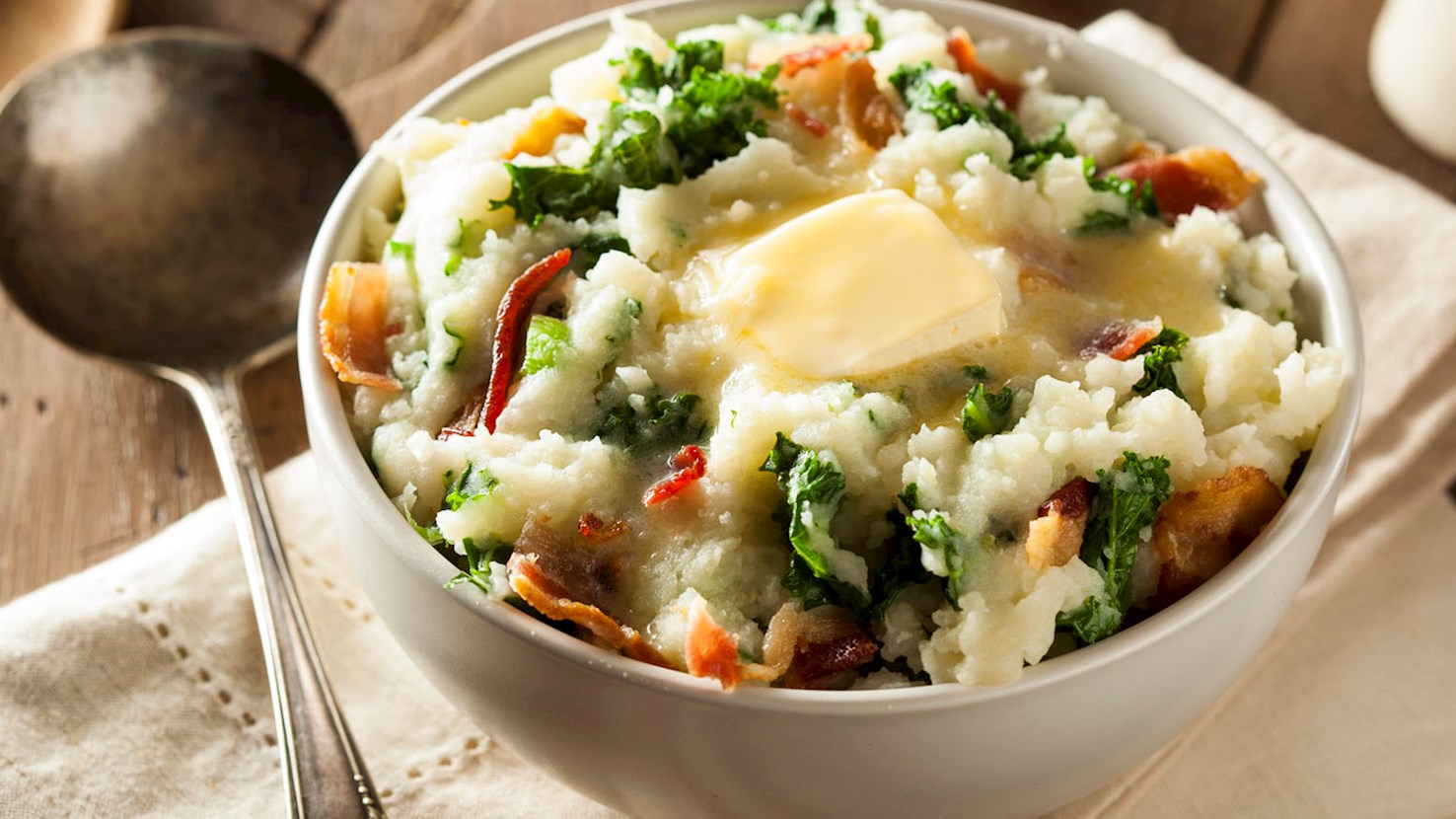
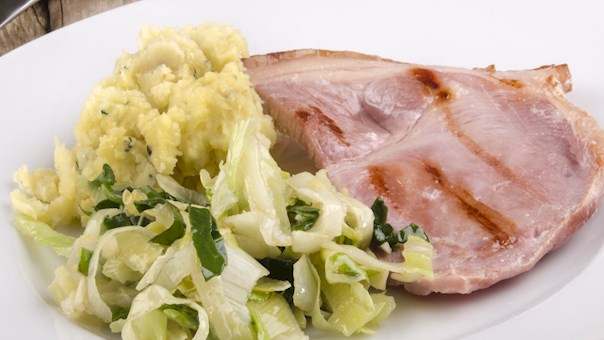
Colcannon is made from mashed potatoes combined with cabbage or kale, often enriched with butter, milk, and sometimes scallions. It comes from the rural cooking of Ireland, where potatoes formed the backbone of the diet for centuries and green vegetables were among the most reliable companions to the staple crop. The name itself is believed to derive from the Gaelic “cal ceannann,” meaning white-headed cabbage, which points directly to the importance of leafy greens in the dish. Potatoes became a central food in Ireland after their introduction from the Americas in the 16th century, and by the 18th century they were a staple of nearly every household. Colcannon arose naturally from the combination of potatoes with locally available greens, making it filling, nourishing, and inexpensive. It was more than everyday sustenance, though, as it also gained a place in Irish festivals. On Halloween, for example, colcannon was sometimes served with small charms or coins hidden inside, believed to foretell the fortunes of those who found them. This festive role gave the dish cultural significance beyond the table. Preparation begins with boiling potatoes until soft, mashing them with warm milk and butter to create a smooth base. Finely shredded cabbage or kale is cooked until tender, often sautéed lightly in butter to develop flavor, then folded into the mashed potatoes along with chopped scallions or leeks. The result is a balance of creamy texture with the slight bite of greens and a subtle onion sharpness. It is typically seasoned simply with salt and pepper, letting the ingredients speak for themselves. Today, colcannon is still eaten across Ireland, often as a side dish to roasted meats or stews. It pairs naturally with sausages, lamb, or corned beef, and its buttery, hearty consistency makes it especially popular in colder months. In Irish pubs and homes, it is equally at home as comfort food or as part of festive holiday meals. The dish has also traveled abroad with the Irish diaspora, appearing in Irish-American cooking and being celebrated on St. Patrick’s Day tables around the world.

Best Irish food products

01
Spirit

Redbreast

5 ·
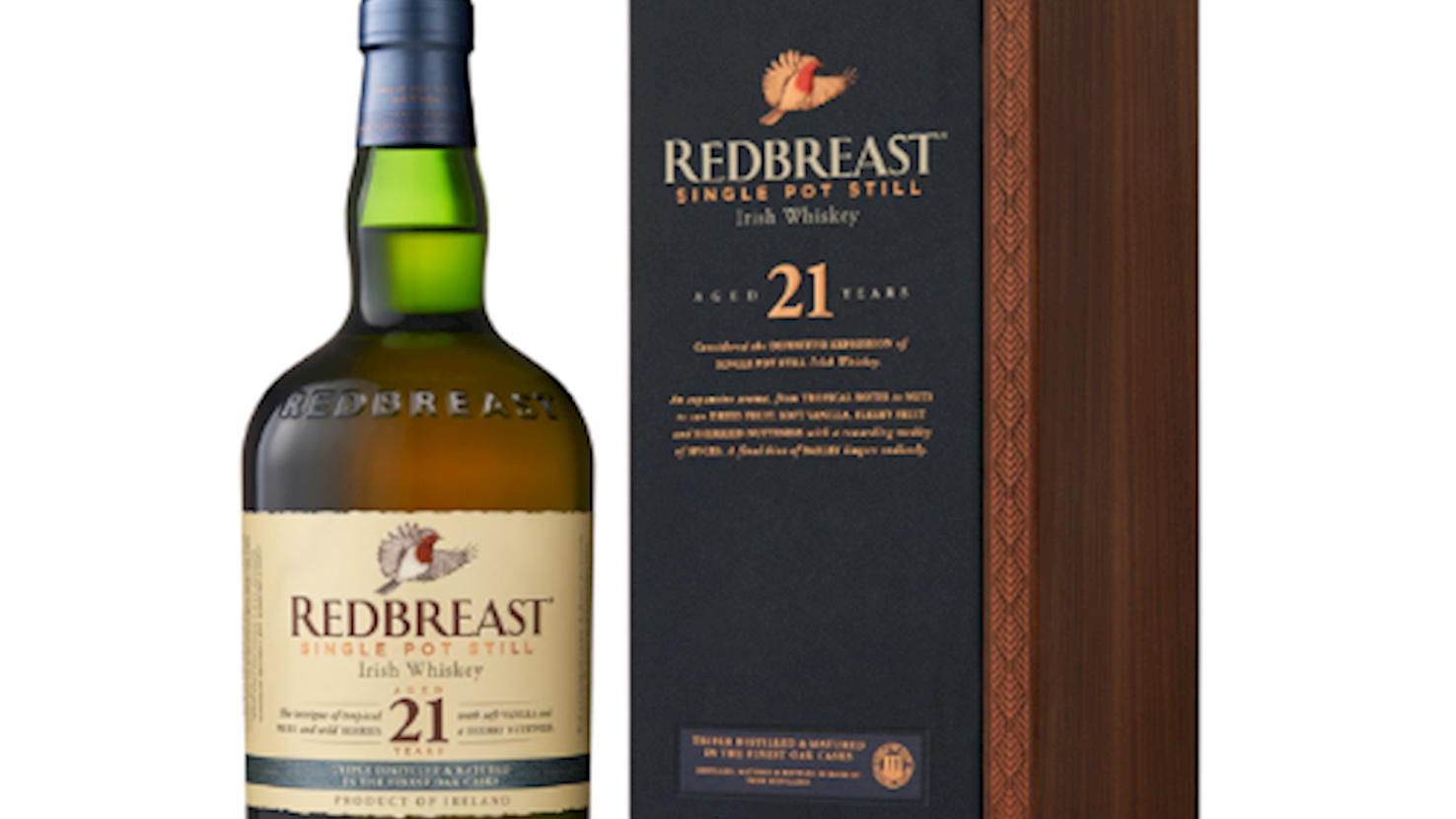
Redbreast is a brand of single pot still Irish Whiskey produced by the Irish Distillers subsidiary of Pernod Ricard. It was originally bottled by Gilbey's, a Dublin spirits merchant using distillate sourced from Jameson's Bow Street Distillery.[1] In the 1980s, the brand was purchased by Irish Distillers, the producer of Jameson. It is the largest selling single pot still Irish whiskey in the world.
Awards
SFWSC - San Francisco World Spirits Competition - Double Gold (2024, 2023)
ISC-International Spirits Challenge - Double Gold (2024)
02
Spirit

Spot Whiskeys

5 ·
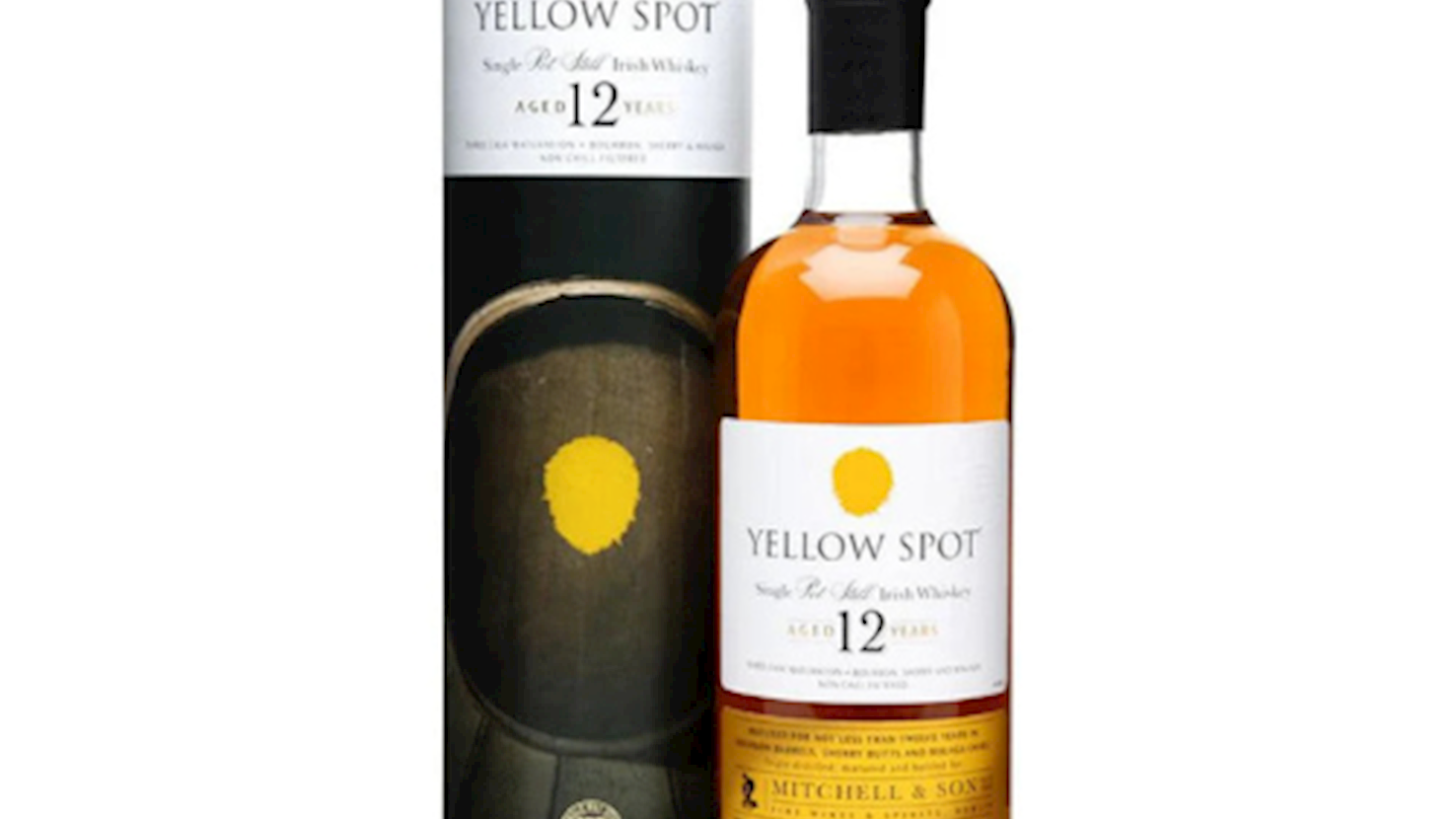
Spot Whiskey, produced by Mitchell & Son, has a rich history rooted in Dublin, Ireland, dating back to the 1800s. The brand is famous for its unique "spot" system, where barrels were marked with colored spots to indicate aging time. Today, Spot Whiskeys, including iconic expressions like Green Spot and Yellow Spot, continue to offer exceptional single pot still Irish whiskey. The brand also explores collaborations, such as the Green Spot Quails' Gate, merging Irish heritage with global influences. Spot Whiskeys are celebrated for both their craftsmanship and versatility in cocktails.
Awards
SFWSC - San Francisco World Spirits Competition - Double Gold (2024, 2023)
IWSC- International wine & spirit competition - Spirit Gold (2024, 2023, 2022, 2019)
03
Spirit

Jameson

5 ·
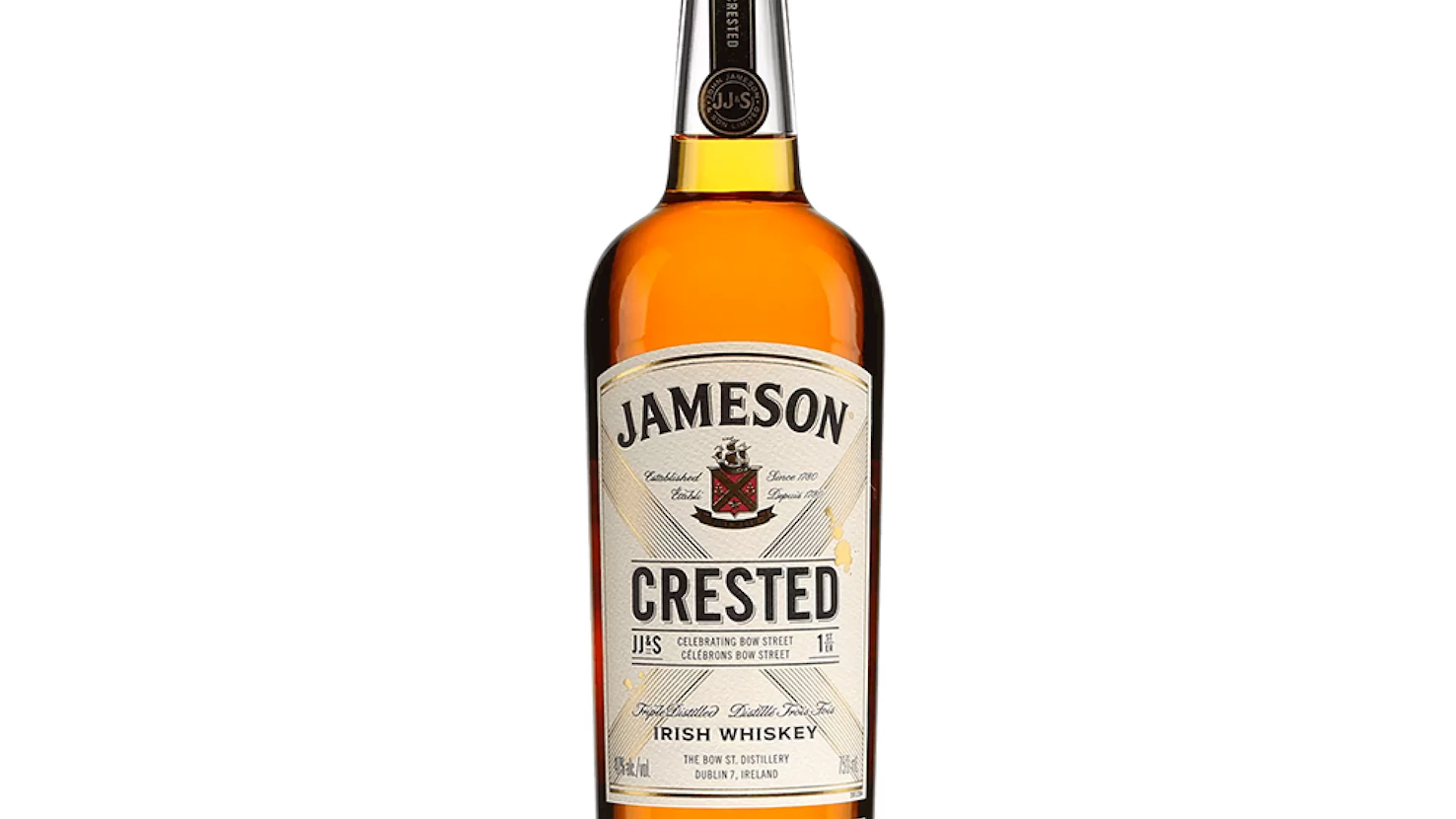
Jameson Irish Whiskey is a renowned blended Irish whiskey produced by Irish Distillers, a subsidiary of Pernod Ricard. Established in 1780 by John Jameson, the distillery was originally located on Bow Street in Dublin. In 1975, production moved to the New Midleton Distillery in County Cork, where it continues today. Jameson is crafted by blending rich pot still whiskey made from both malted and unmalted barley with the finest grain whiskey, all triple-distilled for smoothness. The barley is sourced locally in Ireland, and water is drawn from the Dungourney River, which flows through the distillery grounds.
Awards
SFWSC - San Francisco World Spirits Competition - Double Gold (2024, 2023)
NYWSC - New York World Spirits Competition - Double Gold (2024)
04
Spirit

Tullamore Distillery

5 ·
Awards
ISC-International Spirits Challenge - Double Gold (2024)
IWSC- International wine & spirit competition - Spirit Gold (2024, 2021)
05
Spirit

Powers Irish Whiskey

5 ·
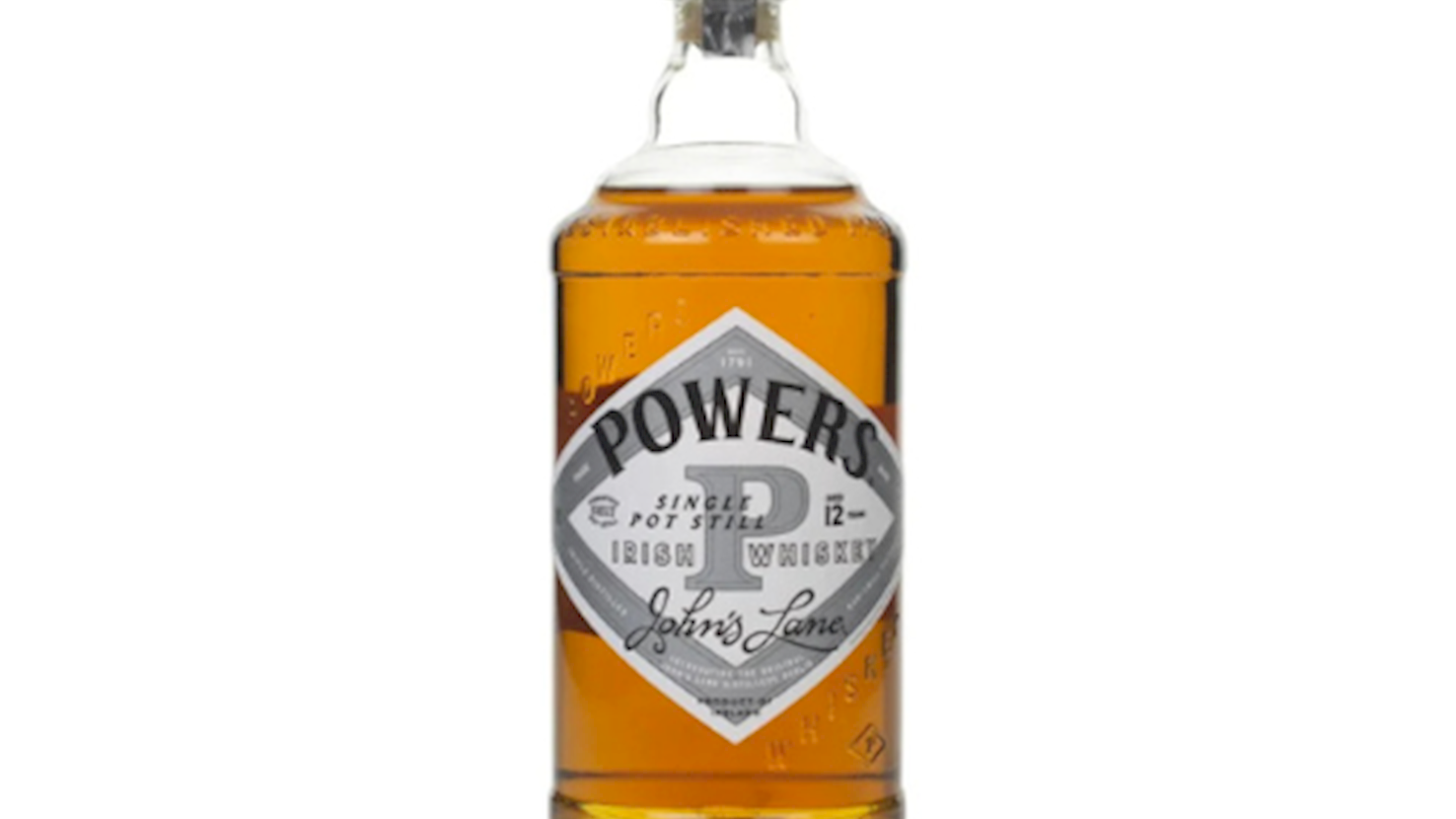
Powers Irish Whiskey is one of Ireland's most historic and respected whiskey brands, with roots dating back to 1791 when it was founded by James Power in Dublin. Originally crafted at the John's Lane Distillery, Powers is celebrated for its rich and full-bodied flavors, achieved through traditional distillation techniques. Today, the brand is part of the Irish Distillers portfolio and is produced at the Midleton Distillery in County Cork. Known for its signature releases like Powers Gold Label, Powers Three Swallow, and Powers John's Lane, the whiskey is a favorite among enthusiasts for its balance of spice, honey, and oak notes.
Awards
SFWSC - San Francisco World Spirits Competition - Double Gold (2024, 2023)
ISC-International Spirits Challenge - Double Gold (2024)
06
Spirit

Method and Madness

5 ·
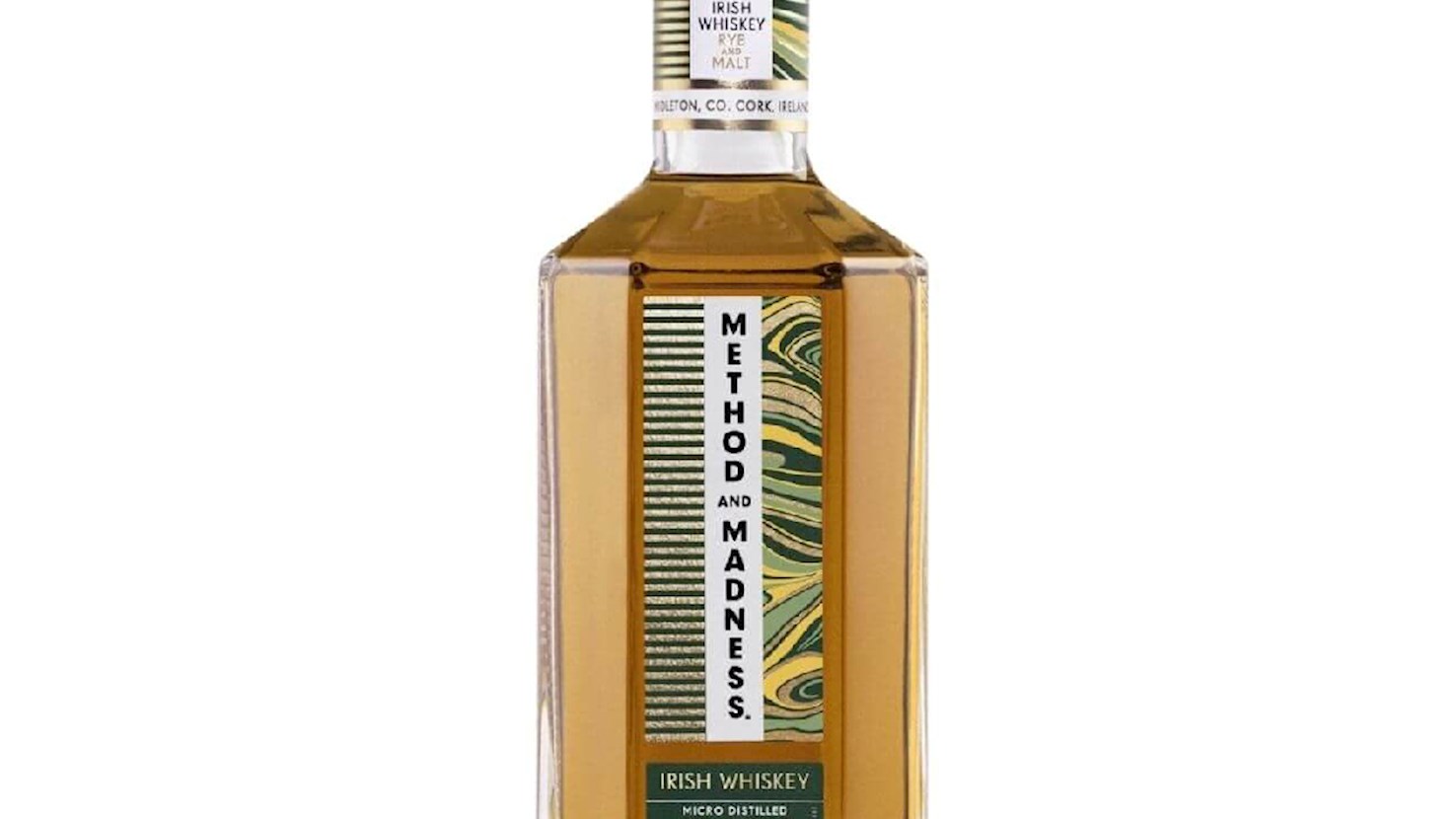
Method and Madness is an innovative Irish whiskey brand developed by the master and apprentice distillers at Midleton Distillery in County Cork, Ireland. The brand embodies a fusion of traditional craftsmanship and experimental techniques, resulting in unique expressions that push the boundaries of conventional whiskey-making. Each product is meticulously crafted at the Midleton Micro Distillery, where seasoned expertise meets fresh creativity to produce exceptional whiskeys.
Awards
SFWSC - San Francisco World Spirits Competition - Double Gold (2024, 2023)
NYWSC - New York World Spirits Competition - Double Gold (2024)
07
Spirit

Midleton Very Rare

5 ·
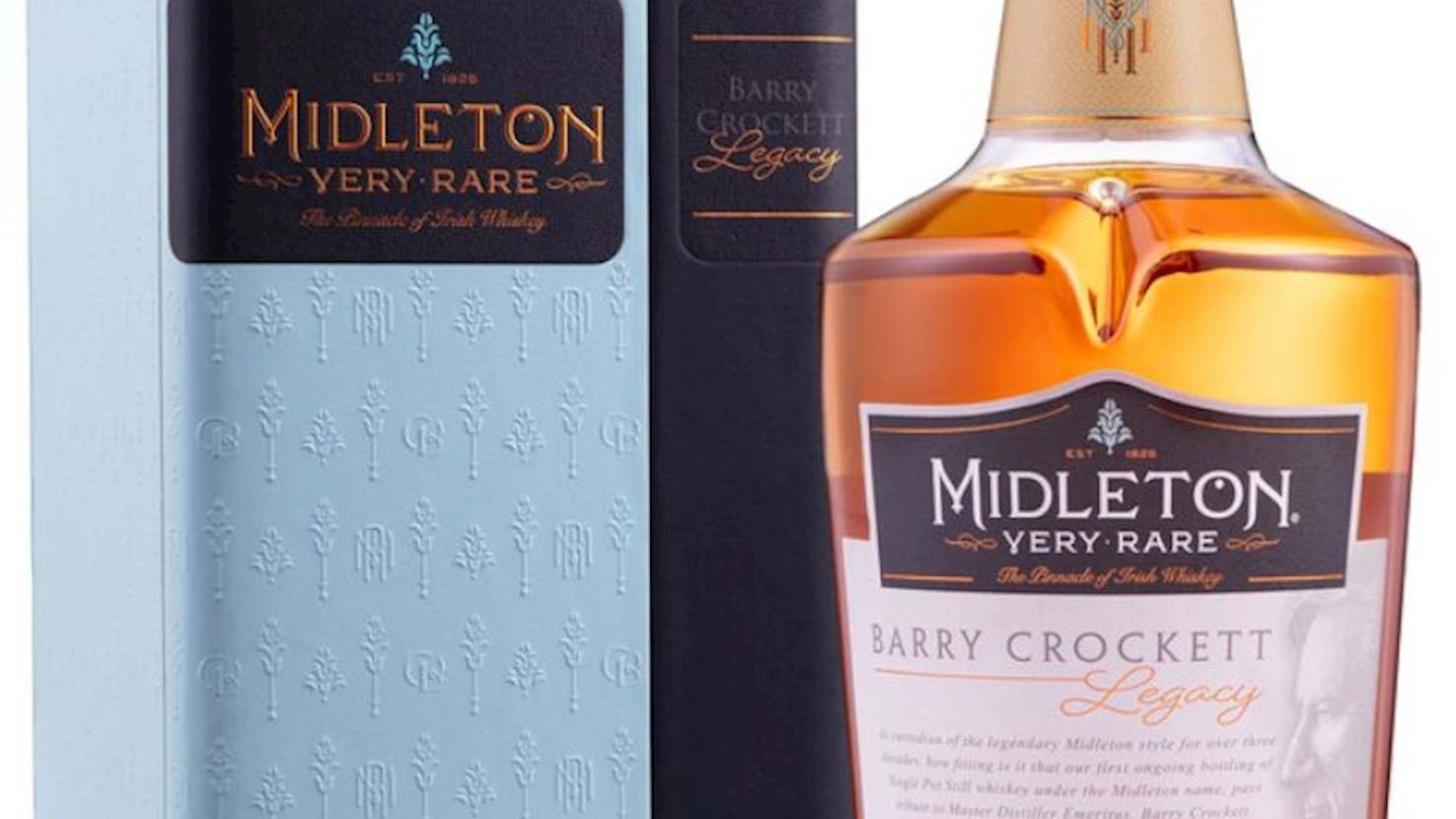
Midleton Very Rare is a prestigious series of Irish whiskeys produced by the Midleton Distillery, located in County Cork. The Midleton Very Rare series, launched in 1984 by Master Distiller Barry Crockett, is an annual release of carefully selected and blended vintages. Each edition reflects a unique flavor profile, continuing a legacy of quality under current Master Distiller Kevin O'Gorman.
Awards
NYWSC - New York World Spirits Competition - Double Gold (2024)
ISC-International Spirits Challenge - Double Gold (2020, 2019)
08
Spirit

Ahascragh Distillery

5 ·
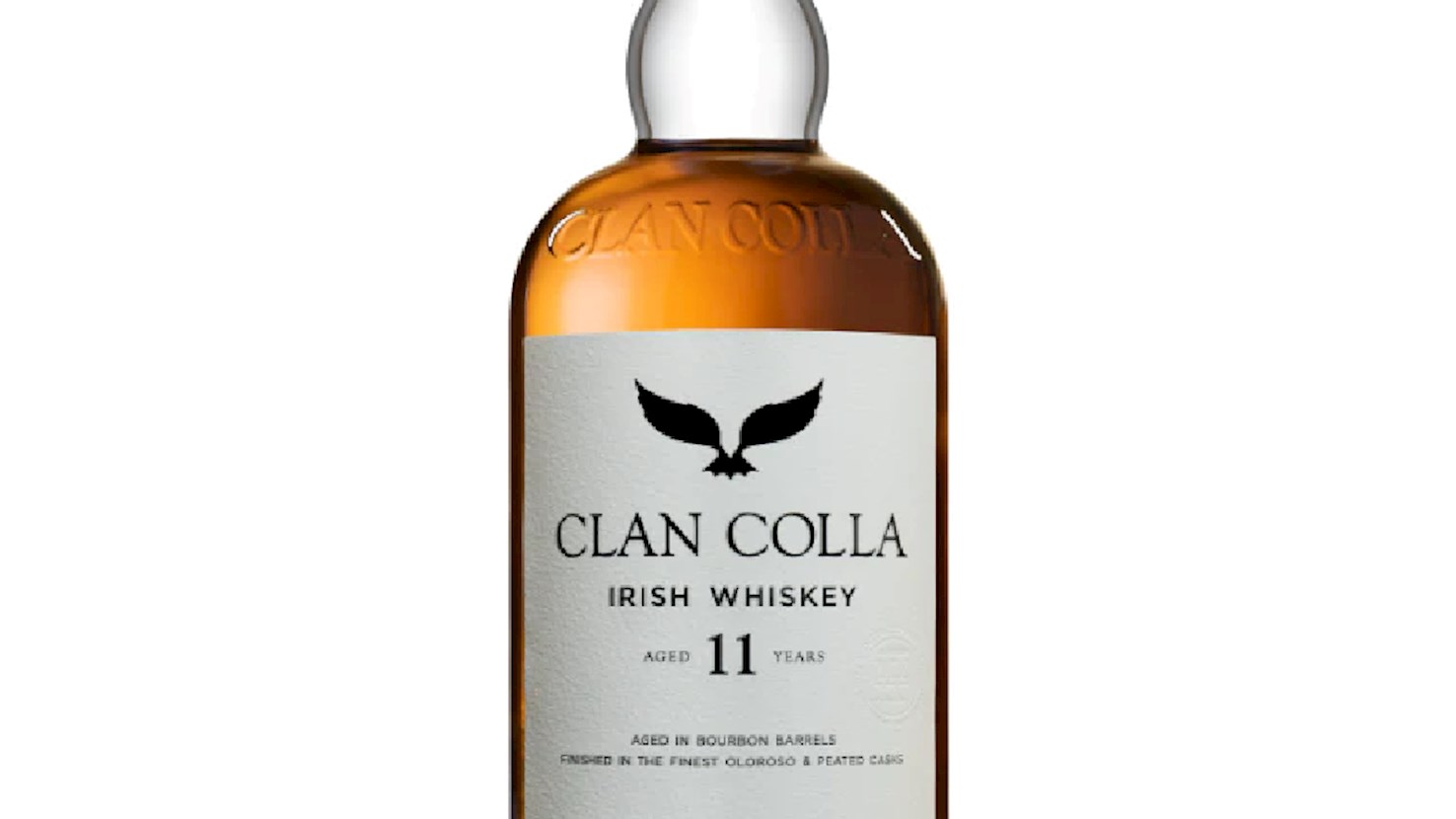
Ahascragh Distillery is Ireland's first carbon-neutral distillery, located in the village of Ahascragh, County Galway. Founded by Gareth and Michelle McAllister, the distillery revitalized a 19th-century mill, blending traditional architecture with modern technology. It operates entirely on renewable energy sources, including wind and solar power, to achieve zero carbon emissions. Their product range includes premium Irish whiskeys like UAIS and Clan Colla, as well as Xin Gin, which combines Irish and Asian botanicals.
Awards
SFWSC - San Francisco World Spirits Competition - Double Gold (2024)
The Irish Whiskey Masters - Gold (2023)
09
Spirit

Knappogue Castle

5 ·
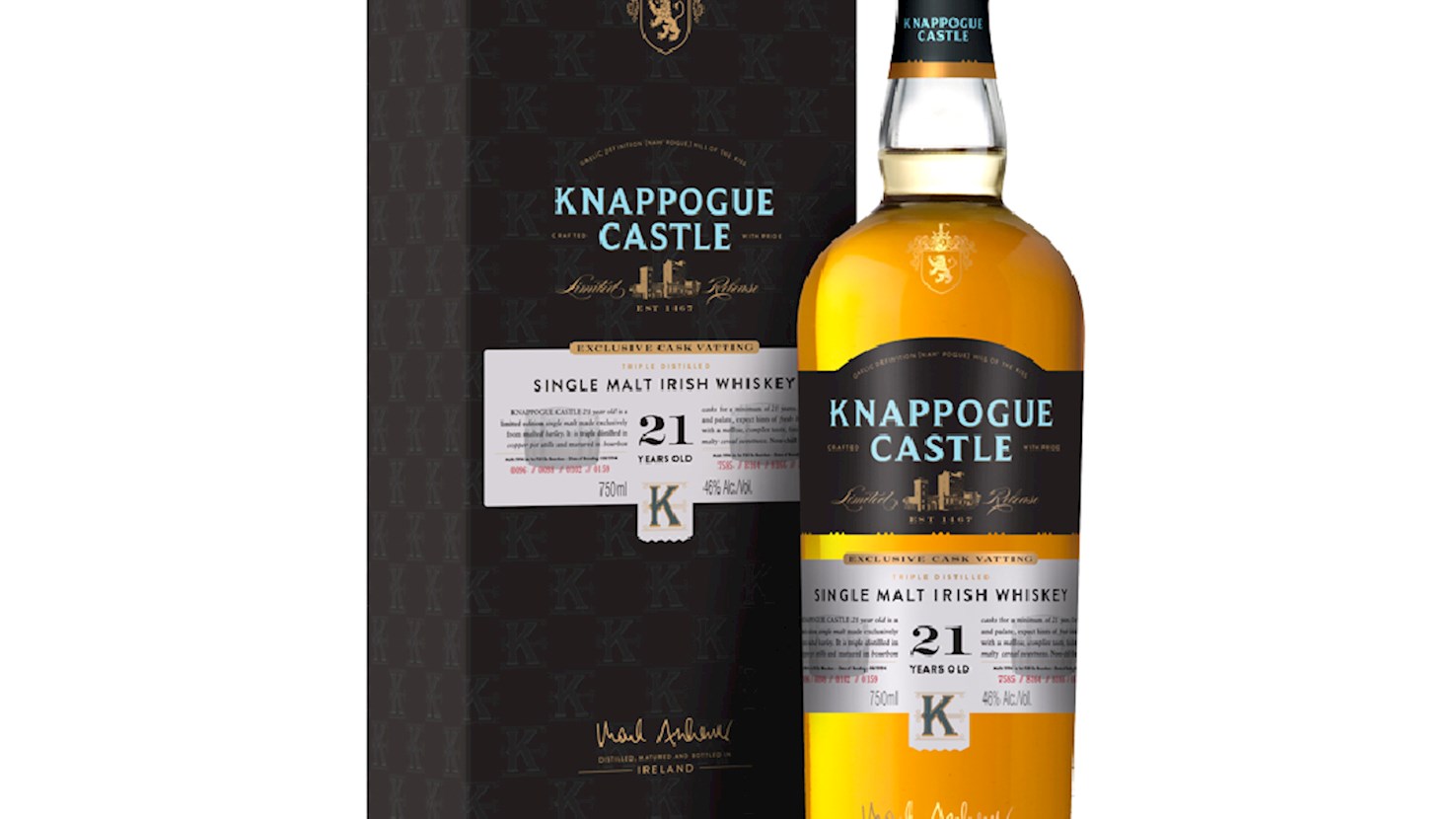
Knappogue Castle Whiskey is an esteemed Irish single malt whiskey brand with roots tracing back to the 1960s. The brand was founded by Mark Edwin Andrews, an American who, along with his wife Lavone, purchased and restored the historic Knappogue Castle in County Clare, Ireland. During the restoration, Andrews began acquiring casks of fine pot still whiskey from top distilleries across Ireland, which he aged and bottled under the Knappogue Castle label. Today, Knappogue Castle Whiskey is celebrated for its commitment to traditional Irish whiskey-making techniques, offering expressions aged up to 16 years, each embodying the rich heritage and craftsmanship of Irish single malt whiskey.
Awards
SFWSC - San Francisco World Spirits Competition - Double Gold (2024, 2023)
ISC-International Spirits Challenge - Double Gold (2024)
10
Spirit

Teeling Whiskey Company

5 ·
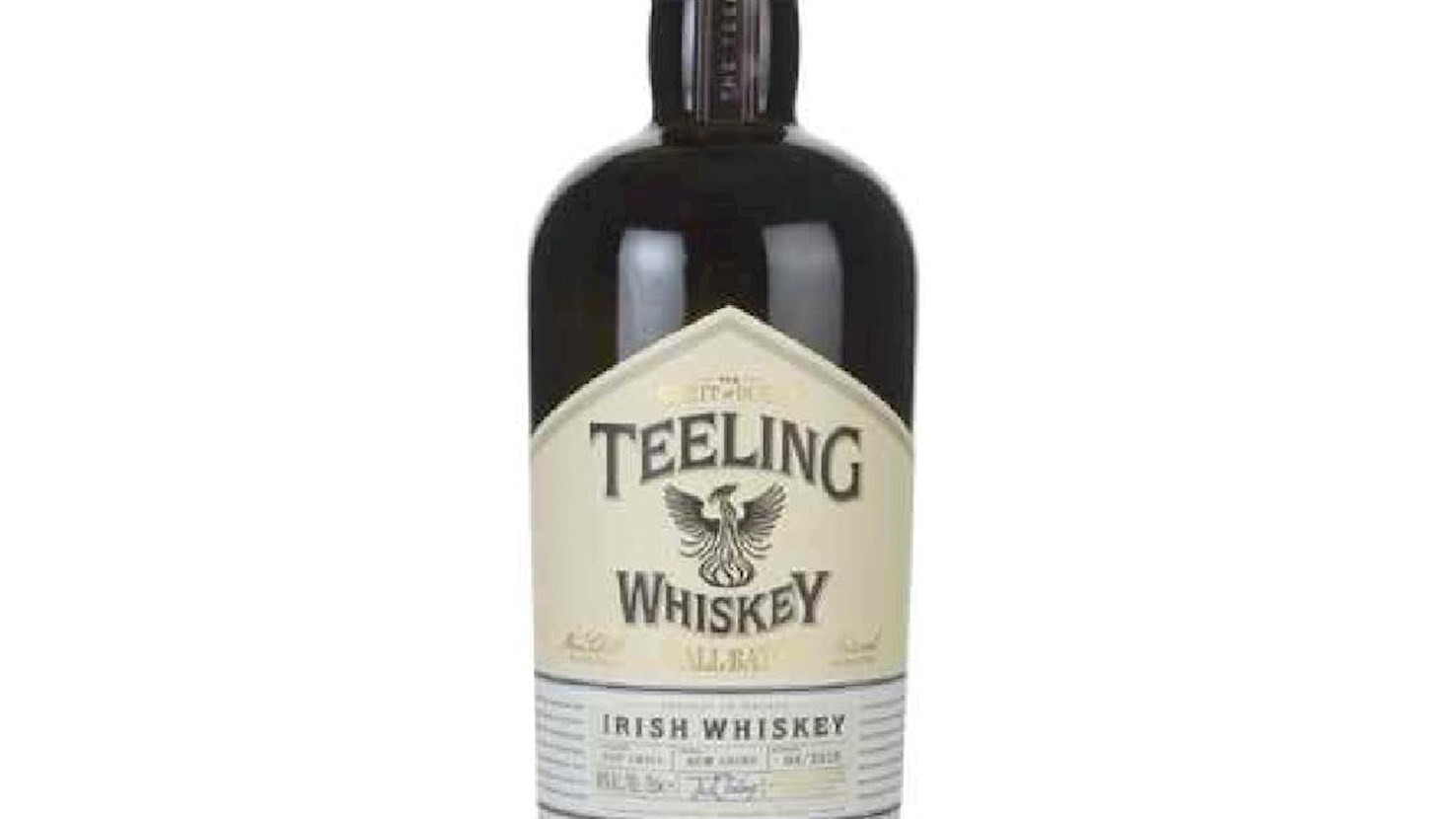
Teeling Whiskey Distillery, established in 2015, is the first new distillery in Dublin in over 125 years, reviving the city's rich whiskey-making heritage. Located in the historic Liberties area, it offers visitors a comprehensive experience of the whiskey production process, from grain to glass. The distillery produces a range of award-winning Irish whiskeys, including Small Batch, Single Grain, Single Malt, and Single Pot Still expressions.
Awards
SFWSC - San Francisco World Spirits Competition - Double Gold (2024, 2023)
NYWSC - New York World Spirits Competition - Double Gold (2023)
Read more
View all
View map
About this ranking

TasteAtlas food rankings are based on the ratings of the TasteAtlas audience, with a series of mechanisms that recognize real users and that ignore bot, nationalist or local patriotic ratings, and give additional value to the ratings of users that the system recognizes as knowledgeable. For the “Top 100 Irish Foods” list until June 24, 2026, 1,319 ratings were recorded, of which 1,139 were recognized by the system as legitimate. TasteAtlas Rankings should not be seen as the final global conclusion about food. Their purpose is to promote excellent local foods, instill pride in traditional dishes, and arouse curiosity about dishes you haven’t tried.

The initial list of top producers was compiled based on available reviews, awards, local recommendations, media and blog coverage, and consumer reviews. The list will be updated with ratings from TasteAtlas local ambassadors and TasteAtlas users.

Similar lists