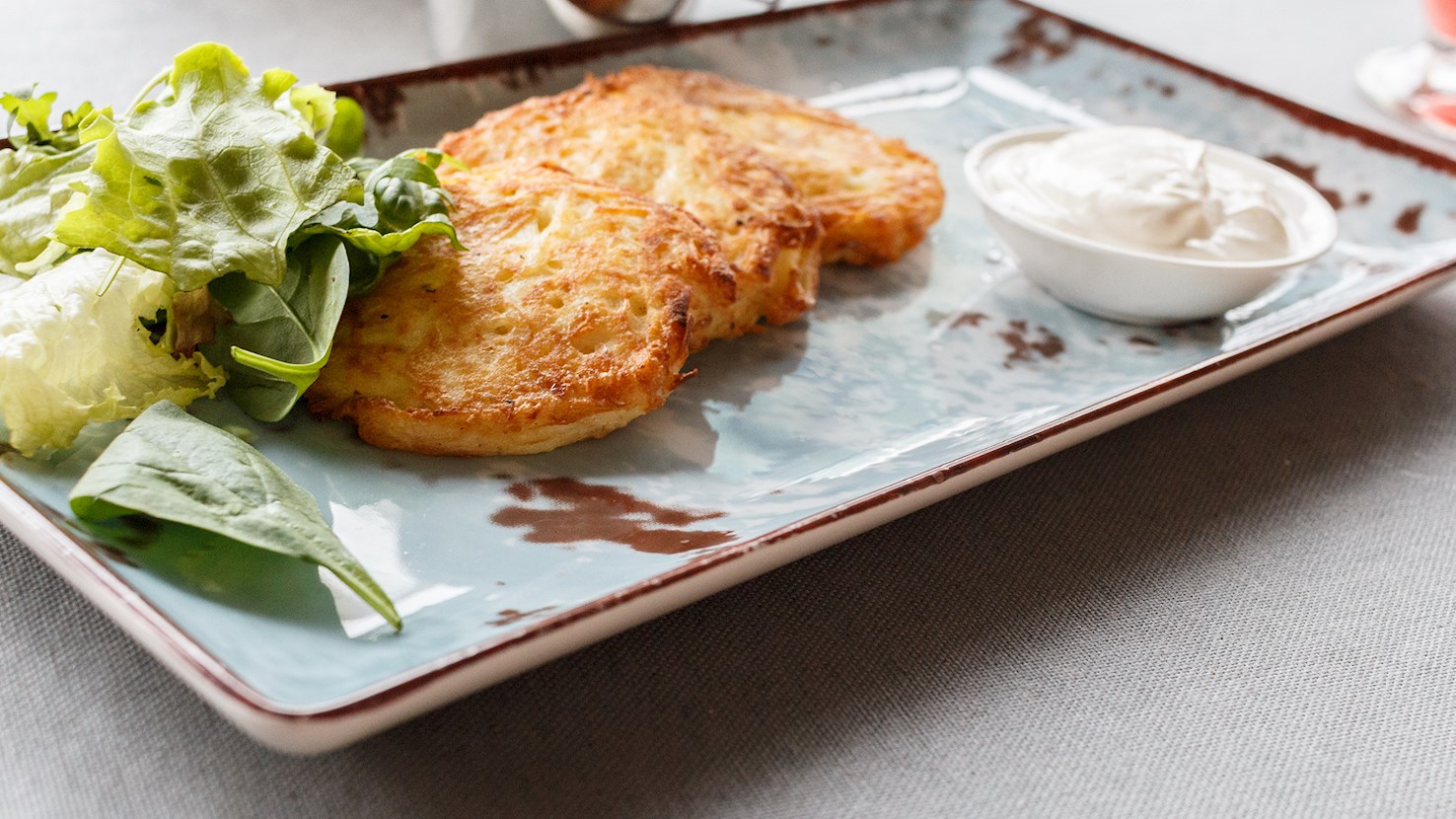
Kartupeļu pankūkas are Latvian potato pancakes, a quick mid-week meal that almost everyone knows how to prepare. They are made with a combination of grated potatoes, eggs, and flour, seasoned only with salt and pepper. Fried until golden brown, kartupeļu pankūkas are traditionally served with sour cream and lingonberry sauce. Although these pancakes were considered a cheap meal, they have recently started to appear on many coffee shop menus in the country.
Ķiploku grauzdiņi is a traditional snack and the Latvian version of garlic bread. In order to prepare it, rupjmaize rye bread is cut into slices, then pan-fried in butter or oil on both sides for a few minutes. The slices are removed from the pan, drained on paper towels, then rubbed with garlic cloves on both sides. Ķiploku grauzdiņi can also be baked in the oven, and the slices are then just drizzled with oil or smeared with butter. Before serving, this Latvian garlic bread is sprinkled with salt. It's recommended to serve it with a glass of cold beer on the side.
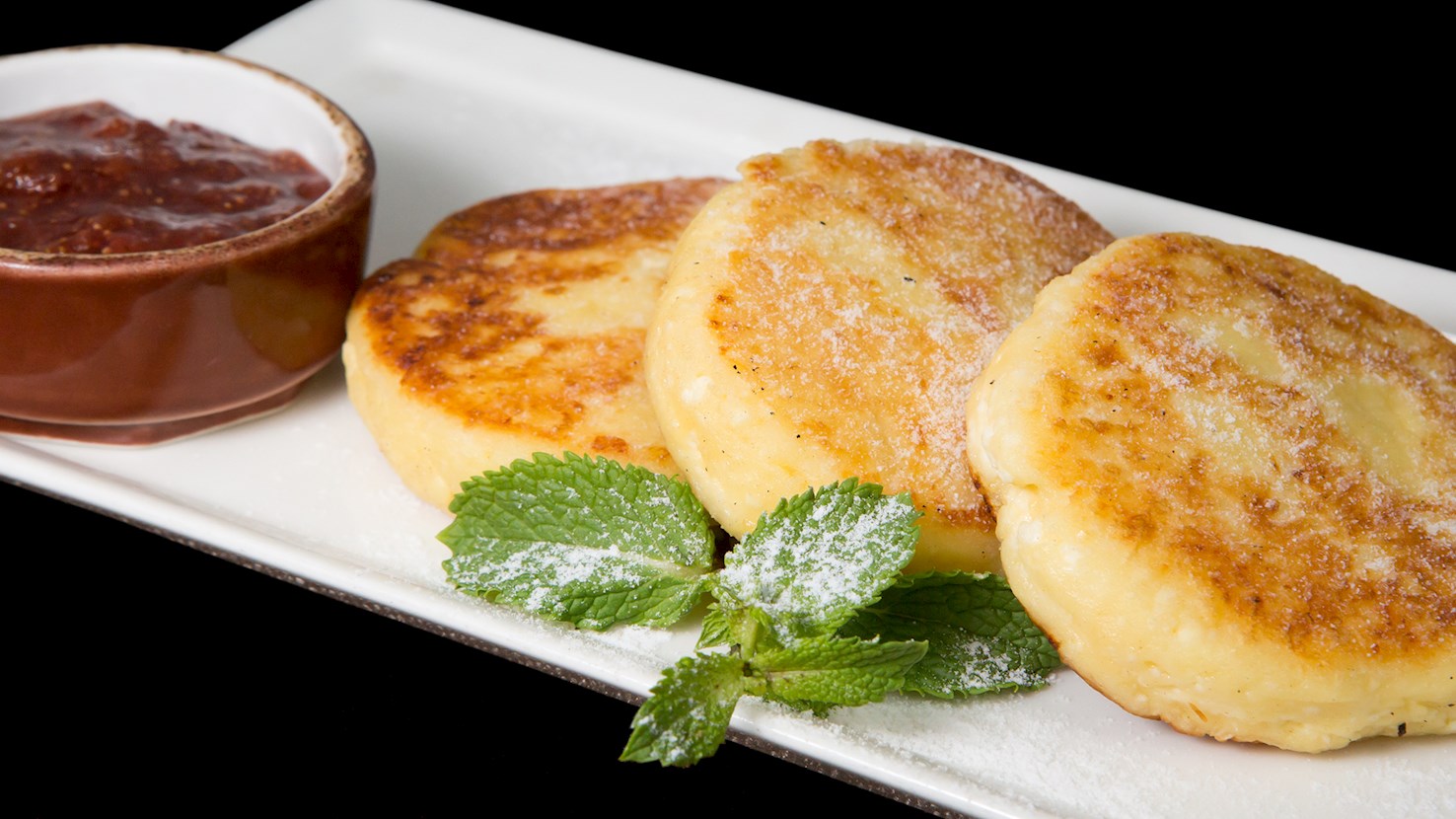
Syrniki is a dessert consisting of fried cottage cheese pancakes that are usually garnished with honey, fruit jam, sour cream, or applesauce. It is part of the Russian (where it's sometimes also called tvorozhniki), Belarusian, Ukrainian, Latvian and Lithuanian cuisine. Cottage cheese is traditionally first swetened with sugar, then combined with flour into a dough which is fried in hot oil until it develops a golden-brown color. Syrniki can be served for breakfast or consumed as a tasty dessert after a large meal.
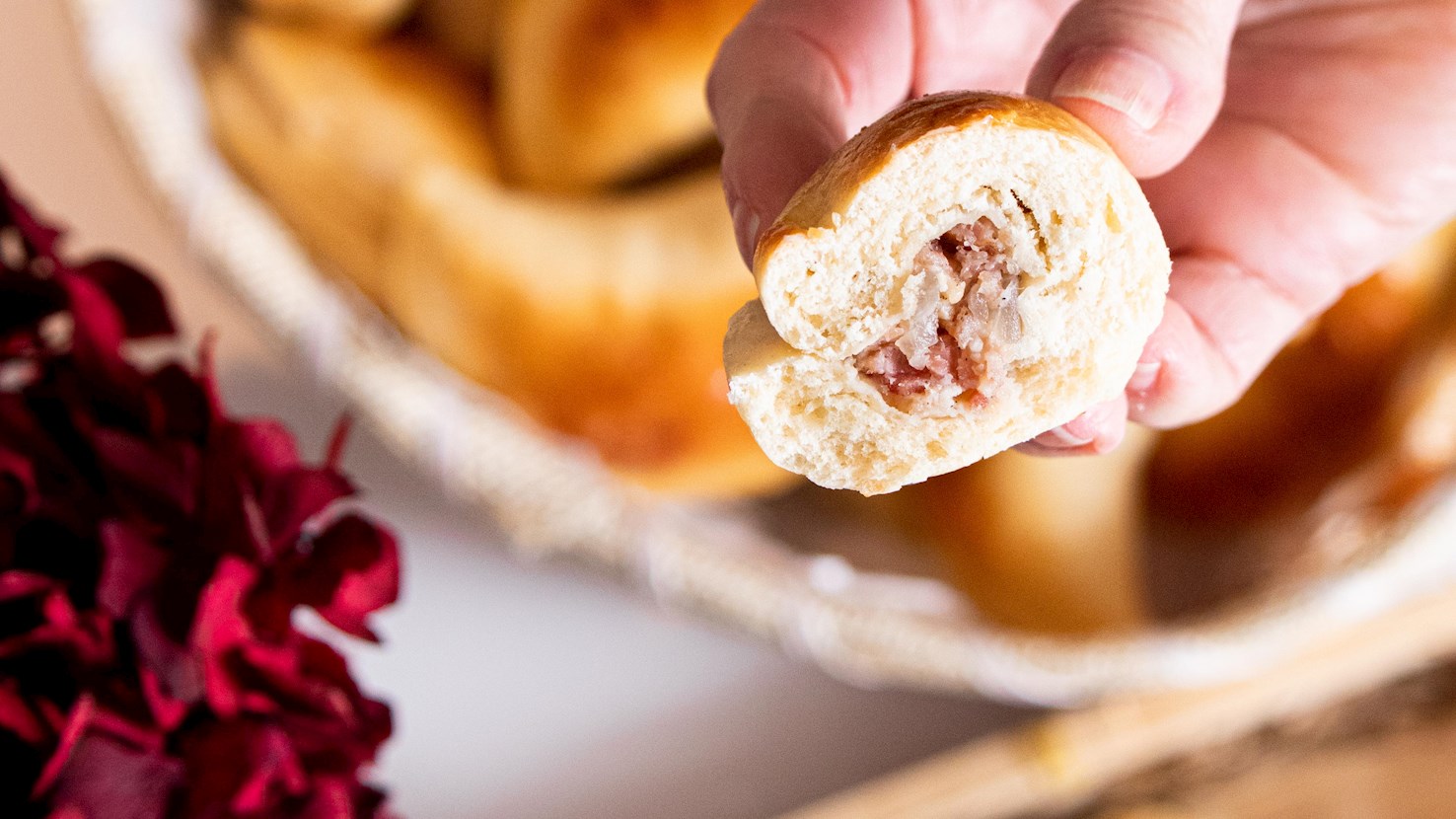
These crescent-shaped pastries are one of the national Latvian dishes that appear in numerous varieties throughout the country. When prepared with yeast, they are traditionally larger in size and served as a snack. The smaller versions, usually made with a thin, buttery pastry, are intended to be eaten alongside various hearty soups. Nevertheless, all of the varieties are filled with flavorsome mixtures of onions, minced meat, bacon, cabbage, or creamy cottage cheese.
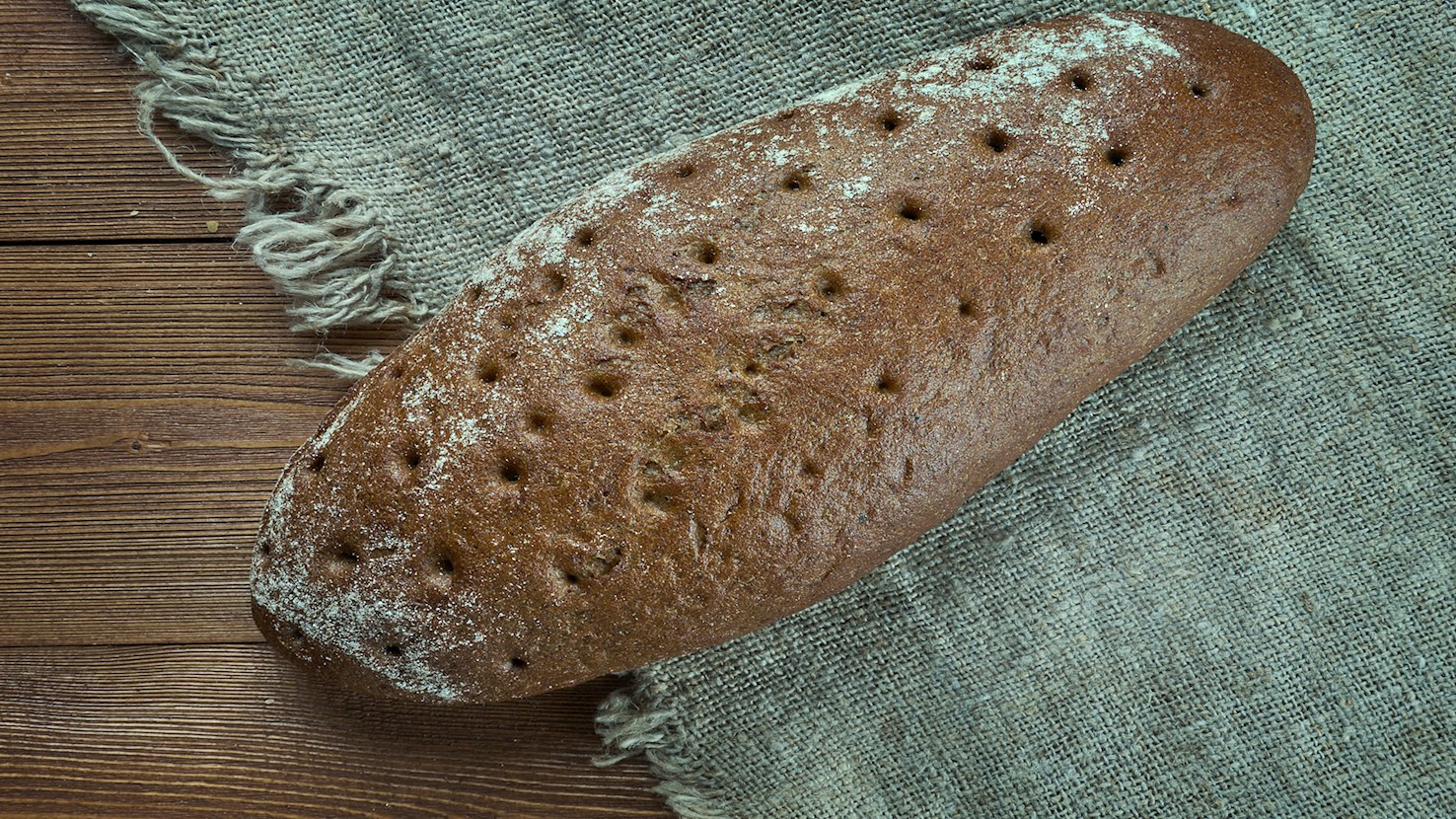
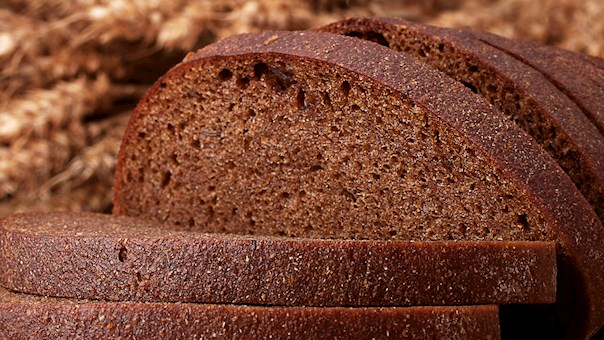
Saldskābmaize is a Latvian term that translates to sweet and sour bread, and it refers to the traditional Latvian rye bread known for its distinct dark color, dense texture, and unique flavor profile that balances both sweet and sour tastes. The sweet and sour flavor is achieved through a fermentation process that can take several days. The ingredients typically include rye flour, water, sugar, salt, and sometimes malt. The fermentation and the use of rye give the bread its characteristic sour taste, while the added sugar or sometimes honey contributes to its sweetness. Saldskābmaize is often enjoyed with butter, cheese, or cold cuts and pairs well with many traditional Latvian dishes. The bread's long shelf life is another reason for its popularity, as it can remain fresh and edible for an extended period when stored properly.
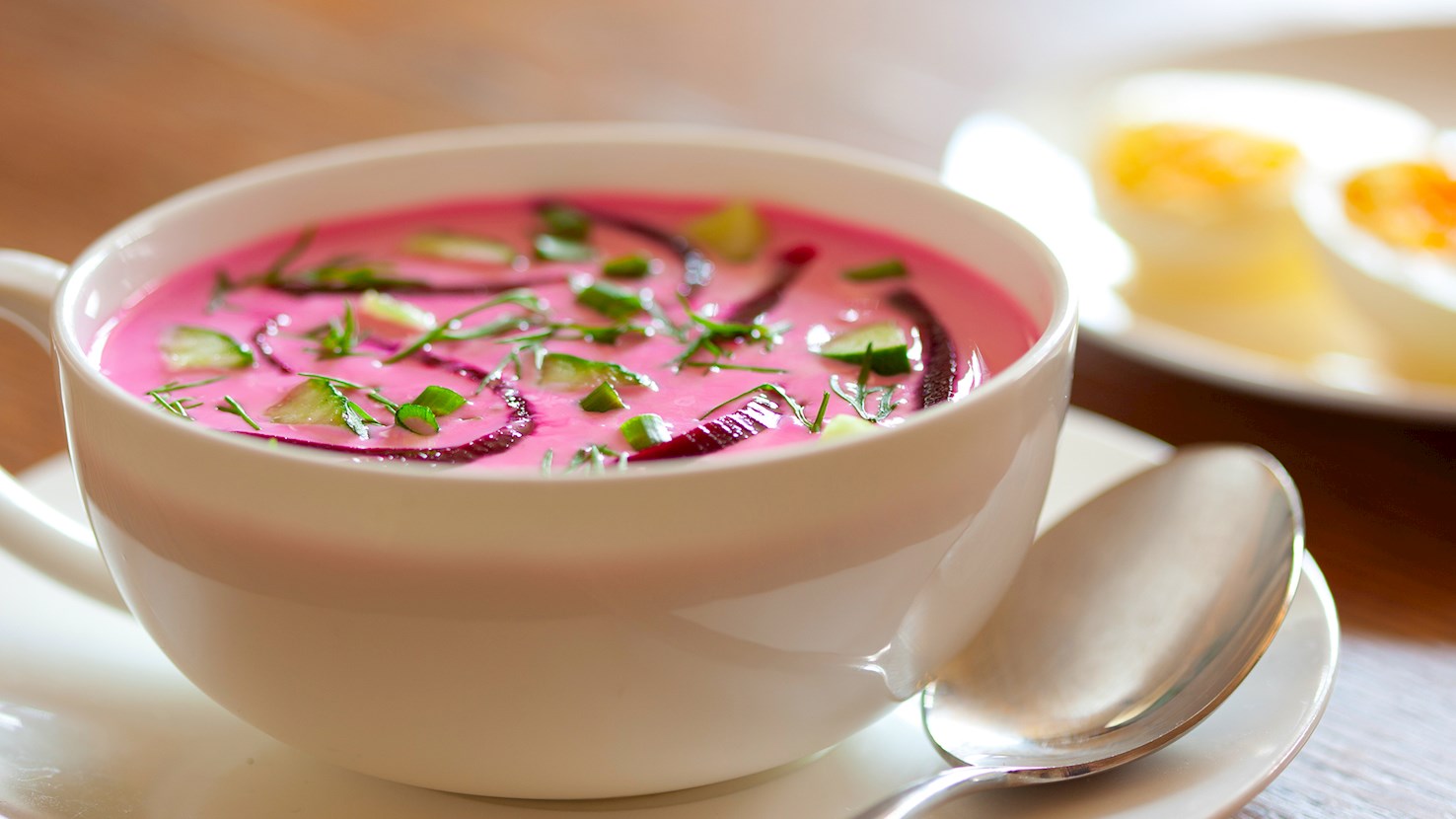
Aukstā zupa is a refreshing Latvian cold soup with an unusual, deep pink color. It is made with beets, cucumbers, kefir, hard-boiled eggs, and milk sausage. Greens such as dill and scallions are essential, and most people also enjoy the soup with a dash of vinegar. All of the ingredients are mixed together, seasoned with salt and pepper, and the soup is then left in the refrigerator until well-chilled. It's recommended to serve the soup with a few slices of dark bread on the side. Aukstā zupa is a seasonal dish, so it's practically impossible to find it in restaurants during winter, but most places have the soup on their menus in summer.
Frikadeļu zupa is a meatball soup with small, tender balls of minced meat, potatoes, and carrots in a light broth, usually finished with chopped herbs and served with sour cream. The vegetables remain in pieces, and the meatballs are gently poached rather than browned, giving the soup a mild, savory flavor without the roasted taste of fried meat. Its Latvian name means “meatball soup,” and it is closely associated with everyday family meals and childhood lunches. It belongs to a wider European family of meatball soups, with related dishes found across the Baltic region and elsewhere in northern and eastern Europe. The word frikadele relates to German terminology for minced-meat preparations, although the Latvian soup meatballs differ from the larger fried patties that similar names describe in other countries. The name alone does not establish when the soup entered Latvian cooking. Recipes vary mainly by household rather than following clearly defined regional styles. Beef, pork, or a mixture of the two can be used, and versions with veal or chicken also exist. Beef gives a stronger meat flavor, while pork contributes fat that helps keep the small meatballs tender. Finely chopped or grated onion is a common addition, along with salt and black pepper. Some recipes include an egg and white bread soaked in milk or water; others use breadcrumbs, or simply seasoned minced meat without either bread or egg. These differences affect texture more than the soup's identity. Soaked bread holds moisture within the meat mixture, while egg helps it bind during cooking. A compact, well-worked mixture produces firmer meatballs, so the goal is to combine it enough to hold together without making it unnecessarily dense. The balls are shaped small enough to eat comfortably with a spoon, and keeping them similar in size helps them cook evenly. The broth can start with stock, but long-simmered meat stock isn't essential. Water, vegetables, seasonings, and the juices released by the meatballs can form the soup’s base, and some everyday versions use a stock cube. Carrots bring sweetness and color, while potatoes make the bowl more substantial. Onion, bay leaf, and black pepper supply much of the background flavor; celery root or parsley root may add a deeper vegetable note. Two common approaches to the vegetables exist. They can go directly into the simmering liquid for a lighter broth, or the onion and carrot can first be softened in a little fat, giving the soup a fuller flavor and a more golden appearance. Carrots may be grated, sliced, or diced, while potatoes are generally cut into small pieces that fit easily on a spoon. The cooking order depends on those sizes: thicker carrot pieces need a head start, whereas grated carrot softens quickly. The potatoes should become tender without breaking down so thoroughly that they thicken the soup into a purée. The meatballs are lowered individually into the hot liquid and cooked at a gentle simmer. Vigorous boiling can disturb their shape and break up the vegetables, while a gentle simmer lets both cook through with less damage. Any foam released by the meat can be skimmed from the surface to keep the broth clearer. Some versions cook the meatballs separately and add them to the vegetable soup at serving, but cooking everything in the same pot lets the meat flavor the liquid directly. A little potato starch may cloud the broth naturally; it need not have the polished clarity of a strained consommé. Dill is a familiar finishing herb, with parsley or chopped spring onions also used. Adding these near the end preserves their fresh aroma. Rice or small pasta sometimes supplements the potatoes, and household versions may include peas or cauliflower, but none of these additions is required. Frikadeļu zupa is eaten hot as an everyday lunch, either as a first course or in a larger portion as a light meal. It also appears in school-meal cooking, where the combination of vegetables, small meatballs, and a mild broth suits a straightforward lunch menu. Although especially welcome in cold weather, it is not confined to winter. Sour cream is usually added to the individual bowl rather than cooked into the whole pot, allowing each person to choose how creamy and tangy the soup becomes. A spoonful turns the clear broth pale and slightly richer. Dense Latvian rye bread is a customary accompaniment, its sourness contrasting with the sweet carrot and mild meat. The bread can be served plain or lightly buttered, with extra chopped dill at the table for those who want a fresher finish.
Rupjmaize is a traditional bread consisting of whole-grain rye, baked in a hearth oven and shaped into an elongated loaf. It has a unique flavor that is both sour and sweet. The bread pairs well with smoked fish, cold cuts, and strong, pungent cheeses such as Roquefort.
Pelēkie zirņi ar speķi is the national dish of Latvia. This type of stew is made with local grey peas (similar to chickpeas), fried onions, and diced speck. The dish was invented when locals used their supplies of dried and preserved food. It is recommended to serve this dish with kefir or a few slices of dense rye bread on the side, such as īstā rupjmaize.
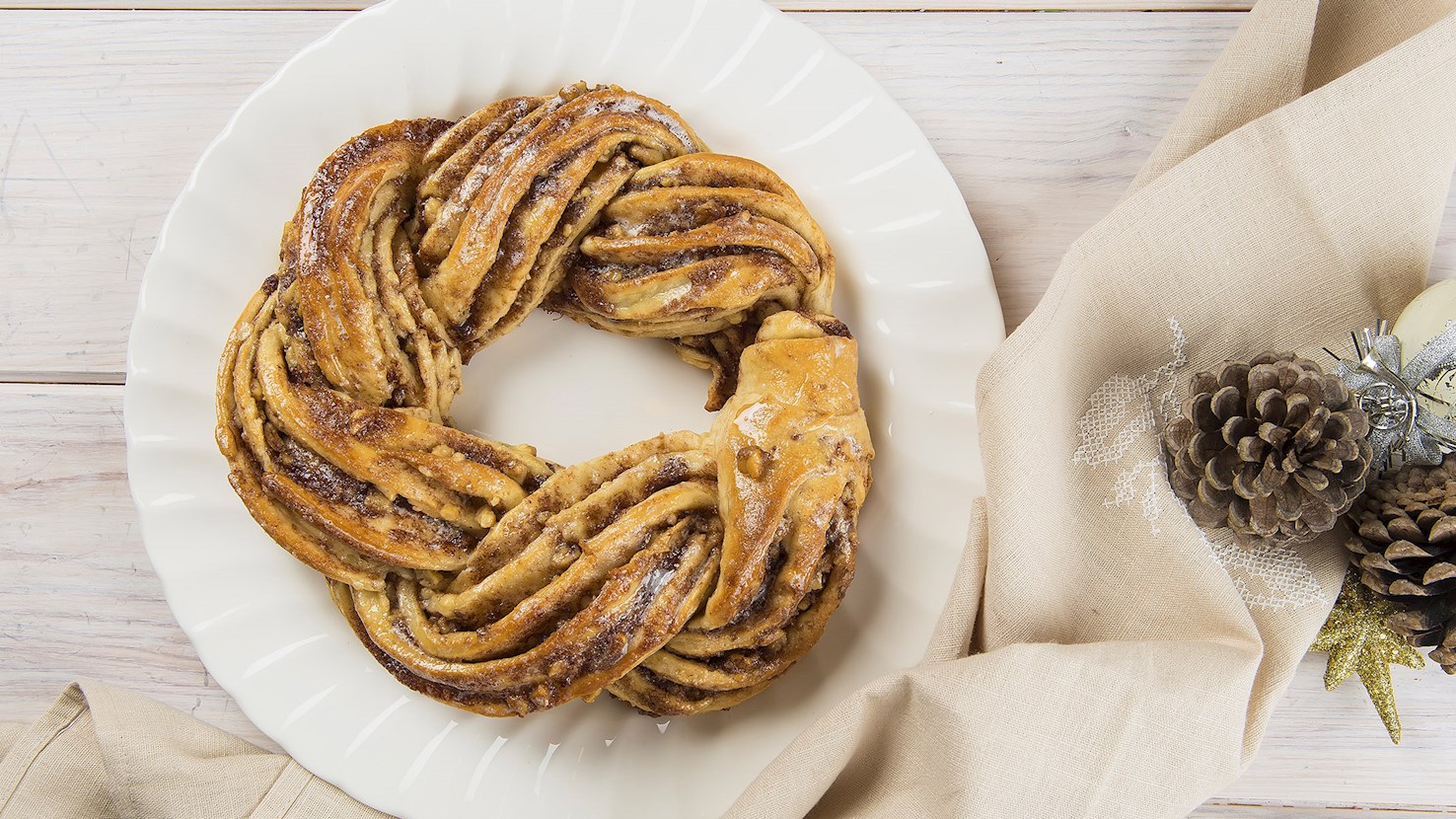
Originally a creation of Roman-Catholic monks, and now popular internationally, kringle is a delicious flaky pastry, usually shaped as a pretzel and filled with various ingredients. It was primarily introduced in Denmark, under the influence of Austrian bakers, and later it spread throughout Nordic countries and eventually to the United States, where it gained great success. Each region has created its distinct varieties, using local and seasonally available ingredients. In Denmark, kringle is usually made with either puff pastry or yeasted dough, filled with sweet concoctions that include butter and sugar, marzipan, and raisins. In the 19th century, Danish bakers introduced the tradition of preparing kringle to the United States, specifically Racine Wisconsin, where the pastry was slightly adapted to the now-famous oval shape. Kringle in Racine is always made with traditional Danish laminated dough, in which the pastry layers are generously spread with butter and filled with the lavish combination of fruits, nuts, or cream cheese. Both American and European kringle can be found in bakeries and grocery shops, but while the luscious American creations are usually enjoyed as desserts, the Danish prefer to eat their traditional pastry as an afternoon snack or a perfect accompaniment to coffee or tea.
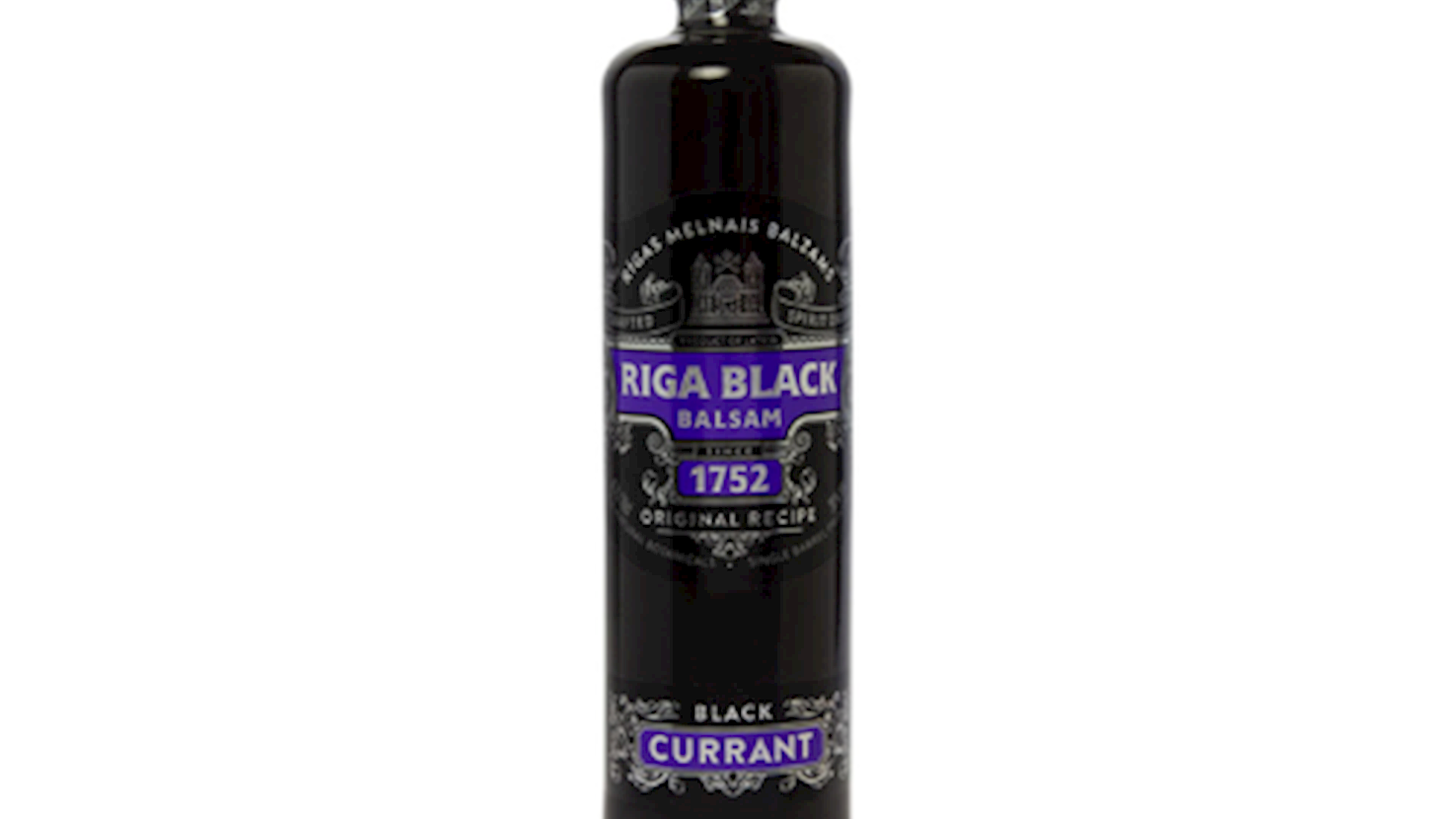
Riga Black is a heritage-driven Latvian brand built around the original 1752 recipe for its signature herbal bitter, combining traditional craftsmanship with a clearly defined regional identity. The brand’s foundation lies in the use of natural, locally sourced botanicals, which are infused through a controlled maceration process to create a complex, balanced flavor profile.
Its core product, Riga Black Balsam, has expanded into a broader portfolio that includes fruit-infused editions, dessert-like variations, and premium releases, all of which maintain the characteristic depth of the original formula. The visual identity - most notably the iconic ceramic bottle - emphasizes its apothecary origins and reinforces the sense of authenticity and continuity.
While rooted in centuries-old practice, Riga Black positions itself as a modern brand that integrates tradition, natural ingredients, and contemporary drinking culture, making it one of Latvia’s most distinctive and globally recognized products.
Ādažu Medus is a family-run beekeeping enterprise from the Latvian municipality of Ādaži, built on sustainable apiculture and full control of every production stage - from maintaining bee colonies to the final packaging of honey. They manage more than 140 hives and collect honey exclusively within the local area, giving their products a distinct regional character.
Their assortment includes liquid and creamy honey, honey enriched with propolis or freeze-dried fruit, natural beeswax, handcrafted candles, and a small line of cosmetics based on bee-derived ingredients. They are recognized for consistent quality and carefully designed packaging, which has earned them several awards.
Their products are available in stores across Latvia, and part of the assortment is also exported to international markets, reflecting the brand’s steady growth within the segment of authentic bee products.
Skrīveru Saldumi is a Latvian confectionery brand rooted in a long-standing tradition of handmade sweets and simple, home-style recipes. Their assortment includes caramels, soft candies, chocolate treats, and classic milk-based sweets known for their gentle sweetness, creamy texture, and nostalgic flavor profile.
The brand builds its identity on quality ingredients and consistent taste, offering products that are part of everyday consumption, especially appreciated by local consumers. Its packaging and visual style emphasize tradition and a “homemade character”, making the products accessible, familiar, and an authentic representation of regional confectionery culture.
Skrīveru Saldumi stands out as a brand that values continuity, simplicity, and reliable quality, without pretension but with a clear local identity.
Smiltenes Piens is a Latvian dairy company with a long-standing tradition built on processing locally sourced milk and producing a broad range of everyday dairy products. Its assortment includes fresh milk, cream, yogurt, cheeses, and various fermented dairy items, all emphasizing natural flavor, consistent quality, and carefully controlled production.
The company combines modern processing technology with traditional dairy practices, preserving the nutritional value of the raw milk and maintaining a distinct regional character in its products. The brand’s visual identity remains simple and home-oriented, underscoring its connection to local origins and reliability.
Through this approach, Smiltenes Piens positions itself as a trustworthy Baltic dairy producer focused on authenticity, purity, and practical everyday use.
Riga Gold is a distinguished canned fish brand from Latvia, representing a blend of rich tradition, artisanal craftsmanship, and modern quality standards. Owned by Gamma‑A, the leading producer of sprats and sardines in the Baltic region, Riga Gold has grown into one of the most recognized exporters of premium seafood delicacies from Northern Europe.
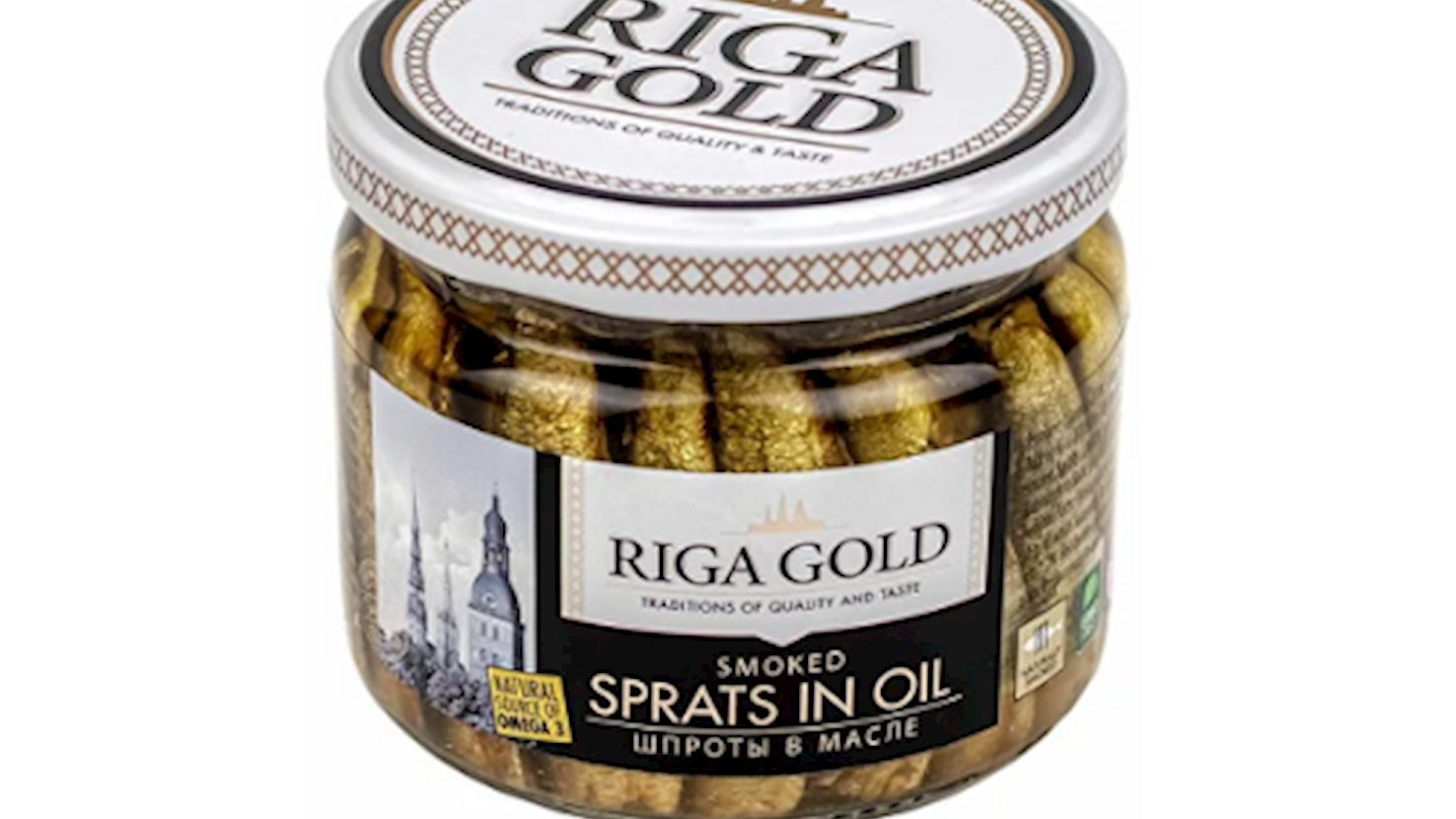
Their production process relies on traditional preservation methods - from the careful selection of freshly caught fish in the Baltic Sea, through meticulous manual processing, to smoking over natural alder wood, which gives the final products their characteristic aroma, golden-bronze color, and rich, layered flavor.
The brand’s most iconic product is smoked sprats in oil, neatly arranged in tins or glass jars and preserved in vegetable or olive oil with a touch of sea salt. Riga Gold is widely respected for combining authentic recipes with high nutritional value.
Thanks to its consistent vision and exceptional quality, Riga Gold today holds a leading position among European canned fish brands, satisfying the tastes of even the most discerning consumers.
Laima is one of Latvia’s oldest and most iconic confectionery brands, with a heritage dating back to the early 20th century and closely tied to the development of modern chocolate and candy production in Riga. The brand built its reputation on high-quality cocoa, traditional recipes, and a wide range of chocolates, pralines, caramels, and seasonal sweets that blend nostalgic flavors with contemporary variations.
Its portfolio includes dark, milk, and white chocolate bars, filled pralines, and classic products that have become cultural staples in Latvian gastronomy. Laima is also recognizable for its elegant packaging and strong visual identity, reinforcing its status as a symbol of tradition, reliability, and everyday indulgence.
Through its combination of history, craftsmanship, and emotional value, Laima holds a special place in the Baltic confectionery world and remains one of the region’s most significant and enduring chocolate brands.
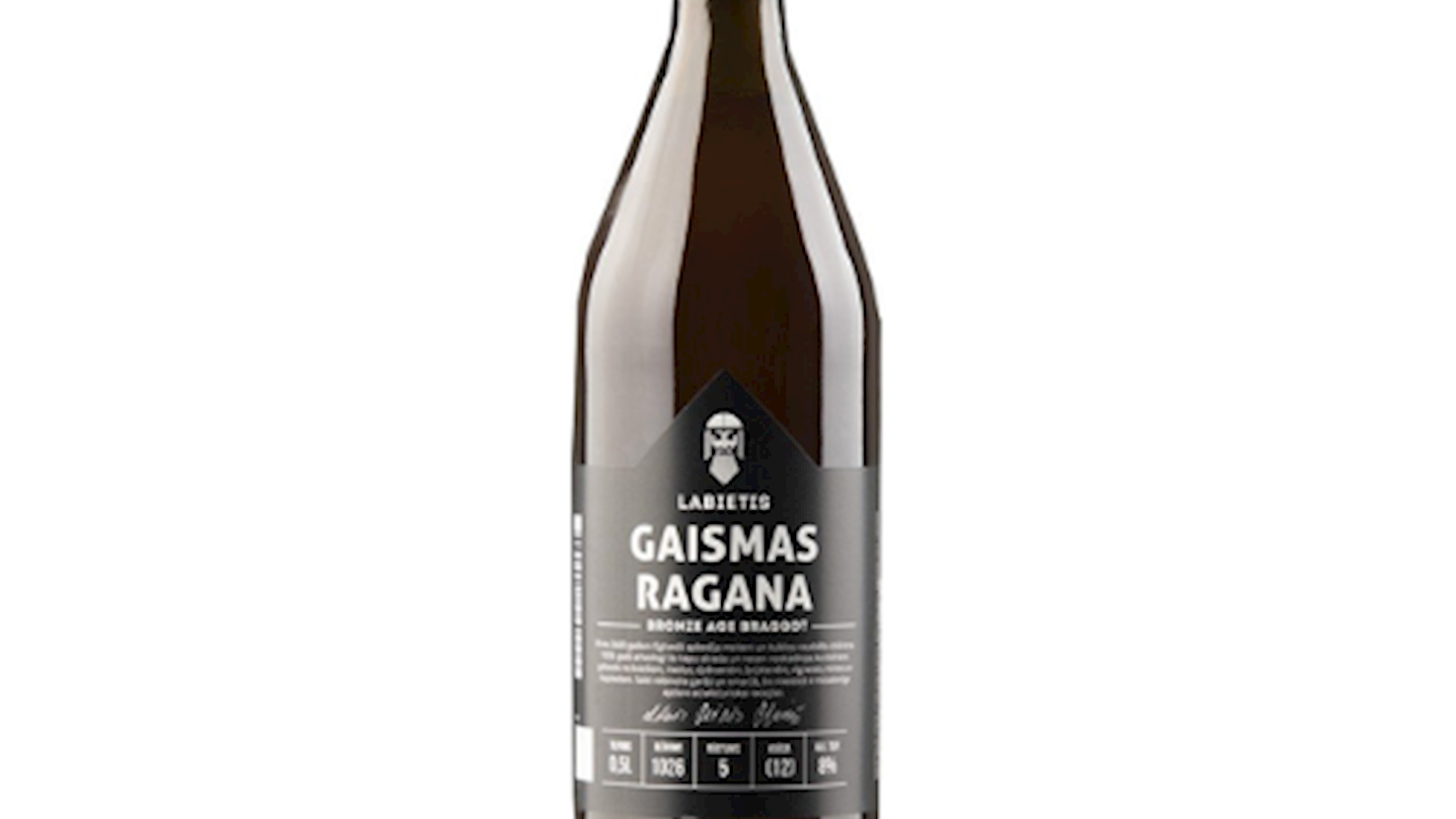
Labietis. Pagan Brews is an independent Latvian brewery from Riga that has, since 2013, built its identity on blending pre-industrial brewing traditions with a modern craft sensibility.
Instead of relying solely on hops, the brewery incorporates local herbs, berries, honey, spices, and forest botanicals, creating beers inspired by Baltic pagan heritage. Its portfolio includes dozens of core and seasonal releases - ranging from light ales and rich, layered porters to braggots and experimental fermented beverages - all defined by natural ingredients and earthy, botanical flavor profiles.
The philosophy centers on expressing local terroir and the character of the surrounding landscape, with many ingredients hand-foraged and some beers fermented with wild yeast. Labietis also maintains an open, community-focused approach: at their taproom in Riga, visitors can observe the brewing process and explore a wide selection of beers that merge folklore, nature, and innovation into a distinct and expressive craft identity.
Valmiermuižas Alus is a Latvian craft brewery located on a historic estate in Valmiermuiža, where it has been producing natural, unpasteurized beer since 2008 using traditional methods and carefully selected local ingredients. Its brewing philosophy emphasizes slow fermentation and a minimalist approach based on four essential components - water, barley malt, hops, and yeast - which results in clean, balanced, and full-flavored beers.
The brewery offers a broad range of styles, including light lagers, richer dark beers, seasonal releases, and special editions, allowing for diverse aromatic and taste profiles. Visitors can tour the brewery, explore its production process, and participate in guided tastings that highlight the region’s brewing heritage.
With its strong connection to local terroir, artisanal craftsmanship, and commitment to authenticity, Valmiermuižas Alus stands out as one of the most distinctive representatives of the modern Latvian craft beer scene.
TasteAtlas food rankings are based on the ratings of the TasteAtlas audience, with a series of mechanisms that recognize real users and that ignore bot,
nationalist or local patriotic ratings, and give additional value to the ratings of users that the system recognizes as knowledgeable.
For the “Top 24 Latvian Foods” list until October 21, 2026, 1,586 ratings were recorded, of which 944 were recognized by the system as legitimate.
TasteAtlas Rankings should not be seen as the final global conclusion about food. Their purpose is to promote excellent local foods,
instill pride in traditional dishes, and arouse curiosity about dishes you haven’t tried.
The initial list of top producers was compiled based on available reviews, awards, local recommendations, media and blog coverage, and consumer reviews.
The list will be updated with ratings from TasteAtlas local ambassadors and TasteAtlas users.

















What People Say