shutterstock

Top 100 European Dumplings

Last updated on May 15, 2026

Best European Dumplings
01

Käseknödel

4.4 ·

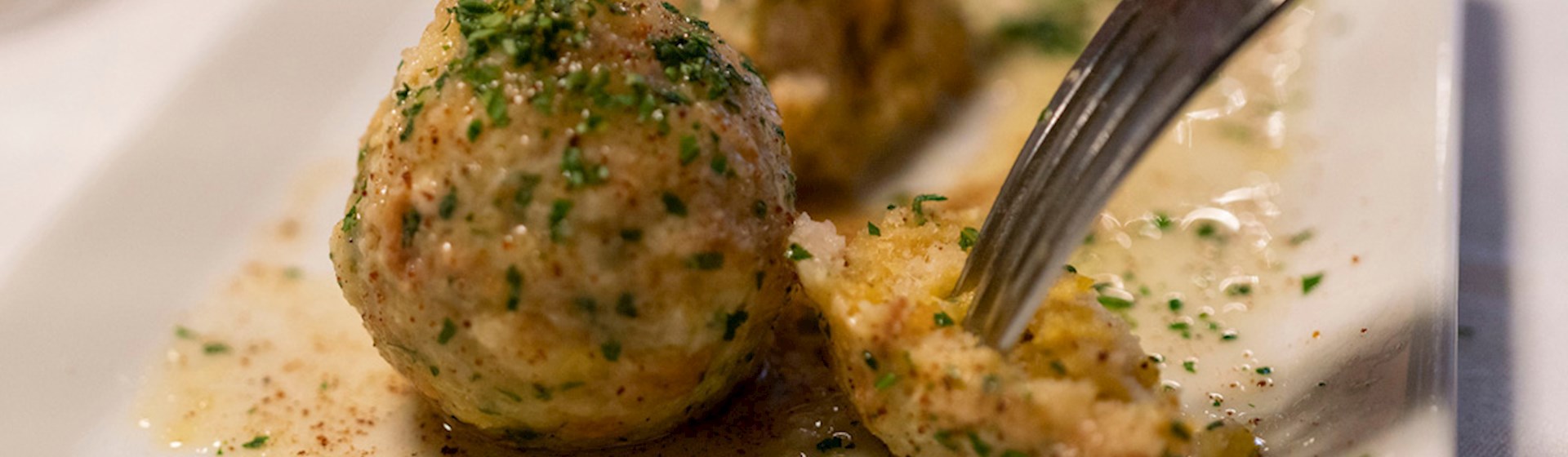
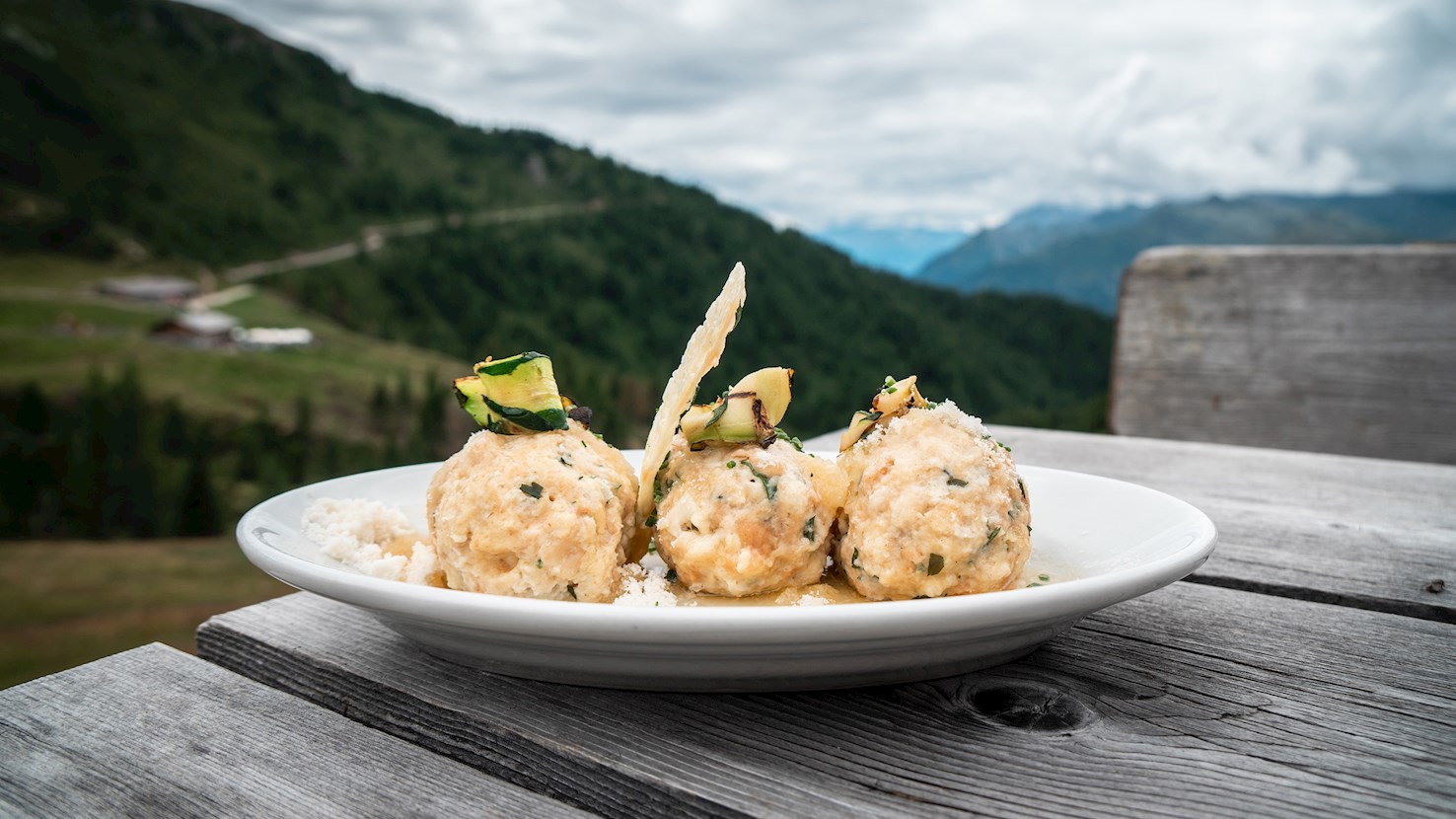
Käseknödel is a traditional dumpling enriched with cheese originating from Tyrol and South Tyrol. These cheese dumplings are typically served as a side dish that shows an inventive way of using leftover stale bread. The stale bread is mixed with cheese, eggs, butter, milk, onions, parsley, salt, and pepper. Käseknödeln are usually boiled in water or fried in butter on both sides until golden brown and then served in a broth or with various salads and stews.

02

Varenyky

4.4 ·

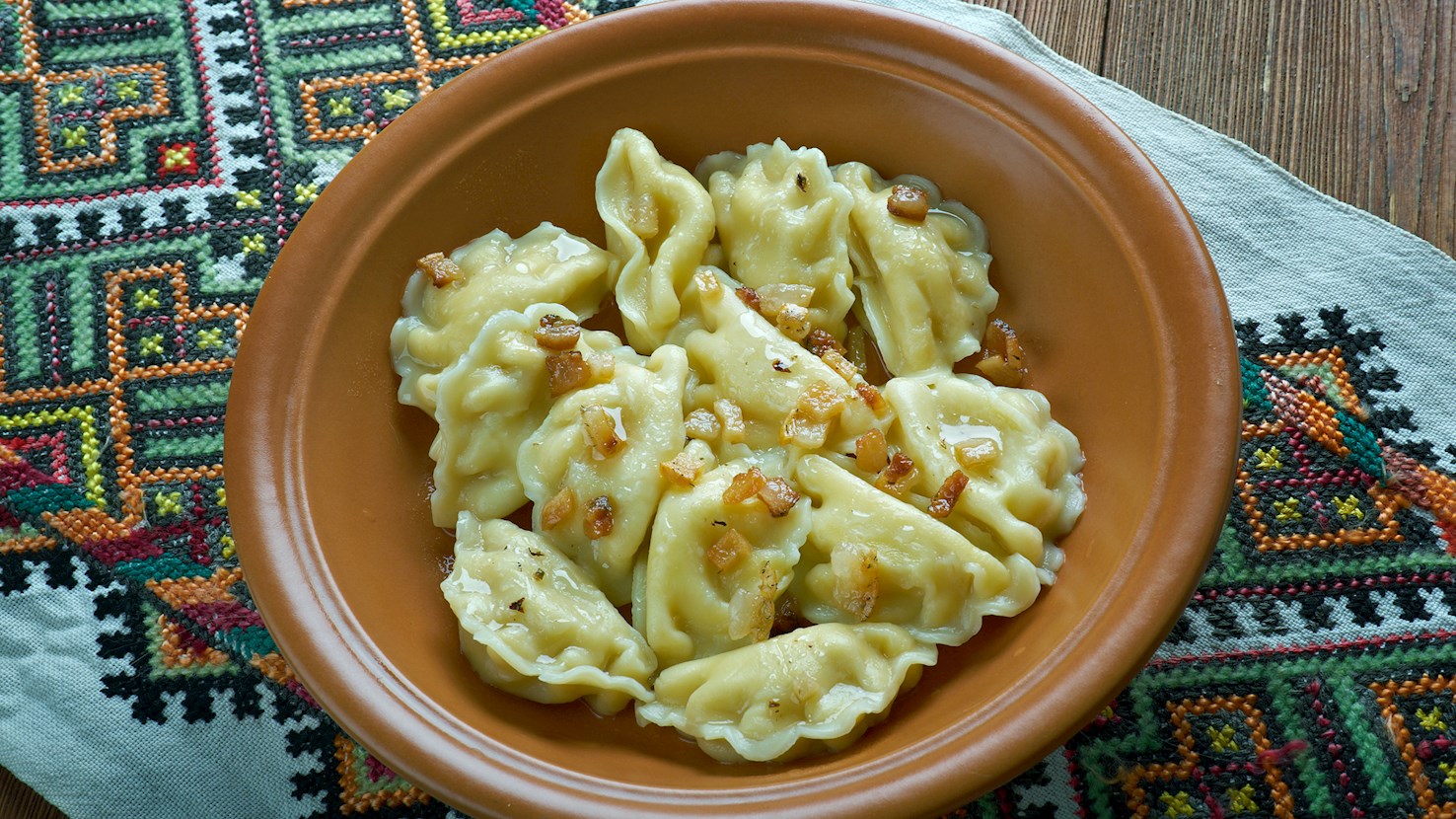
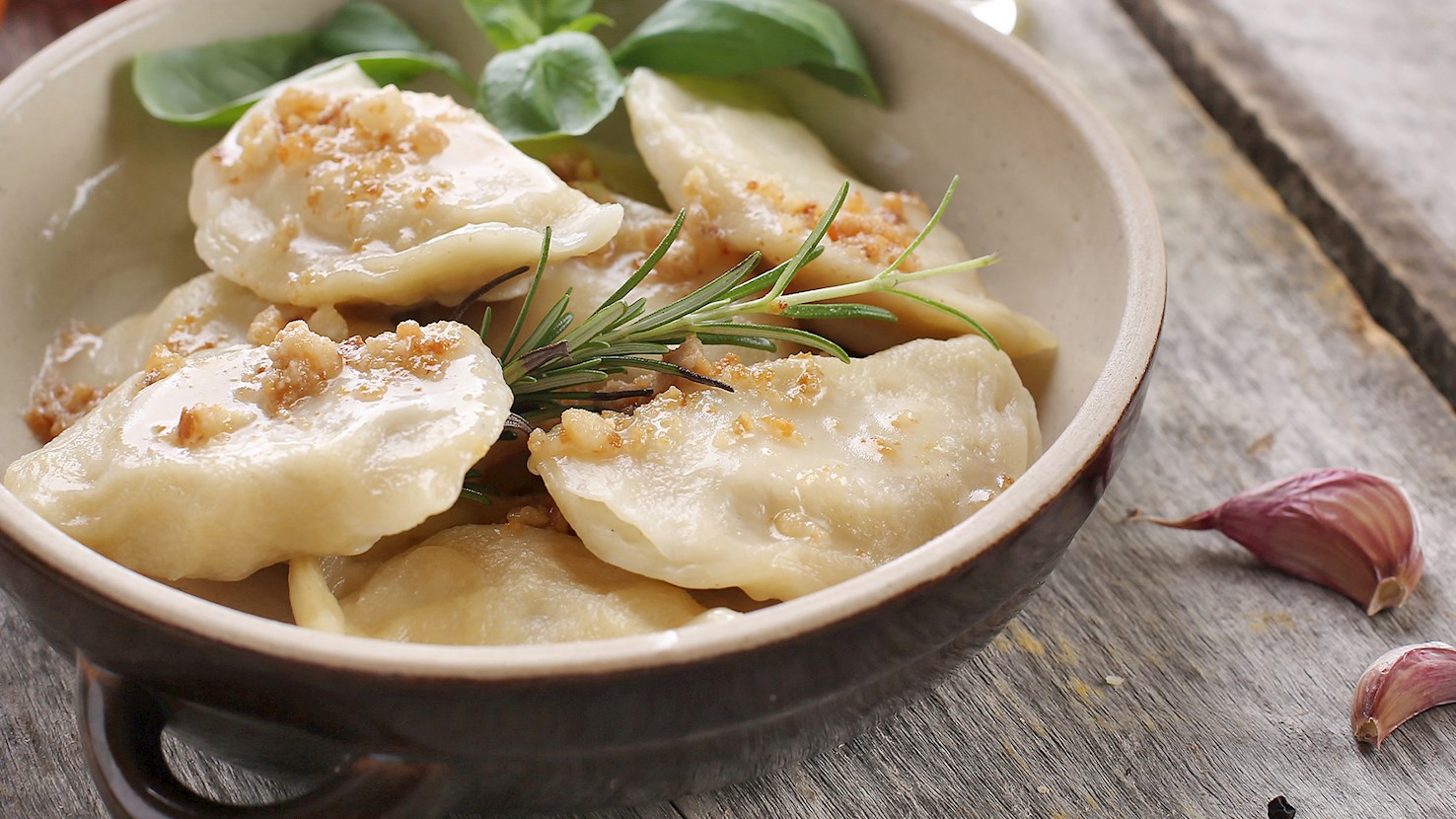
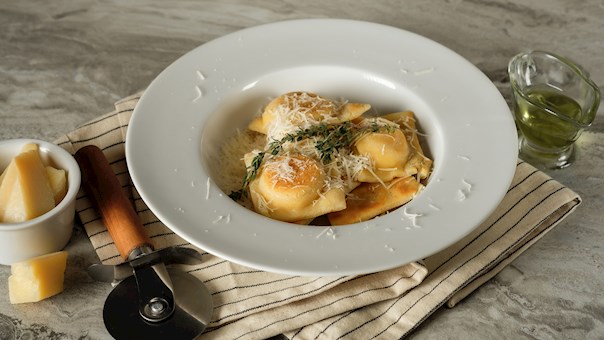
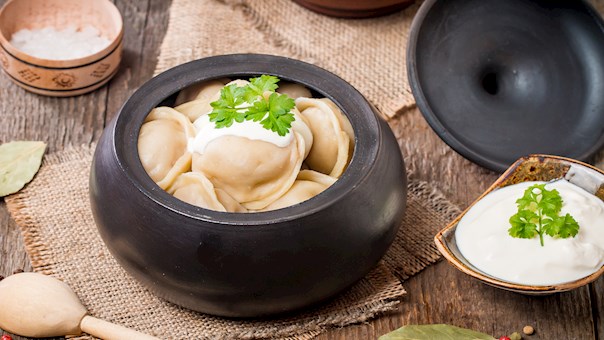
Originating from the historical region of Red Ruthenia, these soft, crescent-shaped dumplings are filled with a combination of potatoes and cheese, which is occasionally modified with various seasonings or fried onions. Pierogi ruskie are usually boiled and shortly fried until they develop a crispy texture. The dumplings are often served sprinkled with cracklings, crispy fried onions, or bacon, and can be enjoyed as a hearty appetizer or as a main course. In Ukraine, the pierogis are called varenyky, and they are so popular that there is even a monument celebrating varenyky in the city of Cherkasy. The sweet, fruit-filled version of varenyky is typically served with sugar and sour cream.

03

Pierogi

4.4 ·

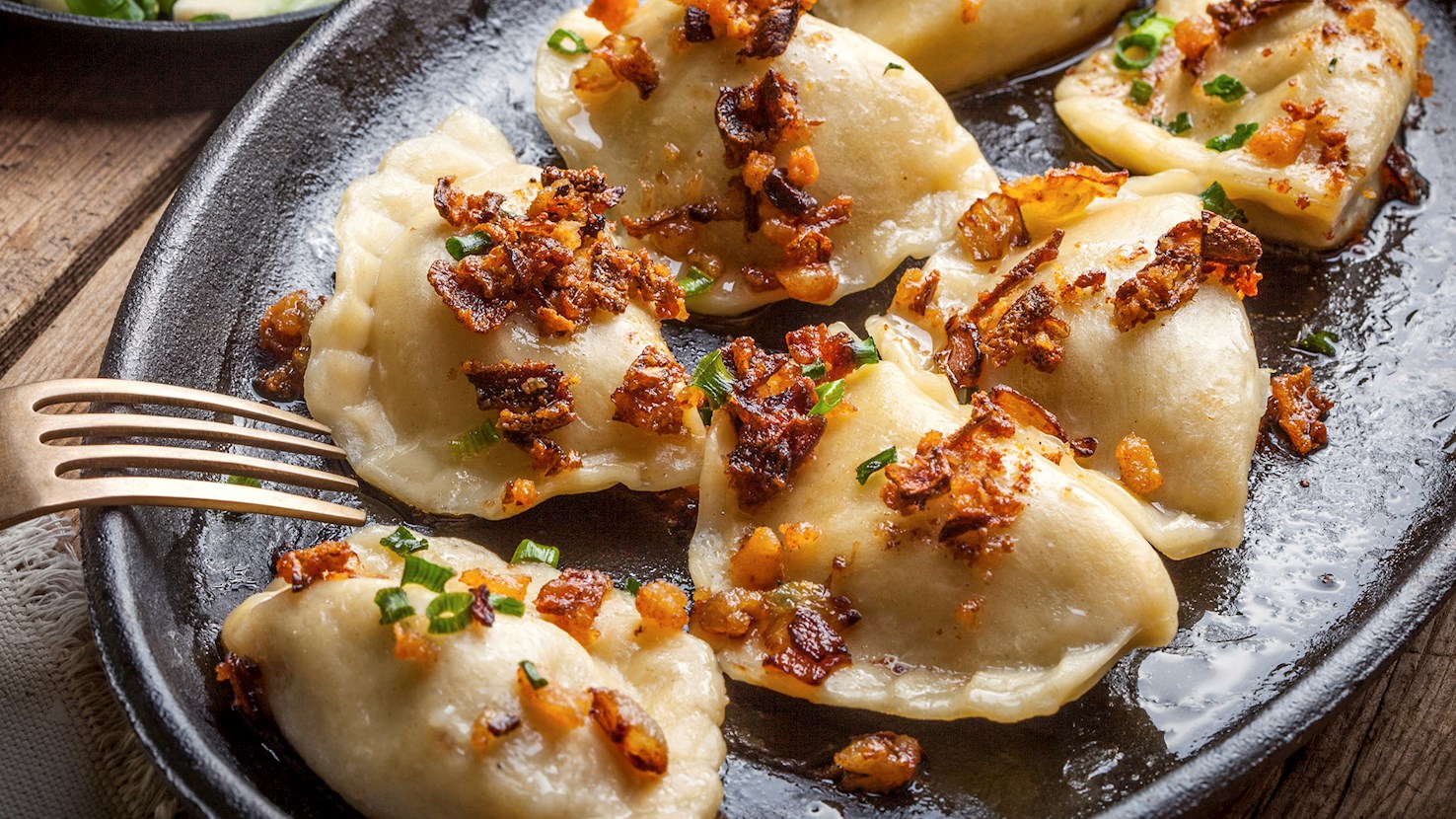
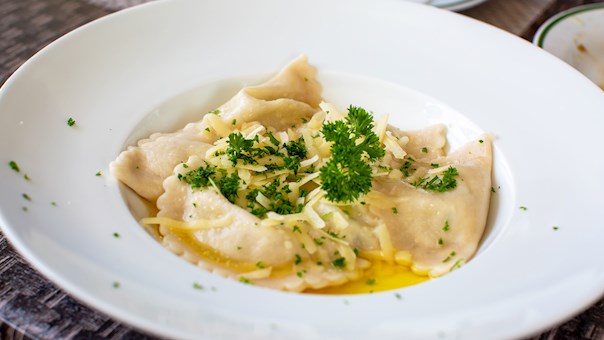
These stuffed dumplings derived their name from the Polish word for filled dumpling: pieróg. This former peasant food evolved into one of Poland's favorite dishes. Every family has their own version of pierogi filling, and the ingredients that can be used are limited only by the imagination of the chef. Pierogi can be sweet, savory, or spicy, and the most common fillings include cheese, onions, ground meat, mushrooms, potatoes, and sauerkraut. The sweet versions commonly include various berries, such as strawberries or blueberries. Traditionally, these dumplings are served as the 12th course of a traditional Polish Christmas Eve dinner. As the entire meal must be meatless, the filling usually consists of mushrooms, cabbage, and sauerkraut. Although pierogi have been made since the 13th century, it is not known where they were originally created—the Poles, Romanians, Russians, Ukrainians, Lithuanians, and Slovaks all claim they should be credited as the inventors of the pierogi. Others claim that it was brought to the West by the Tatars, and some say that the original pierogi traveled from China and reached Europe through Italy. Despite all this uncertainty, one fact is indisputable—the word pierogi first appeared in print in the second half of the 17th century. Today, pierogi are extremely popular throughout the country, and can be found in numerous pierogarnia eateries on Polish street corners. Poland also celebrates National Pierogi Day every year on October 8th, while the city of Kraków boasts its own annual Pierogi Festival held on August 17th.

04

Kasnocken

4.4 ·

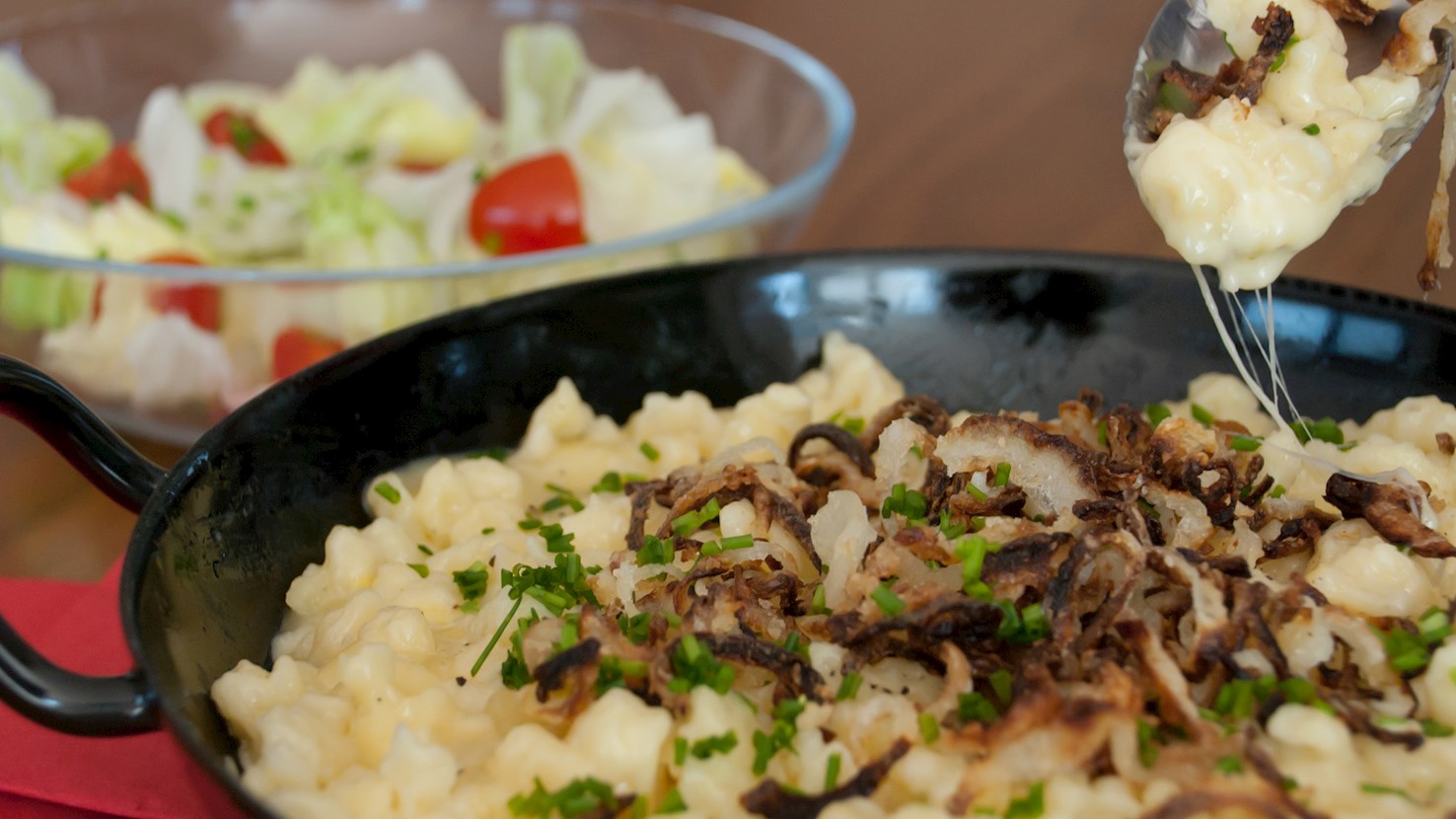
Kasnocken is a savory dish made by coating small dumplings with melted cheese and caramelized onions. The dish is said to originate from Austria’s Pinzgau region (congruent with the Zell am See district), and in line with the place of origin, the cheese used when preparing the dish is the Pinzgauer Bierkäse, characterized by its strong odor and mild flavors. Since this is one hearty meal, a shot of schnapps is traditionally taken afterwards for improving digestion.

05

Wachauer Marillenknödel

4.4 ·

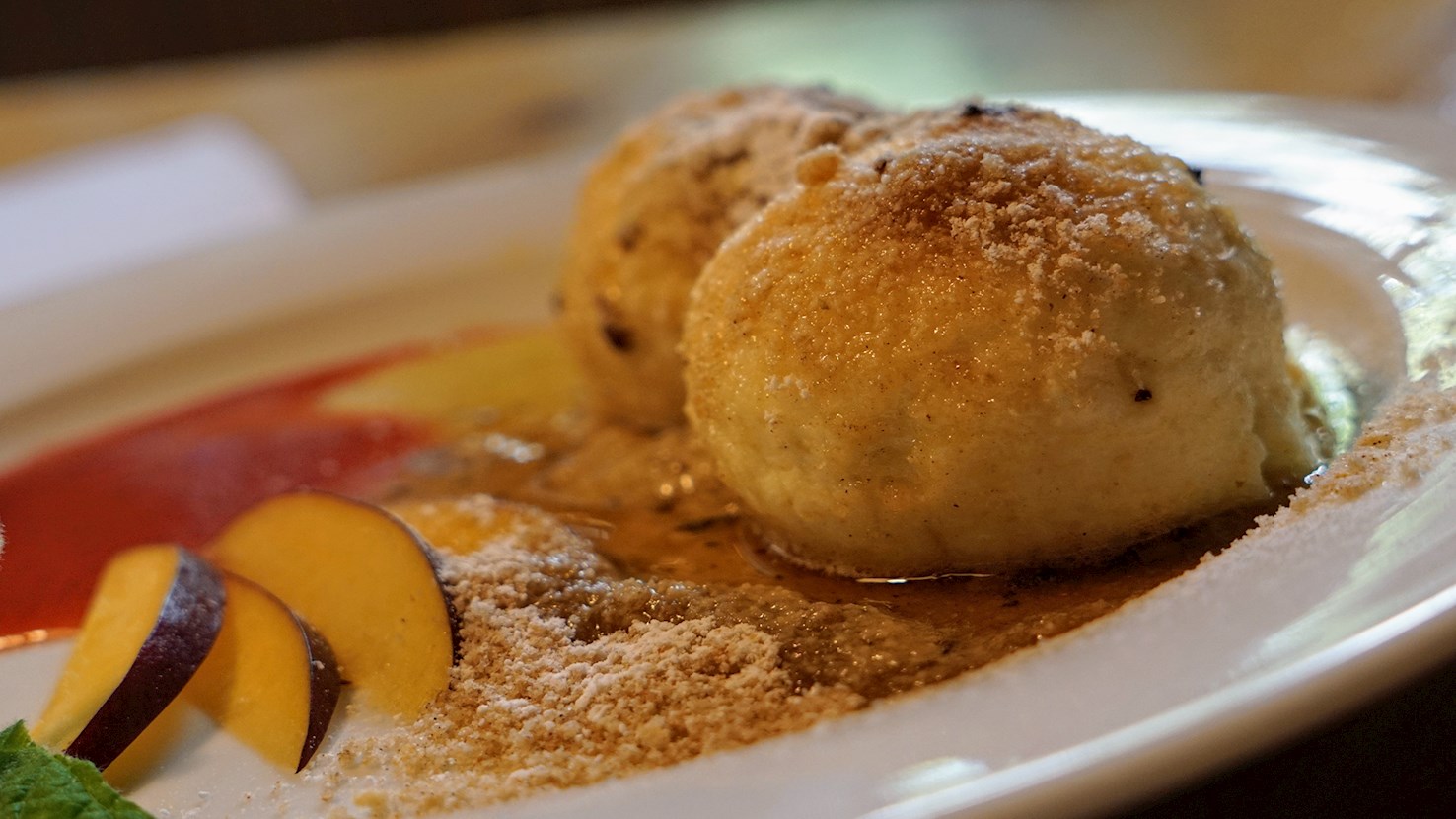
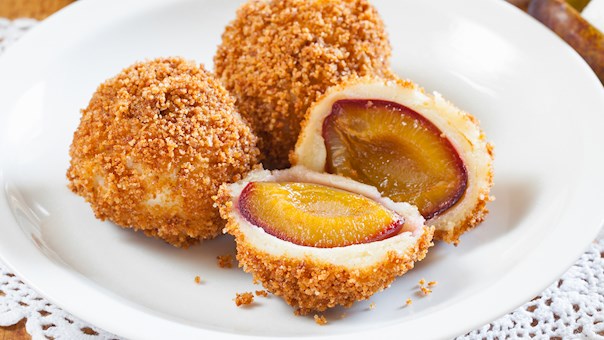
Wachauer marillenknödel is a classic Austrian dish consisting of a depitted Wachau apricot that is encased in a light dough which is then shaped into a dumpling, cooked, and rolled in breadcrumbs that have been fried in butter. The dough can be made either with soft cheese or potatoes, while the breadcrumbs are often seasoned with powdered cinnamon. Although the delectable Wachau apricot dumplings are served generously dusted with icing sugar, some might think that they are served as a dessert, but the dumplings are traditionally consumed as a main dish.

06

Agnolotti del plin

4.4 ·

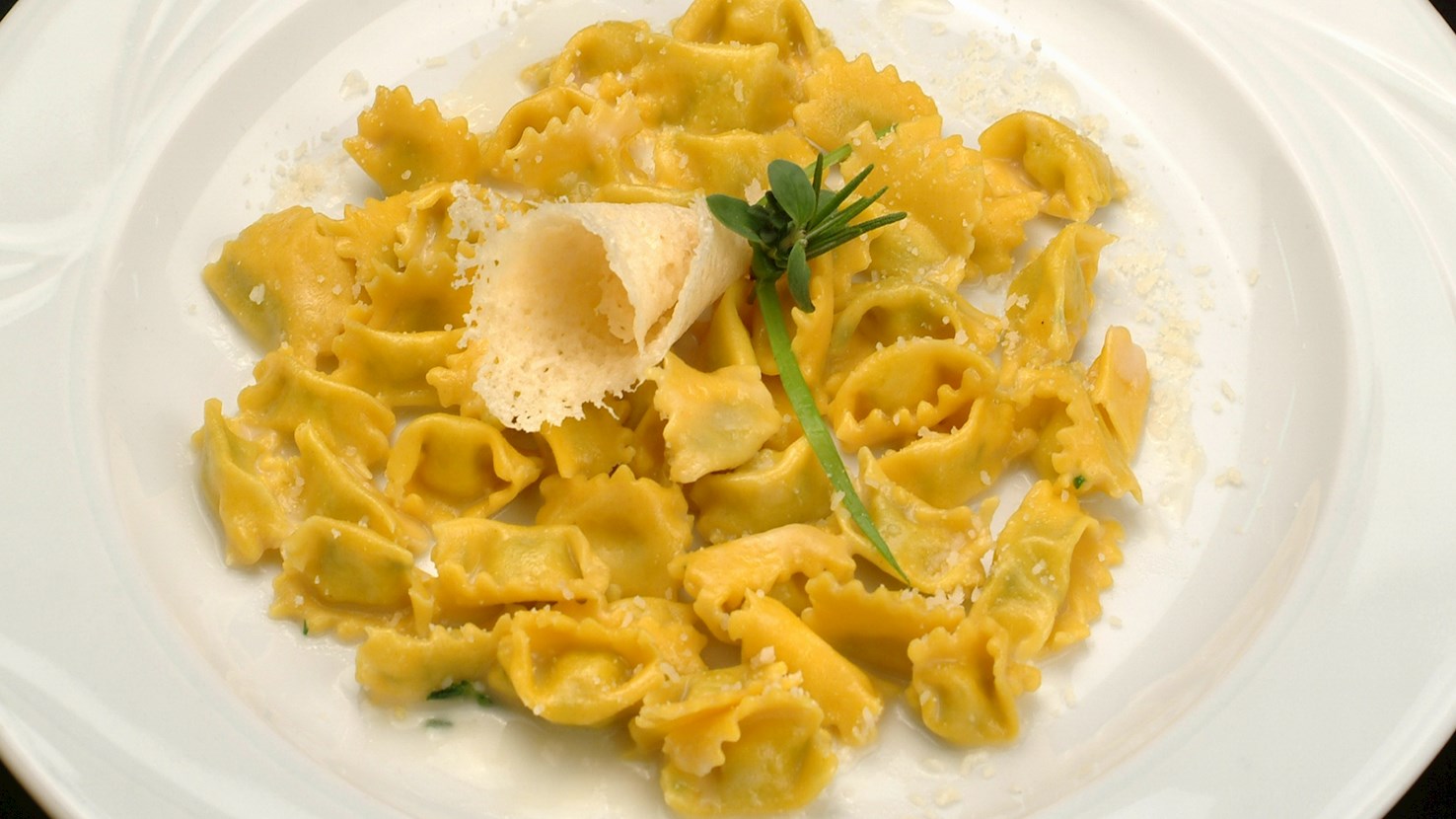
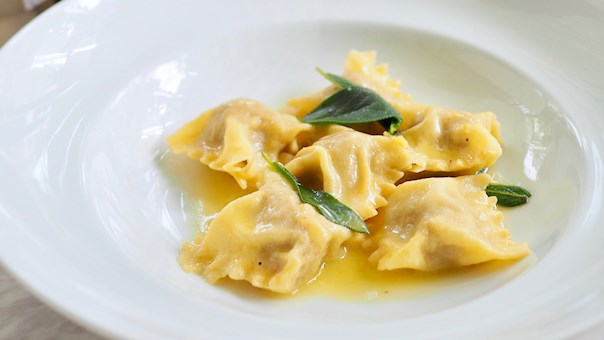
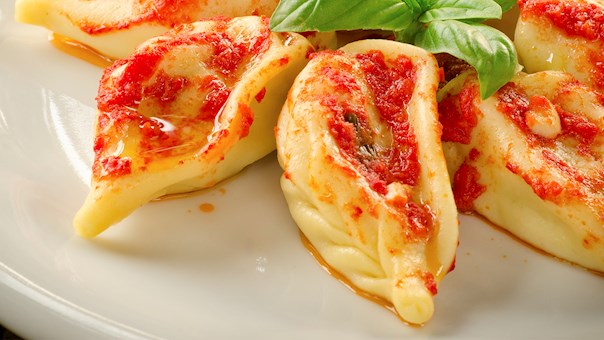
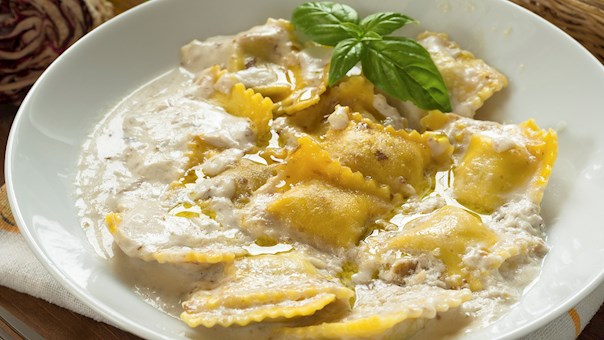
Agnolotti del plin is a traditional dish from Piedmont that is made with small, usually boat-shaped agnolotti pasta. The pasta is traditionally filled with veal, pork or rabbit meat, this was mainly done with leftover roasts, but vegetables such as cabbage or spinach are also occasionally used. The name of the dish stems from the local dialect in which plin translates as a pinch, referring to the preparation method of sealing each agnolotto with a firm squeeze. Agnolotti del plin can be served doused in melted butter, a combination of butter and fresh sage (burro e salvia), tomato sauce, ragù, or meat drippings sauce (sugo d'arrosto).

07

Khinkali

4.3 ·

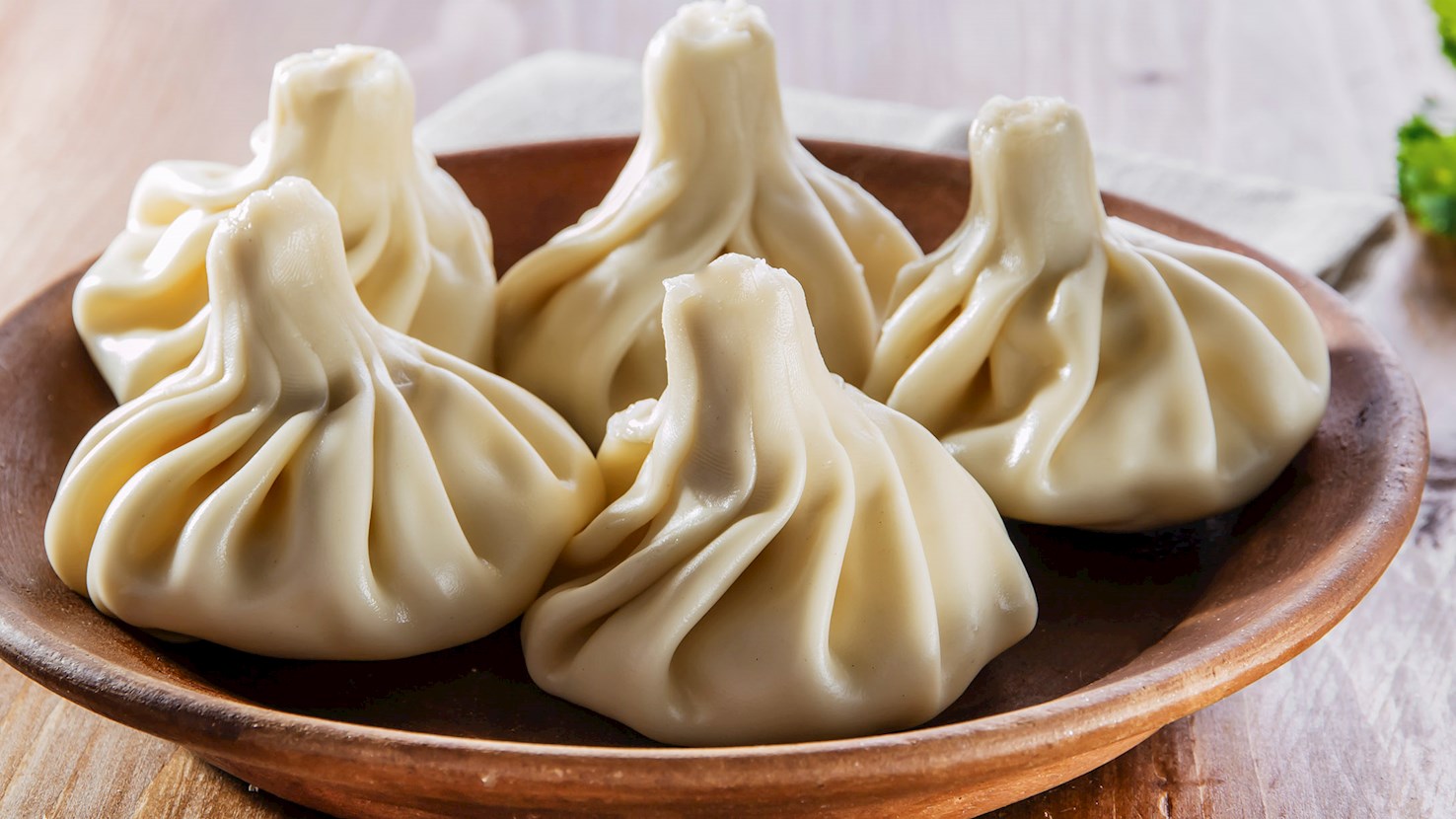
These delicious Georgian dumplings known as khinkali are considered to be one of the national dishes of the country. The dumplings are filled with meat and spices, then traditionally twisted into a knot at the top. Regional differences influence the fillings and every part of Georgia has their distinctive variety. For example, in the mountainous regions, the most traditional filling is lamb, however; the most frequent variety throughout entire Georgia is a mixture of pork and beef. The vegetarian versions made with traditional Imeretian cheese or mushrooms are also quite popular. The traditional recipe was developed over time, and now includes fresh herbs such as cilantro or parsley. The meat for khinkali is never precooked – therefore, all of the juices are tucked inside the dumplings. Eating khinkali is also a part of traditional Georgian folklore: the top, where the dough is twisted into a knot, should never be eaten because it serves as a handle to hold the dumpling, and it is usually left on the plate as an indication of how many dumplings have been eaten. These flavorful dumplings are served plain or paired with freshly ground black pepper.

08

Koldūnai

4.3 ·

Known as koldūnai in Lithuania, kalduny in Belarus and kołduny in Poland, these stuffed dumplings boiled in salted water are a staple of regional cuisine. Traditionally filled with minced pork, beef, chicken, curd cheese, or mushrooms, they make for an excellent lunch choice and can be enjoyed with a variety of garnishes, from butter and black pepper to mayonnaise, sour cream, crispy bacon, or spirgučiais (a type of pork rind).

09

Bryndzové halušky

4.3 ·

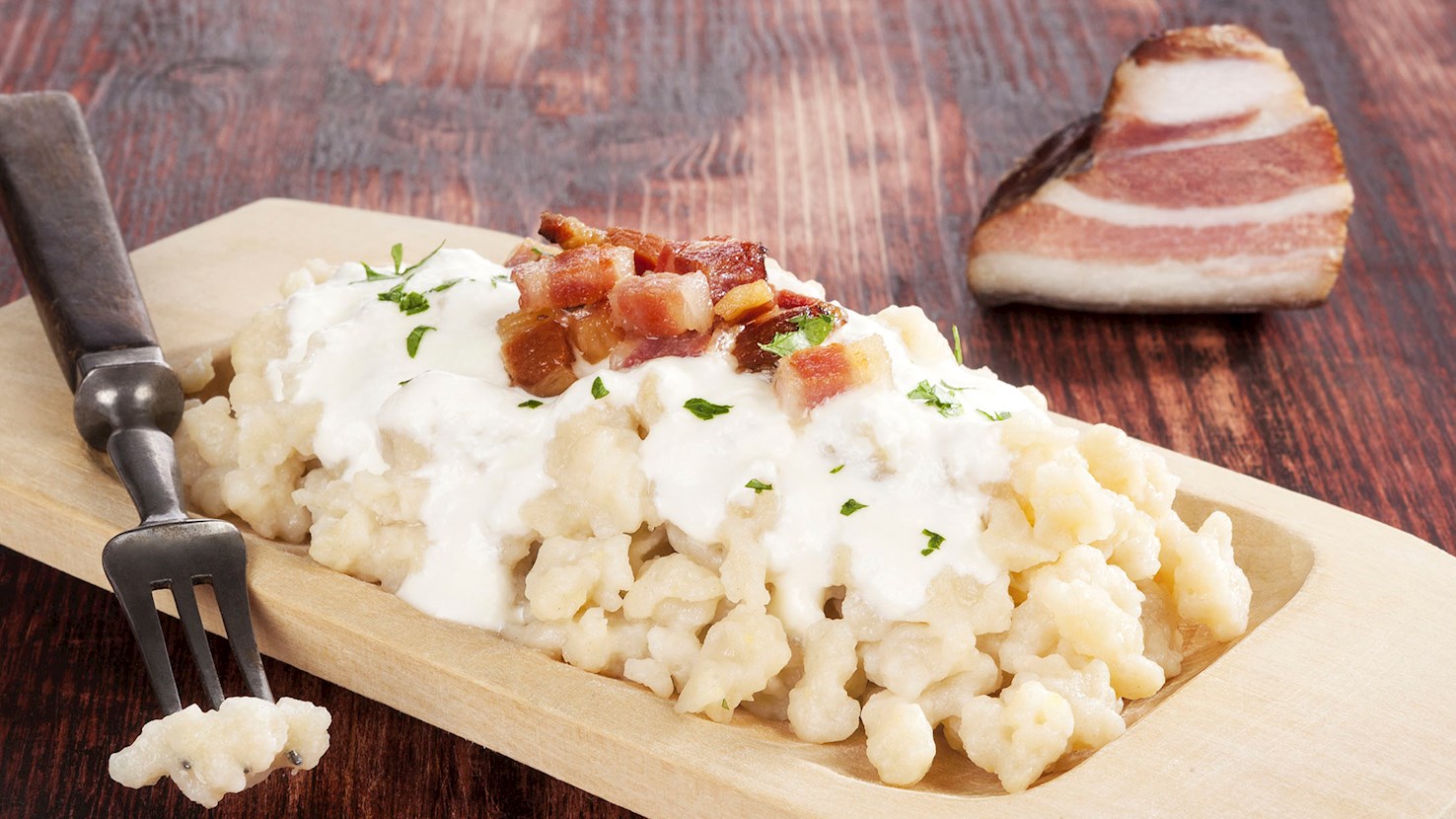
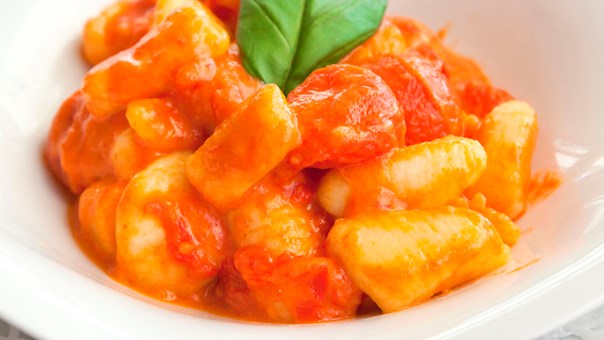
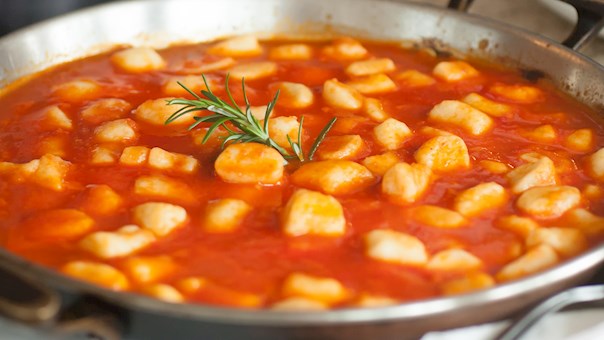
Bryndzové halušky is a modest and simple meal consisting of three elements: halušky, bryndza, and bacon. Halušky is a traditional name for a type of dumpling made with grated raw potatoes and flour. The second essential ingredient in this dish is bryndza, a flavorful cheese made from sheep's milk, authentic to the Liptov area. The original Slovak bryndza is salty, strong, crumbly, and light gray, while the mass-produced varieties are usually milder, lighter, and typically have a certain percentage of cow's cheese. Bryndza is added directly to halušky and mixed thoroughly until it melts. The third and the final part of this dish is bacon, typically cut into pieces, fried in a pan, and sprinkled on top of the dish. This hearty meal is a symbol of pride for Slovaks, and it symbolizes Slovak cuisine as it is: simple, straightforward, and traditional.

10

Manti

4.3 ·

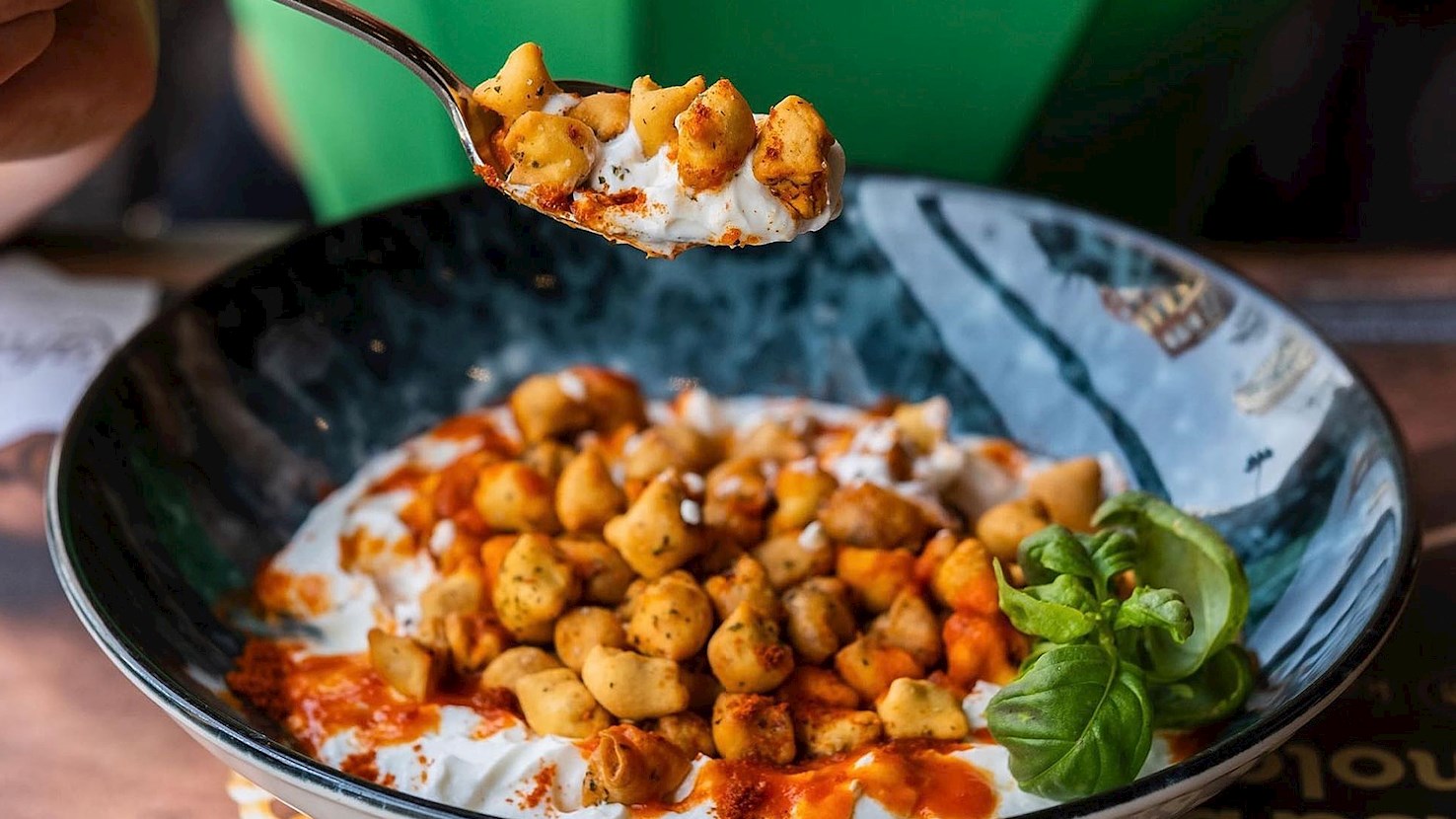
Manti are traditional Turkish dumplings filled with spiced ground meat and onions. The dumplings are most commonly topped with a sauce consisting of yogurt and garlic. The name of the dish is derived from mantu, meaning dumplings, and they were originally brought over from Central Asia to Türkiye by nomadic Turkish tribes in the 13th century. Today, manti dumplings are popular throughout Turkey, as well as in numerous other cuisines such as Armenian, Afghan, and Central Asian.

Best European Dumplings

01

I Sapori d’Ogliastra di Vito Arra

4.2 ·
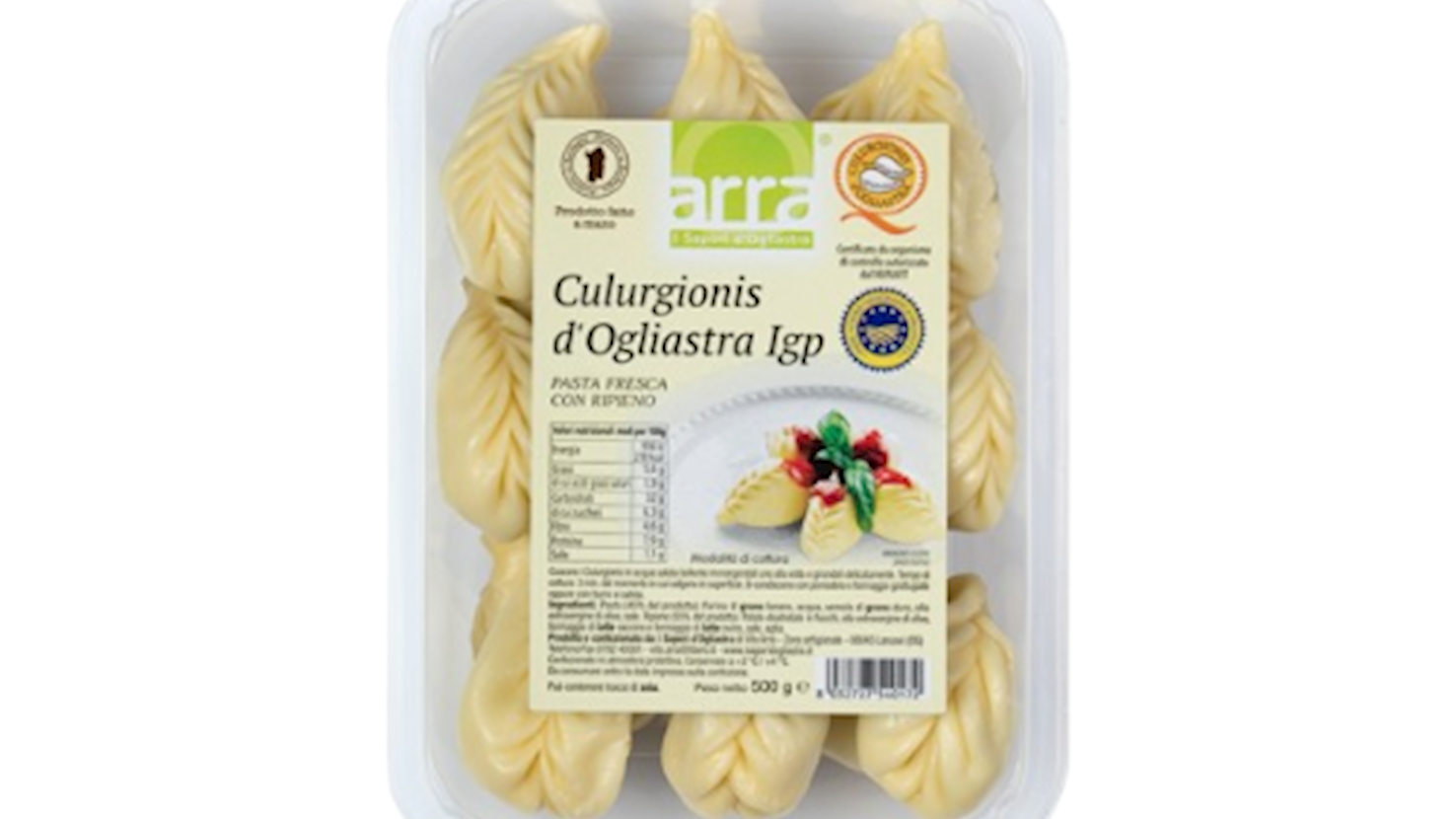
I Sapori d’Ogliastra di Vito Arra is a family-run pasta producer based in Lanusei, Sardinia, founded in 2004 by Vito Arra with a clear mission: to preserve and promote the authentic flavors of the Ogliastra region. The company skillfully combines traditional Sardinian techniques with modern production capabilities, while maintaining handcrafted methods for key specialties such as culurgiones and sebadas. Their most renowned product is Culurgiones d’Ogliastra IGP – ravioli shaped like an ear of wheat, filled with a blend of potatoes, pecorino cheese, garlic, and mint. These are a tribute to local heritage and bear the Protected Geographical Indication mark, certifying their origin and quality. In addition to culurgiones, the pastificio produces other typical Sardinian pastas such as malloreddus, gnocchi, and ravioli, as well as traditional desserts. Pastificio Arra is recognized for its consistent commitment to authenticity, transparency, and the use of local ingredients, with quality standards supported by IGP certification. Their products embody a true expression of Sardinian cuisine - a fusion of artisanal skill, cultural heritage, and social responsibility.
Read more
View all
View map
About this ranking

TasteAtlas food rankings are based on the ratings of the TasteAtlas audience, with a series of mechanisms that recognize real users and that ignore bot, nationalist or local patriotic ratings, and give additional value to the ratings of users that the system recognizes as knowledgeable. For the “Top 100 European Dumplings” list until May 15, 2026, 12,979 ratings were recorded, of which 9,592 were recognized by the system as legitimate. TasteAtlas Rankings should not be seen as the final global conclusion about food. Their purpose is to promote excellent local foods, instill pride in traditional dishes, and arouse curiosity about dishes you haven’t tried.

The initial list of top producers was compiled based on available reviews, awards, local recommendations, media and blog coverage, and consumer reviews. The list will be updated with ratings from TasteAtlas local ambassadors and TasteAtlas users.

Similar lists