

shutterstock

Top 40 Indian Flatbreads

Last updated on May 15, 2026
01

Butter garlic naan

4.5 ·

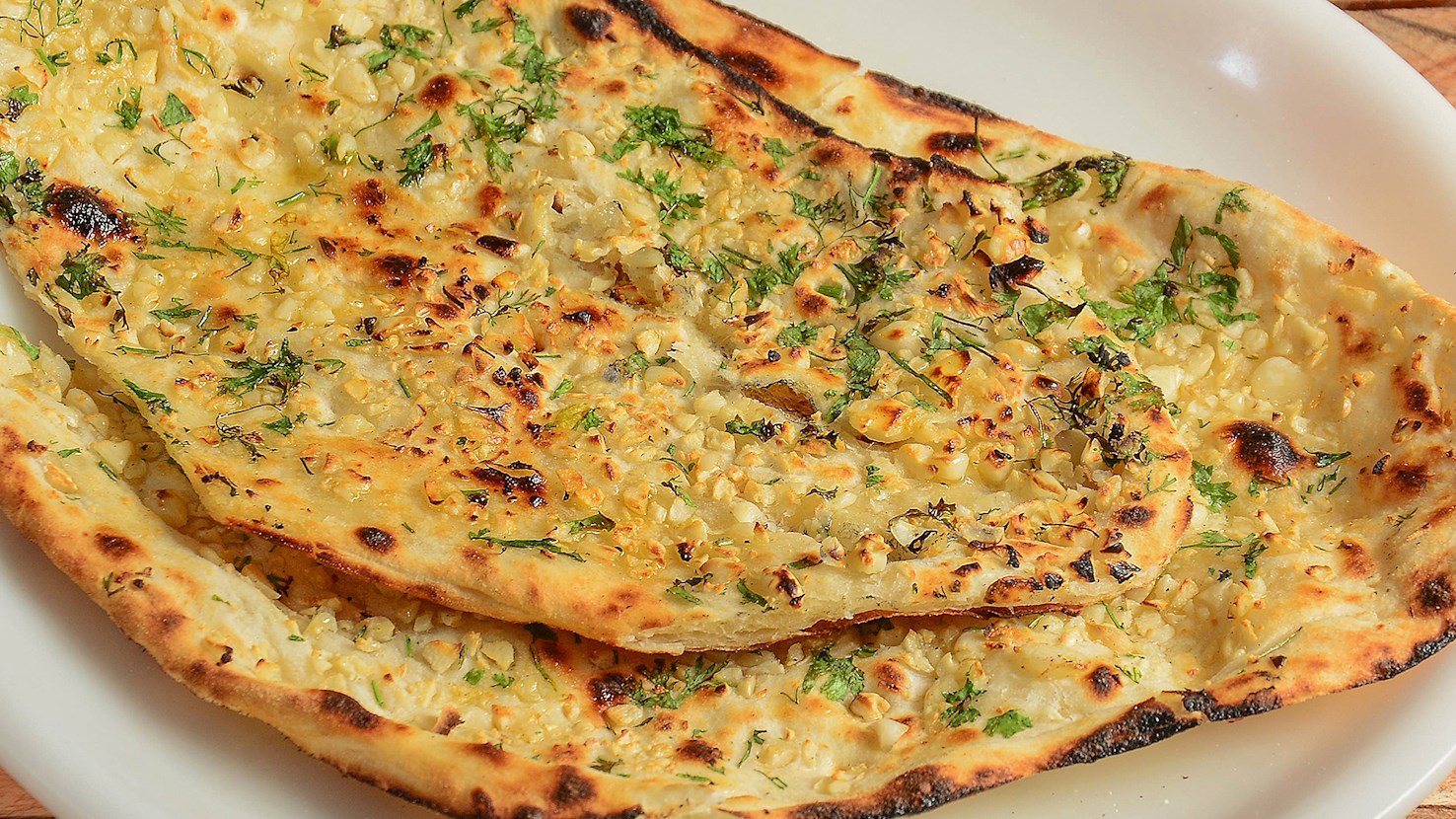
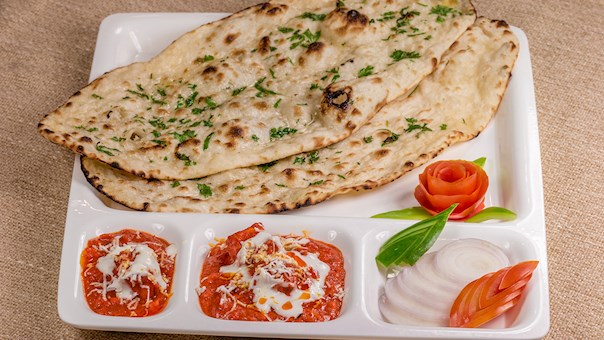
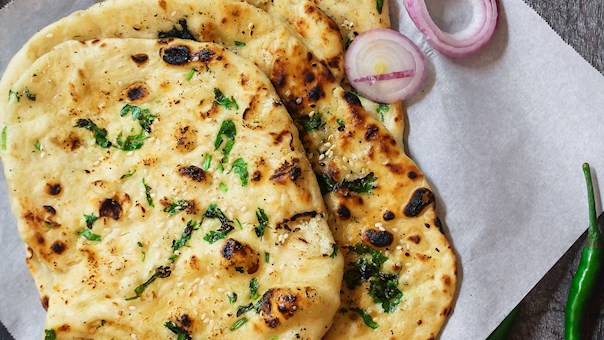
Butter garlic naan is a traditional flatbread and one of the most popular versions of naan. It’s made with flour, baking powder, salt, sugar, and dahi. Once the dough has been baked in a hot tandoor oven, the golden naan is taken out and brushed with butter or ghee, then topped with minced garlic. It’s recommended to serve butter garlic naan with a variety of Indian dishes such as curries, butter chicken, dal makhani, malai kofta, or shahi paneer.

02

Amritsari kulcha

4.4 ·

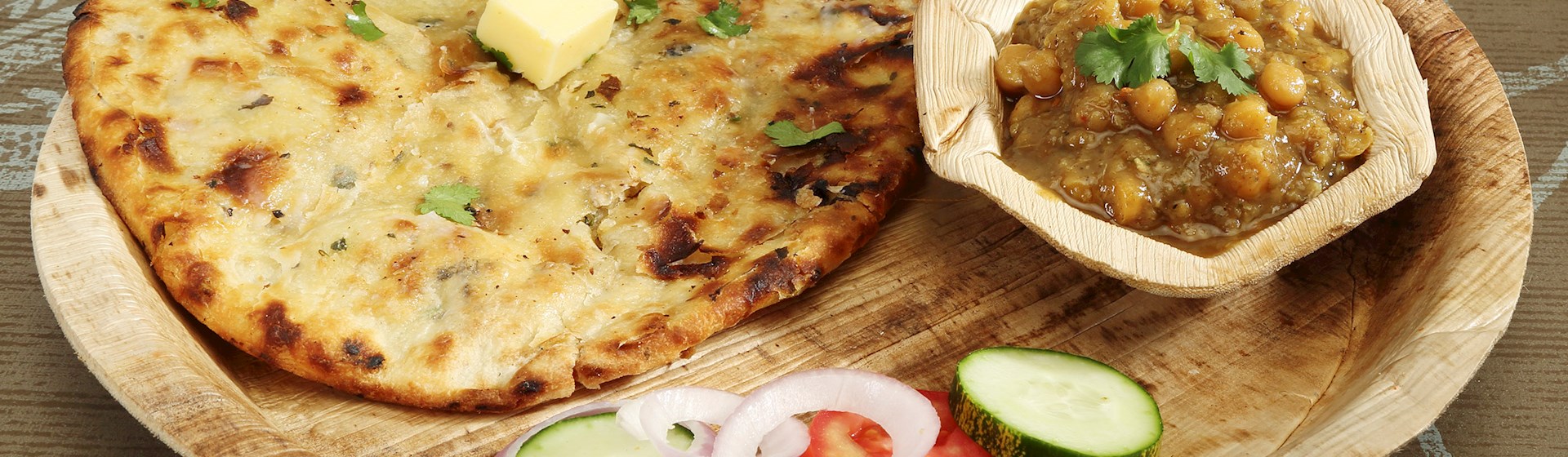
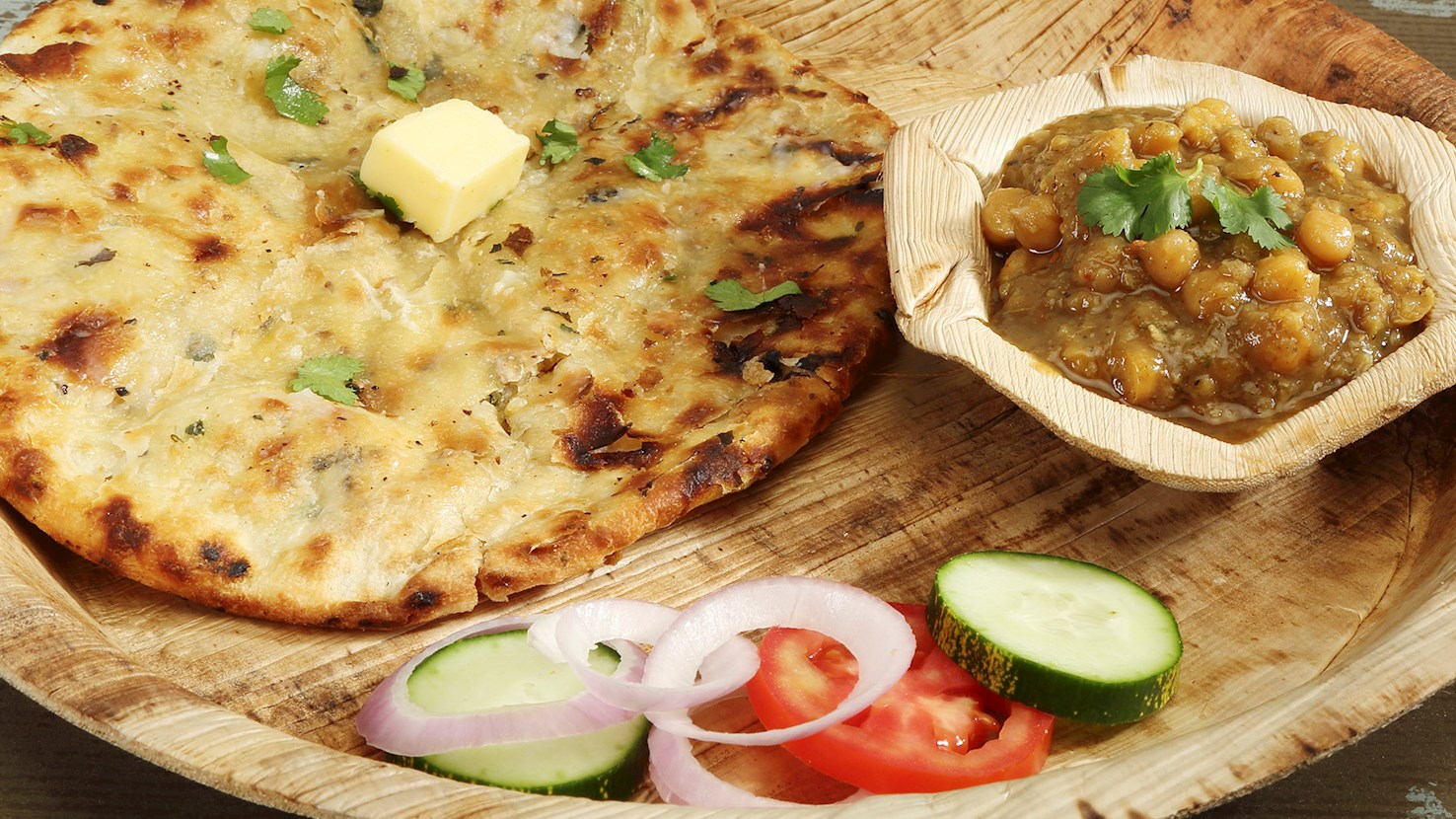
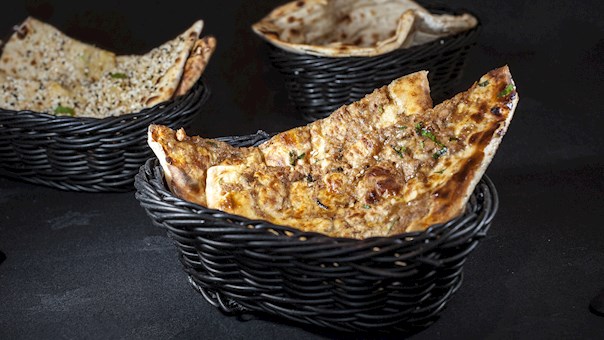
Coming from the North Indian city of Amritsari, Amritsari kulcha is a flatbread stuffed with potatoes, onions, cottage cheese, and spices. The flatbread is commonly garnished with coriander seeds, cilantro, and red chili powder. Thin, crispy, and smeared with ghee butter, it is a staple food in Amritsar, with almost every shop in the city sizzling with the sound of kulchas baked in large tandoor ovens. Not much is known about the history of this flavorful dish, and even the locals say that kulcha is just something they have always eaten, a variation on numerous flatbreads that the country is known for.

03

Aloo naan

4.4 ·

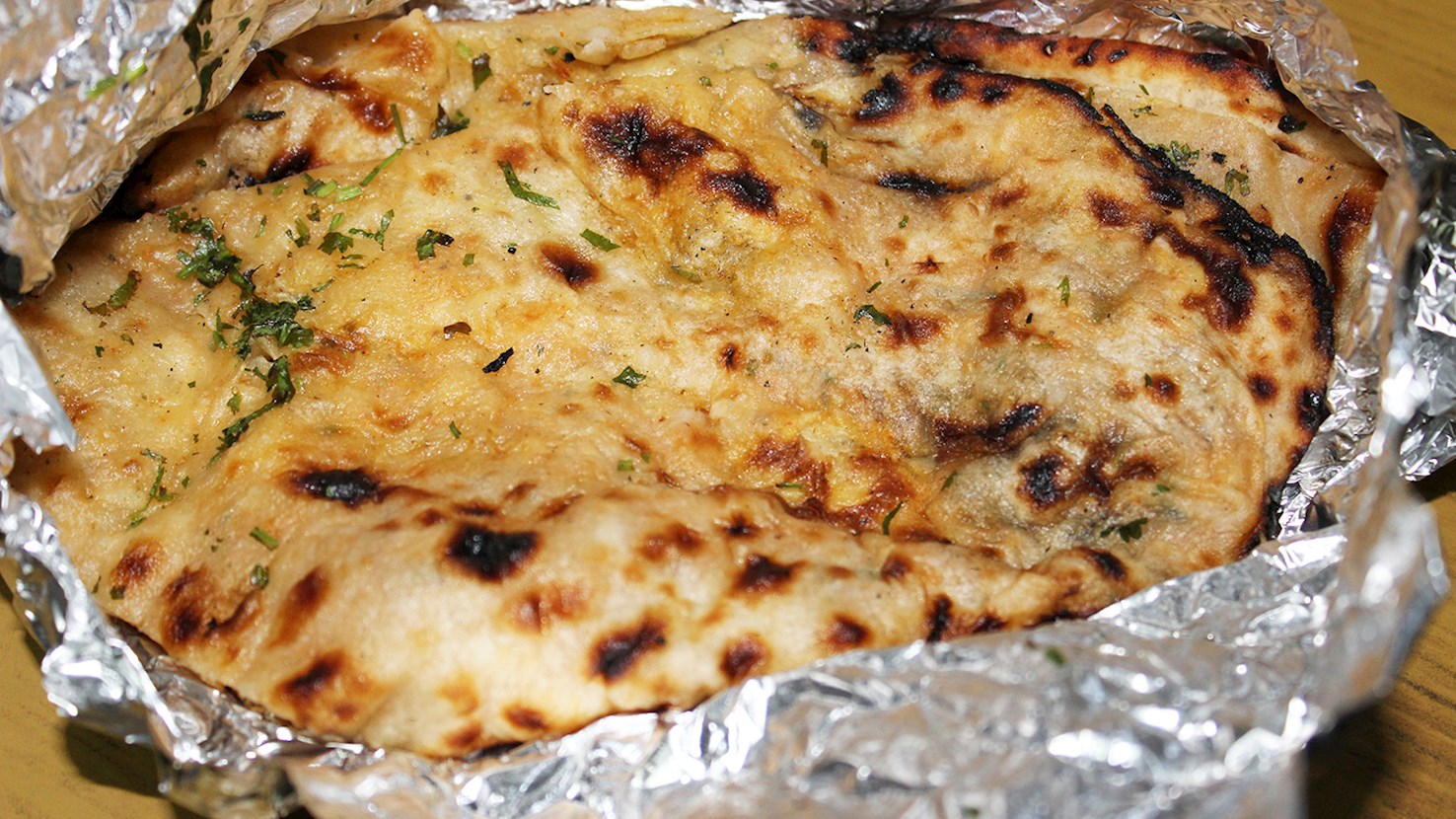
Aloo naan is a traditional flatbread and a version of naan. It’s made with a combination of flour, yeast, salt, sugar, and dahi. The naan is stuffed with a spicy combination of mashed potatoes, chili peppers, coriander, and garam masala, if desired. Once prepared, the golden tandoor-baked naan is brushed with butter or ghee, then served hot. It’s recommended to serve aloo naan with a variety of Indian dishes such as raita, chola, and dal makhani.

04

Parotta

4.4 ·

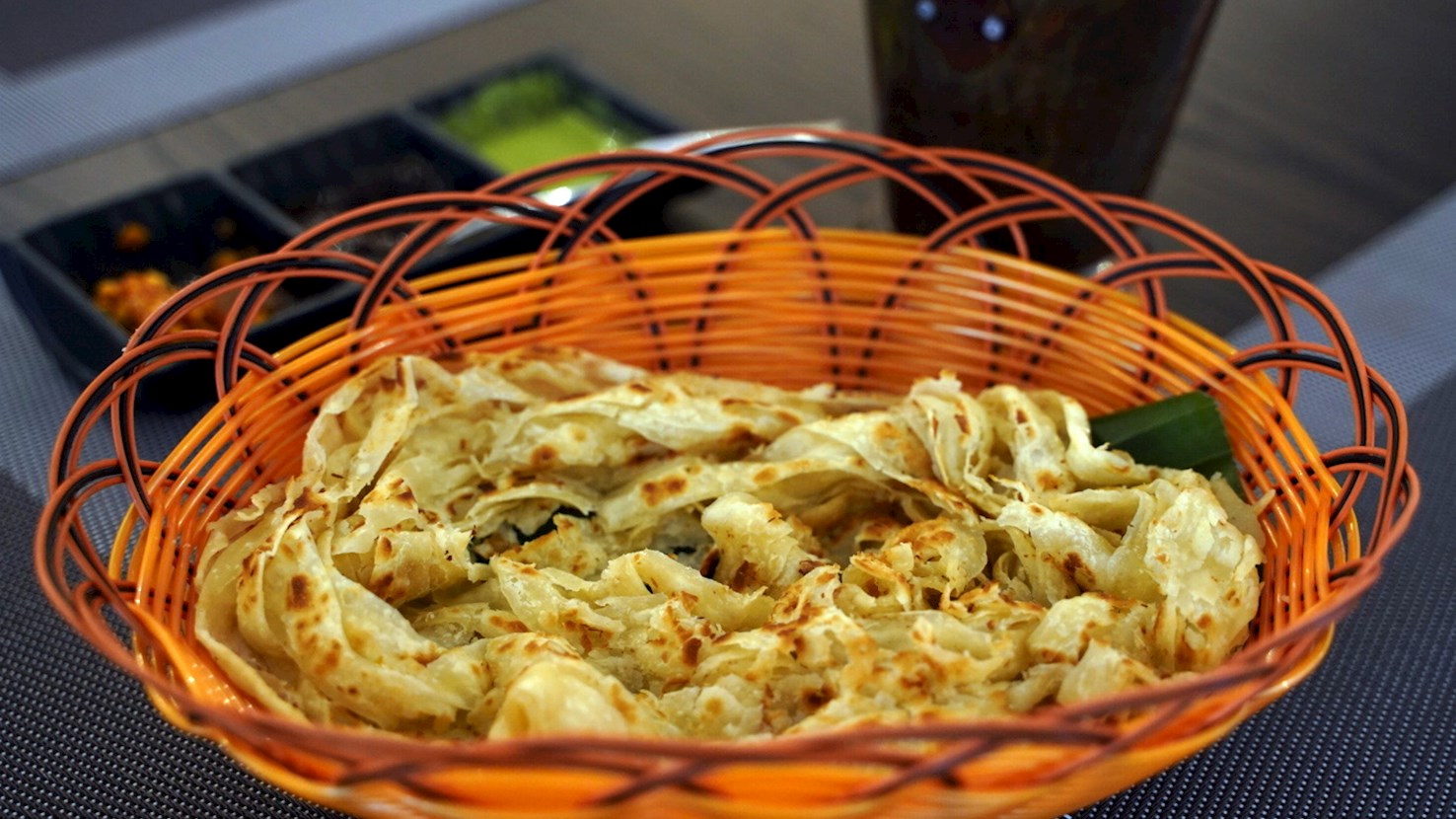
Parotta is a traditional Southern Indian flatbread, usually sold as street food. It is also popular in Malaysia and Sri Lanka. It is made with oil or ghee, water, refined wheat flour known as maida (unlike parathas, which are made with regular wheat), and occasionally eggs. The resulting dough is pan-fried and served with various vegetable or meat curries. This flatbread may also be incorporated into various dishes such as kothu parotta that combines shredded parotta with meat, eggs, and a spicy saalna sauce. A common variation of this popular flatbread is atta parotta, which is prepared with whole wheat flour.

05

Naan

4.3 ·

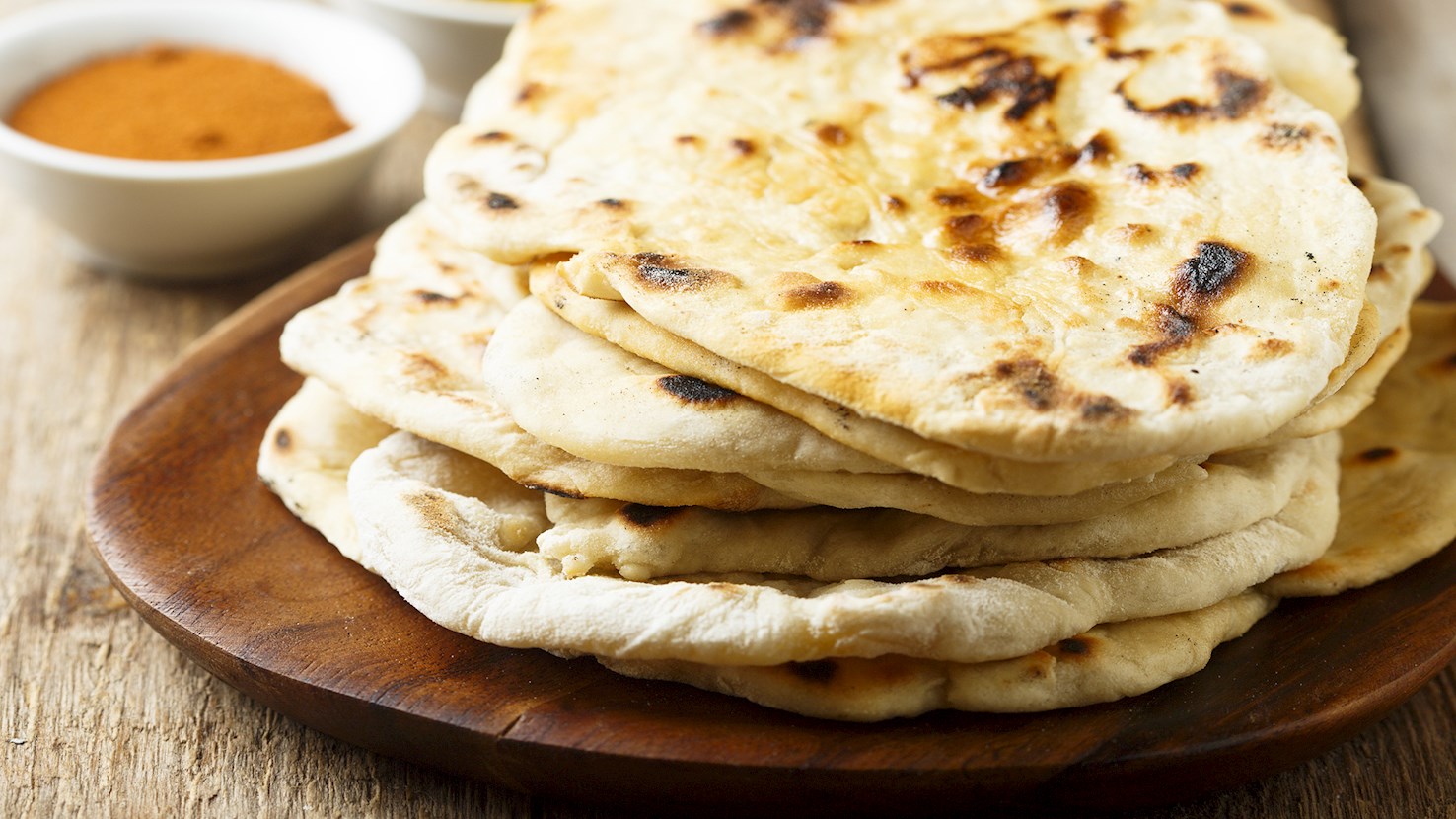
Naan is a unique and popular flatbread with a chewy texture that has its roots in India. The first documented traces of naan are found in the 1300 AD notes of Amir Kushrau, an Indo-Persian poet. Its name comes from the Persian word for bread. Naan was originally made in two versions at the Imperial Court in Delhi - naan-e-tunuk (light bread) and naan-e-tanuri (baked on the stone walls of a tandoor oven). It consists of white flour, yeast, eggs, milk, salt, and sugar, baked in a tandoor oven. Its typical tear-drop shape is achieved by the way the dough droops as it cooks on the tandoor walls. Many Indian villages had a communal tandoor, placed in the middle of the village so that all the locals could bake naan. There are also many varieties of naan, such as kulcha (the flatbread is stuffed with a filling of nuts and raisins, potatoes, or onions) and garlic naan, topped with butter and crushed garlic. Traditionally, naan is served hot from the oven, slightly charred, brushed with ghee - Indian clarified butter, and it is usually consumed as an accompaniment to a variety of dishes.

06

Paratha

4.2 ·

Golden-brown in color, flaky and layered, paratha is a type of Indian bread that is typically consumed for breakfast. The name comes from a combination of words parat and atta (flour), referring to the cooked, layered dough. It consists of whole wheat flour that is baked in ghee (Indian clarified butter) and comes in round, triangular, square, or heptagonal shapes. Parathas are often stuffed with ingredients such as boiled potatoes, cauliflower, garlic, ginger, chili, paneer, or radish. They are sometimes accompanied by pickles, yogurt, homemade chutneys, or meat and vegetable curries. In Punjab, paratha is traditionally paired with lassi, a popular yogurt-based drink. Although the flatbread originated in Peshawar, Pakistan, it has spread throughout India where it can be found at numerous street stands and roadside eateries. The southern Indian version is called parotta. Another way of eating paratha is to roll it into a pipe and dip it into tea. Versatile, buttery, and aromatic - parathas are irresistible in the morning, and that just may be the key to their popularity.

07

Paneer naan (Cheese naan)

4.2 ·

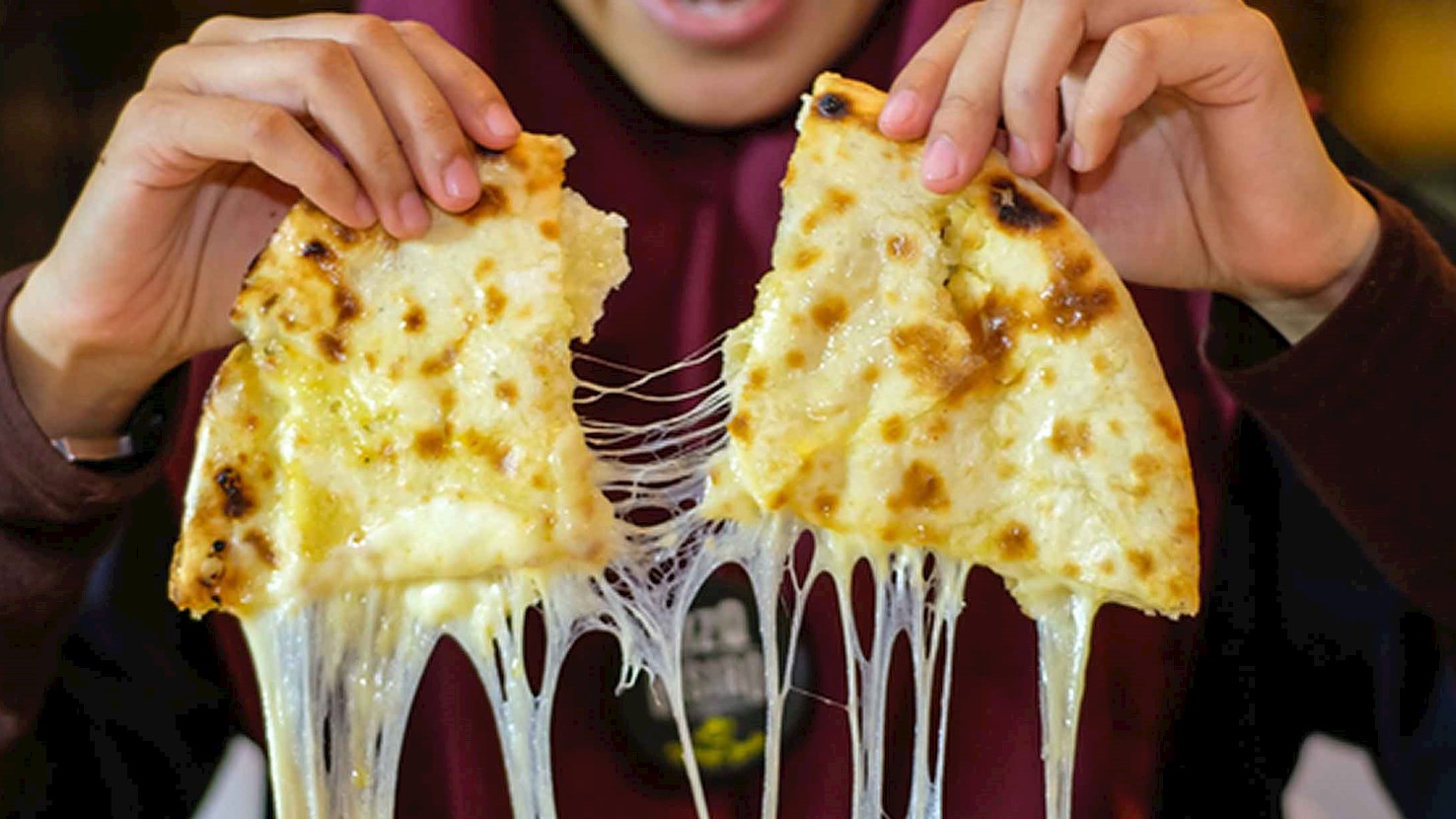
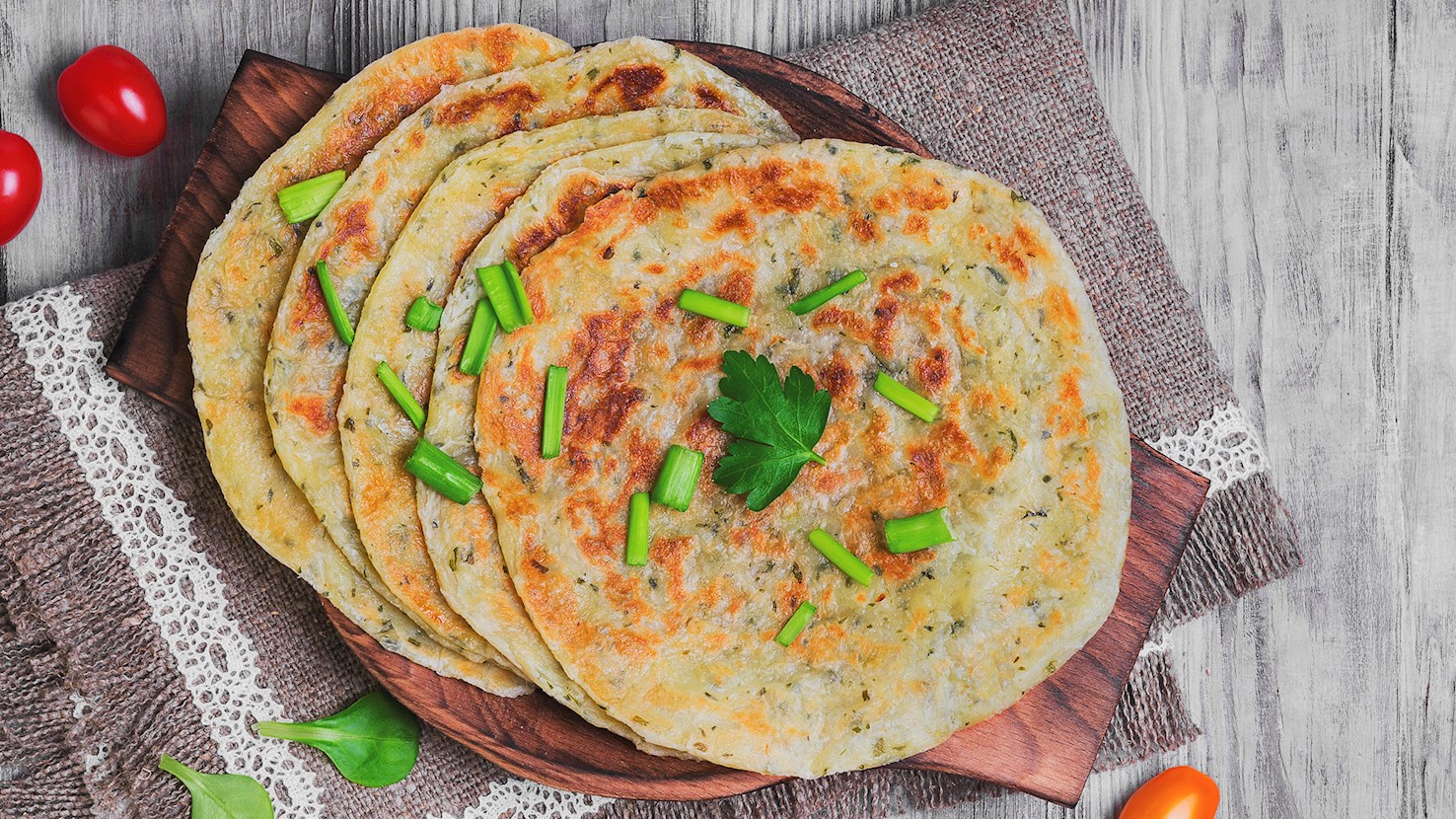
Paneer naan is a traditional flatbread and a version of naan. The dough is made with a combination of flour, yeast, sugar, salt, and yogurt. Once rolled, it’s usually stuffed with freshly grated paneer cheese (preferably homemade), coriander, masala spices, and cumin. Although plain naan is baked in a tandoor, this stuffed version is typically baked in a tava pan until the dough puffs up and becomes golden brown. Once done, paneer naan is brushed with melted butter or ghee, and it’s then served while still hot. It’s recommended to pair it with various Indian dishes such as curries or dal makhani.

08

Aloo paratha

4.1 ·

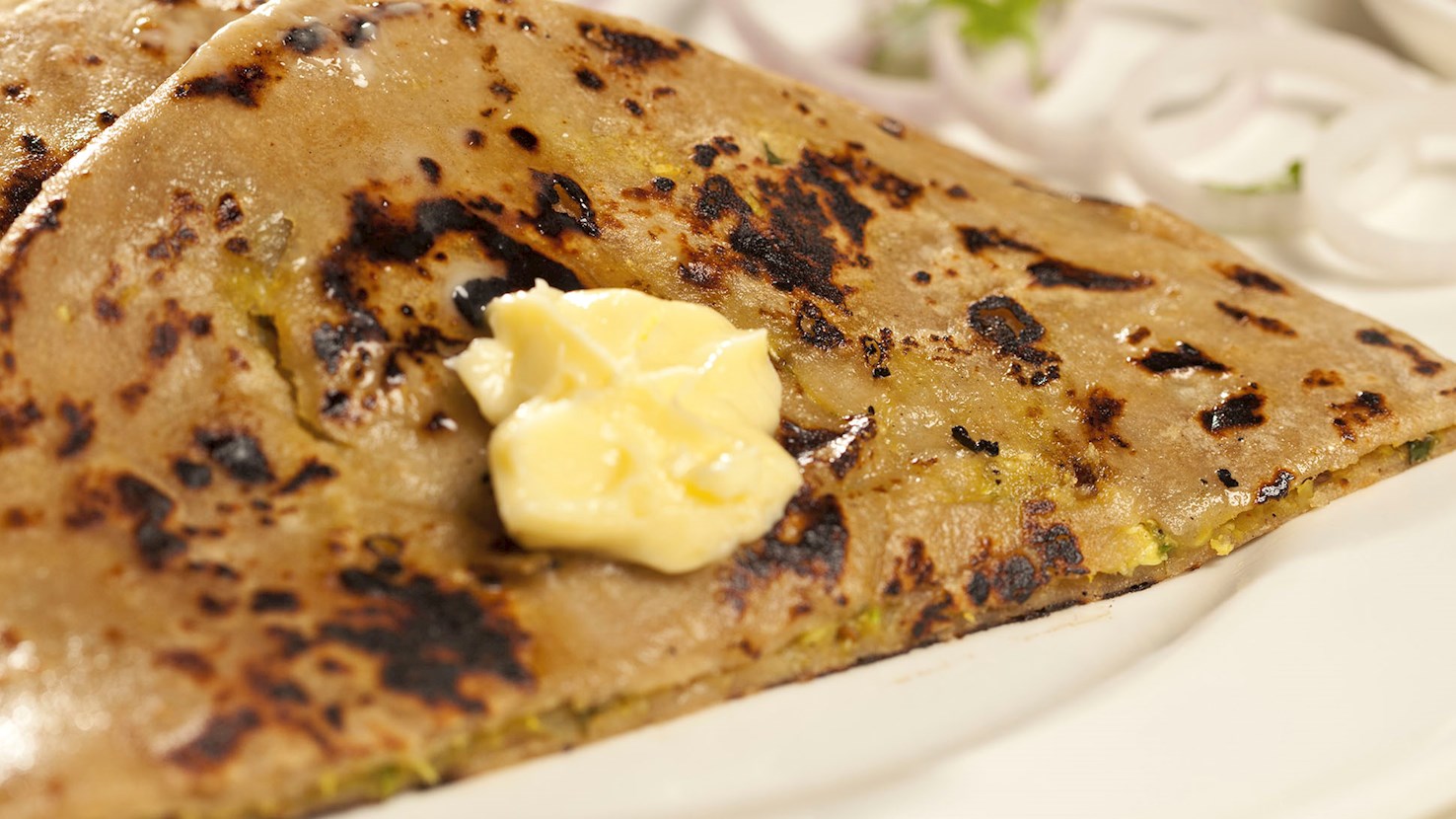
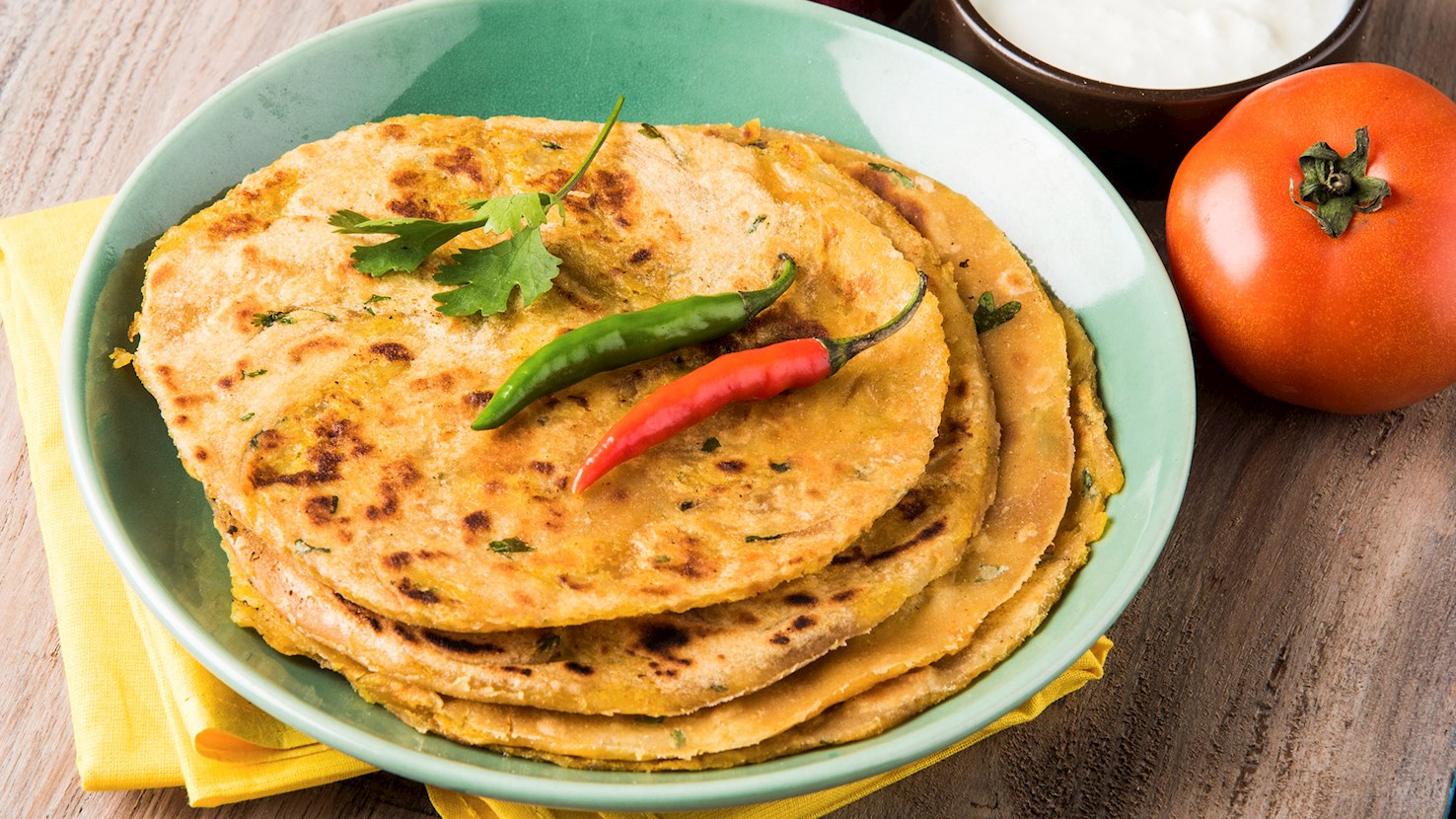
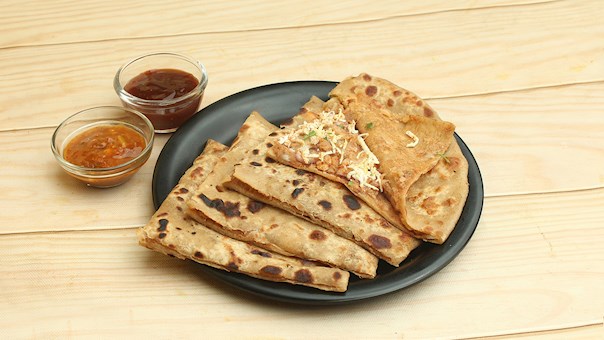
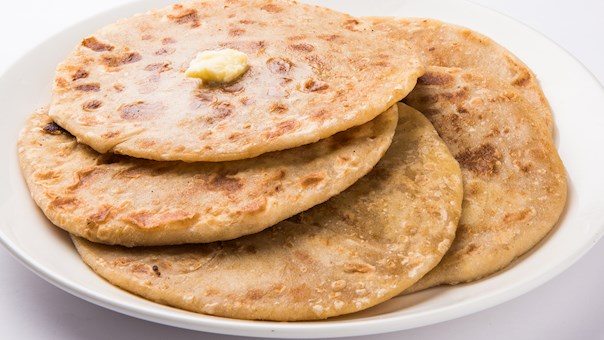
Aloo paratha is one of the most popular breakfast foods in northern India, a flatbread stuffed with a spicy potato mixture. Its name is derived from aloo, denoting a potato, parat, denoting layers, and atta, denoting flour. The flatbread is made from whole-wheat flour, salt, and ghee, forming flaky, soft, and crispy layers that are golden-brown in color. The filling consists of mashed potatoes, ginger, green chilies, coriander, dried pomegranate seeds, chili powder, and salt. The dish is often topped with Indian homemade butter called makhan and it is traditionally served with chutneys, pickles, onions, and yogurt or tea on the side. Due to its popularity, it spread from Punjab to various parts of the Indian subcontinent, but also to Malaysia, Mauritius, Singapore and the Caribbean.

09

Roti

4.1 ·

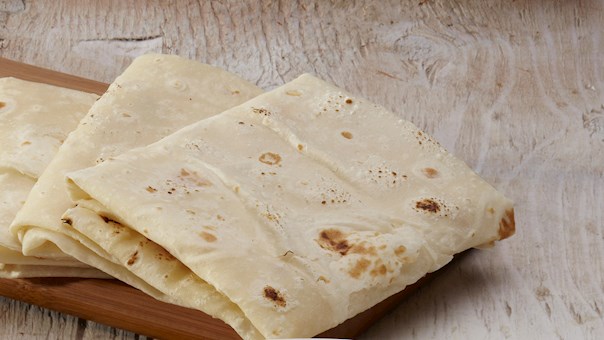
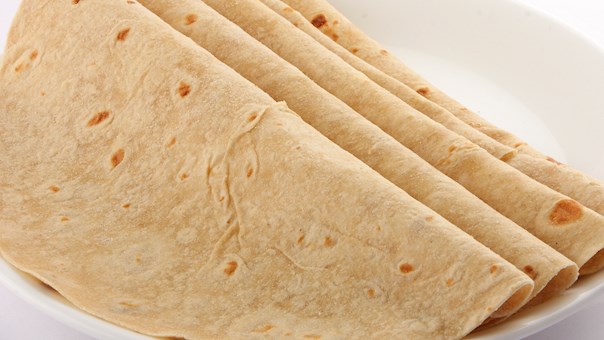
Roti is a flat and unleavened bread made with wholemeal flour. It is traditionally cooked on an iron griddle called tava, an important vessel in the Indian cuisine. In Indian cuisine, roti is as essential as rice. There are several theories regarding its origin. One says that it was invented in Persia, when it was made with maida and was much thicker than today's rotis. Another theory says that it traveled to India from East Africa, where unleavened bread was a staple and the production of wheat was abundant. The Ayurveda dates it back to India's Vedic period. Regardless of the origin, roti is nowadays popular throughout the world, in countries such as Pakistan, Nepal, Sri Lanka, Maldives, South Africa, and South Asia. Its name stems from the Sanskrit word रोटिका, meaning bread. There are many variations of the basic roti, such as chapati, makki di roti, tandoori roti, and roti canai. It is commonly used as an accompaniment to various dishes, including curries, and on the Caribbean, it is commonly used as a sandwich wrap and consumed as street food.

10

Laccha paratha

4 ·

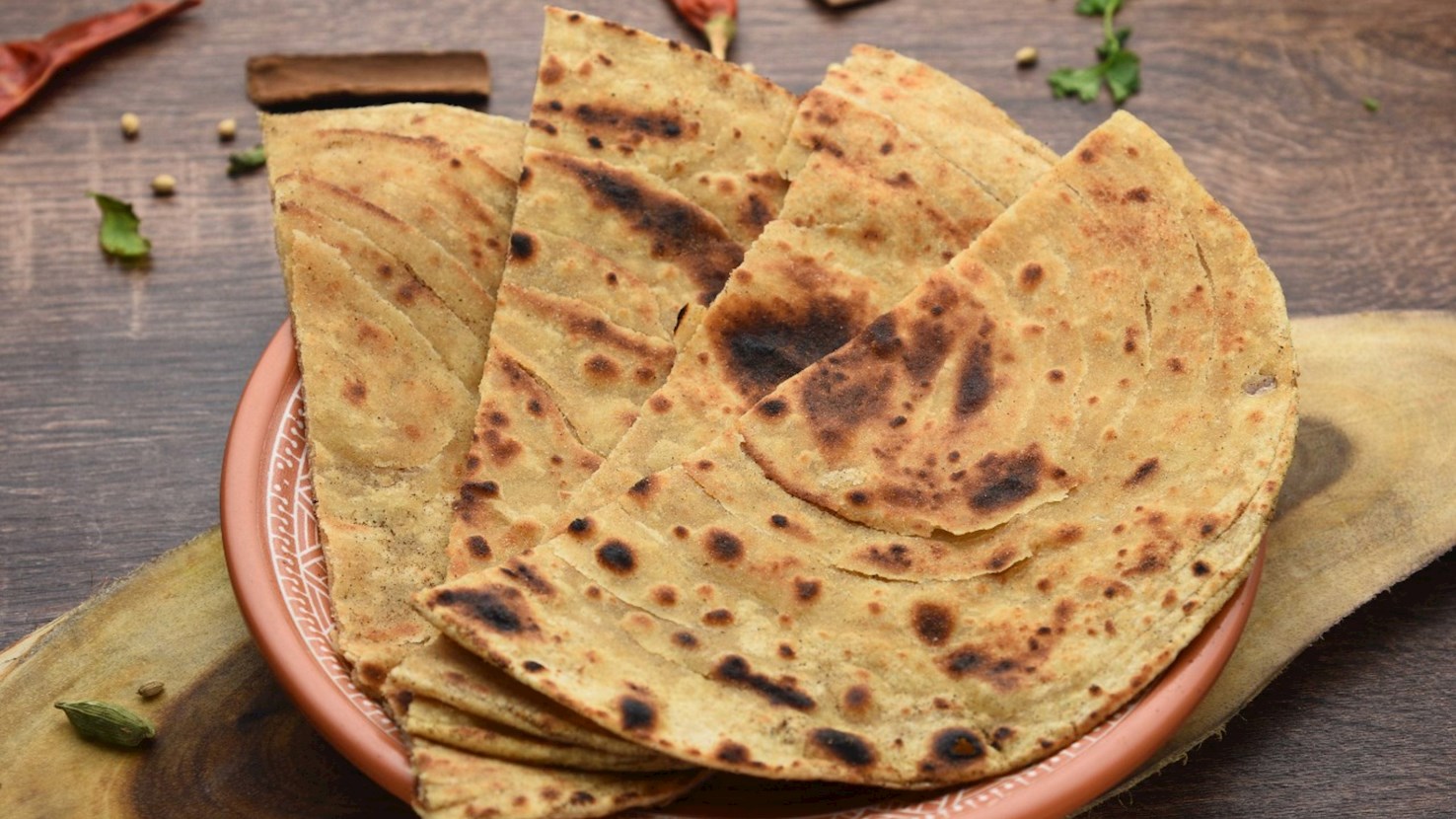
Laccha paratha is a traditional flatbread originating from the northern parts of India. The name of this paratha variety means multi-layered paratha, referring to its flaky and layered texture that goes well with rich and creamy curries and dal dishes. These layers are made by creating pleats from the dough, and it’s then folded like a pinwheel. The flatbread is made with a simple combination of flour, water, salt, and oil or ghee. After it’s been cooked in a tandoor, laccha paratha should be flaky and crispy on the exterior and soft inside.

Read more
View all
View map
About this ranking

TasteAtlas food rankings are based on the ratings of the TasteAtlas audience, with a series of mechanisms that recognize real users and that ignore bot, nationalist or local patriotic ratings, and give additional value to the ratings of users that the system recognizes as knowledgeable. For the “Top 40 Indian Flatbreads” list until May 15, 2026, 3,279 ratings were recorded, of which 2,578 were recognized by the system as legitimate. TasteAtlas Rankings should not be seen as the final global conclusion about food. Their purpose is to promote excellent local foods, instill pride in traditional dishes, and arouse curiosity about dishes you haven’t tried.

Similar lists