shutterstock

Top 61 Bulgarian Foods

Last updated on June 06, 2026

Best Bulgarian foods

01
Flatbread

Mekica

4.4 ·

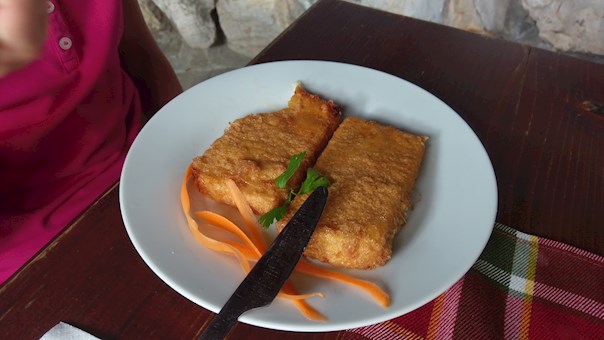
Mekitsa is a popular Bulgarian dish that is traditionally served for breakfast. It is a flatbread made with kneaded dough that is then deep-fried in hot oil. The dough usually consists of flour, water, salt, oil, eggs, yogurt, and a leavening agent. The name mekitsa is derived from the Bulgarian root mek, meaning soft, referring to the flatbread's texture. These flatbreads can be dusted with powdered sugar or paired with yogurt, honey, cheese, or various fruit jams.

Best restaurants
02
Savory Pastry

Banitsa sas sirene (Banitsa with cheese)

4.3 ·

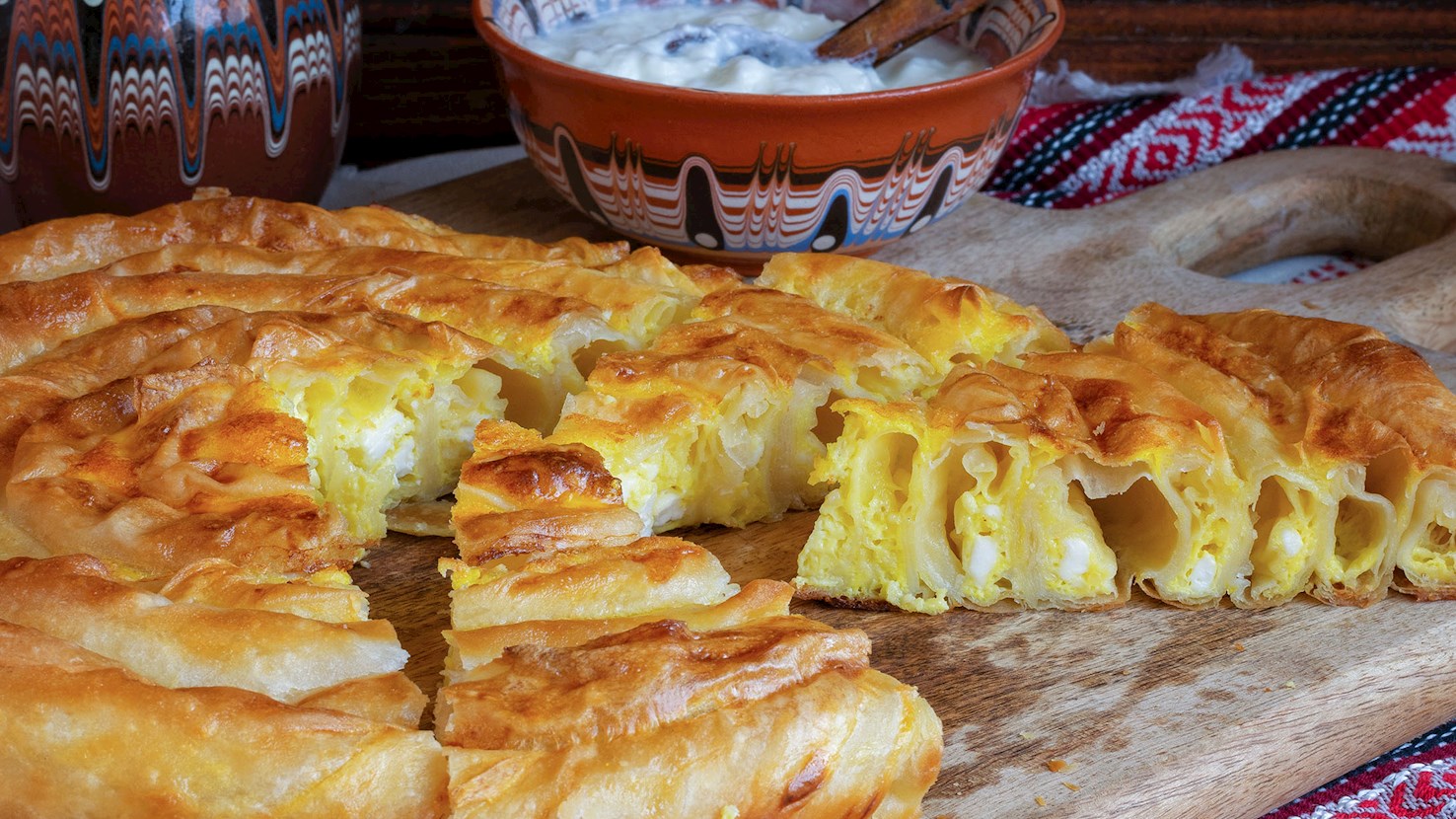
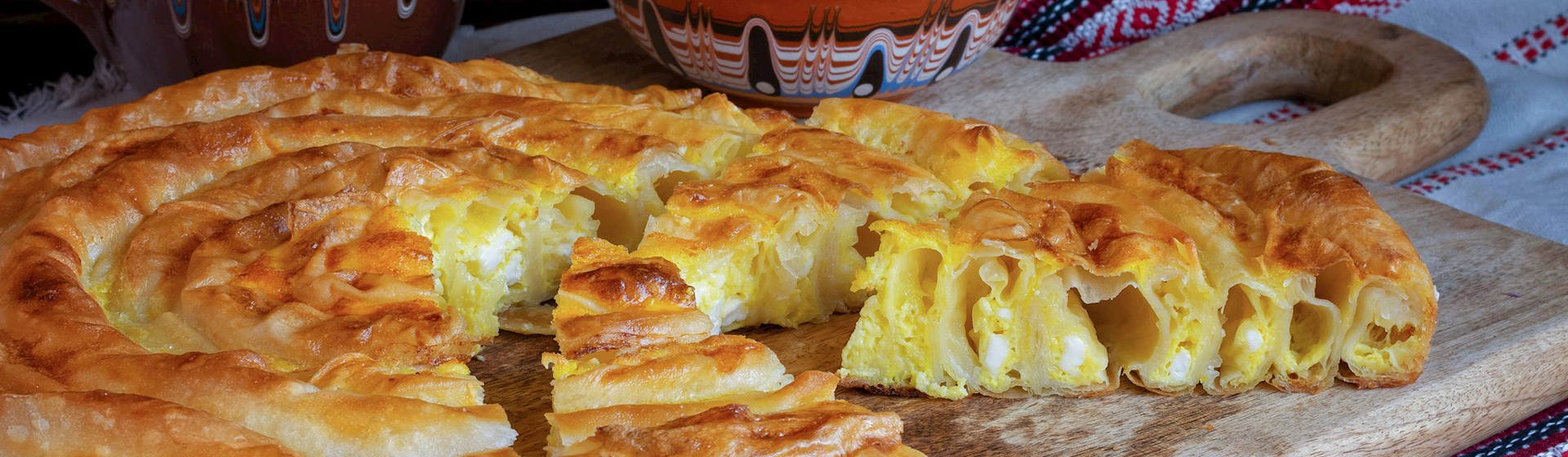
The Bulgarian pie banitsa made with cheese is the main version of this traditional pie. It's made by layering sheets of buttered phyllo pastry with a combination of eggs, yogurt, and cheese such as sirene and feta. There's an optional ingredient in the preparation of banitsa and it's baking soda, which makes the yogurt rise and makes the pie fluffier and richer in flavor. Traditionally, banitsa with cheese was prepared and served on Christmas and New Year's Eve, but nowadays it can also be bought throughout the year at grocery stores, street vendors, kiosks, and pretty much everywhere. Apart from this basic variety, there are also other types of savory or sweet banitsa pies filled with various vegetables and fruits.

03
Salad

Ovcharska salata

4.3 ·

Ovcharska salata is a simple variation of the famous Shopska salata. Essentially, it is Shopska salata (cucumbers, tomatoes, onions, peppers, and cheese) with the addition of mushrooms, eggs, and ham. The salad is typically tossed with vegetable oil, left to rest for a few minutes, and it is then ready for consumption. It is especially popular in summer due to its refreshing flavors and the usage of seasonal vegetables.

04
Salad

Snezhanka salata

4.3 ·

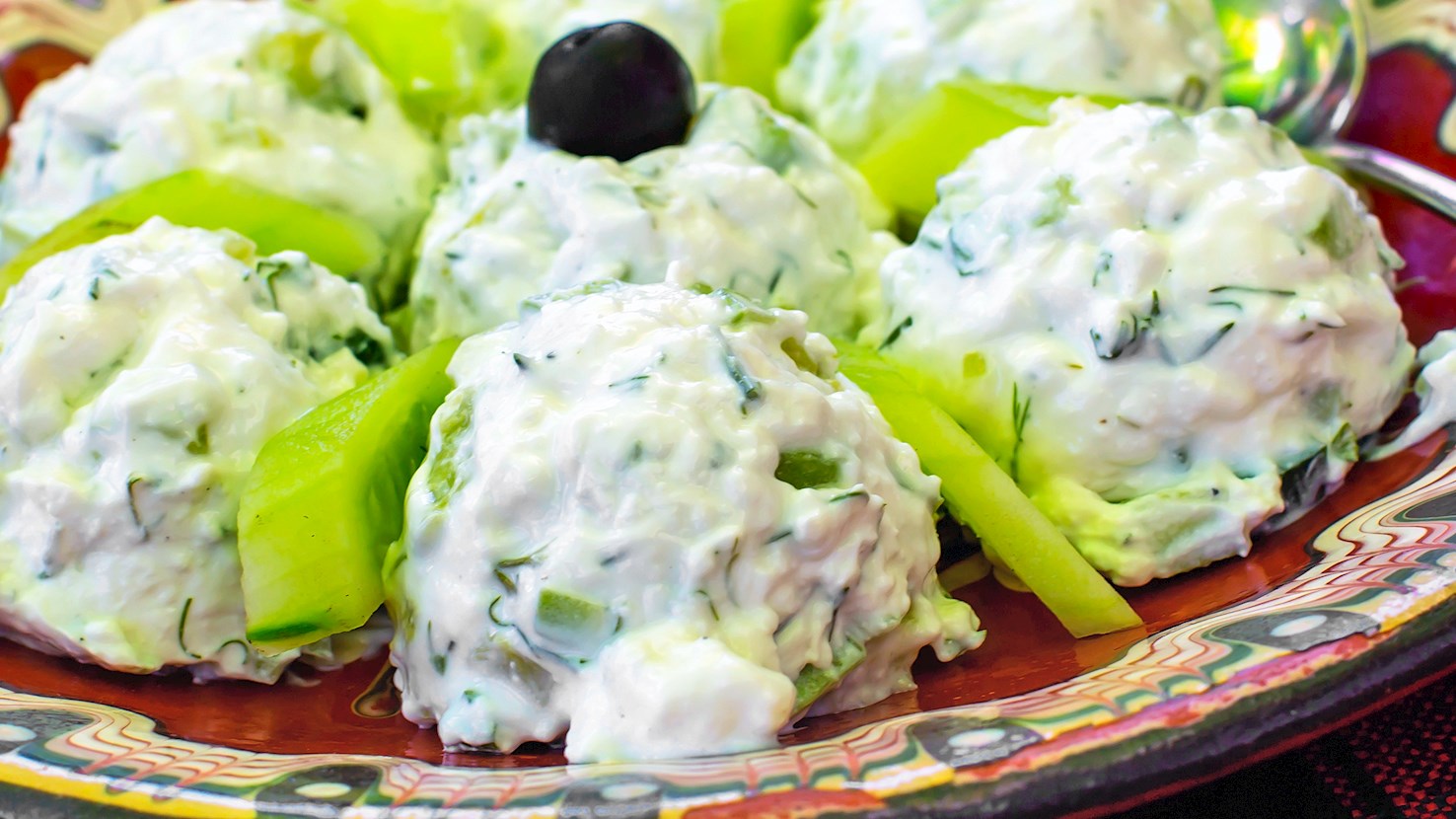
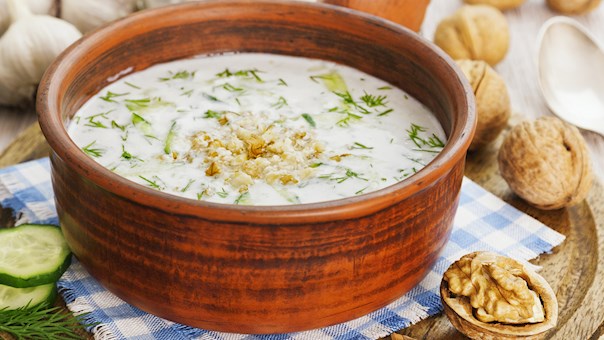
Named after its predominantly white color, Snezhanka or Snow White is a refreshing salad made with ingredients such as cucumbers, garlic, dill, oil, salt, and the Bulgarian staple – yogurt, in this case – strained to make it thicker. Walnuts, roasted peppers, and chopped parsley are sometimes added to the salad as a topping, according to personal preferences. Snezhanka is always served cold, either as an appetizer, meze, side dish, or a dip for pita bread. When served as part of a meze, it is traditionally accompanied by alcoholic beverages.

05
Ground Meat Dish

Sarma

4.2 ·

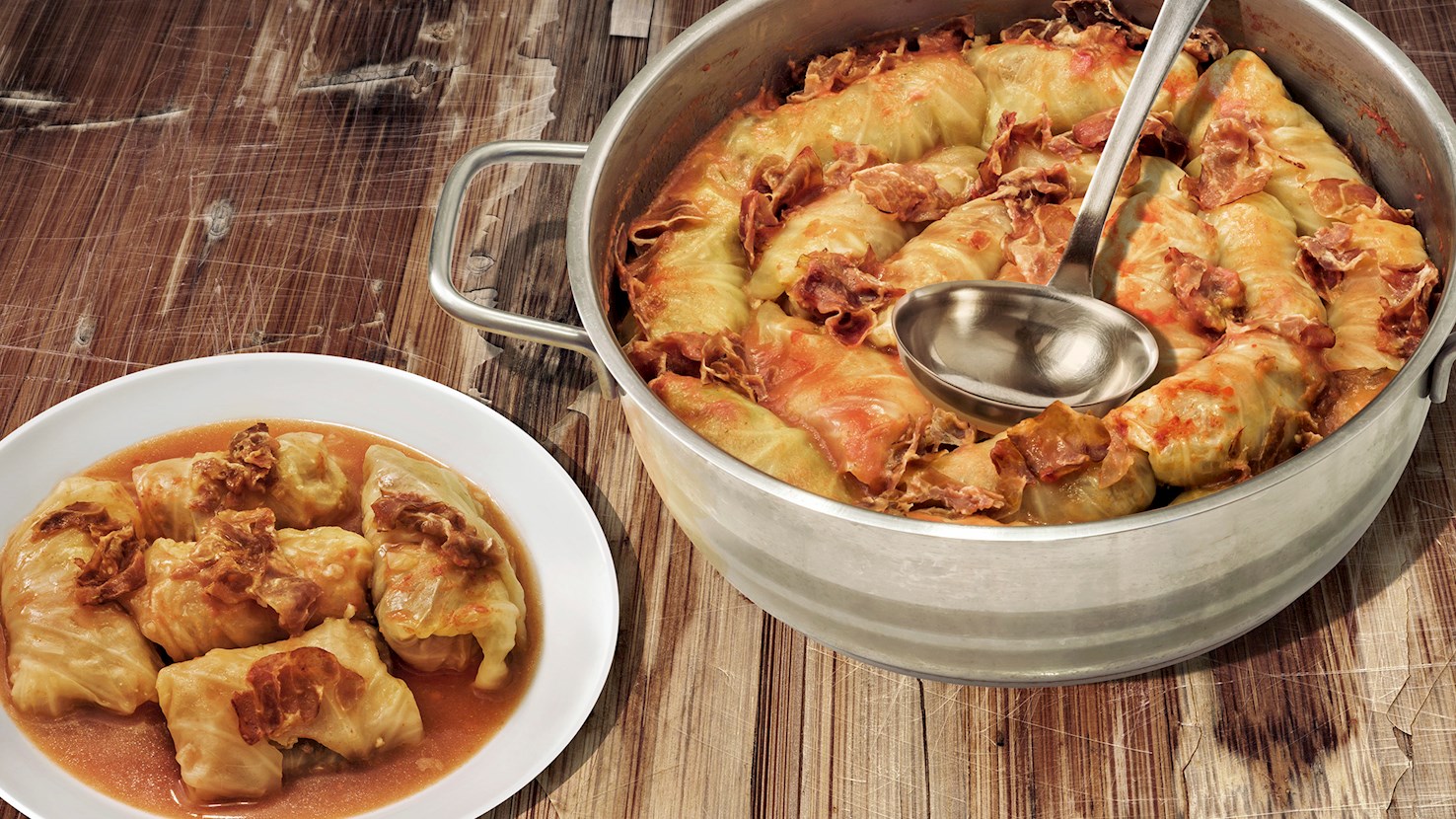
One of the staples of traditional Turkish cuisine, sarma consists of a filling that is snugly surrounded by leaves or leafy vegetables. There are numerous versions of this dish but the mixture typically combines ingredients such as minced meat, rice or bulgur, various herbs, seasonings, red pepper, paprika, ground sumac, or tomato sauce, while the typical wrapping usually includes vine, cabbage, or sauerkraut leaves, or a variety of leafy vegetables such as collard greens and swiss chard. Having its roots in the Ottoman Empire, sarma is also traditionally consumed in the Balkans, the countries of Central Europe, the South Caucasus, and the Middle East. Although it is commonly enjoyed as a filling lunch or dinner (typically during the winter season), sarma is often prepared on special occasions and holidays. The dish is usually accompanied by plain yogurt, mashed potatoes, and crusty bread on the side.

06
Salad

Shopska salata

4.2 ·

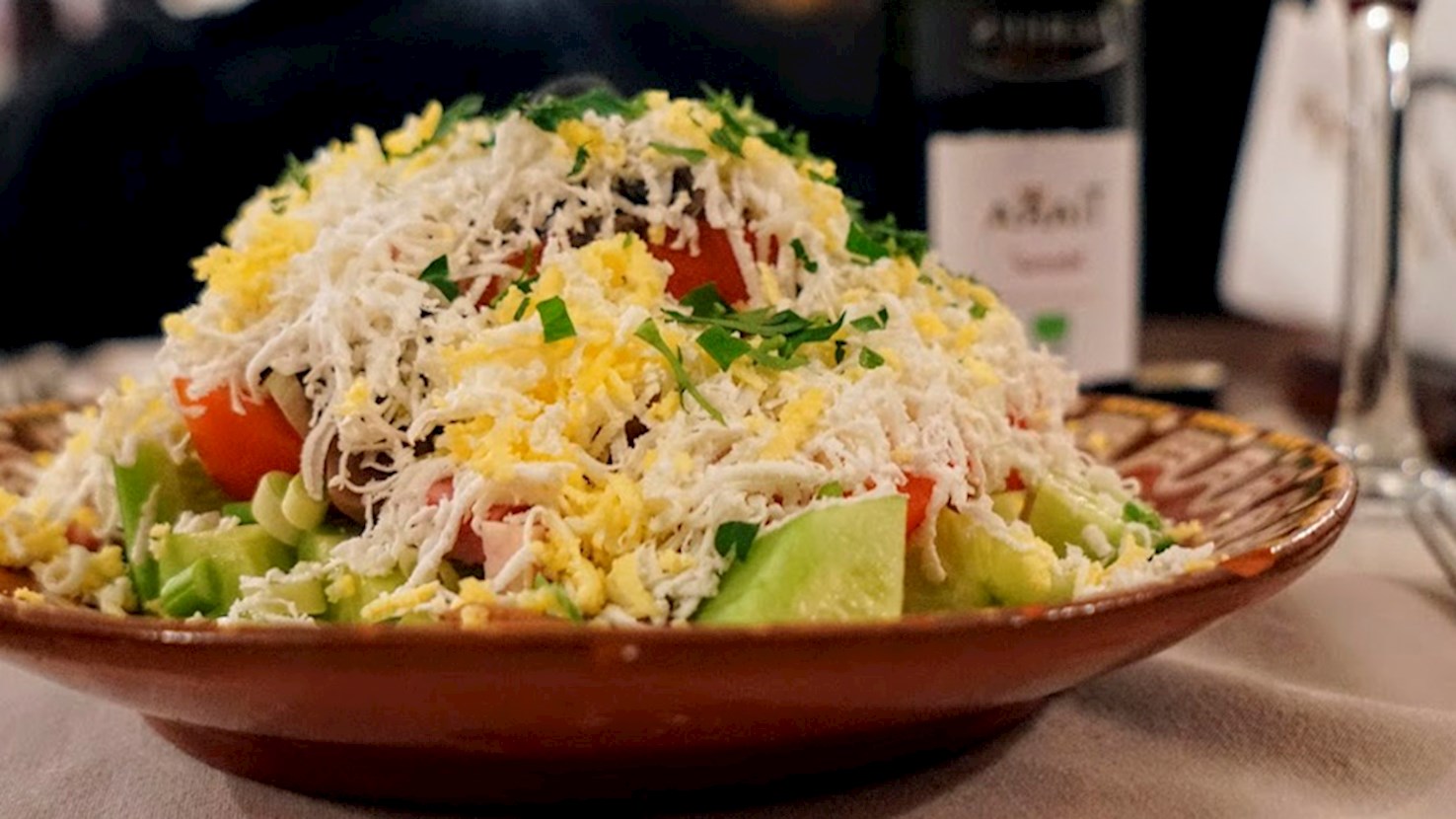
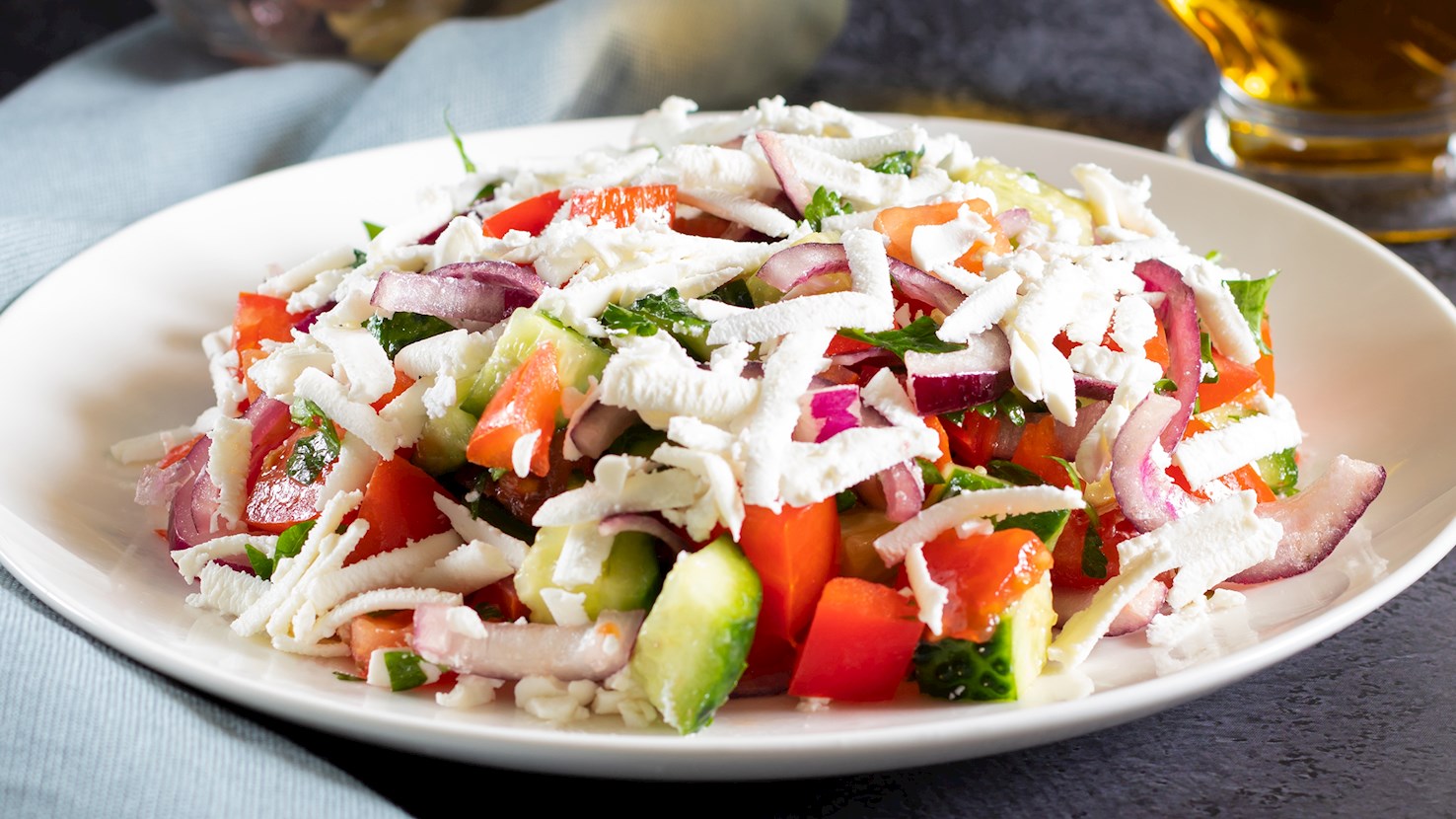
Šopska salata is a traditional cold salad that is also one of the national dishes of Bulgaria. Often served during summer, when one can find it in most Bulgarian restaurants, the salad consists of chopped tomatoes, cucumbers, onions, roasted or raw peppers, and Bulgarian cheese. It was originally created in the 1950s, when Bulgarian top chefs were asked to create dishes that would attract tourists to the country. The vegetables are typically salted, drizzled with sunflower oil, and sprinkled with grated Bulgarian sirene cheese on top. Some people substitute sunflower oil with olive oil in hopes to enhance the dish, but it is believed that it only spoils the authentic taste of the salad. A perfect, light and refreshing dish for hot summer days, shopska salad is a healthy bite of Bulgarian tradition. The word shopska in its name refers to the frugal Shopi people from the Shopluk region, where Bulgaria, Serbia and Macedonia meet.

07
Cooked Sausage

Sudzhuk

4.2 ·

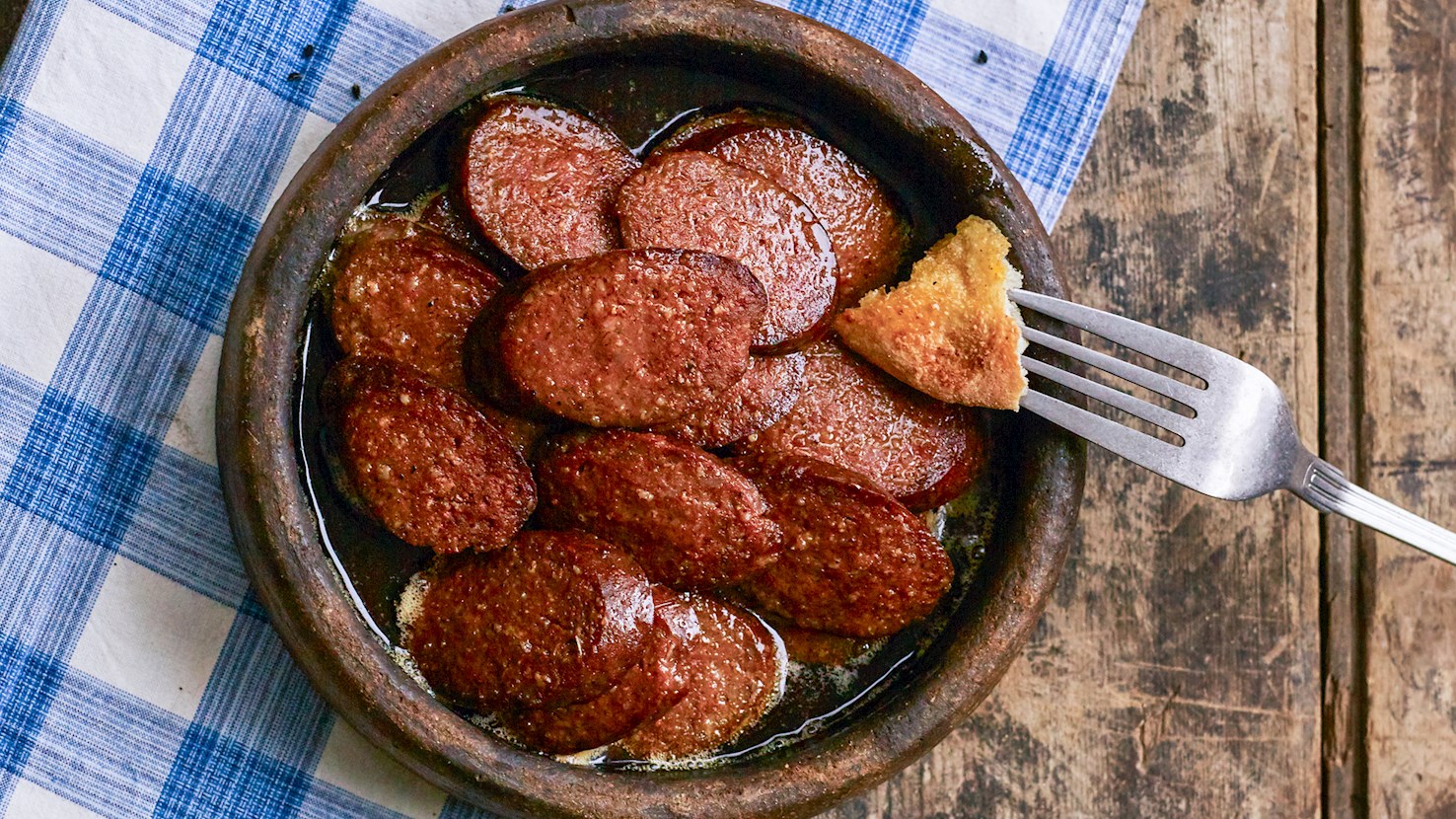
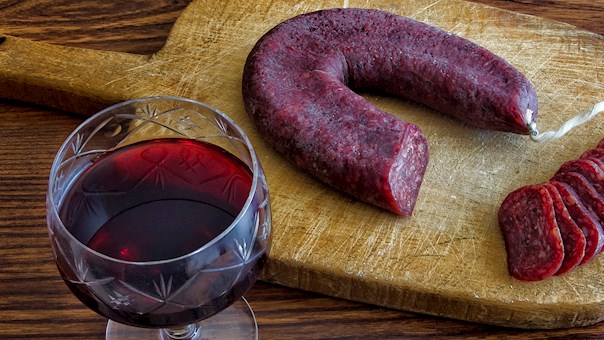
Sucuk or sujuk is a dry, cured sausage made primarily from beef or lamb and seasoned heavily with garlic and spices, produced and consumed across Anatolia, the Caucasus, and the eastern Mediterranean, with strong associations in Turkey, Armenia, and parts of the Levant, where it appears as a household staple rather than a delicatessen item. Its development followed patterns of meat preservation in regions with seasonal slaughter and limited refrigeration, relying on salting, spicing, and air-drying to stabilize minced meat, with spice blends evolving according to local availability, particularly paprika, cumin, and garlic, which also served functional roles in preservation alongside flavor. Preparation begins with finely ground beef (or lamb) mixed with salt, crushed garlic, paprika, cumin, and sometimes fenugreek, kneaded until cohesive, then stuffed into natural casings, pressed flat to encourage even drying, and left to cure under controlled airflow until firm and shelf-stable, after which it is stored whole and sliced as needed rather than cooked in advance. Serving involves slicing the cured sausage and cooking it briefly, most commonly pan-fried without added fat, as sucuk releases its own oils, and it is often cooked until the edges crisp while the interior remains dense, sometimes paired with eggs or incorporated into simple hot dishes rather than eaten on its own. A defining characteristic of sucuk is its flat shape and strong spice concentration, which allows small amounts to season a dish effectively without additional aromatics, and its cured state means it transitions directly from storage to pan without intermediate preparation. It is eaten at breakfast or lunch in homes and casual eateries, alongside flatbread, eggs, tomatoes, or cheese, and pairs well with plain yogurt, fresh vegetables, unsweetened tea, or black coffee, which offset its salt and spice without competing with its intensity.

08
Cured Beef

Pastarma Govezhda

4.1 ·

Pastarma govezhda is dried raw meat that has been produced in Bulgaria since the 19th century. The word pastarma is of Turkish origin and means pressed and salted dried meat. Despite production becoming industrialized, the traditional recipe remained unchanged. Therefore, only fresh beef is to be used and salted. It is strictly forbidden to add any other spices or foreign extracts that would alter pastarma’s original flavor. The most important part of the procedure is drying in air-conditioned chambers where the temperature and humidity are constantly monitored in order to create favorable conditions for the development of the specific micrococci and lactobacilli that give pastarma its distinctive flavor. During this phase, pastarma is pressed in wooden-panel presses to develop a dense texture. Due to pressing, it has a smooth surface and an oblong, flattened shape. With the pleasant, clean flavor of mature beef, pastarma is often served sliced and enjoyed as a cold appetizer.

09
Stew

Vinen kebap (Wine Kebab)

4.1 ·

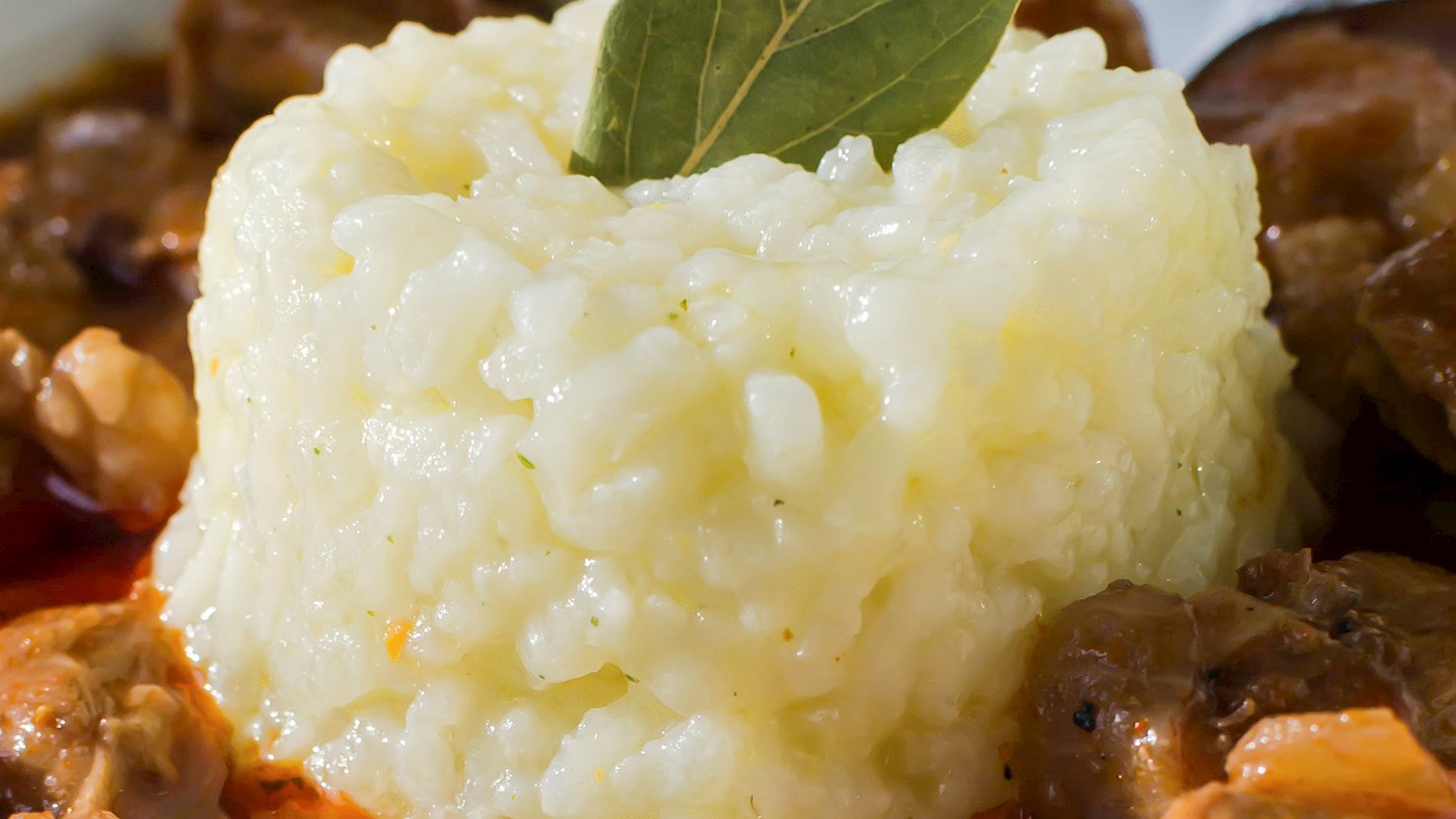
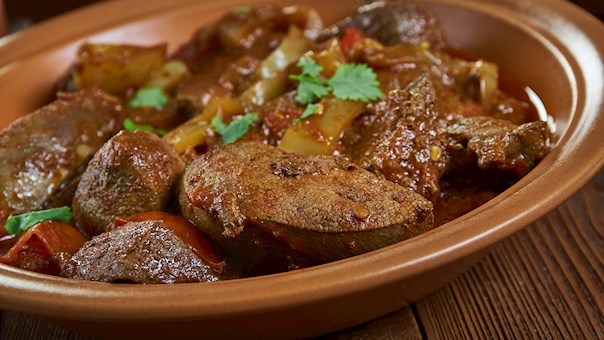
Traditional wine kebab is a popular Bulgarian stew made with meat and wine, which are combined with a variety of vegetables and spices. This one-pot dish can be made with any type of meat, but beef is the most common choice. The meat is diced and browned in oil, then simmered with a variety of vegetables such as carrots, celery, onions, leeks, and peppers. Finally, a generous amount of wine, usually red, is added to the pot, and cooked until the flavors combine and the sauce achieves a dark brown color and a specific thickness. The dish is usually spiced with bay leaves, peppercorns, and allspice, which provide a pungent flavor to the stew, commonly found in traditional Bulgarian restaurants, especially during winter. Wine kebab pairs incredibly well with plain rice or mashed potatoes on the side. Before serving, it is usually garnished with freshly chopped parsley.

10
Cured Pork Loin

File Elena

4.1 ·

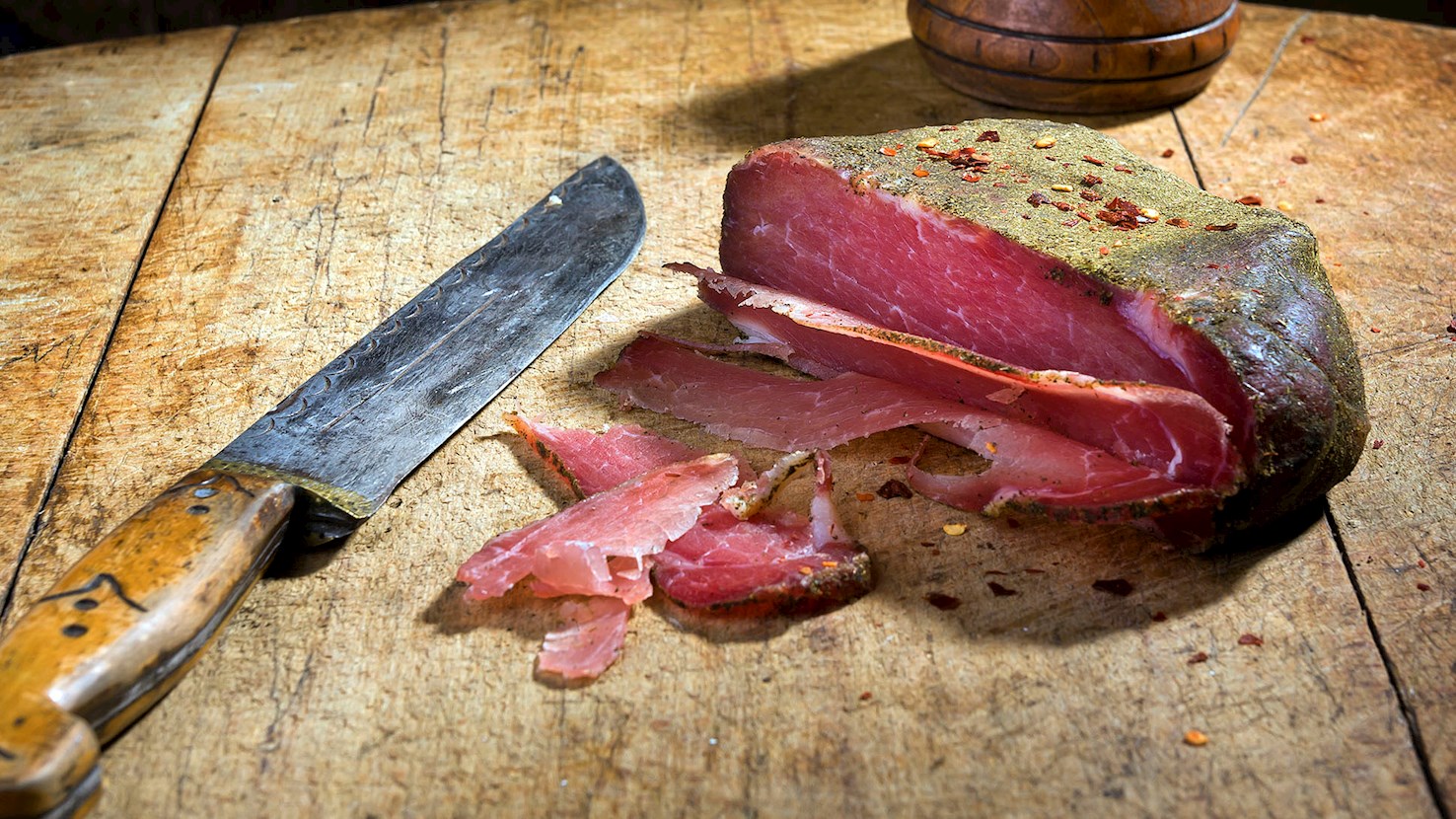
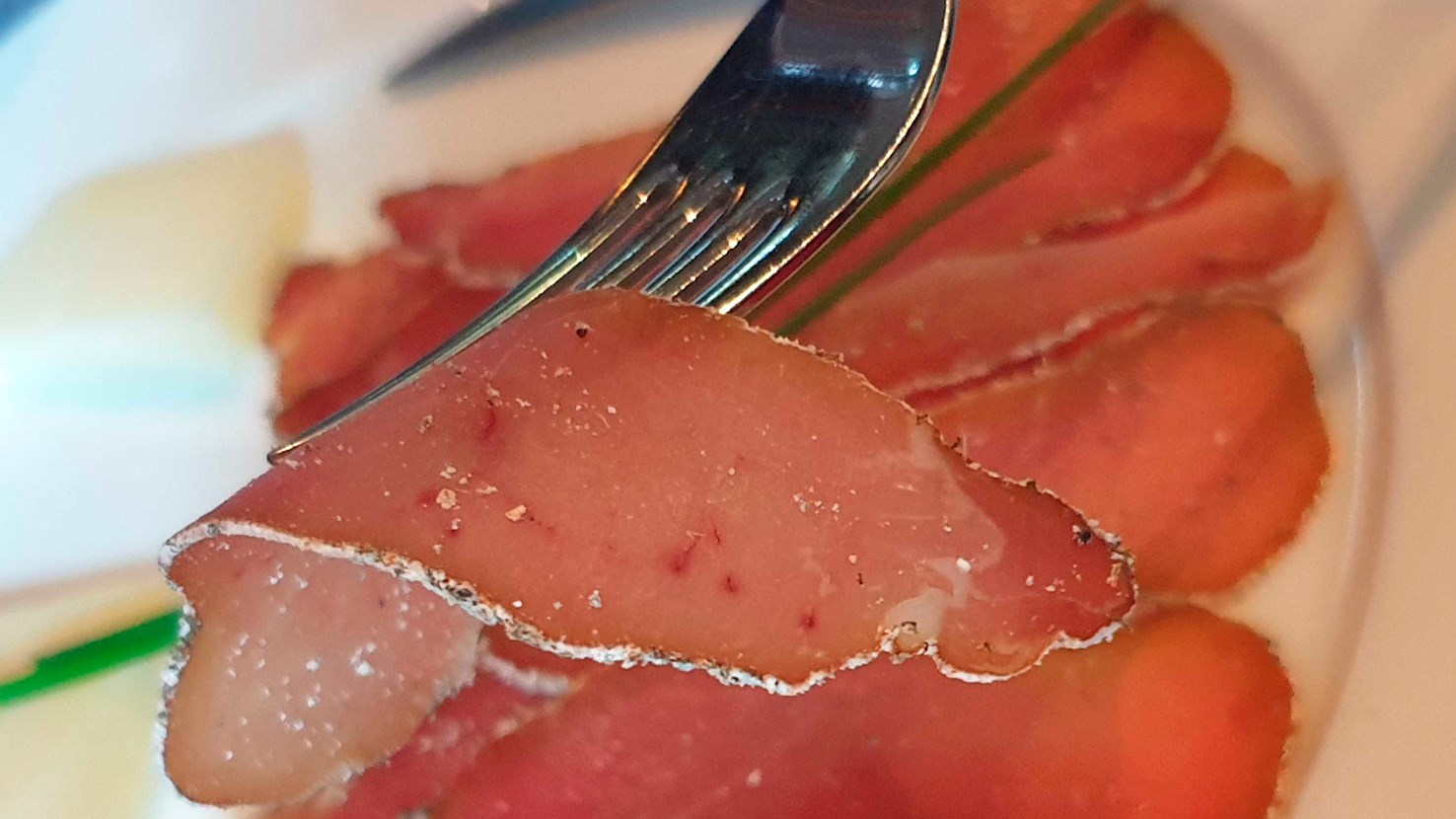
File Elena is a dried raw meat product made from chilled or frozen pork tenderloin. The name refers to the city of Elena in northern Bulgaria. When the country was a part of the Ottoman Empire, it was almost impossible to sell pork products for religious reasons. The first record of a product similar to Elena being made from pork dates back to the 1850s. The fillets, locally called ribitsa, are salted and dried in a controlled environment suitable for natural microflora to develop and provide the meat with its typical aroma. The fillets are repeatedly pressed in wooden presses giving the file Elena its flattened appearance. After the final pressing, the fillets are rolled in a mixture of ground black pepper and crumbled savory. This particular method of applying the mixture allows the essential oils in the spices to be preserved and absorbed in meat. Consequently, the final product is salty, yet aromatic and succulent. File Elena has won multiple awards at fairs and exhibitions in Bulgaria and Europe, including the 2010 and 2013 IFFA international exhibitions in Germany. Traditionally, File Elena is served as an appetizer with a glass of wine or beer on the side.

Best Bulgarian food products

01
Chocolate

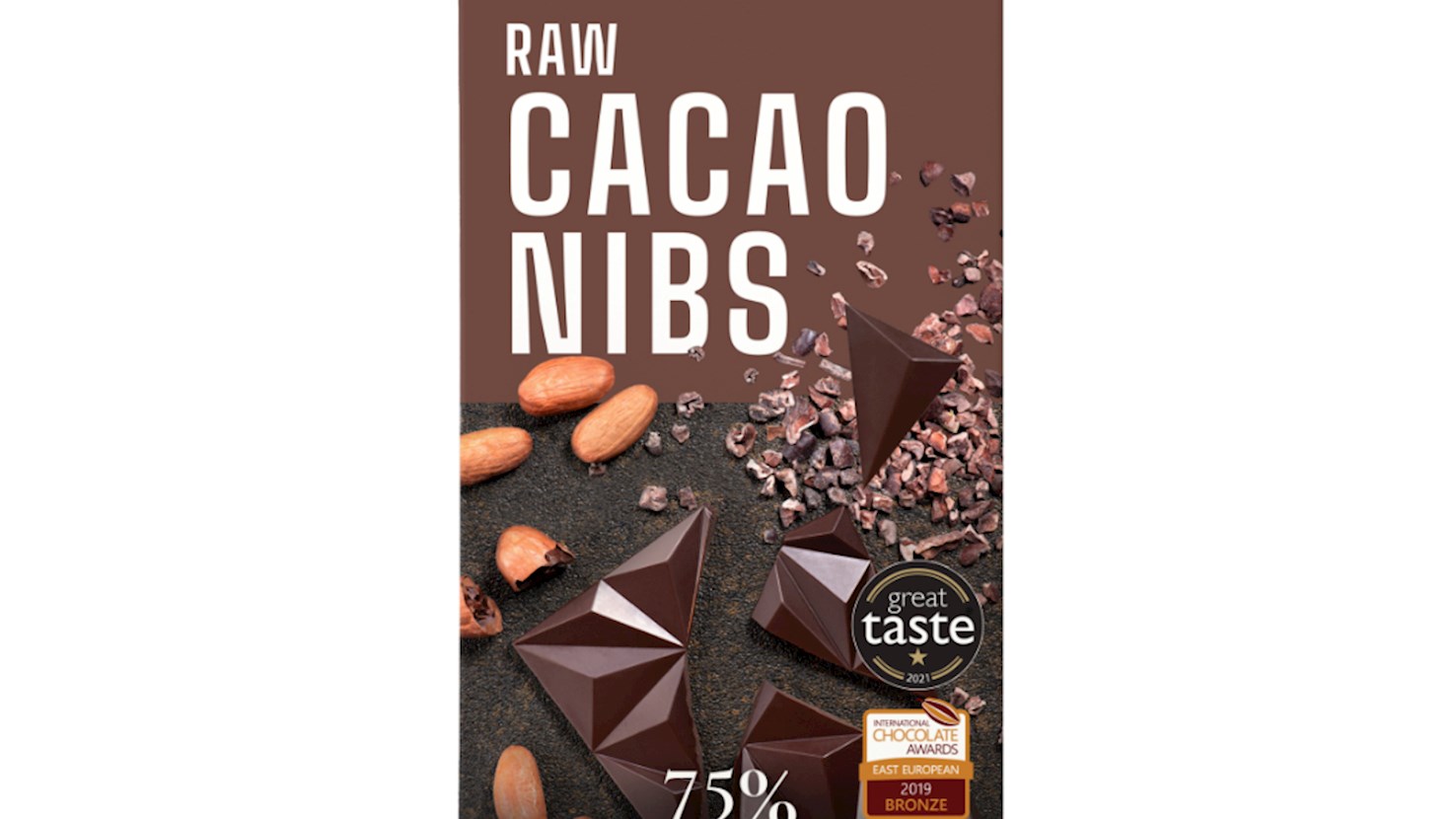
La Fève by Pavel Pavlov

5 ·
La Fève by Pavel Pavlov is a chocolate producer based in Sofia, Bulgaria. The company specializes in crafting artisanal chocolates using high-quality ingredients. Their product range includes a variety of chocolate bars, pralines, and other confections. The company is known for its emphasis on fine craftsmanship and innovative flavor combinations.
Awards
Academy of Chocolate - Gold (2022, 2020)
Academy of Chocolate - Silver (2024, 2022, 2020)
02
Wine

Bessa Valley

4.8 ·
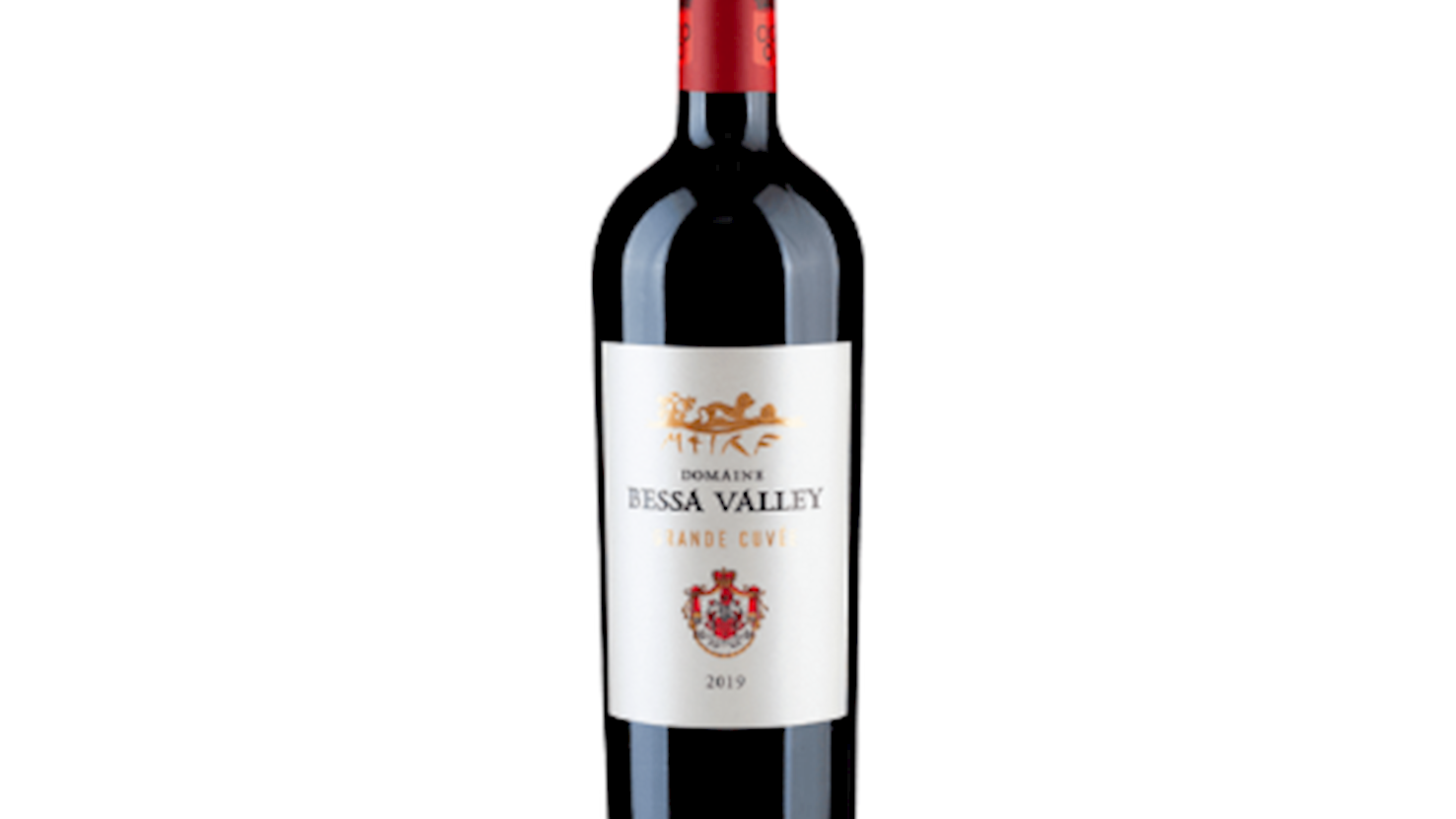
Bessa Valley is a modern winery in Bulgaria, located in a valley between the Rhodope Mountains and the Maritsa River, where ideal conditions for growing red varieties converge. The estate covers about 250 hectares, with more than half planted with vineyards on clay-limestone soils that give the wines structure and mineral character. The winery was established with the support of Stephan von Neipperg, owner of several renowned Bordeaux châteaux, which explains the recognizable Bordeaux influence in the winemaking philosophy. The focus is on Merlot, Syrah, Petit Verdot, and Cabernet Sauvignon, used in blends known for their powerful body and elegantly crafted tannins. Harvesting is done by hand, and the grape selection is rigorous, ensuring that only the highest-quality fruit reaches the cellar. Fermentation and aging take place in oak barrels, with temperature control ensured by a cellar built into the hillside for natural cooling. The style of the wines is full, structured, and complex, yet modern and approachable, making them attractive to international markets. The wines have strong character while maintaining an excellent price-to-quality ratio, making them a great choice for the gourmet segment and for those who appreciate red wines with a clear expression of terroir.
Awards
Vivino - 4.4
Vivino - 4.1
03
Chocolate

Benjamissimo

4.7 ·
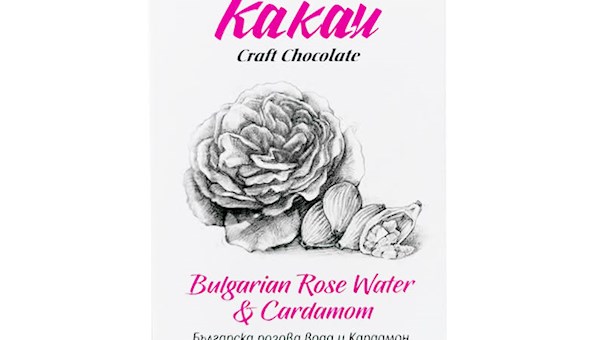
Benjamissimo is a premium chocolate brand known for its high-quality ingredients and artisan craftsmanship. Offering a selection of carefully crafted chocolate bars, Benjamissimo focuses on unique flavors and textures, often using a blend of fine cocoa beans and other gourmet ingredients. Each creation is designed to provide an elevated chocolate experience, catering to the sophisticated palate of chocolate enthusiasts. Whether you prefer dark, milk, or specialty chocolates, Benjamissimo is a great choice for indulging in rich, smooth, and meticulously made chocolate.
Awards
Academy of Chocolate - Silver (2024)
International Chocolate Awards - Silver (2024)
04
Herb/Spice

Nadia's Saffron

4.5 ·
Awards
Great Taste Awards - 3 Stars (2024)
05
Wine

Villa Yambol

4.4 ·
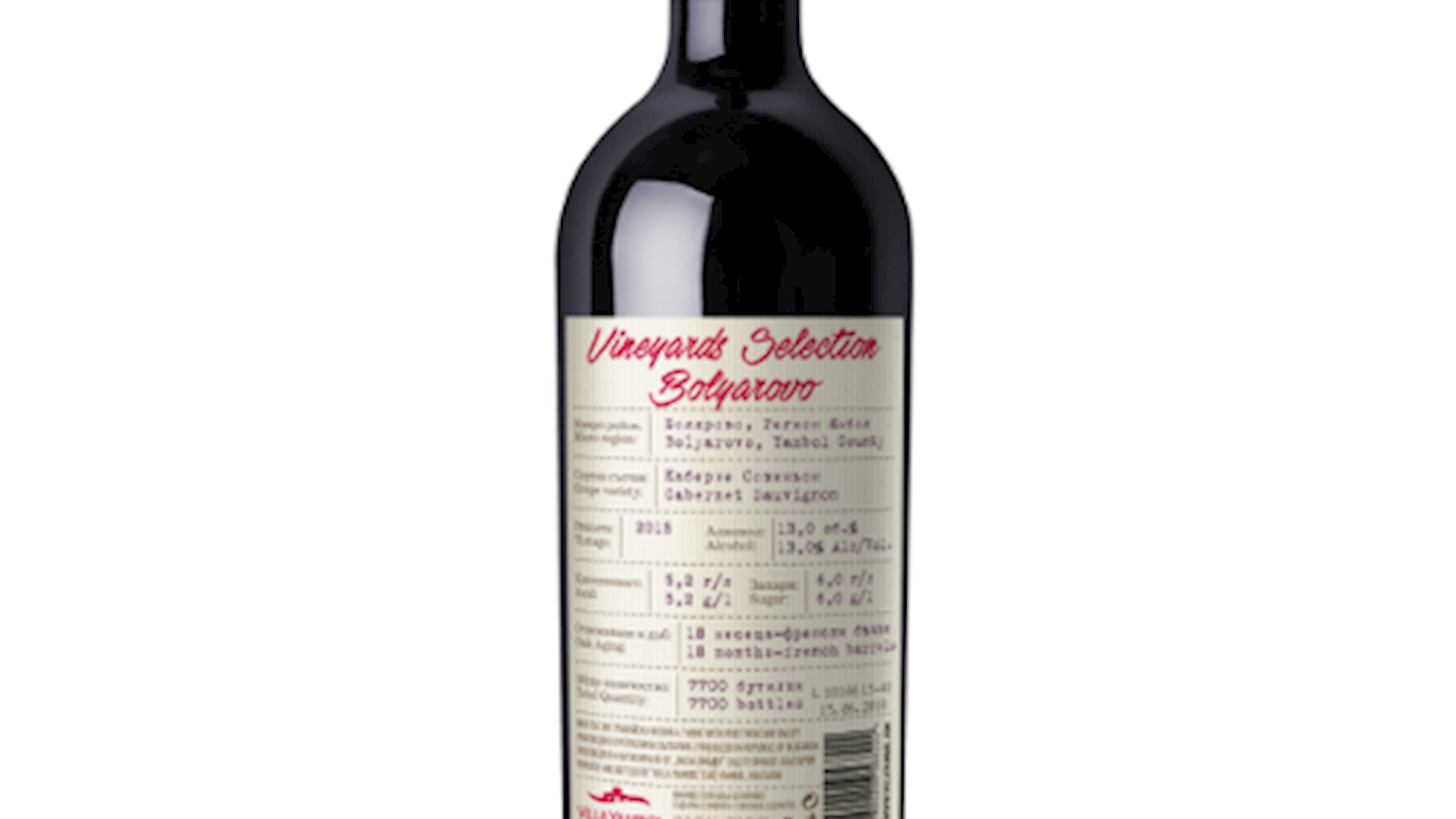
Villa Yambol is a Bulgarian winery renowned for producing high-quality wines that reflect the rich viticultural traditions of the Yambol region in southeastern Bulgaria. Located in a region with a winemaking history dating back to Thracian times, Villa Yambol benefits from its favorable climate, fertile soils, and long-standing expertise in viticulture.
Awards
Concours Mondial de Bruxelles - Grande Médaille d'or (2023, 2022, 2020)
06
Wine

Black Sea Gold

4.4 ·
Awards
Concours Mondial de Bruxelles - Grande Médaille d'or (2020, 2019)
07
Wine

Angel's Estate

4.4 ·
Awards
Concours Mondial de Bruxelles - Grande Médaille d'or (2019)
08
Wine

Horizont USA Seven Generation Winery

4.4 ·
Awards
Concours Mondial de Bruxelles - Grande Médaille d'or (2019)
09
Wine

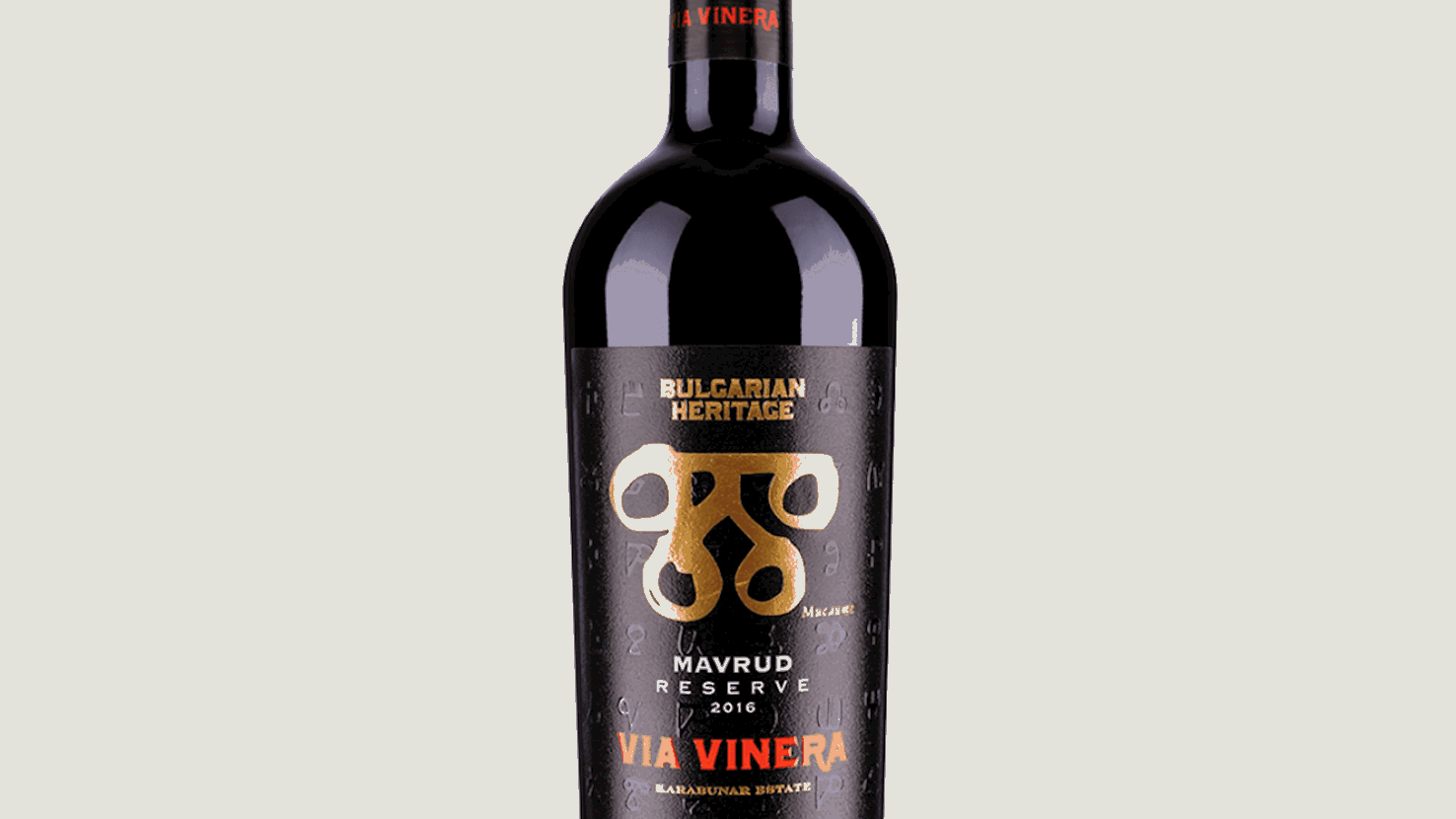
Izba Karabunar Eood

4.4 ·
Awards
Concours Mondial de Bruxelles - Grande Médaille d'or (2022)
10
Wine

Zlaten Rozhen Ltd

4.4 ·
Awards
Concours Mondial de Bruxelles - Grande Médaille d'or (2023)
Read more
View all
View map
About this ranking

TasteAtlas food rankings are based on the ratings of the TasteAtlas audience, with a series of mechanisms that recognize real users and that ignore bot, nationalist or local patriotic ratings, and give additional value to the ratings of users that the system recognizes as knowledgeable. For the “Top 61 Bulgarian Foods” list until June 06, 2026, 8,814 ratings were recorded, of which 3,105 were recognized by the system as legitimate. TasteAtlas Rankings should not be seen as the final global conclusion about food. Their purpose is to promote excellent local foods, instill pride in traditional dishes, and arouse curiosity about dishes you haven’t tried.

The initial list of top producers was compiled based on available reviews, awards, local recommendations, media and blog coverage, and consumer reviews. The list will be updated with ratings from TasteAtlas local ambassadors and TasteAtlas users.

Similar lists