shutterstock

Top 20 Traditional Foods
in the Canton of Bern

Last updated on July 01, 2026

Best Canton of Bern food products

01
Chocolate

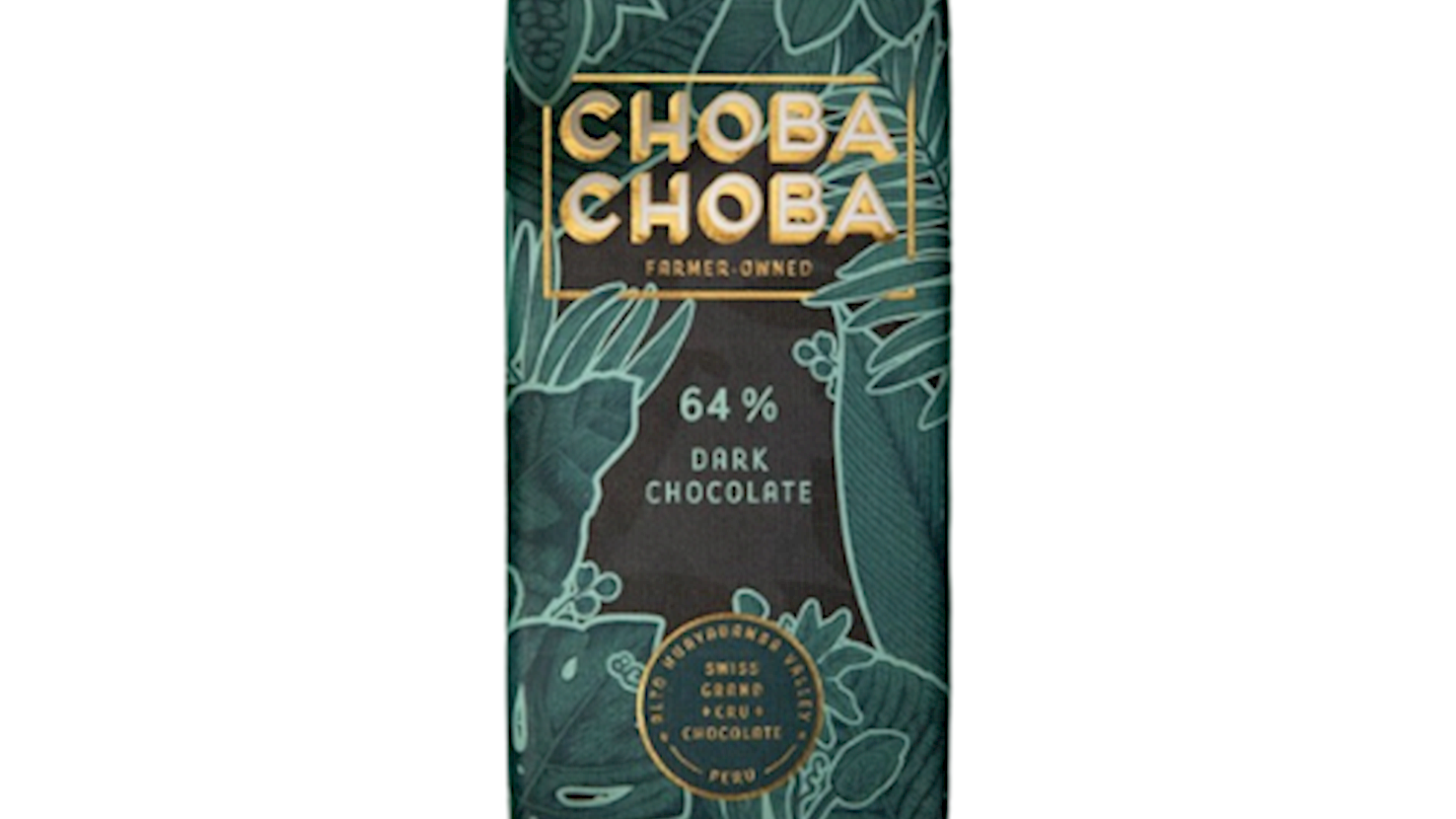
Choba Choba

5.0 ·

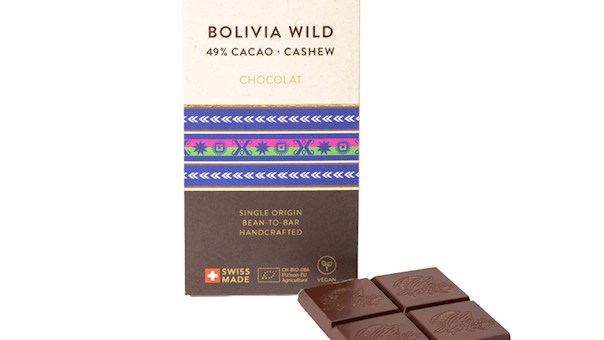
Choba Choba is a Swiss chocolate brand based in Bern, founded in 2015, and unique in that it is partly owned by the cacao farmers themselves in Peru. It was created through a partnership with 36 producers from the Huayabamba Valley in the Peruvian Amazon, who not only cultivate cacao but also actively participate in strategic decision-making.

The brand’s mission is to overturn the traditional value chain in the chocolate industry by giving farmers real power and a true partnership role. The cacao is grown on about 120 hectares using agroforestry systems, following organic principles and preserving biodiversity without chemical inputs.

This approach protects the soil, promotes sustainability, and strengthens local communities. Chocolate production takes place in Switzerland, where high standards of craftsmanship and strict control are applied throughout the bean-to-bar process.

Each bar reflects the authentic character of Peruvian terroir, enriched by the precision and tradition of Swiss chocolate-making. Thanks to its innovative model, Choba Choba has received multiple awards and is recognized as a leading example of sustainable business and fair trade in the cacao industry.

Awards
Academy of Chocolate - Gold (2020)
Great Taste Awards - 2 Stars (2021)
02
Cheese

Jumi

5.0 ·

Jumi is a renowned Swiss cheese manufacturer based in Vechigen, in the Canton of Bern, Switzerland. The company specializes in producing high-quality cheeses using traditional methods passed down through generations.

Jumi is known for its cheeses made from raw milk, preserving the authentic taste and character of its products. Through careful selection of ingredients and aging techniques, Jumi creates cheeses that stand out with rich flavors, textures, and aromas, ranging from soft to hard, including blue cheeses.

In addition to premium cheeses, Jumi takes pride in its sustainable production approach, where livestock is fed on natural pastures, and milk is processed according to the highest quality standards. The company is committed to preserving tradition while embracing innovations that allow the creation of cheeses that meet even the most demanding consumer expectations.

03
Cheese

Gourmino

5.0 ·

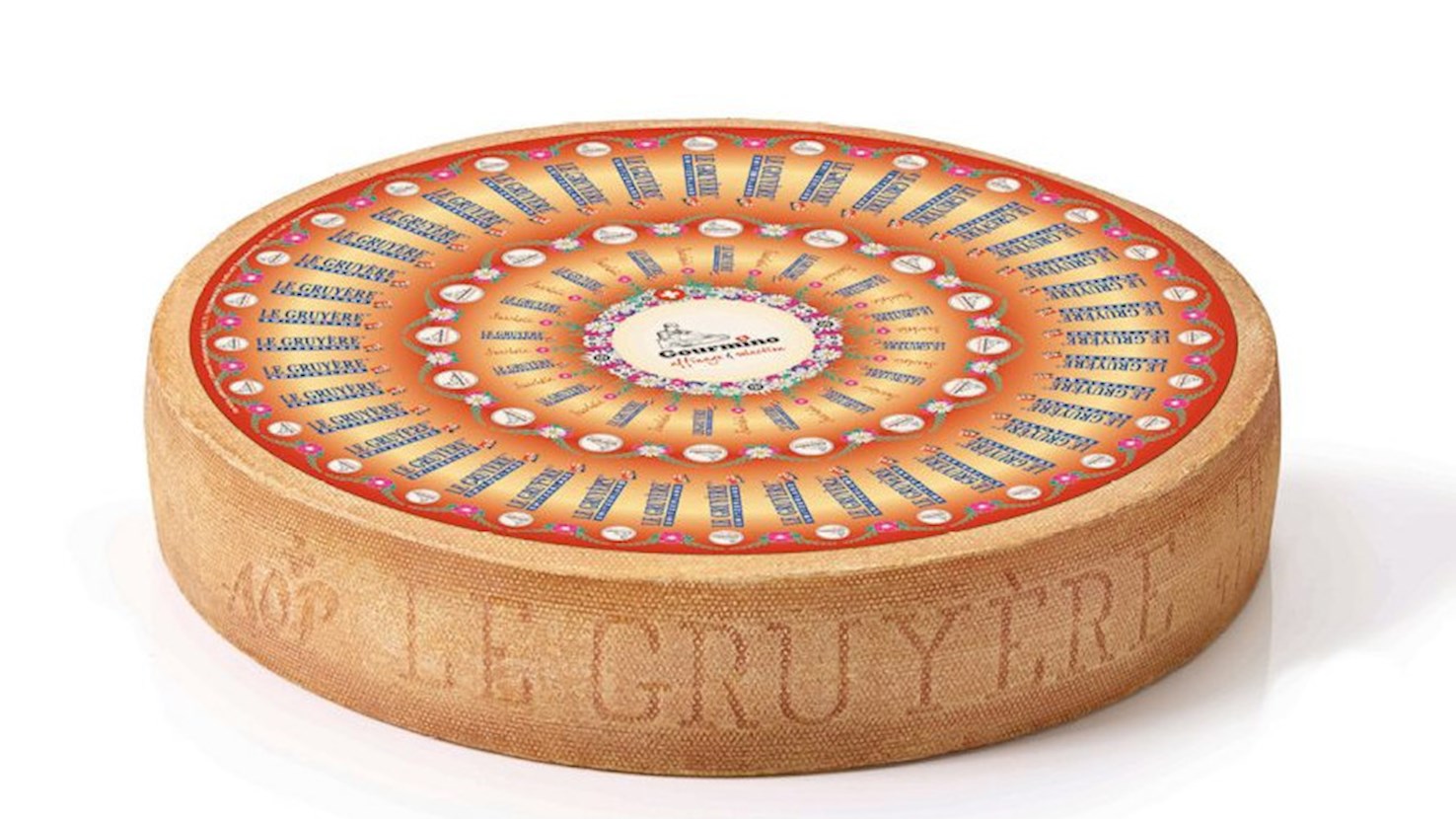
Gourmino, based in Langnau im Emmental, Switzerland, is a cooperative formed by a group of Swiss Alpine dairies specializing in the production of Emmental cheese. This producer focuses on traditional cheese-making methods, aging their cheese in natural cave cellars.

Gourmino also plays a significant role in supporting local dairy farmers by providing a stable outlet for their milk, while maintaining a commitment to sustainability and quality in their cheese production processes.

Awards
Culture Cheese Magazine Best Cheeses issue - Best (2023)
World Cheese Awards - Super Gold (2023, 2022)
04
Cheese

Fromages Spielhofer

5.0 ·

Fromages Spielhofer is a cheese producer based in Saint-Imier, Switzerland. It specializes in the production of Swiss cheeses, including the traditional Tête de Moine, which is crafted using methods that are centuries old.

The company contributes to the local economy by maintaining artisanal practices specific to the Jura region.

Awards
World Cheese Awards - Super Gold (2024)
World Cheese Awards - Gold (2024, 2023)
05
Liqueur

Langatun Distillery

5.0 ·
Awards
IWSC- International wine & spirit competition - Gold outstanding (2020)
06
Cheese

Mountain Dairy Fritzenhaus

4.9 ·
Awards
World Championship Cheese Contest - WORLD CHAMPION (2024, 2022, 2020)
World Cheese Awards - Gold (2024)
07
Cheese

Bergkäserei Vorderfultigen

4.9 ·

Bergkäserei Vorderfultigen is a small alpine cheese dairy located in Hinterfultigen, near Rüeggisberg in the canton of Bern, Switzerland. The dairy processes milk supplied by a small group of nearby farms, where cows graze on the pastures of the Gantrisch region.

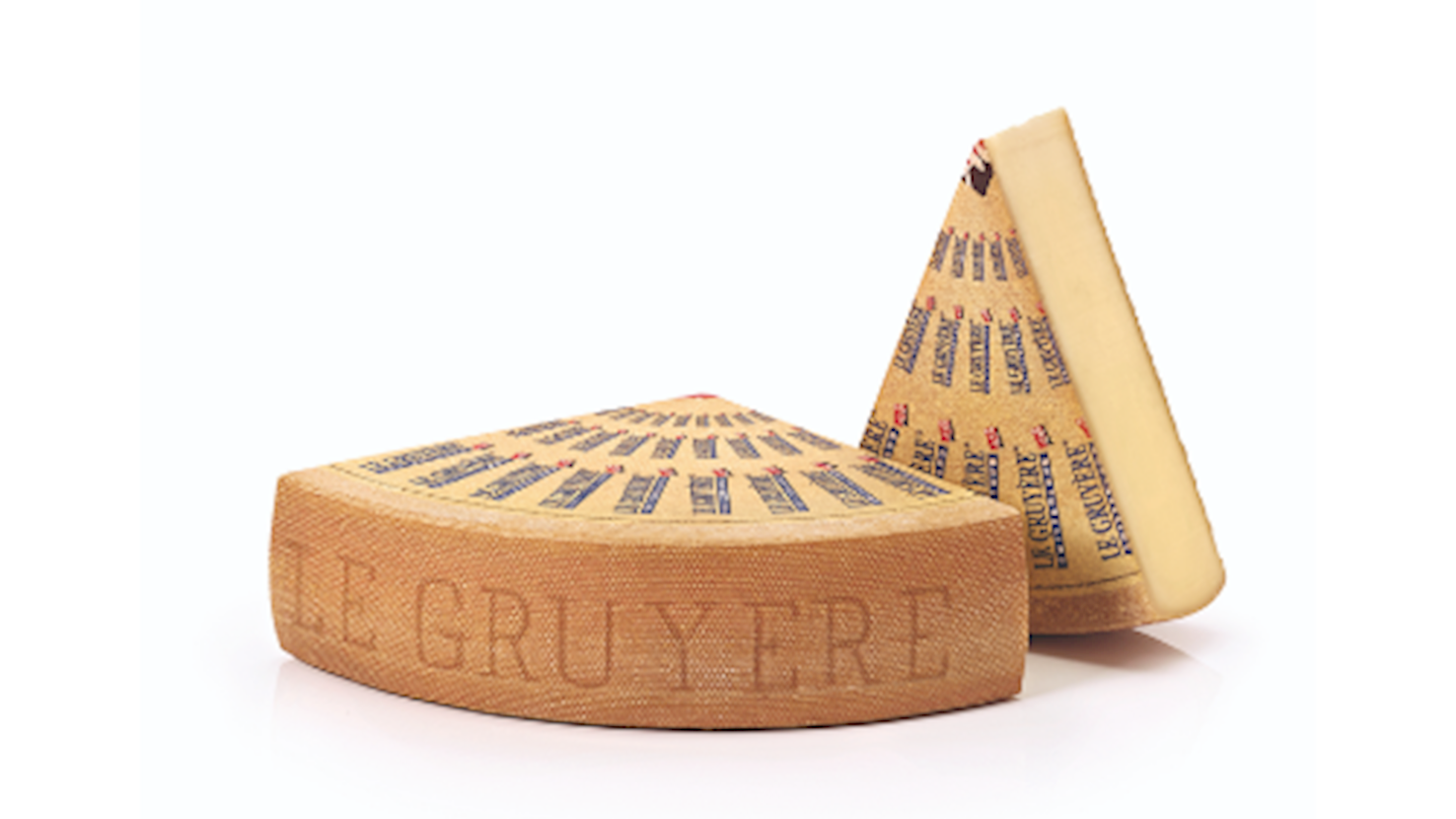
Milk is delivered from farms located within a very short distance of the dairy, allowing it to be processed quickly after milking, which is essential for maintaining the quality of raw-milk cheeses. The dairy is known primarily for producing Le Gruyère AOP, following the strict production rules that define this protected designation of origin cheese.

In addition to Gruyère, the dairy also produces regional mountain cheeses such as Fultiger Bergkäse and Gantrisch Bergkäse, which reflect the character of the alpine milk and local terroir. Production remains artisanal and relatively small in scale, with a strong focus on traditional methods and careful maturation.

Awards
World Cheese Awards - Super Gold (2022)
World Cheese Awards - Bronze (2023)
08
Cheese

Milka Käse

4.9 ·

Milka Käse is a Swiss company specializing in the maturation, selection, and international trade of traditional Swiss cheeses. The company is based in Burgdorf in the canton of Bern and has its roots in the early 20th century, when it began operating as a cheese trading and exporting business focused primarily on Emmentaler.

Over time, Milka Käse developed strong expertise in cheese affinage and quality selection, working closely with numerous regional dairies and alpine cheesemakers across Switzerland. The company purchases cheese wheels produced in village dairies and alpine farms and then matures them in specialized cellars where temperature, humidity, and handling are carefully controlled.

Through this process, the cheeses develop their characteristic texture and complex flavor profiles before being prepared for distribution. Milka Käse handles well-known Swiss varieties such as Emmentaler AOP, Le Gruyère AOP, raclette cheeses, and other regional specialties.

In addition to maturation and trading, the company is also active in branding and export, supplying cheeses to markets across Europe and other international destinations. One of its notable brands is Swisscru, which focuses on premium selections of traditional Swiss cheeses.

Through its work in selection, aging, and global distribution, Milka Käse plays an important role in connecting small Swiss cheesemakers with international markets while maintaining the authenticity and quality standards of Swiss cheese production.

Awards
World Cheese Awards - Gold (2022)
09
Cheese

New Roots Ag

4.8 ·

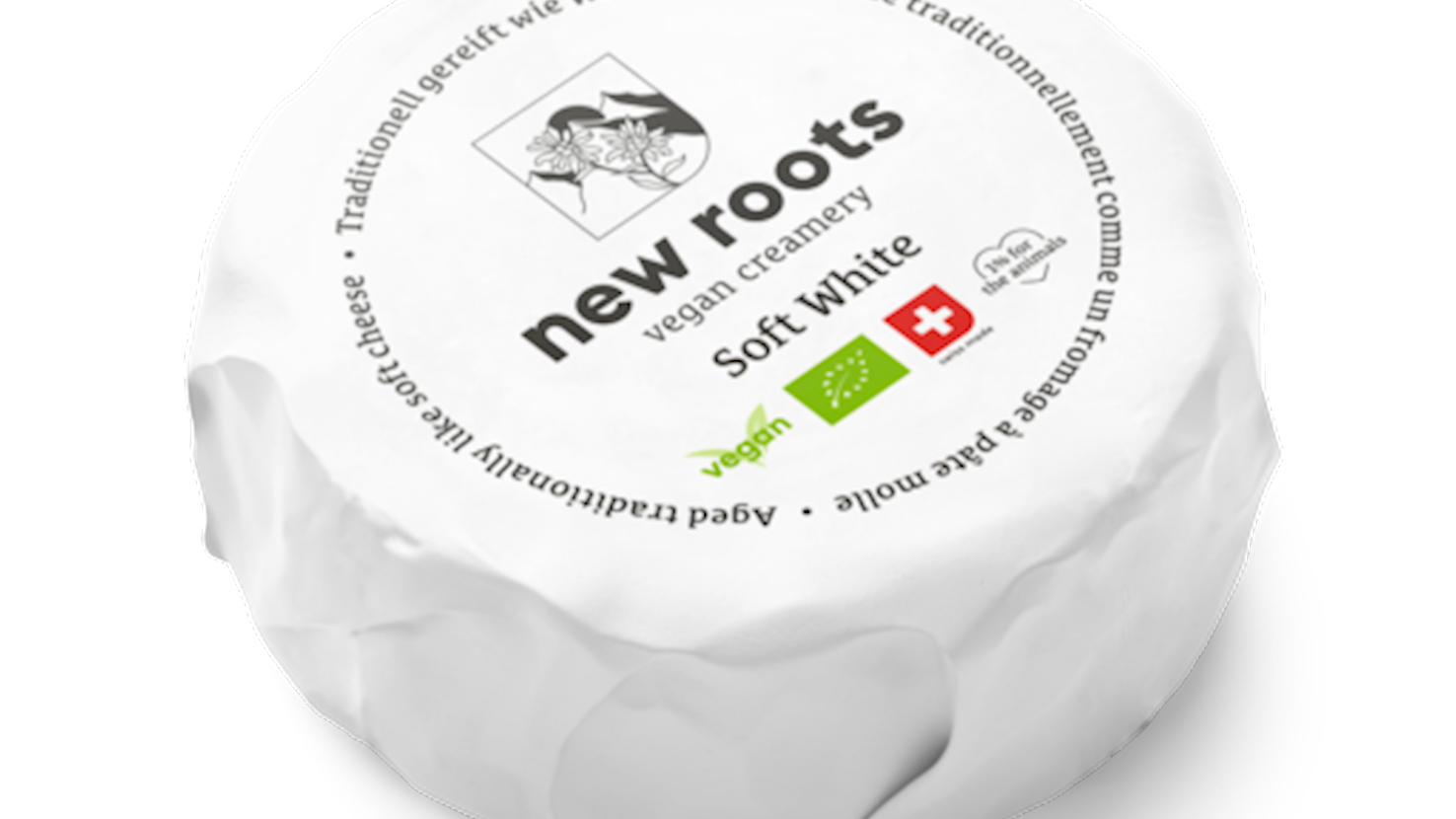
New Roots AG, based in Switzerland, specializes in producing plant-based cheeses using organic ingredients. Founded in 2015, their products range from soft cheeses to aged alternatives, all crafted from cashew nuts.

New Roots AG is committed to sustainability and ethical practices in their manufacturing processes.

Awards
Global Cheese Awards - Best (2023)
Global Cheese Awards - Gold (2023)
10
Cheese

Fromagerie Villeret Sa

4.8 ·

Fromagerie Villeret SA is a Swiss cheese producer located in the canton of Bern. They specialize in the production of traditional Swiss cheeses, including varieties such as Emmental and Gruyère.

The fromagerie utilizes milk from local dairy farms, adhering to sustainable practices and traditional cheese-making methods.

Awards
World Championship Cheese Contest - Best of Class (2014)

Best Canton of Bern foods

01
Cheese

Tête de Moine

4.3 ·

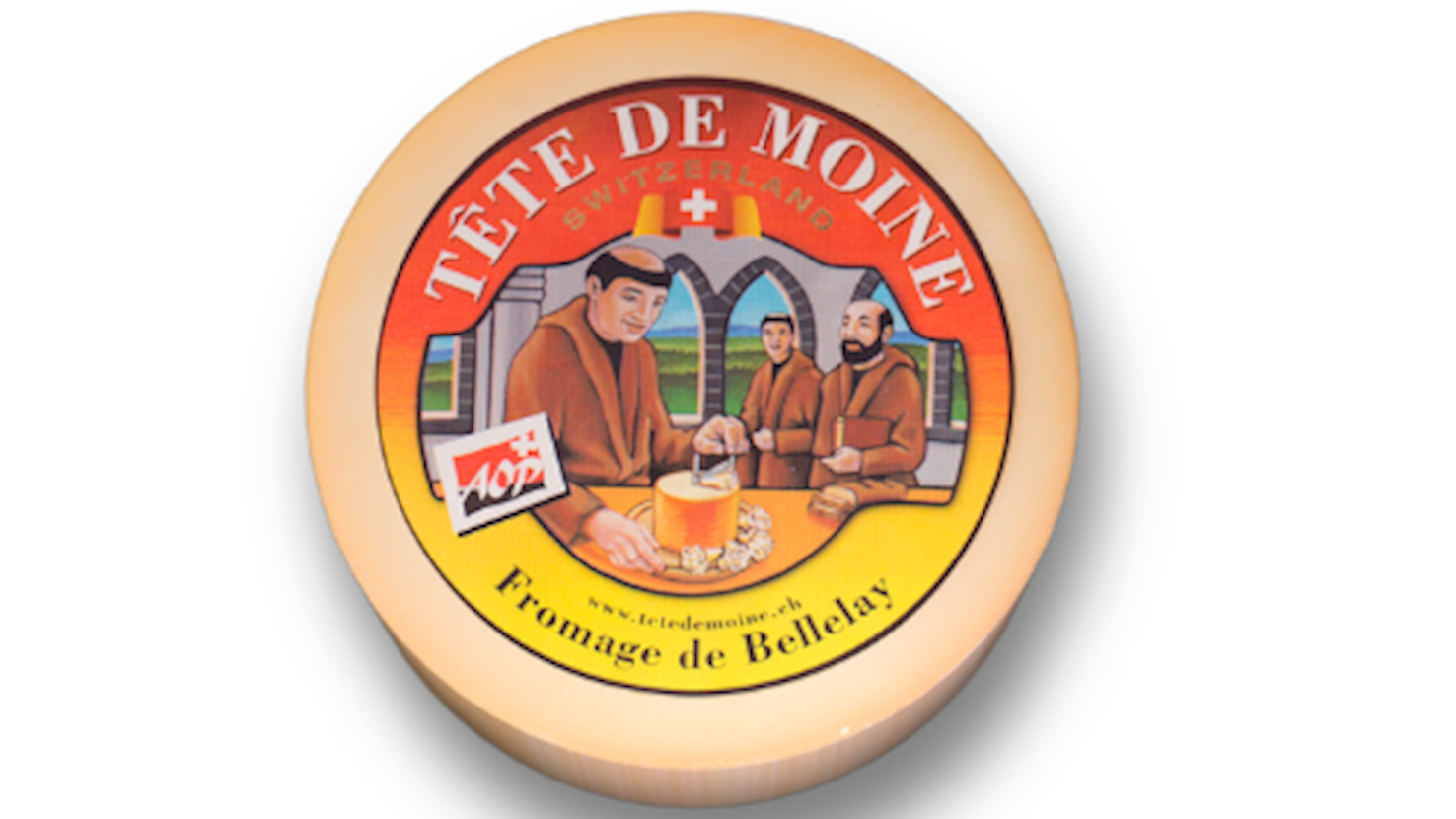
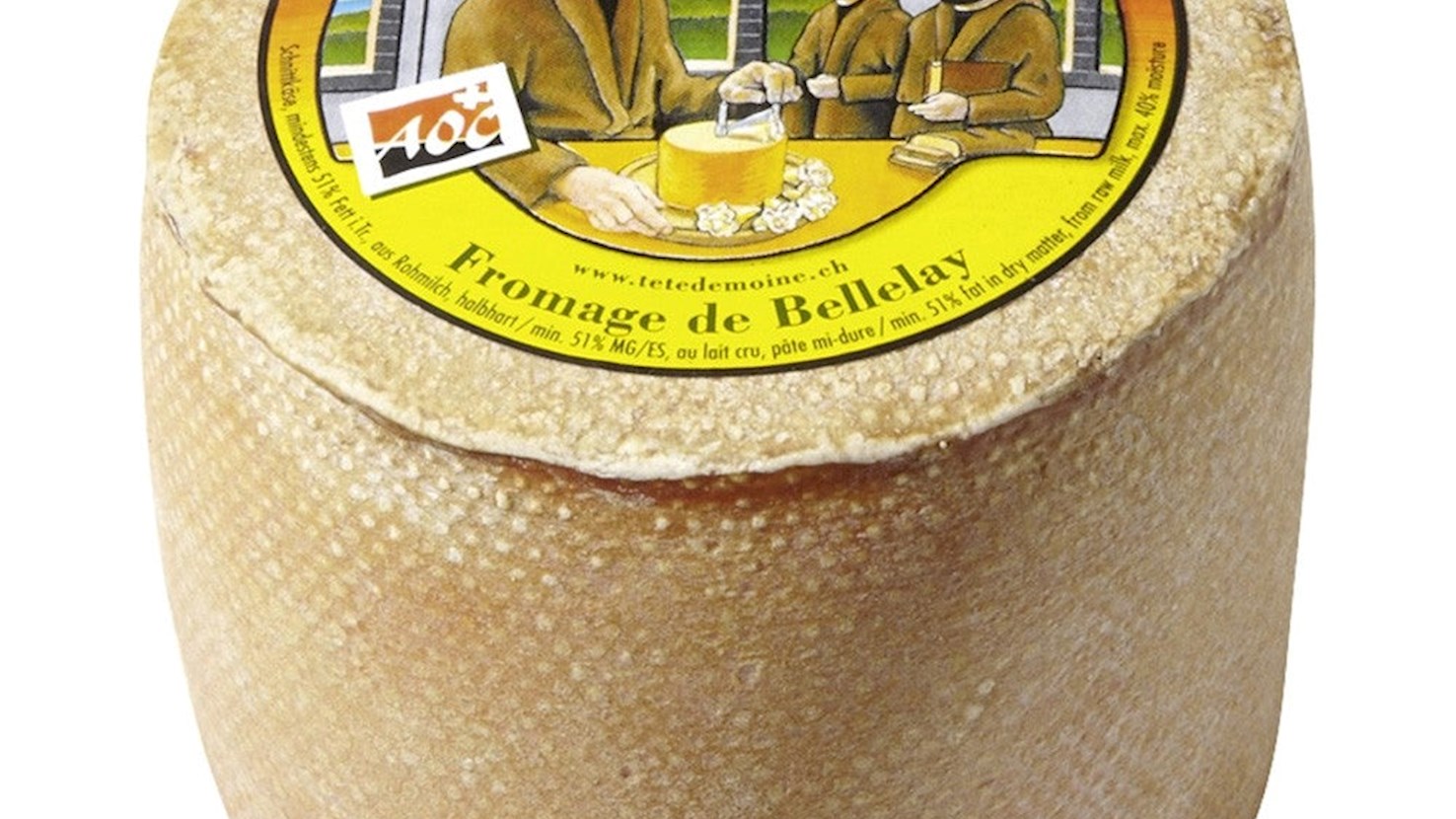
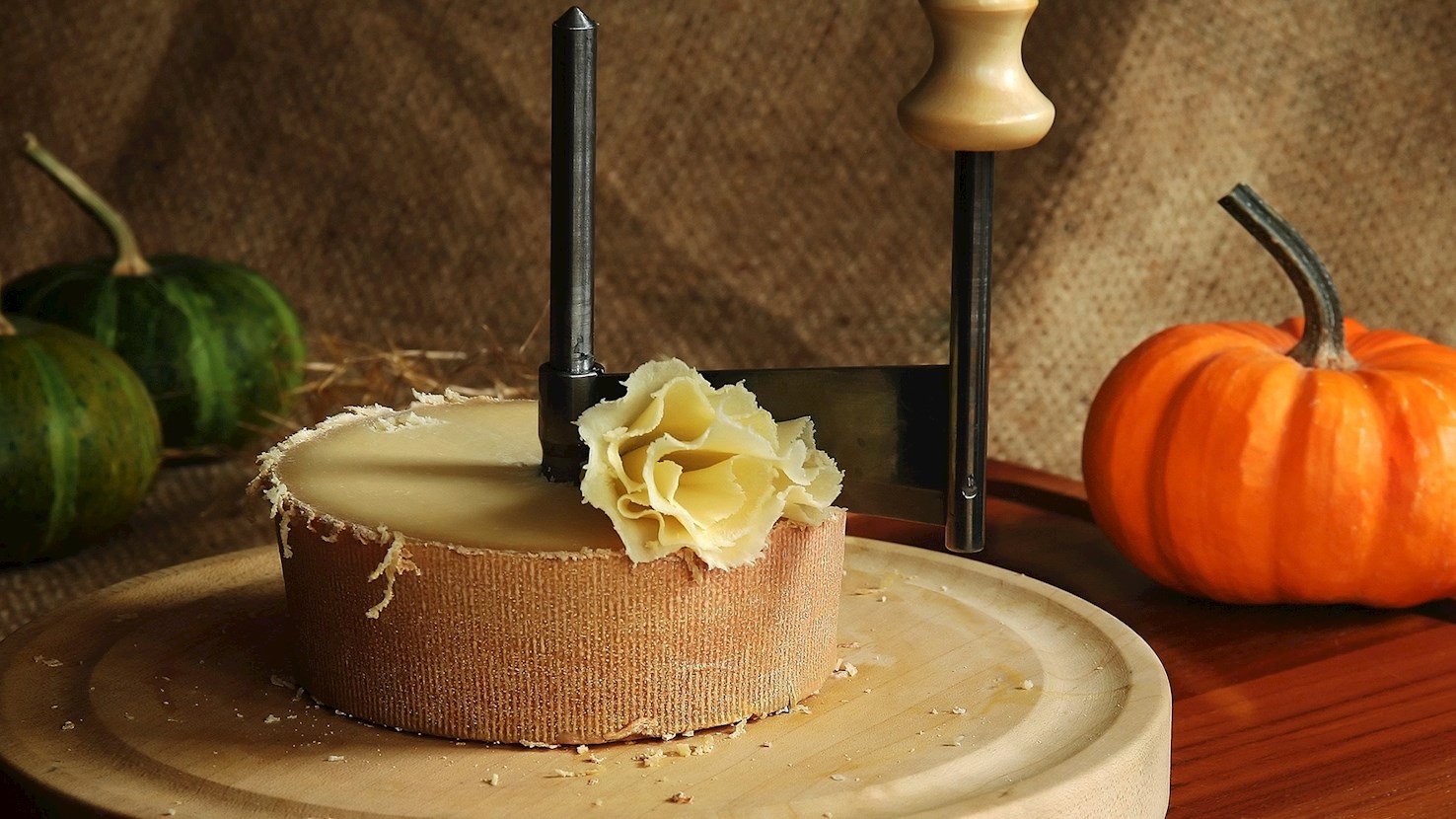
Tête de moine (lit. monk’s head) is a cylindrical, semi-hard Swiss cheese made from cow’s milk. The cheese is kept on spruce wood boards for at least 2,5 months before consumption. It is believed that the cheese was first made by monks in the Bellelay monastery in the community of Saicourt. In the past, they used it as a means of payment. Interestingly, tête de moine is not cut, but scraped or shaved with a special tool called a girolle. During the process, the surface of the cheese comes into direct contact with air, which alters the structure of the paste and helps to release the aromas. Pair it with crisp white wines such as Pinot Grigio.

02
Side Dish

Berner rösti

3.9 ·

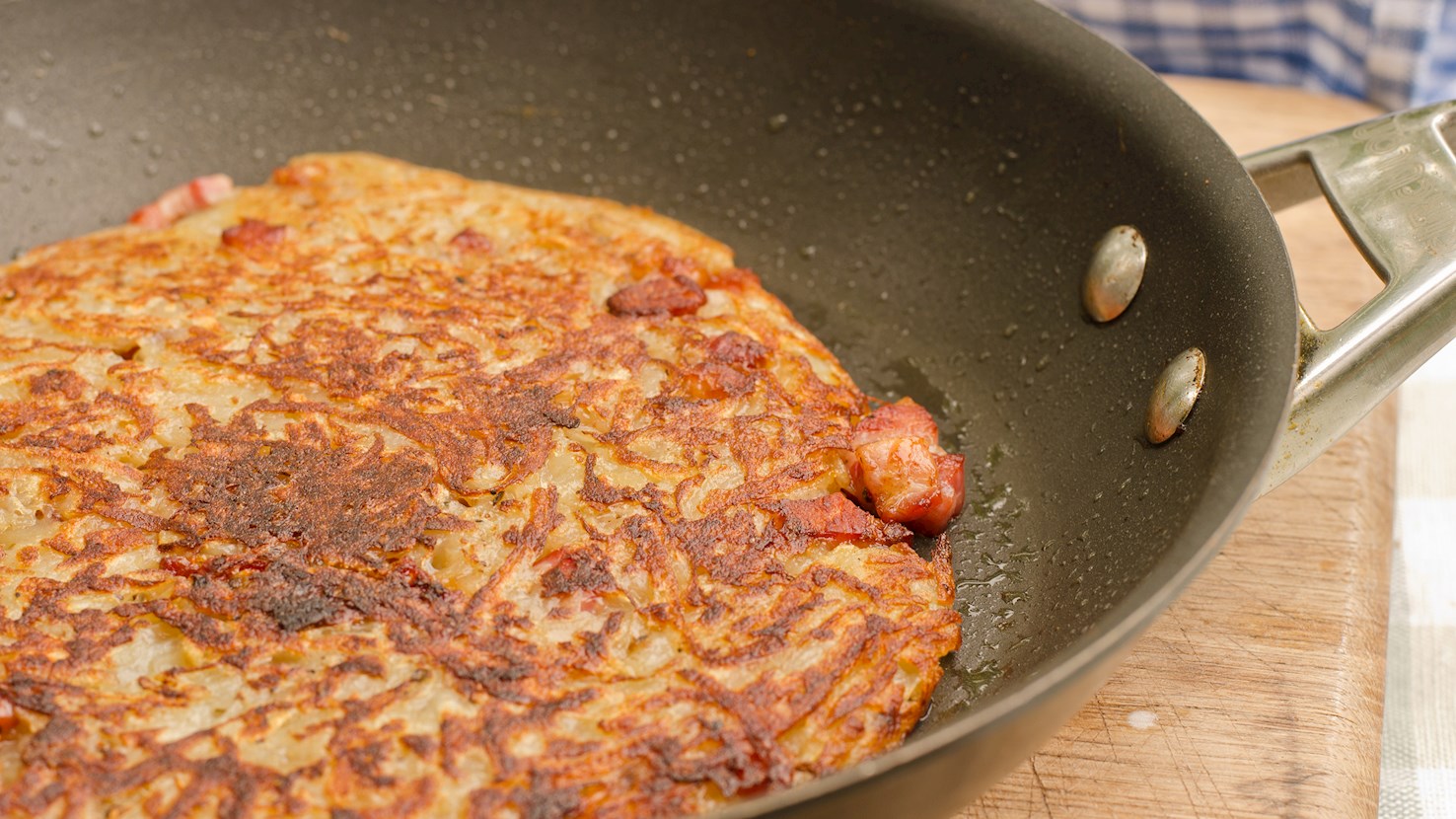
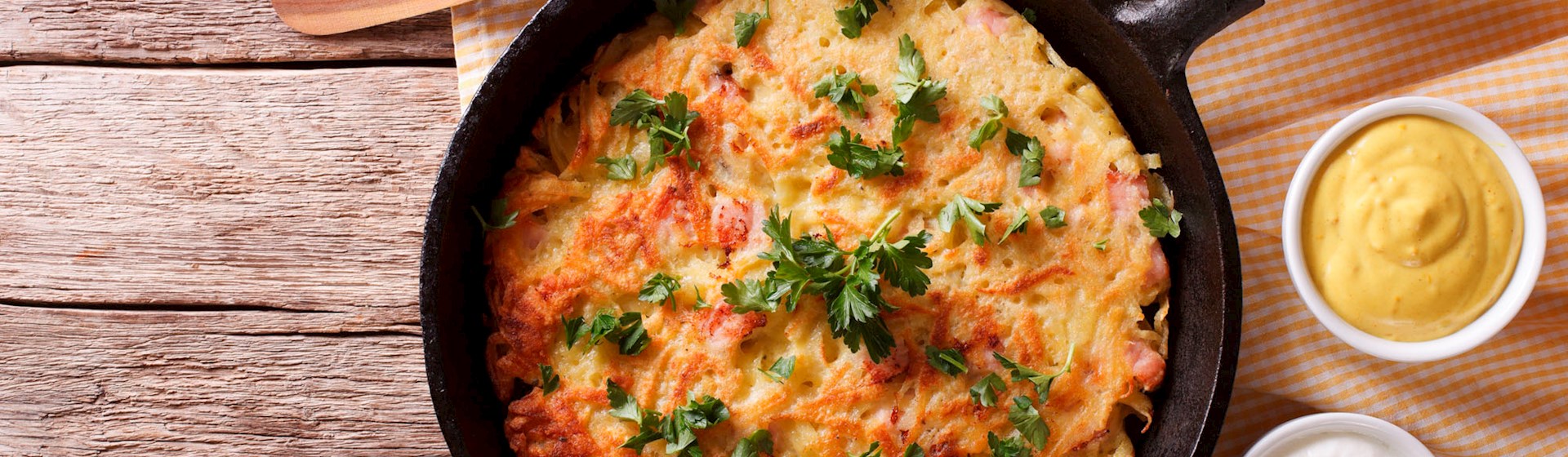
Berner rösti is a traditional variety of rösti originating from Bern. This type of rösti differs from the standard rösti due to the addition of diced bacon, and the potatoes are coarsely grated. It's made with a combination of boiled potatoes, diced bacon, butter, and salt. The potatoes are coarsely grated, seasoned with salt, and mixed with diced bacon. The mixture is fried in butter over medium heat on both sides. In the end, the bottom of the rösti should have a crispy crust. Once done, this rösti is served hot with the crust side up.

03
Cheese

Emmentaler

3.7 ·

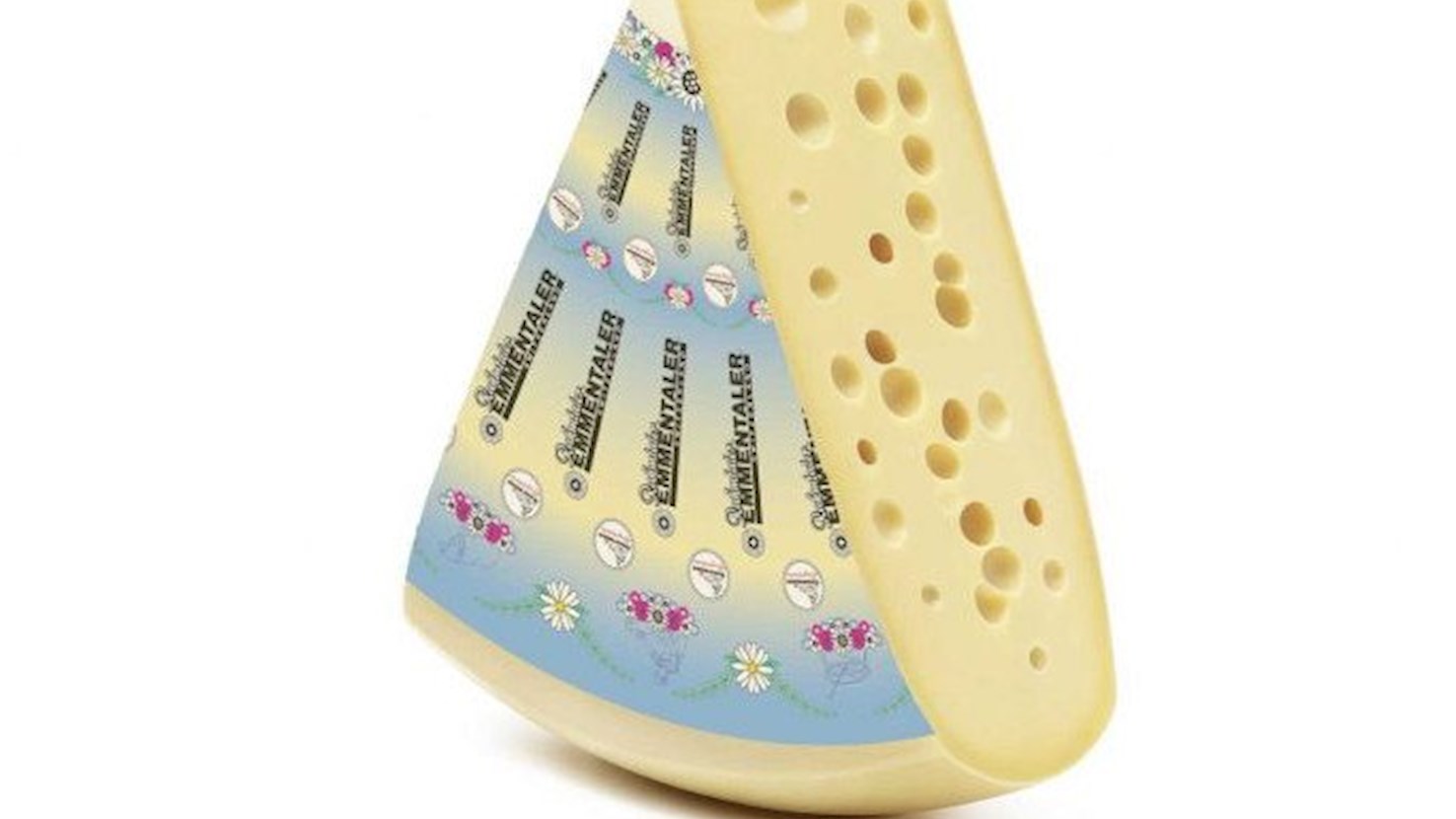
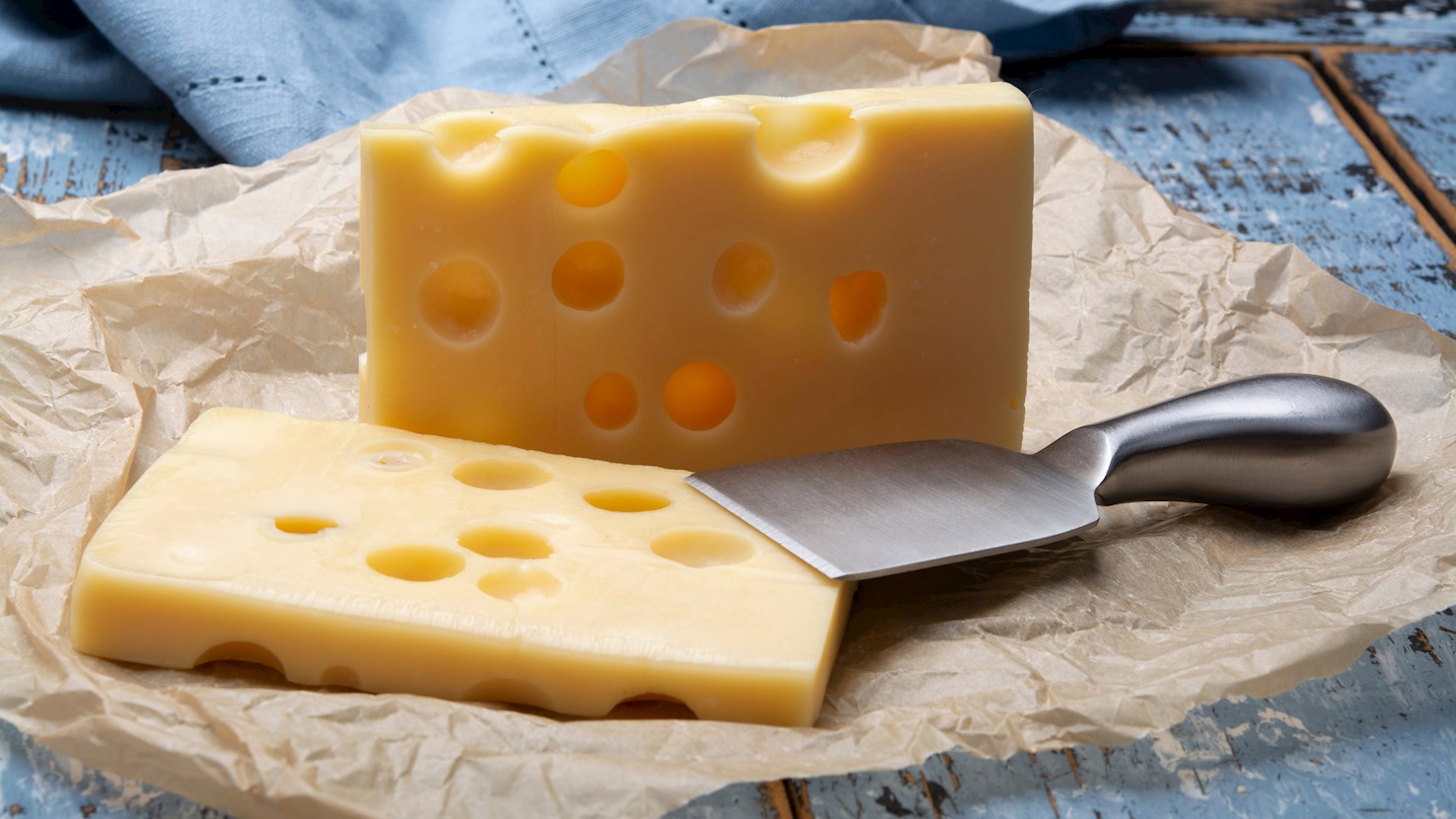
Emmentaler is a semi-hard Swiss cheese made from unpasteurized cow’s milk. It must be matured for a minimum of 4 months, though some varieties can be aged longer. The cheese is characterized by its pale yellow color, smooth texture, and marble-sized holes (eyes), which appear during maturation. Although the final flavor profile depends on maturation, the cheese is usually nutty and tangy, with aromas that are reminiscent of fresh hay. Emmentaler is traditionally served sliced or cut into cubes, but it also incorporates well into various dishes, and it is one of the most common cheese varieties used in fondue. This classic Swiss cheese was named after the river Emme in the canton of Bern, where the cheese-making tradition dates back to the 13th century. Emmentaler can be produced in eleven Swiss cantons.

04
Cheese

Berner Alpkäse

3.6 ·

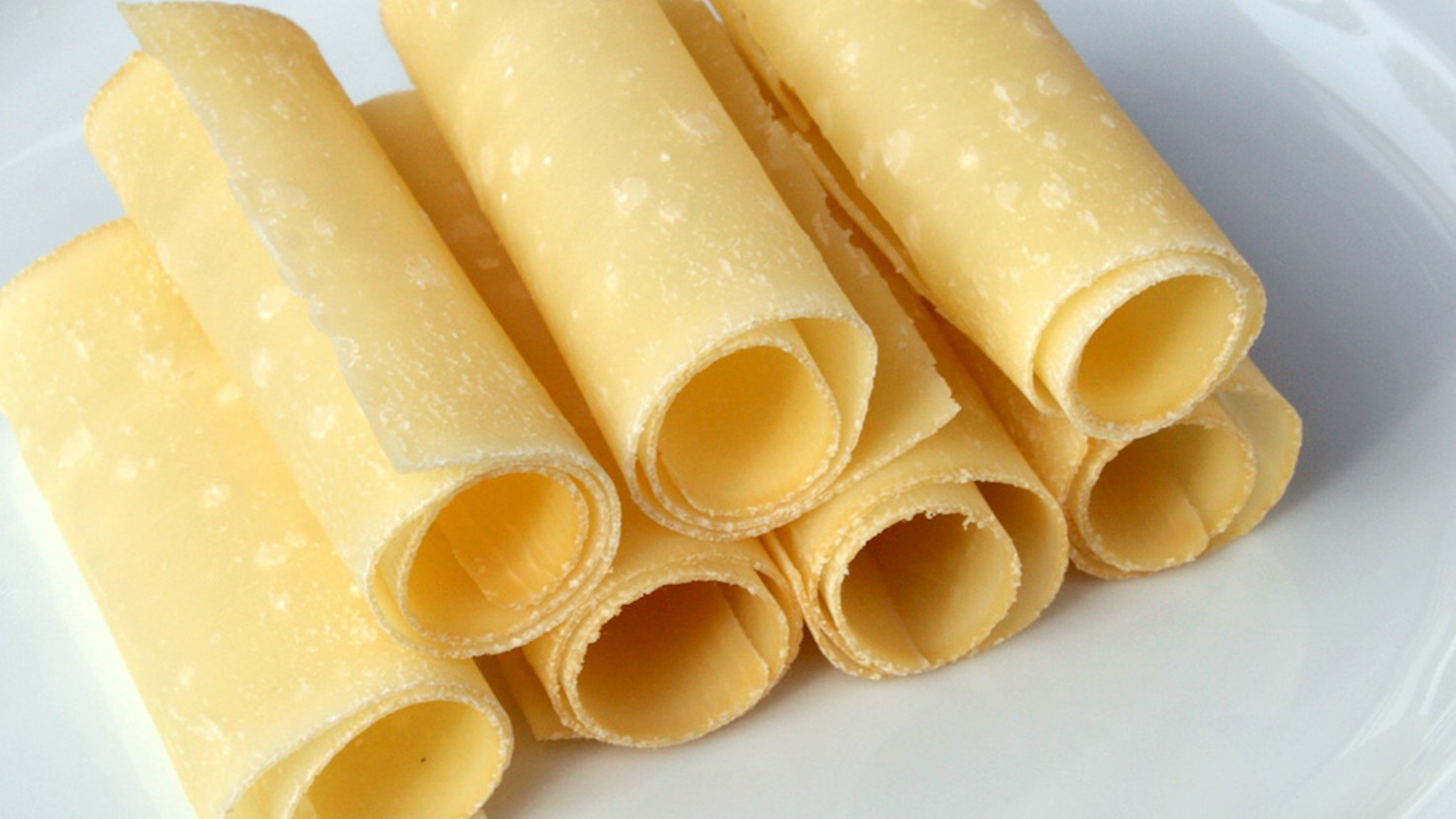
Berner Alpkäse is a traditional cheese originating from the Bernese Oberland. This hard cheese is made during summer from full-fat raw cow's milk that's flavored with Alpine herbs on which the cows graze. It's usually left to age from 6 to 18 months before consumption. Underneath its washed rind, the texture of this cheese is hard, brittle, and with no eyes (holes) that are typical for Swiss cheeses. The flavors can be mild or strong, depending on the maturation period. The cheese is usually planed into thin rolls or crumbled into smaller pieces because its brittle texture makes it unsuitable for cutting with a knife.

05
Cheese

Swiss Tilsit

3.5 ·

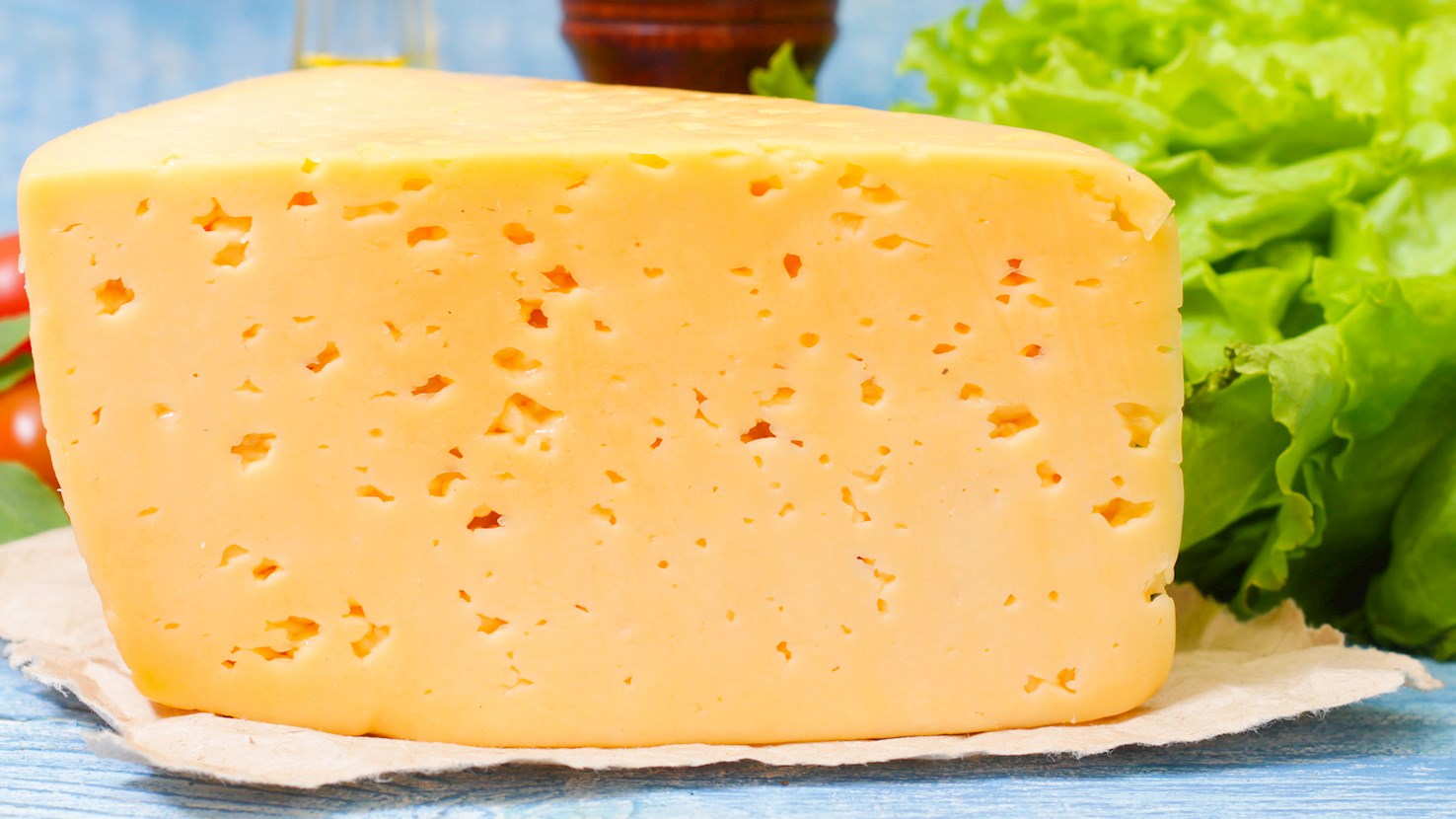
Swiss Tilsit or Royalp Tilsit is a Swiss cheese produced in the Emmental Valley. The cheese is made from pasteurized or raw cow's milk. The pasteurized version is mild, while the raw one has a stronger flavor and it's called Farmhouse Tilsit. The third version is made from pasteurized milk and the addition of cream. The cheese is aged for 5 months, making the aromas strong and pungent. Underneath the washed rind, the texture is firm, springy, elastic, and full of eyes. The flavors range from mild and creamy to piquant and spicy. Use Swiss Tilsit in salads or add it to sauces as the cheese melts exceptionally well.

06
Meat Dish

Berner Platte

3.1 ·

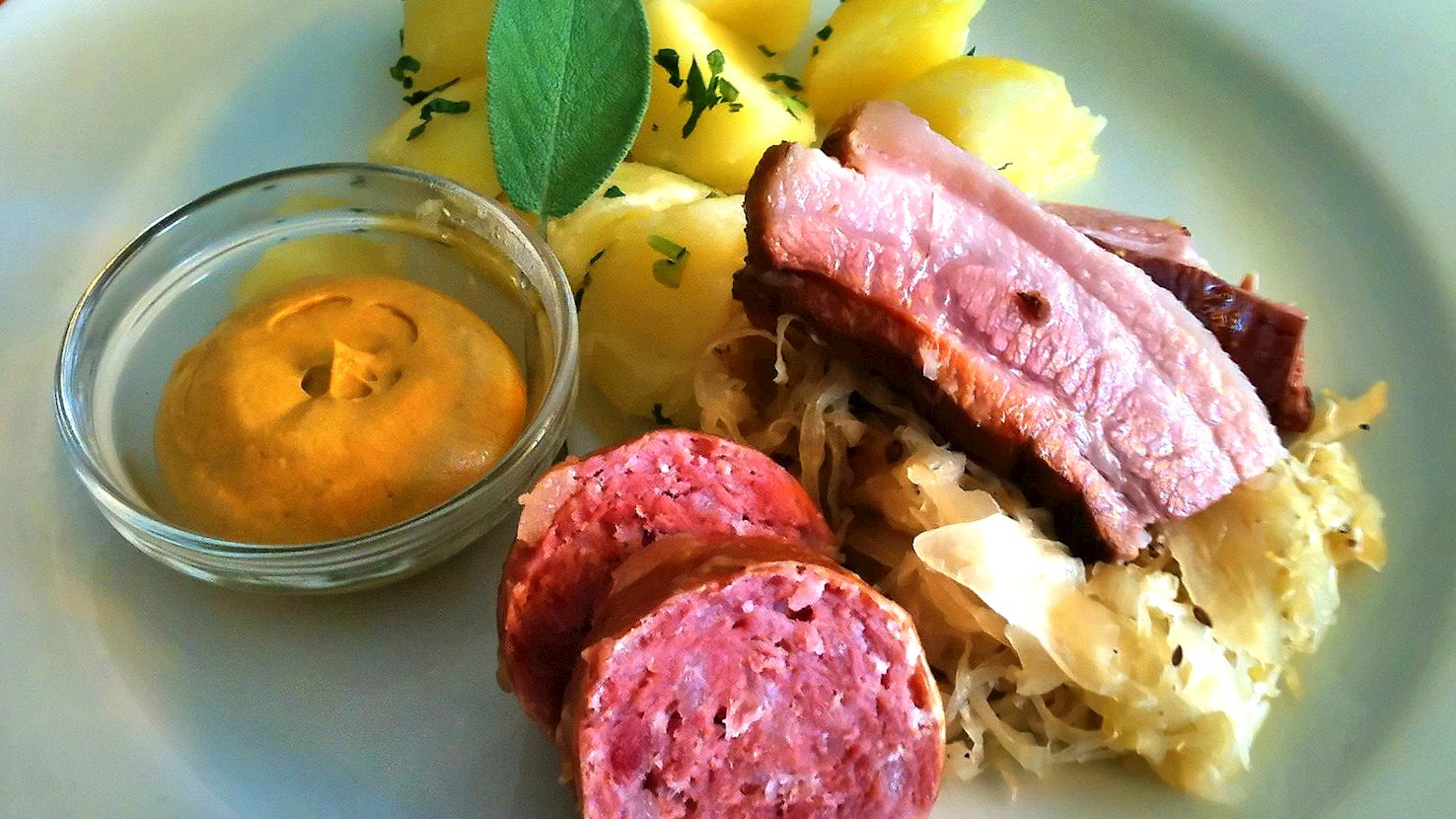
Berner platte is a traditional celebratory dish originating from Bern. It consists of a large plate that's filled with a variety of sauerkraut, meat, offal, potatoes, and green beans. The meat, vegetables, and side dishes are all prepared separately, then served on the same plate – the meat is often boiled with onions and bay leaves, the green beans are sautéed in butter, the potatoes are boiled and fried with butter and chives, and the sauerkraut is typically cooked in white wine with currants and bacon. In some cases, Berner platte is served as an open buffet, so each person can choose the ingredients for their (regular) plate.

07
Cheese

Belper Knolle

3.5 ·

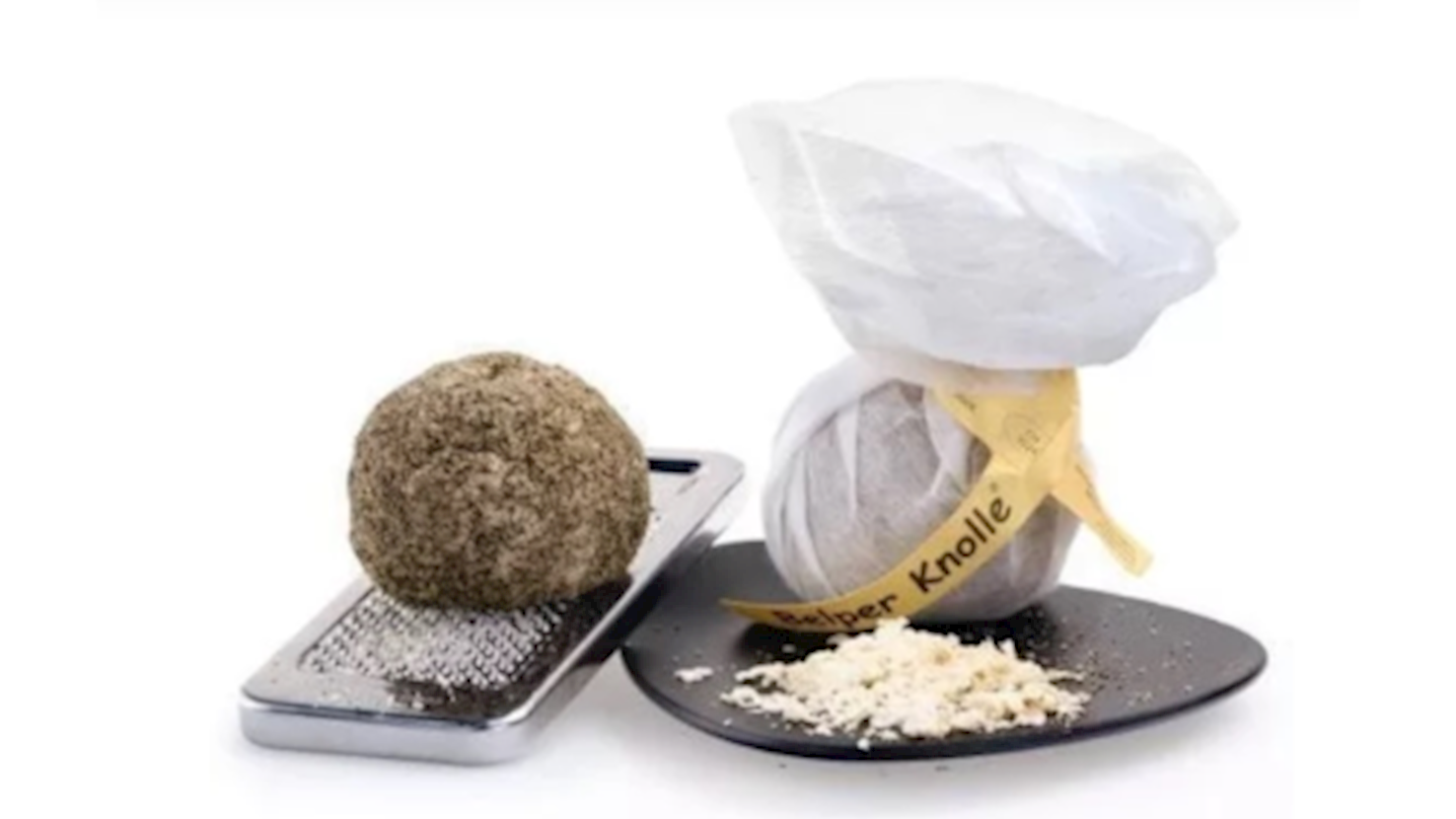
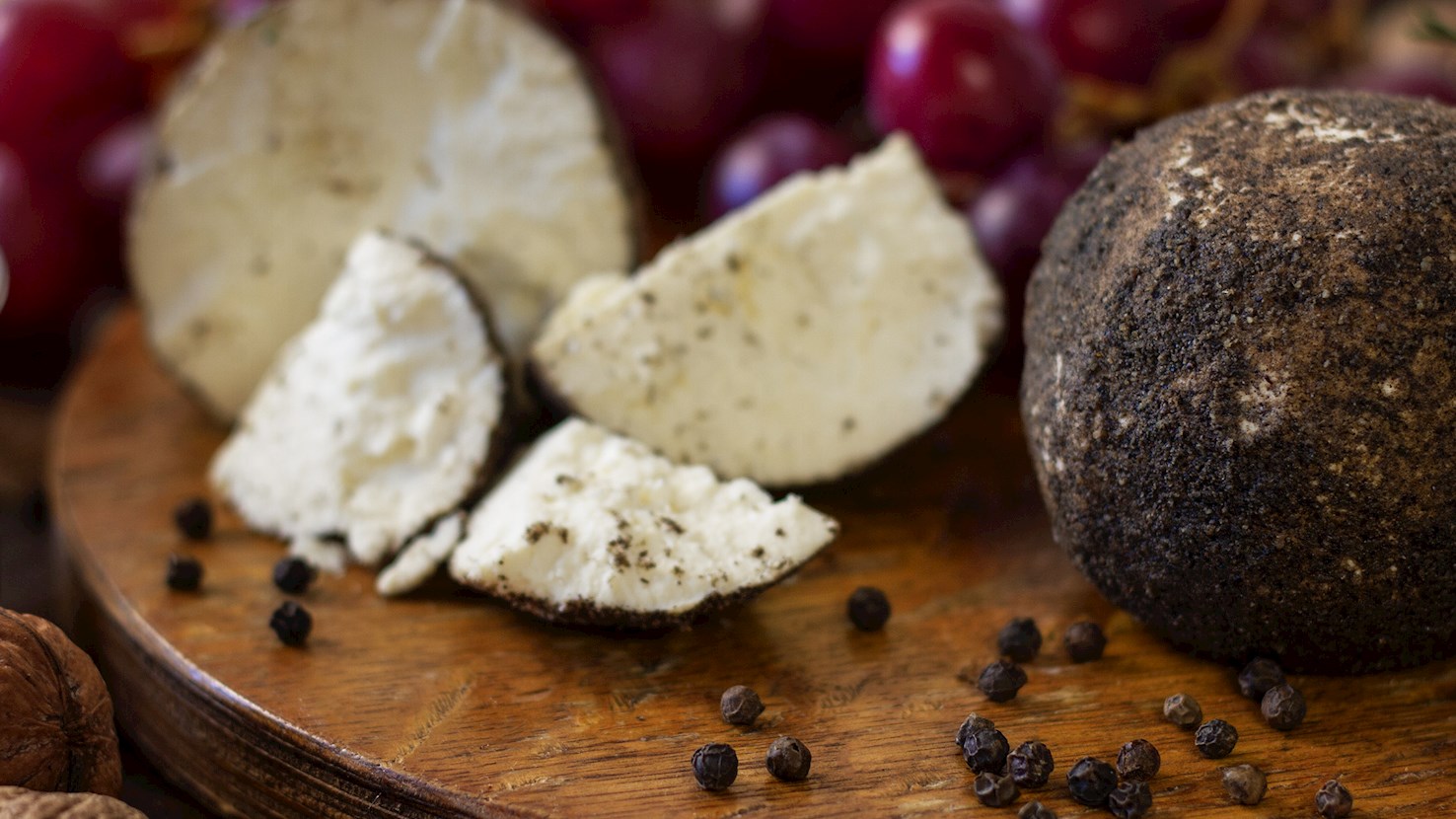
Produced in Belp, hence the name, Belper Knolle is a unique Swiss hard cheese that's shaped into a small ball. The word Knolle translates to tuber, referring to its shape and style – it's mostly used as a grating cheese. The cheese is made from raw cow's milk, and it was created in 1993 by Herr Glauser. It's infused with garlic and Himalayan salt, then rolled in ground Oberland black pepper. Belper Knolle is typically aged in caves for about 10 to 15 weeks, the latter one becoming firm, flaky, crumbly, and extremely hard in texture, which is the reason why it's almost impossible to slice it, so use it shaved or grated instead. The younger version is aged for about 9-10 weeks, so it can be consumed on its own or added to dishes. The extra-mature version can be grated over baked potatoes, pasta dishes, casseroles, and eggs, among others. The flavors of Belper Knolle are intense, zesty, warm, herbal, garlicky, and quite spicy. It's traditionally sold wrapped in a muslin bag.

Best producers
08
Pastry

Blue Cake

n/a ·

Despite its name, the famous Swiss blue cake, a specialty of the Frutig valley, is not blue, nor is it a cake. It is a simple puff pastry without fillings or toppings, one that has been produced in local bakeries since the 1900s. Its name refers to the phrase blau machen, meaning to take a holiday. The pastry is commonly consumed as a snack, accompanied by cold cuts, cheese, butter, jam, or coffee.

09
Sweet Pastry

Meitschibei

2.8 ·

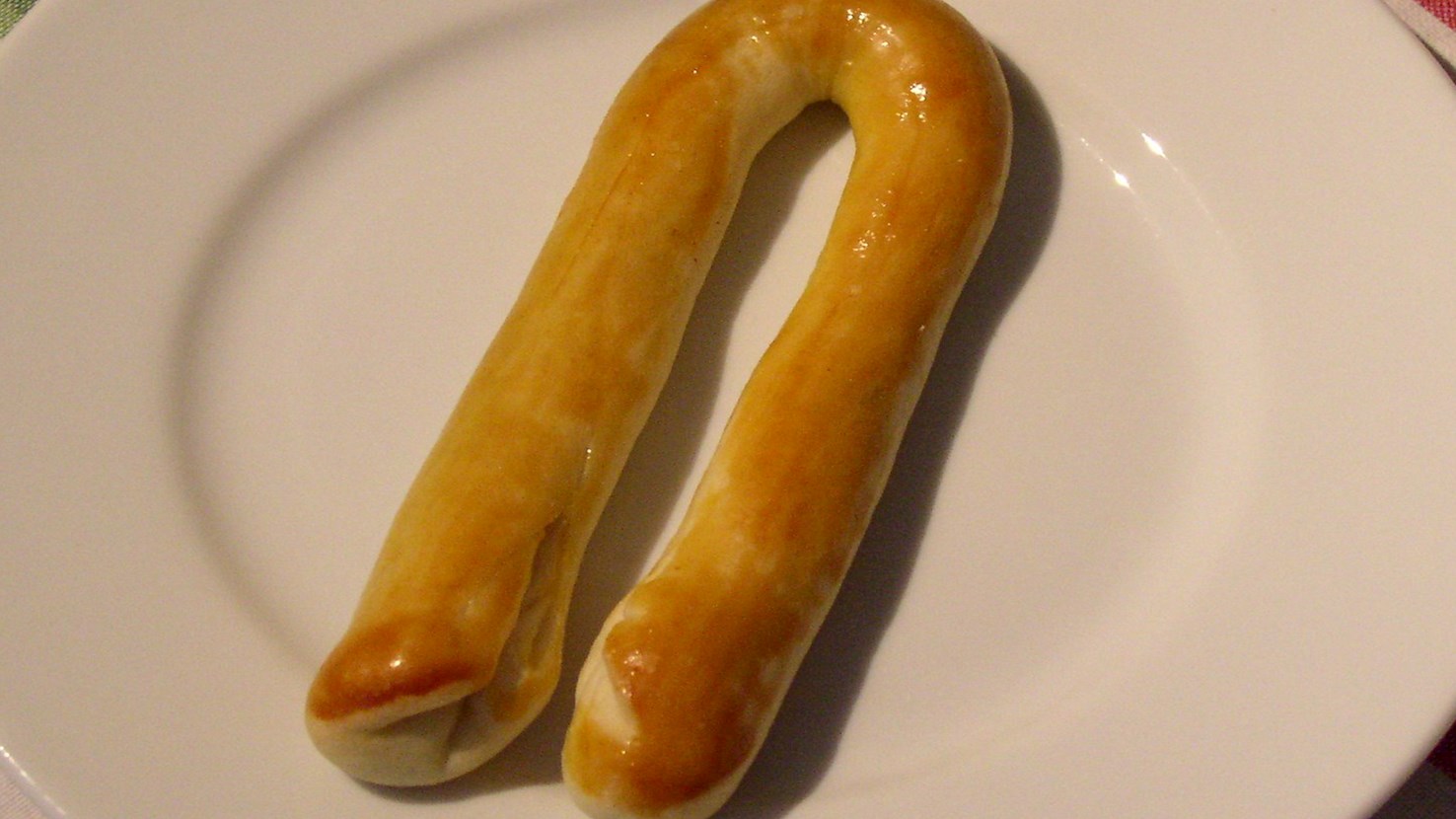
Meitschibei are finger-thick, horseshoe-shaped Bernese pastries filled with sweetened hazelnuts. Their name directly translates to girl’s legs and it comes from their characteristic shape. The dough is made with white flour, butter, milk, yeast, malt, sugar, salt, and eggs, while the filling is made with ground hazelnuts, orange peel, lemon zest, cinnamon, sugar, and a little water. Meitschibei can be easily found in bakeries throughout the German-speaking part of Switzerland. In the French-speaking parts of the country, the product is known as croissant viennois – Viennese croissant. The origins of meitschibei are lost to time, but they most likely originated in Bern at the beginning of the 20th century.

10
Bread Roll

Berner Weggli

n/a ·

Zürcher Murren is a braided white bread roll from the German-speaking region of Switzerland that combines milk, butter, yeast, flour, sugar, salt, and malt into a mildly sweet, enriched dough. The earliest written reference to the Murren appears in a state archival document in Zürich dating to 1508, and detailed descriptions matching the rolls we know today appear in late nineteenth-century sources. For many years, the Murren were considered a festive treat because fine white flour was once reserved for special occasions; Zürich bakers originally made them before becoming more widely available across northern and central Switzerland. To prepare the Murren, a dough is made from flour, milk, butter, yeast, sugar, salt, and malt. The dough is allowed to rise, then divided into small pieces. Each piece is given five shallow cuts on top using a special tool, which, after baking, creates the bread’s characteristic star-like or pointed surface. The rolls are coated with egg yolk and baked until golden and glossy. Zürcher Murren are best eaten fresh, often at breakfast with butter, jam or honey, or as a snack alongside coffee or tea. They appear routinely in Swiss bakeries and supermarkets across the German-speaking cantons, typically paired with mild cheeses or a hot beverage.

About this ranking

TasteAtlas food rankings are based on the ratings of the TasteAtlas audience, with a series of mechanisms that recognize real users and that ignore bot, nationalist or local patriotic ratings, and give additional value to the ratings of users that the system recognizes as knowledgeable. For the “Top 20 Traditional Foods in the Canton of Bern” list until July 01, 2026, 299 ratings were recorded, of which 266 were recognized by the system as legitimate. TasteAtlas Rankings should not be seen as the final global conclusion about food. Their purpose is to promote excellent local foods, instill pride in traditional dishes, and arouse curiosity about dishes you haven’t tried.

The initial list of top producers was compiled based on available reviews, awards, local recommendations, media and blog coverage, and consumer reviews. The list will be updated with ratings from TasteAtlas local ambassadors and TasteAtlas users.

Similar lists