



shutterstock

Top 30 Cypriot Foods

Last updated on June 17, 2026

Best Cypriot foods

01
Meat Dish

Souvla

4.4 ·

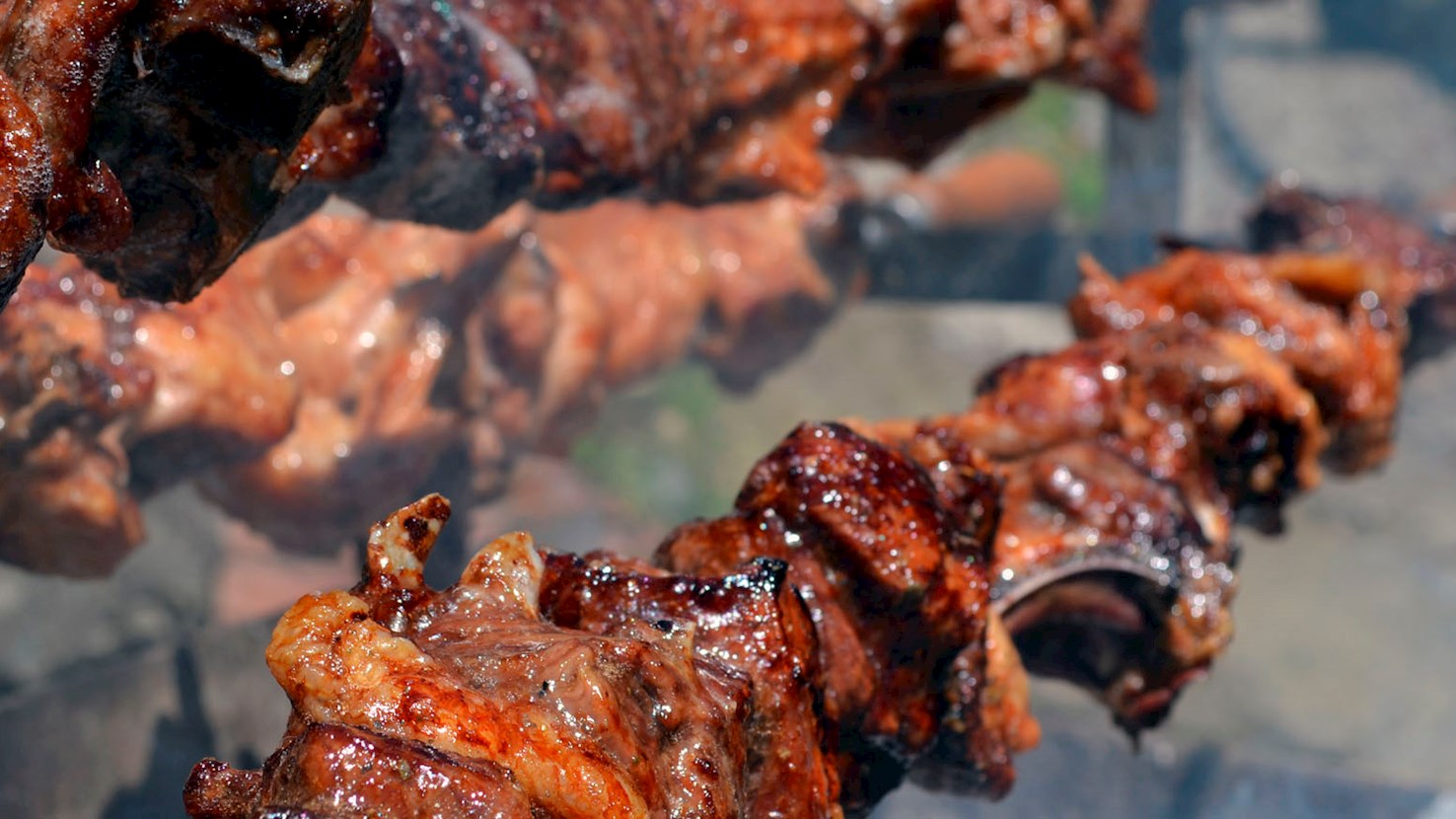
This Cypriot-style barbecue dish is made with seasoned and marinated meat, typically lamb, pork, or chicken, which is placed on a long skewer and slow-roasted over an open fire. The marinating process makes the meat incredibly tender and succulent, and the meat is basted as it roasts, improving the texture and flavor even further. There is also a number of local varieties of the dish, and the best-known variety is known as Lysiotiki souvla from the village of Lysi. The dish is typically prepared for Christmas and Easter, but is also served on other festive occasions. It is served with a drizzle of freshly squeezed lemon juice, a side of baked potatoes, and a salad.

02
Lamb Dish

Kleftiko

4.3 ·

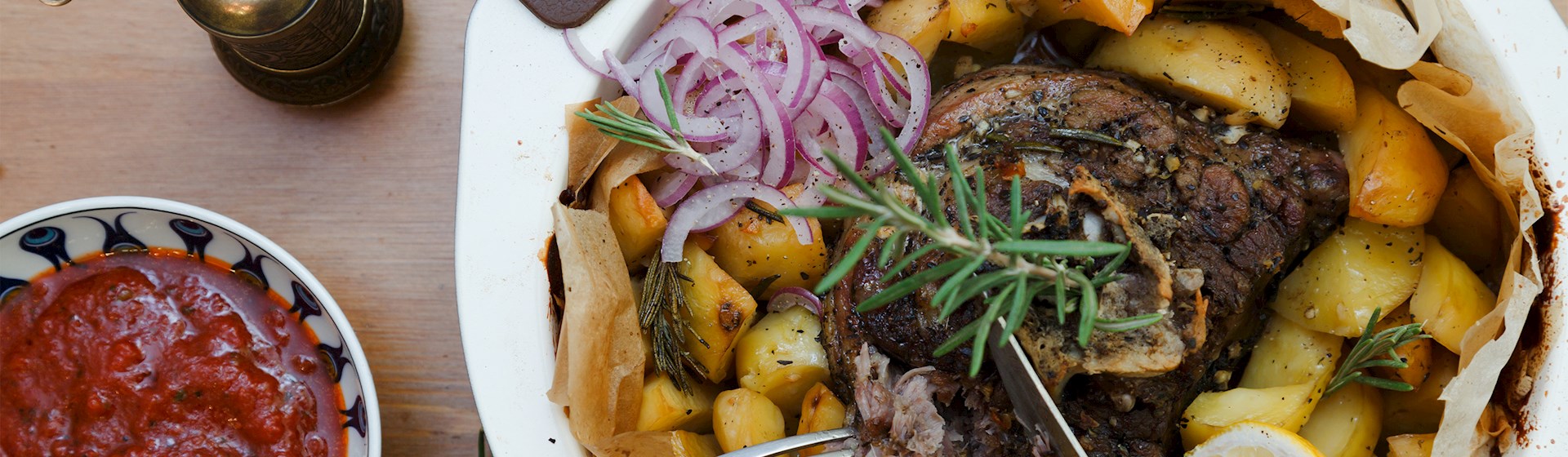
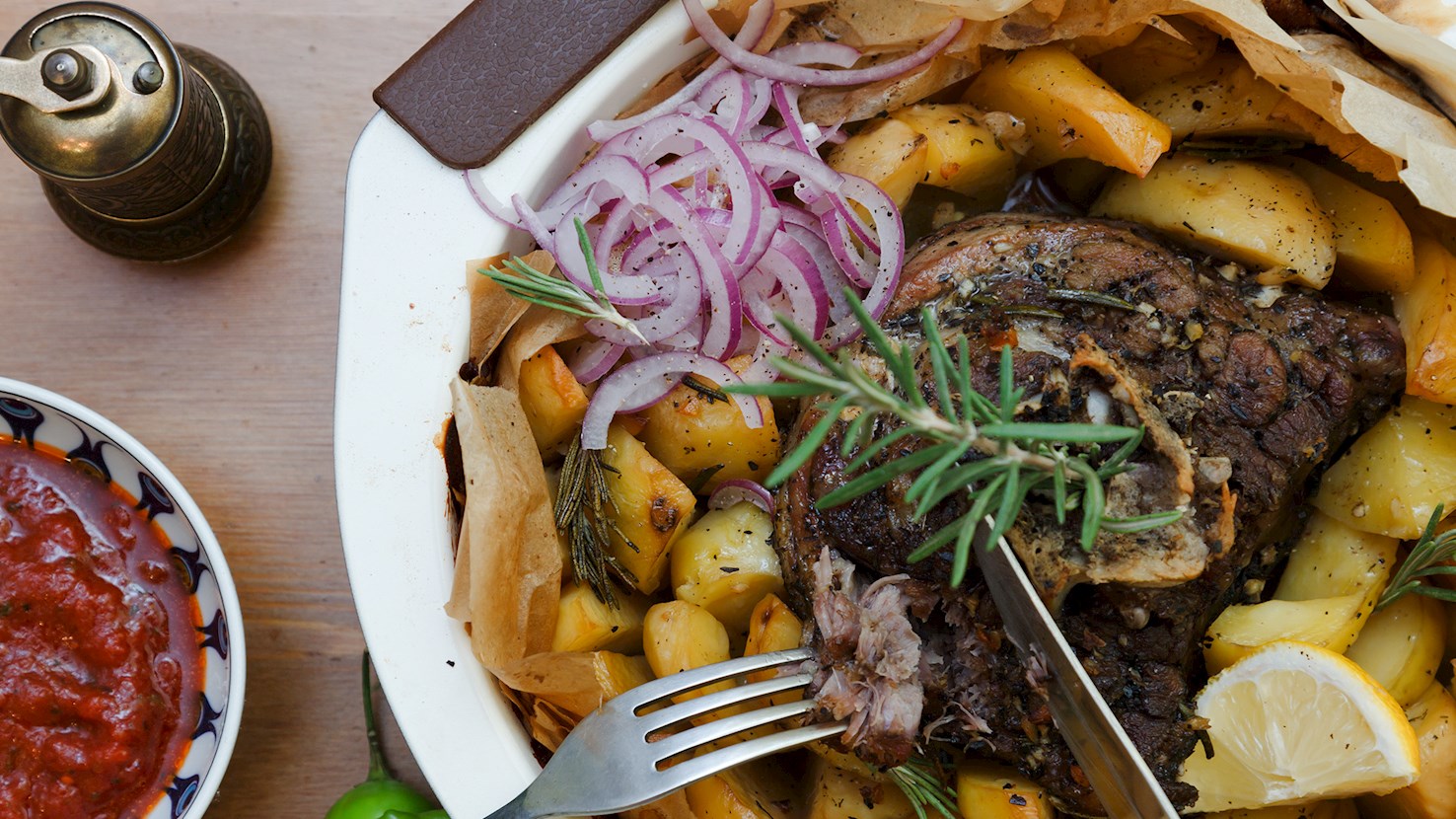
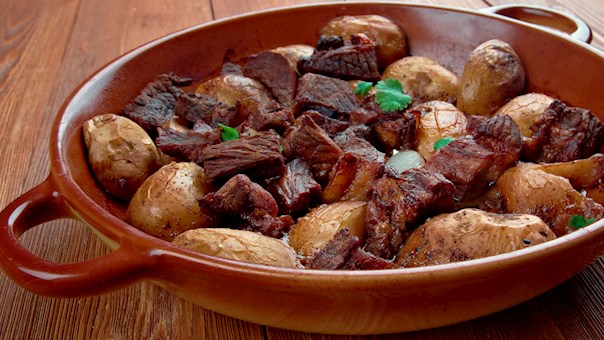
Kleftiko is a typical Greek dish that is commonly prepared at festive events and celebrations, consisting of a succulent piece of lamb or goat meat that is wrapped in foil and baked in airtight ovens. Also spelled as klephtiko, the name comes from the Klephts, mountain rebels from the Greek Revolution who cooked the food underground, so that no aromas or steam could escape, as it could reveal their positions. The cooked food was typically stolen, as klepht is also the root of the word kleptomaniac, describing a person with the urge to steal. Today, the meat is slowly cooked in a bowl so that it remains juicy and falls off the bone. Kleftiko is usually cooked with potatoes that soak up some of the flavorful meat juices. Other accompaniments may include red peppers and tomatoes. It is recommended to pair the dish with a glass of red wine on the side.

03
Ground Meat Dish

Sheftalia

4.3 ·

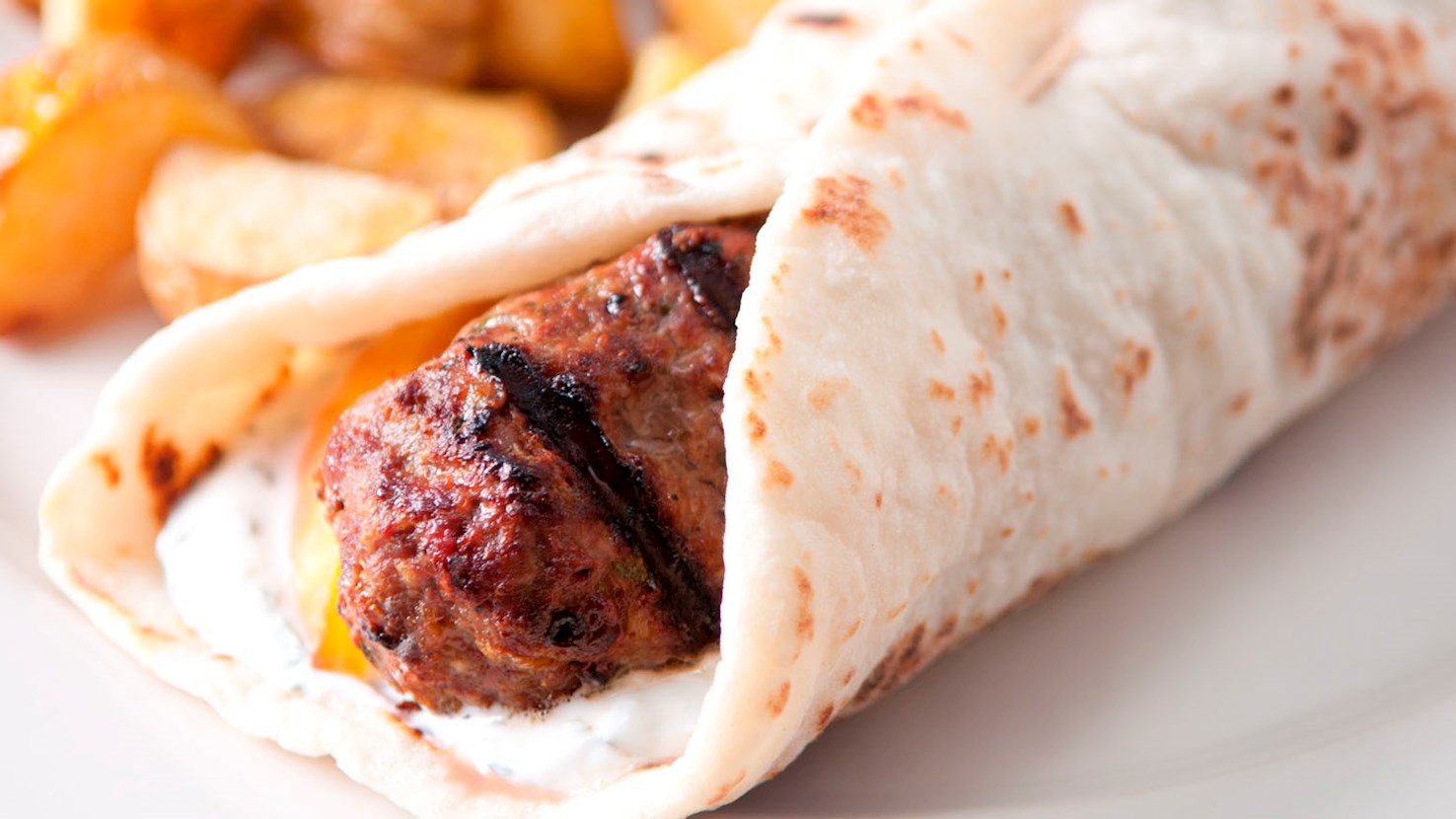
This traditional Cypriot sausage is made from a mixture of minced pork and lamb, chopped red onion, and parsley wrapped in caul fat, a thin fatty membrane that lines the stomach of cows, sheep, and pigs. There are two theories as to how the dish got its name – either from the Turkish word şeftali, which means peach, most likely as a reference to its texture, or from the name of the street vendor who is credited with having invented it. The meat mixture is seasoned with salt, pepper, and cinnamon, and then formed into small sausages which are skewered and grilled. As the meat cooks, the caul fat renders, giving the sausages a crispy, caramelized exterior while keeping the meat on the inside tender and juicy. Sheftalia is commonly served in a pita, topped with salad and tzatziki, a sauce made with yogurt, cucumber and olive oil.

04
Cheese

Kefalotyri

4.2 ·

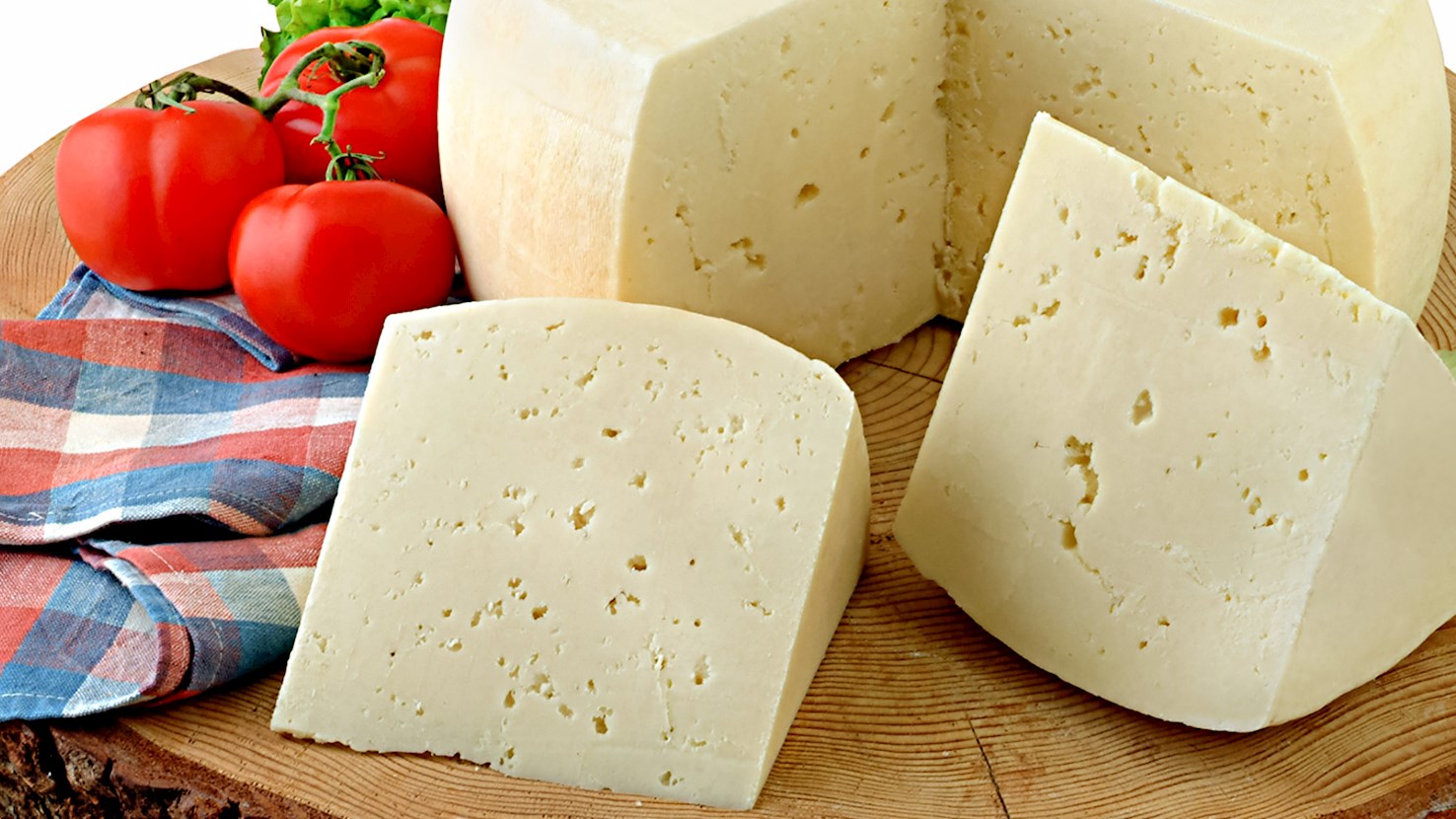
Kefalotyri is a traditional Greek-Cypriot cheese made from goat’s or sheep’s milk. It has a firm and flaky texture with irregular eyes and a strong, rich aroma, while the flavors can best be described as salty, strong, tangy, sharp, and spicy. It is believed that kefalotyri is the predecessor of most hard Greek cheeses, since it dates back to the Byzantine era. There are two main varieties – young kefalotyri, aged for a minimum of 2-3 months, and aged kefalotyri, which is aged for at least one year and has a much stronger flavor. It is recommended to use kefalotyri in pasta dishes and meat dishes, or grate it over stews, salads, and pizzas. If consumed on its own, pair it with figs, grapes, pears, and a glass of red wine.

05
Stew

Stifado

4.2 ·

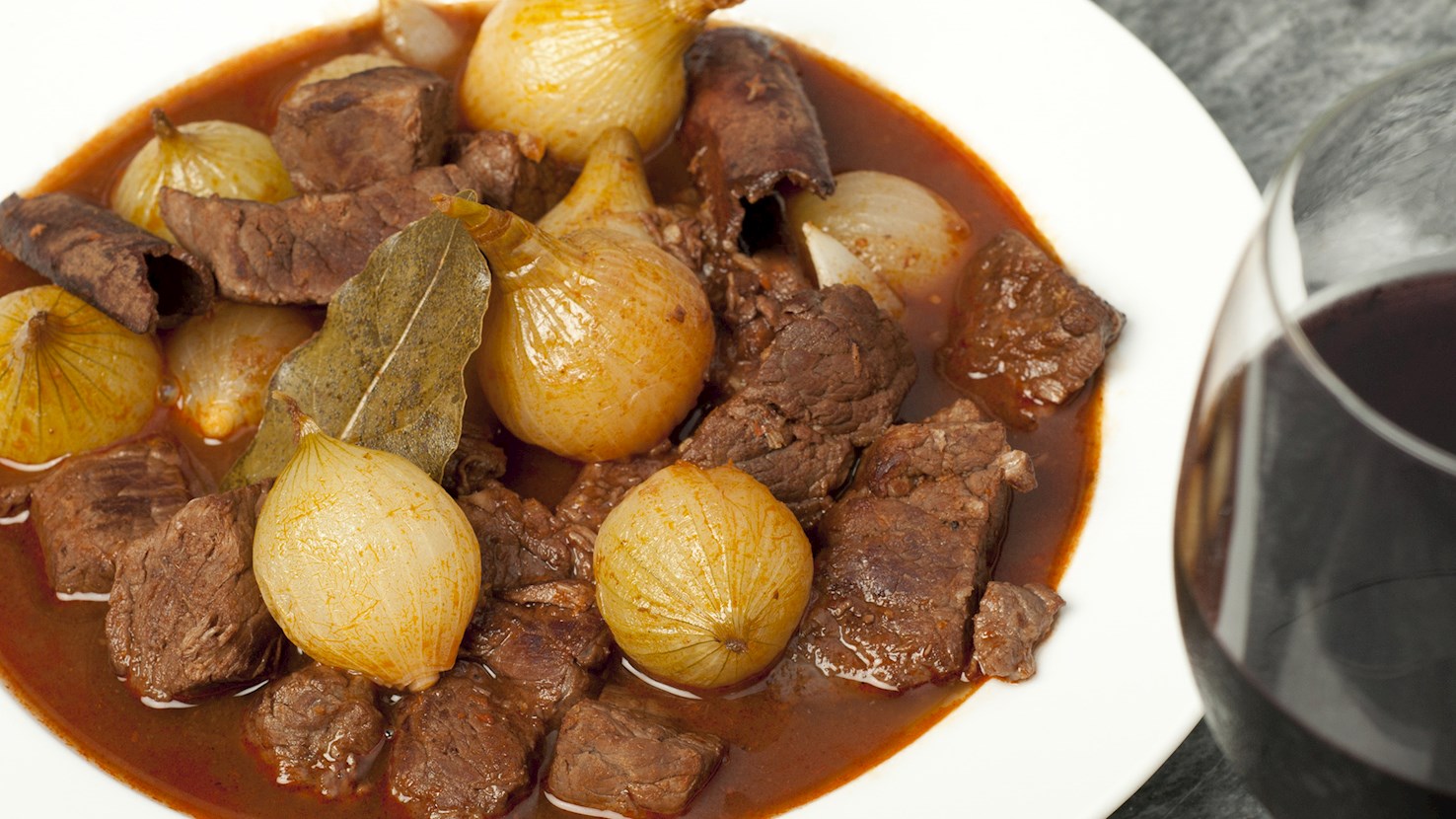
Stifado is a hearty Greek one-pot stew that is ideal for a cold winter's day. Although the ingredients vary from region to region and from cook to cook, the essential ones are large amounts of onions, tomatoes, wine or vinegar, and sometimes garlic. Depending on the region, meat such as goat, rabbit, wild hare, snails, tripe, or octopus can be added to the stew, but it is mostly made with beef. Others like to add mushrooms or warming spices such as cinnamon, cloves, and allspice. The usage of those spices points to a possible Levantine influence, while the name of the dish is a clear indicator of Italian influence, derived from the word stufato, meaning stewed in Italian. When the stew is cooked, it is recommended to pair it with crusty bread and a glass of red wine on the side.

06
Cheese

Halloumi

4.1 ·

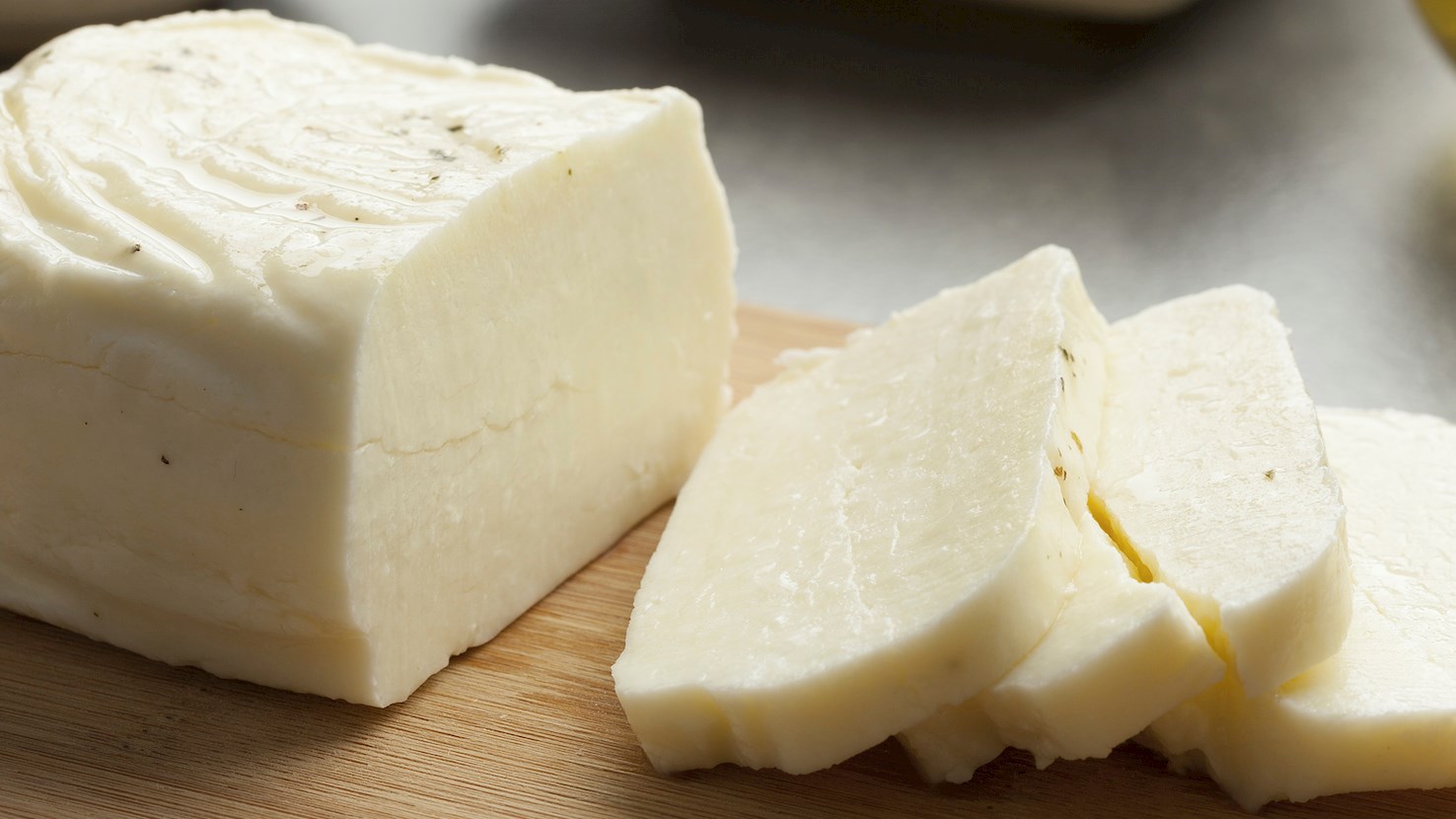
Halloumi is a cheese made in Nicosia, Limassol, Larnaca, Famagusta, Paphos, and Kyrenia since ancient times. It is made from fresh, full-fat sheep's or goat's milk or a mixture of both, with or without the addition of cow's milk (traditionally, cow's milk is not added). The milk comes from local breeds of goats and sheep or their cross-breeds and cows that were brought to the island in the last century. The curd is folded to be easier to fit in the containers of whey. The mint leaves are placed between the curd layers during the folding process, allowing the mint to give its typical aroma to the final product. There are two main types of Halloumi cheese – fresh and mature. The fresh one is semi-hard and elastic, white to slightly yellow in color. It has a minty and salty flavor and a strong milky smell. The mature Halloumi is a semi-hard to hard cheese left to mature in salted whey for at least 40 days. It has a similar flavor and aroma as the fresh one, but is fairly bitter and very salty. There is also the third type - the first made, extremely fresh Halloumi which is very soft and fluffy, and people often buy it in the morning when it's still warm. Halloumi cheese does not change its shape at high temperatures and is therefore often used for frying and grilling. It can be served as it is or used as an ingredient in many meals, most favourite being Halloumi pie or tasty Halloumi canapes.

07
Dip

Labneh

4 ·

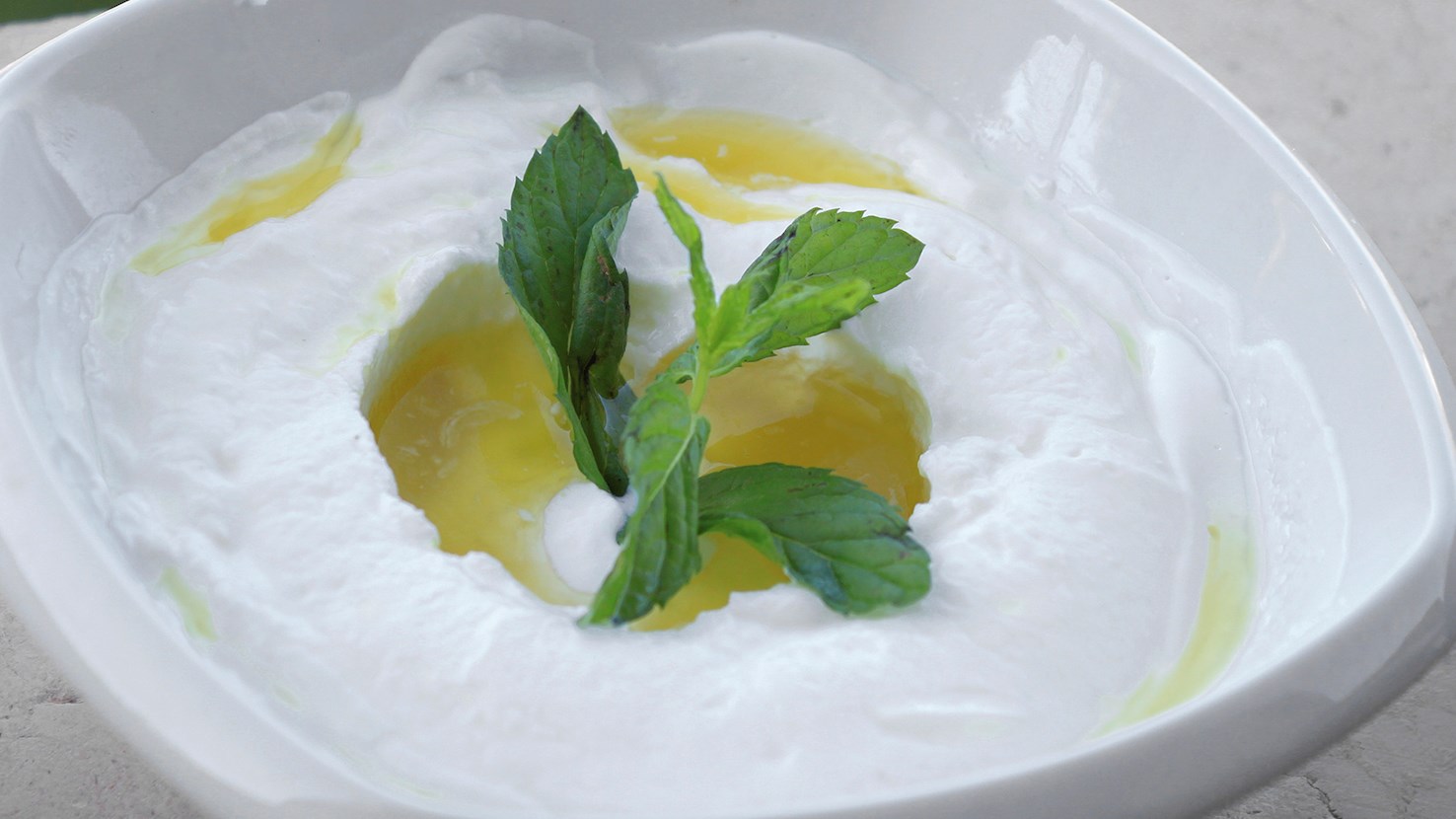
Creamy texture and mild flavor are the main attributes of labneh; a traditional Middle Eastern strained yogurt that is prepared with yogurt and salt. No strict guidelines are used to produce it; plain full-fat yogurt is mixed with salt and left to strain for twelve to twenty-four hours. During straining, the yogurt whey separates, and what is left is a thick and firm cheese-like product. Its texture can vary from creamy to dense, but it always has a relatively mild and slightly salty flavor. The name labneh is native to the Middle East, but strained yogurt varieties are found in numerous other countries and regions such as Greece, Turkey, Cyprus, Central Asia, the United States, Mexico, and the United Kingdom. It usually employs cow milk, but other kinds, such as goat yogurt in Greece, are also common. In many Levantine countries, labneh is enjoyed as a part of a mezze, served alongside flatbreads and other small dishes. It can be eaten plain, garnished with olive oil or chopped mint, but it can also be served as a creamy spread over bread or bagels. It is often incorporated as a condiment in many meat and vegetable dishes. Because of its thick consistency, it can be rolled into balls and preserved in olive oil, or covered in crushed nuts or spices, then served as a decorative appetizer.

08
Cooked Sausage

Loukaniko

4 ·

Outside of Greece, loukaniko is typically described as a pork sausage that is generously seasoned with orange zest and fennel. However, in Greece and Cyprus, the term encompasses fresh, smoked, or cured sausages that are prepared with different types of meat such as pork or lamb, and a variety of regionally influenced ingredients such as leeks, red wine, coriander, and typically orange zest and fennel. Most commonly, loukaniko is grilled and enjoyed as an appetizer or a meze dish.

09
Sweet Pastry

Loukoumades

3.9 ·

This internationally known, decadent, and sugar-packed dessert is usually made with a mixture of flour, sugar, yeast, and salt, which is deep-fried and then bathed in syrup or honey. The origin of lokma fritters is ancient but often debated. It is presumed that they first appeared in Greece or Turkey, though some suggest Arabic origin. The dish is considered to be one of the oldest recorded desserts in Greek history. It is said that the pastries were even given to winning Olympians as a treat and were called honey tokens. Loukoumades, or loukmades in Cyprus, can be found throughout the streets of Greece, in shops selling nothing else but this caloric dessert. Alternatively, loukoumades can be topped with Greek cheese, chocolate, sesame seeds, or walnuts. In Turkey, lokma fritters are best enjoyed while still warm. They are drizzled with honey or syrup and can occasionally be sprinkled with either ground cinnamon, walnuts, or pistachios. The name probably stems from from Arabic luqma, meaning bite or mouthful, and it is said that lokmas were first prepared in Turkey by the sultans' cooks in palaces of the Ottoman Empire, though the oldest documentation of a similar dish was even found in the tomb of Ramses IV. In some Middle Eastern and Levant countries, this dessert is known as luqaimat or luqmat al-qadi, which roughly translates as judge's mouthful. The deep-fried balls are usually covered with date syrup, honey, or flavored syrups, while some prefer them sprinkled with various seeds. They are also often flavored with saffron or cardamom. The dessert is traditionally made in the month of Ramadan, and consumed after iftar, or breaking the fast. The dish is also found in some African countries, where it appears under various names.

10
Vegetable Soup

Fasolada

3.9 ·

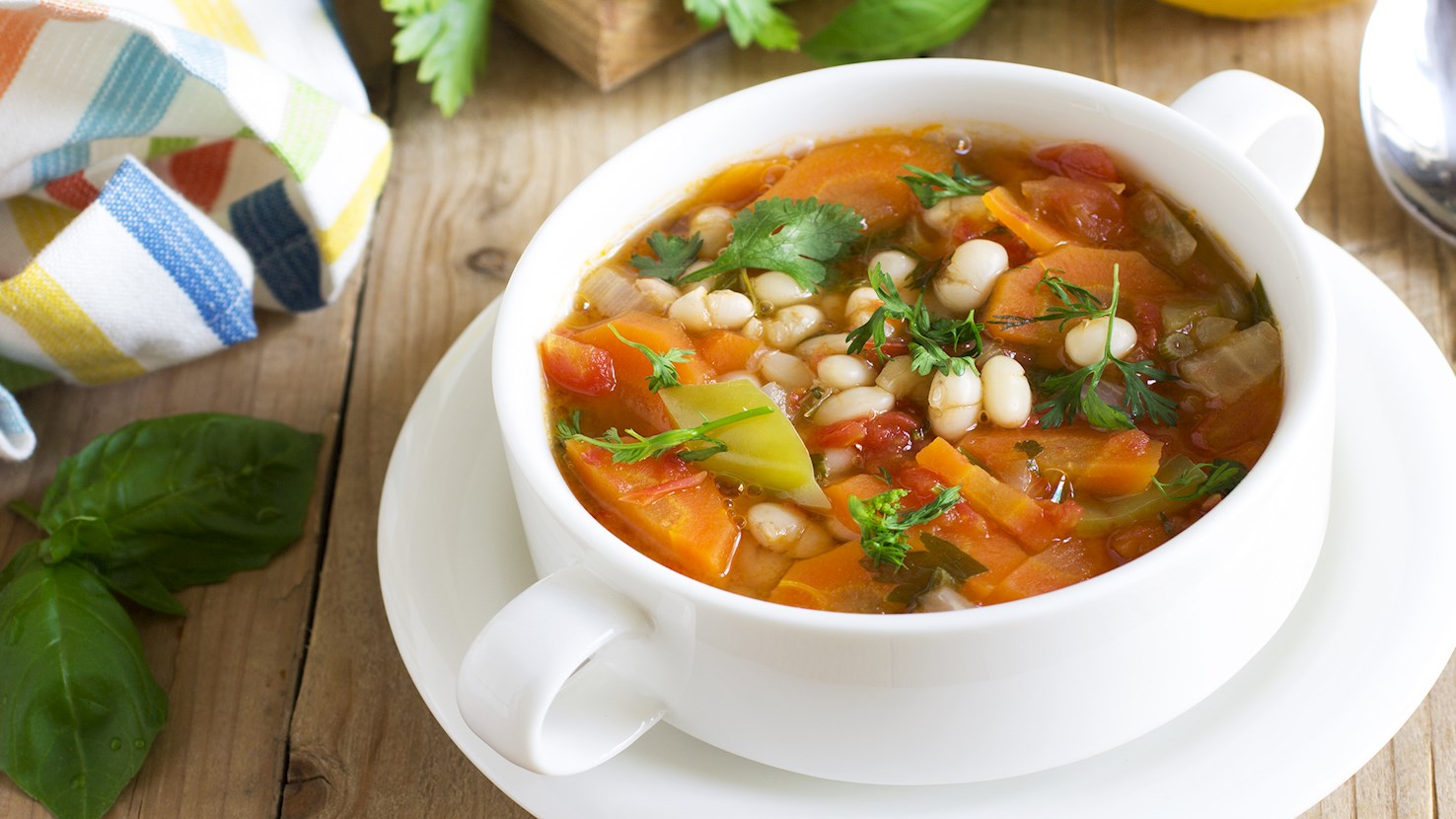
Fasolada is a simple and traditional Greek and Cypriot soup made from dried white beans that are drizzled with olive oil and eaten with various vegetables and herbs such as onions, celery, and tomatoes. The dish is nutritious and reminiscent of antiquity, as barley, olives, and beans were the three crops that sustained the armies of Alexander the Great. Fasolada is eaten throughout the year, but it is traditionally consumed during Lent, when Orthodox Christians go through a religious fast. The name fasolada comes from the word fasoli, meaning beans, hence the name of this healthy and flavorful alternative to meat dishes. According to a myth, it was created when Theseus went to kill the Minotaur, and on his way he stopped to make a sacrifice to the Greek God Apollo, promising that if he kills the Minotaur, he would give Apollo some olive branches that were decorated with fruits. Upon his return, there was no food left on the ship, so Theseus and his comrades gathered anything they could find and cooked it in a savory stew, creating the fasolada. An inexpensive and tasty dish, fasolada is often accompanied by crusty bread, feta cheese and olives on the side.

Best Cypriot food products

01
Cheese

A.P. Polycarpou & Sons Farm

4.9 ·
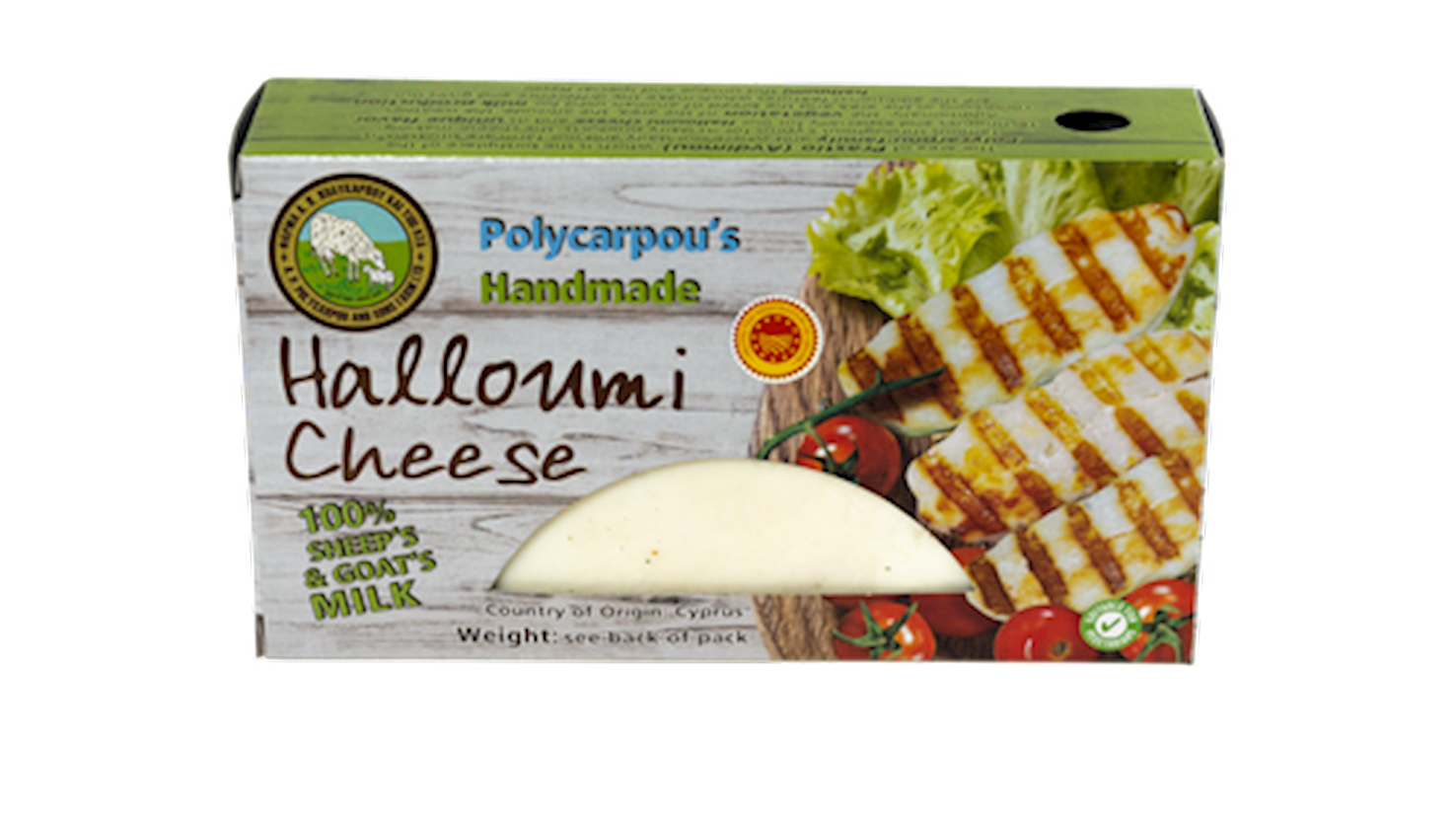
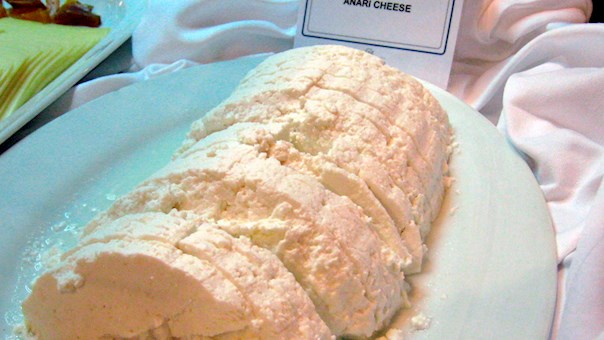
A.p. Polycarpou & Sons Farm is a dairy farm based in Cyprus. The company specializes in the production of traditional Cypriot cheeses, including halloumi and anari. They operate with a focus on maintaining high standards in both animal welfare and product quality.
Awards
Global Cheese Awards - Best (2023, 2019)
Concours International de Lyon - Gold (2025)
02
Olive Oil

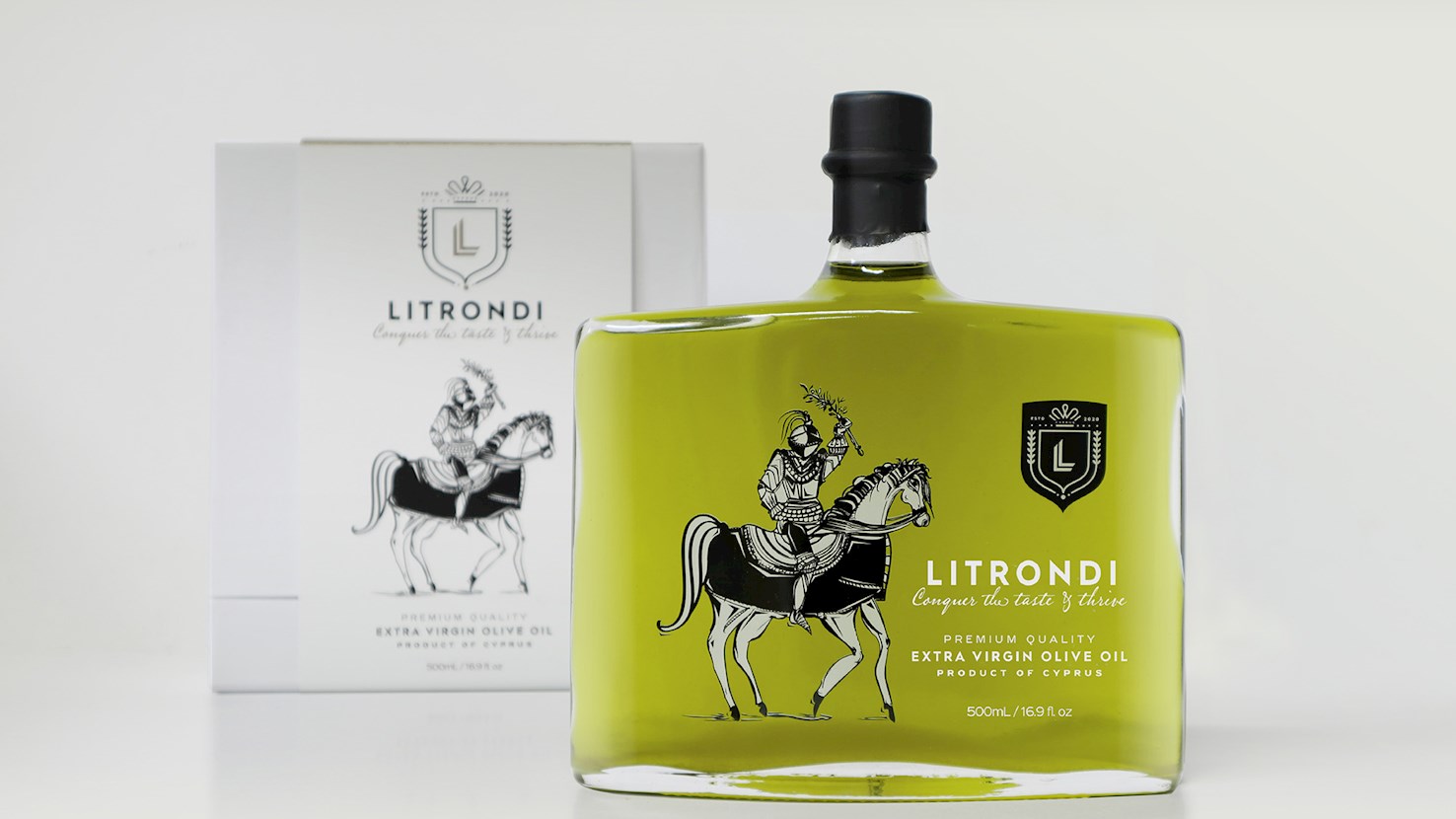
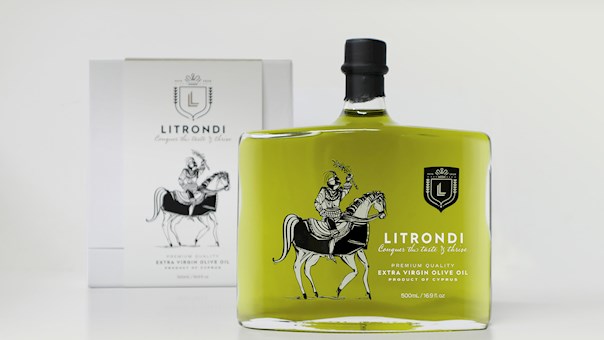
Luka Litrondi

4.9 ·
Awards
EVO IOOC - Gold Medal (2023)
London IOOC - Gold (2023)
04
Wine

Vouni Panayia

4.6 ·
Awards
Decanter World Wine Awards - Platinum (2017)
05
Wine

Loel Viomichanoi

4.6 ·
Awards
IWSC- International wine & spirit competition - Gold (2022)
06
Wine

Marathasa Wines

4.6 ·
Awards
IWSC- International wine & spirit competition - Gold (2023)
07
Wine

Kamanterena Winery

4.6 ·
Awards
IWSC- International wine & spirit competition - Gold (2020)
08
Spirit

SPI Spirits Cyprus

4.5 ·
Awards
ISC-International Spirits Challenge - Gold trophy (2013)
09
Olive Oil

Atsas

4.5 ·
In the Solea Valley of Cyprus, where nature meets history, Atsas Organic Products was founded with a vision to revive neglected land and transform it into a place of sustainable cultivation in harmony with the environment. Their philosophy is rooted in permaculture principles—preserving biodiversity, nurturing soil health, and maintaining the natural balance of the ecosystem. Olives are harvested by hand and cold-pressed immediately after picking, ensuring that every drop of oil retains its freshness, high polyphenol content, and the distinctive character of the Mediterranean terroir. Atsas is more than a producer of olive oil; it is a symbol of renewal, passion, and dedication. Their products embody a fusion of tradition and innovation, bringing to the table the authentic taste of Cyprus and a message about the importance of preserving nature for future generations.
Awards
London IOOC - Platinum (2023, 2022)
JOOP - Japan Olive Oil Prize - Gold (2023, 2021)
10
Cheese

Greenvie Foods

4.5 ·
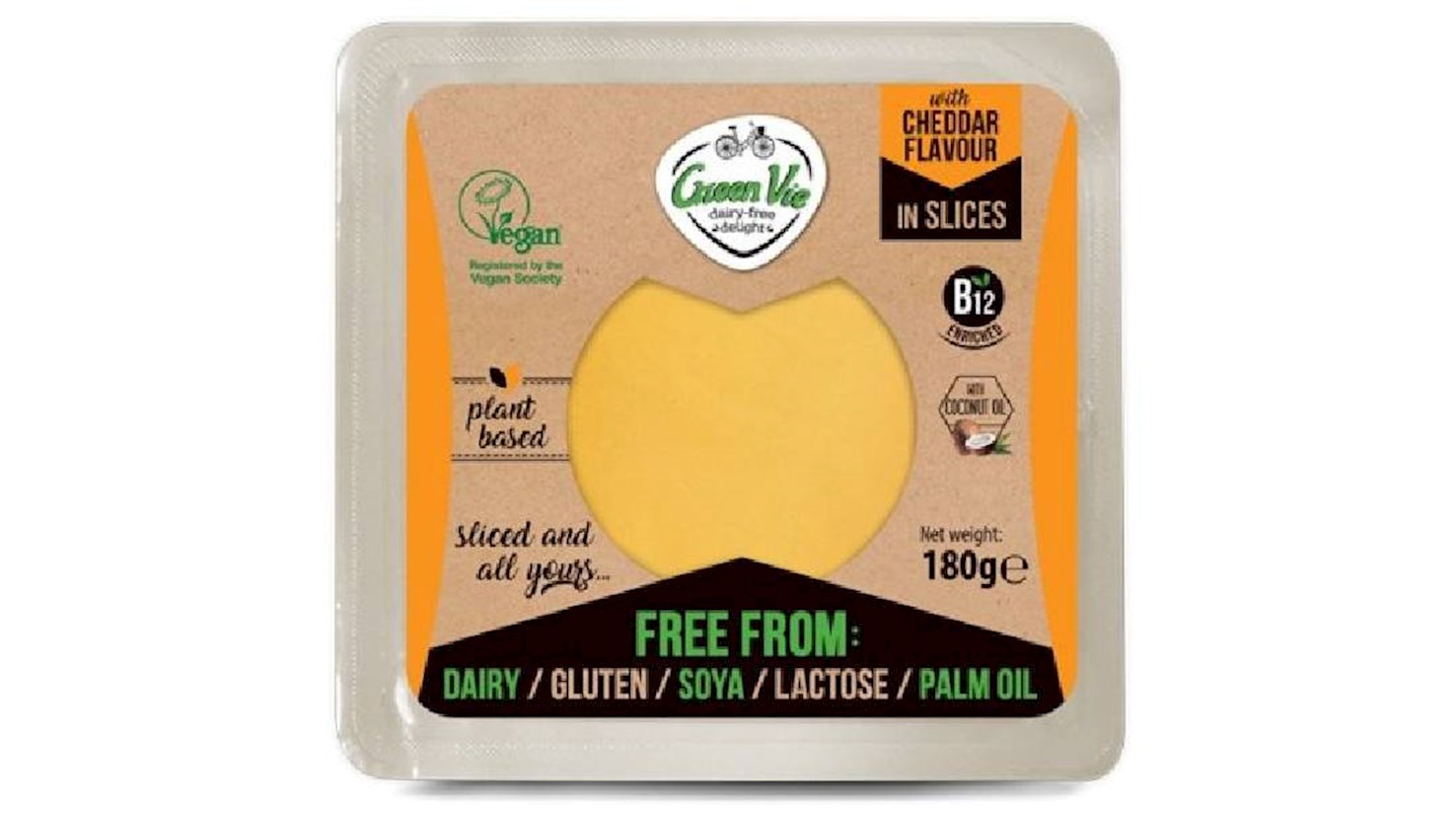
GreenVie Foods is dedicated to modern, 100% plant-based alternatives to dairy—tasty, practical, and ready for everyday cooking. The range includes vegan cheese-style blocks, slices, and shreds (Cheddar, Gouda, Mozzarella/Pizza), plus Greek Style and Vegrill (halloumi-style for grilling), Parveggio (parmesan-style), and dairy-free spreads and sour cream. All products are lactose- and dairy-free; many varieties are also made without soy, gluten, or nuts, and select options are fortified with vitamin B12. Designed to slice, grate, and melt well, GreenVie works both cold and hot: on pizzas and toasties, through pastas and salads, or on a snack board with vegetables and dips. Whether for home kitchens or foodservice, it offers consistent quality and a rounded, satisfying flavor—without compromising between plant-based ingredients and culinary performance.
Awards
International Cheese Awards - Gold (2023)
Read more
View all
View map
About this ranking

TasteAtlas food rankings are based on the ratings of the TasteAtlas audience, with a series of mechanisms that recognize real users and that ignore bot, nationalist or local patriotic ratings, and give additional value to the ratings of users that the system recognizes as knowledgeable. For the “Top 30 Cypriot Foods” list until June 17, 2026, 3,312 ratings were recorded, of which 1,686 were recognized by the system as legitimate. TasteAtlas Rankings should not be seen as the final global conclusion about food. Their purpose is to promote excellent local foods, instill pride in traditional dishes, and arouse curiosity about dishes you haven’t tried.

The initial list of top producers was compiled based on available reviews, awards, local recommendations, media and blog coverage, and consumer reviews. The list will be updated with ratings from TasteAtlas local ambassadors and TasteAtlas users.

Similar lists