M.B.

Top 30 Uruguayan Foods

Last updated on June 24, 2026

Best Uruguayan food products

01
Olive Oil

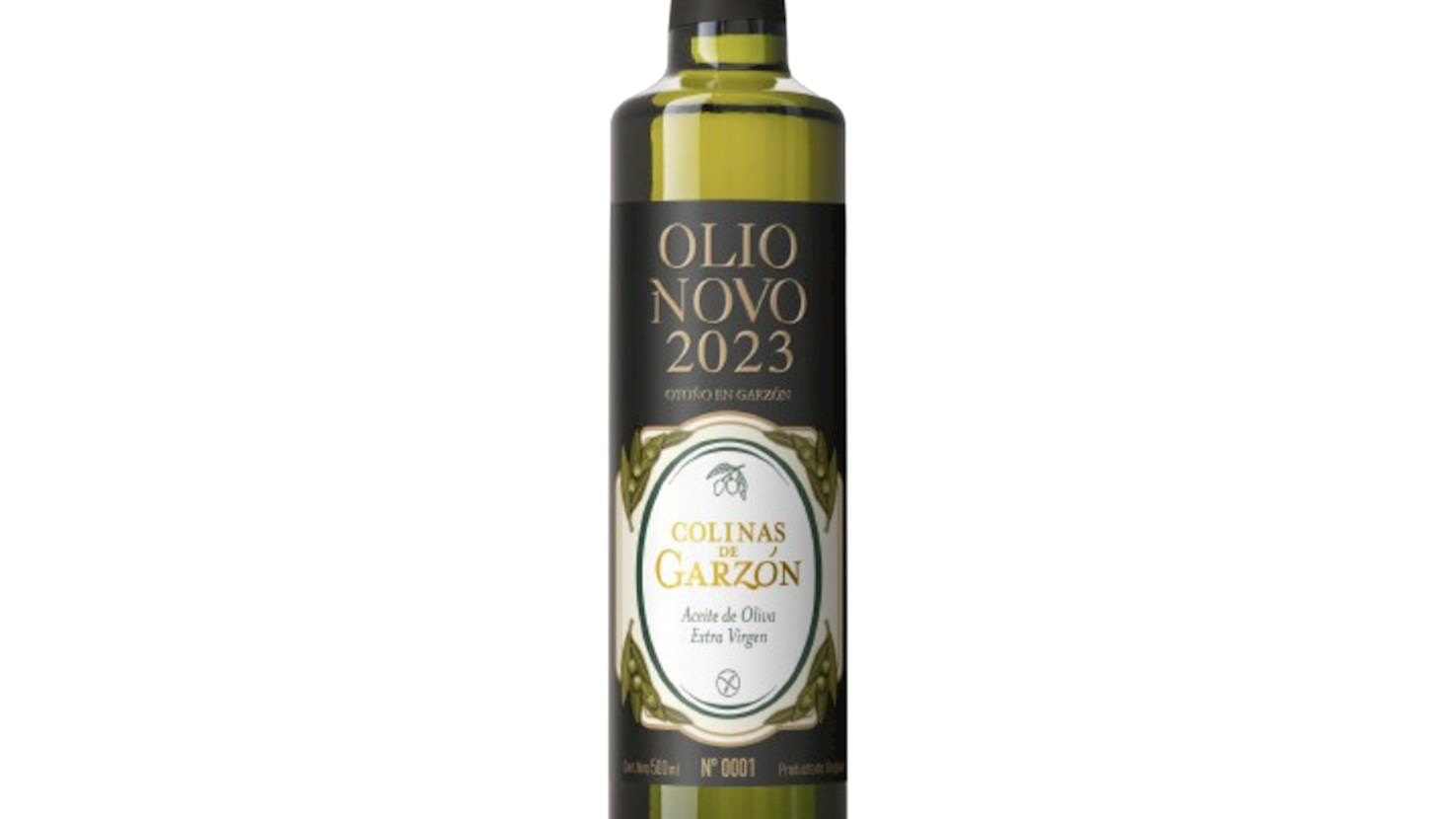
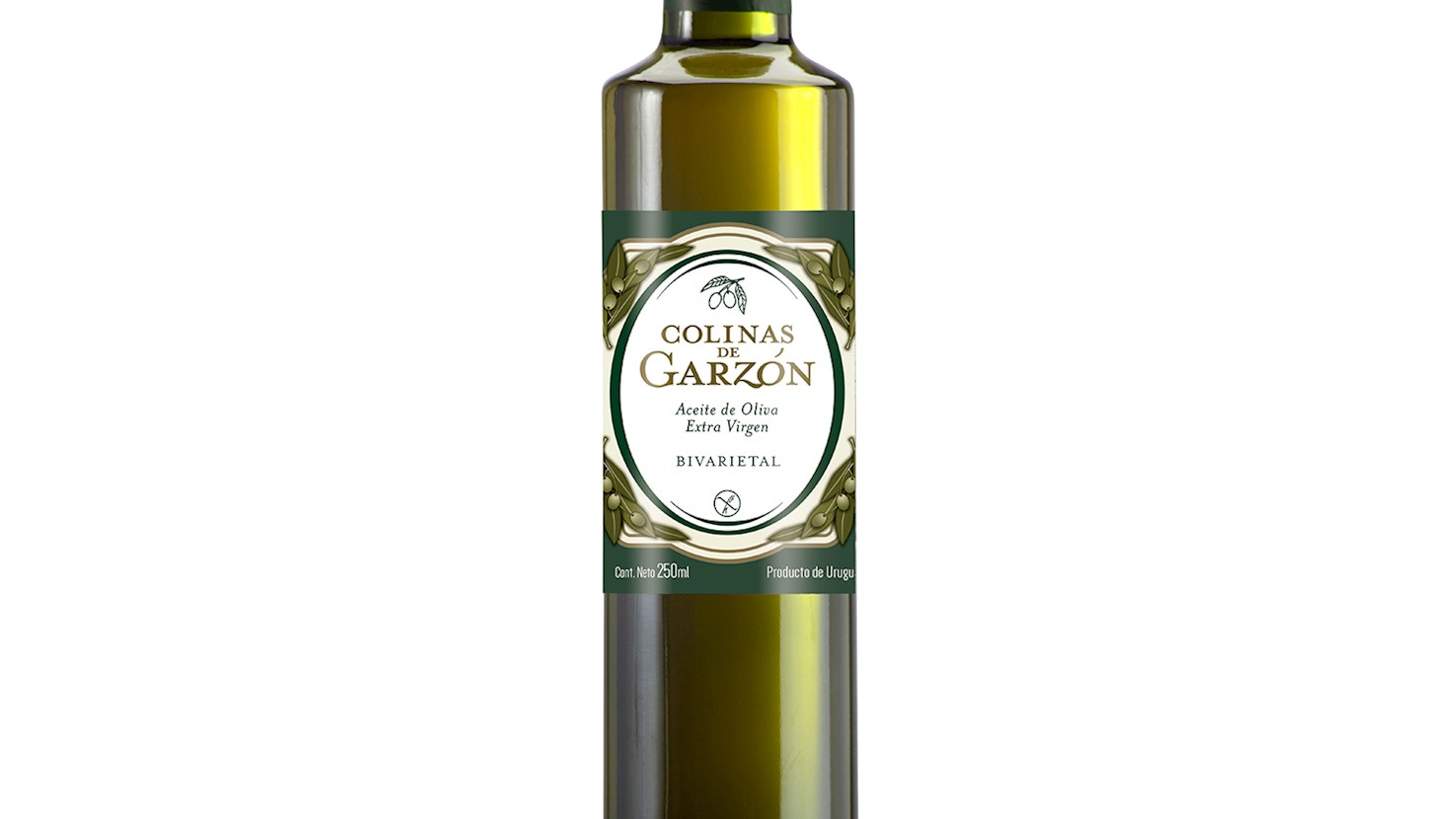
Colinas de Garzón

5 ·
Colinas de Garzón is a leading producer in Uruguay, renowned for its high-quality extra virgin olive oil under the Colinas de Garzón brand and premium wines from Bodega Garzón. Located in Maldonado, the company focuses on sustainable practices and offers immersive experiences like olive oil and wine tastings, farm tours, and eco-friendly activities within its olive groves and vineyards. Colinas de Garzón combines innovation with tradition, making it a top destination for agro-tourism and gourmet enthusiasts.
Awards
Olive Japan - Gold (2023, 2022, 2015, 2014, 2013)
OLIVINUS - Gran Prestigio Oro (2023, 2022, 2021, 2020, 2019)
02
Cheese

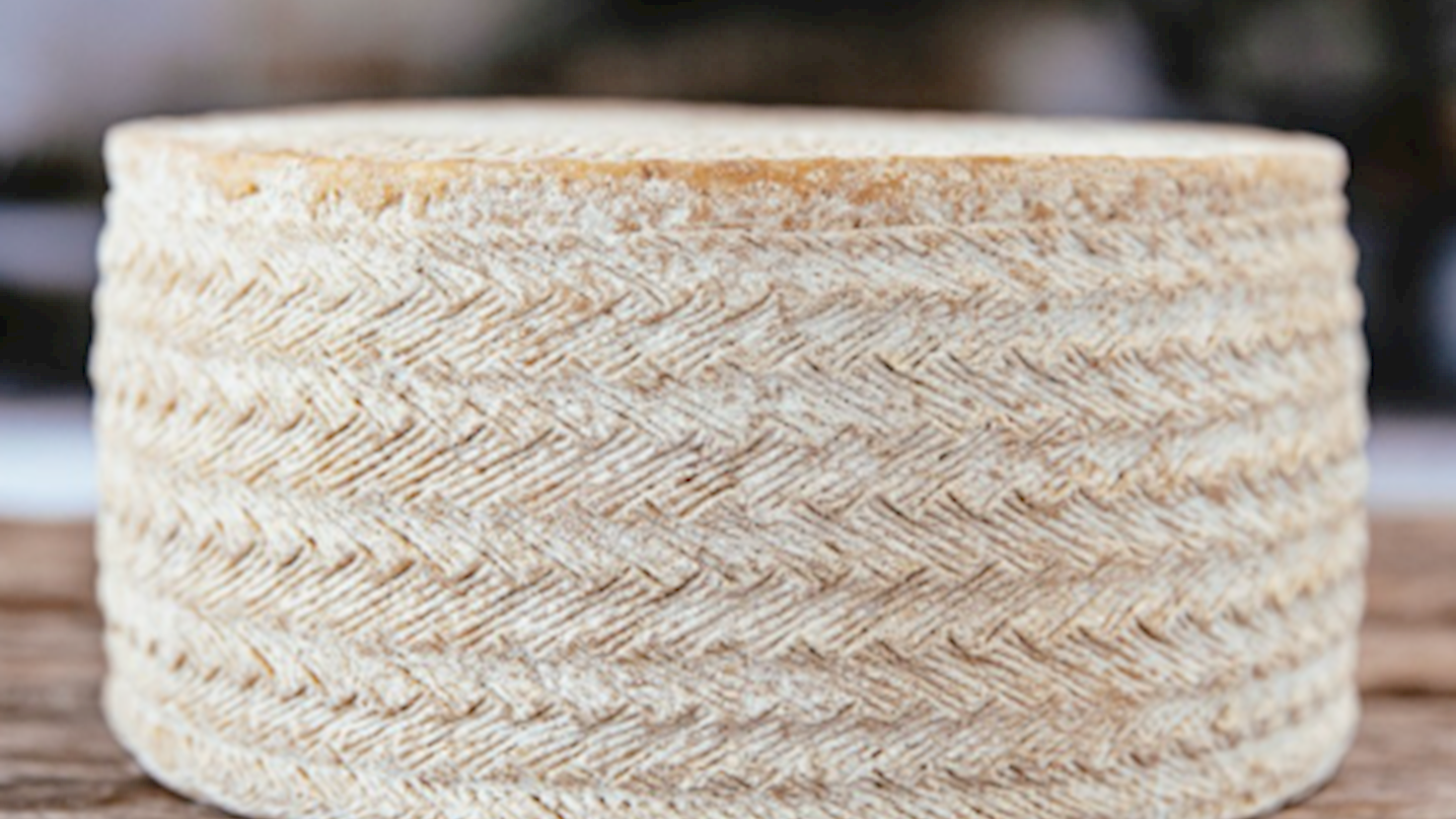
Los Senderos

4.9 ·
Awards
World Cheese Awards - Gold (2024)
03
Olive Oil

Da Trindade Martinez

4.9 ·
Awards
OLIVINUS - Prestigio Oro (2022)
OLIVINUS - Medalla de Oro (2022)
04
Liqueur

Bumbu Rum Co.

4.8 ·
Awards
IWSC- International wine & spirit competition - Spirit Gold (2021)
05
Olive Oil

Nuevo Manantial

4.7 ·
Awards
Olive Japan - Gold (2023, 2020)
OLIVINUS - Gran Prestigio Oro (2023, 2022, 2021, 2019)
06
Olive Oil

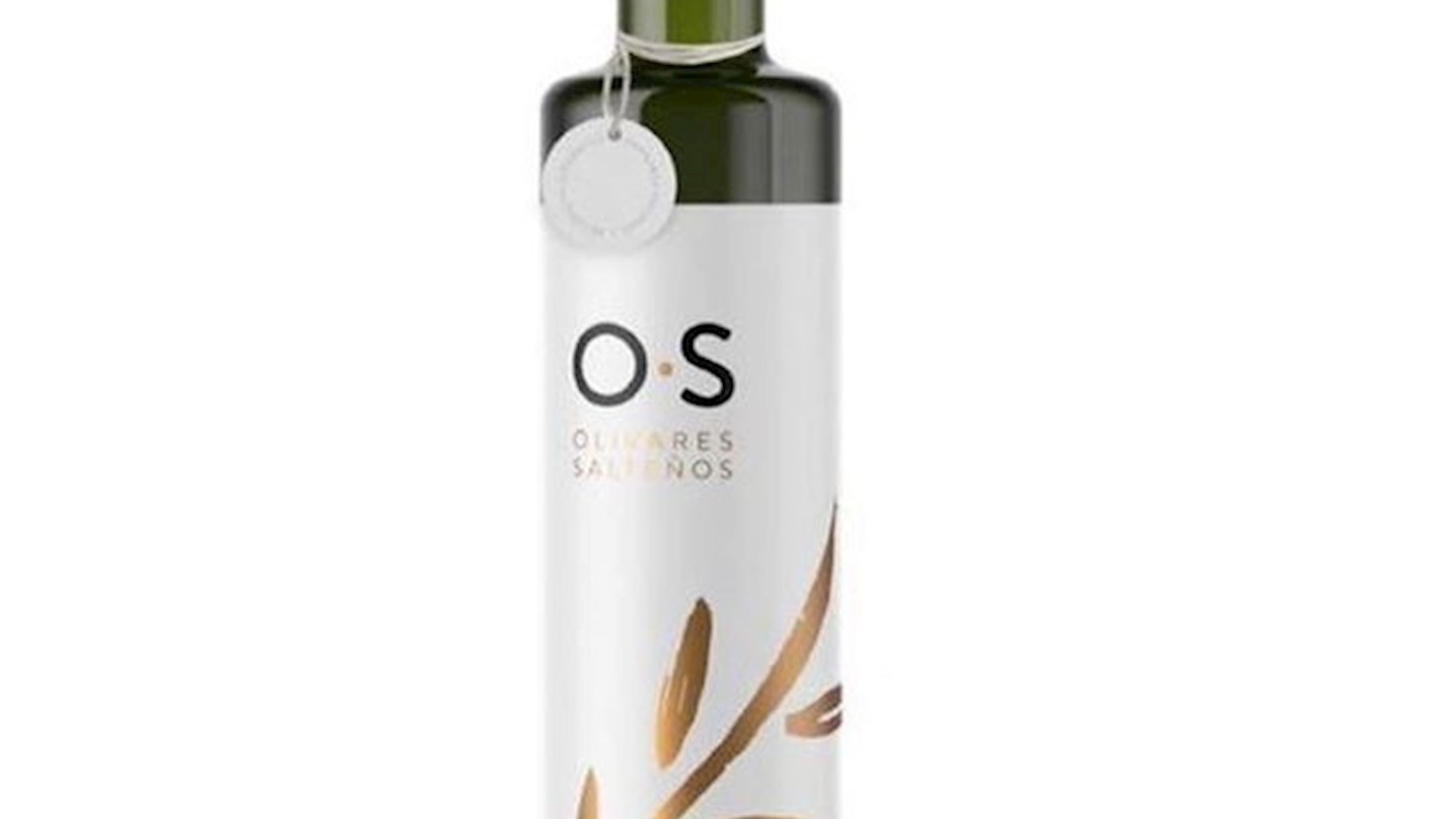
Olivares Salteños

4.7 ·
Awards
Terraolivo IOOC - Grand Prestige Gold (2019)
Terraolivo IOOC - Gran Prestige Gold (2017)
07
Olive Oil

Compriste Acisa

4.7 ·
Compriste ACISA is an olive oil producer based in Uruguay. The company focuses on producing high-quality extra virgin olive oil using sustainable agricultural practices. Compriste ACISA cultivates several varieties of olives to create distinct blends and single-varietal oils. The company also emphasizes traceability and quality control throughout the production process.
Awards
OLIVINUS - Gran Prestigio Oro (2022)
08
Spirit

One and Ugly
4.7 ·
Awards
The Luxury Masters - Gold (2023)
The Luxury Masters - Master (2023)
09
Olive Oil

Tebalsur

4.7 ·
Awards
Terraolivo IOOC - Gran Prestige Gold (2017)
10
Wine

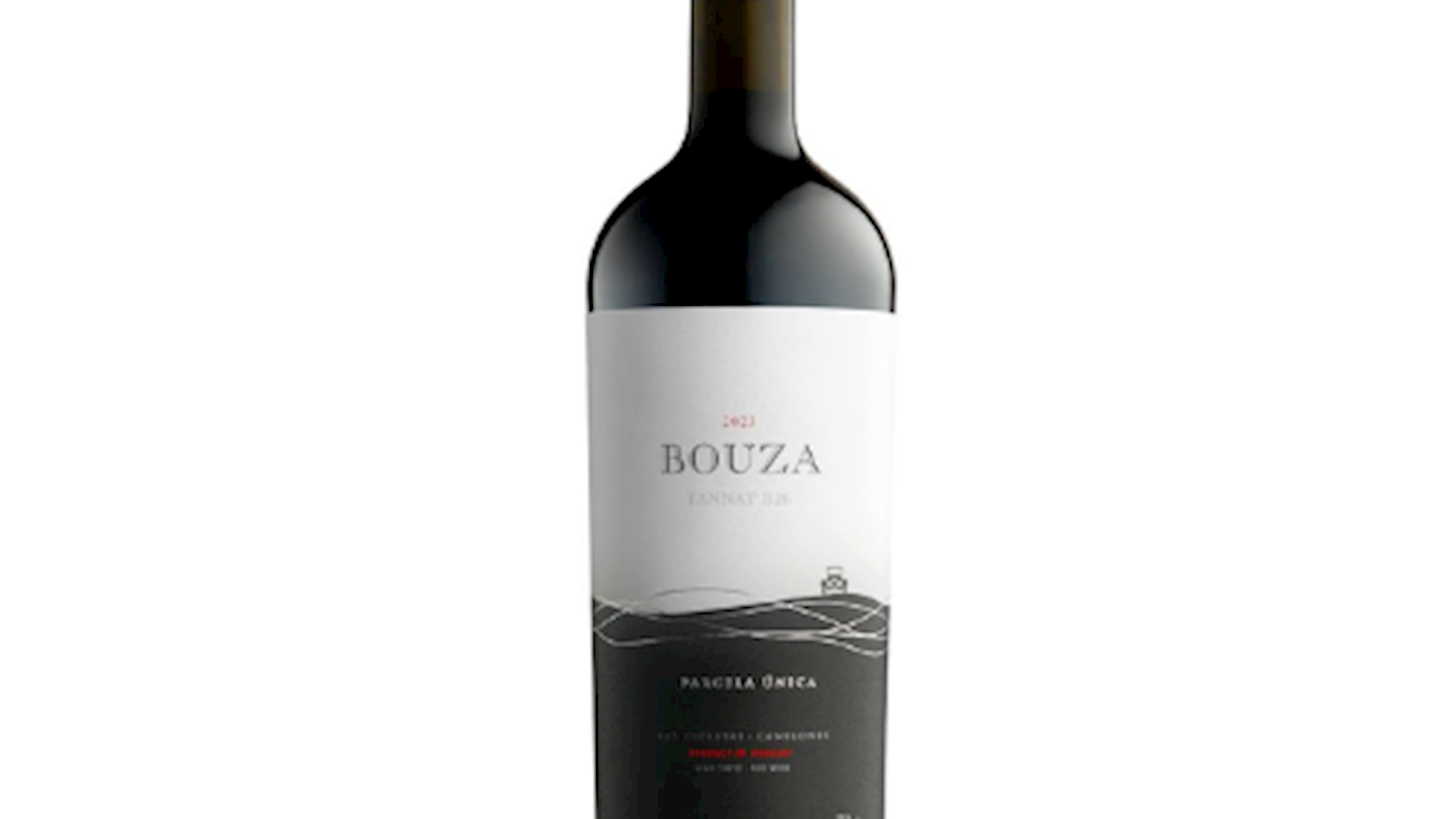
Bodega Bouza

4.7 ·
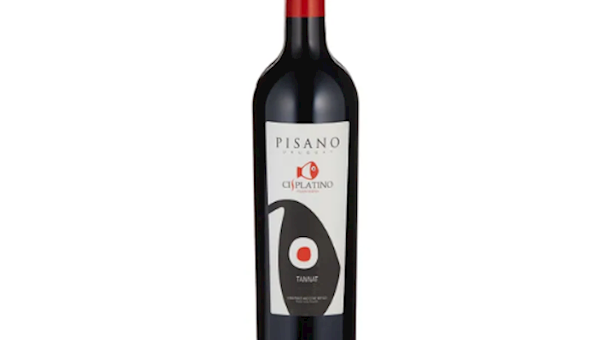
Bodega Bouza is a family-owned winery located near Montevideo, Uruguay, recognized as one of the country’s leading producers with a strong focus on quality and small-scale production. In its modern form, the project began in the early 2000s, when the Bouza family restored a historic winery and developed vineyards across regions such as Montevideo, Canelones, and Maldonado. The winemaking philosophy is based on full control of the process from vineyard to bottle, with individual vinification of parcels to highlight the character of each terroir. The winery is particularly known for its Tannat wines, Uruguay’s flagship variety, as well as for high-quality expressions of Merlot, Tempranillo, Pinot Noir, and Albariño, the latter being one of the pioneering plantings in the country. Influenced by the Atlantic climate, the vineyards benefit from moderate ripening conditions that help preserve freshness and balance. The wines are defined by a combination of concentration and precision, with clear fruit expression, structure, and aging potential. In addition to winemaking, Bodega Bouza has developed a strong wine tourism offering, including tastings, a restaurant, and guided visits, positioning it as a key representative of modern Uruguayan wine.
Awards
Decanter World Wine Awards - Platinum (2020)
Vivino - 4.3

Best Uruguayan foods

01
Barbecue

Asado

4.4 ·

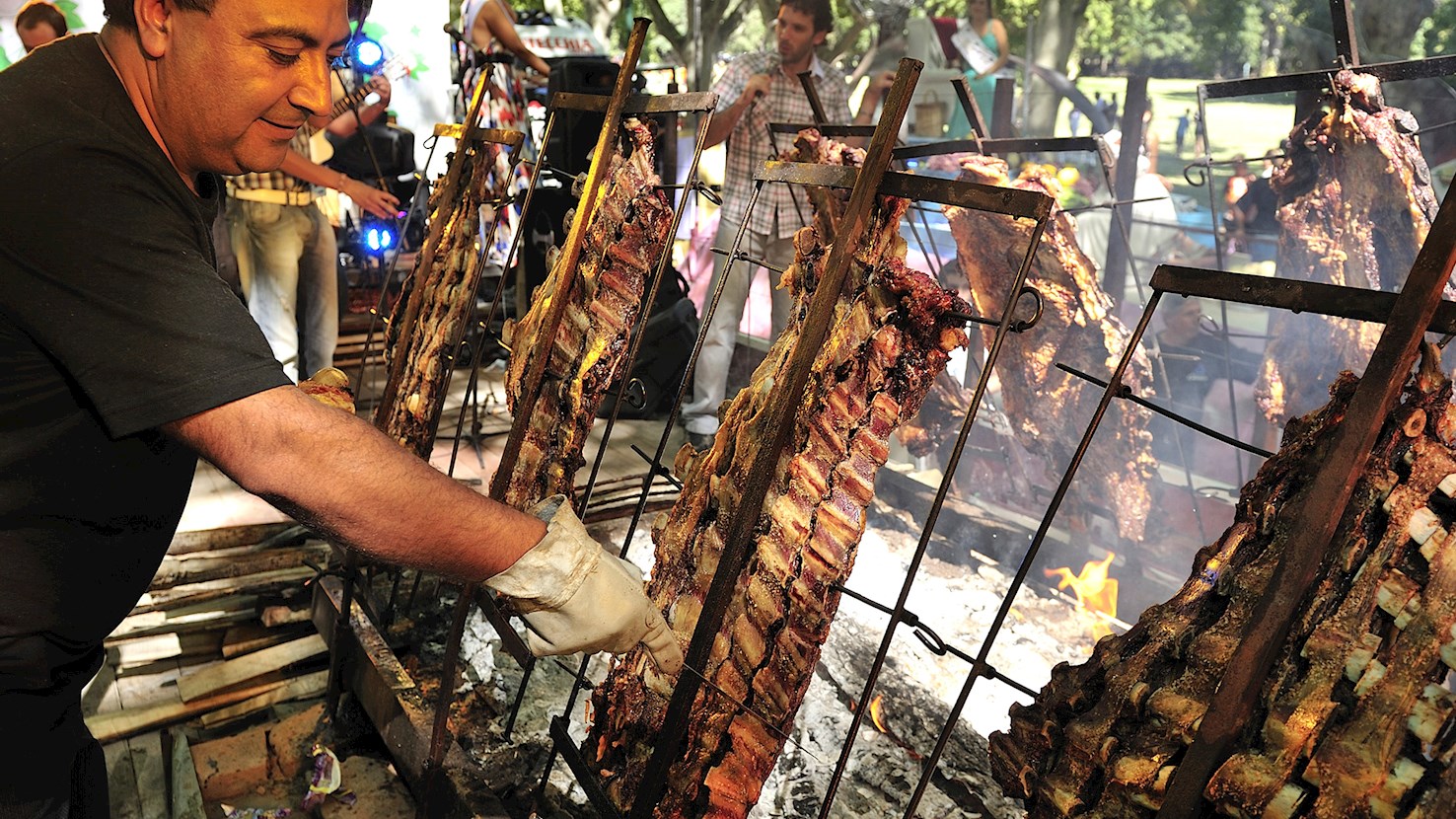
Considered an epitome of Argentinean gastronomy and culture, asado (lit. roast; roasted) is much more than merely a meal. In Argentina, Chile, Uruguay, Paraguay, and in a number of other South American countries, it is both a culinary and social event attended by friends and family to share the joy of outdoor cooking. Asado traditionally features a wide selection of grilled meats, mainly beef, which Argentina is most known for. The meat is cooked on a special brick-built grill called la parrilla, and the fire can either be made with charcoal (parrilla al carbón) or wood (parrilla a leña) which is more typical for the countryside and known as asado criollo, a term that indicates a more rustic, traditional style of grilling. First to go on the grill are chorizos (pork sausages), morcillas (blood sausages), and achuras (offal), followed by thinner beef cuts such as matambre (rose) and entraña (skirt steak), which are to be grilled hot and fast, as they would otherwise dry out. As for all the other juicy asado meats, they are grilled to perfection over fuego lento or slow fire. Some of the most popular cuts include bife de chorizo (sirloin), tira de asado (beef chuck ribs, flanken-style), bife ancho (Argentine ribeye), bife angosto (striploin), bife de costilla (T-bone or porterhouse), lomo (tenderloin), cuadril (rump), and vacio (flank steak). Lastly, apart from various side dishes and salads, the delicious asado meats are traditionally accompanied and doused with two sauces: chimichurri and salsa criolla.

02
Dessert

Dulce de leche

4.3 ·

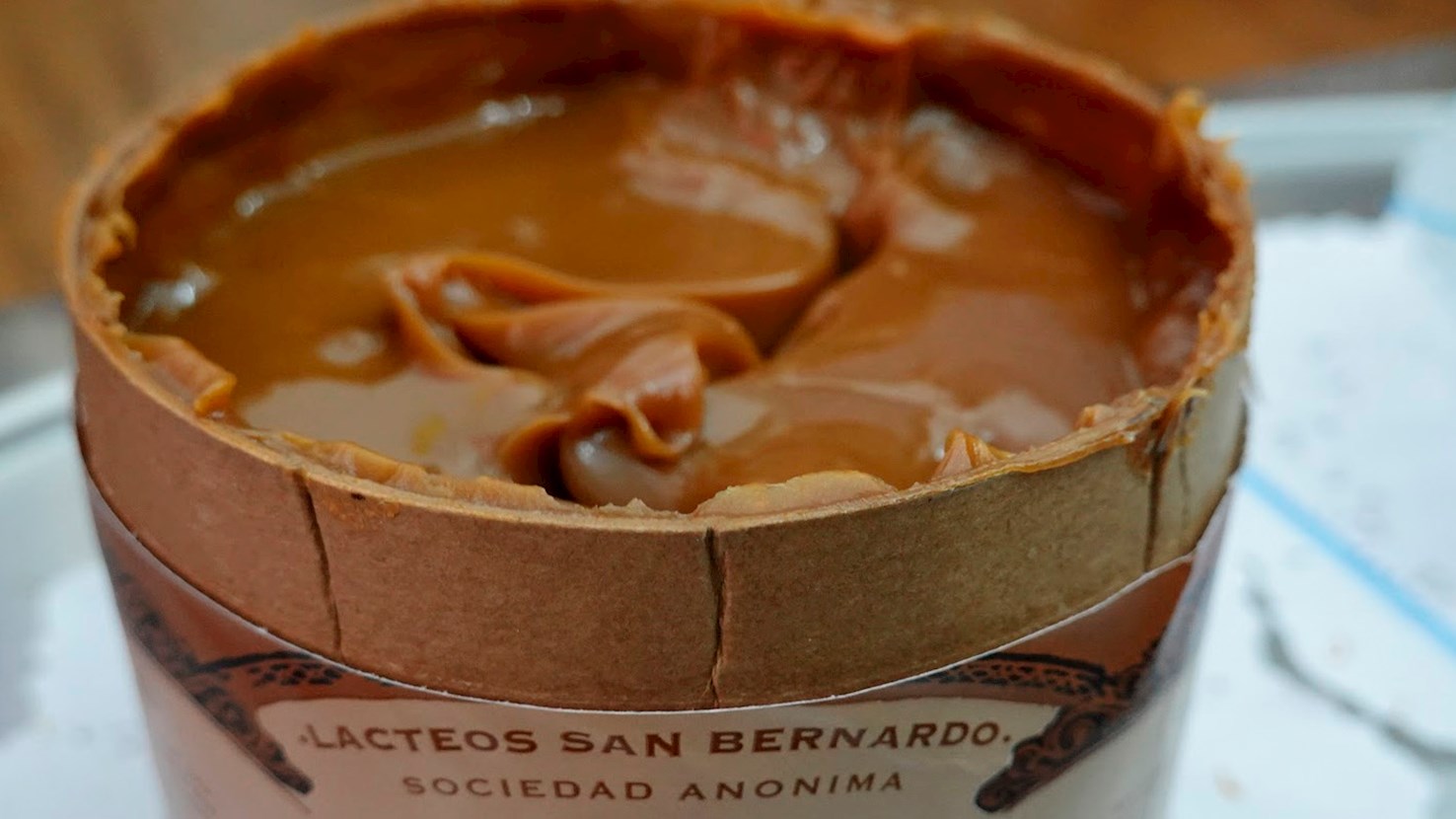
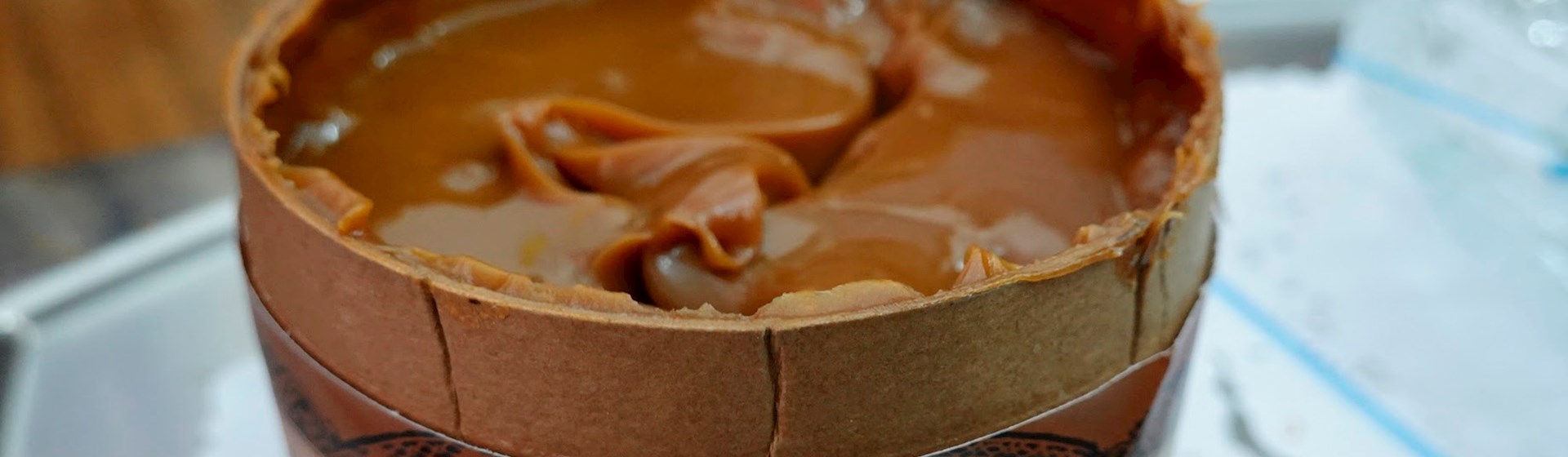
Dulce de leche is a type of condensed milk sweet from Argentina and Uruguay. Traditionally, it is made by heating sweetened cow's milk until it caramelizes and achieves a thick consistency, enough to act as a spread, a filling for cakes and pies, or an ice cream topping. The legend says that dulce de leche originated in Buenos Aires in 1829, when a maid of Argentinian leader Juan Manuel de Rosas was preparing la lechada by heating sugar and milk. As she left it on the fire a bit longer than usual, she noticed it had become a dark brown substance, and that's how dulce de leche was born. Other food historians claim it was first created in 1804 by Napoleon's cooks, while others theorize the recipe originated in Indonesia. Either way, it spread through Latin America, and nowadays almost every country in South and Central America has its unique variation. Still, only Argentina and Urugay call it "dulce de leche", and dispute over the exact place of origin. Today, dulce de leche is sometimes flavored with vanilla, lemon, or cinnamon, and is used to flavor candies, cakes, cookies, waffles, and ice creams.

03
Sandwich

Choripán

4.2 ·

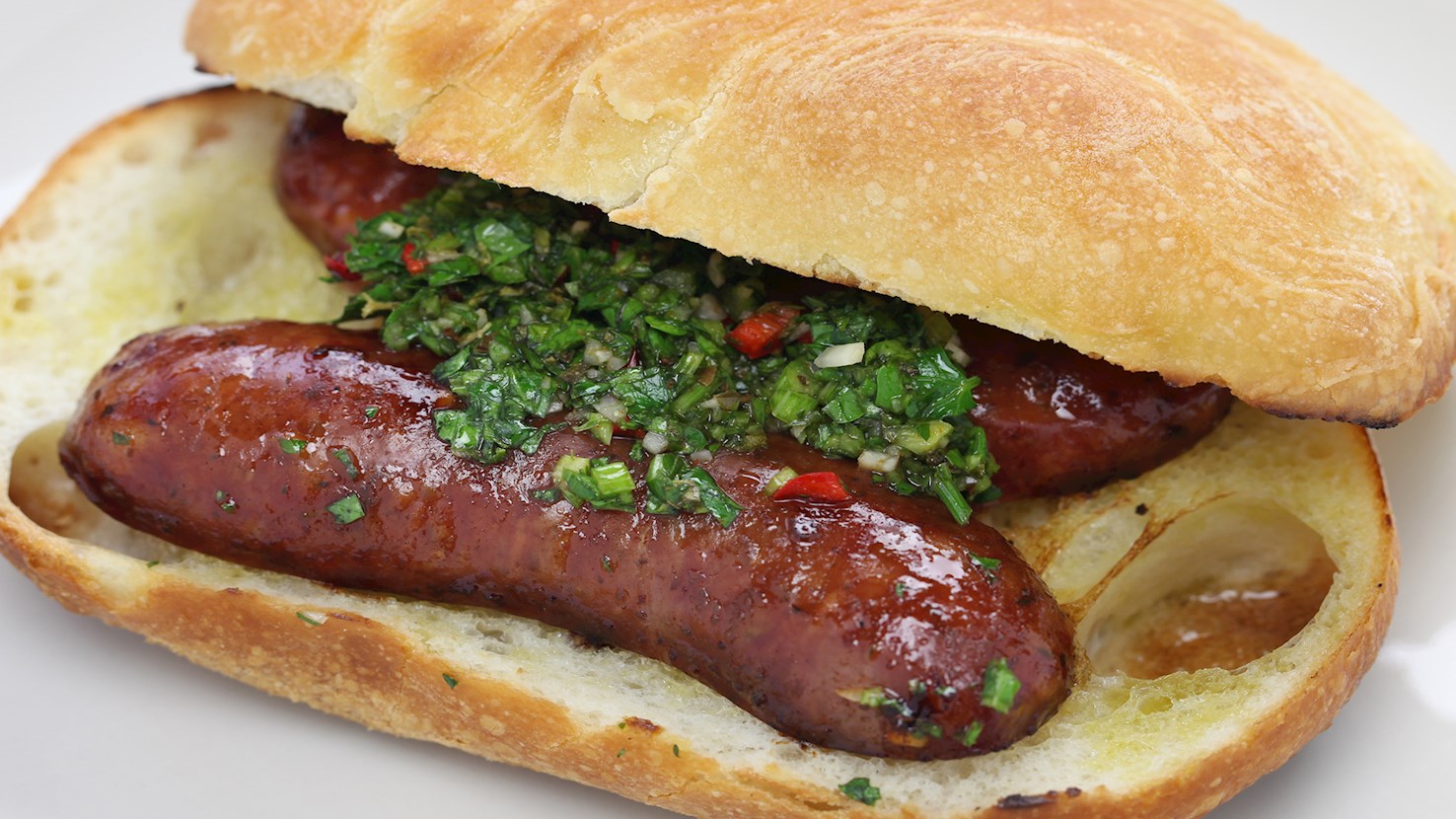
Choripán is the ultimate in Argentine street food, a sandwich consisting of a chorizo sausage and a variety of condiments in a crusty bun. It is usually consumed on the go, since it is mostly sold at street stands throughout Latin America. The name choripán is derived from two words: chorizo, referring to the sausage, and pan, meaning bread.

04
Sandwich

Chivito

4.1 ·

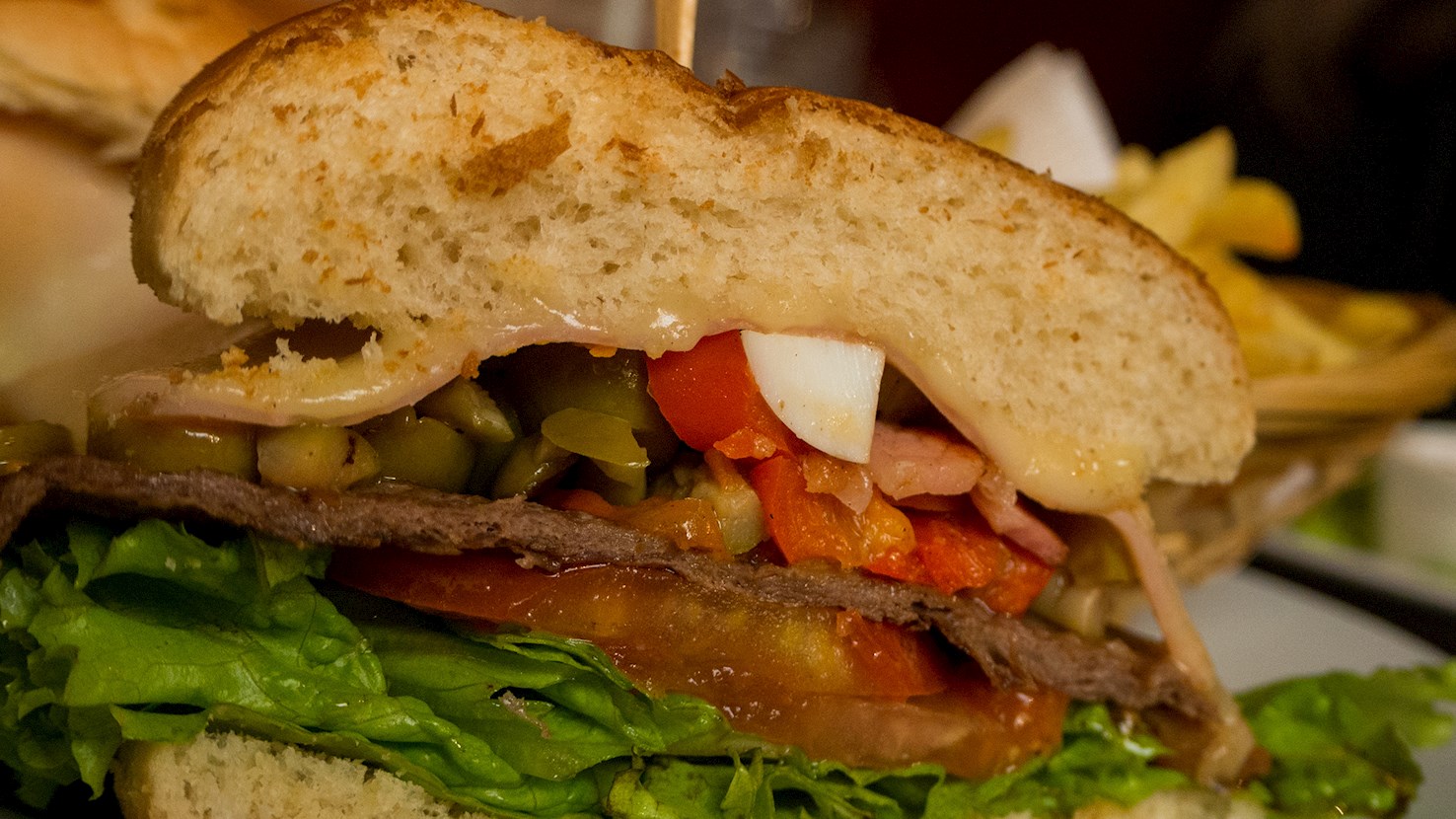
Chivito is a delicious sandwich from Uruguay and the country's national dish. Meaning little goat in Spanish, a legend says that in the 1940s, a chef in a restaurant was asked to prepare roasted goat, but since he didn't have one - he made a sandwich with bits of just about everything he had in the kitchen, and chivito was born. The sandwich is filled with meat - slices of churrasco (grilled/roasted and thinly sliced beef), ham, bacon, tomatoes, lettuce, melted mozzarella, and a topping of fried (or sometimes boiled) eggs. The sandwich buns should be quite large, such as ciabatta rolls. Optionally, it can be topped with olives, pickles, and cooked onions, while salsa golf - a popular mix of ketchup and mayonnaise, acts as a perfect condiment. It is a quite tall sandwich, due to all of the ingredients stuffed inside it. Praised by many world chefs because of the high-quality, grass-fed beef ingredients on the inside, chivito is finally getting the recognition it deserves.

05
Cake

Chajá

4 ·

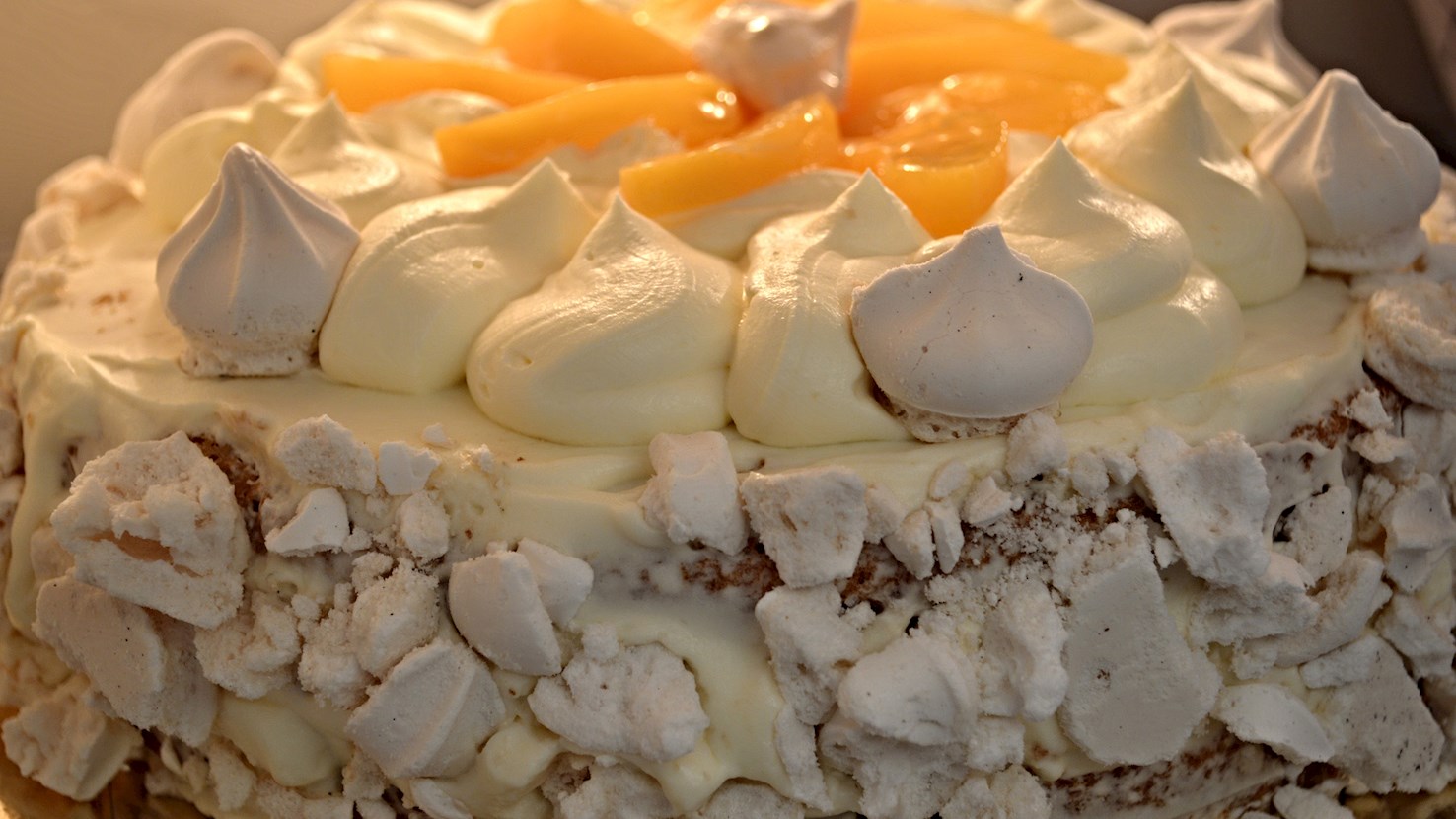
Chajá is an Uruguayan cake consisting of layers of sponge cake, whipped cream, meringue, and peaches, while a layer of dulce de leche on top is often seen, but not mandatory. The cake was invented in the 1920s by Orlando Castellano at the Confitería Las Familias in Paysandú. He was inspired by a local bird, el chajá (crested screamer), and that's how this delicious cake was invented. Nowadays, it is a staple at Uruguayan feasts and celebrations.

06
Snack

Tortas fritas

4 ·

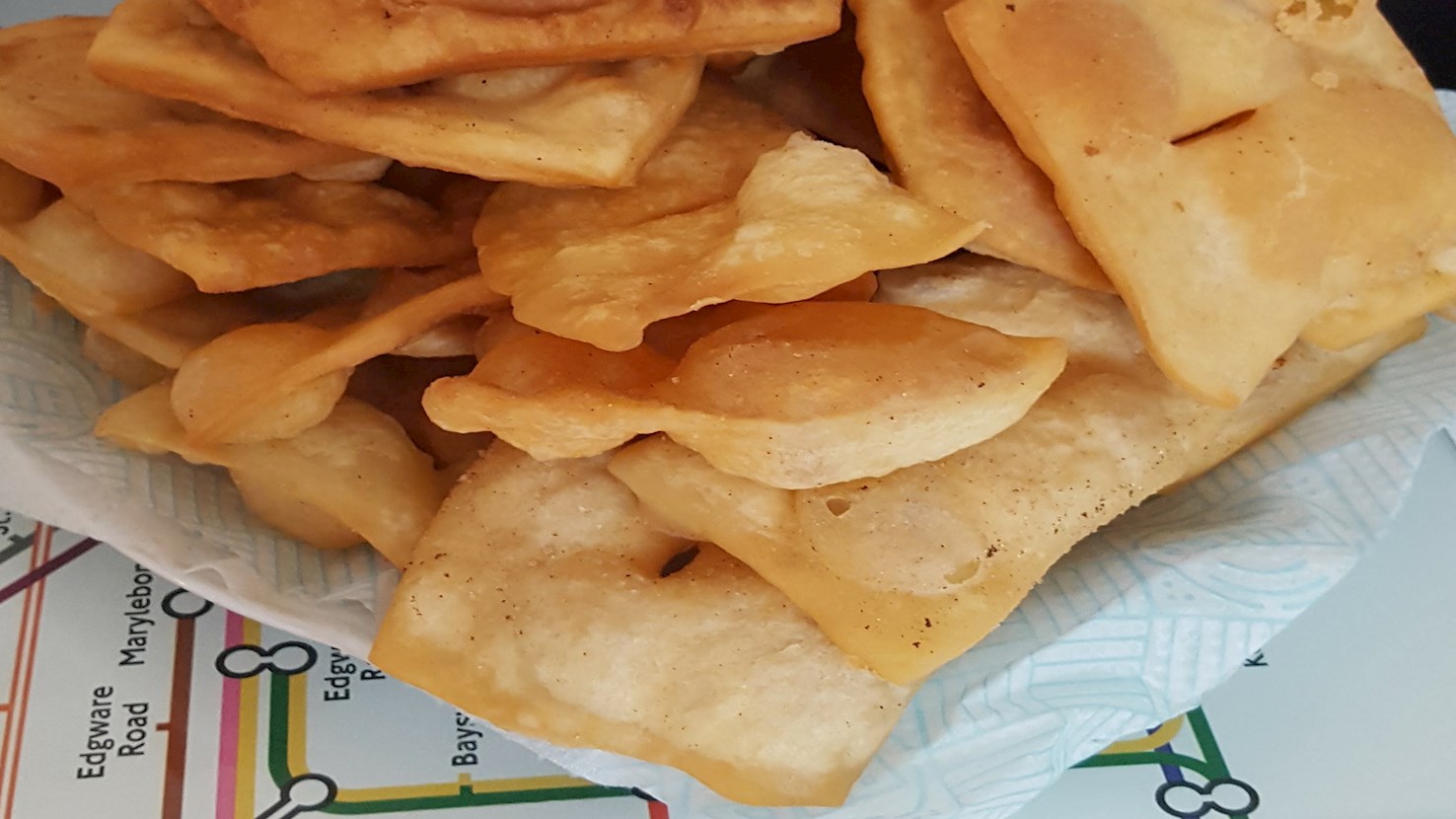
Tortas fritas are fried biscuits from Argentina and Uruguay, consisting of flour, butter, lard, milk, and baking powder. The dish is traditionally consumed with a cup of yerba mate, usually on rainy afternoons during autumn and winter. It is customarily served with fruit jams or dulce de leche on the side.

07
Street Food Sweets

Garrapiñada

3.8 ·

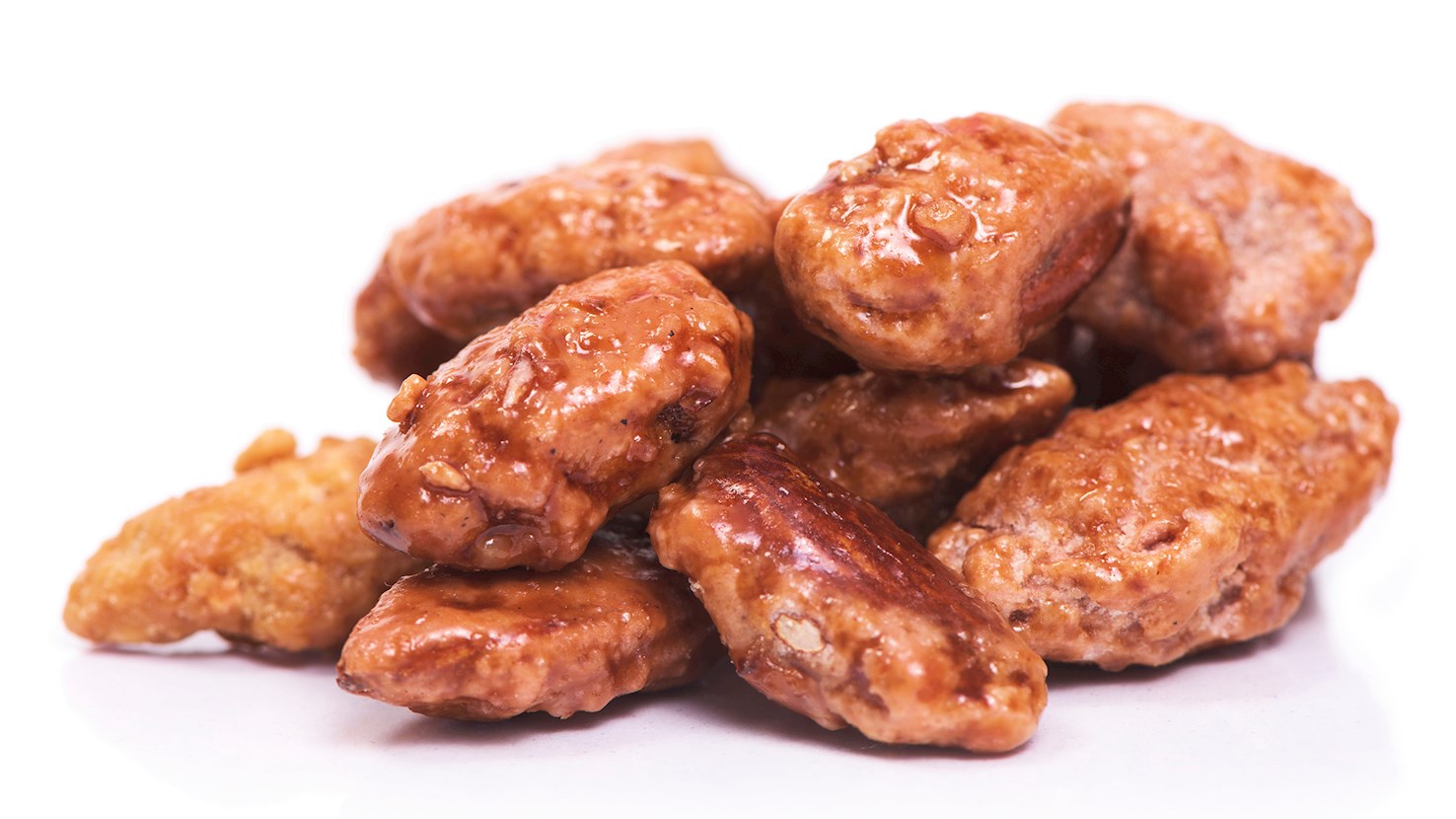
Garrapiñada is an Uruguayan and Argentinian street food item consisting of peanuts roasted in a combination of sugar, water, and vanilla essence. When the peanuts are completely coated and the syrup hardens, they are ready to eat. This treat can be found on the streets of Uruguay and Argentina, where it is sold by vendors called garrapiñeros. They put the peanuts in a small, long bag and hand it over to customers who then eat the peanuts on the go. Apart from peanuts, garrapiñada can also be made with almonds and walnuts.

08
Sandwich type

Sandwiches de miga

3.7 ·

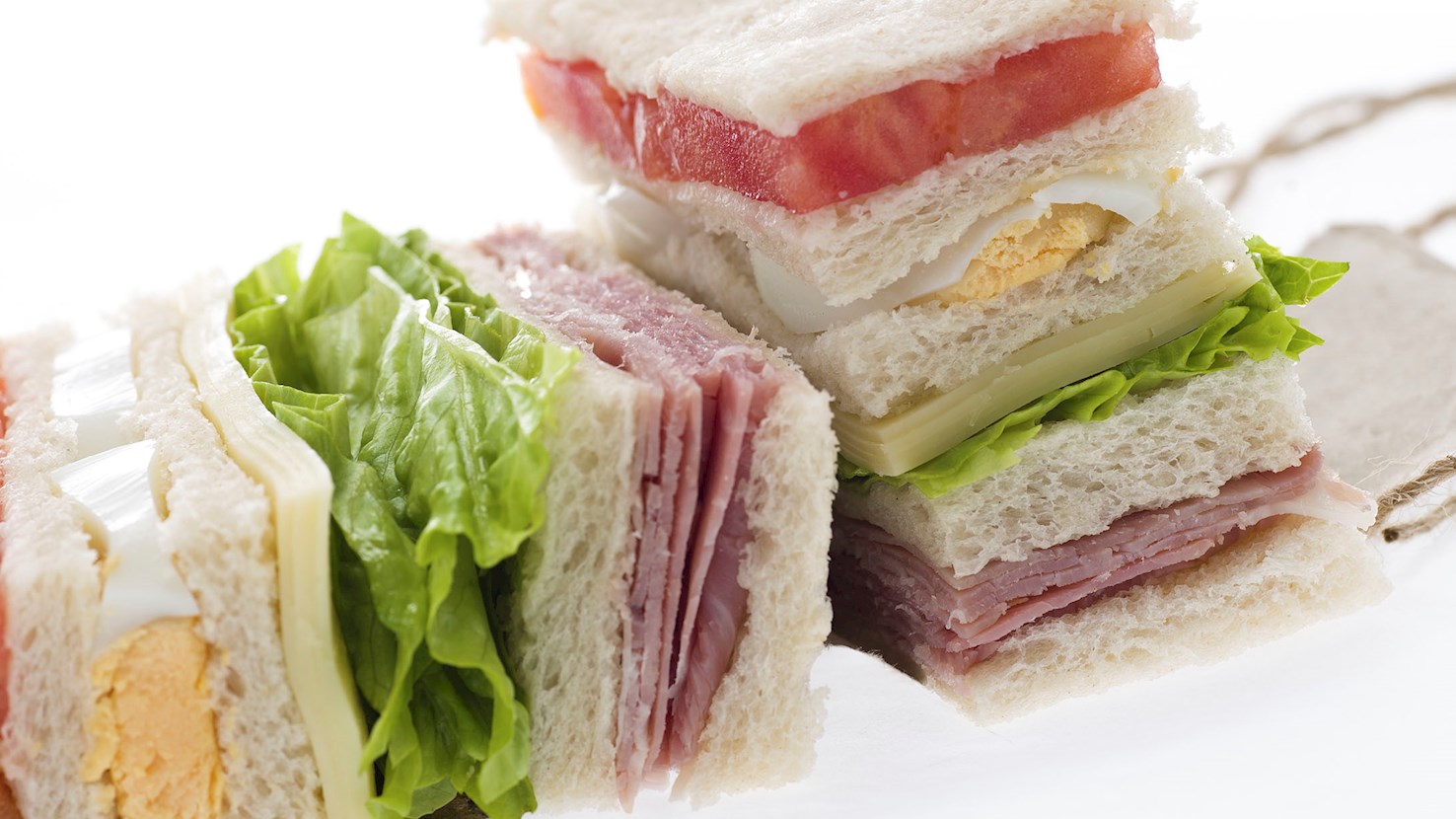
Sandwiches de miga are prepared with crustless white bread, and they can consist of two or more bread slices per sandwich. It is believed that they developed under strong European influences, primarily British and Italian. The most common variety of the sandwich is made with mayonnaise, cheese, and ham, but there are no restrictions concerning the possible fillings. Although sandwiches de miga are usually consumed as an afternoon snack, they are also a staple at parties, celebrations, or family gatherings. A common variety is called a tostado – a toasted sandwich de miga that is traditionally served warm. It is believed that sandwiches de miga were created around 1900 in the Confitería Ideal in Buenos Aires, where British businessmen used to meet and eat these crustless sandwiches that reminded them of their home.

09
Flatbread

Fainá

3.7 ·

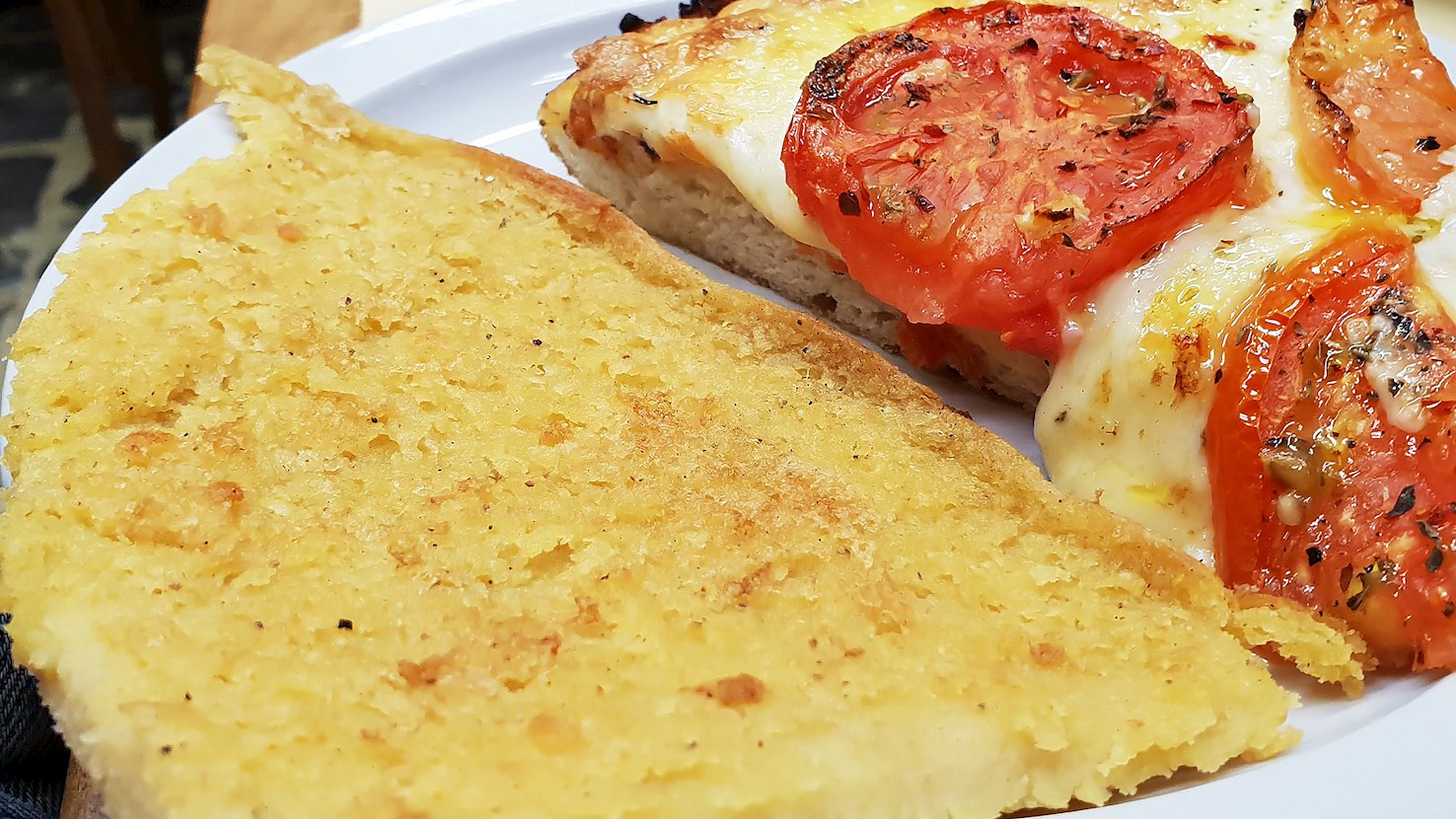
Fainá is a unique flatbread made with chickpea flour, black pepper, and lots of fresh herbs. It is extremely popular throughout Argentina and Uruguay. The most prevalent theory about its origin says that Genovese immigrants brought it to Buenos Aires and Montevideo in the early 20th century, and over time it became a popular food item in the country. Fainá is typically served as an accompaniment to pizza, in a way that pizza slices are topped with a piece of fainá. When paired this way, the dish is then known as pizza a caballo or horseback pizza.

Best restaurants
10
Cheese Dessert

Martín Fierro

3.6 ·

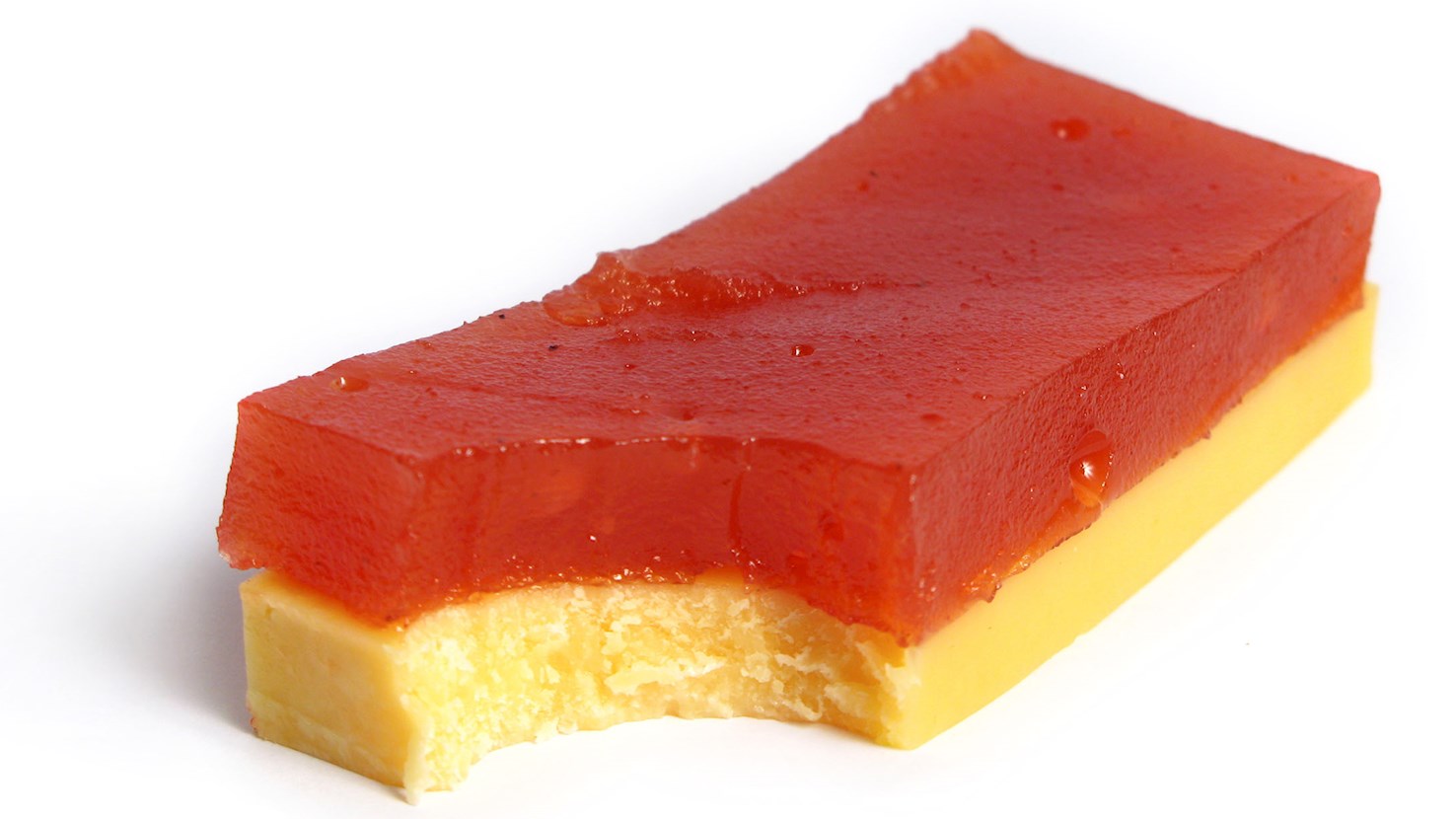
The unique combination of cheese (ideally, salty and firm manchego cheese) and a slice of flavorful quince paste known as dulce de membrillo makes the Uruguayan treat known as Martín Fierro. The dish got its name from a character with the same name, popularized in the stories of José Hernández, who wrote about freedom and gauchos - an equivalent to the American cowboys. Hernández always ordered a dessert based on the popular Argentinian treat known as Vigilante - a dish of cheese slices combined with a sweet potato paste. Uruguay's version of the dish replaced the sweet potato paste with quince paste, and since Hernández was a famous activist for gaucho rights and his every move was observed, the news of his preference for the Uruguayan version of the dish quickly spread across the country. Soon, the dish was named Martín Fierro in the writer's honor.

Read more
View all
View map
About this ranking

TasteAtlas food rankings are based on the ratings of the TasteAtlas audience, with a series of mechanisms that recognize real users and that ignore bot, nationalist or local patriotic ratings, and give additional value to the ratings of users that the system recognizes as knowledgeable. For the “Top 30 Uruguayan Foods” list until June 24, 2026, 3,818 ratings were recorded, of which 2,128 were recognized by the system as legitimate. TasteAtlas Rankings should not be seen as the final global conclusion about food. Their purpose is to promote excellent local foods, instill pride in traditional dishes, and arouse curiosity about dishes you haven’t tried.

The initial list of top producers was compiled based on available reviews, awards, local recommendations, media and blog coverage, and consumer reviews. The list will be updated with ratings from TasteAtlas local ambassadors and TasteAtlas users.

Similar lists