

shutterstock

Top 100 Food Products
in the World

Last updated on May 22, 2026
01

Argentine beef

4.7 ·

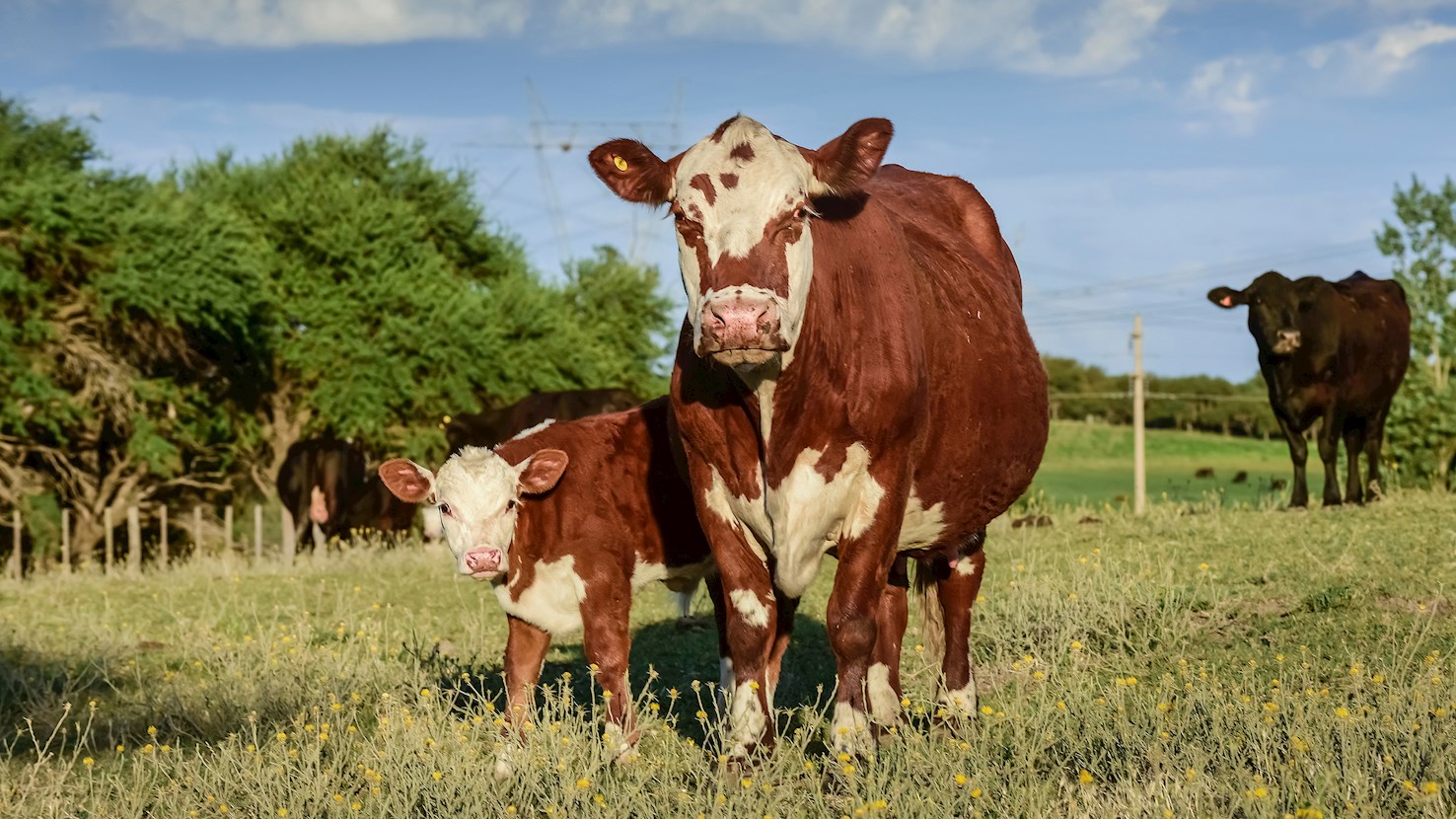
Argentine beef is fresh meat that is often praised for its high quality and flavor due to grass-feeding and suitable climate. The cattle multiplied quickly since 1536, when the cows first arrived in the country with Conquistadors. The beef started to be produced and exported so fast that the landowners soon became extremely wealthy. Argentine beef is a staple food in the country, with 55 million head of cattle, mostly in the pastures of Pampas. Traditionally, the meat is cooked over a charcoal flame and served with chimichurri on the side. It is believed that the best cuts of Argentine beef are bife de lomo (tenderloin), entraña (skirt steak), asado de tira (short ribs), vacío (flank steak), and bife de chorizo (sirloin). Tender, juicy, well-marbled, and extremely flavorful, Argentine beef is delicious regardless of which cut of meat is used in the process.

02

Truskawka Kaszubska

4.7 ·

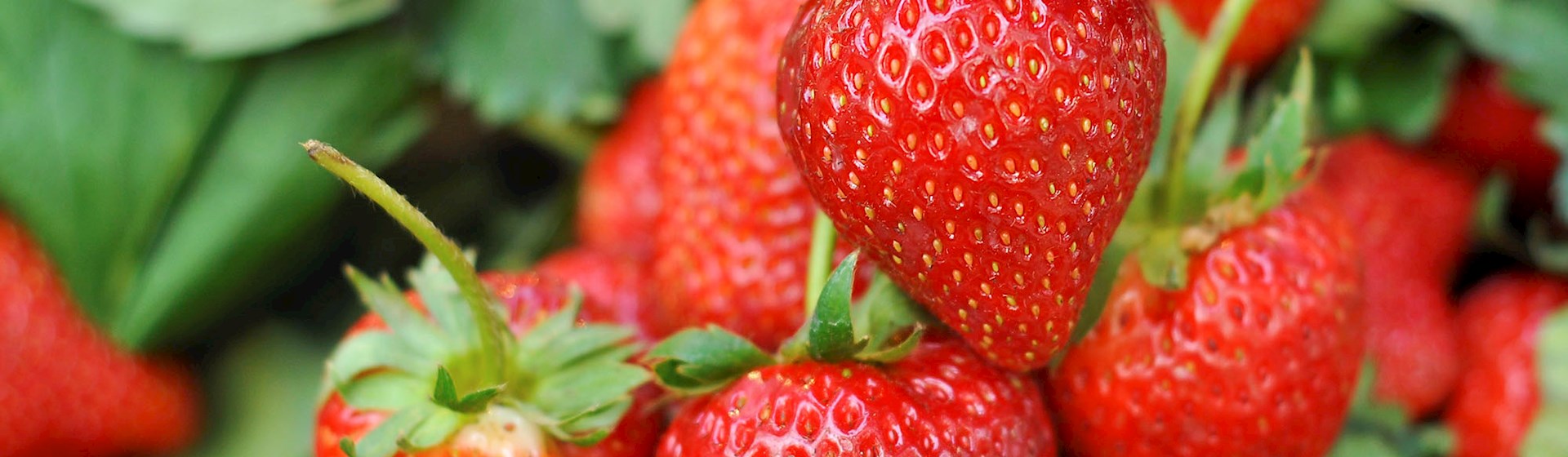
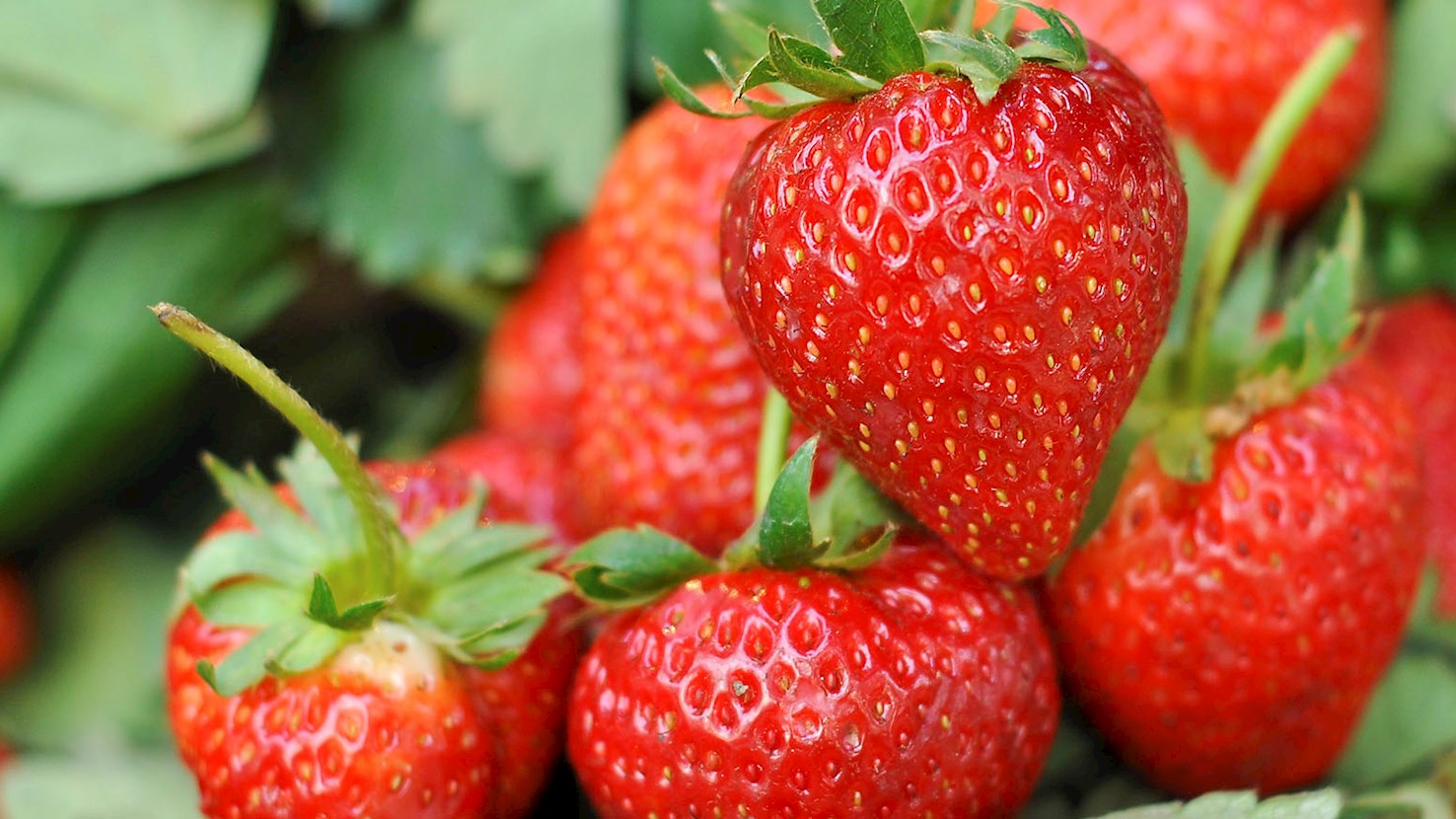
Truskawka kaszubska, also known as Kaszëbskô malëna, are strawberries of the Elsanta, Honeoye and Senga Sengana varieties, grown in the Kartuski, Kościerski and Bytowski districts in Poland. The Elsanta and Honeoye varieties are intended for direct consumption and are light red to intense red, rounded and small, with juicy, firm flesh. Their taste is sweet, aromatic and well-balanced, similar to that of wood strawberries. The Senga Sengana variety is intended for processing, it has firm, juicy and hard flesh and comes in various sizes and shapes. When the strawberries are ripe, their stem is easy to remove and they contain more sugar than other varieties of strawberries, making them unique in their specific taste. A typical fruit of the region, it can be enjoyed on its own or in various sweet desserts and cakes.

03

Jamón 100% ibérico de bellota

4.7 ·

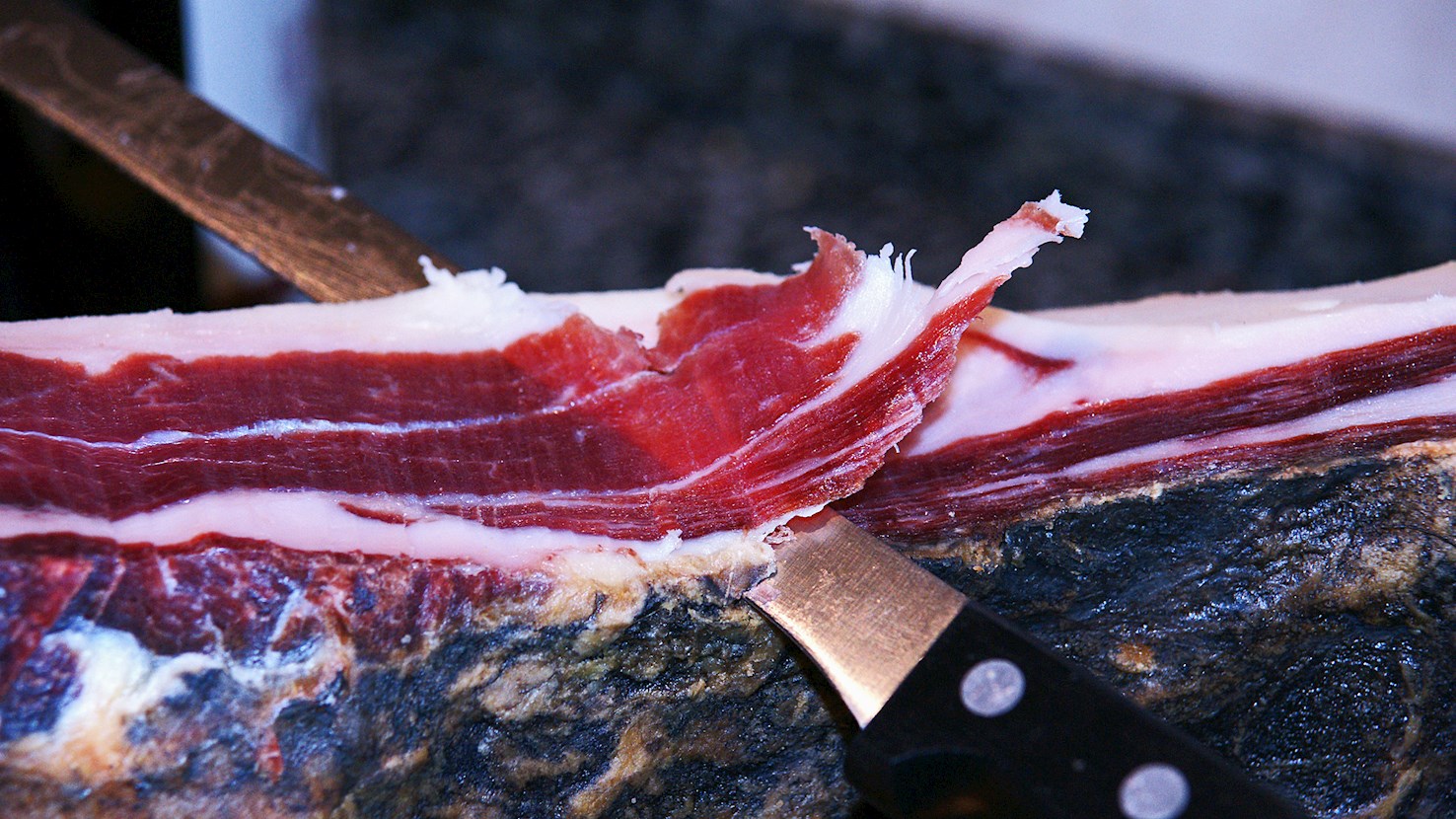
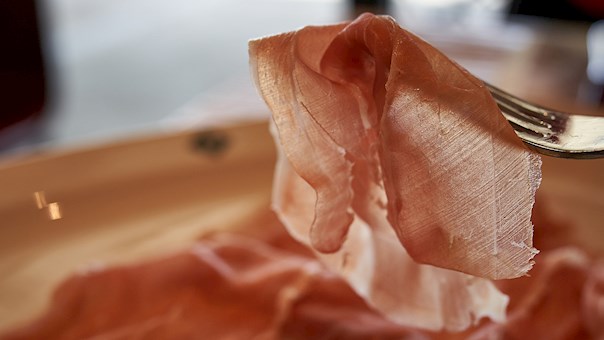
Regarded as the most exquisite variety of Iberian ham, or jamón ibérico, this ham is made with the meat of 100% purebred black Iberian pigs that have been roaming freely across oak pastures (Dehesa) and feeding on an acorn-based (bellota) diet. Apart from these specifications, the pigs also have to be reared in one of the designated places of origin as well as fulfill the specified standards of bellota ham production to receive the most renowned black label or pata negra status - denoting the highest-quality Iberian ham. The salt-cured and air-dried ham is typically aged for about three years or more, yielding dark red meat which is marbled with golden-hued veins of fat and defined by a sweet and nutty flavor, with just the right amount of saltiness. The Iberian bellota pigs are reared in four Spanish designated areas of origin (DO) including the Dehesa de Extremadura, Salamanca, Huelva, and Valle de Los Pedroches, along with one Portuguese region (Barrancos). The pigs used for the production of jamón ibérico de bellota are often dubbed olives with feet due to the high oleic acid content of the pig’s fat, which is comparable to that of virgin olive oil.

04

Pacific Smoked Salmon

4.7 ·

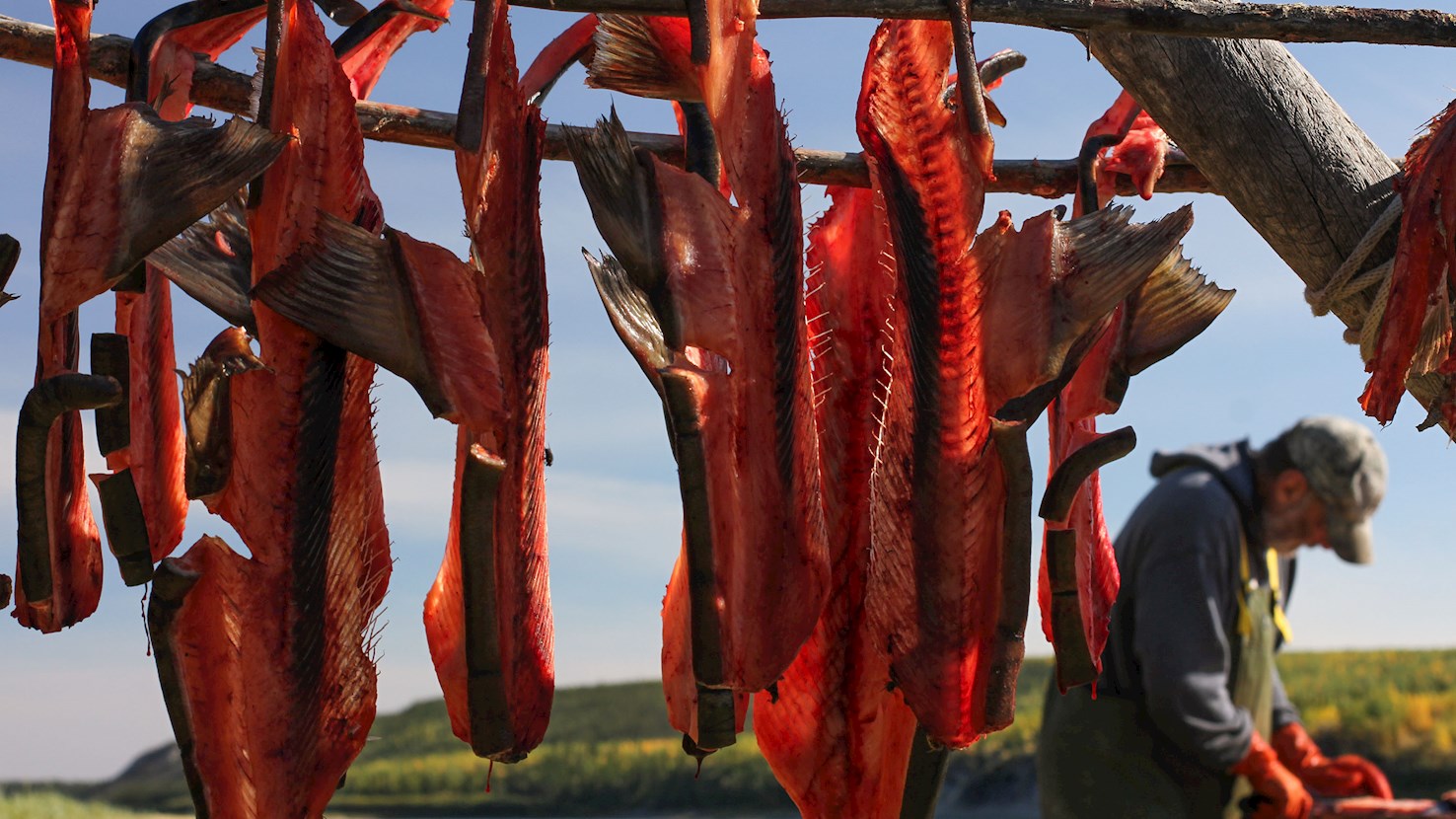
Pacific smoked salmon is a broad category of salmon that's usually found in the Pacific Ocean, most commonly Alaska and Canada. Some of the most popular Pacific smoked salmon varieties include: Chum (or dog salmon), the least common variety; Canadian King Salmon, with ivory white to deep red flesh; Sockeye or red salmon, with a bright and deep red-orange flesh, Pink or humpback, the smallest and most common type, and Coho or silver salmon, with red flesh.

05

Fystiki Aeginas

4.6 ·

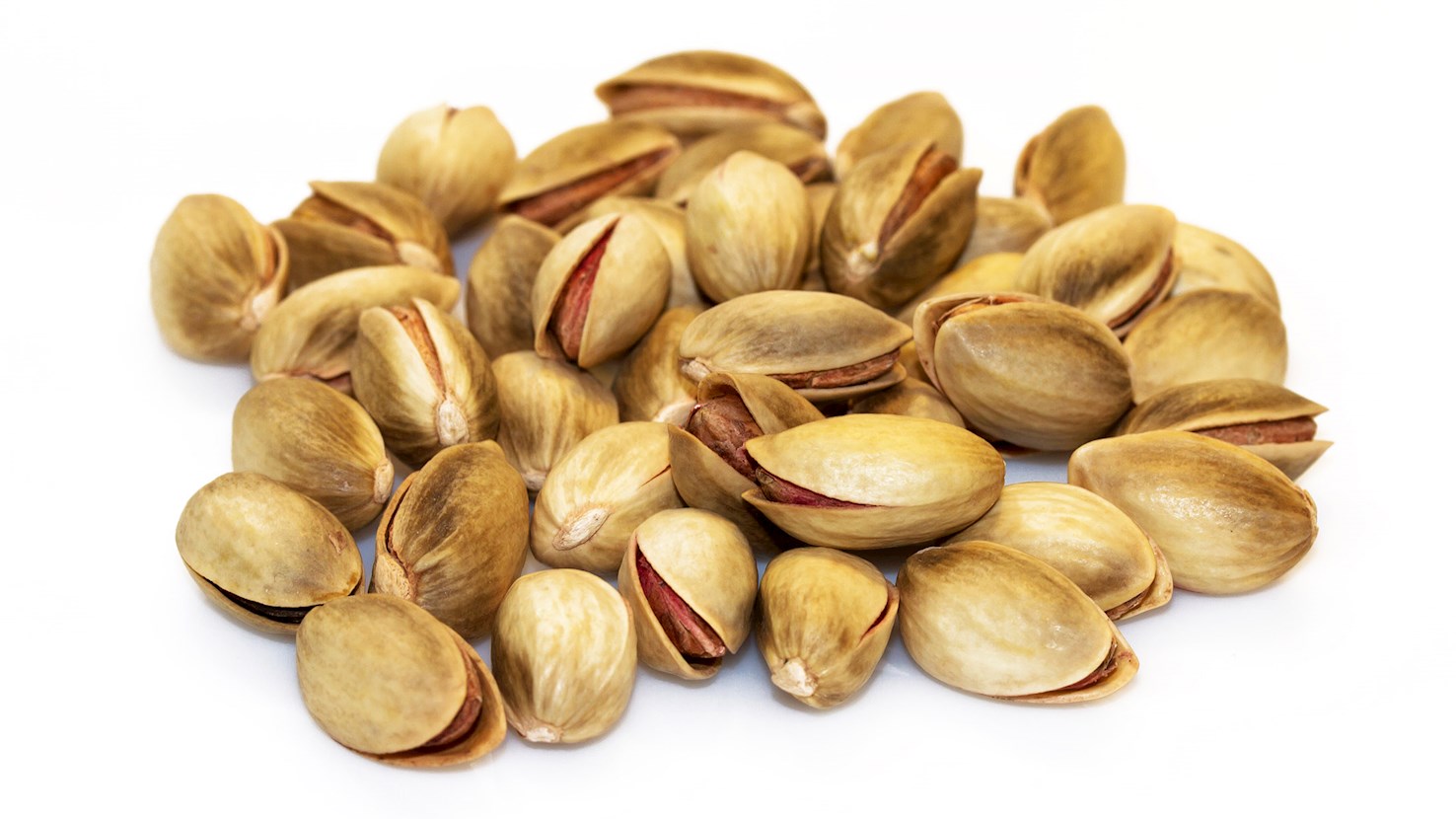
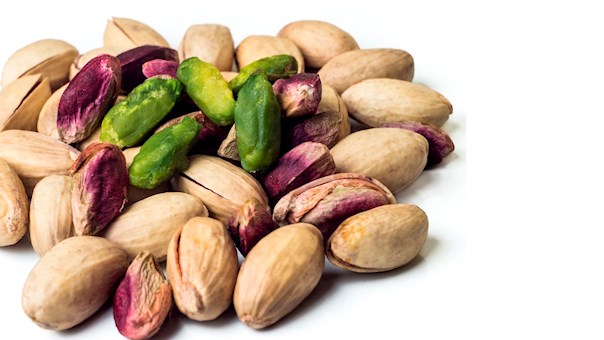
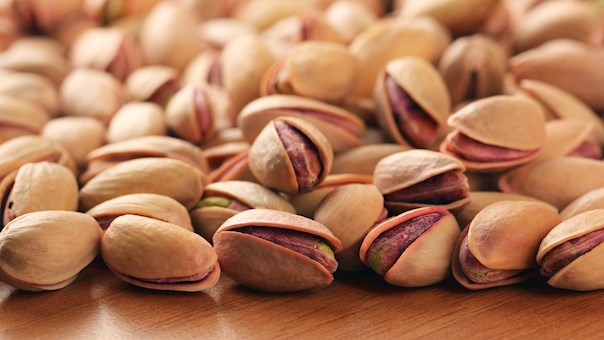
This is by far the most famous Greek pistachio. This amazing pistachio nut is produced from the Egintiki variety, which has been traditionally cultivated on the island of Egina since the end of the 19th century. The first pistachio plantation here was established in 1896 by Nikolaos Peroglou, who brought the nuts from Syria. The weather conditions and the soil composition give these pistachios a recognizable aroma and taste for which they are considered among the best in the world. The harvesting season begins in August, when the nuts are collected with long wrapped sticks that are used to beat the branches without damaging the tree. After the best nuts are manually selected, they are taken to the hulling machines as quickly as possible. They are then sun-dried for at least three days to prevent their shells from turning black. In the last weeks of September, after the pistachio harvest, the 'Fistiki Festival' is held in the region. This celebration is enjoyed by locals and thousands of visitors, during which many pistachio-based recipes are presented. This pistachio goes great in fresh salads, alongside cured meats, and in a variety of sweets, mandolata, cakes, liqueurs, and more.

06

Basilico Genovese

4.6 ·

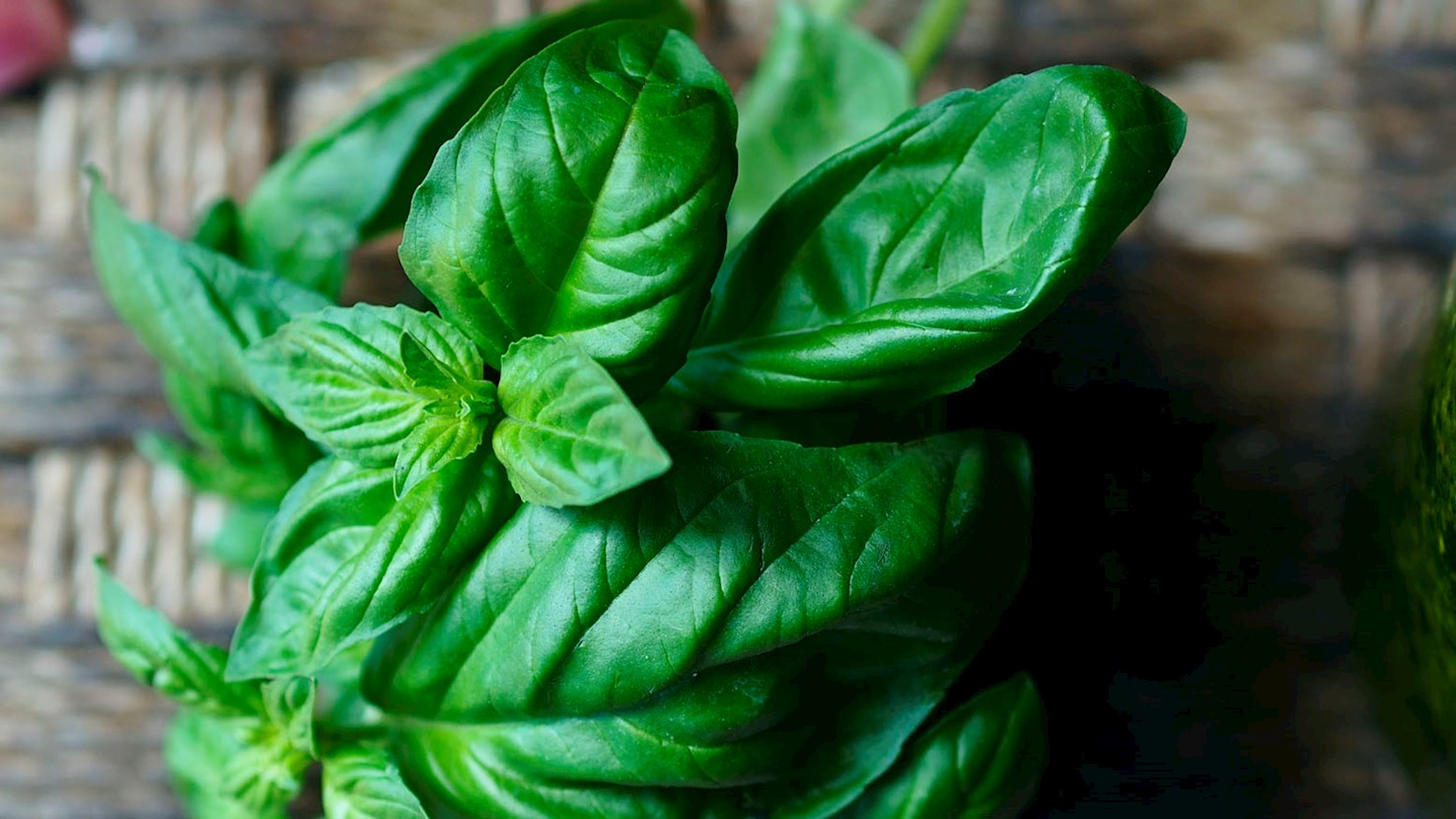
The fragrant Genovese basil is a cultivar of Ocimum basilicum (sweet basil), traditionally grown in the Ligurian provinces of Genoa, Savona and Imperia. It has an intense clove aroma and it is widely known for being an essential ingredient of the famous Pesto alla Genovese sauce. Even though it is available dried, Genovese basil is most often used fresh, added to various dishes at the last moment, in order to preserve its exceptional flavor.

Best producers
07

Fava Santorinis

4.6 ·

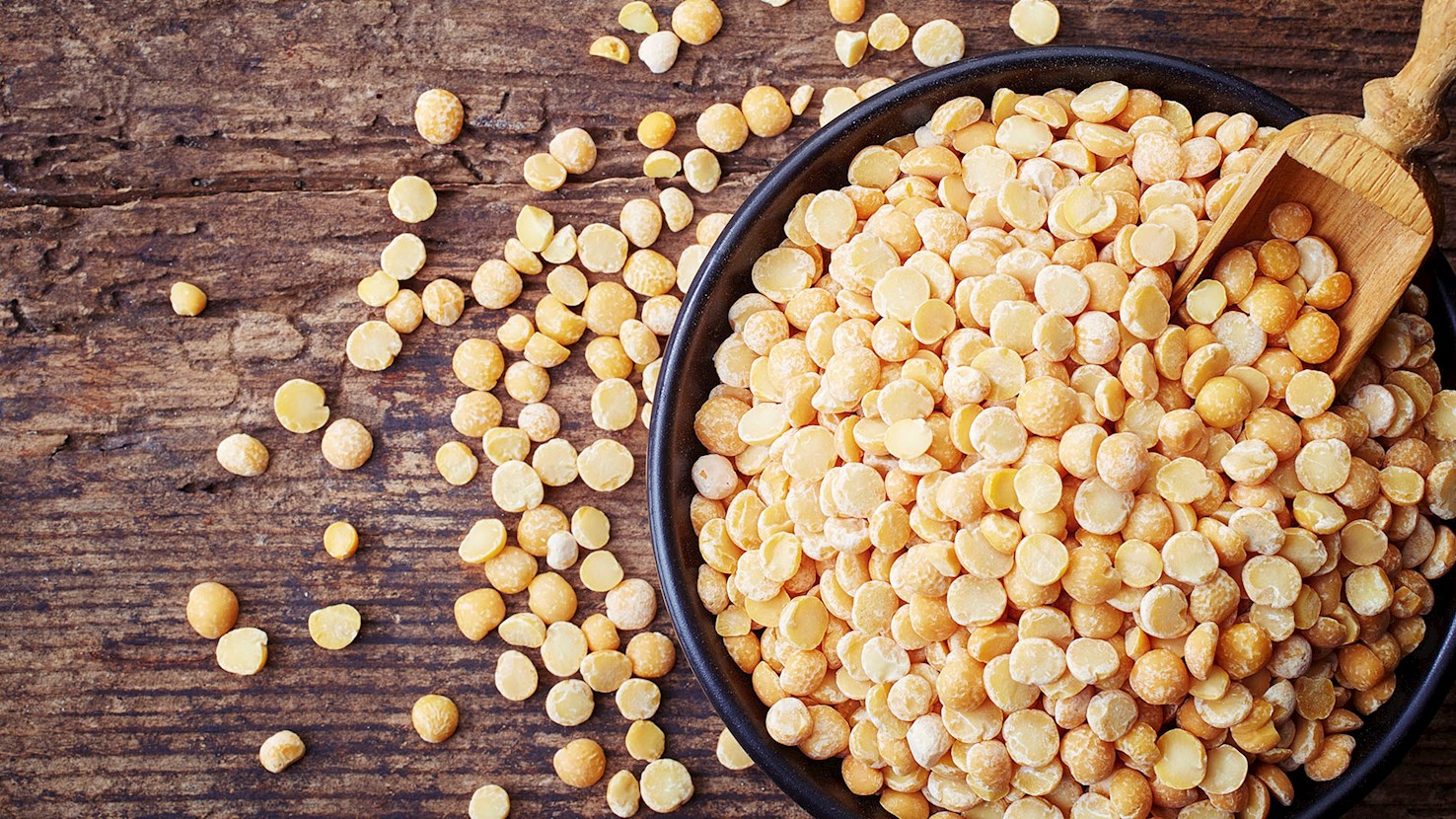
Since ancient times, the plant Lathyrus clymenum has been grown exclusively on the islands of Santorini, Thira, Thirasia, Palea Kameni, Nea Kameni, Aspro, Christiani, and Askania in Cyclades prefecture solely to produce Fava Santorinis. These islands have a very hot and dry climate and volcanic soil, which give this product its unique character. Fava Santorinis are dried, husked, and crushed embryonic leaves that are yellowish in colour and shaped like flattened discs. After the husks are removed and the seeds separated, the product is packed in order to prevent it from absorbing humidity. They have a soft, light texture and sweet taste from the sugars found in the plant tissue, and they add a special flavor to any dish. As they have a particularly high protein and carbohydrate content, a minimal amount of water is required to cook them.

08

Norwegian salmon

4.6 ·

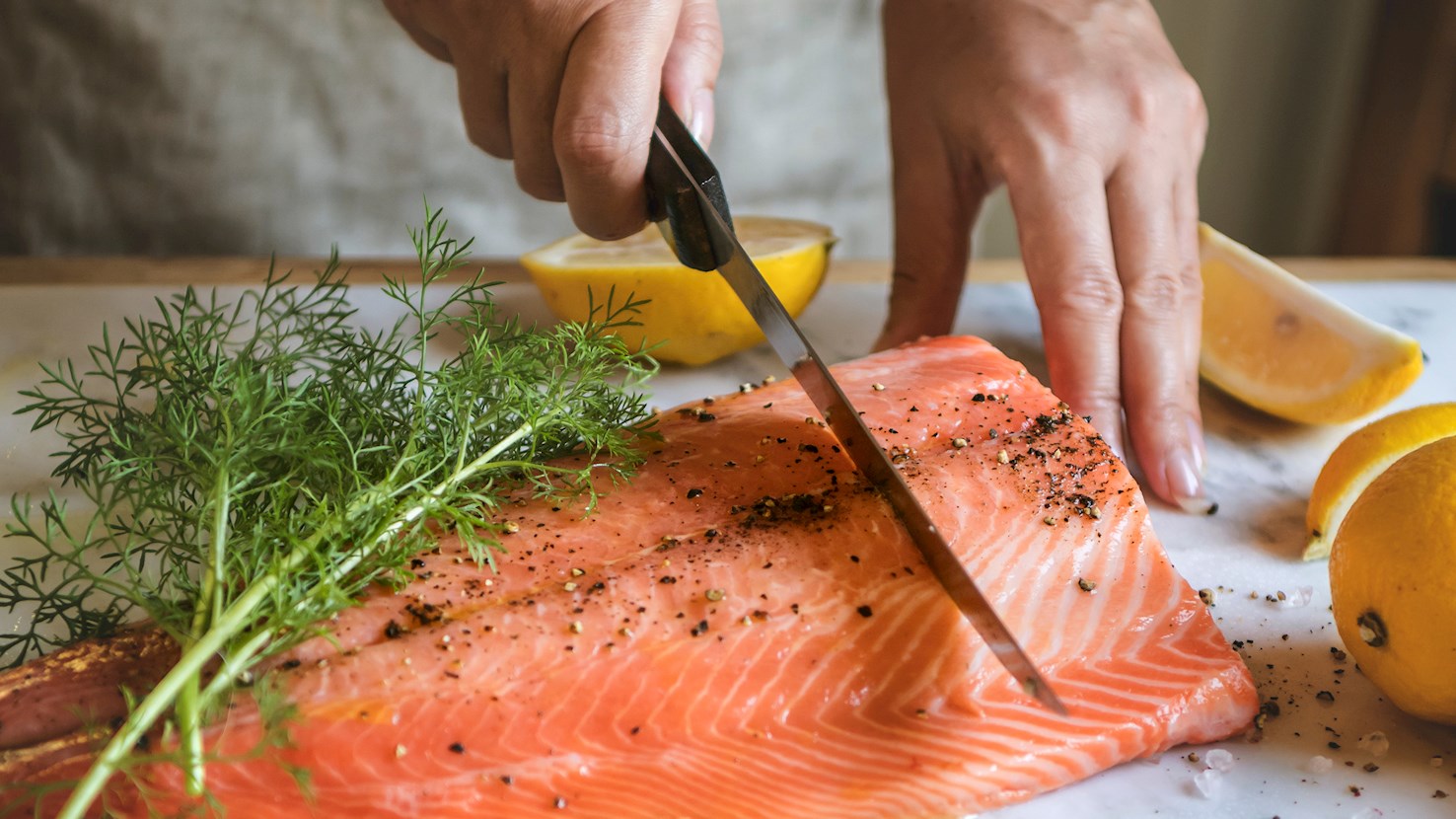
In Norway, Atlantic salmon takes up around 40% of all seafood that's exported from the country. Most of it isn't caught in the wild – the salmon is farmed in giant tanks that are moored off the coast. In order of decreasing amount, there is fresh whole salmon, frozen whole salmon, frozen salmon fillets, and fresh salmon fillets that are exported across the world. The great versatility, flavor, and high nutrient content are the reasons why Norwegian salmon rose to fame and it's popularity increased worldwide since the 1970s, when the world's first successfully farmed salmon was placed into a pen in a fjord outside Trodheim. Nowadays, the Norwegian salmon is used in anything from sushi, gravlax, burgers, and woks to fiskesuppe, wraps, tacos, and poke bowls.

09

Graviera Naxou

4.6 ·

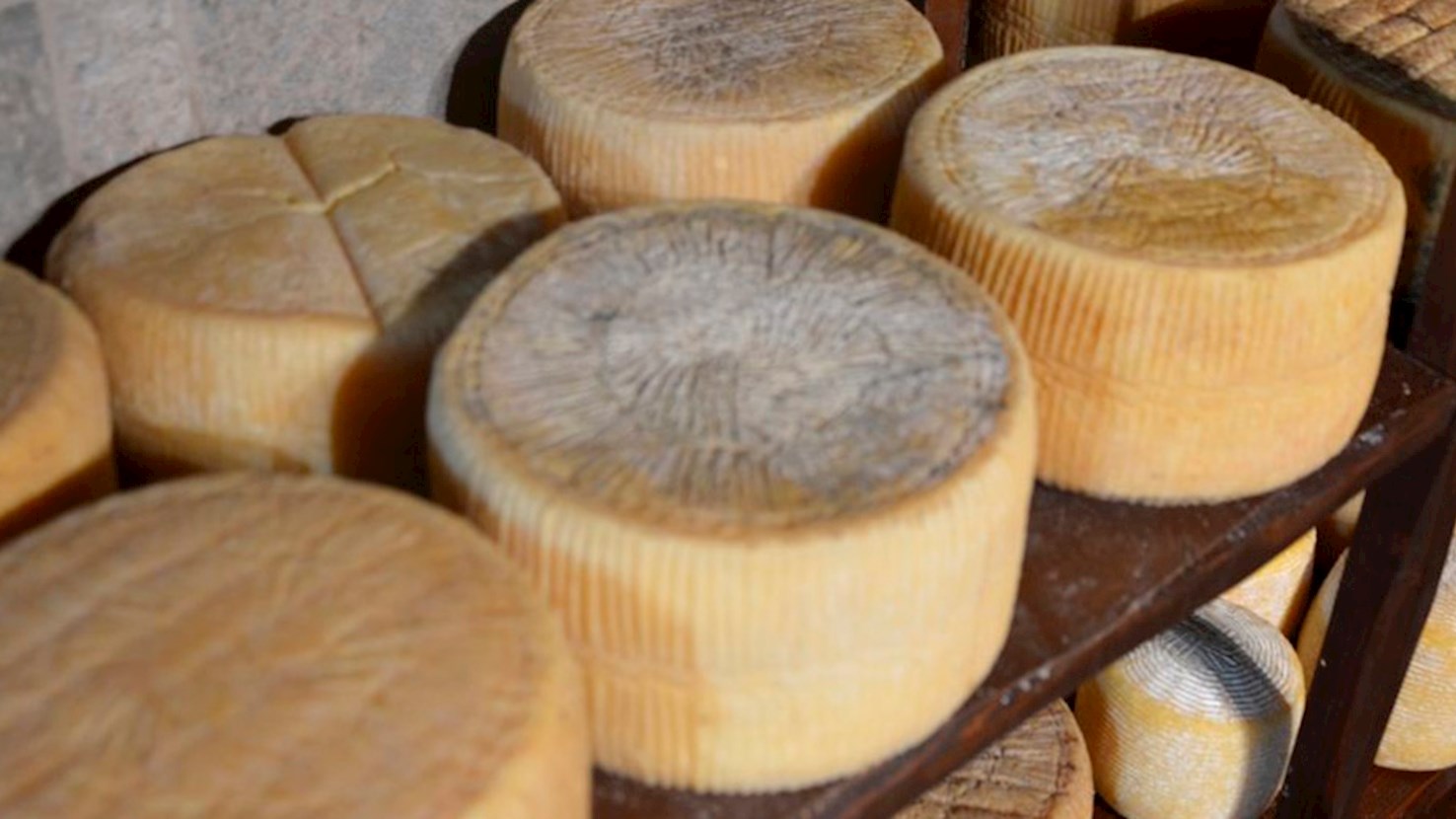
This cheese has been produced on the island of Naxos in the Cyclades for at least a century. Graviera Naxou is made from pasteurised cow milk or a mixture of sheep milk and a maximum of 20% goat milk. It has a thin rind and a light yellow, compact interior filled with small holes. Graviera Naxou is a hard table cheese with a refreshing taste and light aroma. It has a maximum moisture content of 38% and at least 40% fat content. The milk used for its production comes from breeds that are traditionally raised on the island, which feed on a diet of local plants and herbs that give their milk a unique flavor. It can be sliced and served as an appetizer, fried and eaten as a snack, or grated over pasta.

10

Wild Alaska salmon

4.6 ·

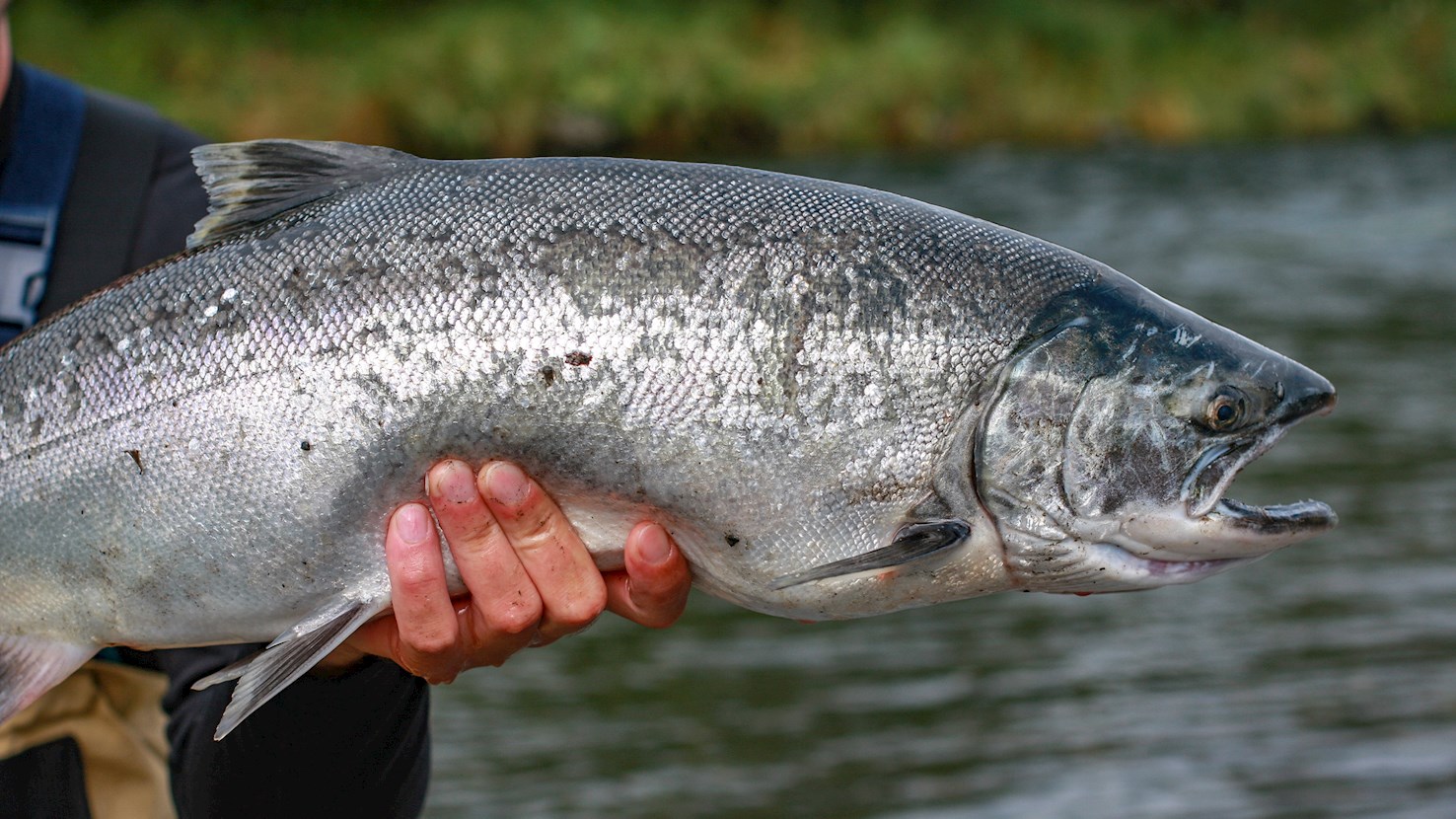
Five different species of wild salmon can be caught in Alaska: king, sockeye, coho, chum, and pink salmon. Each species has some defining characteristics: king salmon is often used for sushi, sockeye has a strong flavor, coho is known as a great-tasting salmon, chum salmon is valued for its eggs, and pink salmon is used for canning. Salmon is a very versatile fish that can be prepared in many ways: it can be baked, grilled, or smoked, and it’s good in stews, fish cakes, and salads. This highly nutritious fish is rich in vitamins, minerals, and omega-3 fatty acids, and consuming it reduces the risk of cardiovascular diseases.

About this ranking

TasteAtlas food rankings are based on the ratings of the TasteAtlas audience, with a series of mechanisms that recognize real users and that ignore bot, nationalist or local patriotic ratings, and give additional value to the ratings of users that the system recognizes as knowledgeable. For the “Top 100 Food Products in the World” list until May 22, 2026, 220,519 ratings were recorded, of which 149,992 were recognized by the system as legitimate. TasteAtlas Rankings should not be seen as the final global conclusion about food. Their purpose is to promote excellent local foods, instill pride in traditional dishes, and arouse curiosity about dishes you haven’t tried.

Similar lists