shutterstock

Top 100 Ground Meat Dishes
in the World

Last updated on April 15, 2026

Best Ground Meat Dishes in the World
01

Travnički ćevapi

4.5 ·

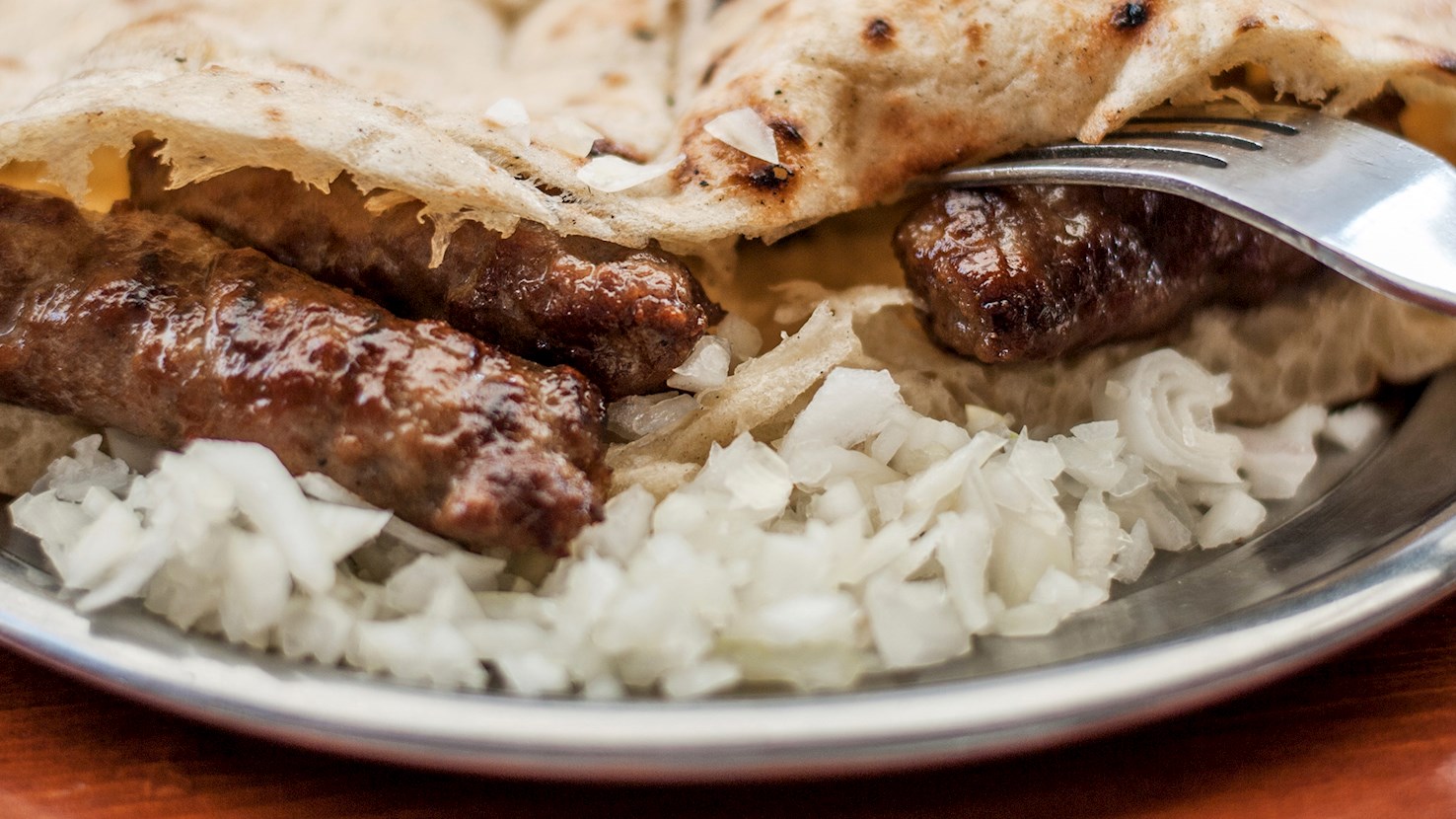
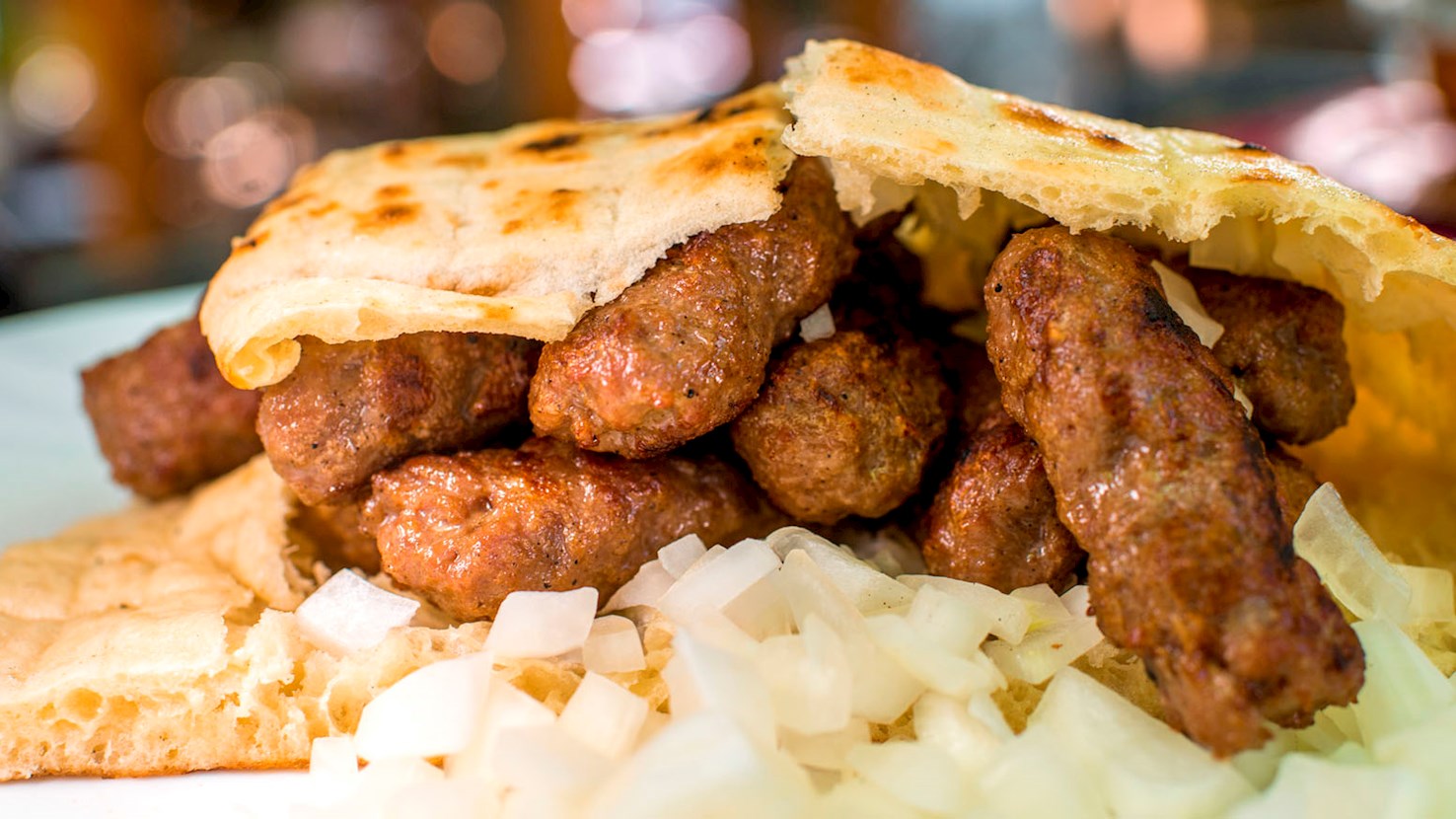
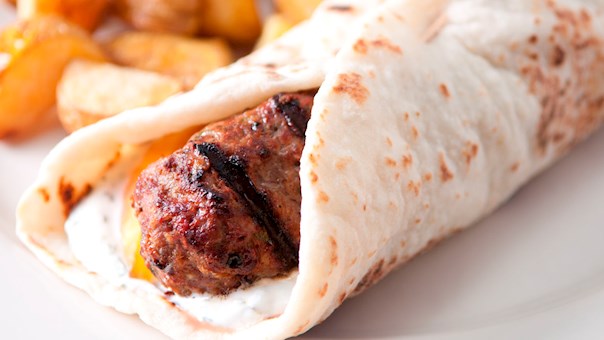
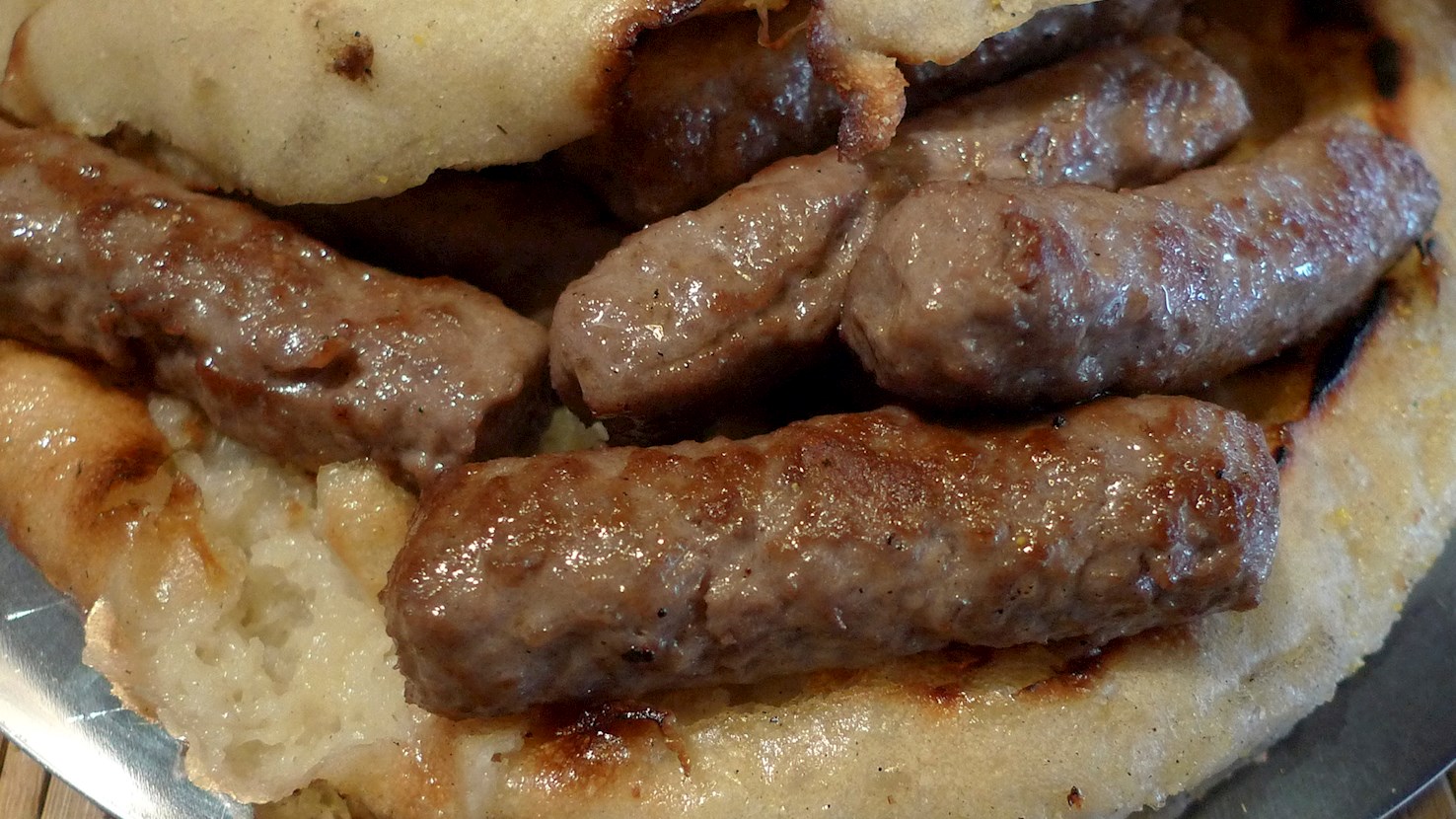
This ćevapi variety is made in the city of Travnik in Bosnia and Herzegovina. The ćevapi are made with a combination of beef, veal, and lamb, with the addition of salt, pepper, and a bit of baking soda. When grilled, the meat is often brushed with a clear broth that was prepared with beef bones and mutton. The bread, locally called pitica, is dipped in the broth, then grilled for a short time. Once grilled, the ćevapi are placed into the pitica, and they are then topped with chopped onions. It is recommended to serve this ćevapi variety with yogurt on the side.

02

Leskovački roštilj

4.5 ·

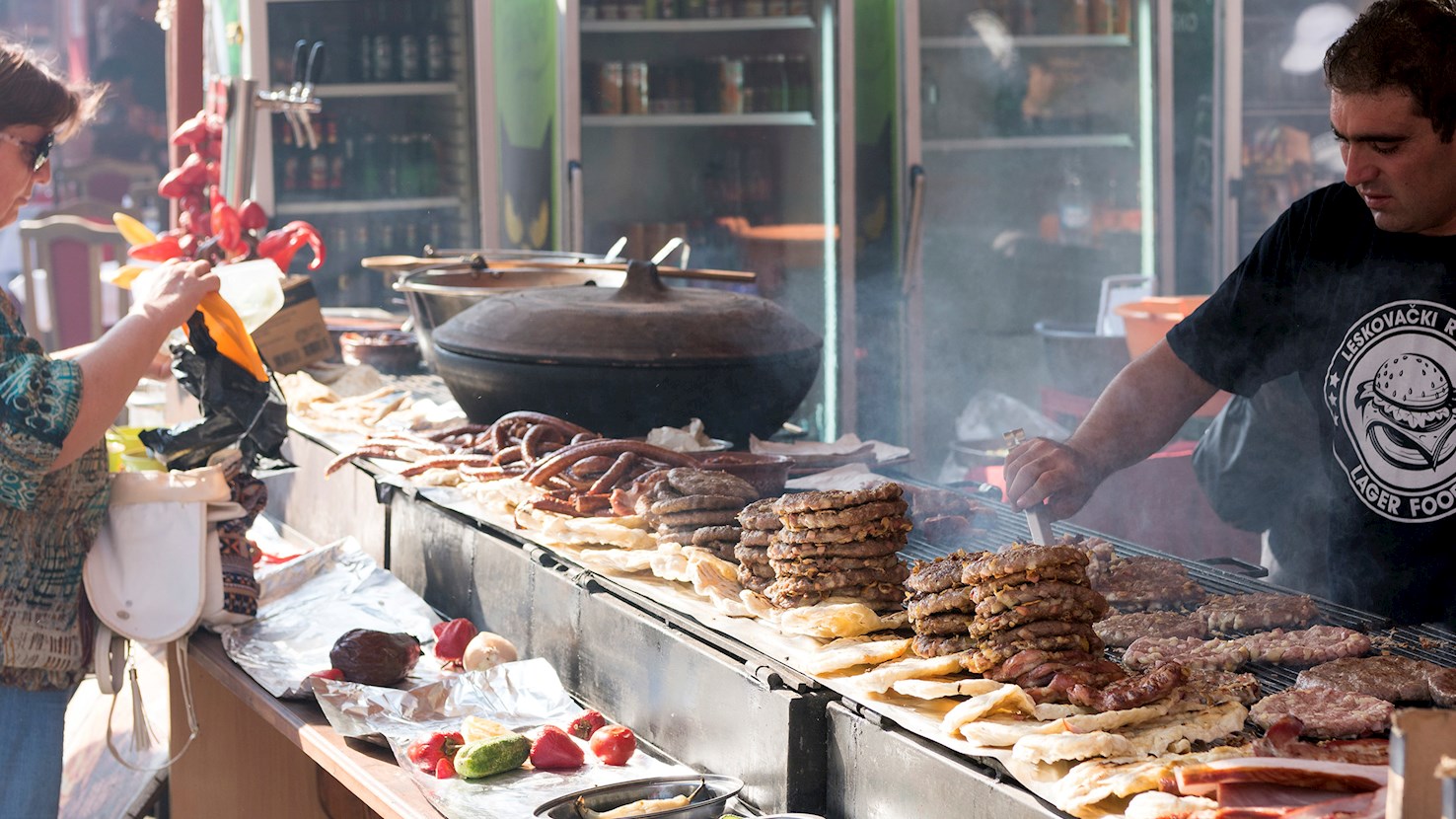
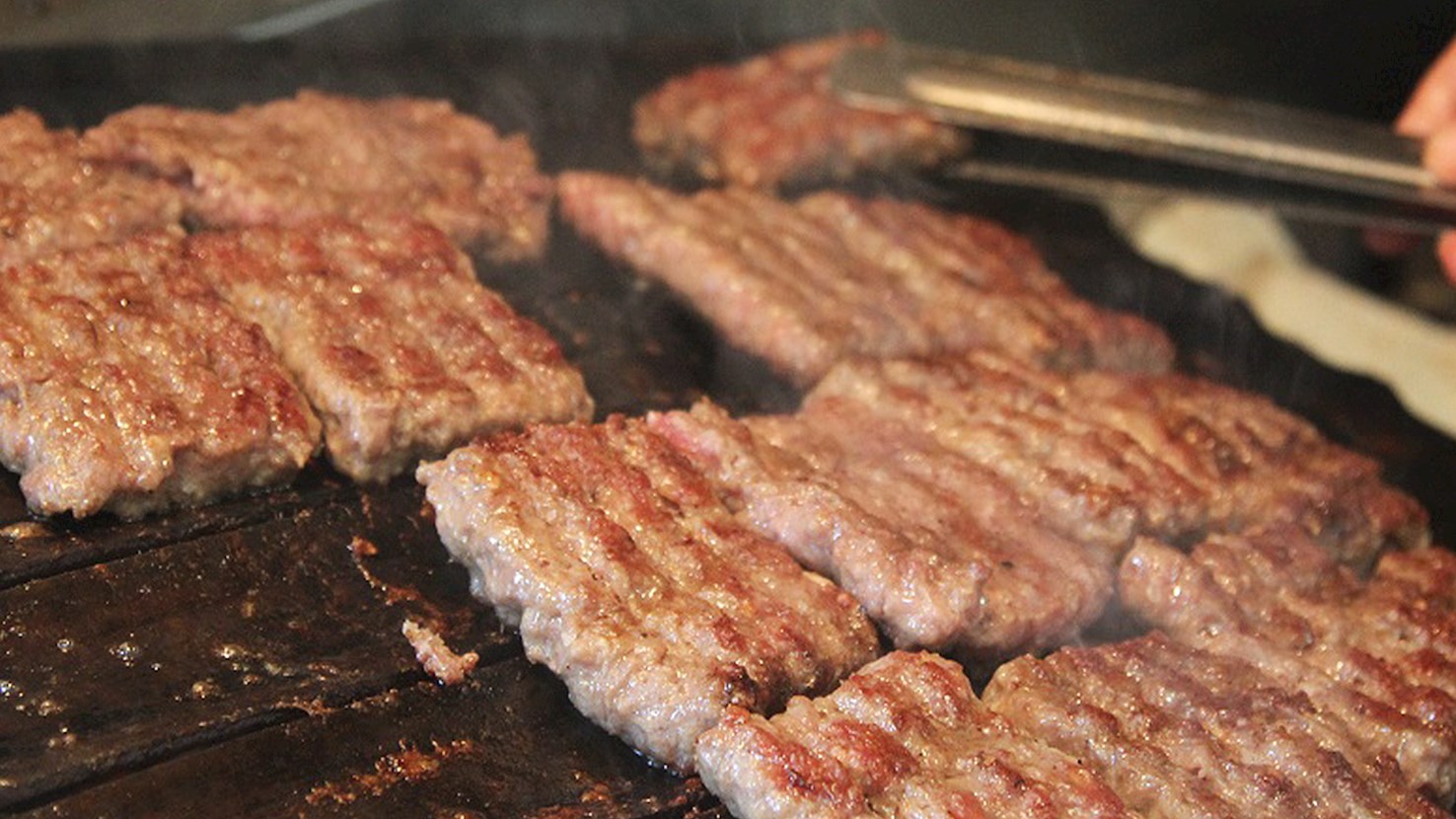
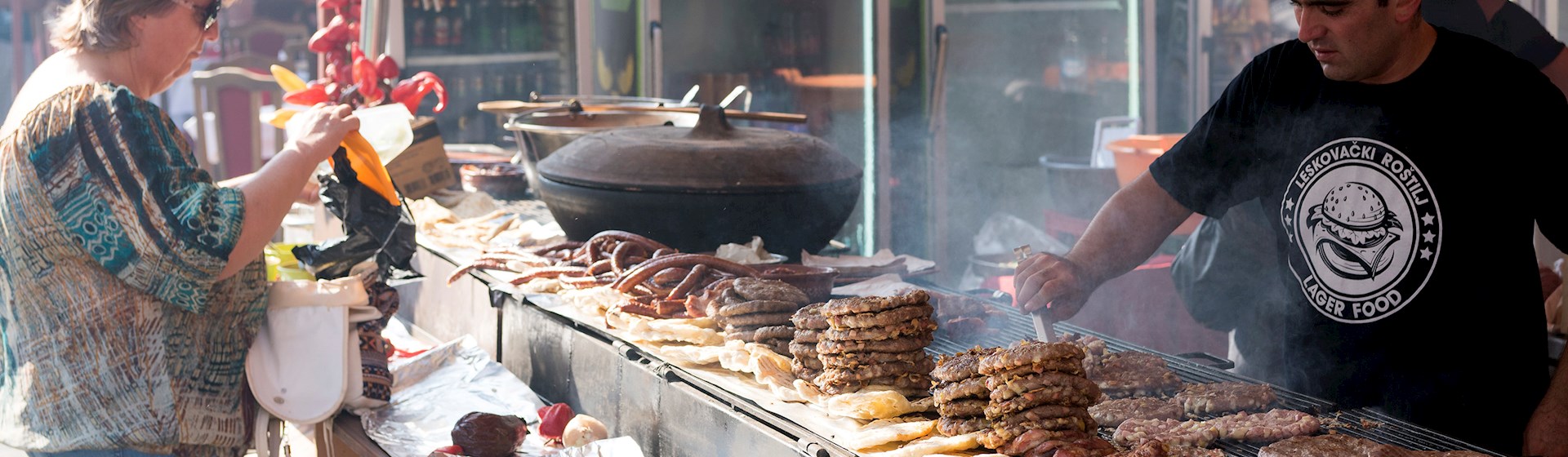
Leskovački roštilj refers to a traditional method of grilling meat which is considered the highest form of barbecue art in Serbia and beyond. Hailing from Leskovac, the technique, according to local belief, is thought to have been brought over from the Caucasus via Turkey, Greece, and Macedonia hundreds of years ago. Although the exact preparation of the meat remains a secret known only to Leskovac barbecue masters, what is generally known is that the ground mixture traditionally consists of beef that is chopped, ground (first coarsely and then finely), seasoned, and allowed to sit for at least 48 hours before cooking. Apart from the meat, the ground mixture also typically contains chopped onions and ground pepper. Leskovac grilling method calls for cooking the meat on a grill over glowing coals, a process that produces juicy flesh with a pleasant, smoky fragrance. Although beef is the most traditional choice, pork and chicken specialties are also featured on a Leskovac grill. The traditional meat specialties that go on the Leskovac grill include pljeskavica (a Serbian-style burger or meat patty), ćevapi (small skinless sausages, similar to kebabs), mućkalica (mixed meat dish), smoked sausages, uštipci (meatballs), vešalica (pork steak in lambrequin), and skewered meat, among others. Leskovac barbecue is not just a cooking technique but an essential part of local and national cuisine, tradition, and culture. This barbecue style has become internationally known over the years, and nowadays, restaurants serving Leskovac-style barbecue specialties can be found in numerous countries in Europe, USA, and Australia. To honor Leskovac barbecue, a barbecue festival called Roštiljijada is held annually in Leskovac in September. As of November 1, 2018, Leskovac barbecue has officially become a protected regional brand in Serbia.

03

Beyti kebab

4.4 ·

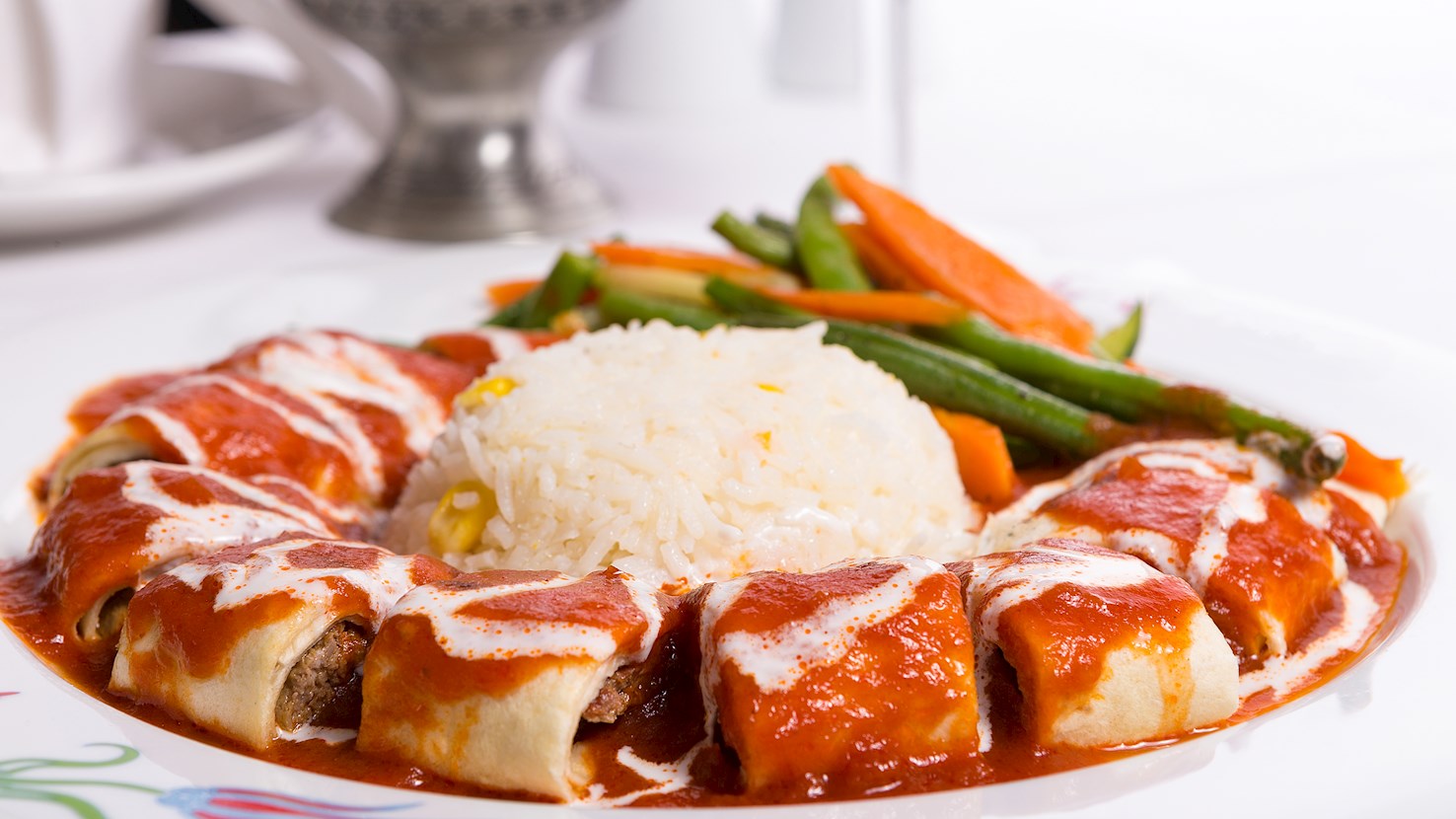
Beyti is a traditional kebab variety originating from Istanbul. It consists of ground lamb or beef that's seasoned with spices, grilled on a skewer, then served wrapped in lavash, cut into pieces, and topped with tomato sauce and yogurt. The ground meat is typically mixed with onions, eggs, garlic, cumin, coriander, salt, breadcrumbs, paprika, and black pepper. Lavash or phyllo pastry is brushed with butter, then wrapped around the grilled kebabs into a roll. The rolls are cut diagonally, then topped with a sauce consisting of tomatoes and butter, while the yogurt is usually served in the center of the rolls or on the side. Some people serve the dish with bulgur or steamed rice, while garnishes might include ghee and pistachios. This kebab variety was named after Beyti Güler, a restaurant owner from Istanbul who invented the dish in 1961.

04

Sarajevski ćevapi

4.4 ·

This unique variety of ćevapi hails from the city of Sarajevo, hence the name sarajevski ćevapi. There are variable accounts regarding the usage of meat for these tasty meat rolls – purists make them exclusively with ground beef, salt, and pepper, while others use a combination of ground beef and mutton. In recent years, sarajevski ćevapi are typically made only with ground beef and salt in order for the meat flavor to be as clear as possible. Once prepared, ćevapi should be refrigerated for 48 hours. They are then grilled, and traditionally served in a round-shaped, (sometimes) beef stock-dipped bread called somun, accompanied by raw onions on the side.

05

Adana kebap

4.4 ·

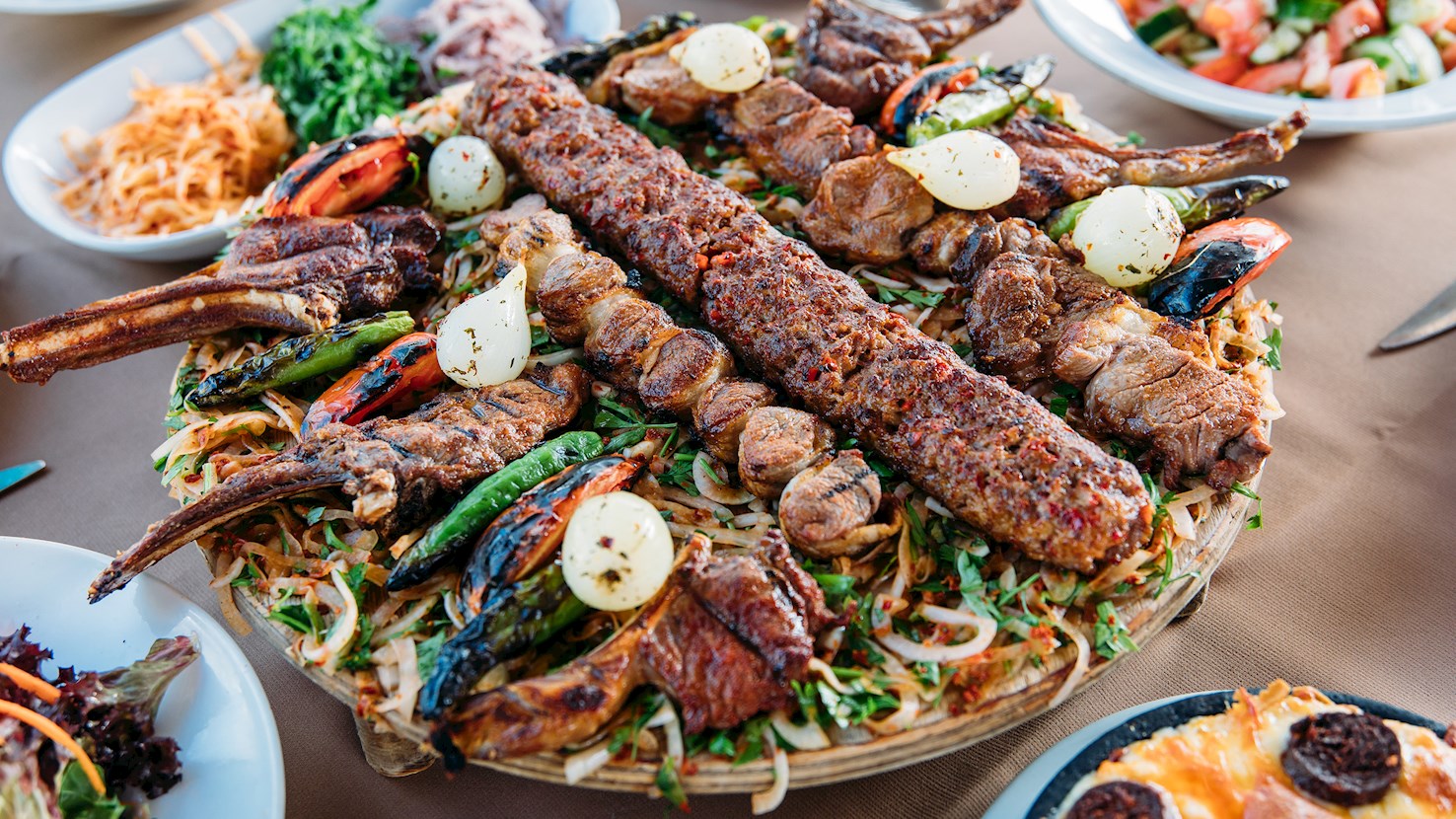
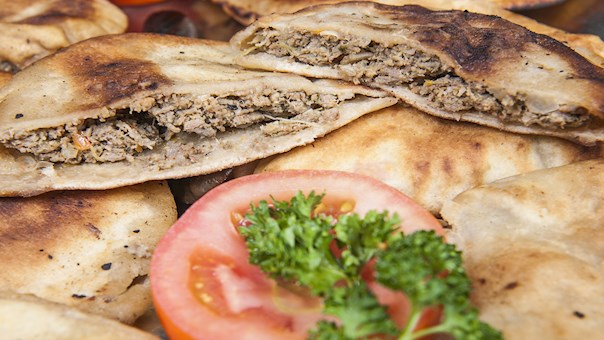
Adana kebap is a popular skewered meat dish named after one of the most famous kebab cities in the country, Adana. This kebab is made with ground lamb and tail fat that are kneaded together with garlic, onion, paprika, and hot red pepper flakes, giving it a deep red color and a spicy flavor. The whole concoction is typically placed around large and flat metal skewers, then grilled. Once it's done, the grilled meat is traditionally served on a platter over flatbreads, peppers, and tomatoes, or stuffed into pita bread along with a salad consisting of parsley and red onions. Before the pita is rolled, the meat is usually topped with roasted chilies, salt, cumin, and sumac. It is recommended to pair Adana kebap with ayran – a slightly salty, yogurt-based beverage or şalgam, a non-alcoholic fermented beverage made from vegetables and red carrots.

06

Ćevapi

4.3 ·

Despite their clear Turkish provenance, Bosnian ćevapi are a source of great national pride and the country's favorite dish. These tiny, hand-rolled minced meat sausages are commonly made with ground beef - or a mix of beef mince with other meats such as veal or lamb - seasoned with a mix of different spices; usually garlic, salt, black pepper, and sometimes paprika or hot red pepper flakes. After they have mellowed for a couple of hours, ćevapi are barbecued over charcoal. Traditionally, one portion of the dish consists of ten pieces of ćevapi tucked in a soft, moist, slightly grilled flatbread called lepinja or somun, and a variety of accompaniments such as kajmak, a type of clotted cream spread, roasted red pepper and eggplant relish called ajvar (especially popular in Croatia and Serbia), and raw onions.

07

Islama köfte

4.3 ·

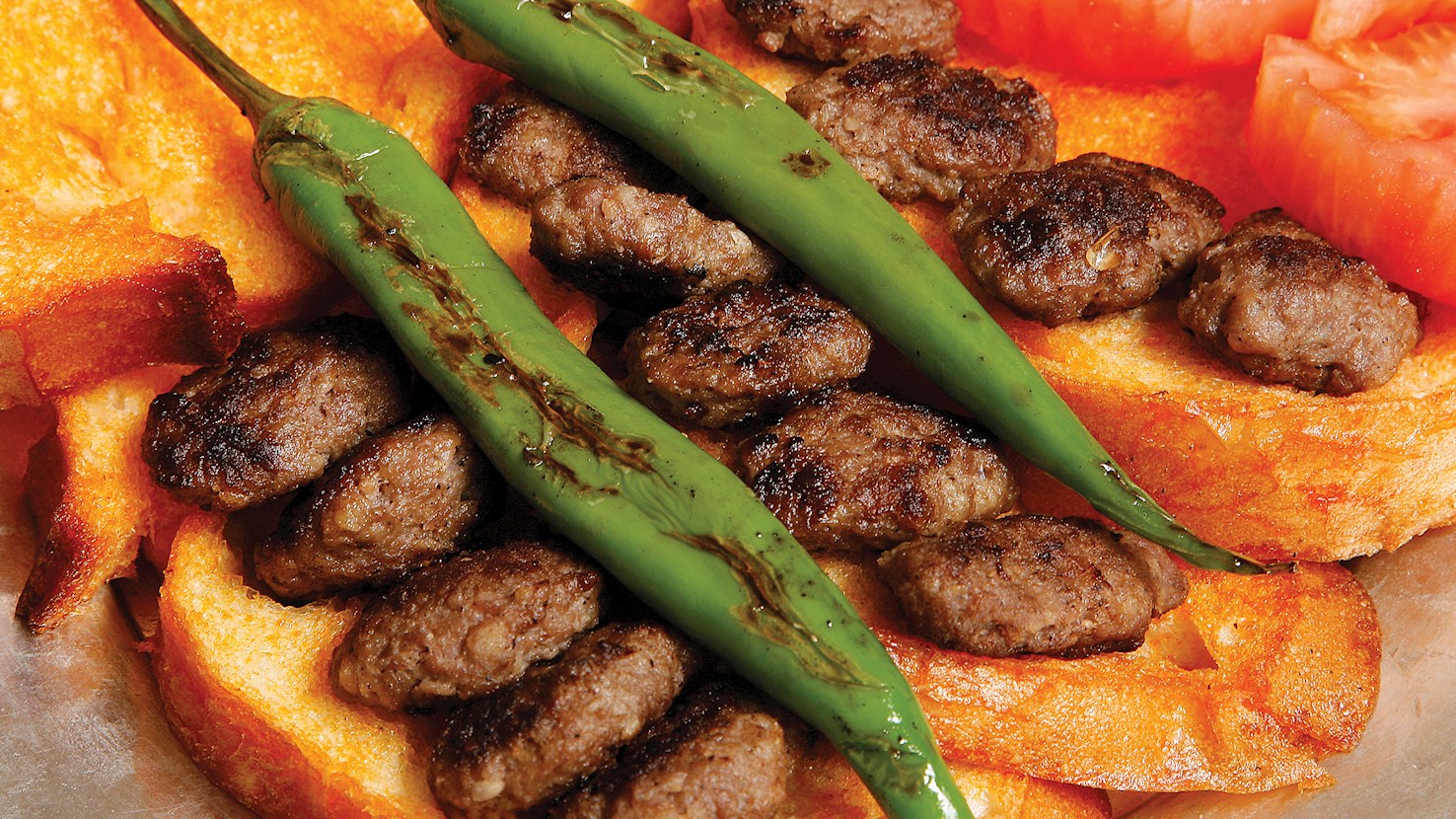
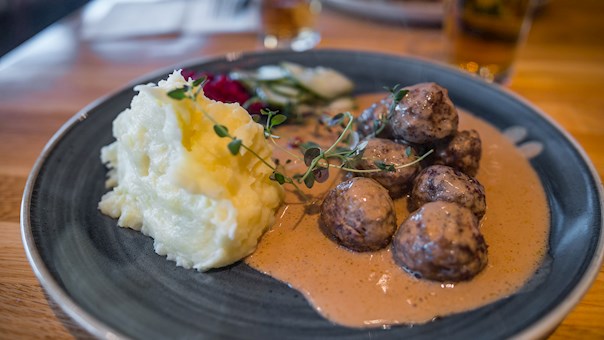
Islama köfte are traditional Turkish meatballs originating from Adapazarı, the capital of Sakarya province. The meatballs are usually made with a combination of grated stale bread, ground beef, onions, garlic, cumin, paprika, eggs, salt, and pepper. Once the mixture has been shaped into meatballs, they're either grilled or fried in oil over medium heat on both sides. The bread is sliced and dipped in a mixture of beef stock, oil, and paprika before it's grilled (or fried in the same pan with the meatballs). Hot green peppers and sliced tomatoes are also grilled or fried, and once everything is fully cooked, it's arranged on a plate with the peppers and tomato slices on the sides.

08

Polpette al sugo (Meatballs in Tomato Sauce)

4.3 ·

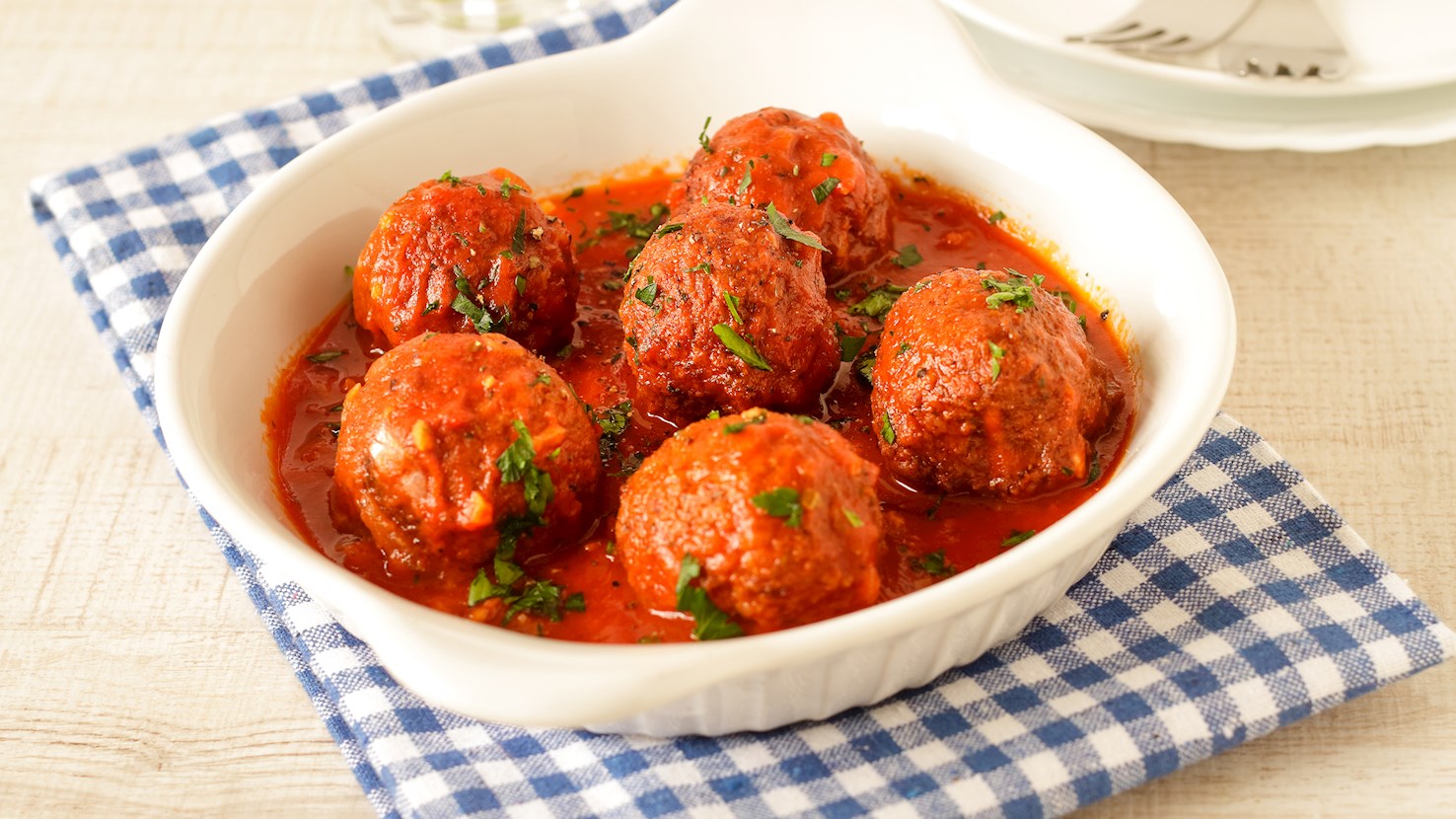
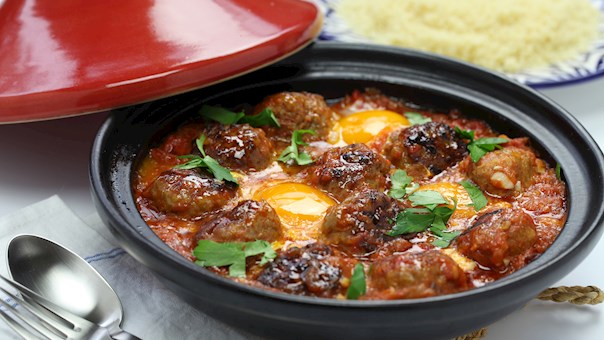
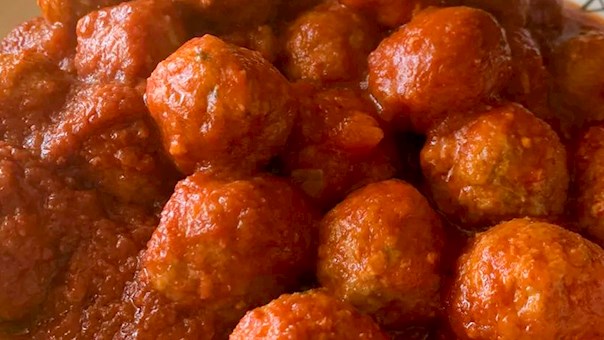
Polpette al sugo is a traditional dish consisting of meatballs in sauce. Although there are numerous recipes, the meatballs are usually made with a combination of ground meat (beef or veal), eggs, bread soaked in milk, Parmigiano-Reggiano cheese, parsley, salt, and pepper. Once shaped, the meatballs are browned in a pan and then cooked in a sauce consisting of onions, olive oil, tomatoes, and seasonings. The dish is covered with a lid and cooked over low heat until the sauce thickens and the meatballs are fully cooked. Polpette al sugo are often sprinkled with chopped parsley before serving. In Italy, it is considered unaccaptable to pair them with pasta or potatoes, but it's recommended to accompany the dish with polenta on the side.

09

Banjalučki ćevapi

4.3 ·

Although other varieties of ćevapi are made in individual pieces, banjalučki ćevapi differ from all others because they are prepared as a meat tile typically consisting of four ćevapi connected in a row. They are usually made just with ground beef, salt, and pepper, just like sarajevski ćevapi, but ground veal and garlic are sometimes also added to the mix. After they have been grilled, banjalučki ćevapi are traditionally tucked into a round-shaped bread called lepinja, and the dish is accompanied by lots of raw onions.

10

Chelo kabab

4.3 ·

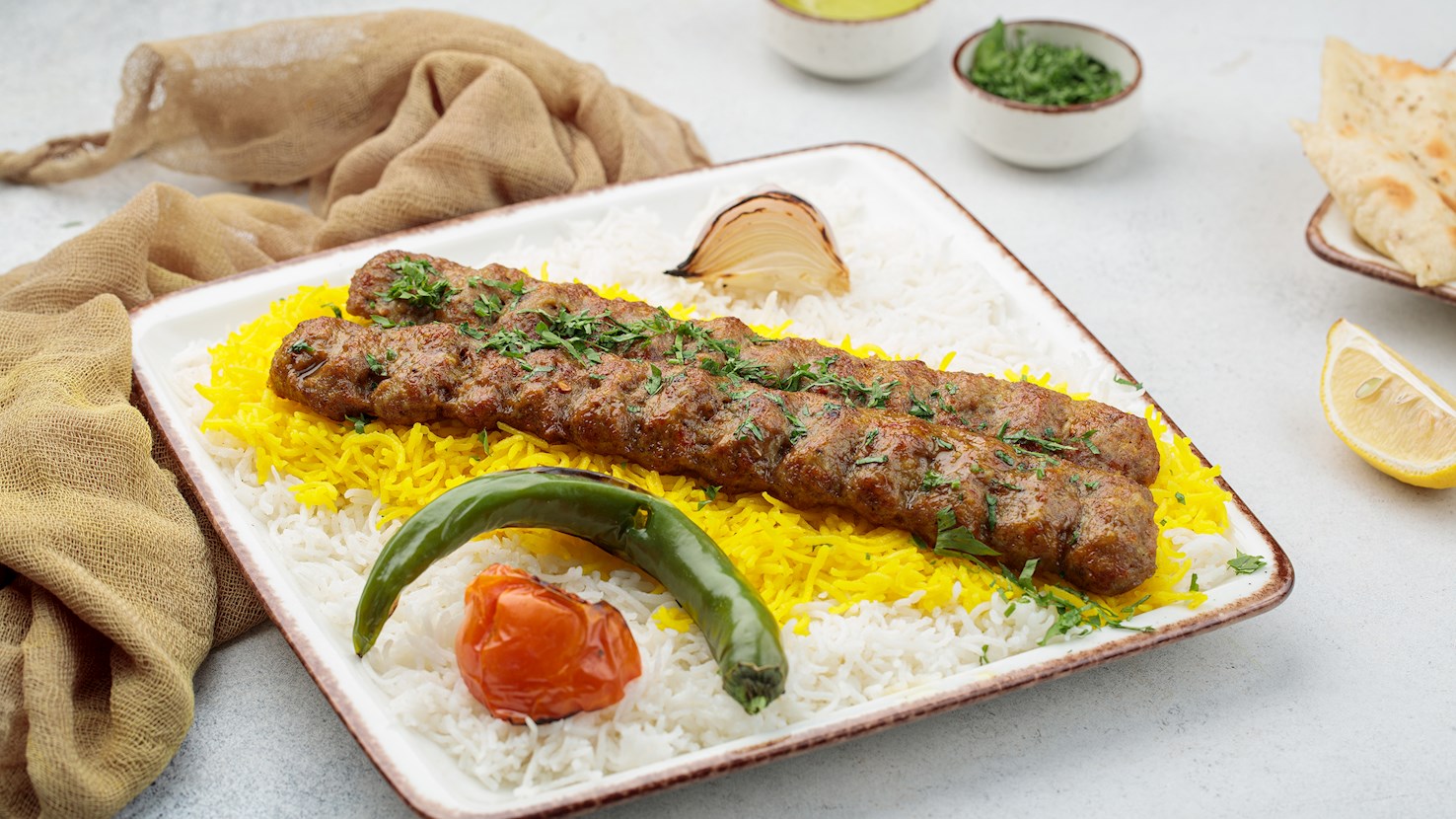
Chelo kebab is an Iranian dish that combines steamed saffron rice with skewered, grilled meat, most often ground lamb or beef, served alongside accompaniments such as grilled tomatoes, butter, and raw onion. The name “chelo” refers to the delicate white rice, which is prepared separately from the kebab and finished with a drizzle of melted butter and a sprinkling of saffron-infused water. This pairing of rice and kebab has become a defining feature of Persian cuisine, regarded as a benchmark of culinary skill and a popular choice for both everyday meals and special gatherings across Iran. The preparation begins with soaking long-grain rice, typically high-quality Iranian varieties, to remove excess starch. The rice is then parboiled, drained, and steamed until each grain is separate and tender. Meanwhile, the meat for the kebab is seasoned simply with salt, pepper, and sometimes grated onion for moisture and flavor. It is shaped onto wide, flat metal skewers and grilled over hot charcoal until charred on the outside and juicy inside. The most popular form is koobideh, made with ground meat, but other cuts like barg, prepared with marinated strips of tenderloin, are also common. Chelo kebab is served by placing the meat skewers next to the mound of rice, often with a raw egg yolk on top and a slab of cold butter that melts into the grains. Grilled tomatoes and fresh herbs are included on the side, and sumac powder is offered for sprinkling over the kebab. This combination balances the richness of the grilled meat with the delicacy of the steamed rice and the acidity of the tomato. Beyond Iran, chelo kebab has become a symbol of Persian hospitality, featured in Iranian restaurants worldwide and recognized as one of the country’s most famous dishes. In Tehran and other cities, dedicated kebab houses specialize in preparing it to order, often with open charcoal grills visible to customers. Chelo kebab is also a frequent feature of celebratory meals, where it is presented in generous portions and shared among family and friends.

Best Ground Meat Dishes in the World

01

Vinzenzmurr

4.5 ·
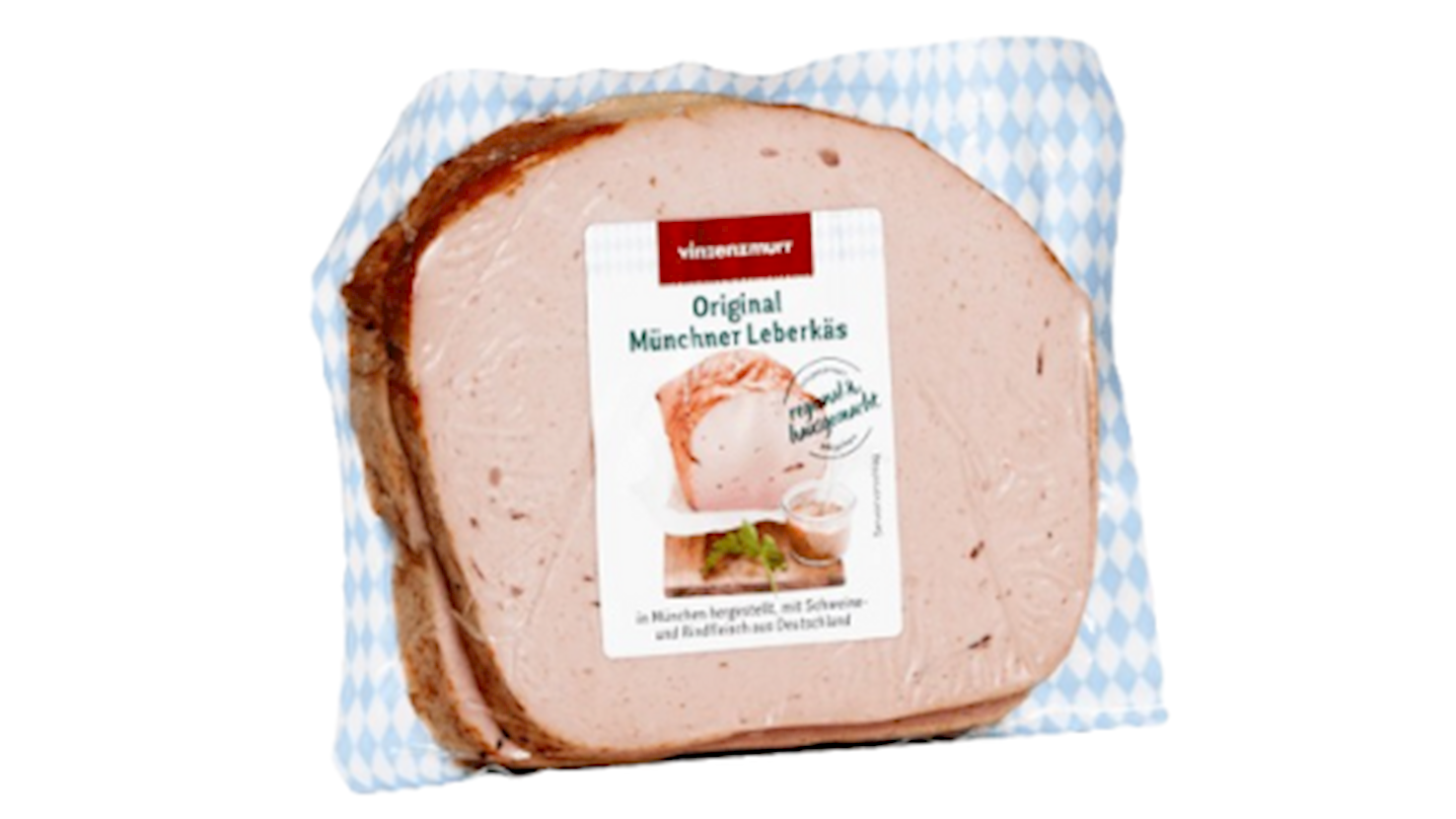
Vinzenzmurr is a traditional Bavarian butcher and delicatessen company based in Munich, founded in 1902 and deeply embedded in the city’s food culture. Built on classic butcher craftsmanship, the brand combines in-house production with a strong focus on freshness, traceability, and regional sourcing, working closely with Bavarian farmers. Vinzenzmurr is best known for its range of traditional specialties such as Münchner Weißwurst, Leberkäse, sausages, hams, and prepared meat dishes, produced according to long-established recipes and strict quality standards. Centralized production in Munich supplies a wide network of retail shops across the city and southern Bavaria, ensuring consistent quality while maintaining a local, neighborhood presence. Beyond everyday retail, the brand is also visible in Munich’s culinary traditions, including its long-standing presence at Oktoberfest. Vinzenzmurr positions itself not as a gourmet brand, but as a reliable, heritage-driven butcher rooted in everyday Bavarian cuisine, where craftsmanship, volume, and regional identity meet.
About this ranking

TasteAtlas food rankings are based on the ratings of the TasteAtlas audience, with a series of mechanisms that recognize real users and that ignore bot, nationalist or local patriotic ratings, and give additional value to the ratings of users that the system recognizes as knowledgeable. For the “Top 100 Ground Meat Dishes in the World” list until April 15, 2026, 31,267 ratings were recorded, of which 16,829 were recognized by the system as legitimate. TasteAtlas Rankings should not be seen as the final global conclusion about food. Their purpose is to promote excellent local foods, instill pride in traditional dishes, and arouse curiosity about dishes you haven’t tried.

The initial list of top producers was compiled based on available reviews, awards, local recommendations, media and blog coverage, and consumer reviews. The list will be updated with ratings from TasteAtlas local ambassadors and TasteAtlas users.

Similar lists