Top 13 French Herbal Liqueurs

Last updated on June 04, 2026

Best French Herbal Liqueurs
01

Chartreuse Diffusion

4.9 ·
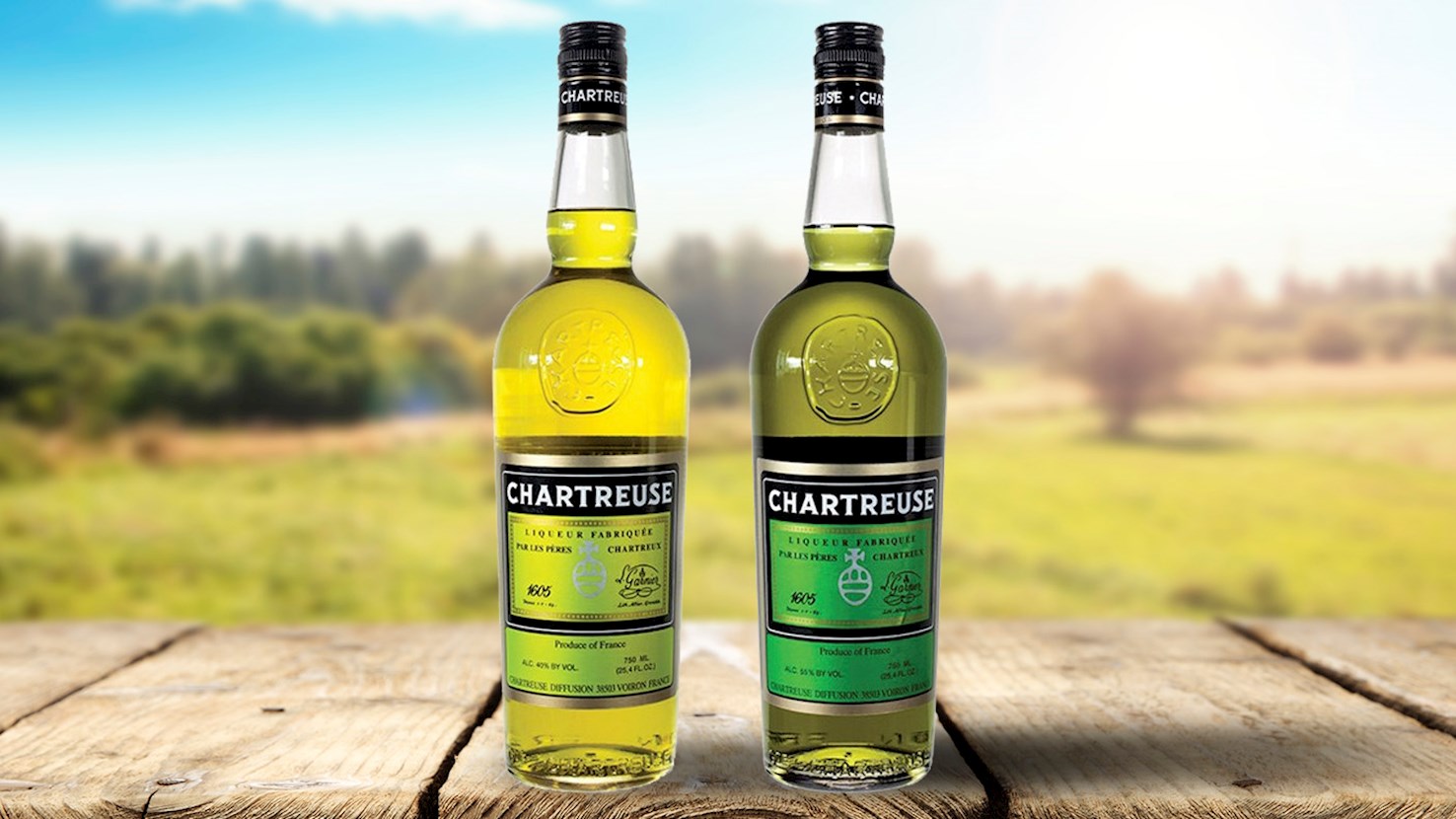
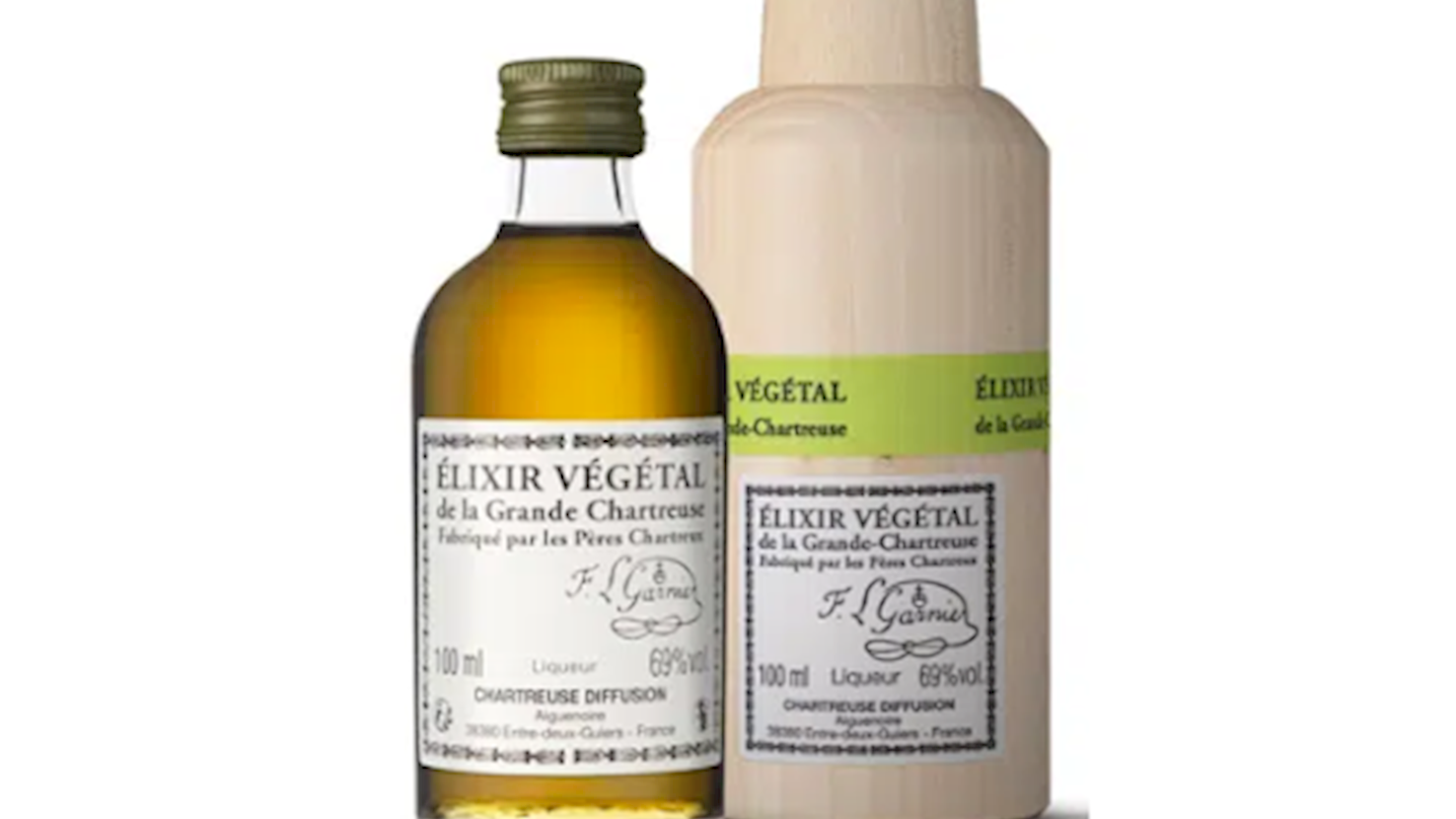
Chartreuse Diffusion is a French company responsible for the commercialization and distribution of the renowned Chartreuse liqueurs, produced by Carthusian monks according to a strictly guarded recipe. The history of this liqueur dates back to 1605, when the order received a manuscript containing the recipe for an “elixir of long life”, with the modern version first crafted in 1764 at the Grande-Chartreuse monastery in the French Alps. The range includes Chartreuse Verte (55% ABV), with an intense herbal character derived from 130 different plants, and Chartreuse Jaune (43% ABV), milder and sweeter, with citrus, floral, and spicy notes. The secret recipe is known only to a handful of monks, adding to the brand’s exclusivity and mystique. In addition to distribution, Chartreuse Diffusion operates tourist centers in Voiron, where visitors can learn more about the history, production process, and taste different varieties of this unique liqueur.

Best French Herbal Liqueur Types
01

Chartreuse

3.8 ·

Chartreuse is one of the oldest and most popular French liqueurs. It is believed that the drink originates from an ancient manuscript that was sent to the Grande Chartreuse monastery at the beginning of the 18th century. In 1764, the Carthusian Monks decoded the paper and produced the first version of a health elixir that was mostly used as a medicine. The monks then adapted the recipe in 1840 to create the original Green Chartreuse—the first version of Chartreuse liqueur that is still prepared following a secret formula that includes around 130 herbs, spices, and other botanicals. The macerate is distilled and then aged in oak casks. Chartreuse comes in several varieties, including the original Green Chartreuse (55% ABV) characterized by its complex herbal and floral aromas. Yellow Chartreuse (43% ABV) is produced in the same manner, but it results in a slightly milder and sweeter drink due to the use of different herbs. Chartreuse is best appreciated as a digestif, served neat or on the rocks. It can also work well as a cocktail ingredient. Limited editions of the drink included various flavored versions such as orange, anise, or myrtle.

02

Génépi

3.4 ·

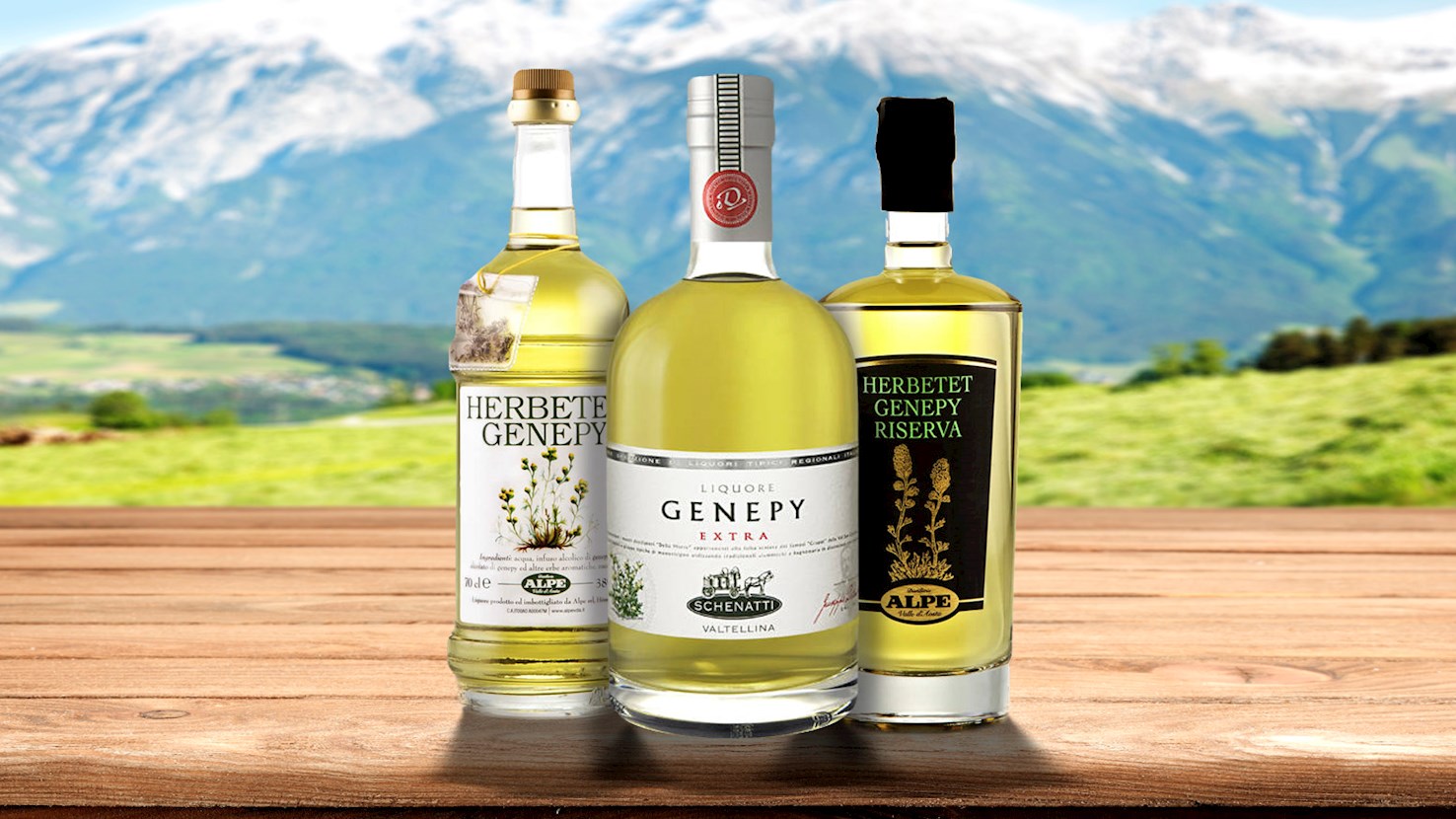
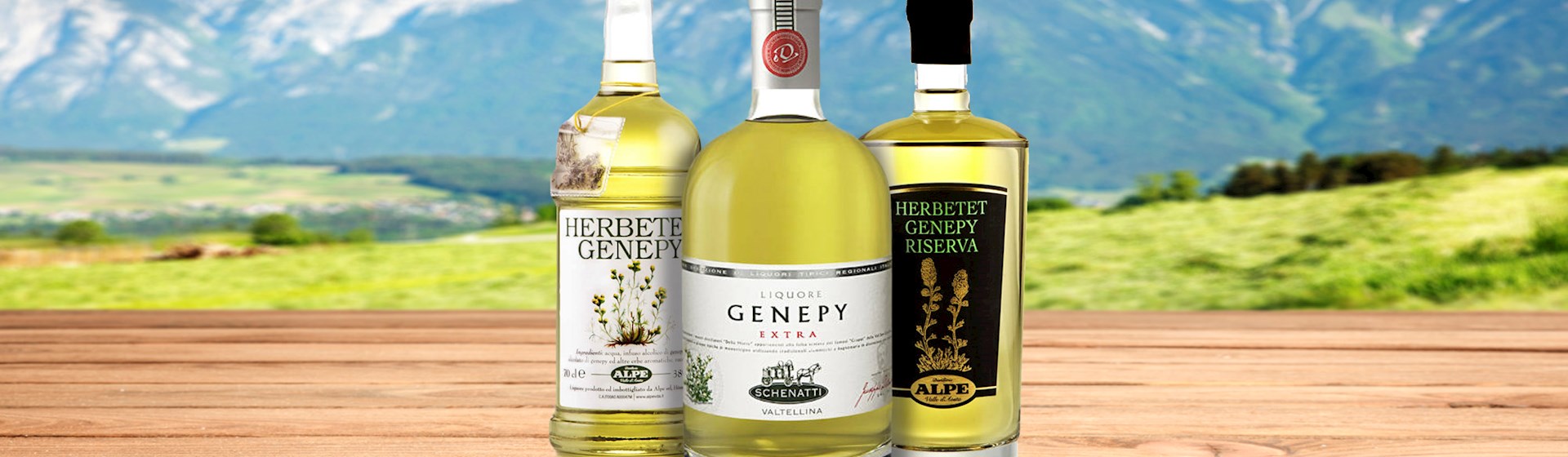
Génépi is a herbal liqueur that is usually made by macerating dried herbs in neutral alcohol or grain spirit, with added sugar. Although small amounts of other herbs may be added to the macerate, the most prominent are the alpine shrubs of the genus Artemisia (wormwood), which impart the drink with a distinctive subtly bitter flavor. The drink is believed to have originated in the Savoy region and has earned a PGI status for beverages produced in Savoy. It remains a favorite après-ski aperitif in the Alpine mountain huts, especially in the Aosta valley. Génépi is mostly light green or pale yellow, with a well-balanced and delicate floral flavor that is complemented by hints of sweetness and bitterness. It is usually enjoyed neat as an aperitif or digestif, but recently it has also been promoted as an excellent cocktail ingredient, as well as a great addition to desserts and coffee.

03

Bénédictine

3.3 ·

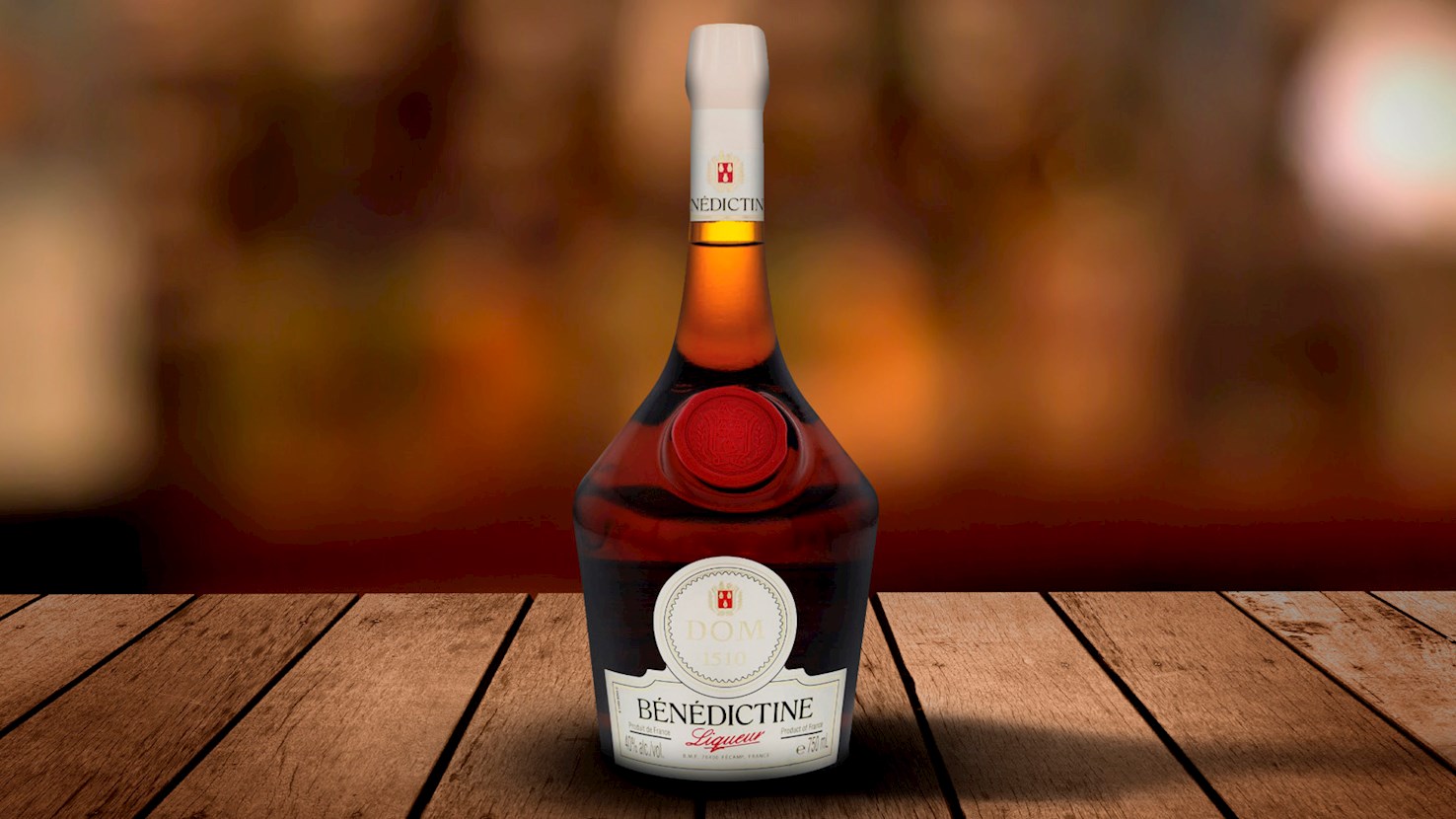
Although the true origin of this French herbal liqueur is somewhat mysterious, one theory claims that Alexandre Le Grande obtained the original recipe from a Benedictine monk. Le Grande started to produce the drink under its current name in 1863, and Bénédictine is still produced following the original, secret recipe that includes 27 herbs and spices. After distillation and careful blending, the final combination is infused with saffron and honey that provide for its typical amber hues and sweetness. Bénédictine is a rich liqueur that displays notes of citrus fruit, spices, and herbs. It is best enjoyed neat or on the rocks, but it also nicely pairs with tonic water and lime. The drink is still produced at the original Palais Bénédictine distillery in Fécamp.

04

Ricard

3 ·

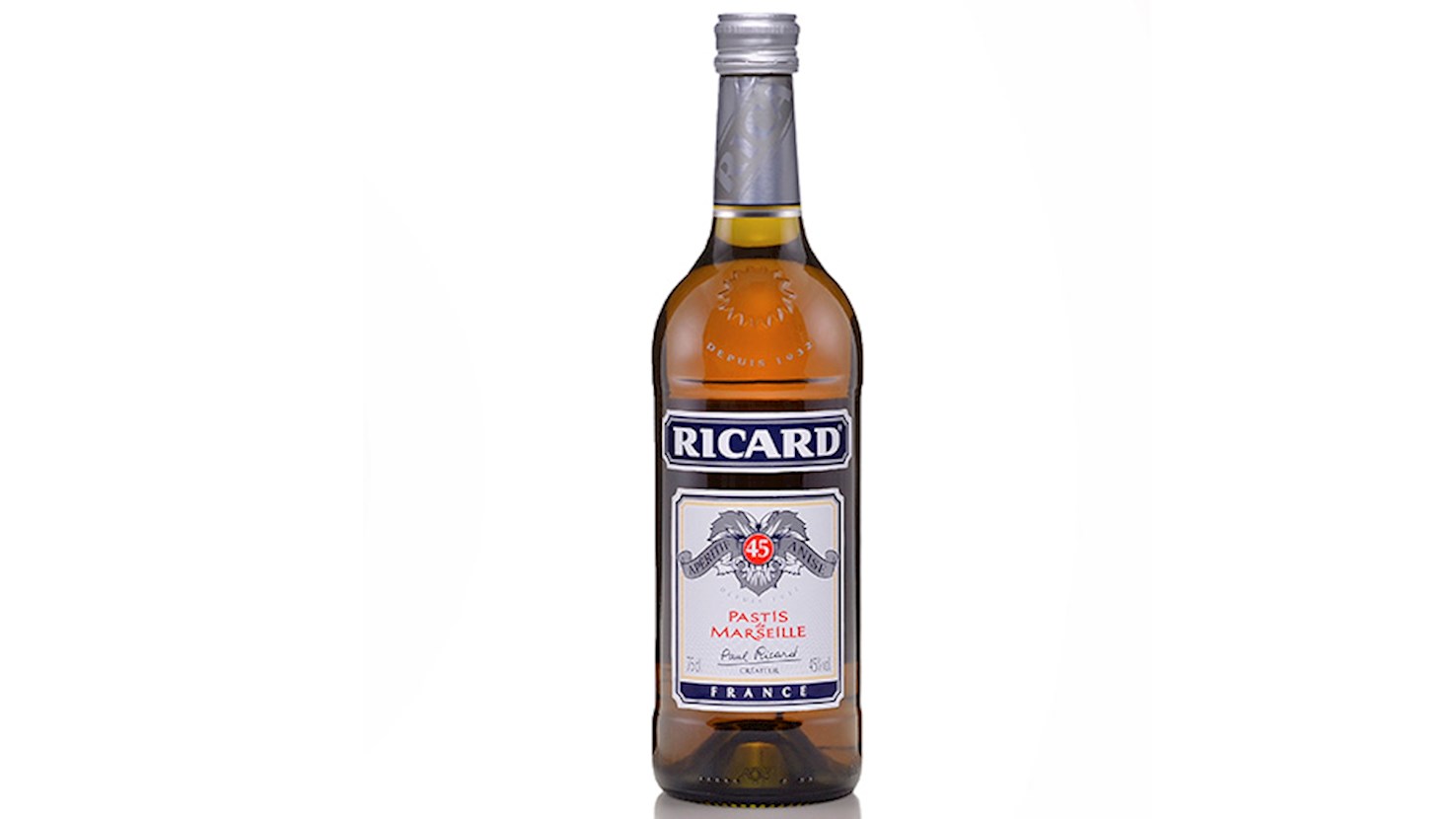
This best-selling anise-based spirit was invented by Paul Ricard. He experimented with the distillation of fennel, anise and Provençal plants until he perfected the recipe in 1932, and started to market it as the real pastis of Marseille. Despite the war turmoil and short suspension of production, in 1951 Ricard was able to produce it again, and bottle it at the desired 45% ABV. Ricard is best appreciated as an aperitif, when it is served cold and diluted with cold water, which produces a slightly opaque drink that has a strong fresh flavor of anise and licorice, with underlying tones of Provençal herbs. It can also incorporate well in cocktails, especially when mixed with fruit juices or sweeter distilled spirits. The drink is now produced by the French company Pernod Ricard group.

05

Pastis

3 ·

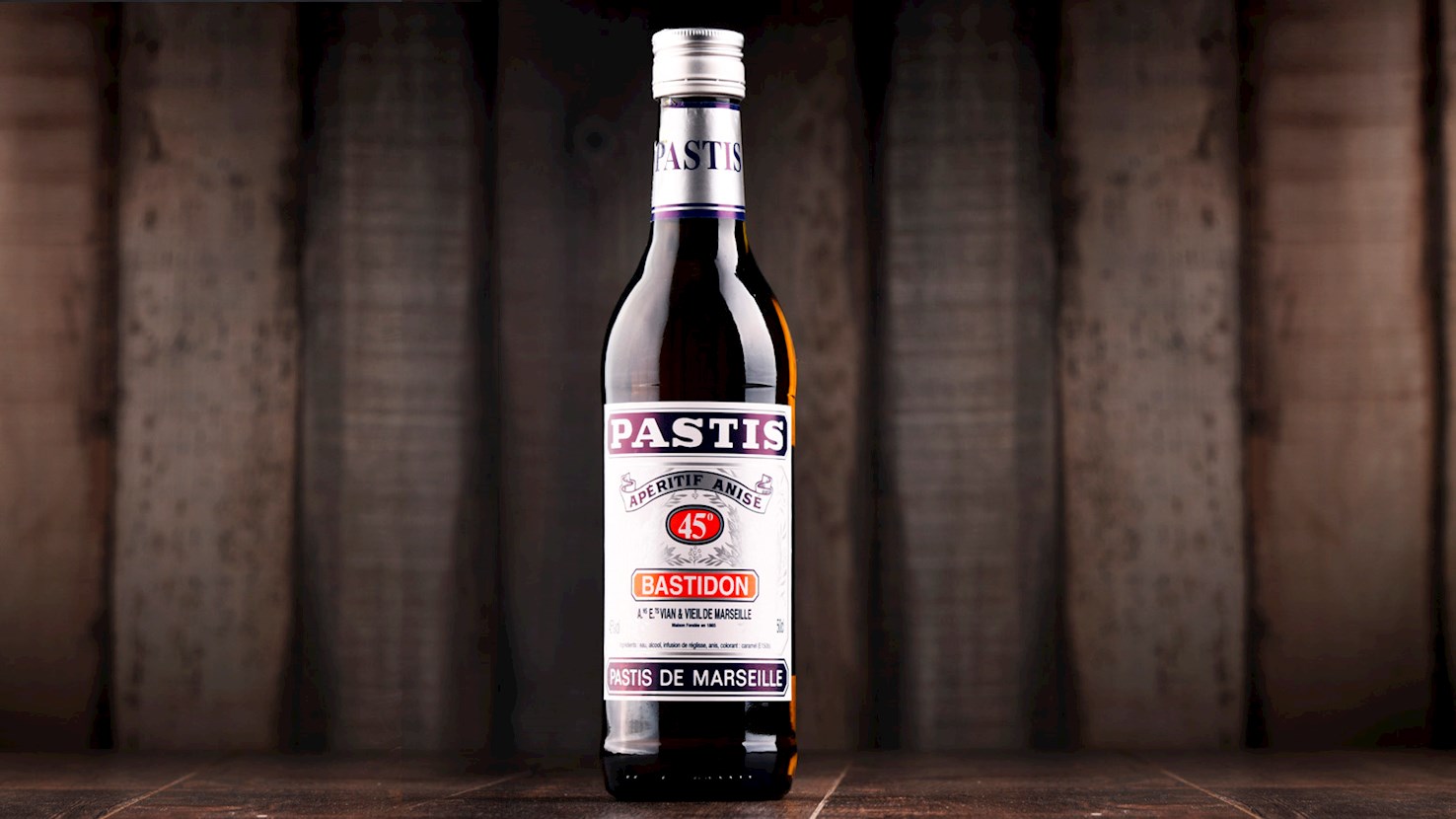
This French national drink is made with the potently sweet star anise—which gives pastis its unmistakable flavor—as well as herbs and spices such as sage, melissa, verbena, licorice, cinnamon, cardamom, and pepper. Its name stems from the Provençal pastisson which means concoction, but it is also commonly known by the nicknames la jaune (yellow) or pastaga. Apart from being country's favorite aperitif, you can find it as a key ingredient in numerous classic French recipes. Pastis was first commercialized by Paul Ricard in 1932, and it has enjoyed substantial popularity ever since, especially around Marseille and in the southern regions of the country. Pastis is considered to be the embodiment of the Provençal lifestyle, and it is traditionally associated with boules—the favorite summer sport of the Provençal people. Pastis can be enjoyed on the rocks, but as a rule, it is always served diluted with ice-cold water which makes this refreshing summertime drink turn cloudy.

06

Crème de menthe

3 ·

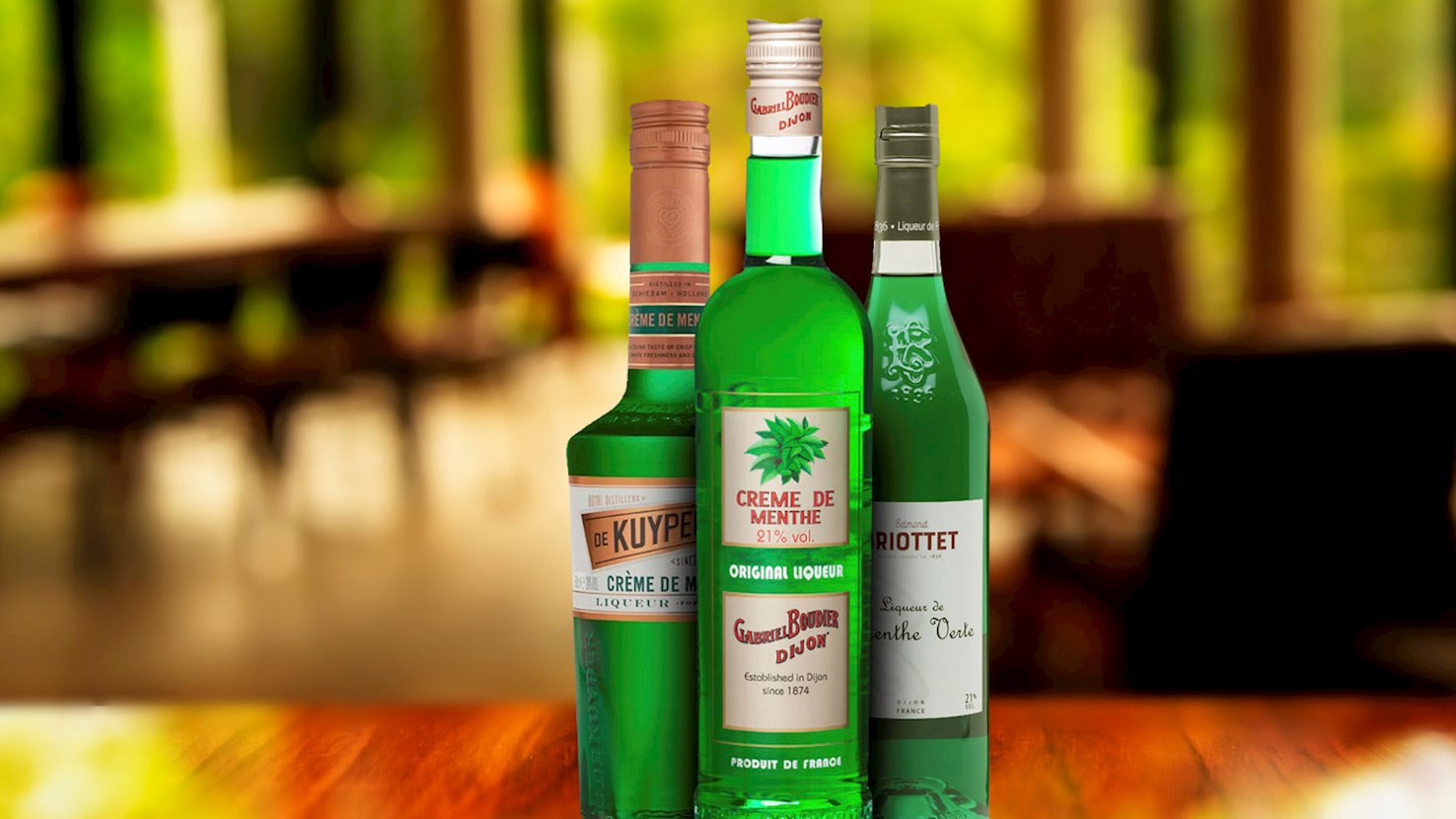
Crème de menthe is a liqueur that is flavored with mint (menthe). Although it is typically bright green, it also comes in a colorless (white) version. While traditional technique includes steeping dried mint leaves in alcohol, some styles are also made with mint extract and alcohol. The green color may be imparted by the addition of mint leaves or with artificial coloring. French pharmacist Emile Giffard is often cited as the inventor of crème de menthe. In 1885, he allegedly first served his creation to the guests at the Grand Hotel in Angers. Nowadays, this herbaceous liqueur is made by several producers. The drink is typically sweet with typical minty aromas and flavors. Although it can be enjoyed on its own, usually as digestif or an aperitif, the liqueur is best known as a cocktail ingredient, and it is one of the essential elements in classics such as Grasshopper and Stinger.

07

Suze

2.9 ·

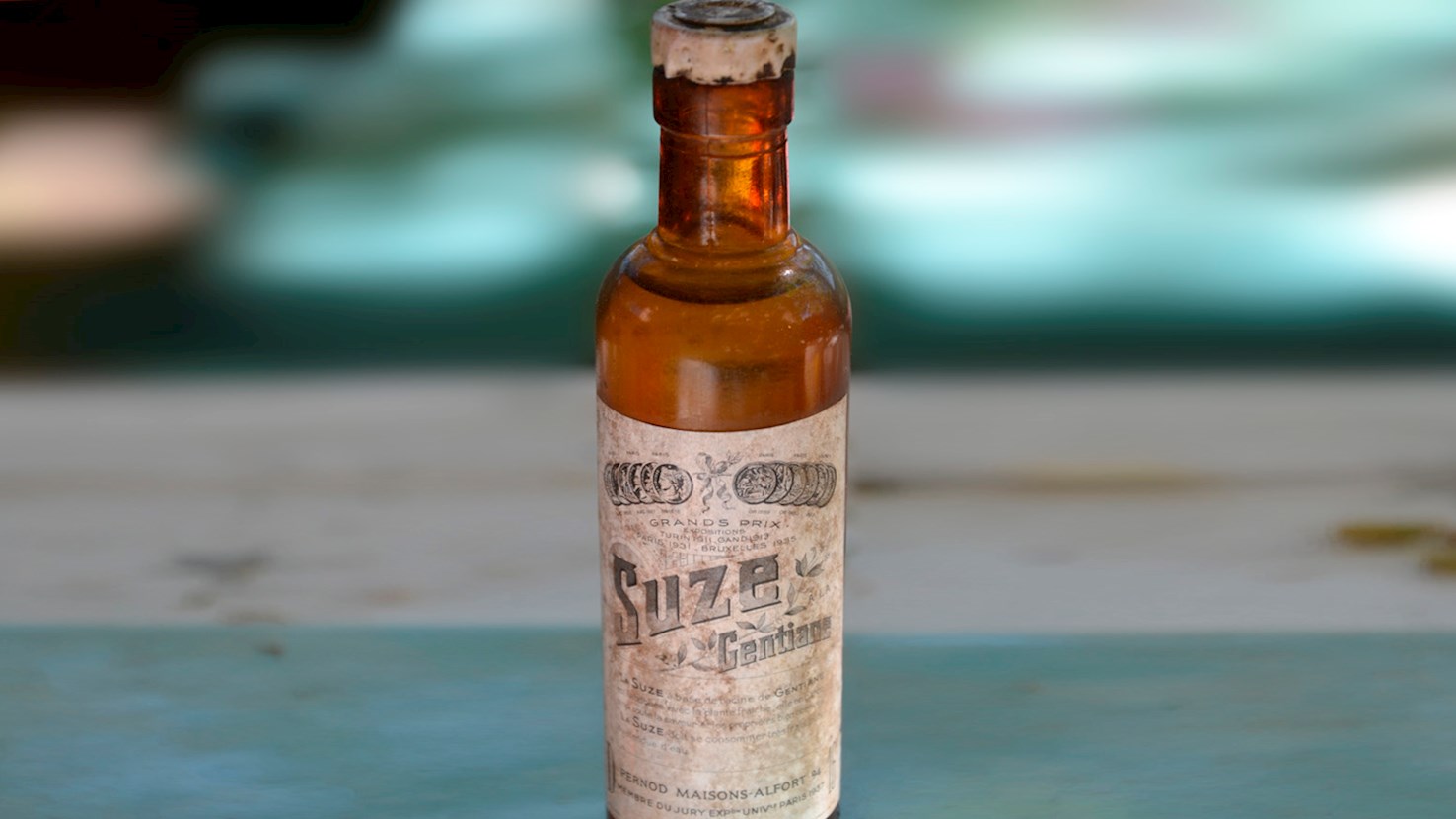
First marketed in 1889, this French liqueur was an invention of Fernand Moureaux who originally produced it in the commune Maisons-Alfort. He decided to distill the roots of wild gentian root, together with a secret combination of other herbs and spices, to create this complex aperitif that is characterized by floral, bitter, and spicy flavors. While the dominant aroma is imparted with mashed gentian roots, the drink displays subtle, earthy notes of citrus, vanilla, apricots, and caramel. Suze is typically served cold, as a long drink when it is usually paired with tonic or orange juice. It also works well in cocktails, and it can be sipped neat as an aperitif. Suze is now produced in Thuir, Pyrénées Orientales.

08

Anisette

2.8 ·

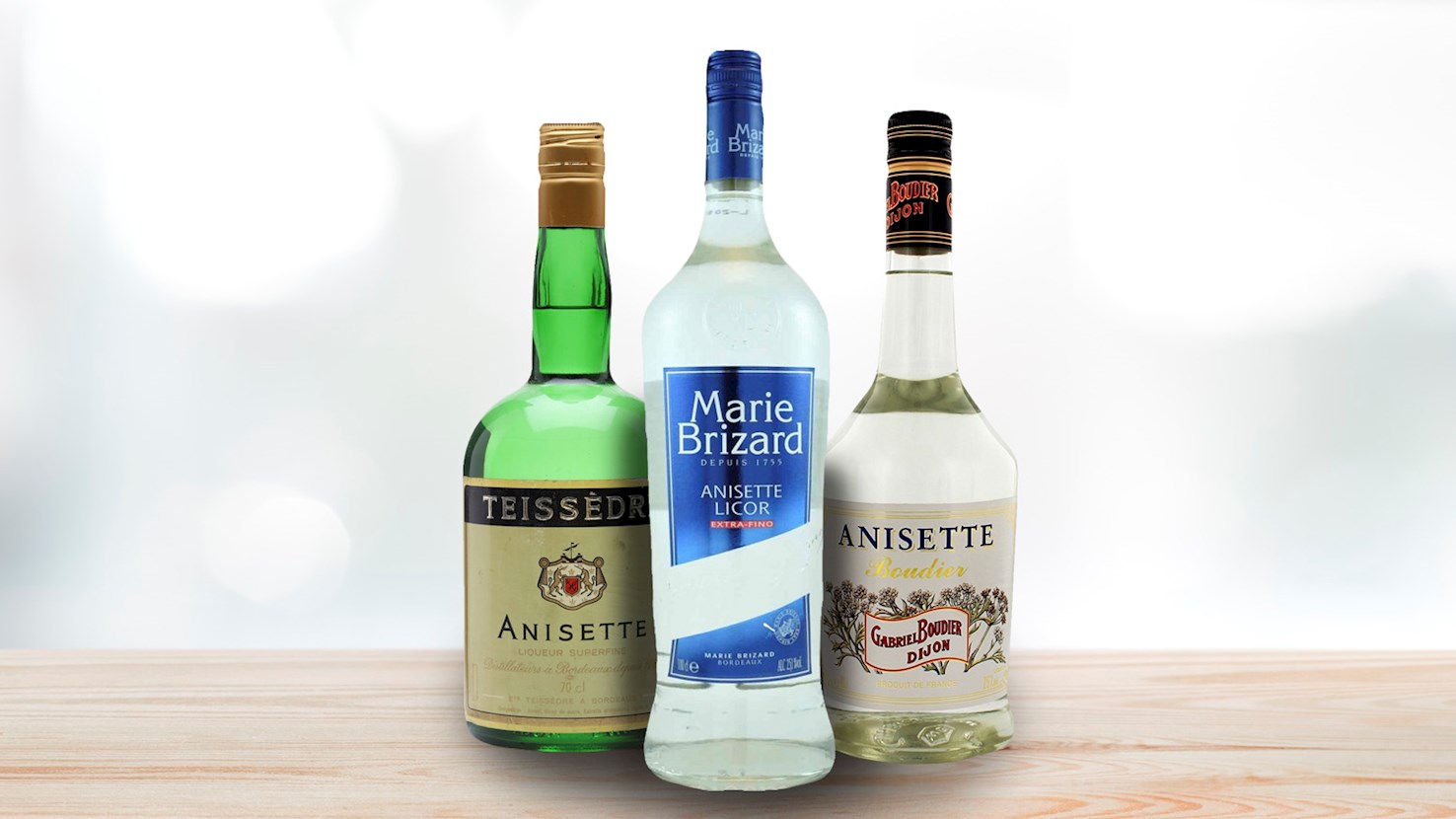
Anisette, anisetta, or simply anis is a term that encompasses various anise-based liqueurs. These types of liqueurs don’t have a single origin, but they are mostly associated with Mediterranean countries, such as Italy, Spain, France, Greece, and Turkey. The drink is mostly distilled from a base that is flavored with anise plant, sometimes together with other botanicals. The distillate is then usually sweetened or additional flavored. Most varieties range from 40 to 60% ABV. Anise liqueurs are usually enjoyed neat, mixed with water, or served over ice, but they can also be added to espresso (café corretto), or incorporated into cocktails and long drinks.

09

Salers Gentiane

n/a ·

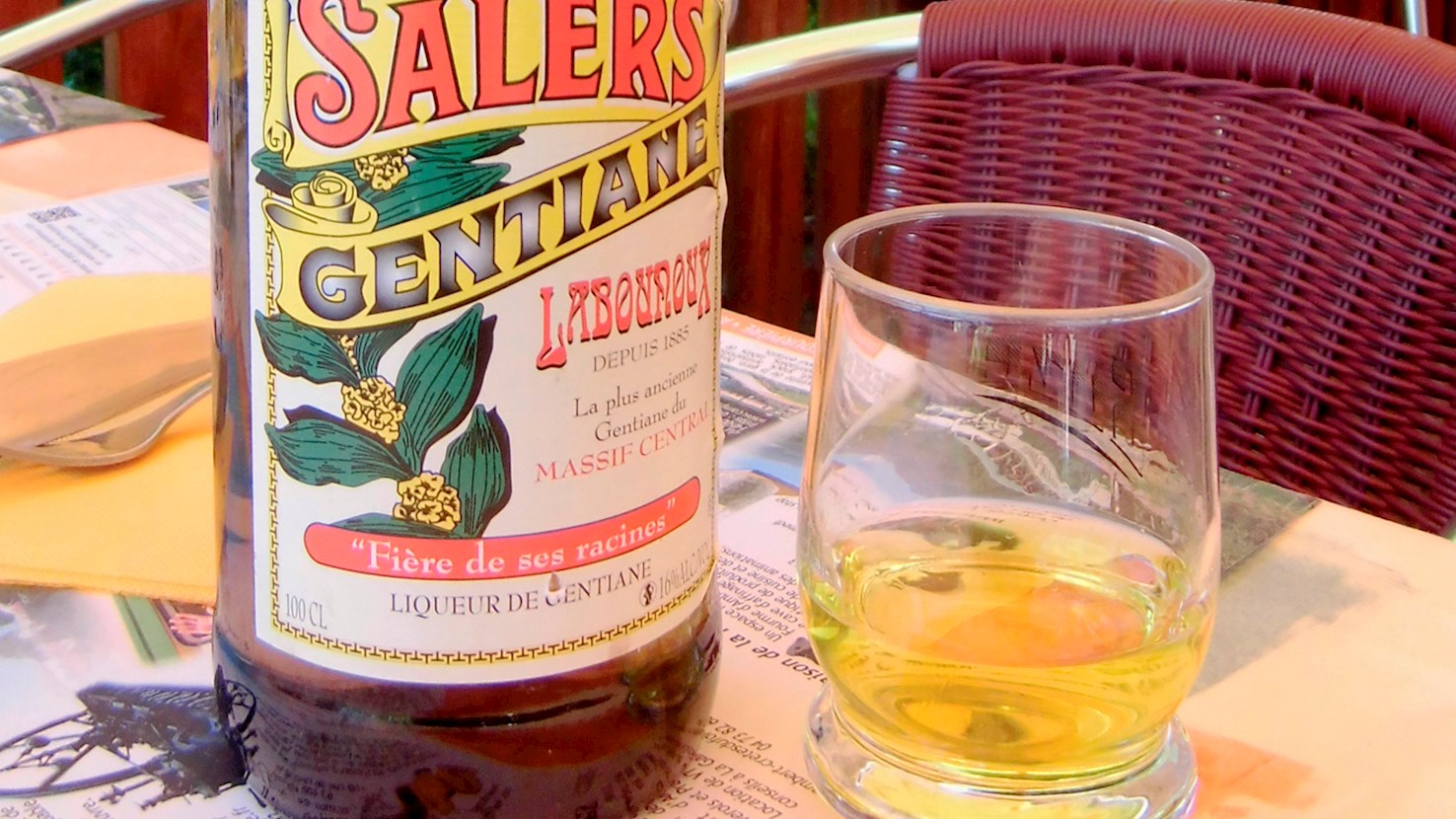
This French gentian liqueur was first produced in 1885. The drink is distilled from a macerate of yellow gentian and a secret combination of aromatic plants. It is then left to age and mellow in Limousin oak before it is adjusted with sugar, alcohol, and water, and usually comes at 16% ABV. Salers is a complex liqueur characterized by its herbal, citrusy notes and light golden color. Its subtle bitterness is best appreciated when served over ice and slowly sipped, but it can also work well in cocktails and long drinks.

10

Verveine du Velay

n/a ·

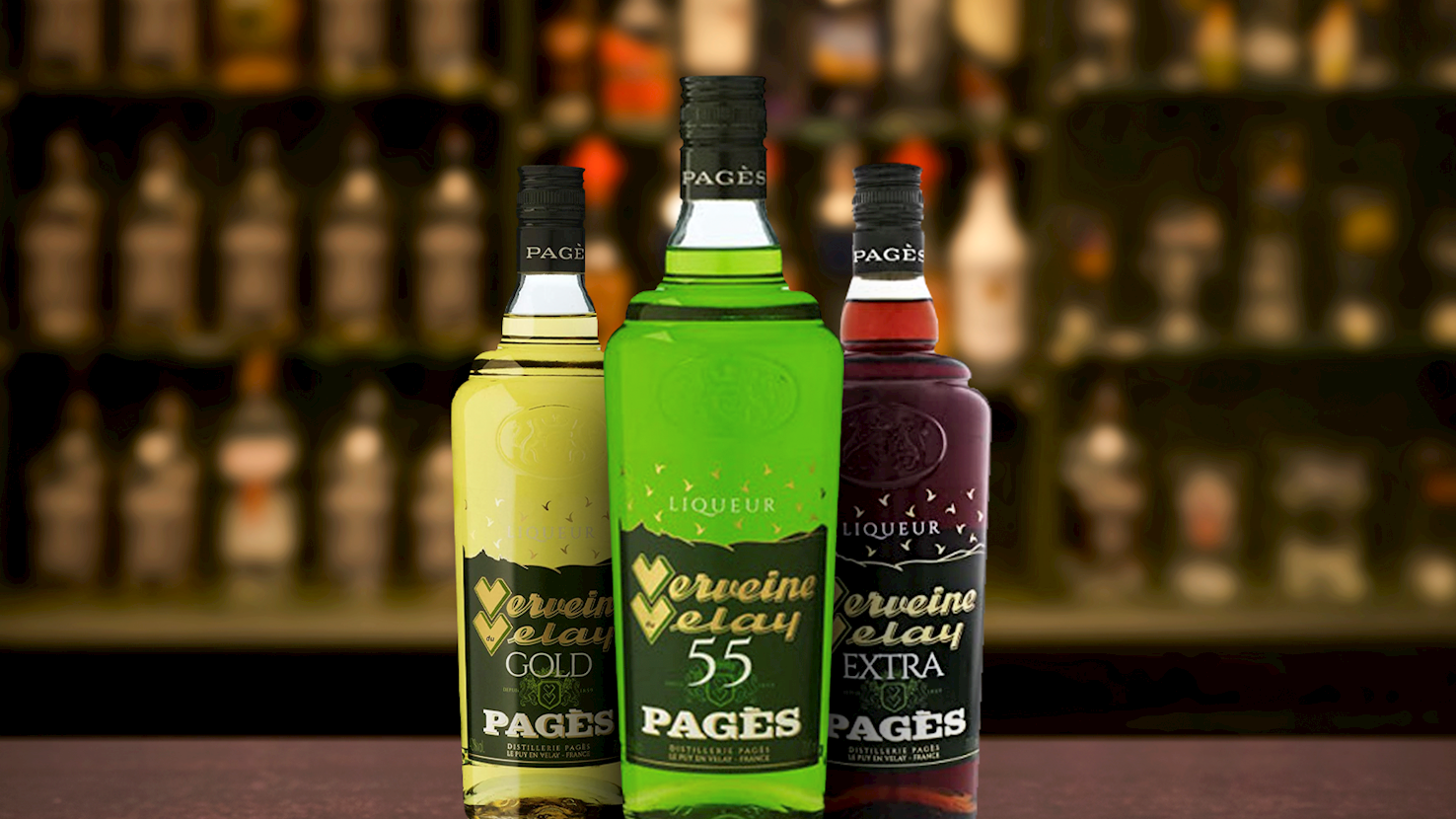
Verveine du Velay is a herbal liqueur produced from 32 botanicals, including lemon verbena (verveine), nutmeg, and juniper. The resulting liqueur has a vibrant green color and intense herbal aromas. On the palate, it is rich and full-bodied, with a rounded, lingering finish. It is a complex liqueur aged in oak before bottling. It is usually enjoyed neat as a digestif, but it can also be served over ice or used in cocktails. Verveine has a long tradition in the Auvergne region. It was first made in 1859 by Joseph Rumillet-Charretier, a pharmacist from Le Puy-en-Velay. Apart from the standard green (Verte) version, which is bottled at 55% ABV, there are three more labels. The slightly weaker Gold Verveine (40%), Extra label made with Cognac, and a very mellow La Petit label (18% ABV).

Read more
View all
View map
About this ranking

TasteAtlas food rankings are based on the ratings of the TasteAtlas audience, with a series of mechanisms that recognize real users and that ignore bot, nationalist or local patriotic ratings, and give additional value to the ratings of users that the system recognizes as knowledgeable. For the “Top 13 French Herbal Liqueurs” list until June 04, 2026, 295 ratings were recorded, of which 246 were recognized by the system as legitimate. TasteAtlas Rankings should not be seen as the final global conclusion about food. Their purpose is to promote excellent local foods, instill pride in traditional dishes, and arouse curiosity about dishes you haven’t tried.

The initial list of top producers was compiled based on available reviews, awards, local recommendations, media and blog coverage, and consumer reviews. The list will be updated with ratings from TasteAtlas local ambassadors and TasteAtlas users.

Similar lists