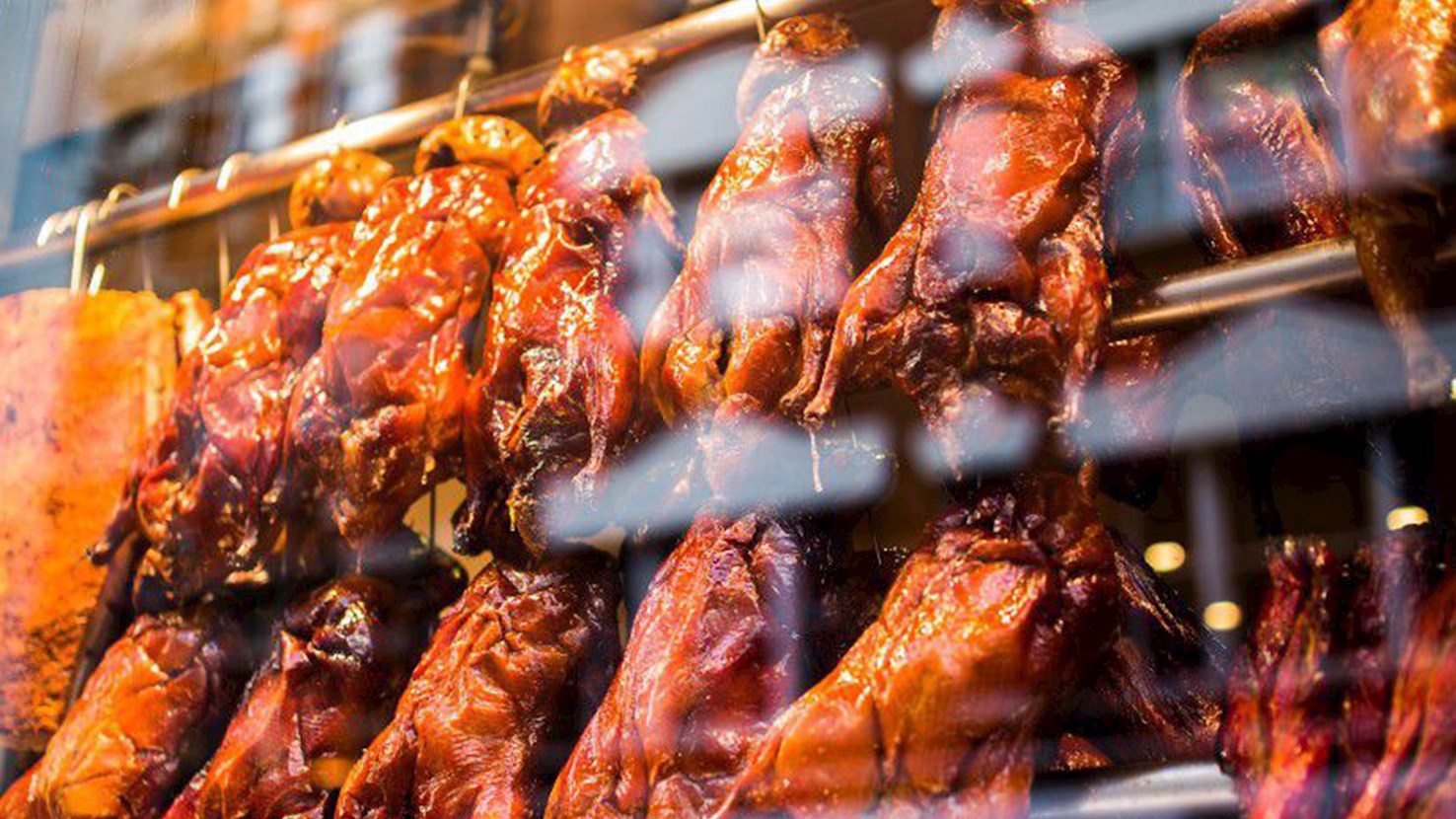
Siu mei refers to a style of Chinese cuisine that is primarily characterized by roasting meat on spits over an open fire or in a rotisserie oven. Originating from Guangdong province, this culinary tradition is particularly prevalent in Hong Kong. The term siu mei translates to "roast flavor" in Cantonese. Some of the most prominent and beloved examples of siu mei include char siu, siu yuk, soy sauce chicken, and white cut chicken. These dishes are typically served with rice and vegetables and sometimes with noodles. Siu mei meats are often displayed hanging in restaurant windows, a characteristic sight in Chinese eateries that specialize in this style of cooking. The visual display is not only appetizing but also allows customers to select their preferred cuts of meat. Siu mei is enjoyed by people all over the world, wherever there are Chinese communities, and it is celebrated for its rich flavors, varied textures, and the mastery required for its preparation.
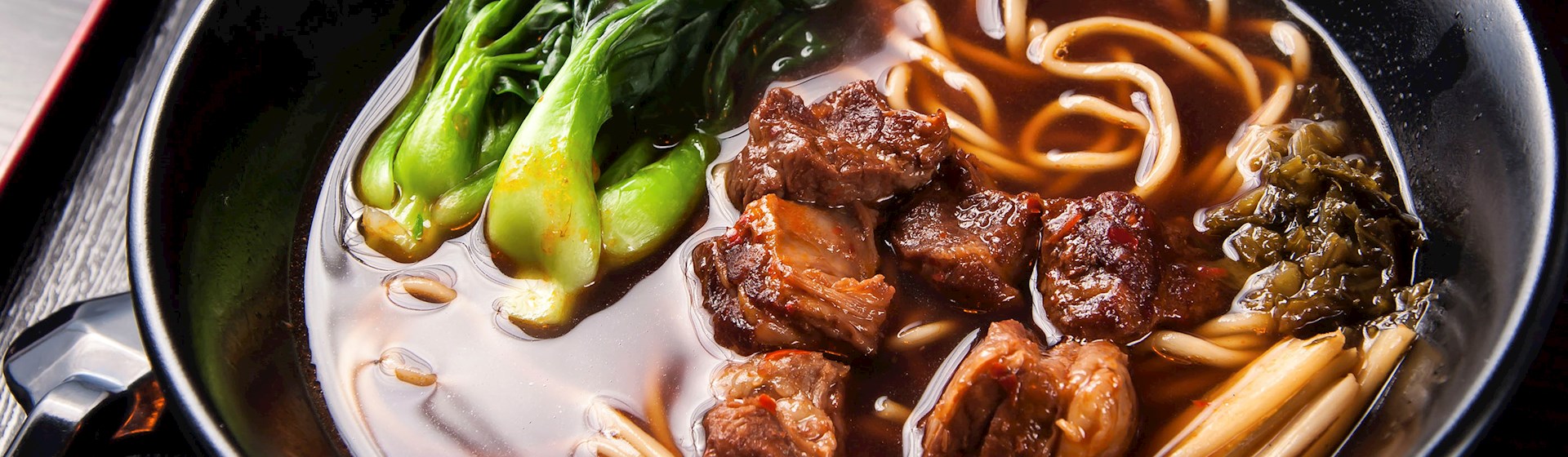
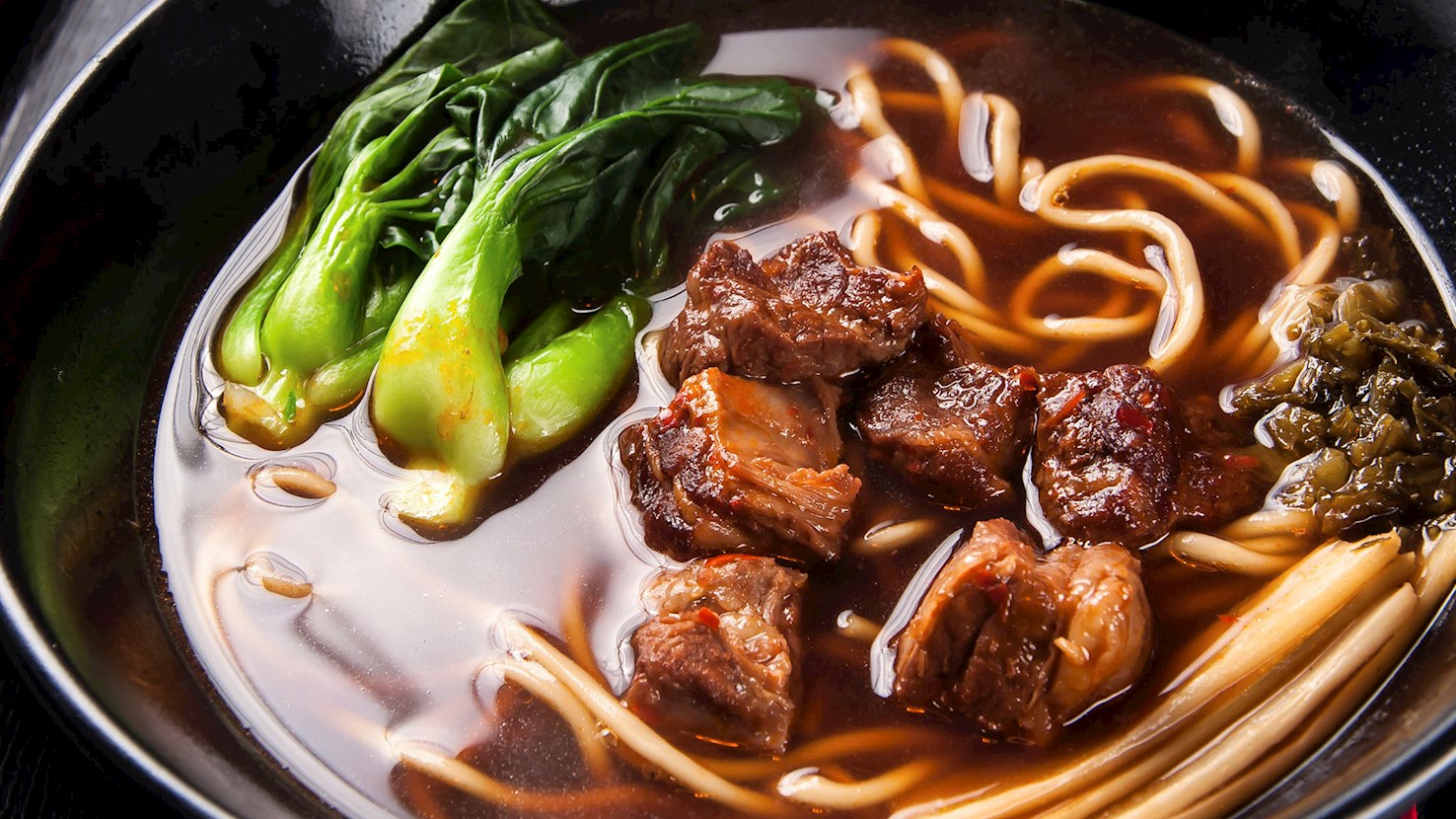
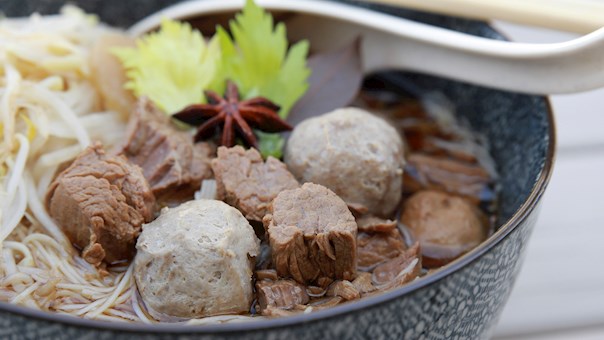
The savory, spicy beef noodle soup is the national dish of Taiwan and the source of immense pride for the locals. The dish is an ideal winter comfort food, typically consisting of beef, broth, vegetables, noodles, and spices. Beef noodle soup has a great Sichuan influence dating back to the 1940s, when China was in civil war and many Chinese people moved to Taiwan, creating this cross-provincial dish and incorporating chili bean sauce and Sichuan peppercorns into it along the way. Variations are endless when making this long-simmering stew, and in Taiwan, there are numerous side dishes to accompany it, such as seaweed and braised dried tofu. Today, there is even an annual Beef Noodle Festival held in Taipei, where various restaurants and cooks compete for the prestigious title of Best Beef Noodle.
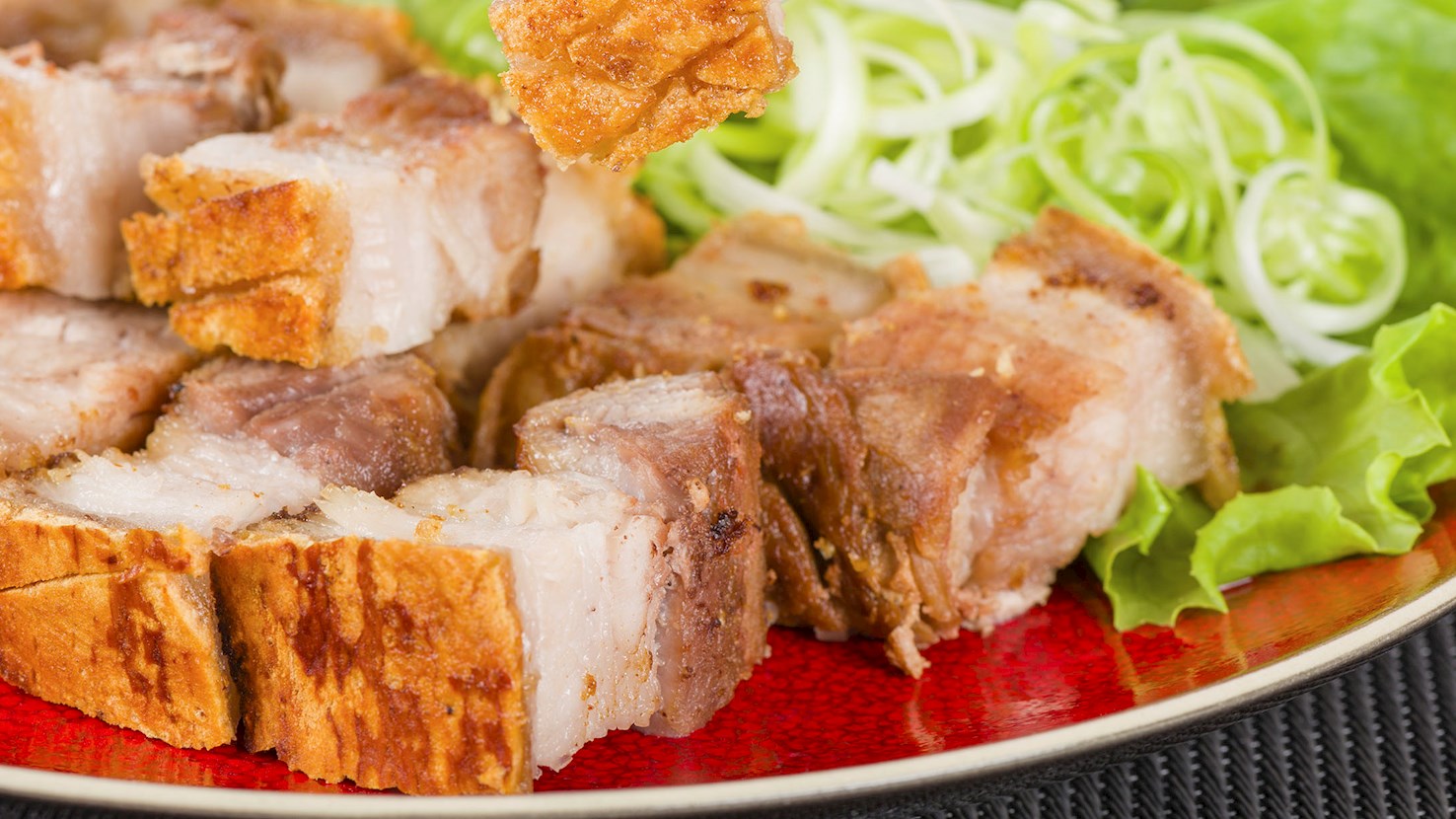
A version of typical Cantonese siu mei (roasted meat dishes), siu yuk is a hefty meal that is mostly consumed in small quantities, made by roasting a whole, seasoned pig in charcoal furnaces at very high temperatures, resulting in succulent, tender meat and crispy skin. Traditionally, the meat is served as it is, but it is sometimes accompanied by either hoisin sauce or soy sauce. Since it is a known fact that the Chinese have many beliefs, in Hong Kong siu yuk is often oferred to the Jade Emperor (the first god in Chinese culture) in order to celebrate a movie's opening, hoping that the movie achieves great success in the cinemas. The dish is often garnished with pineapple or cucumber slices, placed in a red box and wrapped with red wrapping paper, for additional luck.
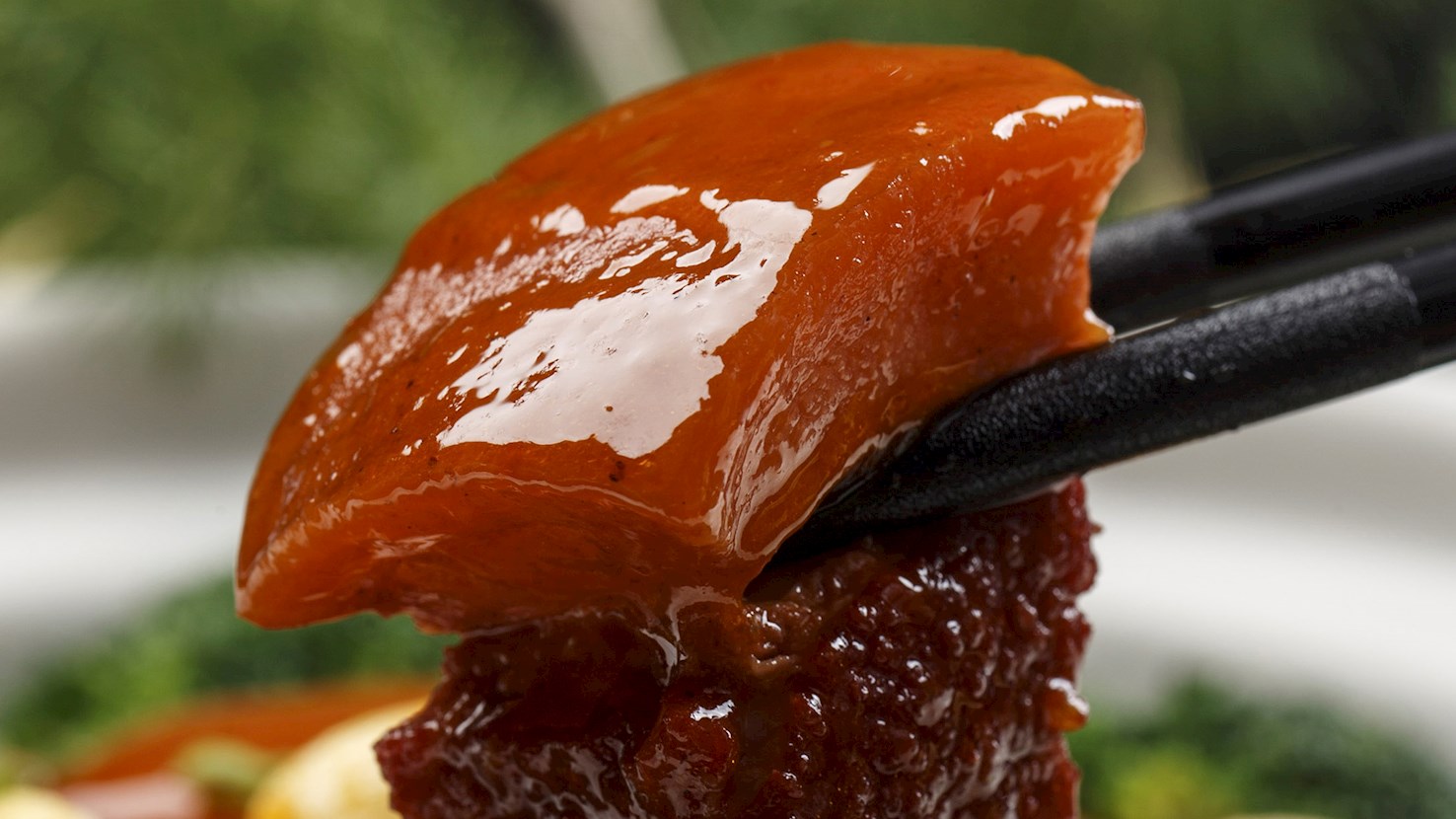
The traditional Hangzhou's trademark dish of red-cooked pork belly, Dōngpō ròu, is built with a handful of Chinese staple ingredients like ginger, scallions, soy sauce and, most importantly, Shàoxīng rice cooking wine, an essential ingredient for red-cooked meals. The meat (with the skin on) is typically browned in fat, simmered twice, braised, sautéed, and finally steamed, after which it becomes so amazingly tender it can be pulled away with chopsticks. Dōngpō ròu is said to have been invented (or at least inspired) by Su Dongpo, an 11th-century Song Dynasty statesman, poet, artist, calligrapher, and one of the four classical Chinese gastronomes. According to legend, one day Su Dongpo decided to prepare stewed pork when, in the middle of cooking, an old friend visited and challenged him to a game of Chinese chess. Engrossed with the game, Su had completely forgotten about his stew until the intense aroma of slow-braised pork meat reminded him of it. The dish was eventually named Dongpo pork in his honor and later became widely popular across the country.
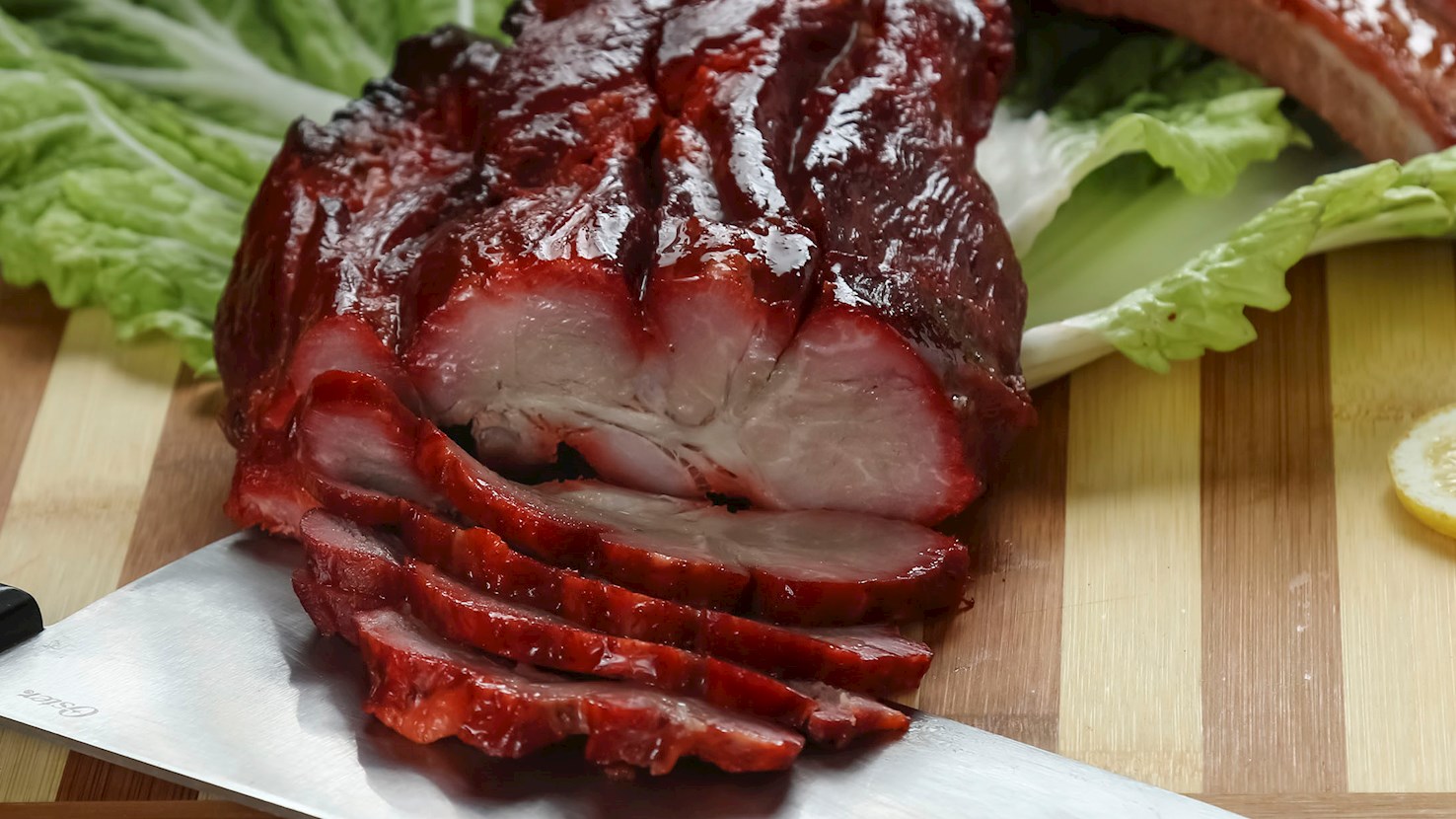
Char siu is a dish consisting of roasted, barbecued pork that has previously been marinated in the eponymous sauce, including ingredients such as soy sauce, hoisin sauce, rice wine, and star anise. The pork is usually served either as a sliced appetizer or shredded and chopped as a main meal. In the early days of char siu, any available meats, such as wild boars and pigs were used to make the dish. The name char siu is literally translated to fork-roasted, referring to the original method of preparation in which the meat is placed on an elongated fork and roasted over an open fire that caramelizes the sugars found in the marinade. One of the most popular ways to use the meat is to serve it in steamed buns called char siu bao. As a proof of char siu's popularity, it was listed as the 28th among the World's 50 Most Delicious Foods in a poll compiled by CNN Go in 2011.
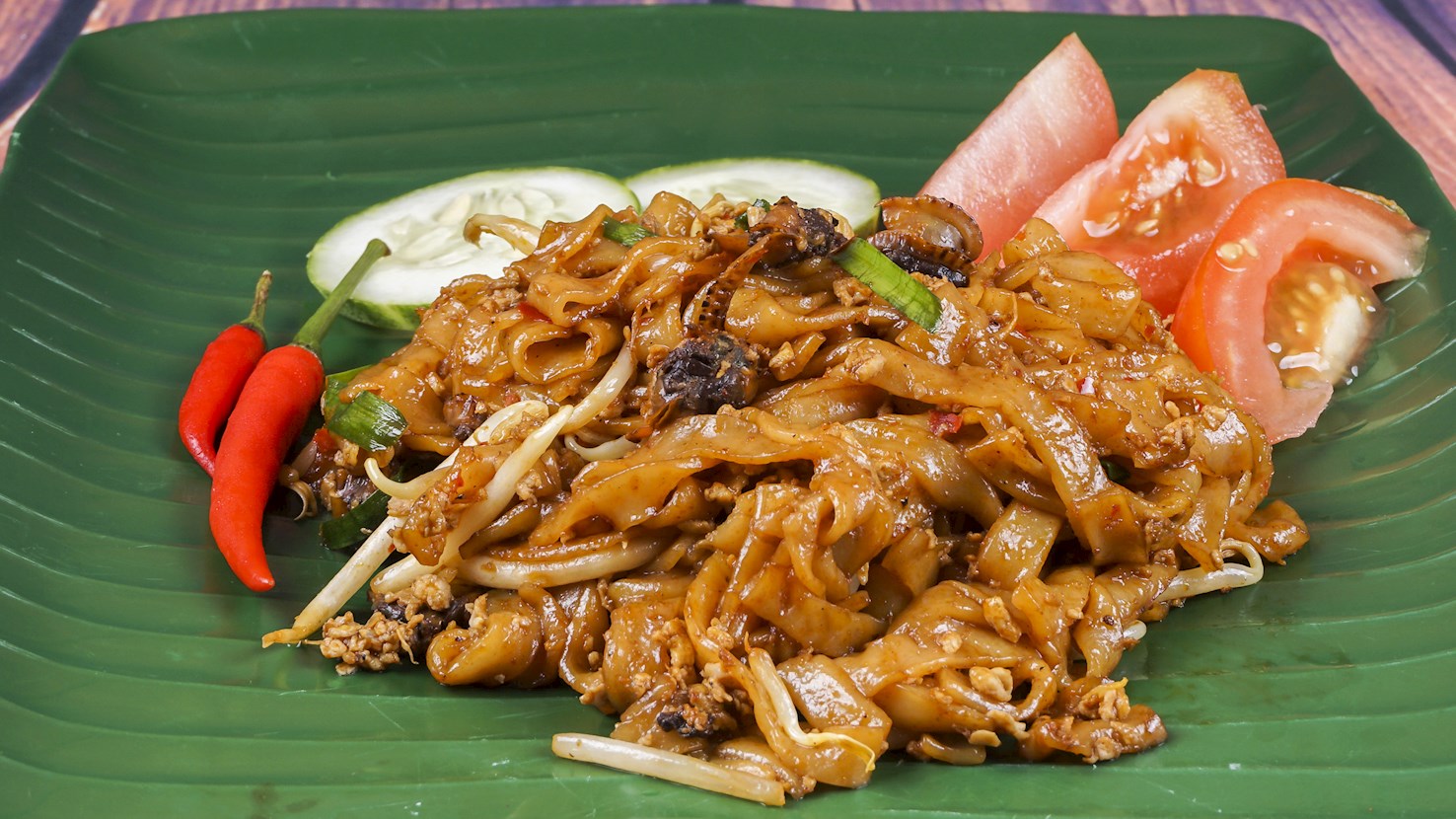
Beef chow fun is a Cantonese dish prepared by stir-frying previously marinated beef slices together with flat, wide rice noodles (hor fun), and bean sprouts. Because of the preparation method, beef chow fun is a true measure of any accomplished Cantonese chef. Specifically, it is necessary to get two things right: wok hei — the cooking technique of stir-frying the ingredients at high heat which imparts them with a special umami flavor; and pow wok — a way of quickly tossing the ingredients without the use of a spatula, which prevents sticking and does not break the delicate rice noodles. The origins of the dish are still unclear, but according to a folk tale, it was invented during World War II in Guangzhou. Today, this Cantonese stir-fry is typically served in yum cha restaurants and cha chaan teng - tea restaurants known for serving diverse and affordable meals.
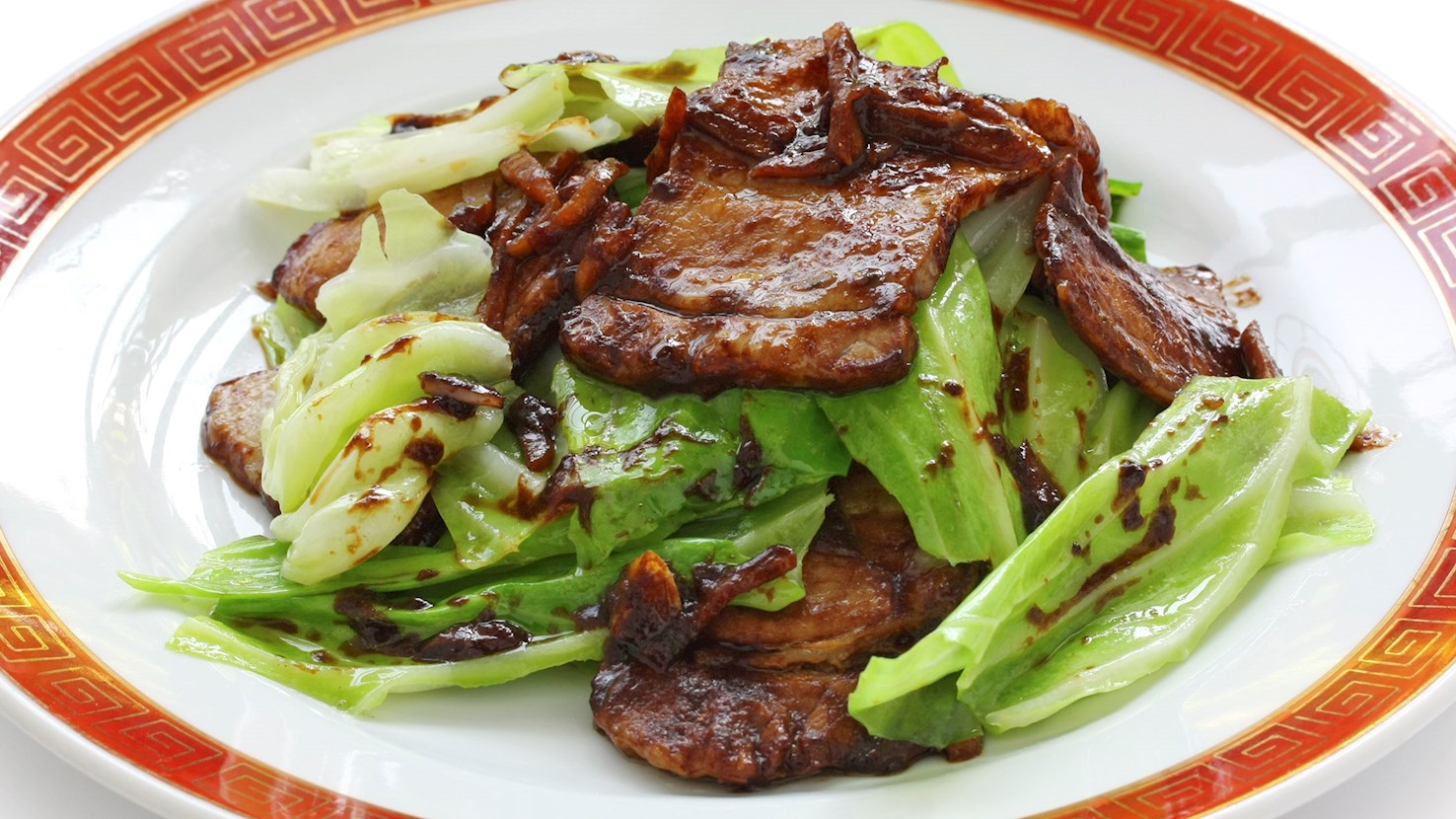
Twice cooked pork is a Sichuan specialty prepared by cooking fatty pork leg or belly (with the skin intact) in two different ways. Pork is first simmered in a pot and cooled in the refrigerator in order for the meat and fat to firm up. After that, the meat is sliced and stir-fried with vegetables such as cabbage, bell peppers, leeks, and mushrooms until it develops a brown color and the skin gets crispy on the edges. Ingredients may vary from one cook to another, but most of them add a sauce made with rice wine, soy sauce and various other condiments to the wok along with meat and vegetables. It is believed that the dish was invented during the Song Dynasty period by a poet who was preparing a pork dish for his friend. He cooked the meat in a pot and forgot about it, and when he returned, he saw that the liquids had evaporated, and the meat was sizzling in its own fat, thus a new dish was created. Today, the people of Sichuan traditionally have a feast on every 1st and 15th lunar month, where twice cooked pork is prepared as the main star of the festivities.
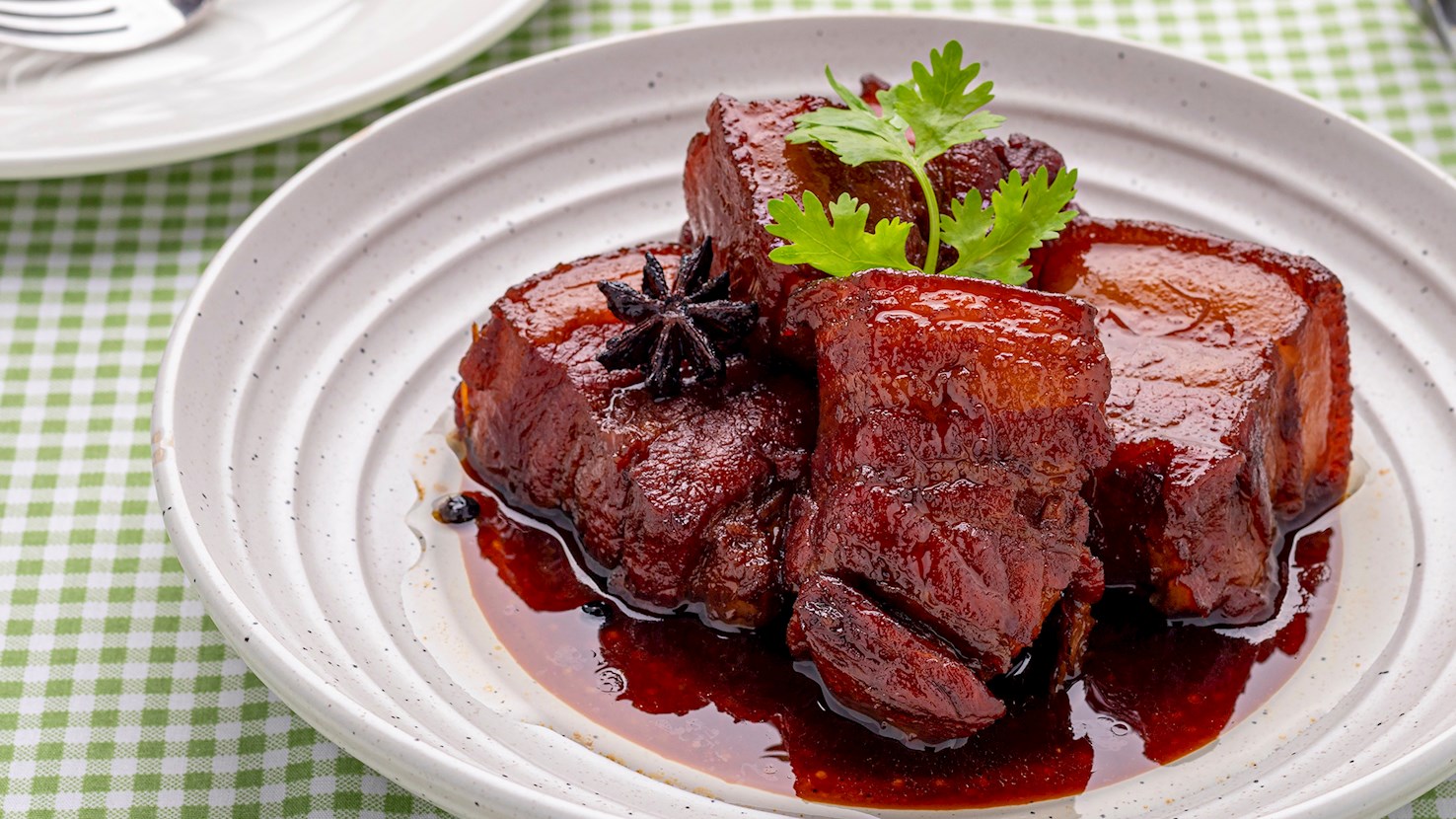
Hóngshāoròu is a Chinese braised pork dish made with pork belly slowly cooked in a mixture of soy sauce, sugar, rice wine, and aromatics until it becomes tender and richly flavored, with a glossy red-brown sauce coating each piece. It originates from the Jiangnan region of eastern China, particularly Jiangsu and Zhejiang provinces, but it is now deeply embedded in the culinary identity of many regions, each with slight variations in seasoning and texture. The technique of red-braising, which gives the dish its name, has been part of Chinese cooking for centuries, arising from a broader practice of slow-cooking meat in soy sauce and sugar to preserve moisture and develop depth of flavor. The dish gained prominence in imperial kitchens and scholar households during the Ming and Qing dynasties, where long, gentle braises were favored for their ability to transform inexpensive cuts of meat into luxurious dishes. Over time, hóngshāoròu became a home-cooked staple and a centerpiece at festive meals, symbolizing abundance and comfort. Preparation typically begins with selecting pork belly that has alternating layers of meat and fat, which ensures the right balance of tenderness and richness. The pork is blanched briefly to remove impurities, then caramelized with sugar in oil or water until lightly browned, a step that deepens the color and flavor of the final dish. Soy sauce, Shaoxing wine, ginger, star anise, and occasionally cinnamon or dried chilies are added, and the mixture is simmered slowly for one to two hours. During this time, the meat absorbs the flavors of the sauce and becomes soft enough to melt in the mouth, while the braising liquid reduces into a thick, glossy coating. Hóngshāoròu is served hot, usually as a centerpiece dish accompanied by plain steamed rice, which absorbs the rich sauce. It is often paired with lighter side dishes such as blanched greens or pickled vegetables, which provide contrast to its richness. In some regions, it is served with steamed buns or mantou, allowing diners to soak up the sauce.
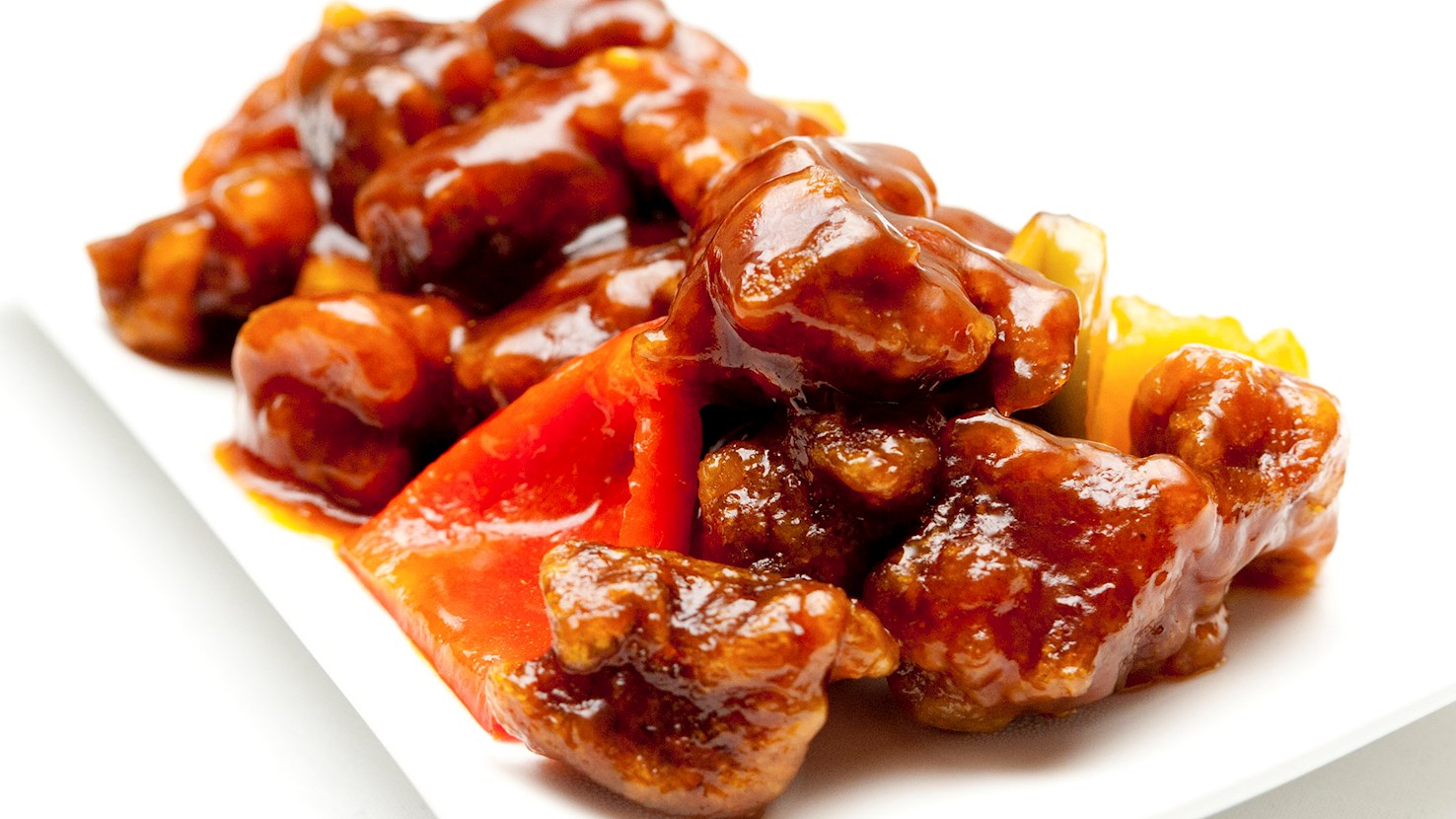
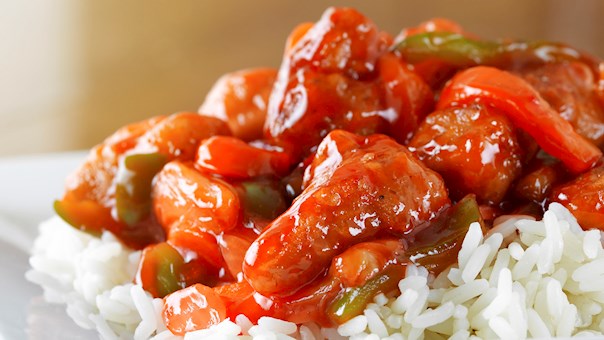
Sweet and sour spare ribs is a popular Chinese dish that is mostly consumed in restaurants since it is somewhat hard to prepare it at home. Spare ribs are first marinated, deep-fried, then dipped in Chinese sweet and sour sauce. Traditionally, the dish is served as an appetizer and is extremely popular in the southern parts of China. In Chinese culture, pork symbolizes prosperity, so the dish is often prepared and served for Chinese New Year. The Chinese people love to serve sweet and sour dishes during the festive time because the word sour (syun in Cantonese) sounds like the word grandchild when pronounced, giving hope for a new offspring. It is recommended to pair this decadent appetizer with a glass of ice-cold beer.
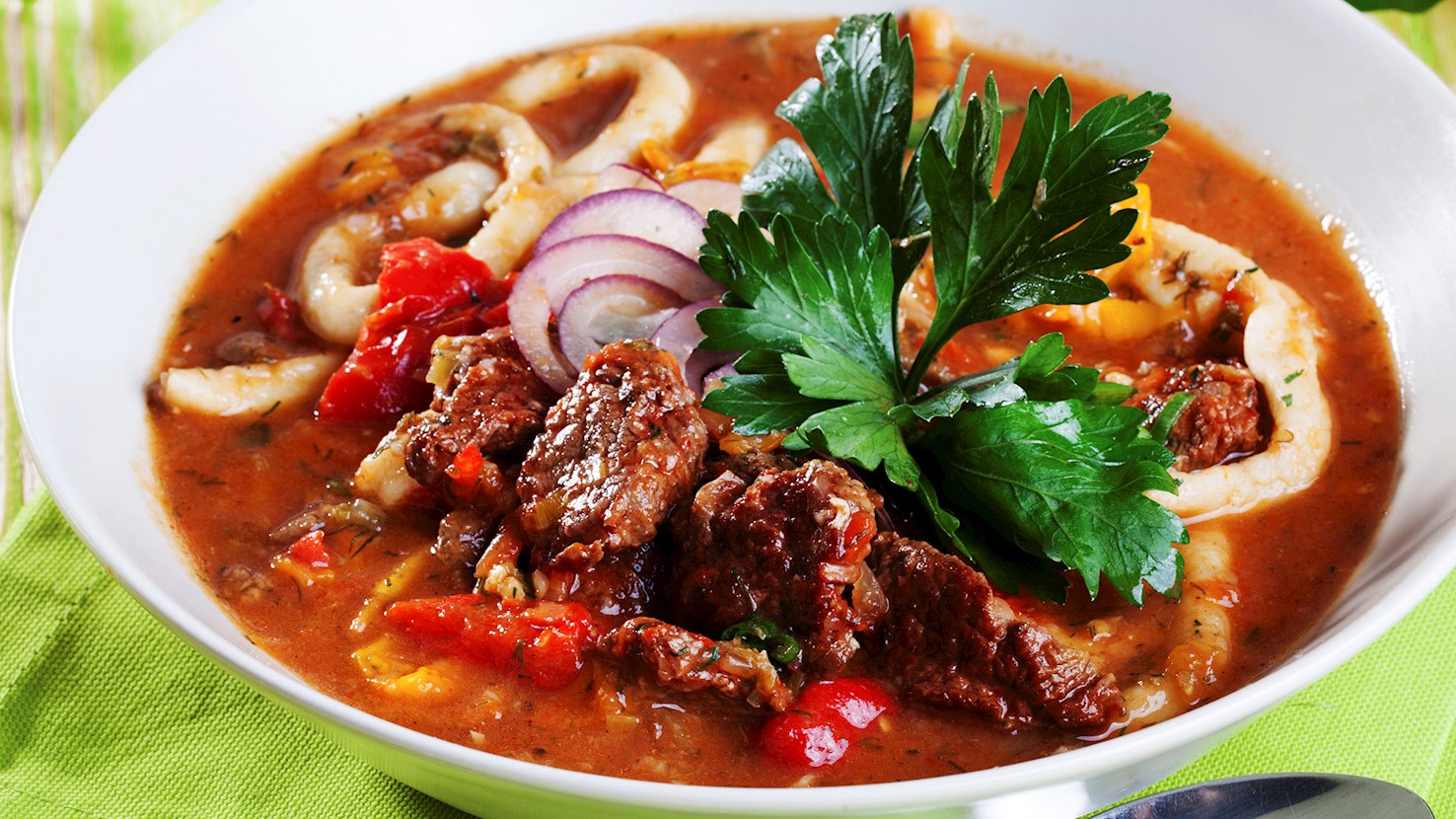
Lağman is a noodle-based dish made from hand-pulled wheat noodles served with a savory topping of meat, vegetables, and sauce, prepared across Central Asia and most closely associated with Uyghur communities in the Xinjiang region of China as well as widely cooked in Kazakhstan, Kyrgyzstan, and Uzbekistan, where it appears in home kitchens and casual eateries as a full meal rather than a side. Its development follows the movement of Turkic-speaking peoples along inland trade routes, where wheat cultivation, noodle-making techniques, and stir-based meat cookery intersected, resulting in a dish that combined Chinese-style hand-pulled noodles with Central Asian preferences for lamb, onions, and robust sauces, and adapted locally depending on available vegetables and fats. Preparation centers on a firm dough made from wheat flour, water, and salt that is rested and repeatedly stretched and pulled by hand into long, elastic strands, while the topping is cooked separately by sautéing meat, most often lamb or beef, with onions, garlic, tomatoes, peppers, and other vegetables, simmered until cohesive but not thickened into a paste, then spooned over or mixed with the cooked noodles. Serving can take two main forms, either with the sauce ladled generously over drained noodles or with additional broth added to create a soup-like consistency, and it is brought to the table immediately so the noodles retain their structure. What distinguishes lağman is the noodle-making method itself, which relies on manual stretching rather than cutting, producing strands with uneven thickness that hold sauce differently along their length and require skill and timing rather than tools. It is eaten hot, usually with a spoon and fork or chopsticks depending on local custom, commonly at lunch or dinner, and it pairs well with simple salads, pickled vegetables, or raw onions, while beverages such as black tea, lightly salted tea, or plain water are most often consumed alongside to balance the richness of the meat and sauce.
TasteAtlas food rankings are based on the ratings of the TasteAtlas audience, with a series of mechanisms that recognize real users and that ignore bot,
nationalist or local patriotic ratings, and give additional value to the ratings of users that the system recognizes as knowledgeable.
For the “Top 46 Chinese Meat Dishes” list until September 15, 2026, 2,187 ratings were recorded, of which 1,876 were recognized by the system as legitimate.
TasteAtlas Rankings should not be seen as the final global conclusion about food. Their purpose is to promote excellent local foods,
instill pride in traditional dishes, and arouse curiosity about dishes you haven’t tried.



What People Say