



shutterstock

Top 29 Greek Meat Dishes

Last updated on June 15, 2026
01

Kontosouvli

4.6 ·

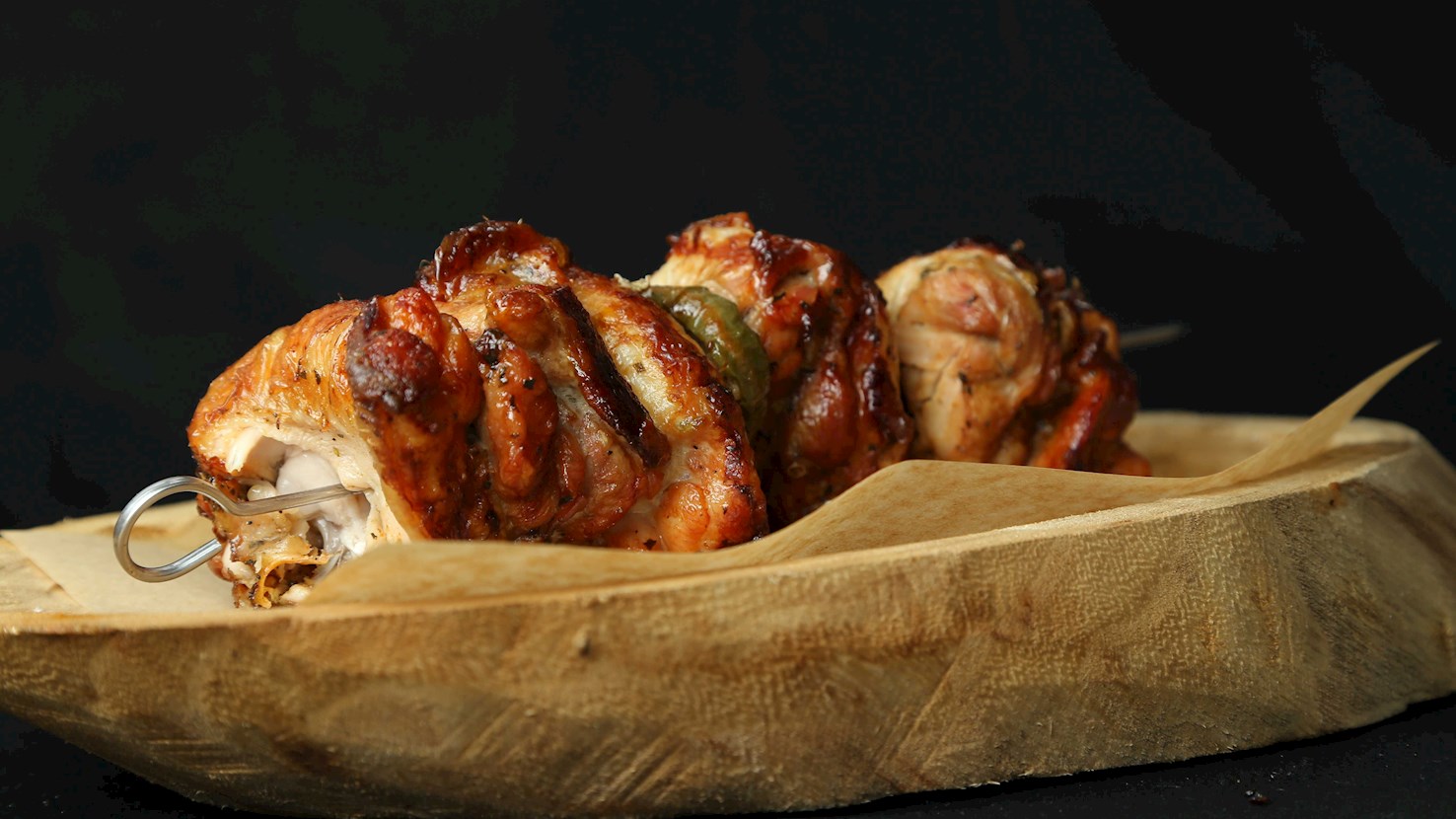
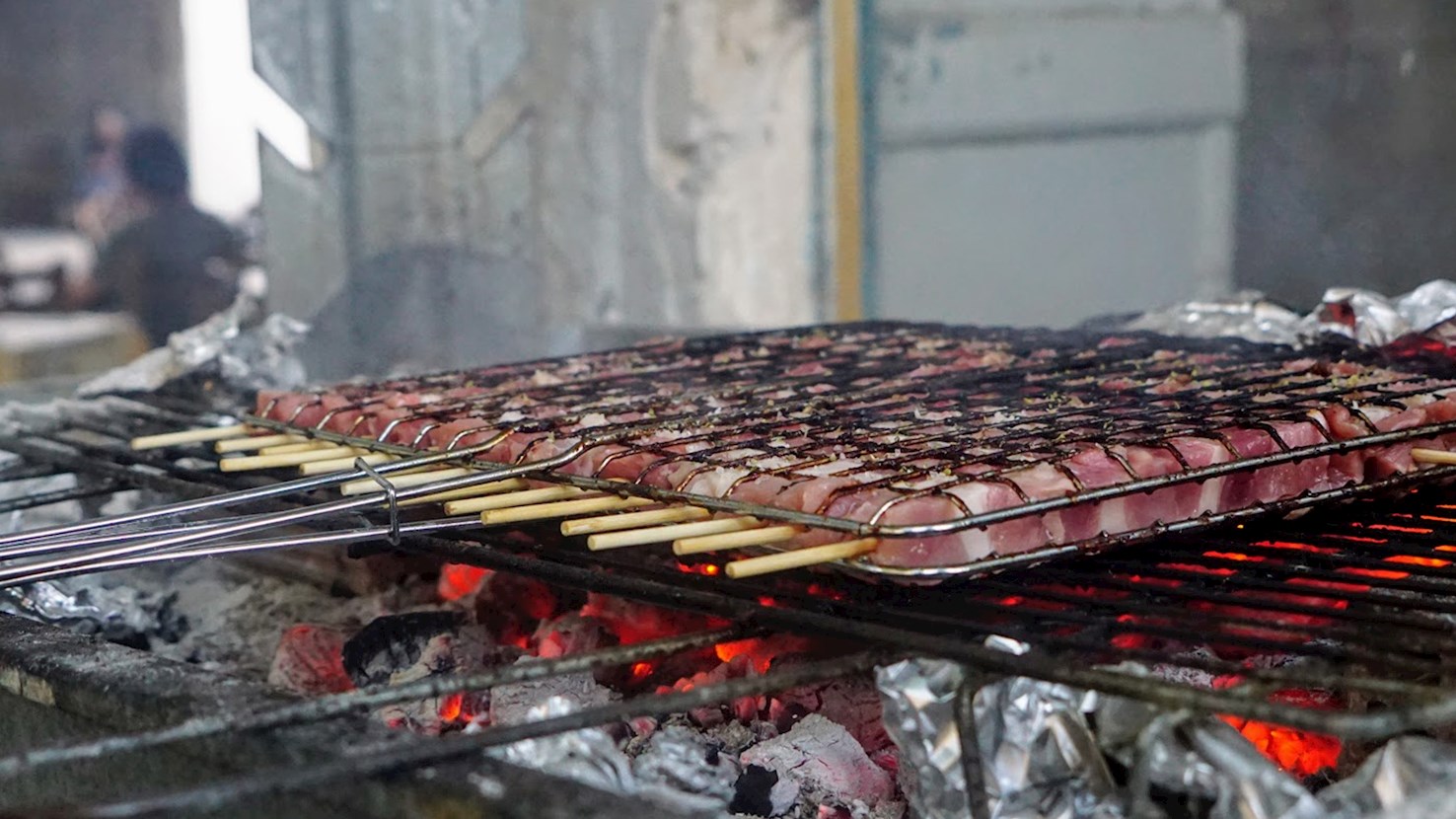
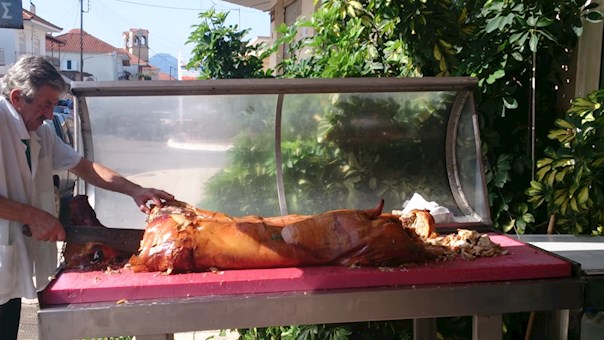
Kontosouvli is a traditional dish consisting of large pieces of pork marinated in a mixture of herbs and spices, then skewered and slowly cooked on a rotisserie, much like a gyro or souvlaki. The marinade often contains ingredients such as garlic, oregano, thyme, rosemary, paprika, olive oil, lemon juice, and red wine. After marinating, the meat is threaded onto a large skewer and roasted over an open flame, which results in a rich and flavorful outer crust with a juicy, tender interior. The cooked meat is typically served in thick slices, often accompanied by pita bread, tzatziki sauce, and horiatiki salad, among other possible accompaniments. It was traditionally prepared for Easter, but today it can be found on the menus of Greek tavernas throughout the year.

Best restaurants
02

Païdakia

4.4 ·

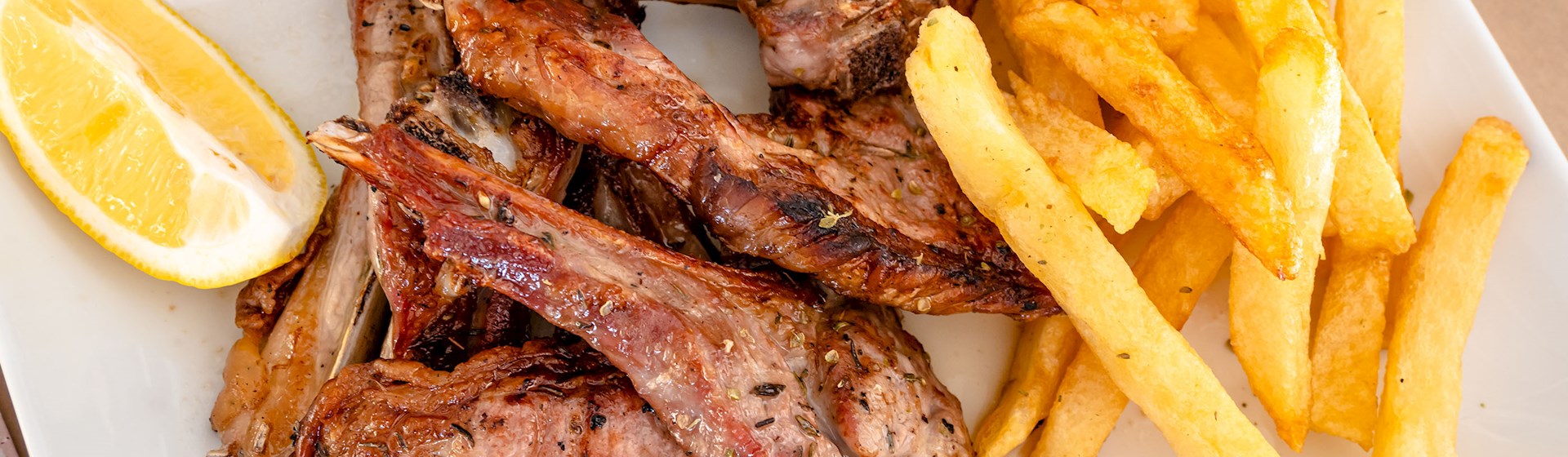
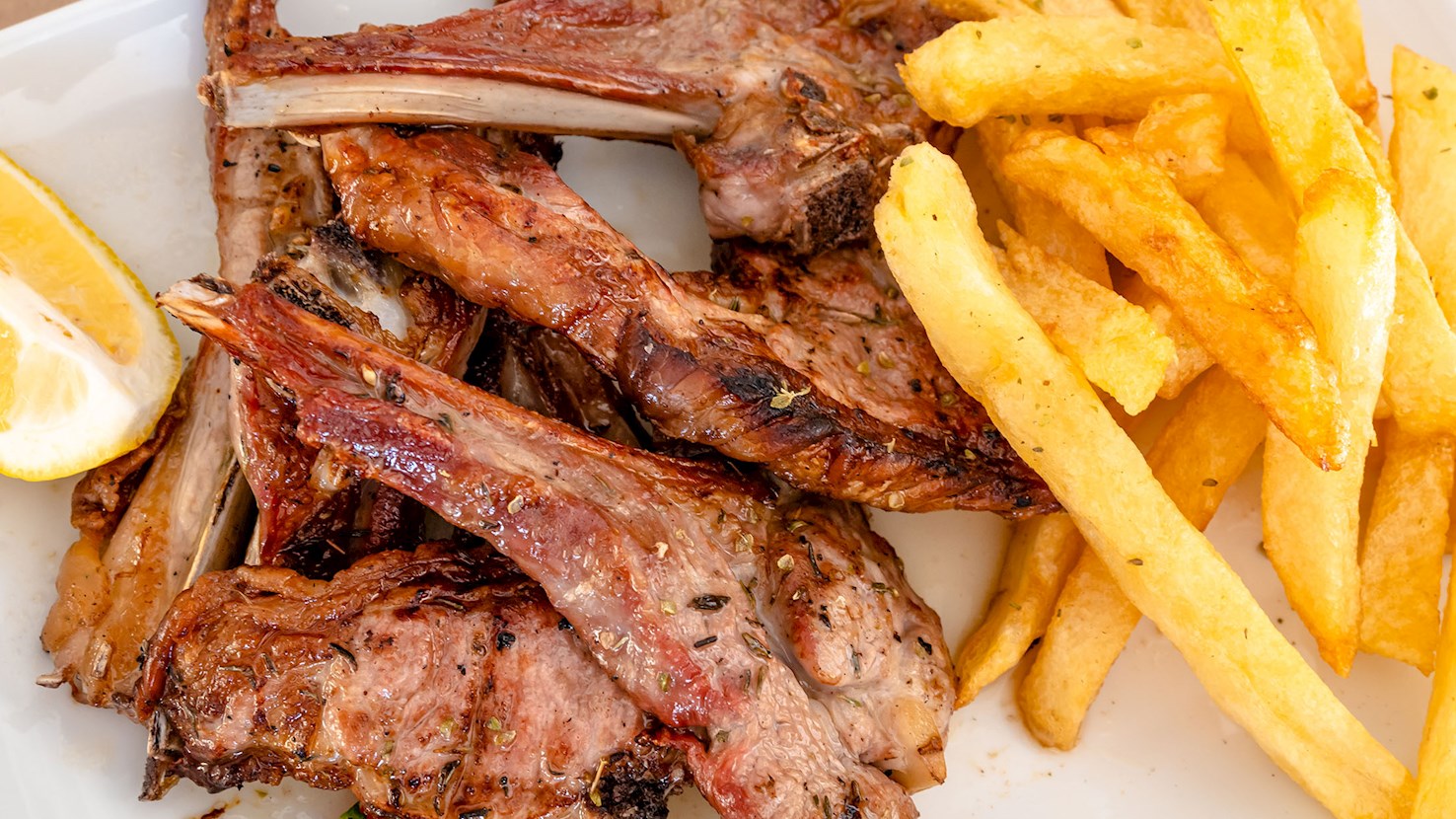
Grilled lamb chops are a traditional Greek dish that is popular throughout the country and usually enjoyed as the main course. Lamb chops are usually marinated in various combinations of olive oil, lemon juice, and a variety of fresh herbs before they are grilled on traditional charcoal barbecues. They are commonly paired with potatoes, salads, or the creamy and refreshing tzatziki sauce.

03

Antikristo

4.4 ·

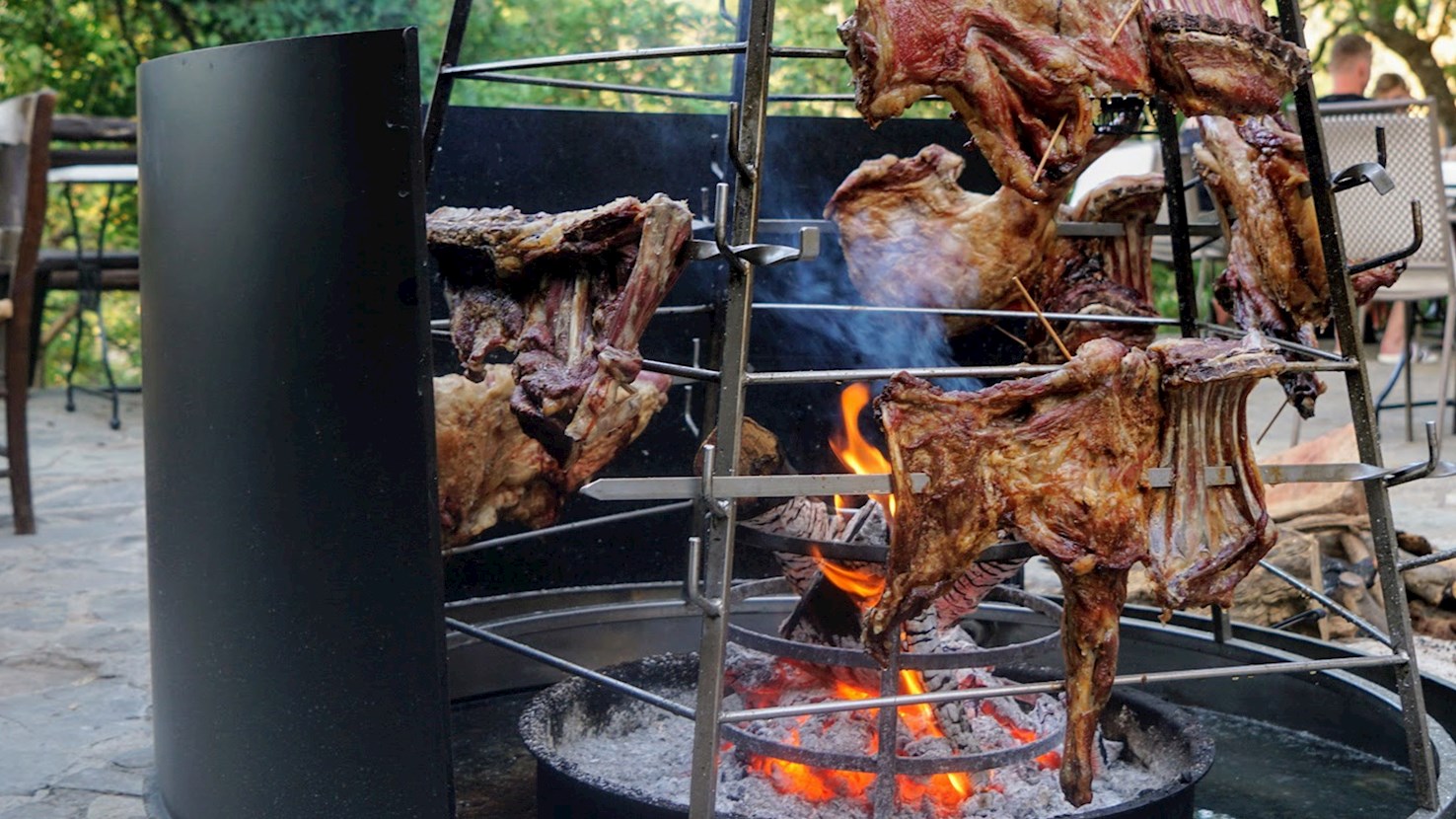
Antikristo is a traditional technique of cooking meat on Crete. A young lamb (or a goat, on rare occasions) is cut into four pieces (called goulidia), salted, then placed on big wooden skewers that are arranged around the fire in a circular formation, taking into consideration the direction of the wind, the intensity of the fire, and the distance between the fire and the meat. This process lets the meat cook in its own fat and salt with the heat coming from the flames instead of coals. The name antikristo means across the fire, describing this unique technique. The meat is slowly cooked, sometimes up to 6 hours, and it develops different flavors in the process. In the past, antikristo was common in the villages of Psiloritis mountain, but nowadays it can be found anywhere in Crete. Traditionally, it's prepared and cooked exclusively by men, most often shepherds.

04

Gyros

4.3 ·

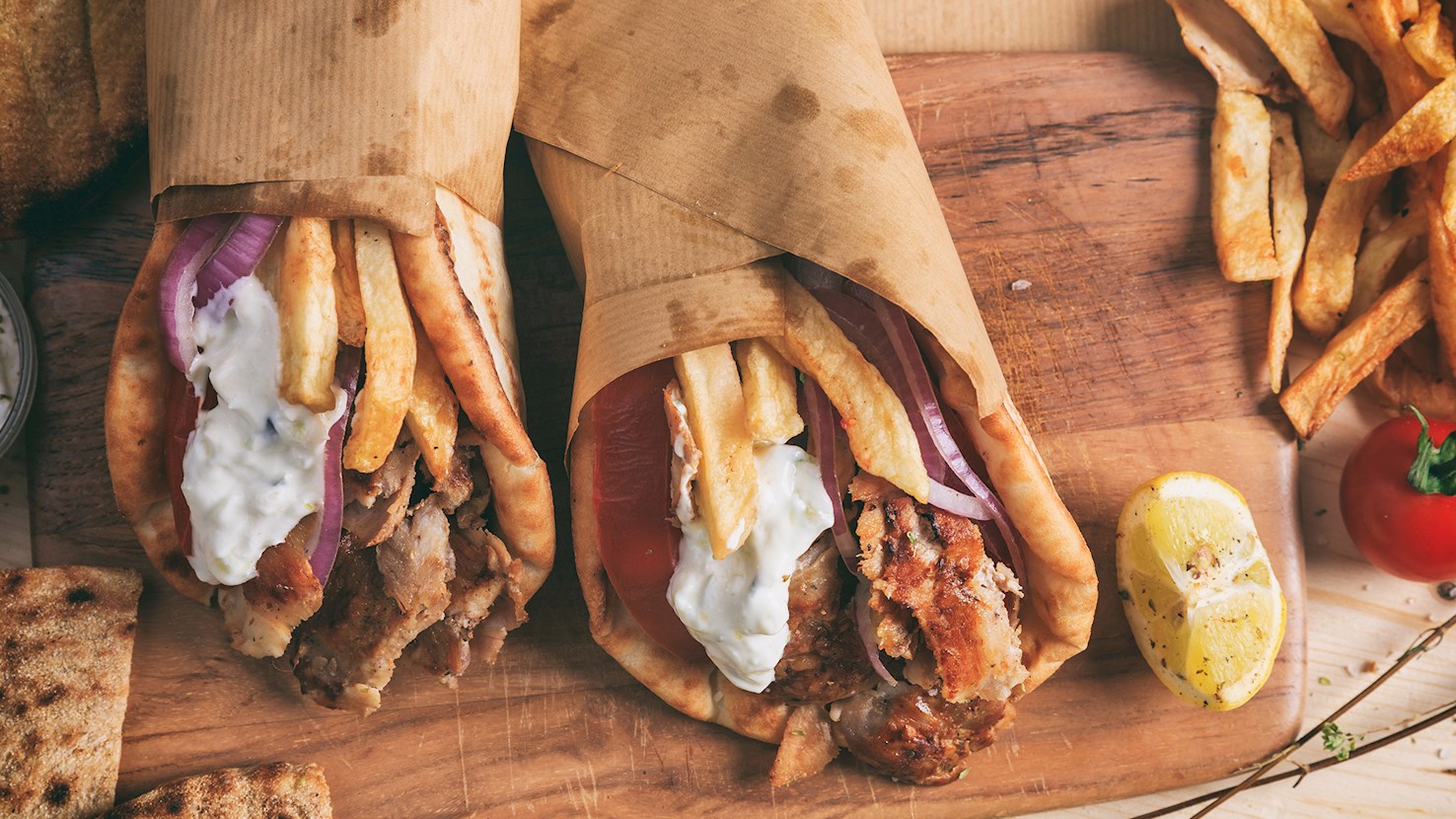
Gyros is one of the most popular Greek street food dishes, consisting of meat such as pork and chicken (in Greece) or lamb and veal (popular in other countries) cooked on a vertical spit. The meat is sliced in thin shavings and is then usually placed in a pita bread along with sauces such as tzatziki and vegetables such as tomatoes, onions, lettuce, and cucumbers. Gyros is derived from the Greek word gheereezo, meaning to turn, referring to the constantly rotating vertical spit on which the meat is cooked. Some believe that gyros originated during the time of Alexander the Great, when his soldiers skewered the meat on their swords and cooked it over a fire. Others claim that gyros was introduced to Greece in 1922, with the refugees from Constantinople and Smyrna. Many of the refugees became merchants and opened their shops with tiny holes in the wall, where gyros was sold. After WWII, gyros gained popularity and spread to Europe, Australia, and the United States. Today, gyros is known as one of the most popular street food varieties around the world.

05

Arni me patates sto fourno

4.3 ·

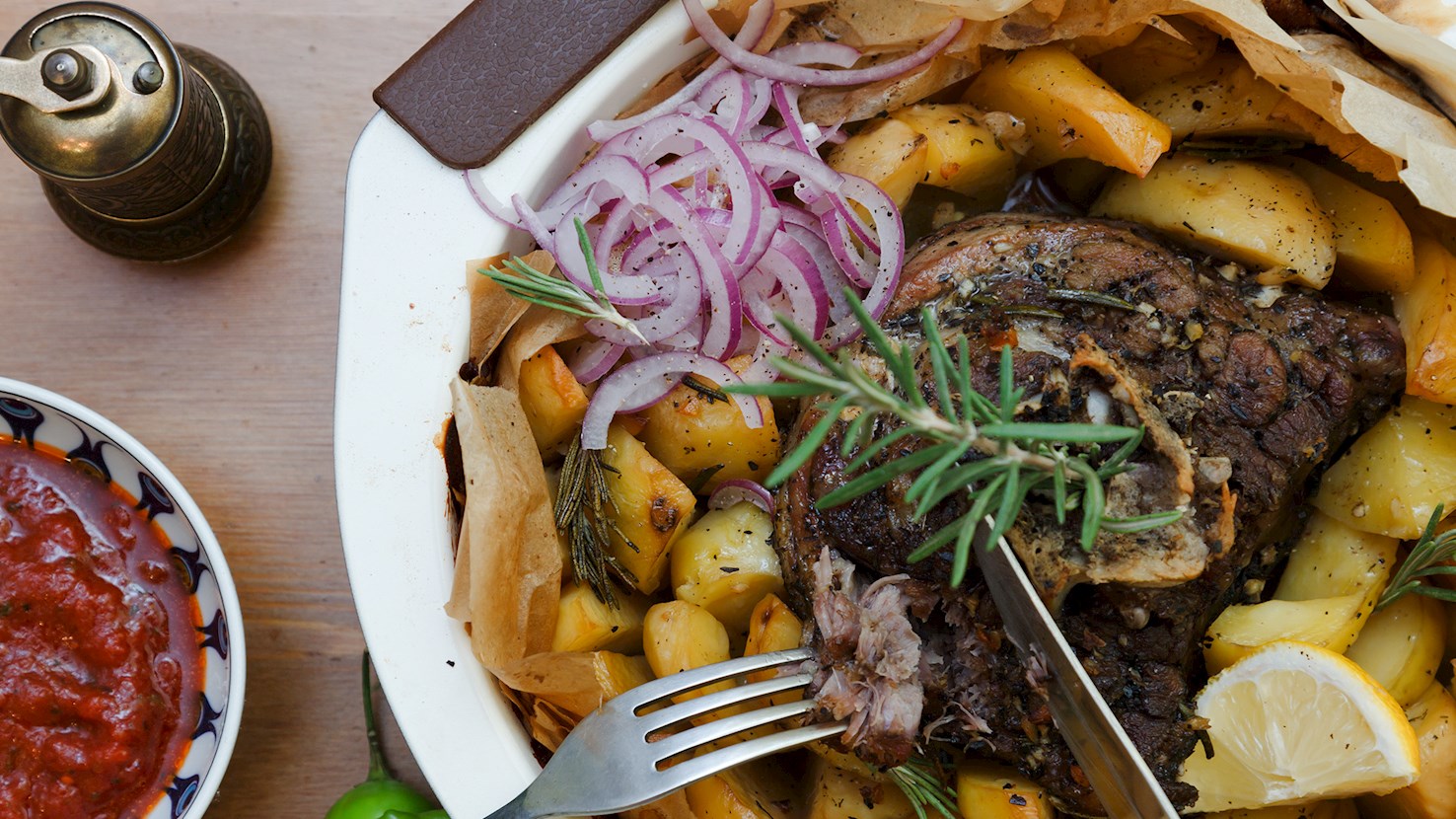
This Greek classic consists of an oven-roasted combination of potatoes and a leg of lamb, which can be marinated or seasoned with olive oil and fresh herbs. The dish is mainly prepared for special occasions or family gatherings, and it is typically served with a drizzle of lemon juice. This hearty main course is best enjoyed with various salads and bread on the side.

06

Kleftiko

4.3 ·

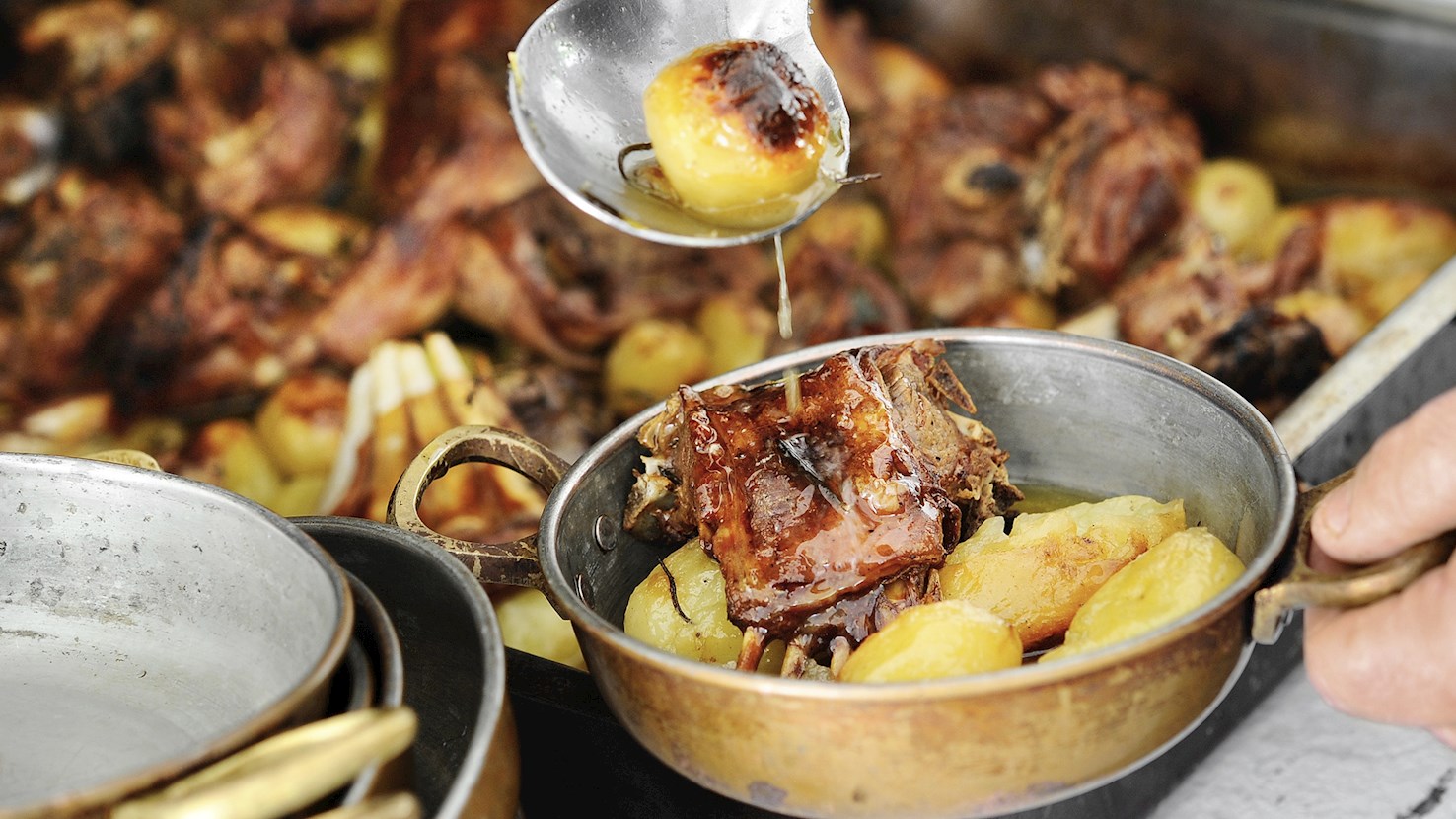
Kleftiko is a typical Greek dish that is commonly prepared at festive events and celebrations, consisting of a succulent piece of lamb or goat meat that is wrapped in foil and baked in airtight ovens. Also spelled as klephtiko, the name comes from the Klephts, mountain rebels from the Greek Revolution who cooked the food underground, so that no aromas or steam could escape, as it could reveal their positions. The cooked food was typically stolen, as klepht is also the root of the word kleptomaniac, describing a person with the urge to steal. Today, the meat is slowly cooked in a bowl so that it remains juicy and falls off the bone. Kleftiko is usually cooked with potatoes that soak up some of the flavorful meat juices. Other accompaniments may include red peppers and tomatoes. It is recommended to pair the dish with a glass of red wine on the side.

07

Souvlaki

4.3 ·

Souvlaki is one of the most popular Greek dishes, consisting of small cubes of skewered and grilled pork, chicken, lamb, or beef. It is a popular fast food item that is usually served in souvladzidika, small eateries that also often serve gyros and other similar grilled meat dishes. Souvlaki first appeared in ancient Greece, when it was called kandaulos, consisting of a combination of grilled meat, pita bread, cheese, and dill. The name of the dish is a diminutive of the Greek word souvla, meaning spit. The first souvlaki shop opened in Livadia in 1951, and today, souvlaki is sold in almost every Greek city, ordered as a takeaway, on the beaches, or on numerous street corners. It is usually served with a slice of bread or pita bread, tomatoes, parsley, onions, sometimes chips, and thick yogurt or tzatziki. There's also an oversized variety of souvlaki called kontosouvli in which large chunks of marinated meat, onions, tomatoes, and peppers are cooked on long and slim skewers over charcoal.

08

Youvarlakia

4.3 ·

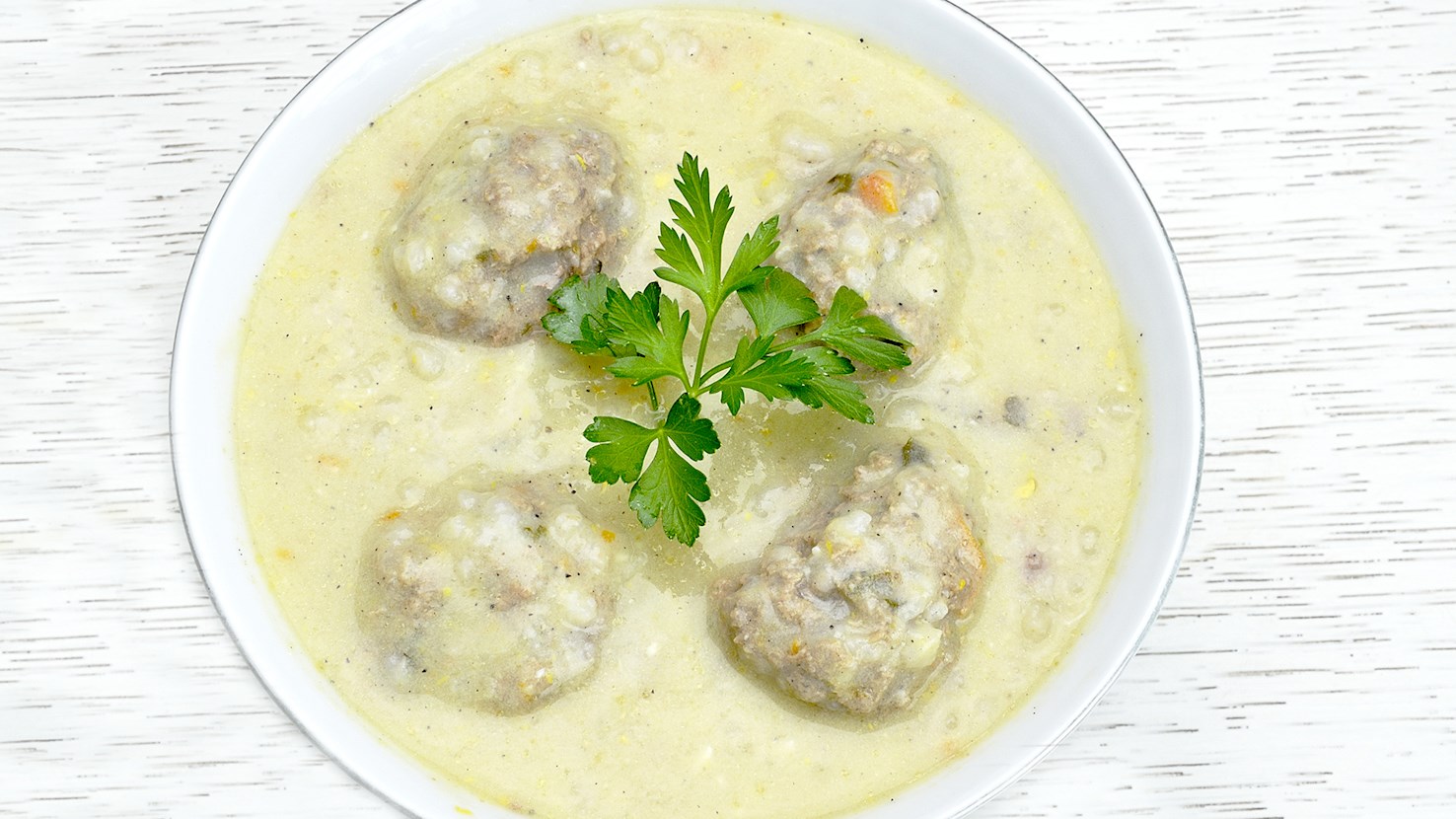
This hearty Greek soup couples tender beef meatballs and a creamy, flavorful broth. The meatballs and the broth are usually seasoned with various fresh herbs, and the whole dish is finished with the addition of avgolemono—the creamy egg and lemon sauce—which thickens the broth and adds the characteristical zesty flavor. Traditionally associated with wintertime, youvarlakia is usually accompanied by bread and enjoyed as a nutritious main course.

09

Stifado

4.2 ·

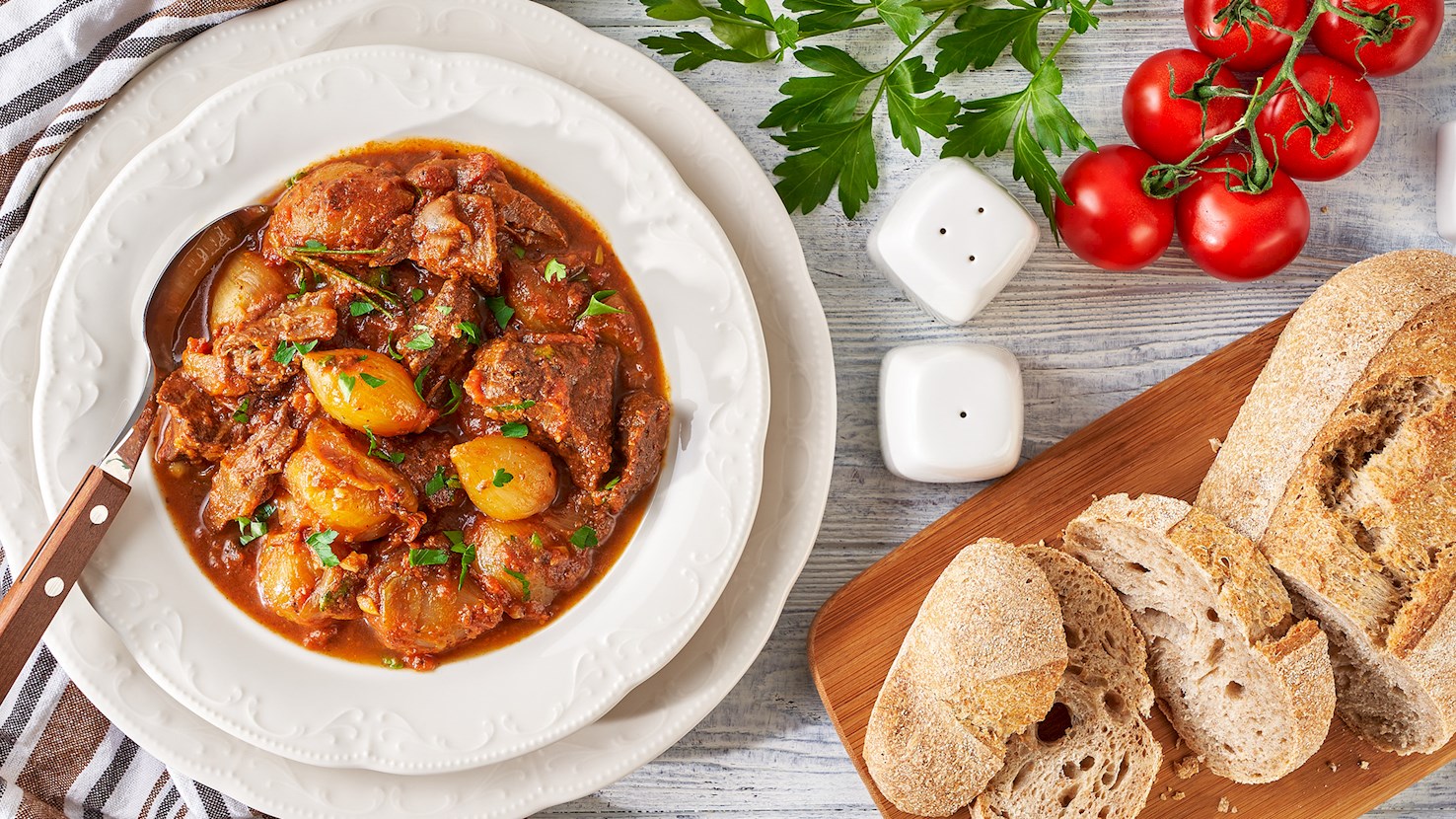
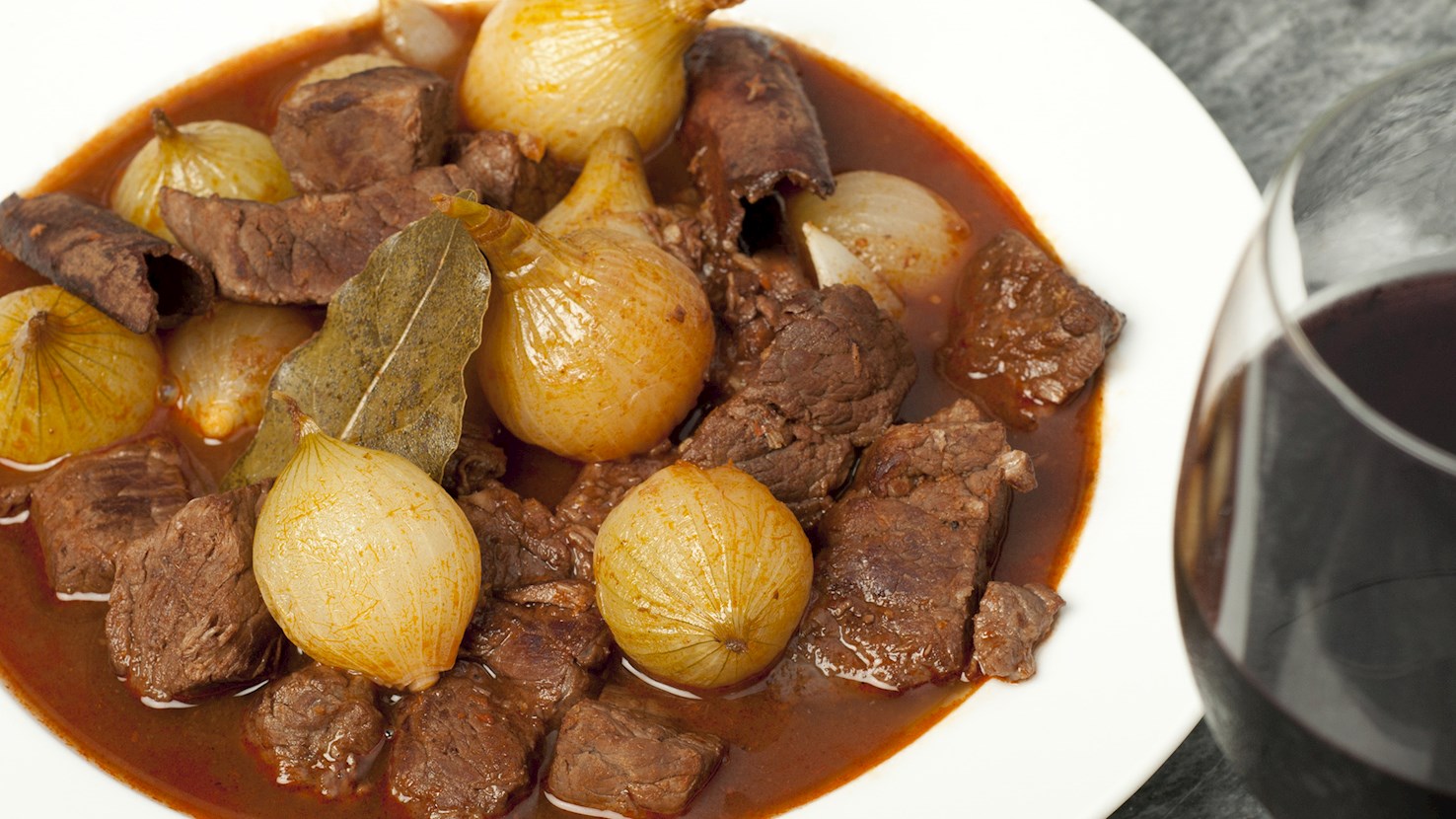
Stifado is a hearty Greek one-pot stew that is ideal for a cold winter's day. Although the ingredients vary from region to region and from cook to cook, the essential ones are large amounts of onions, tomatoes, wine or vinegar, and sometimes garlic. Depending on the region, meat such as goat, rabbit, wild hare, snails, tripe, or octopus can be added to the stew, but it is mostly made with beef. Others like to add mushrooms or warming spices such as cinnamon, cloves, and allspice. The usage of those spices points to a possible Levantine influence, while the name of the dish is a clear indicator of Italian influence, derived from the word stufato, meaning stewed in Italian. When the stew is cooked, it is recommended to pair it with crusty bread and a glass of red wine on the side.

10

Kouneli stifado

4.2 ·

Kouneli stifado is a traditional stew consisting of pieces of browned rabbit meat that have been cooked with onions, tomatoes, tomato paste, garlic, red wine or red wine vinegar, chicken or rabbit stock, and olive oil. A handful of warm and aromatic spices and seasonings are typically used to flavor the sauce, including cinnamon, bay leaves, allspice berries, oregano, rosemary, cumin, salt, and black pepper. The dish is usually enjoyed warm, sprinkled with freshly ground black pepper on top, and it's typically accompanied by crusty bread and a glass of Greek red wine or retsina (a Greek white resinated wine).

Best restaurants
11

Keftedakia

4.2 ·
12

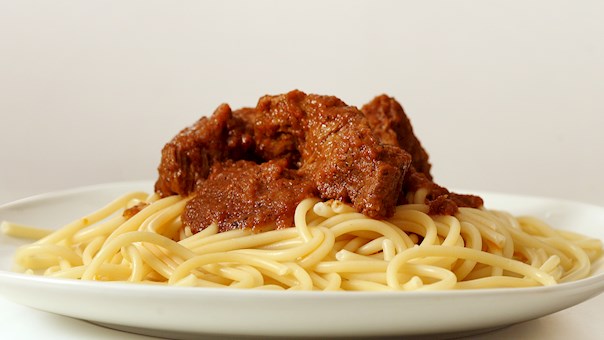
Kokkinisto

4.2 ·
13

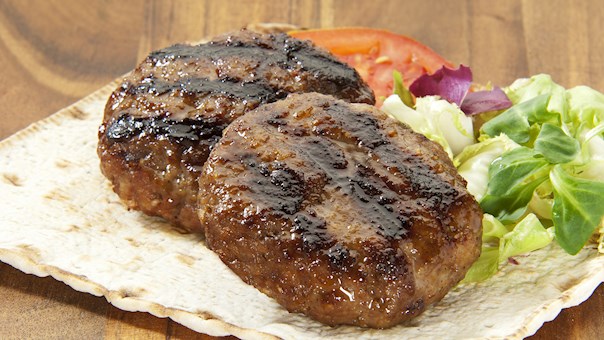
Biftekia

4.1 ·
15

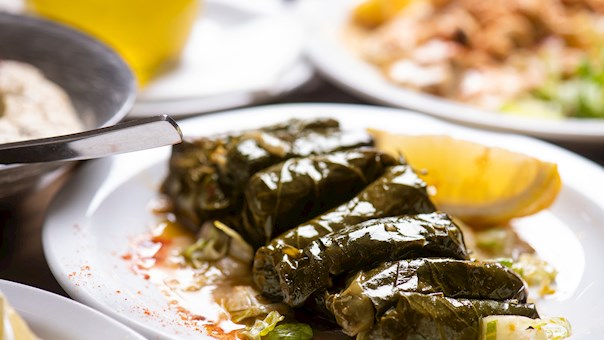
Fylla

4.1 ·
16

Tsigaristo

4.1 ·
19

Sofrito

4 ·
20

Hirino me selino

3.9 ·
Read more
View all
View map
About this ranking

TasteAtlas food rankings are based on the ratings of the TasteAtlas audience, with a series of mechanisms that recognize real users and that ignore bot, nationalist or local patriotic ratings, and give additional value to the ratings of users that the system recognizes as knowledgeable. For the “Top 29 Greek Meat Dishes” list until June 15, 2026, 6,738 ratings were recorded, of which 4,081 were recognized by the system as legitimate. TasteAtlas Rankings should not be seen as the final global conclusion about food. Their purpose is to promote excellent local foods, instill pride in traditional dishes, and arouse curiosity about dishes you haven’t tried.

Similar lists