


shutterstock

Top 19 Swedish Meat Dishes

Last updated on June 15, 2026
01

Köttbullar

4.2 ·

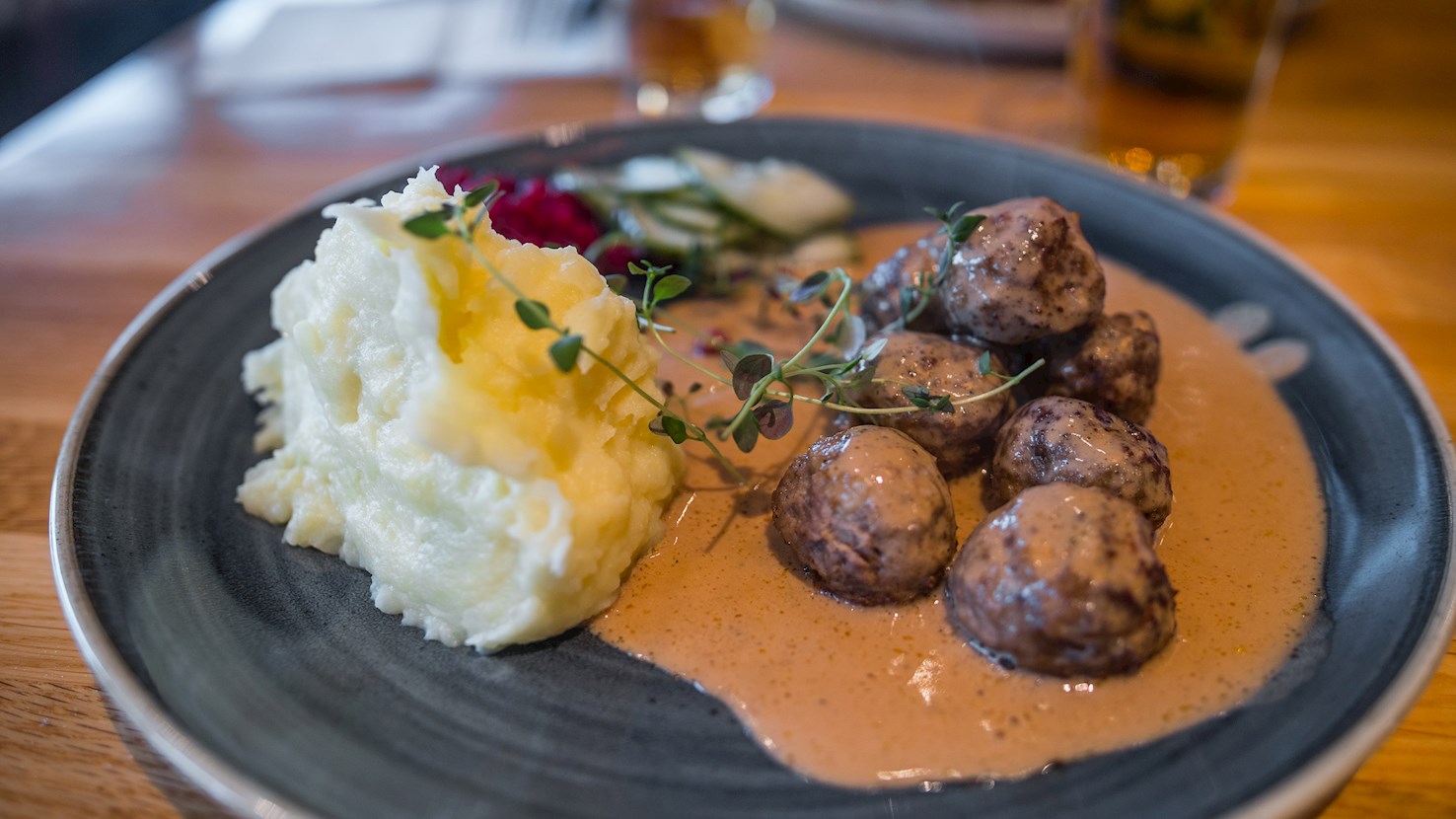
Köttbullar are famous Swedish meatballs with a crispy brown exterior, and light, airy and tender texture on the interior. The original recipe for the dish first appeared in Cajsa Warg's 1754 cookbook. The meatballs usually consist of beef mixed with pork or veal, and the combination is typically seasoned with onions, salt, pepper, and allspice. The mixture is shaped into small, round meatballs and browned in hot butter. This dish is traditionally accompanied by lingonberry sauce, creamy mashed potatoes, and a thick gravy on the side, although lighter side dishes such as cucumber salad or red cabbage are also quite popular. In southern Sweden, people like their meat with a little extra fat, and that is the reason why they use pork in the meat mixture, but the further north one goes, the less pork there is in the mixture. Köttbullar are a key part of numerous buffets and smorgasbords all over Sweden, tempting the potential consumers with their unique aroma and flavor.

02

Renskav (Sautéed reindeer)

4 ·

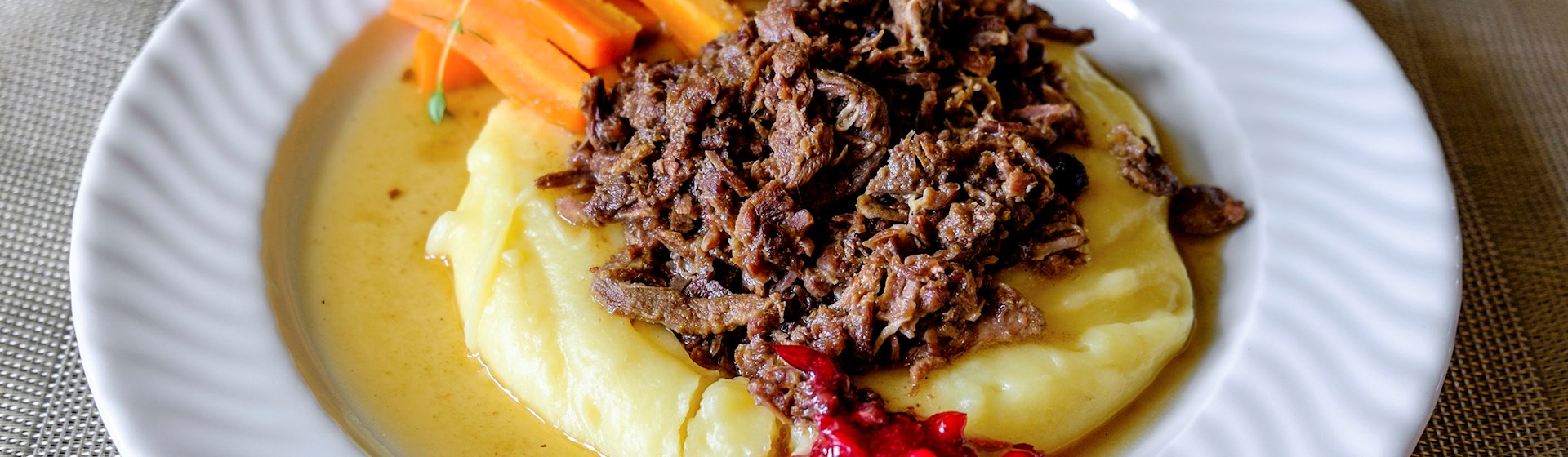
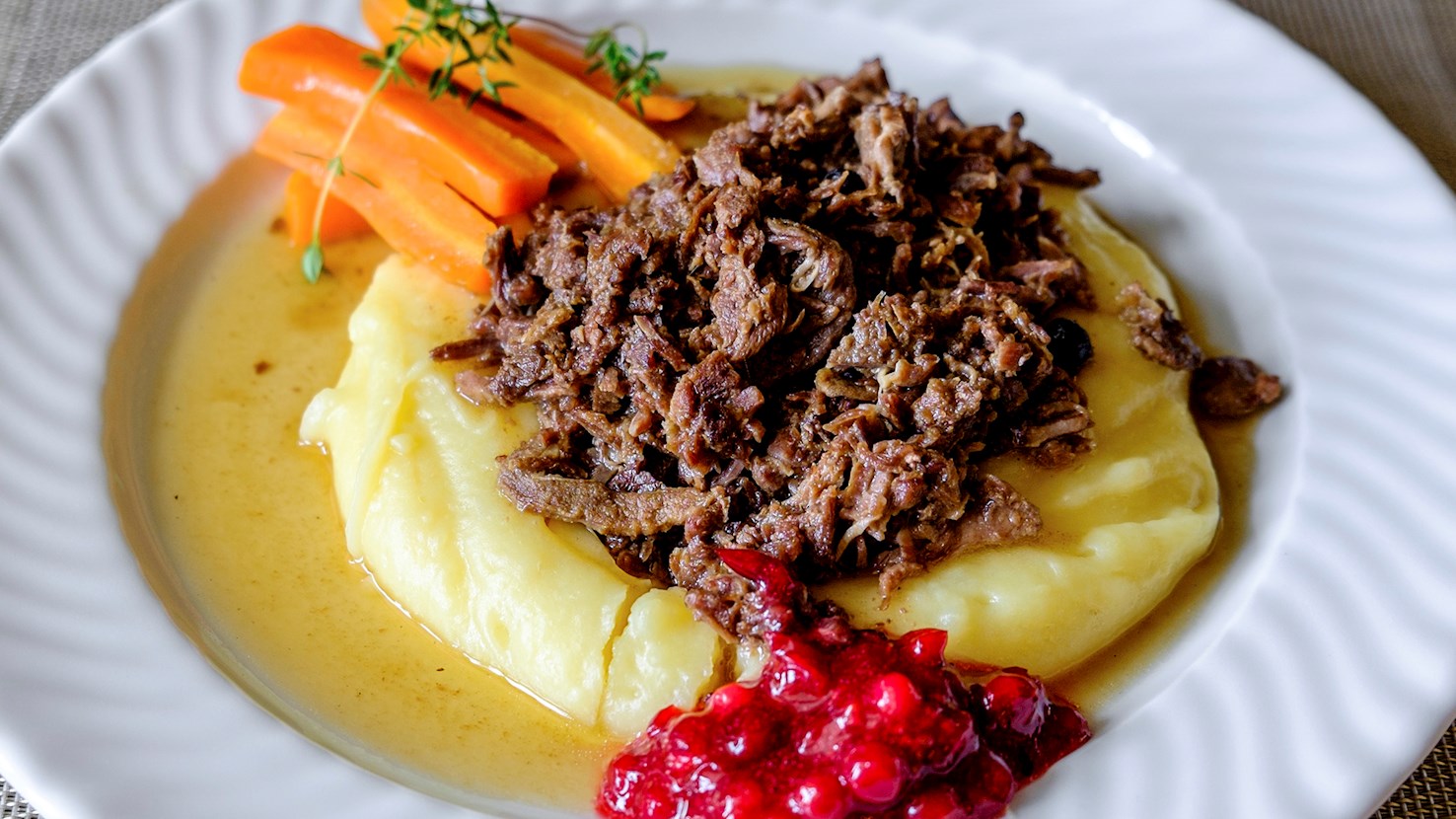
Poronkäristys is the traditional dish of Sámi people in Finland, Norway and Sweden, prepared by sautéing reindeer meat. The dish originates from the Arctic Lapland where the semi-nomadic, indigenous people called Sámi have been herding reindeers for a very long time. Thin slices of reindeer meat are usually sautéed in butter, with or without onions, and slowly simmered in beer or stock until they develop a tender and succulent texture. The most common and traditional accompaniments for the dish include creamy mashed potatoes and lingonberry jam, but it can also be accompanied by pasta or rice. Although the dish can often be found in restaurants throughout Scandinavia, frozen meat can also be bought in most supermarkets. According to recent studies, along with being extremely tasty, reindeer meat is one the healthiest foods, high in B-12, omega-3, and omega-6, a possible reason why poronkäristys is consumed throughout the year.

03

Kåldolmar

3.8 ·

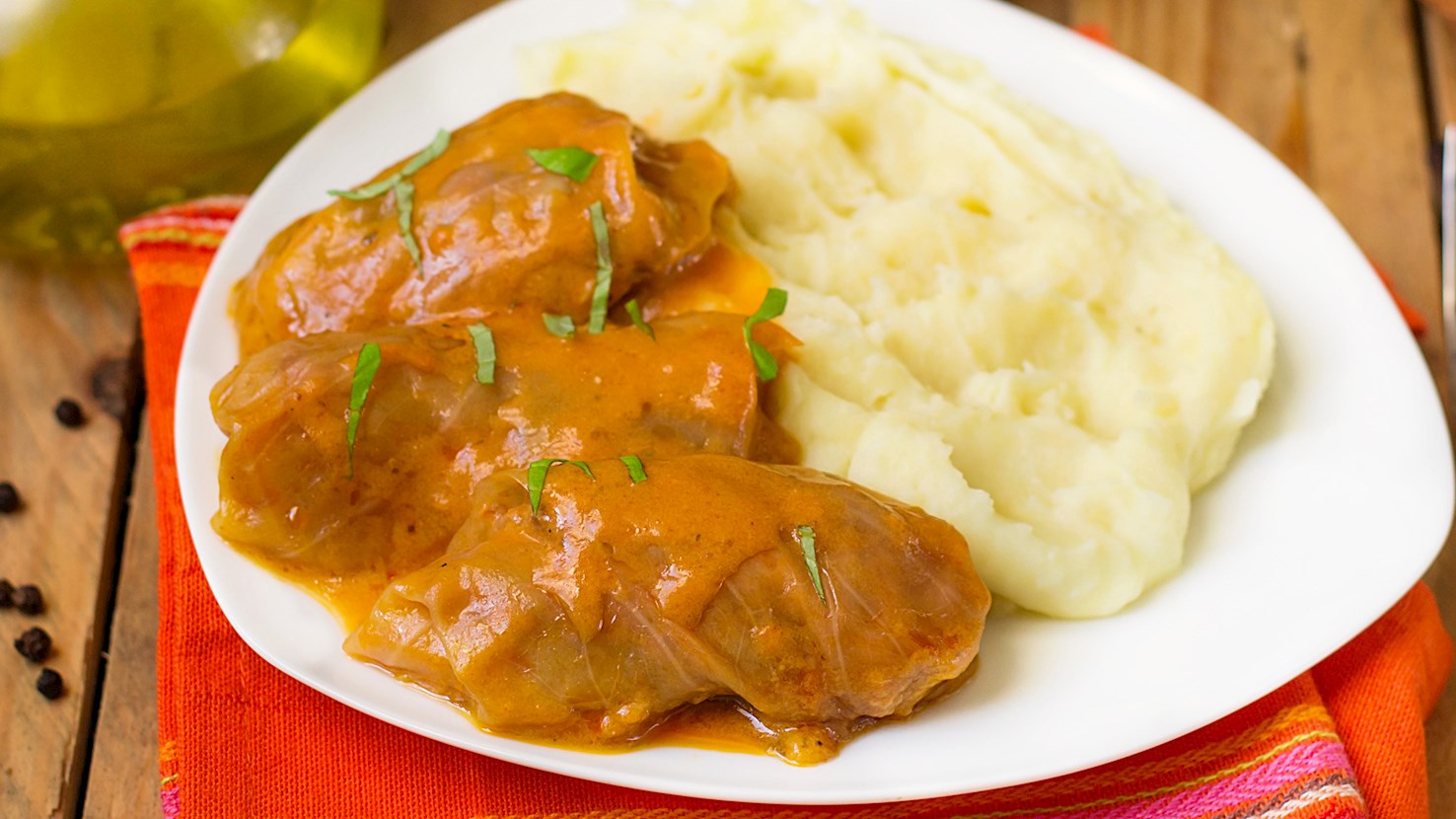
Kåldolmar, or Swedish stuffed cabbage rolls, is a traditional dish loved by children and adults alike. Each cabbage roll is prepared separately by stuffing a blanched cabbage leaf with a meat filling consisting of rice, pork or beef mince, milk, onions, eggs, and seasonings. The rolls are covered with beef stock and milk, then baked until nicely browned. Once baked, they are generously drizzled with a sauce made with the liquid in which they were cooked, along with cream, flour, and seasonings. Stuffed cabbage rolls are usually served with boiled or mashed potatoes, a few dollops of lingonberry jam, and brown sauce. It is believed that Swedish King Carl XII brought the recipe for this dish to Sweden from Turkey, where he tried vine leaves stuffed with finely chopped meat, or Turkish dolma, hence the name kåldolmar (cabbage dolma). Commonly eaten for lunch or dinner, this Swedish specialty is often present on the Christmas smörgåsbord.

04

Kalops

3.8 ·

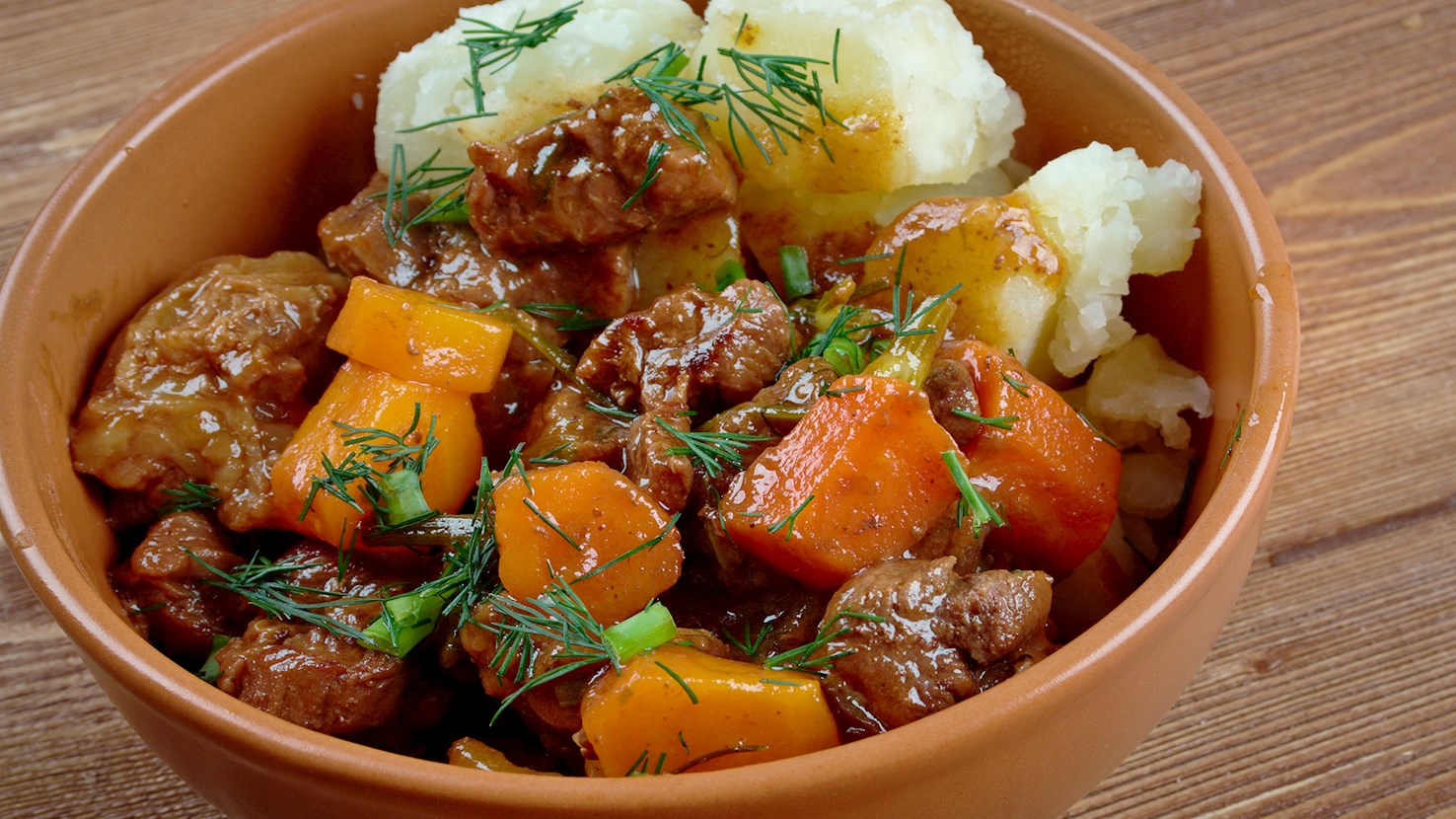
Kalops is a rich and comforting Swedish beef stew. It is prepared with chunks of beef that are slowly cooked with onions and spices such as whole peppercorns, bay leaves, and allspice. The most popular variation of the stew is Skånsk kalops, typical for Skåne region, which usually includes the addition of carrots. Kalops is believed to have originated in the 18th century and has been a wintertime classic ever since. It is traditionally served alongside potatoes and pickled beets.

05

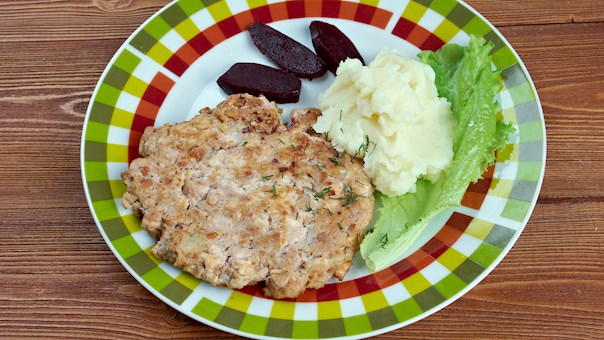
Wallenbergare

3.7 ·

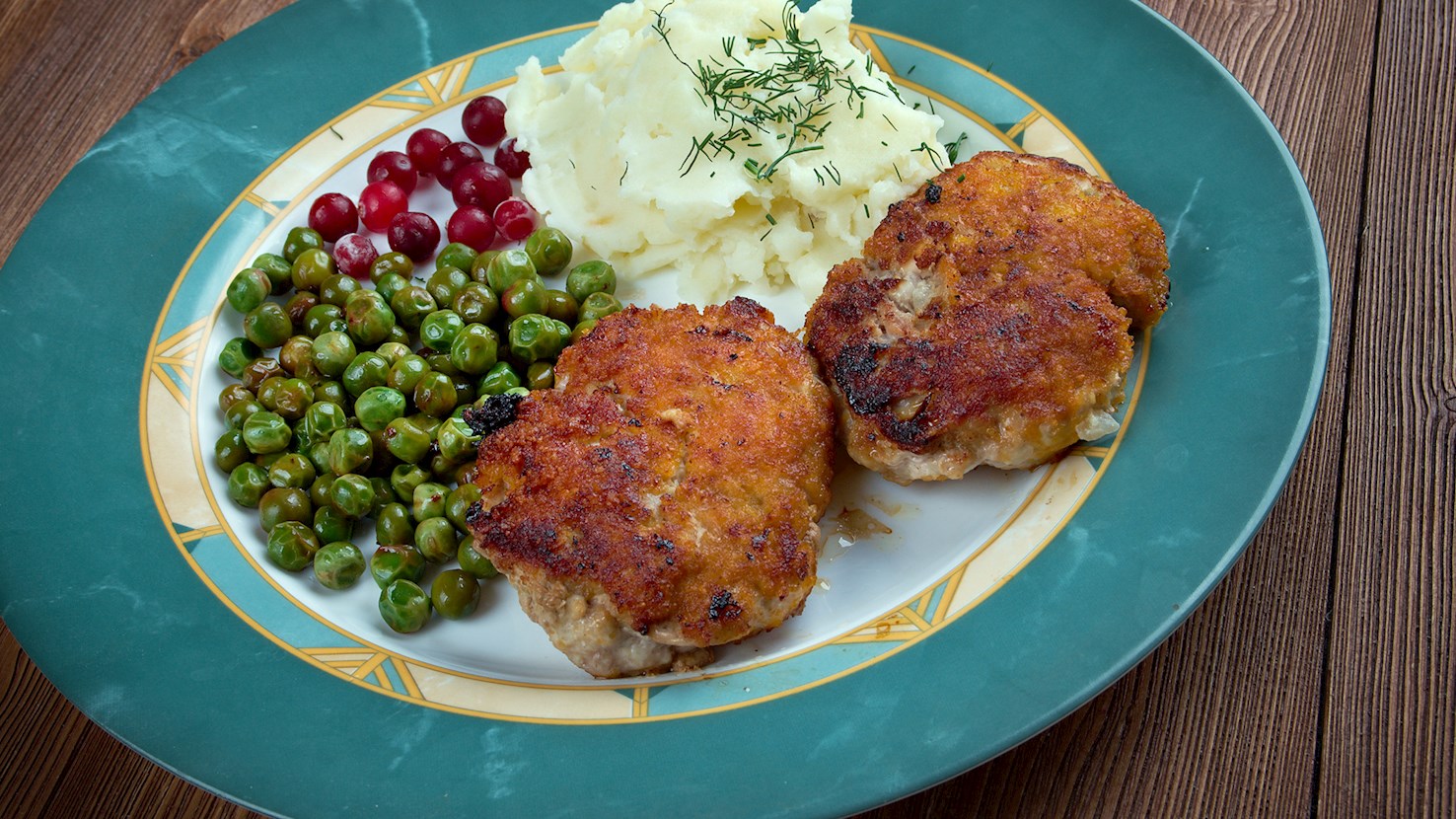
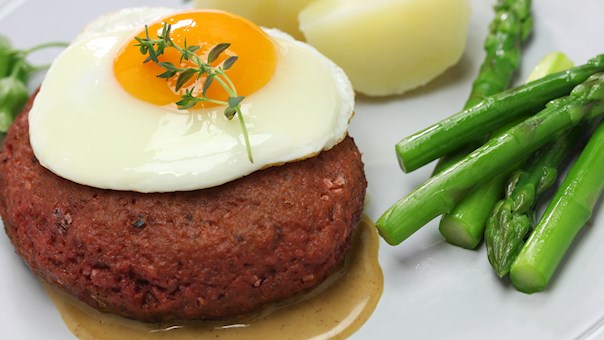
Wallenbergare is a classic Swedish patty made with ground veal which is mixed with egg yolks and cream, then rolled in breadcrumbs. The usual accompaniments include green peas, carrots, boiled or mashed potatoes, and lingonberry jam. There are different stories regarding the origin of this dish, but it is certain that it was named after Marcus Wallenberg, a member of a renowned Swedish family. One story suggests that Wallenberg, after his return from a business trip, went to his favorite restaurant Cecile in Stockholm, and asked the chef, Julius Carlsson, to make a dish similar to the one he consumed on his trip. Another story suggests that the dish was created by Wallenberg's father-in-law Charles Emile Hagdahl, a famous Swedish chef, in the late 1800s. Whatever the case may be, this classic Swedish dish is very popular throughout the country.

06

Julskinka

3.6 ·

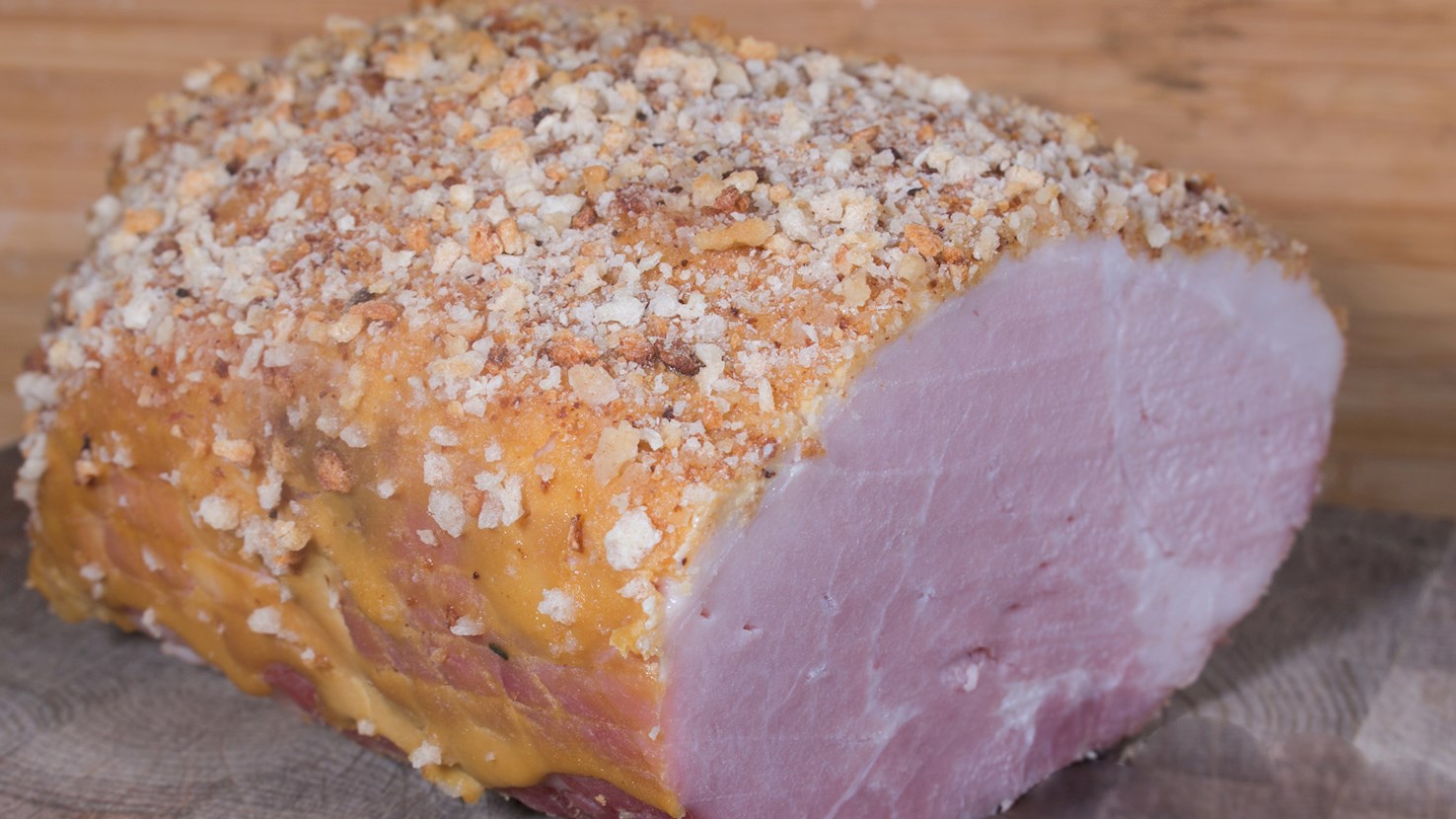
Julskinka is an indispensable part of the Swedish Christmas julbord (Christmas buffet). Delicious, tender, and moist, julskinka is a traditional Christmas ham that is brushed with a combination of mustard and egg yolks, topped with breadcrumbs, then baked in the oven. In Sweden, a salt-cured, unsmoked ham is typically used for this dish, but any ham will do. There are also pre-cooked hams sold in Swedish supermarkets that only need to be glazed and served. This Christmas delicacy is usually served cold or slightly warm, along with sweet, coarse mustard and smörgåsgurka pickles.

07

Korv Stroganoff

3.6 ·

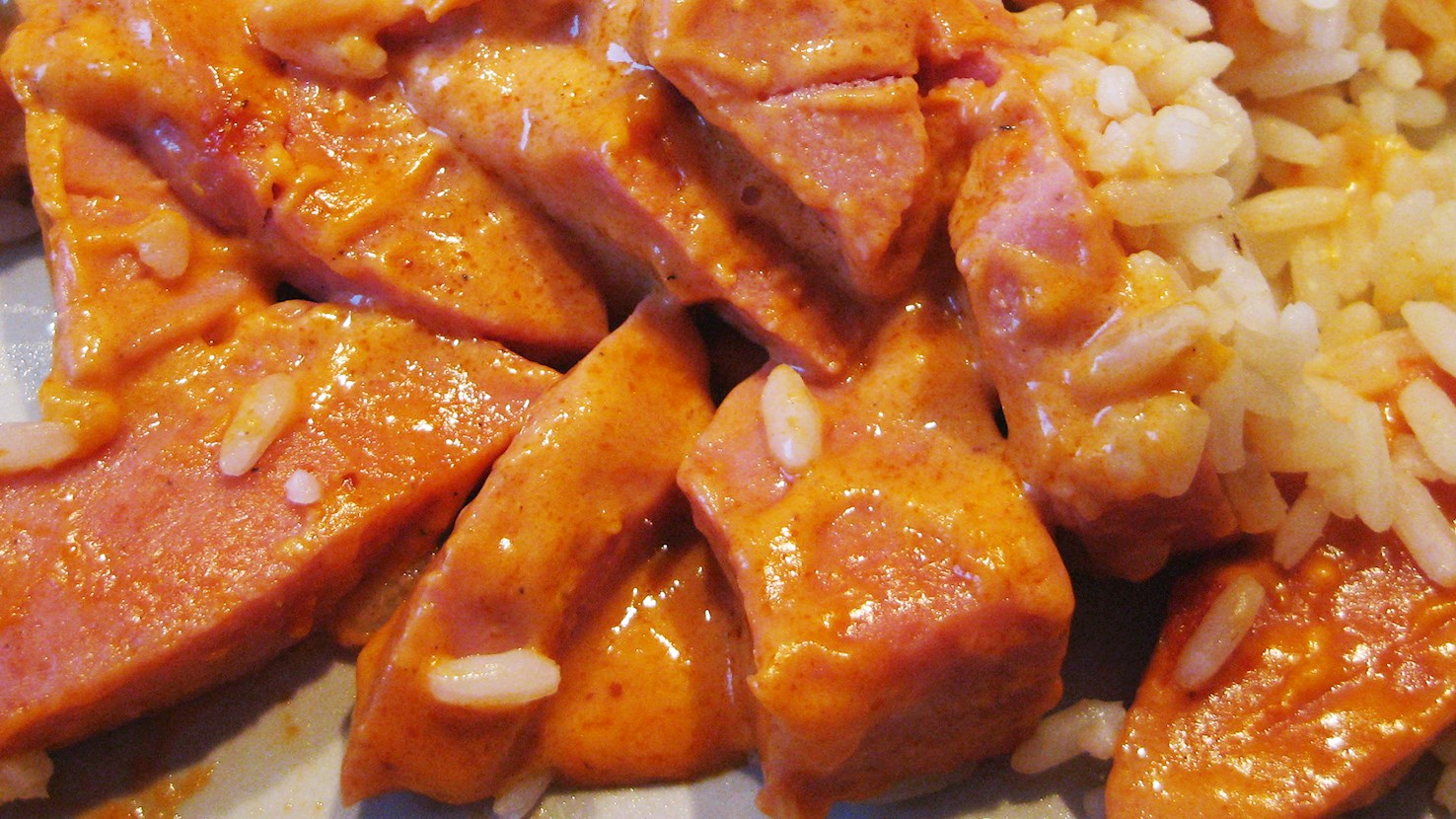
Korv Stroganoff is the Swedish version of a popular dish known as beef Stroganoff. Instead of beef, the dish is prepared with a Swedish sausage called falukorv, made with a combination of pork, beef, potato starch, and spices. Korv Stroganoff is beloved by children and takes only about 10 minutes to prepare. Apart from falukorv sausage, the dish is made with onions, tomato purée, chopped tomatoes, and crème fraiche. All ingredients are simmered and seasoned, and this warming, comforting dish is then served, ideally with boiled rice on the side.

08

Skomakarlåda

3.3 ·

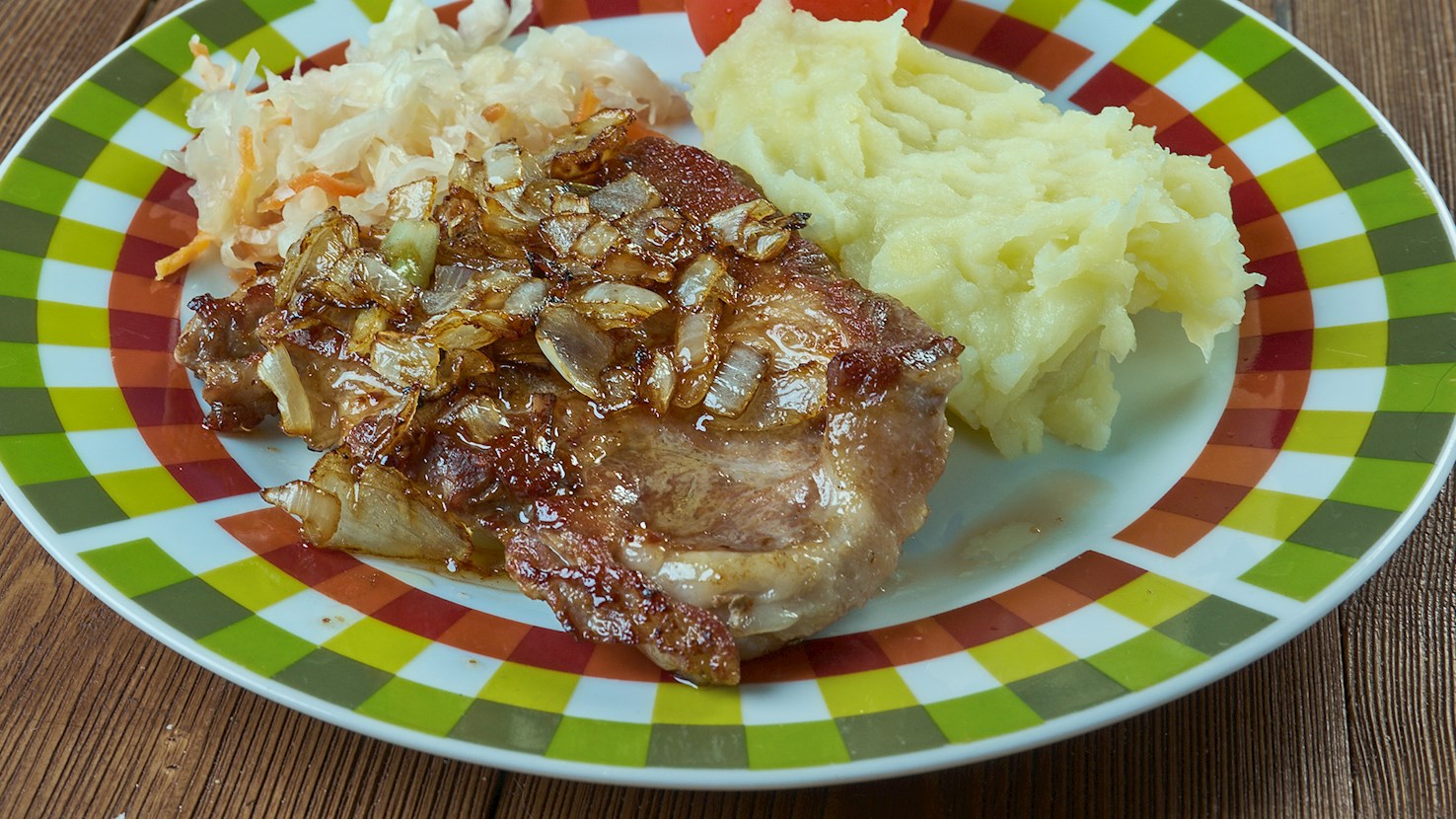
Skomakarlåda is a traditional dish consisting of a beef slice that is served with gravy on a bed of mashed potatoes. It is typically topped with diced bacon and chopped pieces of leek. The dish is considered a homemade specialty in Sweden, where it is commonly served at family meals as the main course. Skomakarlåda literally means shoemaker’s box and it derives its name from the shape of the beef slice, which resembles the sole of a shoe.

Best restaurants
09

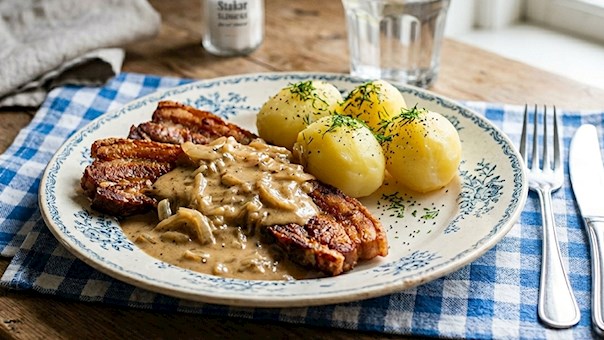
Fläsklägg med rotmos

3.3 ·

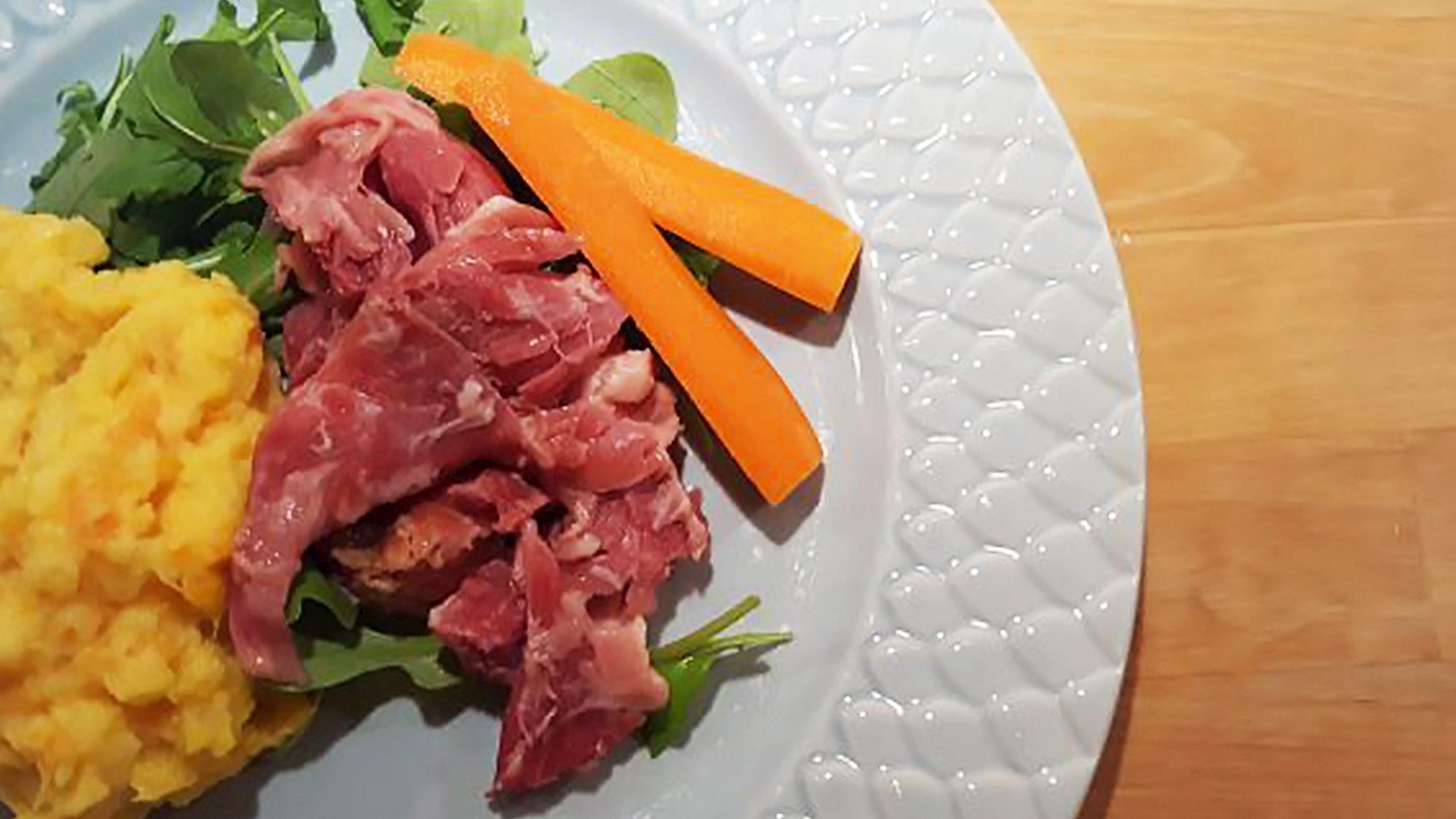
This classic Swedish dish consists of ham hock that is served with mashed root vegetables on the side. The ham hock is typically cured and cooked together with onions, carrots, allspice, and bay leaves, while the root mash usually combines rutabaga, potatoes, and carrots. The dish is traditionally served with mustard on the side.

10

Pyttipanna

3.2 ·

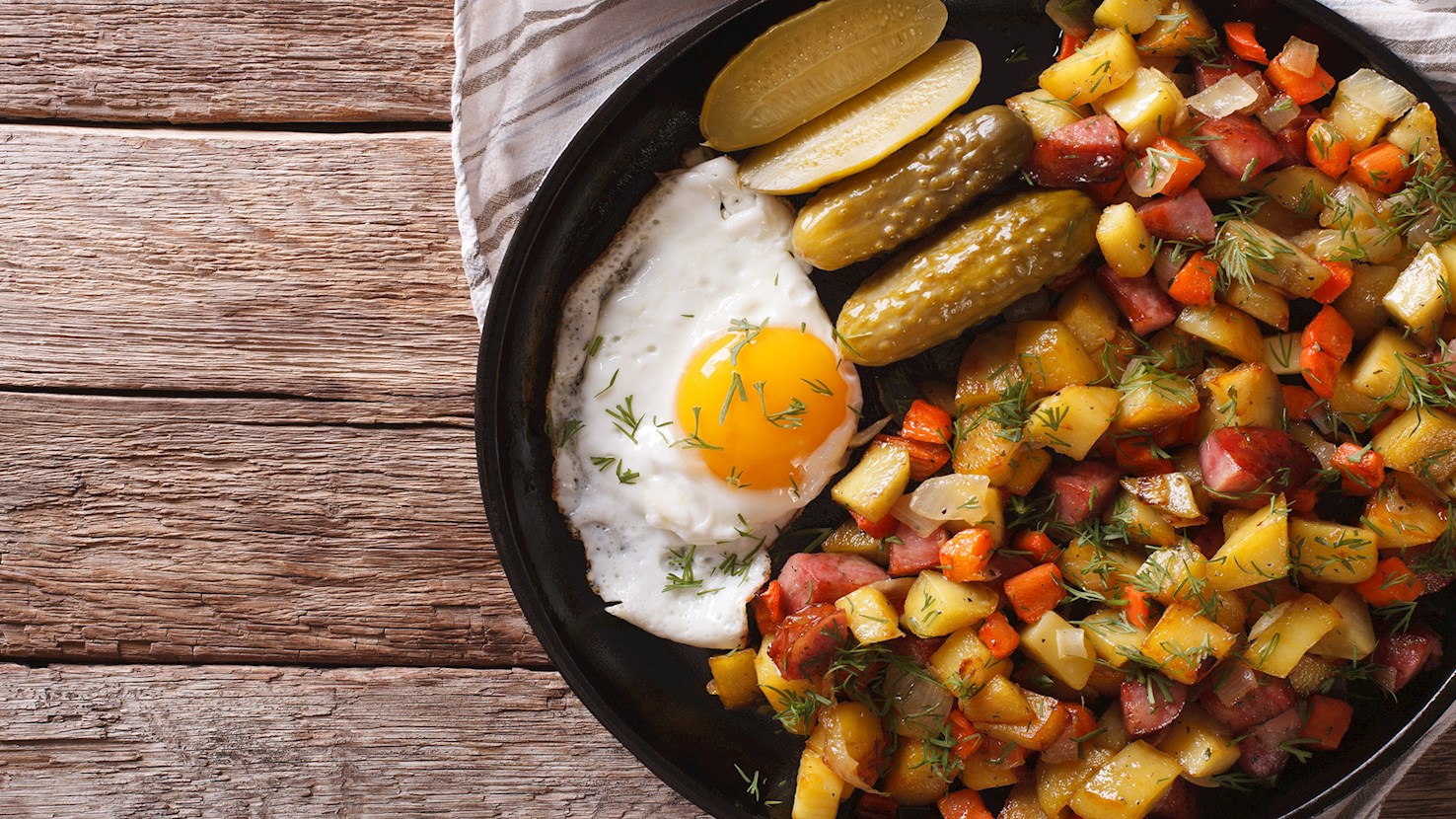
Initially regarded as a simple dish assembled from available leftovers, this rustic hash nowadays stands as the ultimate comfort food and a favorite meal in many Nordic countries. Pyttipanna is incredibly versatile and usually consists of diced potatoes and different types of meat and vegetables that are pan-fried in butter. Served with a fried egg on top and alongside various pickled salads, it is usually enjoyed as a nutritious breakfast.

13

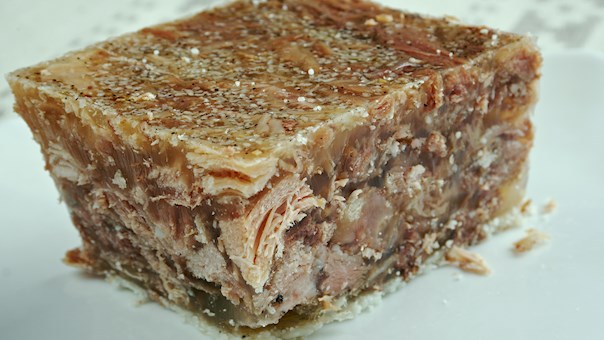
Kalvsylta

2.7 ·
15

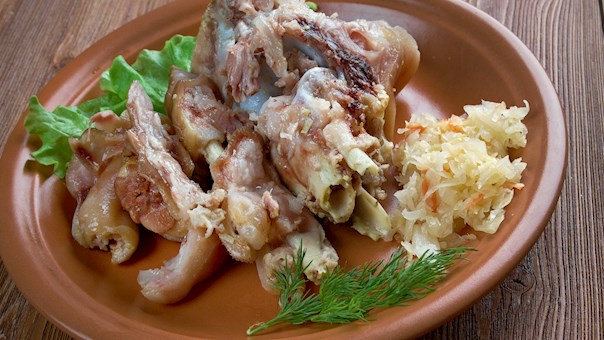
Grisfötter

n/a ·
16

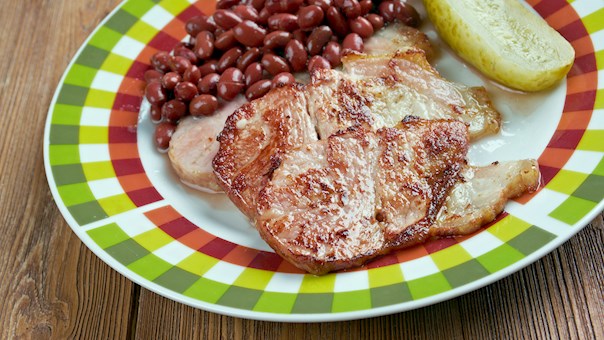
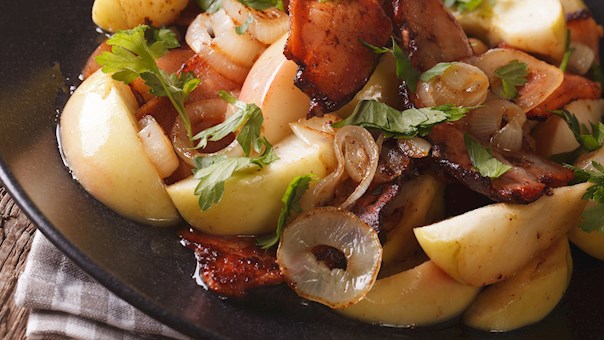
Äppelfläsk

n/a ·
17

Pӧlsa

n/a ·
Read more
View all
View map
About this ranking

TasteAtlas food rankings are based on the ratings of the TasteAtlas audience, with a series of mechanisms that recognize real users and that ignore bot, nationalist or local patriotic ratings, and give additional value to the ratings of users that the system recognizes as knowledgeable. For the “Top 19 Swedish Meat Dishes” list until June 15, 2026, 832 ratings were recorded, of which 696 were recognized by the system as legitimate. TasteAtlas Rankings should not be seen as the final global conclusion about food. Their purpose is to promote excellent local foods, instill pride in traditional dishes, and arouse curiosity about dishes you haven’t tried.

Similar lists