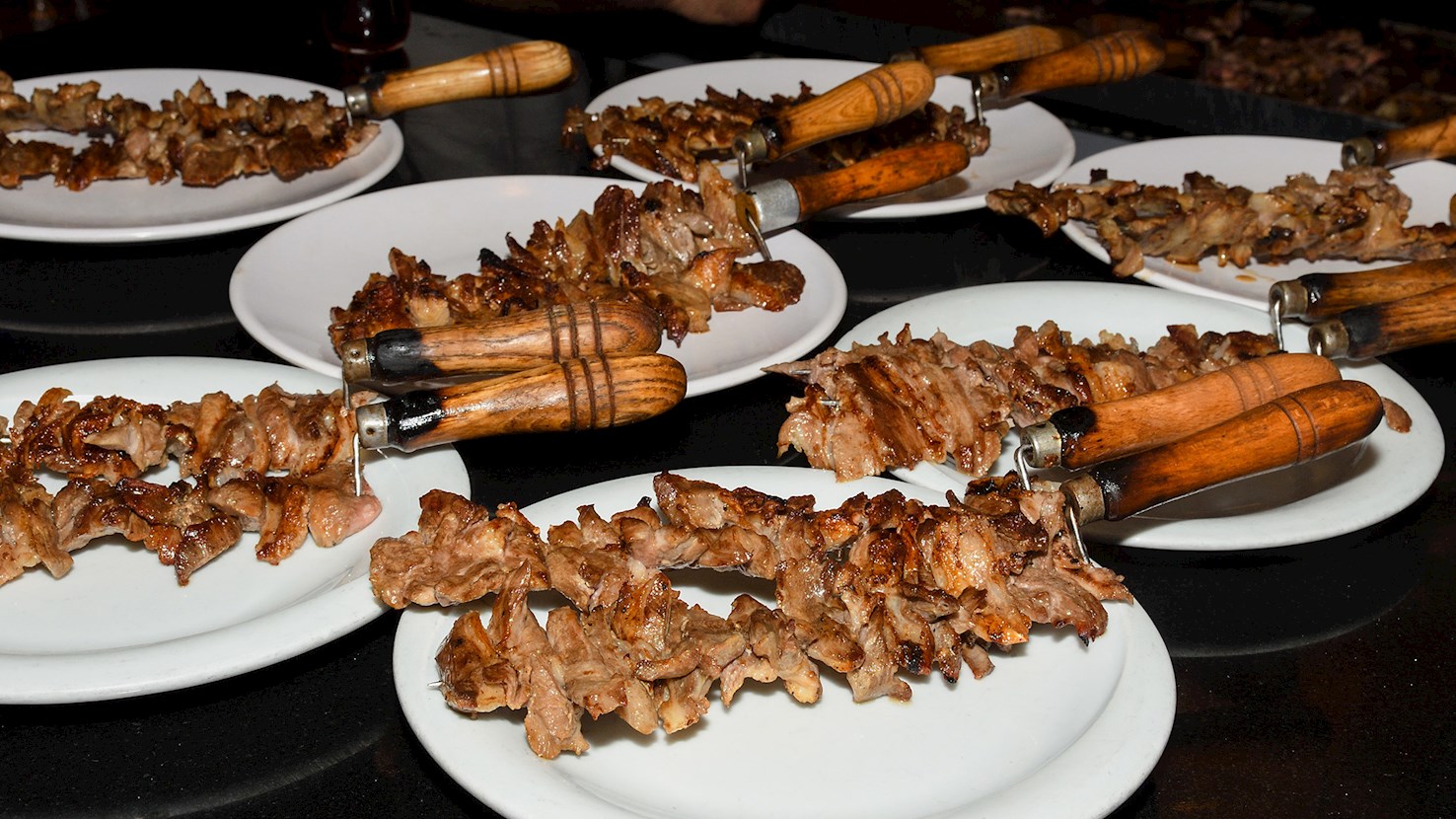
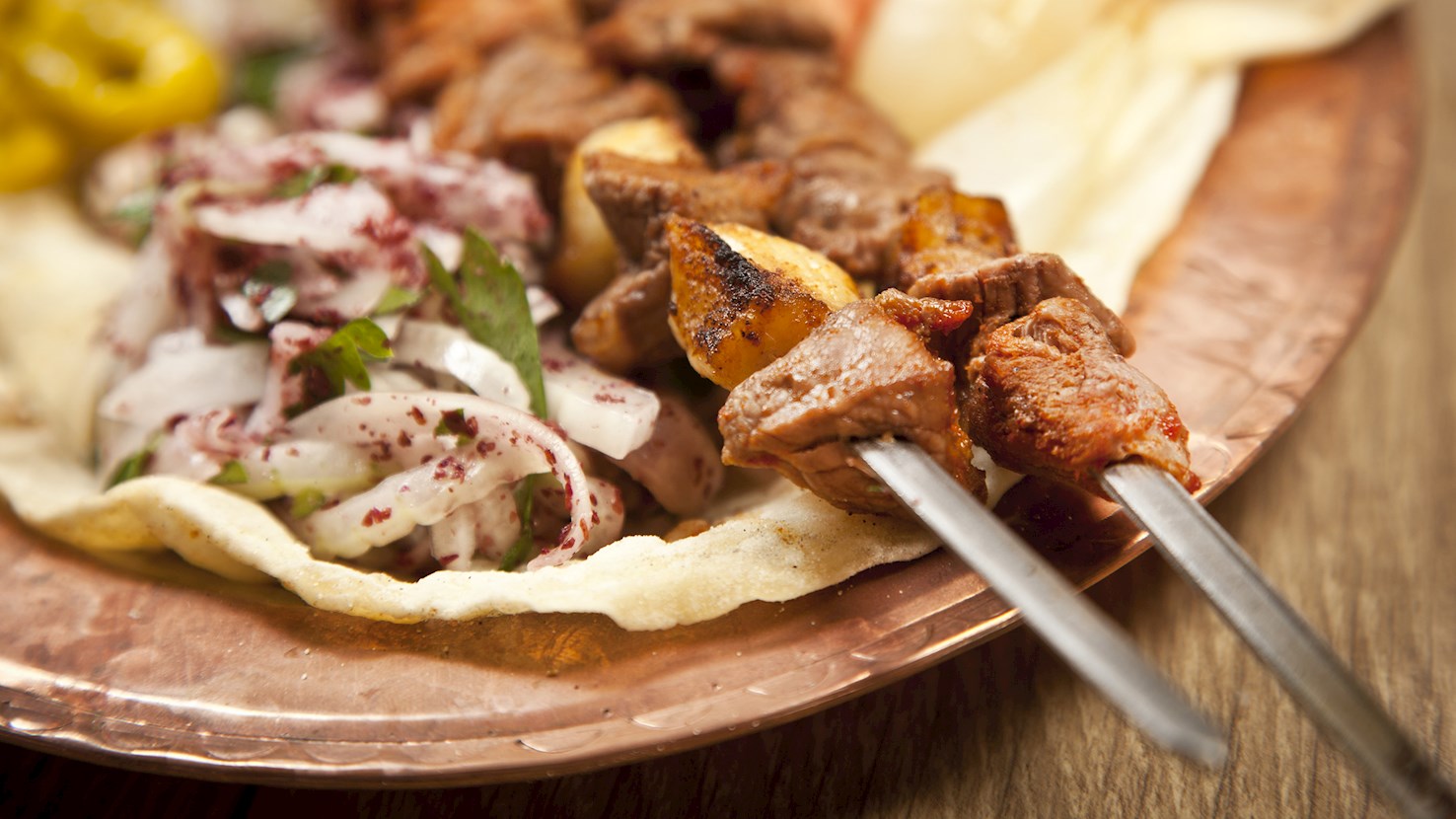
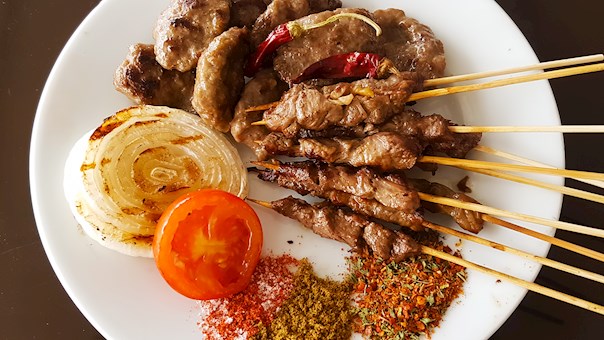
Oltu cağ kebabı is a horizontally roasted lamb kebab identified with the Oltu district of Erzurum Province in northeastern Türkiye, where the product took shape and continues to be defined by local practice and oversight. The kebab’s emergence is tied to sheep and lamb husbandry in Oltu and its surroundings, the availability of young lamb with a balanced fat profile, and a cooking method adapted to regional conditions that favored slow, controlled roasting on a horizontal spit rather than vertical stacking; over time, the name “Oltu” became inseparable from the product, and the name Oltu cağ kebabı is recorded in linguistic sources and in world culinary literature, a point that distinguishes it from similar regional preparations that may share techniques but not designation. Preparation centers on marinating carefully selected lamb, typically shoulder and leg cuts, with salt and restrained seasonings, then layering the meat onto a horizontal skewer and roasting it gradually over wood embers so the fat renders evenly and bastes the meat; as the exterior reaches doneness, thin slices are shaved off and served immediately, a service rhythm that prioritizes temperature and texture over batch holding. Serving is characteristically done on the cağ skewer itself, which functions both as utensil and presentation, and portions are often accompanied by flatbread and simple sides that do not compete with the meat; the method produces slices that balance exterior browning with a moist interior, and the horizontal orientation allows steady heat exposure that differentiates the cut and mouthfeel from vertical-spit kebabs. The product’s naming and oversight are formalized by the authorized supervisory body (Oltu Chamber of Commerce and Industry), which maintains standards tied to geographic identity and production criteria. Oltu cağ kebabı is commonly eaten as a shared table order served in successive cağs rather than a single plated portion, and it is paired most often with ayran, plain yogurt drinks, or lightly acidic beverages that refresh the palate, while bread and onions remain the customary accompaniments.
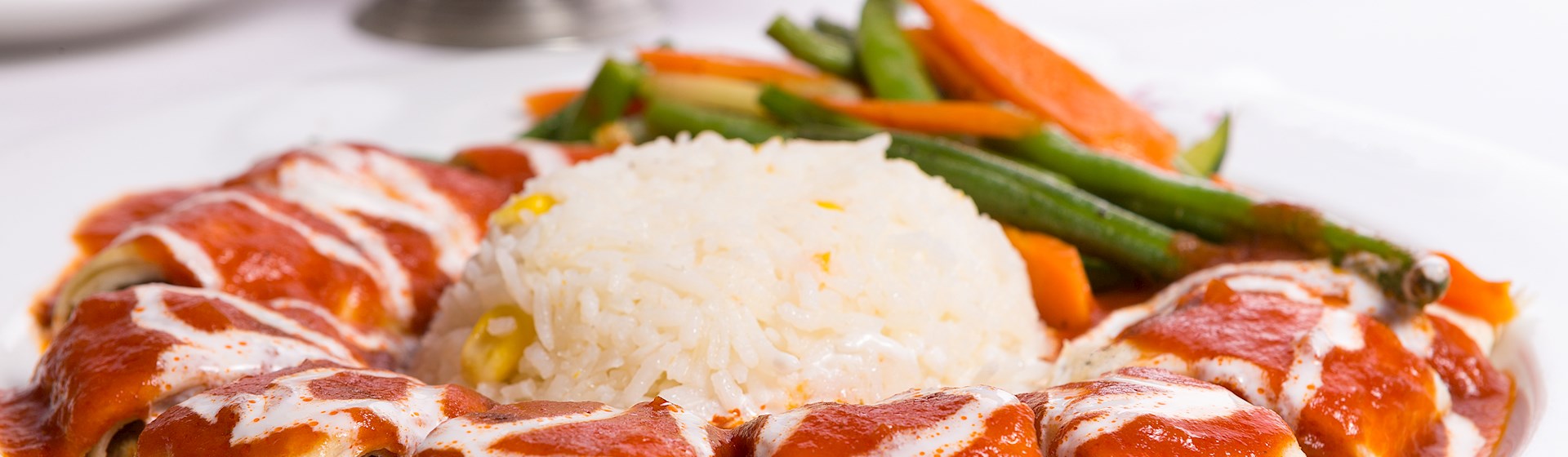
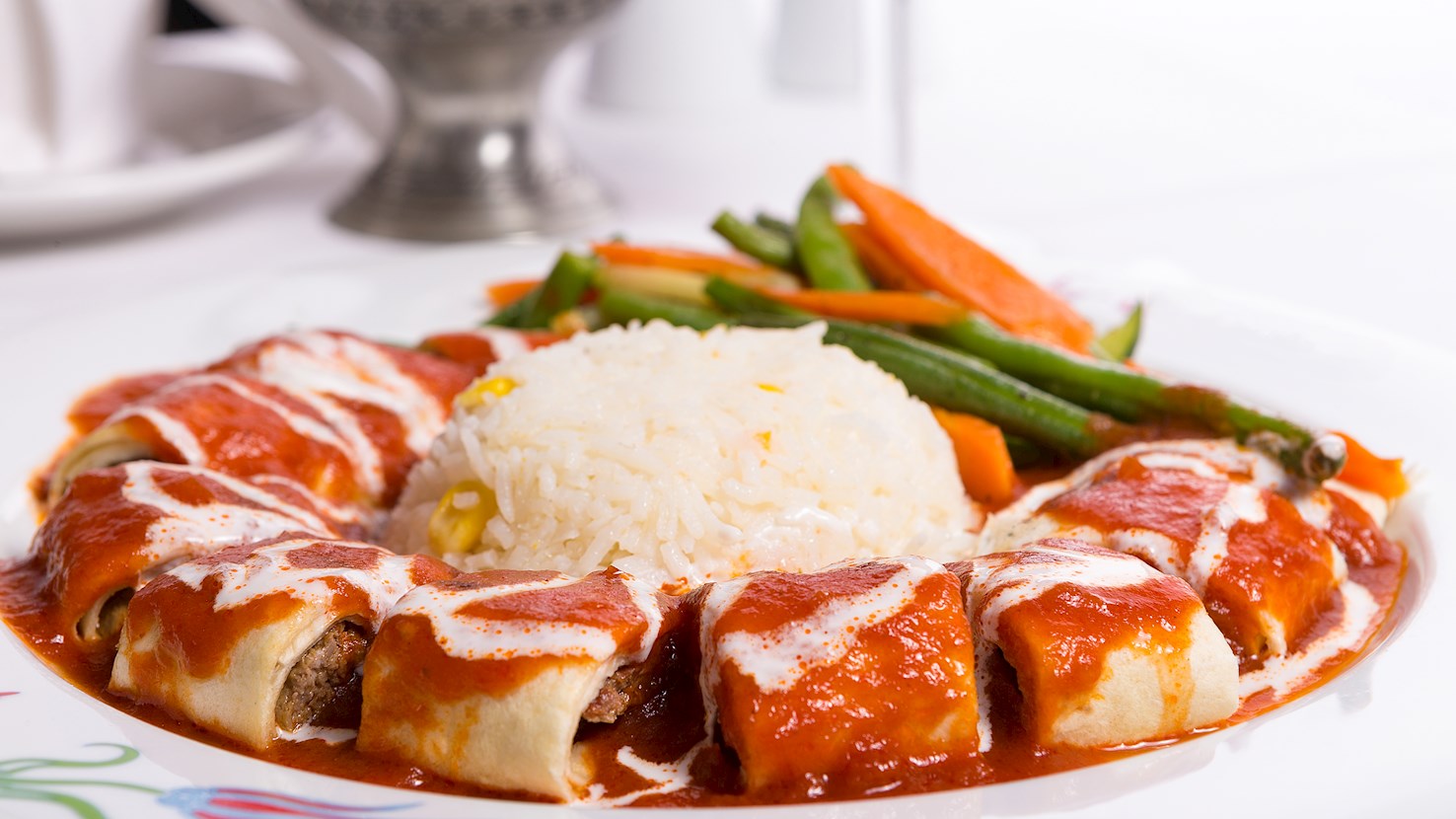
Beyti is a traditional kebab variety originating from Istanbul. It consists of ground lamb or beef that's seasoned with spices, grilled on a skewer, then served wrapped in lavash, cut into pieces, and topped with tomato sauce and yogurt. The ground meat is typically mixed with onions, eggs, garlic, cumin, coriander, salt, breadcrumbs, paprika, and black pepper. Lavash or phyllo pastry is brushed with butter, then wrapped around the grilled kebabs into a roll. The rolls are cut diagonally, then topped with a sauce consisting of tomatoes and butter, while the yogurt is usually served in the center of the rolls or on the side. Some people serve the dish with bulgur or steamed rice, while garnishes might include ghee and pistachios. This kebab variety was named after Beyti Güler, a restaurant owner from Istanbul who invented the dish in 1961.
Çökertme kebabı is a traditional kebab variety originating from the Bodrum area. The dish consists of marinated strips of veal that are served with tiny fried potatoes, tomato sauce, and yogurt. The marinade is usually made with milk, olive oil, cumin, salt, and paprika, while the yogurt sauce that's served with the dish is enriched with garlic and salt. The meat is fried, then placed over the fried potatoes and the yogurt sauce. The tomato sauce is placed on the meat, and some people might garnish the dish with thyme sprigs or a few sautéed peppers and tomatoes.
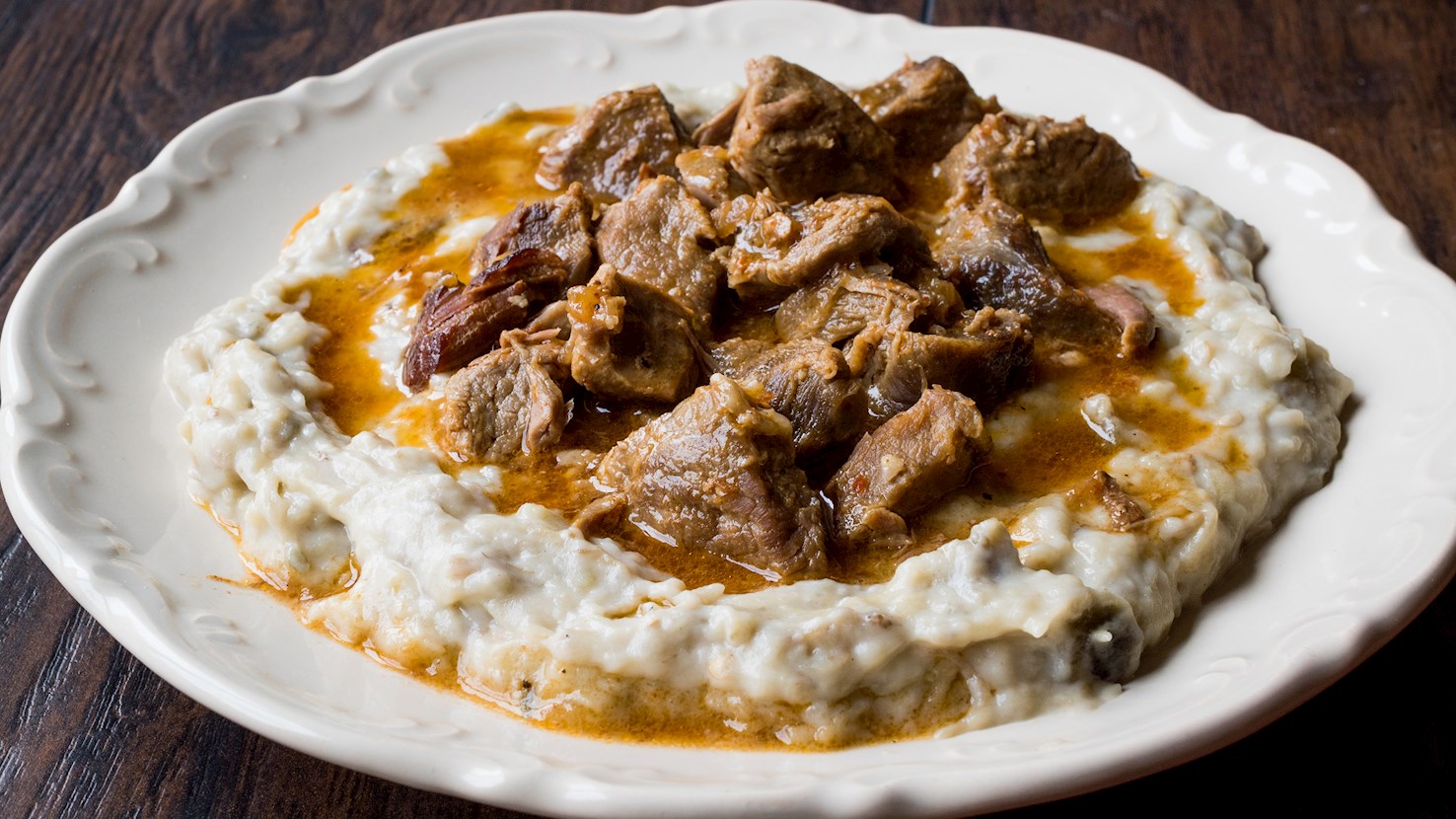
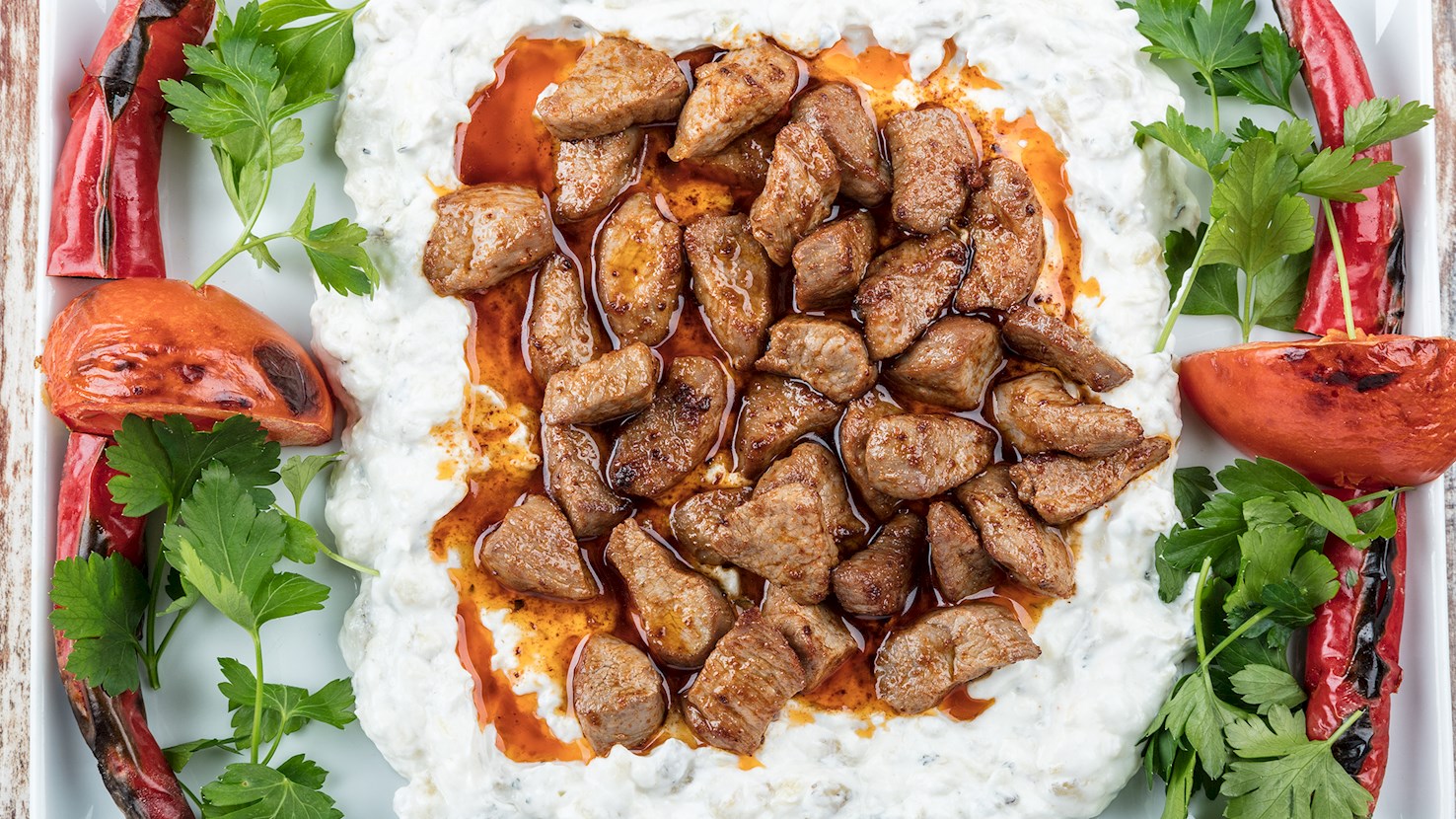
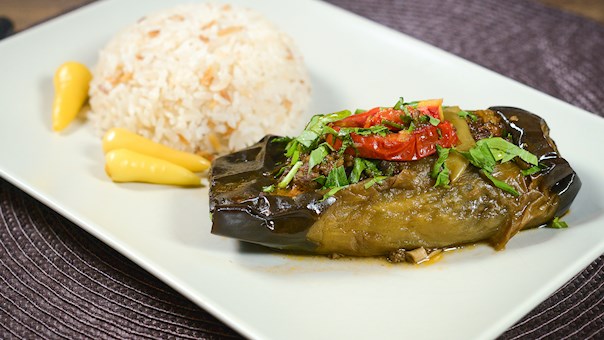
Hünkar beğendi is a traditional dish consisting of a flavorful lamb stew that is served on top of a creamy roasted eggplant purée. The purée is often thickened with milk and cheese, while the whole dish is sometimes topped with a tomato-based sauce or garnished with freshly chopped parsley. It is believed that the dish is native to Istanbul and was first prepared for the wife of Napoleon III in the late 19th century.
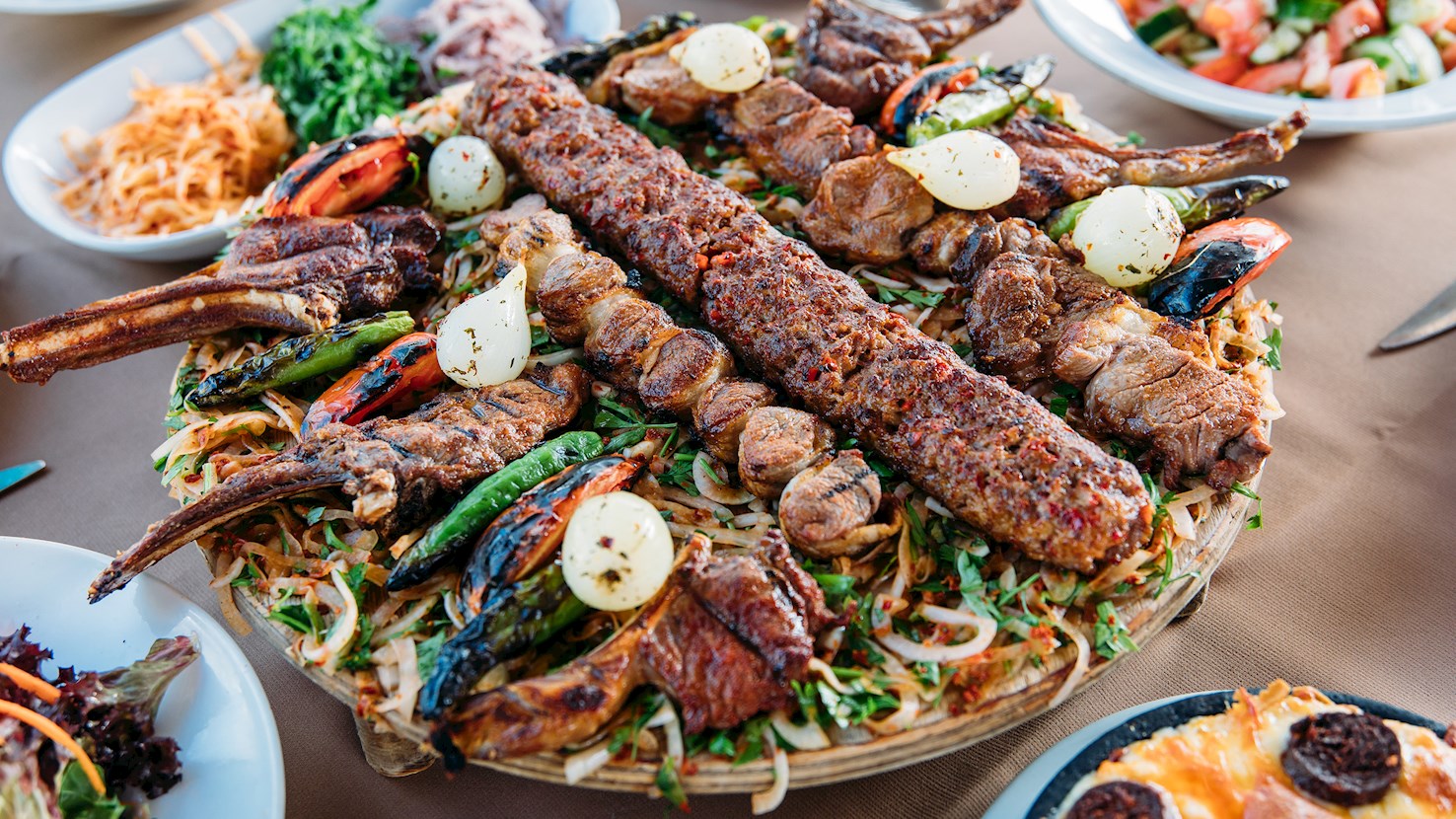
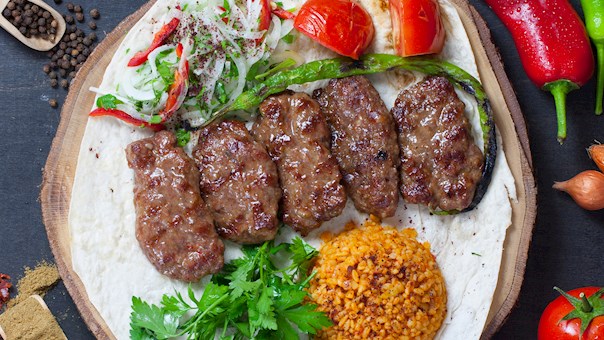
Adana kebap is a popular skewered meat dish named after one of the most famous kebab cities in the country, Adana. This kebab is made with ground lamb and tail fat that are kneaded together with garlic, onion, paprika, and hot red pepper flakes, giving it a deep red color and a spicy flavor. The whole concoction is typically placed around large and flat metal skewers, then grilled. Once it's done, the grilled meat is traditionally served on a platter over flatbreads, peppers, and tomatoes, or stuffed into pita bread along with a salad consisting of parsley and red onions. Before the pita is rolled, the meat is usually topped with roasted chilies, salt, cumin, and sumac. It is recommended to pair Adana kebap with ayran – a slightly salty, yogurt-based beverage or şalgam, a non-alcoholic fermented beverage made from vegetables and red carrots.
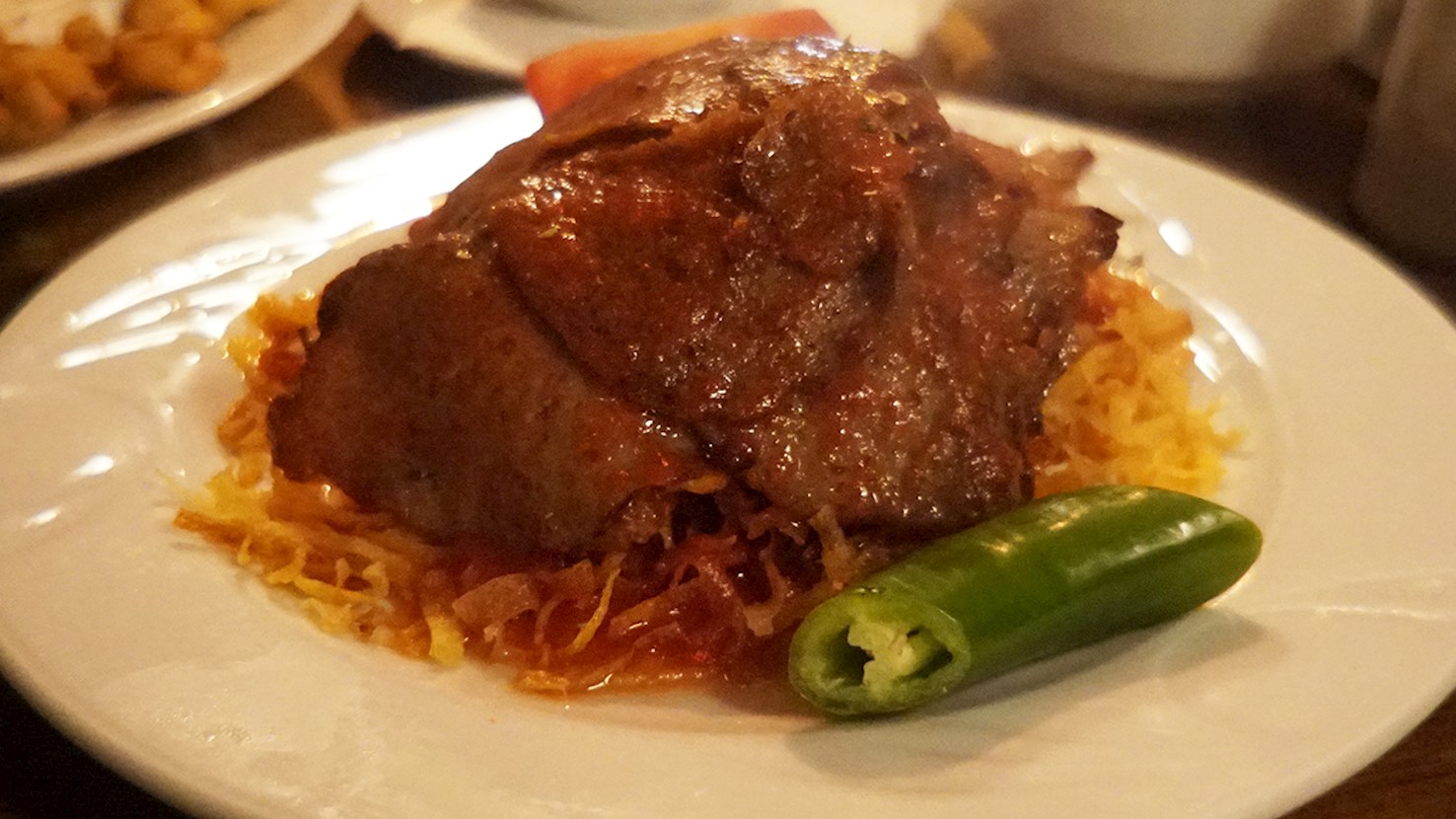
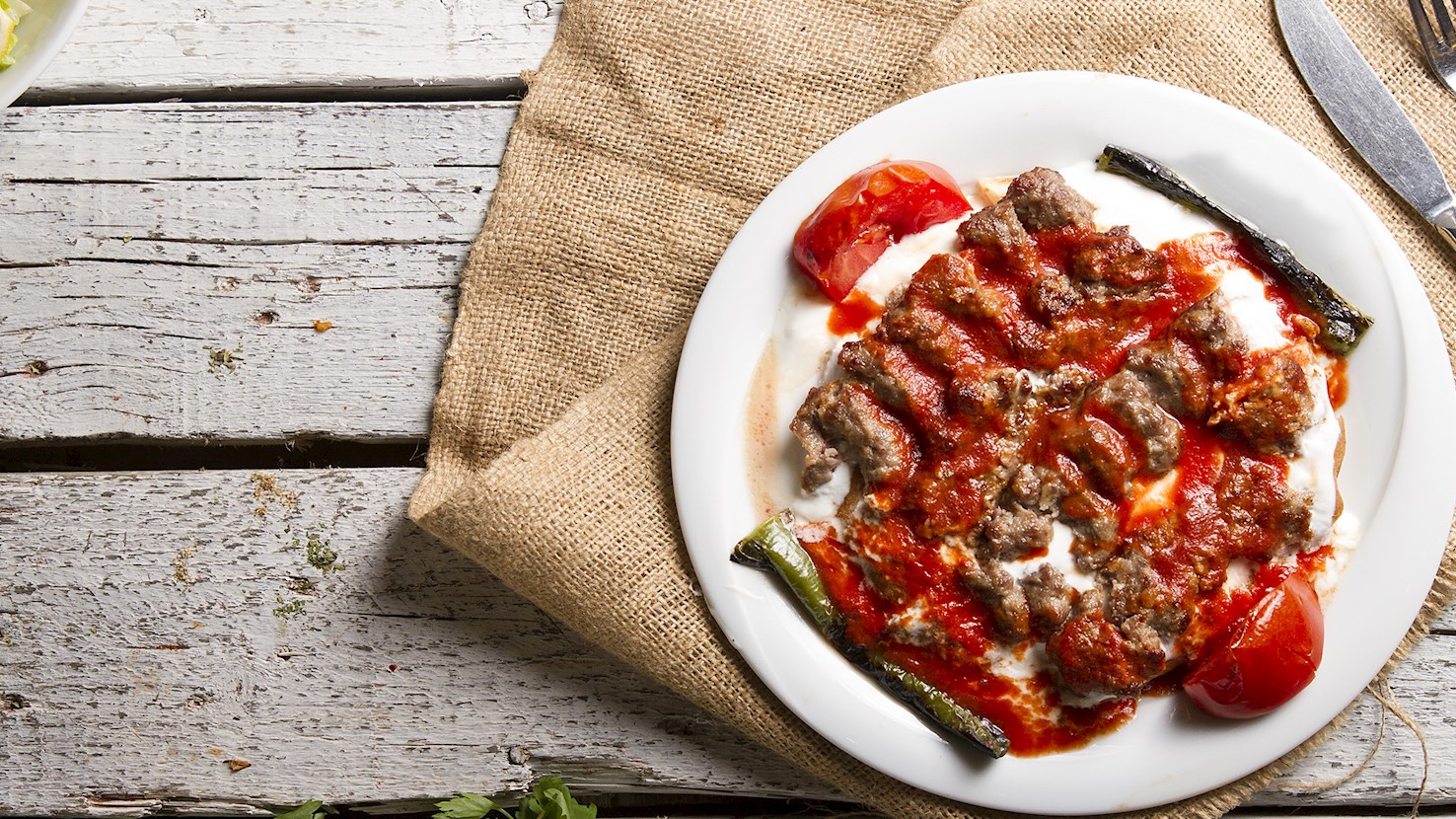
A specialty of the city of Bursa, İskender kebap is named after a butcher called İskender Efendi, who first prepared this flavorful dish. It consists of thinly sliced lamb that is grilled and combined with a spicy tomato sauce and pita bread, while melted sheep butter and yogurt are traditionally drizzled over the dish at the table. It is recommended to pair this kebap with şıra, a Turkish beverage that is known to aid digestion.
Kuzu şiş is a traditional type of kebab. This meat dish is made with chunks of lamb meat, mushrooms, green peppers, shallots, cherry tomatoes, and eggplants. The meat is usually marinated in a mixture of yogurt, olive oil, garlic, cumin, Turkish pepper paste, and black pepper. It's then placed on skewers, with diferent vegetables between each piece of meat. The skewers are then placed on the grill until done. Kuzu şiş is traditionally served hot off the grill.
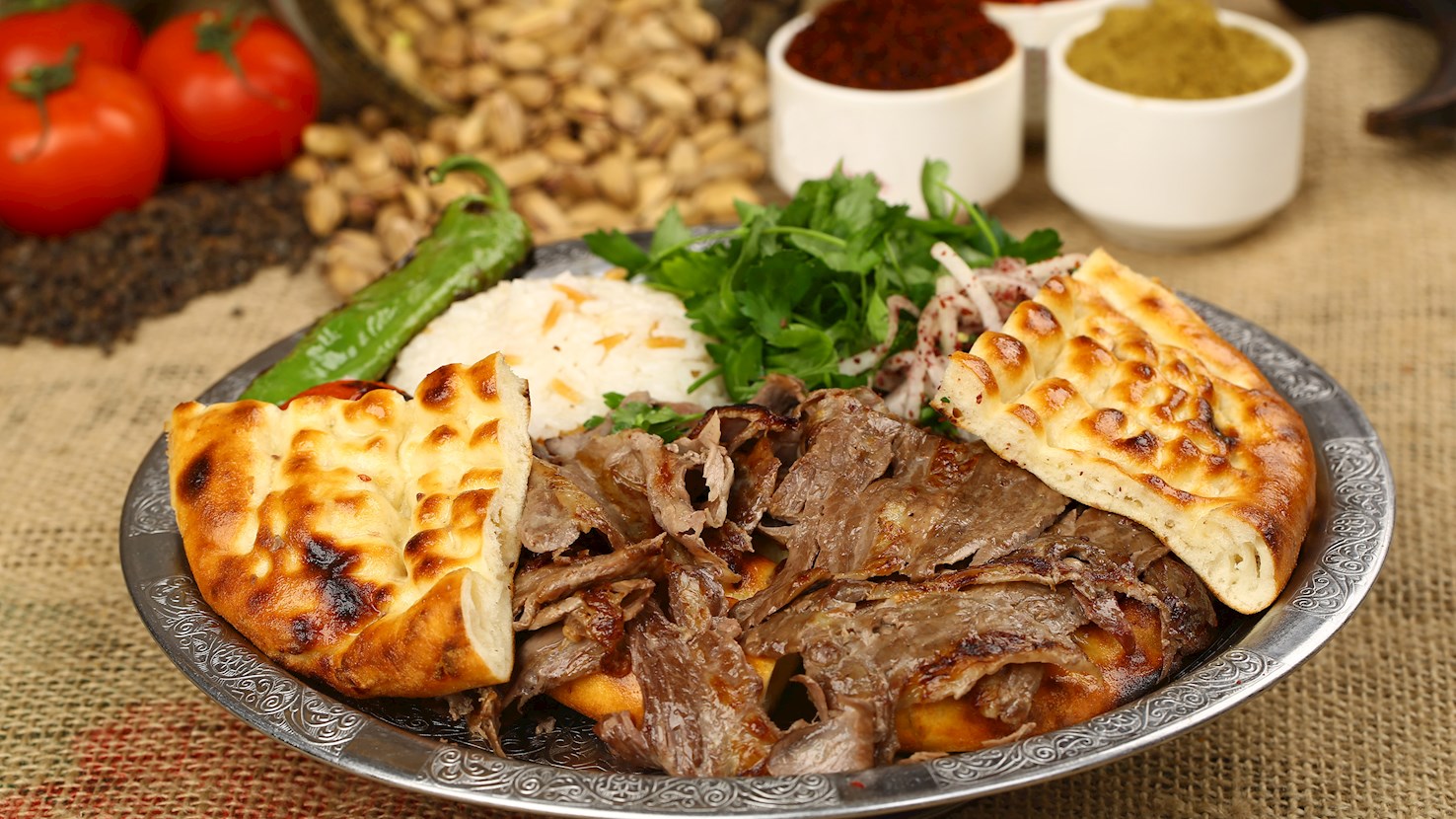
Döner kebab is a delicacy that is known throughout the world, consisting of grilled pieces of meat that are shredded from a vertical skewer. The meat is typically seasoned with fresh herbs and spices. Originally, the meat used in döner was exclusively lamb, but today in Istanbul, there are kebabs prepared with a combination of lamb and beef, or sometimes only with beef. Meat that is grilled vertically on a skewer isn't a new thing, as it has been mentioned in the 18th-century Ottoman travel books. The sandwich form döner kebab, which means rotating kebab, appeared in the early 1970s in Berlin. It is believed that Kadir Nurman was the first to place the shaved pieces of meat into a flatbread and serve it with vegetables such as tomatoes, lettuce, onions, cucumbers, and a squirt or two of sauce, unlike before, when the ingredients were served on a plate. Along with many of the Turkish variations on döner kebab, there are also numerous other regional variations in countries such as Armenia, Vietnam, Austria, Germany, France, and the United Kingdom.
Alinazik is a Turkish kebab variety originating from Gaziantep. It consists of char-grilled and puréed eggplants that are combined with garlic yogurt sauce, then topped with chunks of meltingly sweet lamb. The meat is typically stewed with onions, red pepper paste, tomatoes or tomato paste, and olive oil. It is important that the eggplants have a smoky flavor, and the best way to achieve it is to roast them over a coal fire. When served, alinazik kebab is traditionally accompanied by rice pilaf or grilled vegetables on the side.
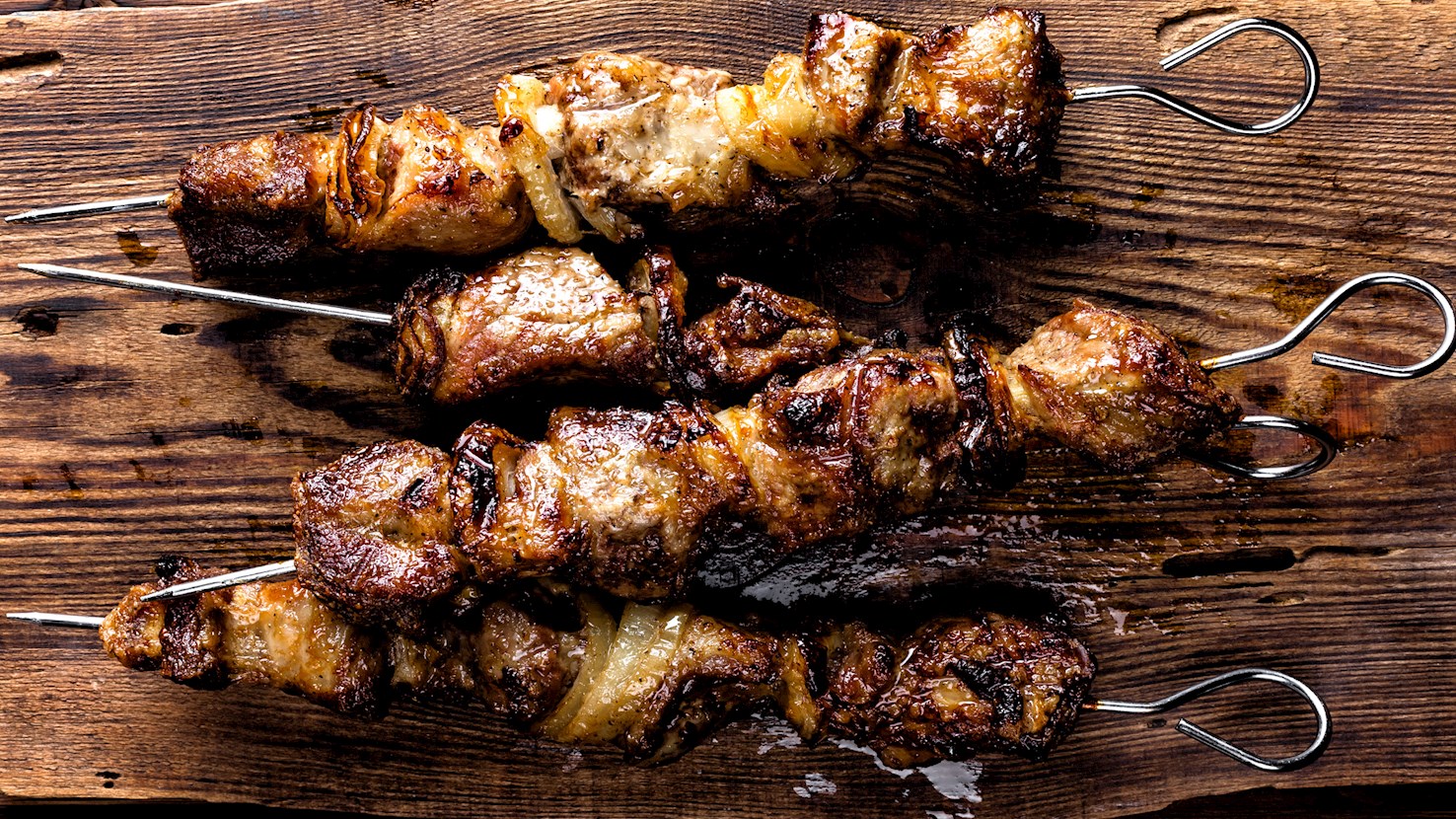
Shish is the most famous kebab variety consisting of pieces of meat on a skewer that is grilled over a fire. The dish originated with the nomadic tribes who used to marinate the meat in order to tenderize it and to get rid of the gamey flavors. The marinades include any combination of lemon juice, olive oil, milk, yogurt, cinnamon, allspice, and various other spices. Authentic Turkish shish kebab is rarely prepared with vegetables on the same skewer, and it has been suggested by numerous food writers that grilling the vegetables and meat on a same skewer is a modern invention by Turkish restaurateurs to make the skewers look more visually appealing to customers. The vegetables and meat should be grilled on separate skewers so that both are cooked for a proper period of time.
TasteAtlas food rankings are based on the ratings of the TasteAtlas audience, with a series of mechanisms that recognize real users and that ignore bot,
nationalist or local patriotic ratings, and give additional value to the ratings of users that the system recognizes as knowledgeable.
For the “Top 49 Turkish Meat Dishes” list until September 15, 2026, 12,438 ratings were recorded, of which 6,898 were recognized by the system as legitimate.
TasteAtlas Rankings should not be seen as the final global conclusion about food. Their purpose is to promote excellent local foods,
instill pride in traditional dishes, and arouse curiosity about dishes you haven’t tried.



What People Say