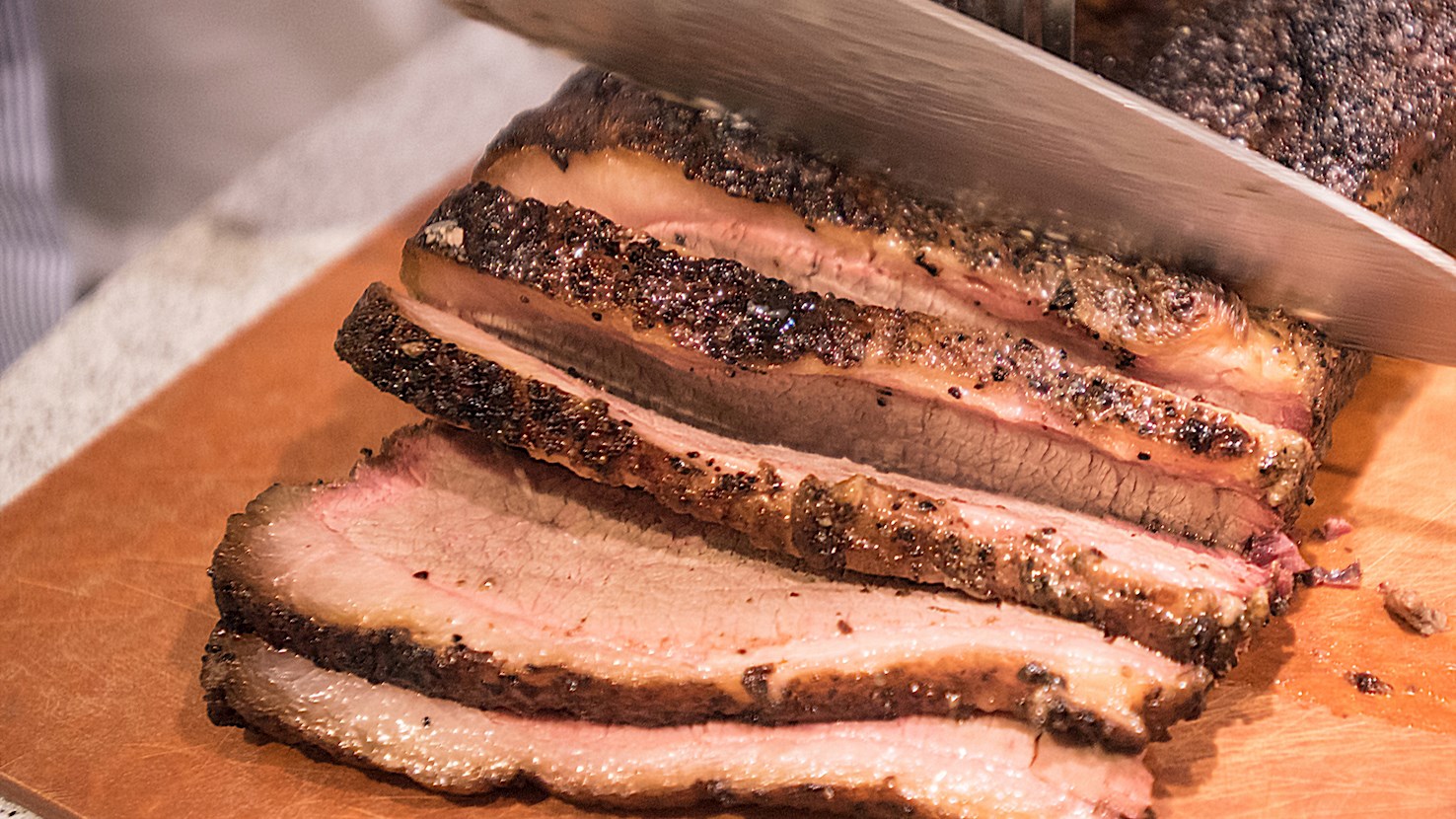
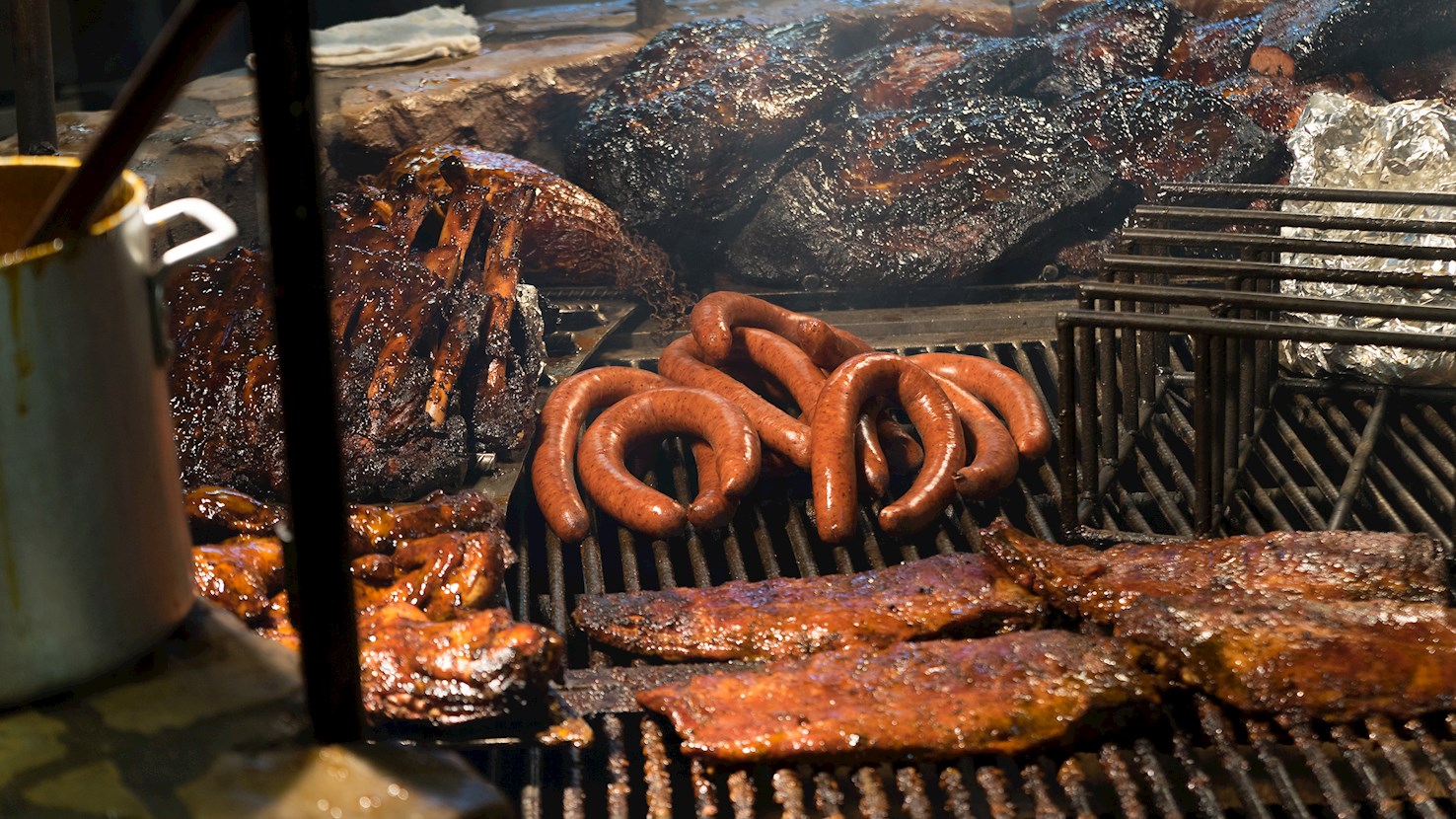
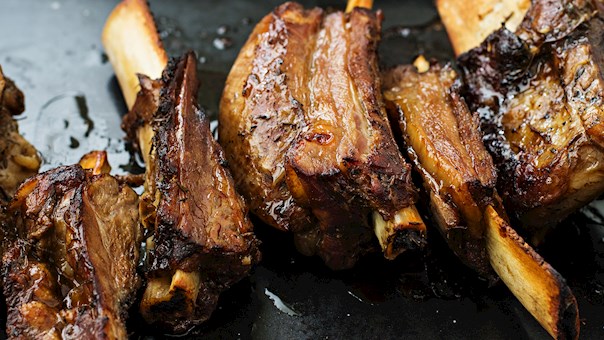
Central Texas-style barbecue originated in the Czech and German meat markets in the late 19th century. This barbecue style is typically associated with cooking brisket (the fattier portion is called point, while the leaner portion is called flat) low and slow, usually over post oak fire. The meat is seasoned with salt, pepper, and maybe a bit of cayenne or garlic powder. It is then cooked in offset smokers, while the heat and smoke from the fire go across the meat, adding an irresistible smoky flavor to the brisket (although shoulder clod, chuck short ribs, and larger short ribs are also popular). The meat is carved in front of the customer, and it is traditionally served on butcher paper (as an homage to the meat markets of yore), most often without any type of barbecue sauce on the side.
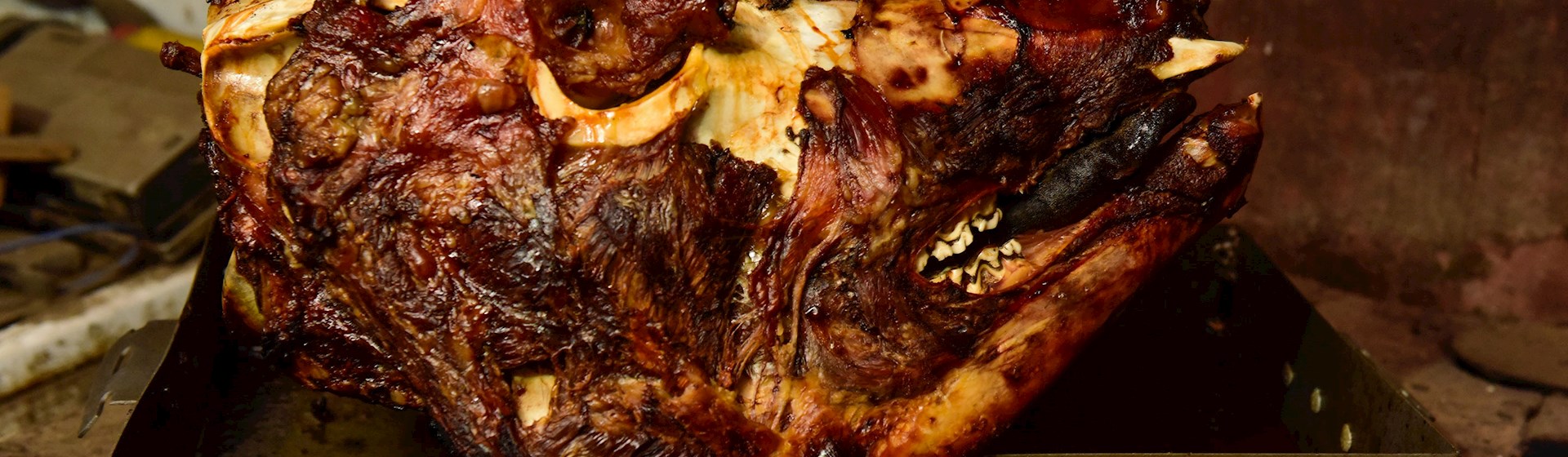
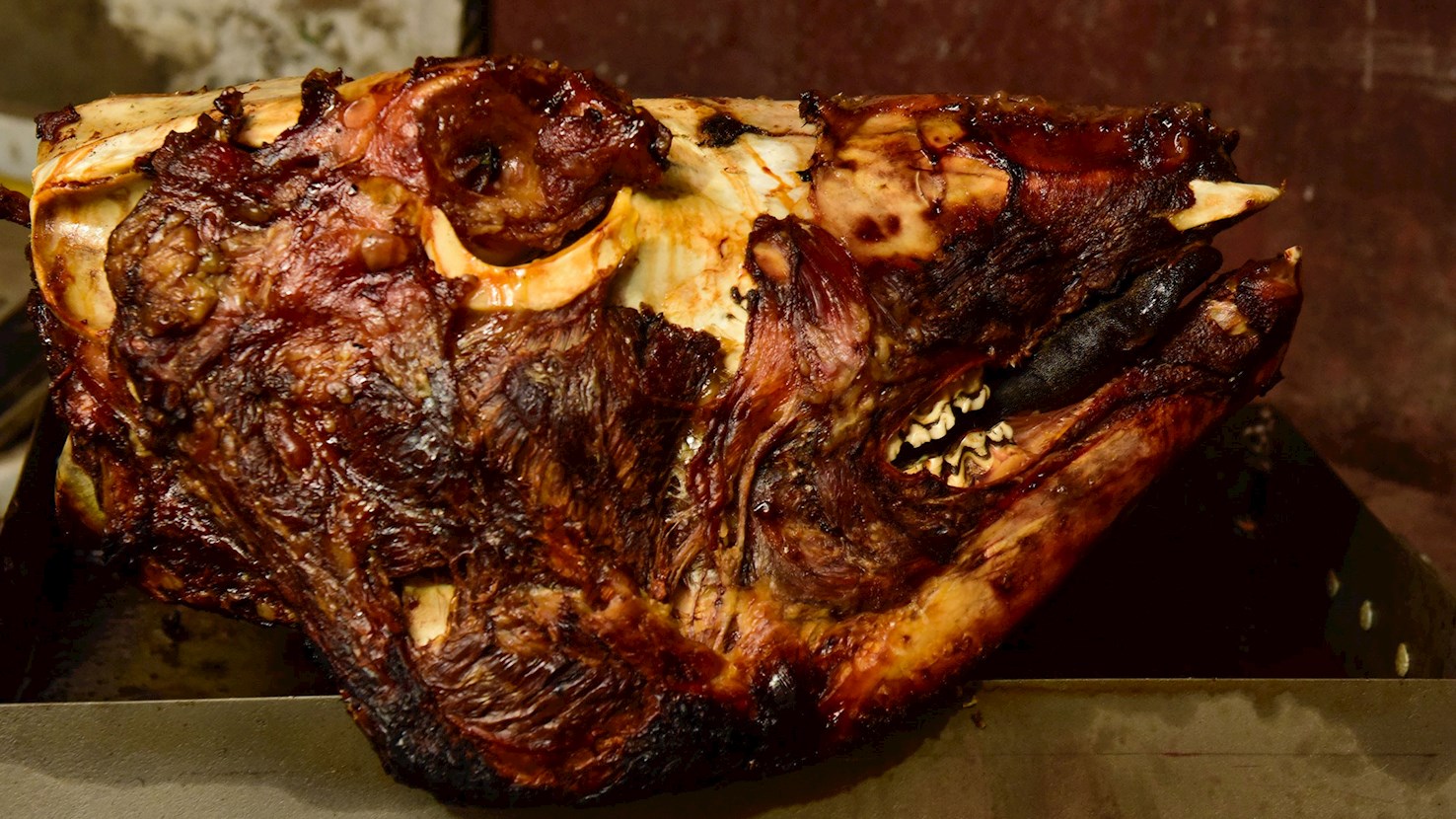
South Texas-style barbecue is an American regional barbecue style in which it's all about barbacoa and cow heads – they are cooked in a pit lined with stones or bricks, and then a mesquite fire is started in the bottom of the pit. Agave leaves are placed on top of the coals, and the heads (or other meat) are placed on top of it, while the leaves are folded over before the lid is placed over the pit. The resulting meat is so tender that it falls off the bone (or off the skull), and it is then served by the pound with sided such as onions, tortillas, cilantro, and various salsas. This barbecue style also uses cabrito – young goats that are spit-roasted or cooked over coals.
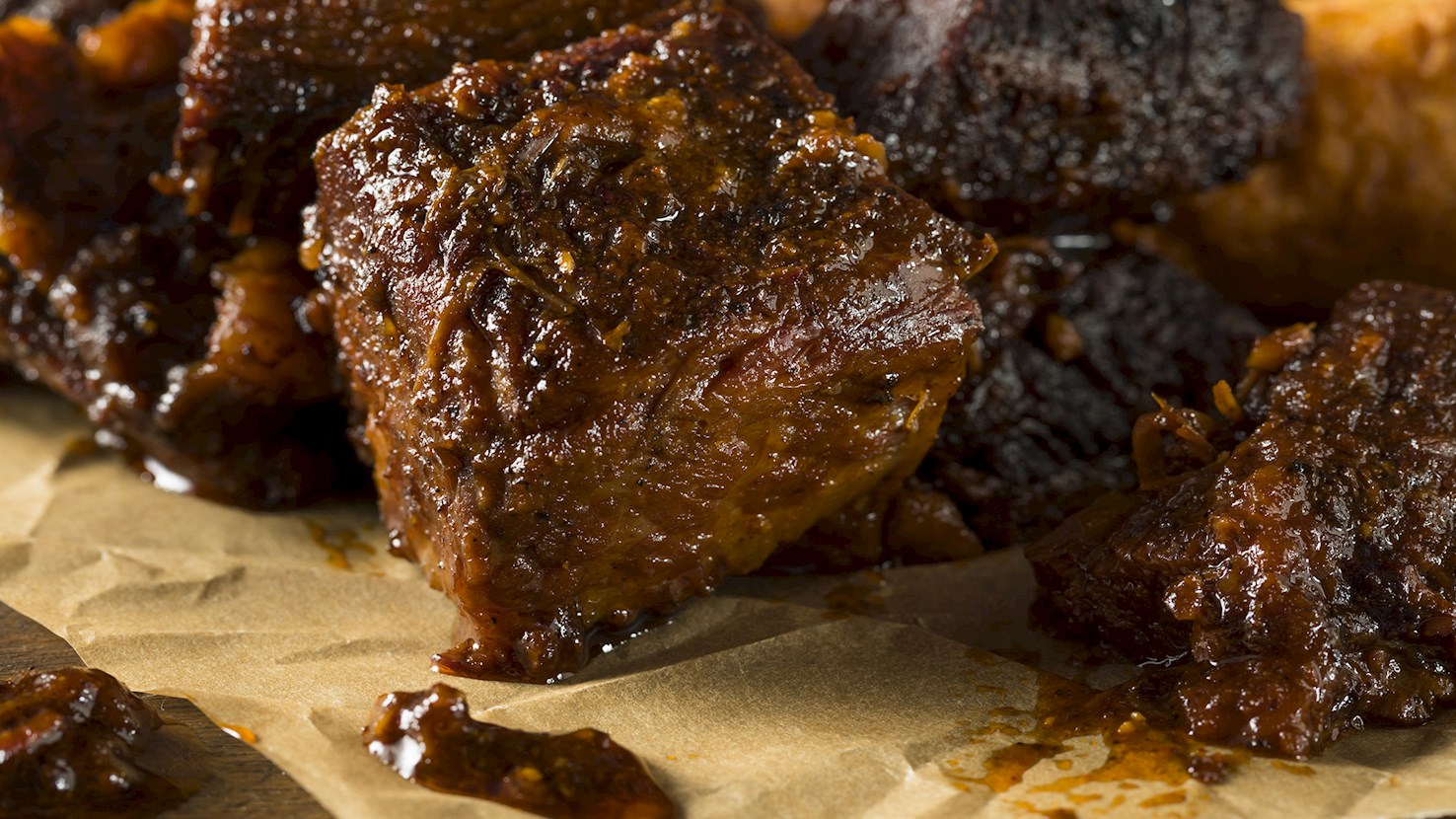
Burnt ends are a delicious specialty originating from Kansas City. The name refers to the unusually-shaped, tougher, fattier end pieces of barbecued brisket which were served as appetizers, placed into stews, or given to customers free of charge. These smoky burnt ends capture melted fat during the barbecue process, making them incredibly flavorful. Nowadays, they are a staple menu item in the city, usually served cubed on their own or smothered in barbecue sauce. Burnt ends can also be used in sandwiches or combined with baked beans and french fries.
Texas-style barbecue is an American barbecue style that can be divided into 4 separate subcategories: Central Texas, East Texas, South Texas, and West Texas barbecue.
The best-known variety is the Central Texas-style that originated in the Czech and German meat markets in the late 19th century. This barbecue style is typically associated with cooking brisket (the fattier portion is called point, while the leaner portion is called flat) low and slow, usually over post oak fire. The meat is seasoned with salt, pepper, and maybe a bit of cayenne or garlic powder. It is then cooked in offset smokers, while the heat and smoke from the fire go across the meat, adding an irresistible smoky flavor to the brisket (although shoulder clod, chuck short ribs, and larger short ribs are also popular). The meat is carved in front of the customer, and it is traditionally served on butcher paper (as an homage to the meat markets of yore), most often without any type of barbecue sauce on the side.
The East Texas-style is characterized by the acceptance of pork and an emphasis on barbecue sauce. Pork ribs and smoked boudin are staples of East Texas-style barbecue, and the sides include some interesting things such as greens, fried okra, and banana pudding.
In South Texas, it's all about barbacoa and cow heads – they are cooked in a pit lined with stones or bricks, and then a mesquite fire is started in the bottom of the pit. Agave leaves are placed on top of the coals, and the heads (or other meat) are placed on top of it, while the leaves are folded over before the lid is placed over the pit. The resulting meat is so tender that it falls off the bone (or off the skull), and it is then served by the pound with sided such as onions, tortillas, cilantro, and various salsas. This barbecue style also uses cabrito – young goats that are spit-roasted or cooked over coals.
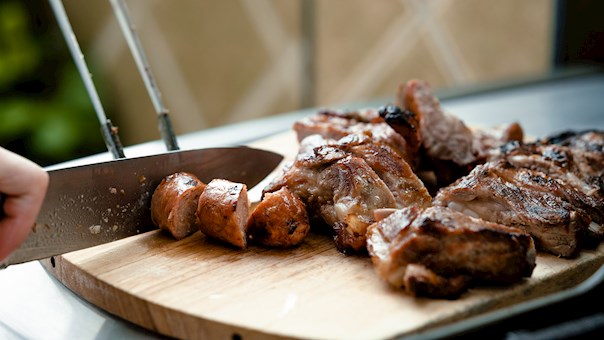
And finally, West Texas barbecue (a.k.a. cowboy style), where the meat is not smoked but cooked directly over mesquite coals. Goat, mutton, chicken, and beef are the most typical types of meat used in this barbecue-style. The cooking time is fast, so thinner meat such as sausage, ribs, and chops are typically more successful with this barbecue method.
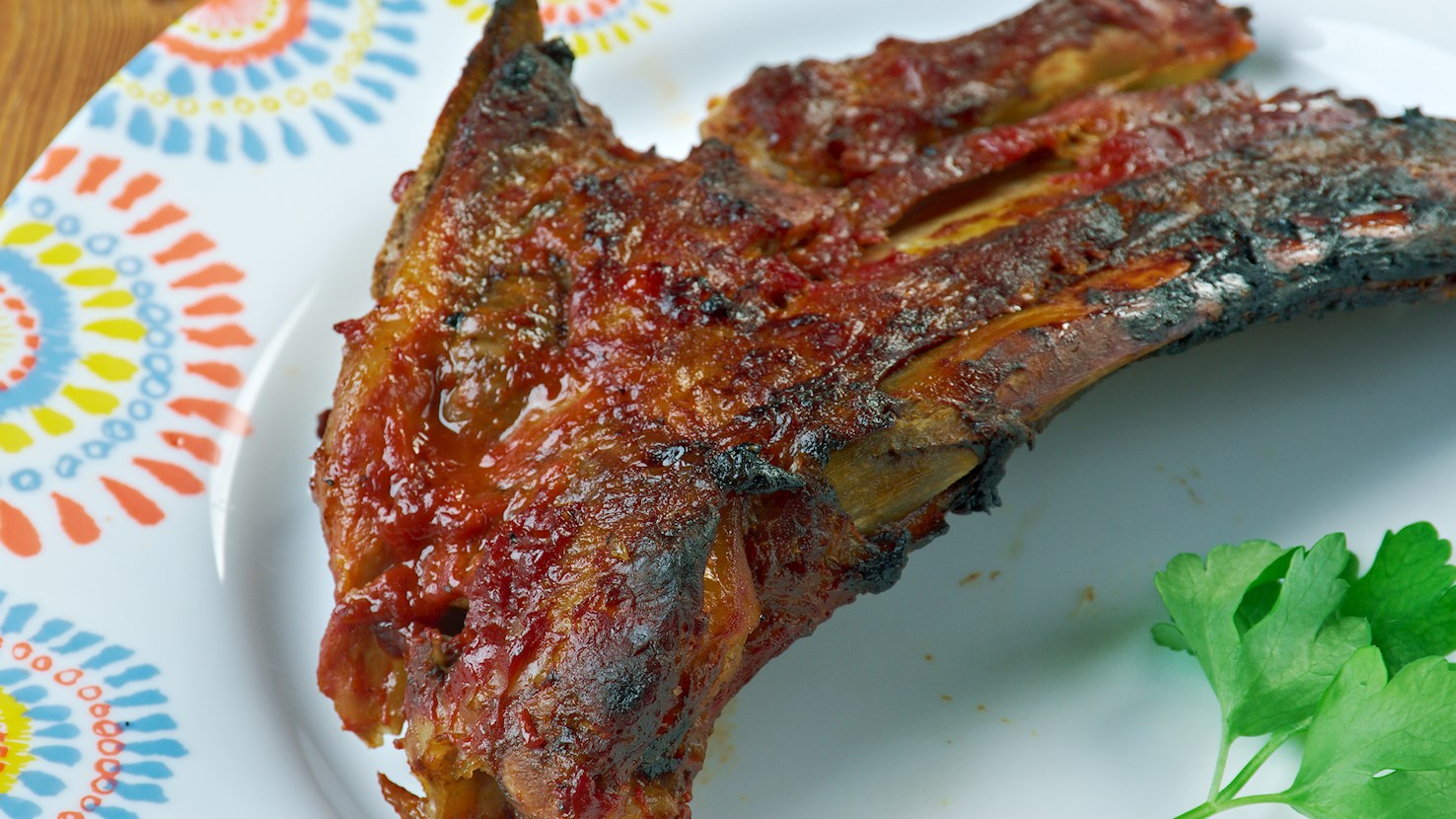
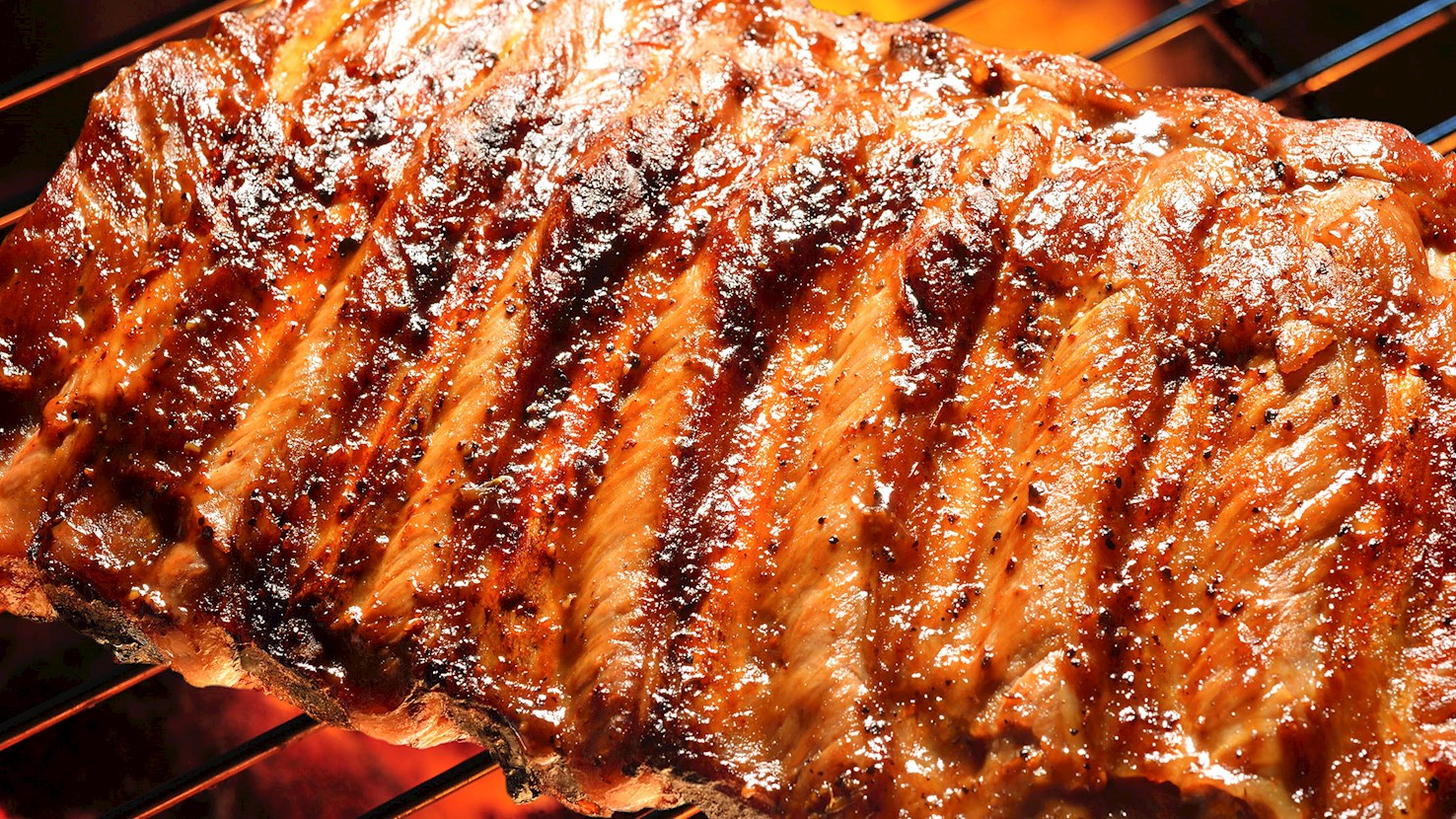
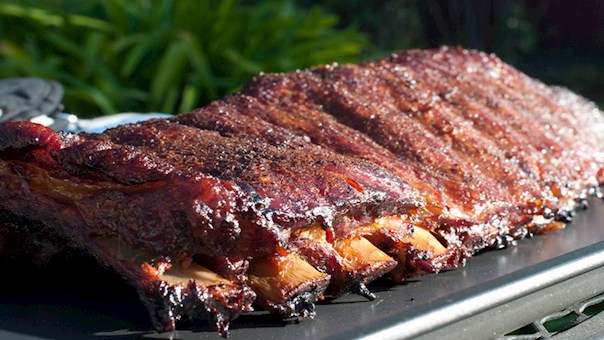
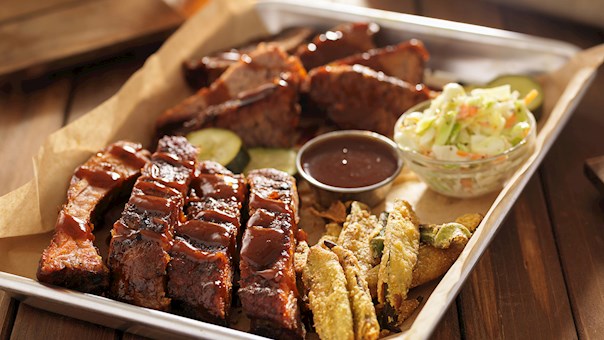
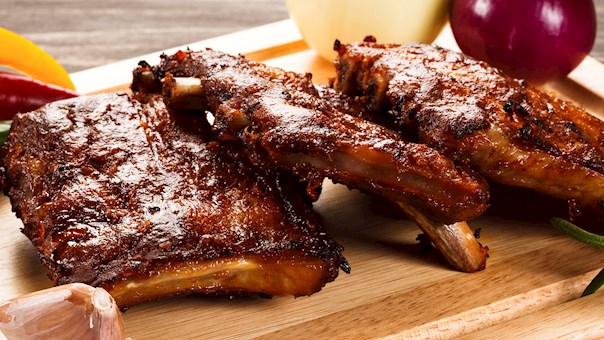
Memphis is also known as the Pork Barbecue Capital of the World. This barbecue style usually employs pork ribs and shoulders, although some restaurants still use chicken or beef. Dry rub ribs are typically seasoned with paprika and salt, giving them a rich red color, while wet ribs are usually brushed with a barbecue sauce. Combined with smoke and heat, the ribs develop a range of complex flavors during the barbecue process. When consumed on its own, the meat is often accompanied by a sauce consisting of slightly sweet vinegar and tomatoes, but pork can also sometimes get chopped and inserted into buns with mustard, vinegar, and coleslaw.
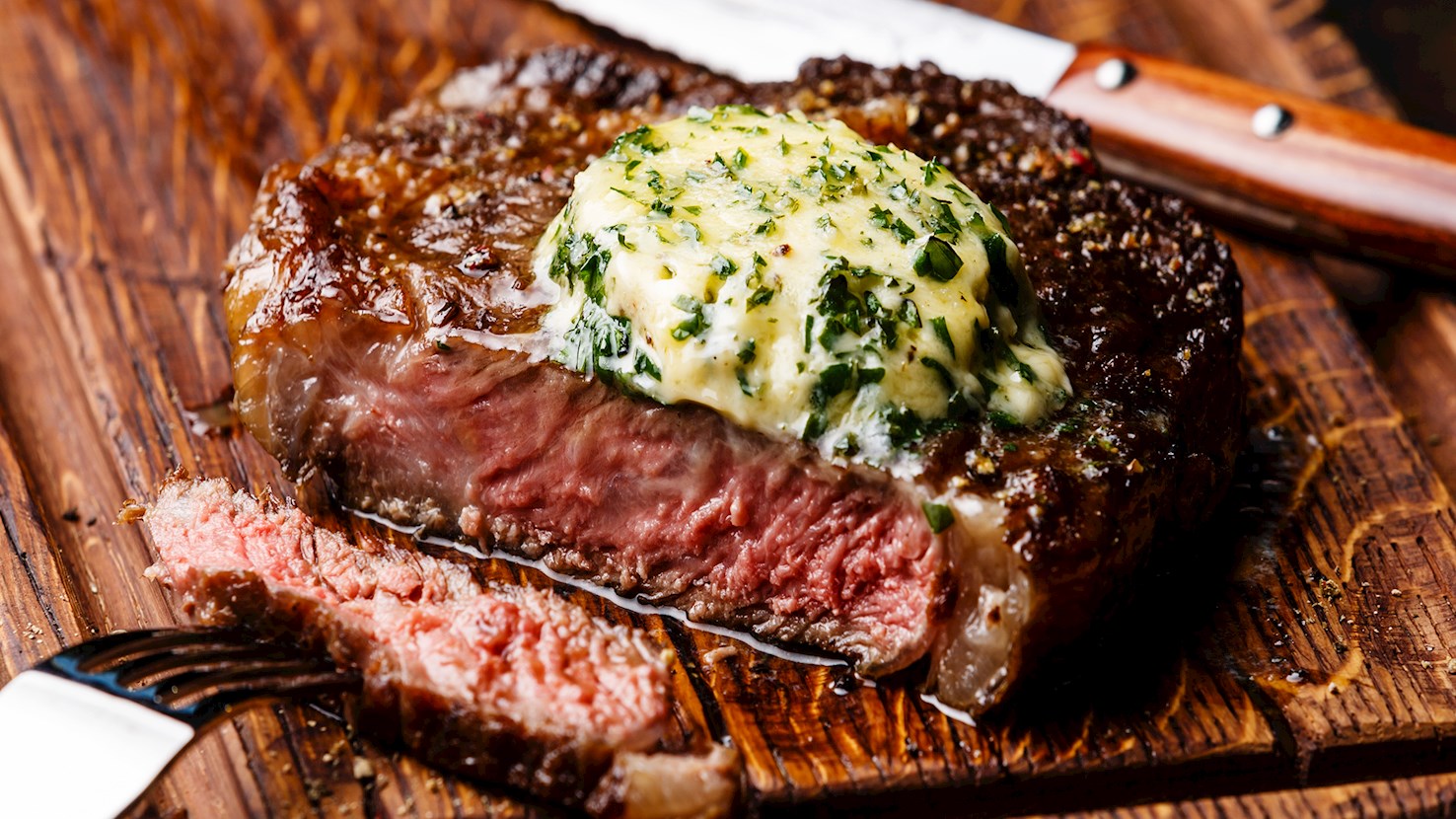
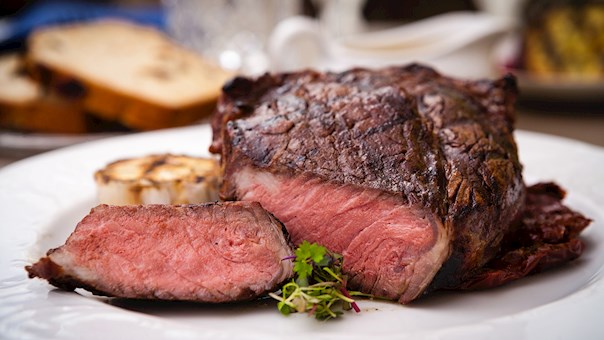
Created between 1840 and 1850, the Delmonico steak is a mystery that perplexes many. What you order in one restaurant may be different in another. Various food critics and food historians have come up with more than several differing opinions about this steak, and whether it is bone-in or -out, sirloin, or some other high-priced cut of beef. Moreover, while the two original chefs de cuisine of Delmonico Restaurant in New York City have both confirmed the preparation method, they still manage to differ slightly. If you order a Delmonico steak at Delmonico's today, you'll get a boneless rib-eye steak that's brushed with butter and beef fat after it has been taken out of the broiler. And though there are many debates about the origin of this steak, one thing can be certain: Delmonico steak is synonymous with the best piece of meat you can get when you walk into a restaurant.
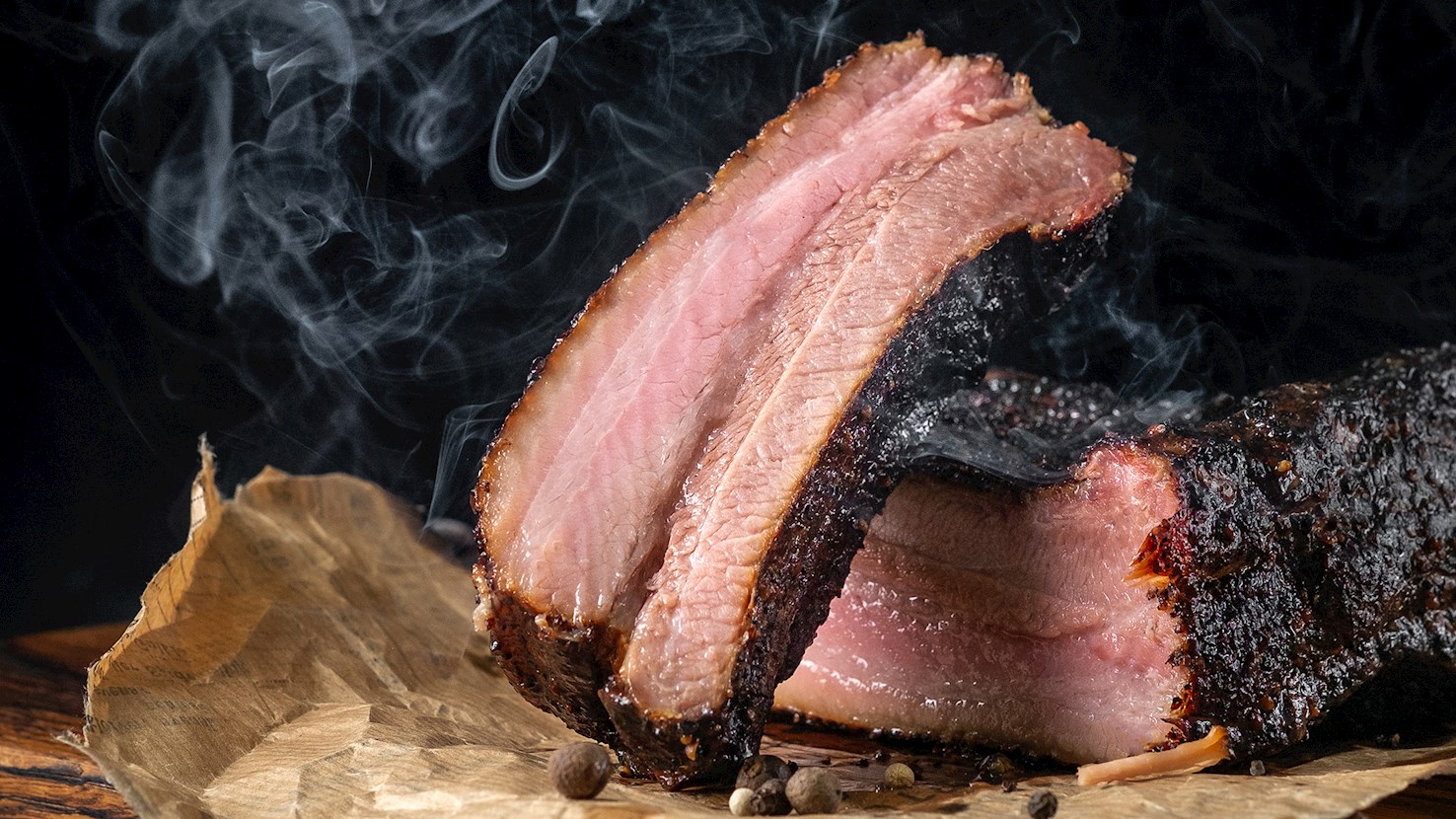
In the American, English and German systems of primal beef cuts, the brisket (or rinderbrust) is a cut that comes from the breast or lower chest of the cow. The brisket is one of the nine primal cuts of beef and is particularly known for its size and for having a significant amount of connective tissue. This cut consists of two different muscles: the pectoralis major, known as the "flat," and the pectoralis minor, or the "point." The flat is leaner, while the point has more fat and marbling. Because of the high amount of connective tissue, brisket needs to be cooked slowly, over low heat, to allow the collagen in the meat to break down and become tender. This makes it a popular choice for slow cooking methods like smoking, braising, or slow roasting. Brisket is notably used in a variety of regional American barbecue traditions, particularly Texas-style barbecue, where it's often smoked for many hours. It's also traditionally used for making corned beef and pastrami.
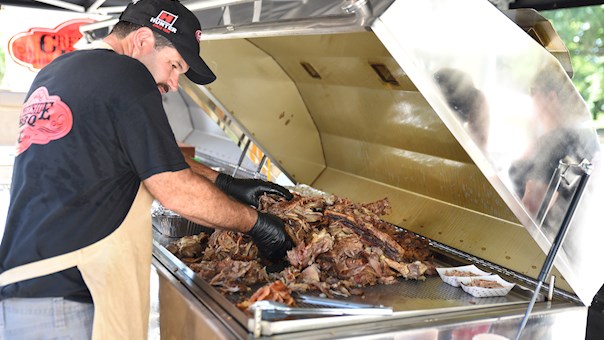
Barbecued meat is the gastronomic passion of the so-called "world capital of barbecue", also known as Kansas City. Barbecued pork ribs, flavorful slices of hot or cold beef brisket, or a "pig salad" of succulent pulled pork - those are just some of the delicacies of the Kansas City-style barbecue. The barbecue craze dates back to around 1908, when Henry Perry, an African-American chef, first started slow cooking pork ribs over oak and hickory, drizzling them with a sauce consisting of molasses, chiles, and tomatoes. He served the meal in newspaper and sold it for 25 cents a piece, and the consumers' acceptance and love of barbecued meat went better than expected. While home cooks and chefs have added their own secret ingredients since Perry's time, the most basic barbecue sauce and the method of preparation still remain much the same. Every October, barbecue lovers from all around the world gather in Kansas City for the American Royal Barbecue competition. Launched in 1980, it challenges about 600 teams against each other in categories such as chicken, pork ribs, pork shoulder, sausage, and beef brisket, and those who aim for the Great Champion title must barbecue in all categories. With its four day cook-off, rodeos, horse shows, and feasting on meat at vendor stalls, Kansas City is a barbecue capital worthy of its name.
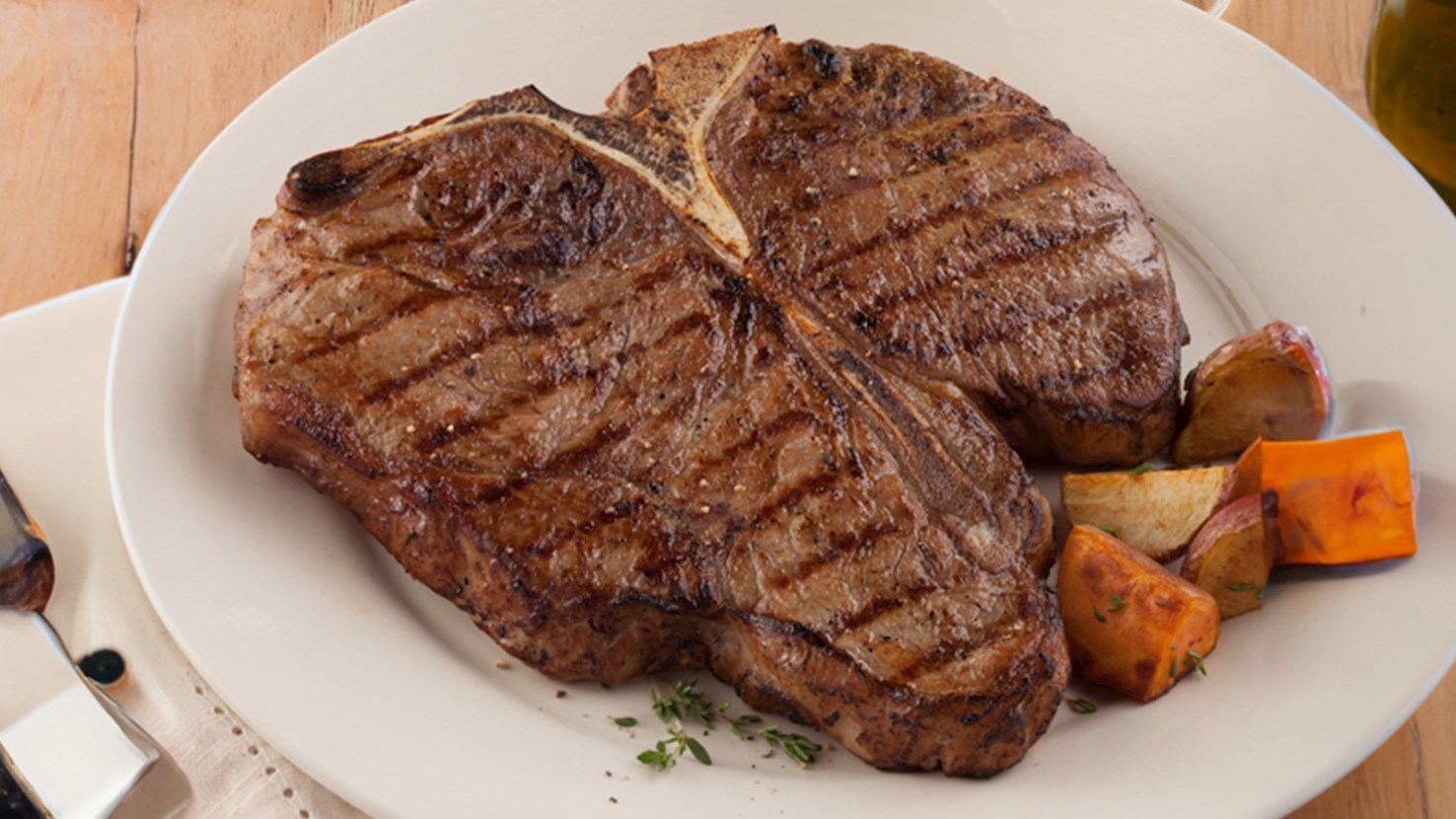
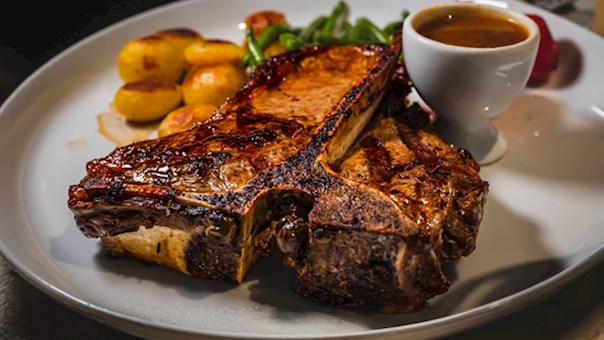
A porterhouse steak is a large, thick cut of beef taken from the rear end of the short loin. Although it is not linked to a specific country of origin, it is most commonly associated with British and American cuisines. It is named "porterhouse" because it was traditionally served in 18th-century porterhouses, which were inns or restaurants that served porter beer. The porterhouse steak is closely related to bistecca alla Fiorentina and is similar to a T-bone steak. The difference between a T-bone and a porterhouse is that the latter is cut from further back on the short loin, resulting in a larger portion of tenderloin and a larger overall size. The defining characteristic of a porterhouse steak is the T-shaped bone that runs through the center, separating two different cuts of meat: the strip steak (commonly known as the New York strip - marbled, flavorful cut known for its beefy taste) and the tenderloin (also known as filet mignon - tender and lean cut, prized for its mild flavor). A properly cooked porterhouse steak will have a juicy and tender texture with a combination of flavors from both the strip steak and the tenderloin. Due to its large size, it is often considered a steak for sharing or for those with hearty appetites. Porterhouse steaks are commonly grilled or pan-seared to enhance their natural flavors, and they are often served with accompaniments like vegetables, potatoes, or sauces.
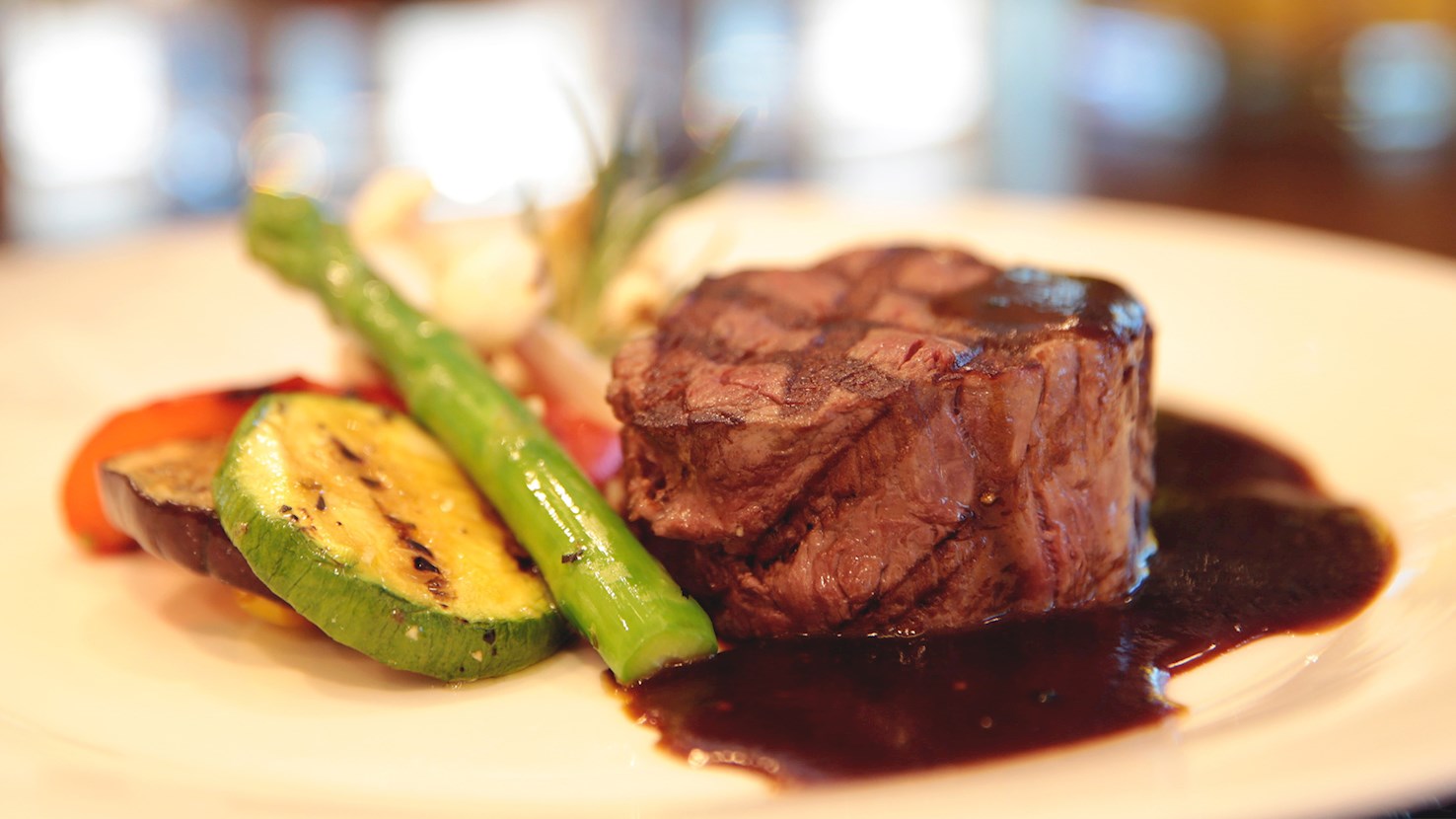
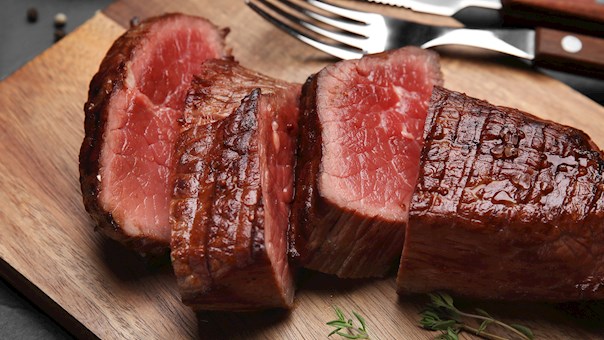
Filet mignon is a premium steak cut from the tenderloin of a cow, a muscle that runs along the spine. The name "filet mignon" is French, meaning "dainty fillet" or "delicate steak," which reflects its reputation as one of the most tender and luxurious cuts of beef. Known for its exceptional tenderness, filet mignon has a smooth, fine-grained texture and almost buttery consistency. However, it has a relatively mild flavor compared to other cuts like ribeye or strip steak, which are more marbled with fat. This makes filet mignon an ideal candidate for pairing with rich sauces, marinades, or other flavor-enhancing techniques. Typically cut into small, round portions weighing between 4 to 8 ounces each, filet mignon steaks are often thick-cut to help maintain their juiciness when cooked. They are usually prepared using high-heat methods such as grilling, broiling, or pan-searing and are best served medium-rare to medium to preserve their tenderness. Because filet mignon is so lean, it can dry out if overcooked, requiring careful attention during preparation. A favorite in fine dining, filet mignon is often the centerpiece of gourmet dishes, sometimes wrapped in bacon to add flavor and moisture. It is also commonly served with rich sauces like Béarnaise, peppercorn, or red wine reductions. Due to its tenderness and the skill required to prepare it properly, filet mignon is one of the more expensive cuts of beef, often reserved for special occasions and fine dining experiences.
TasteAtlas food rankings are based on the ratings of the TasteAtlas audience, with a series of mechanisms that recognize real users and that ignore bot,
nationalist or local patriotic ratings, and give additional value to the ratings of users that the system recognizes as knowledgeable.
For the “Top 100 American Meat Dishes” list until September 15, 2026, 11,339 ratings were recorded, of which 10,133 were recognized by the system as legitimate.
TasteAtlas Rankings should not be seen as the final global conclusion about food. Their purpose is to promote excellent local foods,
instill pride in traditional dishes, and arouse curiosity about dishes you haven’t tried.



What People Say