


shutterstock

Top 8 Italian Nut-flavored Liqueurs

Last updated on July 08, 2026
01

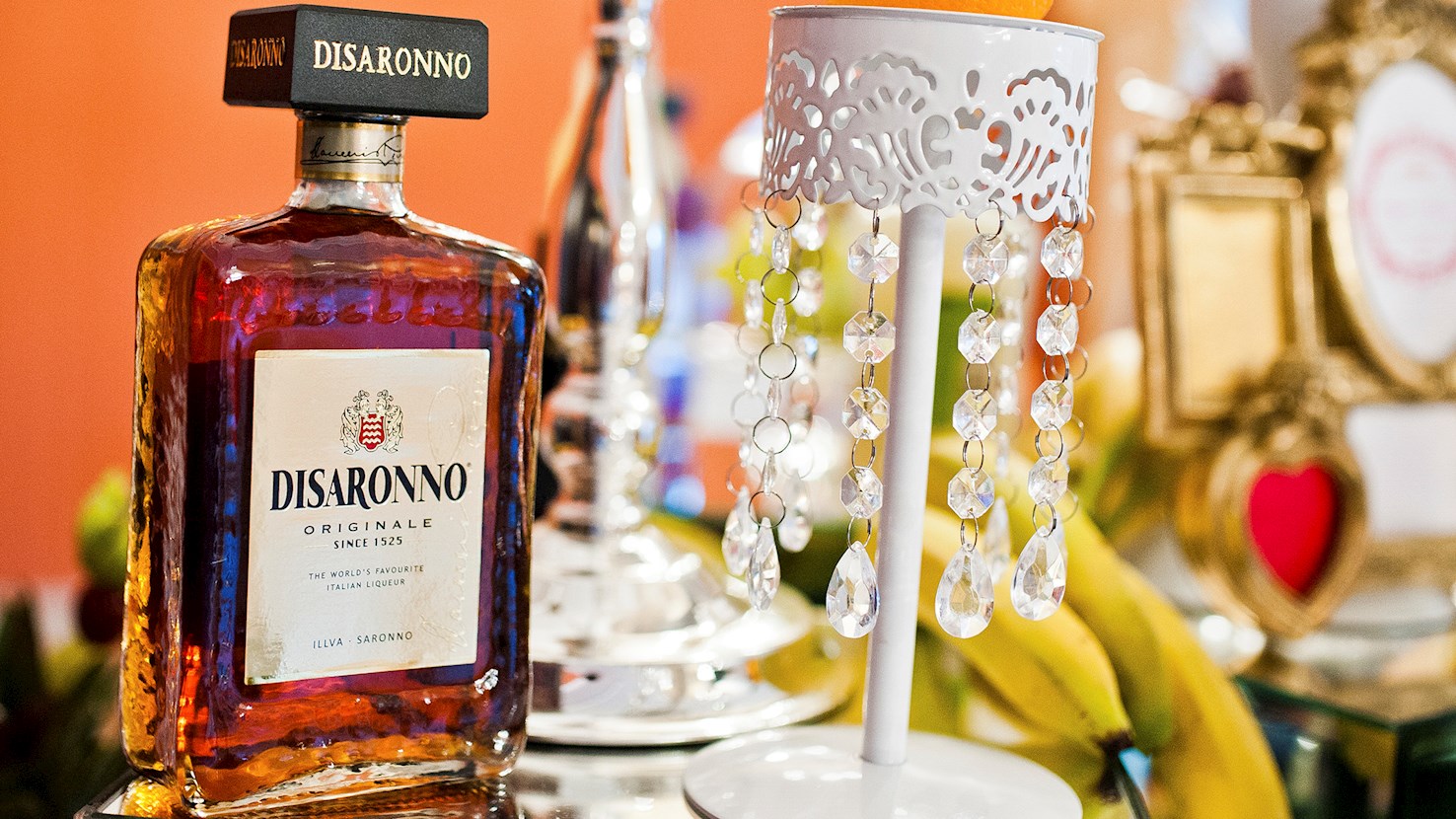
Disaronno

4.1 ·

Hailing from Saronno, this renowned amaretto brand is produced with a base spirit, apricot kernel oil, burnt sugar, and 17 different herbs, fruits, and spices. The brand claimed the invention of the original amaretto in the 16th century, and throughout history, its production has remained in the hands of Reina family. Disaronno is distinguished for its use of apricot kernel oil, which provides it with a distinctive combination of almond and apricot flavors. Because of its sweetness and smooth texture, it can be enjoyed neat or on the rocks, but it can also work well in a variety of cocktails and long drinks.

02

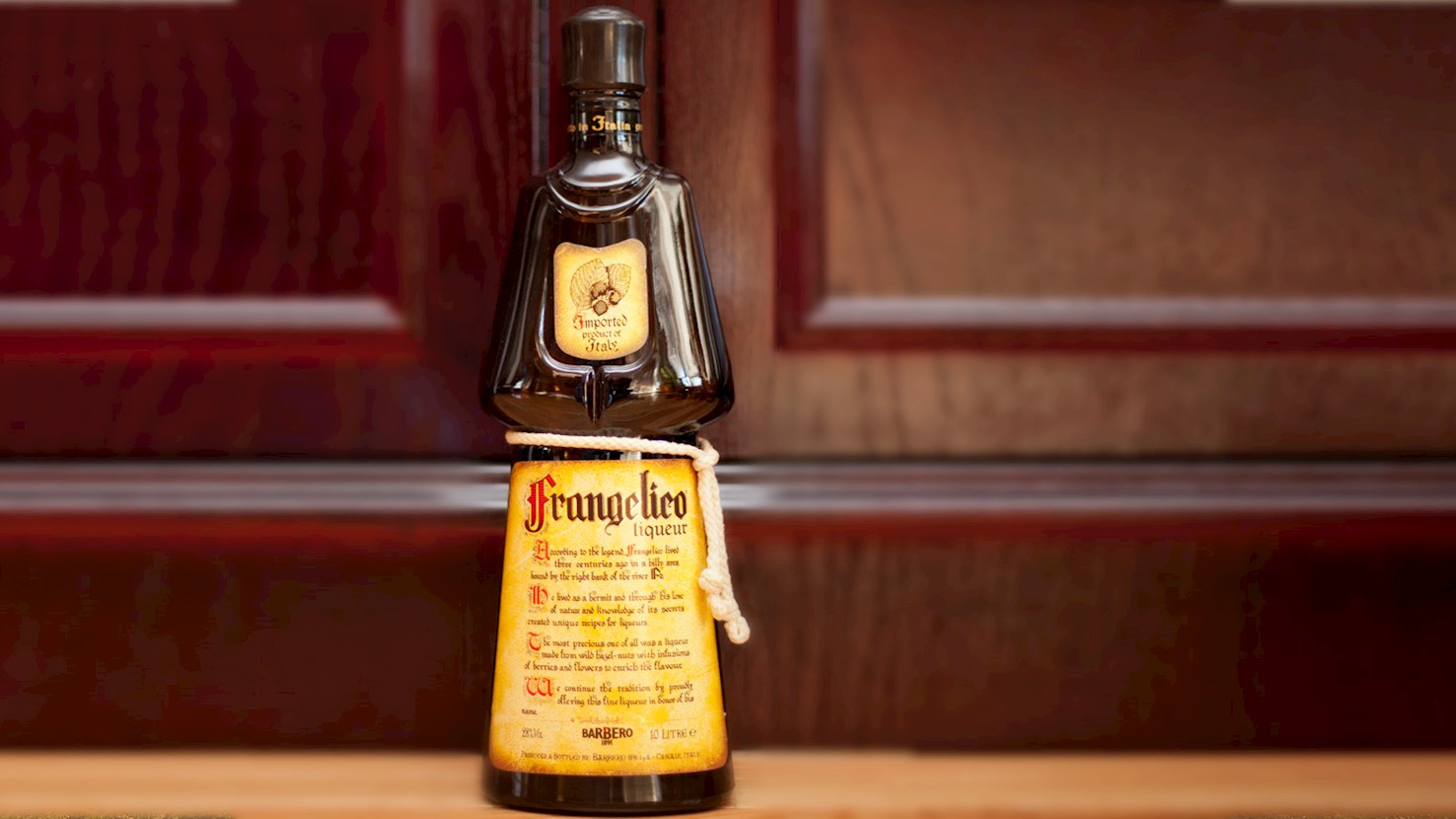
Frangelico

4.0 ·

This pale gold liqueur is distilled from a hazelnut infusion which is blended with various flavoring agents such as vanilla, chocolate, or coffee. The base concentrate is then combined with alcohol, sugar, and water before it is left to age. Frangelico is a well-balanced, sweet liqueur, characterized by its strong hazelnut, chocolate, and vanilla aromas. The story of its origin is mainly associated with Christian monks who resided in Piedmont and were allegedly the first to produce hazelnut distillates. The original shape of the bottle, reminiscent of monks’ habit, and its name were also inspired by a similar legend of a hermit monk named Fra’ Angelico. The drink is mainly enjoyed neat and paired with coffee or espresso, but it can also be served on the rocks, or incorporated into cocktails and long drinks.

03

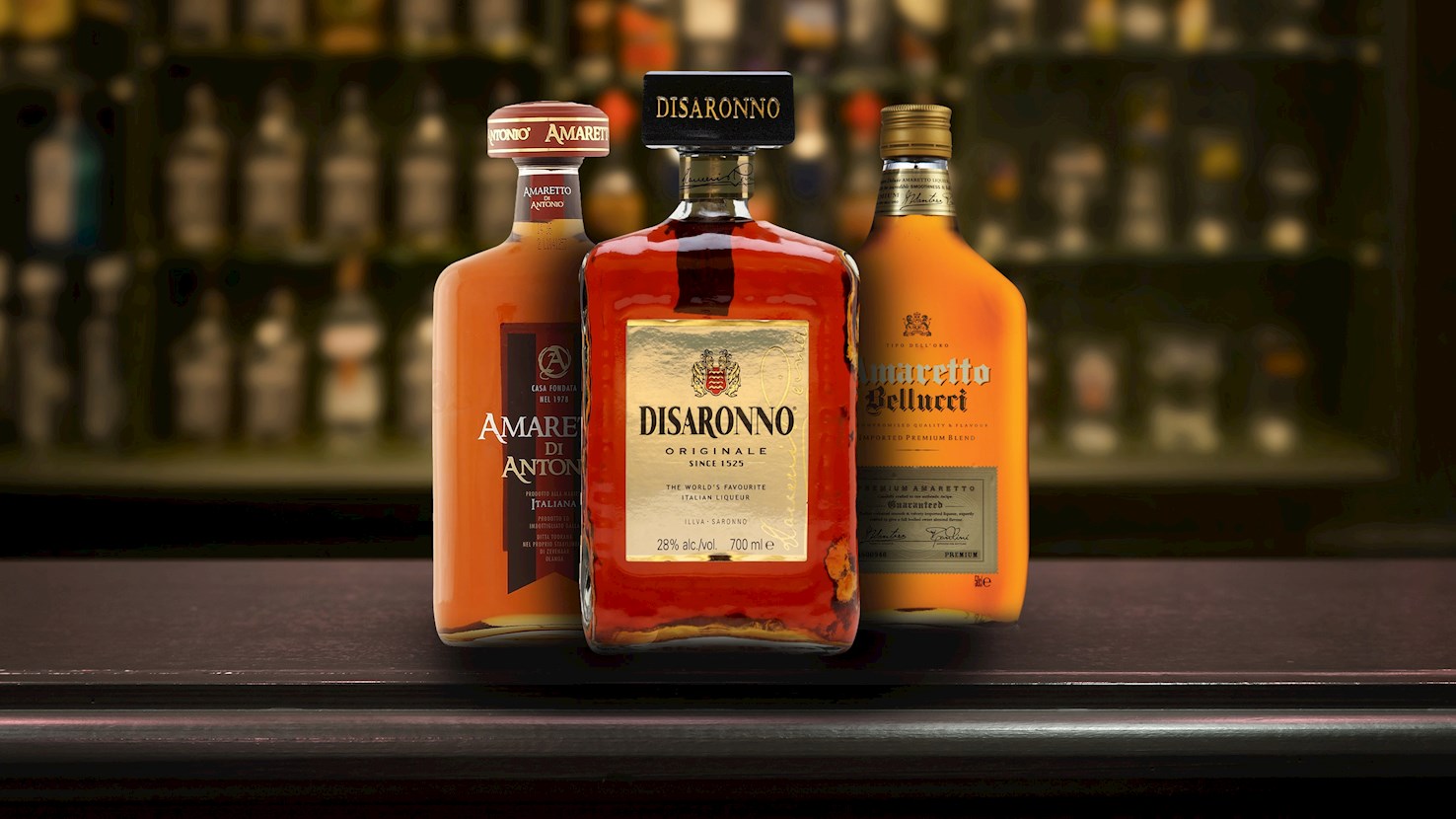
Amaretto

3.9 ·

This classic liqueur is made with different combinations of neutral spirits, caramel, sweet or bitter almonds, various herbs, spices, and occasionally apricot kernel oil. Though its name stems from the Italian amaro, meaning bitter, amaretto is characterized by its sweet almond flavor and hints of bitter notes. It can be served neat, over ice, with lemon juice or coffee. Amaretto is often used in the preparation of various desserts, while the most popular amaretto-based cocktails include Godfather, Amaretto sour, Almond kiss, and Nutcracker Martini. The history of amaretto is closely associated with Saronno, and it is believed that the first version appeared in the 16th century. Apart from Italy, notable amaretto producers can be found in the Netherlands and the United States.

04

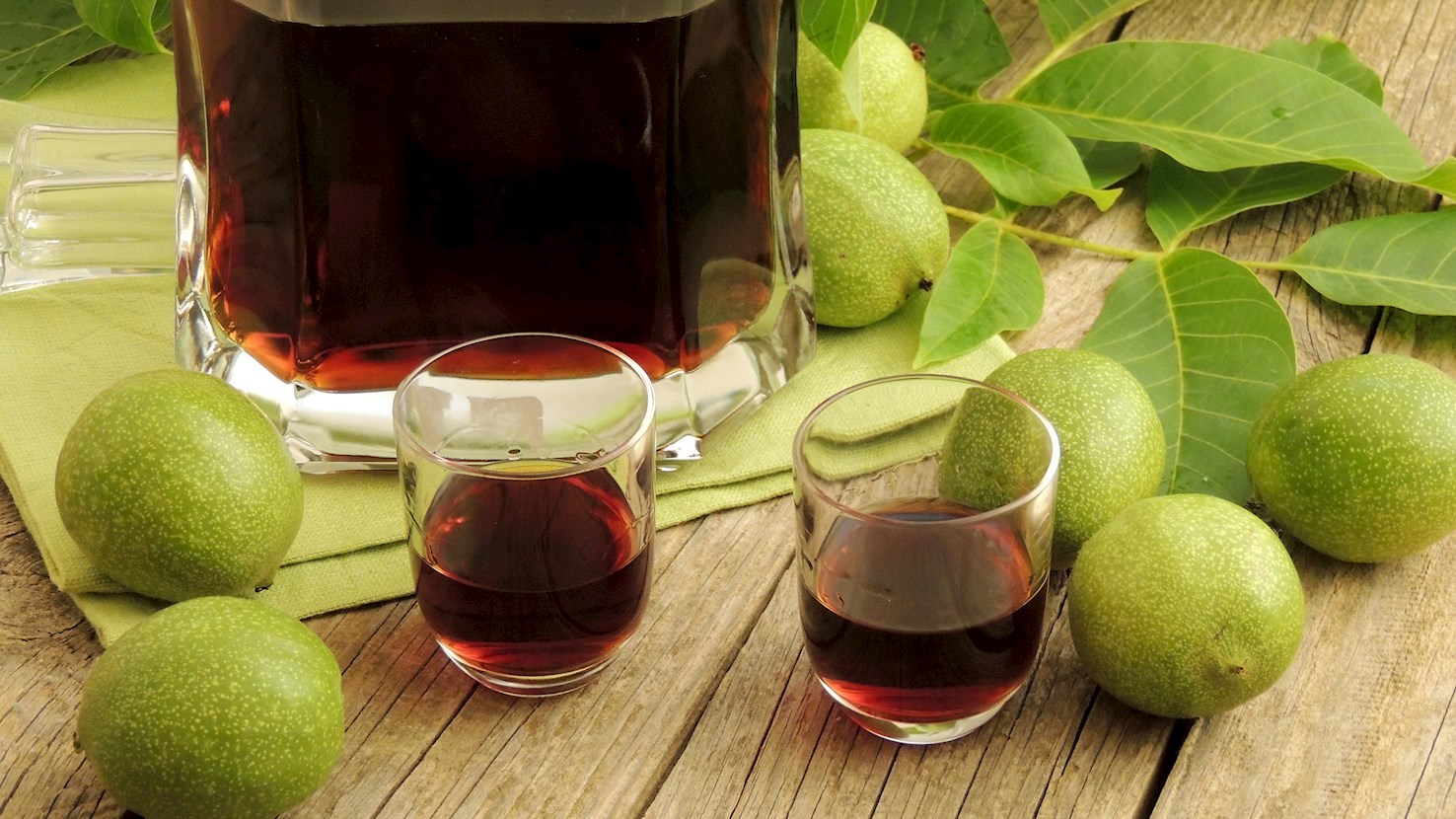
Nocino

3.7 ·

Nocino is an Italian liqueur that is prepared with a maceration of unripe green walnuts in a combination of alcohol and sugar, with the occasional addition of spices, predominantly cinnamon and cloves. The process results in a dark, almost syrupy drink, with a slightly bitter, strong walnut flavor. Though it is found throughout the country and the Swiss Ticino canton, the liqueur is traditionally associated with Emilia-Romagna, where it is usually prepared on the Festa di San Giovanni, celebrated on June 24th. Nowadays, nocino is frequently factory produced, though the homemade varieties are still held in high regard. The liqueur is traditionally enjoyed as a digestif and is usually sipped during Christmas holidays.

05

Ratafia

n/a ·

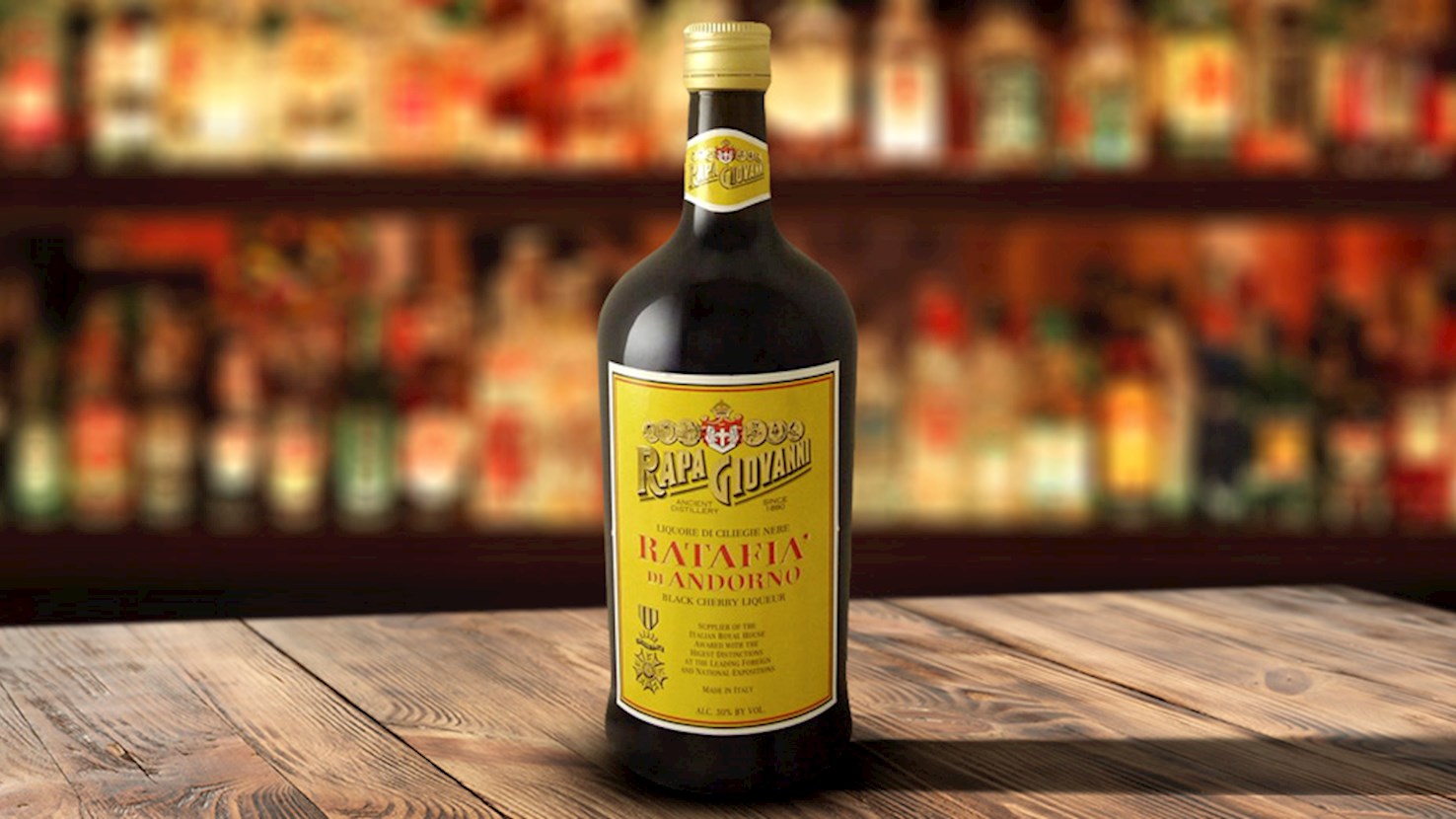
Unlike the French ratafia de Champagne that classifies as a fortified wine, ratafia liqueur is associated with Mediterranean countries, primarily Italy, Catalonia, and southern France. This versatile liqueur is typically based on a neutral spirit that is macerated with fresh fruits, citrus zest, and various botanicals such as rosemary, cinnamon, mint, anise, and cloves, while similar versions may use apricot kernels or bitter almonds. Although the recipes may vary, the choice of fruits and herbs typically includes different berry varieties. Ratafia liqueur is sweet and potent and is best enjoyed as a digestif that pairs well dry fruits, nuts, and desserts. In the Italian Abruzzo region, the base is occasionally enriched with Montepulciano d'Abruzzo wine.

06

Nocello

n/a ·

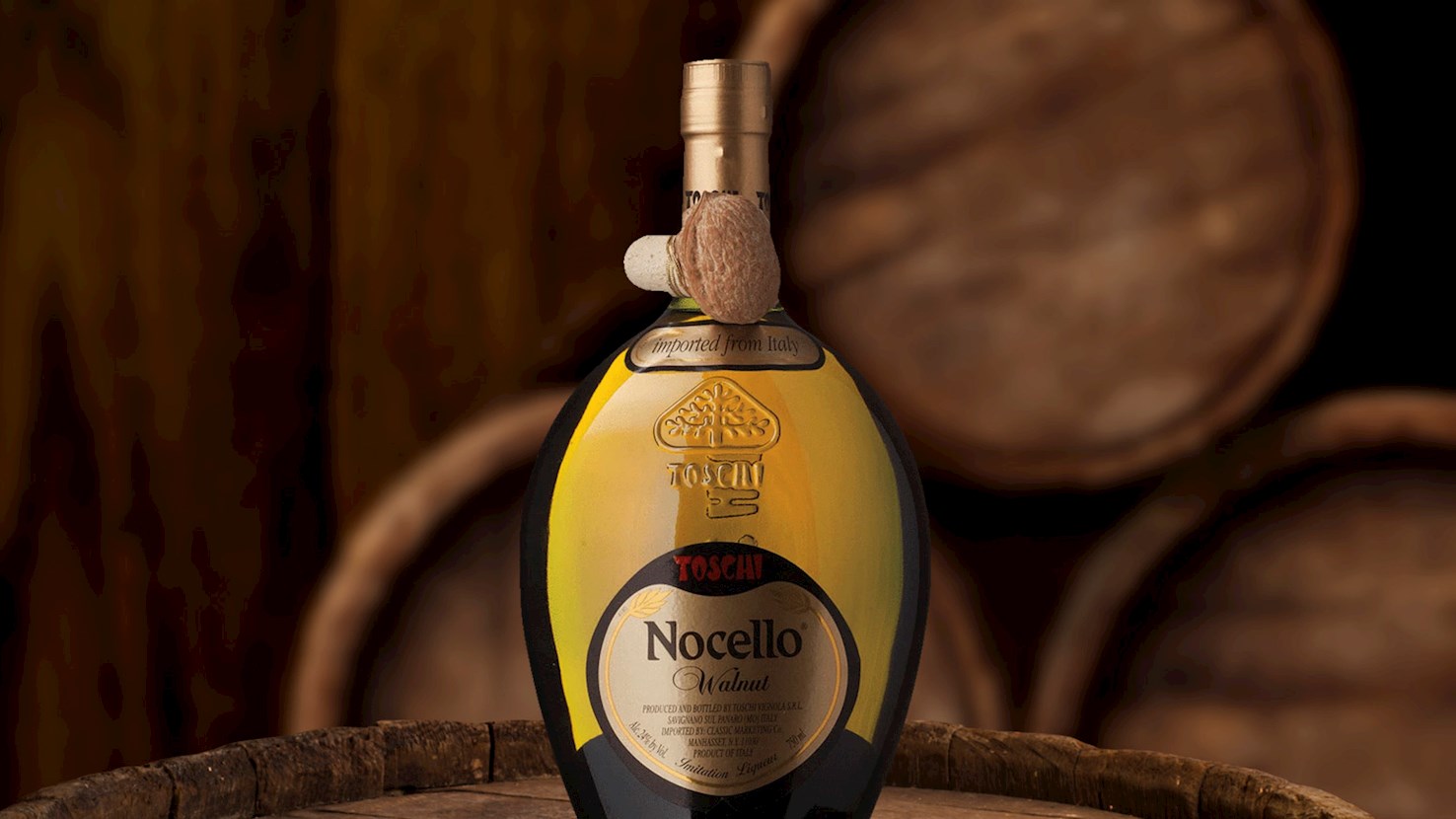
Nocello is an Italian amber-colored liqueur that is flavored with walnuts and hazelnuts. The drink is produced in the province of Modena of Emilia Romagna—a region well-known for the tradition of producing nut-flavored liqueurs. This aromatic and complex drink is subtly sweet with aromas and flavors that are reminiscent of nuts, vanilla, and chocolate, as well as a subtly bitter finish. Interestingly, each bottle comes with a cork stopper that has a walnut imitation attached to it. Nocello can be enjoyed as a digestif, served neat or on the rocks, but it works well as an ingredient in coffee, cocktails, and mixed drinks. It can also be used as a flavoring in desserts. It is bottled at 24% ABV.

07

Nocciolino di Chivasso liqueur

n/a ·

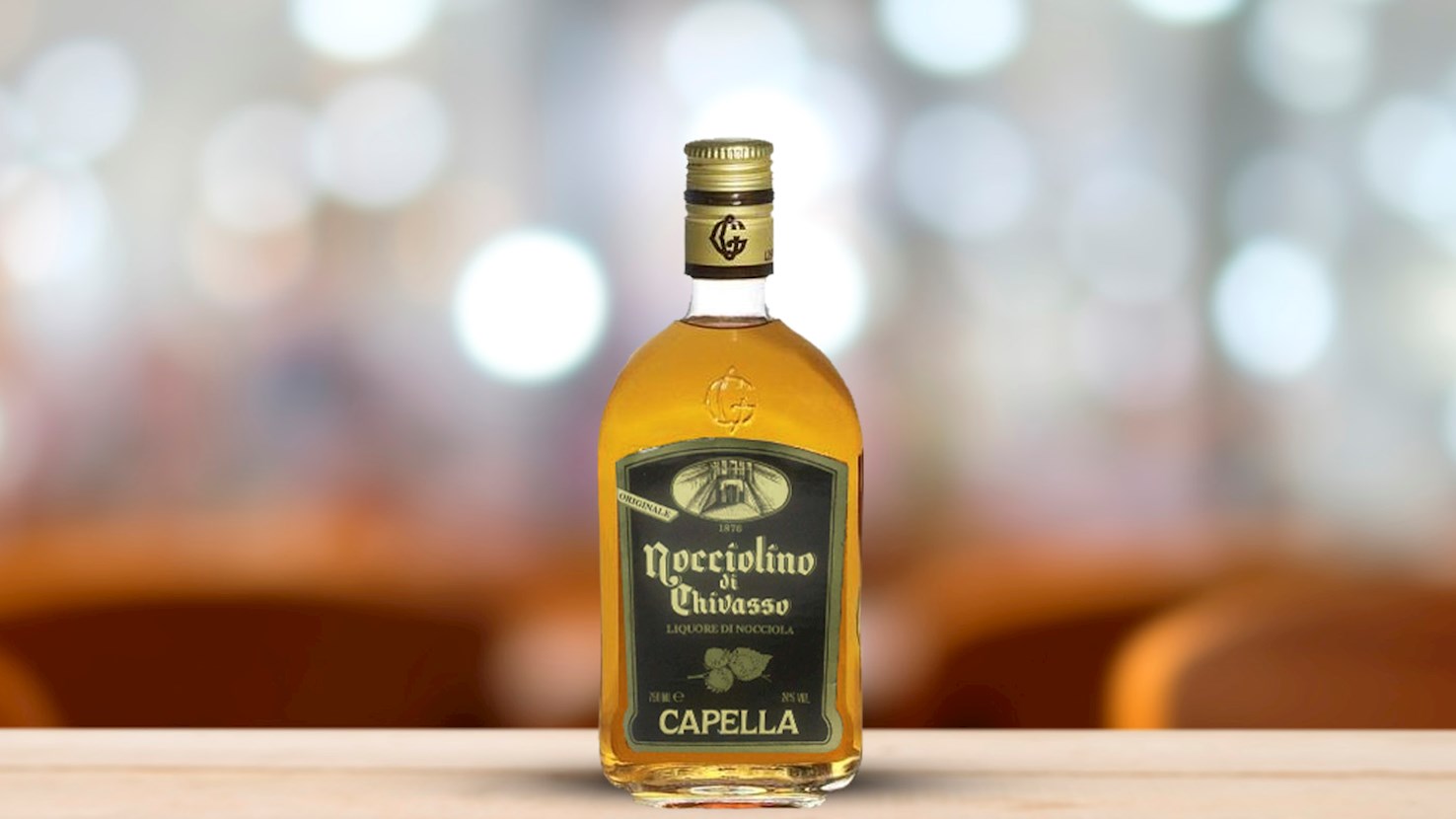
Nocciolino di Chivasso is a hazelnut liqueur that hails from the small town of Chivasso in Piedmont. It is made with regional hazelnuts called Tonda Gentile delle Langhe. Apart from hazelnut infusion, the liqueur also includes alcohol, water, sugar, and flavorings. Nocciolino has an appealing amber color and a nutty hazelnut flavor and aroma. It is bottled at 24% ABV. This liqueur is best enjoyed as a digestif, served neat or on the rocks. It can also be added to ice creams or desserts. The liqueur shares the name with tiny cookies from Chivasso that are made with hazelnuts, sugar, and egg whites.

08

Padre Peppe

n/a ·

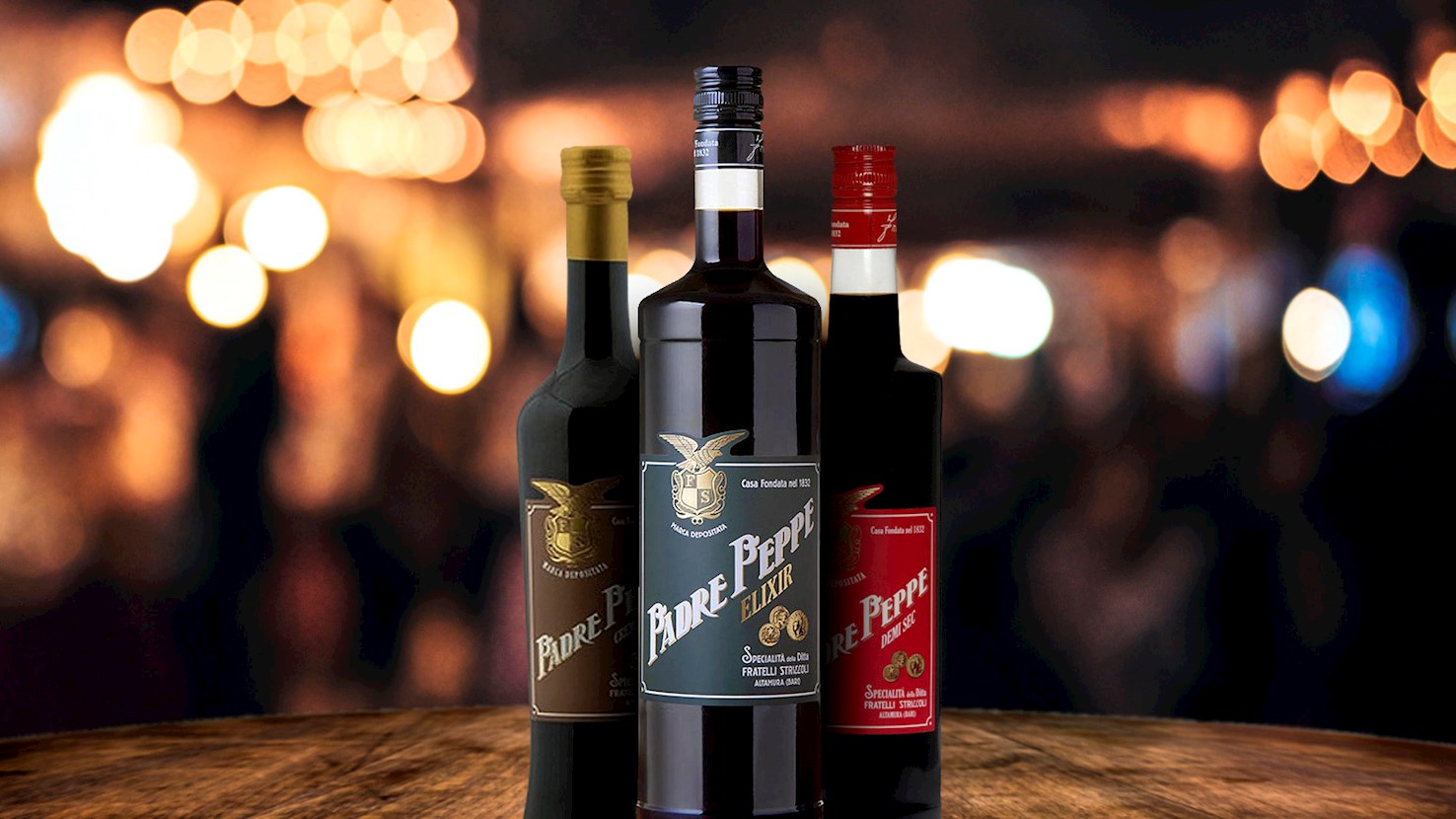
Padre Peppe is a walnut liqueur from Altamura that is based on an ancient recipe that was first developed by a Capuchin Giuseppe Ronchi. In 1832, the Striccoli family used the monk’s recipe to create their version, named Padre Peppe. The liqueur is produced by macerating green walnuts in alcohol, together with other botanicals. The macerate is then aged for four years, before it is diluted, flavored, sweetened, and colored with caramel. Padre Peppe is dark, intense, and subtly bitter with typical herbaceous, spicy, and walnut aromas and flavors. The drink is bottled at 42% ABV, and it is typically enjoyed as a digestif.

Read more
View all
View map
About this ranking

TasteAtlas food rankings are based on the ratings of the TasteAtlas audience, with a series of mechanisms that recognize real users and that ignore bot, nationalist or local patriotic ratings, and give additional value to the ratings of users that the system recognizes as knowledgeable. For the “Top 8 Italian Nut-flavored Liqueurs” list until July 08, 2026, 363 ratings were recorded, of which 294 were recognized by the system as legitimate. TasteAtlas Rankings should not be seen as the final global conclusion about food. Their purpose is to promote excellent local foods, instill pride in traditional dishes, and arouse curiosity about dishes you haven’t tried.

Similar lists