Shutterstock

Top 72 Peppers
in the World

Last updated on June 17, 2026

Best Peppers Types in the World

01

Aji amarillo

4.6 ·

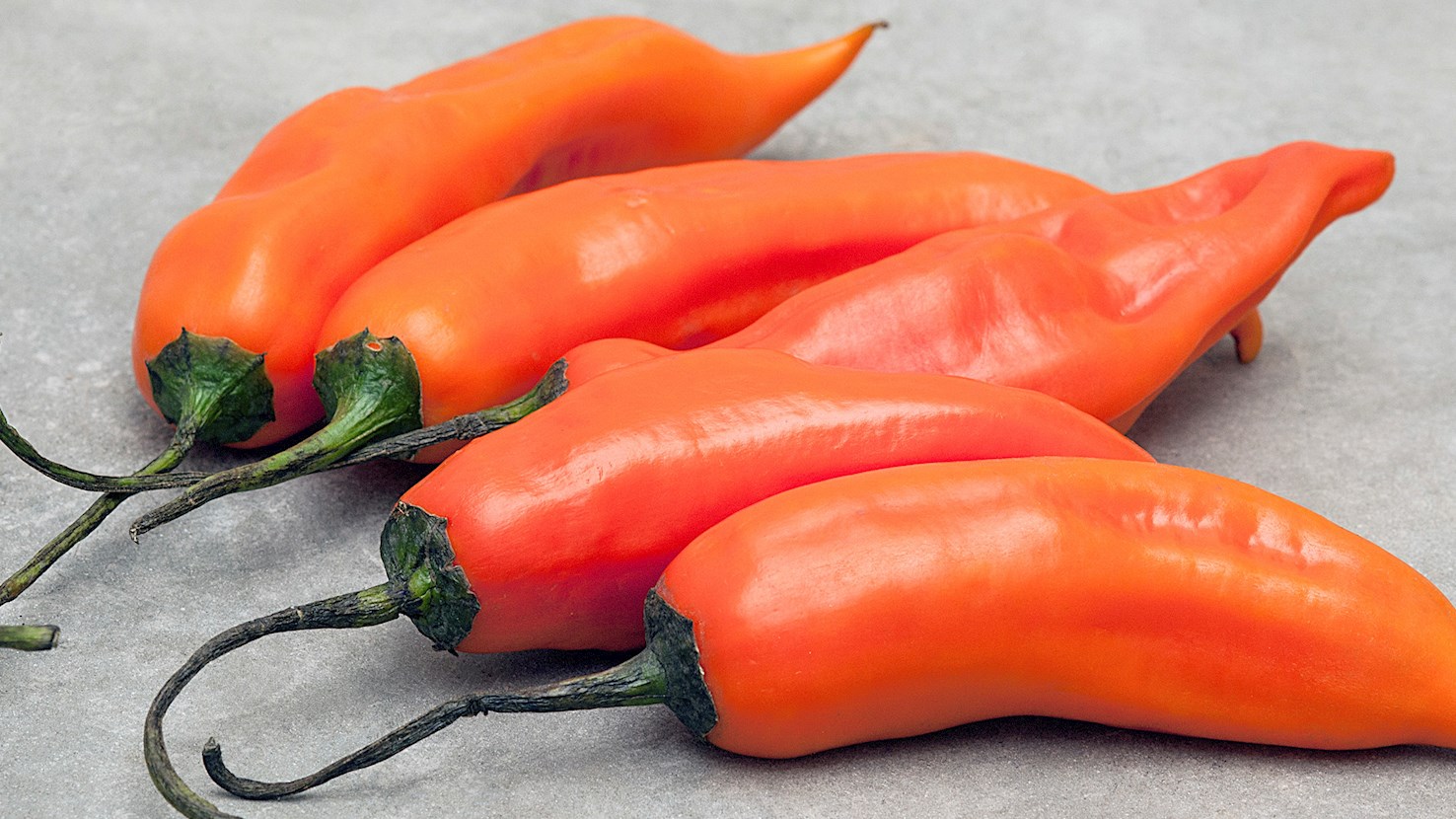
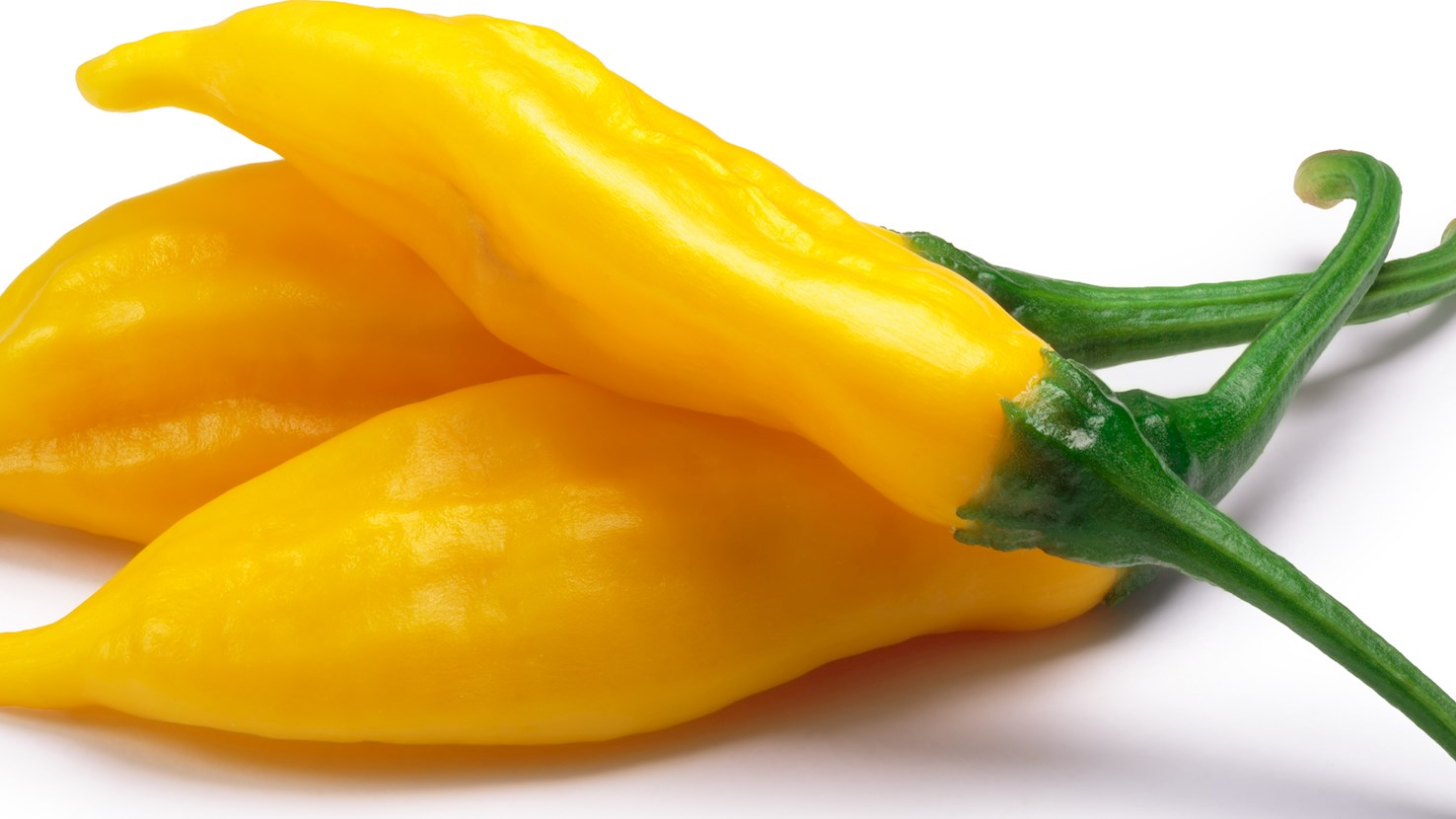
Aji amarillo is a staple in Peruvian cuisine, a chile pepper with a bright orange color and thick flesh. Its heat level ranges from medium to hot, and it is commonly used in a variety of soups and sauces. This chile variety is native to South America and has a distinctive, subtle, and full-bodied fruitiness. It can be bought in a few forms: dried, fresh, canned, or in the form of a paste. When incorporated into sauces, it is often thickened with bread, mayonnaise, and dairy products, and it is then spooned over a variety of meat, fish, and vegetable dishes. When used in its dried and ground form, it is especially good for rice dishes, giving them a sweetish flavor and vibrant color.

02

Rocoto chile

4.4 ·

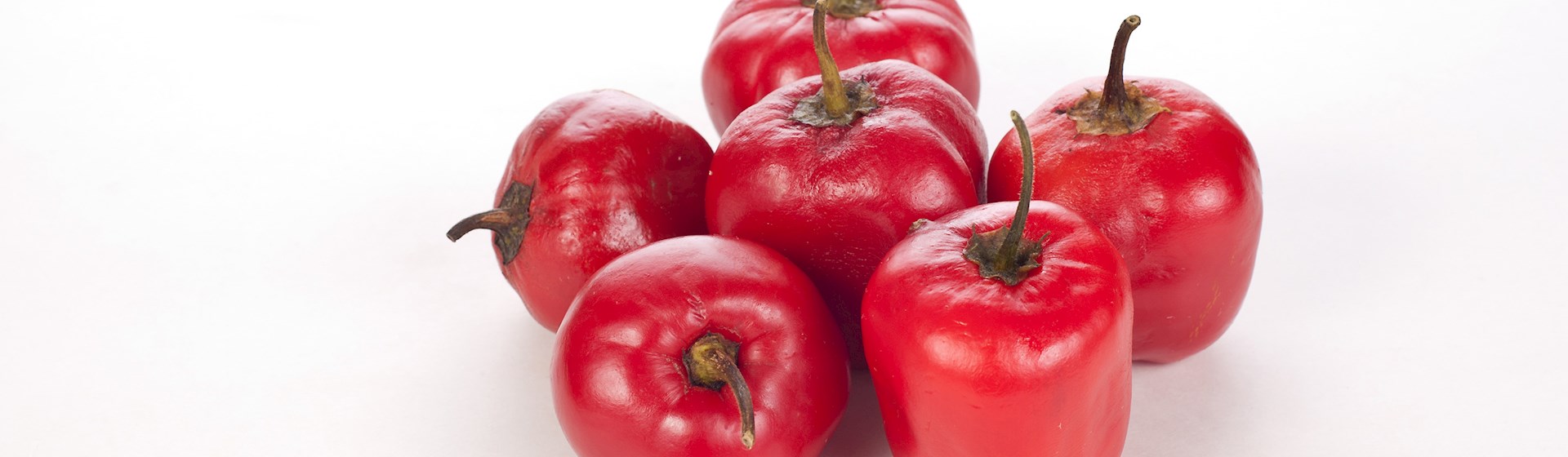
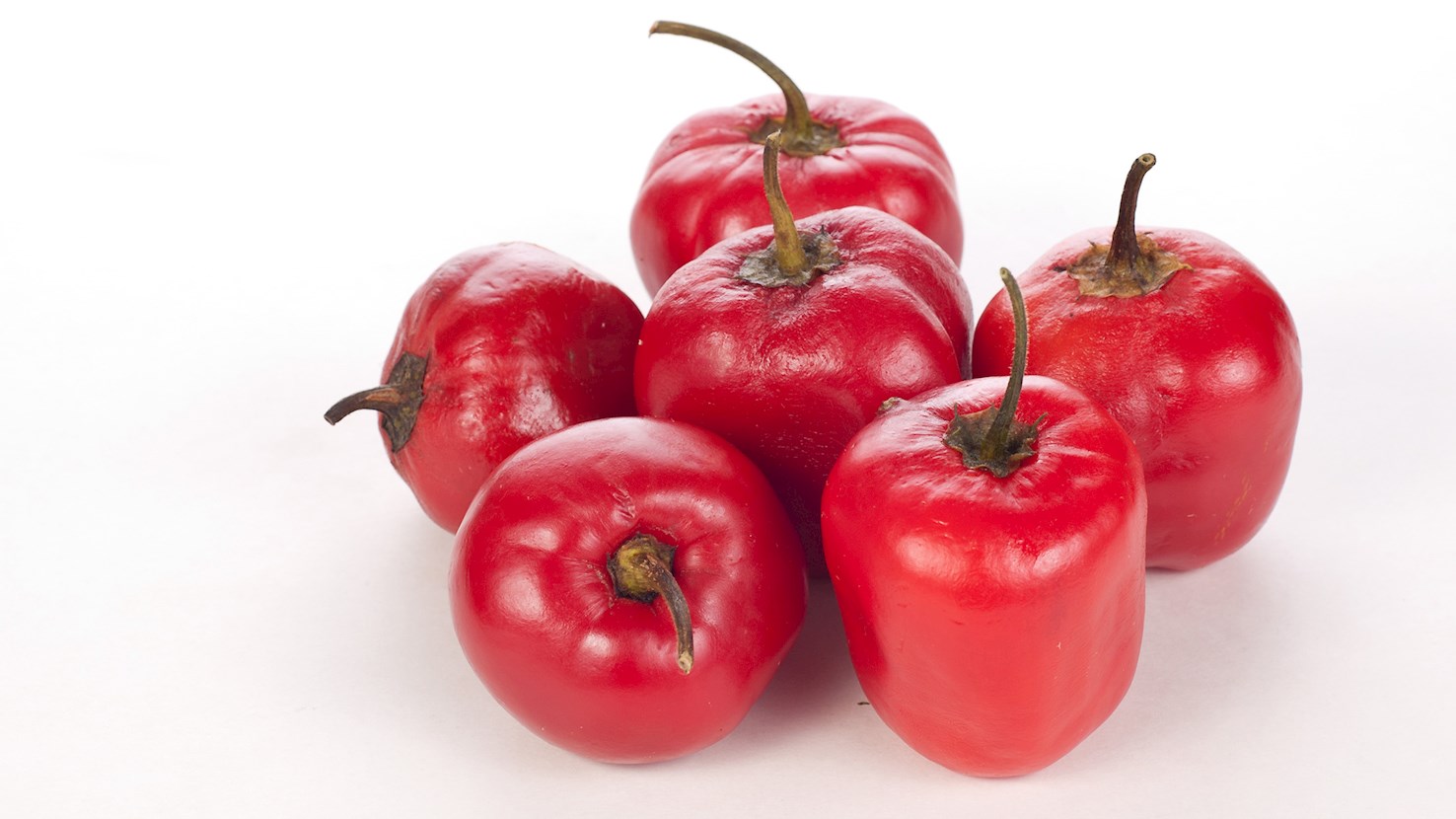
Rocoto chile is a type of chili pepper that is believed to have originated in the Andean areas of Peru and Bolivia, where it has long been grown and used as an essential ingredient of traditional cuisine. It belongs to the Capsicum pubescens genus and is characterized by hairy leaves and dark seeds ranging from dark brown to black, while its rather thick and juicy flesh may be of red, orange, yellow, or green color. Varying in both size and shape, the rocoto chili is renowned for being one of the hottest peppers in the world, and it is distinguished by a rich, fruity, and spicy flavor. Rocoto chilis may be enjoyed fresh as an accompaniment to various dishes, made into chili paste and used as a condiment, or ground to a powder-like consistency and used as a spice. Because of its high degree of heat, this chili is typically used in smaller quantities to add a fiery kick to a wide variety of sauces, soups, salads, stews, salsas, ceviches, and other traditional specialties such as rocoto relleno (stuffed rocoto peppers) and huacatay hot sauce.

03

Ají limo

4.3 ·

Aji límo (also known as lemon drop pepper) is a Peruvian hot pepper with a citrusy tang and a Scoville heat unit of 15,000-30,000. When mature, its color becomes golden-yellow, and the flavor becomes fruity, with some people comparing it to fresh lemongrass. This chili variety is ideal for spicy salsas, hot sauces, and dishes based on chicken or fish. In Peru, it is often used as a seasoning for various main meals and snacks.

04

Ají panca

4.3 ·

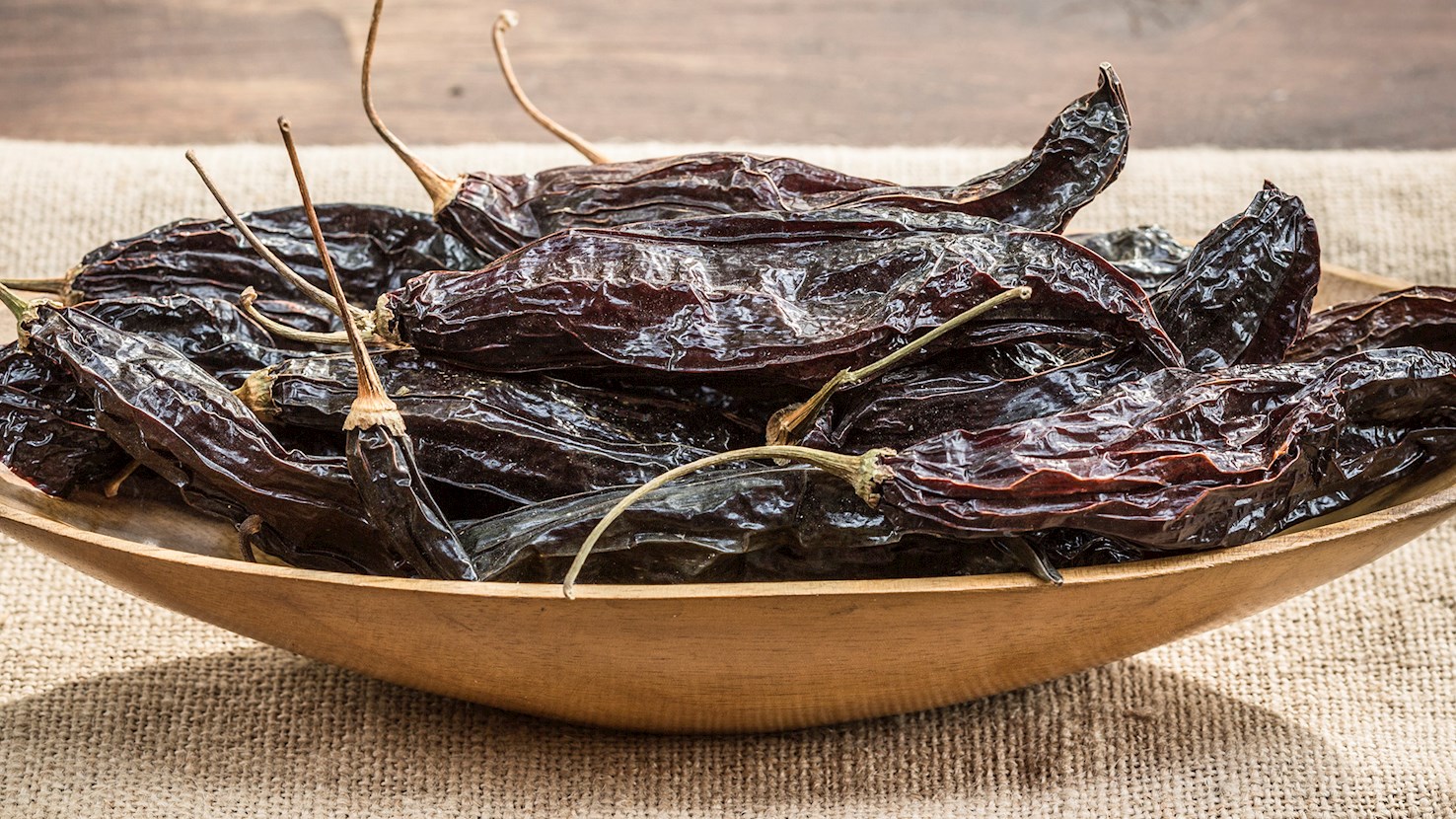
Peruvian panca chili, or ají panca as it's known in South America, is the second most common pepper in Peru, grown all along the coast. This deep red to burgundy colored hot pepper is similar in appearance to ají amarillo, only less spicy and has a rather sweet, berry-like, and slightly smoky flavor with a pronounced floral bouquet. Ají panca can be made into a paste or it can be dried and minced. It is widely used as a seasoning in Peruvian cuisine, especially for various sauces, stews, and fish-based dishes like the famous parihuela seafood soup.

05

Piperiá Florínis (Florina peppers)

4.3 ·

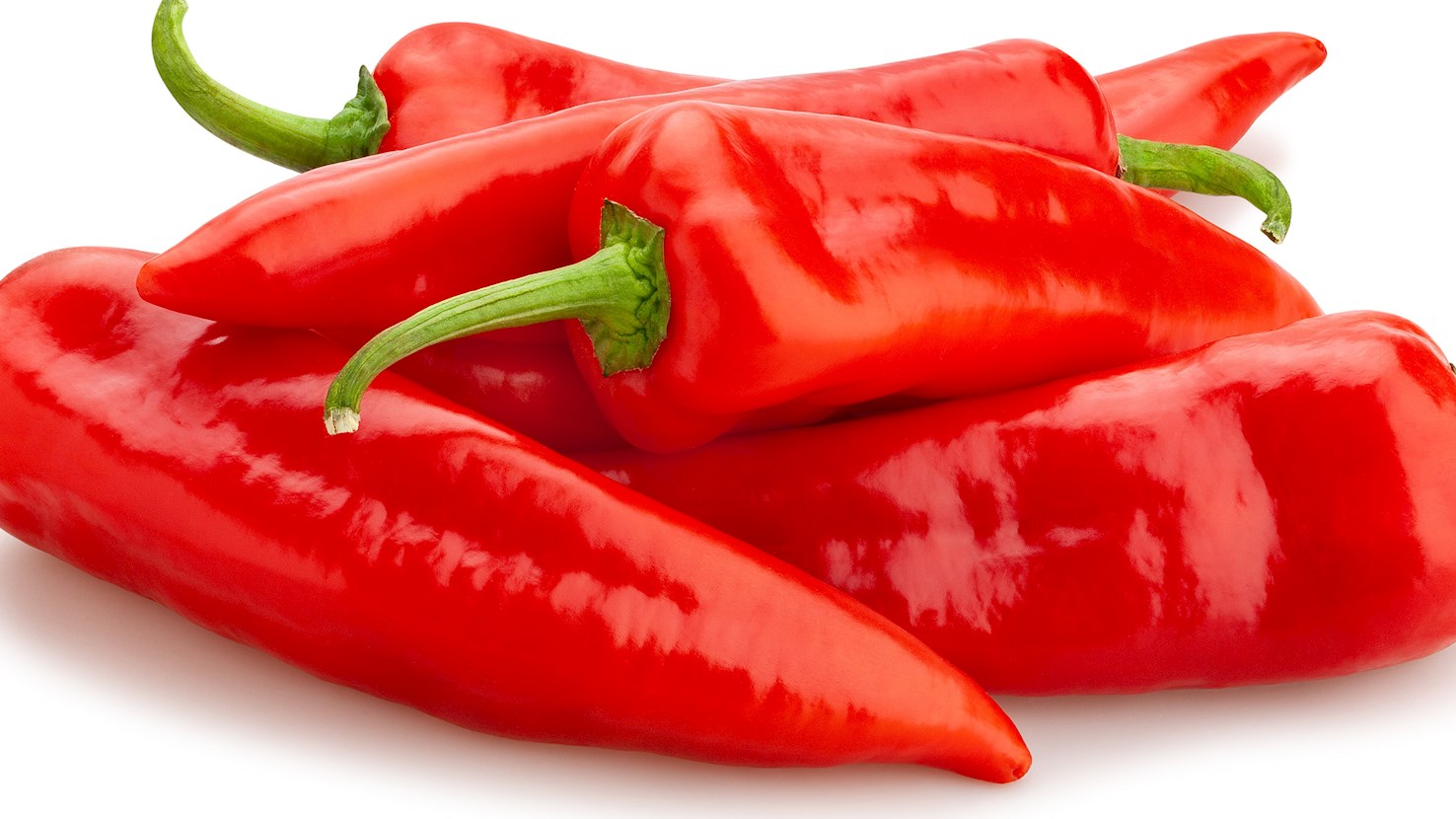
Florina is a Greek pepper cultivated in Western Macedonia and the area of Florina, hence the name. The peppers have a deep red color and they're shaped like a cow's horn. The harvest takes up to 18 weeks, and they ripen to maturity after mid-August. It is said that a good Florina pepper should be firm, thick, bright in color, and sweet in flavor. These versatile peppers can be used in salads, sauces, pasta dishes, or meat dishes, but they're usually roasted and stuffed with ingredients such as feta, meat, rice, or shrimps. To make things even more simple, Florina peppers can be roasted, sliced, and combined with olive oil, sea salt, and garlic for a tasty appetizer.

06

Pementos de Padrón

4.2 ·

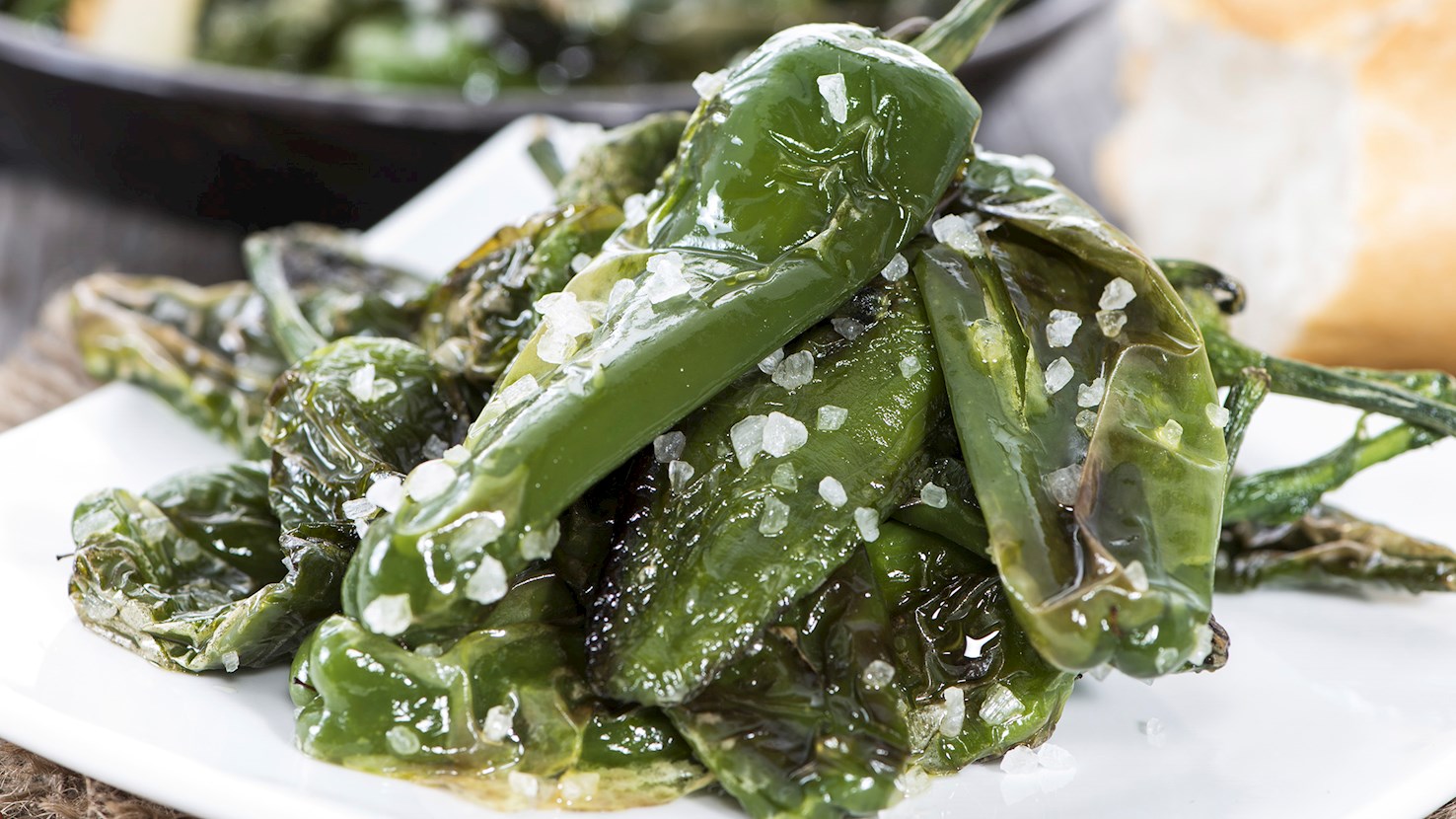
Padrón pepper is a Galician pepper originating from the Padrón municipality. The peppers range in color from bright green to yellowish green. Although they are usually mild in flavor, about one in ten of these peppers is spicy as hell, but it's almost impossible to tell them apart until you taste them, which is like playing Russian roulette with peppers. Padrón peppers are traditionally fried in olive oil and seasoned with coarse sea salt. They are served in most tapa bars and restaurants in the region, and it's recommended to have a glass of beer, wine, or cider nearby - in case you eat a few of the spicy ones. The official and protected name of these peppers is pementos de Herbón.

07

Chipotle

4.1 ·

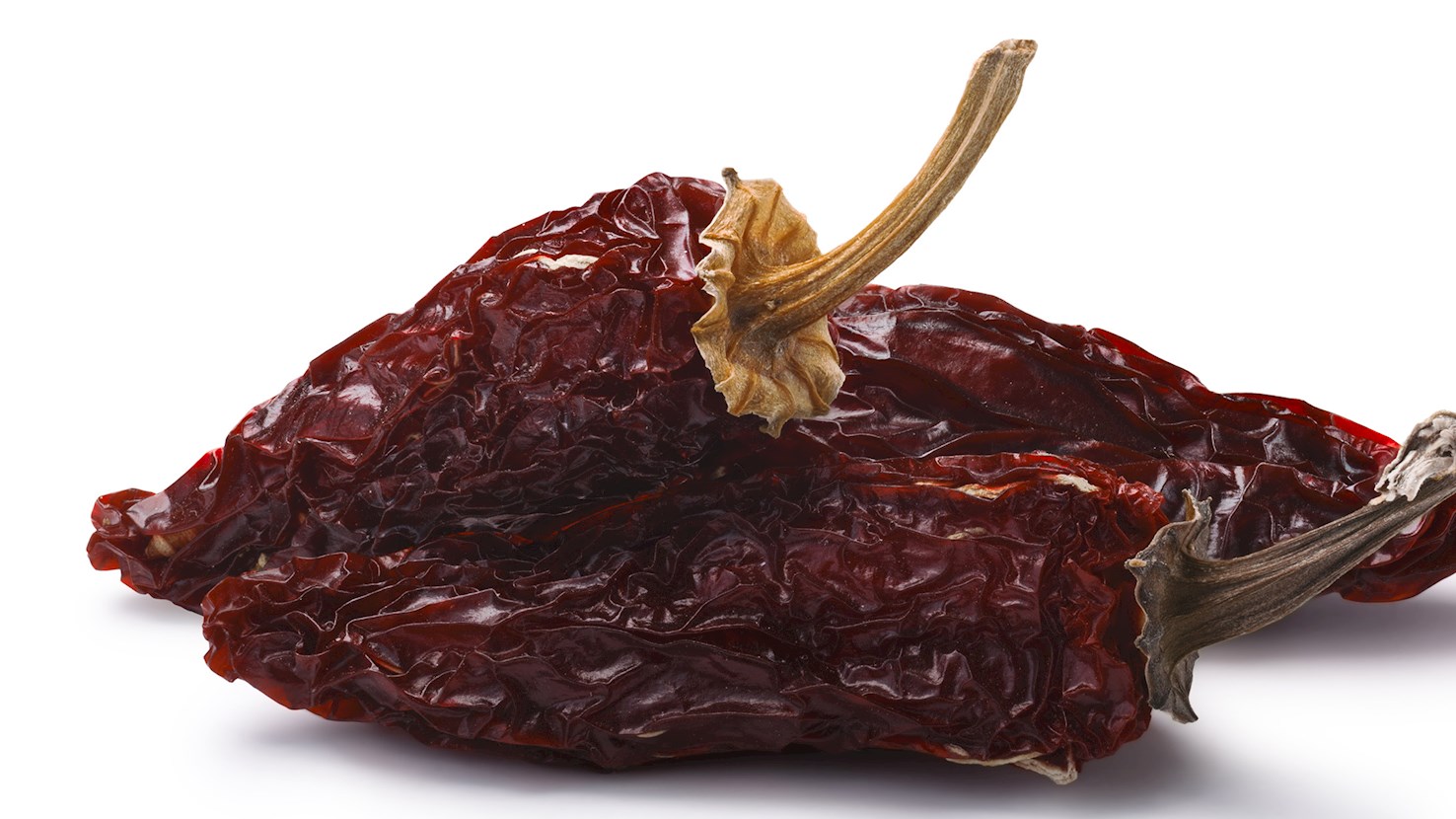
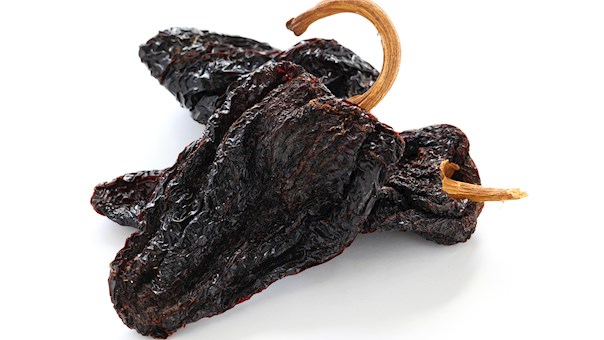
Chipotle is a variety of a hot pepper that is basically a smoked and dried ripe jalapeño. The name of this hot pepper is derived from the Nahuatl word chilpoctli, which means smoked chile. Traditionally, chipotle is made in a sealed smokehouse. Due to the fact that there are numerous types of jalapeños, not all chipotle peppers are alike. They are characterized by a medium heat level ranging from 5,000 to 10,000 on the Scoville scale. The most popular variety is called chipotle morita, characterized by its deep red color.

Best producers
08

Guajillo chile

4.1 ·

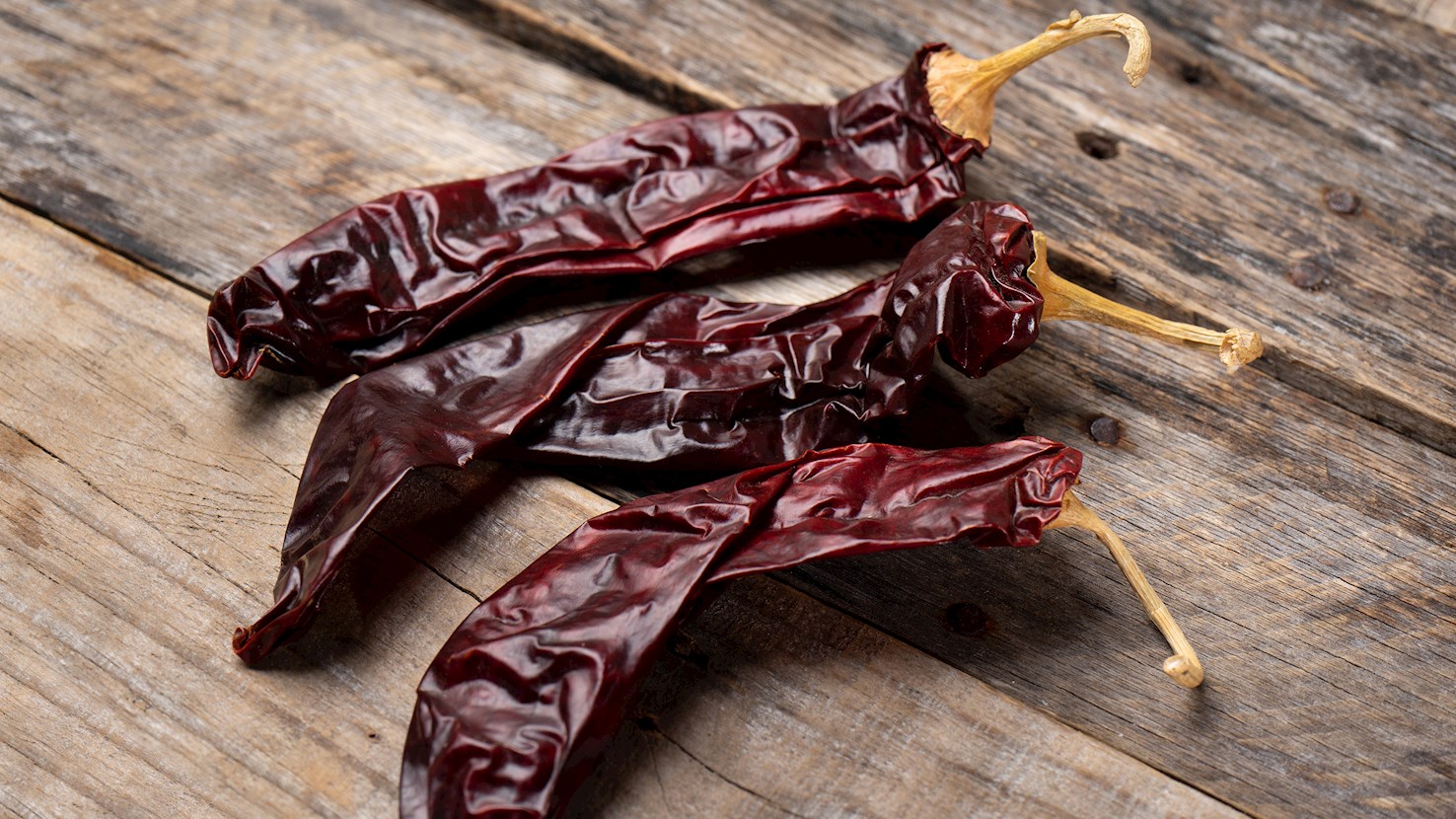
Guajillo is a traditional chili pepper variety, and one of the main producers of this variety is the state of Zacatecas. The guajillo is the dried form of mirasol chili pepper and its Scoville Heat Unit (SHU) ranges from 2,500 to 5,000. The skin is leathery and reddish brown, and the flavors are fruity and mild to moderately hot, with hints of green tea and berries. Guajillos are often used to make salsas, moles, marinades, and spice rubs. The peppers pair well with chicken and fish dishes. Although they're usually sold whole, guajillos can also be toasted and ground into powder.

09

Urfa biber

4.1 ·

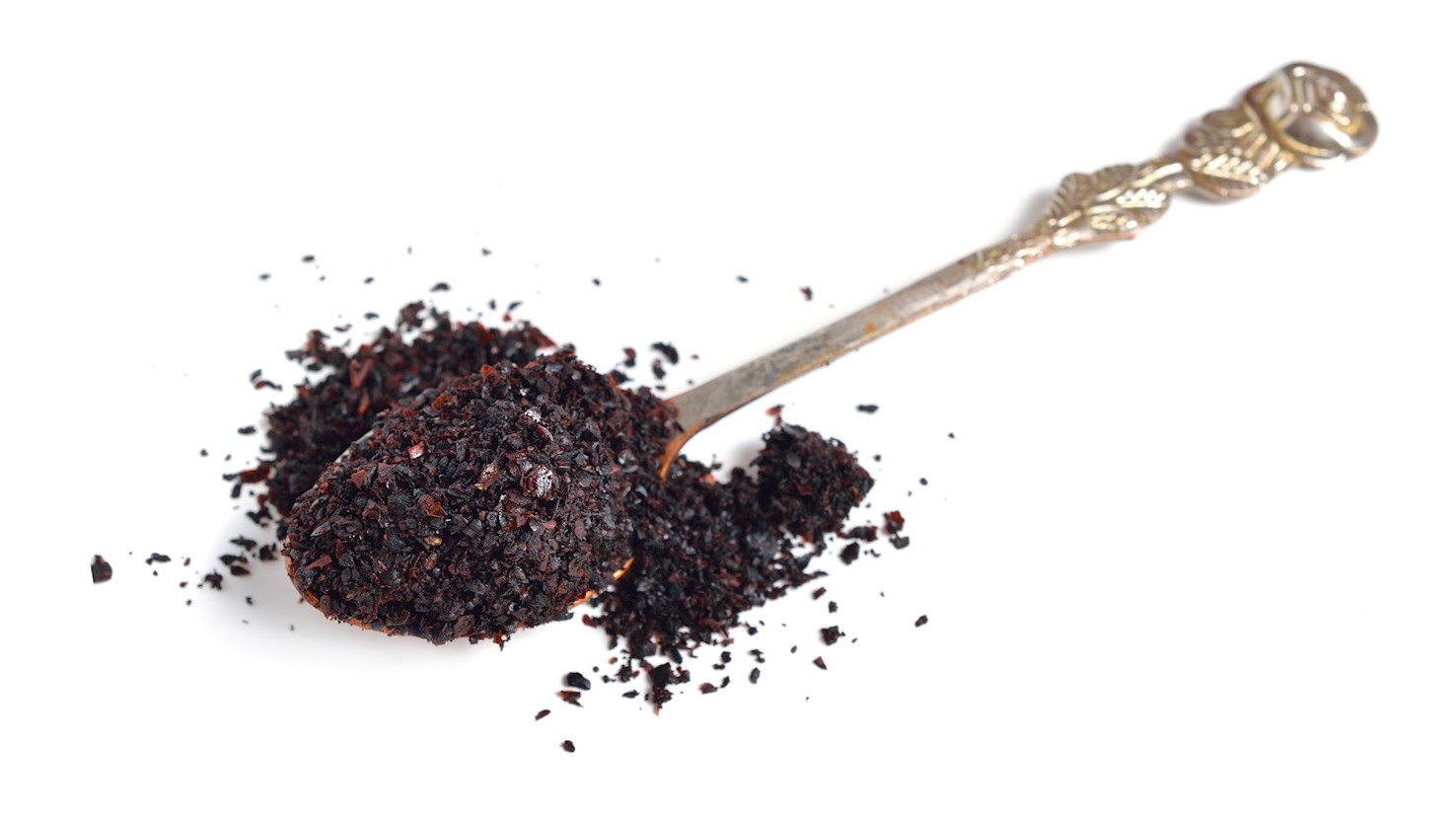
Urfa biber is a traditional dried chili pepper originating from the city of Urfa. These peppers are distinguished by their dark burgundy color, flakes of irregular sizes, and a flavor that's best described as sweet, salty, sour, and smoky. Urfa peppers are harvested when they're orange-red or dark red, and they are then dried in the sun during the day. At night, they're covered with plastic or fabric in order for the peppers to preserve their natural oils from the skin. As a result, the peppers become dry, but not entirely, before they're coarsely ground with a bit of salt and packed.

10

Chile de arbol

4 ·

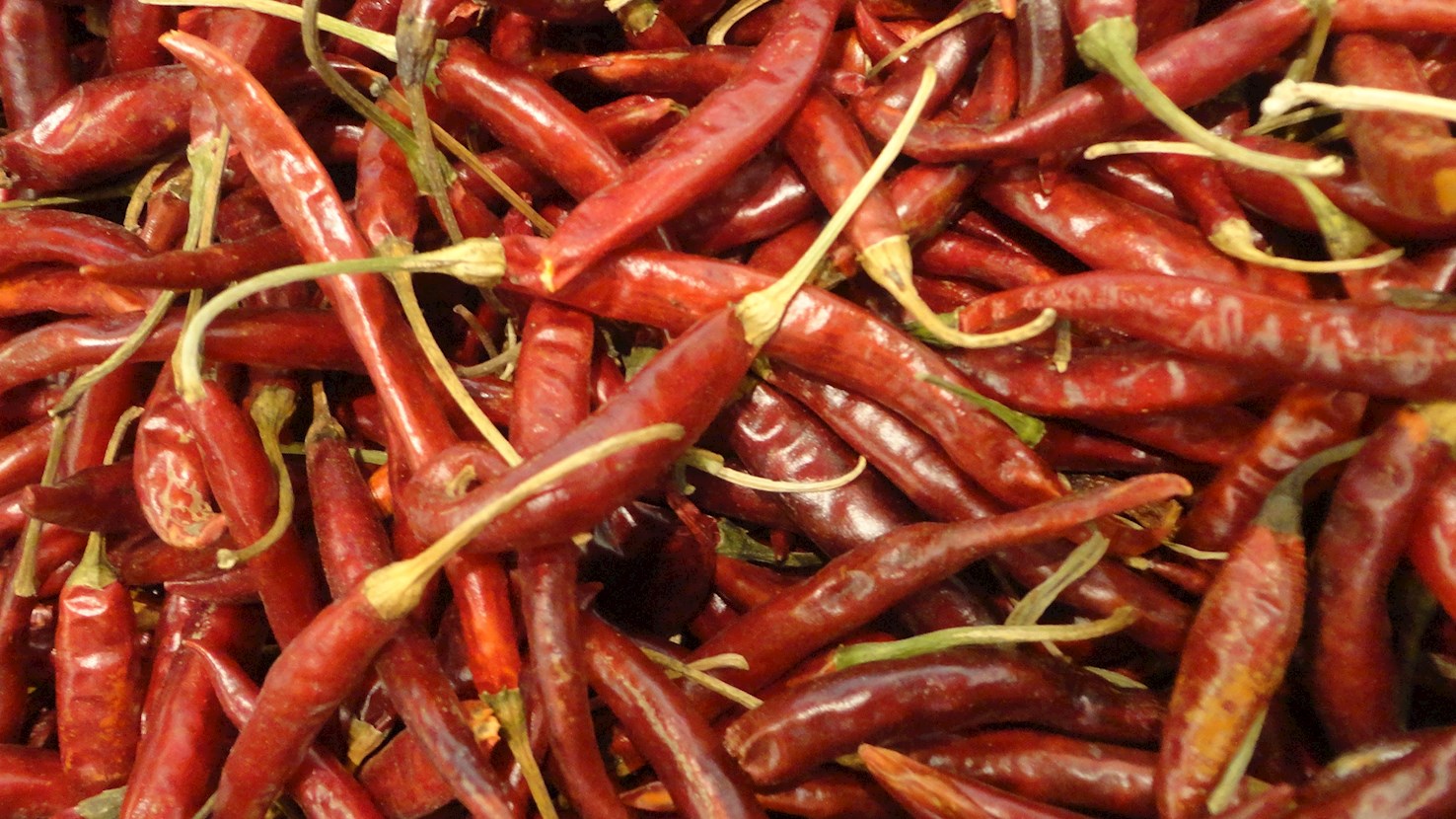
Chile de árbol is a Mexican hot pepper which can be fresh, dried, or ground into a powder. It is characterized by an intense, bright red color and a heat level between 15,000 and 30,000 on the Scoville scale. This chile pepper is often used in salsas, stir-fries, hot sauces, and soups. Its name means tree chili in Spanish, referring to the woody stems which are useful when making dried wreaths.

Best Peppers in the World
01

El Navarrico

4.7 ·
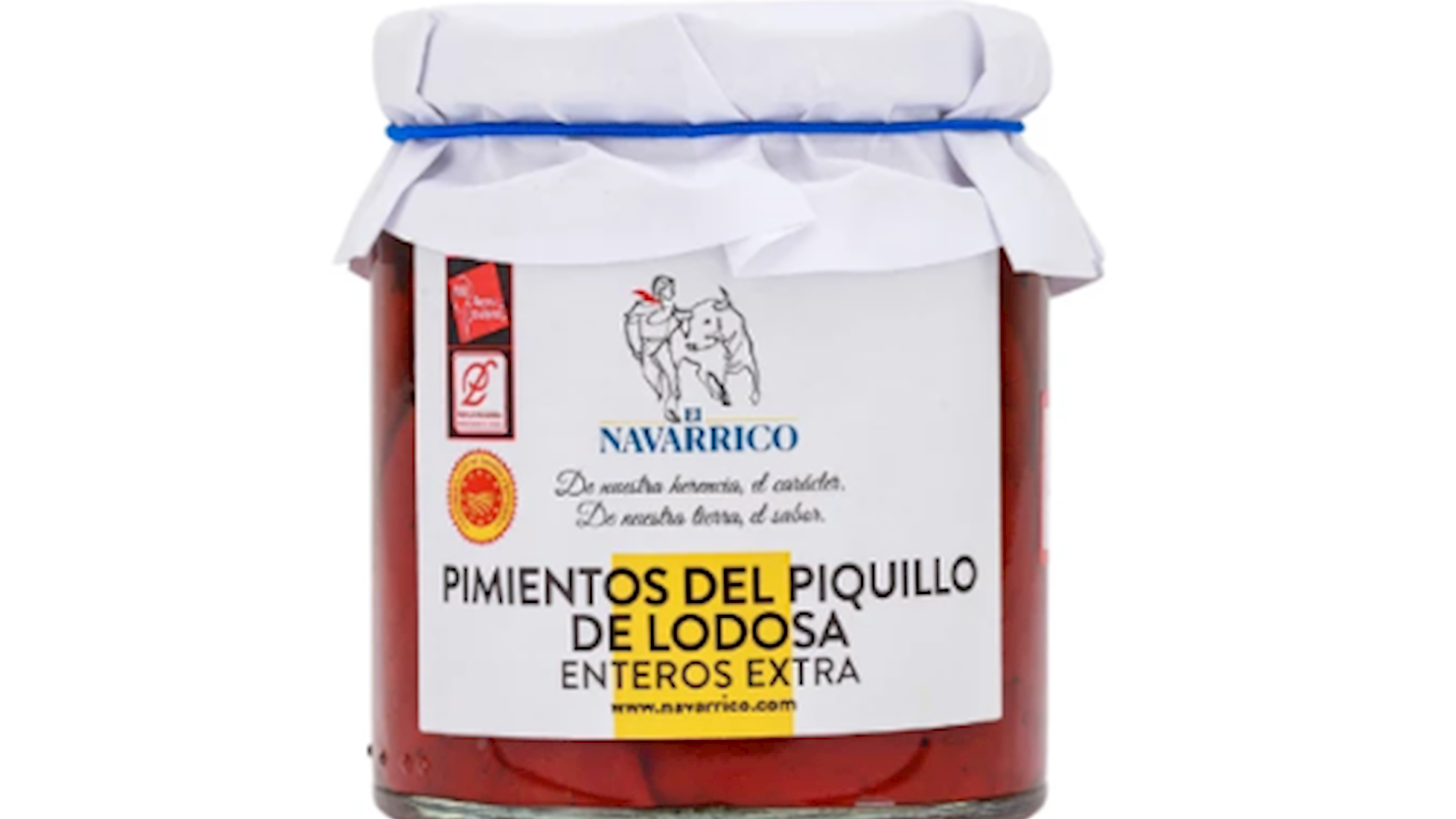
El Navarrico is a Spanish family-owned company specializing in high-quality vegetable preserves, based in San Adrián in the Navarra region of northern Spain. Founded in 1960 by José Salcedo and Amalia Herce, the company began as a small family initiative focused on preserving local vegetables such as asparagus and piquillo peppers. Over time it developed into a recognized producer of gourmet canned vegetables, legumes, sauces and prepared dishes while maintaining a close connection with regional agriculture. Navarra’s fertile soils and favorable climate provide ideal conditions for cultivating products like white asparagus, artichokes and piquillo peppers, which form the core of the company’s production. El Navarrico emphasizes the use of fresh, carefully selected ingredients and processing methods designed to preserve the natural flavor and texture of the vegetables. The company combines traditional preserving techniques with modern production technology to ensure quality and consistency. Today its portfolio includes a wide range of vegetable preserves and other pantry products distributed in many international markets. Through its focus on regional ingredients and careful preparation, El Navarrico reflects the long culinary tradition of vegetable preservation in Navarra.
02

Arla

4.5 ·
Arla is a global dairy cooperative owned by farmers primarily located in Denmark, Sweden, the United Kingdom, Germany, Belgium, Luxembourg, and the Netherlands. The company produces a variety of dairy products, including cheese, milk, and yogurt. Arla is committed to sustainable dairy farming practices and aims to reduce greenhouse gas emissions across its entire value chain by 30% by 2030.
Awards
Global Cheese Awards - Best (2023, 2018)
World Championship Cheese Contest - Best of Class (2024, 2022, 2020, 2018, 2016, 2014, 2012, 2010)
03

Prada a Tope

4.5 ·
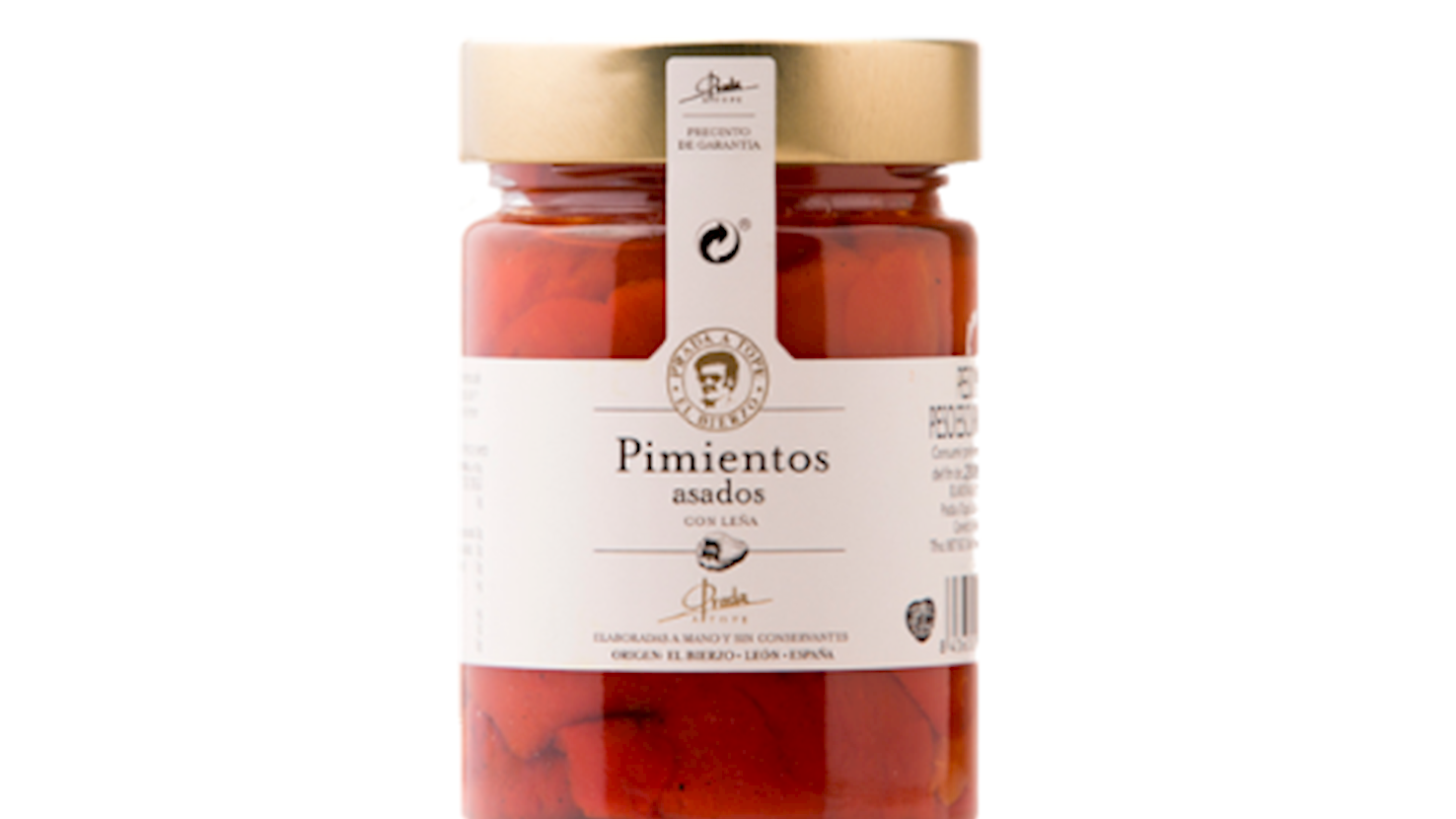
Prada a Tope is a Spanish enogastronomic brand from the El Bierzo region, founded in the 1970s by José Luis Prada, combining wine production, traditional food processing, and hospitality within a single concept. Its operations are centered around Palacio de Canedo, a restored estate that integrates a winery, restaurant, hotel, and production facilities, linking products directly to their place of origin. The winery focuses on native grape varieties such as mencía and godello, cultivated with organic practices and minimal intervention to preserve terroir expression. In parallel, the brand produces a wide range of gourmet products - such as roasted peppers, chestnuts, and fruit preserves - using traditional, slow-processing methods. Prada a Tope emphasizes local sourcing and collaboration with small producers, reinforcing regional identity while maintaining control over distribution through its own retail channels.
04

Hodi Paprika

4.2 ·
Hodi Paprika Ltd. is a producer of spice blends and seasonings. It specializes in paprika products. The company aims to deliver high-quality spices to various markets. It focuses on maintaining traditional methods along with modern technology for processing spices.
Awards
Great Taste Awards - 2 Stars (2024, 2022)
About this ranking

TasteAtlas food rankings are based on the ratings of the TasteAtlas audience, with a series of mechanisms that recognize real users and that ignore bot, nationalist or local patriotic ratings, and give additional value to the ratings of users that the system recognizes as knowledgeable. For the “Top 72 Peppers in the World” list until June 17, 2026, 3,873 ratings were recorded, of which 1,754 were recognized by the system as legitimate. TasteAtlas Rankings should not be seen as the final global conclusion about food. Their purpose is to promote excellent local foods, instill pride in traditional dishes, and arouse curiosity about dishes you haven’t tried.

The initial list of top producers was compiled based on available reviews, awards, local recommendations, media and blog coverage, and consumer reviews. The list will be updated with ratings from TasteAtlas local ambassadors and TasteAtlas users.

Similar lists