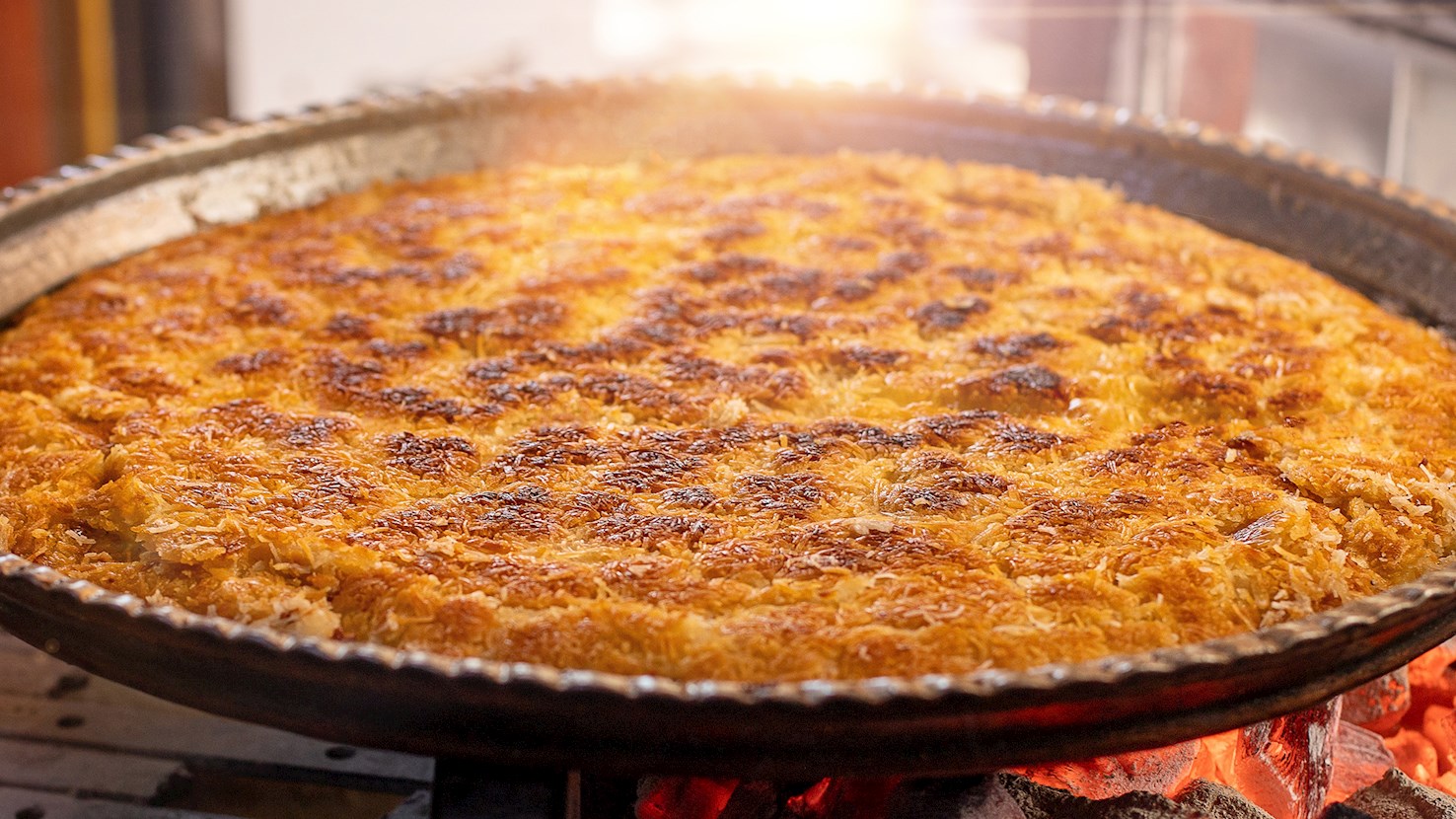
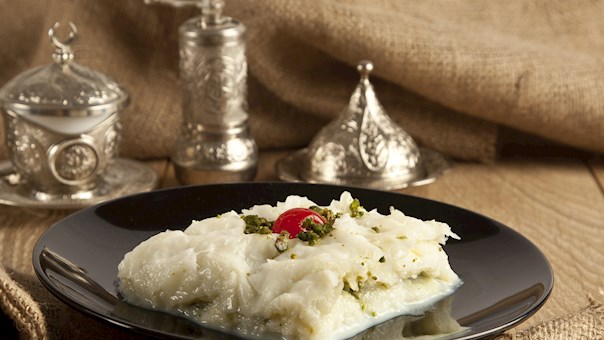
Antakya künefesi is a traditional kunāfah variety hailing from the ancient Turkish city of Antakya, made from shredded phyllo pastry filled with creamy unsalted cheese. The origins of this dish can be traced back to the Ottoman Empire, and to this day, it has remained one of the authentic representatives of Antakyan culinary heritage and traditions. To make Antakya künefesi, the pastry is first prepared by shredding phyllo dough into thin strips and placing it into a flat, round tray. The dough, in this form known as kadayıfın, is then topped with a mixture of unsalted cheese, traditionally Hatay peyniri, and another layer of shredded phyllo dough. After the concoction is baked on both sides (a step that makes this kunāfah variety unique), it is soaked with hot, sweet syrup made with sugar, water, and lemon juice. Antakya künefesi is served warm and garnished with chopped pistachios, walnuts, or hazelnuts. In 2006, this delicious dessert received the Protected Geographical Indication certificate.
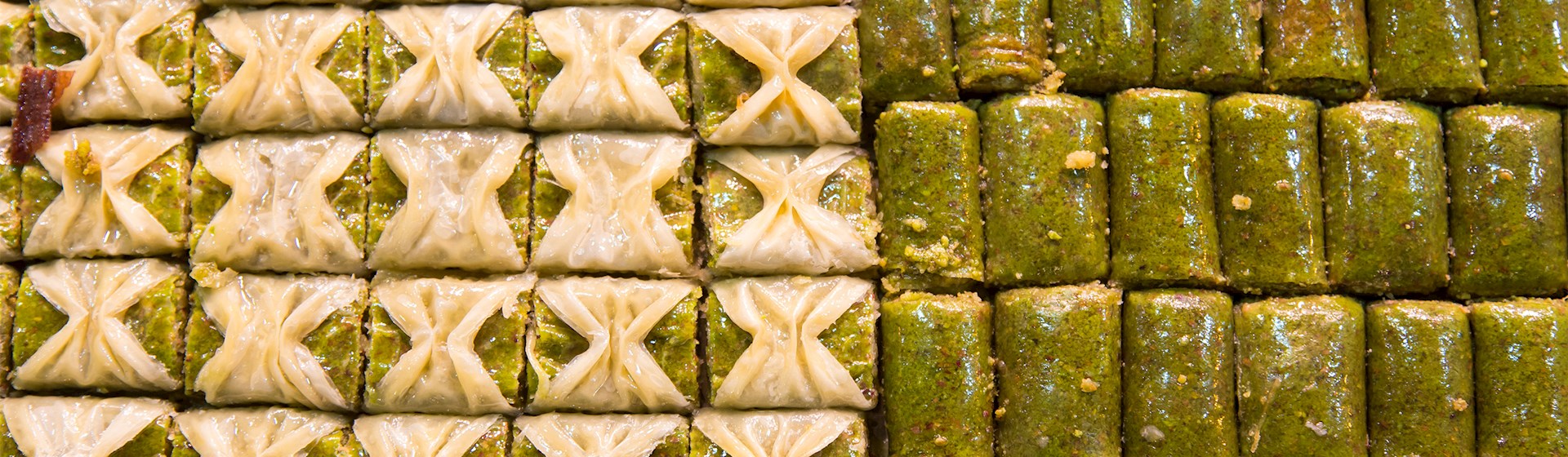
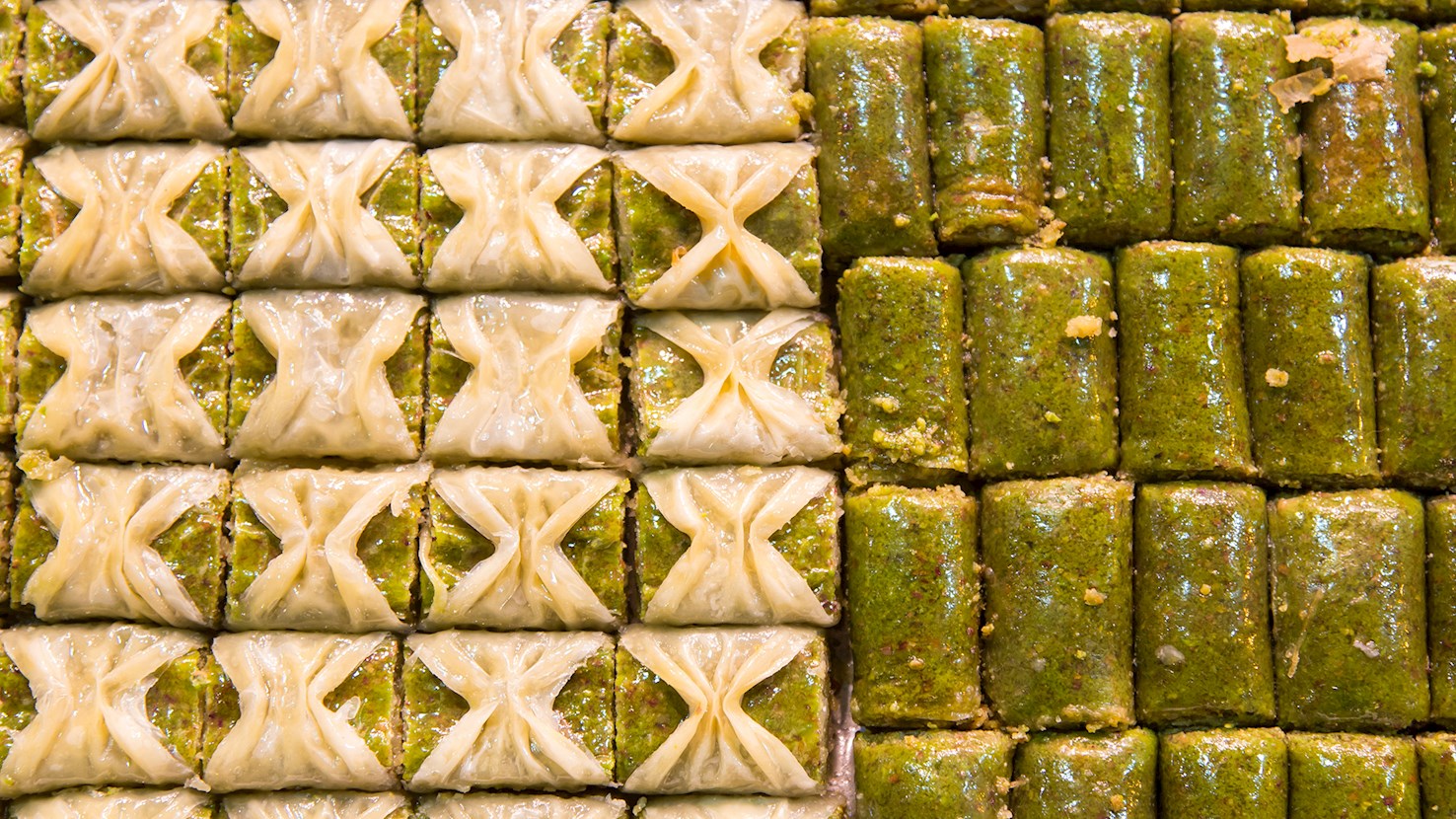
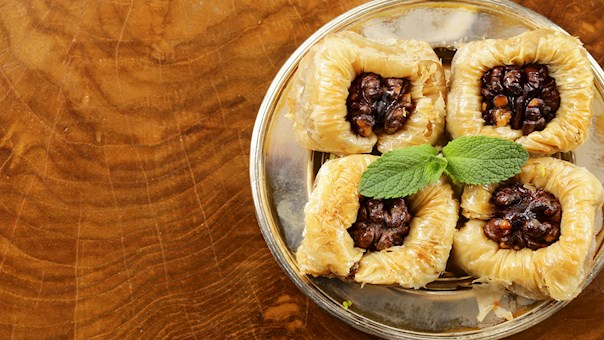
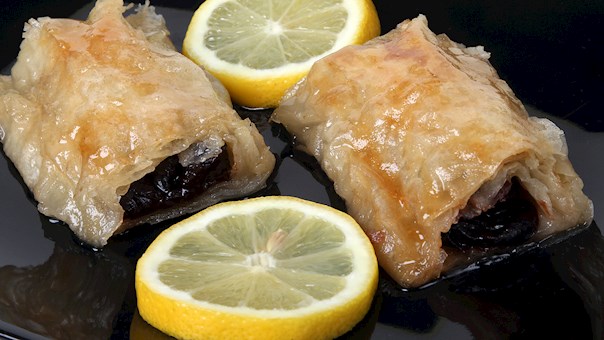
This Turkish sweet is made with a smooth, green, paste-like filling known as fıstık ezmesi (lit. pistachio butter). It is like a pistachio version of marzipan, and its bright green color is all-natural—it comes from the early-harvested Gaziantep pistachios. The delicious pistachio paste is wrapped around a single sheet of phyllo dough, just to hold its green goodness together, which is why this type of baklava is called either fıstıklı sarma or fıstıklı dürüm, meaning pistachio wrap or pistachio roll.
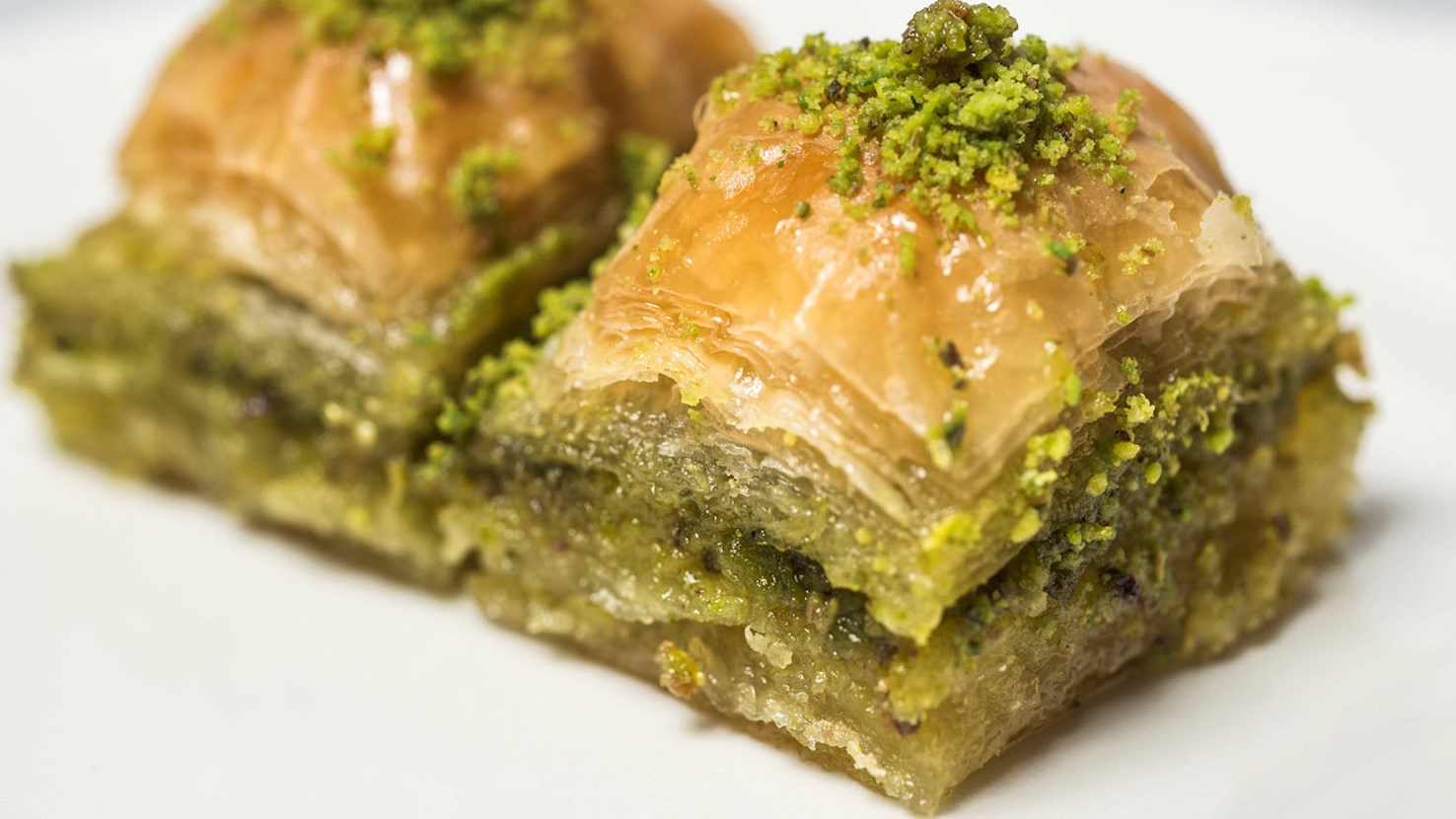
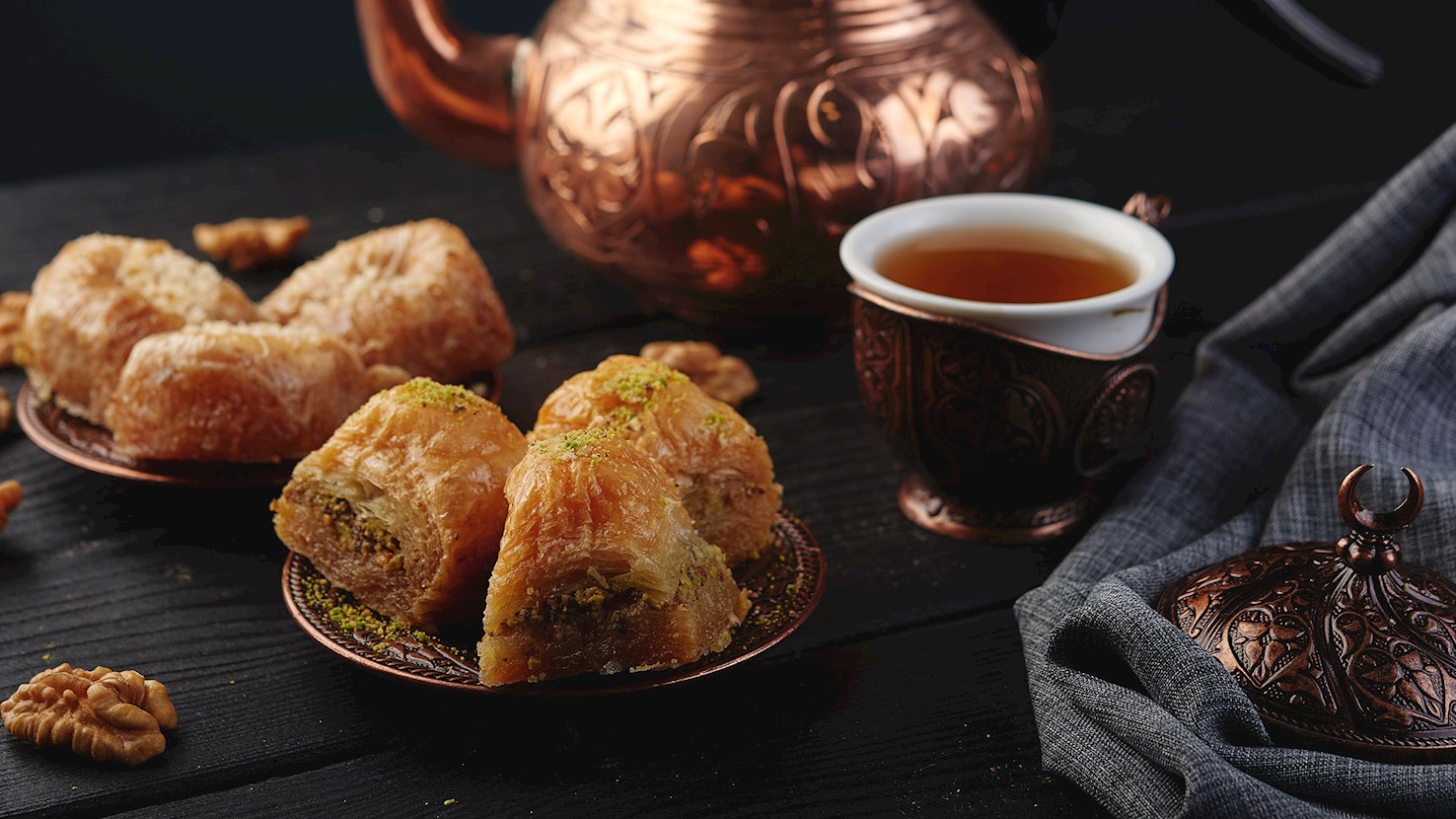
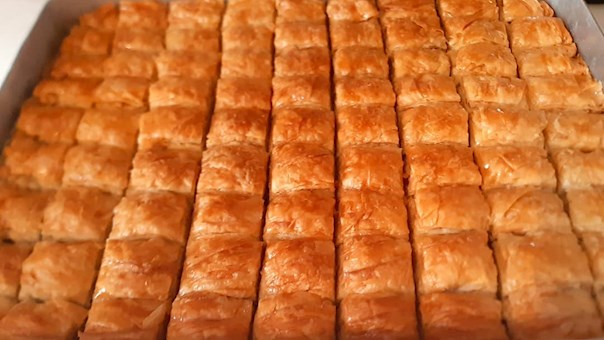
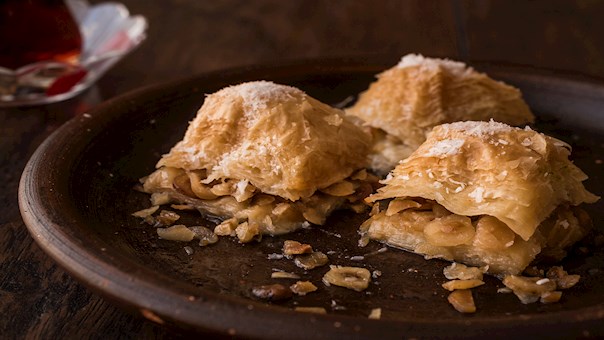
The ancient Anatolian city of Antep, today known as Gaziantep, is Türkiye's gastronomic capital famous for being home to the world’s finest pistachios and the delicious Antep baklavası. Originally an Ottoman legacy, baklava is regarded as one of the greatest creations from the pastry chefs at Topkapı Sarayı, the major royal residence of Ottoman sultans from the 15th to the 19th century. Baklava was traditionally prepared for Eid-al-Fitr, also known in Türkiye as Ramazan or Şeker Bayramı, a religious holiday when Muslims celebrate the ending of Ramadan, the Islamic holy month of fasting. Today, this Turkish treat is available year-round, and with more than 500 baklava bakeries in the city of Gaziantep, it is definitely not to be missed, especially during the pistachio harvest from midsummer to September, when these emerald-colored nuts are just the right size for baklava. To make this popular pastry, the finely crushed, genuine Gaziantep pistachios are generously spread between paper-thin sheets of phyllo dough which are brushed with melted butter and smeared with semolina cream. Antep baklava is then splashed with another dose of melted butter, baked, and finally, poured over with a hot sugar and lemon juice syrup. According to Turkish ustaları or master bakers, a well-baked baklava is tender, but at the same time has a perfect crunch to it. When divided with a fork, it makes a cracking sound which is not only a sign of freshness, but also a sign of the finest baklava, which isn't too sweet or heavy and leaves a heavenly taste in your mouth. Garnished with crushed pistachios, and often topped with kaymak, Turkish clotted cream, or a scoop of milk-flavored ice cream called kaymaklı dondurma, Antep baklava goes a long way: it can be enjoyed either with Turkish coffee in the morning or as a mid-afternoon treat with a cup of tea, but also as an after lunch or dinner dessert.
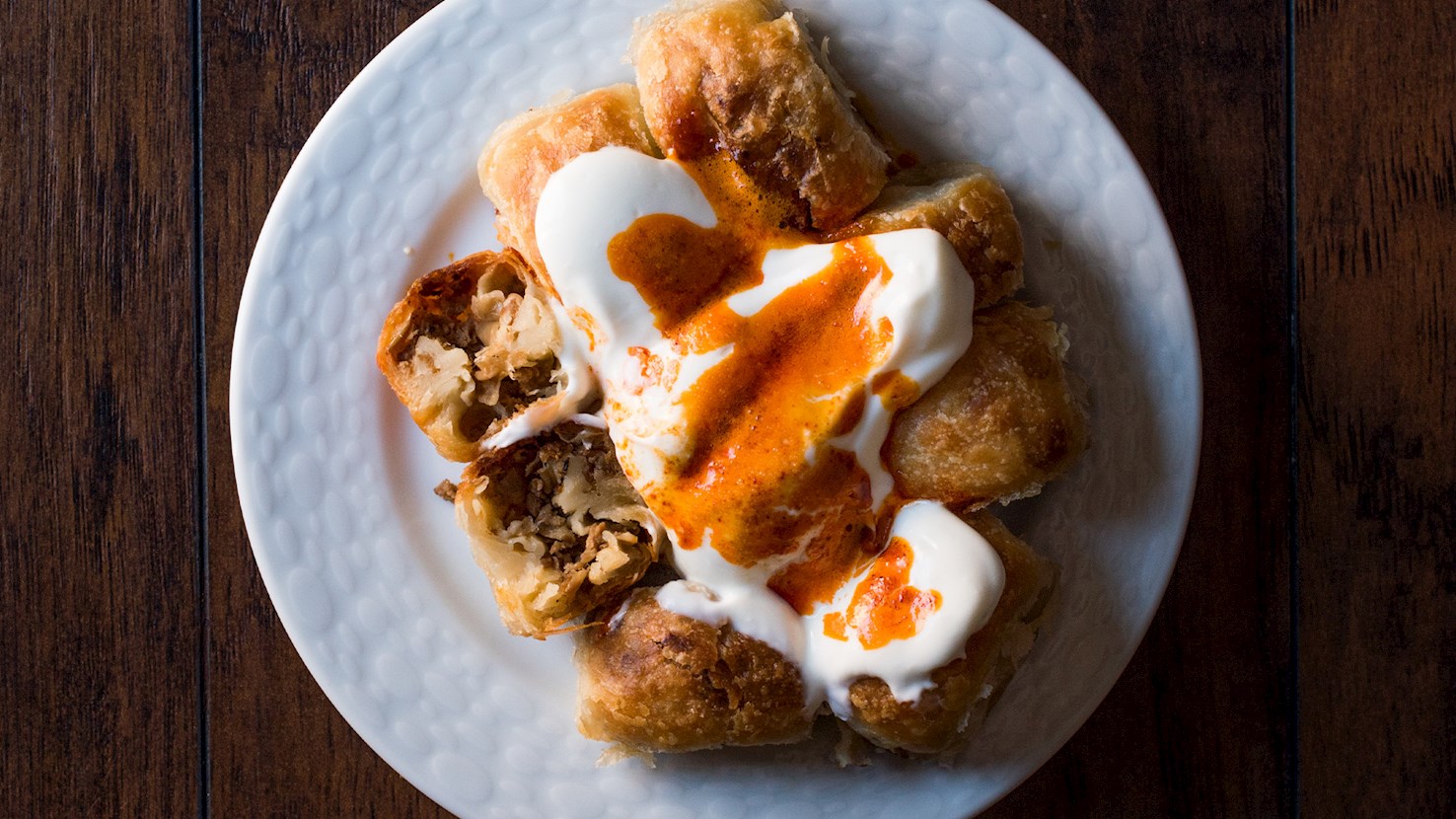
Paçanga böreği is a Turkish börek variety that's especially popular in the region of Anatolia and in Istanbul, where it's regarded as a traditional Sephardic Jewish specialty of the city. It's made by stuffing yufka or phyllo pastry with pastirma (salted, aged, dried beef) and kasar cheese. Apart from the basic ingredients, some people also like to add peppers and tomatoes to the filling. The dough is rolled, cut into rectangles, then fried. This börek can also be baked, but frying is the traditional method. Paçanga böreği is served hot and it's typically eaten as an appetizer.
The remarkable baklava is a luscious dessert created with layers of thin phyllo dough intertwined with chopped nuts, all doused in a sweet, viscous syrup. The popularity of baklava has long surpassed borders, regions, and ethnic groups to become a dessert whose origin and invention is claimed by numerous countries. It is probable that it has an Assyrian origin, dating back to the 8th century, from where it spread out throughout the region all the way to Greece. The Greeks altered the recipe and created the thin sheets, known today as phyllo dough, but modern-day baklava is believed to be an original Turkish creation. However, it is almost impossible to pinpoint baklava's exact place of origin, and the debate about its authenticity is still going on between Türkiye and Greece. Traditionally, baklava is made with sheets of paper-thin pastry at the bottom, followed by chopped nuts which are then topped with additional pastry layers. The other traditional way suggests alternating layers of phyllo dough with layers of chopped nuts. The original and authentic baklava should always have a nut-based filling, most commonly walnuts, hazelnuts, or pistachios, but modern versions have introduced unusual fillings such as apricots, chocolate, and even ground cookies. The dessert is typically prepared in large trays, and it is then sliced into squares, triangles, or diamond shapes before being doused in a luscious syrup made with water and sugar or honey. Very often, the syrup is flavored with sliced lemon, rose water, cinnamon, or cardamom. It is supposed to cover the entire tray and keep the delicate pastry succulent, creating a sweet and juicy cover around it. Iranian or Persian baklava differentiates itself because it is drier and lighter than other regional varieties, and it is often flavored with rose water. Even though it was once regarded as a decadent treat that was mostly enjoyed by the aristocracy, the famous baklava is now a traditional pastry and a dessert offered in numerous Oriental, Turkish, or Greek restaurants. It is also often found in pastry shops across the Balkan region all the way to the Middle East.
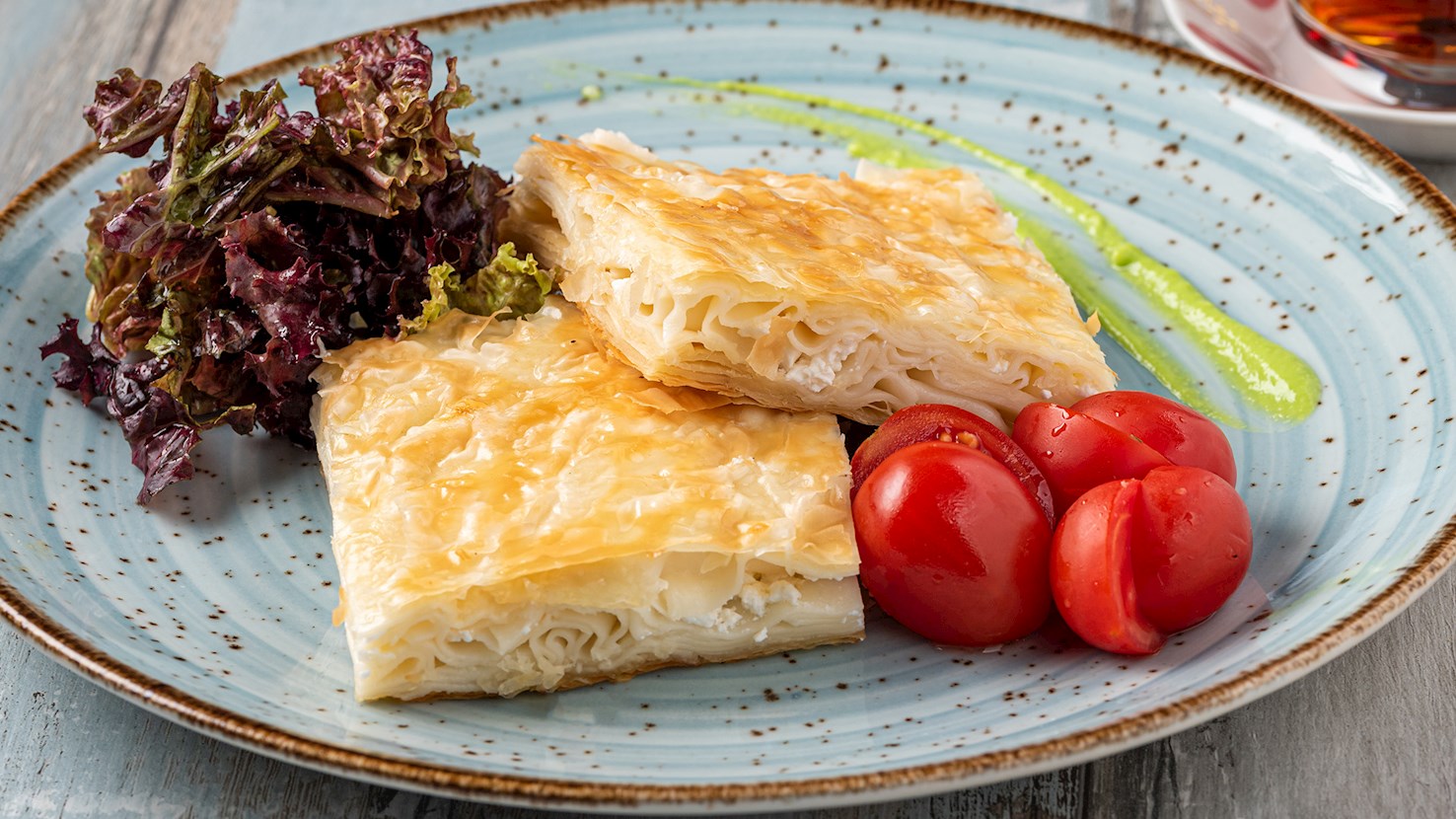
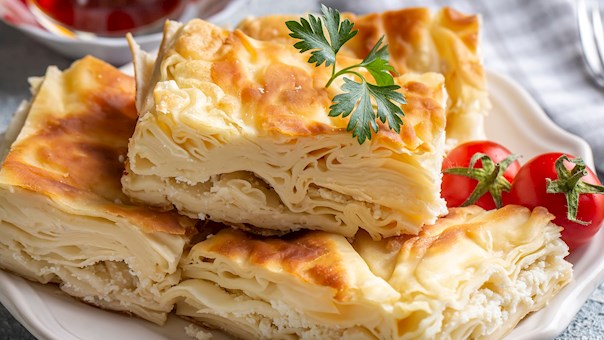
Börek is a baked dish consisting of a savory or sweet filling wrapped in yufka - thinly stretched sheets of dough made with flour, water, and salt. Heartier than phyllo, but thinner than a tortilla, hand-made yufka is typically brushed with butter before baking. Although many countries have their own versions of this satisfying dish, it was probably invented during the Ottoman Empire in the Anatolian Provinces, an area that nowadays belongs to Turkey. Some sources suggest that börek might be even older, a descendant of the Eastern Roman (Byzantine) Anatolian dish known as en tyritas plakountas, consisting of layered dough filled with cheese, its recipe dating back to 160 BC. Nowadays, Turkey is famous for its layered pies and pastries, all united under the name börek (also burek, byurek, byrek, böregi). Regardless of many börek varieties, yufka always remains the same, and almost everything wrapped in it may be called börek, which could also explain the name: some suggest that it comes from the Turkish word bur, meaning to twist. In Turkey, there are many regional variations of börek, and the names usually contain a descriptive word referring to the shape, ingredients, cooking method, or a region where the specific variety of börek comes from. For example, su böreği or water börek is made with boiled sheets of dough which are buttered and filled with a mixture of feta cheese and parsley (an alternative recipe suggests minced meat and onions), then baked. Kalem böregi or pen börek is a thin, cigarette-shaped variety that is often served in restaurants as an appetizer. Due to their shape, they were originally called sigara böreği, but in 2011, Turkish pastry chefs started calling them kalem to avoid the connections with smoking. They are usually filled with feta cheese, potatoes, and parsley, but can also be enriched with minced meat or sausages, and vegetables such as spinach, nettles, leeks, and courgettes. Paçanga böreği is a deep-fried variety from Istanbul, filled with pastırma or kaşar and chopped green peppers. Saray böreği or palace börek is a truly decadent version made with fresh butter rolled between each sheet of dough, while kol böreği or arm börek is the classic variety prepared at home - shaped in long rolls, either rounded or lined, it is usually filled with minced meat, feta cheese, spinach, or potatoes (it's smaller and fattier variety is called sarıyer böreği, named after Sarıyer, a district of Istanbul where it is traditionally prepared). The most beautiful variety might be gül böreği or rose börek, arranged in a spiral that resembles a rose filled with various fillings which are often spicy in flavor. Çiğ börek or raw börek is a half-moon-shaped variety filled with raw minced meat and fried in oil. On the other hand, there is also töbörek - a similar variety which is baked instead of fried. However, börek doesn't have to be savory - a sweet variety called laz böreği is prepared in the Rize region. It is filled with muhallebi (a local spin on custard) and served generously dusted with powdered sugar. Another sweet variety is called kürt böreği, also known as sade, meaning plain börek, referring to the fact that it has no filling at all, just a generous layer of powdered sugar on top. Seeing all these varieties, it is clear that börek may be one of the most significant dishes of the Turkish cuisine – it surely is one of the oldest and most traditional ones.
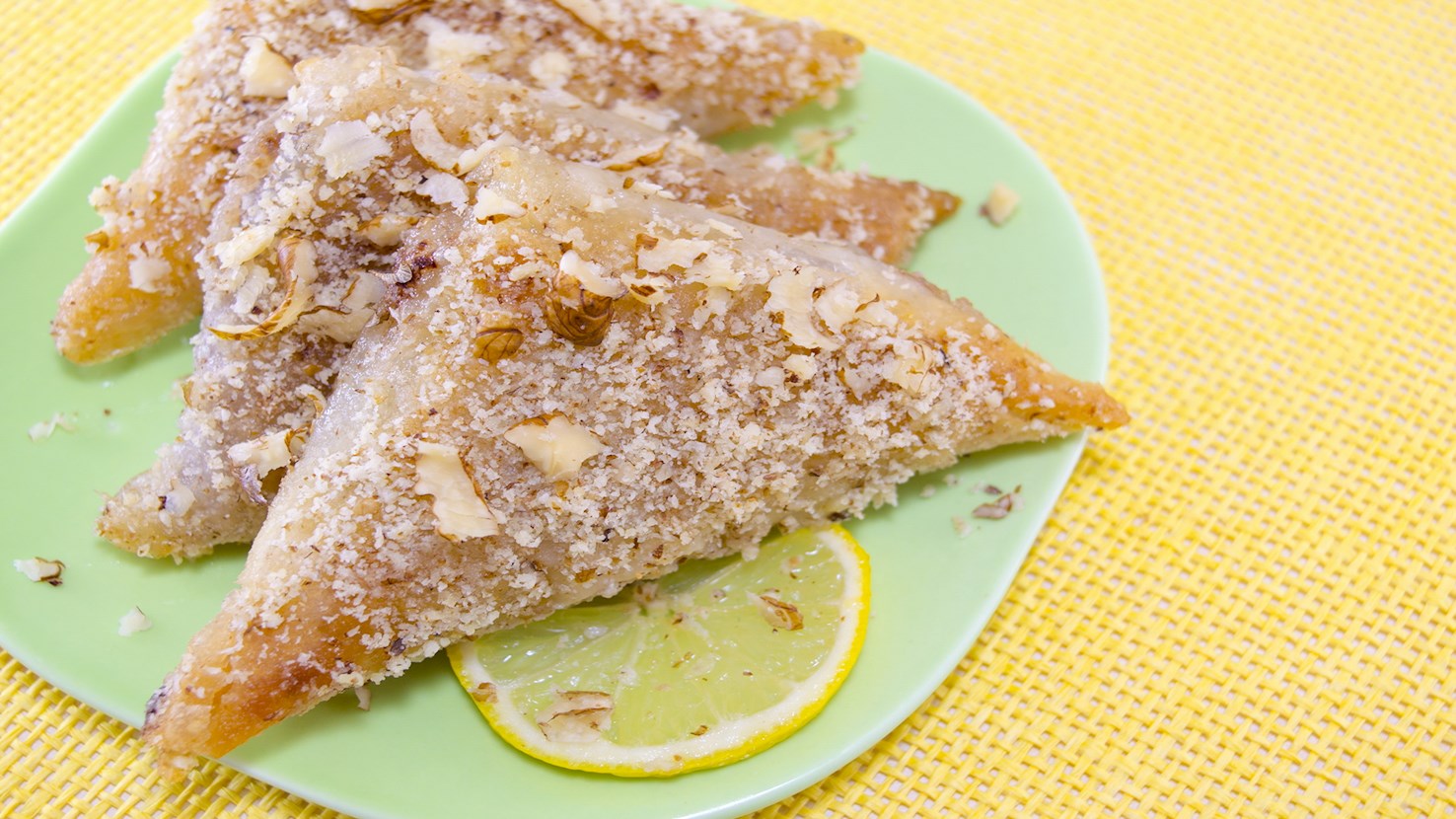
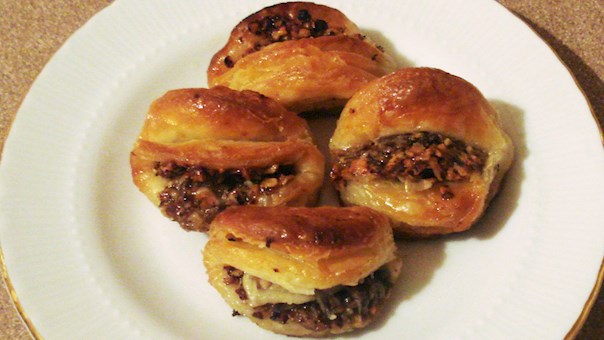
This is the only Turkish baklava with a cream-like filling, made by boiling a mixture semolina and a thick clotted cream called kaymak. To make şöbiyet, phyllo dough sheets are cut into squares, brushed with melted butter, and layered atop one another, then filled with kaymak and chopped nuts—typically walnuts—and finally folded into triangles before baking. Like most other baklavas, when baked, şöbiyet is doused in a lemon-flavored syrup and sprinkled with either crushed walnuts or pistachios.
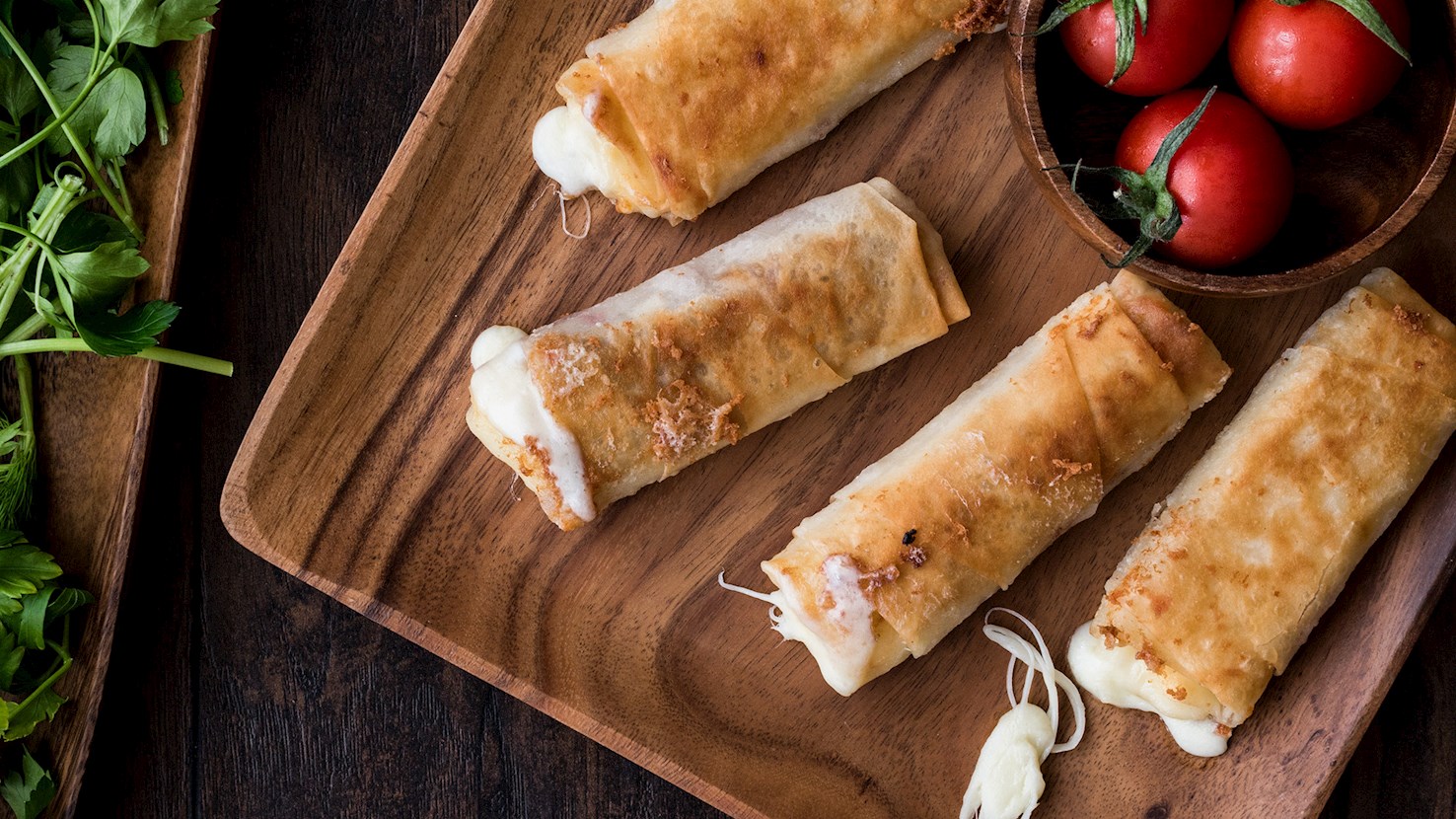
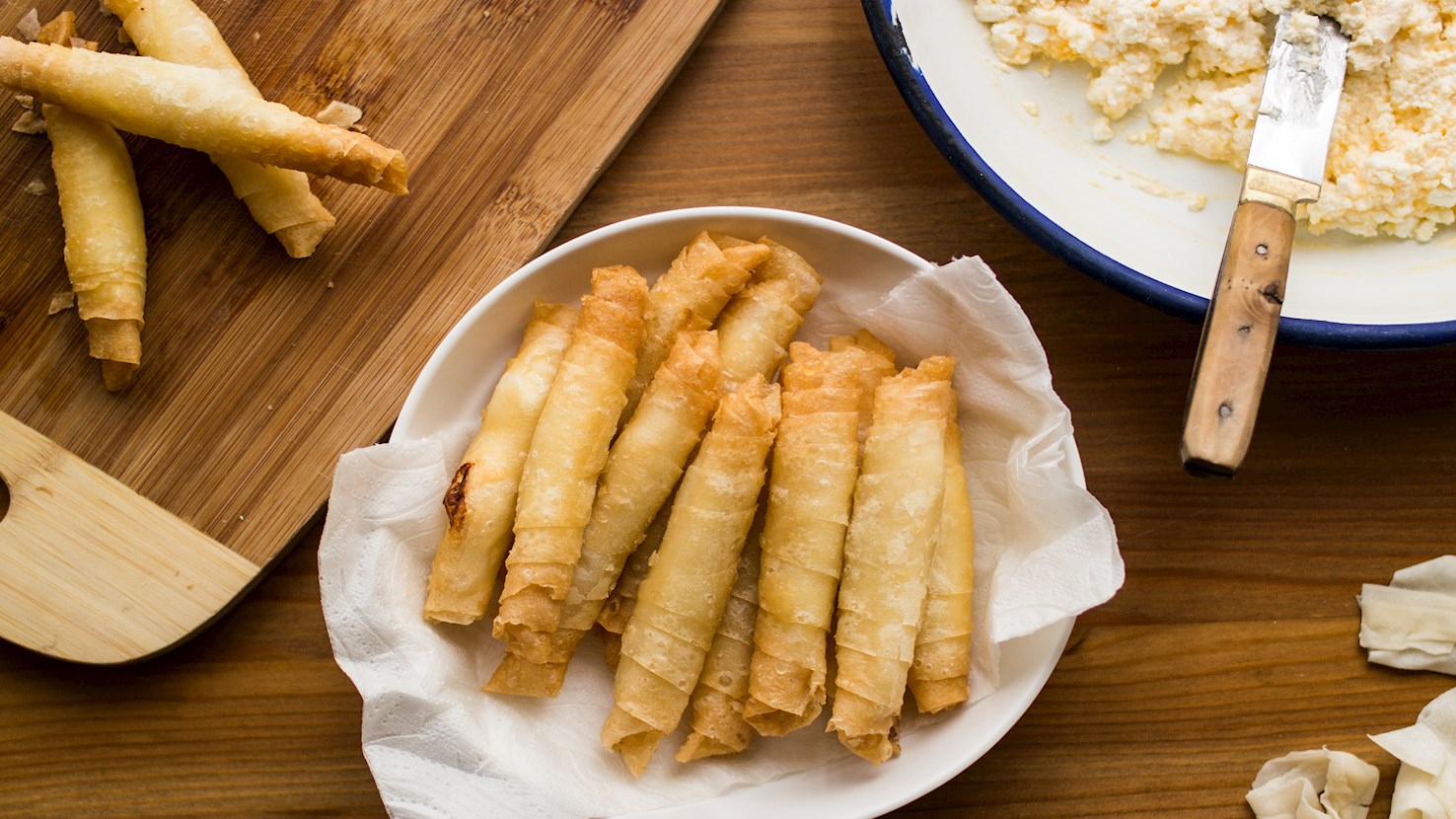
The cylindrical sigara böreği is a famous Turkish deep-fried pastry. These small, crispy rolls of thin dough are stuffed with a creamy mixture of cheese and parsley. They are traditionally made with sheets of thin yufka dough, a common ingredient in many boregi varieties, or with a thicker phyllo dough. Mixed with fresh parsley and (sometimes) eggs, the cheese is spread on the triangle-shaped dough, which is then shaped into a cigar. After it is fried, sigara böreği turns into a satisfying delicacy, with a crispy outer layer and a velvety filling. The combination of cheese and parsley is the most traditional choice for the filling, but there are numerous other varieties available, featuring feta cheese, potatoes, leeks, spinach, and fresh herbs such as mint or dill. Just like other boregi varieties, this small, tube-shaped delicacy is usually enjoyed as street food, and can be found in many specialized boregi shops or restaurants.
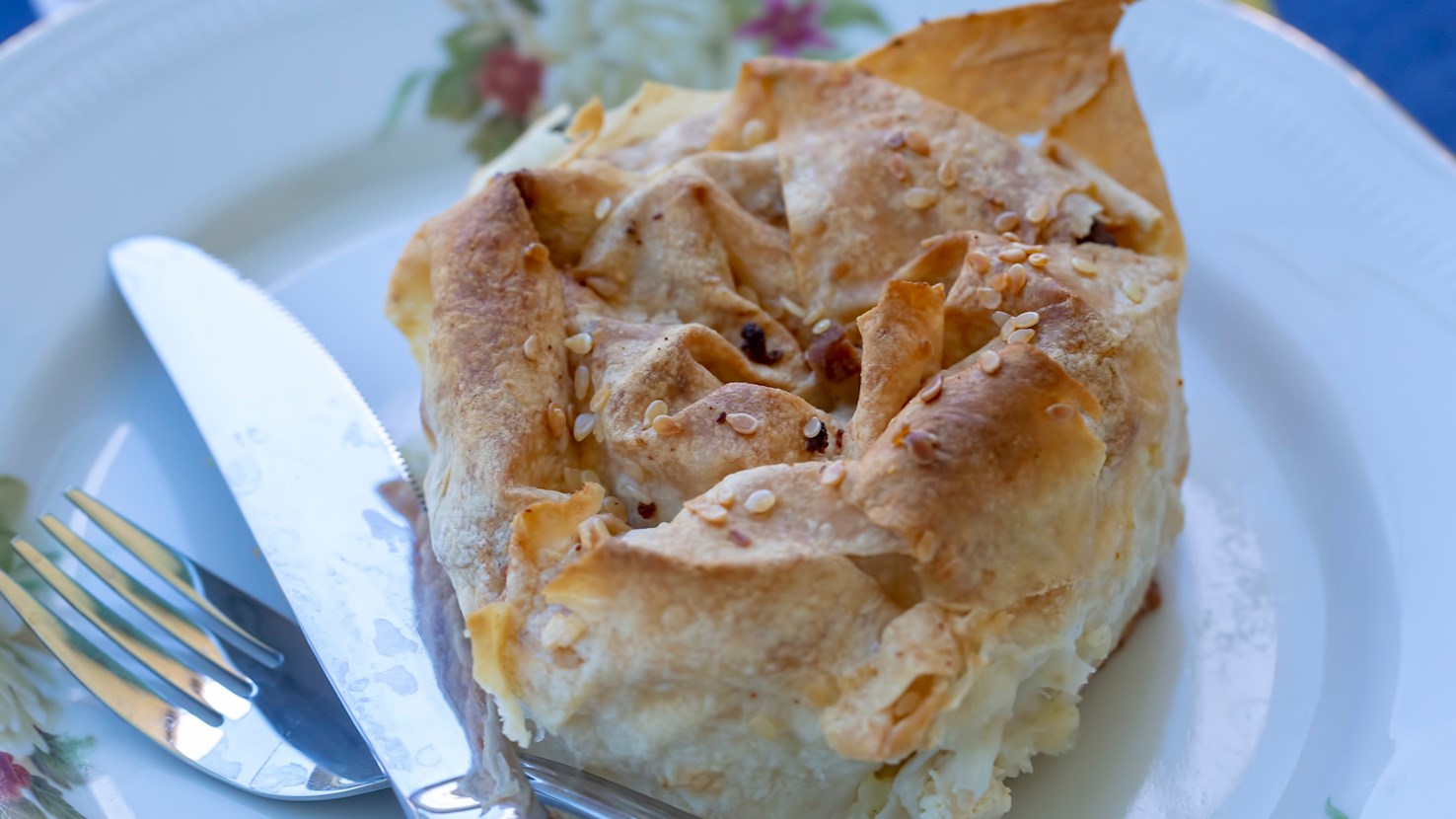
Gül böreği is a single serving type of börek that's shaped into a spiral or a rose. Yufka or phyllo dough is traditionally stuffed with the most popular fillings: spinach, soft white cheese, potatoes, or ground meat. Once assembled, the dough is rolled into a coil-like shape and the börek is then baked until golden brown. If desired, gül böreği can be sprinkled with sesame or nigella seeds before baking. It's recommended to serve the börek warm and pair it with a cup of tea or yogurt.
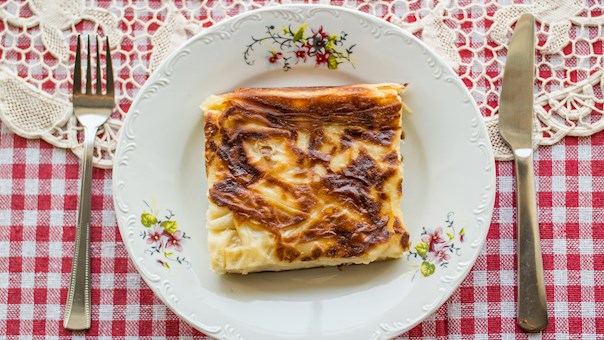
Boşnak böreği is a type of Turkish börek that's very similar to kol böreği. However, the dough is rolled somewhat thinner and it's traditionally filled with a combination of spinach and cheese. This börek type can also be prepared with potatoes and ground meat. The name means Bosnian börek because börek is extremely common in Bosnia and Herzegovina. Once assembled, the börek is baked until golden brown. When served, it's best to pair it with a cup of yogurt on the side.
TasteAtlas food rankings are based on the ratings of the TasteAtlas audience, with a series of mechanisms that recognize real users and that ignore bot,
nationalist or local patriotic ratings, and give additional value to the ratings of users that the system recognizes as knowledgeable.
For the “Top 18 Turkish Phyllo Pastries” list until May 16, 2026, 4,738 ratings were recorded, of which 2,752 were recognized by the system as legitimate.
TasteAtlas Rankings should not be seen as the final global conclusion about food. Their purpose is to promote excellent local foods,
instill pride in traditional dishes, and arouse curiosity about dishes you haven’t tried.