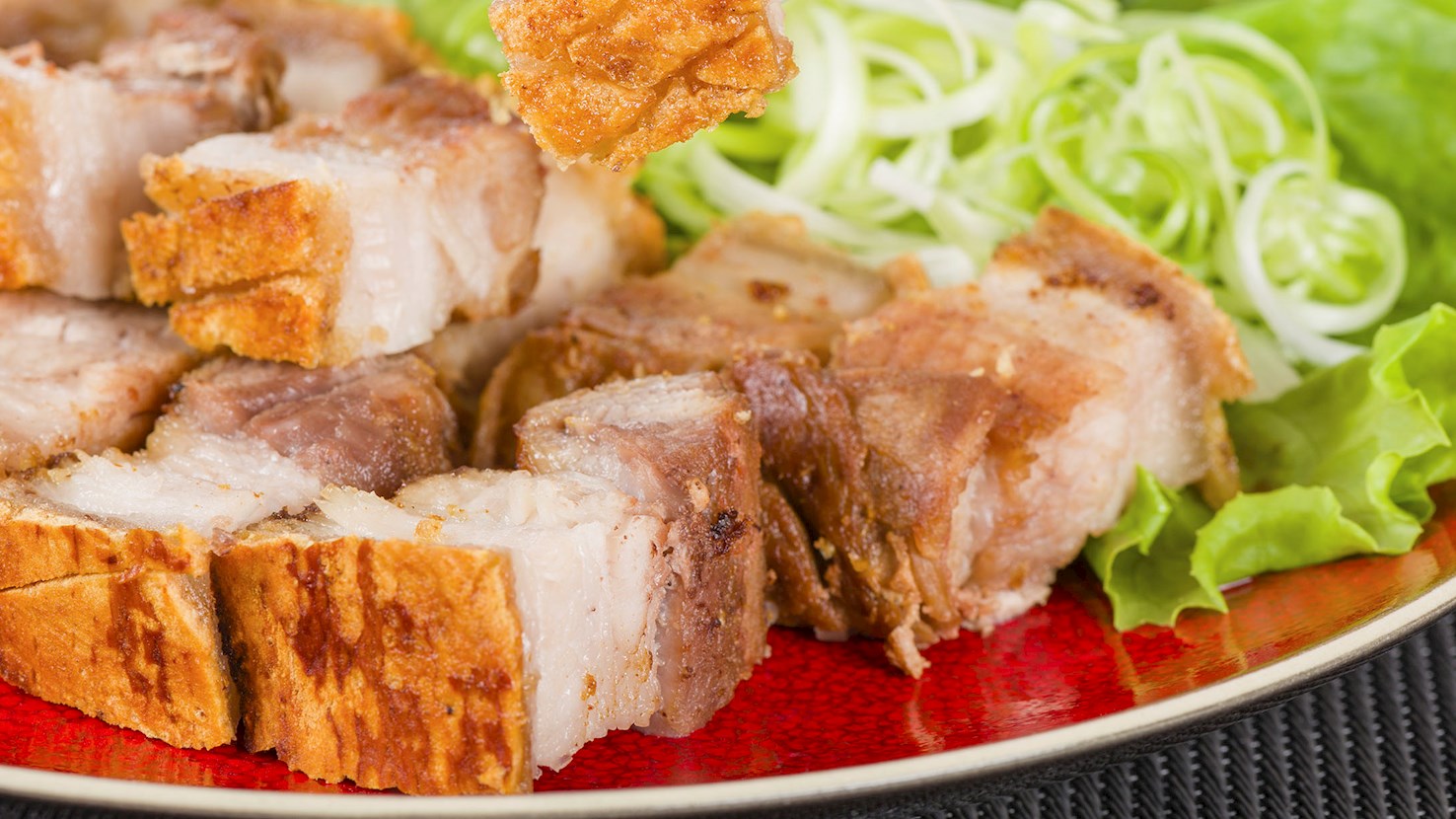
A version of typical Cantonese siu mei (roasted meat dishes), siu yuk is a hefty meal that is mostly consumed in small quantities, made by roasting a whole, seasoned pig in charcoal furnaces at very high temperatures, resulting in succulent, tender meat and crispy skin. Traditionally, the meat is served as it is, but it is sometimes accompanied by either hoisin sauce or soy sauce. Since it is a known fact that the Chinese have many beliefs, in Hong Kong siu yuk is often oferred to the Jade Emperor (the first god in Chinese culture) in order to celebrate a movie's opening, hoping that the movie achieves great success in the cinemas. The dish is often garnished with pineapple or cucumber slices, placed in a red box and wrapped with red wrapping paper, for additional luck.
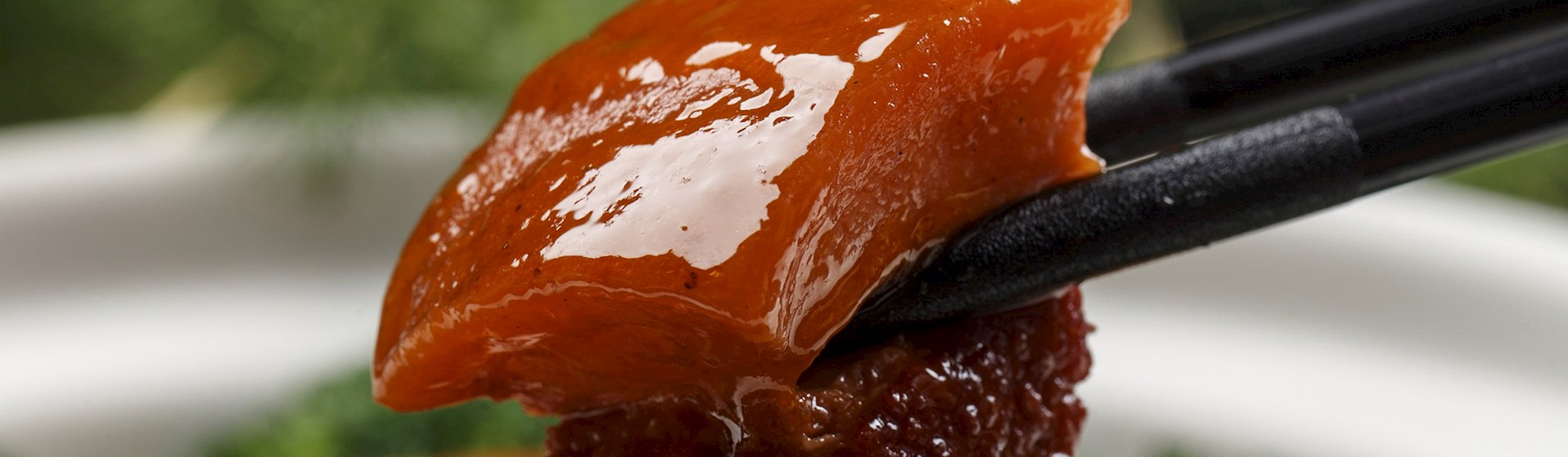
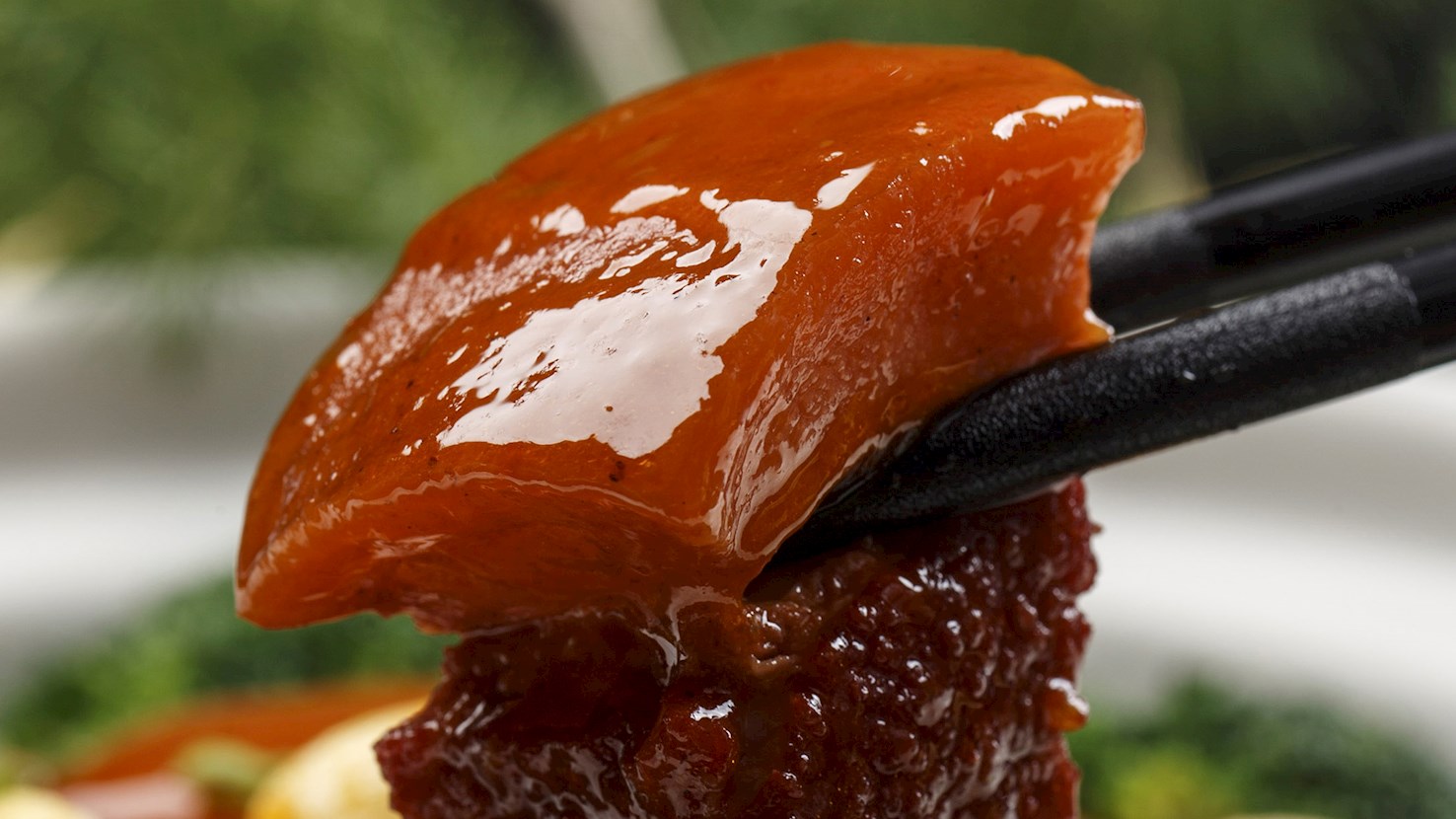
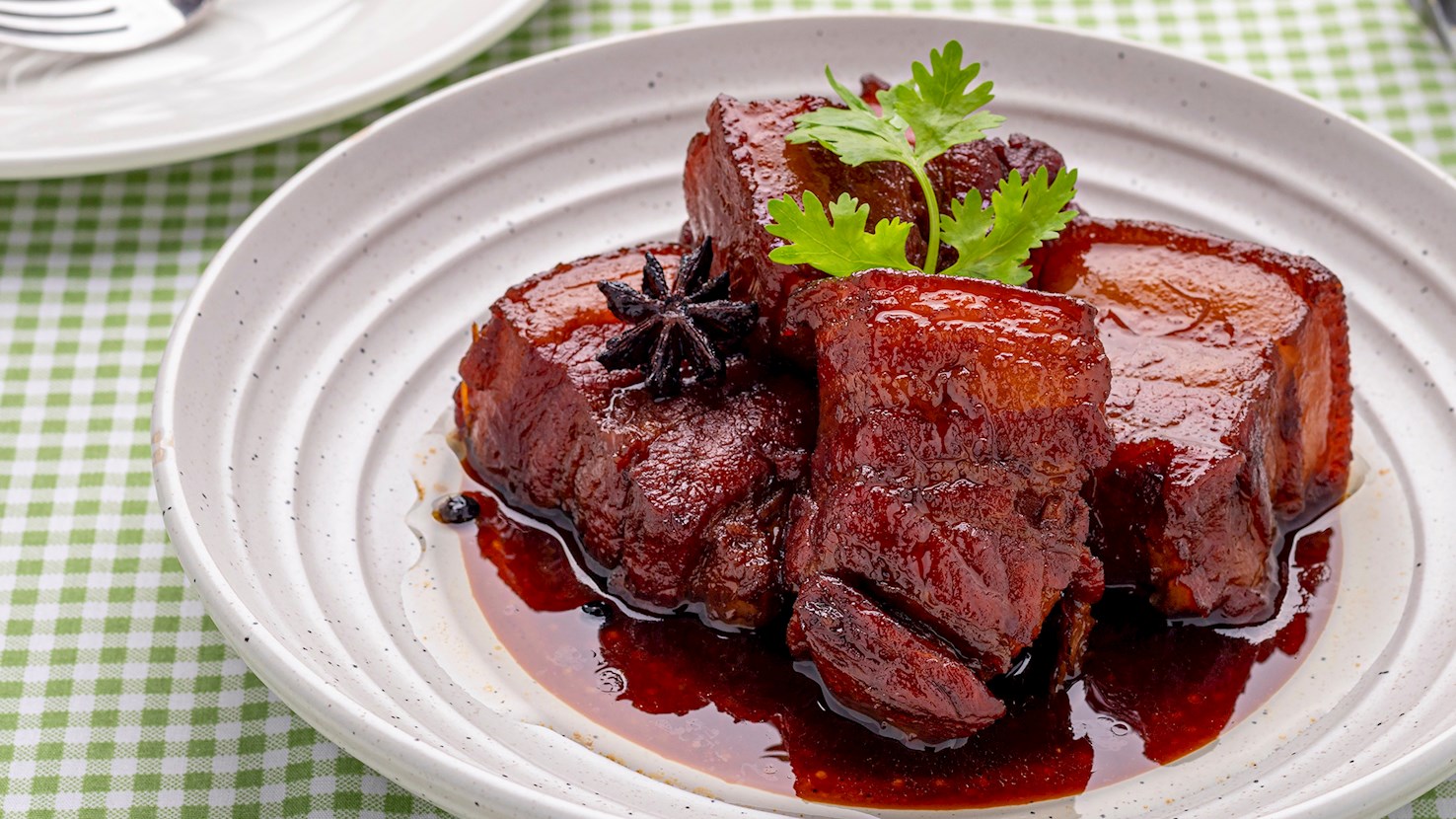
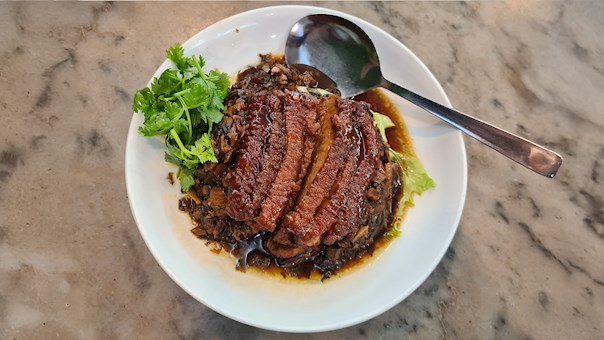
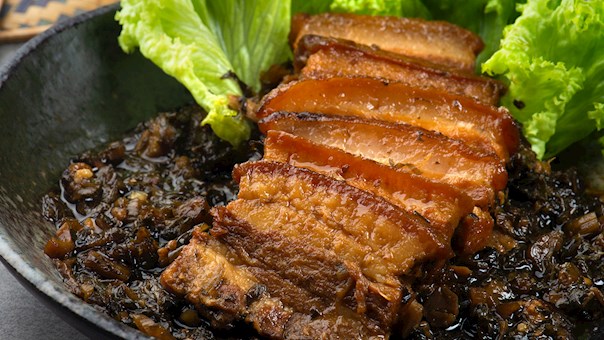
The traditional Hangzhou's trademark dish of red-cooked pork belly, Dōngpō ròu, is built with a handful of Chinese staple ingredients like ginger, scallions, soy sauce and, most importantly, Shàoxīng rice cooking wine, an essential ingredient for red-cooked meals. The meat (with the skin on) is typically browned in fat, simmered twice, braised, sautéed, and finally steamed, after which it becomes so amazingly tender it can be pulled away with chopsticks. Dōngpō ròu is said to have been invented (or at least inspired) by Su Dongpo, an 11th-century Song Dynasty statesman, poet, artist, calligrapher, and one of the four classical Chinese gastronomes. According to legend, one day Su Dongpo decided to prepare stewed pork when, in the middle of cooking, an old friend visited and challenged him to a game of Chinese chess. Engrossed with the game, Su had completely forgotten about his stew until the intense aroma of slow-braised pork meat reminded him of it. The dish was eventually named Dongpo pork in his honor and later became widely popular across the country.
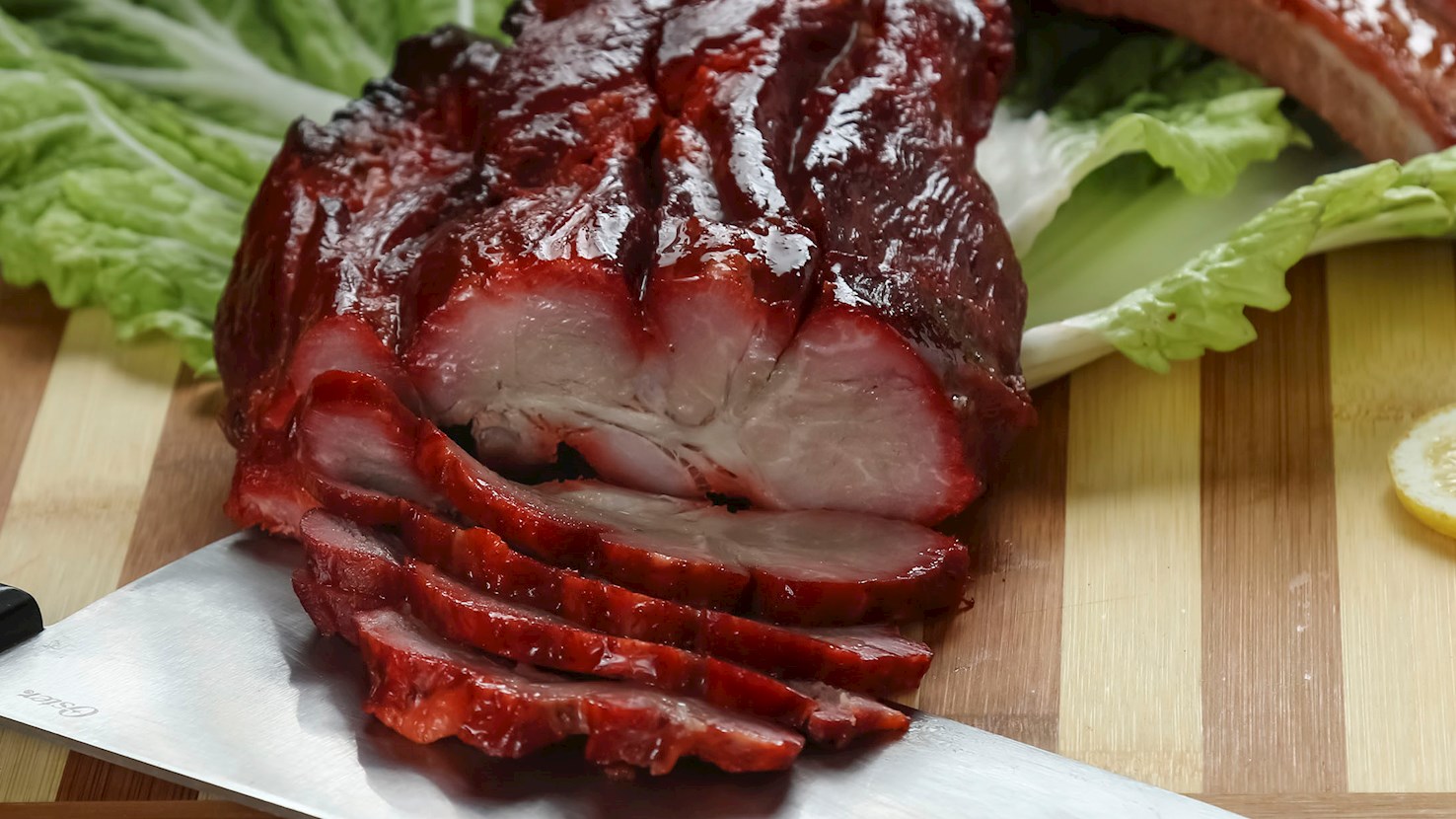
Char siu is a dish consisting of roasted, barbecued pork that has previously been marinated in the eponymous sauce, including ingredients such as soy sauce, hoisin sauce, rice wine, and star anise. The pork is usually served either as a sliced appetizer or shredded and chopped as a main meal. In the early days of char siu, any available meats, such as wild boars and pigs were used to make the dish. The name char siu is literally translated to fork-roasted, referring to the original method of preparation in which the meat is placed on an elongated fork and roasted over an open fire that caramelizes the sugars found in the marinade. One of the most popular ways to use the meat is to serve it in steamed buns called char siu bao. As a proof of char siu's popularity, it was listed as the 28th among the World's 50 Most Delicious Foods in a poll compiled by CNN Go in 2011.
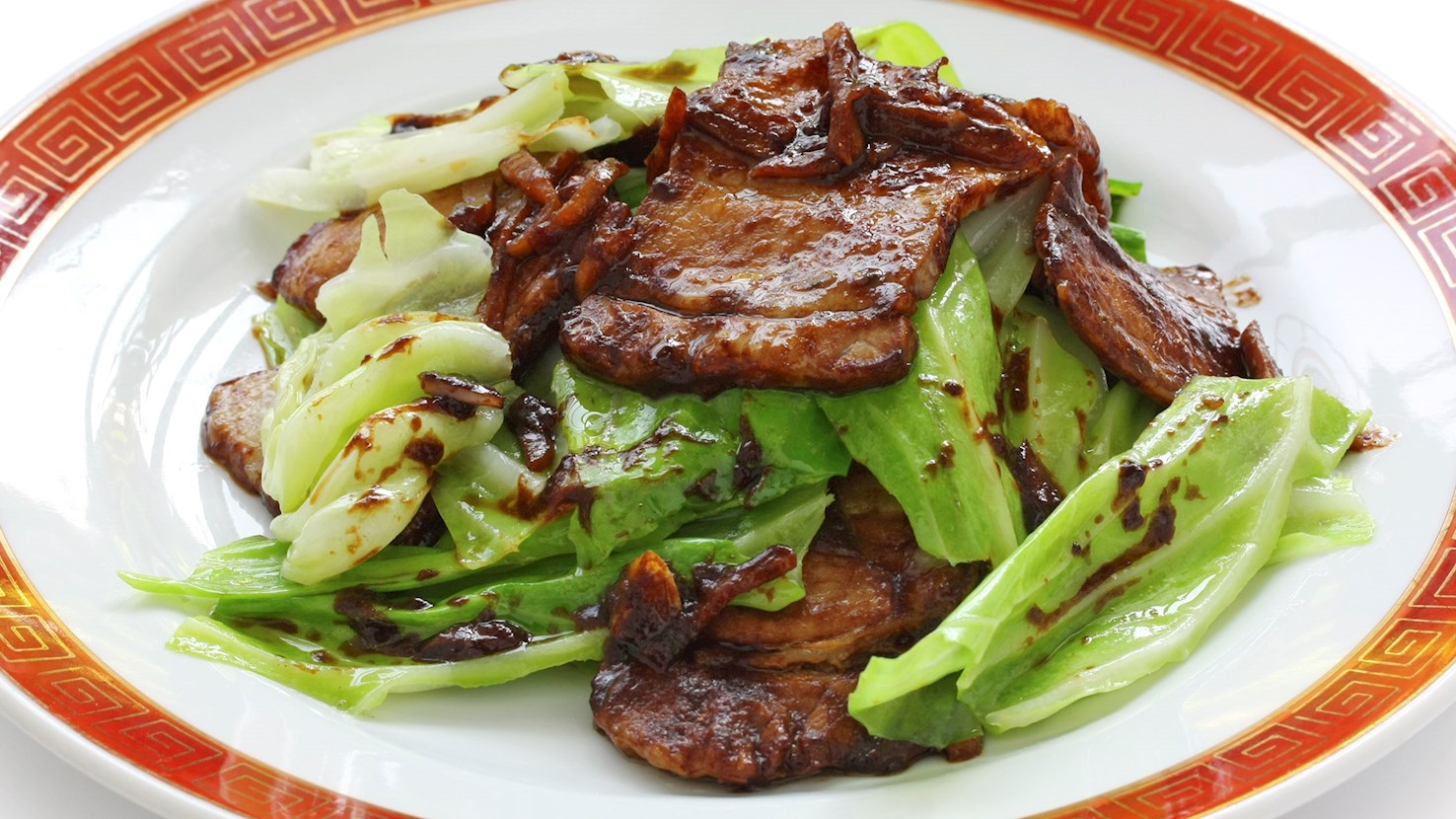
Twice cooked pork is a Sichuan specialty prepared by cooking fatty pork leg or belly (with the skin intact) in two different ways. Pork is first simmered in a pot and cooled in the refrigerator in order for the meat and fat to firm up. After that, the meat is sliced and stir-fried with vegetables such as cabbage, bell peppers, leeks, and mushrooms until it develops a brown color and the skin gets crispy on the edges. Ingredients may vary from one cook to another, but most of them add a sauce made with rice wine, soy sauce and various other condiments to the wok along with meat and vegetables. It is believed that the dish was invented during the Song Dynasty period by a poet who was preparing a pork dish for his friend. He cooked the meat in a pot and forgot about it, and when he returned, he saw that the liquids had evaporated, and the meat was sizzling in its own fat, thus a new dish was created. Today, the people of Sichuan traditionally have a feast on every 1st and 15th lunar month, where twice cooked pork is prepared as the main star of the festivities.
Hóngshāoròu is a Chinese braised pork dish made with pork belly slowly cooked in a mixture of soy sauce, sugar, rice wine, and aromatics until it becomes tender and richly flavored, with a glossy red-brown sauce coating each piece. It originates from the Jiangnan region of eastern China, particularly Jiangsu and Zhejiang provinces, but it is now deeply embedded in the culinary identity of many regions, each with slight variations in seasoning and texture. The technique of red-braising, which gives the dish its name, has been part of Chinese cooking for centuries, arising from a broader practice of slow-cooking meat in soy sauce and sugar to preserve moisture and develop depth of flavor. The dish gained prominence in imperial kitchens and scholar households during the Ming and Qing dynasties, where long, gentle braises were favored for their ability to transform inexpensive cuts of meat into luxurious dishes. Over time, hóngshāoròu became a home-cooked staple and a centerpiece at festive meals, symbolizing abundance and comfort. Preparation typically begins with selecting pork belly that has alternating layers of meat and fat, which ensures the right balance of tenderness and richness. The pork is blanched briefly to remove impurities, then caramelized with sugar in oil or water until lightly browned, a step that deepens the color and flavor of the final dish. Soy sauce, Shaoxing wine, ginger, star anise, and occasionally cinnamon or dried chilies are added, and the mixture is simmered slowly for one to two hours. During this time, the meat absorbs the flavors of the sauce and becomes soft enough to melt in the mouth, while the braising liquid reduces into a thick, glossy coating. Hóngshāoròu is served hot, usually as a centerpiece dish accompanied by plain steamed rice, which absorbs the rich sauce. It is often paired with lighter side dishes such as blanched greens or pickled vegetables, which provide contrast to its richness. In some regions, it is served with steamed buns or mantou, allowing diners to soak up the sauce.
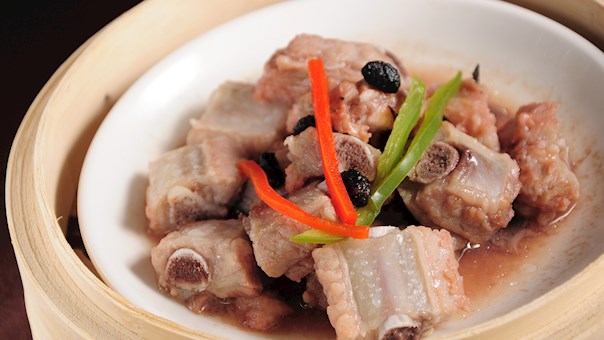
Sweet and sour spare ribs is a popular Chinese dish that is mostly consumed in restaurants since it is somewhat hard to prepare it at home. Spare ribs are first marinated, deep-fried, then dipped in Chinese sweet and sour sauce. Traditionally, the dish is served as an appetizer and is extremely popular in the southern parts of China. In Chinese culture, pork symbolizes prosperity, so the dish is often prepared and served for Chinese New Year. The Chinese people love to serve sweet and sour dishes during the festive time because the word sour (syun in Cantonese) sounds like the word grandchild when pronounced, giving hope for a new offspring. It is recommended to pair this decadent appetizer with a glass of ice-cold beer.
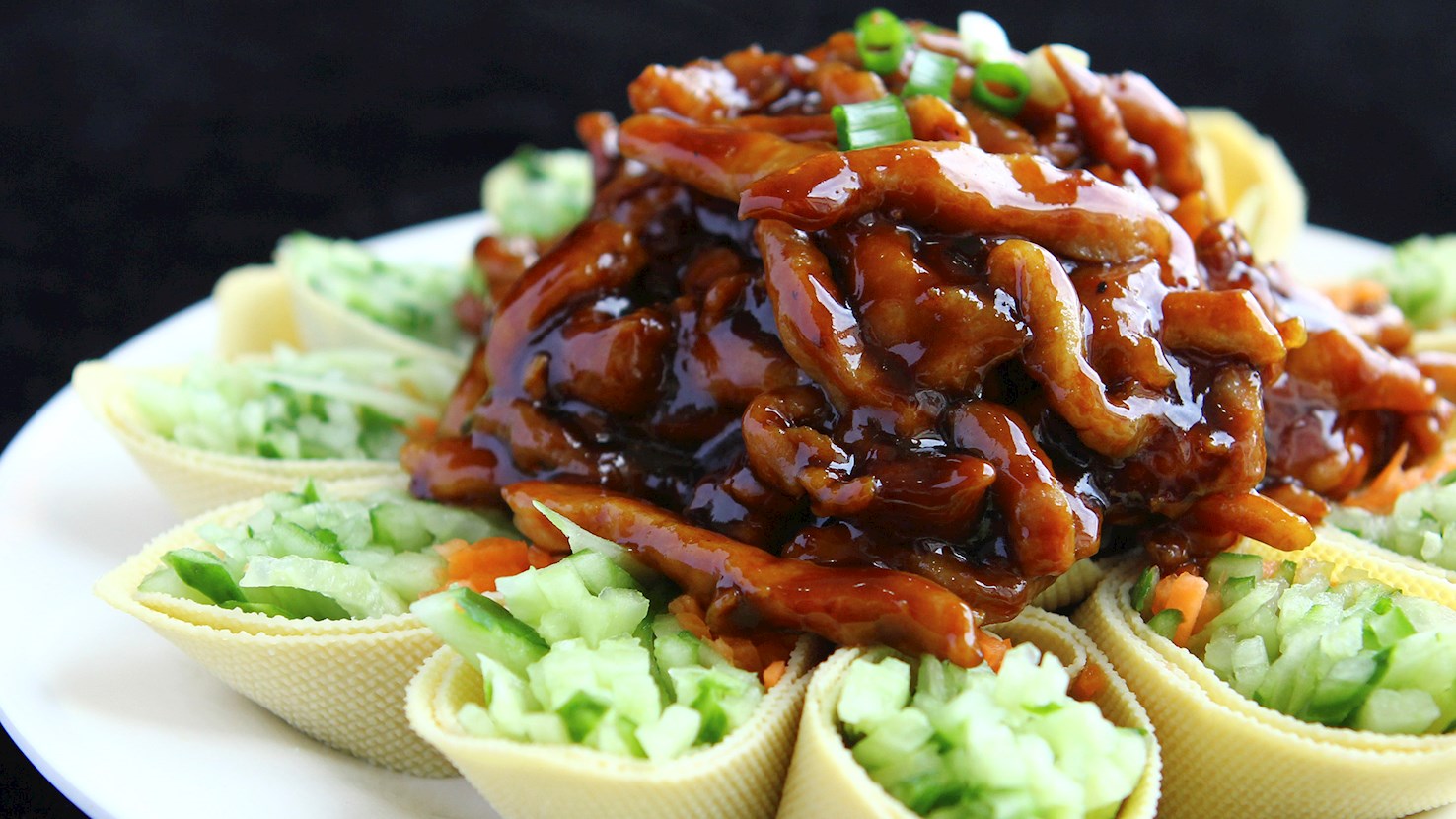
Originating from Beijing, jing jiang rou si is a trademark of the capital's extraordinary cuisine, consisting of sliced pork meat cooked in a sauce based on sweet beans. The dish is then traditionally rolled in soya bean wraps, although it can be wrapped in any type of pancake. The dish is reddish in color due to the distinctive Beijing sauce in which it's cooked in, and is usually garnished with chopped green onions or shredded leeks. There are also some regional varieties of the dish with either sha cha sauce or hoisin sauce replacing the sweet bean sauce in the process.
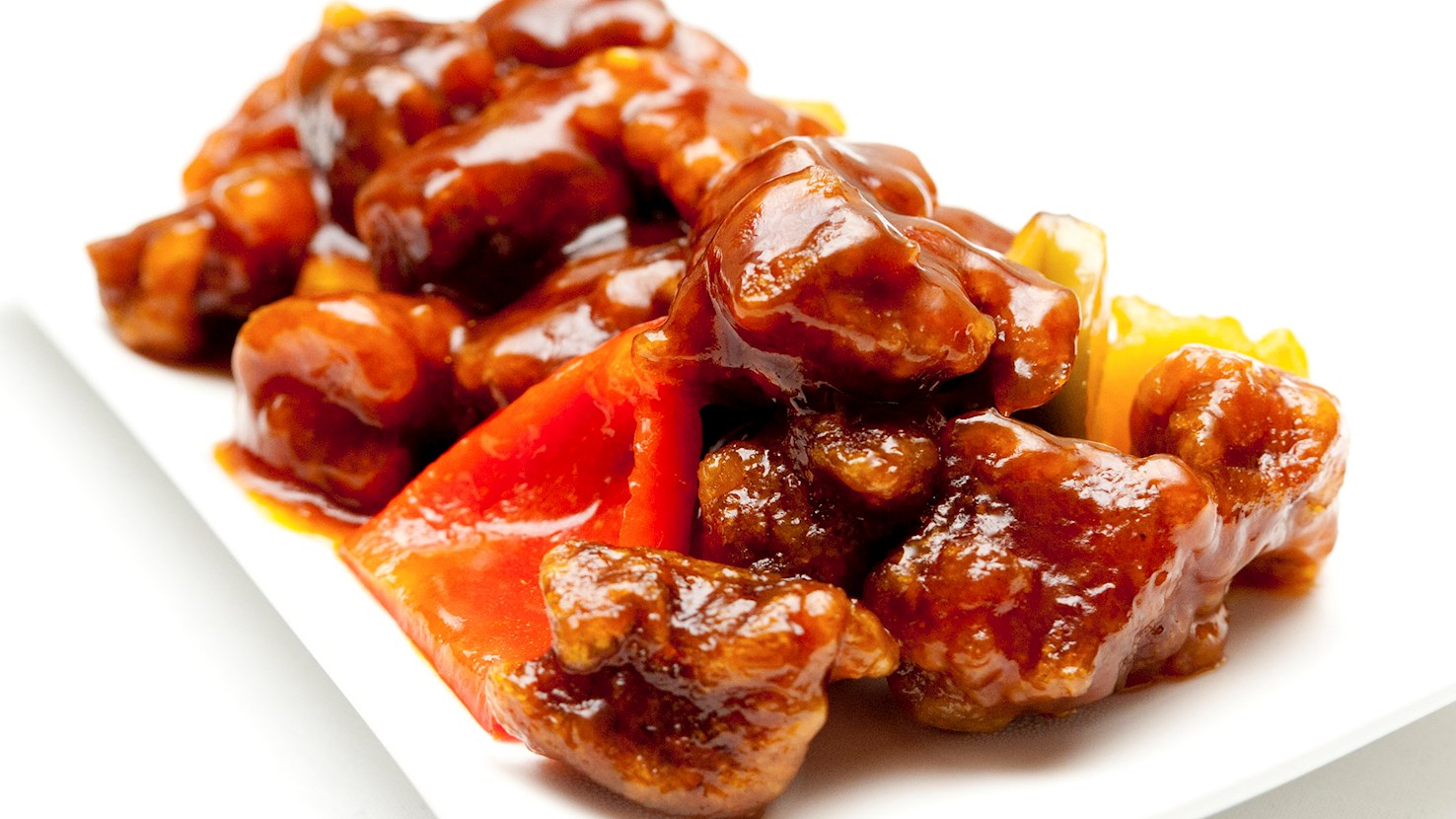
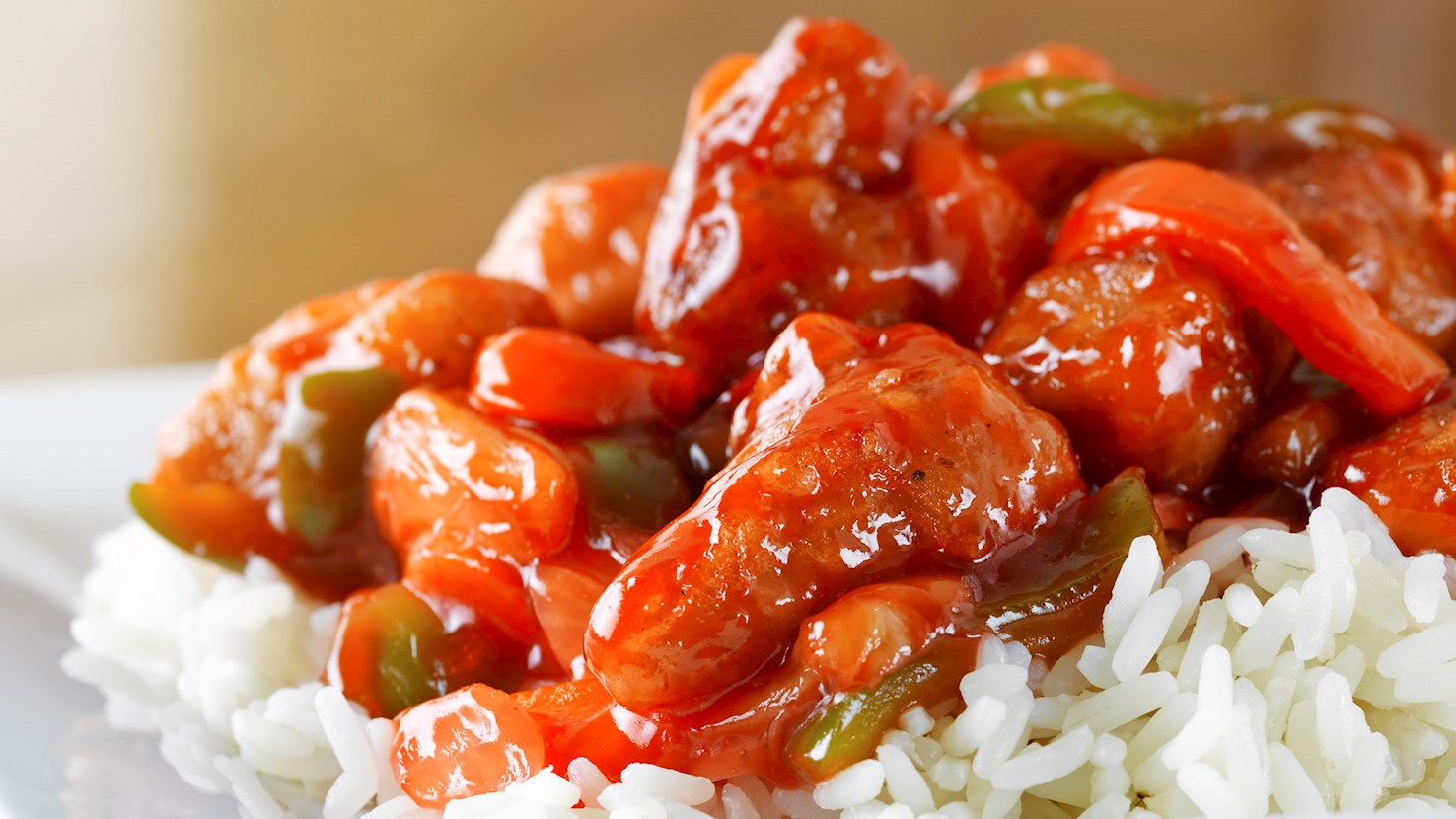
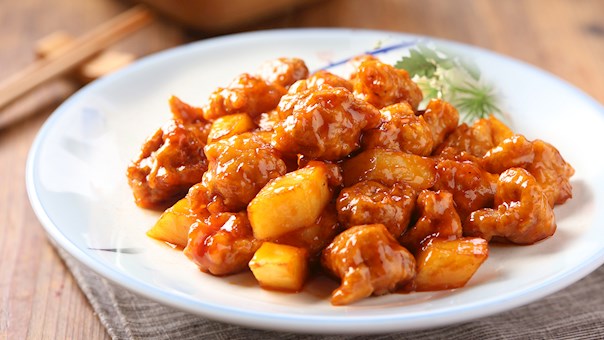
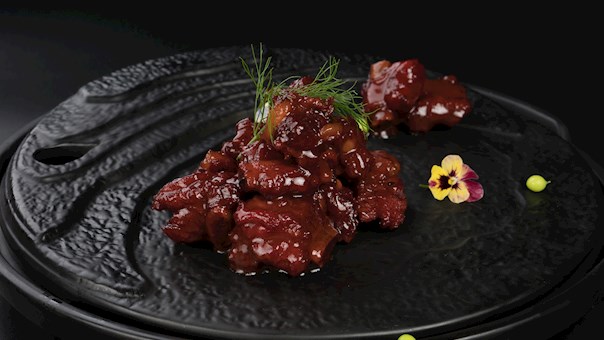
Gūlūròu, widely celebrated across the globe as sweet and sour pork, consists of bite-sized morsels of pork that are expertly battered, deep-fried to a shattering crispness, and rapidly tossed in a vibrant, perfectly balanced, sweet and tangy glaze. Originating in the bustling, cosmopolitan port city of Guangzhou during the Qing Dynasty, this iconic dish emerged from a unique cultural cross-pollination, designed by resourceful local chefs to appeal to both traditional Chinese palates and the foreign merchants who frequented the region's trading hubs. The etymology of its whimsical name, which translates phonetically to "gulu meat," is deeply rooted in local culinary lore; many food historians suggest the word "gulu" represents the audible, involuntary gulping sound of saliva that diners make when presented with the dish's intoxicating, acidic aroma, while others believe it mimics the rhythmic bubbling of the thick, caramelized sauce reducing in a scorching wok. Achieving the perfect gūlūròu requires rigorous attention to textual contrast and temperature control, beginning with the selection of well-marbled pork collar or pork belly, which provides the necessary fat to ensure the meat remains succulent during the intense cooking process. The pork is lightly marinated, dredged in a starchy coating—often using sweet potato starch for maximum crunch—and subjected to a crucial double-frying technique in which an initial fry cooks the meat through, and a second, hotter flash-fry hardens the exterior into a golden, protective armor. The true soul of the dish, however, lies in its brilliant, ruby-hued sauce, a complex reduction that historically relied on the natural tartness of Chinese hawthorn berries, sour plums, and rice vinegar, though modern iterations frequently incorporate ketchup—a testament to historical Western trade influences in the region—to achieve its signature color and fruitiness. When the blistering hot, crispy pork is reintroduced to the wok alongside crisp bell peppers, onions, and chunks of juicy pineapple, it is tossed just long enough for the thick, glossy sauce to cling to the craggy surface of the batter without breaching it. The resulting culinary experience is a marvel of textural engineering and flavor harmony, offering diners a thrilling combination of a sticky, sweet-and-sour exterior giving way to a rich, savory, and incredibly tender bite of pork, firmly securing its legacy as one of the most beloved and globally recognized pillars of Chinese gastronomy. Because Gūlūròu is intensely flavorful, sticky, and rich, it is traditionally served with accompaniments that provide balance and act as a neutral canvas for the vibrant sauce, most notably mounds of fluffy steamed jasmine rice to soak up the glaze, crisp garlic-tossed greens like gai lan or bok choy to cut through the heavy batter, and light, palate-cleansing broths like winter melon or egg drop soup, all harmoniously washed down with a restorative, fat-cutting cup of warm, astringent oolong or pu-erh tea.
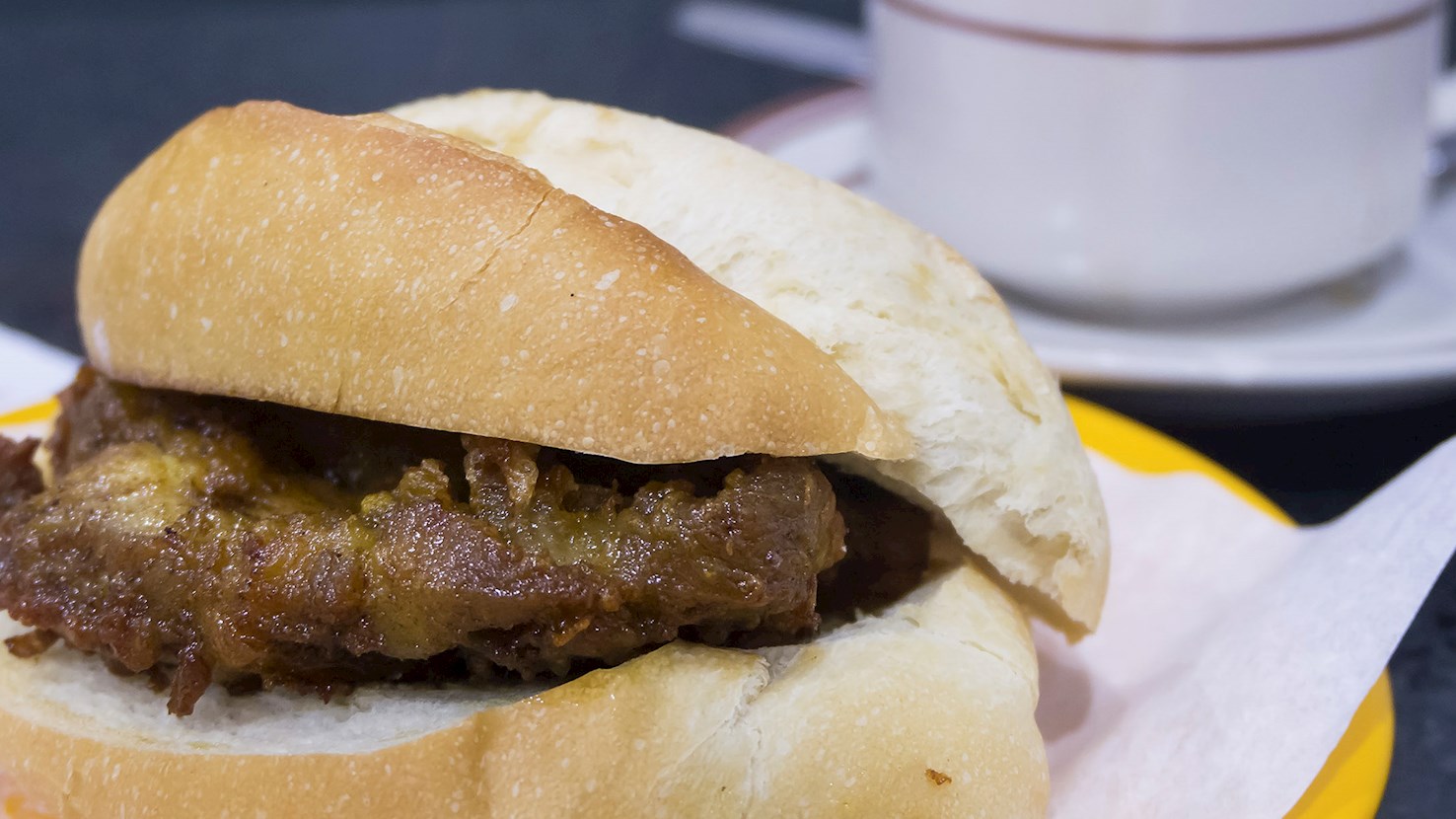
Pork chop bun is a Macanese specialty and one of the most famous dishes in the region. Although it is reminiscent of a typical sandwich or a hamburger, it doesn't have a lot in common with them. For a long time, Macau has been a Portuguese colony and the pork chop bun, in a way, represents a fusion of Portuguese and Asian cuisine and culture. It is praised for its simplicity because it consists of two main ingredients: a bun and a pork chop. The bun is also known as piggy bun, and it is traditionally made in Hong Kong. The inside of the bun is soft, while the outside is covered in a perfectly crunchy crust. The shape of the bun is originally Portuguese, and in Portugal it is used to make the famous bifana sandwich. Pork chop bun is distinguished by the usage of a pork chop on the bone, instead of the more typical pork cutlet. Simplicity is the main characteristic of this dish; it does not have any standard condiments or toppings, such as salad greens, cheese, or mayonnaise - the only thing that is added to pork chop bun is soy sauce, used to marinate the pork chop, and garlic, which is usually fried together with the pork chop or added to the marinade.
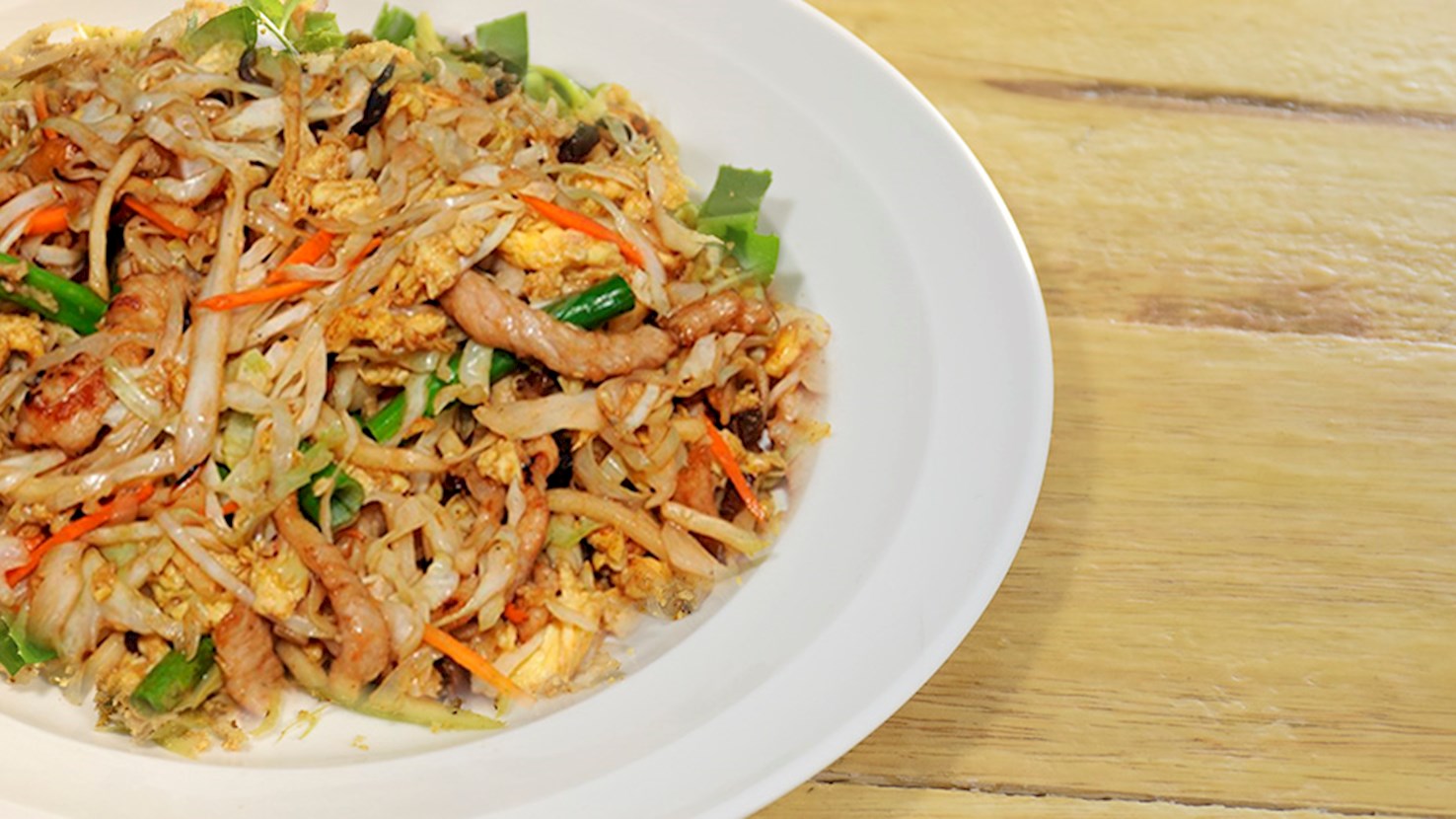
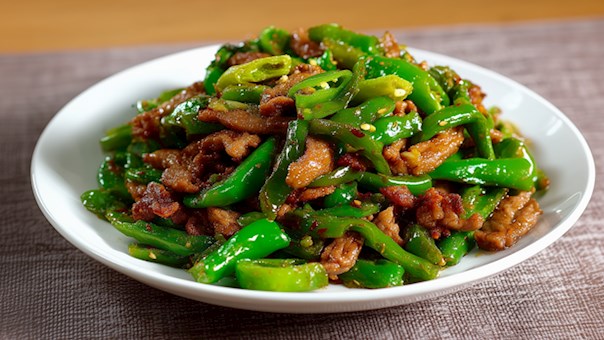
A Northern Chinese dish known as moo shu pork is a seasoned meat and vegetable stir-fry that is also an integral part of American-Chinese cuisine. Traditionally, slices of pork tenderloin, cucumbers, and scrambled eggs are stir-fried in peanut or sesame oil after which day lily buds and thinly sliced wood ear and enokitake mushrooms are added to the pan. The seasoning in moo shu pork consists of minced ginger and garlic, scallions, soy sauce, and rice wine. The dish is typically accompanied by rice. Although it is most often stated that moo shu pork comes from the Shangdou province, there are numerous theories about the origin of the dish and its name. One of the most popular varieties of the dish is made with gravy, called moo shu lu, and it is usually served with noodles and soft tofu for breakfast. In the 1960s, moo shu pork became popular in the United States but in a slightly tweaked version compared to the original, namely in the amount and versatility of the additional ingredients. Vegetables like cabbage, carrots, onions, bell peppers, and many more that have been cut up into thin strips are commonplace, while rice wine is often substituted with sherry. The American-Chinese version comes served with a side of hoisin sauce and a couple of Mandarin pancakes because the dish is meant to be eaten like a taco.
TasteAtlas food rankings are based on the ratings of the TasteAtlas audience, with a series of mechanisms that recognize real users and that ignore bot,
nationalist or local patriotic ratings, and give additional value to the ratings of users that the system recognizes as knowledgeable.
For the “Top 21 Chinese Pork Dishes” list until October 15, 2026, 1,123 ratings were recorded, of which 1,003 were recognized by the system as legitimate.
TasteAtlas Rankings should not be seen as the final global conclusion about food. Their purpose is to promote excellent local foods,
instill pride in traditional dishes, and arouse curiosity about dishes you haven’t tried.





What People Say