Kaese-bestellung.de

Top 7 German Raw Milk Cheeses

Last updated on July 01, 2026

Best German Raw Milk Cheeses
01

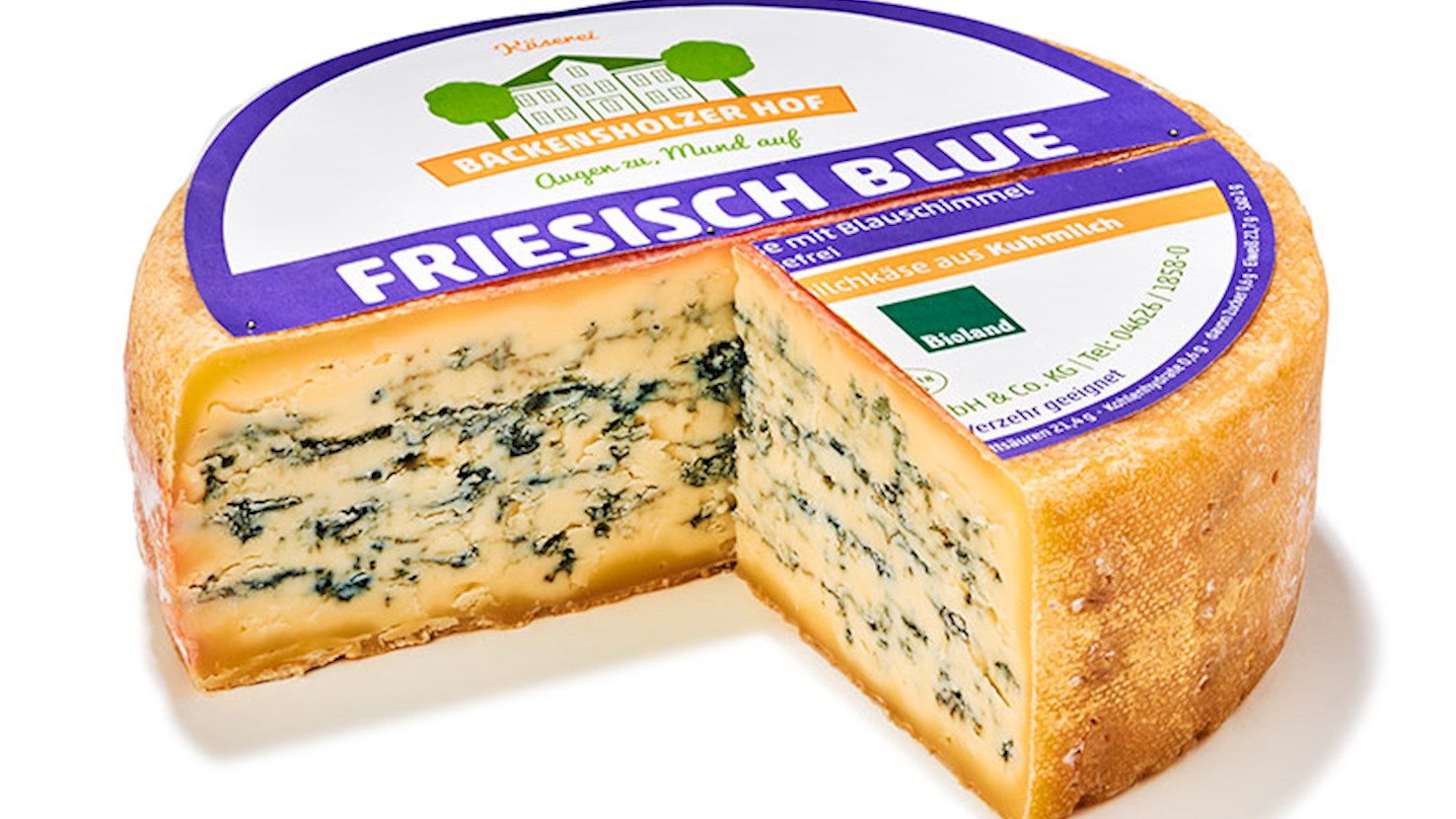
Rohmilchkäserei Backensholz

5.0 ·

Rohmilchkäserei Backensholz is a cheese producer located in Germany, specializing in organic cheeses made from raw milk. The company is situated in Oster-Ohrstedt, Schleswig-Holstein, and operates with a focus on sustainability and natural cheese production methods.

They offer a variety of cheeses, including both cow's milk and goat's milk options, manufactured under strict organic standards.

Awards
World Cheese Awards - Super Gold (2024, 2023, 2022)
World Cheese Awards - Gold (2024, 2023, 2022)

Best German Raw Milk Cheese Types
01

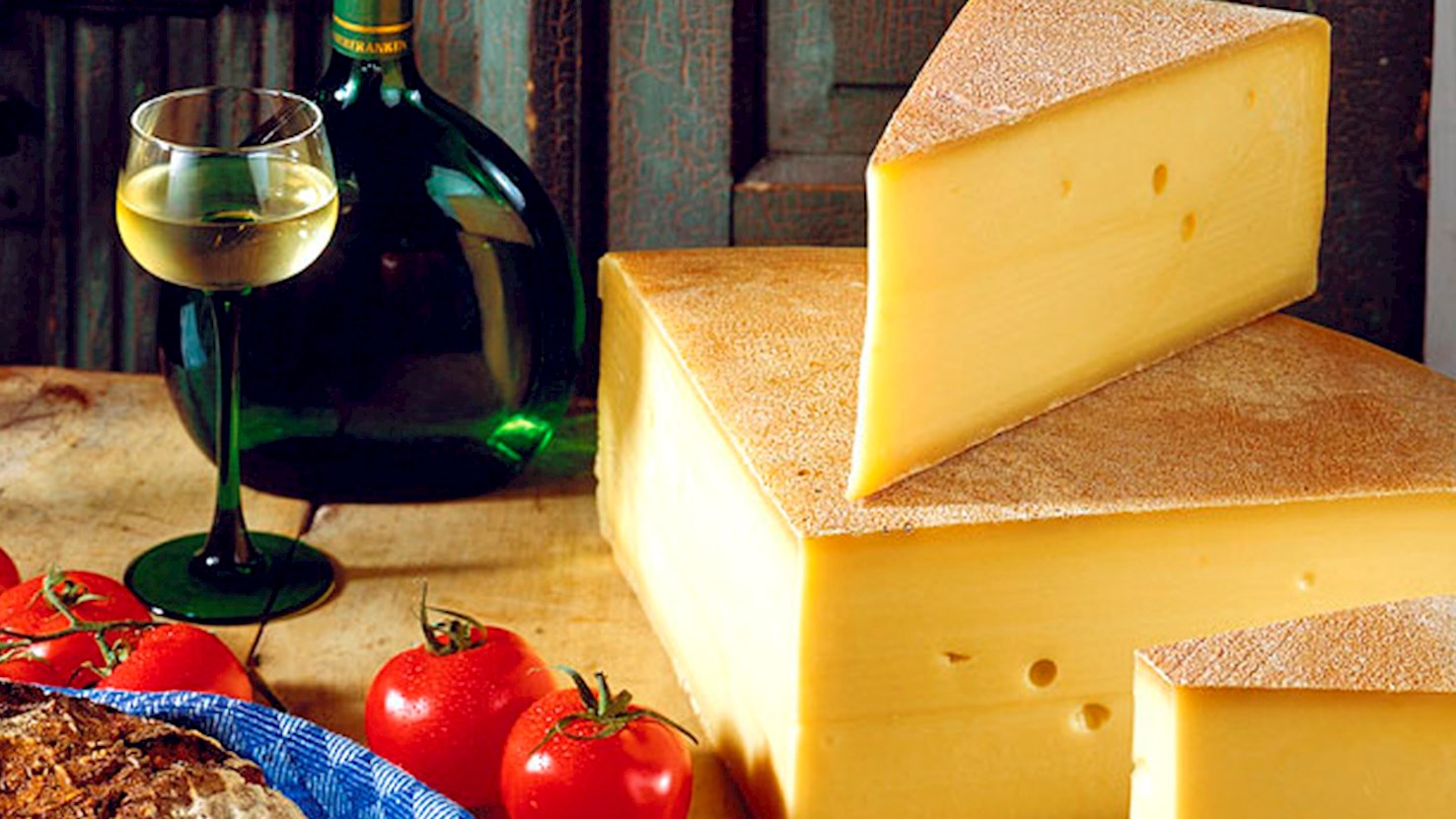
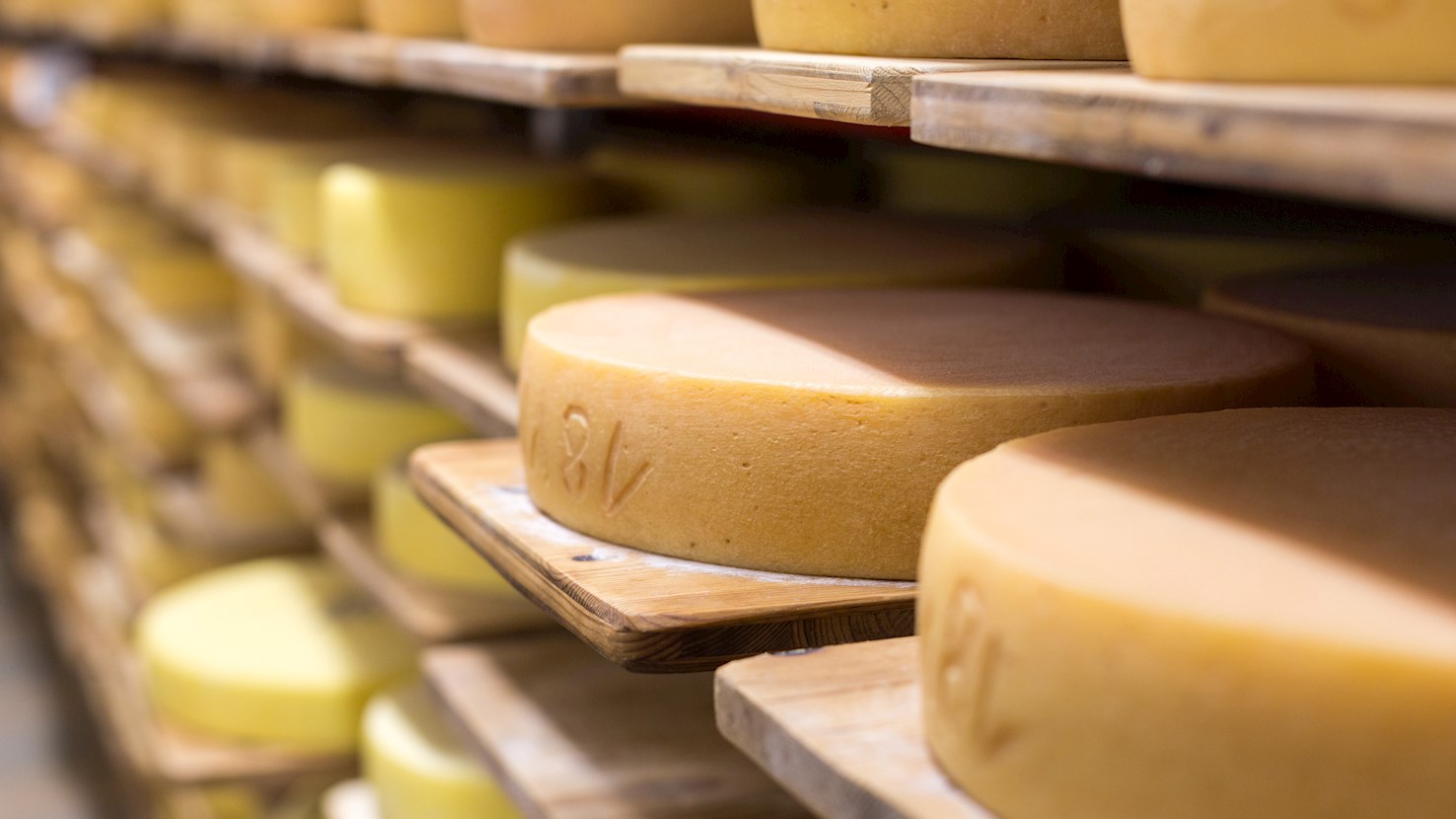
Allgäuer Bergkäse

4.0 ·

Allgäu mountain cheese is made with raw, silage-free and untreated cow milk from local dairies in the Bavarian Alps. Often called 'Emmentaler's baby brother', Allgäuer Bergkäse is made in the Allgäu Alps during the spring months, and after about 4 weeks it is brought down to the Allgäu valley where it is left to mature for at least 3-4 months. It is classified as a hard cheese and, depending on its age, it has a mildly piquant flavor ranging from mellow with fruity and nutty notes in less mature varieties to more complex, pungent flavors when fully aged.

02

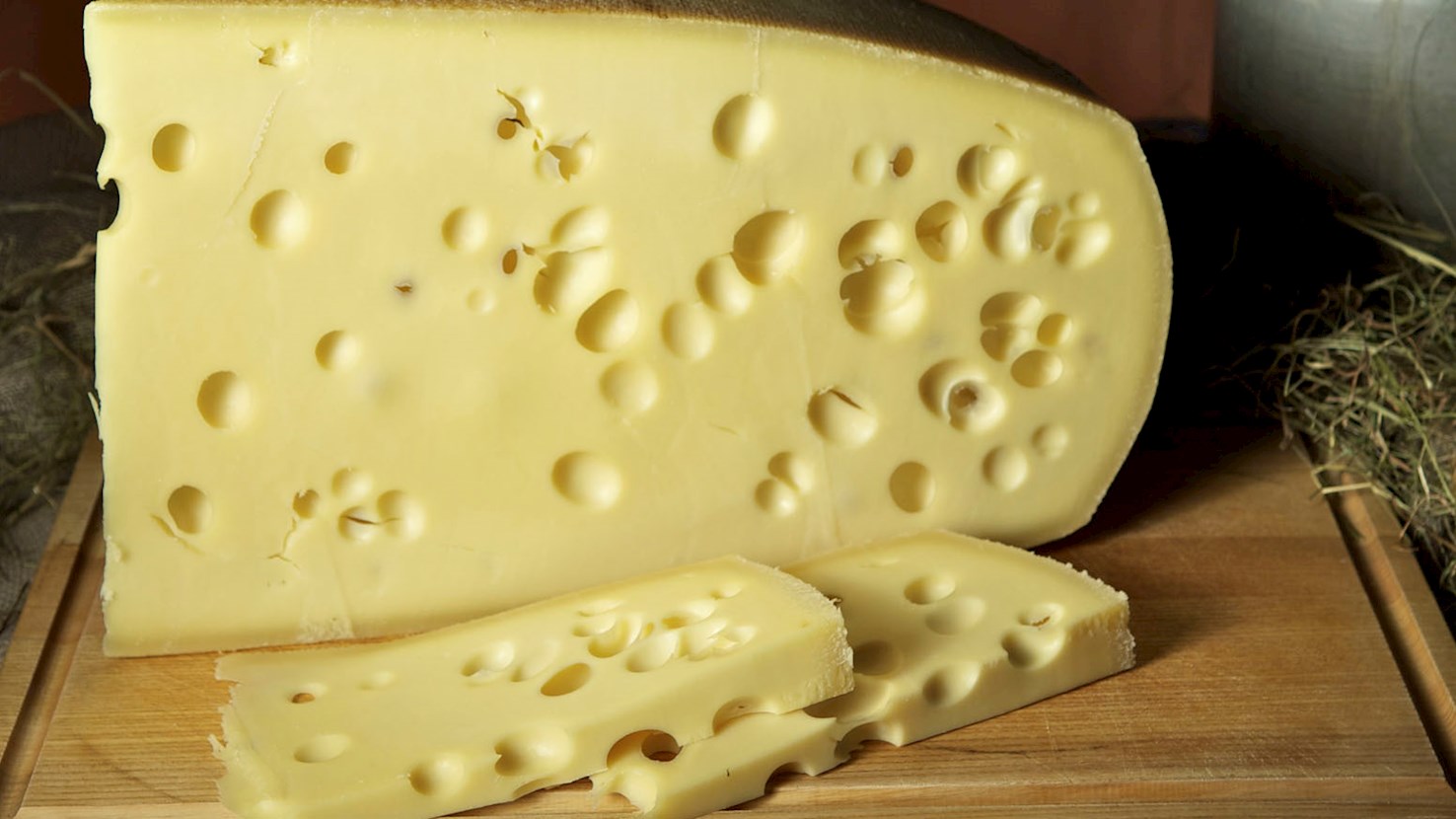
Allgäuer Emmentaler

3.7 ·

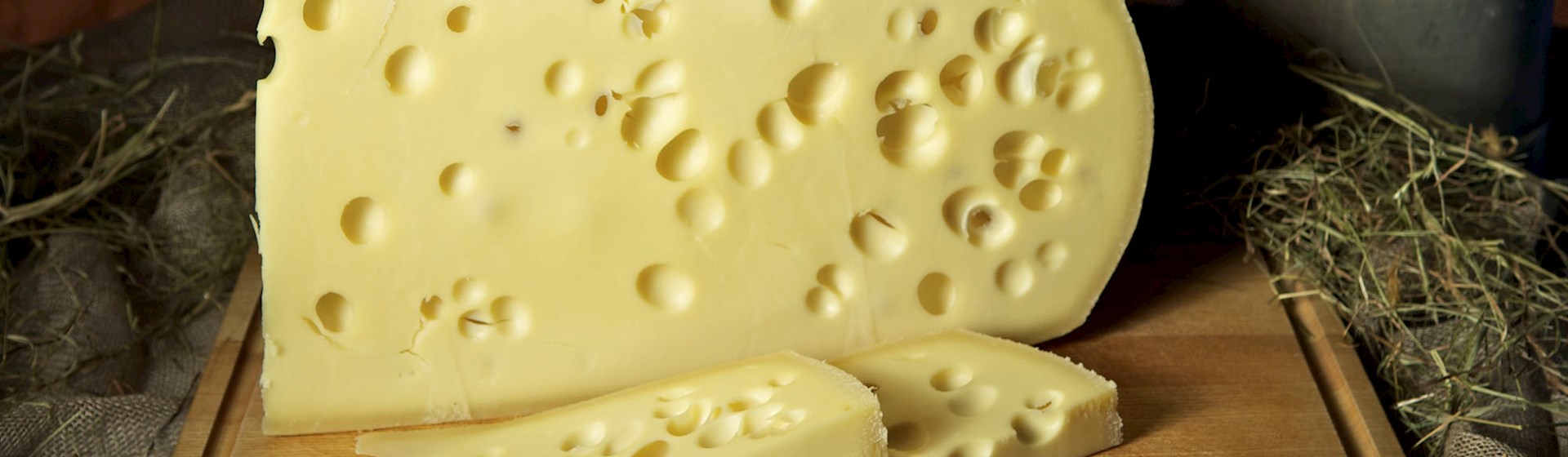
Emmentaler cheese originates from the Swiss Emmental Valley in the Bern canton. Originally, this 'King of the Mountain Cheeses' used to be produced as a pure mountain cheese only during the summer months. Today, Allgäu Emmentaler is available year round. It is made with raw cow's milk, and thanks to the amazing flora of the Allgäu Alps, each cheese wheel develops its own distinctive flavor. Younger Emmentalers are quite mild and have a nutty finish, but as the cheese ages, the flavors and aromas become stronger and more refined.

03

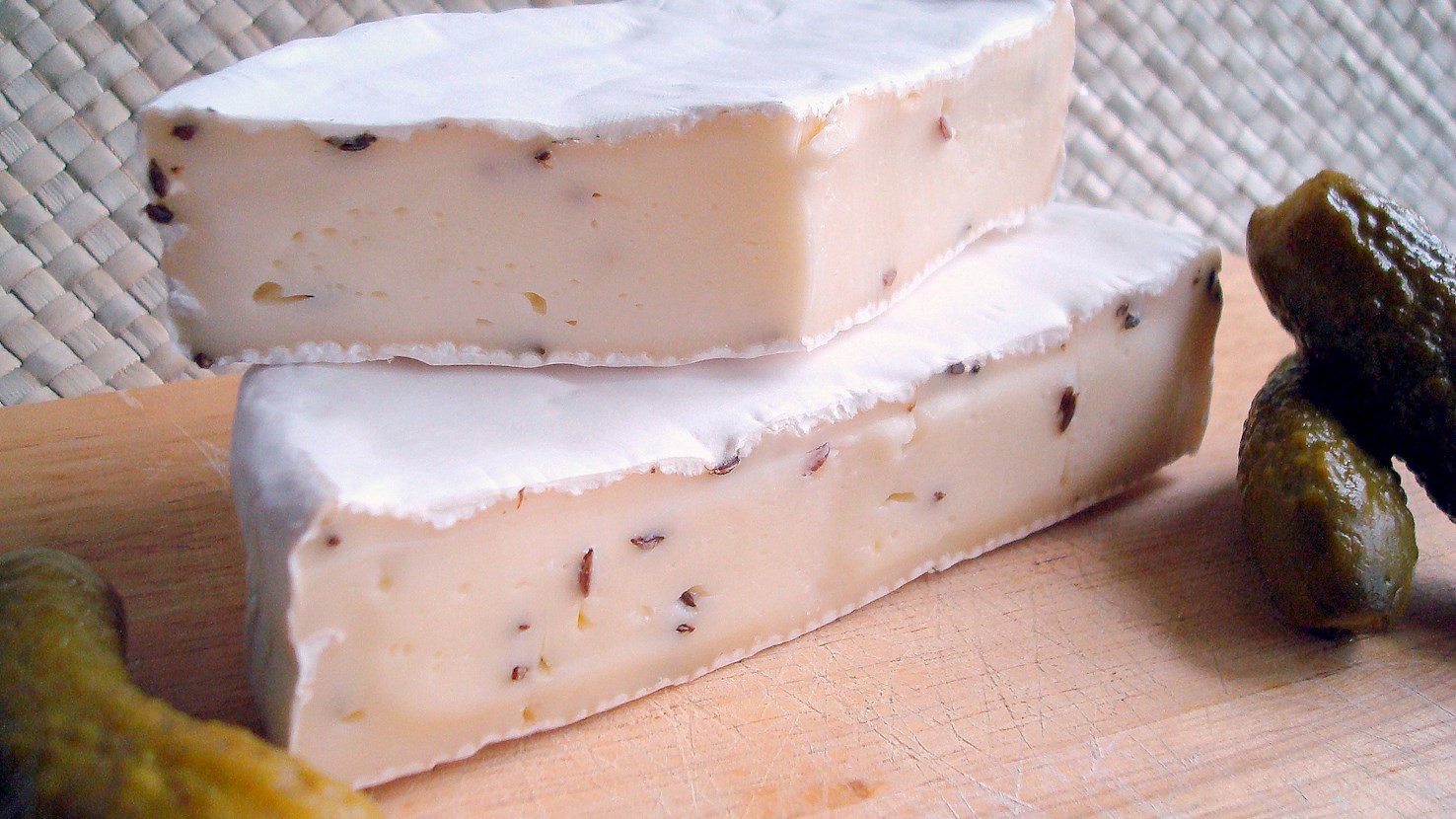
Altenburger Ziegenkäse

3.7 ·

This soft cheese is produced between Saxony and Thuringia in Germany. Although the name suggests differently, Altenburger Ziegenkäse is not a pure goat's cheese – it is made with cow's milk and a small amount of goat's milk flavored with caraway. The cheese is coated with white mold and resembles Camembert. It has a relatively mild taste, becoming more aromatic and piquant as it matures. For a hearty snack, Altenburger Ziegenkäse is typically served on bread with pickled vegetables.

04

Holsteiner Tilsiter

3.5 ·

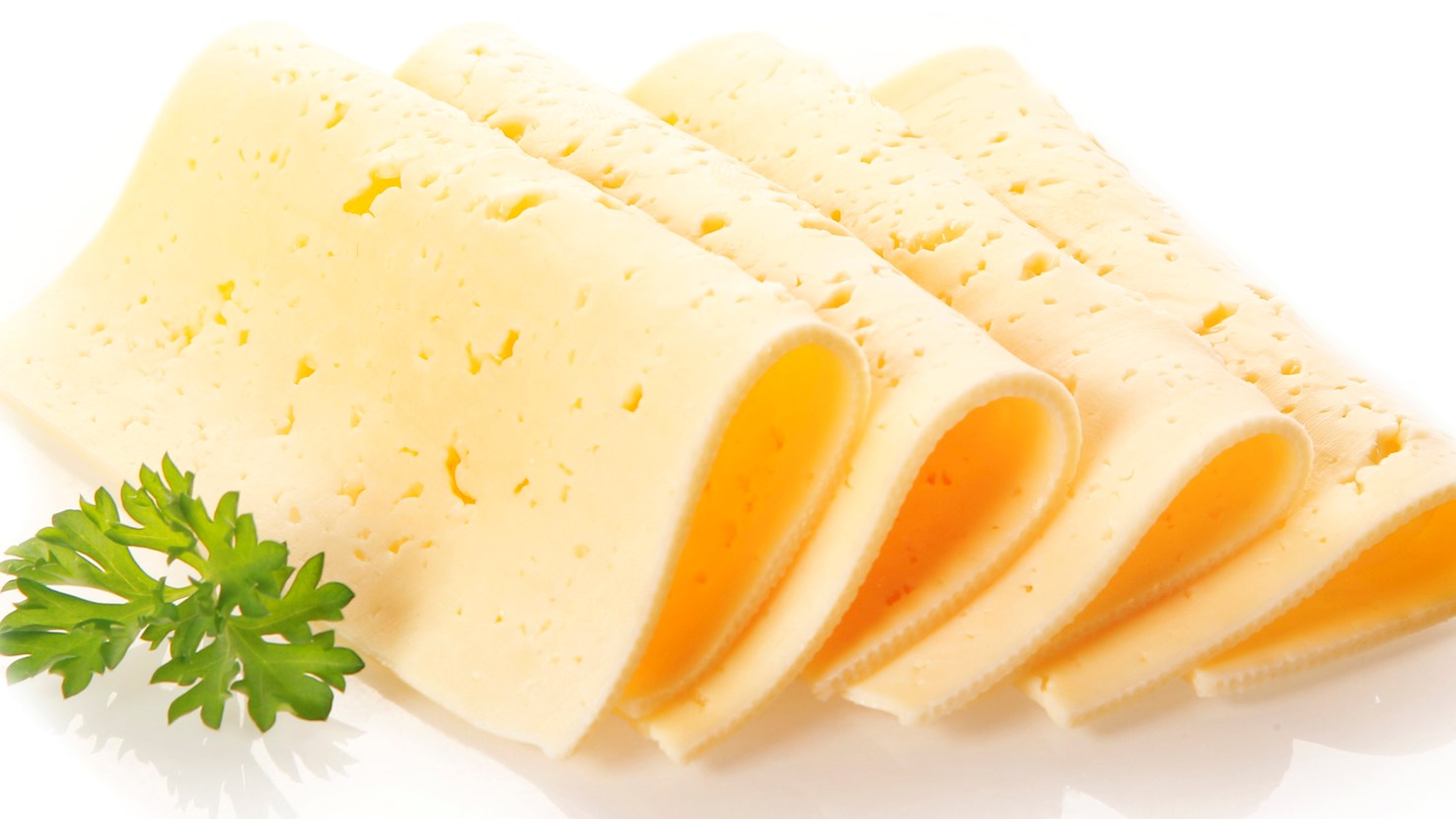
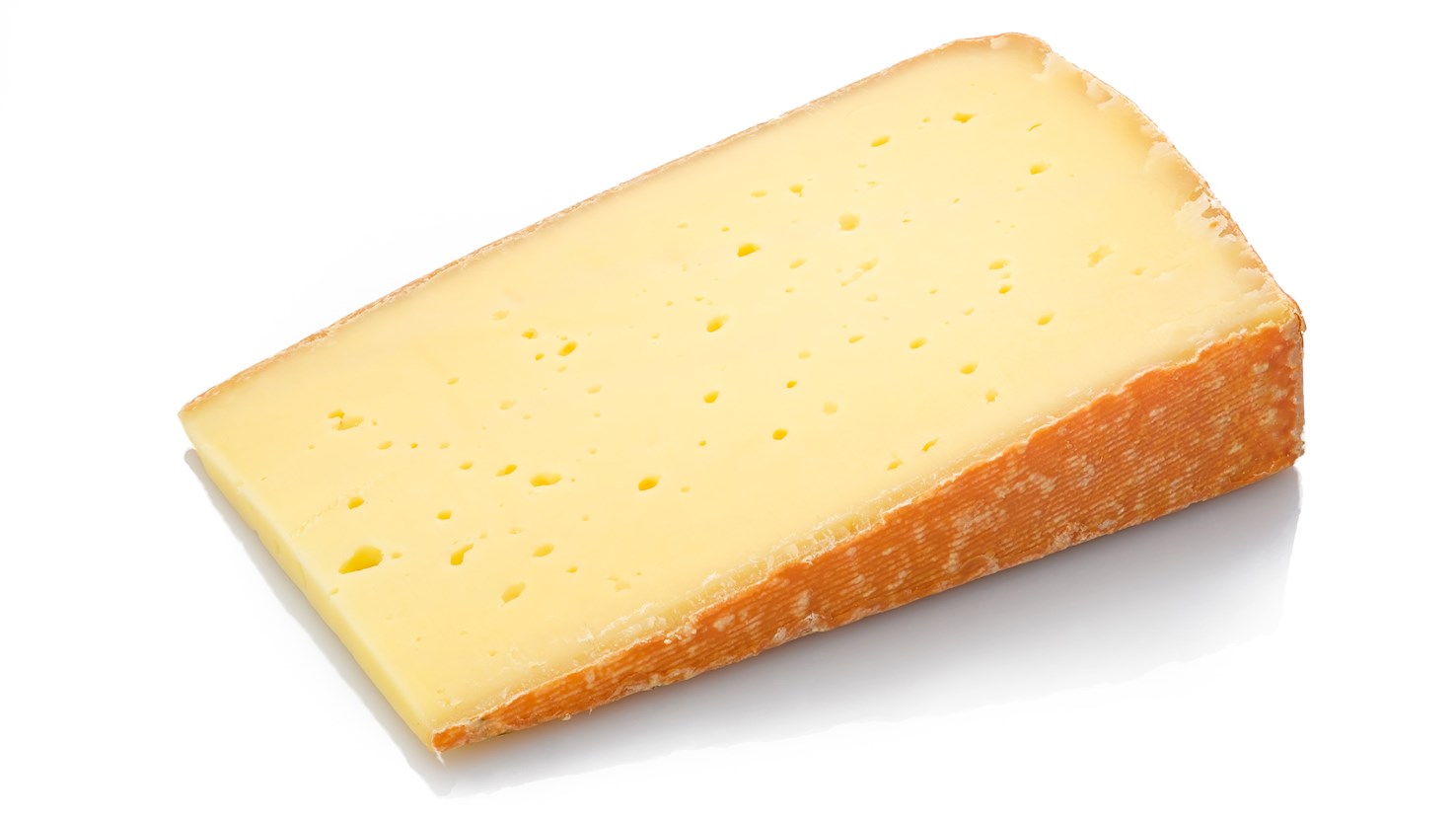
This semi-hard cheese is produced from either raw or pasteurized cow’s milk. It is shaped into a wheel or a loaf with a thin, yellow-brown rind, and it can only be spiced with caraway. The body of the cheese is light-yellow in color, while its texture is supple and springy and features eyes and cracks. Depending on the aging, the flavor of the cheese ranges from mild and aromatic to sharp and spicy. The production of Holsteiner Tilsiter started in the late 19th century in the Schleswig-Holstein region, and all steps in the production process must take place in the same geographical area. The combination of geographical location, climate, and soil has helped to create a unique, high-quality local specialty that is distinguished from other Tilsit cheese varieties. It is paired with cold cuts or used in salads, sandwiches, and casseroles, but it can also be enjoyed as a dessert cheese.

05

Hirtenkäse

3.3 ·

Hirtenkäse is a German cow's milk cheese produced in the Allgäu region. This hard mountain cheese has aromas of orange peel and butterscotch, while its waxy texture and milky, caramel-like flavor can best be described as a cross between aged Gouda and Parmigiano-Reggiano. Traditionally, herders from the region bring the cows from the Alps to the valley each fall, and that's where the name comes from – hirtenkäse means herder's cheese. It is recommended to pair it with a nutty, slightly sweet wine, apples, figs, or wholegrain bread.

06

Romadur

3.2 ·

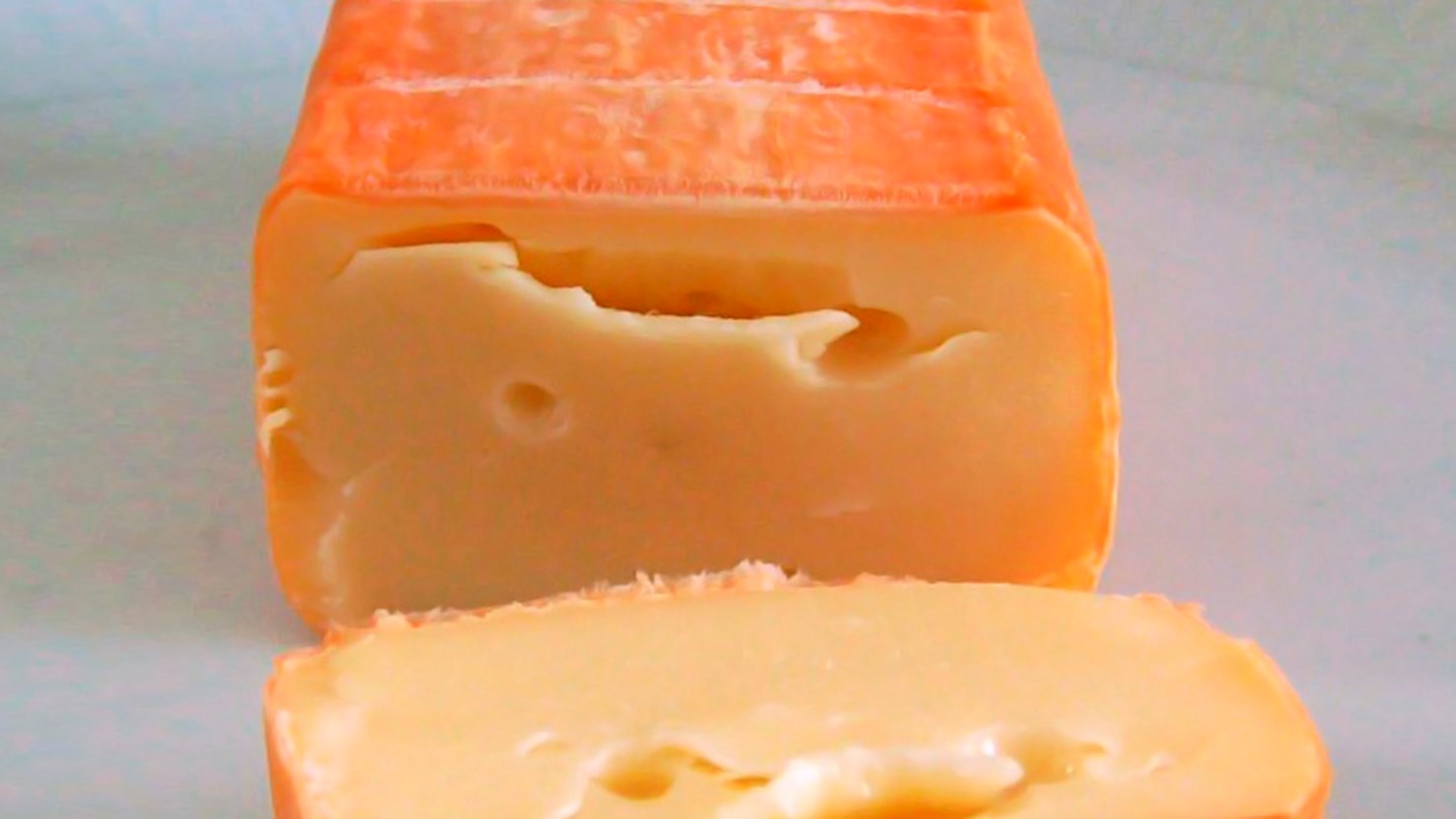
Although romadur is nowadays considered a German cheese, some believe that it originated in Belgium and was brought over to Germany in the 1830s. Regardless of the origin, today it is considered a specialty of Bavaria. This soft cheese is made from raw cow’s milk, and it is usually shaped into small, rectangular logs. During the aging period (anywhere from 8-10 days) it is regularly washed in salt water, a process that gives the cheese its characteristical reddish-brown rind. Romadur also has a strong, spicy aroma and a distinctive flavor that ranges from mild to slightly tangy. Its texture is soft and creamy, making it great for slicing or spreading on bread. It is recommended to pair it with crusty bread, strong beer, or a glass of full-bodied red wine.

07

Allgäuer Sennalpkäse

n/a ·

This firm cheese comes from the Allgäu region of Bavaria in Germany. This Alpine cheese is made with raw milk from Swiss brown cows, and is produced only in the summer months in the Allgäu mountains. Apart from its high carotene and Omega-3 content, Sennalpkäse has a strong, spicy flavor with a pronounced smoky aroma. Traditionally, this artisan cheese is sold directly on the pastures to hikers, climbers, and tourists passing through the Allgäu Alps.

Read more
View all
View map
About this ranking

TasteAtlas food rankings are based on the ratings of the TasteAtlas audience, with a series of mechanisms that recognize real users and that ignore bot, nationalist or local patriotic ratings, and give additional value to the ratings of users that the system recognizes as knowledgeable. For the “Top 7 German Raw Milk Cheeses” list until July 01, 2026, 231 ratings were recorded, of which 192 were recognized by the system as legitimate. TasteAtlas Rankings should not be seen as the final global conclusion about food. Their purpose is to promote excellent local foods, instill pride in traditional dishes, and arouse curiosity about dishes you haven’t tried.

The initial list of top producers was compiled based on available reviews, awards, local recommendations, media and blog coverage, and consumer reviews. The list will be updated with ratings from TasteAtlas local ambassadors and TasteAtlas users.

Similar lists