


tasteatlas

Top 100 Rice Dishes
in the World

Last updated on April 15, 2026
01

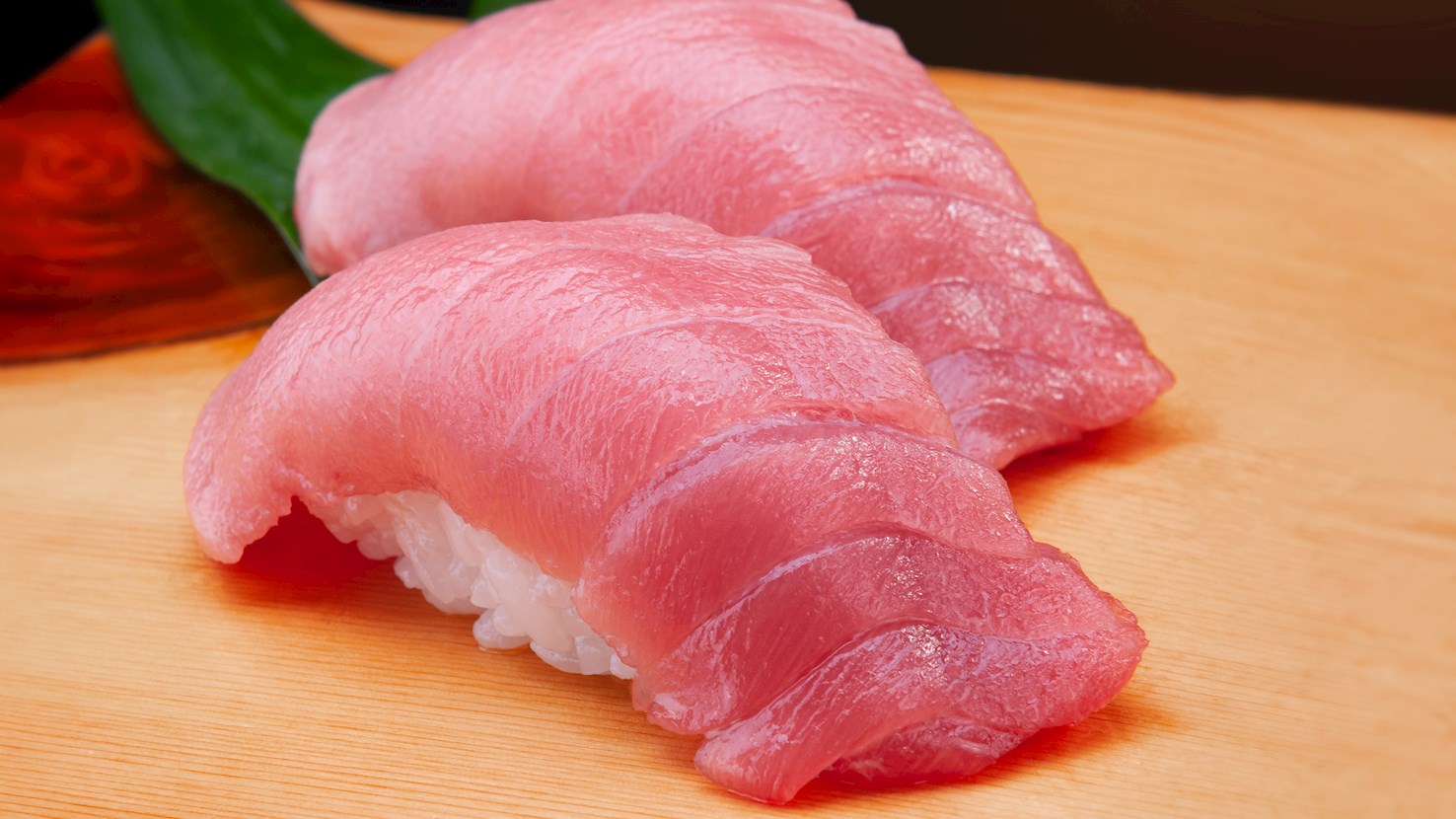
Otoro nigiri sushi

4.6 ·

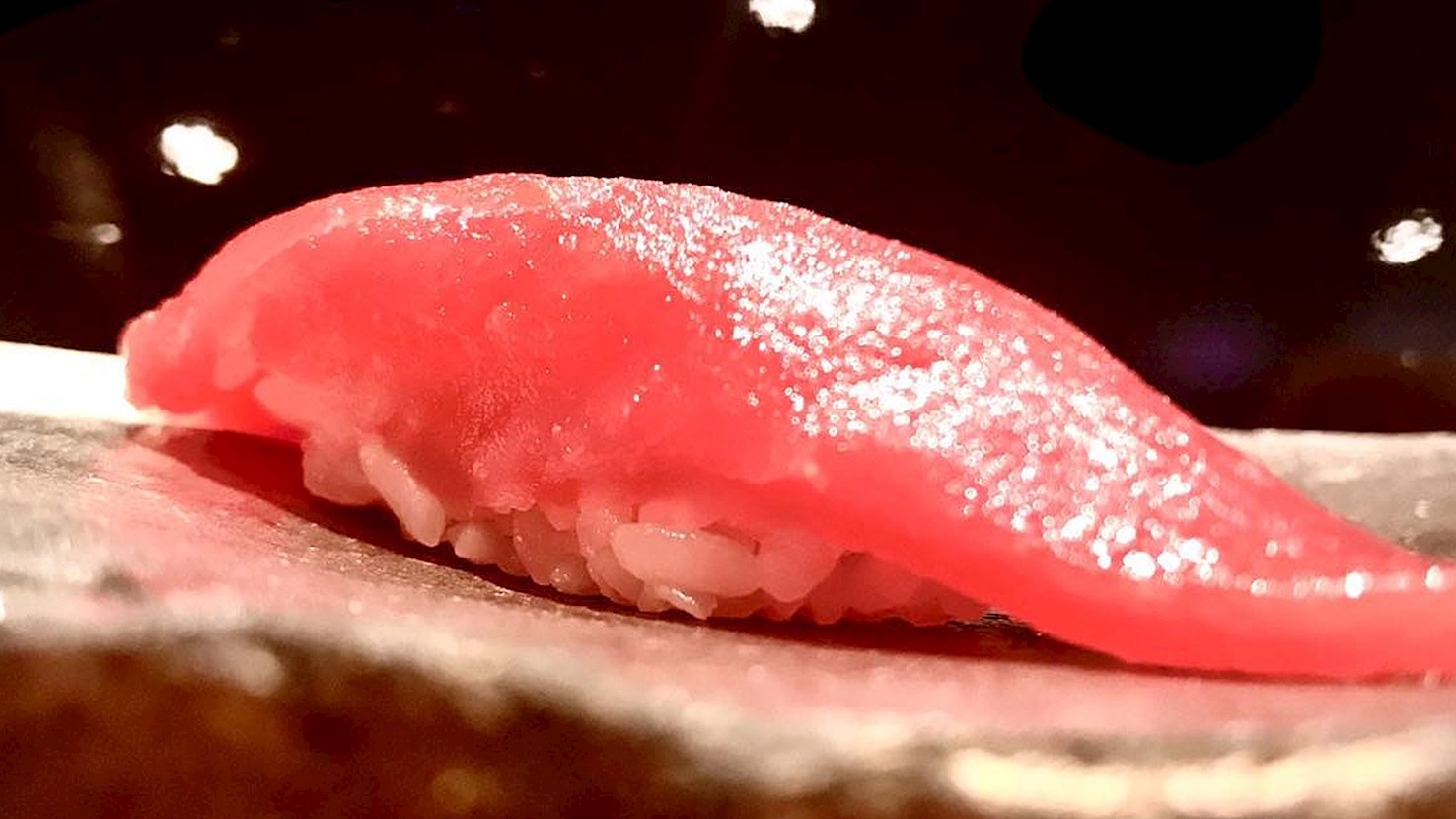
Otoro nigiri sushi is a traditional type of nigiri sushi. It consists of hand-pressed sushi rice that's topped with slices of fatty cuts of tuna. Different cuts of tuna are classified as otoro (fatty), chutoro (medium-fatty), and akami (red meat). The dish has a rich flavor and a melt-in-the-mouth texture that makes it quite expensive. Traditionally, this type of sushi is eaten by hand in a single bite. It's usually accompanied by soy sauce, wasabi, or pickled ginger (gari) on the side.

02

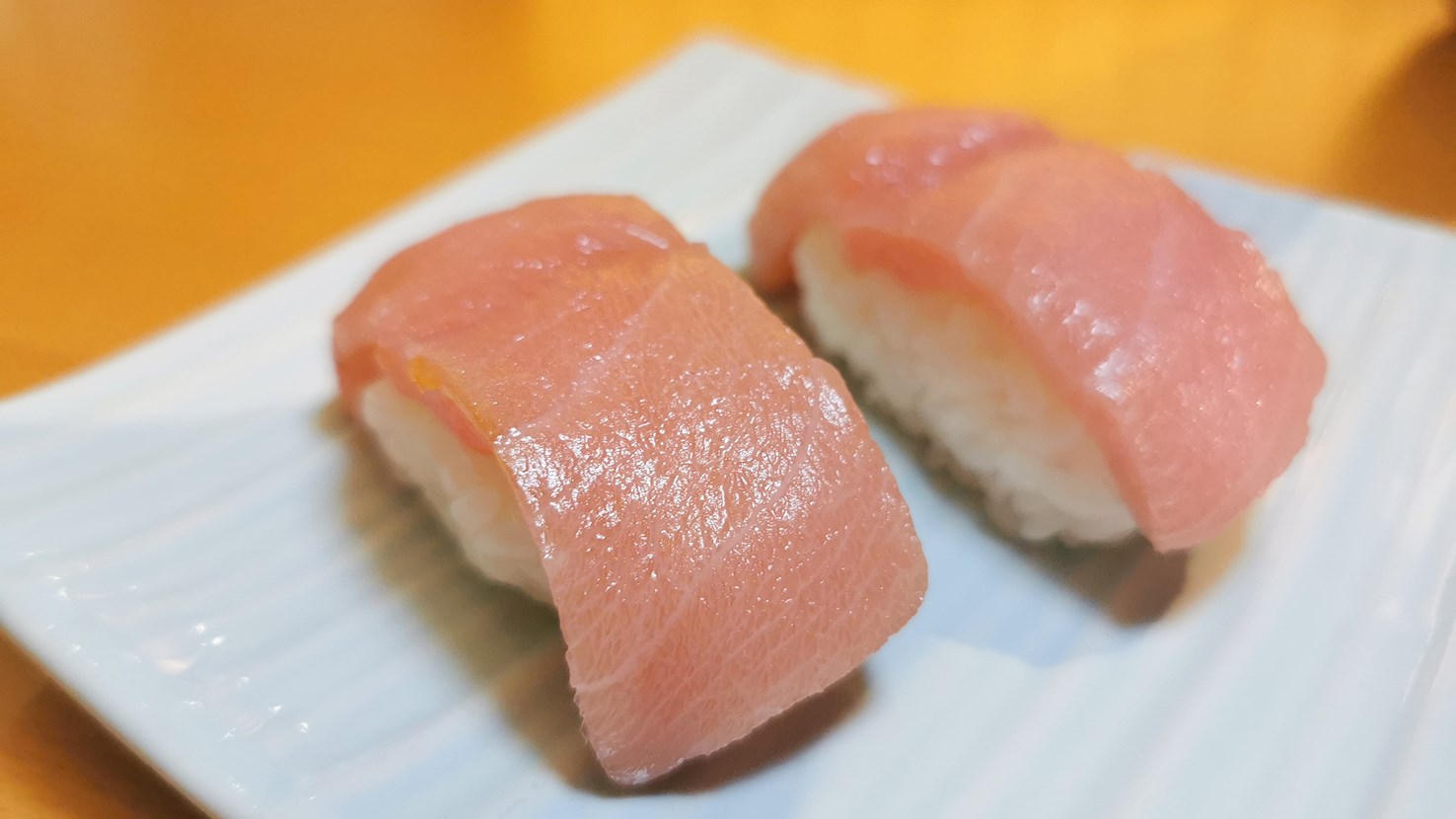
Chutoro nigiri sushi

4.6 ·

Chutoro nigiri sushi is a traditional type of nigiri sushi. It consists of hand-pressed sushi rice that's topped with slices of medium-fatty cuts of tuna. Different cuts of tuna are classified as otoro (fatty), chutoro (medium-fatty), and akami (red meat). The dish has a rich and deep flavor and a soft texture. Traditionally, this type of sushi is eaten by hand in a single bite. It's usually accompanied by soy sauce, wasabi, or pickled ginger (gari) on the side.

03

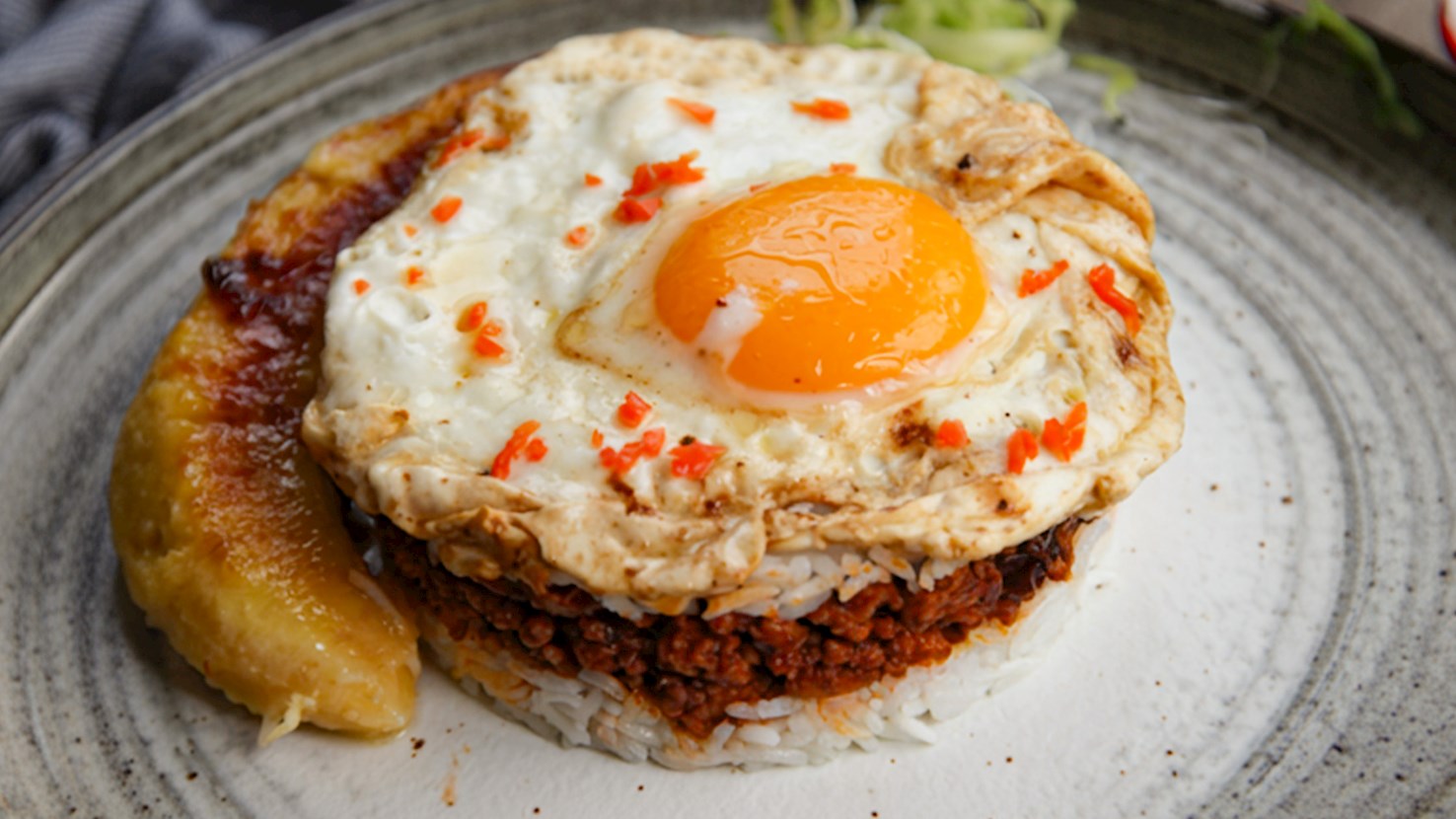
Arroz tapado

4.5 ·

Arroz tapado is a Peruvian dish that is easy to prepare and inexpensive. It is made with rice, carrots, ground beef, tomato paste, onions, garlic, black olives, and chopped hard-boiled eggs. This dish is layered, usually in a way where rice is on the bottom and on the top, with the other ingredients sandwiched in the middle layer. Once assembled, arroz tapado is garnished with parsley and served with green salads, plantains, or avocado slices on the side, if desired.

04

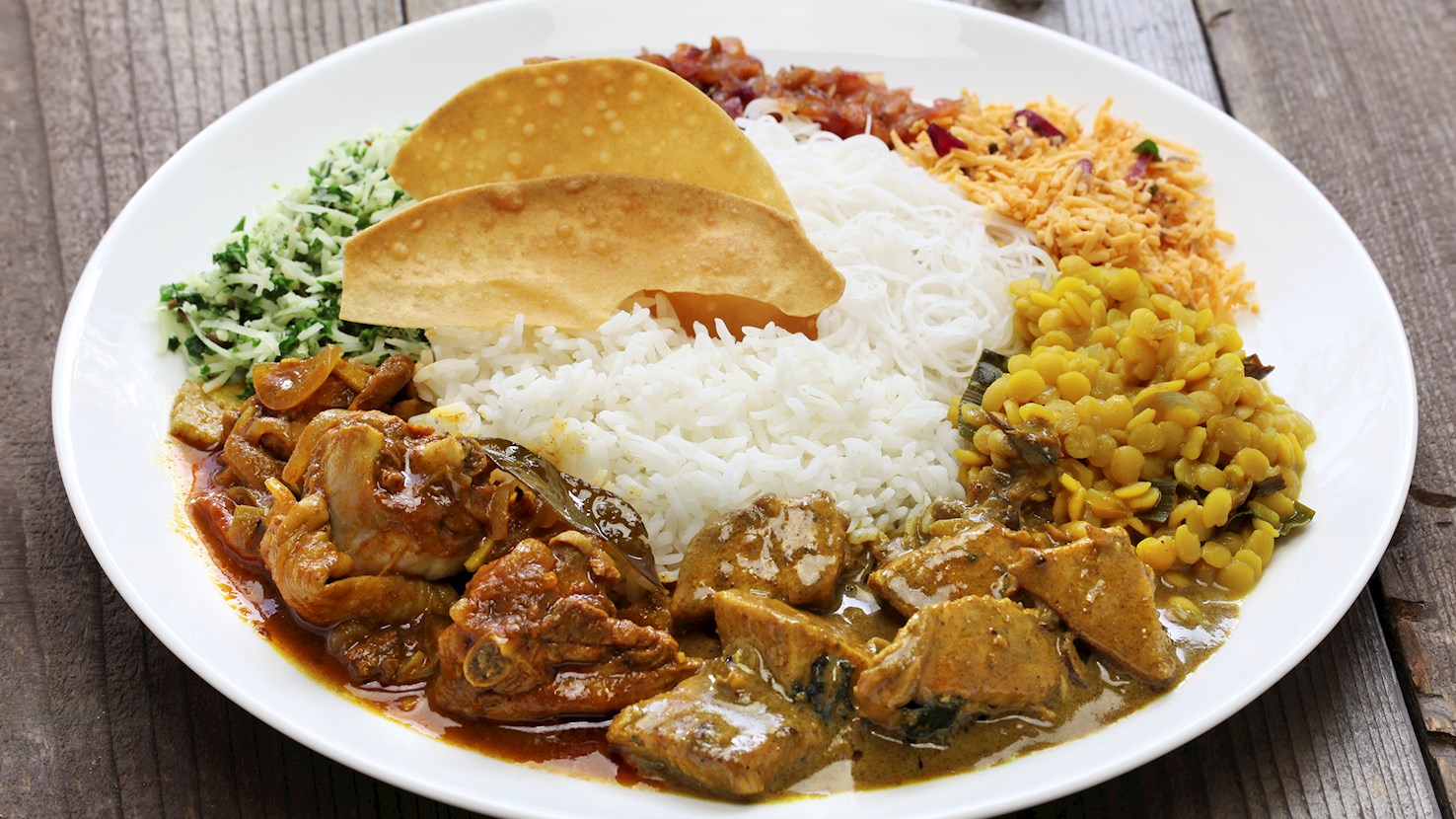
Bath kulu badhu (Sri Lankan rice and curry)

4.5 ·

Considered the national dish of the country, Sri Lankan rice and curry consists of steaming hot, fluffy rice (samba or kakulu varieties) that is served with a variety of side dishes commonly called curries. There are typically at least three (ideally five) different curries served along with the rice, one of which is usually based on fish or meat, and the other two are based on vegetables. Common accompaniments to rice and curry include sambol (a Sri Lankan relish), a gravy or hodda with spices and coconut milk, mallum (chopped leaves with coconut), and fried crispy foods such as papadams. This specialty is a typical home-cooked dish and an undisputed staple on restaurant menus throughout Sri Lanka. It is enjoyed every day, usually for lunch, although it can also be consumed as a dinner or very rarely as a breakfast, and it is traditionally eaten with hands.

05

Kaisendon

4.5 ·

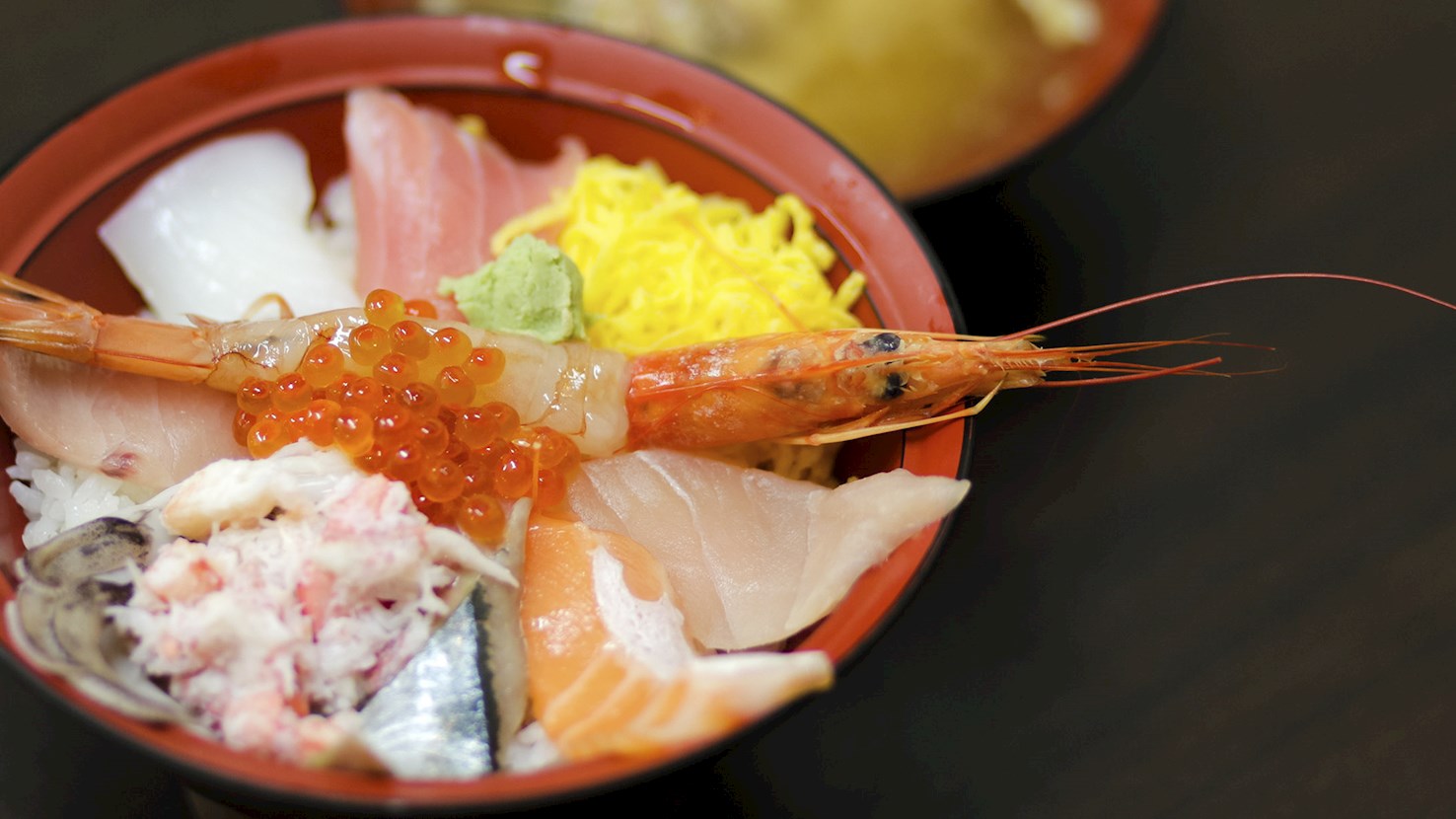
One of the most popular fresh seafood one-bowl donburi dishes, kaisendon consists of thinly sliced, assorted raw seafood called sashimi laid over freshly steamed rice. What kind of sashimi will be used in a kaisendon dish is not fixed, but the seafood selection depends on both location and season, and most often includes maguro (tuna), tai (sea bream), ama ebi (deep-water shrimps), hotate (scallops), uni (sea urchin), kani (crab), and sometimes even marinated ikura (salmon roe). Apart from sashimi, kaisendon is typically topped with toasted nori seaweed, myoga ginger, shiso or Japanese basil, cucumber, onions, and either fresh or pickled ginger. Before being placed on a bed of steamy rice, all of the ingredients are drizzled with wasabi-laced soy sauce, and the kaisendon bowl is lastly garnished with some white sesame seeds, white radish sprouts, and wasabi paste. In Japan, fresh seafood donburi dishes have a huge following; light yet nutritious, they make for a great lunch option and can be found at any sushi restaurant.

06

Sushi

4.4 ·

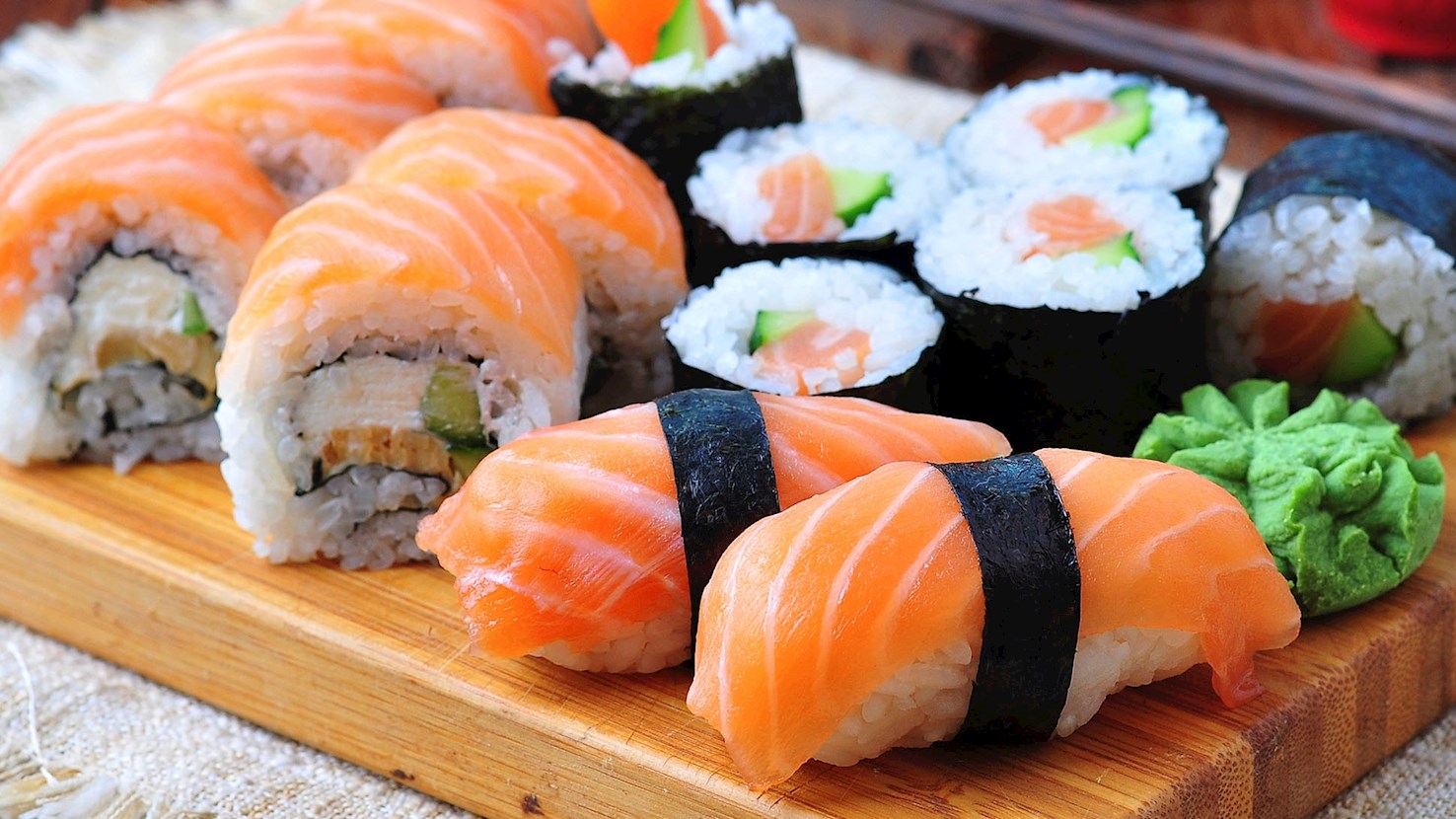
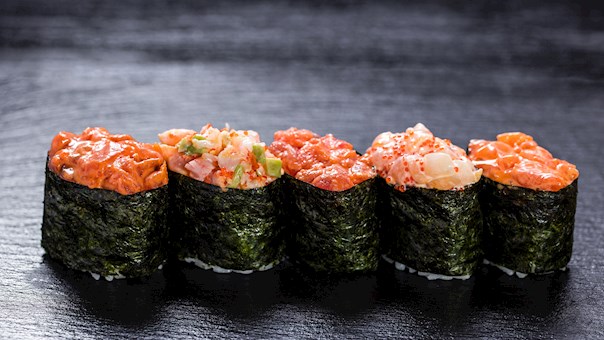
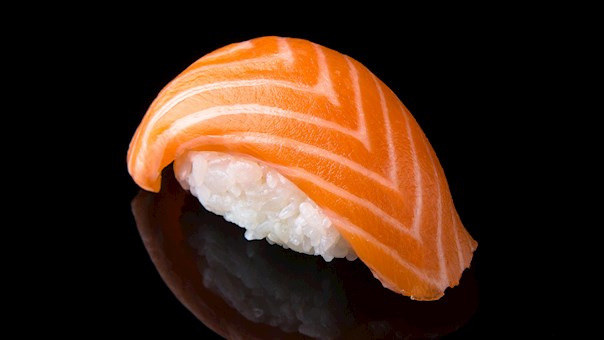
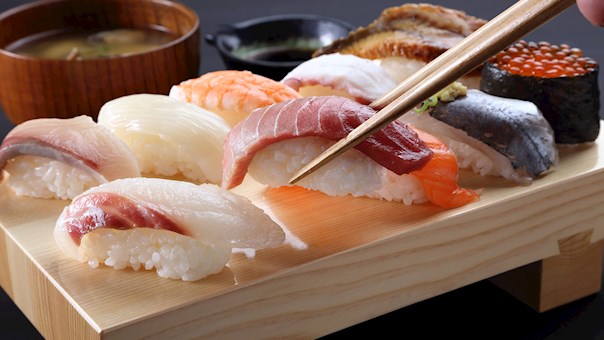
Sushi is Japan's most famous culinary representative, typically made with rice and fillings which have been rolled inside a sheet of dry seaweed. However, the term sushi is actually an umbrella term covering a wide range of subvarieties which can be made with a myriad of different ingredients and in as many forms and presentations. Although the dish has become wrongly synonymous with raw fish, the primary ingredient of every type of sushi is only vinegared rice. Originally, sushi was only a method of preserving fish - first developed in Southeast Asia, but it reached Japan in the 8th century. Over time, the dish slowly transformed. Rice was no longer fermented but vinegared and eaten together with fish, and by the 19th century, sushi as we know it today was invented. Besides rice, which can be white or brown, other ingredients include seafood, meat, and vegetables that can be either raw or cooked. Termed as the original type of sushi, nigirizushi is prepared by draping a mound of rice with a sliced topping, frequently with some wasabi in between or on the side, while probably the most popular type of sushi known worldwide is makizushi; small, usually bite-sized cylindrical pieces most commonly wrapped in nori — a sheet of dry seaweed. Other best-known types of sushi include chirashizushi, served as a bowl of rice topped with a selection of raw ingredients; the pressed variety called oshizushi; inarizushi - deep-fried tofu sacs containing a filling; the traditional narezushi made with fermented rice; and temaki, cone-shaped pieces of seaweed filled with ingredients. Sushi can be eaten with chopsticks or fingers, and it is typically served on a platter or in a bento box with a compartment for dips (usually soy sauce). Due to the worldwide popularity of sushi, many variations of the dish developed outside of Japan.

07

Maguro nigiri sushi

4.4 ·

Maguro nigiri sushi is a traditional type of nigiri sushi. It consists of hand-pressed sushi rice that's topped with slices of tuna. Different cuts of tuna are classified as otoro (fatty), chutoro (medium-fatty), and akami (red meat). The dish has a mild flavor and a rich texture that makes it great for sushi newcomers. Traditionally, this type of sushi is eaten by hand in a single bite. It's usually accompanied by soy sauce, wasabi, or pickled ginger (gari) on the side.

08

Arroz con bogavante

4.4 ·

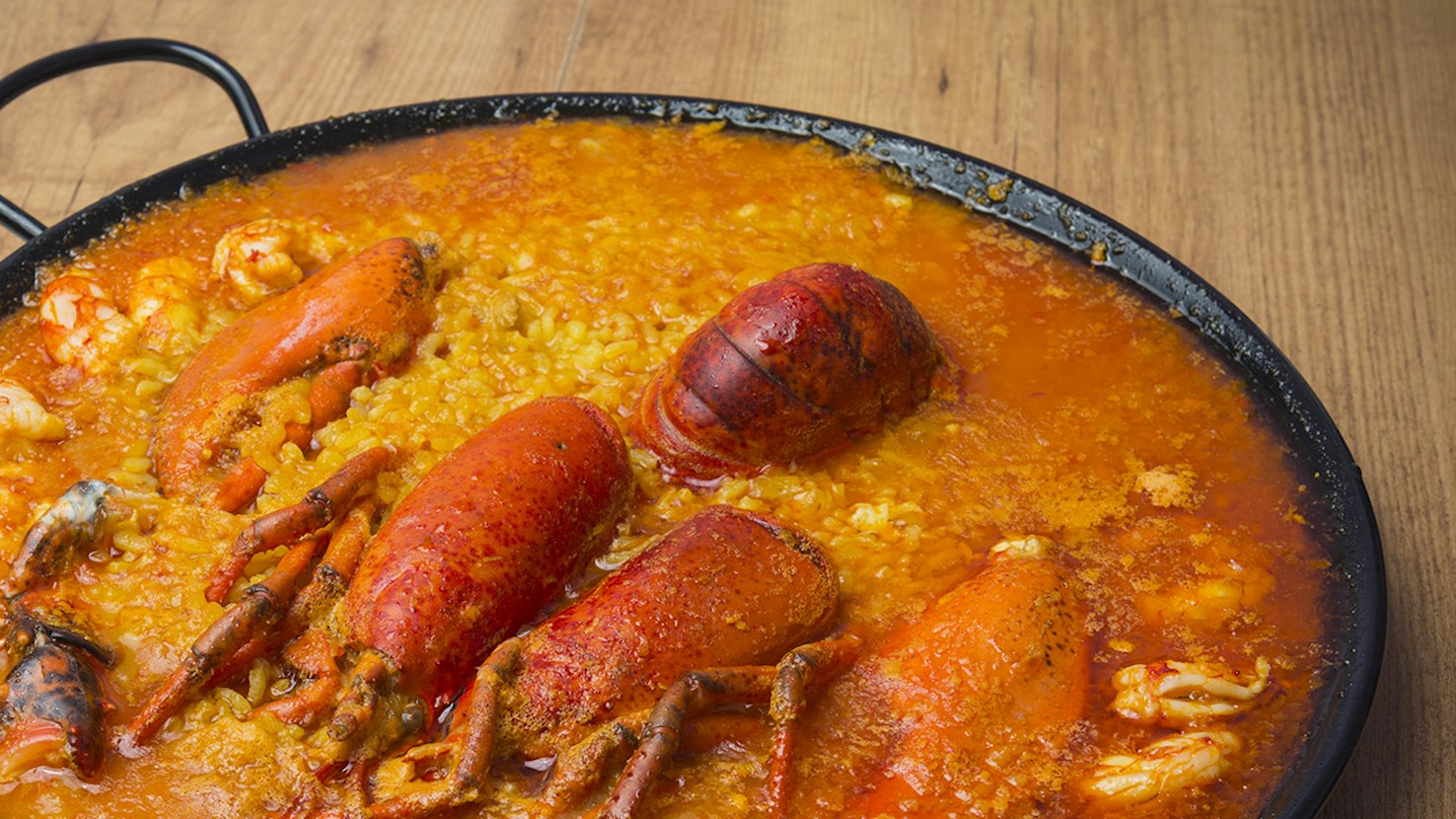
Arroz con bogavante is a traditional rice dish originating from Valencia. This brothy rice dish is usually made with a combination of round rice such as arroz bomba, lobster, fish stock, white wine, shrimps, onions, garlic, bell peppers, tomatoes, paprika, saffron, olive oil, and seasonings. The ingredients are sautéed in a pan, then simmered in stock until everything is fully cooked. There should be leftover liquid in the pan, as this dish should be brothy and the rice should float in a liquid broth. The pan is covered and the dish is left to rest for a few minutes before serving. Arroz con bogavante is often prepared for celebrations and special occasions. If desired, garnish the dish with chopped parsley.

09

Hotate nigiri sushi

4.4 ·

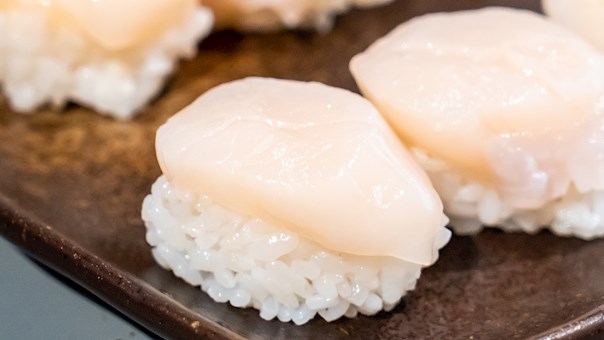
Hotate nigiri sushi is a traditional type of nigiri sushi. It consists of hand-pressed sushi rice that's topped with fresh raw scallops. The dish has a soft texture and mild flavors, making it a great intermediate-level sushi. Traditionally, this type of sushi is eaten by hand in a single bite. It's usually accompanied by soy sauce, wasabi, or pickled ginger (gari) on the side. This type of nigiri sushi is popular with both adults and children.

10

Negitorodon

4.4 ·

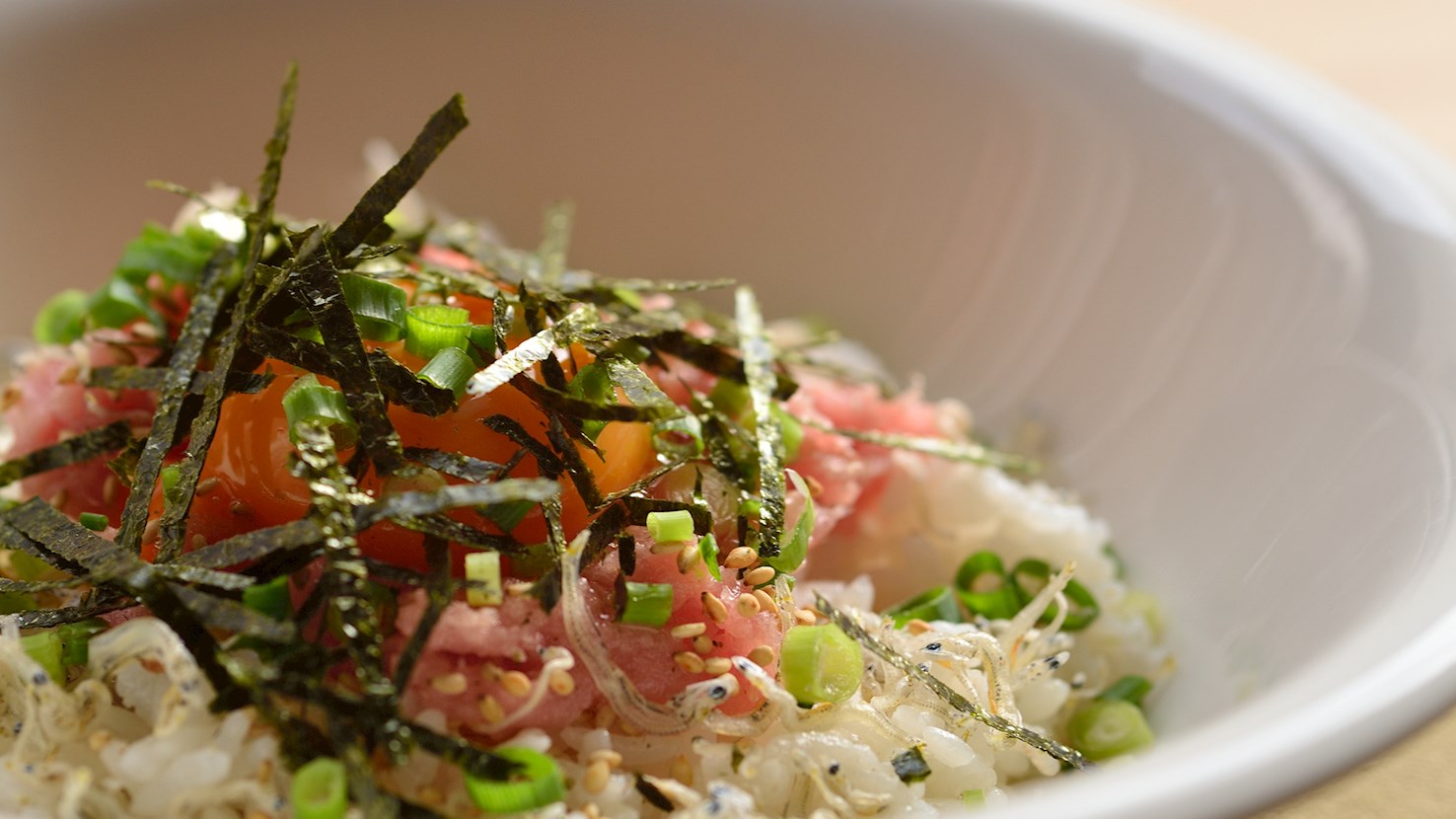
Characterized by an incredibly mild and refreshing flavor, negitorodon is a simple Japanese dish which consists of pieces of raw fatty tuna served over rice. Traditionally, tuna used in negitorodon is scraped around the bones or finely sliced, mixed with green onions, seasoned with soy sauce, then placed on a heap of plain steamed rice. It is easily adjusted with various ingredients and seasonings, and usually comes served with seaweed strips, wasabi, and a raw egg yolk.

About this ranking

TasteAtlas food rankings are based on the ratings of the TasteAtlas audience, with a series of mechanisms that recognize real users and that ignore bot, nationalist or local patriotic ratings, and give additional value to the ratings of users that the system recognizes as knowledgeable. For the “Top 100 Rice Dishes in the World” list until April 15, 2026, 35,107 ratings were recorded, of which 23,299 were recognized by the system as legitimate. TasteAtlas Rankings should not be seen as the final global conclusion about food. Their purpose is to promote excellent local foods, instill pride in traditional dishes, and arouse curiosity about dishes you haven’t tried.

Similar lists