

shutterstock

Top 100 Seafood Dishes
in the World

Last updated on August 15, 2026
01

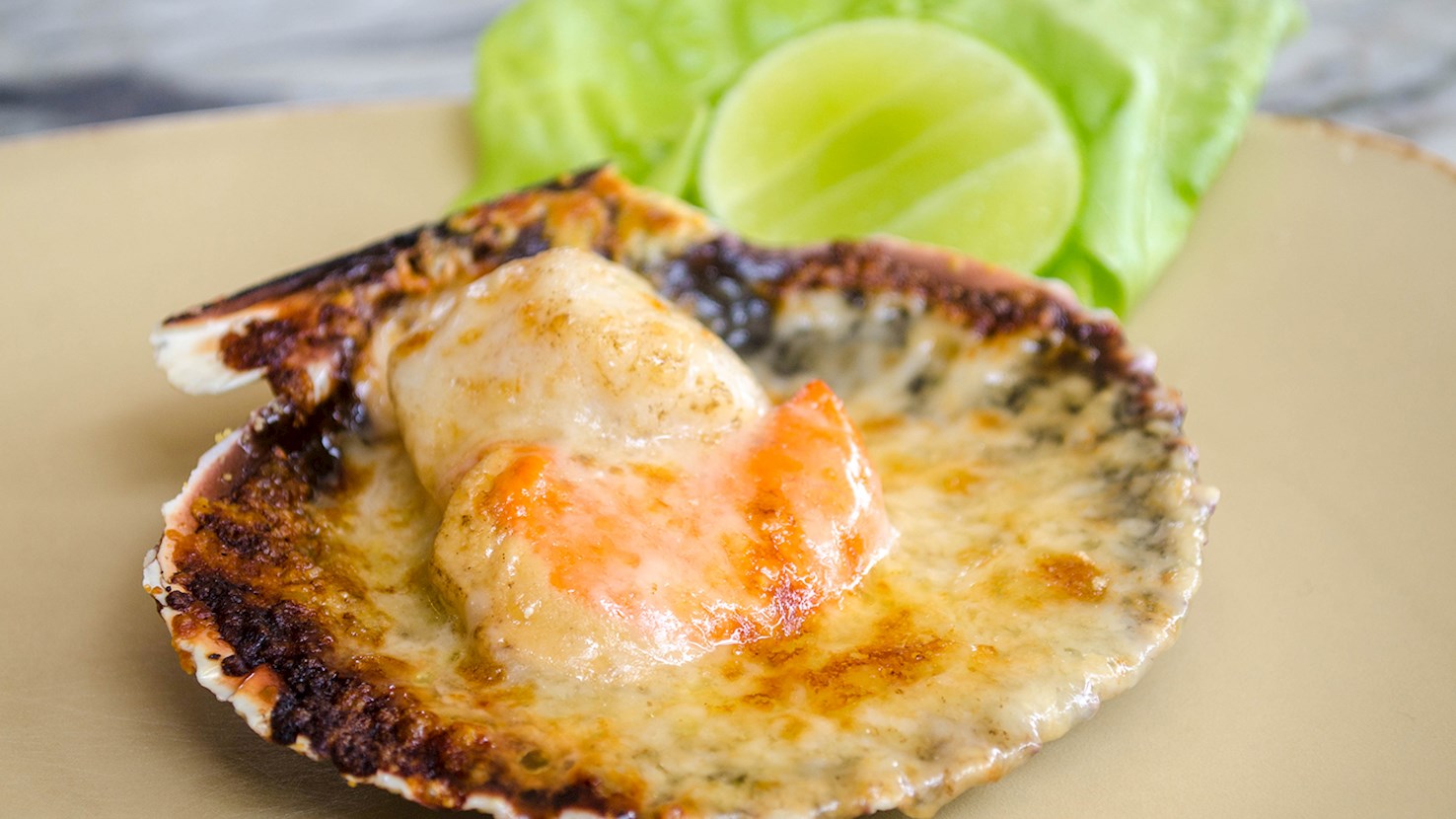
Conchitas a la parmesana

4.6 ·

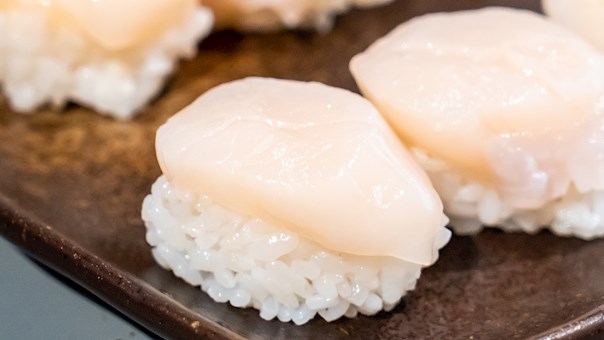
Conchitas a la parmesana is a traditional dish that's served as an appetizer. It consists of scallops that are topped with grated parmesan, then placed under the broiler for a few minutes. When served, the cheese should be bubbling, but the scallops will remain almost raw. The ingredients used for the dish include scallops, Worcestershire sauce, lime juice, butter, salt, pepper, and grated parmesan cheese. The dish is served immediately, while still piping hot, ideally with lime wedges on the side.

02

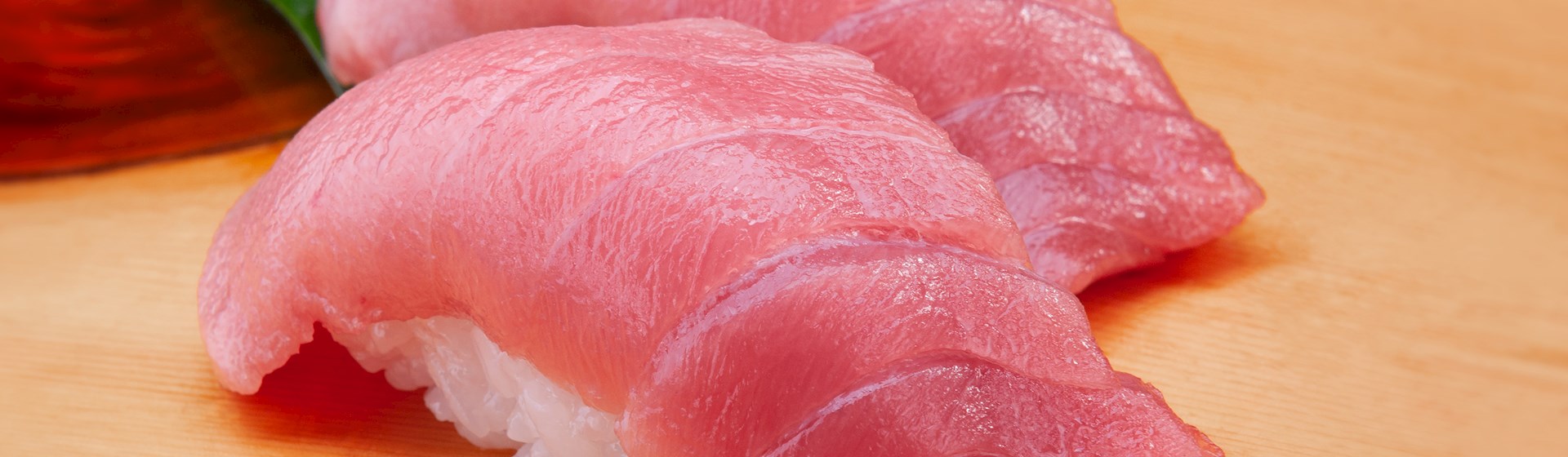
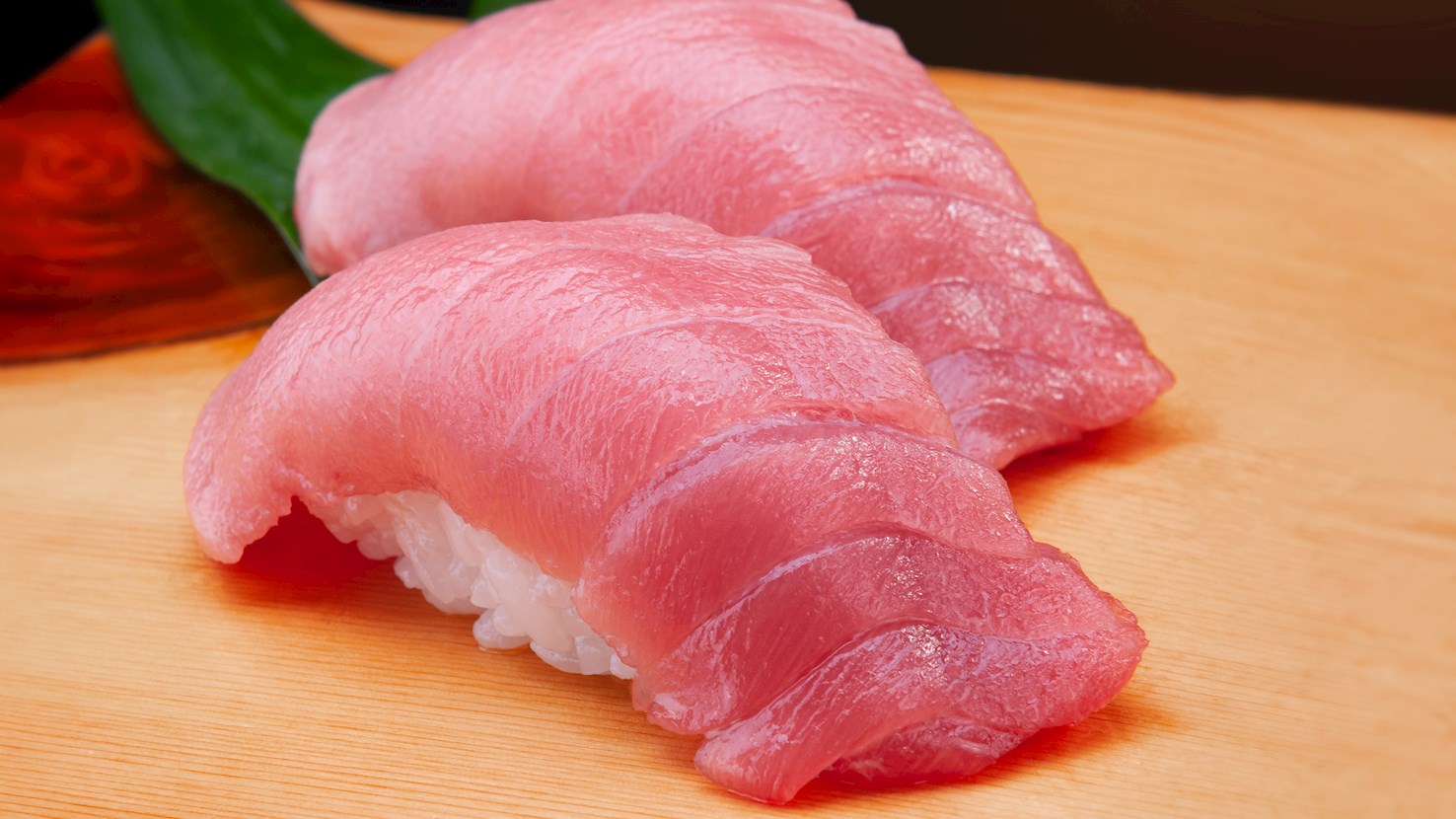
Otoro nigiri sushi

4.6 ·

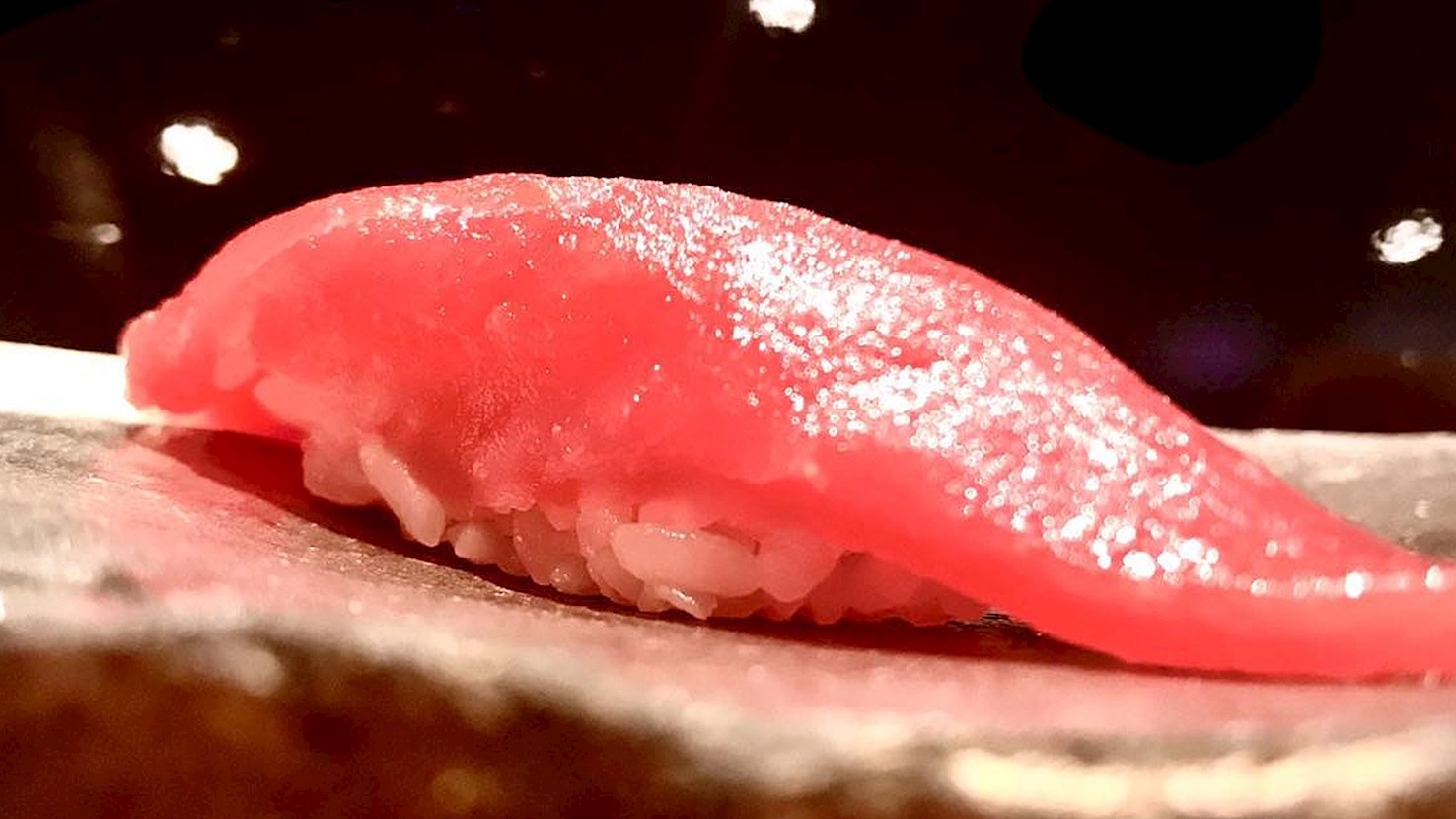
Otoro nigiri sushi is a traditional type of nigiri sushi. It consists of hand-pressed sushi rice that's topped with slices of fatty cuts of tuna. Different cuts of tuna are classified as otoro (fatty), chutoro (medium-fatty), and akami (red meat). The dish has a rich flavor and a melt-in-the-mouth texture that makes it quite expensive. Traditionally, this type of sushi is eaten by hand in a single bite. It's usually accompanied by soy sauce, wasabi, or pickled ginger (gari) on the side.

03

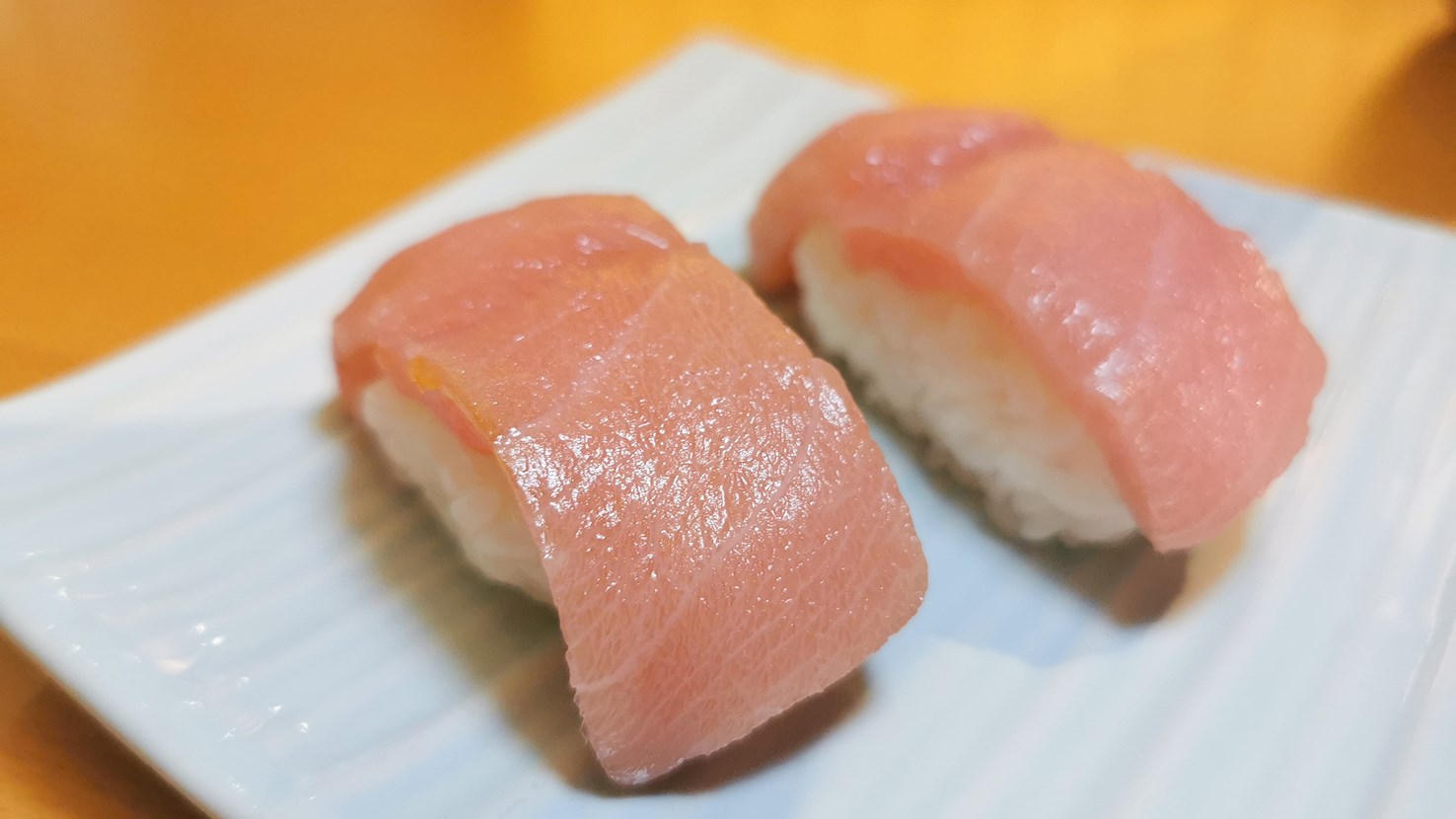
Chutoro nigiri sushi

4.6 ·

Chutoro nigiri sushi is a traditional type of nigiri sushi. It consists of hand-pressed sushi rice that's topped with slices of medium-fatty cuts of tuna. Different cuts of tuna are classified as otoro (fatty), chutoro (medium-fatty), and akami (red meat). The dish has a rich and deep flavor and a soft texture. Traditionally, this type of sushi is eaten by hand in a single bite. It's usually accompanied by soy sauce, wasabi, or pickled ginger (gari) on the side.

04

Loimulohi

4.6 ·

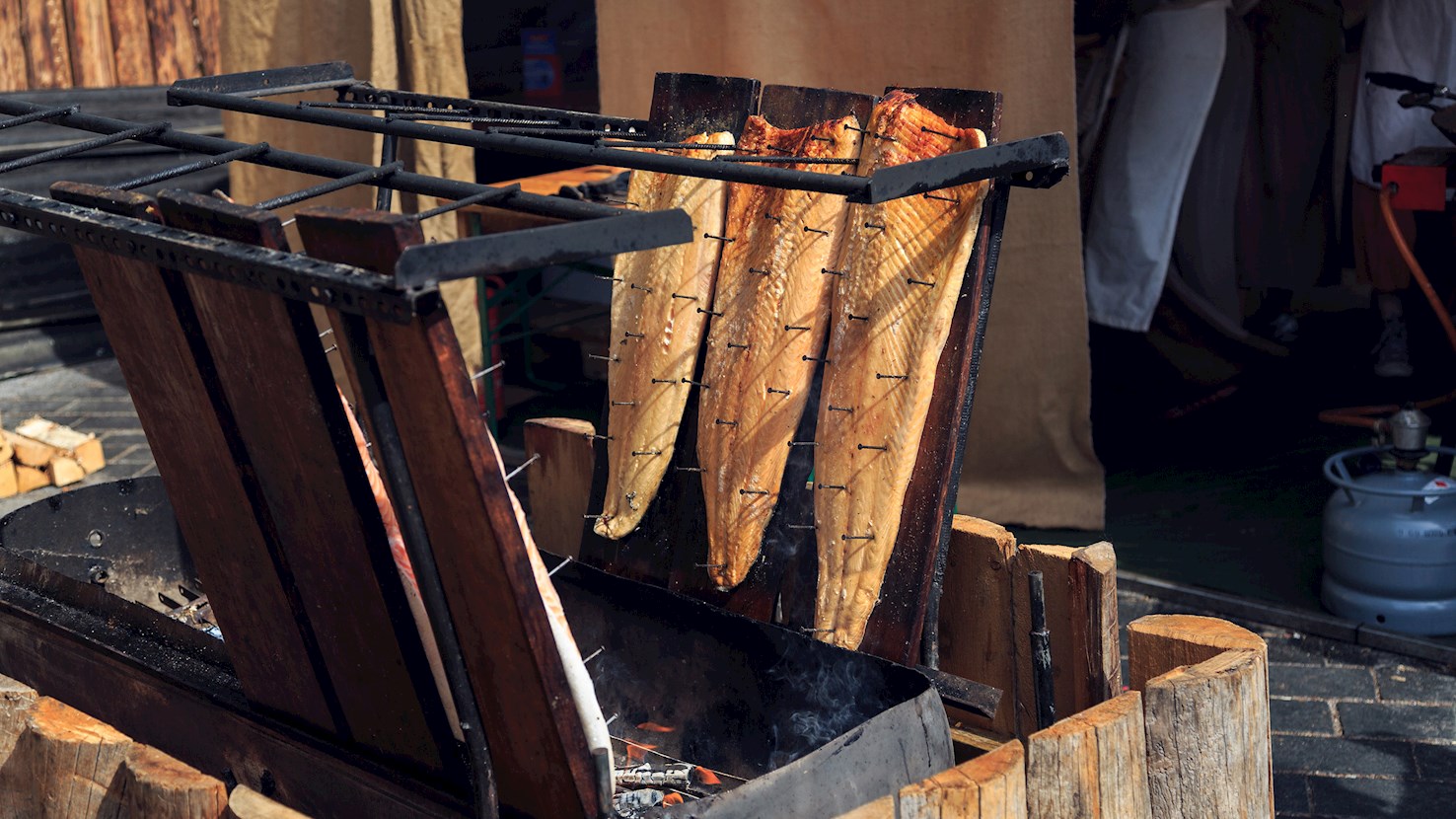
Loimulohi is a traditional method of preparing salmon or rainbow trout. The fish is smoked on a wooden plank that's placed vertically over an open fire. Before the process, the salmon is usually seasoned with sea salt and drizzled or brushed with lemon juice, honey, or juniper berries. The cooking time depends on the distance from the coals. Once done, the smoky fish can be eaten straight off the plank.

05

Vieiras en su concha

4.6 ·

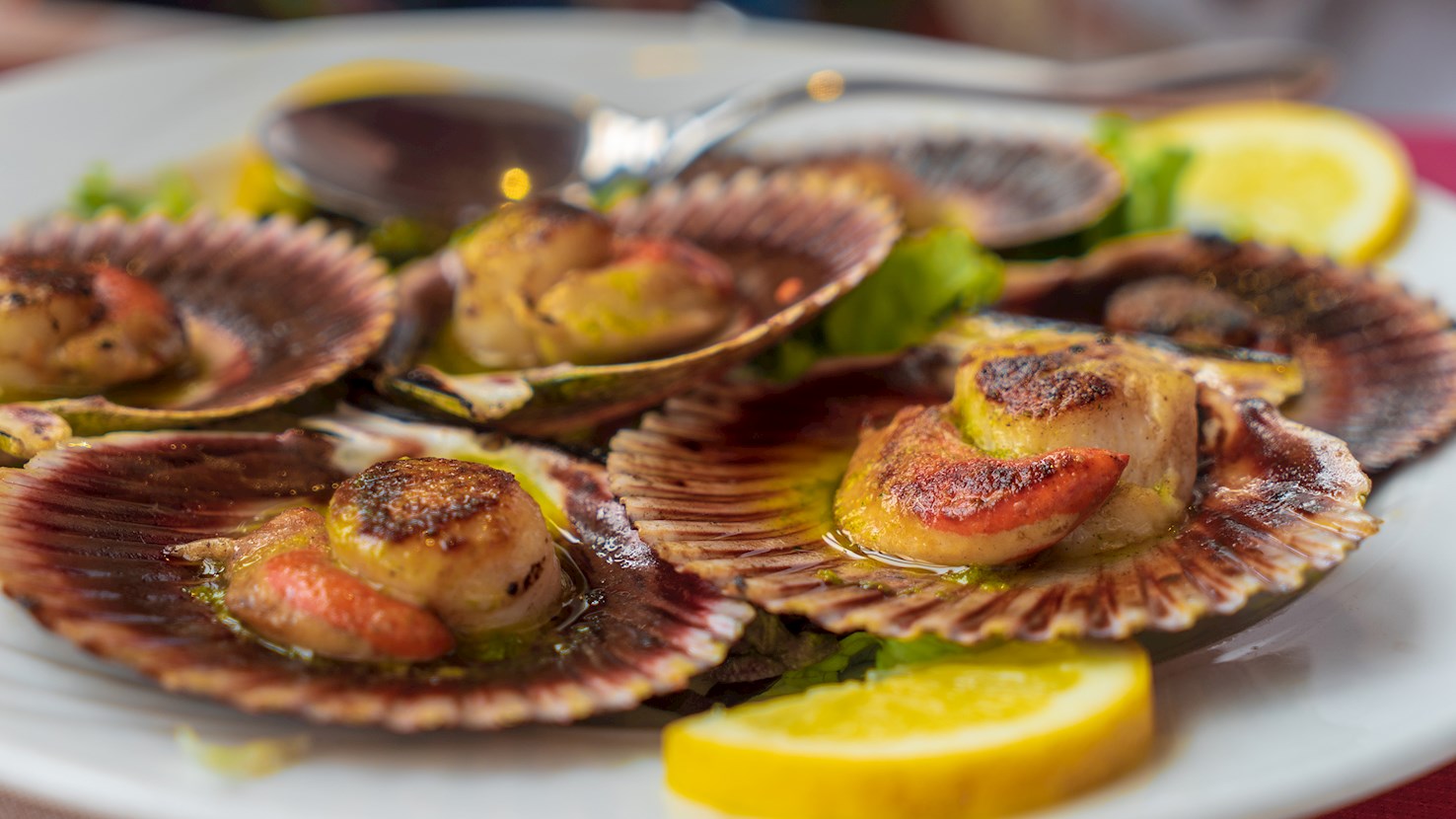
Vieiras en su concha is a traditional dish originating from Galicia, consisting of scallops served in their shells. The dish is usually made with a combination of scallops, olive oil, onions, garlic, pimentón, white wine, tomato sauce, salt, pepper, breadcrumbs, and parsley. The garlic, onions, and pimentón are sautéed in olive oil, then covered with wine, tomato sauce, and seasonings in order to create a sauce. The scallops are boiled and arranged on a baking sheet in their shells, then topped with the tomato mixture, breadcrumbs, and parsley. They're cooked under the broiler until the top becomes golden, and the scallops are then served immediately.

06

Kalamar tava

4.5 ·

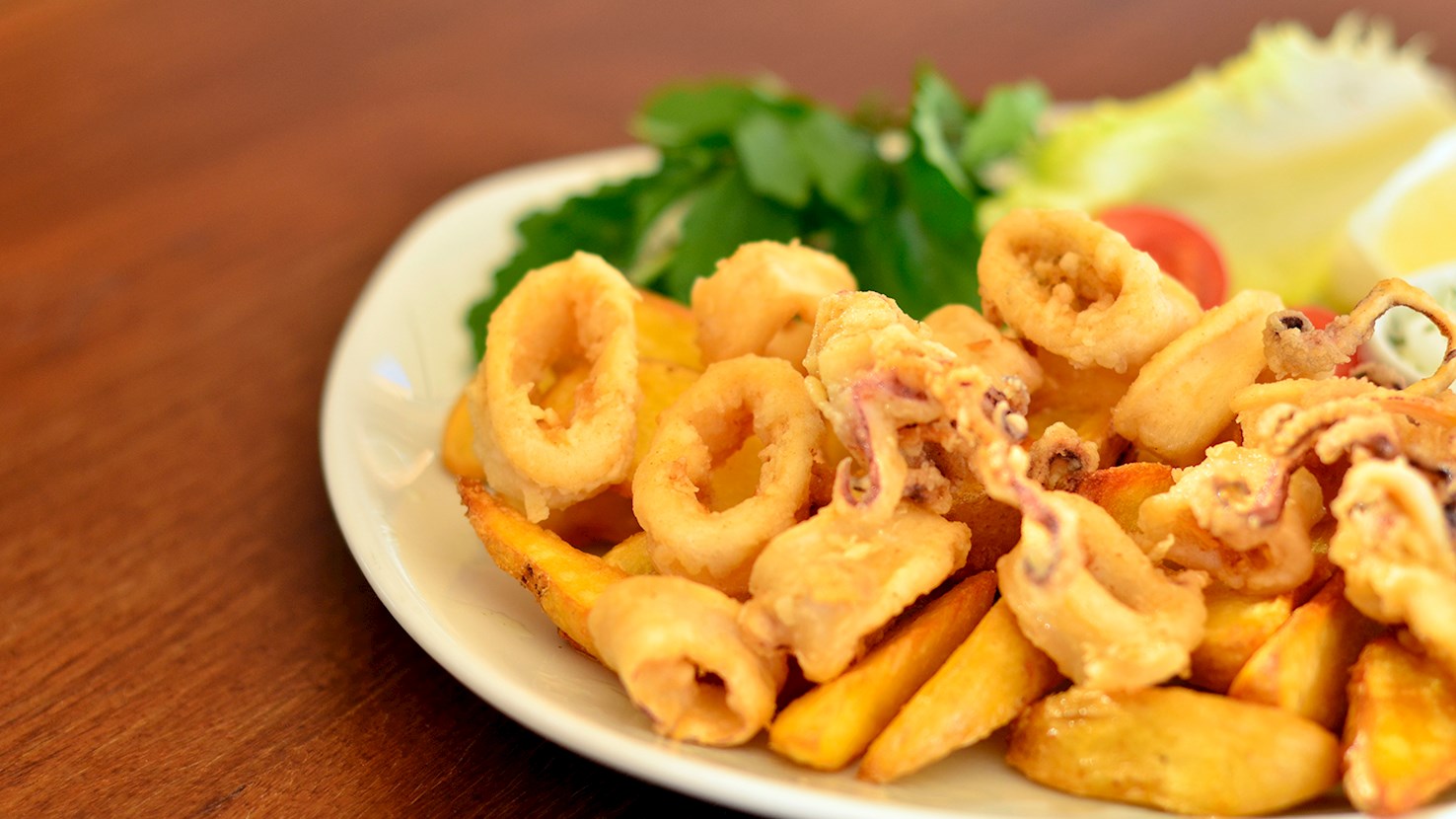
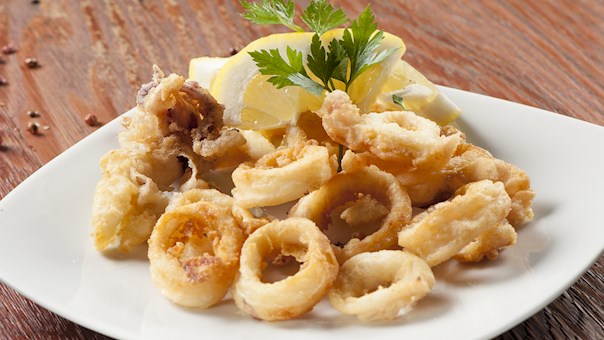
Kalamar tava is a traditional dish that's usually served as a meze. The dish consists of cleaned squid that's cut into thick rings, soaked in milk, then dipped in a batter of flour, baking soda, and salt before it's fried in hot oil. The squid rings can be flavored with herbs or pepper flakes, if desired. Once fried, the rings are typically served with a Turkish tartar-like sauce on the side for dipping, along with a few lemon wedges.

07

Kaisendon

4.5 ·

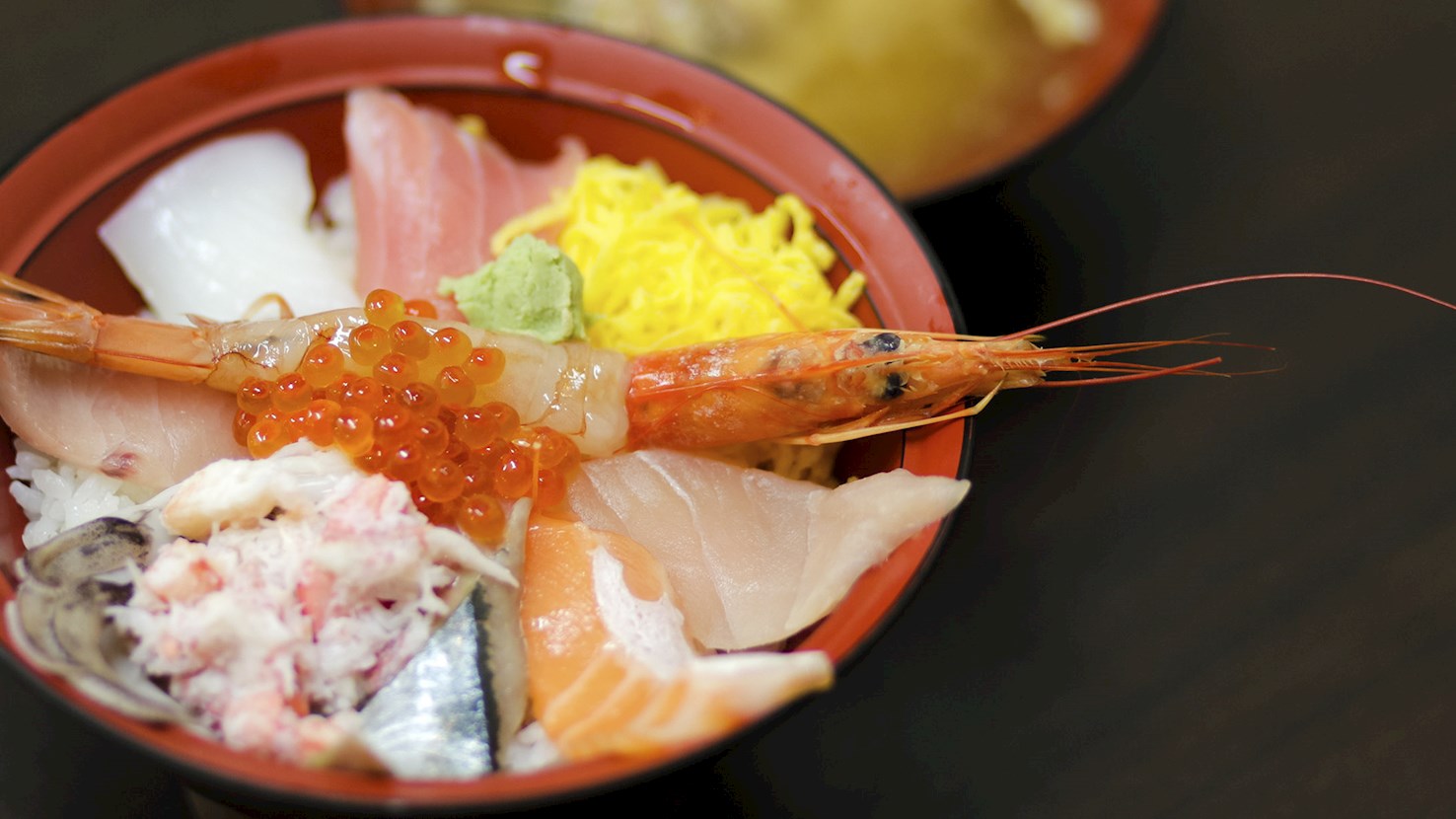
One of the most popular fresh seafood one-bowl donburi dishes, kaisendon consists of thinly sliced, assorted raw seafood called sashimi laid over freshly steamed rice. What kind of sashimi will be used in a kaisendon dish is not fixed, but the seafood selection depends on both location and season, and most often includes maguro (tuna), tai (sea bream), ama ebi (deep-water shrimps), hotate (scallops), uni (sea urchin), kani (crab), and sometimes even marinated ikura (salmon roe). Apart from sashimi, kaisendon is typically topped with toasted nori seaweed, myoga ginger, shiso or Japanese basil, cucumber, onions, and either fresh or pickled ginger. Before being placed on a bed of steamy rice, all of the ingredients are drizzled with wasabi-laced soy sauce, and the kaisendon bowl is lastly garnished with some white sesame seeds, white radish sprouts, and wasabi paste. In Japan, fresh seafood donburi dishes have a huge following; light yet nutritious, they make for a great lunch option and can be found at any sushi restaurant.

08

Tacos gobernador

4.4 ·

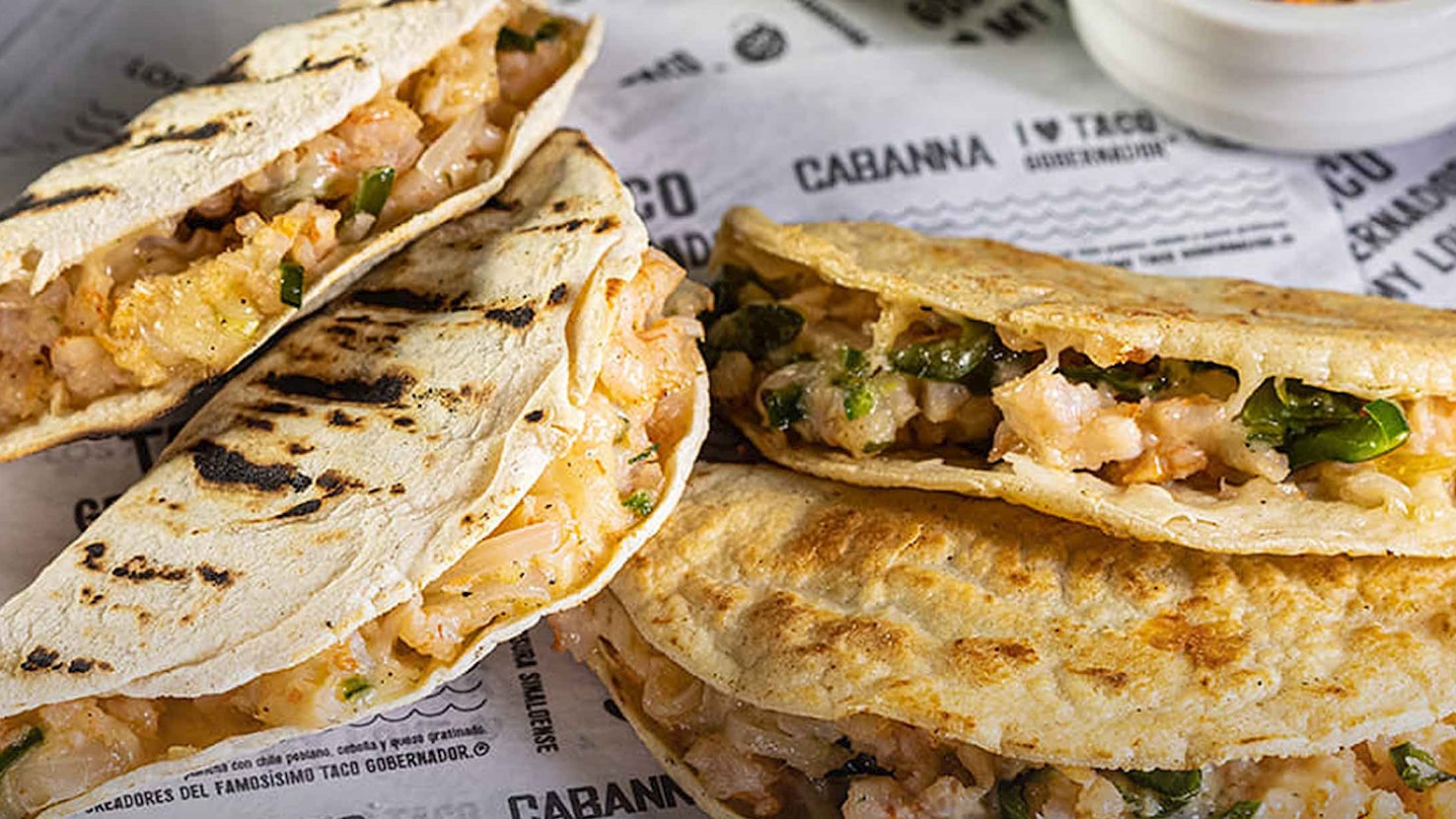
Tacos gobernador (lit. governor's tacos) are Mexican tacos named after a Sinaloan governor. In order to prepare the dish, warm tortillas are filled with a combination of shrimps, grated cheese, coriander, onions, and tomatoes. The tortillas are then folded in half, brushed with butter, and cooked on a griddle over medium heat. When served, tacos gobernador are often accompanied by lime wedges and hot chili sauce. Apart from Sinaloa, these tacos are also quite popular in Baja California.

09

Maguro nigiri sushi

4.4 ·

Maguro nigiri sushi is a traditional type of nigiri sushi. It consists of hand-pressed sushi rice that's topped with slices of tuna. Different cuts of tuna are classified as otoro (fatty), chutoro (medium-fatty), and akami (red meat). The dish has a mild flavor and a rich texture that makes it great for sushi newcomers. Traditionally, this type of sushi is eaten by hand in a single bite. It's usually accompanied by soy sauce, wasabi, or pickled ginger (gari) on the side.

10

Batagor

4.4 ·

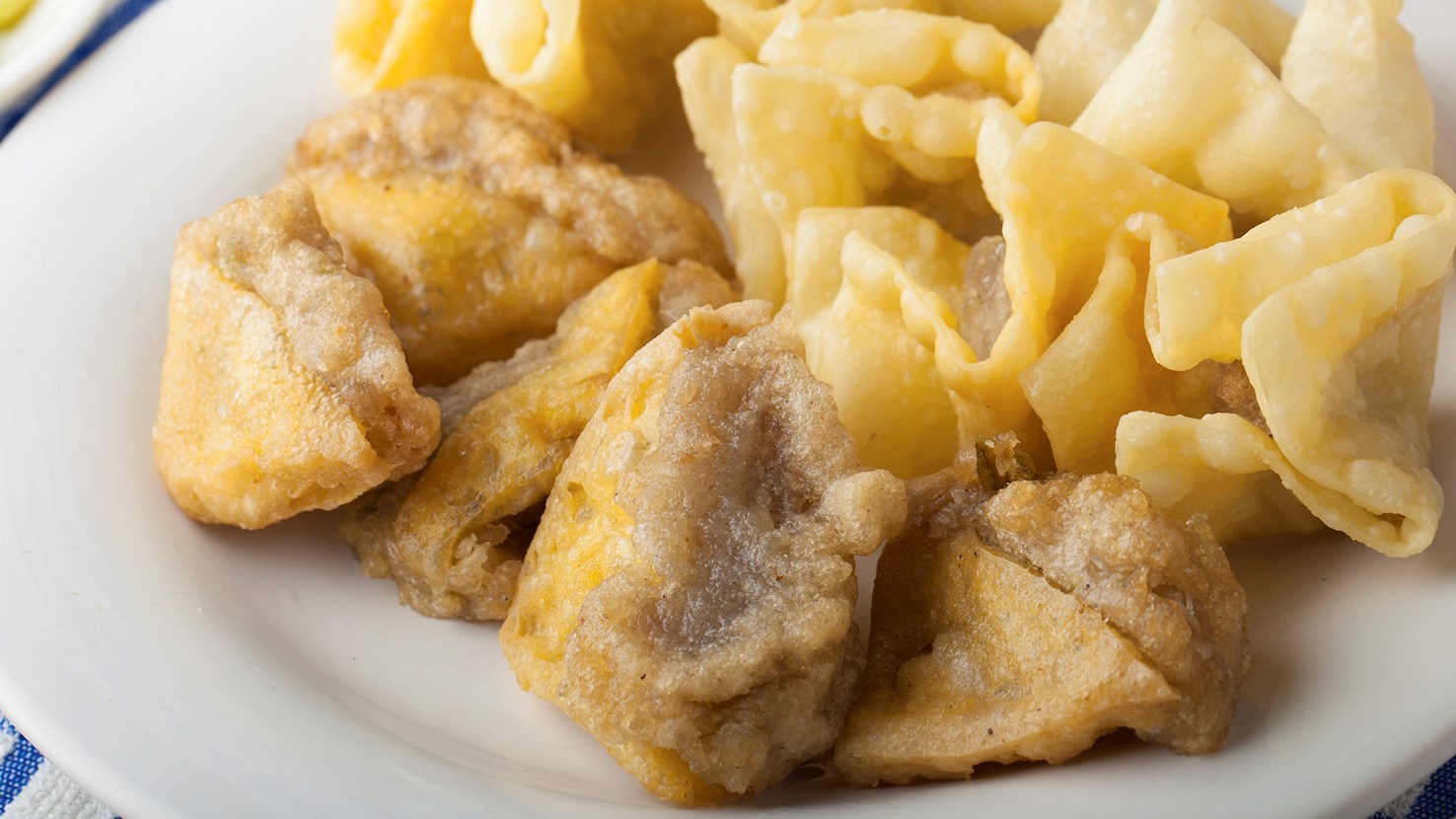
One of the most famous snacks in Indonesia is batagor, a fried fish dumpling served in a traditional spicy sauce. It has roots in the Chinese culinary tradition, which has left a trace on many Indonesian dishes. Although this famous snack is reminiscent of the more famous Chinese dumpling, its distinguishable characteristic is that it is fried, not steamed. The most common fish used to make the dish is wahoo, but tuna, mackerel, and even prawns can also be used. Potatoes, tofu, or cabbage are also occasionally added to the dish. Batagor is the perfect snack because of the way it is served. When fried, the dumplings are cut into small bite-sized pieces and covered in peanut, soy, and chili sauce with a splash of lime juice. It was invented in the 1980s in Bandung, but today it can be found throughout Indonesia. Since it is quickly prepared, it is commonly sold by street vendors, but it can also be found in many Indonesian restaurants.

About this Ranking

TasteAtlas food rankings are based on the ratings of the TasteAtlas audience, with a series of mechanisms that recognize real users and that ignore bot, nationalist or local patriotic ratings, and give additional value to the ratings of users that the system recognizes as knowledgeable. For the “Top 100 Seafood Dishes in the World” list until August 15, 2026, 45,996 ratings were recorded, of which 29,592 were recognized by the system as legitimate.

TasteAtlas Rankings should not be seen as the final global conclusion about food. Their purpose is to promote excellent local foods, instill pride in traditional dishes, and arouse curiosity about dishes you haven’t tried.

What People Say

Similar Lists