Paçanga böreği is a Turkish börek variety that's especially popular in the region of Anatolia and in Istanbul, where it's regarded as a traditional Sephardic Jewish specialty of the city. It's made by stuffing yufka or phyllo pastry with pastirma (salted, aged, dried beef) and kasar cheese. Apart from the basic ingredients, some people also like to add peppers and tomatoes to the filling. The dough is rolled, cut into rectangles, then fried. This börek can also be baked, but frying is the traditional method. Paçanga böreği is served hot and it's typically eaten as an appetizer.
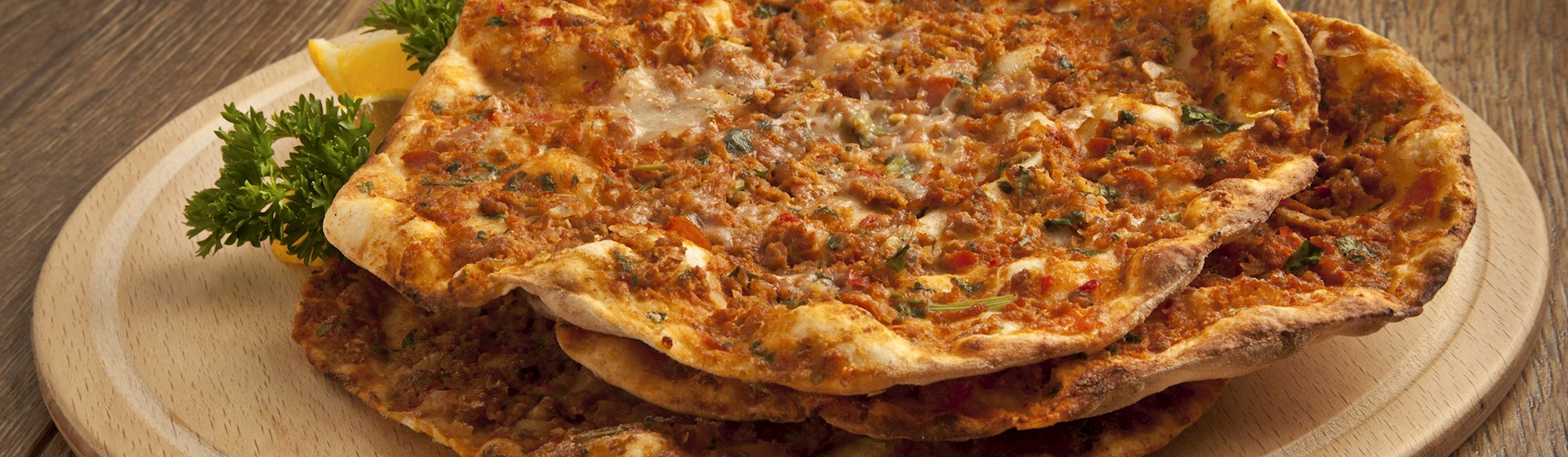
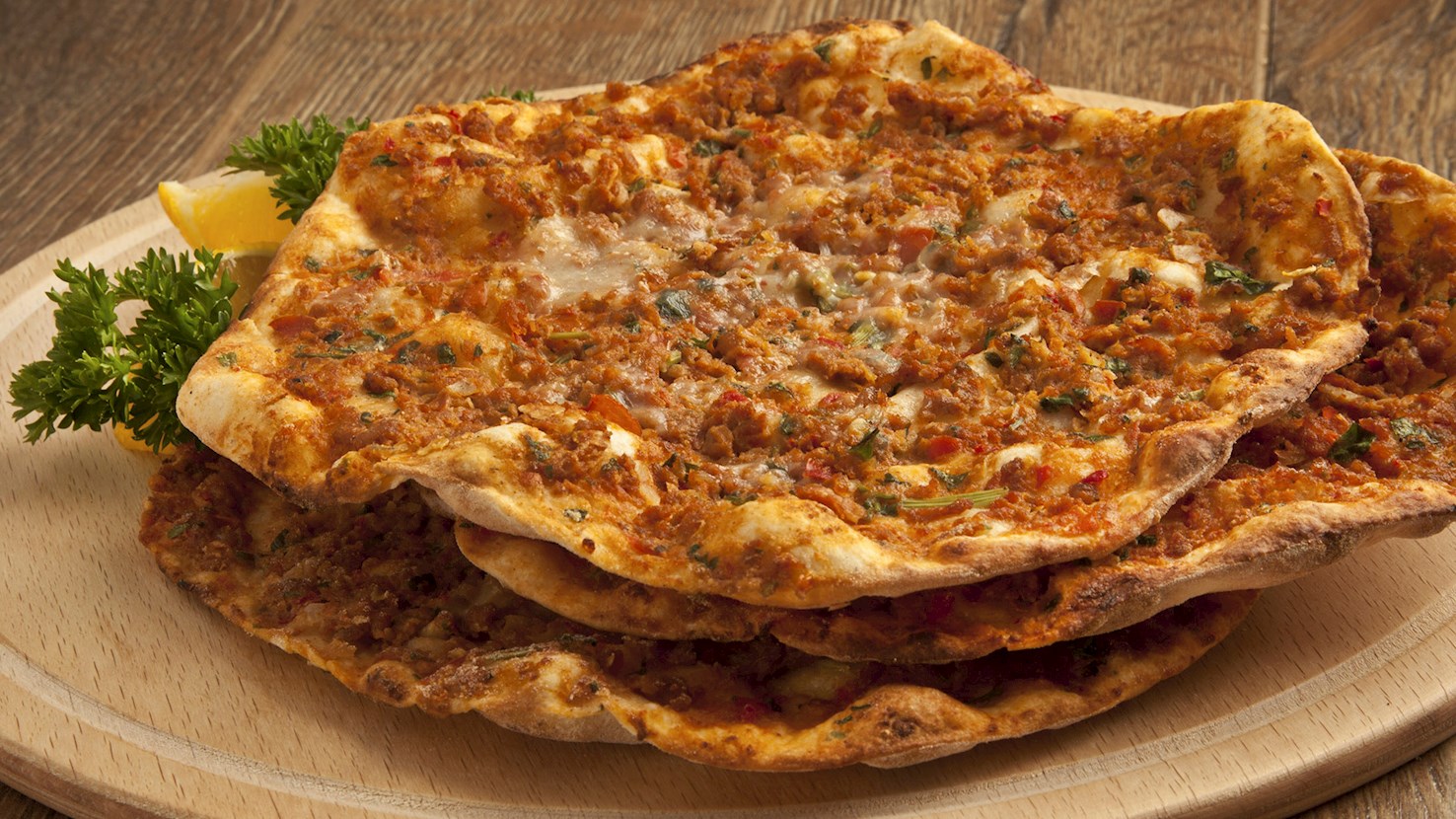
Even though lahmacun is popularly nicknamed Turkish pizza, it's origin is disputed and can be traced to Armenia, Syria, Lebanon, and Turkiye. It can be found at numerous street stalls as well as in virtually any traditional restaurant, but also in kebab eateries where they typically serve mini lahmacuns as appetizers. The perfect lahmacun is made by rolling a ball of sturdy semolina dough into a thin disc which is only lightly spread with meat - either lamb or beef, minced to a paste together with chili, onions, and other seasonings. The dish is then shortly baked in a super-hot (and preferably wood-fired) oven. Lahmacun is best served hot with a drizzle of lemon juice. It is traditionally enjoyed folded around the crispy onions and a parsley salad known as piyaz. It is recommended to pair lahmacun either with the salty, cold yogurt beverage called ayran, or şalgam suyu, the barrel-fermented juice of red carrot pickles, which is salted, spiced, and flavored with the aromatic turnip called çelem.
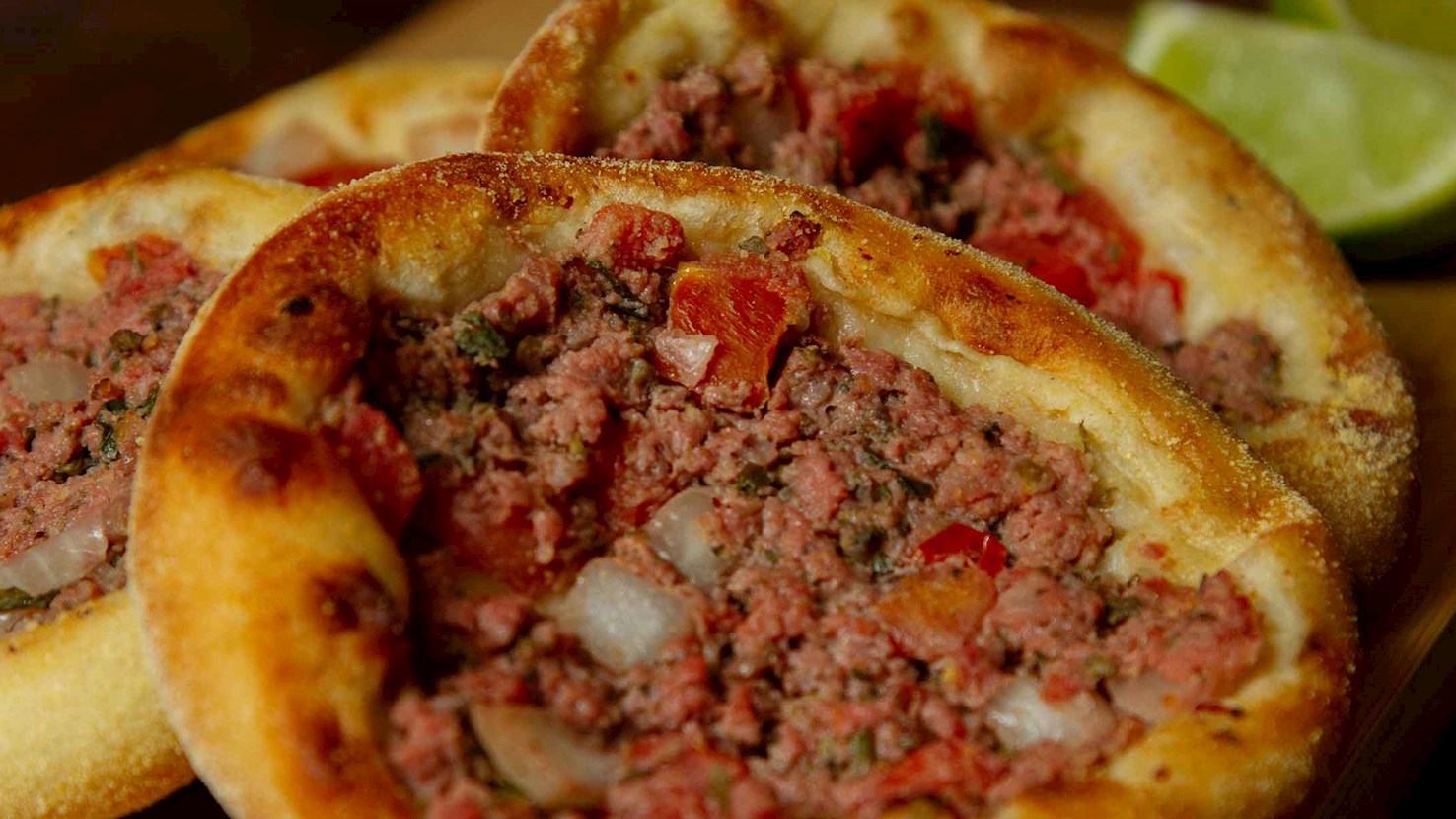
Sfiha, or lahm bil ajĩn (lit. meat on dough) is an Arabic specialty that dates back to the 15th century, when it first appeared in today's Eastern Lebanon. The traditional open-faced meat pie is popular throughout the Arab region, its main ingredients usually including minced lamb (or lamb), chopped onions and tomatoes, spices, olive oil, and yogurt. Originally, the dish was prepared by stuffing ground lamb and spices in brined grape leaves, but it evolved over time. Sfiha is also popular in Brazil and Argentina, where it was brought over by Levantine immigrants. It is usually consumed hot as a snack, accompanied by tahini sauce or a bowl of yogurt, while pomegranate seeds, coriander, or chopped cucumbers are often used as garnishes. In Turkey, sfiha is known as pide.
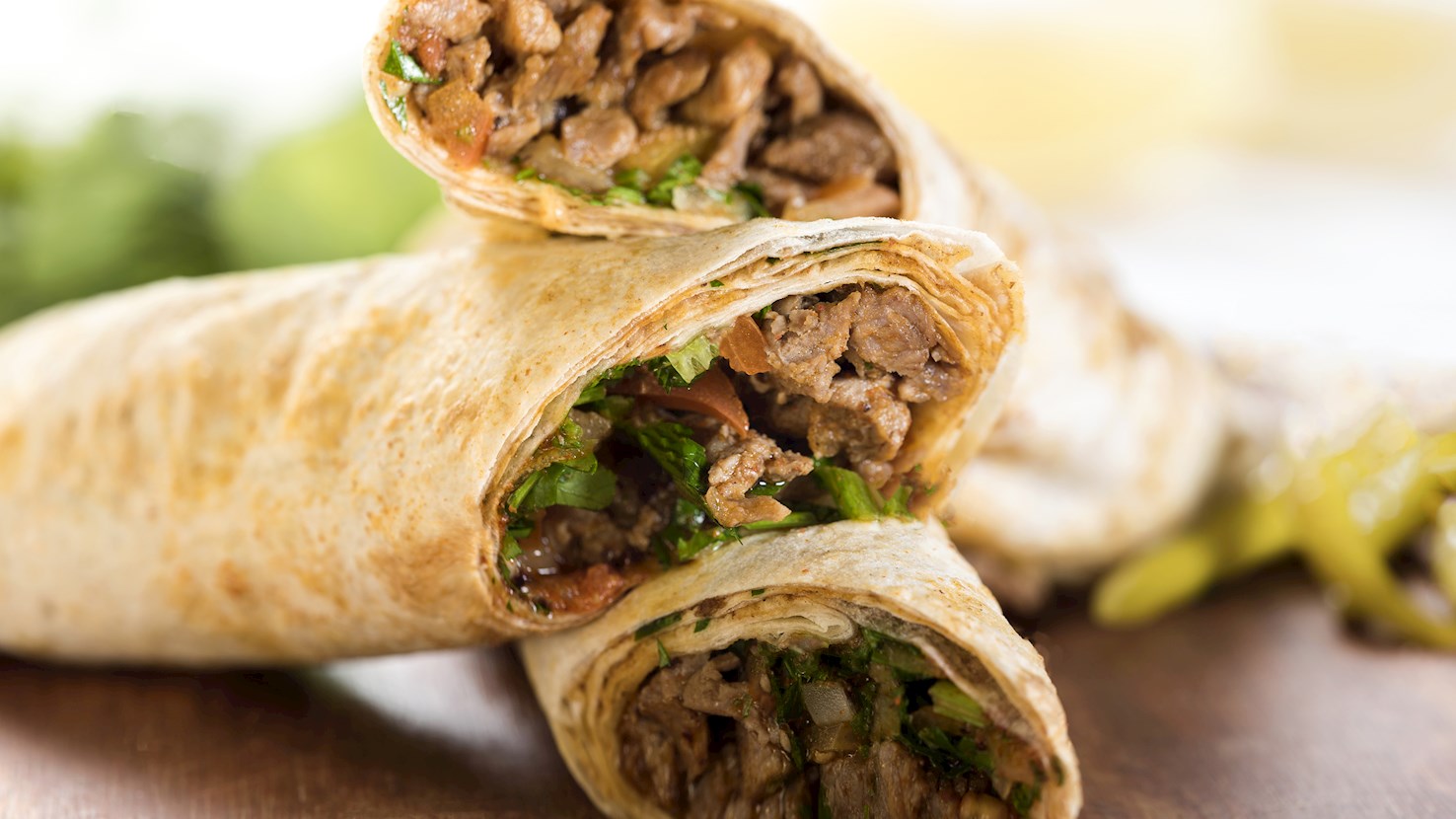
Tantuni is a traditional street food dish from Mersin, consisting of thinly sliced beef or lamb that is seasoned with Turkish spices and herbs, usually cooked with onions and tomatoes. The combination is cooked in specially designed tantuni pans. Traditionally, the dish is served rolled in lavash, with ground sumac and a lemon wedge on the side. Since every tantuni chef has his own method and secret technique of preparing the dish, it is said that the flavors of tantuni are never the same. Tantuni was originally created as a poor man's dish - it's very nutritious because it consists of meat with a lot of fat stuffed into bread. Some believe that the name of the dish refers to the sound that the meat and spices make when they are brought from the rim of the pan to its center.
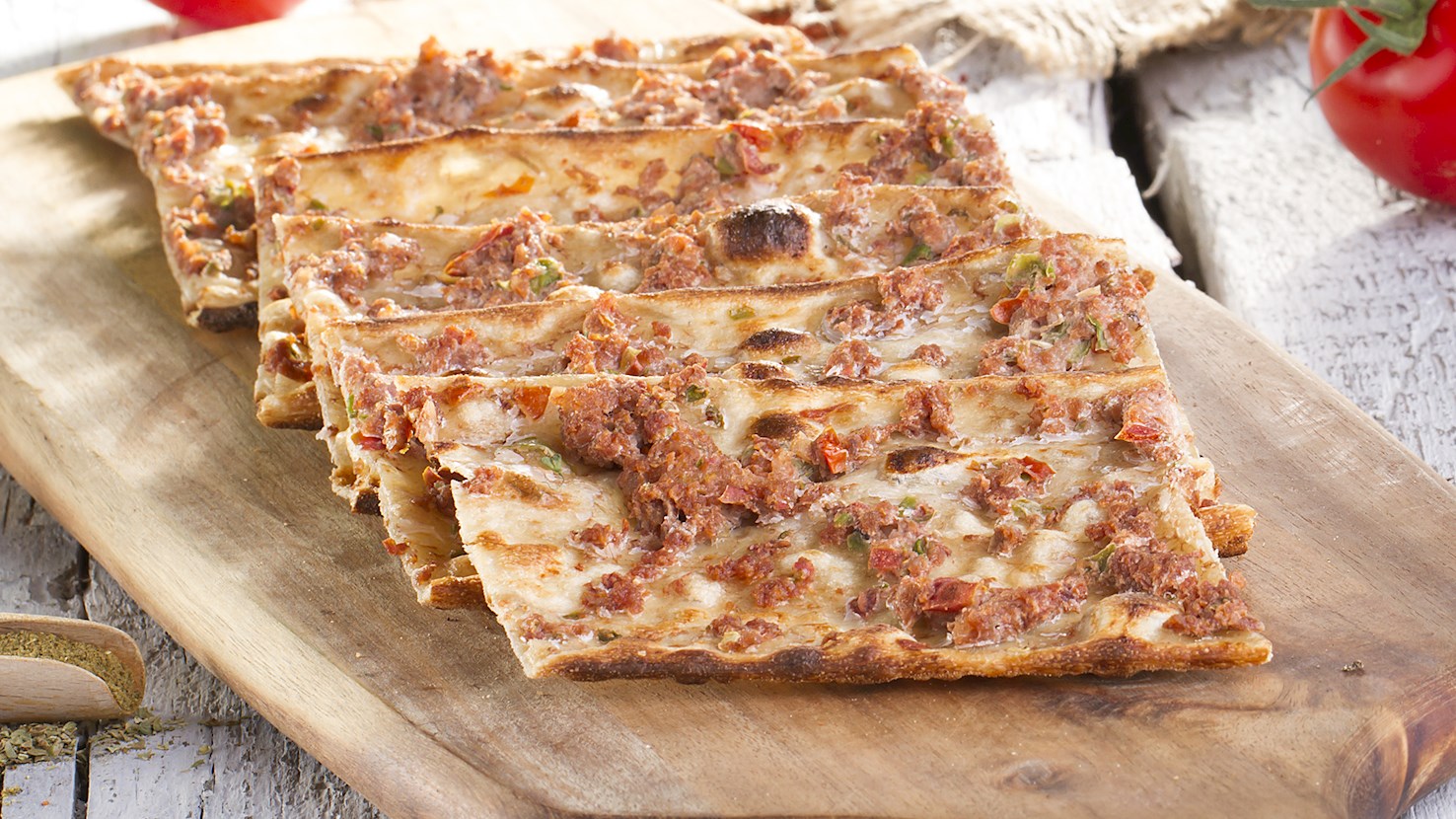
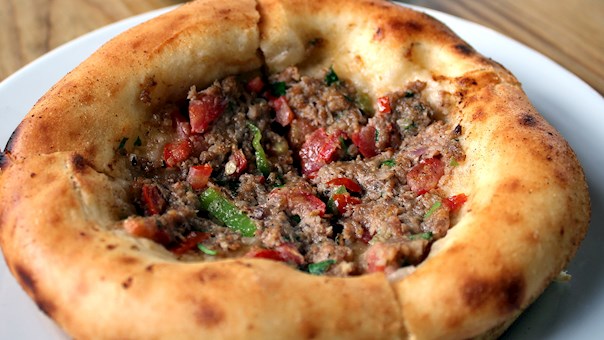
Etli ekmek is a delicious Turkish pizza-like dish originating from the city of Konya. The name of the dish means bread with meat. It consists of a thin, crispy flatbread made with flour, sugar, salt, yeast, and oil, which is then topped with ground beef and finely chopped onions, tomatoes, and peppers. Etli ekmek is sometimes additionally topped with cheese before baking. Once the baked dish develops a golden-brown color, it is served cut into smaller pieces while still warm. Pair it with a glass of refreshing ayran for the best experience.
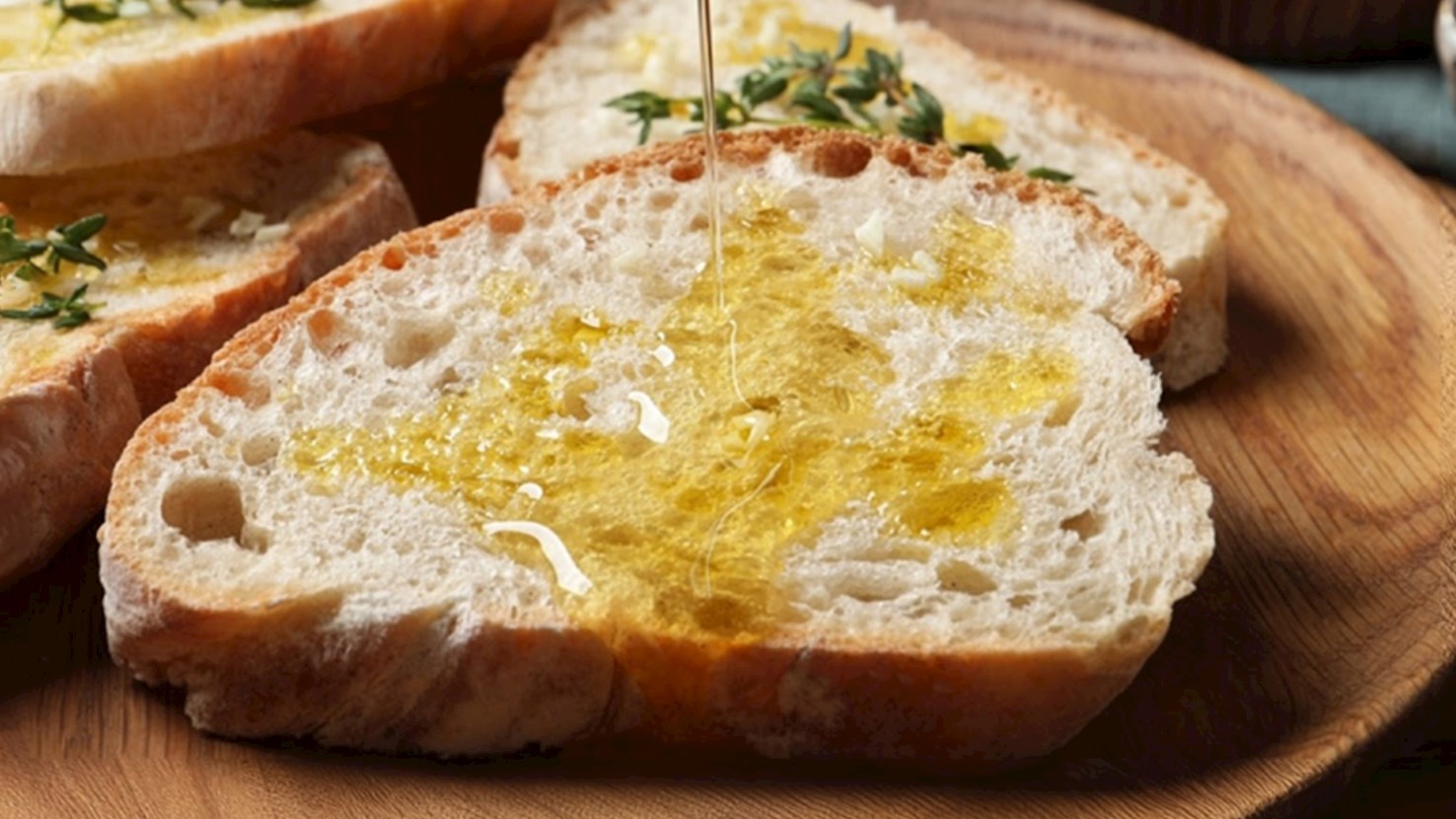
Pane e olio is an Italian phrase meaning bread and oil, referring to a simple yet classic Italian dish that highlights the quality of its basic ingredients: bread and olive oil. Traditional Italian bread such as ciabatta, focaccia, or a rustic country loaf is typically used, while extra virgin olive oil (EVOO) is the oil of choice due to its superior flavor and health benefits. High-quality, cold-pressed olive oil from regions like Tuscany or Puglia is ideal. The bread is usually sliced and may be served fresh or lightly toasted, with toasting enhancing its texture and providing a warm base for the olive oil. The olive oil is typically poured into a small dish or bowl for dipping, though some variations may include a drizzle of olive oil directly on the bread slices. The olive oil can be seasoned with a pinch of sea salt, freshly ground black pepper, or a dash of balsamic vinegar for added flavor, and some might add a sprinkle of dried or fresh herbs such as rosemary, thyme, or oregano. Rubbing a clove of garlic on the toasted bread before adding the olive oil can infuse the dish with a subtle garlic flavor, and additional toppings like sliced tomatoes, olives, or anchovies can be added for more complexity. Pane e olio is often served as an appetizer or a starter in Italian meals but can also be enjoyed as a light snack or part of an antipasto platter. This dish emphasizes the Italian culinary philosophy of using simple, high-quality ingredients to create delicious food and is a common practice in Italian households, showcasing the country's rich tradition of olive oil production and bread-making. But apart from Italy, the same dishes exist in other countries as well, such as Spain's pan con aceite, France's pain et huile d'olive, Lebanese khebez w zeit zaytoun, Turkish ekmek ve zeytinyağı, and many more.
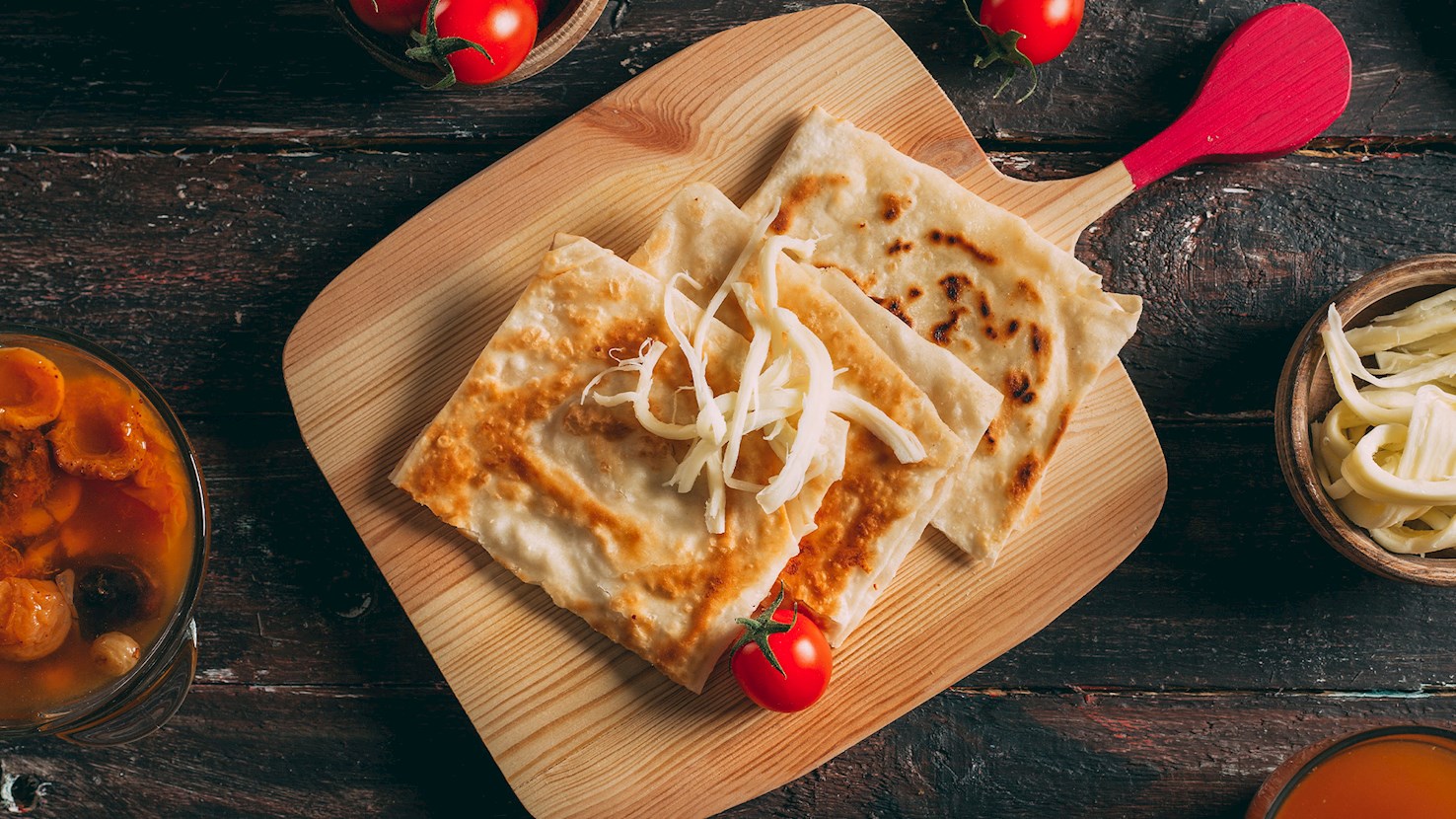
Gözleme is a savory stuffed flatbread made from hand-rolled, unleavened dough that is folded around a filling, sealed, and cooked on a hot, convex metal griddle. Its origins are tied to rural and nomadic communities of Anatolia during the early Ottoman period. The name comes from the word göz, meaning “eye,” referring to the dark blistered spots that appear on the dough when it touches the hot iron surface. Historical accounts trace the use of the convex metal griddle, known as a sac, back to the 11th century. This portable cooking surface provided a practical way for migratory tribes to prepare fast, filling food while on the move. Gözleme needs a simple dough made from wheat flour, warm water, and salt. The dough rests briefly, then is divided into small, even portions. Each piece is rolled out with a long, thin wooden rolling pin called an oklava until it becomes a large, paper-thin circle. A thin layer of filling is spread over exactly half of the dough. The empty half is folded over the filling to form a large semicircle, and the edges are pressed firmly to seal the ingredients inside. The stuffed dough is then placed directly on a blistering hot sac or heavy iron skillet. It cooks for only a few minutes on each side, until the exterior puffs slightly and develops its signature dark brown spots. As soon as it comes off the heat, the surface is brushed generously with melted butter or olive oil. This softens the crisp exterior and turns it into a pliable, rich crust. Changing the filling can dramatically alter the flavor. One of the most common versions uses crumbled white cheese mixed with raw spinach leaves and chopped parsley. Another typical filling is strongly spiced minced beef and diced white onions. Earthier variations use boiled, mashed potatoes seasoned with black pepper and red paprika. Sweet versions replace the vegetables and meat entirely with a thick layer of chocolate hazelnut spread or sweetened crushed nuts. Once cooked, the hot gözlemeis transferred straight to a wooden cutting board and quickly sliced into manageable rectangular strips. It is served while still hot, usually stacked high on a ceramic plate. A tall glass of cold salted yogurt drink or a small glass of strong black tea often accompanies it. Originally, gözleme was served for breakfast or as a light afternoon snack, but today it has a status of popular fast food that can be found throughout the country's restaurants, food carts, and cafés.
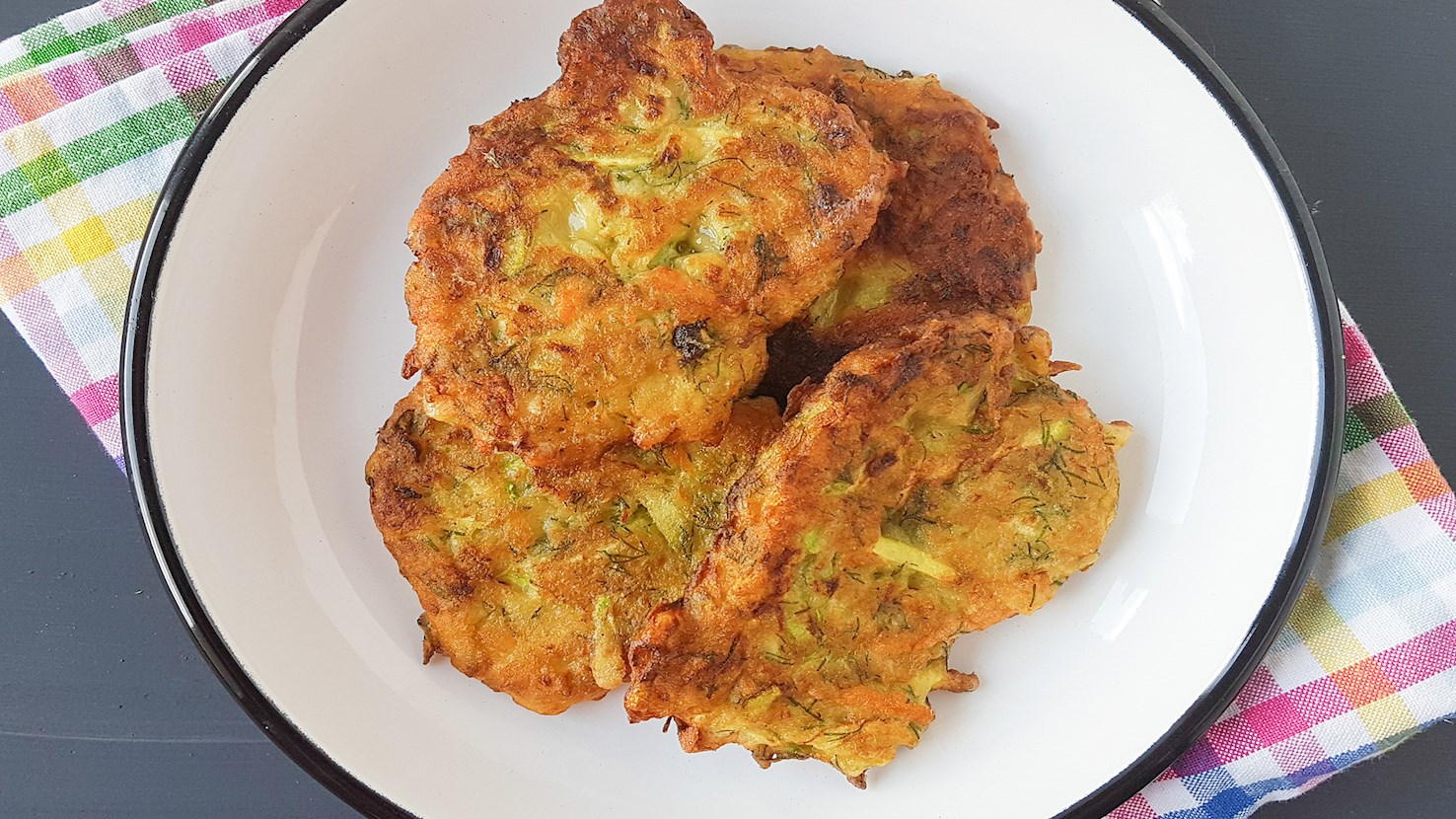
Turkish zucchini fritters are traditionally prepared with a combination of grated zucchini, flour, and eggs, while typical additions include white Turkish cheese, onions, and herbs such as parsley, dill, or mint. The fritters are usually pan-fried until golden and are typically served with plain yogurt or yogurt-based sauces on the side. They make an excellent appetizer or a perfect vegetarian side dish.
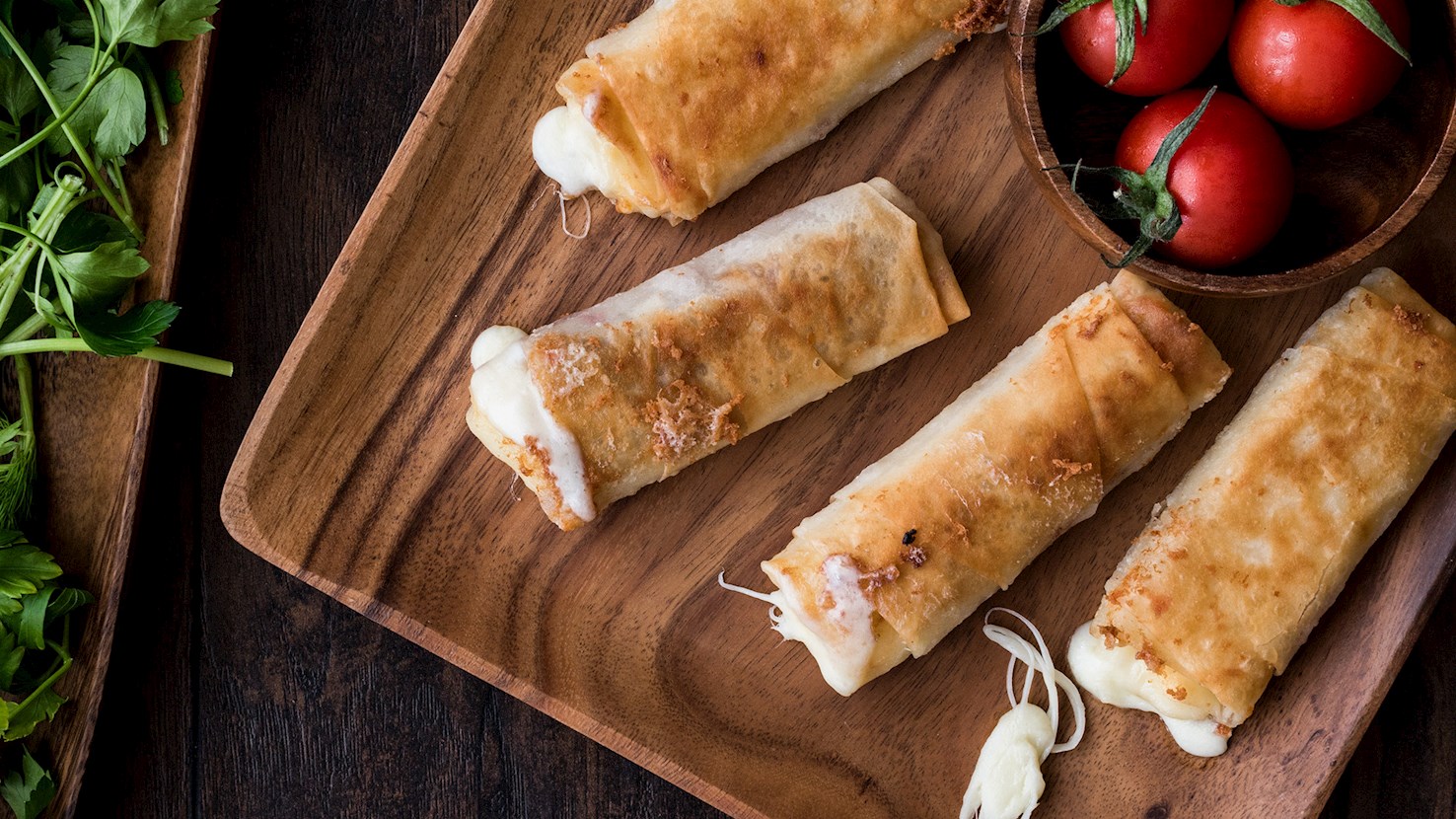
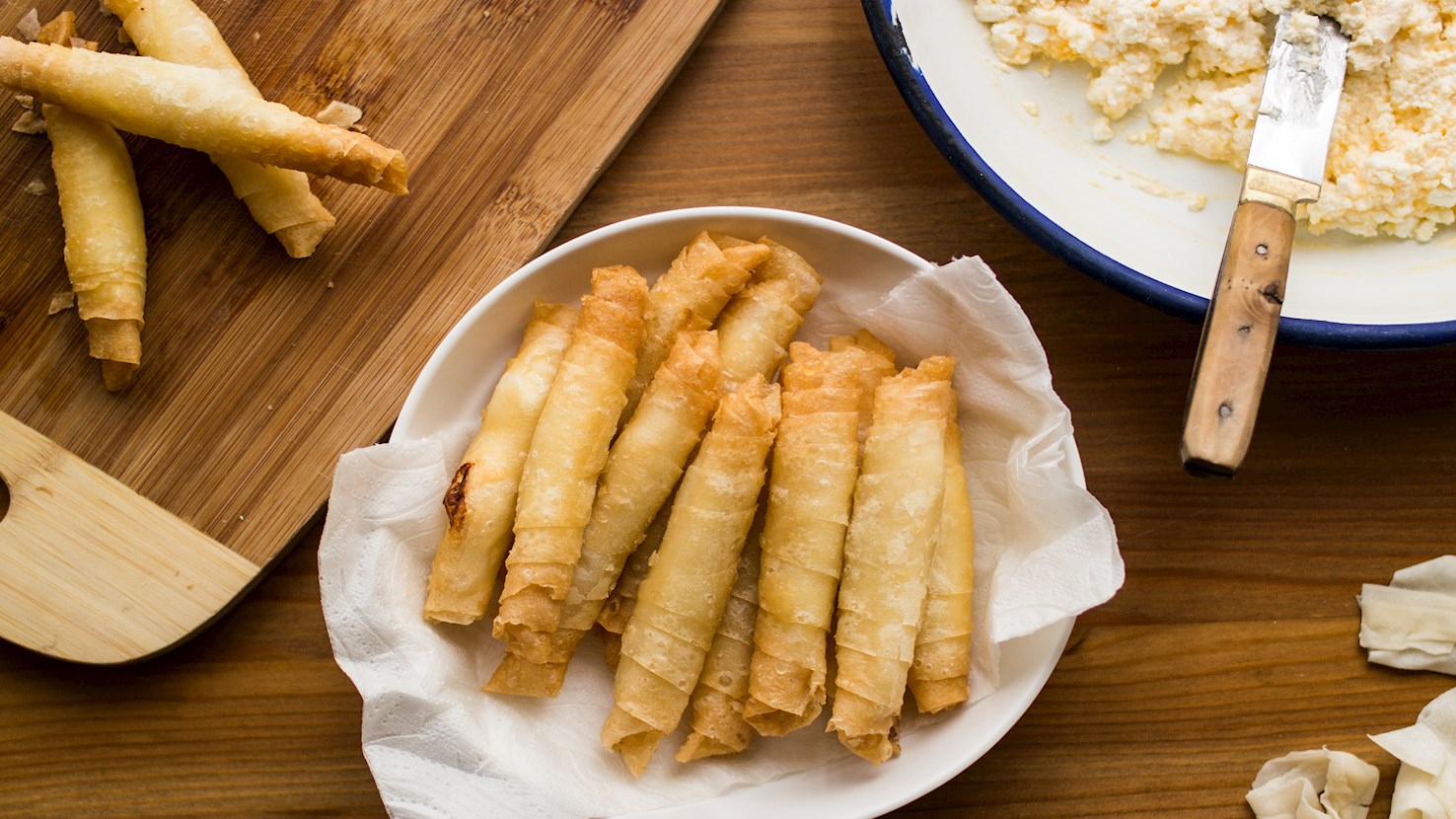
The cylindrical sigara böreği is a famous Turkish deep-fried pastry. These small, crispy rolls of thin dough are stuffed with a creamy mixture of cheese and parsley. They are traditionally made with sheets of thin yufka dough, a common ingredient in many boregi varieties, or with a thicker phyllo dough. Mixed with fresh parsley and (sometimes) eggs, the cheese is spread on the triangle-shaped dough, which is then shaped into a cigar. After it is fried, sigara böreği turns into a satisfying delicacy, with a crispy outer layer and a velvety filling. The combination of cheese and parsley is the most traditional choice for the filling, but there are numerous other varieties available, featuring feta cheese, potatoes, leeks, spinach, and fresh herbs such as mint or dill. Just like other boregi varieties, this small, tube-shaped delicacy is usually enjoyed as street food, and can be found in many specialized boregi shops or restaurants.
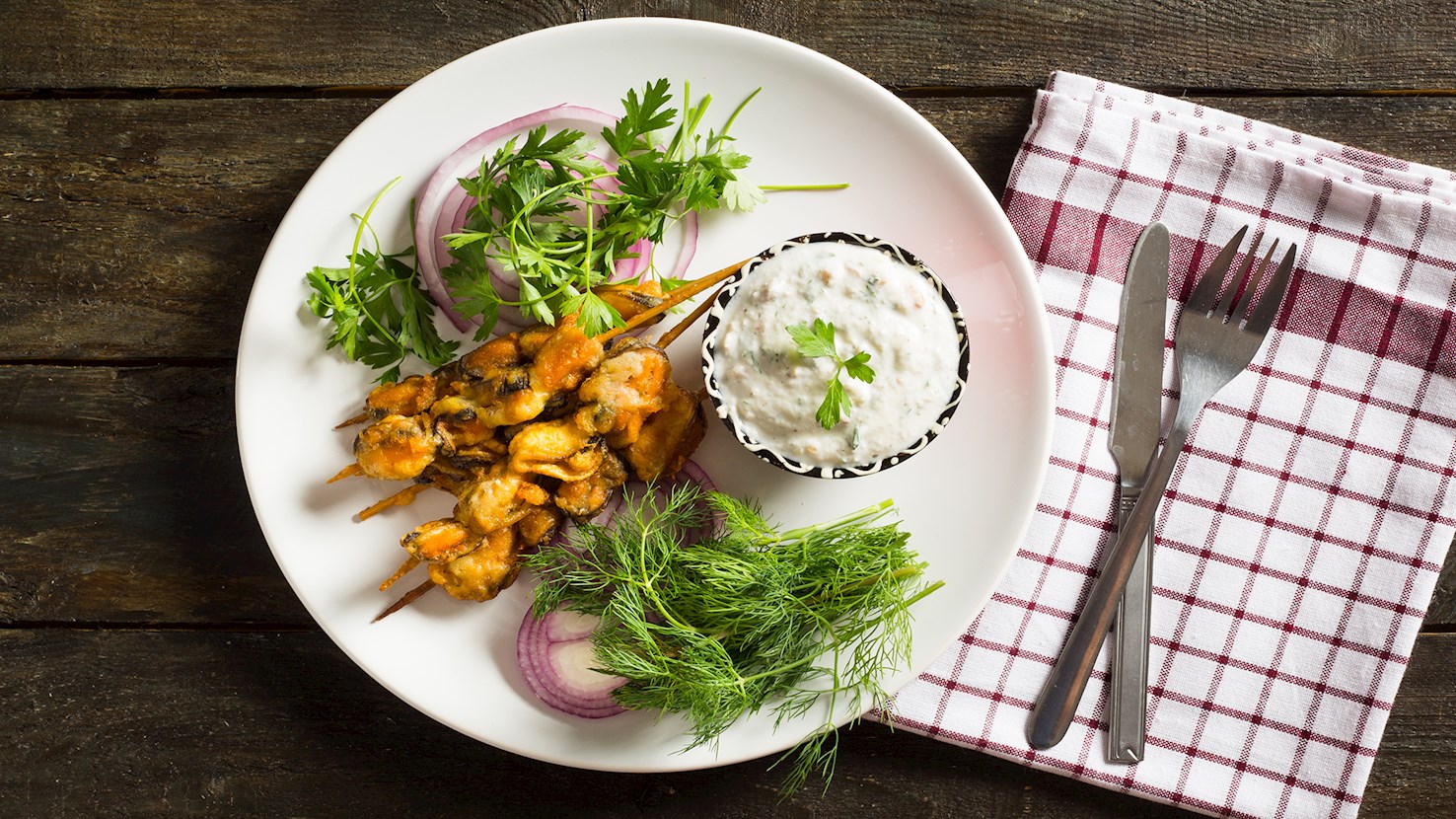
Midye tava is a delightfully good Turkish street food that is also served as an appetizer or a snack, consisting of fried mussels on a stick. Crispy and flavorful, the mussels are first battered, then deep-fried in a big metal cauldron. Hot oil is placed in the center of the cauldron, which has quite a wide rim in order for mussels stick to be arranged on it, as well as to drain all of the excess oil. The wide rim has another important function – it keeps the mussels warm, since the dish is usually sold by street vendors, especially in seaside neighborhoods scattered throughout Istanbul. When served, the mussels need only a dash of salt and a side of tangy tarator sauce for dipping.
TasteAtlas food rankings are based on the ratings of the TasteAtlas audience, with a series of mechanisms that recognize real users and that ignore bot,
nationalist or local patriotic ratings, and give additional value to the ratings of users that the system recognizes as knowledgeable.
For the “Top 13 Turkish Snacks” list until August 15, 2026, 4,405 ratings were recorded, of which 2,149 were recognized by the system as legitimate.
TasteAtlas Rankings should not be seen as the final global conclusion about food. Their purpose is to promote excellent local foods,
instill pride in traditional dishes, and arouse curiosity about dishes you haven’t tried.



What People Say