shutterstock

Top 19 Greek Soft Cheeses

Last updated on July 15, 2026

Best Greek Soft Cheeses
01

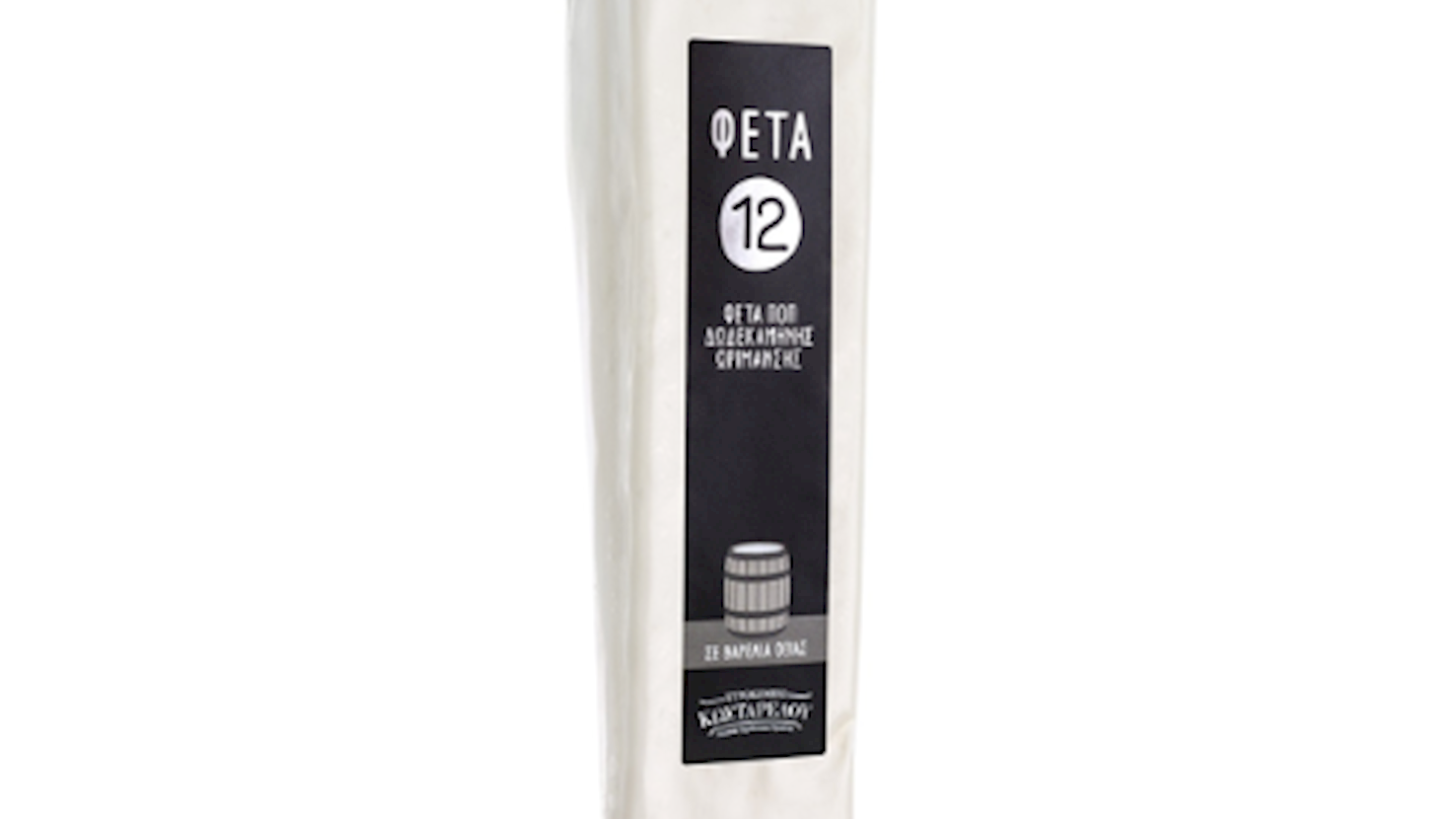
Kostarelos

5.0 ·

Kostarelos is a family-owned Greek dairy producer with roots dating back to 1937, when the family began making cheese and yogurt in the town of Markopoulo, in eastern Attica, originally to supply their own taverna. Today, the company is led by the third generation, continuing to build on this heritage by combining traditional craftsmanship with modern quality standards.

Raw materials come from carefully selected local farms, mainly sheep’s and goat’s milk, ensuring consistency and a strong sense of origin in every product. Kostarelos is especially known for its barrel-aged feta, matured naturally in wooden barrels and valued for its deep, complex flavor and balanced texture, as well as for other traditional cheeses such as graviera and kefalotyri, along with fresh dairy products.

Production relies on minimal industrial intervention, without unnecessary additives, and respects natural maturation processes and seasonality. In addition to its production facilities, the company operates its own network of retail and delicatessen stores in Athens, where products are offered directly to consumers.

Kostarelos positions itself as a producer that preserves Greek dairy heritage while adapting it to contemporary tastes and expectations.

02

Hotos

4.3 ·

Hotos is a Greek company specializing in the production of traditional cheeses. Founded in 1965, the company is based in Almyros, Magnesia, and is known for producing a variety of cheese products including feta, which adheres to the traditional methods and Protected Designation of Origin (PDO) specifications.

The company also offers other cheese types like goat cheese and white cheeses, catering largely to both domestic and international markets.

Awards
International Cheese Awards - Gold (2024, 2022)
03

Epiros

4.0 ·
Awards
Great Taste Awards - 3 Stars (2024)
Global Cheese Awards - Gold (2024)

Best Greek Soft Cheese Types
01

Kalathaki Limnou

4.4 ·

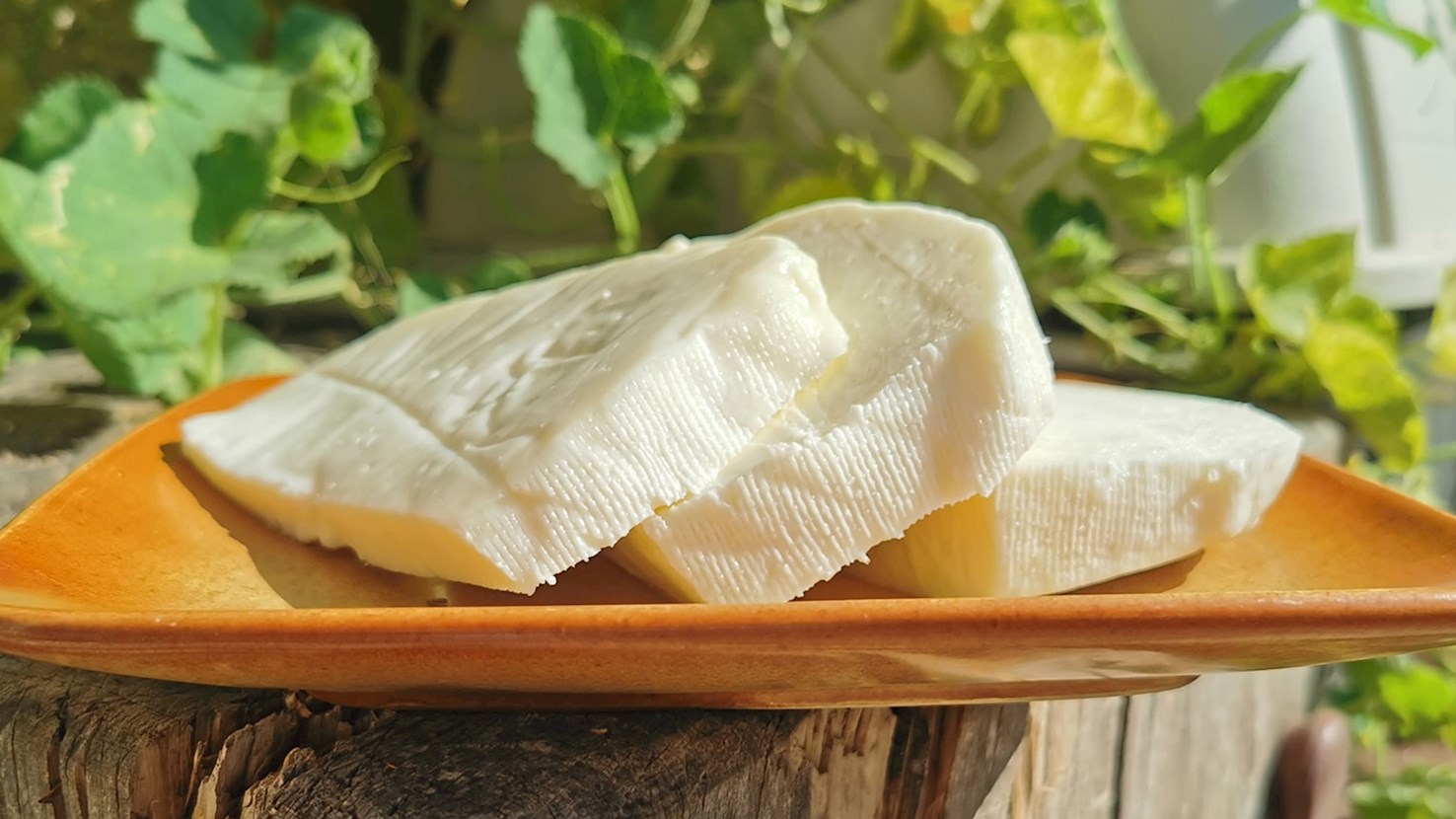
This white, soft, brined cheese is made from fresh sheep milk or a combination of sheep and goat milk taken from breeds that graze freely on wild grasses on the island of Lemnos in the northern Aegean Sea. The method of production is quite similar to that of traditional feta cheese, with one significant difference that also gave this cheese its name. According to the traditional method, the curd is put in a kalathaki ("small basket") for draining and organic acidification, during which time the cheese acquires its characteristic cylindrical shape. Later, the baskets are submerged in brine to mature for at least two months. While it is similar to feta in texture, Kalathaki Limnou has a milder, pleasant flavor. Its taste can be described as salty and slightly acidic. It is usually consumed as a table cheese served with fruit, but it can also be used in a variety of traditional Greek dishes, Greek salad, or as a substitute cheese for saganaki.

02

Anthotyro

4.4 ·

Anthotyro is a Greek cheese made from goat’s and sheep’s milk. The name anthotyro means flowery cheese, referring to the strong aromas of wild herbs. There are two varieties of this cheese – fresh and dry. The fresh variety is known as anthotyro fresco and has a soft texture and mild flavor. It is typically consumed as a table cheese or used in the preparation of pastries and pies. Combine it with honey and fresh fruits such as apples, pears, and figs. The dry variety, known as anthotyro xero has a rich, salty flavor and a crumbly texture. It is recommended to consume it as a table cheese or grate it over pasta (especially spaghetti) and salads.

03

Xynomyzithra Kritis

4.3 ·

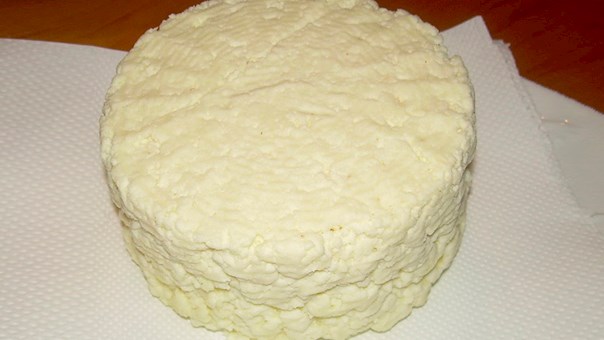
This soft table cheese is made from whey from the processing of Graviera or Kefalotyri Kritis cheeses and the addition of sheep or goat milk, or a mixture of the two. Its name is a combination of two words – mizithra and xyno – meaning 'acidic whey cheese'. It is produced on the beautiful island of Crete in the Chania, Rethymno, Heraklion, and Lasithi prefectures, where it has been produced since the 17th century. Today, Xynomyzithra Kritis is one of the most popular cheeses made on Crete. This lovely, white, rindless cheese has a distinctive sweet and sour taste, and its texture can vary from creamy to granular. Xynomyzithra Kritis can be used in a variety of recipes, as it becomes milder and softer when cooked.

04

Katiki Domokou

4.3 ·

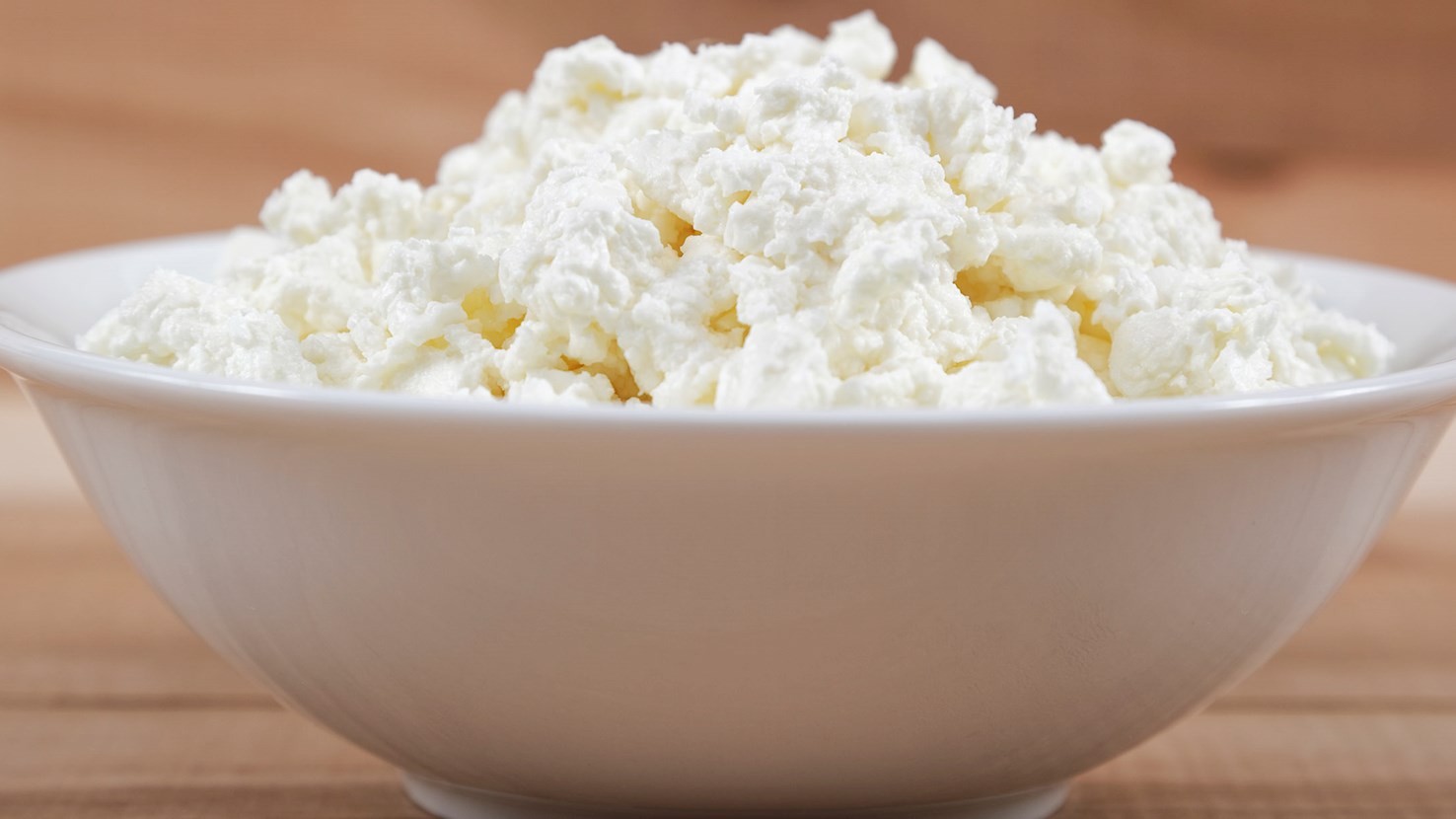
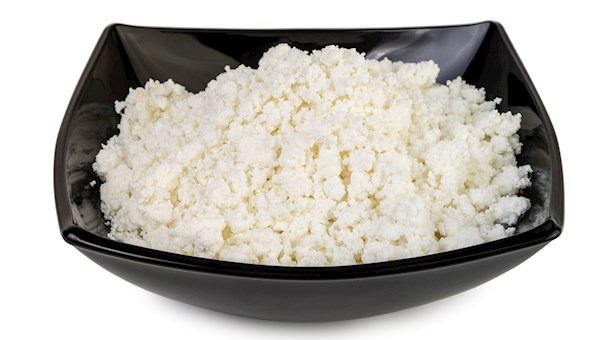
This cottage cheese is made with goat milk or a mixture of goat and sheep milk from breeds traditionally raised in the village of Domokos in the Othrys mountain range in central Greece. It is made following a traditional recipe without the use of rennet. Once the cheese is drained, it is salted and the product is ready to be packaged and sold. Since it is so rich in flavor but low in salt and fat content, it is an excellent choice for a low fat diet. It has a mild aroma and a hint of sourness that combines well with many other ingredients. It is also delicious when eaten on its own with a bit of honey.

05

Galotyri

4.3 ·

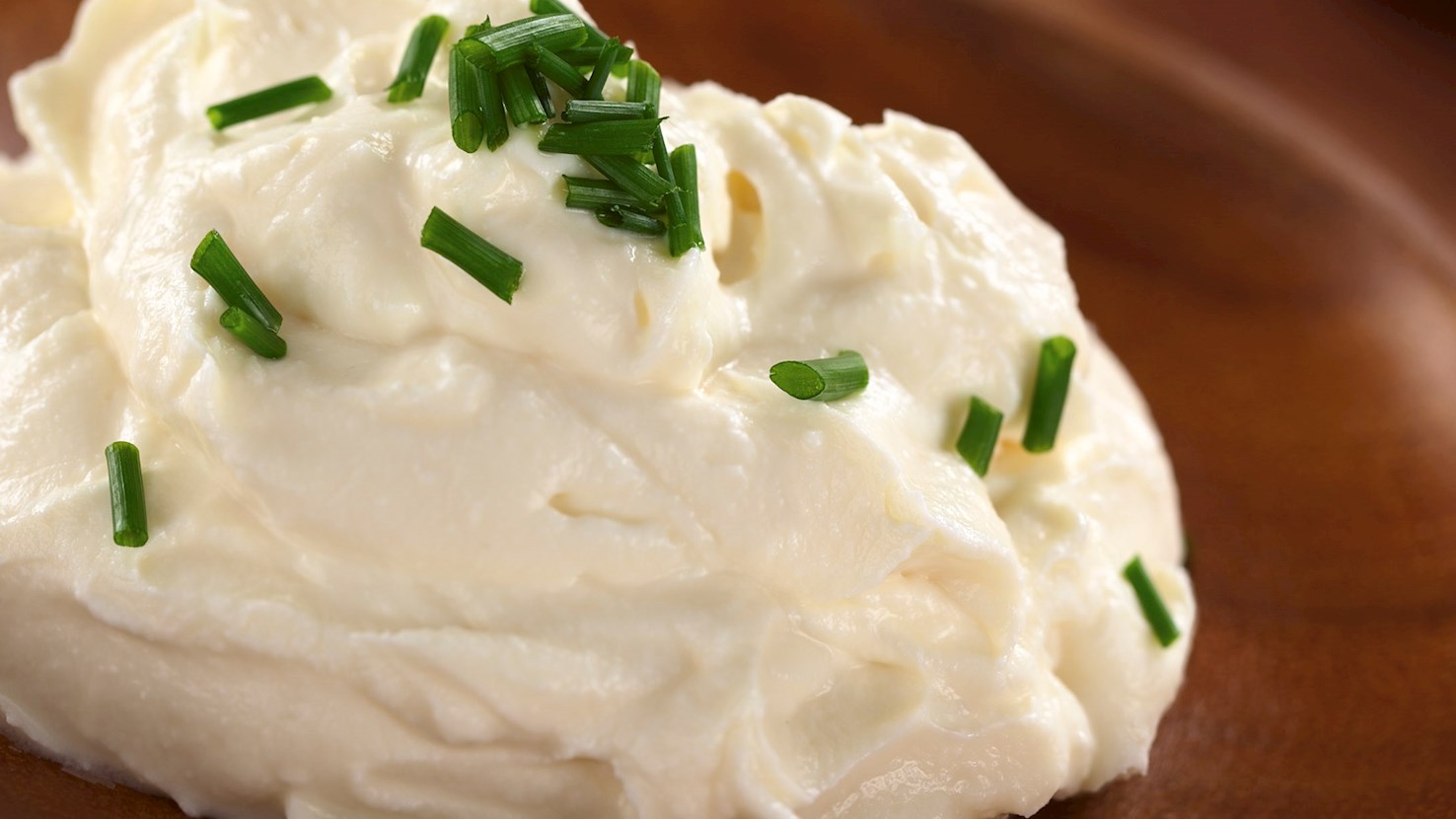
The name of this cheese is derived from the words galo (milk) and tyri (cheese). This 'milky' cheese is a curd cheese made from milk and yogurt. It is produced in Epirus and Thessaly in central Greece, and is made from sheep or goat milk, or a mixture of the two. Nowadays, it is mostly produced in August from the thick, fatty summer milk of sheep and goats reared traditionally in the region. Galotyri is a soft, rindless, creamy cheese with a pleasant and fresh taste. Its aroma is slightly sour, and it pairs especially well with ouzo and raki. It is not as popular as other cheeses produced in Greece, and it is sometimes used as a replacement for feta in recipes. It has fewer calories and less salt than plain feta cheese, making it a tasty and much healthier alternative.

06

Myzithra

4.2 ·

Myzithra is a traditional cheese made from the whey of goat’s or sheep’s milk cheeses. It comes in three main varieties: fresh, sour, and aged. The fresh one is soft in texture and unsalted, typically shaped into eggs or balls. Its aroma is pungent, while the flavor is quite mild. Sour myzithra is prepared with sheep’s or goat’s milk, yeast, and salt, while the aged variety is hard in texture and very salty. The first two varieties are often used in baked pastries and desserts, while the aged variety is best when grated over pasta, soups, and casseroles.

07

Kopanisti

4.2 ·

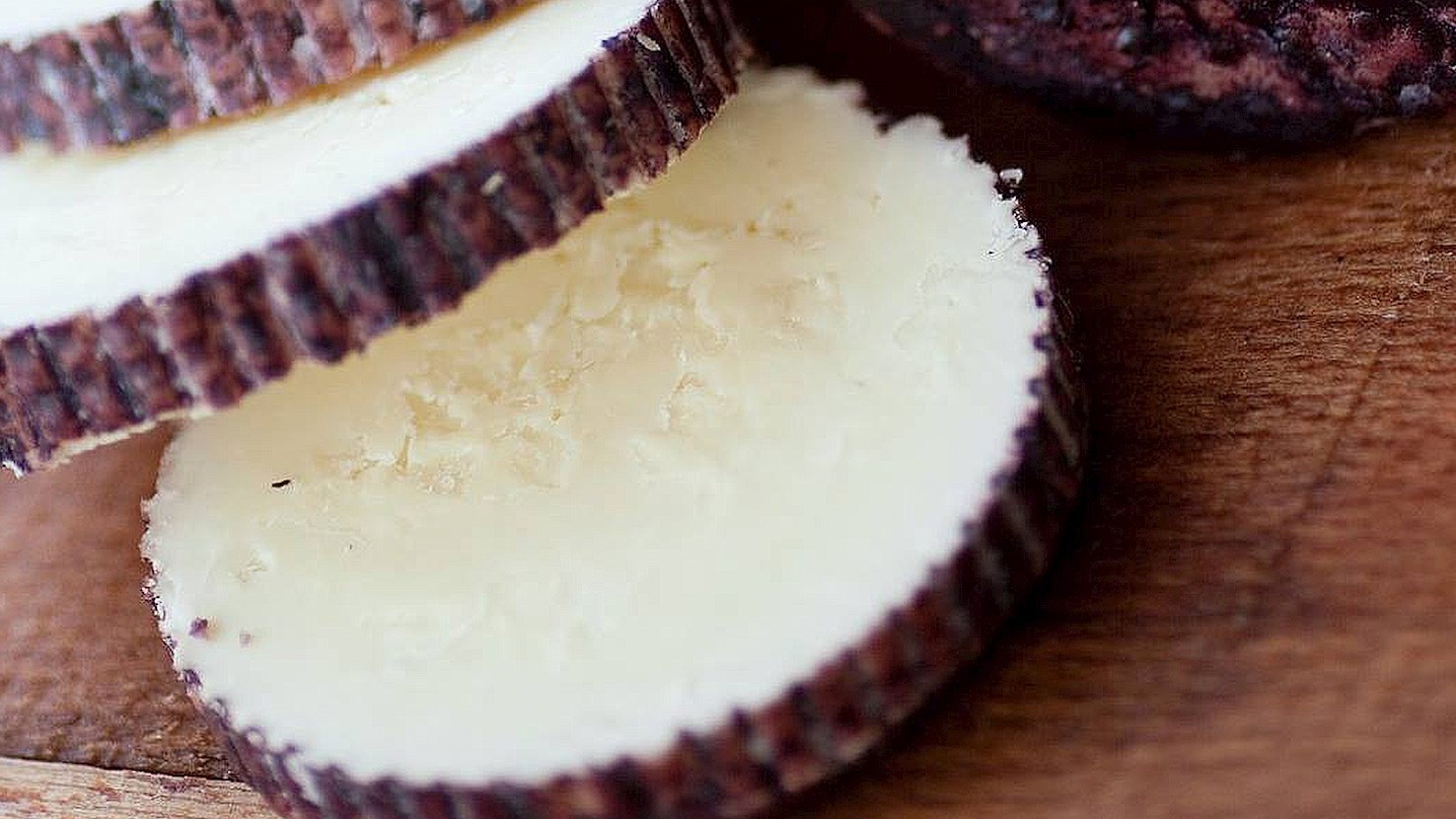
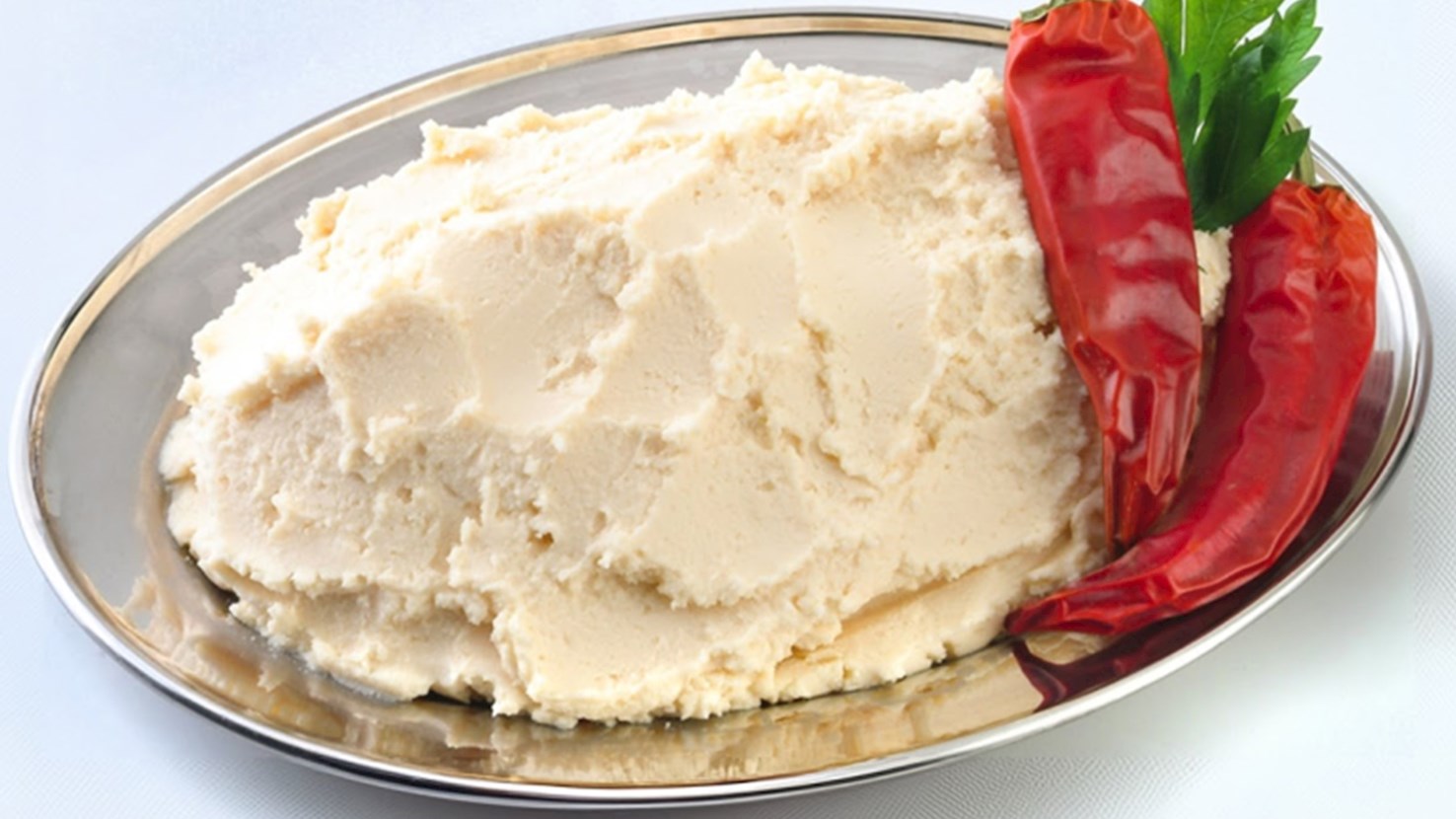
This cheese is traditionally produced from goat's or sheep's milk, although some dairies also use cow’s milk or a mixture of the three, taken from breeds reared on the Cyclades in the southern Aegean Sea. The diet of the animals is based on the area's endemic aromatic plants, which affect the flavor of their milk. In recent past, the traditional method of producing this cheese was improved by the addition of fresh butter made from the cream obtained after skimming the milk, but this butter can only amount to 15% of the total weight of the cheese. It increases the fat content and gives Kopanisti an even creamier texture. The flavor of this white to slightly pink cheese is often described as spicy, pungent, peppery, and reminiscent of Roquefort due to fermentation of bacteria such as penicillium and lactobacilli. The best-known types of Kopanisti are from Tinos and Mykonos. The cheese is mainly served as an appetizer alongside a glass of ouzo, retsina, or raki, and is often used in traditional dishes and sandwiches due to its creamy and spreadable texture. One of the most popular ways to use it is in a Myconian variation of ntakos - a barley rusk that's softened in olive oil and water, topped with chopped tomatoes, Kopanisti cheese, olive oil, and oregano.

08

Feta

4.1 ·

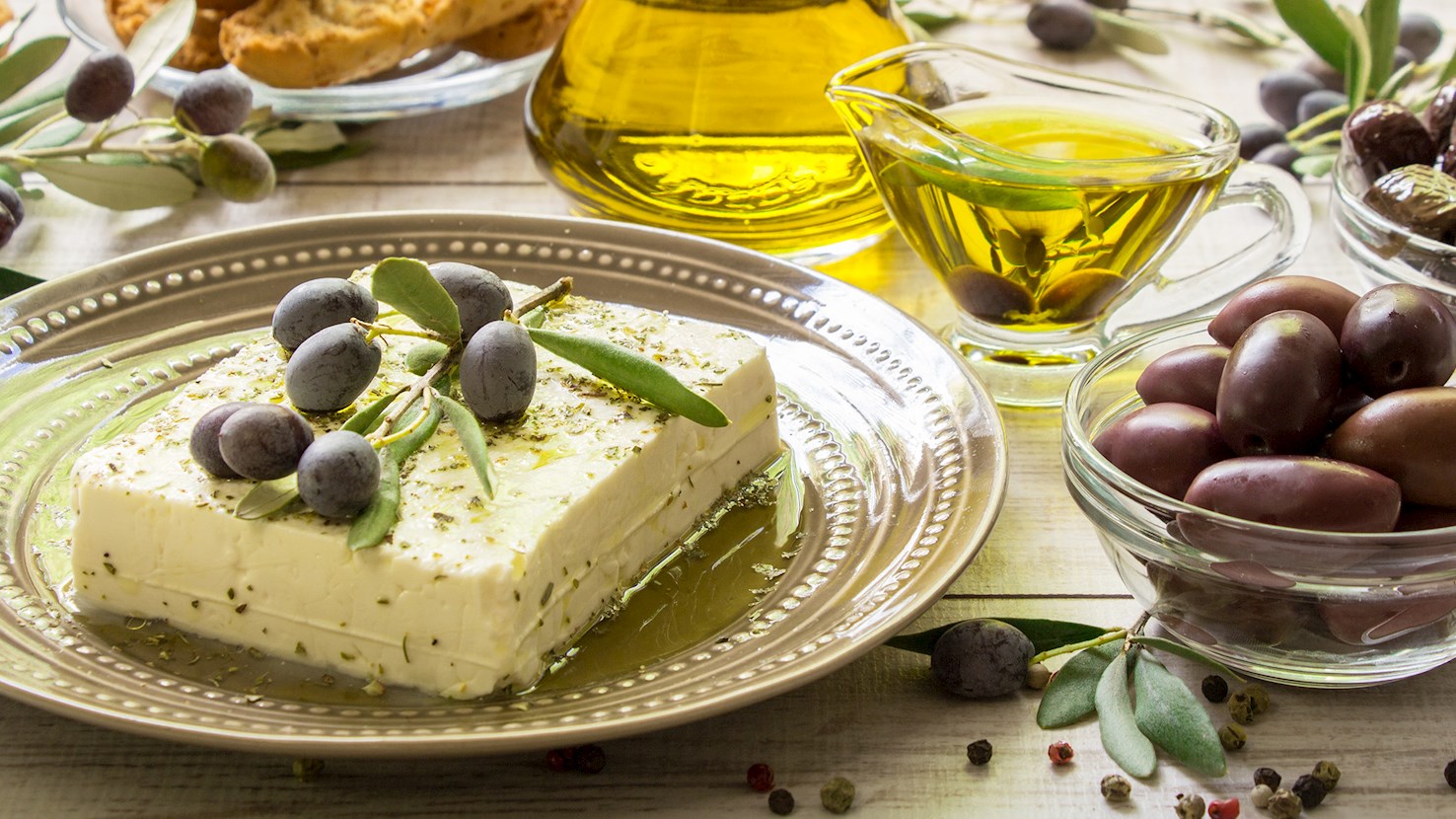
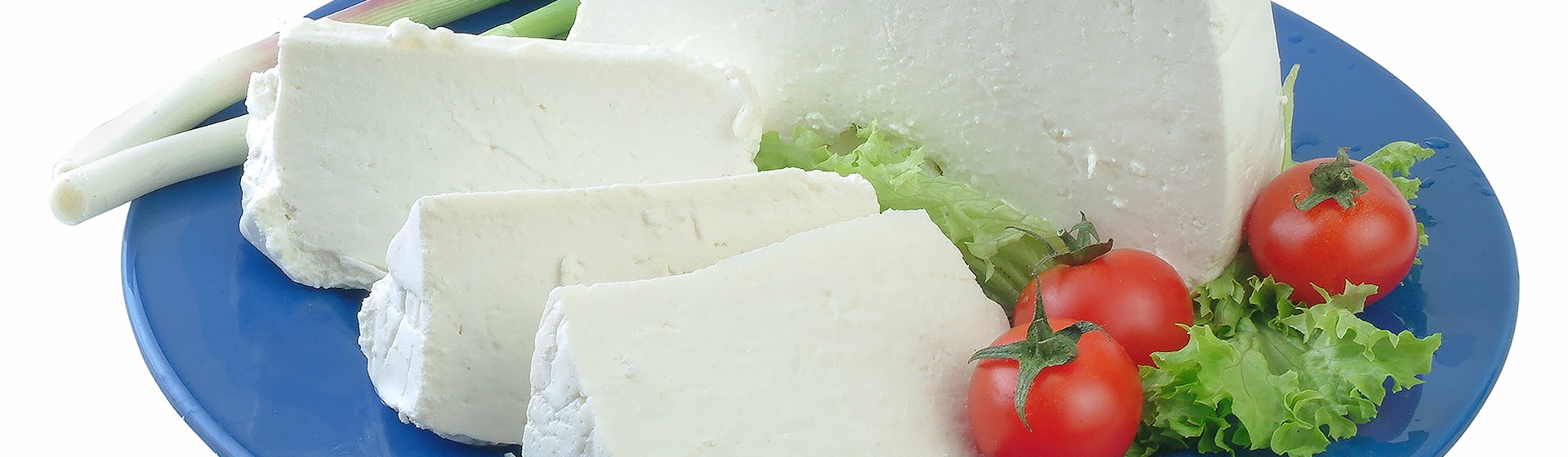
Feta is the most famous Greek cheese, affectionately called 'the princess of cheeses'. The cheese is made from sheep's milk or a mixture of sheep's and goat's milk (the latter should not exceed 30%). It is produced in the regions of Macedonia, Thessaly, Thrace, Epirus, the Peloponnese, and Central Greece. Feta is traditionally produced with non-pasteurized milk, although nowadays the use of pasteurized milk is also allowed. The cheese is made in large square or triangle-shaped molds and preserved in wooden barrels or tin containers filled with brine in order to keep it fresh and to preserve its acidity. The word feta means slice in Greek, and the cheese bears this name because of the shape it takes on when the curd is cut. This white, rindless cheese contains 7% salt, making it one of the saltiest cheeses. The flavor of feta can be described as very intense and fresh. Although it’s most commonly consumed as it is, feta is also used in a variety of salads such as the famous Greek salad horiatiki.

09

Malaka

4.1 ·

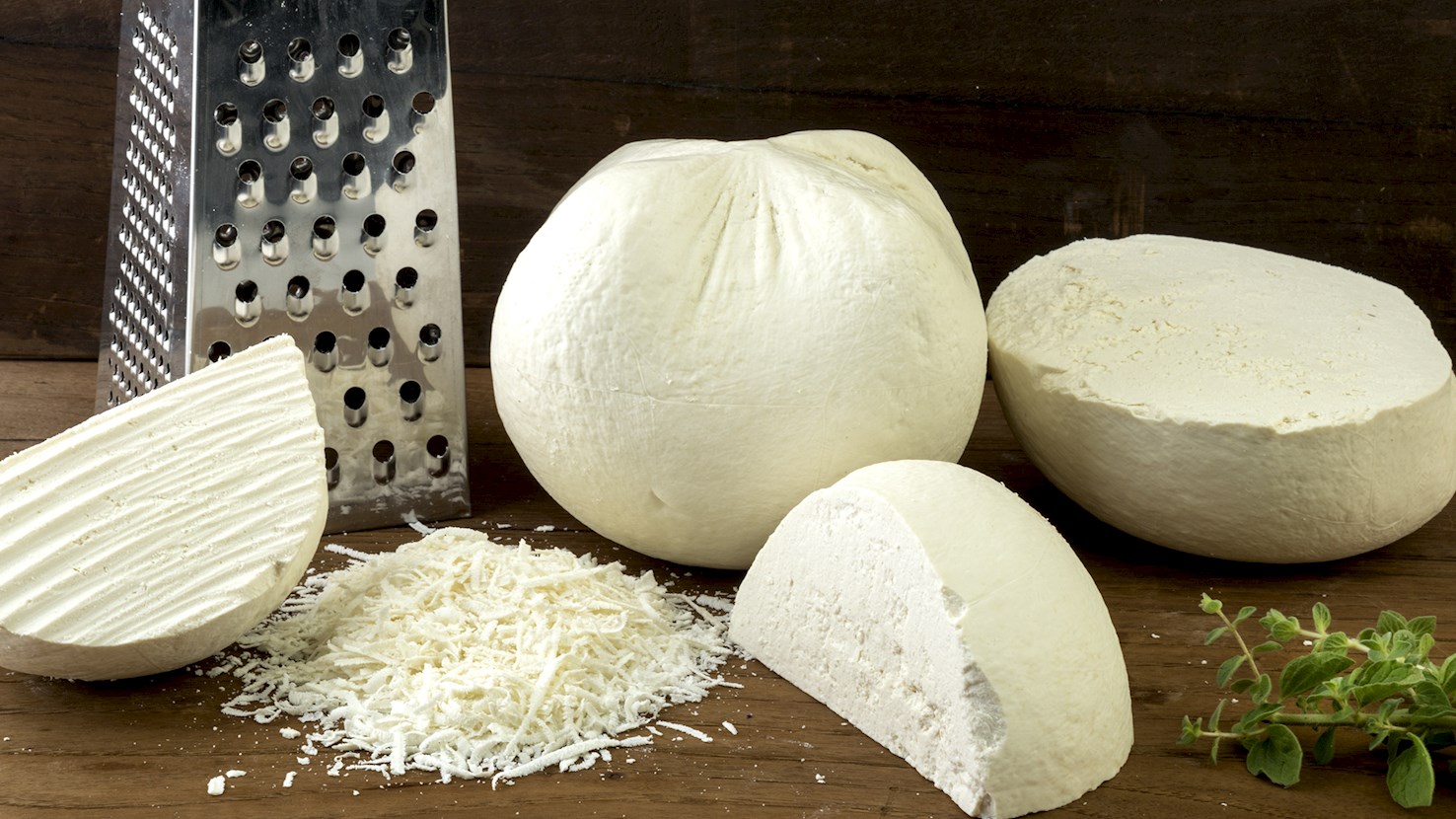
Malaka or Tiromalama is a fresh Greek curd cheese originating from Crete. It is made from sheep’s milk (or a combination of sheep’s and goat’s milk) during the first shaping of Graviera cheese. The cheese is soft and moist in texture, with a typical milky flavor. It is often compared to mozzarella regarding both the texture and the flavors. Malaka is always consumed after it has been cooked. Due to its sweet, milky flavor and a soft, malleable texture, it is often used as a filling for kalitsounia pies. Interestingly, the word malakono means to soften, referring to the texture of this delicate cheese.

10

Krasotyri

3.9 ·

Krasotyri is a traditional cheese originating from Kos. The cheese is made from sheep's or goat's milk (or a combination). The milk is warmed, pasteurized, placed into containers, then traditional elongated wicker molds where it drains. After it's out of the mold, the cheese is placed in brine, drained, then combined with wine sediment and left to age for up to 20 days. The result is a distinct flavor of wine. The texture is delicate and soft, and the aromas are reminiscent of wine. It's recommended to serve Krasotyri with homemade bread and vegetables drizzled with olive oil.

Read more
View all
View map
About this ranking

TasteAtlas food rankings are based on the ratings of the TasteAtlas audience, with a series of mechanisms that recognize real users and that ignore bot, nationalist or local patriotic ratings, and give additional value to the ratings of users that the system recognizes as knowledgeable. For the “Top 19 Greek Soft Cheeses” list until July 15, 2026, 3,563 ratings were recorded, of which 1,775 were recognized by the system as legitimate. TasteAtlas Rankings should not be seen as the final global conclusion about food. Their purpose is to promote excellent local foods, instill pride in traditional dishes, and arouse curiosity about dishes you haven’t tried.

The initial list of top producers was compiled based on available reviews, awards, local recommendations, media and blog coverage, and consumer reviews. The list will be updated with ratings from TasteAtlas local ambassadors and TasteAtlas users.

Similar lists