




shutterstock

Top 26 French Soups

Last updated on May 15, 2026
01

Soupe à l’oignon (French onion soup)

4.2 ·

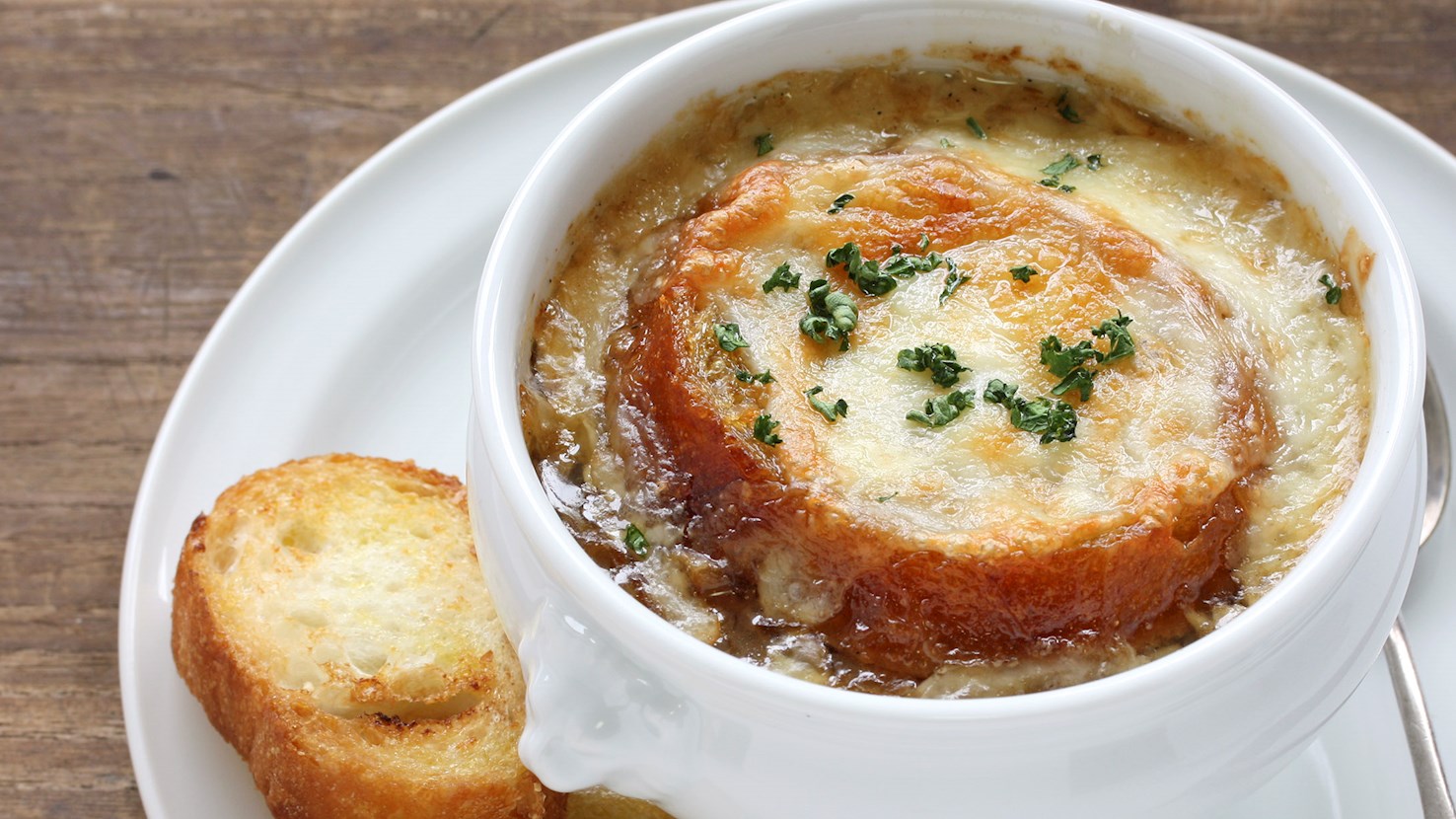
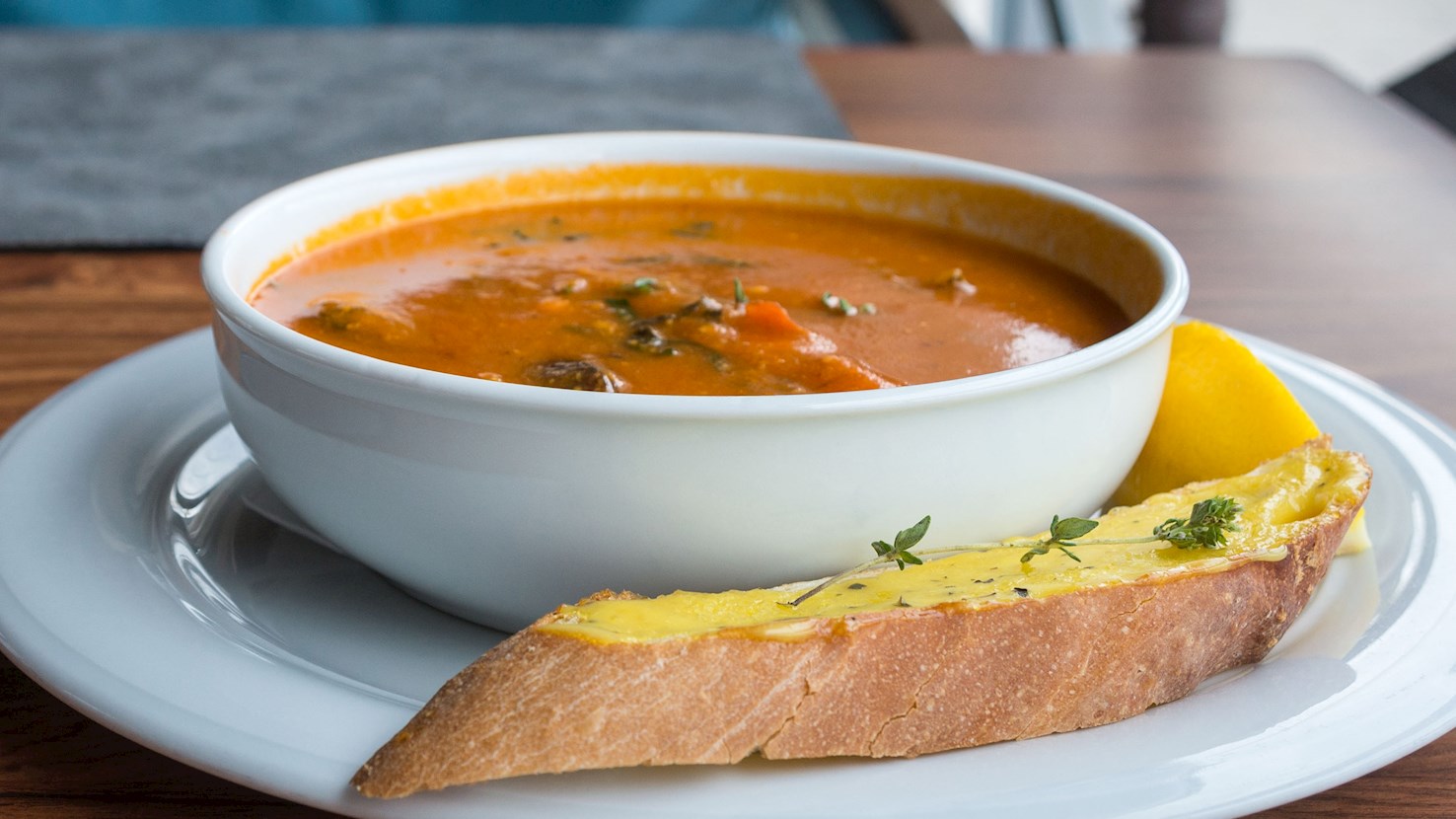
Even though it originated as a humble peasant dish, French onion soup is nowadays regarded as one of the most prized dishes of French cuisine. The broth is simple, made merely with caramelized onions and meat stock. However, the soup is distinguished by croûtes–pieces of crispy baked bread that are placed on top of the soup and are then generously covered with cheese. The assembled dish is finished in the oven, allowing the cheese to melt while the top turns into a golden crust. French onion soup is a dish with a rich history and a very long tradition. The onions have been used since the Roman times, and a similar soup has been known since the Middle Ages. This French classic has been changed through history, establishing its final form in the 17th century. It was primarily known as a simple and hearty traditional dish, but in the 1960s, when French cuisine started to grow in popularity around the world, onion soup became one of its most famous representatives. Today, it can be found in almost every traditional French restaurant, where it is usually served as a starter.

02

Bisque

4.1 ·

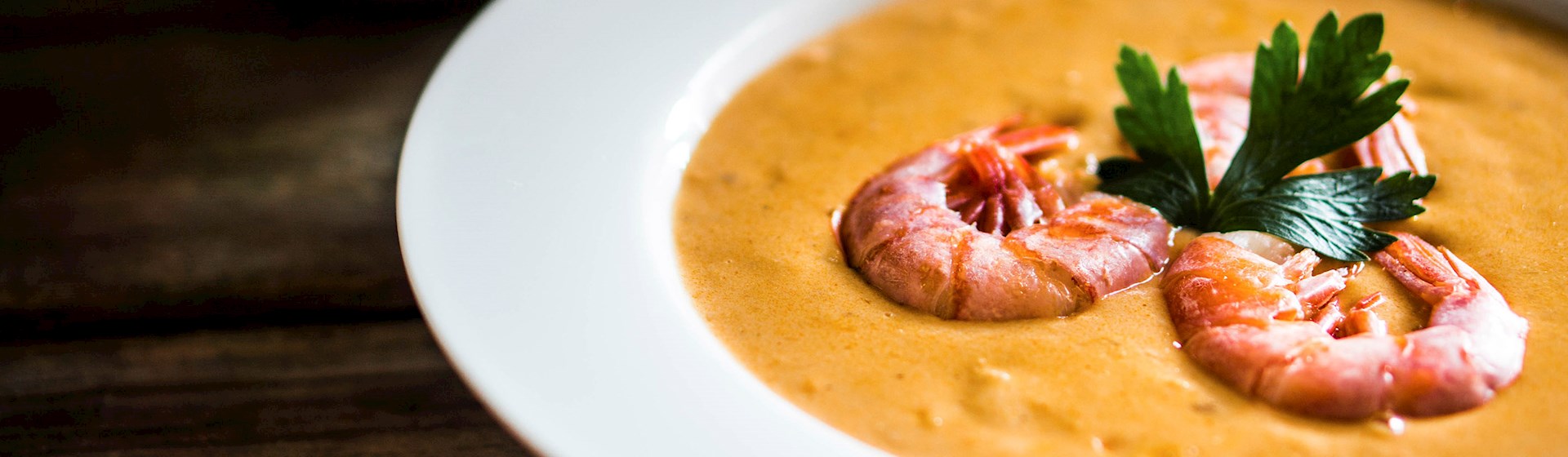
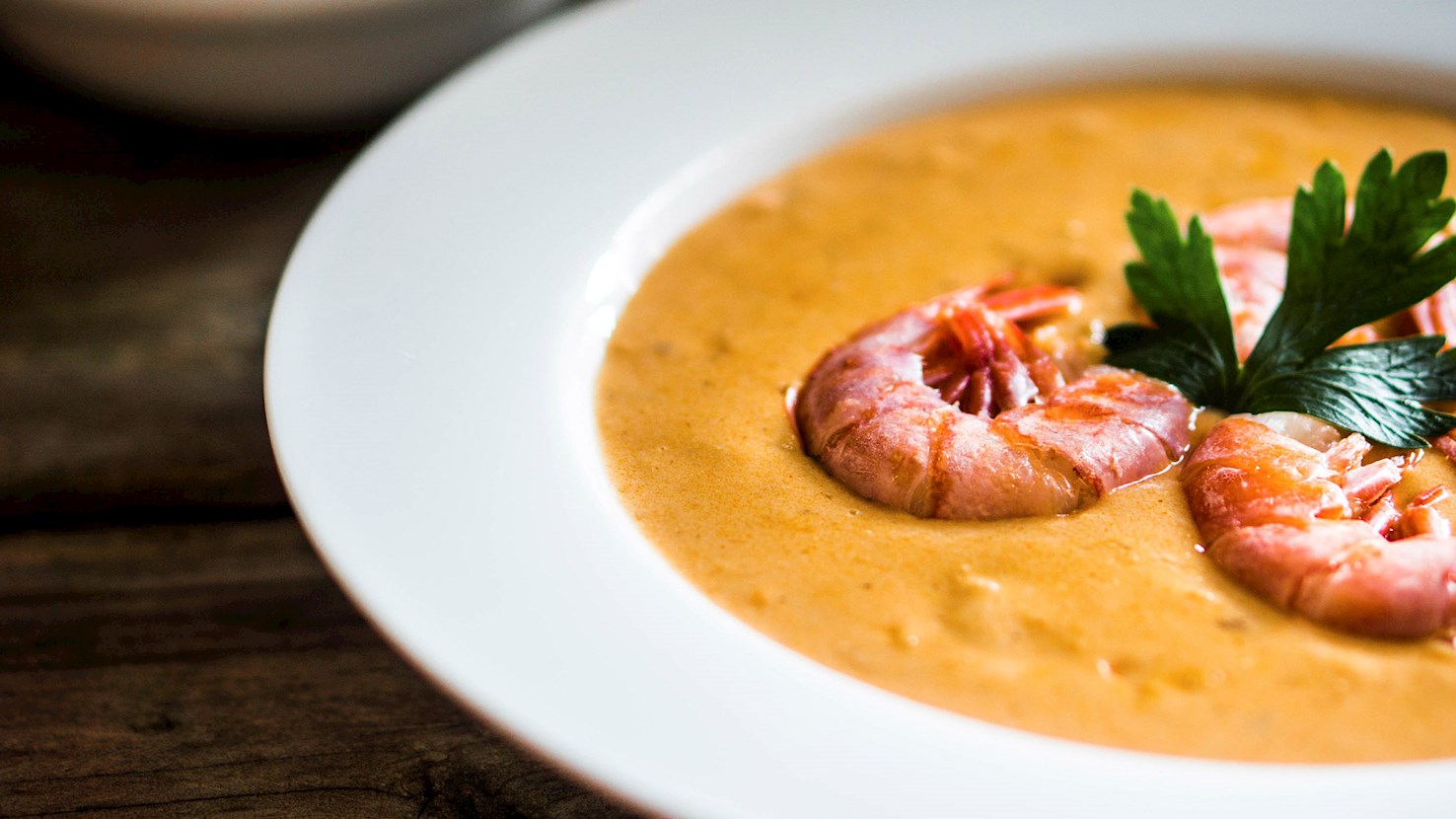
This thick, creamy, and rich puréed soup traditionally includes ingredients such as cream, seafood, cognac or wine, and a combination of spices. The origin of its name is still debated – some claim that the word refers to a soup that is cooked twice (bis cuits), since the traditional way of making the soup involves first roasting the shellfish and then simmering them again in the flavorful broth. Another theory suggests it is related to the Bay of Biscay, whose cuisine typically uses spicy ingredients similar to those used in bisque. Bisque was first mentioned as a shellfish soup in the 17th century, leading food historians to suggest that it was originally a fisherman’s dish that was designed to get the most flavor out of whatever ingredients were available. Today, the most popular version of the dish is lobster bisque, which is made using a long cooking process designed to make the dish as flavorful as possible.

03

Vichyssoise

4.1 ·

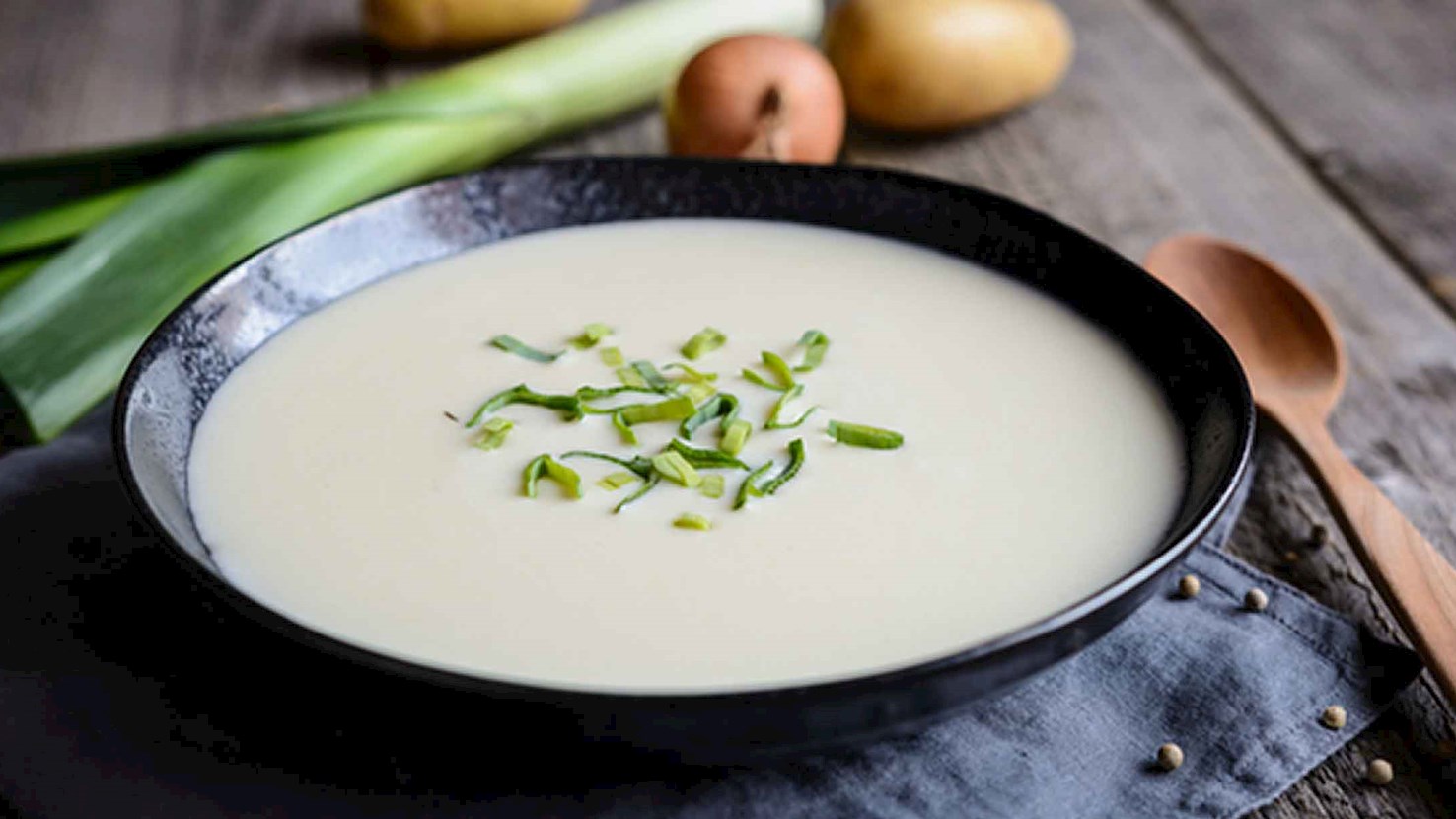
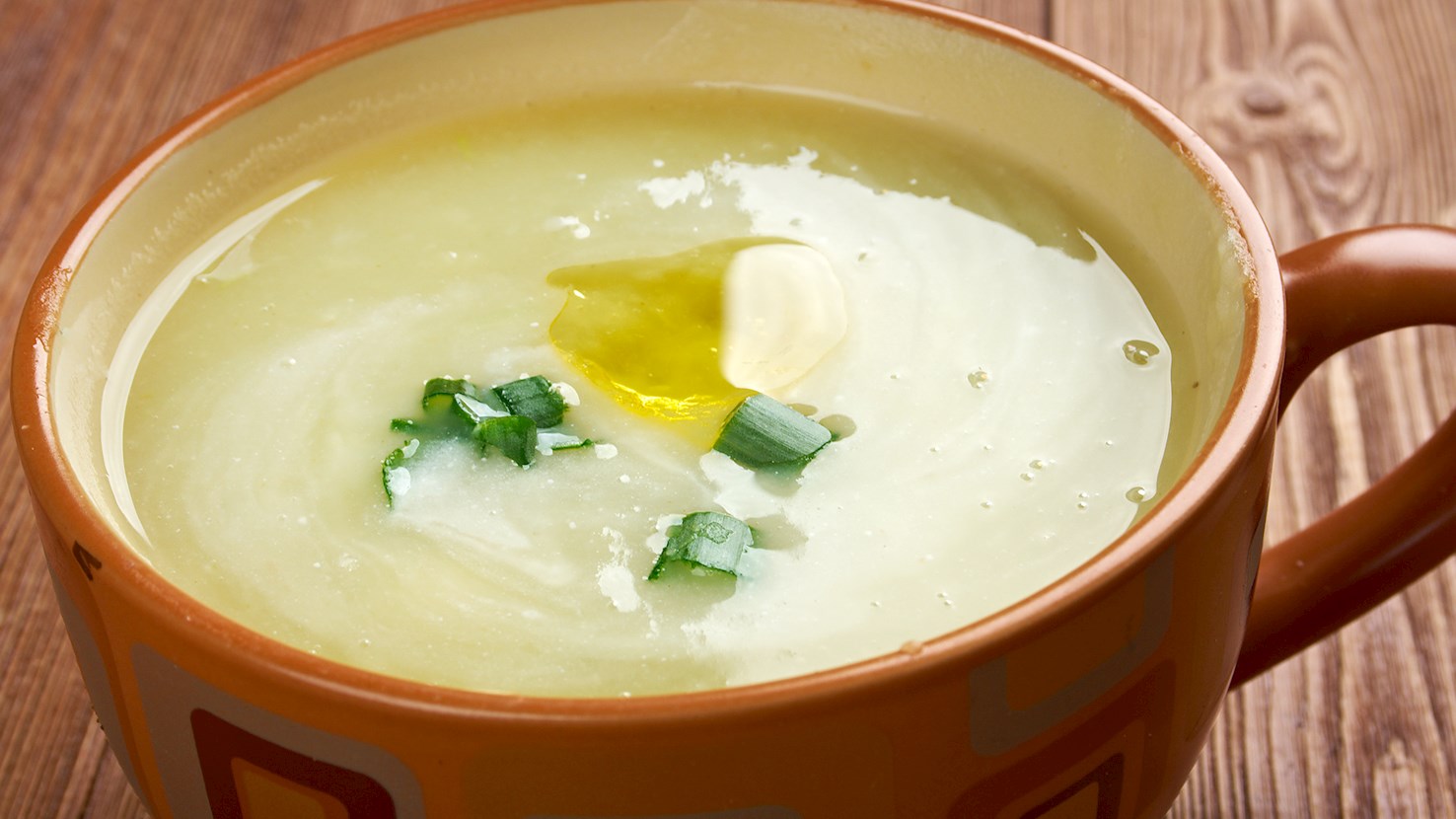
This thick French soup is made with puréed leeks, onions, potatoes, cream, and chicken stock. There is an ongoing debate about its origin – some claim it has French roots, while others insist that the soup is an American invention. One group of food historians say that the soup was invented by French chef Jules Gouffe in 1859, while others believe the original creator to be Louis Diat, a French chef who worked at the New York Ritz-Carlton. Inspired by the potato and leek soup of his childhood, he named the soup crème Vichyssoise glacée after his hometown of Vichy. Today, the soup is traditionally served cold and is often garnished with fresh chopped chives.

04

Bouillabaisse

3.9 ·

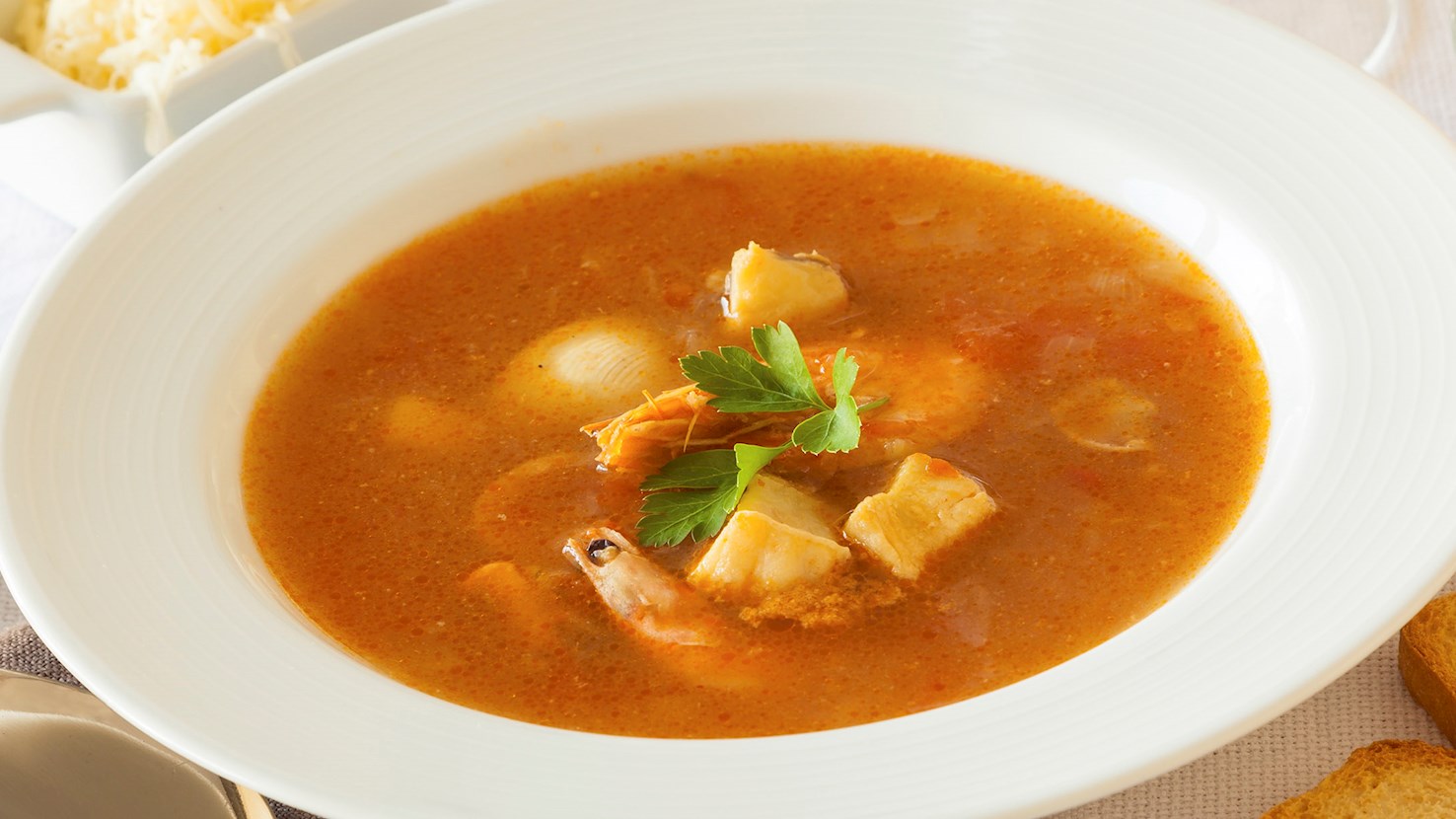
This traditional Provençal fish soup (and stew) originated in the 18th century when it was first concocted by Marseillaise fishermen, who would prepare it using the leftovers from their daily catch, making the best of what they had in their nets. Over time, bouillabaisse evolved into one of the most luxurious seafood dishes in the world: it is found in every upscale restaurant in the lively seaport city of Marseille where it can cost up to €200 for a meal for two. Anything below €50 is considered an ordinary fish soup—a good rule of thumb for those who want to taste the real thing. What gives bouillabaisse both its unique flavor and its high price is the red scorpionfish—known in French as rascasse or scorpion de mer—a type of venomous rockfish found only in the Mediterranean. Other ingredients may include several varieties of whitefish, mussels, crabs, squid, and sometimes even lobster or eel. Another thing that makes Marseille's signature dish so distinctive is its vibrant orange color, as well as the flavors and aromas arising from a selection of Provençal herbs and spices, especially saffron, fennel, and orange zest. Delicately infused with white wine and anise liqueur, bouillabaisse is traditionally served in two courses: the thick, rich soup is enjoyed with rouille sauce and garlic-rubbed croutons or toasted bread, while the fish and shellfish are served separately.

05

Soupe de poisson à la rouille

3.8 ·

Originally a poor man’s dish, soupe de poisson à la rouille is a classic French soup and a close cousin of the famous bouillabaisse. The soup is usually prepared with white fish that is cooked in a flavorful broth that mostly incorporates tomatoes, olive oil, garlic, saffron, and various herbs. The soup is then strained and served with rouille, a classic Provençal sauce that usually incorporates bread, garlic, spices, egg yolks, and olive oil while some versions can also include monkfish liver, tomatoes, or potatoes. Soupe de poisson originated in the Provençal region, most probably in Marseille, and it can be found all along the French Mediterranean coast. It is often enjoyed as an appetizer, typically served hot and topped with crunchy croutons and Gruyère cheese.

06

Consommé

3.5 ·

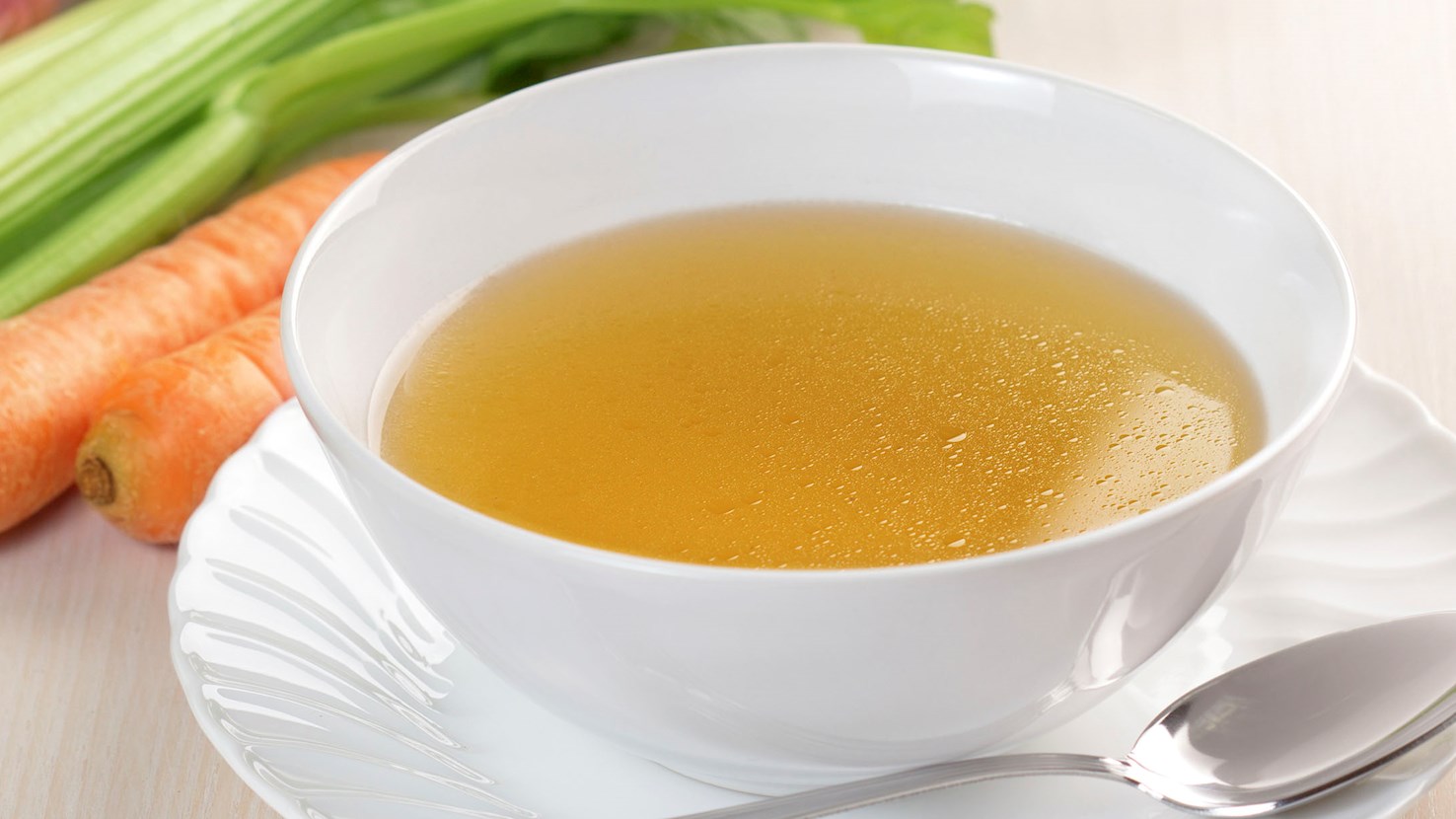
This clear soup is made from rich, clarified stock. It is a time consuming, luxurious, and expensive dish that results in crystal-clear, full-flavored liquid broth devoid of any trace of fat. It is believed that the ancestor of consommé was a rich Medieval soup which eventually evolved into the clear, flavorful dish we know today. Since it requires expertise and time, consommé is often served at formal events as an appetizer, and it is garnished exclusively with mild-flavored ingredients which do not overpower the delicate soup, such as egg yolks or sliced vegetables. Consommé can also act as a base for numerous other soups, such as double consommé, Brunoise, and French onion soup. There are also popular varieties known as chilled or jellied consommé. Both varieties are served cold, thickened by gelatin which is extracted from the bones during the preparation of the original stock.

Best restaurants
07

Potage Parmentier

3.2 ·

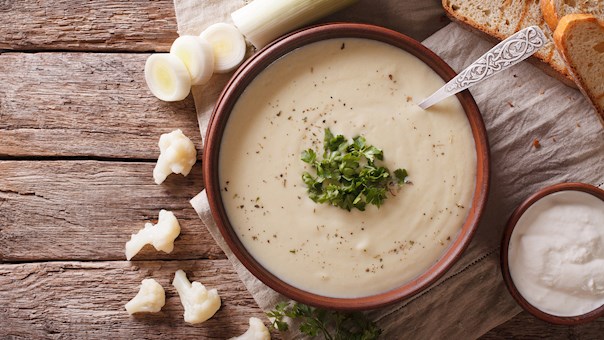
Potage Parmentier is a traditional potato and leek soup that's usually served hot. It can be served as an appetizer, a side-dish alongside meat courses, or as a stand-alone afternoon snack. The soup consists of potatoes and leeks, or optionally onions, which are cooked and puréed until they develop a smooth, delicate consistency. Broccoli, asparagus, parsley, or parsnips can also be added to the mixture. In French cuisine, dishes labeled Parmentier will always have potatoes as their main ingredient. This is in reference to Antoine-Augustin Parmentier, the agronomist who made the potatoes popular in France. Potage Parmentier shares many similarities with another potato and leek soup, vichyssoise. The latter is said to have been created in the United States by a French chef, Louis Diat. Potage Parmentier may be enjoyed with croutons and a dash of cream.

08

Soupe à l'ail (Garlic soup)

3.1 ·

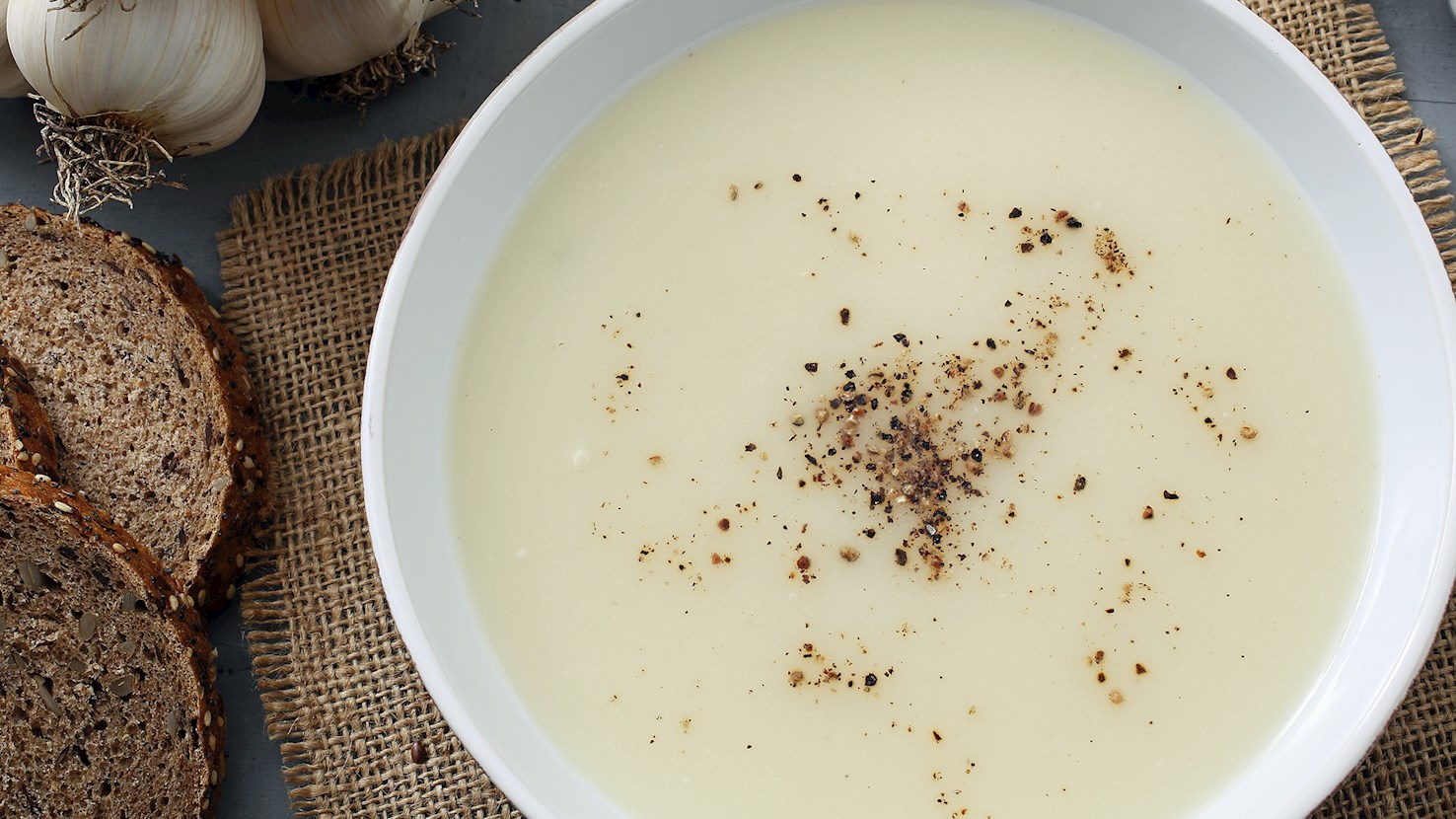
In the south of France, garlic is not only thought of as a culinary herb, but also as a vegetable, so it is no surprise that garlic soup is so deeply rooted in the traditional cuisine of regions like Occitanie and Provence. Its origins can be traced to the Middle Ages when soupe à l'ail was dished out only for special occasions and found on the table of noble families, since black pepper—one of the essential ingredients—was among the most expensive spices at the time. French garlic soup is typically served with poached eggs and slices of baguette bread browned in olive oil.

09

Soupe au pistou

2.9 ·

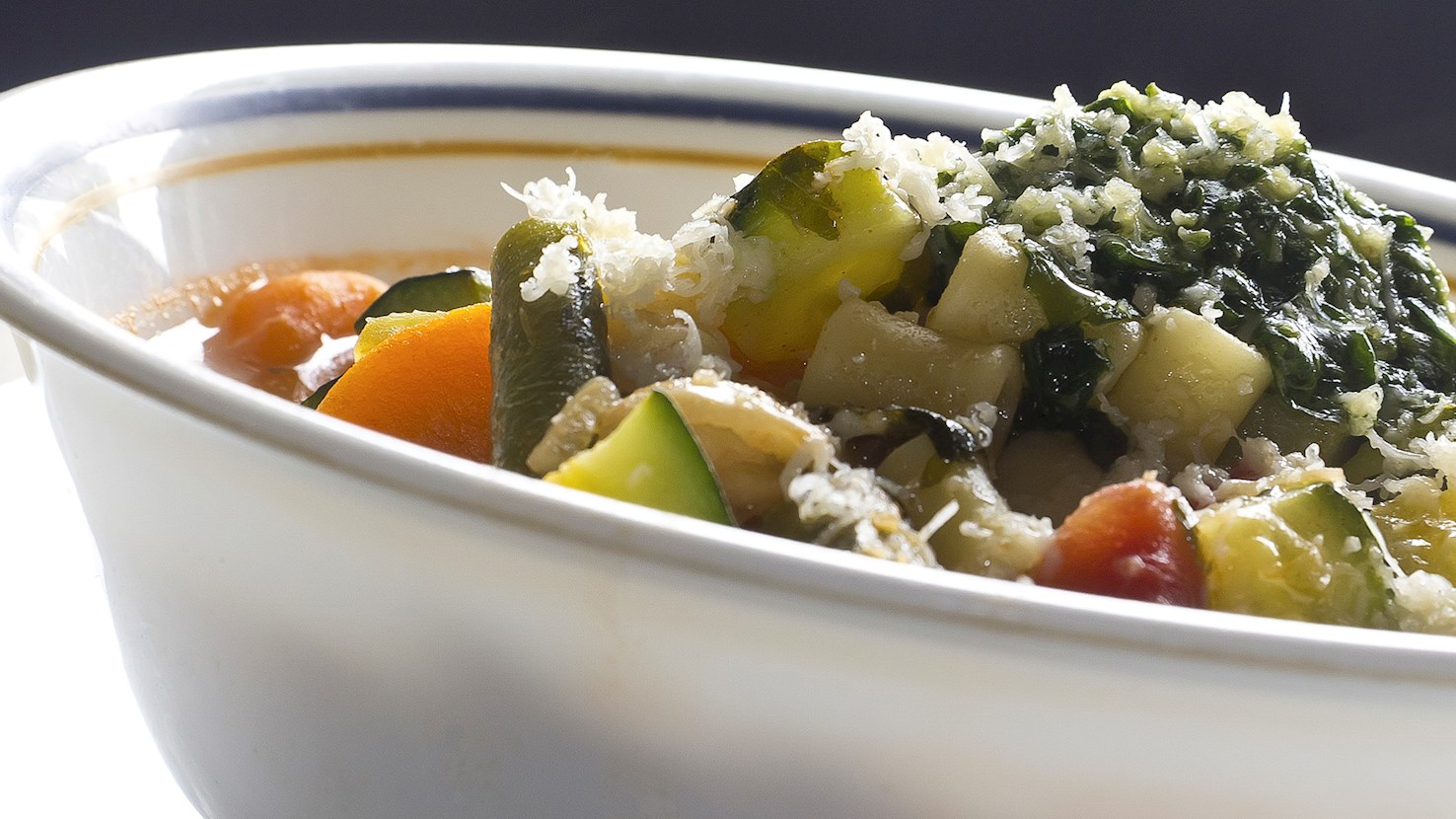
Borrowing its name from a traditional French paste, soupe au pistou is a popular soup similar to the Italian minestrone. Based on fresh seasonal ingredients, the soup can be made with various vegetables such as carrots, potatoes, beans, zucchini, peas, long green beans, or any other available vegetables. Pasta is typically added to improve the texture of the soup. However, the crucial ingredient is pistou, a traditional French paste made with basil, olive oil, and garlic, with the occasional addition of grated cheese or tomatoes. The paste can be thoroughly mixed in the entire pot of soup, but it can also be placed in individual bowls and left for the guests to swirl it in and adjust the taste according to their preferences. The soup is usually served warm and it is traditionally prepared during the summer season, when there is an abundance of fresh vegetables. Believed to have originated in the 18th century, this fresh and flavorful vegetable soup still stands as one of the most authentic Provençal dishes.

10

Garbure

2.8 ·

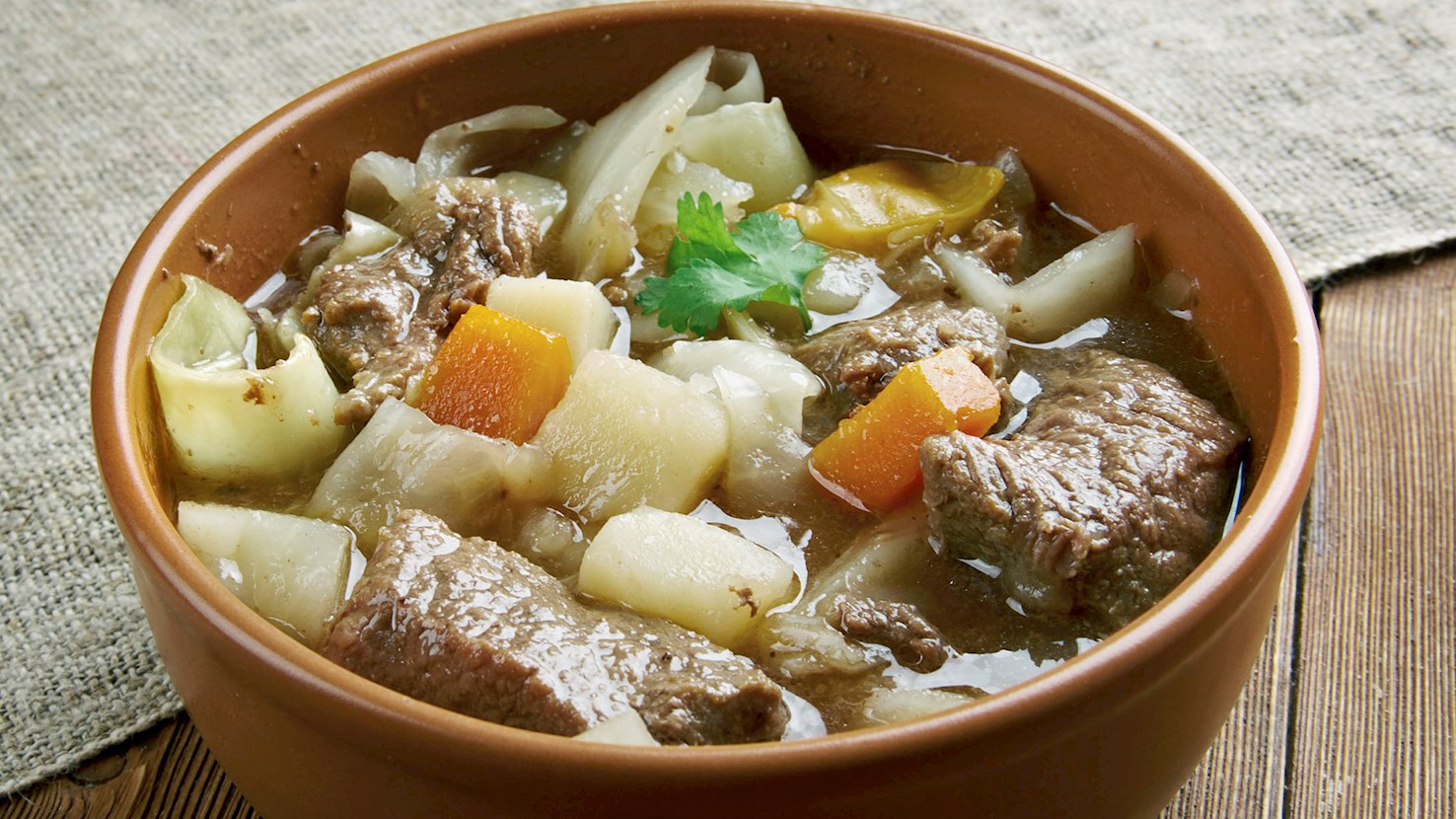
Garbure is a traditional thick soup from the southwest of France, consisting of meat, cheese, stale bread, and vegetables such as cabbage, peas, onions, or carrots. The soup is traditionally served as an evening meal over two courses, so the meat is usually taken out and served as a main course along with cornichons and pickled hot peppers. Garbure is ideally cooked in a toupin, a high and round earthenware vessel. Originally, it was a peasant soup, its name coming from the Spanish word garbias, meaning stew, or from the French word garbe, meaning a bunch, referring to the large amount of vegetables that are prominent in the soup. Although it is not the most visually appealing dish, its rich flavors and textures surely make up for it.

Read more
View all
View map
About this ranking

TasteAtlas food rankings are based on the ratings of the TasteAtlas audience, with a series of mechanisms that recognize real users and that ignore bot, nationalist or local patriotic ratings, and give additional value to the ratings of users that the system recognizes as knowledgeable. For the “Top 26 French Soups” list until May 15, 2026, 1,399 ratings were recorded, of which 1,149 were recognized by the system as legitimate. TasteAtlas Rankings should not be seen as the final global conclusion about food. Their purpose is to promote excellent local foods, instill pride in traditional dishes, and arouse curiosity about dishes you haven’t tried.

Similar lists