Porra antequerana is a thick, chilled tomato-and-bread soup from Antequera, made from ripe tomatoes, firm bread, olive oil, garlic, pepper, salt, and usually a little vinegar. It is close to Córdoba’s salmorejo and belongs to the broader Andalusian family of cold bread-based preparations. Unlike other cold soups, porra is generally denser and commonly includes pepper, giving it a slightly more vegetal character. Consistency matters: this is not a drinkable soup but a substantial cream meant to be eaten with a spoon, and in Antequera the familiar test is that it should be thick enough to support the spoon rather than immediately letting it fall over. The city identifies bread, tomato, garlic, pepper, olive oil, salt, and vinegar as the basic ingredients, and the annual porra Antequerana competition still requires contestants to make it by hand with a mortar rather than with electric equipment. The dish did not begin in exactly the red form eaten today. Mixtures of stale bread, garlic, salt, vinegar, and olive oil pounded together are much older in southern Iberia, and bread-thickened foods date back to the Roman period. Before tomatoes and peppers became established in Andalusian kitchens, an earlier pale form could be made from bread, garlic, oil, vinegar, and salt, resembling other white gazpachos and majados of southern Spain. The modern red porra could therefore only have taken shape after American tomatoes and peppers were gradually incorporated into Spanish cooking, eventually transforming an older pounded bread preparation into the intensely colored cold cream now identified with Antequera. The name is commonly linked to the porra, or heavy pestle, used to pound the ingredients in a dornillo or mortar, and this manual technique is still deliberately preserved in Antequera’s public competitions. Preparing porra begins with good bread, preferably a dense country loaf that has rested for a day or more rather than fresh, fluffy bread. Settled, slightly stale bread is preferred because fresh bread can form lumps during pounding. Garlic and chopped peppers are worked into a paste first, then the crumb is added and thoroughly incorporated, followed by peeled, seeded tomato. Olive oil is then introduced generously and gradually while the mixture is worked until it becomes smooth and emulsified. Vinegar is added according to taste and to the sweetness or acidity of the tomatoes rather than necessarily in a fixed amount. Modern cooks usually achieve the same result with a blender, but the older mortar method produces the dish through repeated crushing and emulsification rather than simple puréeing. The bread proportion gives porra much of its identity. There should be enough to make the mixture noticeably thicker than gazpacho, while olive oil adds gloss and a soft, creamy texture without dairy. Tomatoes provide moisture and acidity, garlic brings pungency, and green or red pepper adds a flavor that is usually more evident here than in Córdoba-style salmorejo. Antequera’s municipal recipe standards allow bread, tomato, garlic, pepper, salt, olive oil, and vinegar, but household versions differ on whether the pepper should be green, red, or a mixture of both. Once blended or pounded, the porra is chilled thoroughly so the texture firms and the flavors settle. It is rarely served completely bare. Chopped hard-boiled egg and diced jamón serrano are among the most recognizable toppings, while tuna in oil is equally established in Málaga and Antequera. The soup can be served with cured ham, hard-boiled egg, and tuna, turning what begins as bread and vegetables into a fairly complete meal. Other local variations broaden the garnish considerably. These include chopped tomato, figs, pomegranate seeds, or oranges in some communities when those fruits are in season. Towns closer to the Málaga coast may add anchovies. Those additions show how flexible the basic preparation can be without changing its underlying structure. Porra also differs from gazpacho in the way it is eaten: gazpacho can be thin enough to drink, whereas porra is closer to a cold vegetable-and-bread purée and can carry substantial toppings without them sinking immediately to the bottom. It is often compared with salmorejo because both share tomato, bread, garlic, and olive oil, but porra commonly includes pepper and vinegar and is characteristically very dense. In Antequera it is especially associated with the hottest months, when it is served cold as a first course, lunch, tapa, or light main meal, and it remains one of the foods most strongly identified with the city. It needs little alongside it because bread and olive oil already make it more filling than most chilled soups. Jamón, egg, and tuna provide the classic savory accompaniments, while olives, anchovies, or a simple plate of cured meats can extend it into a larger meal. Extra bread is possible but hardly necessary given how much the dish already contains. Dry Andalusian white wine pairs well with the tomato, garlic, and vinegar, while fino or manzanilla handles versions topped with ham or tuna particularly well; a cold lager is an easier informal option. For a non-alcoholic pairing, chilled sparkling water, unsweetened iced tea, or a lightly acidic citrus drink keeps the meal refreshing without adding more sweetness.
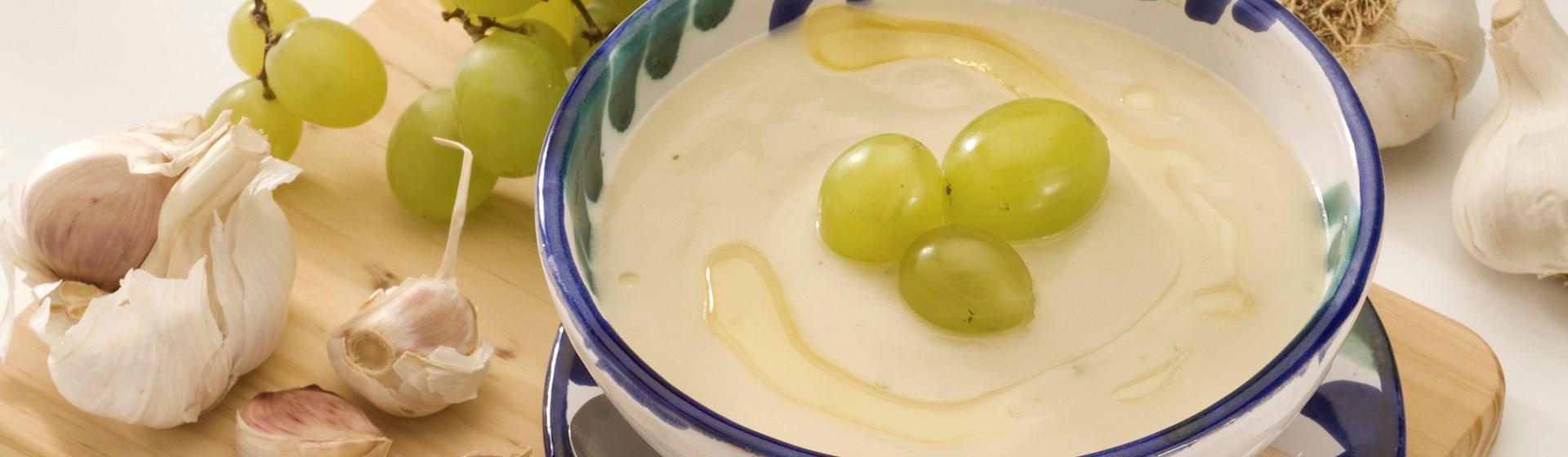
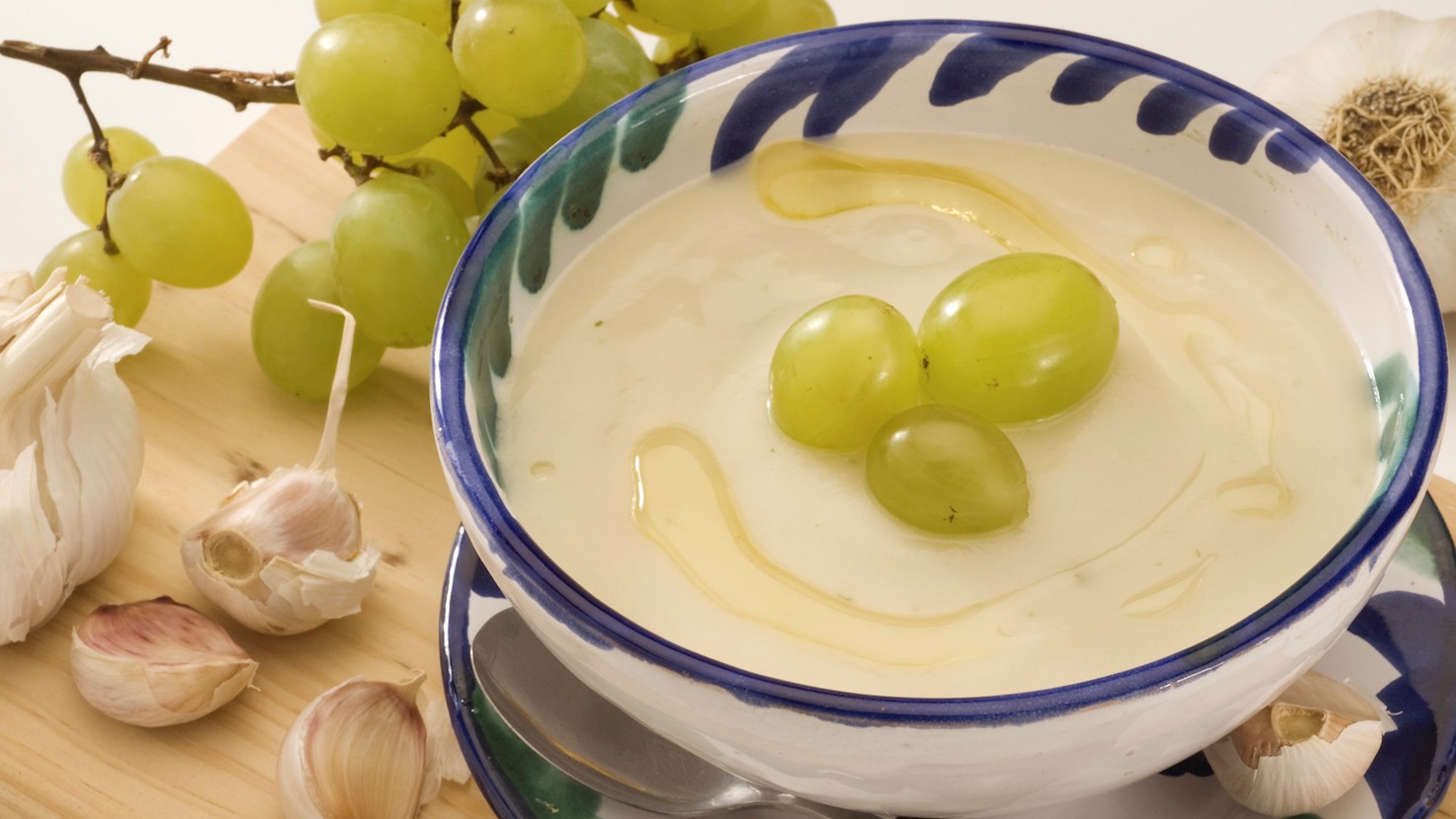
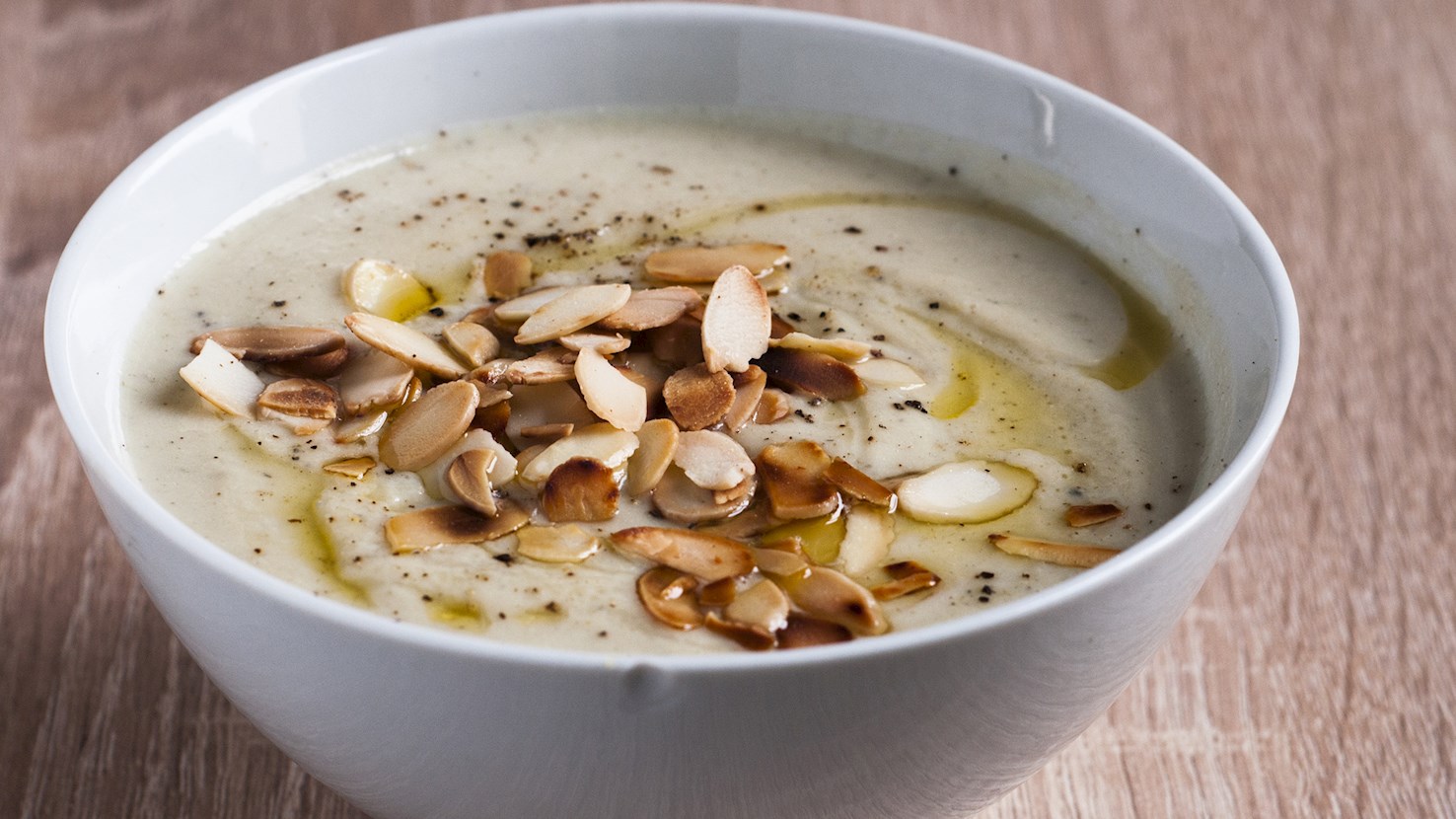
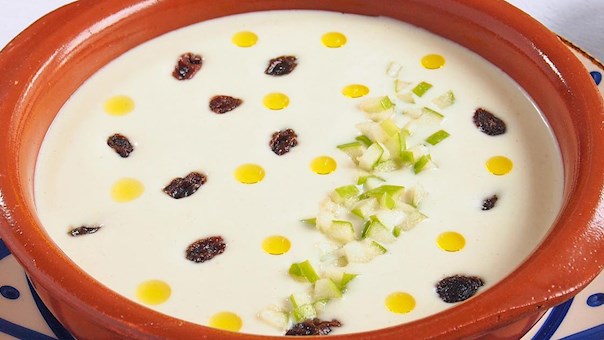
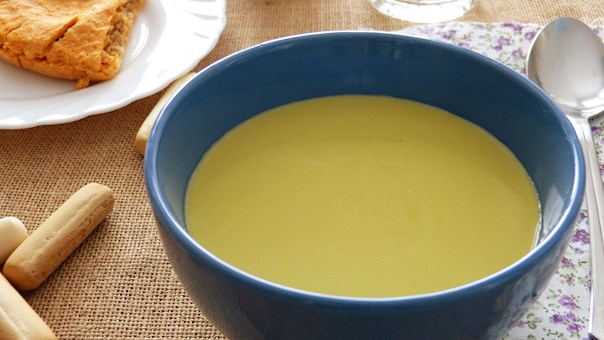
This Andalusian cold almond soup is known as the precursor of gazpacho; it originated during the Moorish middle ages, predating the arrival of tomatoes and peppers by several centuries. Ajoblanco traditionally consisted of a puréed mixture of stale bread that was moistened with vinegar and water, a hefty amount of fresh garlic, and almonds — the region's most abundant crop, but modern recipes also often include ingredients such as milk and green grapes. If available, always use Marcona almonds when making ajoblanco. The perfect starter for a summer lunch, this creamy soup is best enjoyed well chilled, drizzled with olive oil, and topped with toasted almonds.
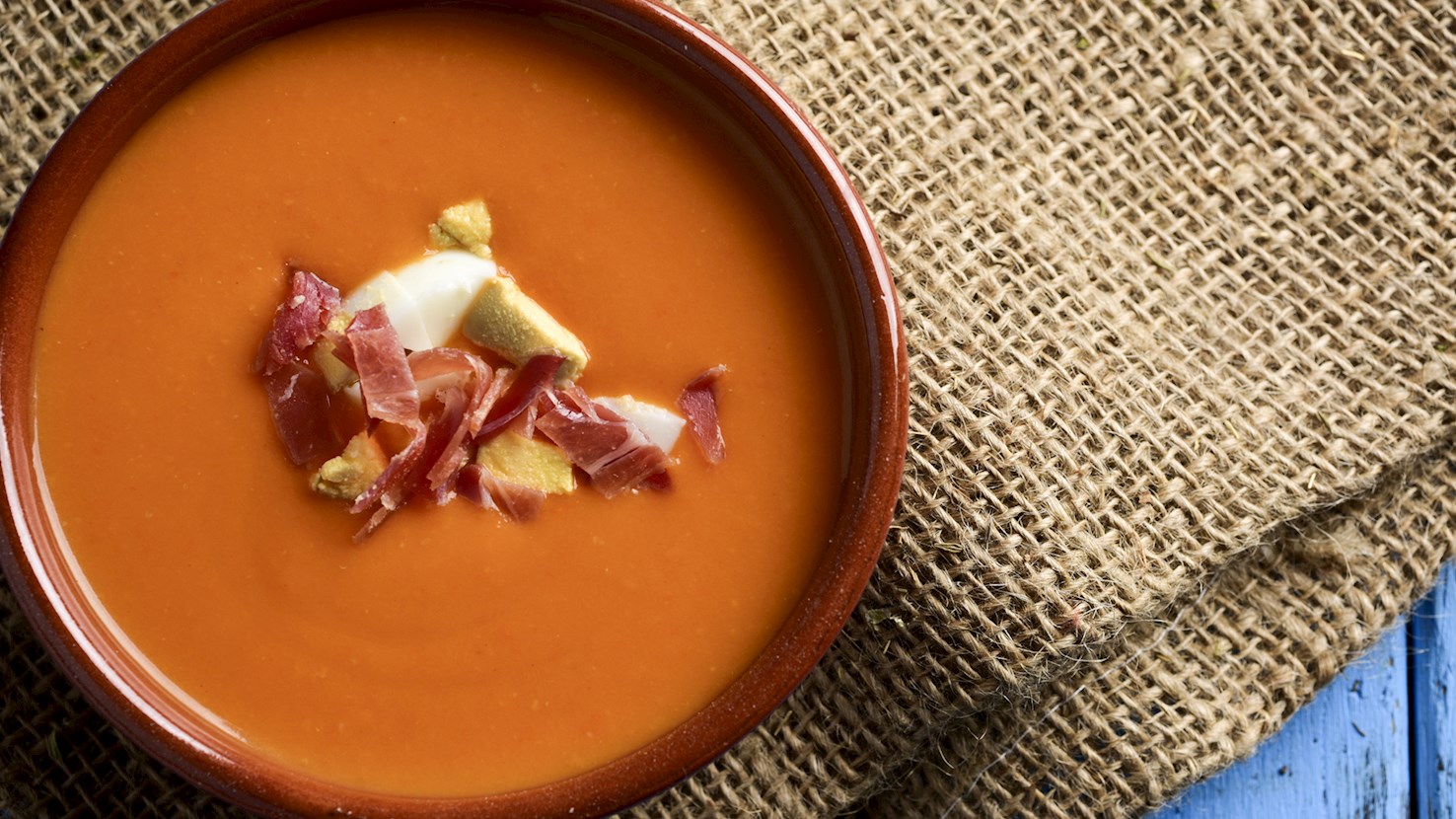
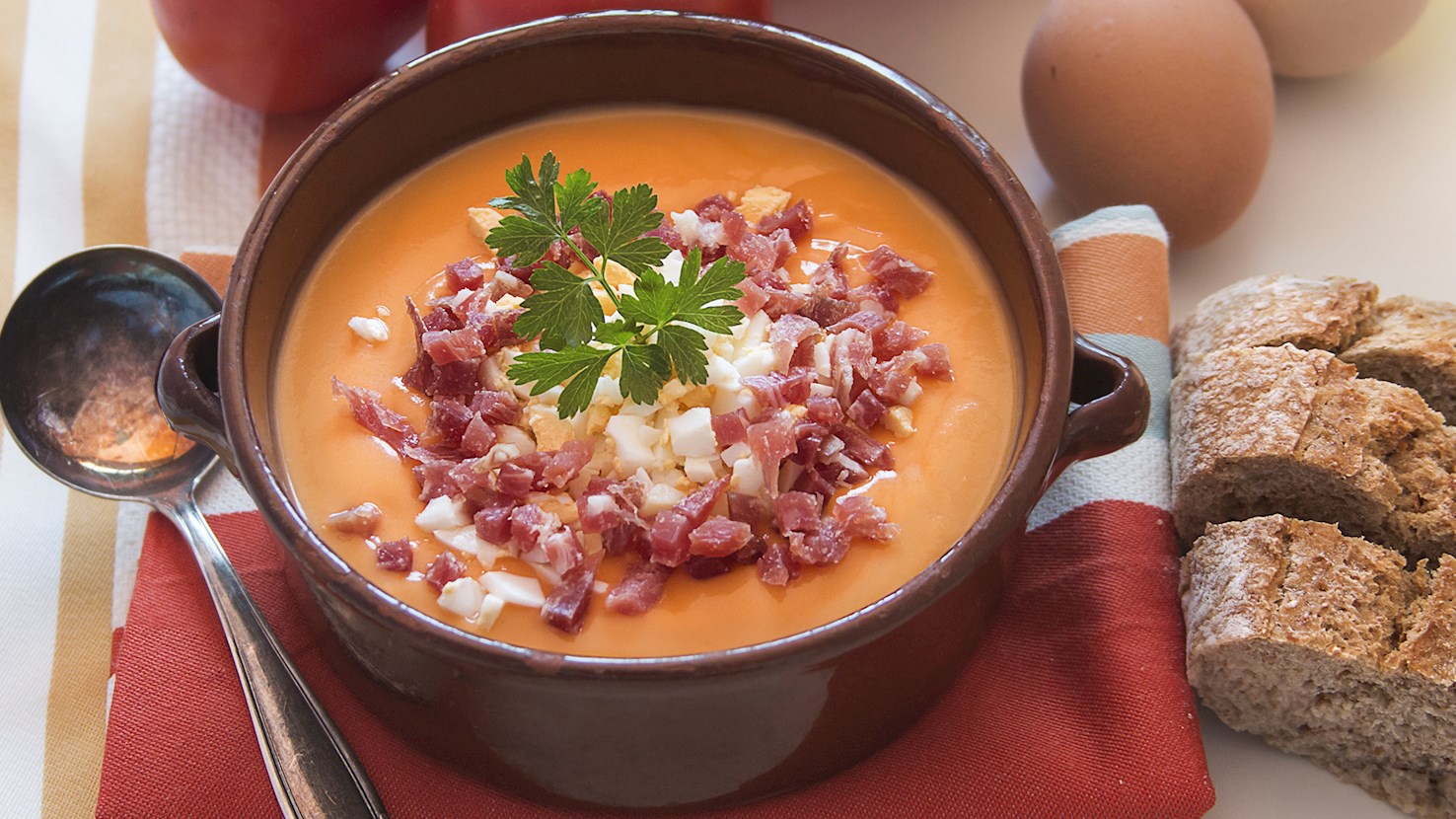
Salmorejo is a refreshing Andalusian soup that is traditionally served cold. It is especially popular during the warm, summer days. The soup consists of puréed tomatoes, bread, garlic, oil, and vinegar. Thick and creamy, salmorejo is often garnished with ingredients such as hard-boiled eggs or Spanish ham. In some cases, it can be served as a tapa dish or as a sauce accompanying toasts or omelets.
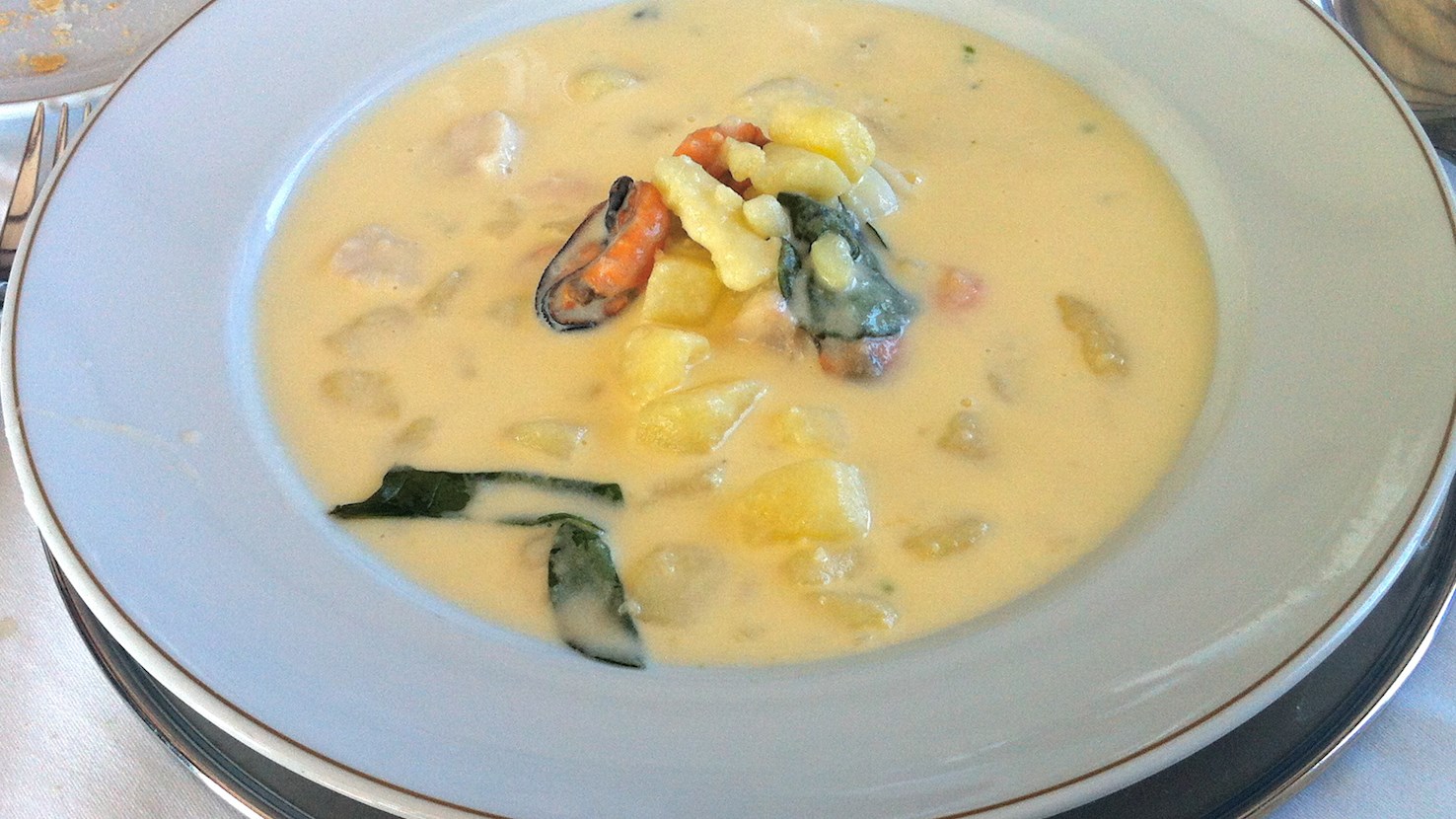
Gazpachuelo is a hot, pale soup from Málaga, built around one combination that sounds improbable at first but works remarkably well: broth and mayonnaise. Potatoes are usually simmered until tender, fish or shellfish may be added, and homemade mayonnaise is carefully loosened with warm broth before being incorporated into the soup, producing a smooth, lightly creamy liquid with the acidity of lemon or vinegar and the richness of olive oil and egg. Despite its name, it has little in common with the chilled tomato gazpacho now known internationally; gazpachuelo contains no tomato in its defining form and is normally served hot. It is especially linked with Málaga’s coastal communities and with El Palo, an old fishing district on the eastern side of the city, where local gastronomic sources describe it as a food of fishing families. Its beginnings were modest. Early versions were designed around inexpensive ingredients that could make a filling meal with very little meat or fish, and some appear to have consisted mainly of potatoes, cooking liquid, egg, oil, and acid. One economical method used the yolk to make the mayonnaise while the egg white was cooked separately in the broth, chopped, and returned to the pot, allowing a single egg to contribute both body and solid pieces to the meal. Fish broth naturally entered the preparation in coastal households, while adding pieces of hake, monkfish, prawns, clams, or other seafood makes for a richer version. By the early decades of the 20th century, gazpachuelo had moved well beyond households of fishermen and was becoming widely recognized across Málaga; local accounts indicate that by the 1930s it could already be found in restaurants around the city. That progression helps explain why no single fixed recipe exists today. At one end are restrained versions of potato, egg, and mayonnaise; at the other are restaurant bowls containing fish fumet, hake or rosada, prawns, clams, rice, wine, and carefully prepared seafood. What remains constant is the emulsion. The broth is prepared first, usually from fish bones, heads, prawn shells, or, in the most economical versions, water, and potatoes are cooked directly in it. Fish is added late so that it remains tender, while shellfish requires only brief cooking. Separately, egg and olive oil or another mild oil are beaten into mayonnaise and sharpened with lemon juice or vinegar. The most important step comes when the two components meet: boiling broth cannot simply be poured into cold mayonnaise, because excessive heat can break the emulsion and leave separated oil floating in the soup. Instead, a small quantity of broth is allowed to cool slightly and whisked gradually into the mayonnaise, tempering it before the mixture is returned to the pot. Once the mayonnaise has been incorporated, the soup should not be allowed to boil vigorously again. This technique gives gazpachuelo its characteristic white or ivory appearance and a texture that is richer than clear fish soup but lighter than a cream-based chowder. Potatoes contribute starch and substance, while the mayonnaise brings fat, acidity, and egg without requiring dairy. Málaga cooks have developed numerous additions around that base: cooked egg white, rice, hake, monkfish, rosada, prawns, clams, chirlas, and other seafood all appear, and more elaborate restaurant versions may introduce amontillado or other fortified wines into the broth. Its color has also remained part of its identity; even versions with seafood generally preserve the pale broth rather than turning it red with tomato or paprika. Gazpachuelo is most closely identified with Málaga city and the surrounding province, where it is eaten as a first course or a light main meal and is particularly appealing in cooler weather despite the region’s warm coastal climate. At home it can be served very simply with pieces of potato and egg, while restaurants often treat it as a vehicle for good local fish and shellfish. Bread is the most natural accompaniment, especially a plain crusty loaf that can absorb the broth, while fried or grilled fish can follow it without introducing an entirely different set of flavors. If the soup already contains generous seafood, little else is needed beyond bread and perhaps a simple salad. Dry Andalusian wines are especially comfortable alongside it: fino or manzanilla work with the mayonnaise’s acidity and the saline character of fish and shellfish. A dry white from Málaga or another fresh southern Spanish white suits lighter versions. Sparkling water or a lightly acidic citrus drink also works well when no alcohol is wanted.
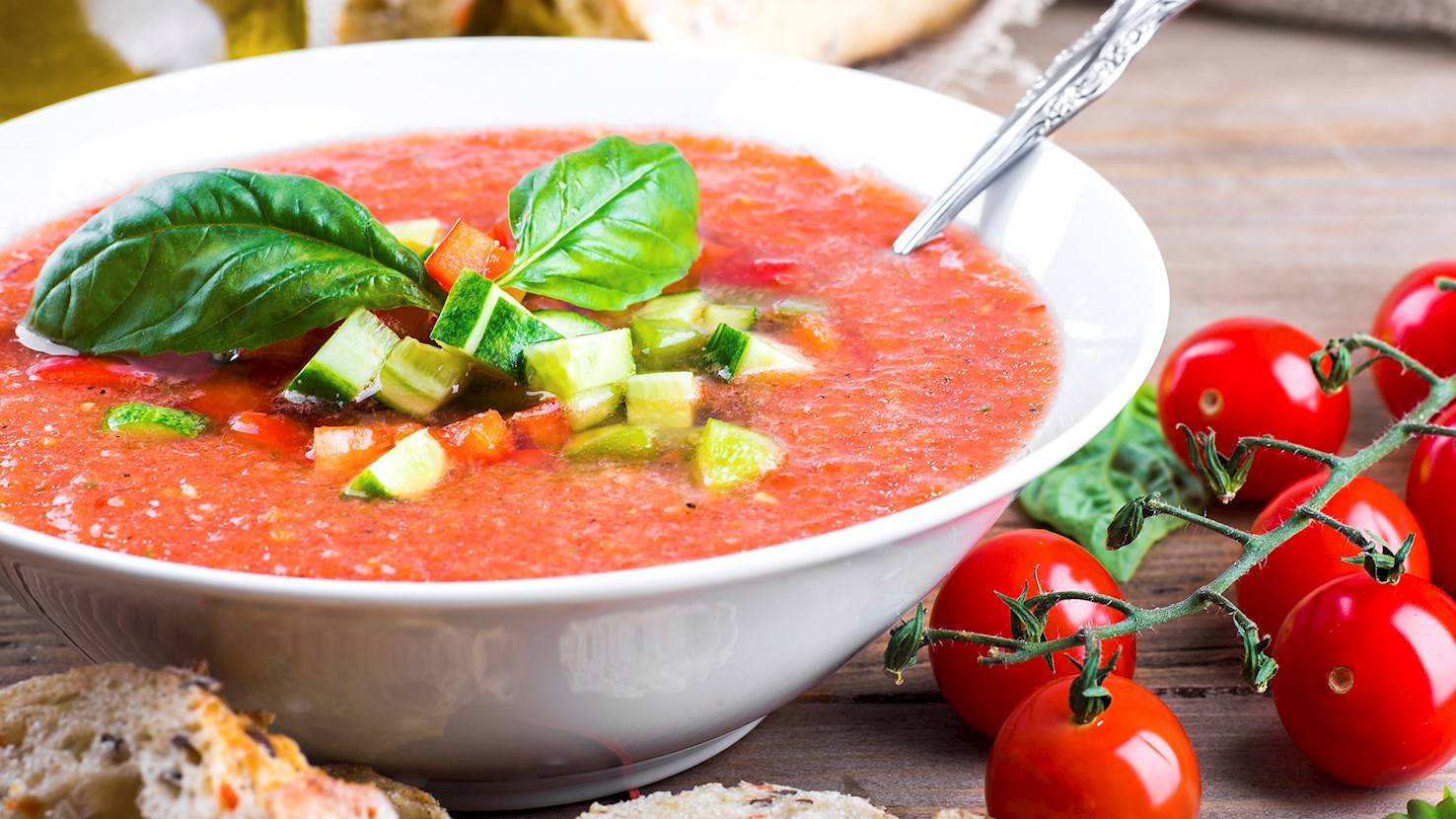
A perfect remedy for a hot summer day called gazpacho is a cold soup consisting of crushed tomatoes, finely chopped cucumbers, onions, peppers, croutons, vinegar, and olive oil. With the same level of familiarity as paella to the consumers worldwide, the soup's refreshing, cool and acidic flavors promote Spanish cuisine at its best. The dish began as a light lunch that the wives brought to their husbands in the field in order to cool them down from the hot summer sun. Shortly after, it began to be served at the end of big meals, although today it is a popular summer appetizer. Throughout Spain, there are a number of gazpacho varieties, such as gazpacho blanco (white gazpacho) or ajo blanco, a Málaga specialty made with garlic, bread, and almonds, with a garnish of green grapes. As the dish evolved, all kinds of ingredients started to be added to the soup, such as watermelon and cantaloupe. Regardless of the varieties, all gazpachos share a common thread of three key ingredients - bread, vinegar, and oil.
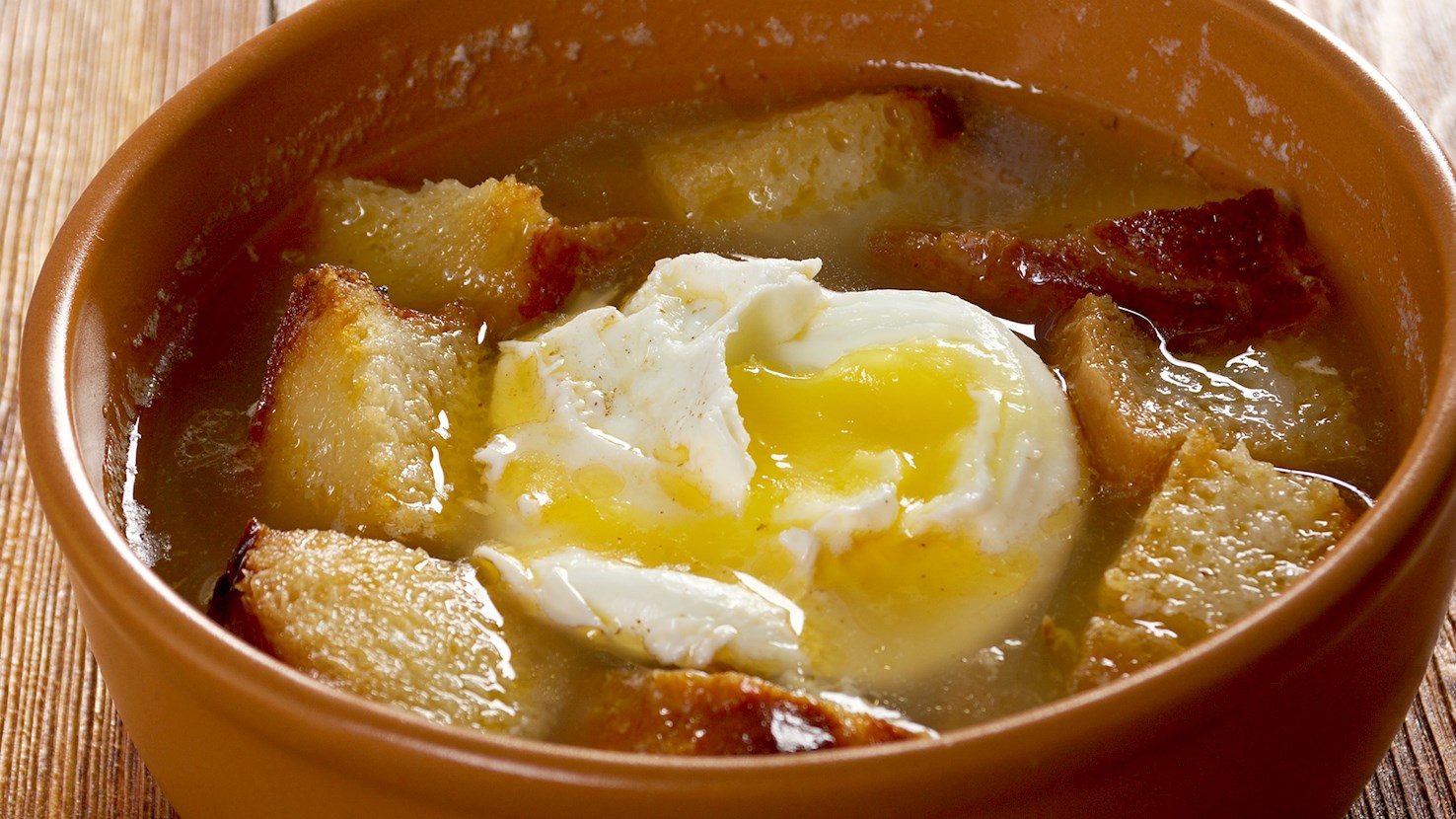
Sopa de ajo is a traditional garlic soup. It's prepared by sautéeing garlic in olive oil and Spanish smoked paprika. Stale bread and whisked or poached eggs are then added to the soup for the final touch. As for the liquids, chicken broth, vegetable broth, or even plain water will work. The soup is served piping hot, garnished with a few croutons or fresh parsley. Traditionally, sopa de ajo is consumed in the morning on Good Friday, and it's recommended to serve it with a few slices of grilled bread on the side.
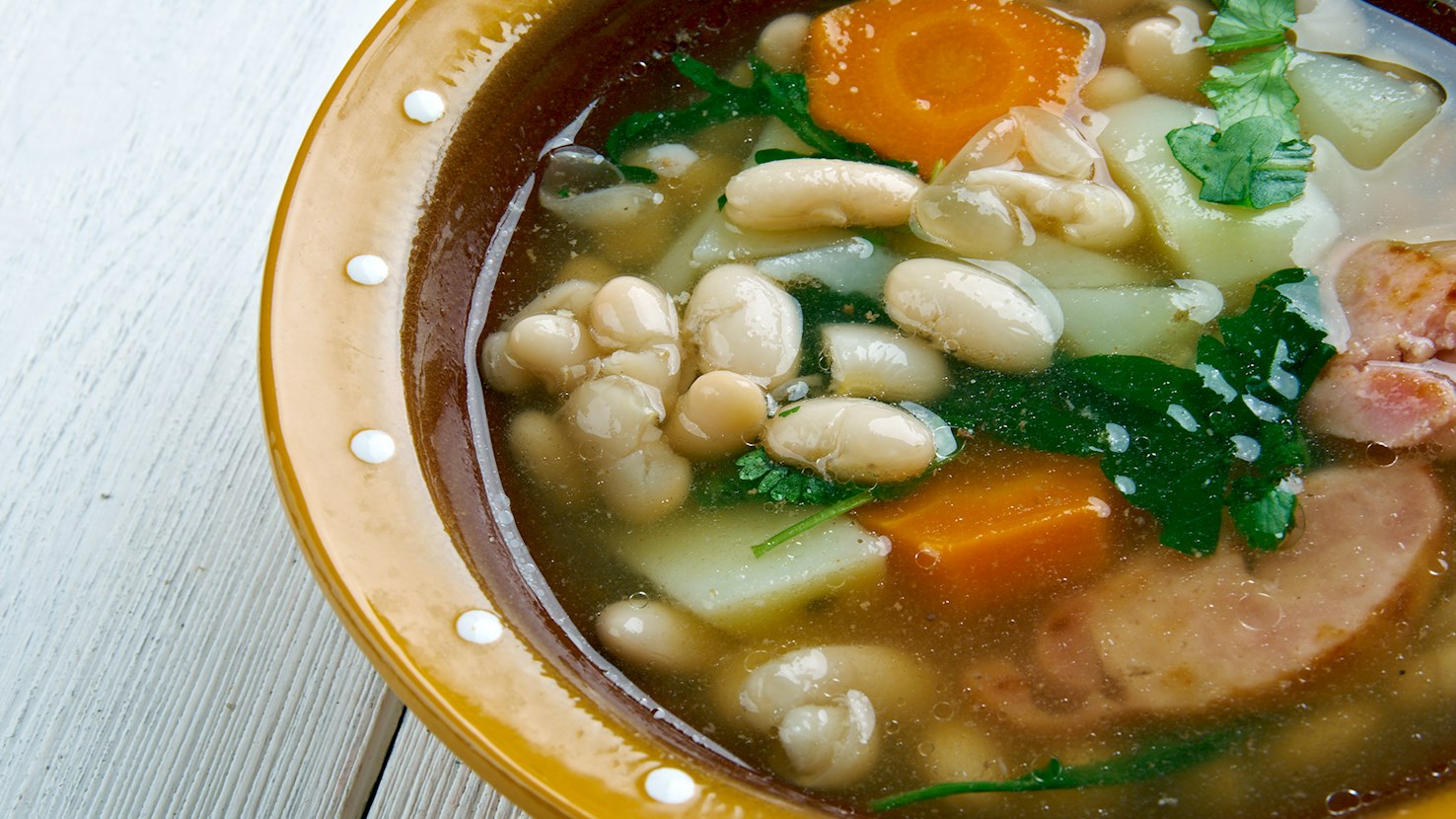
This traditional Galician dish is hearty, inexpensive, and nourishing. Although the ingredients vary from one household to the next, this flavorful broth is most often prepared with collard greens, cabbage, turnips, potatoes, white beans, lard, and meat products such as chorizo, bacon, and ham. The dish has humble origins and is mainly associated with Spanish farmers who lived off their own produce and served the dish in traditional earthen bowls known as cuncas. Caldo gallego is typically consumed in colder months because it is always served piping hot. It is believed that the soup tastes even better when reheated the next day.
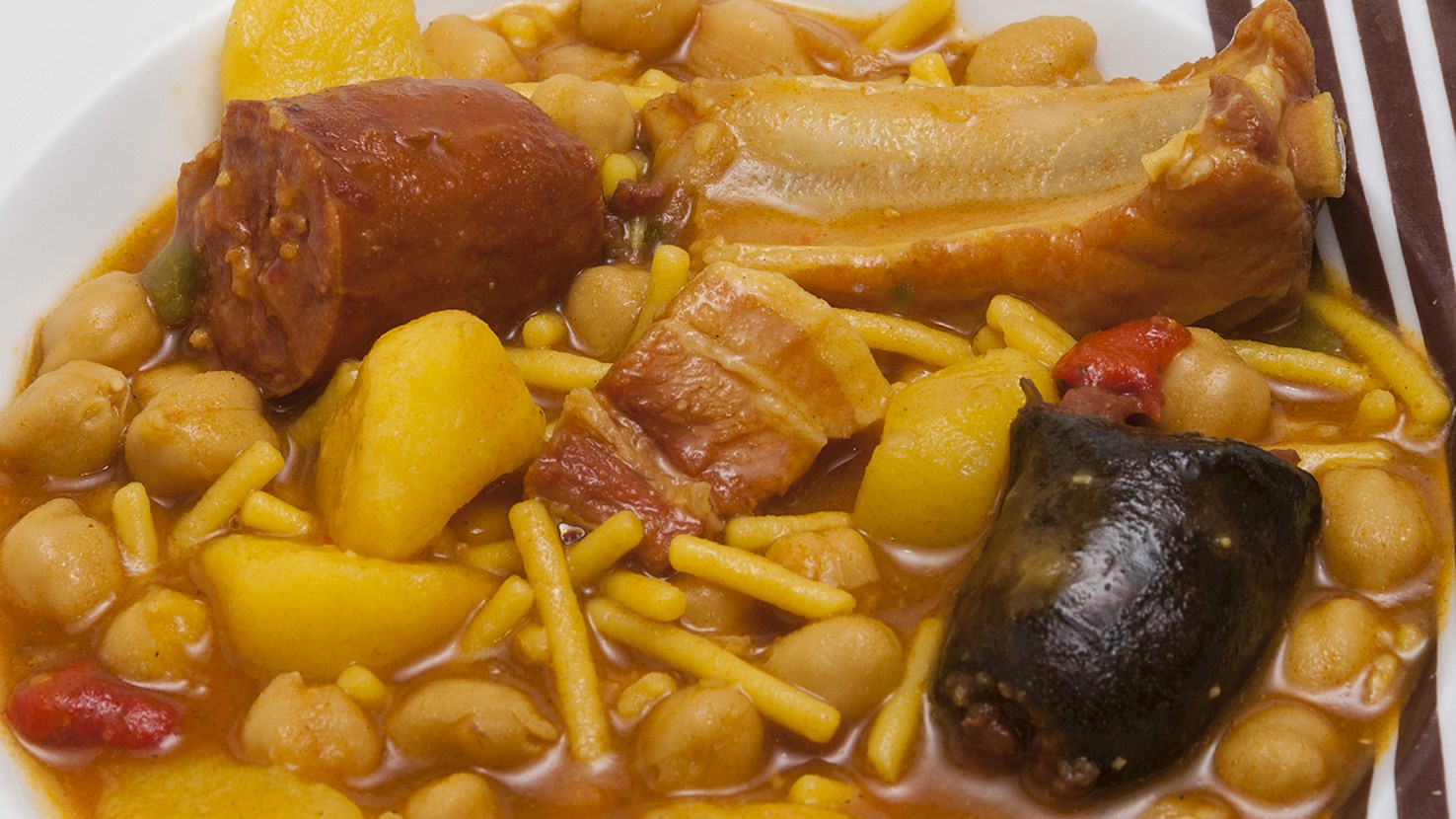
Rancho canario is a traditional soup with a stew-like consistency originating from the Canary Islands. Although each kitchen has their own variation, the soup should always be hearty, filling, and very thick. It usually contains onions, chicken or beef (or both), carrots, pasta, potatoes, chickpeas, sausage such as chorizo or smoked ribs, saffron, paprika, cumin, and garlic. This thick soup is especially popular during the colder months of the year. The word rancho means mess, referring to the abundance of inexpensive ingredients used to prepare the soup, and also feed the whole family in the process. Although rancho canario usually shows up on menus as a starter, it's regularly served as a main meal due to its heartiness.
Sopa de almendras is a traditional soup. It's made with skinned and blanched almonds, garlic, stale bread, olive oil, stock, peppercorns, saffron, cumin or cinnamon, and vinegar or lemon juice. The almonds are fried with saffron, garlic, and bread, then blended with cumin, peppercorns, vinegar, and stock. The combination is mixed with the remaining stock and brought to a boil. After simmering for a short while, the soup is garnished with toasted almonds, chopped mint, or croutons. Sopa de almendras is traditionally served as the first course on Christmas Eve.
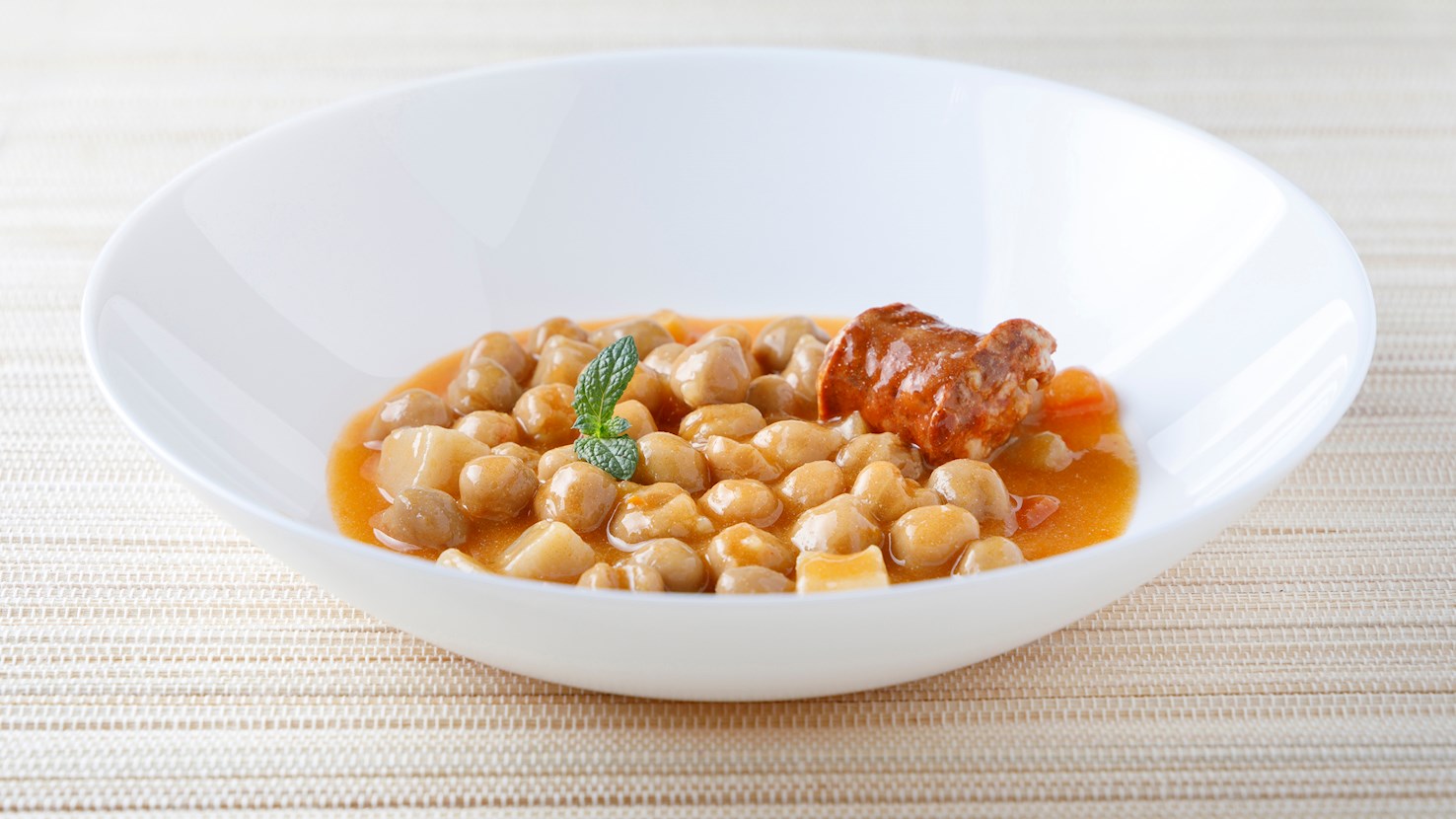
Olla de trigo is a traditional soup that’s especially popular in Almeria. It’s usually made with a combination of chickpeas, whole wheat, bacon, chorizo, morcilla, pimentón, hot chili peppers, fennel, and a slice of bread fried in olive oil. The chili peppers, pimentón, and fried bread are pounded with a pestle and added to the cooked ingredients in the pot. Once prepared, this soup is served in deep plates, and some people like to add a bit of vinegar to help their digestion. Olla de trigo is popular on cold days and during winter.
TasteAtlas food rankings are based on the ratings of the TasteAtlas audience, with a series of mechanisms that recognize real users and that ignore bot,
nationalist or local patriotic ratings, and give additional value to the ratings of users that the system recognizes as knowledgeable.
For the “Top 31 Spanish Soups” list until October 15, 2026, 1,390 ratings were recorded, of which 1,054 were recognized by the system as legitimate.
TasteAtlas Rankings should not be seen as the final global conclusion about food. Their purpose is to promote excellent local foods,
instill pride in traditional dishes, and arouse curiosity about dishes you haven’t tried.





What People Say