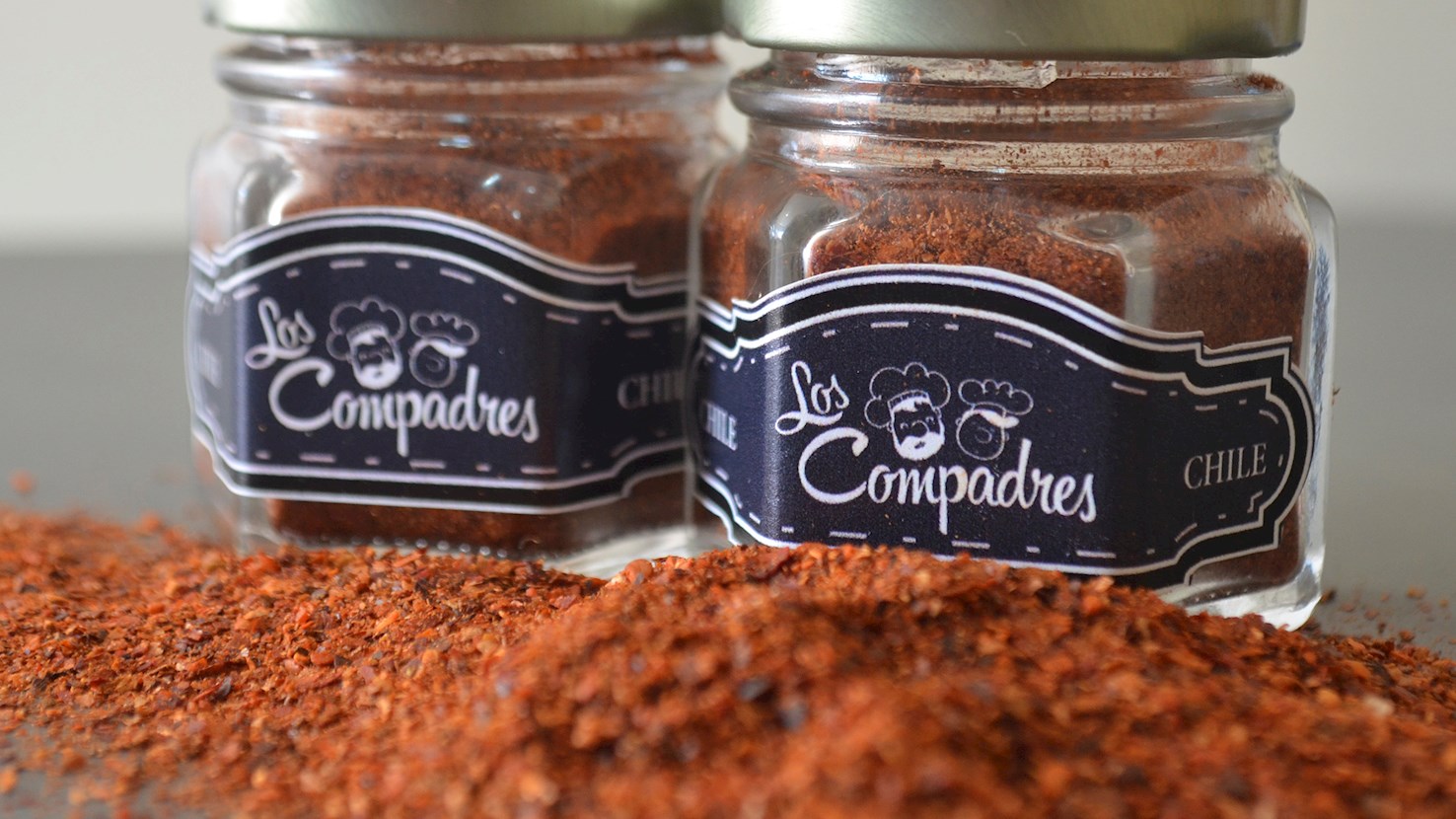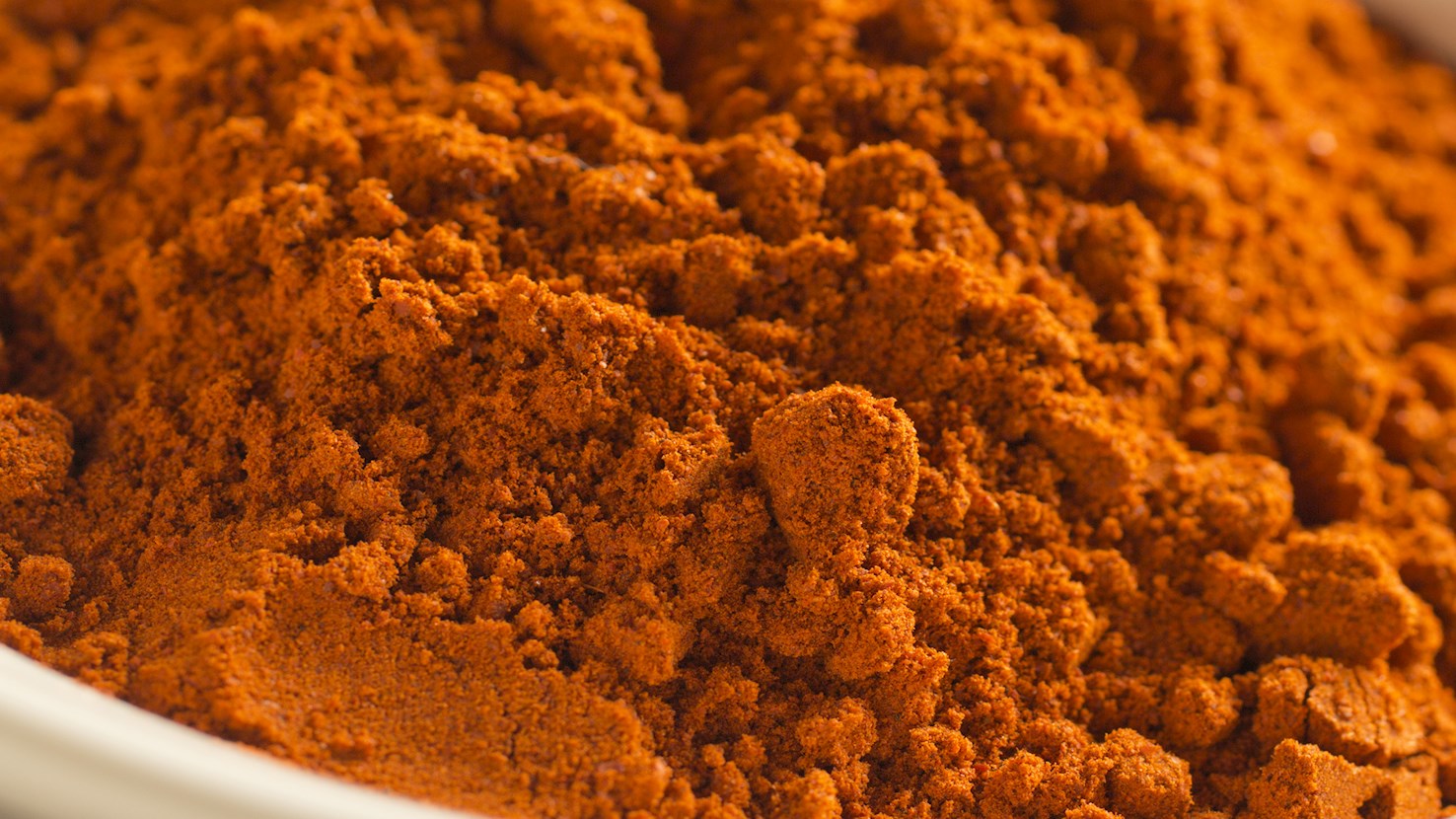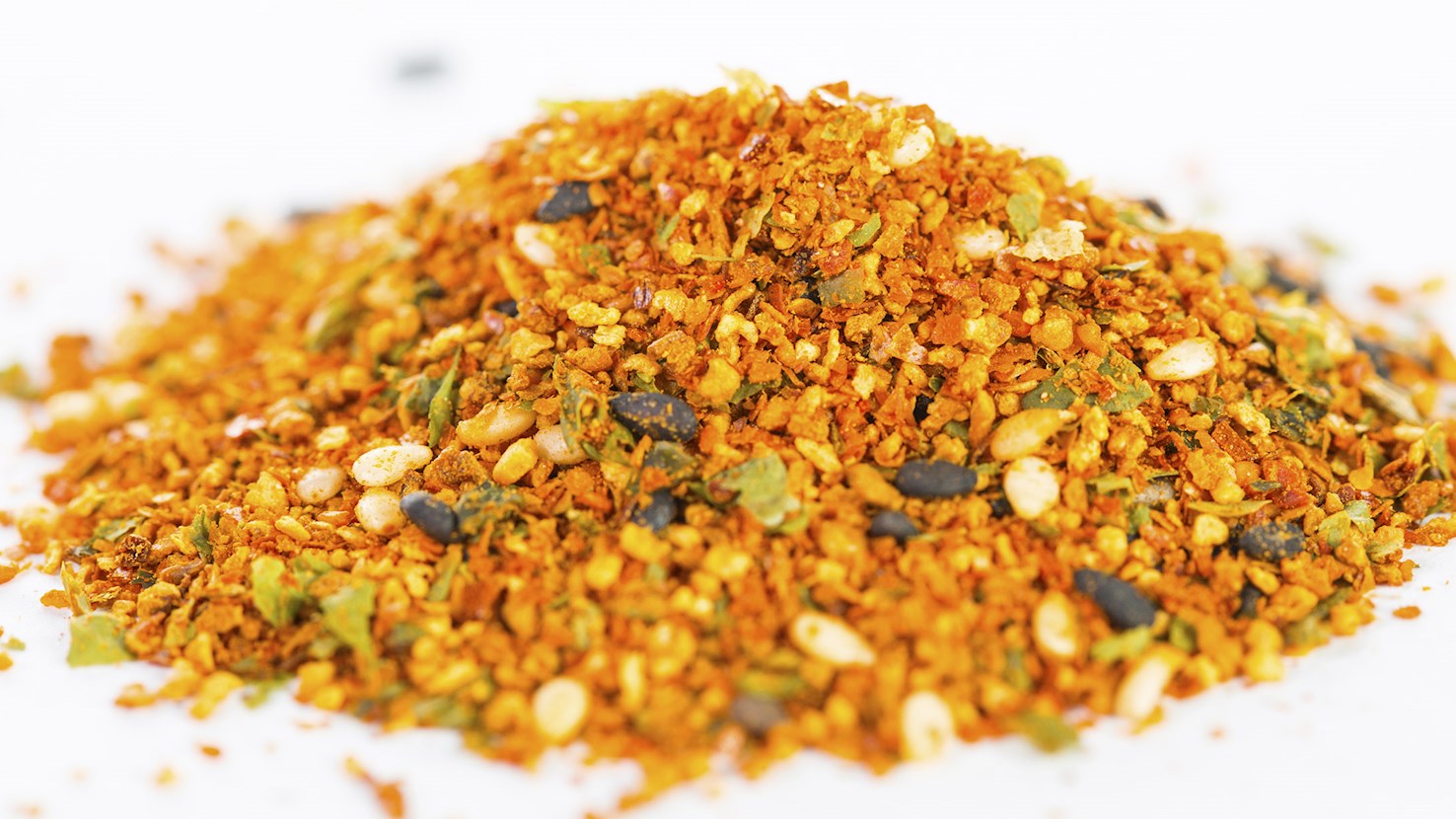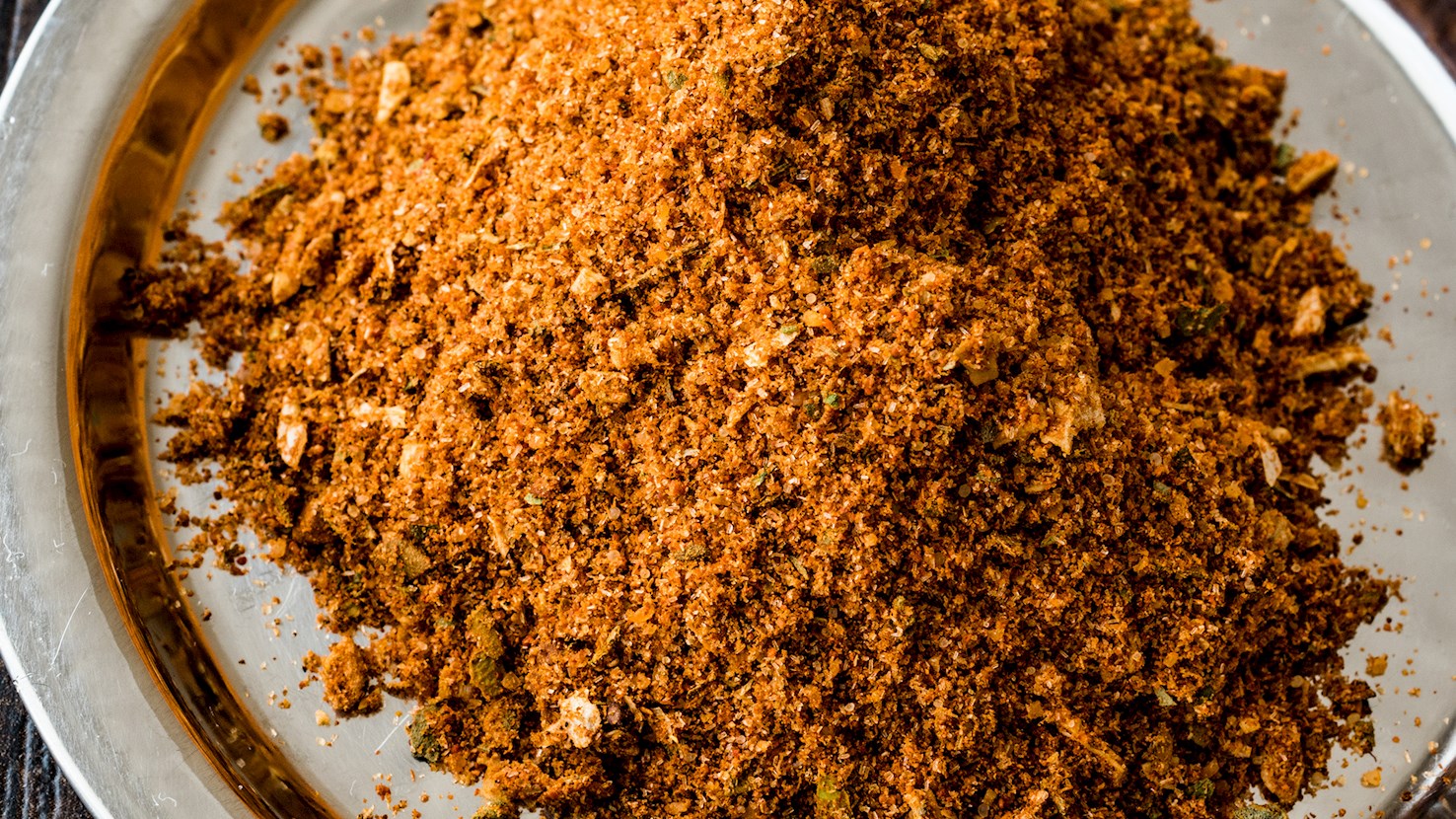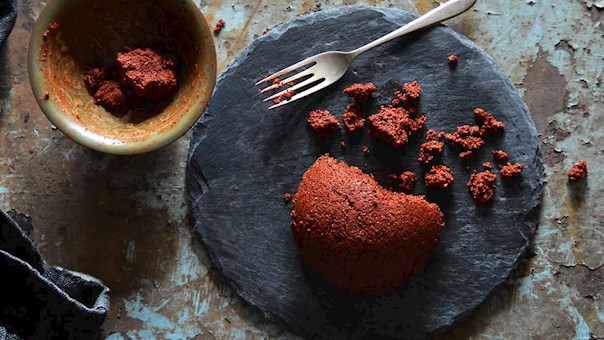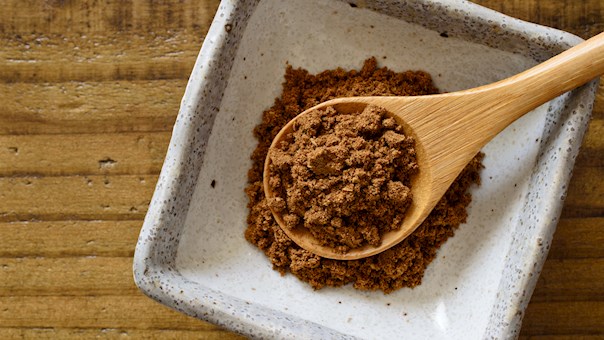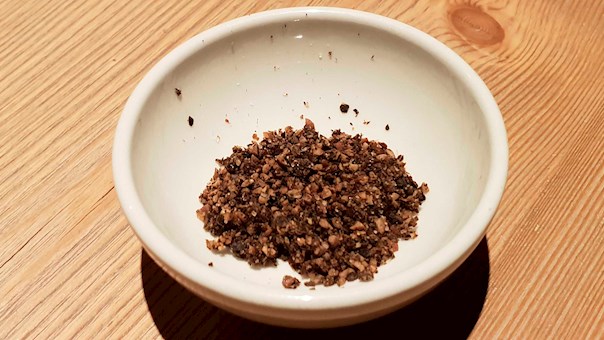
Merquén or merkén is a Chilean spice made with a long, pointed chili pepper called aji, caciocavra, cacho de cabra, or goat’s horn pepper as the key ingredient. The peppers are grown throughout the Araucanía region and are picked in February, when they turn from green to red. They are then dried in the sun until they develop a violet color. The dried peppers are smoked, then hung from ceilings over a wood fire. After the second drying in the sun, these peppers are ground in a stone mortar or in an automatic grinder. The powder is combined with smoked coriander seeds and sea salt, and the spice blend should contain at least 70% of the powder and no more than 20% salt. The spice blend accentuates the rich and earthy flavor of the peppers, and it is generally more smoky and flavorful than spicy and hot. Coming from the gastronomy of the Mapuche indigenous people, merkén is used as a spice rub for meat, sprinkled on pizza, mixed into pebre salsa, or used in mani merkén, a snack of roasted peanuts seasoned with merkén. For a traditional Chilean side dish, it is recommended to try puré picante – mashed potatoes seasoned with this unique spice blend. Nowadays, the use of merkén is slowly declining because it is often considered a symbol of poverty in the country. However, the spice has turned up as a twist on the traditional Chilean aperitif known as pisco sour, where merkén is lightly sprinkled on top of the cocktail glass.
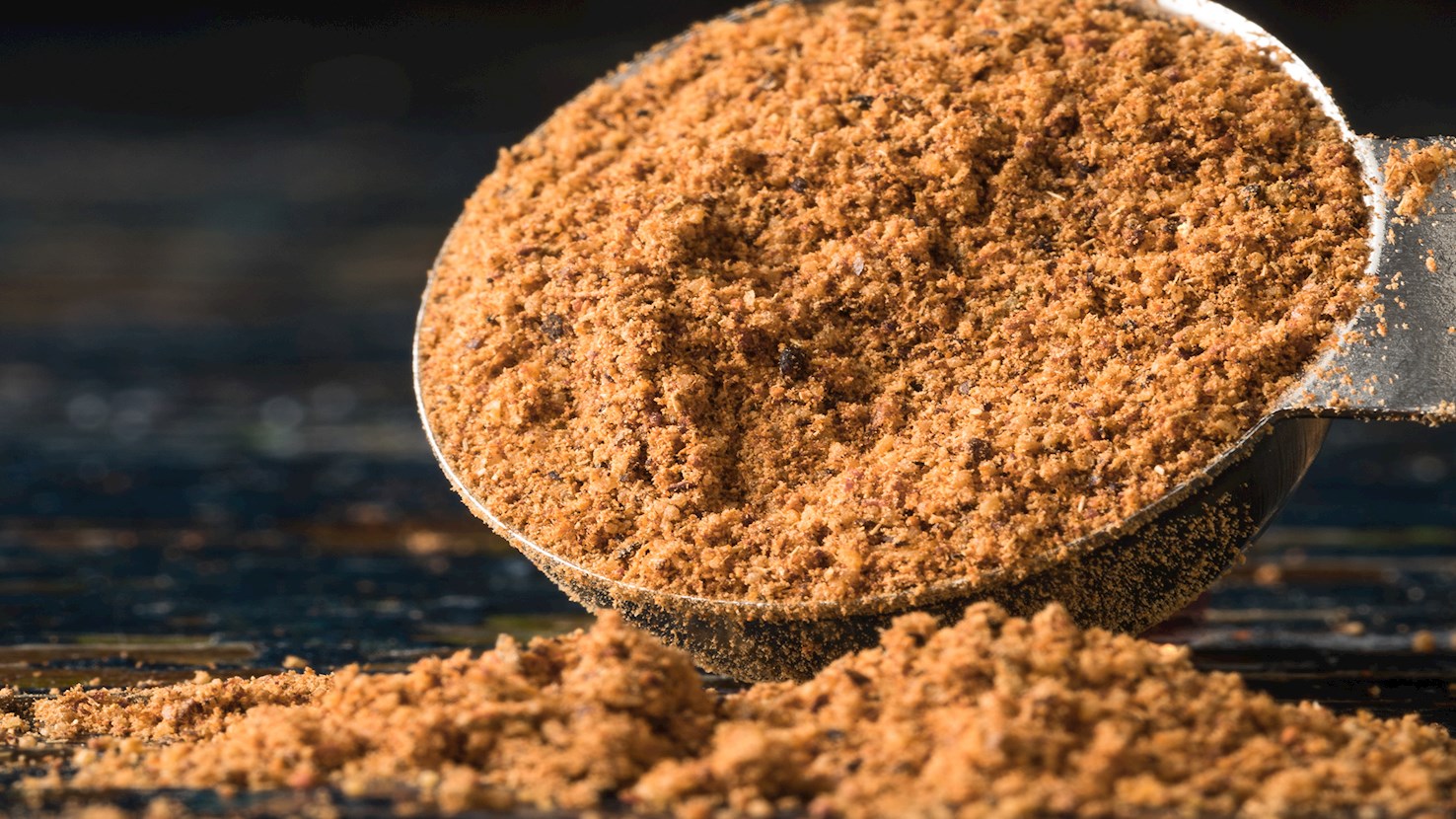
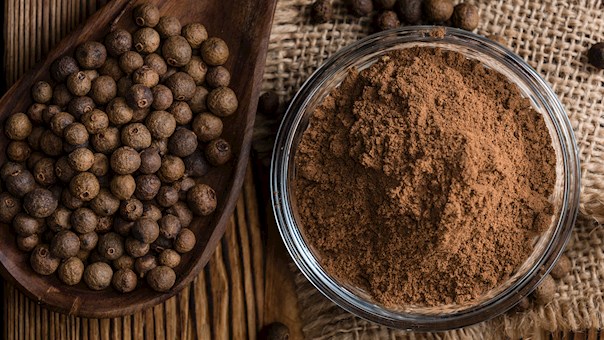
Jerk seasoning is a Jamaican spice blend and marinade used for meat, poultry, and seafood, defined by the presence of Scotch bonnet peppers, allspice, thyme, scallions, and aromatics such as garlic and ginger. It is produced in dry and wet forms and is used throughout Jamaica and in Jamaican communities abroad. The seasoning reflects cooking practices that developed in Jamaica as Maroon communities used local spices and preserved European, African, and Indigenous techniques to prepare meat over low, smoky fires. As these methods spread across the island and into commercial cooking, cooks formalized combinations of allspice, hot peppers, and herbs into recognizable seasoning blends that could be applied to various proteins. By the twentieth century, bottled jerk marinades and packaged spice mixes became common in local shops, supporting widespread household use and enabling restaurants to standardize their flavor profiles. Preparation of jerk seasoning can take two forms. A dry blend is made by grinding allspice berries and mixing them with dried thyme, garlic powder, onion powder, black pepper, cinnamon, and Scotch bonnet powder or other dried chiles. A wet marinade is made by blending fresh Scotch bonnet peppers with scallions, fresh thyme, garlic, ginger, allspice berries, vinegar or lime juice, and salt. The wet version clings well to meat and creates a surface layer that chars slightly during grilling, while the dry version is often rubbed onto meat before cooking or added to sauces. Although the core ingredients remain consistent, cooks adjust the seasoning depending on availability and desired heat level. A defining characteristic of jerk seasoning is the use of Scotch bonnet peppers, which contribute both heat and a distinct fruity aroma, paired with allspice, which supplies a warm, resinous flavor that anchors the blend. Jerk seasoning is eaten across Jamaica in dishes such as jerk chicken, jerk pork, jerk fish, and jerk shrimp. It is used in street food stalls, home kitchens, and restaurants, often applied before grilling over pimento wood when available. It also appears in sandwiches, wraps, and modern dishes such as jerk pasta and jerk-seasoned fried foods. Beverage pairings typically include cold lager, ginger beer, fruit punches, limeade, or lightly sweetened iced tea, which balance the heat and complement the spices. When served with wine, off-dry Riesling or rosé works well due to their acidity and mild sweetness, which soften the intensity of the Scotch bonnet pepper.
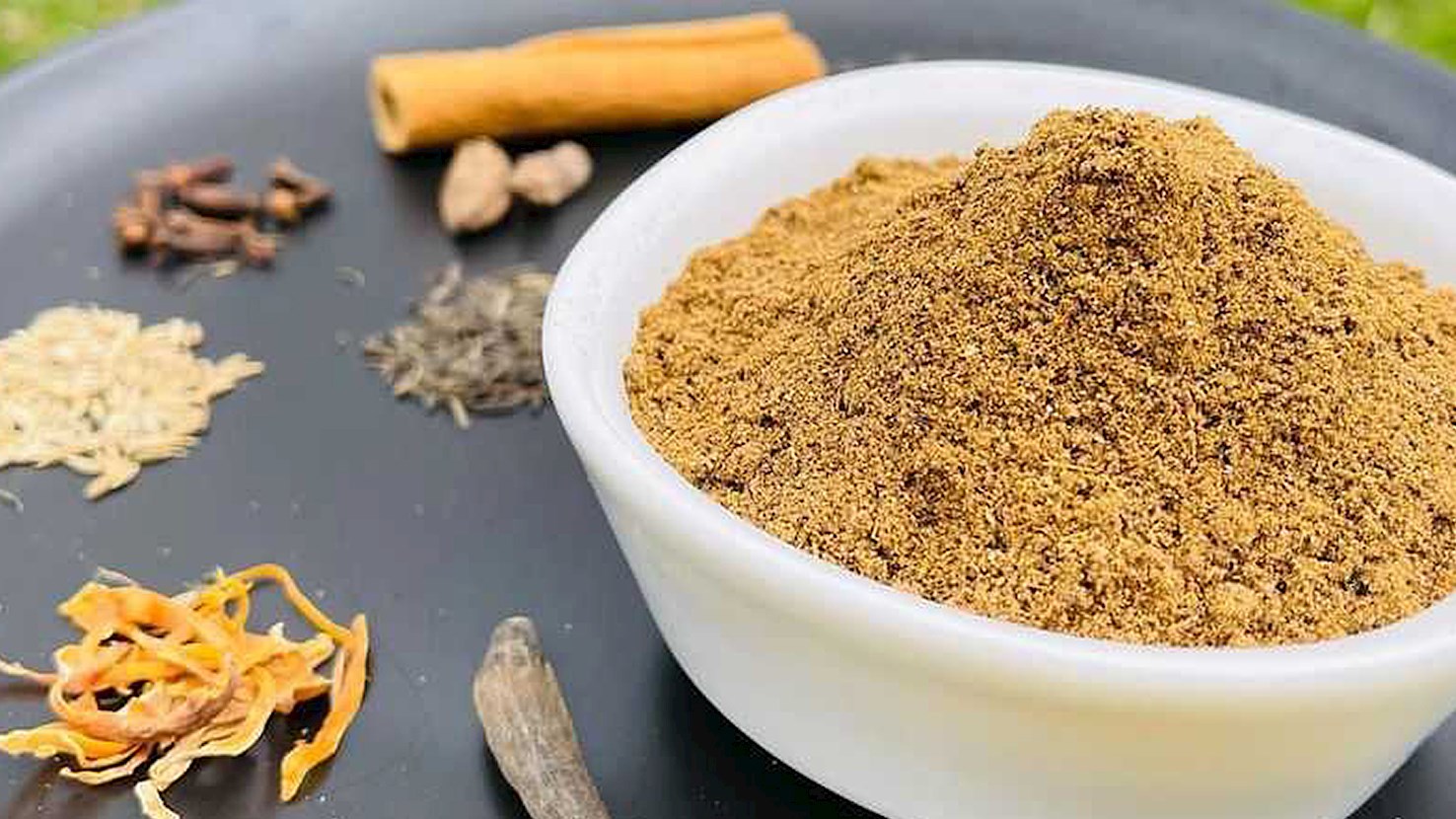
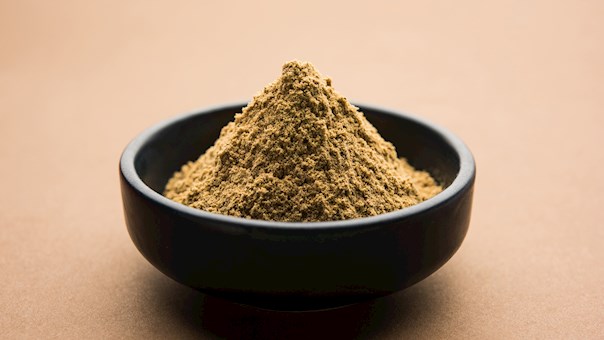
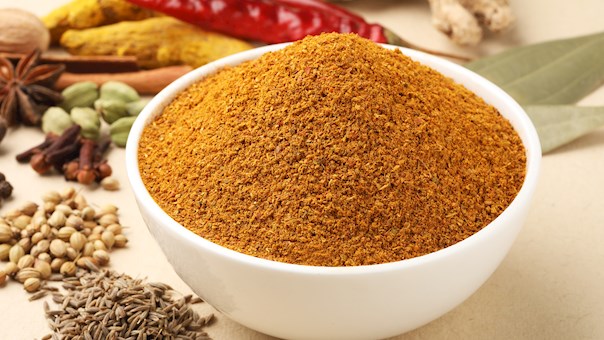
Garam masala is an intensely aromatic blend of ground spices such as cinnamon, cumin, cardamom, cloves, and peppercorns. Its name can be literally translated as hot ingredients, and is sometimes described as an aromatic blend that is meant to heat the body. This spice blend has origins in Northern India, where winters are typically colder than in the rest of the country. The spices used in garam masala vary from region to region, but no combination of spices is believed to be more authentic than another. It is recommended to use the spice blend at the end of the cooking process in order to achieve the best flavor, although it can also be used at the beginning of cooking, when it's usually added to ghee or cooking oil in order to provide a more pungent flavor. Garam masala is often used in the preparation of popular dishes such as rogan josh, a Kashmiri specialty, pulao, a Pakistani pilaf, or murgh kari.
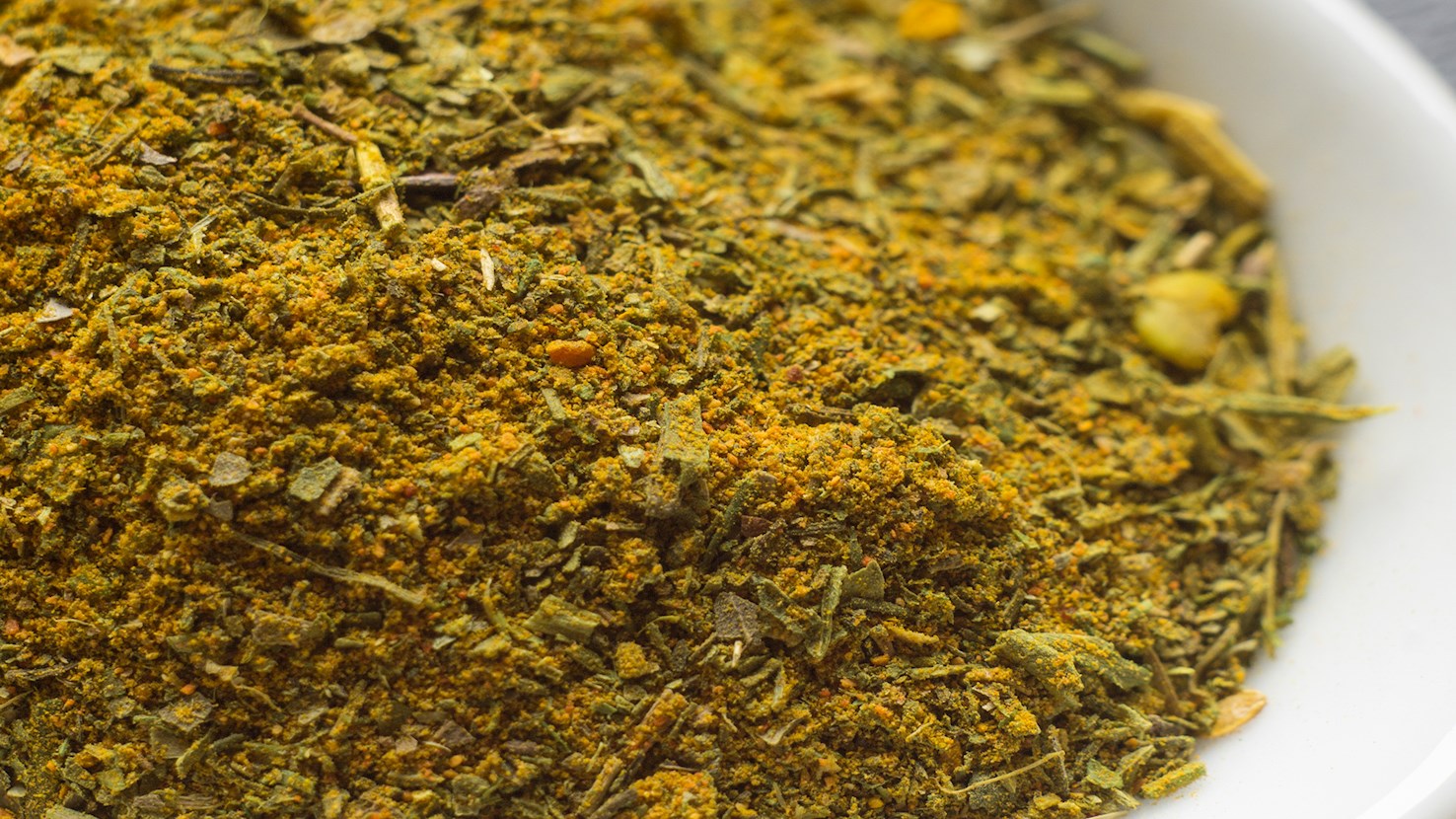
Khmeli suneli is a fragrant Georgian spice blend including fenugreek, coriander, peppercorns, dill, mint, marigold petals, and bay leaves. This spice blend is characterized by its combination of warm, bitter, nutty, and grassy flavors. It is traditionally used in various stews and meat dishes, but khmeli suneli also provides a depth of flavor to roasted vegetables and bean soups.
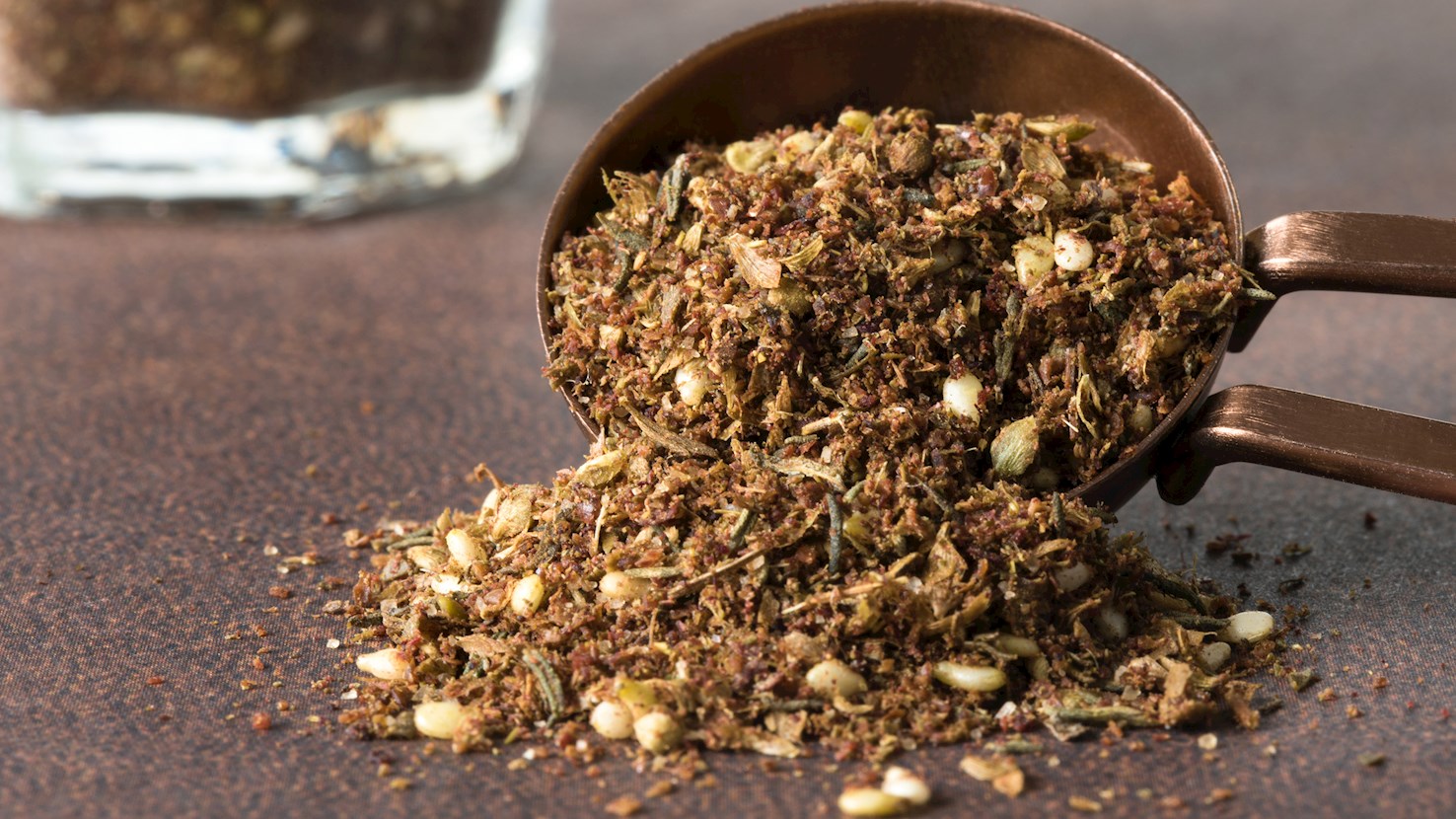
Za’atar is a herb and spice blend that comes from the Levant region, especially associated with Lebanon, Syria, Jordan, and Palestine, though its use extends across much of the Middle East. It is recognized by its earthy, tangy, and slightly nutty flavor, often made with a base of dried thyme or other herbs, combined with sumac, sesame seeds, and salt. Its name in Arabic refers both to the herb thyme itself and to the mixture that has become a defining element of Levantine cooking. References to za’atar go back to ancient times, with mentions of similar herb mixtures found in texts from the Eastern Mediterranean. For centuries it has been linked not just to culinary use but also to medicinal and cultural practices, as thyme and sumac were valued for both flavor and health properties. Families often developed their own preferred balance of ingredients, leading to variations from one region to another. In village markets, it became a product sold by weight, ground fresh and mixed with sesame, sumac, or other herbs like oregano and marjoram depending on local preferences. Preparation of za’atar starts with drying the chosen herbs until they can be crumbled into a fine texture. These are then blended with ground sumac, which adds acidity and a deep reddish hue, and sesame seeds, which are usually toasted to highlight their nutty aroma. Salt is added to preserve the mixture and balance the flavors. In some cases, other spices or wild herbs are included, reflecting regional differences. Za’atar is not eaten as a dish on its own but as a seasoning, yet its importance in daily meals is substantial. It pairs particularly well with fresh bread, labneh, roasted vegetables, and grilled meats. Its flavor stands out when combined with olive oil from the same regions, emphasizing the agricultural ties between land, spice, and table.
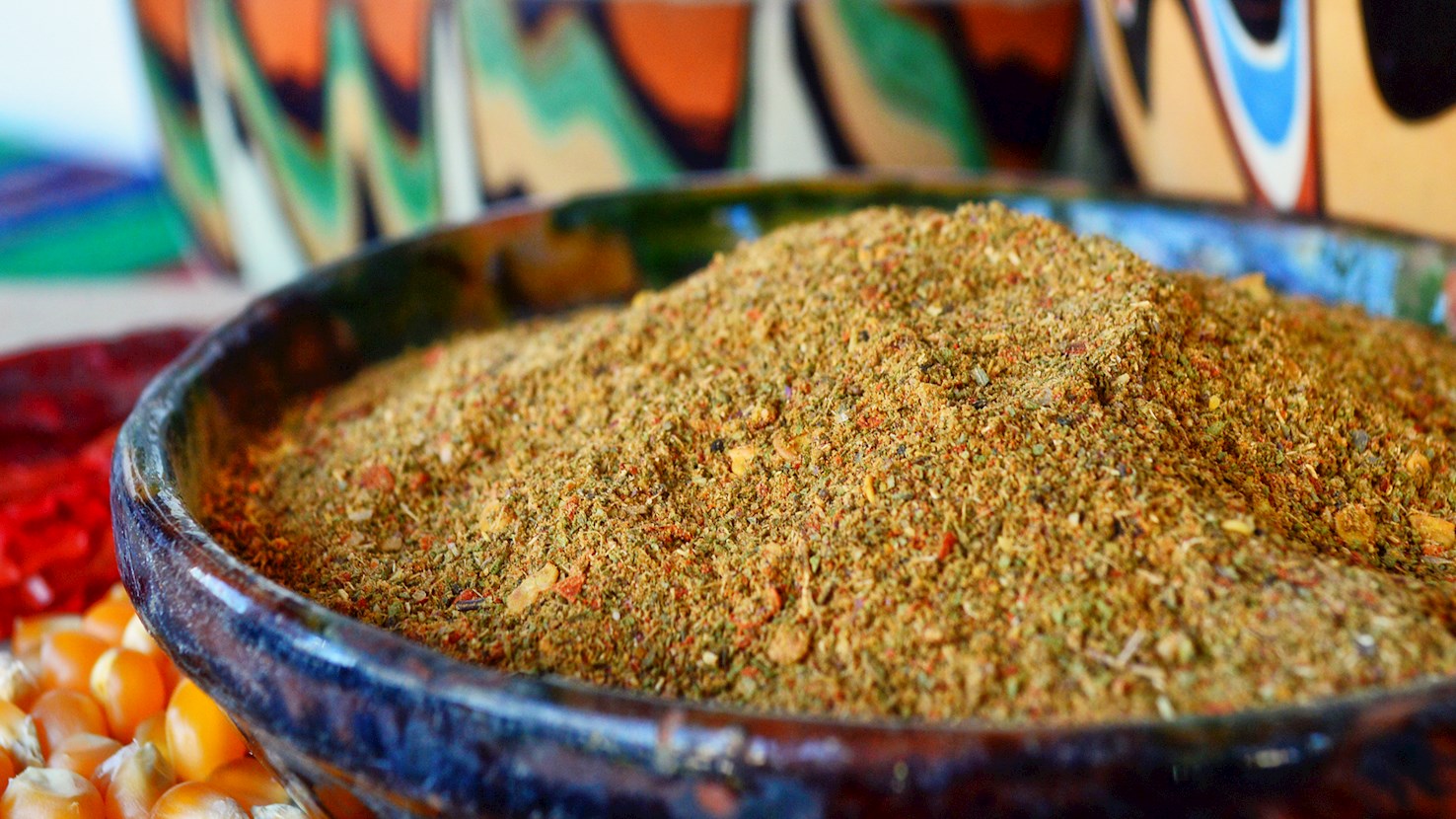
Sharena sol is the most popular Bulgarian spice mix that has been used in Bulgarian cuisine for centuries. It has a pleasant, mild, and aromatic flavor that enhances the taste of many meals. The key ingredients in sharena sol include paprika, salt, thyme, cumin, basil, dried fenugreek leaves, and summer savory. It is recommended to put sharena sol on bread, potatoes, fries, vegetables, or cheese. Interestingly, although sharena sol is translated as colorful salt, salt isn't a required ingredient and can be omitted from the spice mix.
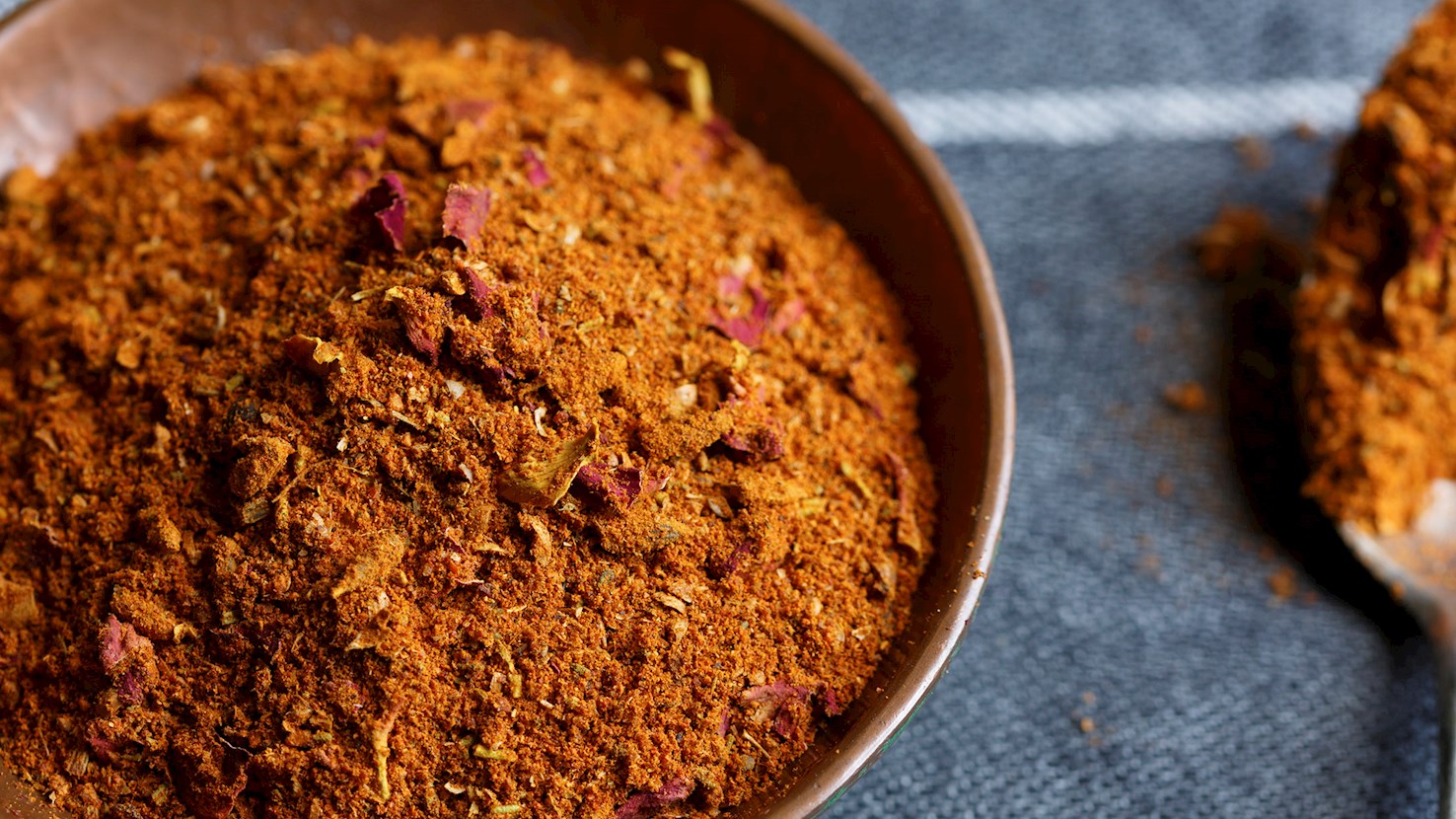
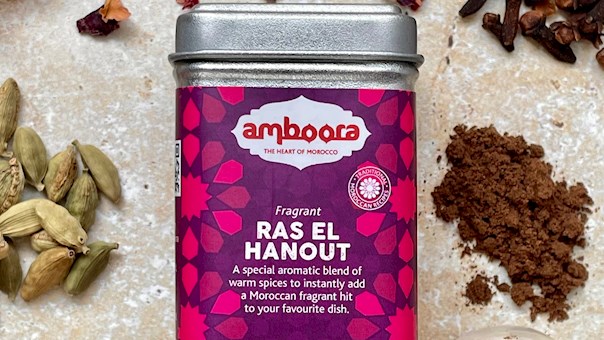
Ras el hanout is a mixture which often includes up to 40 different spices, while some blends claim to include over 100. Literally translated, ras el hanout means top of the shop, suggesting that the spice blend is the best and finest thing a consumer can buy from the merchants. Overall, the spice mix should be aromatic, warm, sharp, and slightly pungent, including some common, and some unusual ingredients such as dried lavender, caraway, galangal, a variety of peppers, dried rosebuds, and Japanese white ginger. Sometimes, ras el hanout can even contain hashish or a Spanish fly. It is quite versatile, so it can be rubbed into meat or stirred into rice dishes, and it is especially significant for giving the spicy and sweet aromas to the famous Moroccan tajines. Although each spice blend varies and no particular spice will stick out of the blend, when working together, ras el hanout gives serious flavor and punch to a number of dishes.
Berbere is an Ethiopian spice blend full of flavor and heat, made with a combination of spices such as chili, garlic, cumin, ginger, coriander, cinnamon, nigella, fenugreek, and ajwain. This spice blend can be used in its dry, powdery form, or as a paste, where the powder is combined with oil. It is traditionally used in numerous meat dishes and stews, providing them with spiciness and depth of flavor.
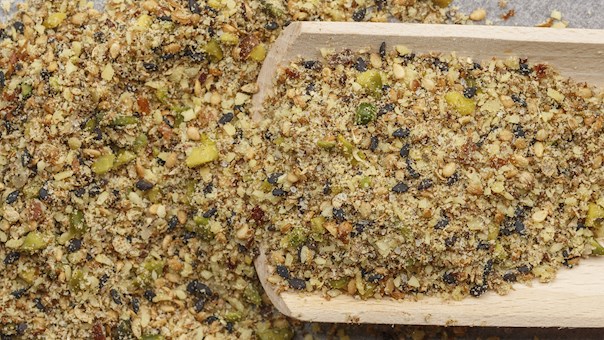
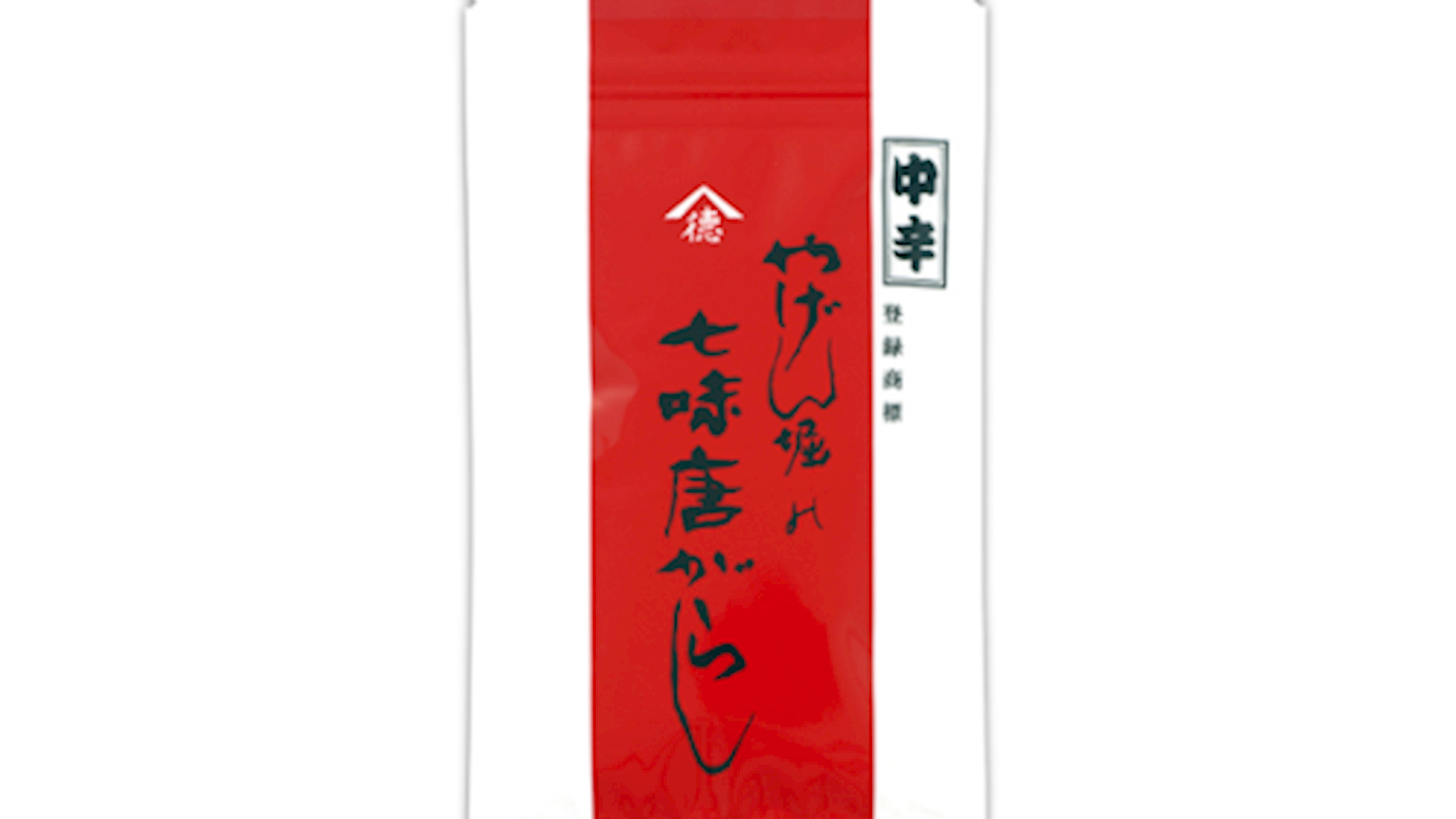
Sometimes referred to as the seven-spice powder, shichimi togarashi is a spice blend widely used in Japanese cuisine for imparting a nice smoky-sweet heat to a variety of dishes, from a steaming bowl of soba noodles to grilled fish. The origin of shichimi togarashi dates back at least to the 17th century when it was produced by local herb dealers in what was then a small, little-known fishing village of Edo, currently known as Tokyo. Its Japanese name literally translates to seven-flavor chili pepper, which is a reference to the usual seven ingredients that are used to make it: ground chili pepper, sansho or Japanese pepper, roasted satsuma mandarin peel, black or white sesame seeds, hemp seeds or hearts, ground ginger, and nori seaweed. Despite its name, the blend can also add or substitute other ingredients, including poppy seeds, yuzu citrus peel, shiso mint, and rapeseed, while the primary ingredient is always ground chili pepper. Shichimi togarashi is usually simply sprinkled on top of cooked dishes, but it also makes for an excellent rub or marinade for various meats and seafood. Also, while the selection of shichimi togarashi tends to be fairly limited in Western markets, in Japan, these flavorful spice blends are readily available in specialty stores such as the famous Yagenbori, which was established in 1625 and hasn't changed the manufacturing process since.
Translated from Arabian as spice, bahārāt is an aromatic blend of spices native to the Middle East. Although it is hard to pinpoint the exact spices used in the mix, the most common ingredients include black peppercorns, allspice, cassia bark, coriander, cardamom, chili peppers or paprika, cinnamon, cloves, and cumin. The amount of added spices influences the final aroma, which is typically smoky, sweet, and spicy. Bahārāt can be used as a seasoning for fish and meat, it is commonly added to soups and stews, but it also works well in marinades or as a dry rub.
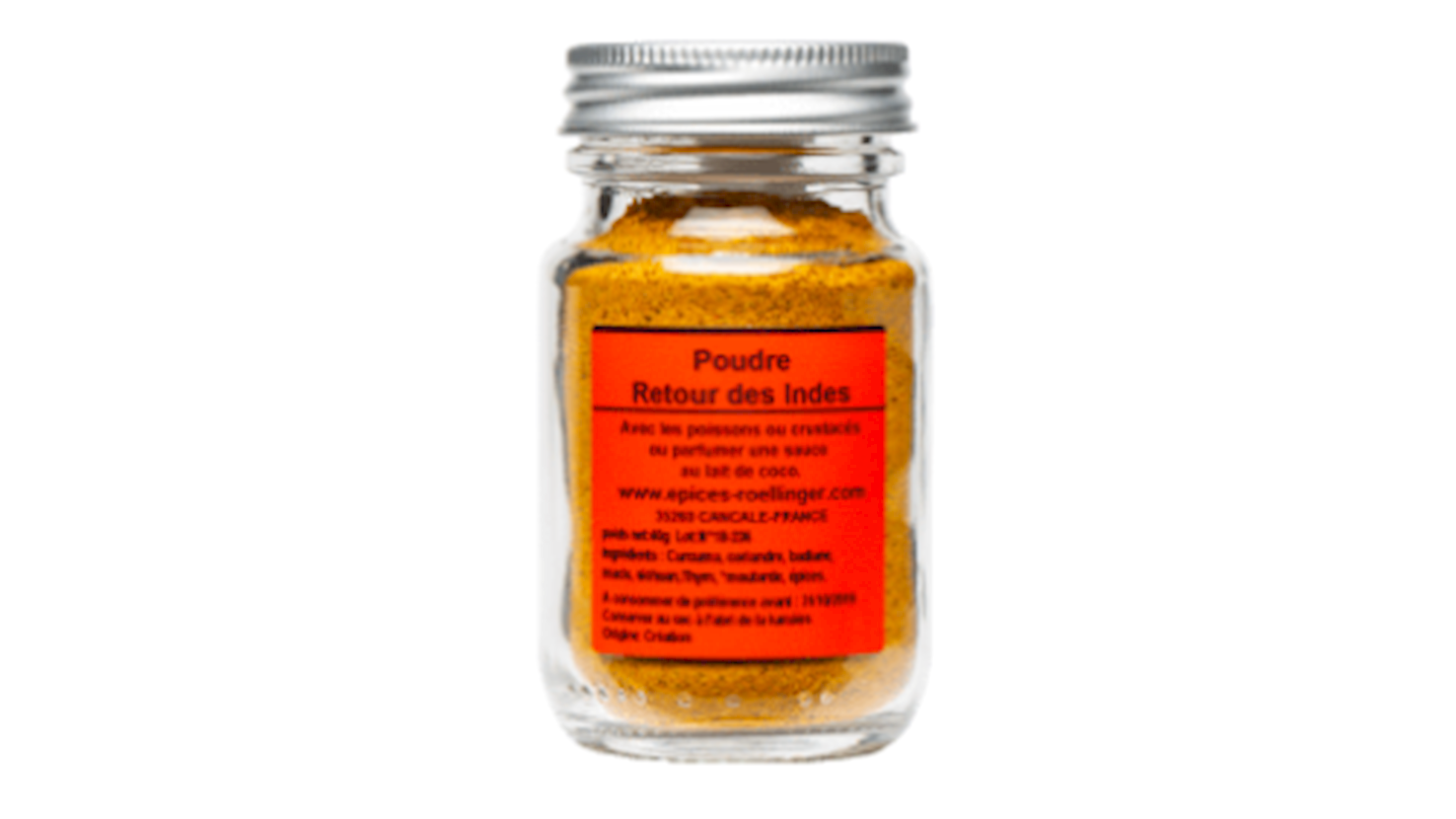
Épices Roellinger is a French gourmet spice house founded by chef Olivier Roellinger, closely linked to the maritime heritage of Saint-Malo and Cancale in Brittany. The brand grew out of Roellinger’s culinary work, where he began using spices as an aromatic language in 1984, inspired by the historic spice routes and the old trading culture of Saint-Malo. Today, Épices Roellinger offers rare spices, peppers, salts, oils, vinegars, vanilla, seaweeds and original spice blends created with a distinctly French culinary sensibility. Its philosophy is based on direct sourcing from selected producers, freshness of harvest, and a strong preference for organic, sustainable, wild or agroecological ingredients. The house is especially known for its original spice blends, designed not as generic seasonings but as precise culinary compositions connected to memories, journeys, places and dishes. Production and blending are associated with the Maison du Voyageur in Cancale, while the brand also operates boutiques in Cancale, Saint-Malo and Paris. Épices Roellinger is regarded as one of the reference names in the French gourmet spice world, valued for traceability, craftsmanship and its ability to translate the history of spices into contemporary cuisine.
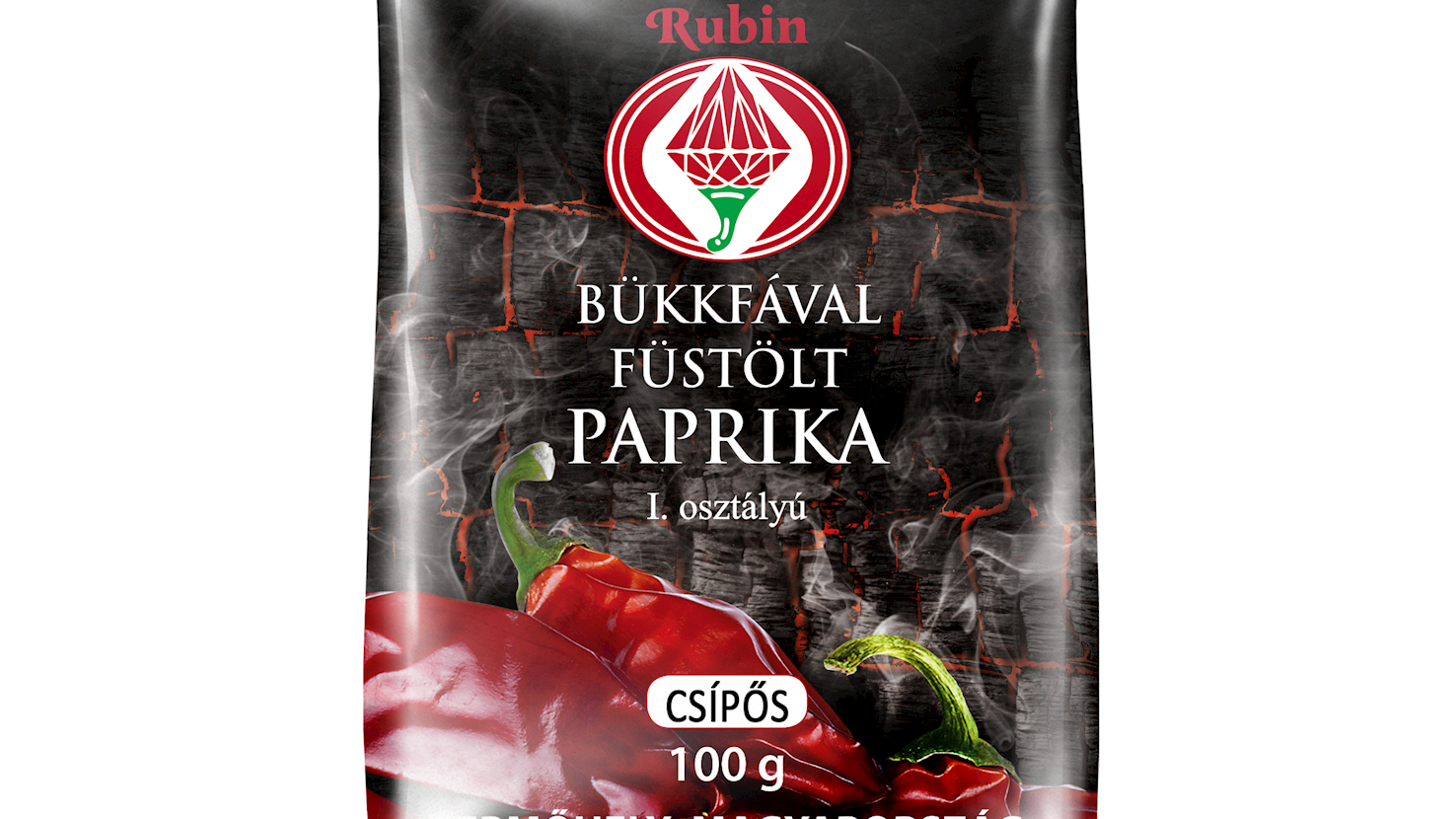
Rubin Paprika is a renowned producer of paprika-based seasonings based in Szeged, Hungary. Their product range includes high-quality offerings such as sweet and hot ground paprika, smoked paprika, paprika seed oil, chili flakes, and organic (BIO) paprika, available in both sweet and hot varieties. Rubin Paprika is dedicated to preserving traditional production methods while adhering to modern quality and food safety standards. Their products are highly regarded both domestically and internationally, contributing to the global recognition of Hungarian culinary traditions.
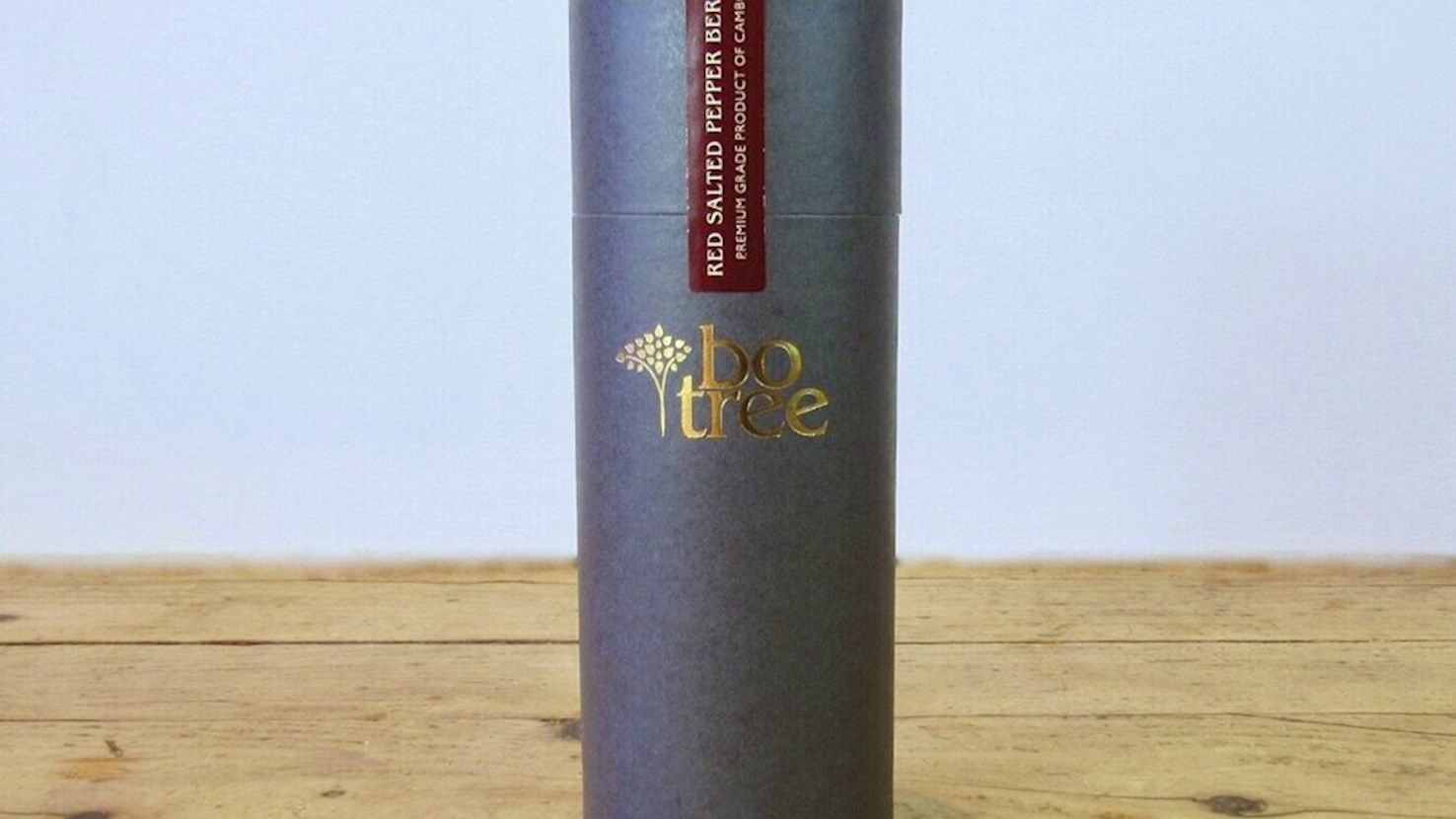
Bo Tree Farm is a spice blend and seasoning producer located in Cambodia. The company specializes in cultivating organic Kampot pepper, a variety highly prized within the culinary world. Bo Tree Farm emphasizes sustainable farming practices and works closely with local communities to ensure ethical production. They export their pepper globally, and it is known for its distinct flavor profile and high quality.
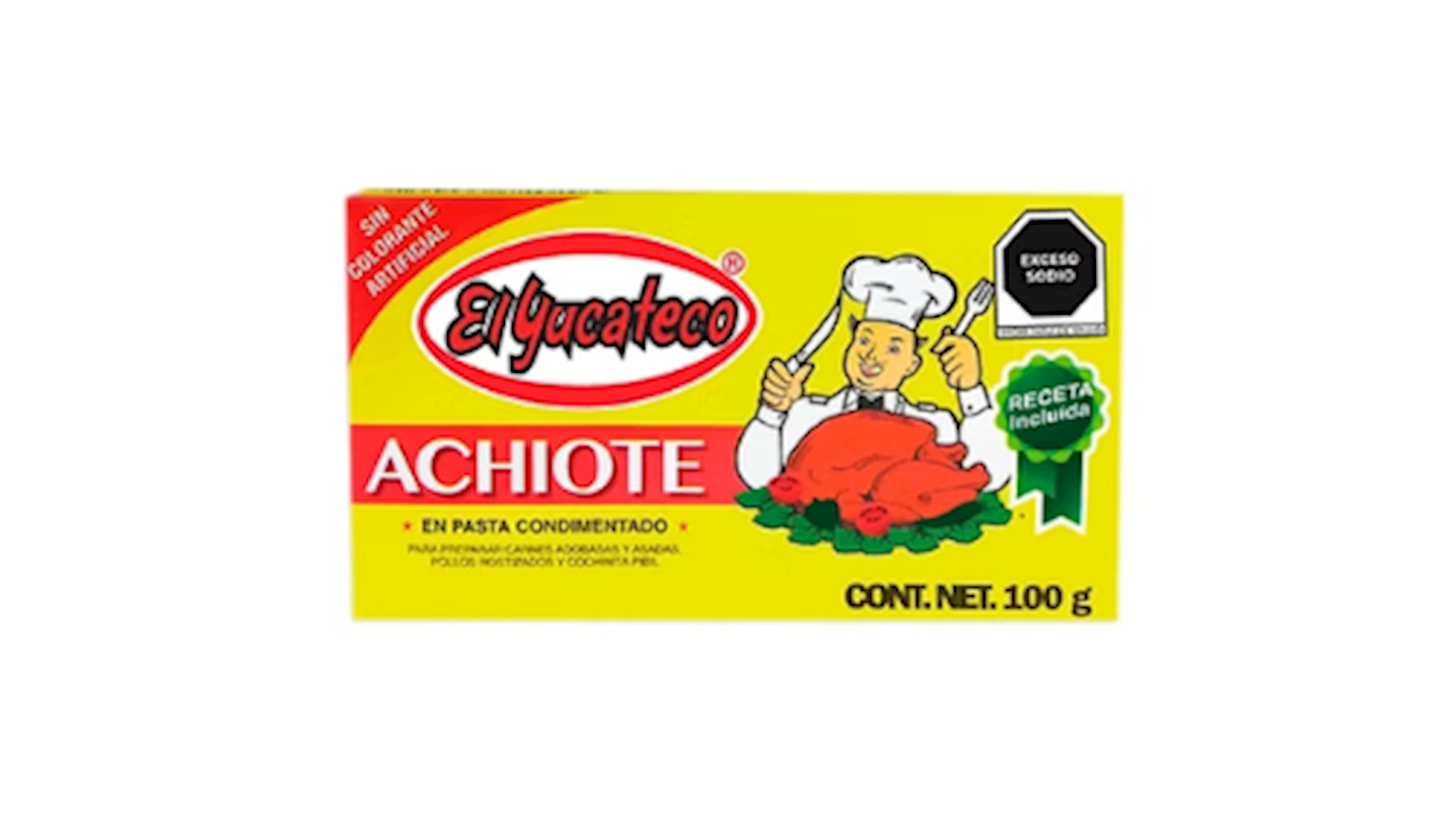
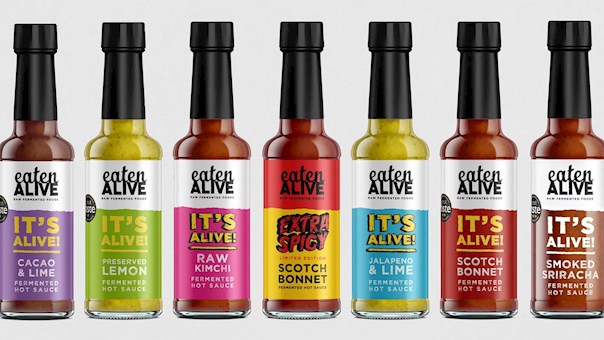
El Yucateco is a brand from Mérida, on the Yucatán Peninsula, founded in 1968 and developed from a small family workshop into one of the most recognized producers of habanero-based hot sauces. Its products rely on traditional recipes that highlight the natural flavor of the chili rather than a vinegar-heavy base, resulting in sauces with a more intense, authentic taste. The range includes classic red and green habanero sauces, as well as chipotle, jalapeño, and various fusion-style options featuring smoky or fruity notes. Today, El Yucateco is widely distributed across Mexico and internationally, especially in the United States and Canada, where it is appreciated for its consistent quality and distinctive heat. The sauces are used to enhance Mexican dishes, marinades, grilled foods, or everyday meals, adding depth, aroma, and the characteristic warmth of habanero chili.
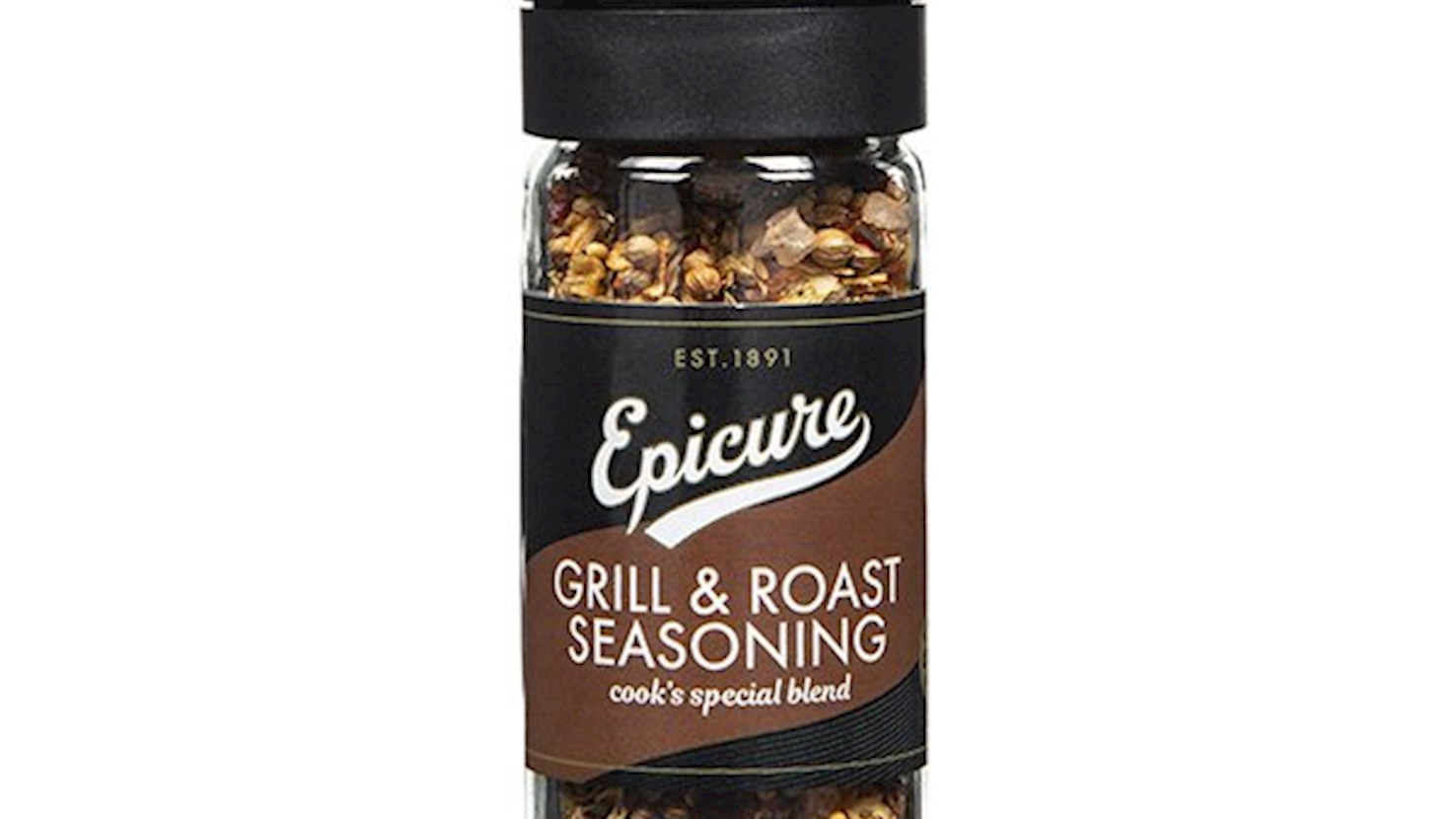
Epicure is a brand founded in 1891 in London, when the Wood family established the company with the idea of bringing new and authentic flavors from around the world to British consumers. Over time, it built a reputation as a brand that combines tradition and reliability with a constant exploration of new gastronomic trends. They are particularly renowned for their selection of Canadian maple syrups, which they have imported and distributed for many years in collaboration with reputable producers. Today, Epicure’s portfolio includes a wide range of products - from exotic and dried fruits, spices, and gourmet preserves to fine condiments and beverages. Their products are exported across Europe, Asia, the Middle East, and India. The blend of the Wood company’s history and carefully chosen partners makes Epicure a brand that faithfully conveys the spirit of authentic cuisine and inspires culinary creativity.
Yagenbori Shichimi Togarashi is a historic Japanese spice brand founded in 1625 during the Edo period, recognized as one of Tokyo’s oldest producers of the traditional seven-spice blend. The brand built its reputation on a carefully balanced mixture of red chili pepper, sansho (Japanese pepper), sesame seeds, poppy seeds, hemp seeds, and dried citrus peel, creating a layered profile of heat and aroma. Rather than delivering simple spiciness, Yagenbori emphasizes complexity and controlled warmth that enhances rather than overwhelms dishes. Production continues to rely on traditional hand-blending techniques and strict ingredient selection. For more than three centuries, the brand has remained closely tied to Tokyo’s culinary identity, particularly as a finishing spice for soba and udon noodles, soups, rice dishes, and grilled foods. Its distinctive packaging and availability in different levels of spiciness further reinforce its status as an authentic gastronomic emblem of the Japanese capital.
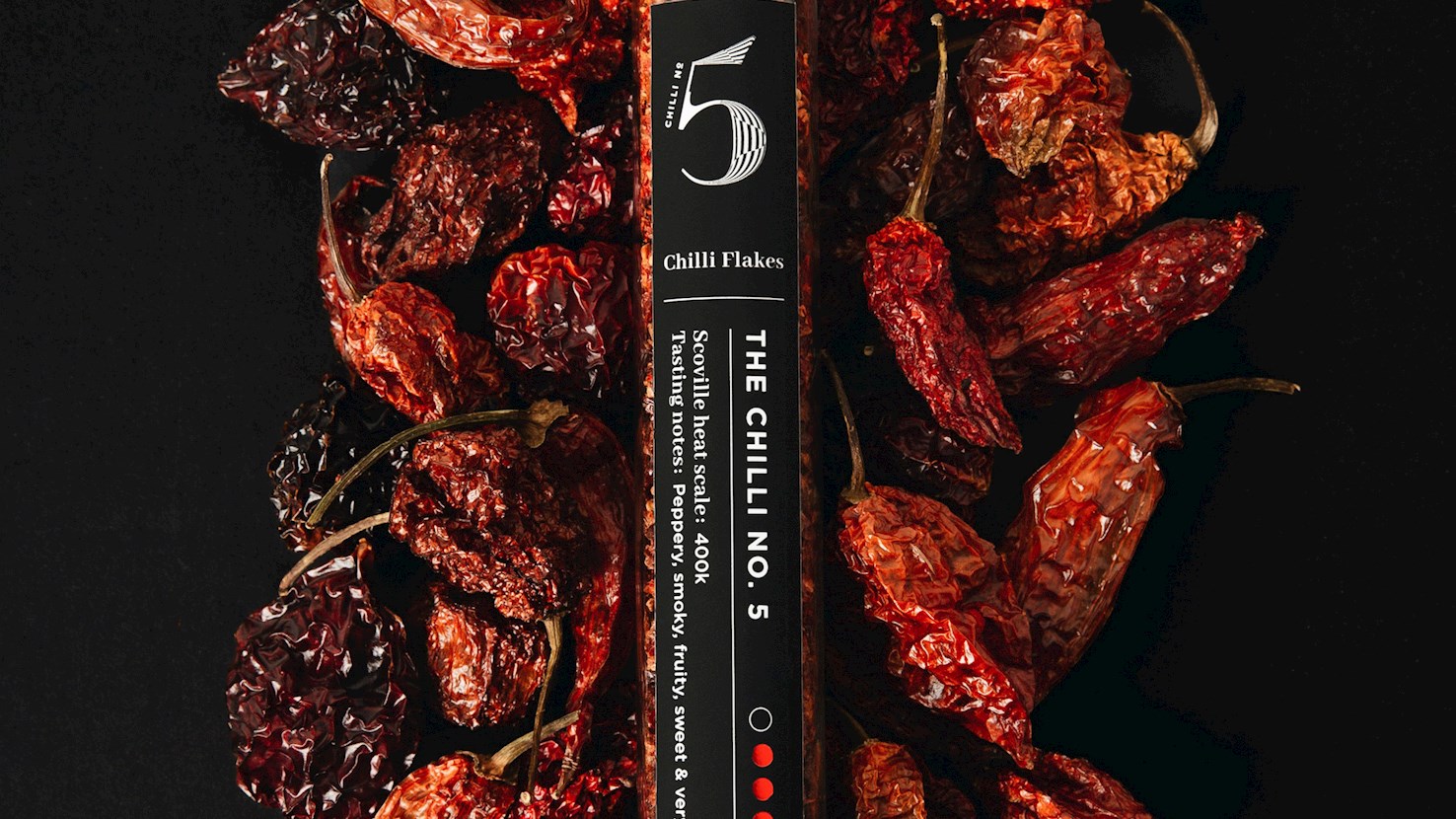
Chilli No. 5 Limited is a producer of spice blends and seasonings based in London. They specialize in creating gourmet chilli sauces and seasonings that focus on both flavor and health benefits. The company emphasizes the use of high-quality, natural ingredients in their products, and they offer a variety of spice blends catering to diverse culinary preferences.
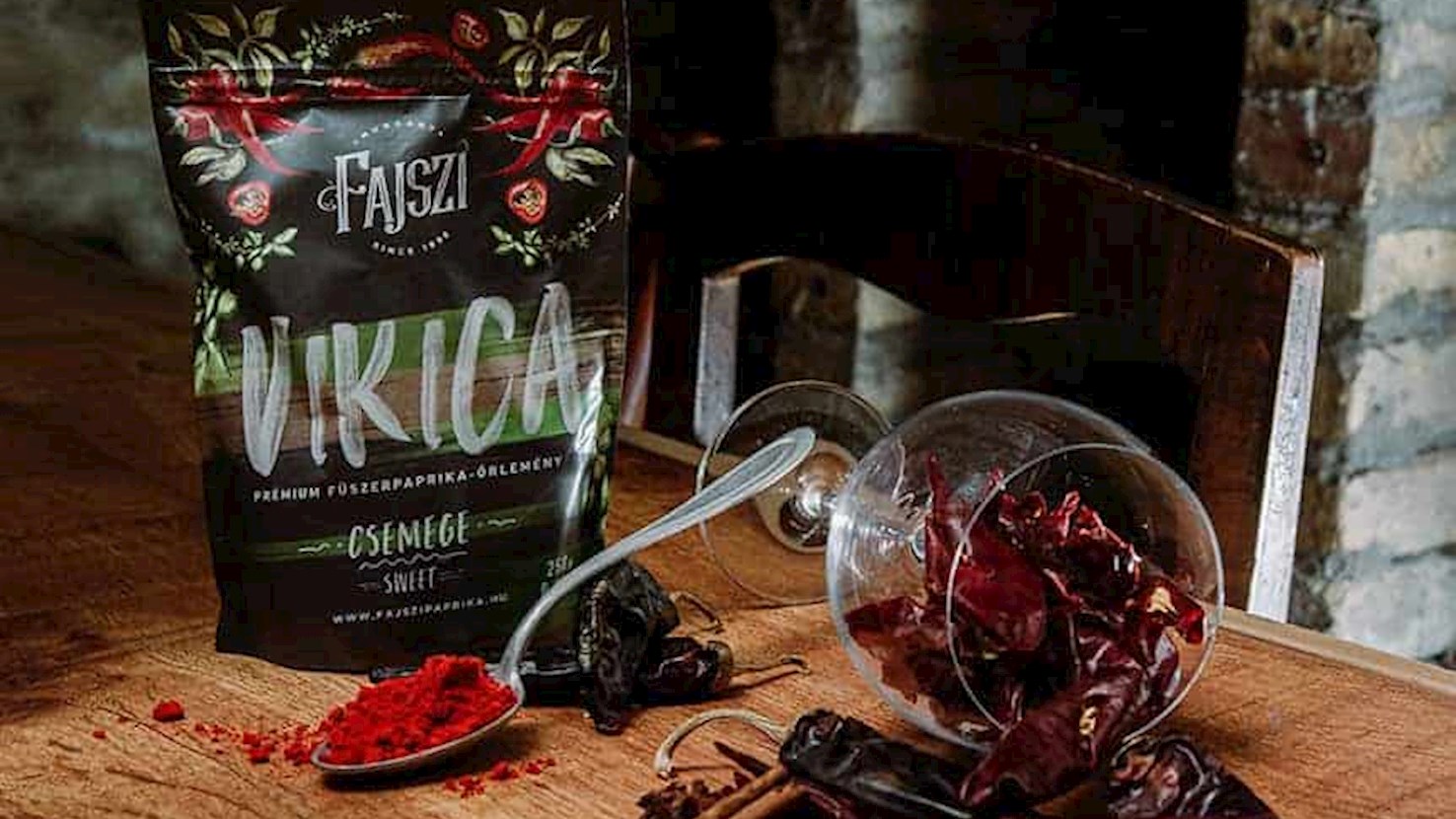
Fajszi Paprika Manufaktúra is a producer of spice blends and seasonings. The company specializes in traditional and innovative spice mixtures. Their product range includes various types of paprika and other seasoning blends.
TasteAtlas food rankings are based on the ratings of the TasteAtlas audience, with a series of mechanisms that recognize real users and that ignore bot,
nationalist or local patriotic ratings, and give additional value to the ratings of users that the system recognizes as knowledgeable.
For the “Top 47 Spice Blends and Seasonings in the World” list until June 06, 2026, 2,367 ratings were recorded, of which 1,175 were recognized by the system as legitimate.
TasteAtlas Rankings should not be seen as the final global conclusion about food. Their purpose is to promote excellent local foods,
instill pride in traditional dishes, and arouse curiosity about dishes you haven’t tried.
The initial list of top producers was compiled based on available reviews, awards, local recommendations, media and blog coverage, and consumer reviews.
The list will be updated with ratings from TasteAtlas local ambassadors and TasteAtlas users.