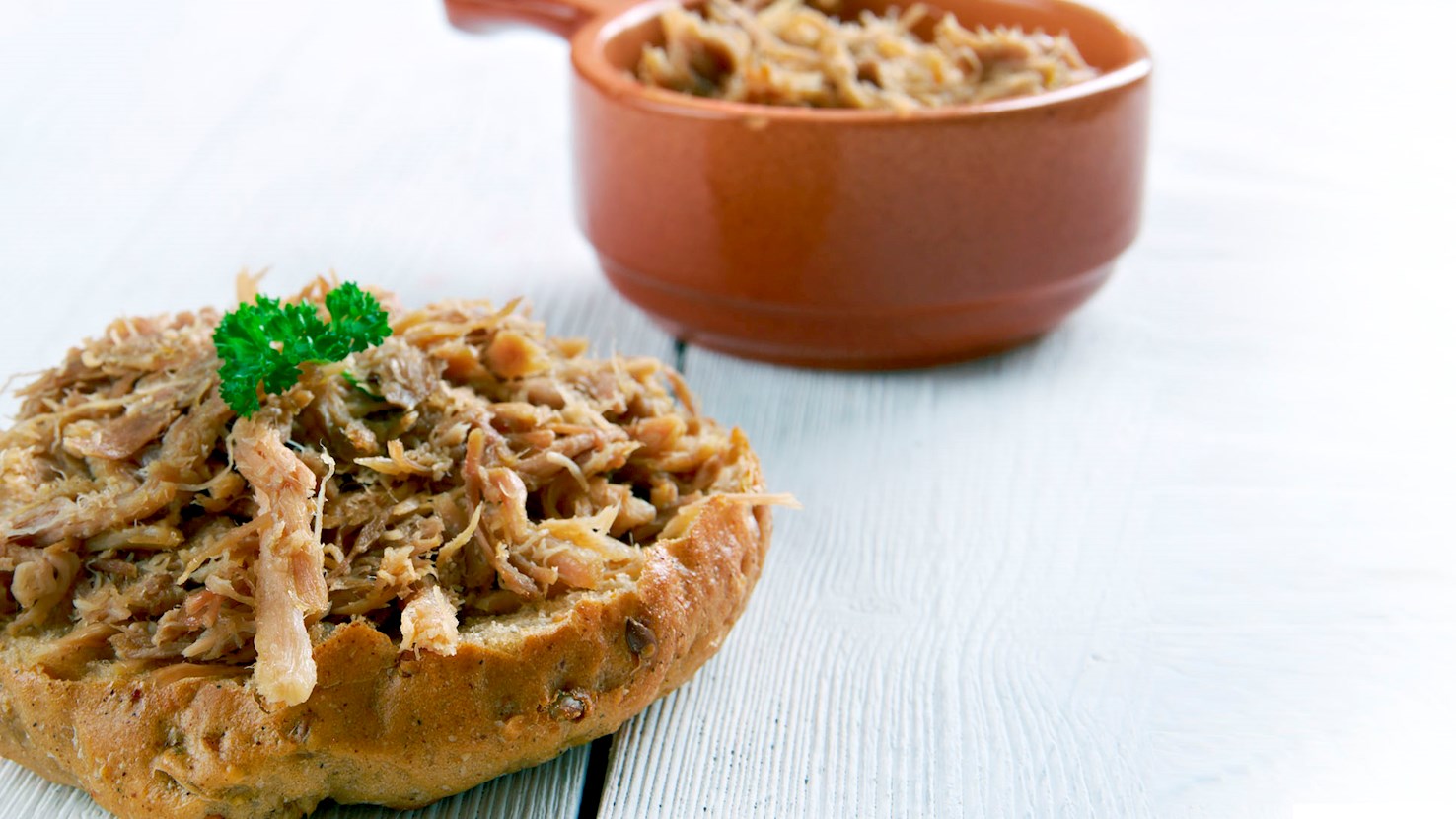
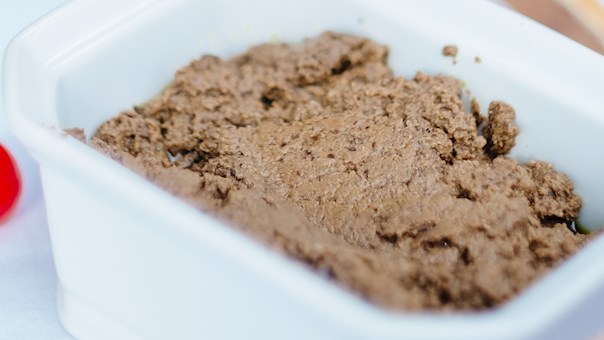
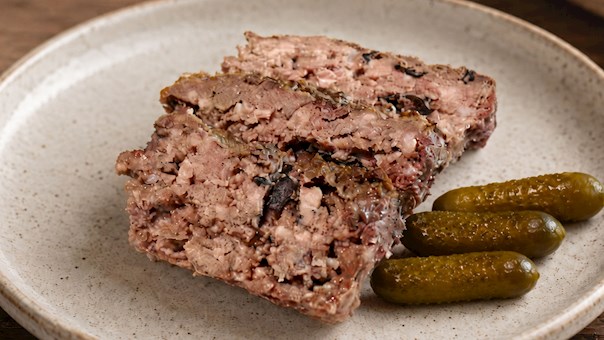
Rillettes de Tours is a spread made from pork meat that has been slowly cooked in a pot of pork fat. It is made in the French area of the city of Tours. Rillettes is sold all over the charcuteries in France, where the locals affectionately call it 'pig jam', usually presented in a pot or a jar, where it can be covered with a layer of fat to preserve the product. The meat can be flavored with white wine during the cooking process, and the result is a golden yellow to brown paste with a rough, coarse texture and a browned-meat taste, like the essence of roast pork. Serve it on toasted bread with cornichon pickles to cut the rich taste of this French delicacy, and pair it with a glass of cold white wine.
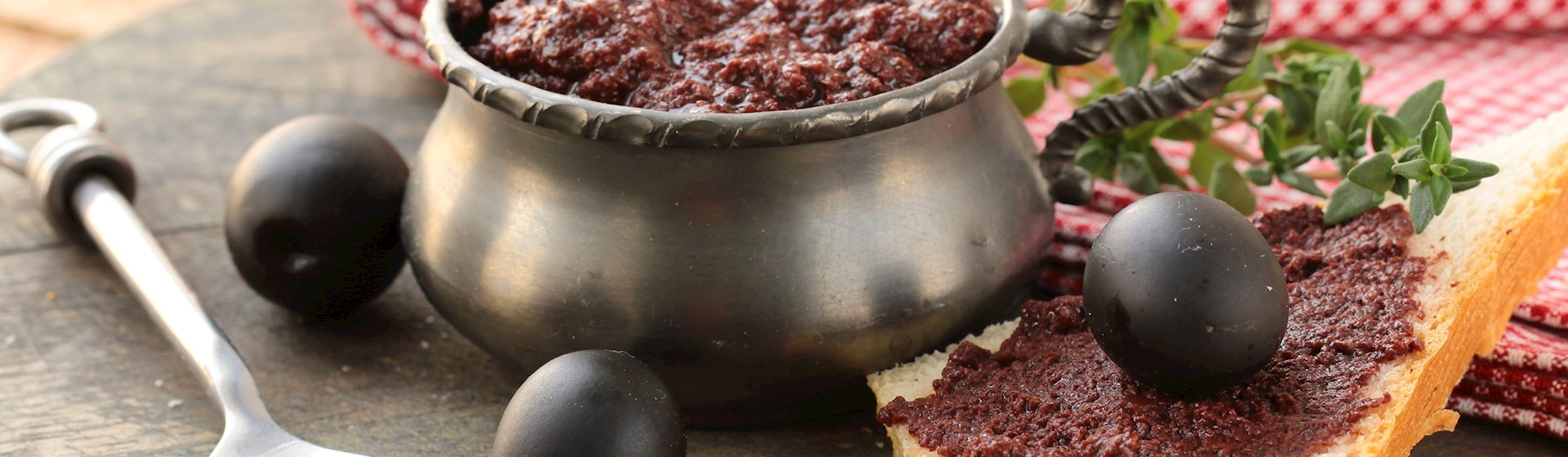
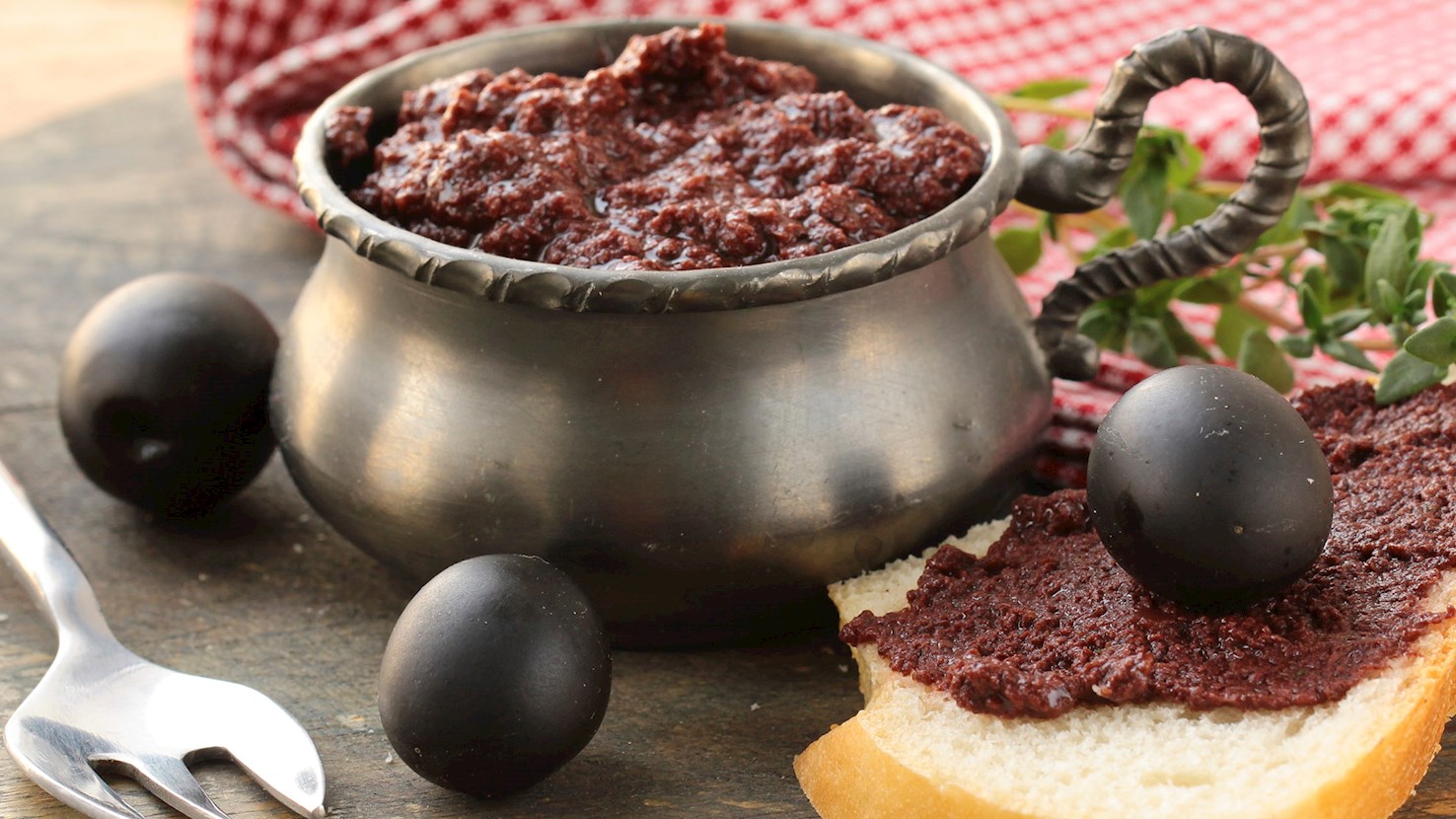
This aromatic, decadent spread is made with black or green olives. The original recipe includes four essential Mediterranean ingredients – chopped olives, anchovies, capers, and olive oil – combined with additional ingredients and spices to form a thick, fragrant spread. Even though it is often described as a Provençal recipe, it was originally invented in 1880 by a chef Meynier at a Marseilles restaurant called La Maison Dorée, while the first recipe dates back to 1897, when it was published in Jean-Baptiste Reboul's La Cuisinière Provençale. In the past, tapenade was made using a mortar and pestle, but today it can be easily prepared in a food processor. Even though it uses simple ingredients and is a quick dish to prepare at home, ready-made tapenades can be found in supermarkets all over the world. French restaurants usually serve it as an appetizer with a warm, crunchy baguette on the side. Sometimes, it is also used as a dipping sauce for crackers, assorted vegetables, or breadsticks.
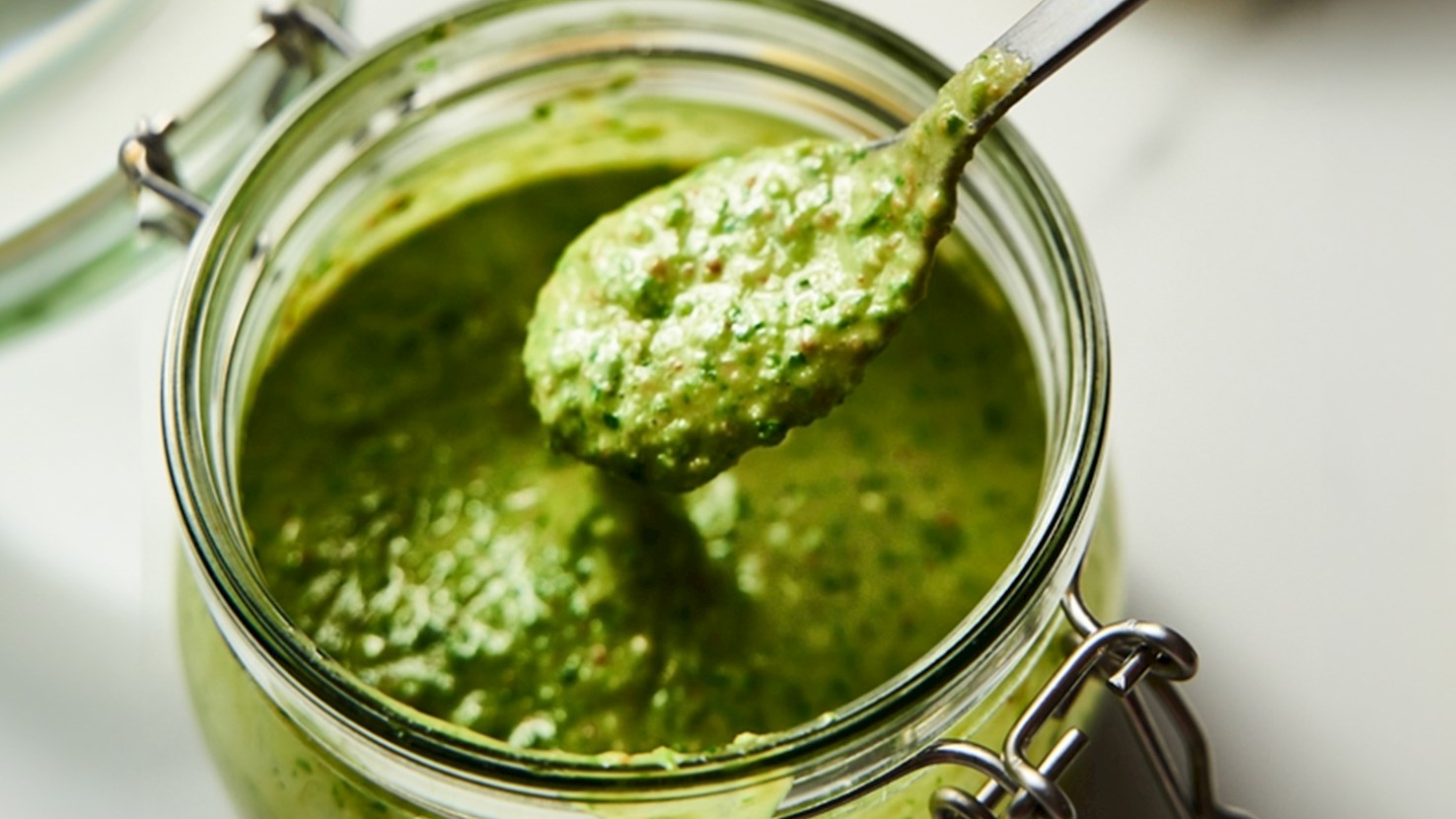
Pesto di limone, also known as lemon pesto, is a variant of the traditional Italian pesto sauce that incorporates lemon into its recipe. Originating from the Procida island near Naples, this pesto is a sauce consisting of lemon (both juice and zest), crushed garlic, pine nuts, Parmigiano-Reggiano cheese, coarse salt, basil leaves, parsley, and olive oil. The lemon introduces a bright, citrusy note to the sauce that is particularly enjoyable in summer or with seafood dishes. As with other pesto sauces, pesto di limone is often served with pasta, but it can also be used as a marinade for poultry and fish, a spread for sandwiches, a dip for vegetables, or a dressing for salads. Its versatility and fresh, vibrant taste have made it a popular choice in many contemporary Italian and Mediterranean dishes.
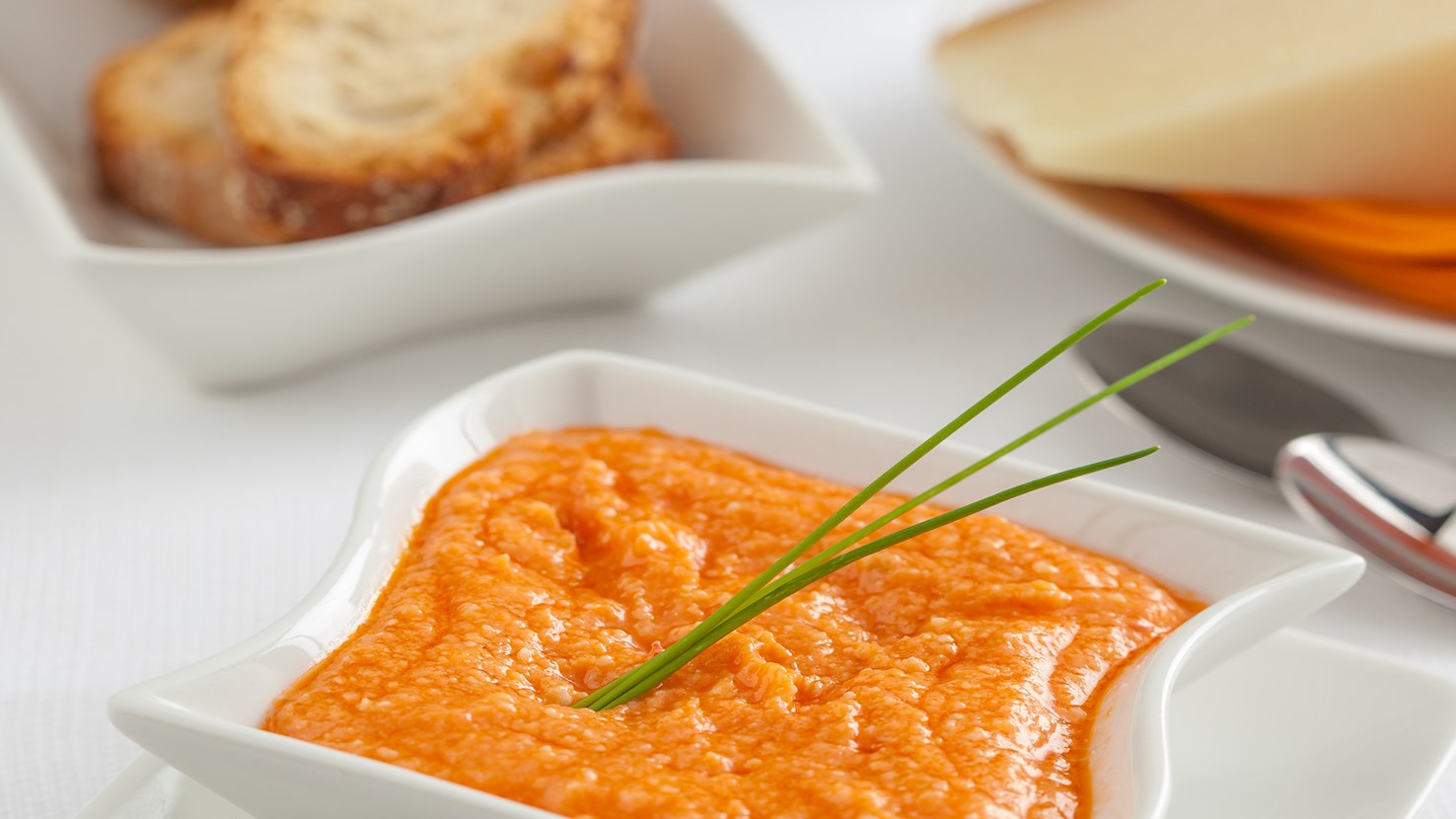
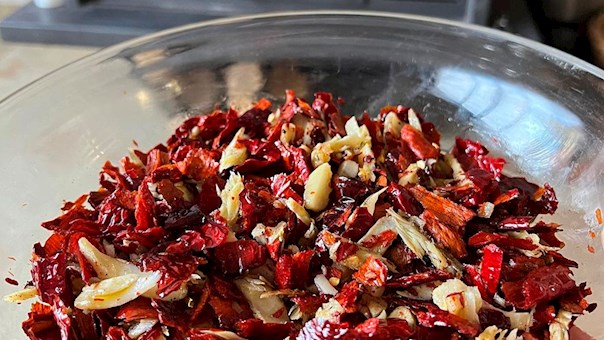
Almogrote is a unique sauce from the Canary Islands, consisting of over-cured hard cheese, garlic, olive oil, and peppers. It is traditionally prepared using a wooden mortar and pestle, but it can also be made in a blender. After it has been prepared, almogrote is usually spread on toasted bread or used as a sauce. It is recommended to pair it with a glass of wine.
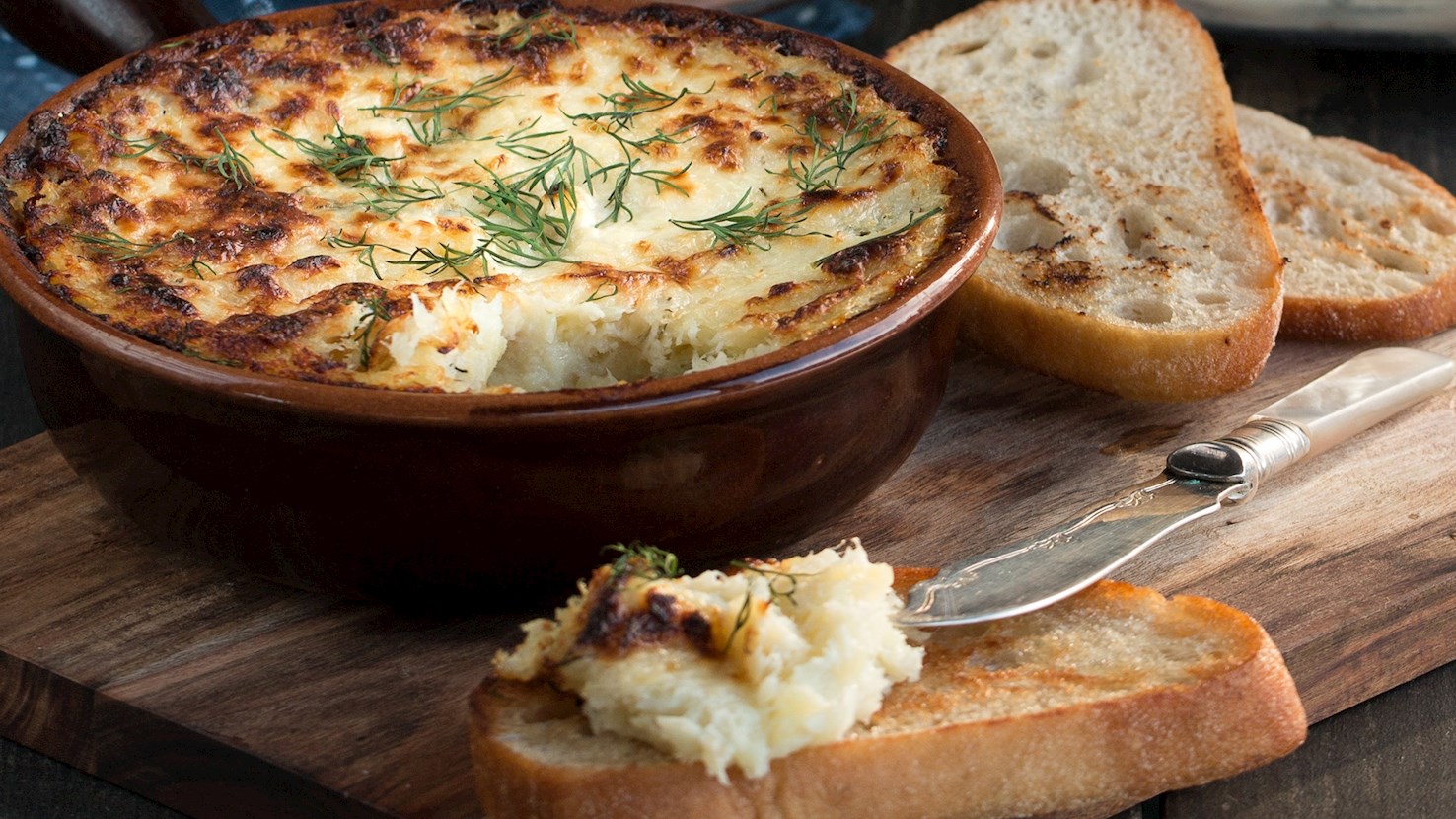
Brandade de morue is a velvety, whipped spread or paste of rehydrated Atlantic salt cod, warm olive oil, milk, and occasionally potatoes, originating in the city of Nîmes and present in the Roussillon, Languedoc, and Provence regions. The creation of this seafood spread stems directly from the region's historic geographic position within Mediterranean trade networks, where massive cargoes of heavily salted cod from the Grand Banks of Newfoundland were exchanged for the prized, high-quality sea salt extracted from the nearby coastal marshes of Aigues-Mortes. The first recipe dates from 1786, when imported salted cod flesh was first mashed with garlic, local olive oil, and a touch of milk to create the original regional preparation. The name derives directly from the Occitan verb brandar, signifying the vigorous shaking and continuous stirring required to mechanically bind the ingredients together. The Occitan specialty achieved massive success from 1830 onwards after being introduced and popularized within Parisian aristocratic circles by the celebrated chef Charles Durand, cementing the preparation into the broader canon of classical French gastronomy. Variations incorporating boiled and mashed potatoes emerged concurrently during this period as a widespread Parmentier modification designed to increase the yield and mellow the intense maritime salinity. Furthermore, this exact method of preparing emulsified cod is formally classified as Margot de morue within Alcide Bontou's seminal text, Traité de cuisine bourgeoise bordelaise. The recipe begins by submerging the rigid salt cod in cold water for twenty-four to forty-eight hours. Frequent water replacements are executed to aggressively extract the harsh curing minerals from the flesh. The rehydrated fish is gently poached in a bath of water or milk until perfectly tender, and all extraneous skin, cartilage, and pin bones are meticulously discarded. The hot, purified cod is transferred into a heavy stone mortar and pounded aggressively into a coarse paste with a wooden pestle. While maintaining a steady, vigorous agitation, warm extra-virgin olive oil and heated whole milk are introduced in alternating, slow streams. This continuous mechanical force causes the animal proteins, fats, and liquids to emulsify thoroughly, yielding a dense, airy paste structurally identical to a stiff mayonnaise. Flavoring components are strictly limited to the pounded garlic, freshly grated nutmeg, ground white pepper, and an occasional splash of citrus juice. The hot, savory mixture is served predominantly as a rich appetizer, spread generously over garlic-rubbed croutons, scooped with fried bread, or piped elegantly into baked puff pastry vol-au-vent shells. For opulent banquets and extravagant holiday feasts, fresh black truffle shavings are folded directly into the warm emulsion to elevate the aromatic profile. The heavy, calorie-dense paste is consumed in large quantities throughout the cold winter months. Due to strict Catholic dietary mandates that forbid meat on specific holy days, the seafood emulsion serves as an indispensable nutritional pillar during the somber fasting period of Lent and as a mandatory meatless centerpiece for the traditional Provençal Christmas Eve supper.
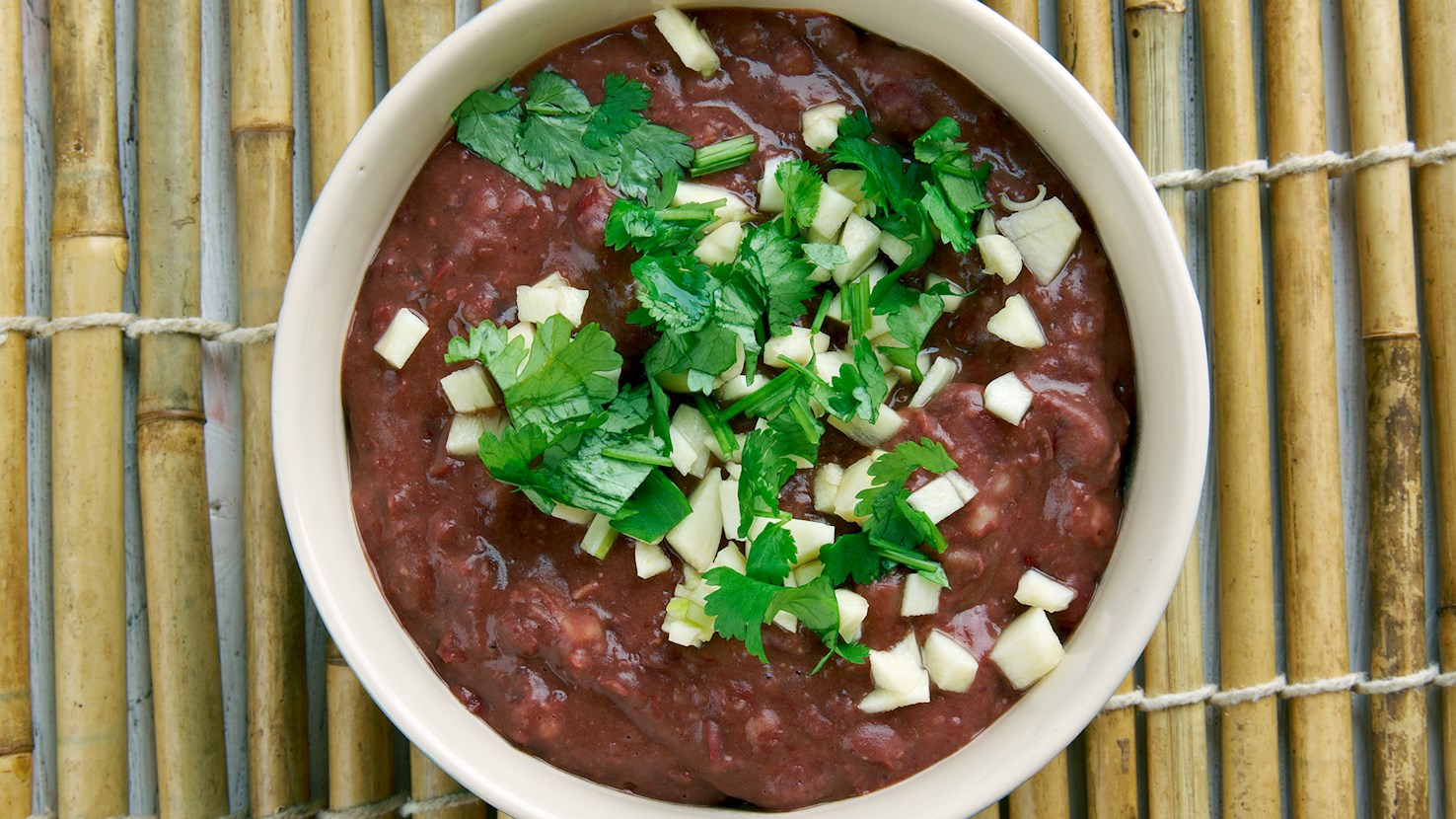
Bigilla is a broad bean dip originating from Malta. It is usually eaten as a snack or a spread, served with Maltese crackers called galletti, or toasted sourdough bread. Soaked and boiled dried tic beans—ful ta’ Girba are mashed with garlic, parsley, and olive oil into a paste seasoned with salt and pepper, which can optionally be flavored with chili, lemon juice, and various herbs.
Brandacujùn is a traditional dish originating from western parts of Liguria. It's made with a combination of stockfish (usually dried cod), potatoes, olive oil, garlic, pine nuts, parsley, and seasonings such as salt and black pepper. The combination is mashed and mixed until smooth and creamy. Brandacujùn is typically served as an appetizer and enjoyed smeared on crusty bread that's been rubbed with garlic.
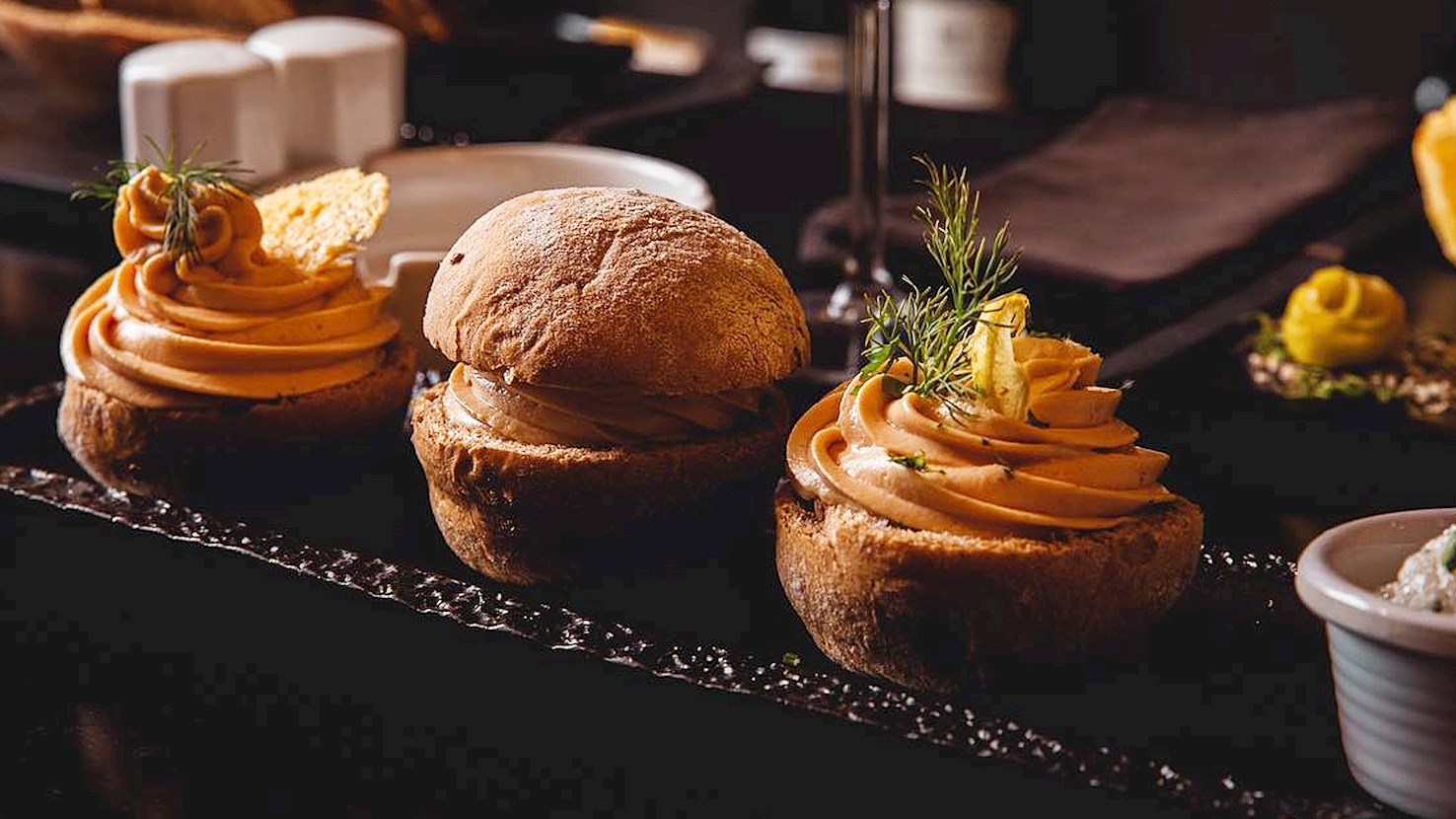
Mousse de foie gras is a French delicacy made with slices of sautéed duck or goose foie gras that are processed into a smooth, light, and spreadable paste with ingredients such as softened butter, béchamel sauce, or crème fraiche (a thick, slightly sour cream). This dish typically uses the cheaper (grade B or C) foie gras, and it is usually seasoned with salt and black pepper and flavored with the tart Pomme de Vie apple brandy, orange-flavored Grand Marnier, or port wine. A simple, yet elegant appetizer, foie gras mousse is incredibly versatile. It can be enjoyed as a canapé spread, on top of slices of soft brioche, toast, vol-au-vent puff pastries, or tart shells, but it can also be used as a garnish for salads or soups or as a filling for choux pastries.
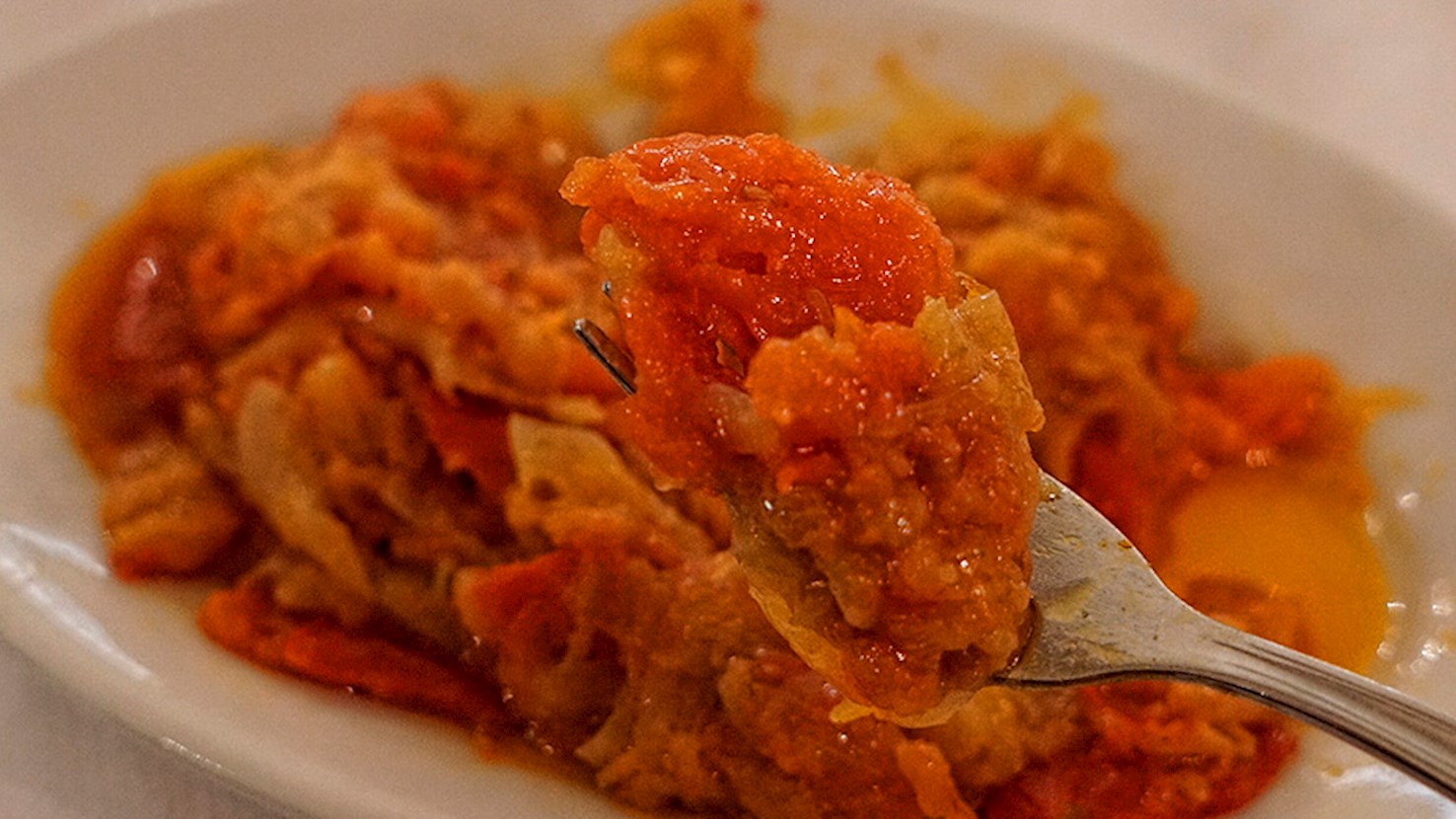
Friggione (also known as frizòn) is an onion and tomato dip, a traditional peasant dish originating from the farming villages around Bologna. It is prepared by macerating thinly sliced white onions in salt and sugar and then slowly cooking them in lard with the addition of chopped fresh tomatoes. Nowadays, the lard in recipes is often replaced with extra-virgin olive oil, but the onions remain an undisputed star of this dish: not any sort will do, and as the onions need to be sweet and delicate, the perfect choice is a famous local onion variety called medicina. Friggione shows how humble ingredients can create a tasty dish – for a full gastronomic experience, pair it with homemade bread or polenta crostini, boiled meats, or sausages.
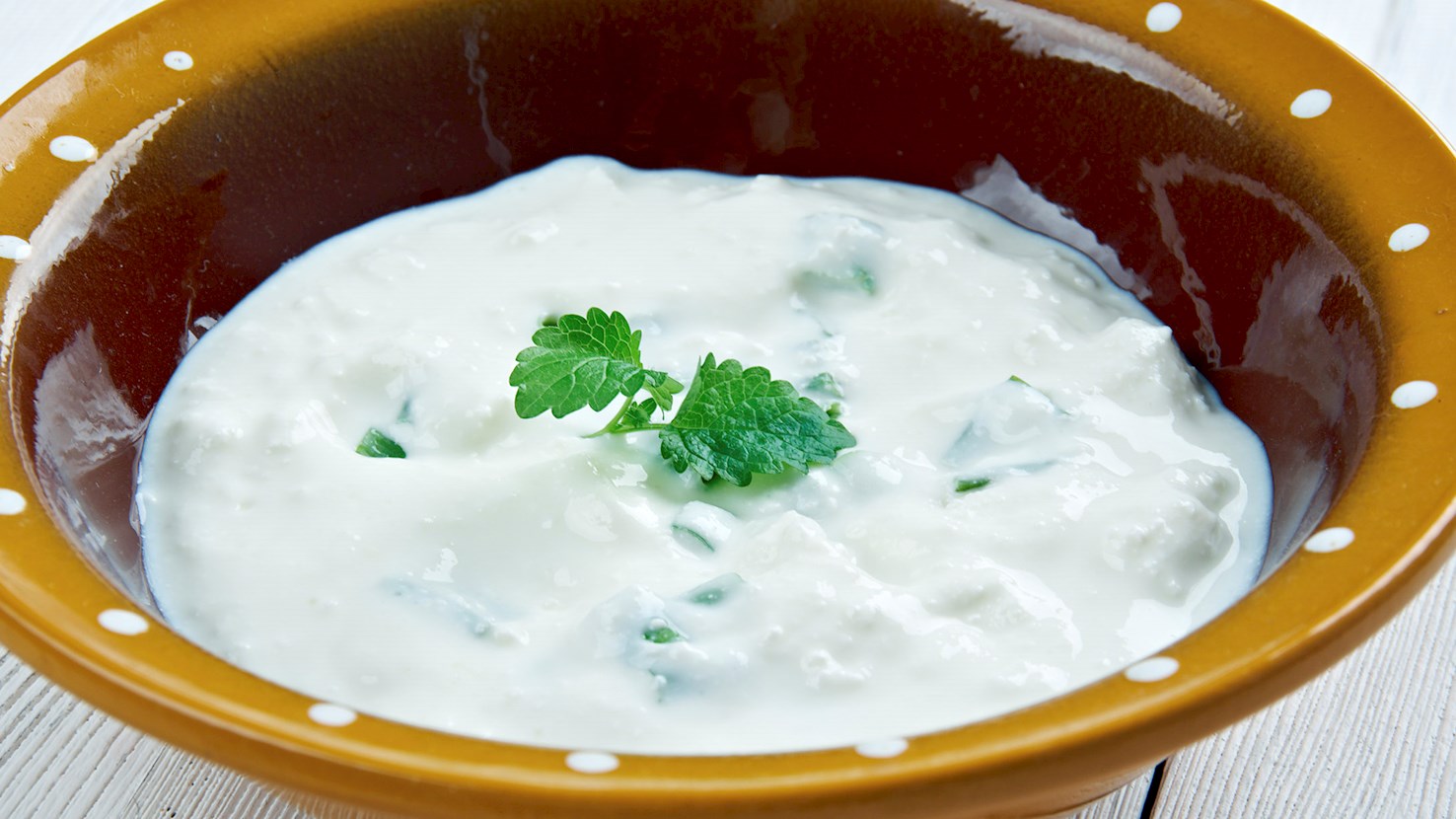
Cervelle de canut is a fresh cream cheese spread that is often seasoned with vinegar, salt, pepper, olive oil, garlic, and chopped fresh herbs. The spread originates from the French city of Lyon and it is the city's specialty. Regarding the name of the dish, it is literally translated to silk weaver's brains. However, it is 100% vegetarian, as the dish was named after canuts – the silk weavers of Lyon in the 19th century. Since the weavers were mostly poor and couldn't afford real brains, they invented their own dish, a spread which was often placed on a piece of bread or a potato.
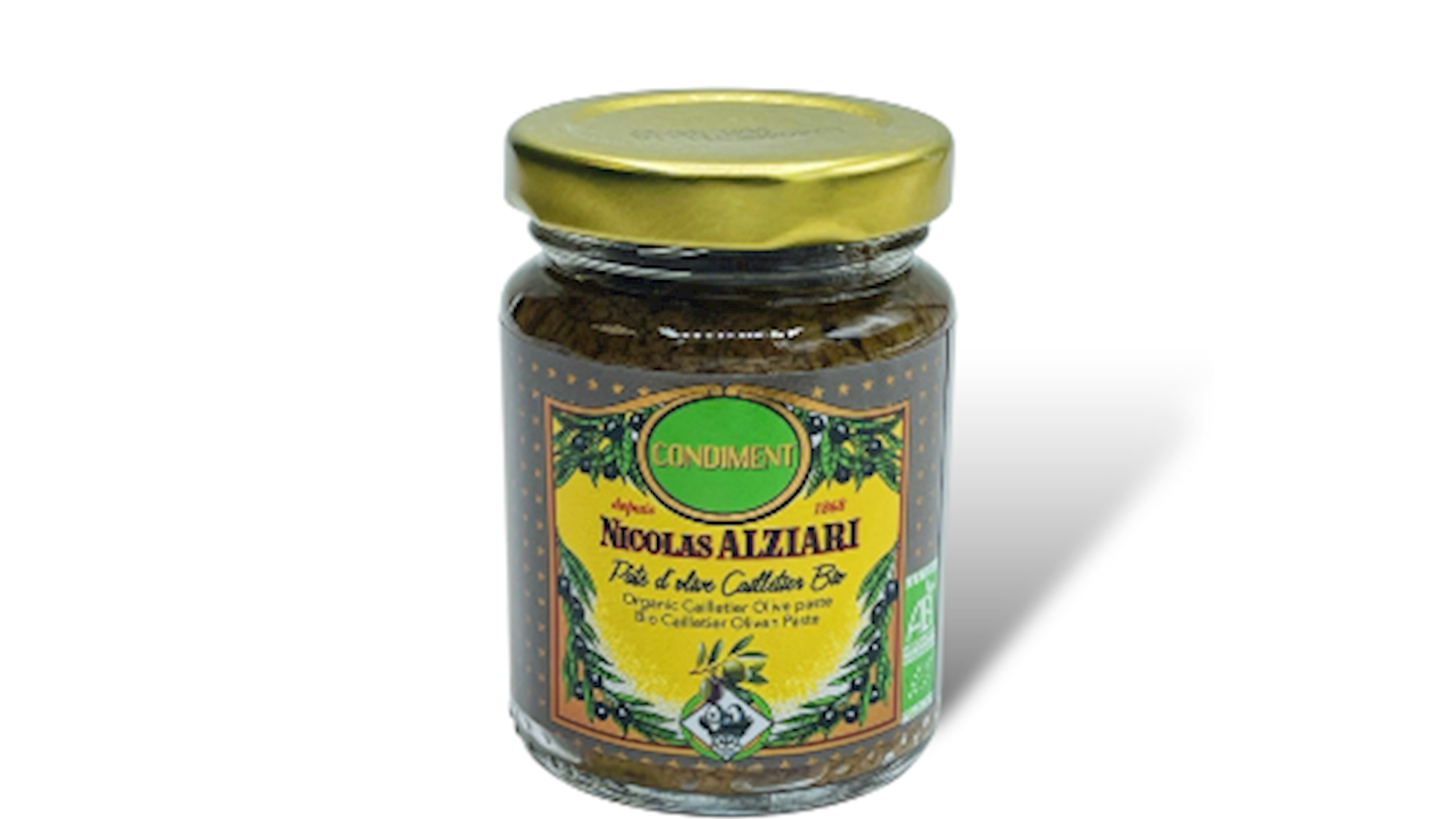
Maison Nicolas Alziari is one of France’s oldest and most recognizable olive-oil houses, founded in 1868 in Nice. Their work is rooted in traditional milling methods combined with a refined selection system that blends the local Cailletier variety with carefully chosen olives from across the Mediterranean.
They own extensive groves along the Côte d’Azur and control the entire production process - from harvest to bottling - which ensures consistent quality and a distinctive aromatic style. The Alziari range spans from delicate, mild oils to more fruity and intense expressions, while their signature blue tin has become an emblem of heritage and craftsmanship.
Today, their oils are regarded as a benchmark of French olive-oil production and are sold in specialty shops around the world.
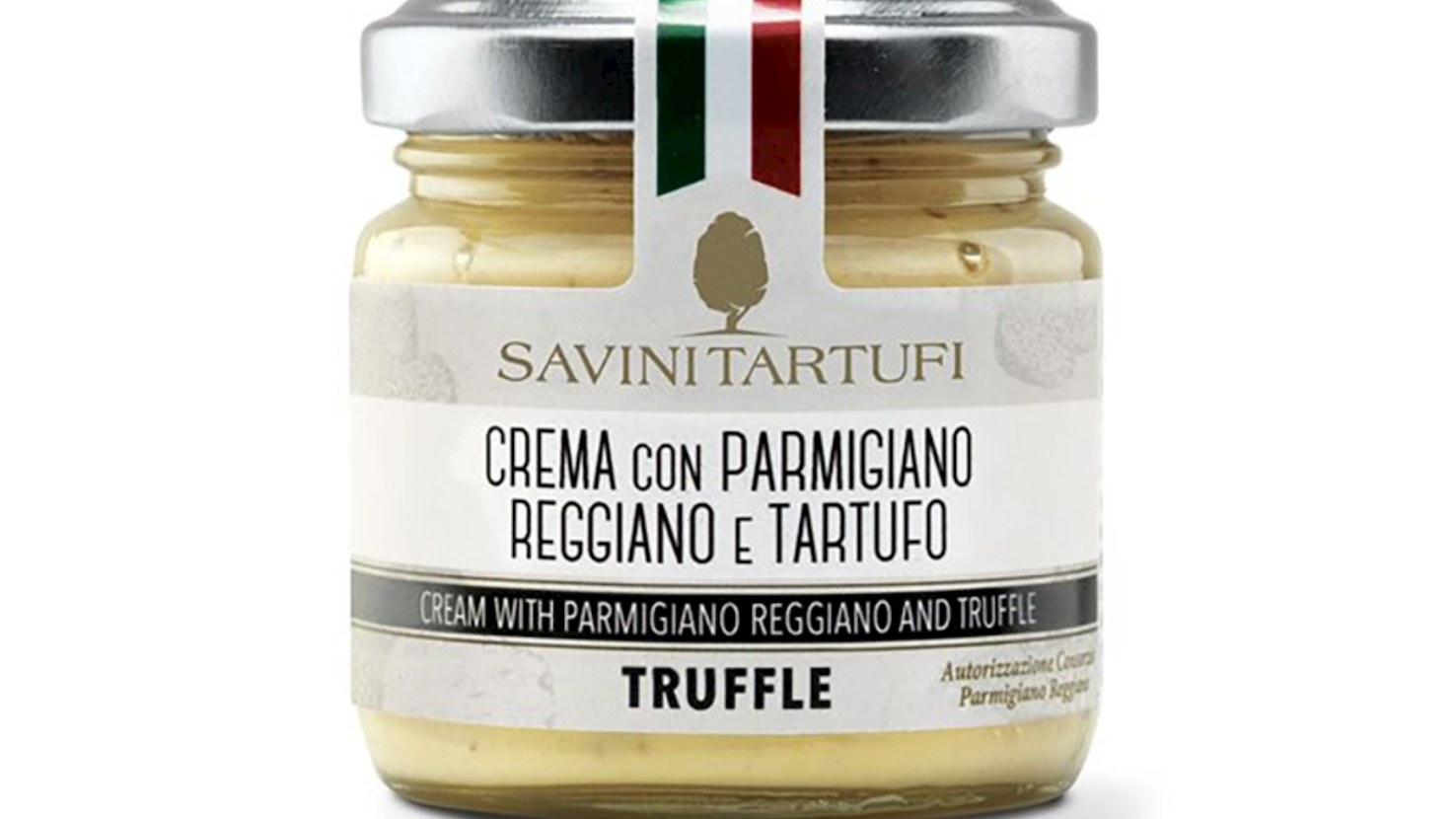
Savini Tartufi is an Italian truffle company based in Forcoli, near Pisa, in Tuscany. The Savini family has been connected with truffle hunting since 1920 and today represents four generations of experience in the sector.
Its story began with Zelindo Savini, who collected and traded white truffles in the woods around the Villa Saletta estate near Palaia. Over time, the family developed from local truffle hunters into a specialized producer of fresh truffles, preserved truffle products, sauces, condiments, pasta, rice, oils, spreads and gourmet specialties.
The company emphasizes respect for nature, since truffles depend on healthy woodland ecosystems, especially areas with oaks, poplars and hazelnut trees. Savini Tartufi also offers truffle hunting experiences and an academy, connecting its products with the Tuscan landscape and traditional knowledge behind truffle searching.
Its range combines fresh seasonal truffles with more accessible preserved products intended for home cooking, restaurants and gift assortments. Today, Savini Tartufi is presented as a Made in Italy brand rooted in family tradition, artisanal expertise and the truffle culture of the Tuscan countryside.
TasteAtlas food rankings are based on the ratings of the TasteAtlas audience, with a series of mechanisms that recognize real users and that ignore bot,
nationalist or local patriotic ratings, and give additional value to the ratings of users that the system recognizes as knowledgeable.
TasteAtlas Rankings should not be seen as the final global conclusion about food. Their purpose is to promote excellent local foods,
instill pride in traditional dishes, and arouse curiosity about dishes you haven’t tried.
The initial list of top producers was compiled based on available reviews, awards, local recommendations, media and blog coverage, and consumer reviews.
The list will be updated with ratings from TasteAtlas local ambassadors and TasteAtlas users.









What People Say