

shutterstock

Top 63 Spanish Stews

Last updated on July 15, 2026
01

Rabo de toro

4.3 ·

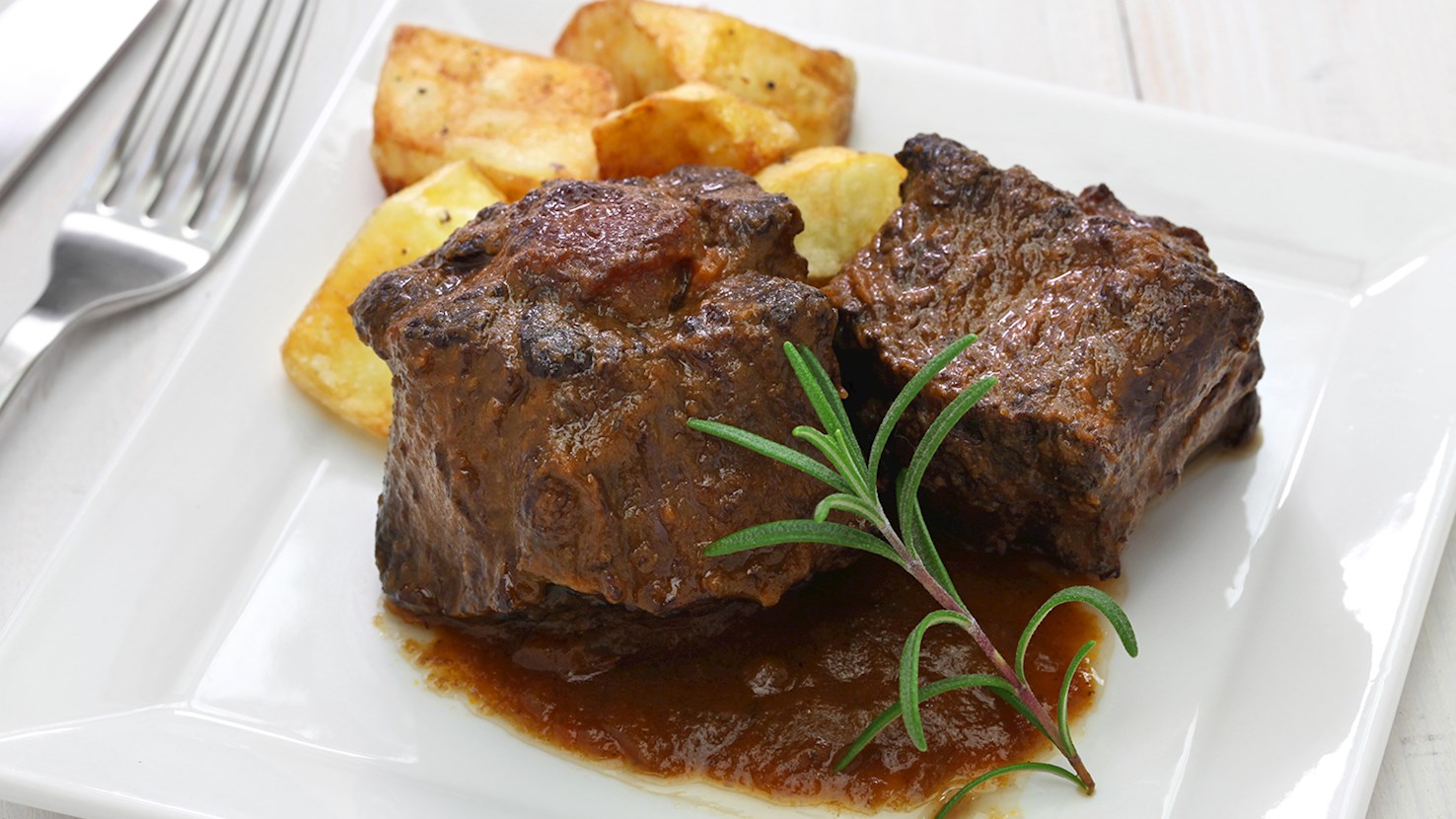
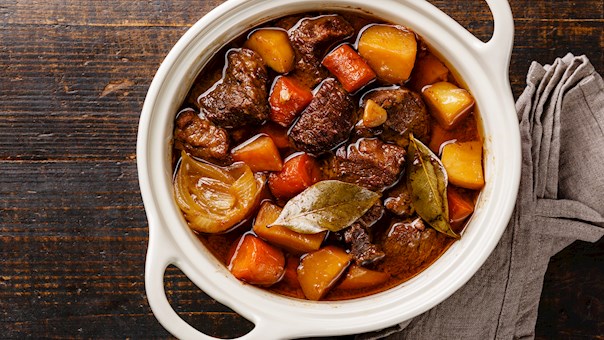
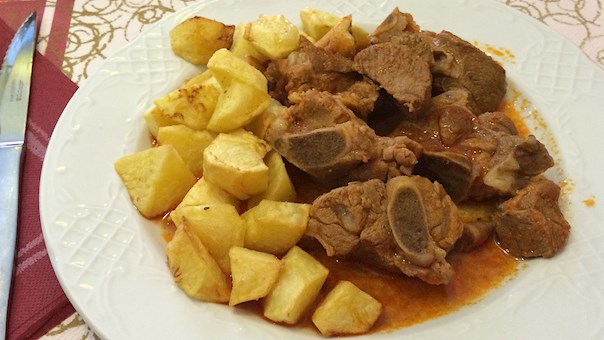
Rabo de toro is a traditional dish originating from Córdoba, although it's eaten throughout Andalusia. Each restaurant and region has their own recipe, but it's usually made with a combination of oxtail, olive oil, onions, garlic, carrots, celery, paprika, tomatoes, red wine, dry sherry, bay leaves, and parsley. Once cooked, this slow-braised stew is typically served with fried potatoes on the side. It is believed that rabo de toro dates back to Roman times, when the bull would be killed at a bullfight, and its tail would be braised and enjoyed in celebration. Nowadays, the dish is especially popular during the colder months of the year.

02

Kokotxas

4.2 ·

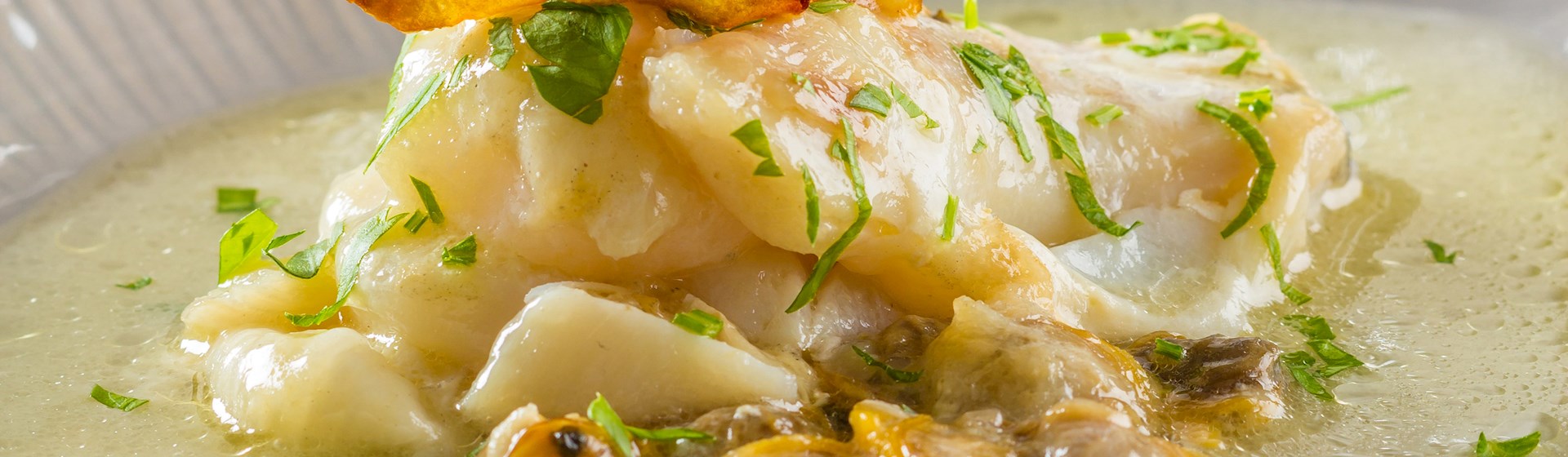
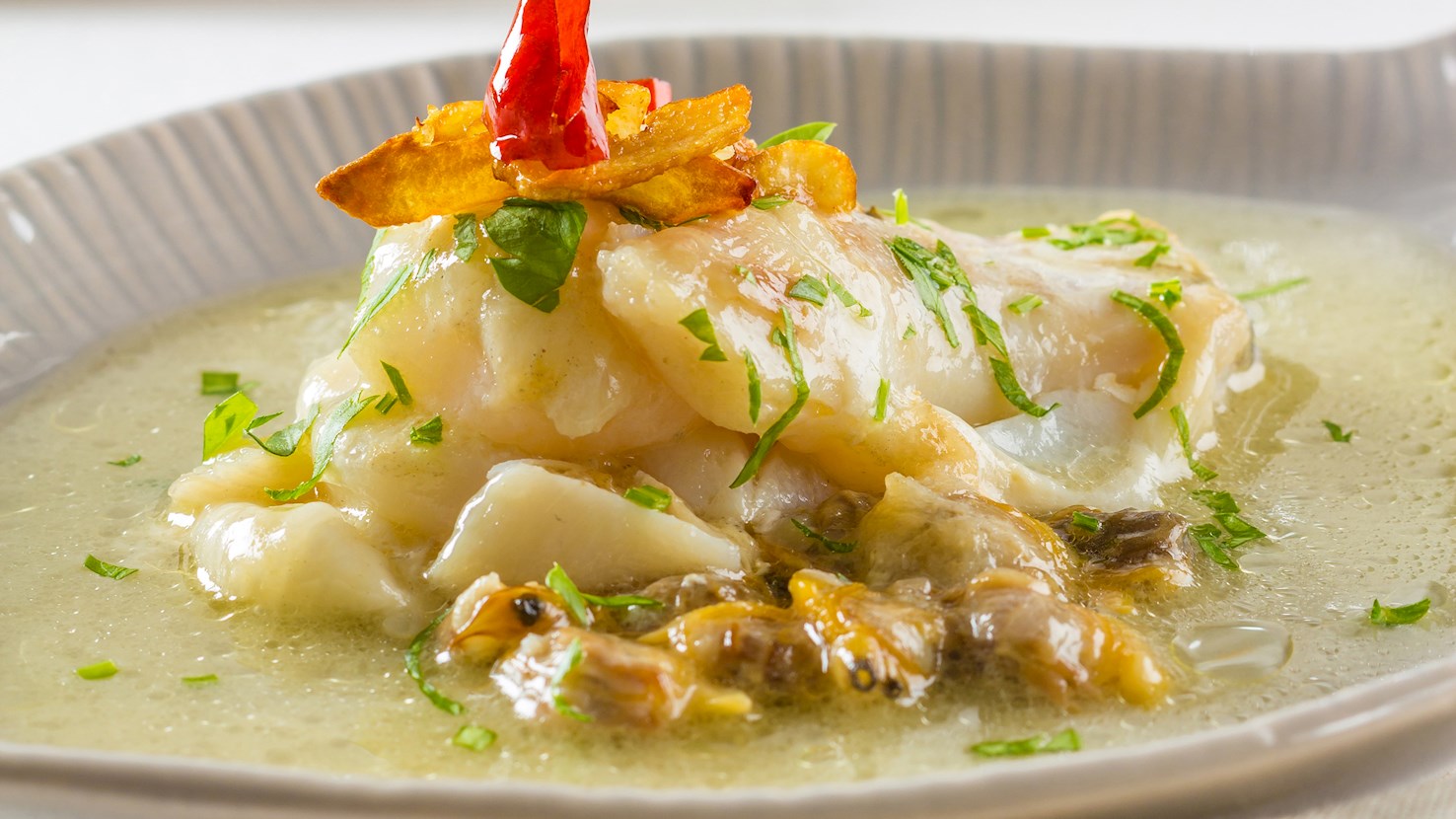
Gelatinous fish heads known as kokotxas are a key ingredient for this classic Basque dish. Kokotxas usually come from the flashy cheeks (lower part of chin) of hake or cod. The dish is sometimes served in a sauce consisting of white wine, garlic, flour, and olive oil. A more traditional way of serving kokotxas is in salsa verde sauce, consisting of olive oil, flour, fish stock, garlic, and finely chopped parsley. The kokotxas are lightly fried in a clay casserole pot, then combined with the sauce. It's recommended to serve the dish with crusty bread on the side for mopping up the sauce.

03

Cocido lebaniego

4.1 ·

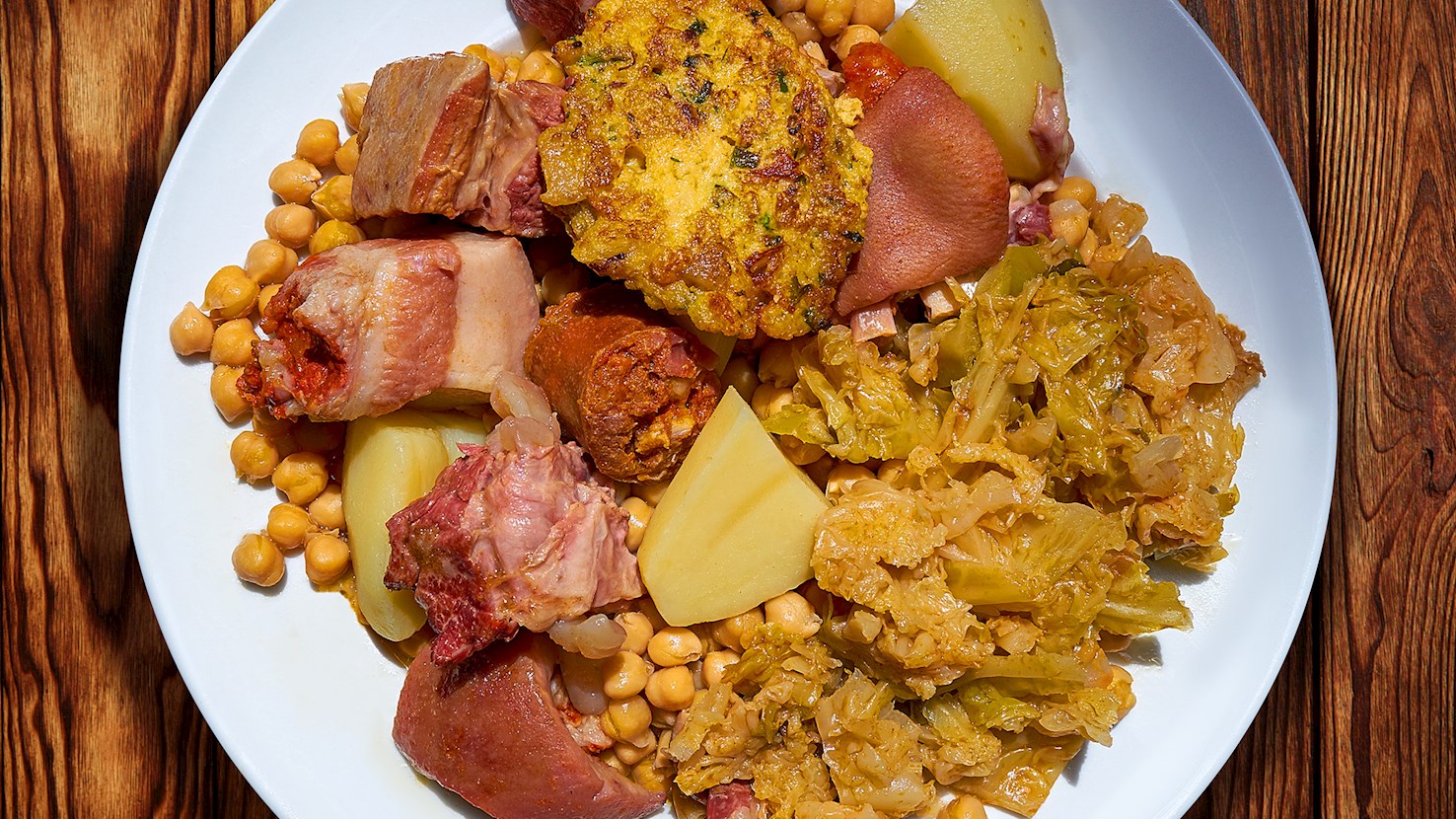
Cocido lebaniego is a traditional dish originating from the Liébana area in Cantabria. The stew consists of local chickpeas, potatoes, and cabbage with meat from the pig slaughter such as chorizo, bacon, and morcilla. Breadcrumbs, parsley, and cecina dried meat is often added to the stew as well. Due to the fact that the stew is very hearty and nutritious, it's traditionally eaten as the main course. The consommé is enjoyed first, followed by the chickpeas and vegetables, while the meat is usually saved for last, although some like to eat the meat and the chickpeas together.

04

Fabada Asturiana

4.0 ·

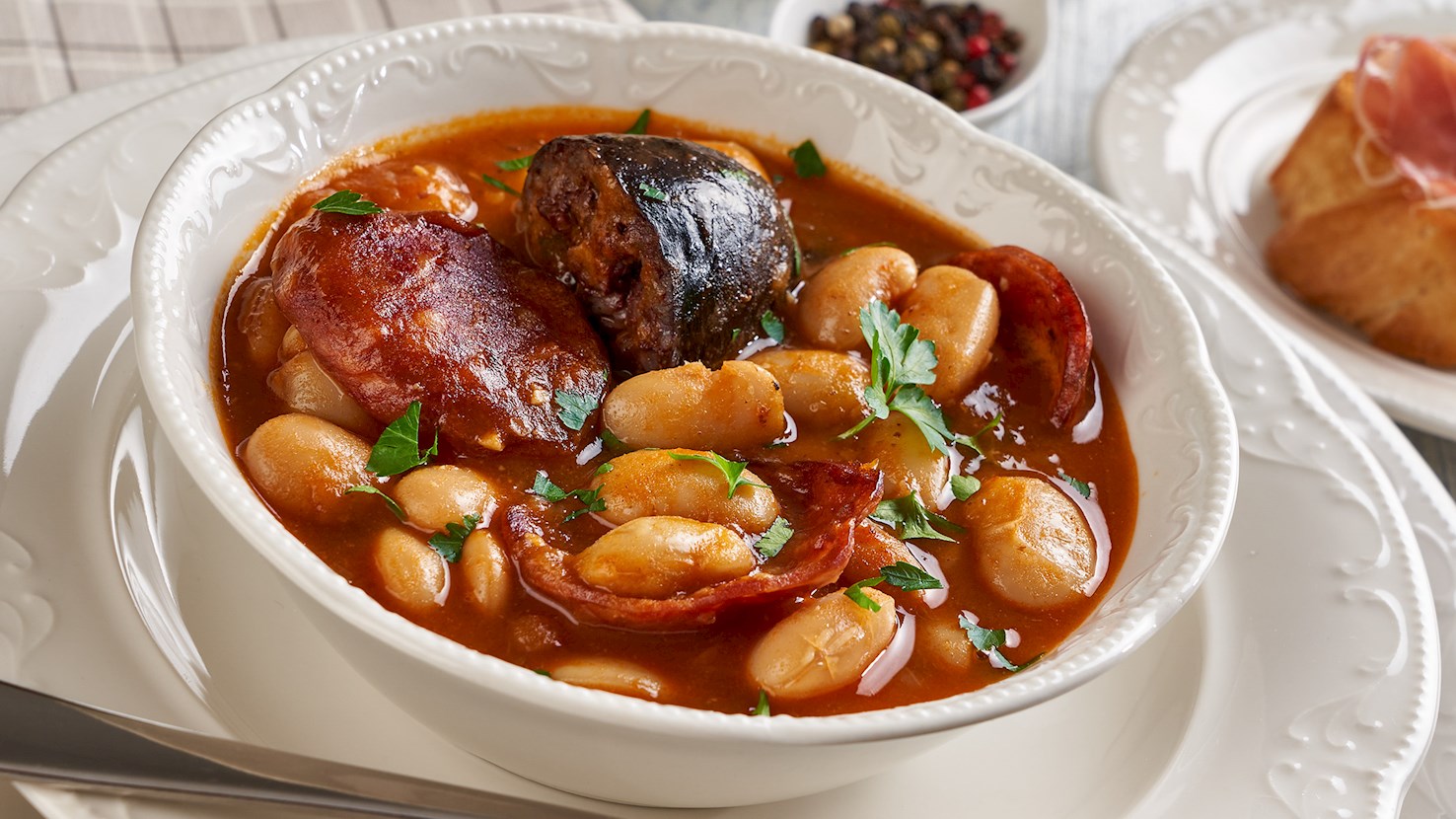
This comforting stew known as fabada Asturiana is a signature dish of the famous Spanish region of Asturias. The stew consists of plump white beans, chorizo, morcilla blood sausages, and pork fat, flavored with smoked paprika and saffron. Some recipes also use olive oil. Spicy and hearty, with robust and earthy flavors, this Spanish classic combines simple ingredients to create an extraordinary dish. It is believed that fabada appeared sometime between the 19th and the 20th century. Due to its nutritious elements, it is usually enjoyed in the colder winter months. Fabada is a staple of every traditional and authentic Spanish restaurant, and its less sophisticated versions are often sold in supermarkets. In restaurants, it is mainly served as a starter or a main dish and is usually accompanied by slices of crusty bread.

05

Cocido montañés

3.9 ·

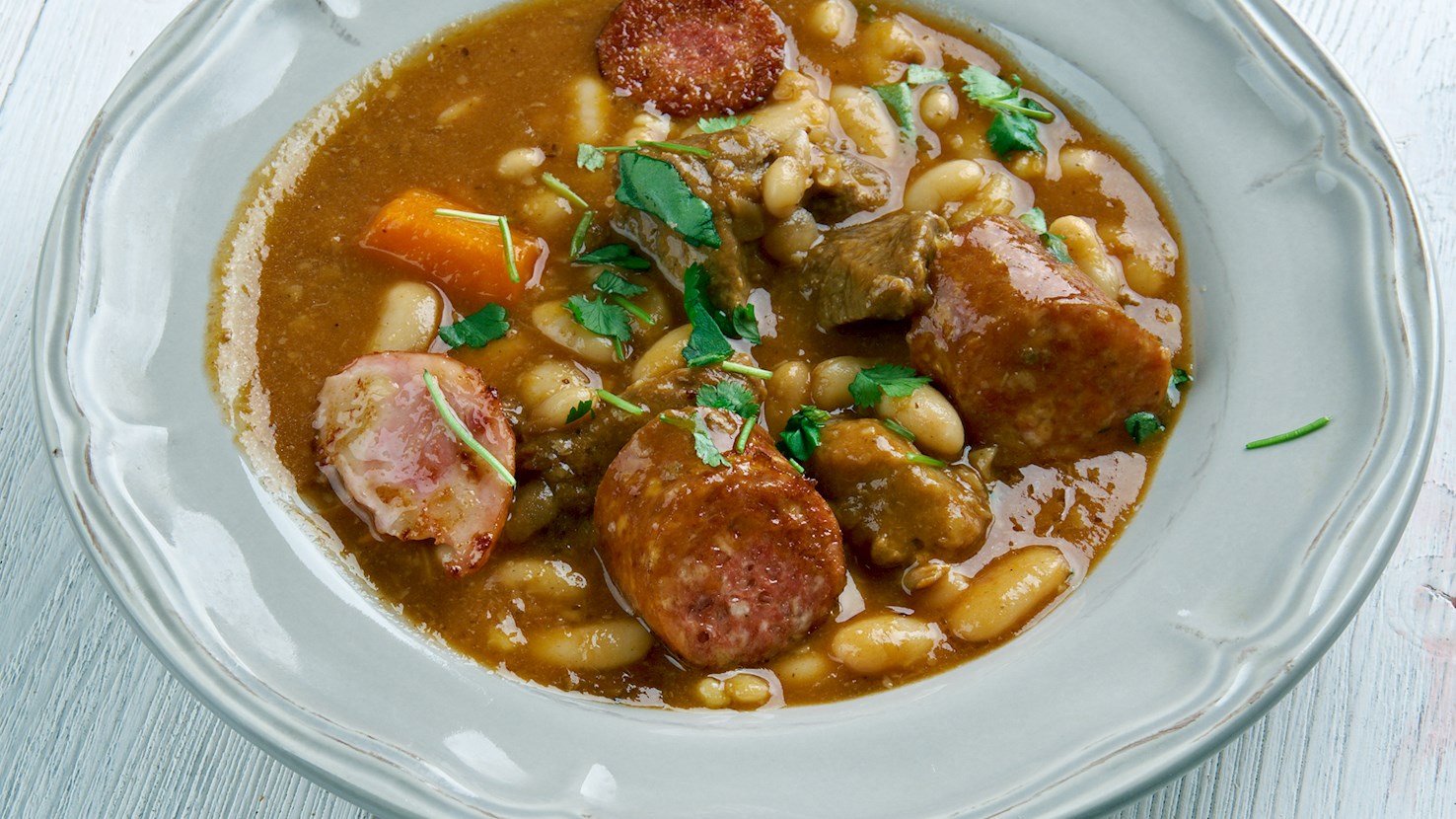
The essential ingredients in this hearty Cantabrian stew include white beans and collard greens (berza), but the dish is commonly enriched with chorizo (pork sausage) and morcilla (blood sausage), pork ribs, and bacon. It is believed that the stew was invented in the 17th century, but it was given its current name in the 1960s. Unlike many other types of Spanish stews where the broth is served separately, cocido montañés is typically enjoyed as a one-course meal.

06

Escudella i carn d'olla

3.9 ·

Escudella i carn d'olla is a popular, traditional Catalan soup filled with pasta, meat such as chicken or lamb, prosciutto pieces, ground pork, and botiffara sausage, with the addition of vegetables such as carrots, potatoes, and Swiss chard. The soup is traditionally flavored with garlic, parsley, thyme, saffron, salt, and pepper. It is often made during the colder months or around Christmas, as its bold, rustic flavors are known to warm up anyone who consumes it. Escudella is consumed in two stages – first comes the broth with pasta, then the meat and vegetables.

07

Marmitako

3.8 ·

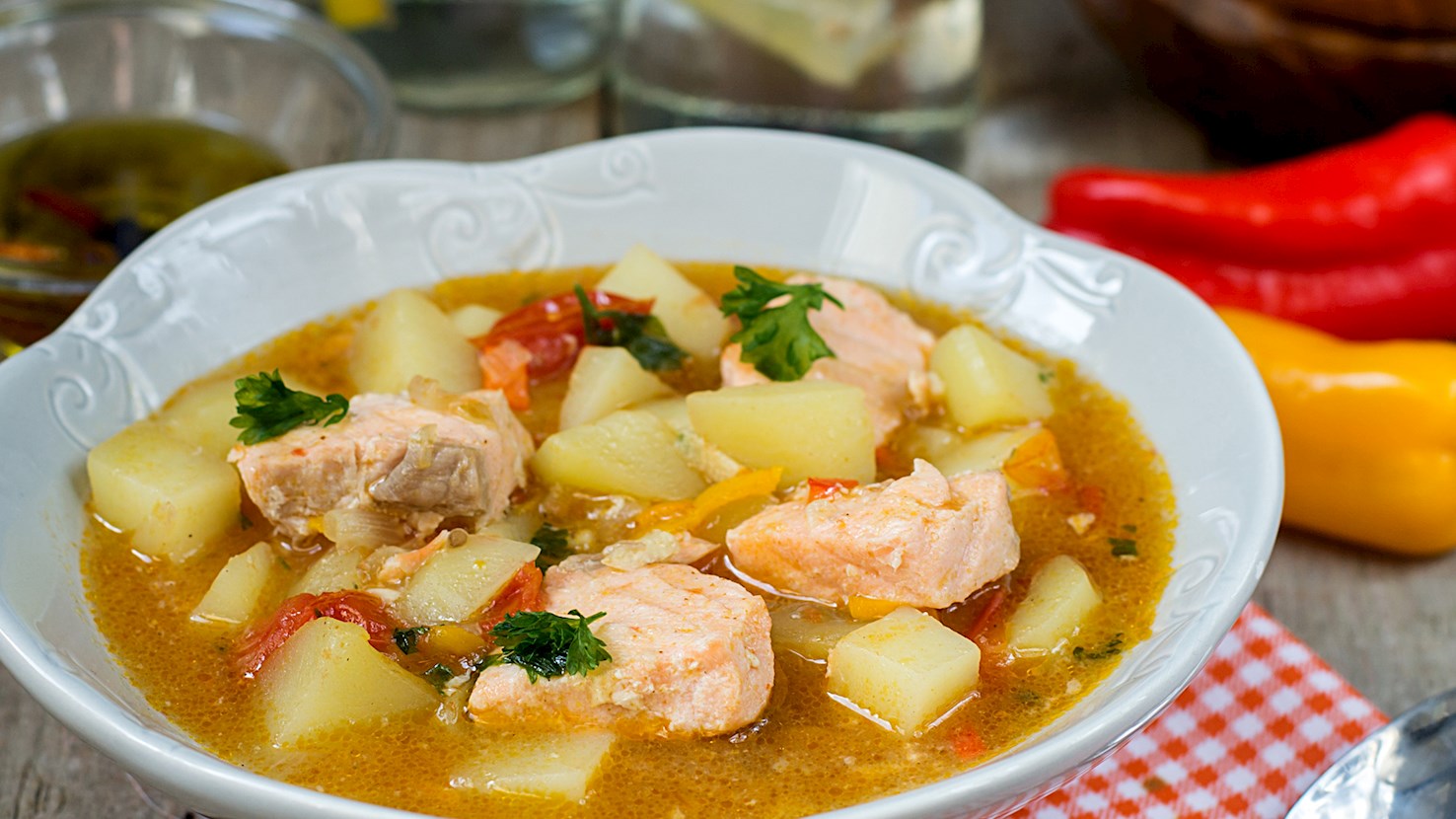
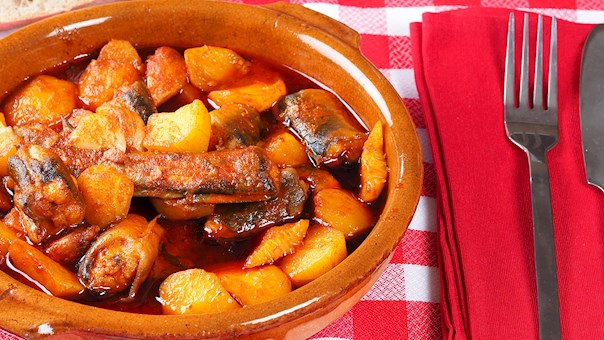
Marmitako is an excellent representative of the Basque Country cuisine, a tuna stew made in a pot with various other ingredients such as potatoes, tomatoes, chili, and onions. The name of the dish is derived from the Basque word marmita, denoting a pot or a casserole. When combined with the suffix –ko, it can be literally translated as from the pot. Originally, the stew was invented on fishing boats near the Spanish coast, and while tuna is the most authentic option, today there are numerous variations on the dish, depending on the type of fish used in the preparation of marmitako. The stew is characterized by its thick consistency, mostly due to starchy potatoes. It is recommended to prepare this flavorful stew a day in advance, then garnish it with parsley and pair it with a glass of white wine.

08

Potaje de garbanzos con chorizo

3.7 ·

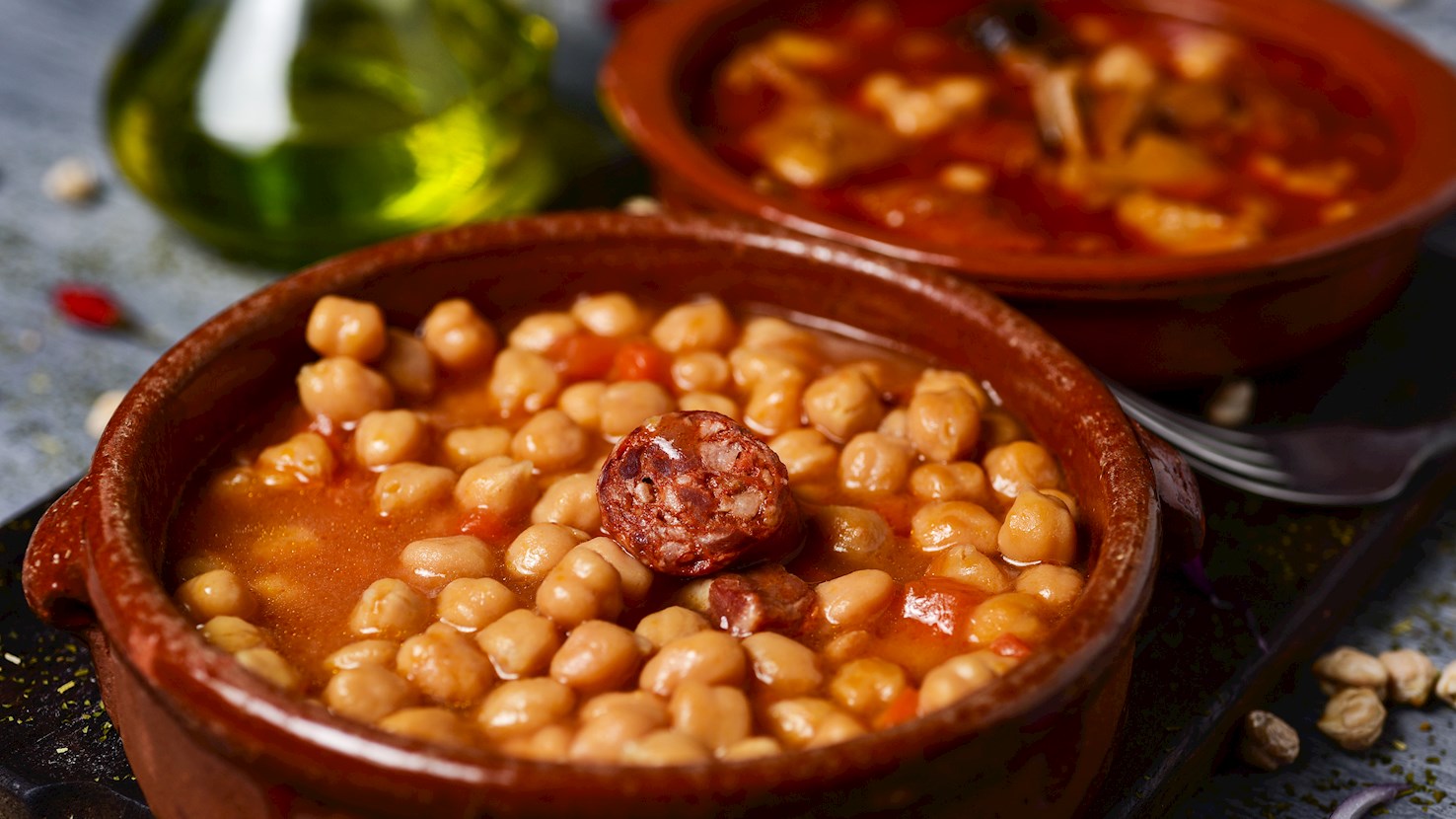
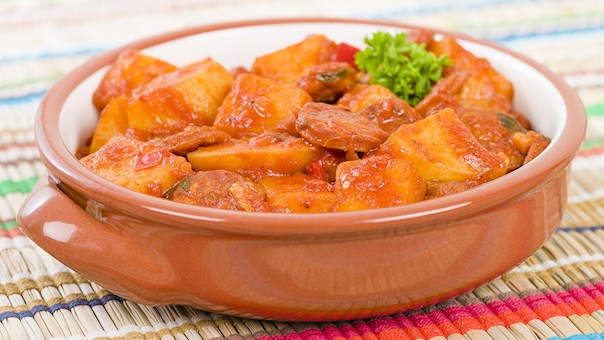
Potaje de garbanzos con chorizo is a traditional stew that's enjoyed all over Spain. Although there are numerous variations on the dish, it's often made with a combination of chickpeas, potatoes, tomatoes, bell peppers, onions, carrots, garlic, chorizo, olive oil, bay leaves, salt, and pepper. The chorizo is sliced, fried in olive oil, then mixed with the garlic, onions, carrots, and peppers. Everything is cooked over low heat until soft, and the ingredients are then seasoned with salt and pepper and covered with water. Once boiling, the chickpeas are added to the stew with the potatoes, tomatoes, and bay leaves. The stew is simmered until the potatoes and chickpeas are fully cooked, and it's then ready to be enjoyed.

09

Cocido madrileño

3.7 ·

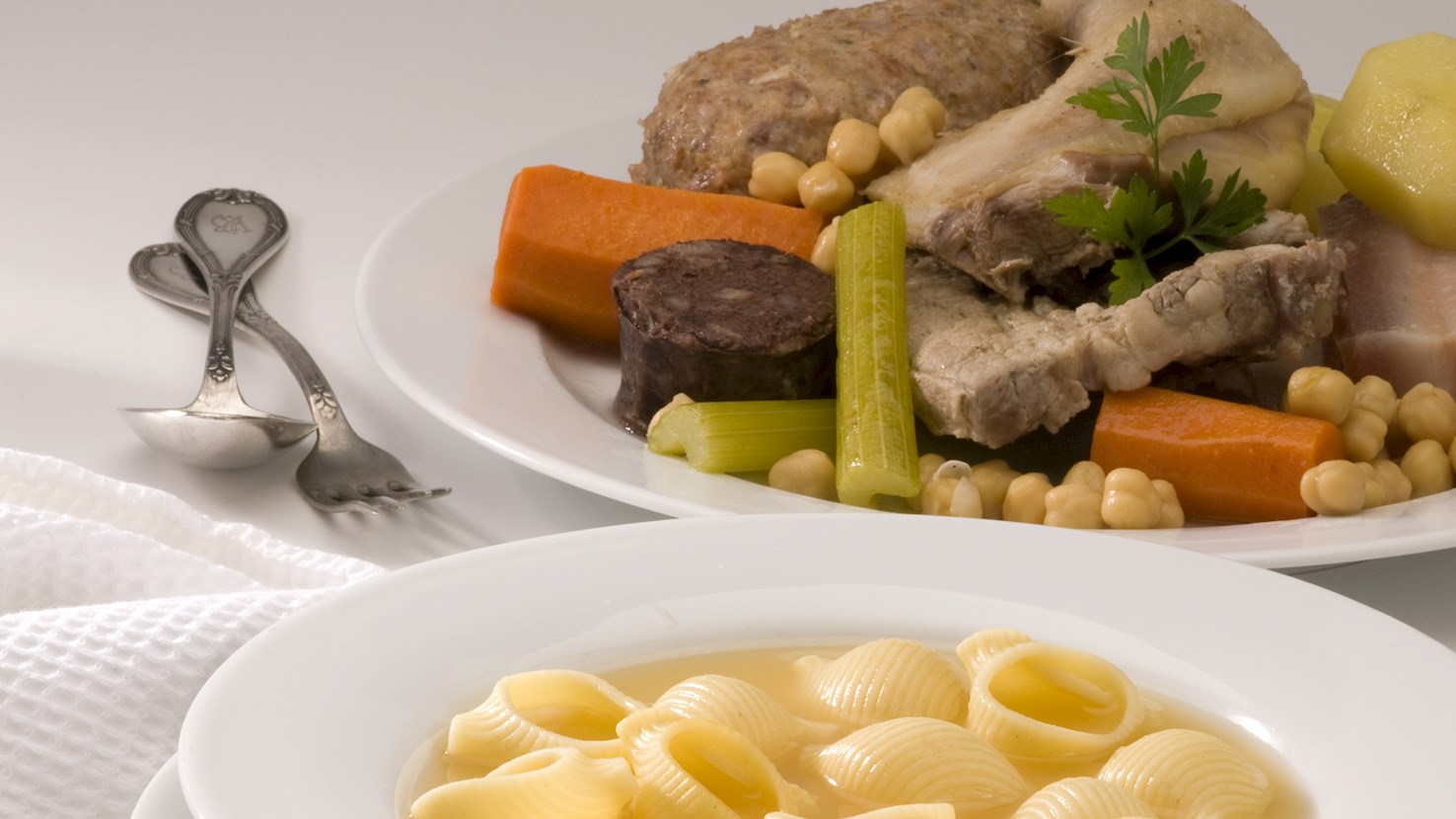
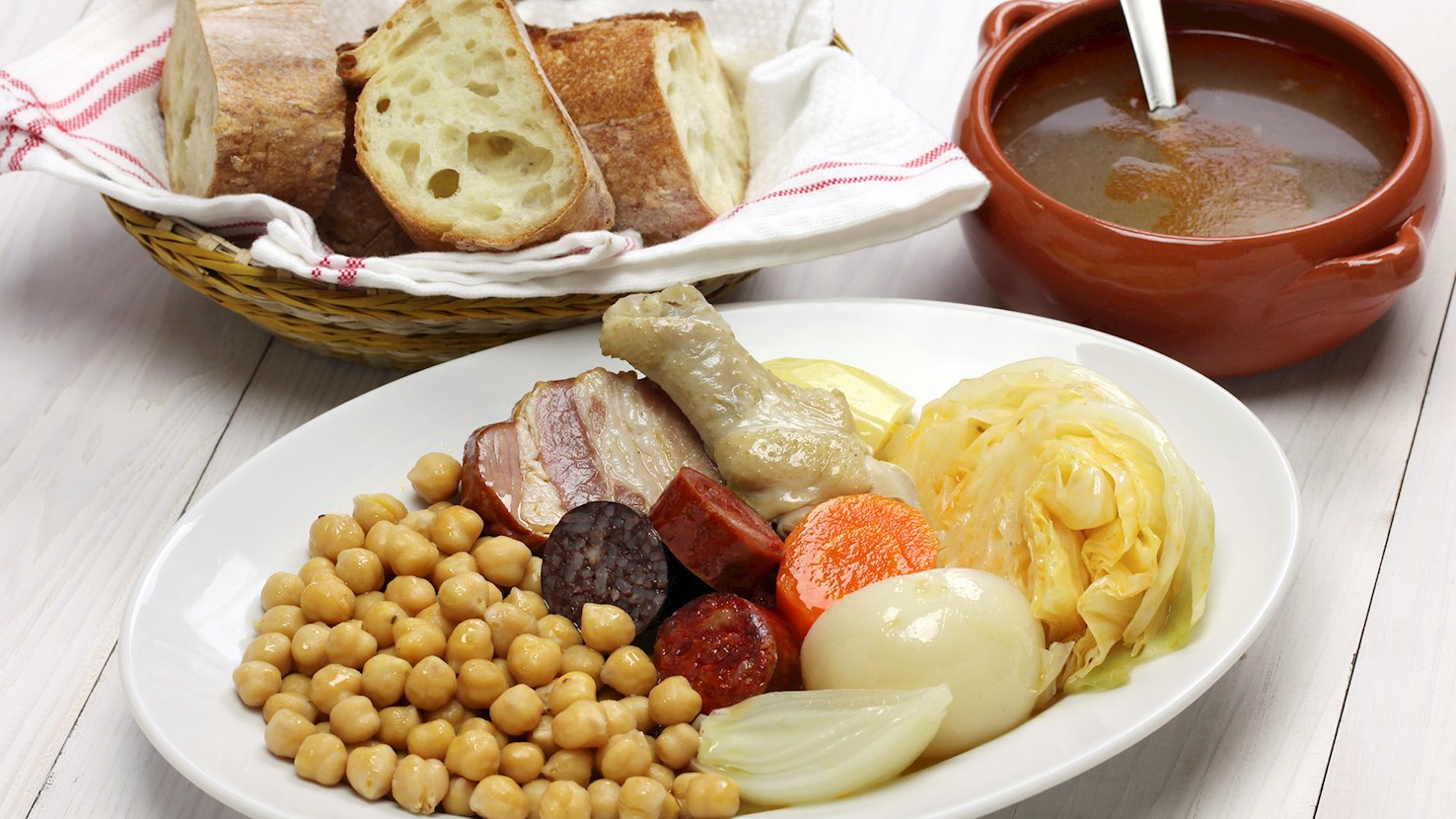
One of the most emblematic dishes of Madrilenian cuisine known as cocido madrileño is a hearty meat and chickpea stew whose origins can be traced back to the medieval-era Castilla La Mancha. Some food historians claim that this one-pot meal evolved from a peasant dish called olla podrida Manchega, but wasn't named cocido madrileño until the 17th century. However, most sources agree that the famed dish has its roots in the Sephardic stew called adafina–a Shabbat kosher meal based on chickpeas, vegetables, and either hard-boiled eggs or meat such as lamb, veal, beef, or chicken. With the arrival of the Inquisition, feared of prosecution by the Catholic priests who roamed the streets of Madrid at the time–in search of both Jewish and Muslim cookery–the converted Spanish Jews called Marranos started incorporating pork into their adafinas to prove themselves as Christians. Over time, with the addition of lard, bacon, Serrano ham, chorizo (pork sausages) and morcilla (blood sausages), adafina reportedly became the dish that is now known as cocido madrileño. This substantial meal is traditionally served in three separate vuelcos or courses: the first one is a rich, flavorful stock with added noodles; the second vuelco consists of chickpeas and vegetables, while the meat is dished out as the third course. Once commonly consumed during winter, cocido madrileño can nowadays be found prepared throughout the year in many of Madrid's restaurants and taverns.

10

Zarzuela de mariscos

3.7 ·

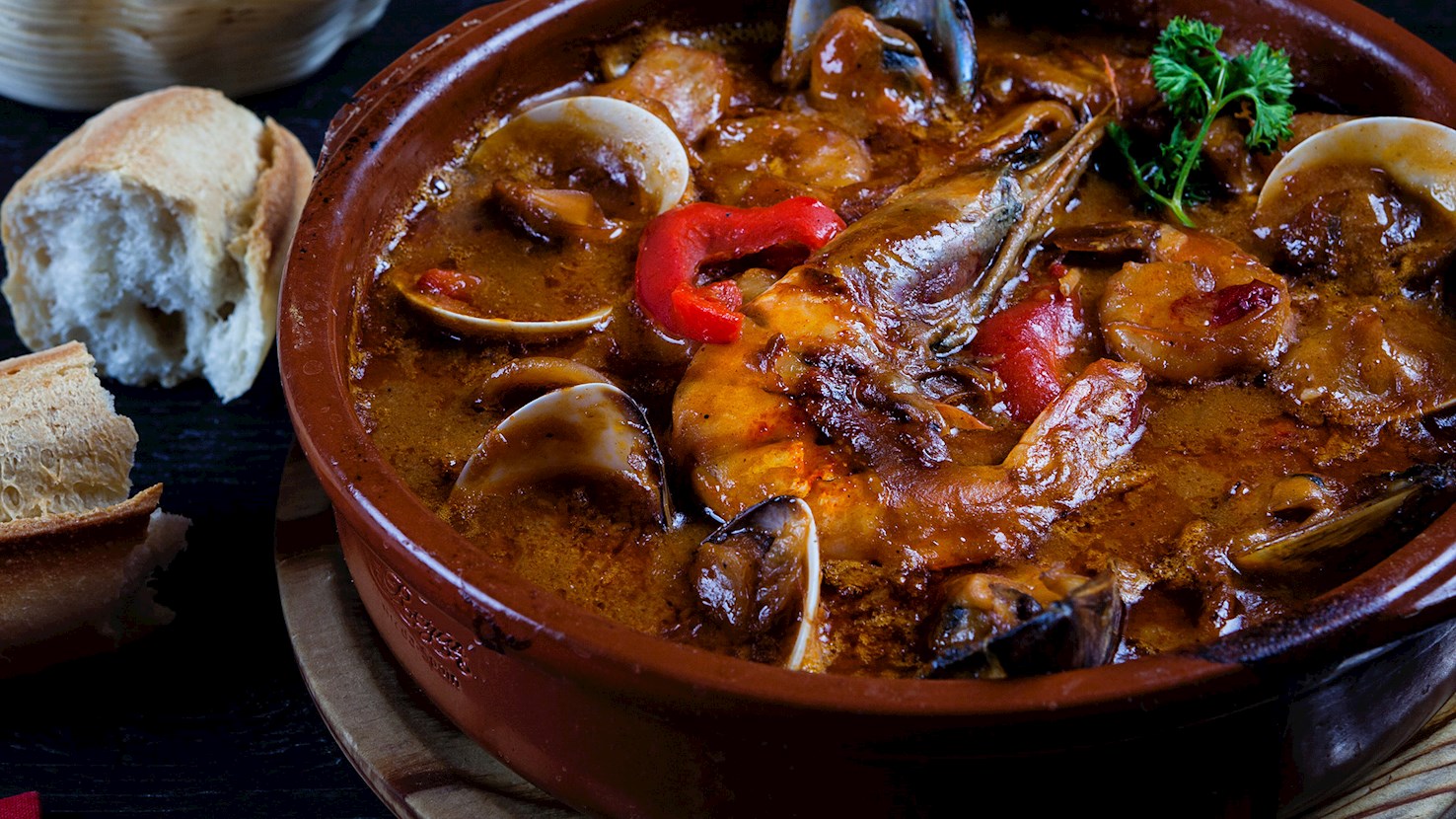
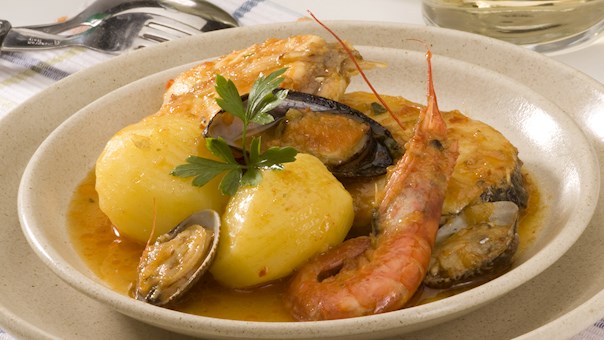
Zarzuela de mariscos is a traditional Catalan seafood stew. Although the dish is similar to Marseille's bouillabaise, it's more rustic because it contains ground almonds, and the flavors are bolder due to ingredients such as cured pork, peppers, and tomatoes. The foundation of zarzuela de mariscos, however, are mussels, clams, and shrimp, but some people like to add scallops and calamari as well. Other ingredients include saffron, white wine, olive oil, bay leaves, onions, garlic, rosemary, and thyme, with smoked paprika and parsley used as garnishes. In Spain, zarzuela de mariscos is also commonly served as a tapa. The name zarzuela means operetta or variety show, referring to the versatility of the dish – the more seafood you add to the pot, the better its flavor will be.

Read more
View all
View map
About this ranking

TasteAtlas food rankings are based on the ratings of the TasteAtlas audience, with a series of mechanisms that recognize real users and that ignore bot, nationalist or local patriotic ratings, and give additional value to the ratings of users that the system recognizes as knowledgeable. For the “Top 63 Spanish Stews” list until July 15, 2026, 1,037 ratings were recorded, of which 799 were recognized by the system as legitimate. TasteAtlas Rankings should not be seen as the final global conclusion about food. Their purpose is to promote excellent local foods, instill pride in traditional dishes, and arouse curiosity about dishes you haven’t tried.

Similar lists