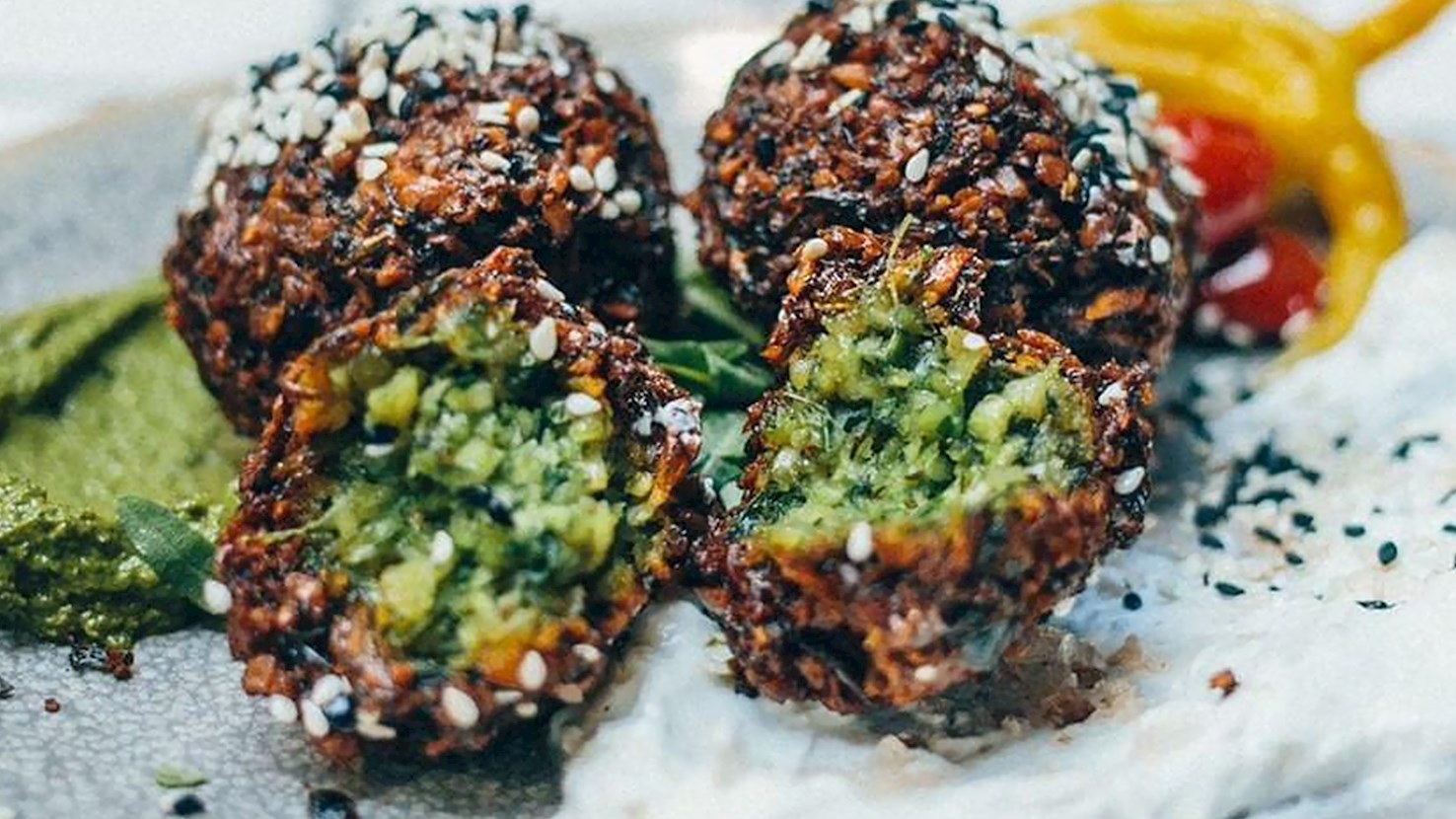
Often touted as the original version of falafels, taameya is an Egyptian variety of the Middle Eastern fritter that calls for fava beans instead of chickpeas. While the exact origin of falafel is debatable, most scholars and food historians agree that taameya has its roots in the Egyptian cuisine. The fava bean mixture is typically flavored with leeks, onions, fresh coriander, parsley, and cumin, and the fritters are usually coated with sesame seeds before frying. Taameya are known for having a lighter, fluffier, and moister texture than other falafel varieties thanks to the use of fava beans. Although they are eaten year-round and are a common street food fare in Egypt, taameya fritters are especially popular during Ramadan. They’re commonly stuffed in warm pita bread sandwiches and paired with accompaniments such as fresh or pickled vegetables, fried eggplants, minty yogurt sauces, hummus dip, and tahini dip.
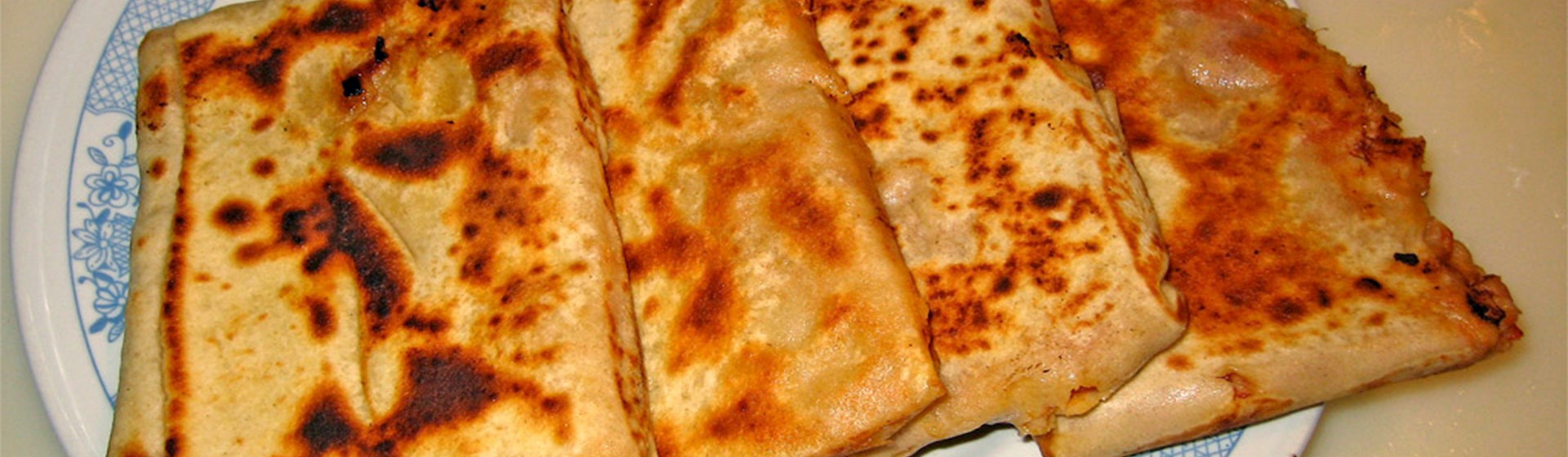
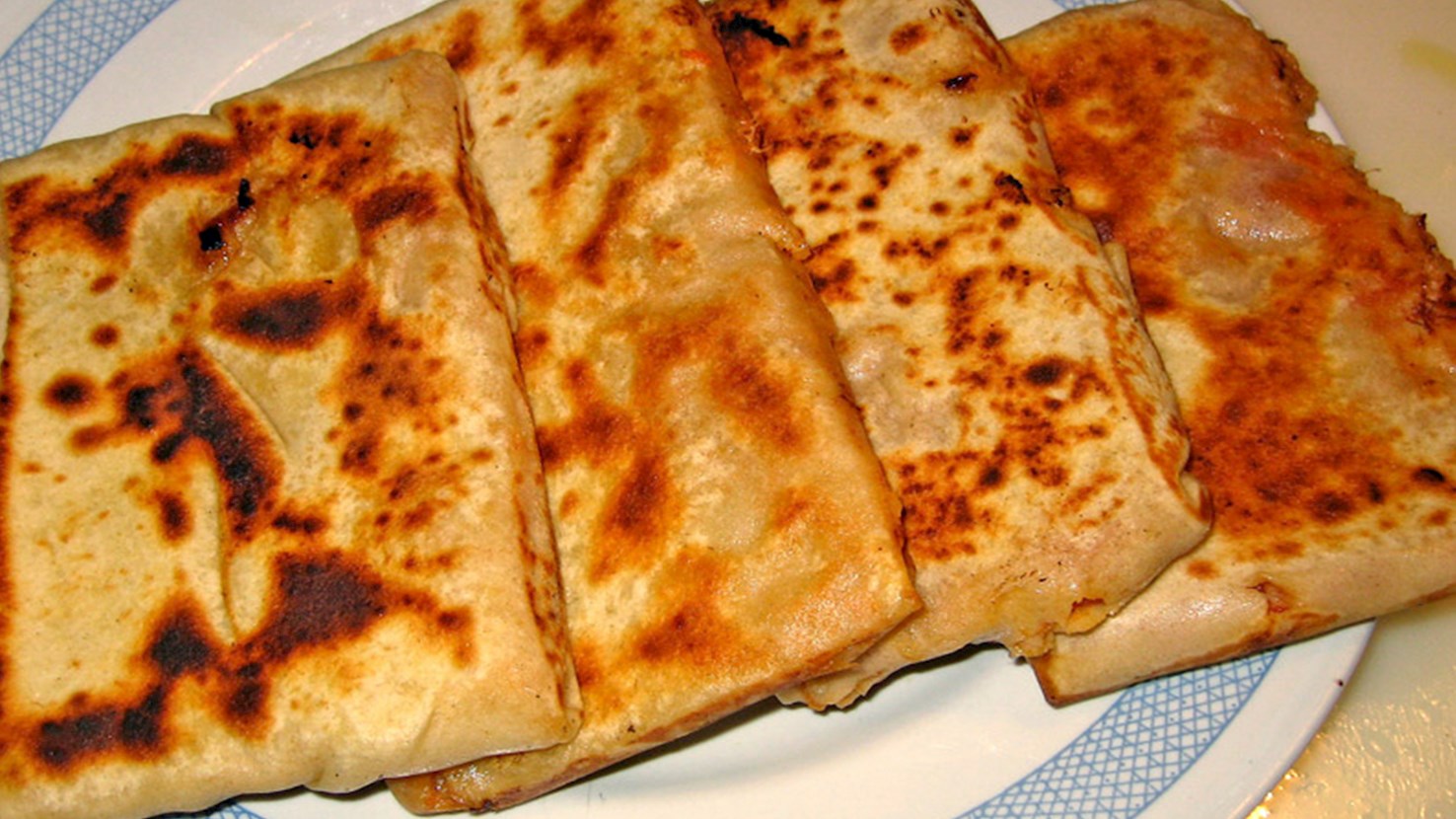
Mahjouba is a traditional flatbread that is one of the most popular street food items in the country. These thick and flaky crepe-like flatbreads are made with semolina, then filled with a combination of tomatoes and caramelized onions. Mahjouba is often paired with harissa sauce on the side, but the condiment is completely optional.
Maakouda are traditional potato fritters that are popular throughout the Maghreb, especially in Morocco, Algeria, and Tunisia. The fritters are usually prepared plain, but they can also be stuffed with meat, tuna, or cheese, although not that often. They're made with potatoes, parsley, garlic, flour, salt, and pepper. The potatoes are boiled, mashed, and mixed with other ingredients into small disks which are then deep-fried in hot oil until golden brown. Maakouda is traditionally served as an appetizer, a side dish, or an ingredient in a long sandwich roll that's usually sold as street food and served with harissa, coriander, and lemon juice. The fritters are especially popular during the month of Ramadan.
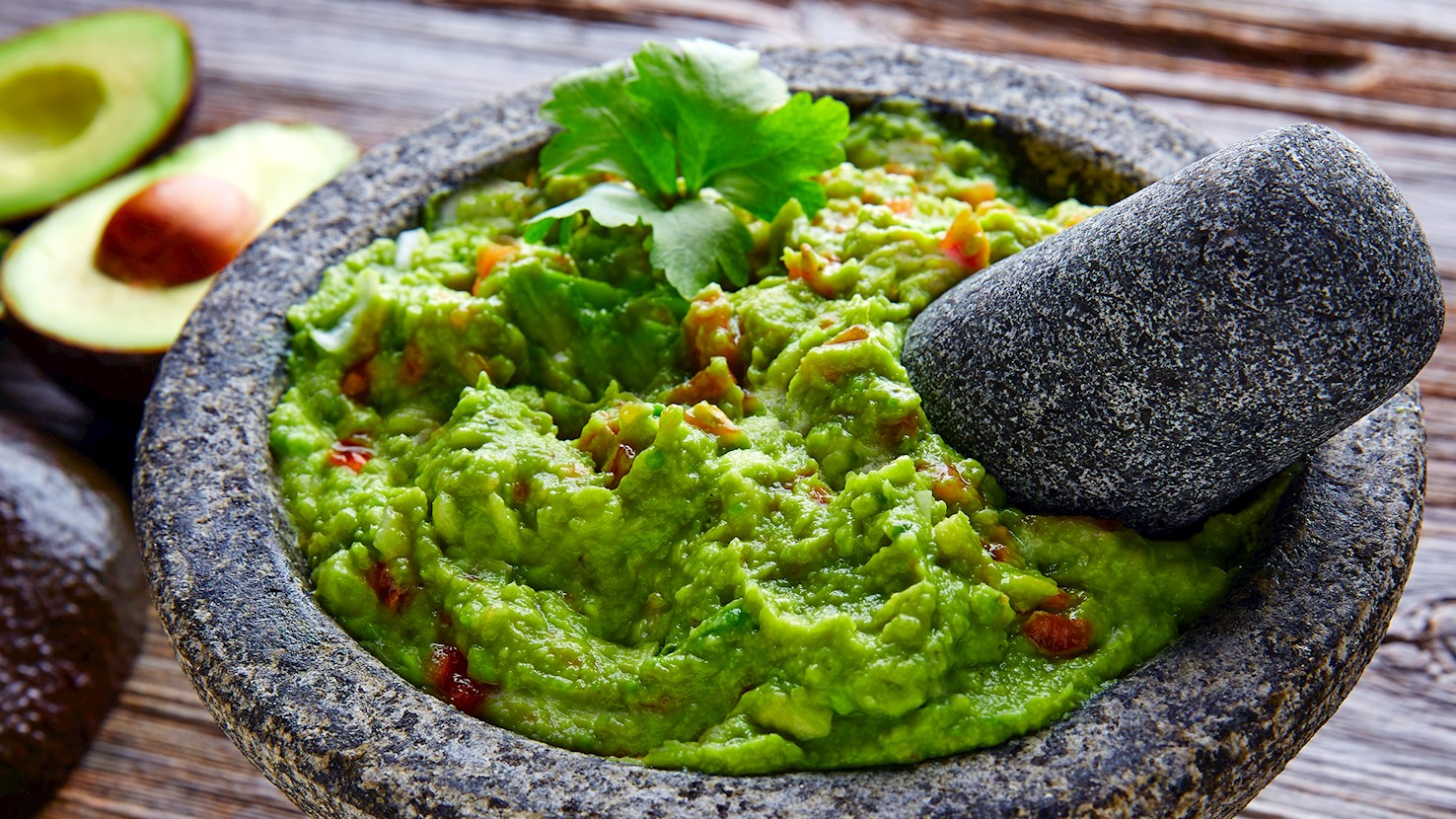
Guacamole is a world-famous buttery delicacy dating back all the way to the Aztec empire of the 1500s. It’s a healthy blend of ripe, mashed avocados, onions, chiles, optional tomatillos and selected seasonings such as sea salt and coriander. The star of this incredibly simple dish is the avocado, high in unsaturated fat, potassium, vitamins, minerals and protein, its name stemming from the Aztec ahuacatl, meaning testicle or testicle tree, which is why it was believed that it was an aphrodisiac by the Aztecs. Guacamole is sometimes prepared in the molcajete, a traditional Mexican mortar and pestle where onions, chiles, and salt are ground to a paste and added to the coarsely mashed avocados. Of course, guacamole is only as good as the avocados it is prepared with, and among the best are the nutty and creamy Hass and smooth Fuerte avocados. It is usually accompanied by corn chips, nachos or tortillas on the side, so guacamole is typically enjoyed as a dip. Regardless of its position on the table, the only important thing is to serve it fresh before it oxidizes and changes its vivid green color to a darker brown hue.
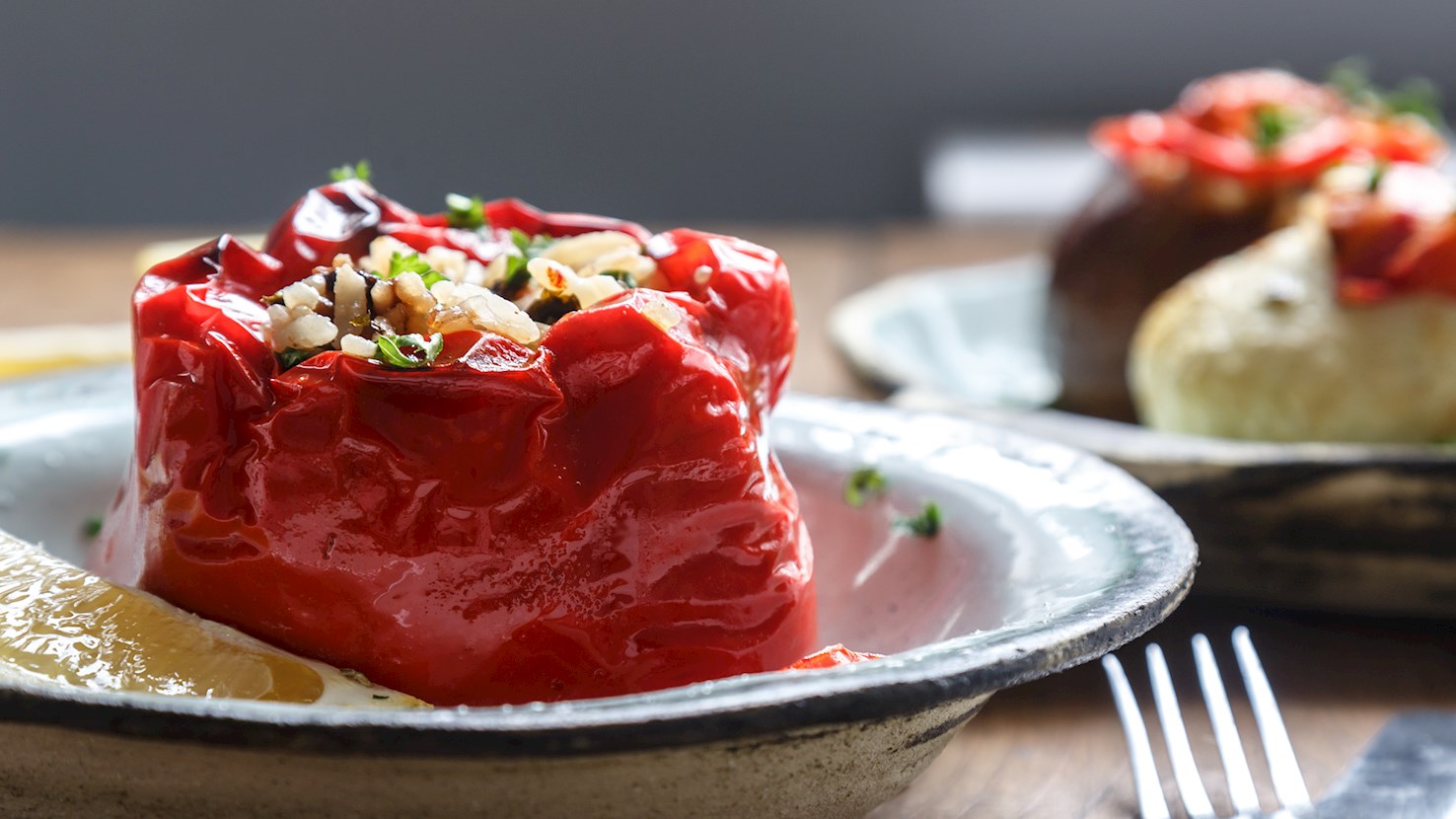
Yemitsa, frequently spelled gemista, is a vegetable dish of hollowed-out vegetables, predominantly ripe tomatoes and green bell peppers, stuffed entirely with a wet mixture of short-grain rice, fresh herbs, and heavy amounts of olive oil. The name originates from a verb meaning to fill or stuff, and is a typical summer dish. Yemitsa gained massive popularity across Greece following World War I, largely introduced by refugees arriving from Turkey. Prepping vegetables is the first step. The tops are sliced off the raw vegetables, and the inner flesh and seeds are carefully scooped out to create empty edible shells. The extracted tomato pulp is finely chopped and mixed in a hot pan with sautéed onions, grated zucchini, garlic, and raw rice. Handfuls of fresh mint and parsley, along with salt, pepper, and tomato puree, are folded into the filling before it gets spooned directly into the hollowed vegetables. The stuffed shells are topped with their original lids and tightly packed into a deep baking tray, surrounded entirely by thick potato wedges. A massive drizzle of olive oil and a splash of water go over the top before the entire pan hits a hot oven, baking until the rice softens completely and the vegetable skins become deeply wrinkled and slightly charred. Variations are present in different parts of Greece. Northern areas frequently incorporate heavy amounts of minced beef or pork directly into the rice, while Mediterranean coastal regions mix crunchy pine nuts and sweet raisins into the filling. Beyond tomatoes and bell peppers, large eggplants, zucchinis, and even hollowed onions serve as alternatives to tomatoes and peppers. Yemitsa is served either warm or at room temperature, almost universally accompanied by a large slab of salty feta cheese and thick slices of crusty bread, specifically used to soak up the heavily seasoned olive oil pooling at the bottom of the pan.
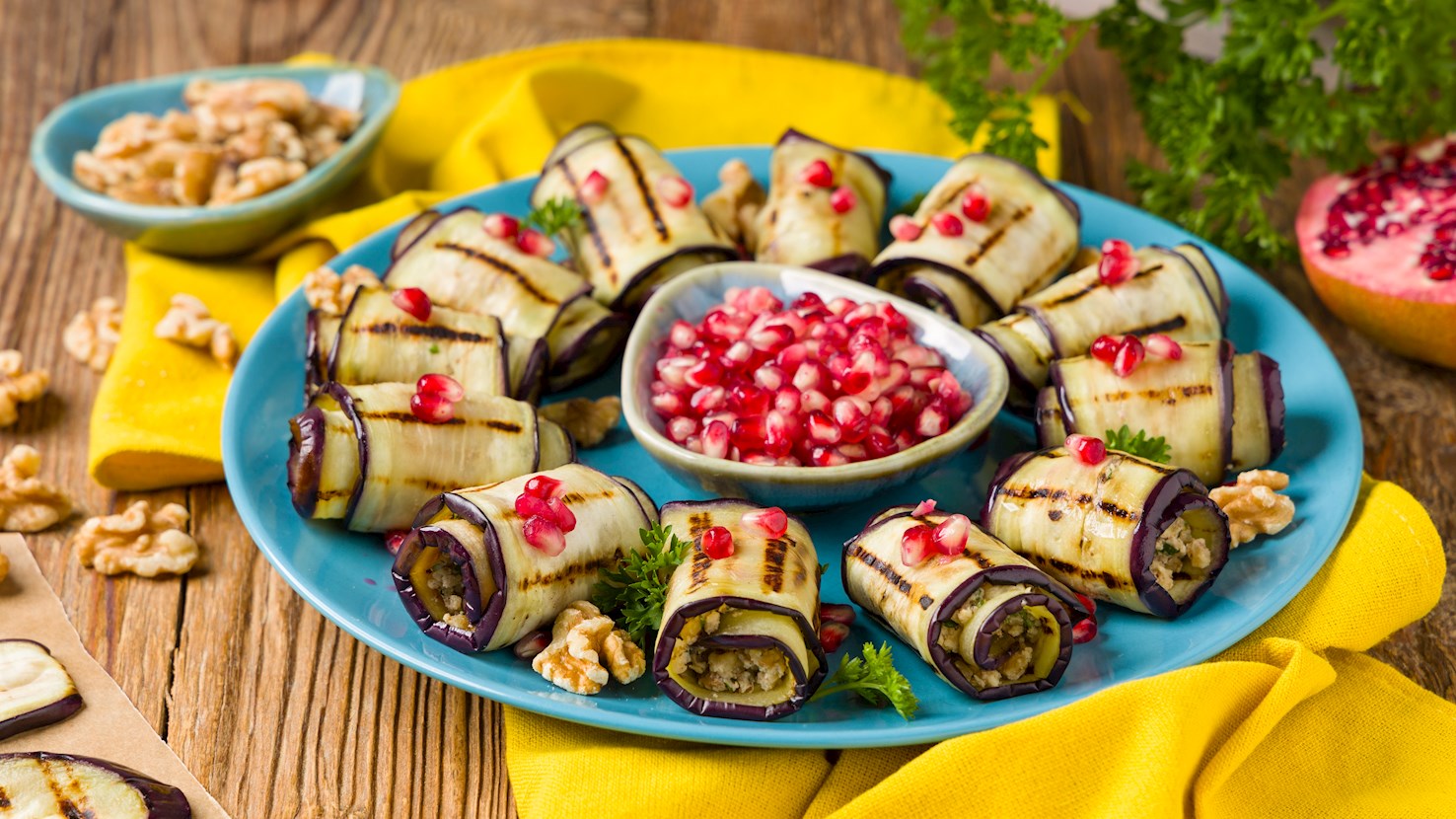
Badrijani is a heavily spiced Georgian dish consisting of eggplant slices that are coated with walnut paste, then shaped into small rolls. The eggplant slices are fried before serving, while the spread is prepared by combining ground walnuts, garlic, and fresh coriander. When served, the assembled rolls are arranged on a plate and topped with pomegranate seeds.
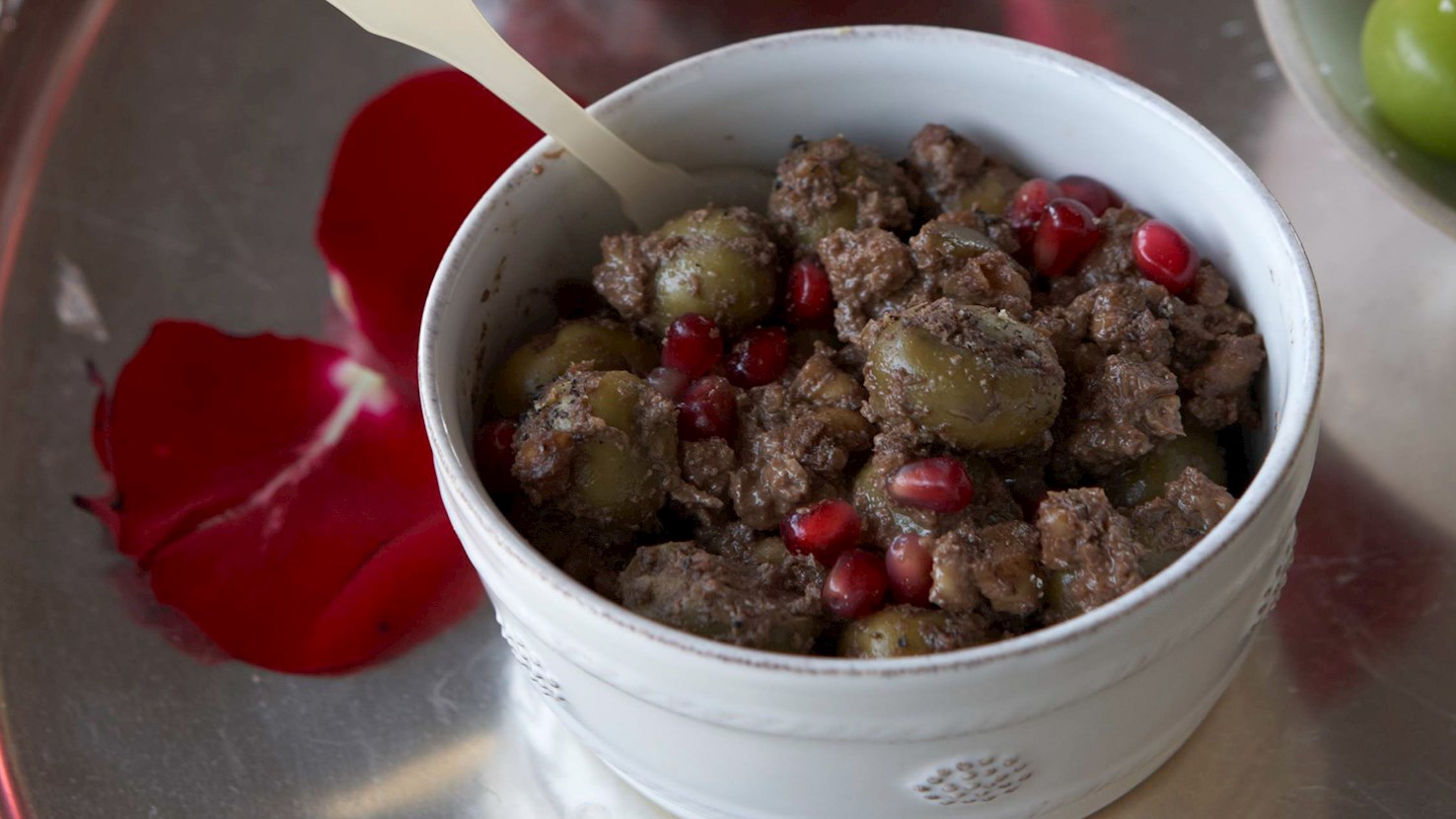
Zeytoon parvardeh is an olive-based appetizer originating in Iran’s northern Caspian region, particularly the province of Gilan. Known for combining pitted green olives with pomegranate molasses, walnuts, garlic, and herbs, it balances tangy, earthy, and aromatic notes that reflect the diverse agricultural produce of the area. The dish belongs to the group of flavorful mezze and accompaniments that characterize Gilani cuisine, where local olives are cultivated in abundance near the coastal plains. The history of zeytoon parvardeh is tied to the long-standing cultivation of olives and pomegranates in northern Iran. The Caspian provinces have been centers of horticulture for centuries, benefiting from humid subtropical weather and fertile soils. Olives were introduced to the region many generations ago and became a staple crop, integrated into recipes that made use of other locally available ingredients such as walnuts and aromatic herbs. Over time, families developed their own versions of the seasoned olive mixture, often preparing it in small batches to serve with meals or offer to guests. Preparation starts with high-quality green olives that are rinsed, drained, and sometimes pitted, depending on preference. Walnuts are finely ground or chopped to a coarse texture, then mixed with crushed garlic and fresh herbs, usually mint and sometimes savory or cilantro. Pomegranate molasses is stirred in to create a sweet and sour base that clings to the olives. A touch of salt, sometimes a squeeze of fresh lemon juice, and a drizzle of olive oil complete the mixture. The ingredients are combined thoroughly so that the flavors soak into the olives, then the dish is covered and left to rest in the refrigerator for several hours or overnight. In Gilan, zeytoon parvardeh is a common feature of meals served alongside rice dishes, kebabs, or fish. Some households also offer it as an appetizer with flatbread. The dish stands out for its combination of textures: the firmness of the olives, the crunch of walnuts, and the syrupy richness of the pomegranate molasses. Although it is sometimes prepared fresh, many cooks believe it tastes better after sitting for a day so the flavors meld. Today, zeytoon parvardeh remains widely eaten in northern Iran and has gained popularity in other parts of the country as a specialty product often sold in jars at markets or brought home as a souvenir from trips to the Caspian coast. It is enjoyed both at family gatherings and in restaurants that showcase Gilani cooking, where it is valued for its vibrant taste and connection to the region’s agricultural traditions.
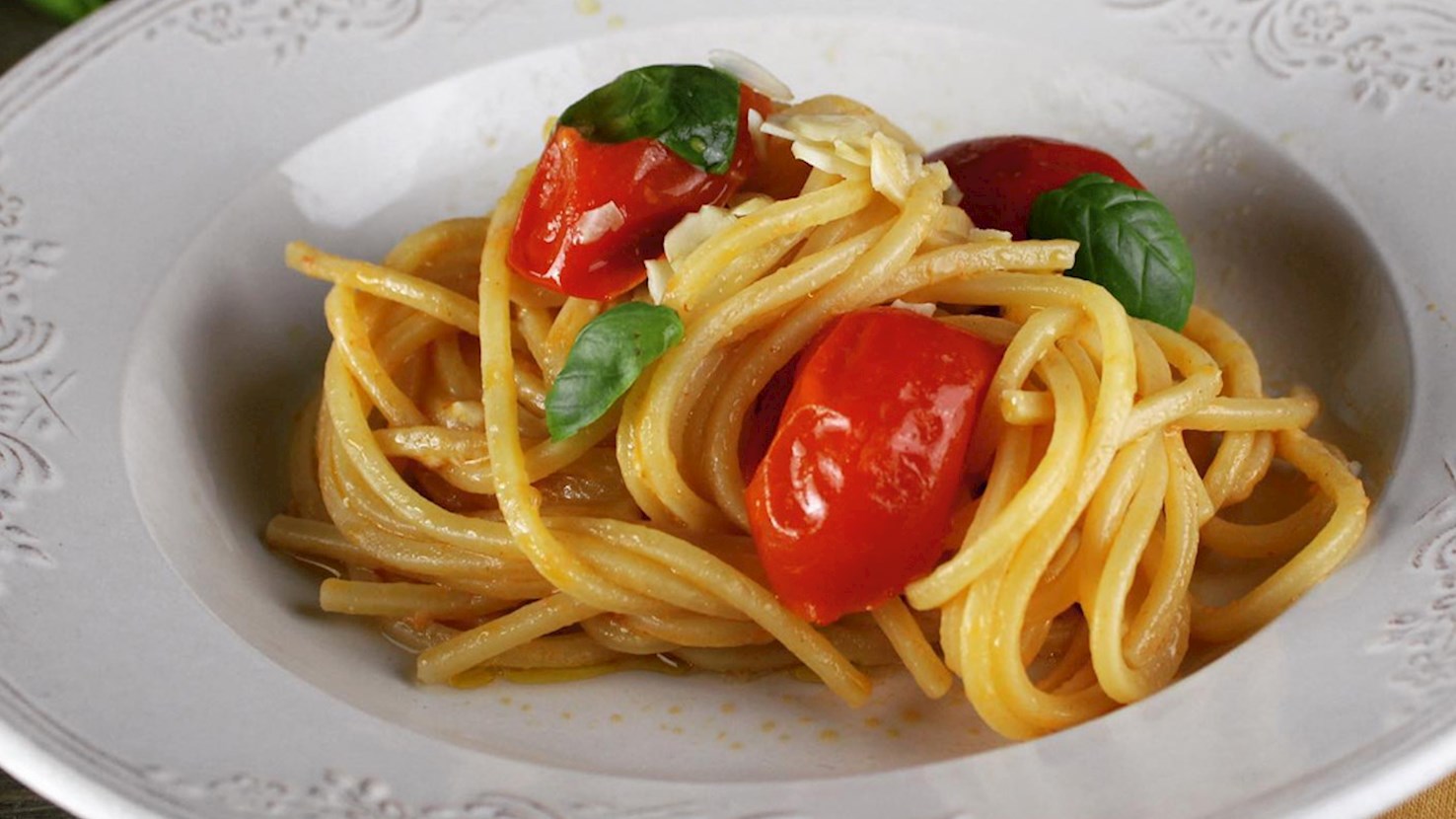
Pasta con pomodorini e basilico is a traditional dish and a summertime staple in the country. The dish is usually made with a combination of raw cherry or grape tomatoes, garlic, basil, olive oil, salt, pepper, and short pasta such as trofie, penne, casarecce, lumachelle, cavatelli, maccheroni, maltagliati, or conchiglie. The tomatoes, basil, and olive oil are placed into a bowl, then sprinkled with salt and pepper. The mixture is left to sit for an hour and it should be stirred often. The drained al dente pasta is added to the bowl and it's tossed with the tomato mixture until it cools down a bit. As a finishing touch, a swirl of olive oil is added to the dish and the rim of a serving bowl is rubbed with garlic. It's recommended to pair the dish with a fruity white wine on the side, such as Lungarotti Torre di Giano from Umbria.
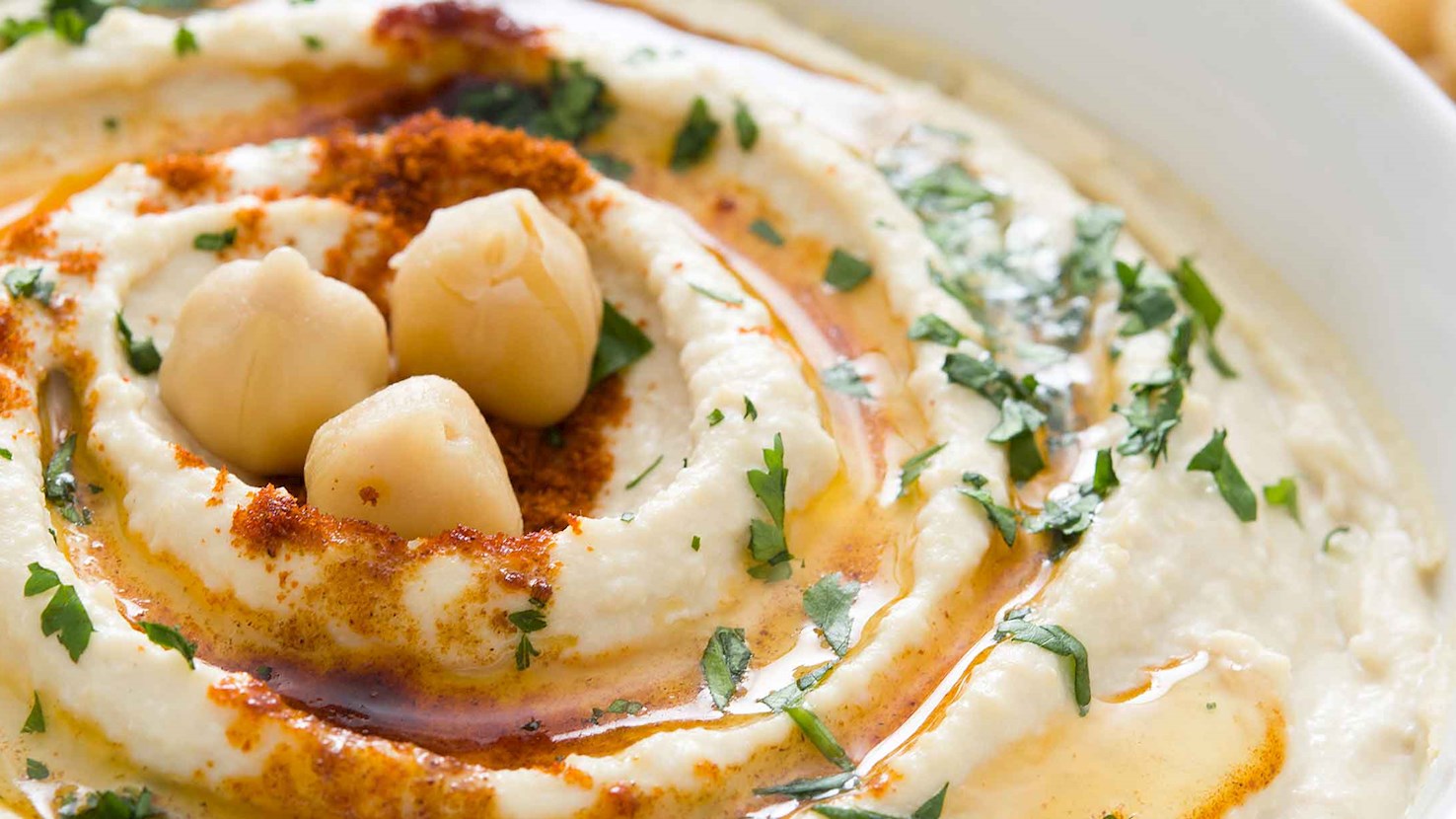
Hummus is a creamy dip made primarily from cooked and mashed chickpeas blended with tahini, olive oil, lemon juice, and garlic. It originates from the Middle East, where it has been a dietary staple for centuries, especially in countries like Lebanon, Palestine, Israel, Syria, and Jordan. Hummus’s roots can be traced back to ancient times (earliest mention of hummus dates back to 13th-century Egypt), when legumes and seeds were common sources of nutrition in the Levant. Over time, the combination of chickpeas and tahini evolved into a dish that balances earthy, nutty, and tangy flavors. While recipes vary slightly across regions, the core ingredients remain consistent, emphasizing freshness and quality. The smooth texture and rich taste make hummus both versatile and widely appealing, able to serve as a simple snack or a complement to more elaborate meals. Preparation involves soaking and cooking dried chickpeas until tender, then blending them with tahini paste, freshly squeezed lemon juice, crushed garlic, and extra virgin olive oil to create a velvety consistency. Salt is added to enhance the flavors, and the mixture is often garnished with a drizzle of olive oil, a sprinkle of paprika or sumac, and sometimes fresh herbs or whole chickpeas. Hummus can be served chilled or at room temperature, paired with pita bread, vegetables, or as part of a larger mezze platter. Hummus enjoys widespread popularity not only in the Middle East but globally, embraced as a healthy and flavorful dish. It is commonly found in homes, restaurants, and markets, representing both everyday nourishment and a dish for social gatherings.
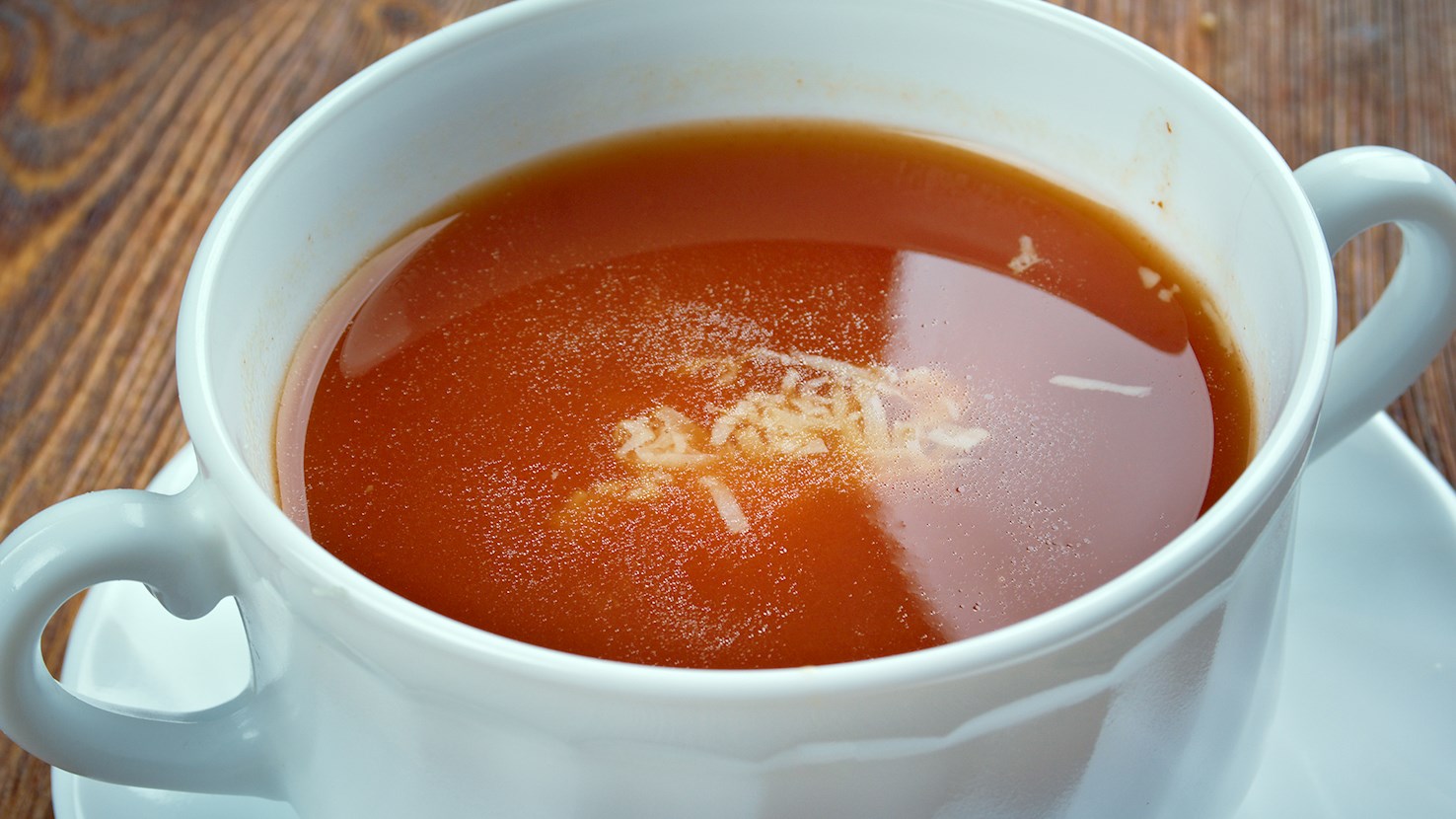
Domates çorbası is a typical Turkish tomato soup featuring simple and fresh flavors. It consists of cooked or roasted tomatoes, onions, garlic, olive oil, flour, and water. The soup is often seasoned with salt and ground pepper, and it is traditionally garnished with a few fresh basil leaves. This light meal is typically prepared during hot summer days, acting as a refreshment. It can be served either hot or cold.
TasteAtlas food rankings are based on the ratings of the TasteAtlas audience, with a series of mechanisms that recognize real users and that ignore bot,
nationalist or local patriotic ratings, and give additional value to the ratings of users that the system recognizes as knowledgeable.
For the “Top 100 Vegan Dishes in the World” list until October 15, 2026, 28,898 ratings were recorded, of which 16,226 were recognized by the system as legitimate.
TasteAtlas Rankings should not be seen as the final global conclusion about food. Their purpose is to promote excellent local foods,
instill pride in traditional dishes, and arouse curiosity about dishes you haven’t tried.


















What People Say