Soy sauce, a cornerstone of East Asian cuisine, is more than just a salty condiment. It’s a centuries-old ingredient that embodies craftsmanship, fermentation, and depth of flavor. But not all soy sauces are created equal. While traditional soy sauce is the product of a careful brewing process, many modern bottles lining supermarket shelves are chemically produced imitations — or what food insiders often call “fake soy sauce.”
How to tell the difference between real and fake soy sauce?
So how do you tell the real from the fake? Whether you're stir-frying vegetables or dipping sushi, knowing the difference can elevate your food — and help you avoid artificial flavors.
Ingredients
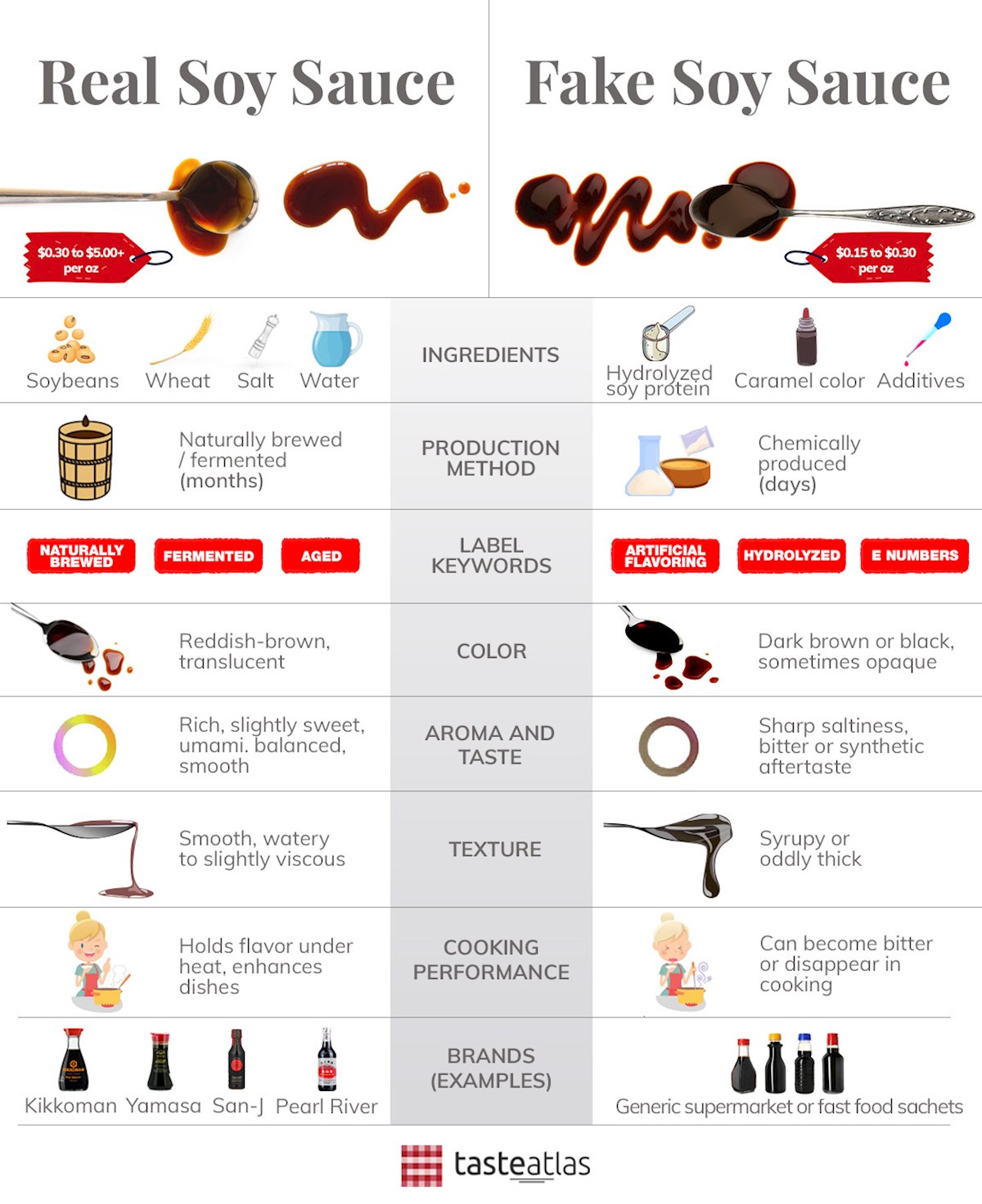
Real soy sauce is made from a simple, traditional mix of soybeans, wheat, salt, and water. These whole ingredients go through fermentation to develop flavor. Fake soy sauce, on the other hand, uses hydrolyzed soy protein — a chemically broken-down form of soy — along with caramel color, corn syrup, and artificial flavor enhancers. It’s more about mimicking the look and taste than creating authentic flavor.
Production Method
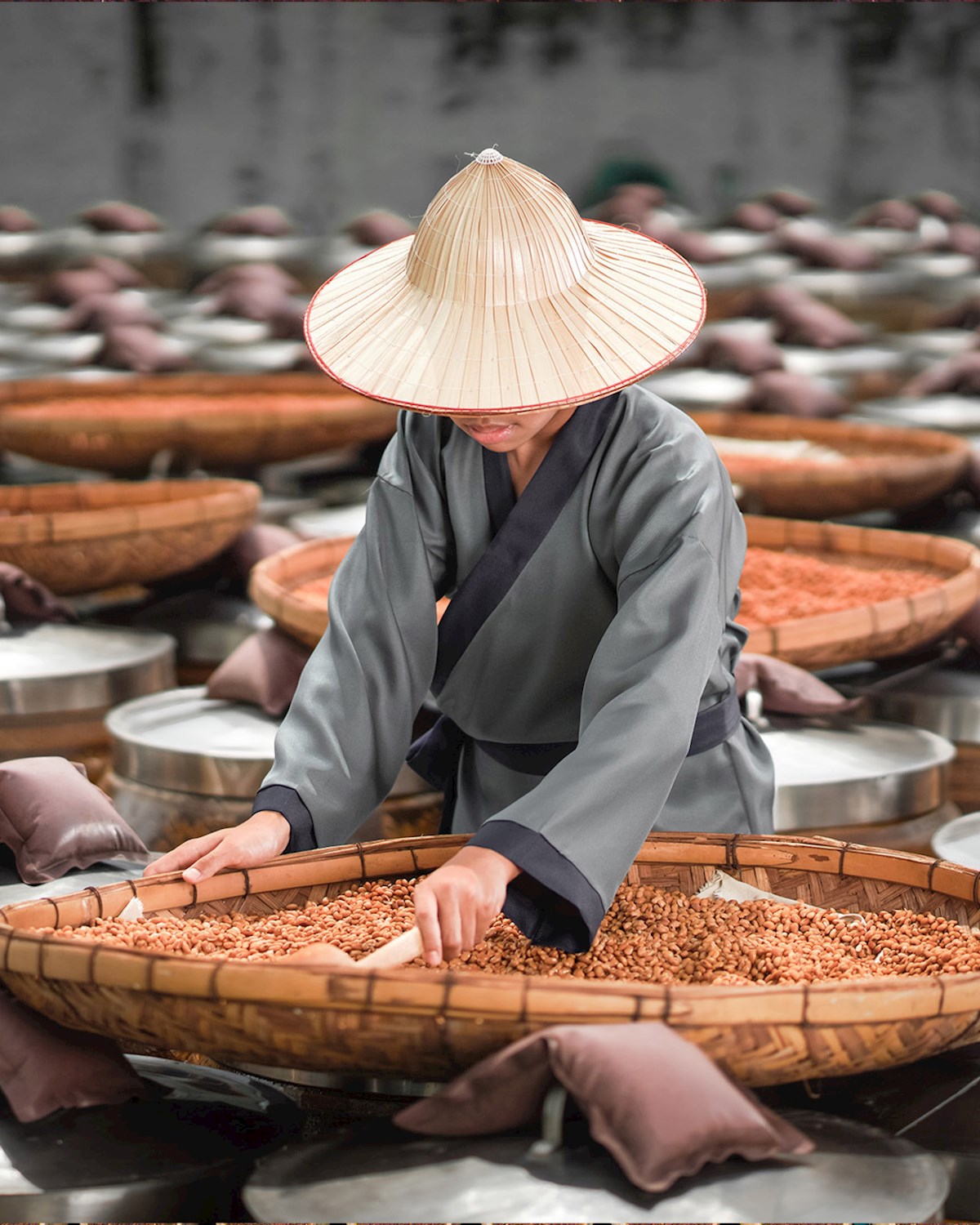
Authentic soy sauce is naturally brewed over several months, sometimes up to a year, using fermentation with microbes and enzymes. This process is slow and develops a complex umami flavor. Fake soy sauce is made quickly through acid hydrolysis, where soy protein is broken down in just a few days. The resulting liquid is then doctored with additives to resemble real soy sauce.



Color
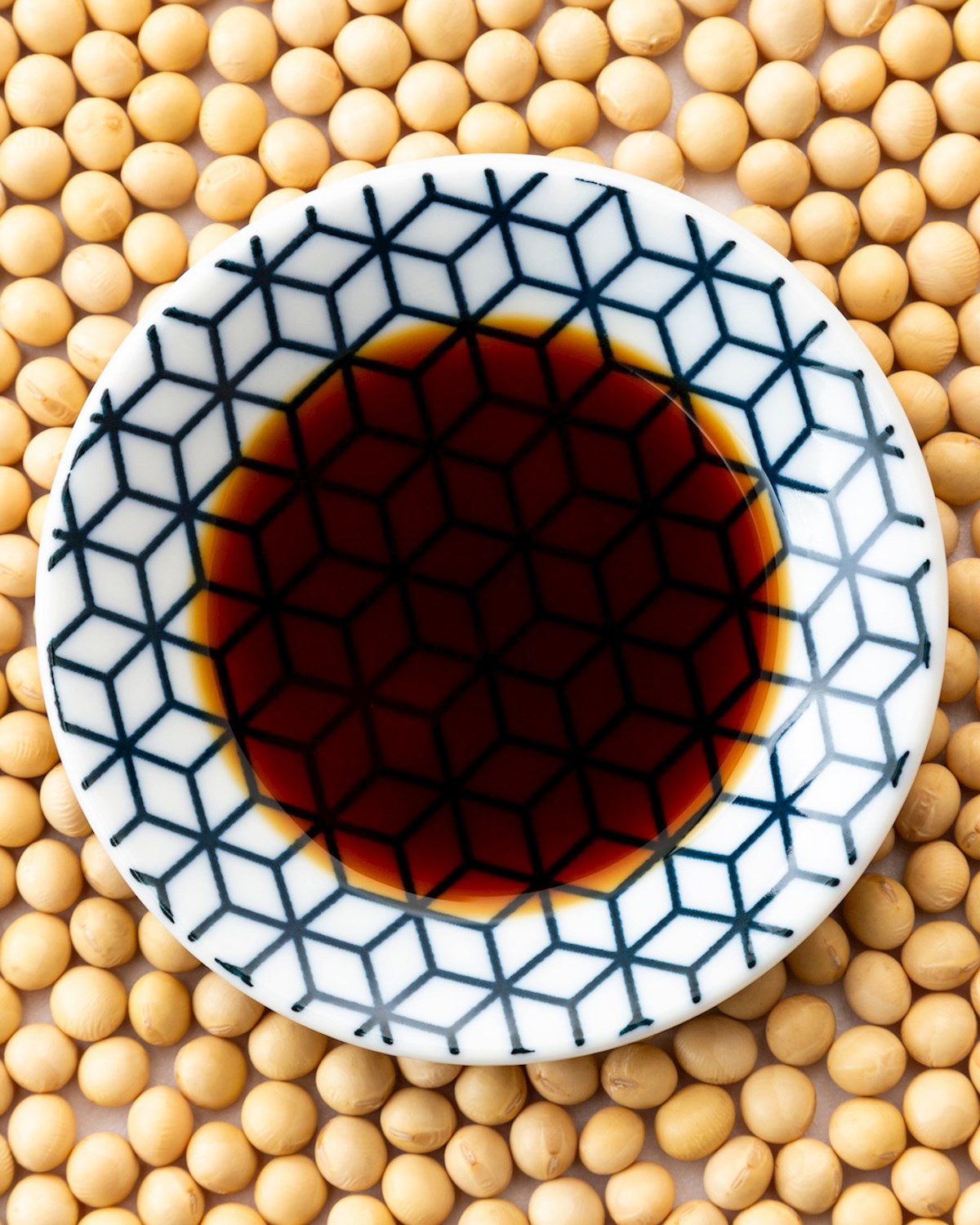
Real soy sauce typically has a reddish-brown or golden-brown, slightly translucent color that reflects its fermented nature. It has depth and a natural sheen. Fake soy sauce often appears darker — nearly black — and may look murky or overly glossy due to added caramel coloring.
Aroma & Flavor
A real soy sauce will have a rich, rounded aroma with hints of malt, earthiness, and natural salt. It tastes balanced and savory with lingering umami. Fake soy sauce usually smells sharp or flat, and its flavor tends to be aggressively salty or metallic, without depth or subtlety.
Texture
Naturally brewed soy sauce is generally light to medium in body, with a smooth pour and no stickiness. Fake soy sauce may feel syrupy, thickened artificially, or oddly slick — a result of additives or excessive sugar.



How it Cooks
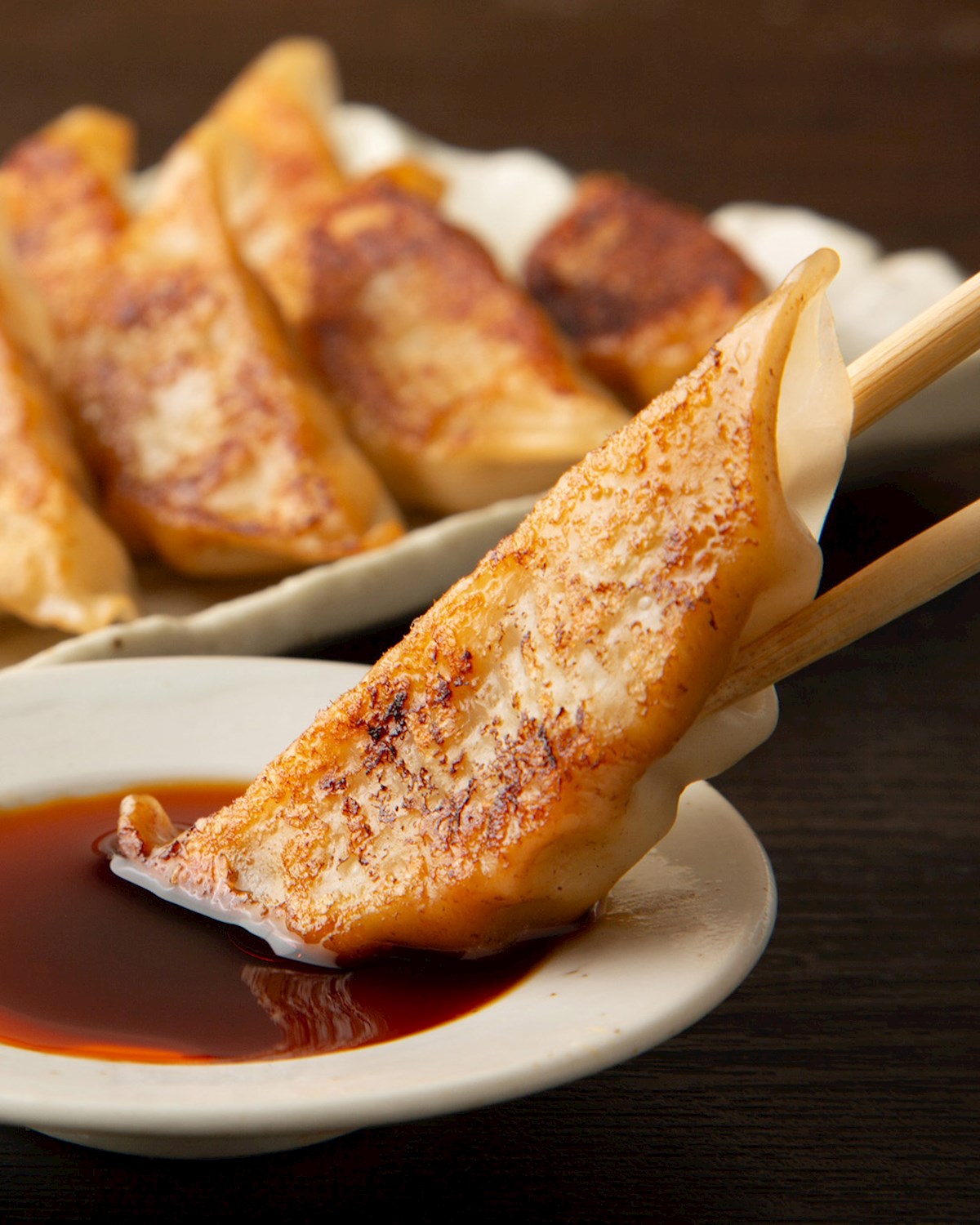
When used in cooking, real soy sauce maintains its character under heat, enhancing flavors without overpowering. It works well in marinades, braises, and sauces. Fake soy sauce often falls apart when cooked — it can taste burnt, overly salty, or simply disappear into the dish.
Shelf Life
Real soy sauce has a long shelf life due to its salt content and natural fermentation, though it’s best stored in the fridge after opening to preserve flavor. Fake soy sauce is often loaded with preservatives, but its taste can decline quickly, becoming bitter or stale.
Price
Because it takes time and quality ingredients to make, real soy sauce tends to cost more — but a little goes a long way. Fake soy sauce is cheap, mass-produced, and often found in budget bottles or plastic takeout packets, making it more accessible but far less rewarding in flavor.
Types of soy sauce
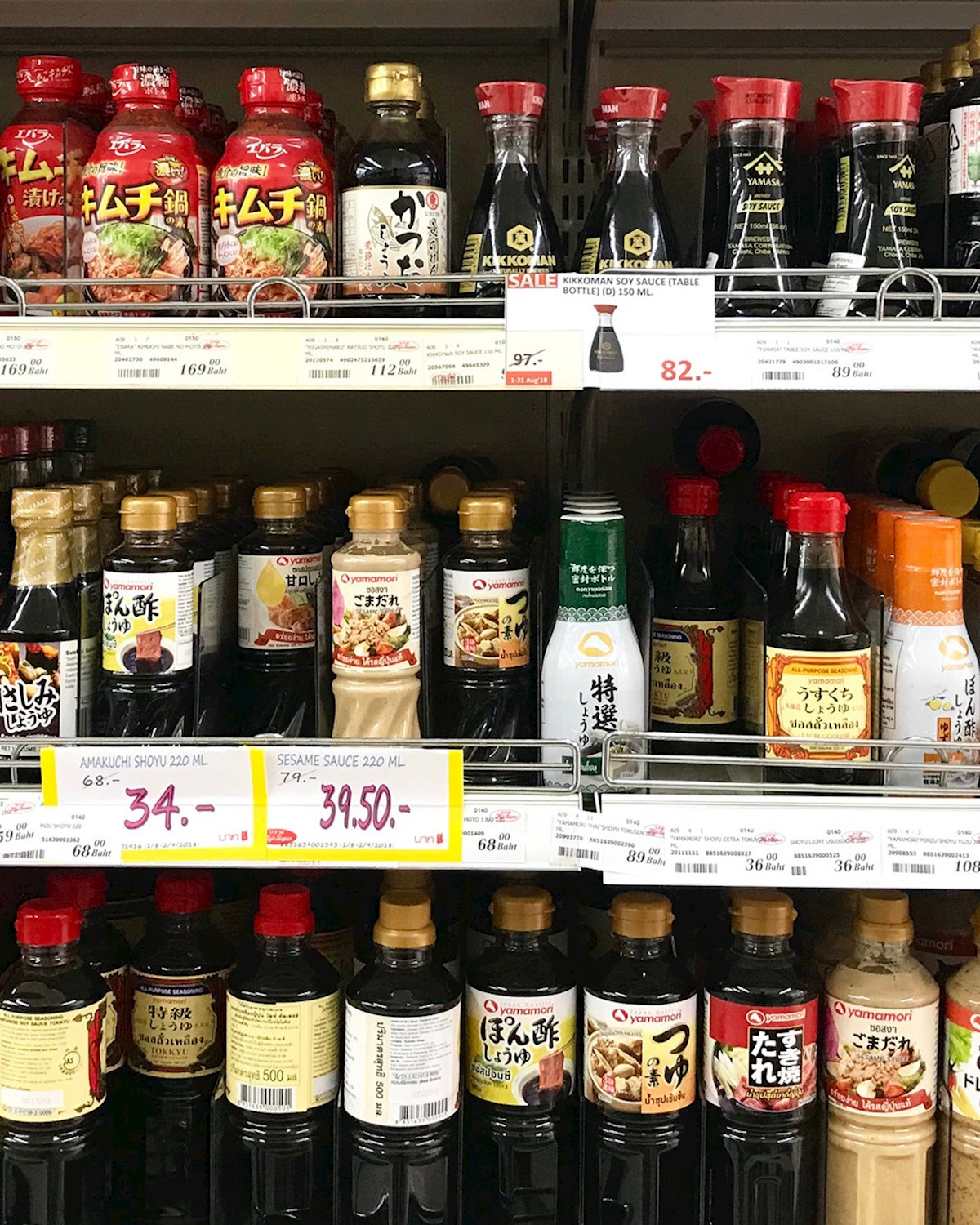
Soy sauce is a globally beloved condiment with deep roots across East and Southeast Asia, and its many regional variations reflect local tastes and traditions. In Japan, soy sauce (shoyu) ranges from light and salty usukuchi to rich, sweet tamari, often used in dipping sauces and sushi. Chinese soy sauce includes light soy sauce (sheng chou), a saltier, thinner seasoning staple, and dark soy sauce (lao chou), thicker and slightly sweet, ideal for braises and color.
Korean ganjang has its own styles, including guk-ganjang for soups and yangjo-ganjang, brewed traditionally for richer flavor. Indonesia’s kecap manis is a thick, molasses-sweet soy sauce, essential in dishes like nasi goreng. In Thailand, a lighter, saltier soy sauce pairs well with fish sauce, while in the Philippines, soy sauce (toyo) is often blended with calamansi or vinegar.
What's the issue with fake soy sauce?

The problem with fake soy sauce isn’t just that it lacks authenticity — it’s that it cuts corners on both quality and health. Unlike traditionally brewed soy sauce, which undergoes months of natural fermentation, fake soy sauce is produced in a matter of days through a chemical process called acid hydrolysis. This shortcut breaks down soy protein with hydrochloric acid, then neutralizes it and adds caramel color, corn syrup, and artificial flavorings to imitate the look and taste of the real thing. The result is a sauce that may resemble soy sauce in color but lacks the complexity, depth, and subtle umami of a fermented product.
Worse, some fake soy sauces contain excessive sodium, synthetic flavor enhancers, and chemical residues such as chloropropanols — compounds that have been linked to potential toxicity and carcinogenic effects in high concentrations. Over time, regular consumption of these chemically-altered products may contribute to increased blood pressure, digestive irritation, or exposure to potentially harmful compounds. While cheap and widely available, fake soy sauces offer little culinary value and can compromise both the quality of your dish and your long-term health.
What to look for when buying soy sauce?
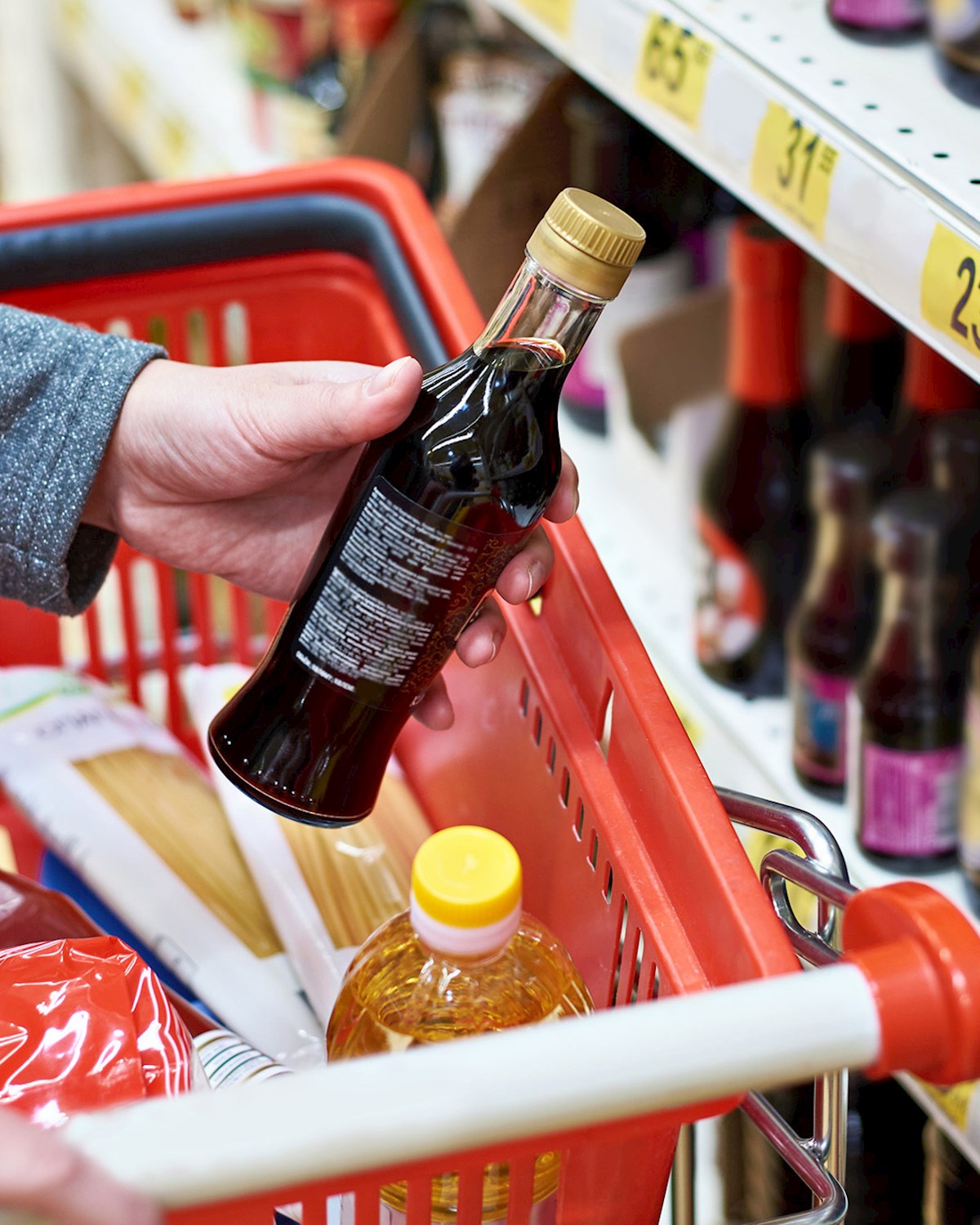
To find real soy sauce, skip the lowest shelf at the supermarket and head to the international aisle, an Asian grocery store, or a specialty food market. Look for brands that clearly state “naturally brewed”, “fermented”, or “traditionally aged” on the label — these are key indicators of authenticity. The ingredient list should be short and recognizable: soybeans, wheat, water, and salt. Avoid products listing hydrolyzed soy protein, caramel color, corn syrup, or flavor enhancers, as these point to chemical shortcuts.
Real soy sauce is often packaged in glass bottles and may come from reputable producers like Kikkoman (brewed version), Yamasa, San-J (especially for Tamari), or Pearl River Bridge (Superior or Gold Label lines). Japanese and Korean markets also offer small-batch, artisanal soy sauces with regional flavor differences.