


13 Worst Rated Northern European Alcoholic Beverages

Last updated on June 16, 2026
01

Karsk

2.3 ·

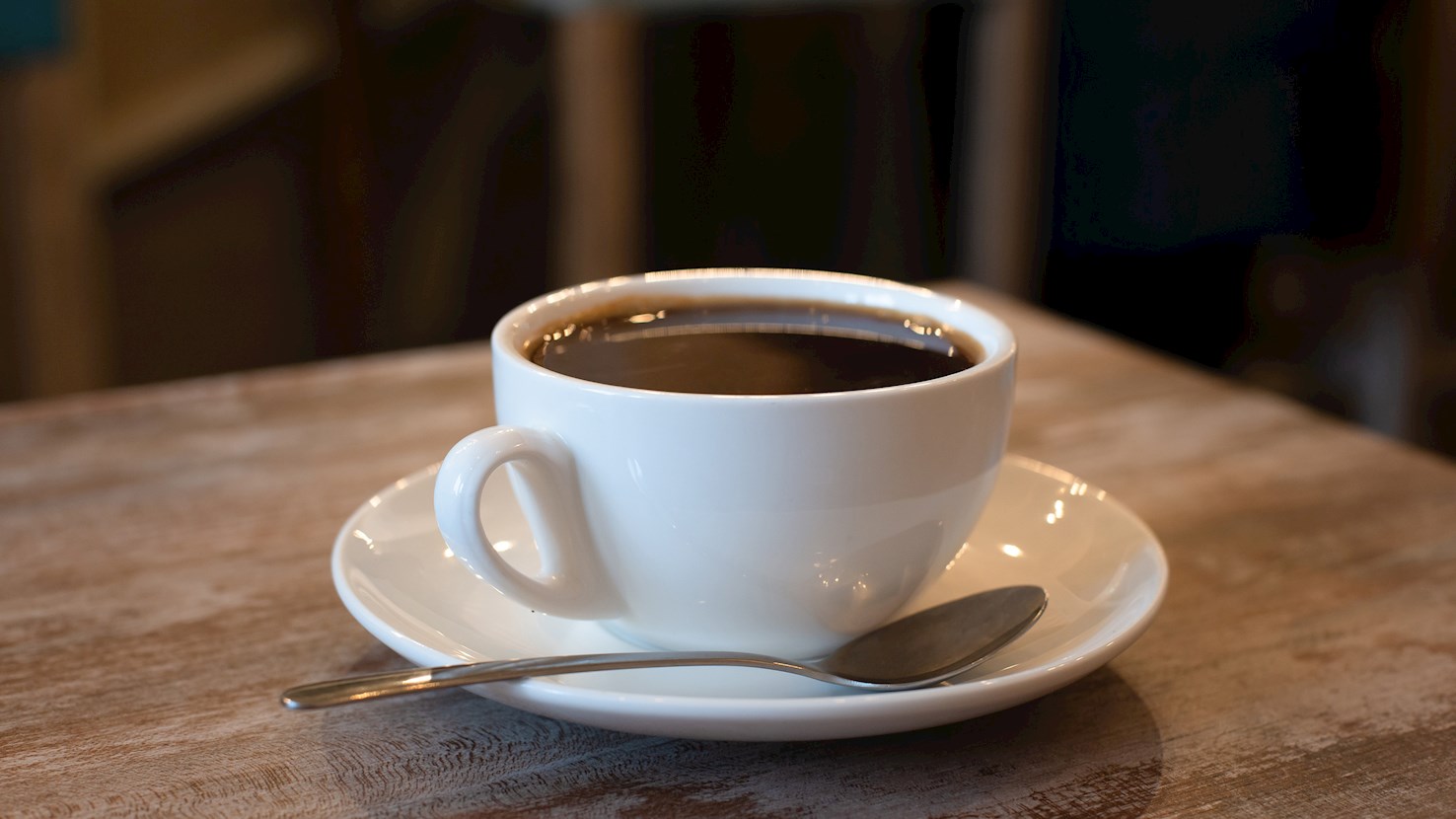
Karsk is an aromatic Norwegian cocktail that is traditionally served hot. It is made with a combination of coffee and moonshine. To prepare it, a small coin is traditionally placed on the bottom of the cup, which is then filled with strong, hot coffee until the coin is completely covered. The moonshine is then added to the cup until the coin resurfaces. There is also a variation on Karsk made with vodka instead of moonshine. The name of this cocktail is derived from the adjective karsks, which means vigorous in Old Norse. Nowadays, Karsk is also popular in bigger cities, although it is still more popular in rural areas of the country.

02

Akvavit

2.8 ·

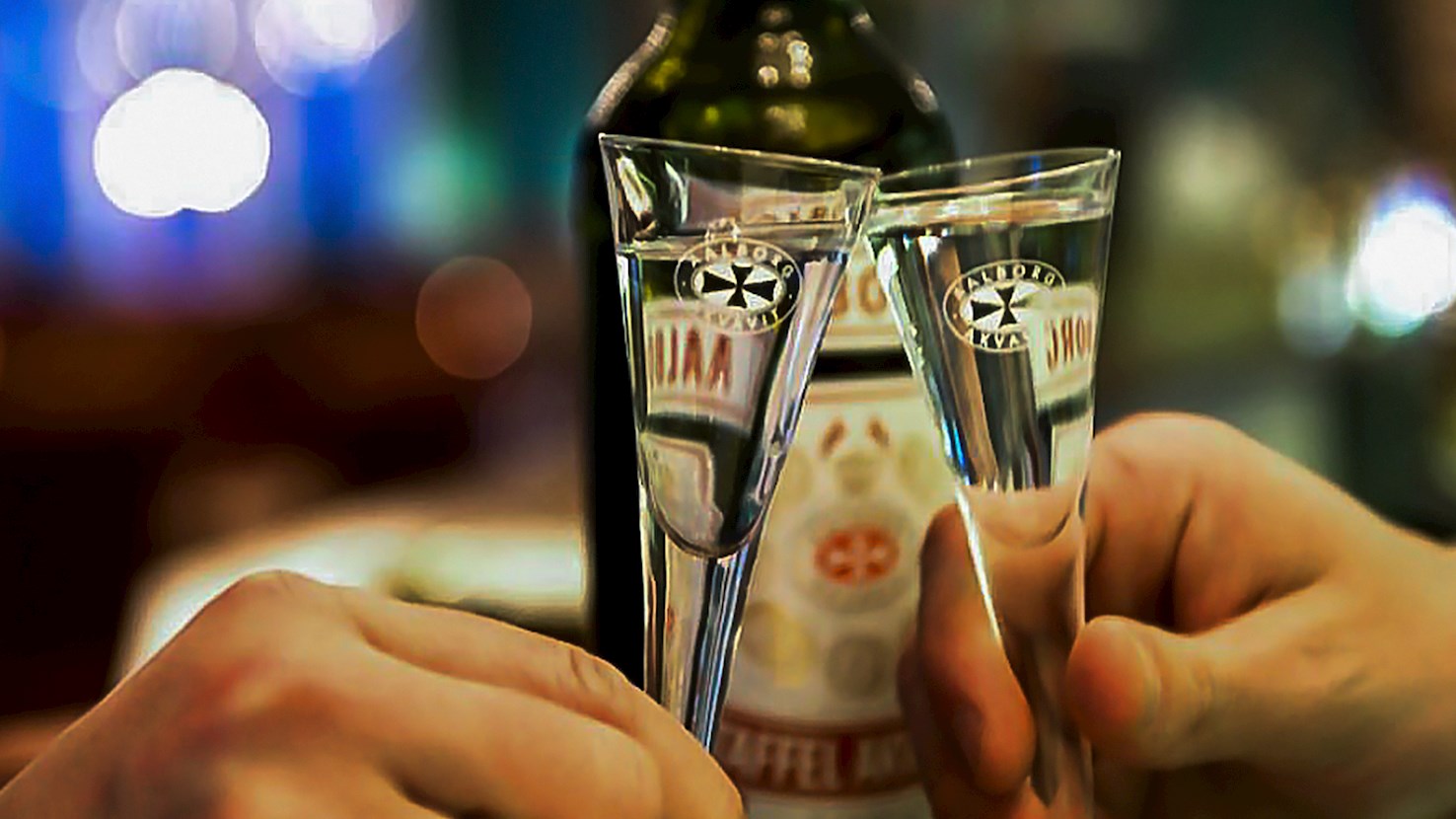
Akvavit is a Scandinavian spirit that is usually distilled from grains or potatoes. After distillation, it is infused with various botanicals, though the most common are caraway and dill. Other options may include fennel, coriander, cloves, or cumin. The drink can vary in color, and its flavor profile can greatly differ depending on the age and the base ingredients. Danish and Swedish akvavit is typically clear and colorless, while the Norwegian version is sometimes aged in sherry casks, allowing it to attain golden-like color and slightly stronger flavor. All varieties must have a minimum of 37,5 % ABV. Akvavit, whose name derives from aqua vitae (the water of life), has been produced since the 15th century. The first mention appears in a letter dated April 13th, 1531, that was sent from the Danish Lord Eske Bille to Norwegian Archbishop Olav Engelbrektsson. April 13th is celebrated as the akvavit day in Norway. The biggest producers come from Norway, Sweden, and Denmark. Although this strong spirit is usually enjoyed well-chilled, some prefer to serve it at room temperature. In Scandinavia, akvavit is mainly enjoyed as an aperitif, and it is one of the mandatory drinks during festive lunch and dinners. It perfectly pairs with local specialties.

03

Brennivín

2.8 ·

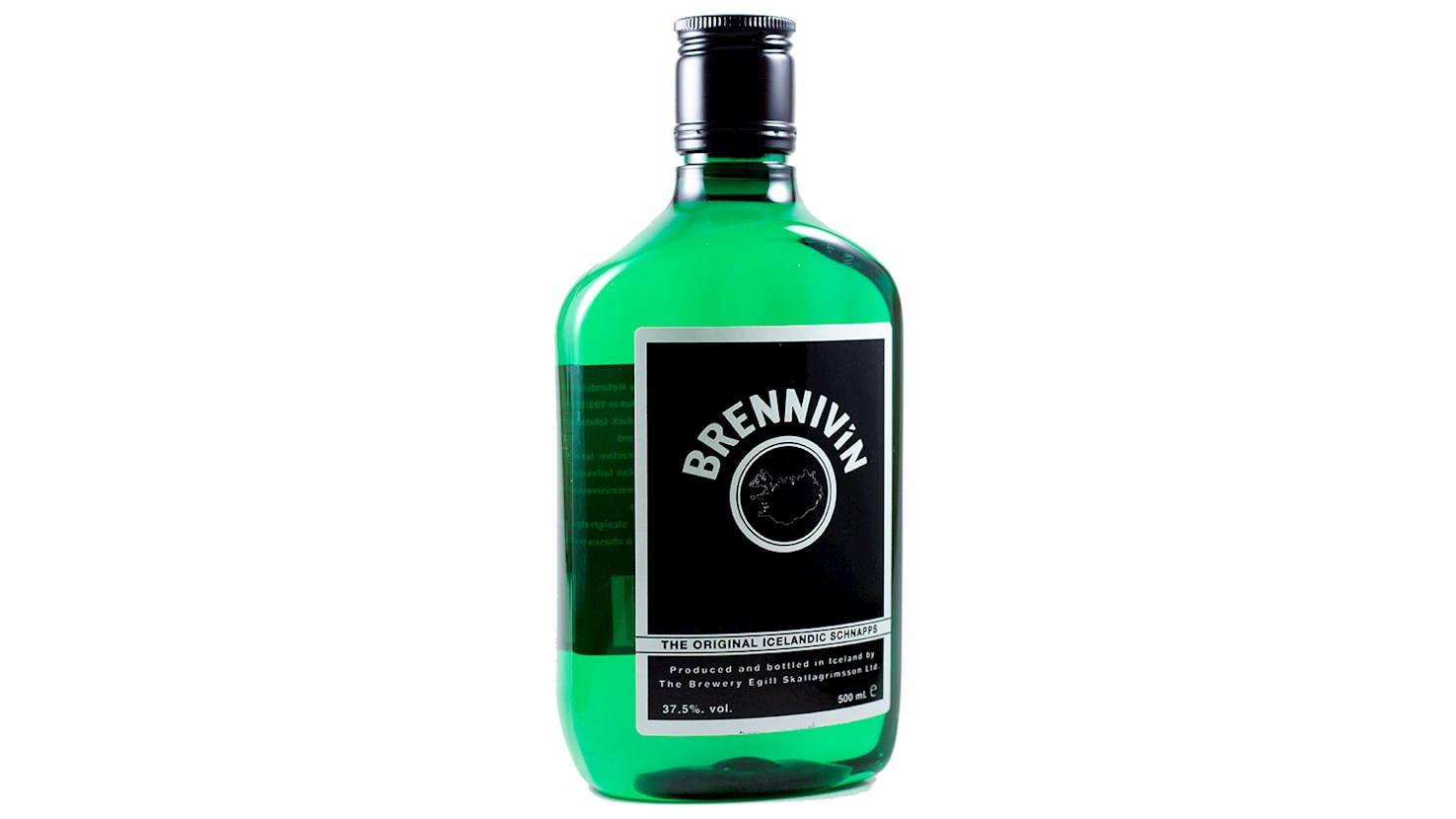
Brennivín is distilled from potato mash, and it is traditionally flavored with various herbs and spices, including caraway seeds, cumin, and angelica. Although the name Brennivín translates to burning wine, this strong spirit was nicknamed Svarti Dauði, meaning Black Death, presumably because the bottle once had a label depicting a black skull, while some claim the nickname originated due to the distinctive, sharp taste of the drink. This Icelandic staple is best enjoyed well-chilled, served in a shot glass and paired with hákarl - cured shark flesh.

04

Koskenkorva

2.8 ·

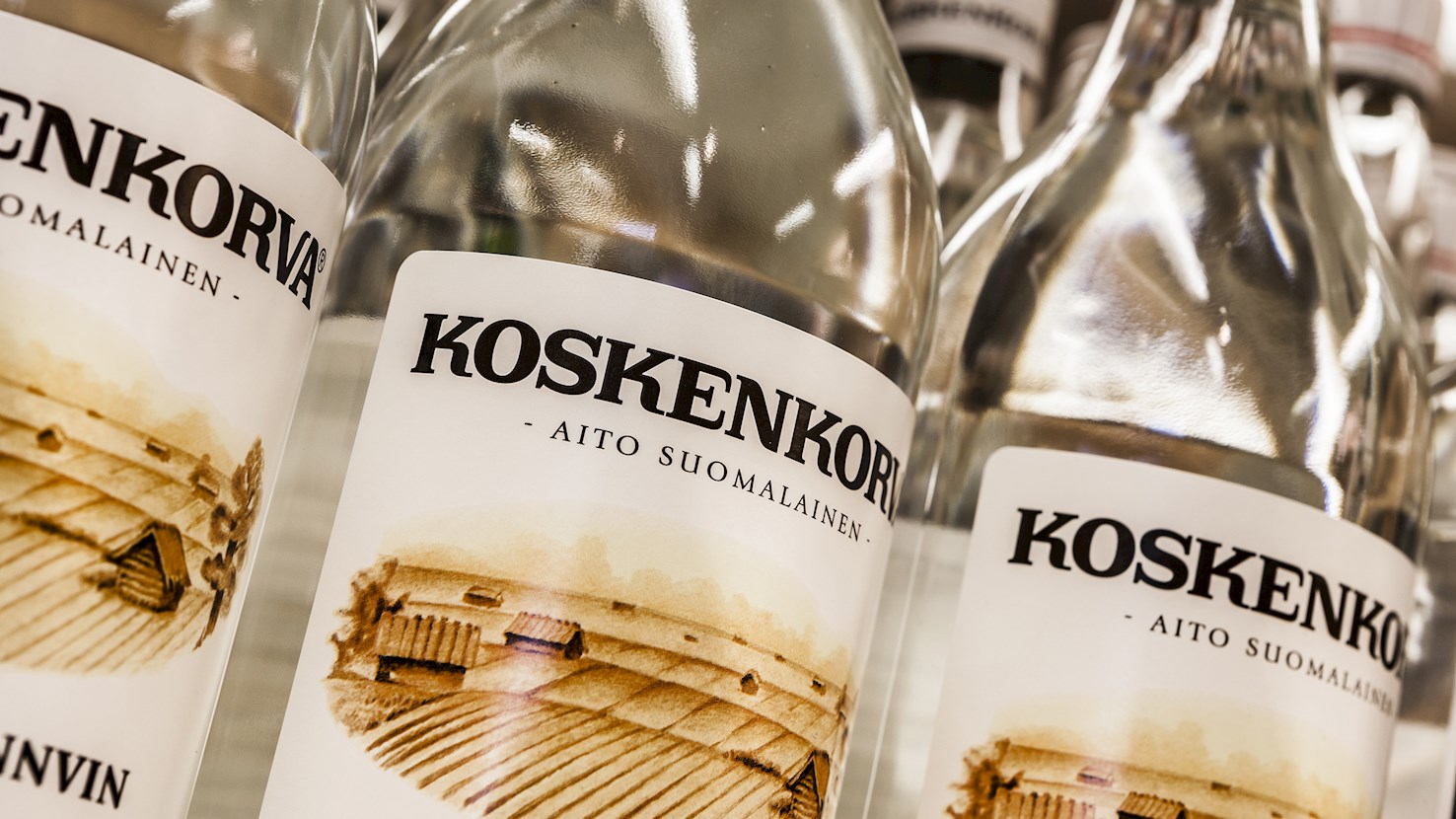
Koskenkorva is a clear Finnish spirit that is distilled from a combination of locally grown barley and unfiltered spring water. Often dubbed as vodka, the drink is produced with continuous distillation, which involves highly developed producing techniques that utilize 100% of the grain—none of it goes to waste. The original version of this high-quality spirit is smooth, pure, neutral, and bright. Apart from its basic version, it also comes in several specialty varieties, including aged and flavored spirits. The drink is produced in Koskenkorva village, and the company which produces it operates in an entirely sustainable manner that focuses on the circular economy. Koskenkorva can be enjoyed straight, preferably as an aperitif, but it also makes a great cocktail ingredient. In Finland, it is labeled as Koskenkorva Viina, and it is bottled at 38% ABV.

05

Sahti

2.9 ·

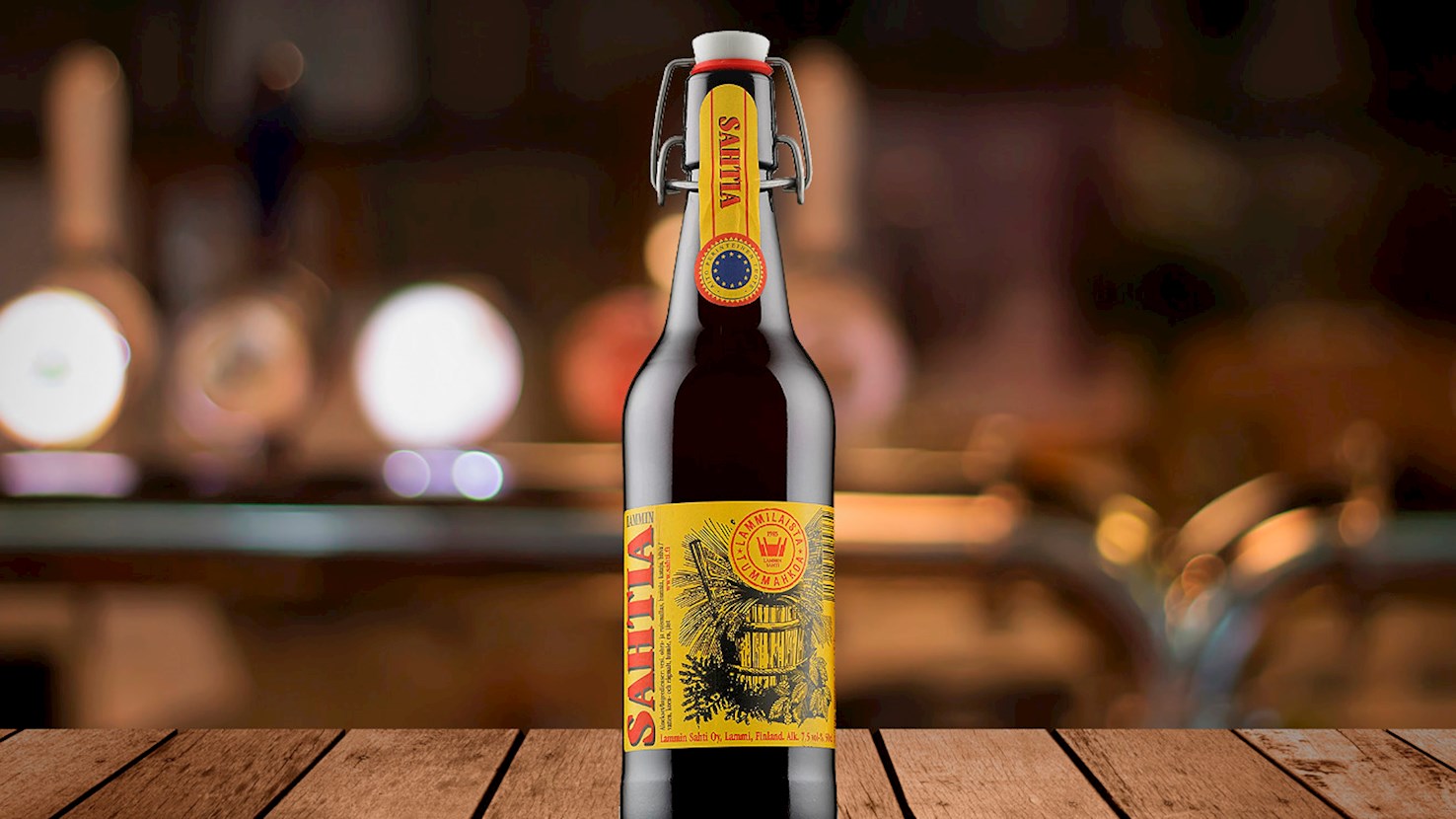
Sahti is a traditional beer that is produced in the regions of Kanta-Häme, Päijat-Häme, and Pohjois-Satakunta. The beer is made with malted barley, other cereal malts, and cereals such as rye, barley, wheat, and oats. Apart from hops, this beer is sometimes fermented with the addition of juniper, and the wort can be filtered using juniper twigs and rye straws. Sahti is made with local raw materials, following traditional methods and recipes, and without any additives. The beer is not pasteurized nor filtered. It can range from yellow to dark brown, and it has a slightly cloudy appearance, while its alcohol content may range from 6 % to 12 % ABV. Although it has a long tradition in the area, the first written reference dates from 1792. Sahti was primarily a festive brew that was traditionally enjoyed on various special occasions in the region. It is one of the last remaining original beers of Wester Europe, and it is sometimes labeled as ethnobeer.

06

Jaloviina

2.9 ·

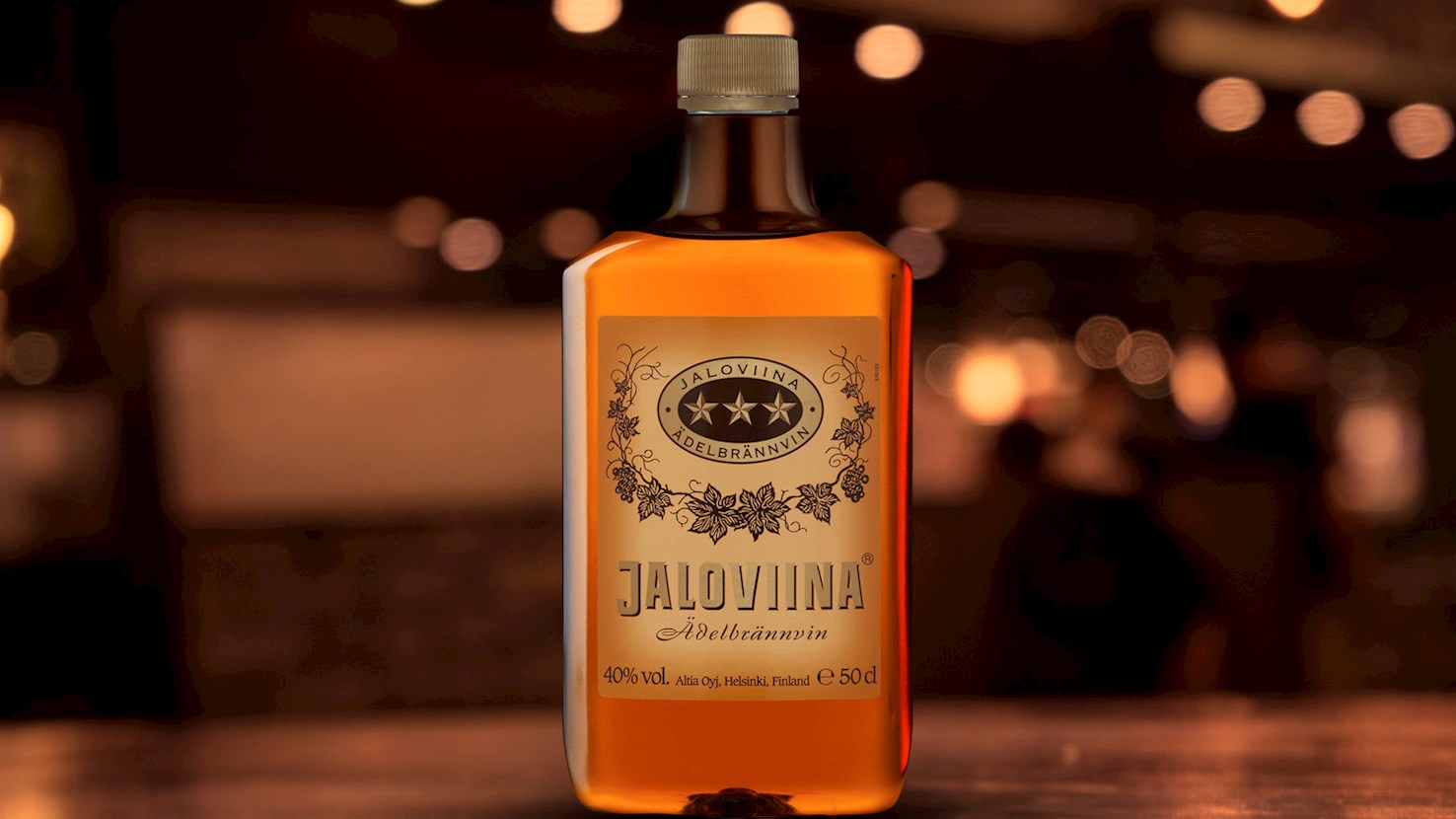
Jaloviina is a type of Finnish cut brandy, a type of brandy that has been cut with neutral grain spirit. This Finnish version is based on French brandy and the Finnish spirit. Jaloviina comes in several grades, usually differentiated by the number of stars. One being the lowest, and three being the highest grade. Jaloviina is typically amber-colored and has a smooth flavor with a long, warming finish. The dink was introduced in 1932, following the end of prohibition in Finland. Jaloviina can be served neat or on the rocks, but it could also work well in mixed drinks. It typically has around 40% ABV.

07

Maltøl (Norwegian Farmhouse Ale)

3.1 ·

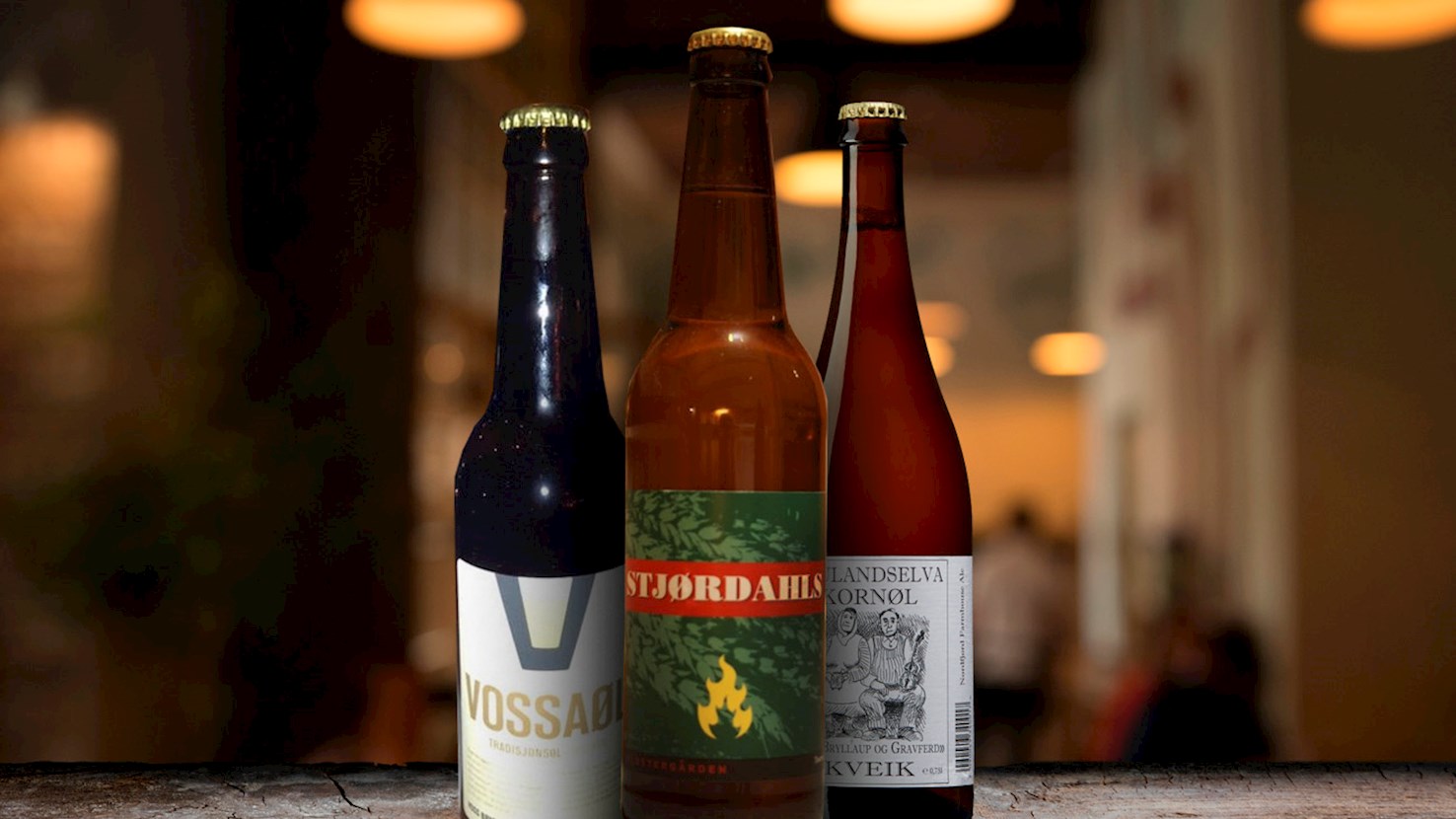
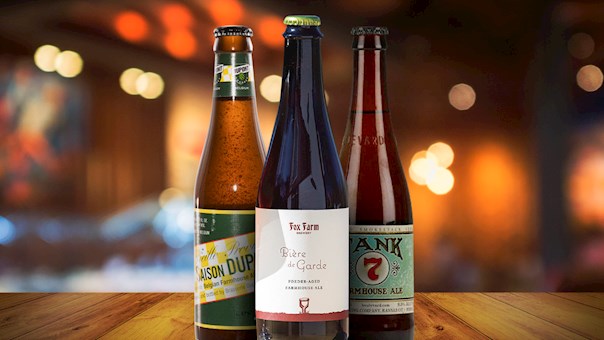
Norwegian farmhouse ale is an example of a traditional farmhouse ale—a versatile style brewed by European farmers. These beers were designed for local consumption. In Norway, they are known as maltøl, which would literally translate as malt beer. Norwegian brewing tradition is ancient, and though it has changed over time, it retained some of its unique characteristics. The entire category of farmhouse ales is incredibly versatile. The character depends on the region, brewer’s preferences, and style. Although the tradition has mainly disappeared, farmhouse ales are still brewed in several Norwegian regions, and are available in several different styles. The most popular is Stjørdalsøl, which comes from Stjørdal, the area with the highest number of traditional breweries. The beer is dark and has a smoky character. Vossaøl is clear and fruity, often flavored with juniper, while Kornøl is pale and hazy and commonly juniper-flavored.

08

Lakka

3.1 ·

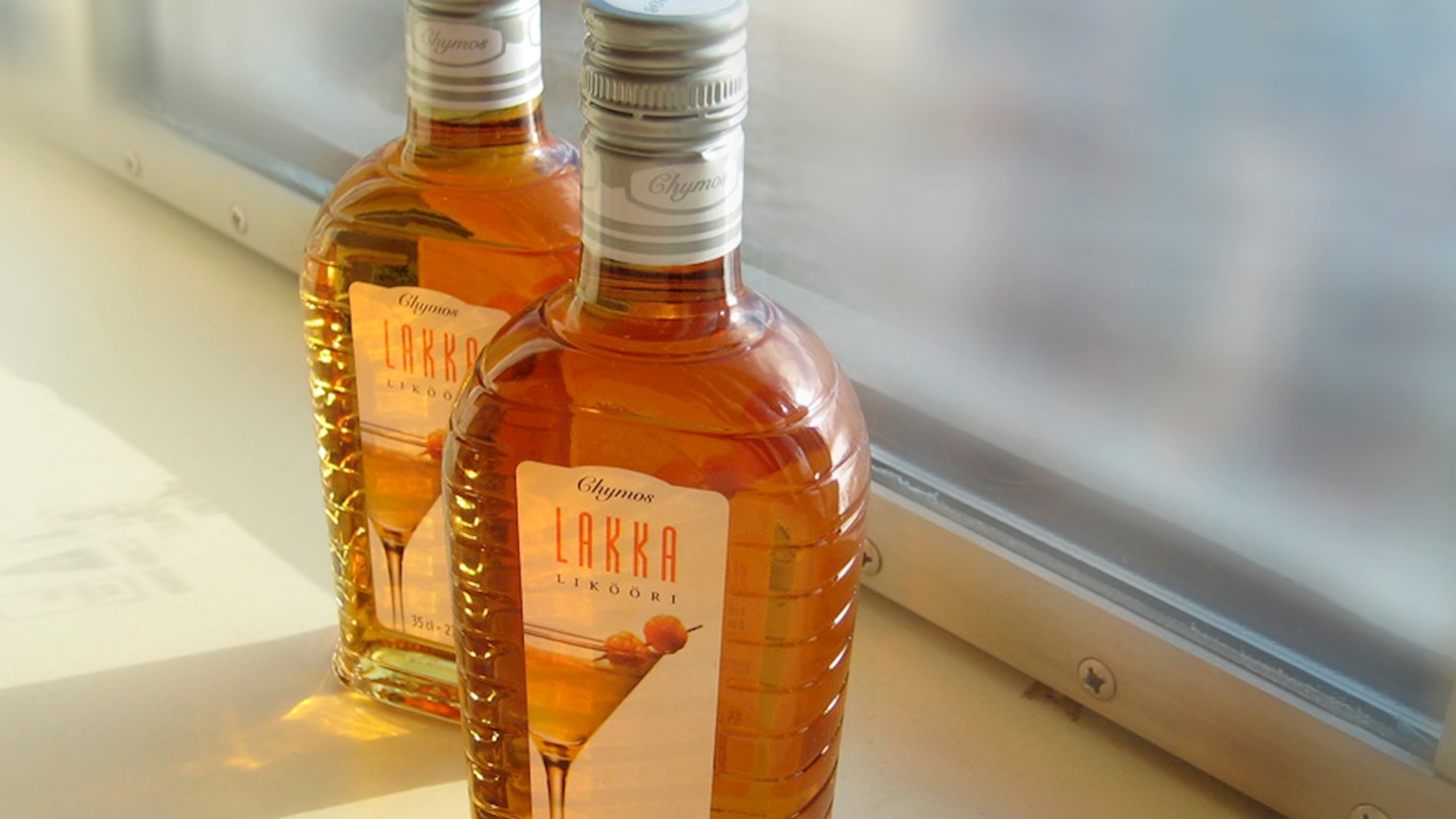
This amber Finnish liqueur is produced with cloudberries—wild orange berries found in the in the Northern hemisphere—that are macerated in a neutral spirit, while the final blend is then enriched with honey and spices such as cinnamon or cloves. Lakka is typically bittersweet and aromatic, with subtle berry notes, and an alcohol content that may vary depending on the label. It is usually enjoyed neat, but it is also a great addition to various cocktails. The most popular brands include Chymos and Lapponia.

09

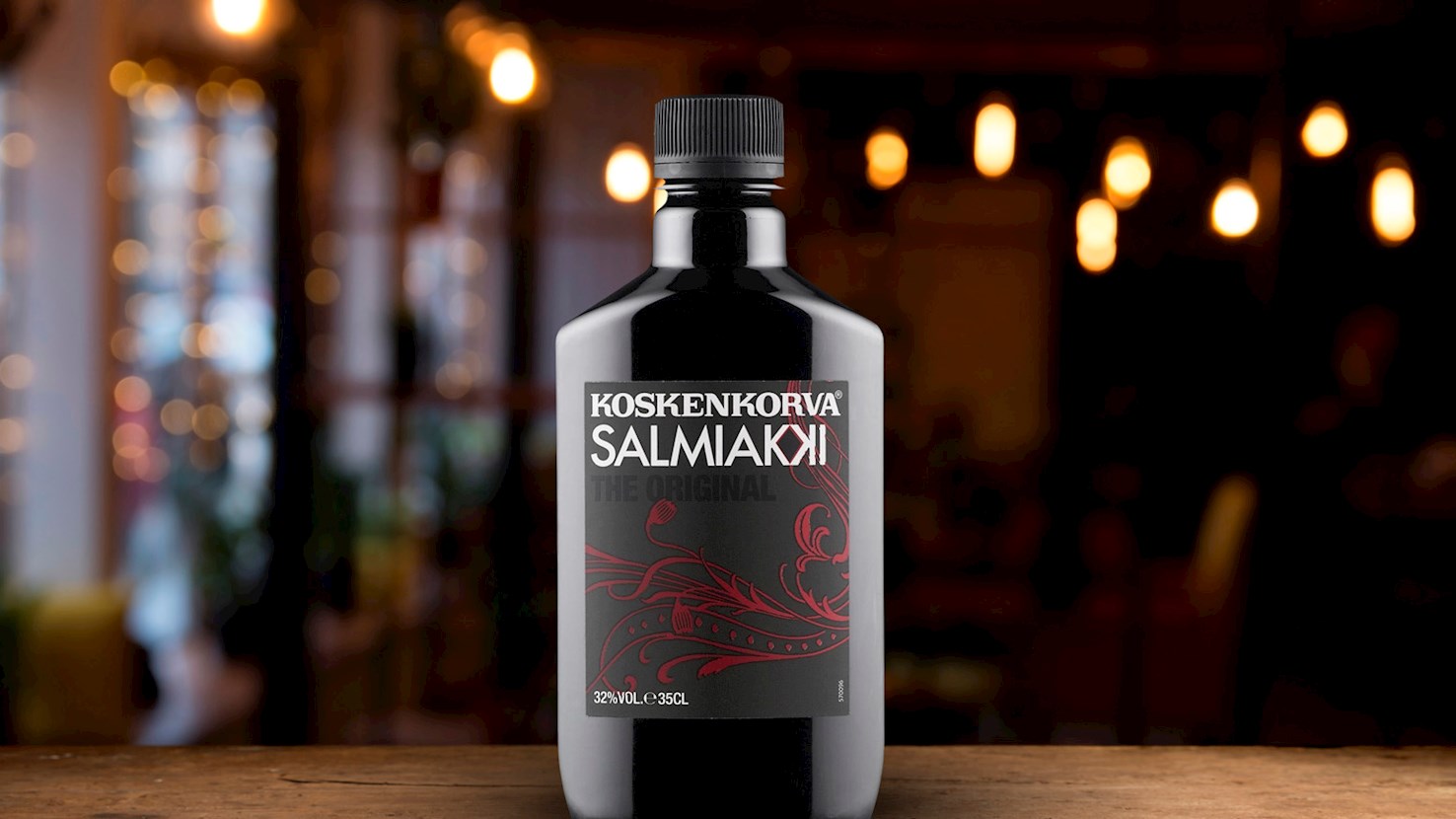
Salmiakki Koskenkorva

3.4 ·

Salmiakki Koskenkorva is a popular licorice-based Finnish liqueur with a thick and viscous texture. It is based on Koskenkorva Viina vodka and the salmiakki licorice extract. The drink was first introduced in the 1990s, and it quickly gained a huge following, especially among teenagers. This dark liqueur has an intense licorice flavor reminiscent of aniseed. Although it is usually enjoyed as a shot, served neat or on the rocks, it can also work well as a cocktail ingredient. The drink is produced in Koskenkorva, and it is bottled at 32% ABV.

10

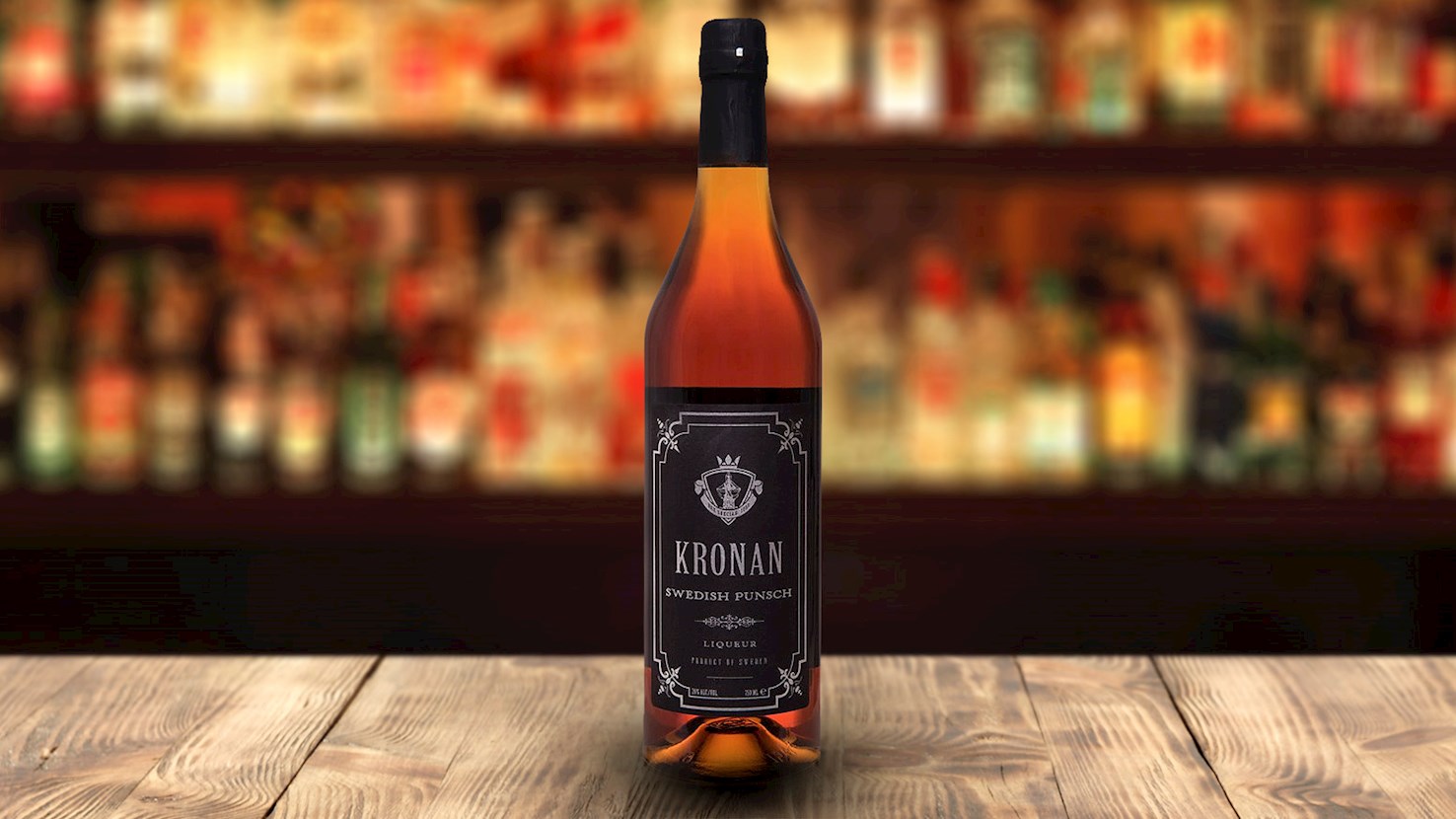
Svensk Punsch

3.4 ·

Swedish punsch is an arrack-based liqueur that was first introduced in the 18th century when the Swedish East India Company started importing Batavian arrack from Java. In its early days, punsch was enjoyed warm and prepared just before serving, by heating it and then adding spices and wine. The first bottled version appeared in 1845 and was manufactured by J. Cederlunds Söner, and was soon followed by other producers. Most punsch brands are now created with a combination of arrack, alcohol, water, and spices, and are best served neat and chilled, in traditional punsch glasses, though Swedish tradition suggests that it can be enjoyed warm when paired with traditional pea soup. The drink also incorporates well into cocktails and desserts.

11

Sima

3.5 ·
12

Glögg

3.6 ·
13

Farmhouse ale

3.7 ·
Read more
View all
View map
About this ranking

TasteAtlas food rankings are based on the ratings of the TasteAtlas audience, with a series of mechanisms that recognize real users and that ignore bot, nationalist or local patriotic ratings, and give additional value to the ratings of users that the system recognizes as knowledgeable. For the “13 Worst Rated Northern European Alcoholic Beverages” list until June 16, 2026, 467 ratings were recorded, of which 413 were recognized by the system as legitimate. TasteAtlas Rankings should not be seen as the final global conclusion about food. Their purpose is to promote excellent local foods, instill pride in traditional dishes, and arouse curiosity about dishes you haven’t tried.

Similar lists