


69 Worst Rated European Beer Styles

Last updated on May 21, 2026
01

Roggenbier

2.7 ·

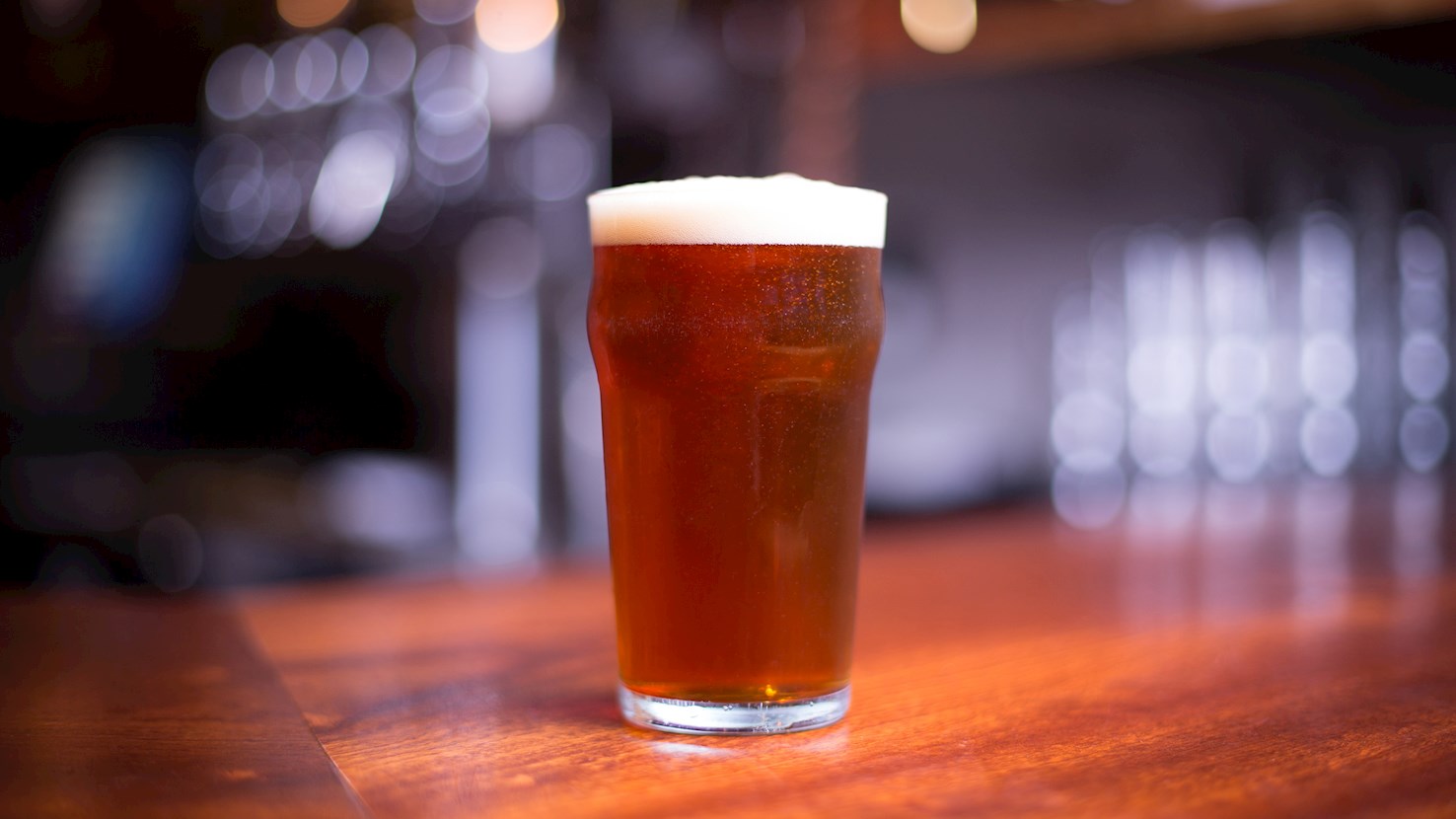
Roggenbier is a historical rye beer style that hails from Bavaria. Although it is rarely produced these days, it was commonly brewed before the introduction of the German Beer Purity Law in 1516. The law said that only water, barley, and hops might be used to brew beer, creating unfavorable conditions for rye beers, which mainly disappeared after that. The style was reintroduced in Germany sometime in the 1980s. Although it is not available on a wider scale, some breweries offer it as a standard or a seasonal label. Roggenbier is a beer style in which malted rye is dominant or makes at least 50%. Rye beers are typically dark and medium to full-bodied. They usually have a spicy, rye-like aroma with some fruity, tart nuances attained from weizen yeast. The beers are moderately bitter, with some malt sweetness and low hop flavor. They are not heavy or overpowering and usually result in light and dry examples with an alcohol content of 5%. They can be filtered or unfiltered.

02

Mild ale

2.8 ·

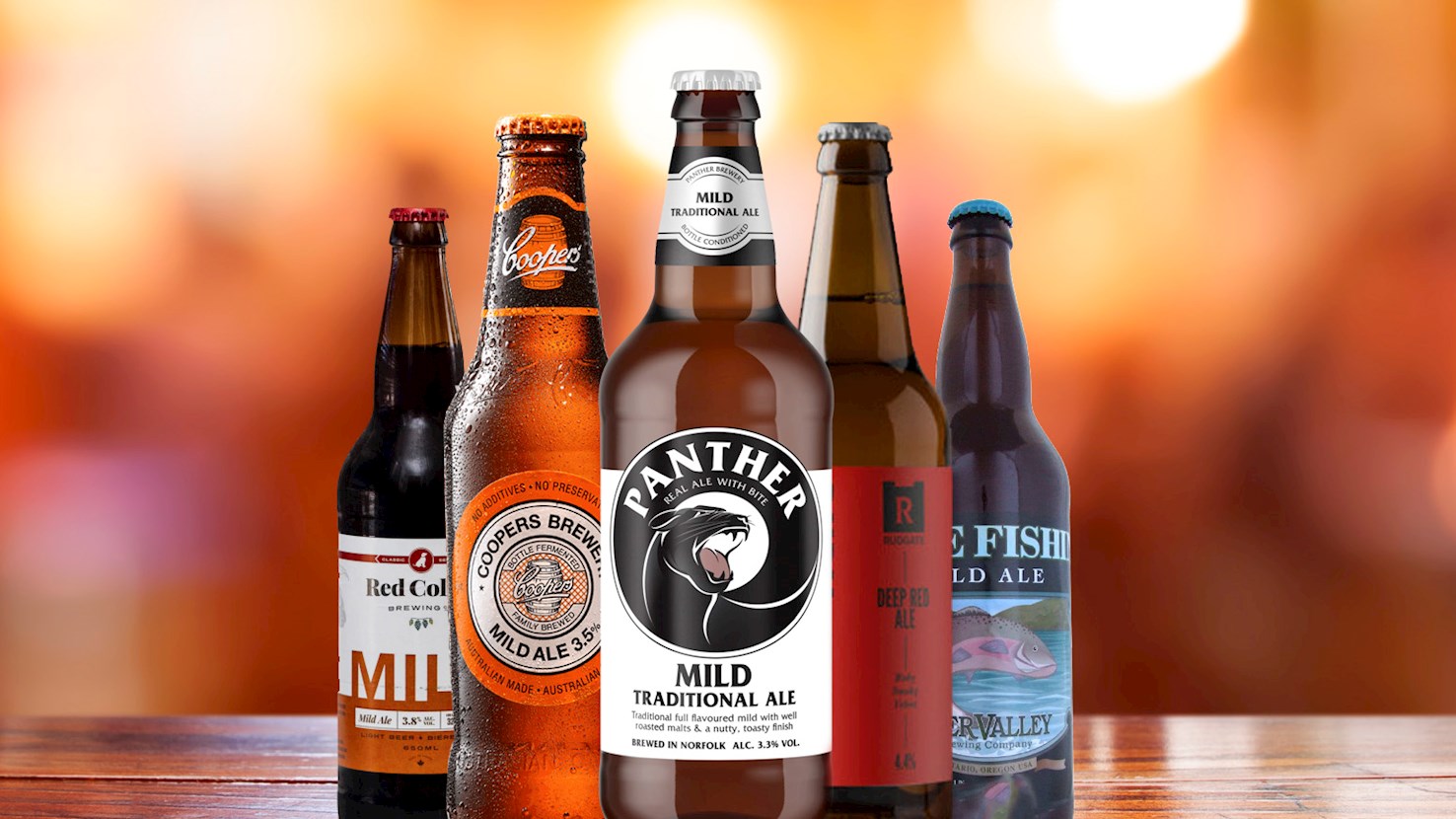
Mild ale is a British beer style that probably originated sometime in the 19th century. It comes as a traditional dark mild variety or as a less common lighter-colored version. The most distinctive feature of mild ale is its low hop bitterness, and it traditionally has a very low alcohol content that can vary from 3.0 to 5%. Mild ale has seen several reincarnations throughout the 20th century to achieve its current malt-forward character and low strength. Following the Second World War, the sales and the production of mild ale plummeted. It is still produced, but usually in low quantities.

03

Ordinary bitter

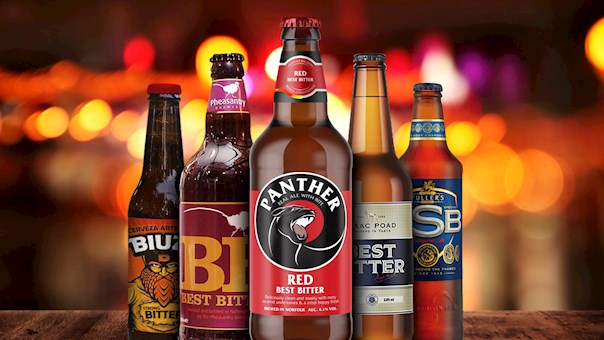
2.9 ·

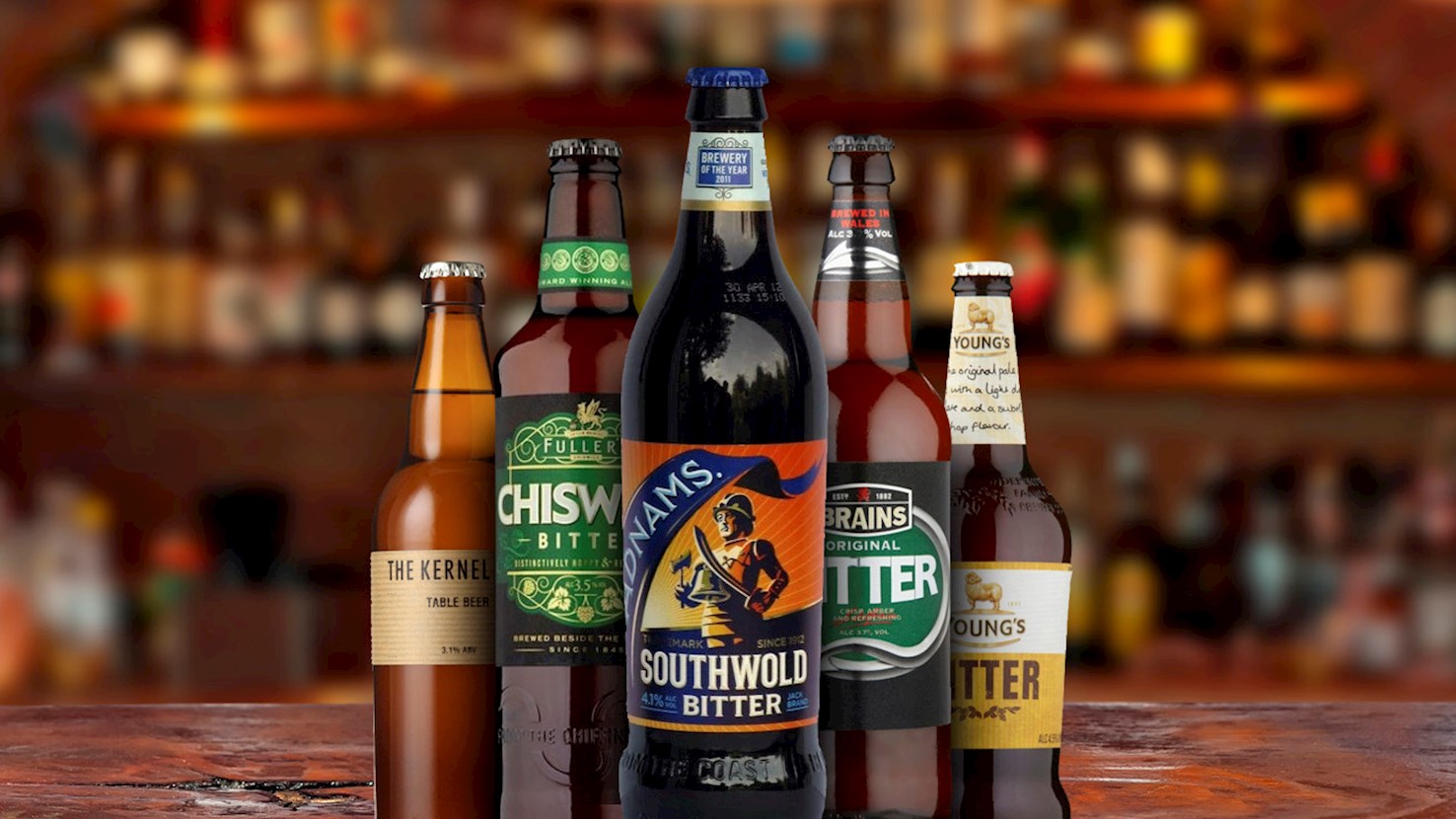
Ordinary bitter is a beer style with low carbonation and low alcohol levels. It is an easy-drinking and approachable style with gold to copper color and light to medium body. Among the bitter group, it is a version with the lowest alcohol content, typically falling between 3.2% and 3.8% ABV. Ordinary bitter has a good balance of malt sweetness and hop bitterness, and neither should be overpowering. Malt aroma often has caramel-like qualities, and most ordinary bitters will have bready, toasty, and biscuity notes, along with moderate fruitiness. These classic British brews would pair well with roasted poultry, British pub food, and cheese.

Best producers
04

Herfstbok

2.9 ·

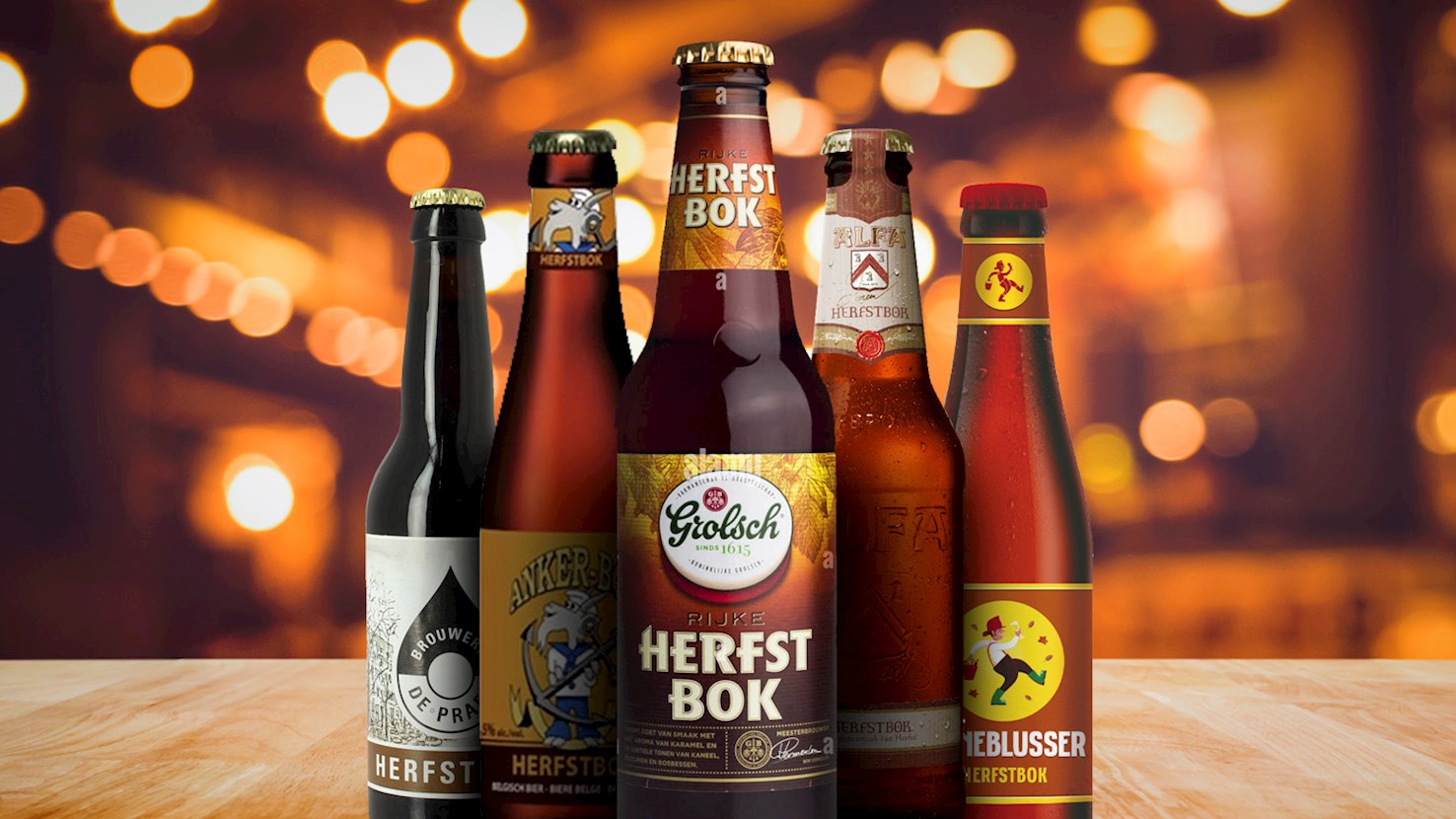
Herfstbok is often called autumn bock bier. The style was modeled on bock bier—a type of strong and dark lager that originated in Germany. Dutch bock beers grew into a distinct style, and herfstbok is one of the seasonal varieties released by major and microbreweries. Although it is not a mainstream style or available year-round, it is becoming increasingly popular. Herfstbok is now produced as top (ale) or bottom-fermenting (lager), and it is generally a broad category that does not have set guidelines. Most examples are dark beers with a dominant malty character. Their color ranges from amber to almost black, while the flavor is typically balanced between sweetness and bitterness. Their alcohol content typically falls between 5 and 7 percent. Herfstbok is usually served in a tulip glass.

05

Braggot

2.9 ·

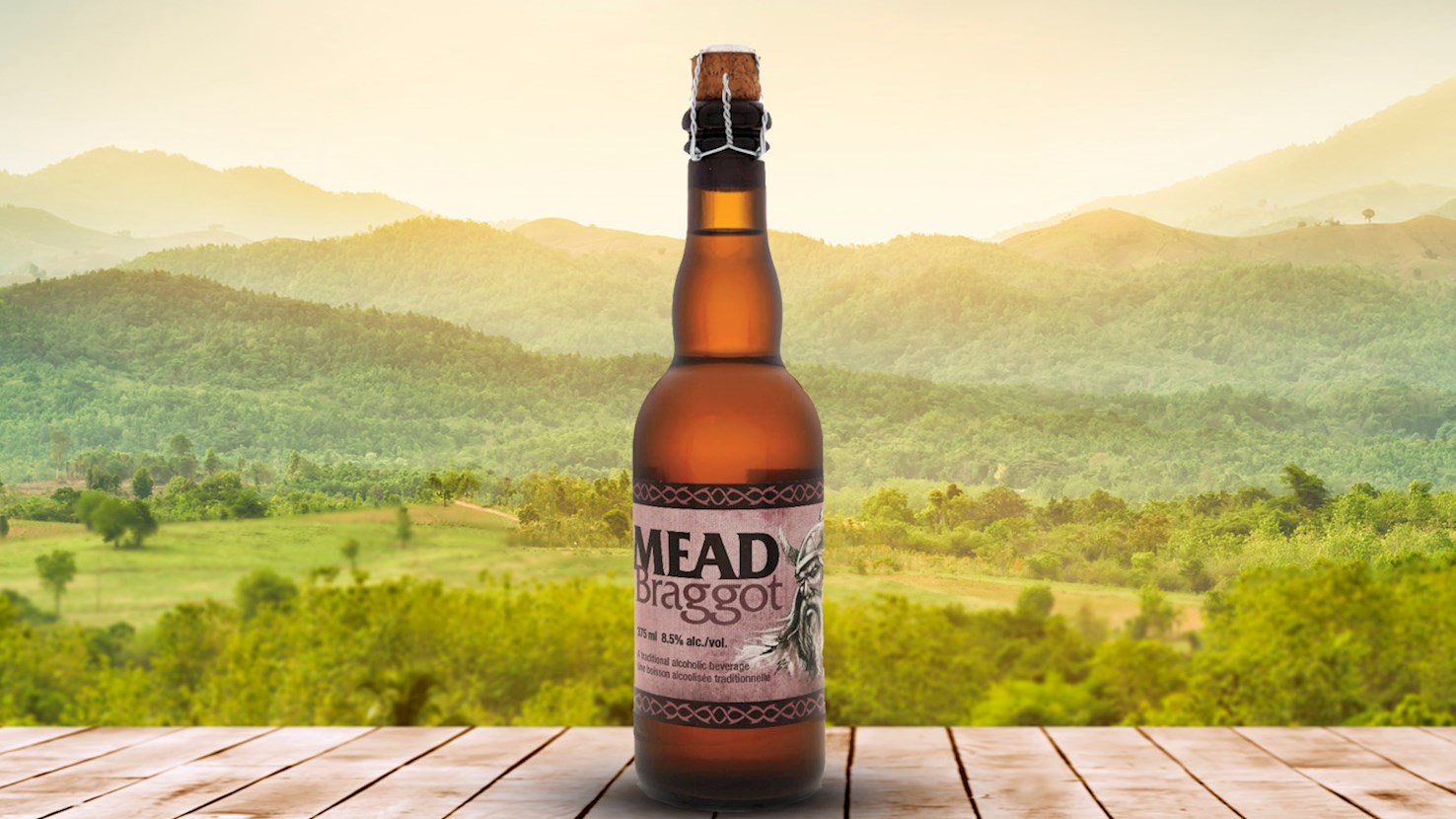
Braggot is an ancient mead variety - a cross between mead and beer. Some classify it as beer with mead, while others call it mead with hops and grains. It was already familiar in the Middle Ages, and it probably originated in the British Isles. Braggot was even mentioned in Chaucer’s The Canterbury Tales, but it is almost impossible to pinpoint the exact place and time when it first appeared. Braggot is a versatile drink usually made with equal amounts of malt and honey, though the exact proportions may vary. Color, alcohol content, the final profile of the brew heavily depend on the base ingredient. Their color can range from golden to dark brown, while the alcohol content typically falls between 7 and 13% ABV. Their character should include grain and honey notes, while the sweetness needs to be balanced with subtle bitterness from the hops. Although braggot is still rare, some (mainly craft) breweries have it as a seasonal label.

06

Kentish ale

3.1 ·

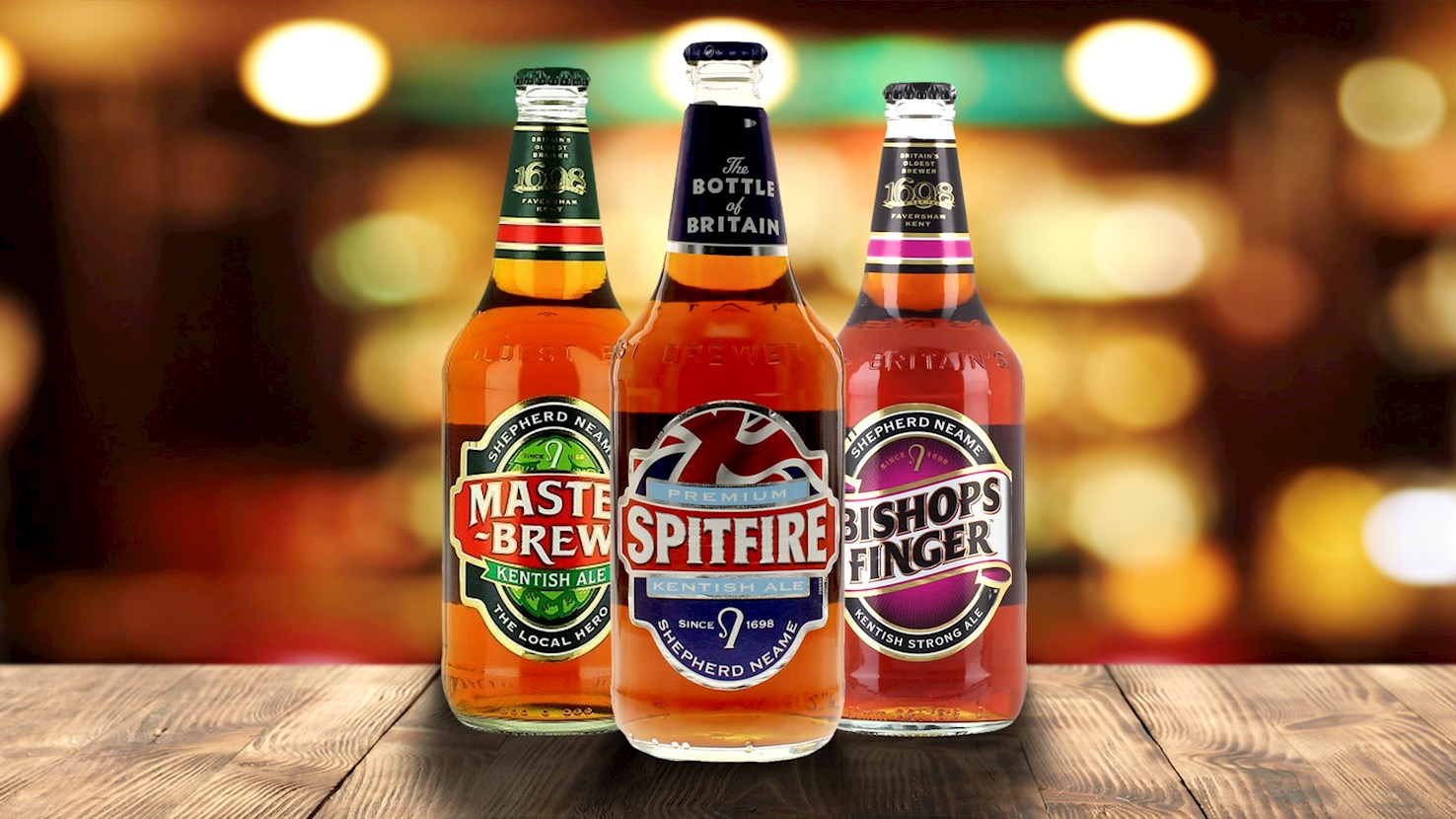
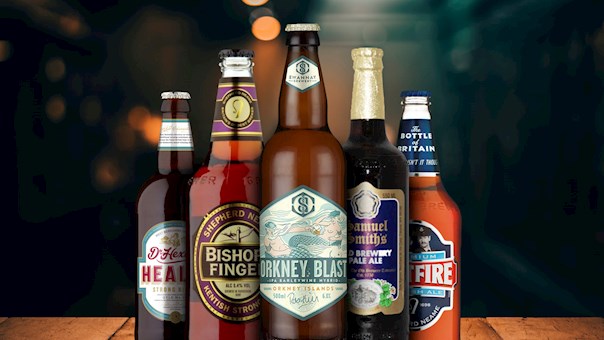
Kentish ale is a local English brew that is exclusively produced in the County of Kent. It has been produced since 1698 at the Shepherd Neame Brewery—the oldest brewery in the UK. Kentish ale is made with locally grown hops, Kentish Ale strain of yeast, and with water that is sourced from the artesian well, which is located under the brewery. The beer comes as the regular Kentish ale with the alcohol content that ranges from 3.5% to 4.8% ABV, and as a Kentish strong ale with the alcohol content from 4.8% to 7% ABV. These amber and brown colored beers are fruity and bitter with distinctive hoppy and toffee aromas. Kentish ale can be enjoyed with fish and chips, cheese, pies, and roasts.

07

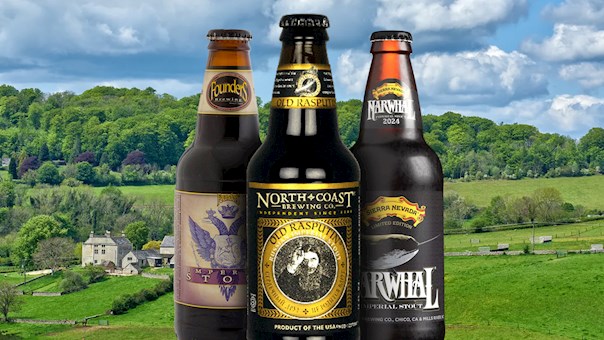
Old ale

3.1 ·

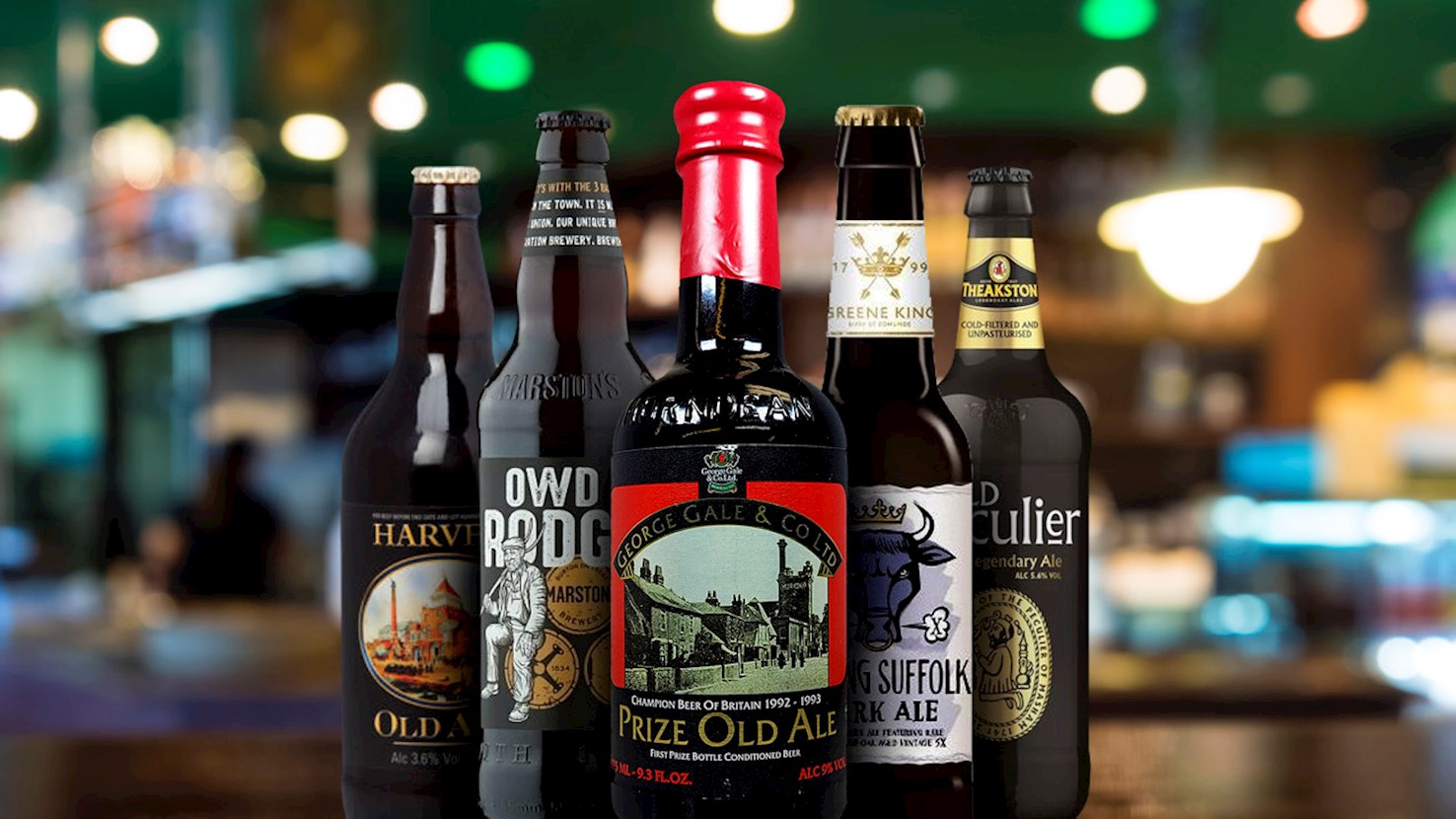
Old ale is a dark and malty English strong ale. These beers were initially aged in wooden casks, and they usually had a yellow-brown color, firm body, slight carbonation, and mellow flavor. Hop character was not present. Modern interpretations can be amber or brown, and their dominant trait is a firm malt backbone. The aroma and the flavor are reminiscent of caramel, nuts, molasses, and dried fruit. Some versions may have roasted or chocolate nuances. Alcohol content typically ranges from 6 to 9%, and they usually have little or moderate carbonation. Old ales are often compared with barley wines, and though the styles often overlap and the line is somewhat blurred, old ales will usually have less alcohol and less prominent hops. Old ales are sipping beers, but they can also pair nicely with pork, beef, game, or lamb. They even work well with cheese and desserts.

08

Maltøl (Norwegian Farmhouse Ale)

3.1 ·

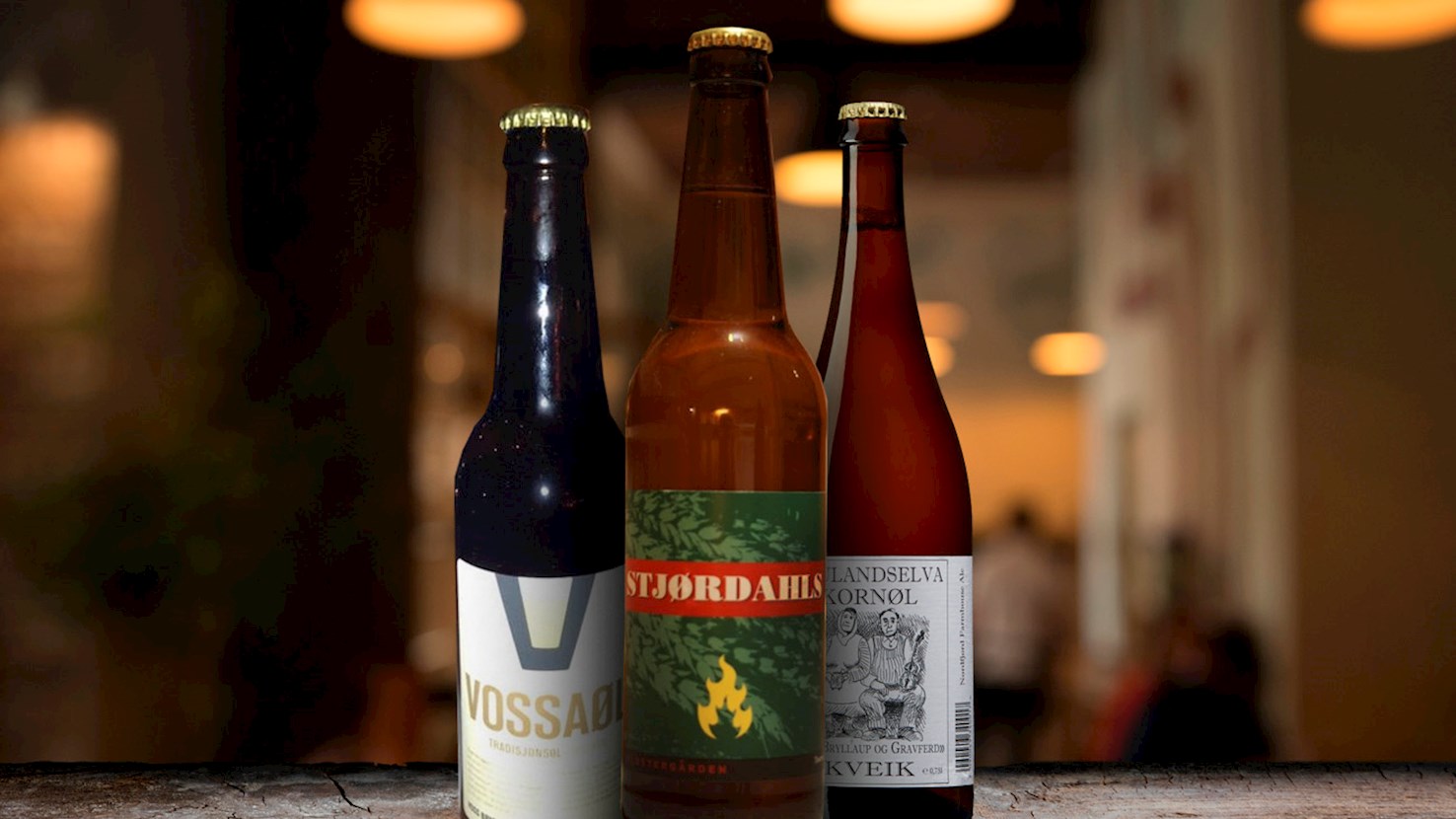
Norwegian farmhouse ale is an example of a traditional farmhouse ale—a versatile style brewed by European farmers. These beers were designed for local consumption. In Norway, they are known as maltøl, which would literally translate as malt beer. Norwegian brewing tradition is ancient, and though it has changed over time, it retained some of its unique characteristics. The entire category of farmhouse ales is incredibly versatile. The character depends on the region, brewer’s preferences, and style. Although the tradition has mainly disappeared, farmhouse ales are still brewed in several Norwegian regions, and are available in several different styles. The most popular is Stjørdalsøl, which comes from Stjørdal, the area with the highest number of traditional breweries. The beer is dark and has a smoky character. Vossaøl is clear and fruity, often flavored with juniper, while Kornøl is pale and hazy and commonly juniper-flavored.

09

Maibock

3.2 ·

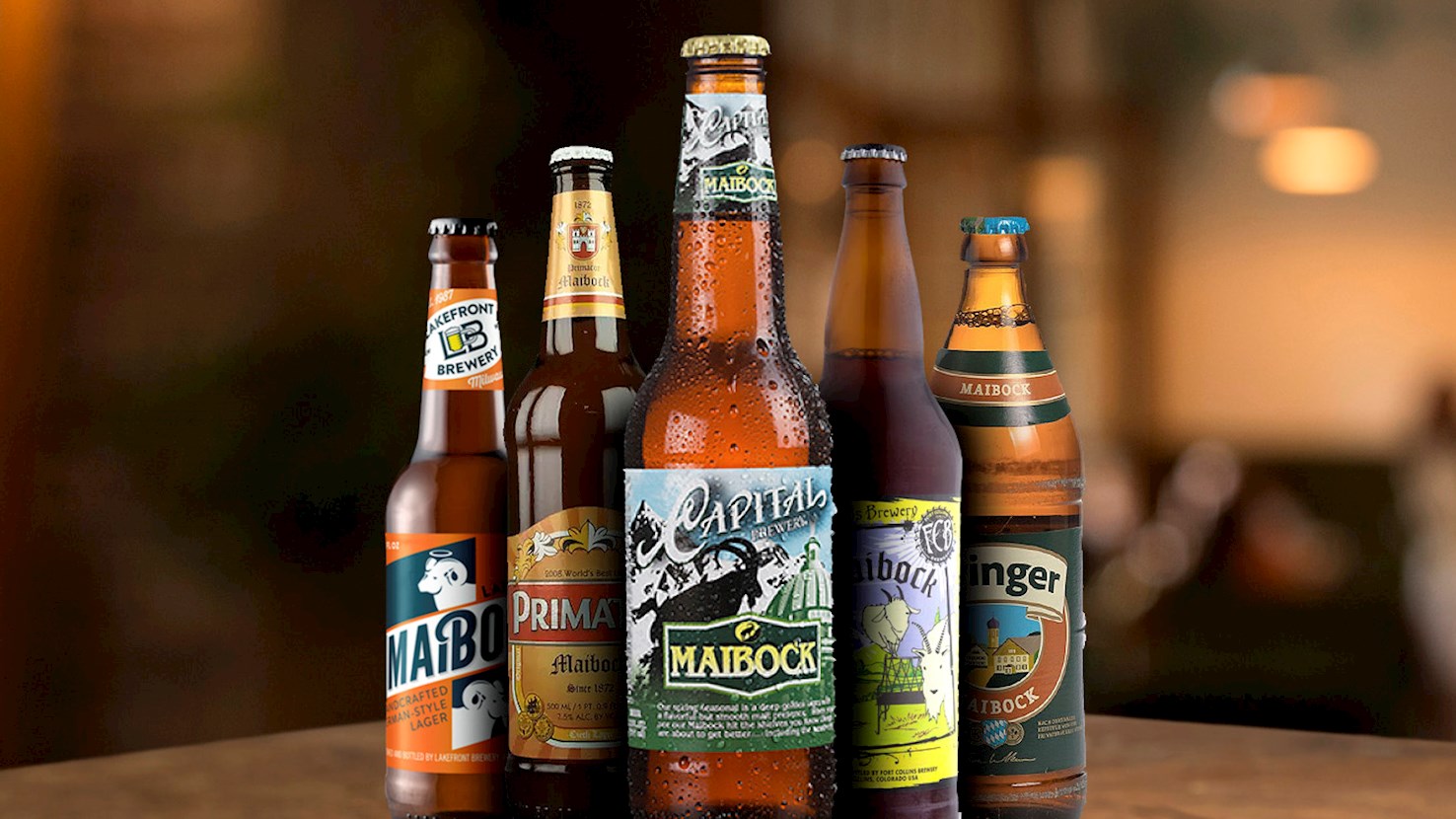
Maibock is a Bavarian lager style that first appeared as a special brew to celebrate the beginning of the garden season—hence the name Mai, which translates as May. Falling in the category of Bock styles, these golden to light amber beers usually have a medium body, clean and smooth malt flavors, and grainy, lightly toasted aromas with hints of spices and herbs. They typically range from 6 to 8 % ABV, and they tend to be drier and have more pronounced hop flavors and aromas than other Bocks. Maibock is meant to be a transitional style that falls somewhere between rich winter brews and light summer versions. The prototype is believed to have been coined by Hofbräuhaus brewery, though the style has slightly diverged from its original. Maibock beers pair well with traditional German fare, spicy dishes, and alpine or creamy cheese varieties.

10

Strong bitter

3.2 ·

In the group of British bitters, strong bitter is the highest gravity version. The examples range from dark gold to copper, while the alcohol content falls between 4 and 7% ABV. They have a malty character, often complemented by caramel, toasty, and fruity notes. Hop aromas and flavors are moderate, the carbonation is low to medium, while the body is medium to full-bodied. The key to strong bitter is moderation. Despite the name, these brews are not dominated by bitterness, and it should only accentuate the malt. All bitter styles developed after 1642 and the invention of coke—the carbon fuel made from coal. Before that, malts were roasted using peat and wood, which would always impart darker color and smoky character. This invention allowed brewers to create lighter styles, both in color and flavor. Strong bitter is a style that pairs well with British specialties, roasted or grilled chicken, barbecue, fried dishes, and cheese.

Read more
View all
View map
About this ranking

TasteAtlas food rankings are based on the ratings of the TasteAtlas audience, with a series of mechanisms that recognize real users and that ignore bot, nationalist or local patriotic ratings, and give additional value to the ratings of users that the system recognizes as knowledgeable. For the “69 Worst Rated European Beer Styles” list until May 21, 2026, 5,134 ratings were recorded, of which 4,658 were recognized by the system as legitimate. TasteAtlas Rankings should not be seen as the final global conclusion about food. Their purpose is to promote excellent local foods, instill pride in traditional dishes, and arouse curiosity about dishes you haven’t tried.

Similar lists