


21 Worst Rated Japanese Beverages

Last updated on May 21, 2026
01

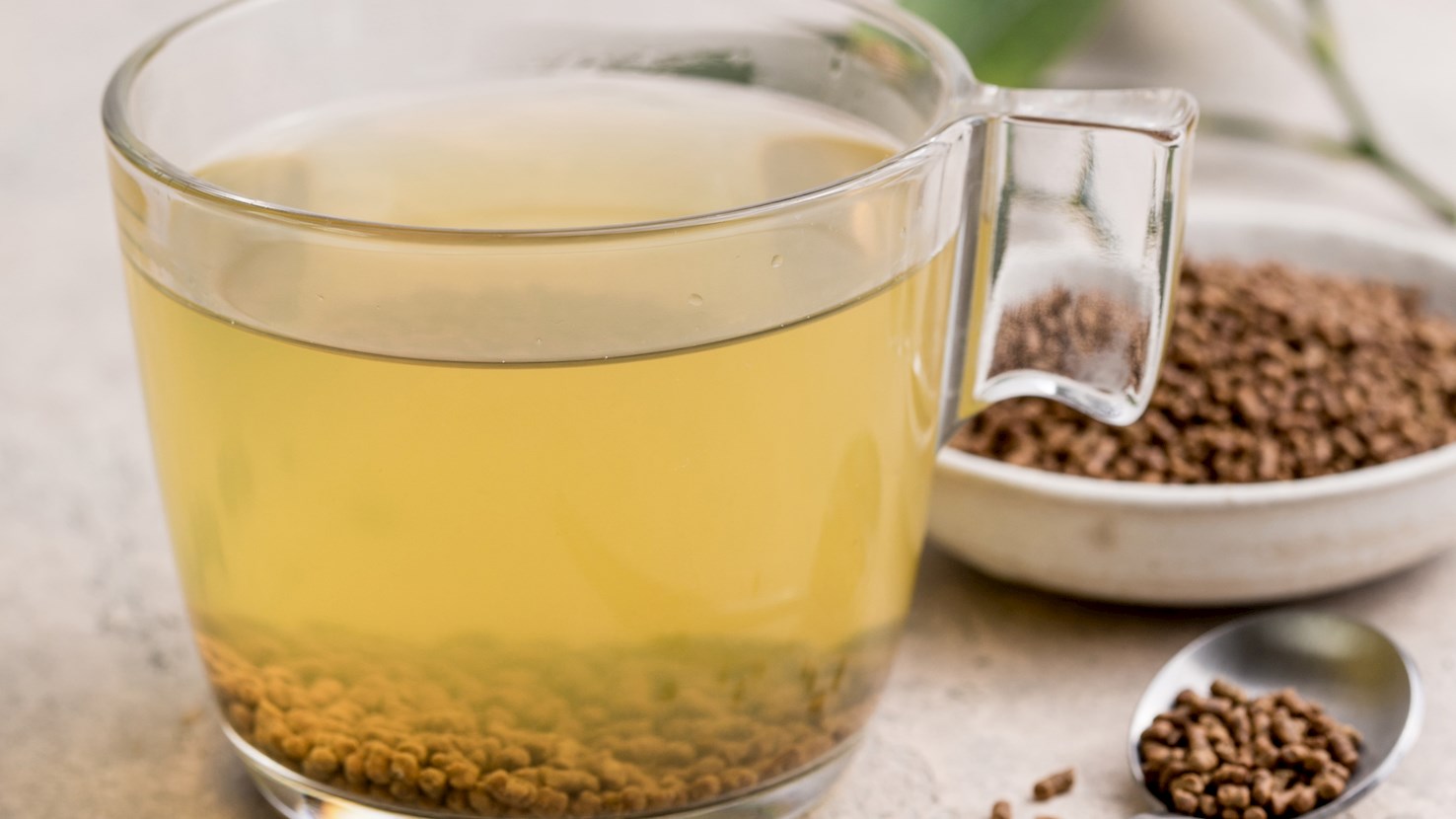
Sobacha (Buckwheat Tea)

3.2 ·

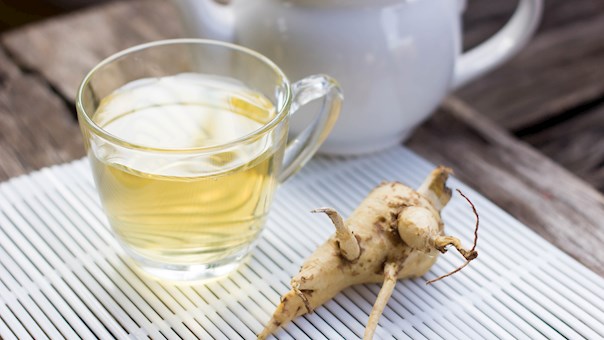
Although it is often labeled as tea, sobacha is an infusion or a tisane made with roasted barley. The blend can include grains, leaves, or flowers. Apart from Japan, the drink is popular in several Asian countries, including China (kuqiaocha) and South Korea (memil-cha). To prepare it, roasted kernels are simply steeped in hot or cold water. Alternatively, it can be made with teabags. The resulting drink has a yellow or a light brown hue, with an earthy and nutty flavor, subtle bitterness, and hints of sweetness. Buckwheat tea is a nutritious drink, and many believe that it has numerous health benefits.

02

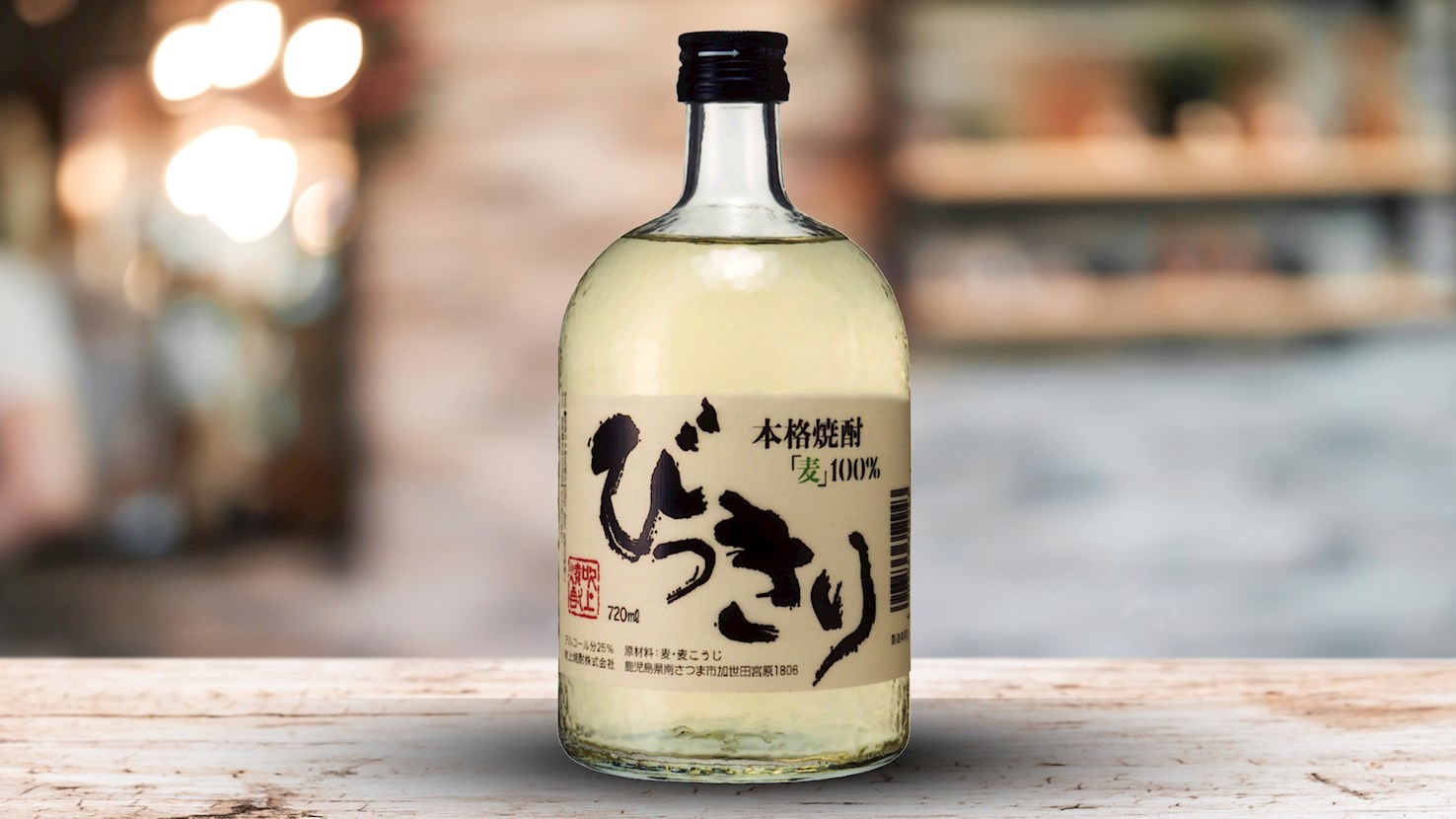
Mugi shōchū

3.2 ·

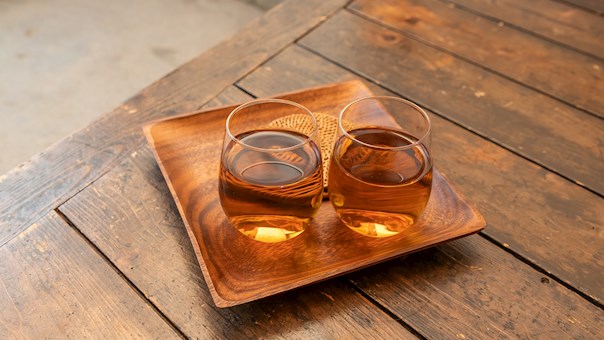
This shōchū variety is distilled from barley mash that has been fermented with koji mold. It is one of the most common shōchū varieties that is usually smooth, pleasant, and easy to drink. Unaged varieties are crisp, mild, and fresh, while those aged in oak develop light amber color and are typically smooth and mellow. Barley (mugi) shōchū can be served on the rocks or mixed with cold or warm water. It is typically bottled at 25% ABV.

03

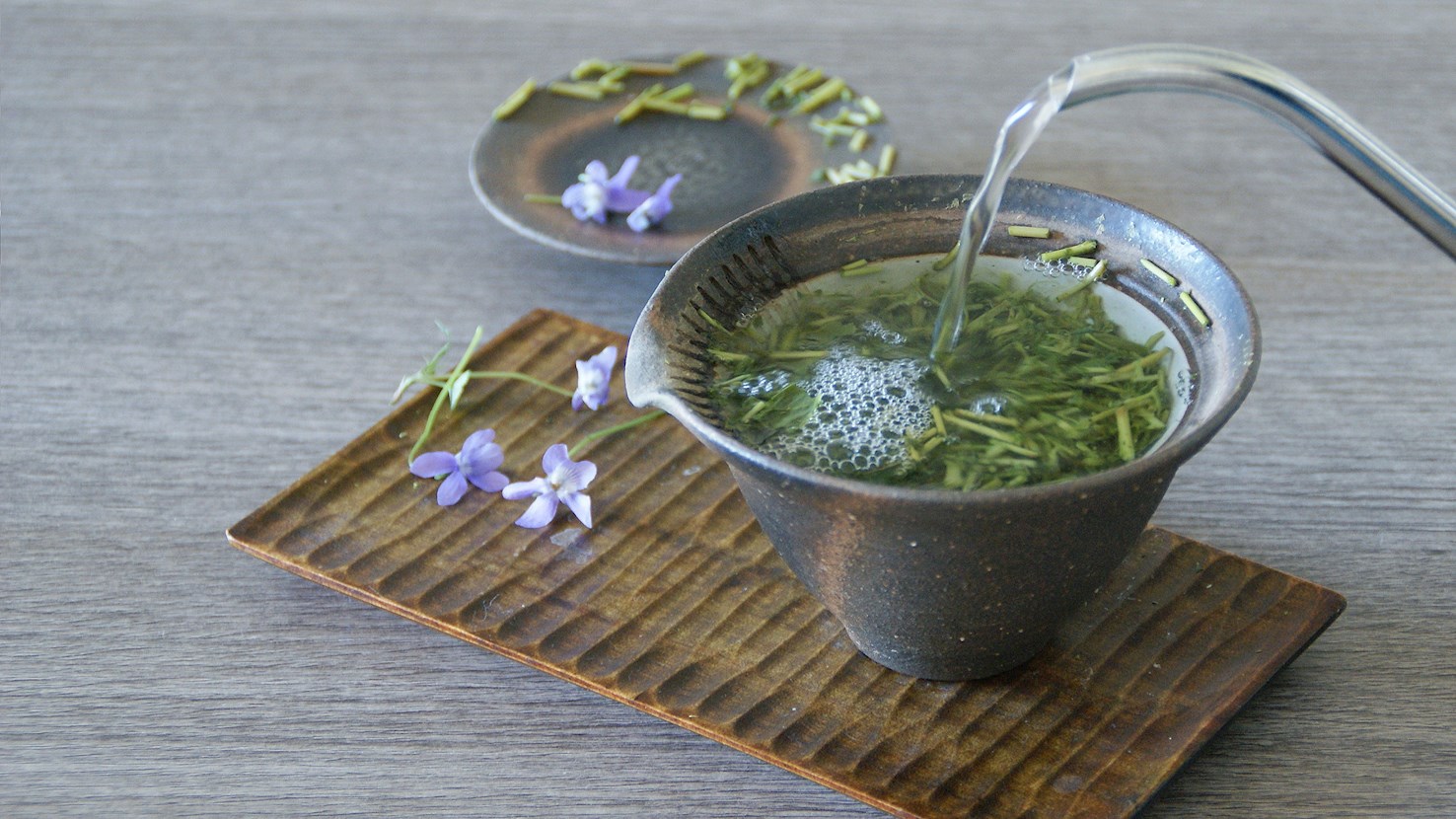
Kukicha

3.2 ·

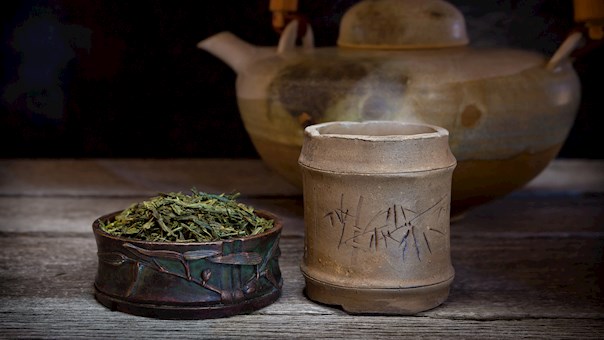
Kukicha is a unique type of Japanese tea that is made with twigs and stems of Camellia sinensis. It typically comes in the form of green tea, though more oxidized varieties are also available. When brewed, the tea has a subtly sweet, vegetal flavor and a pleasant aroma. It has low astringency and makes for an excellent, everyday tea. Karigane is a type of high-quality kukicha. It is produced from stems and stalks of the leaves used in the production of Gyokuro—a type of shaded Japanese tea. Kukicha would pair well with light dishes, poultry, cheese, and desserts.

04

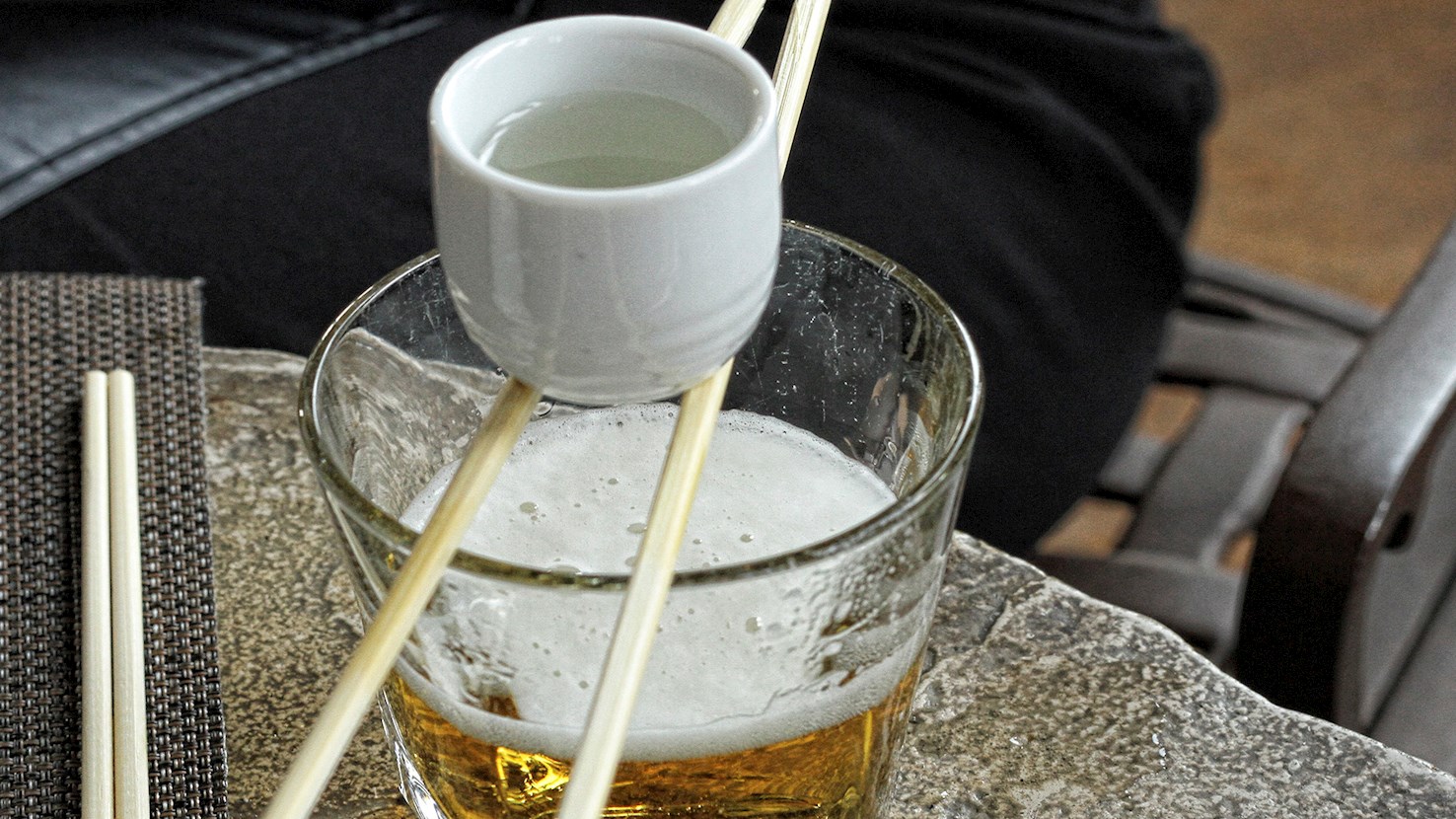
Sake Bomb

3.2 ·

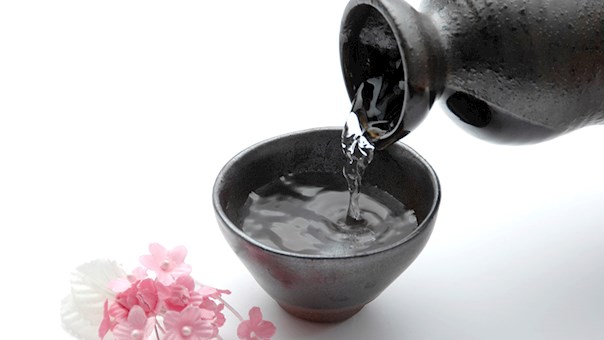
Sake Bomb is a Japanese cocktail that is prepared by dropping a shot glass filled with sake into a glass of beer. Traditionally, the sake shot is balanced on two chopsticks which are placed on top of the glass of beer. The consumers should slam the table with their fists, causing the shot to drop into the beer, and the cocktail is then drunk immediately. Although the origins of Sake Bomb are quite murky and the drink is often associated with Japan, it is also believed that the drink was actually invented by American soldiers who were occupying Japan after World War II, and that is the reason why the cocktail is much more popular in America than it is in Japan. After all, most Japanese think that the West is insane for wasting good sake by dropping it into beer.

05

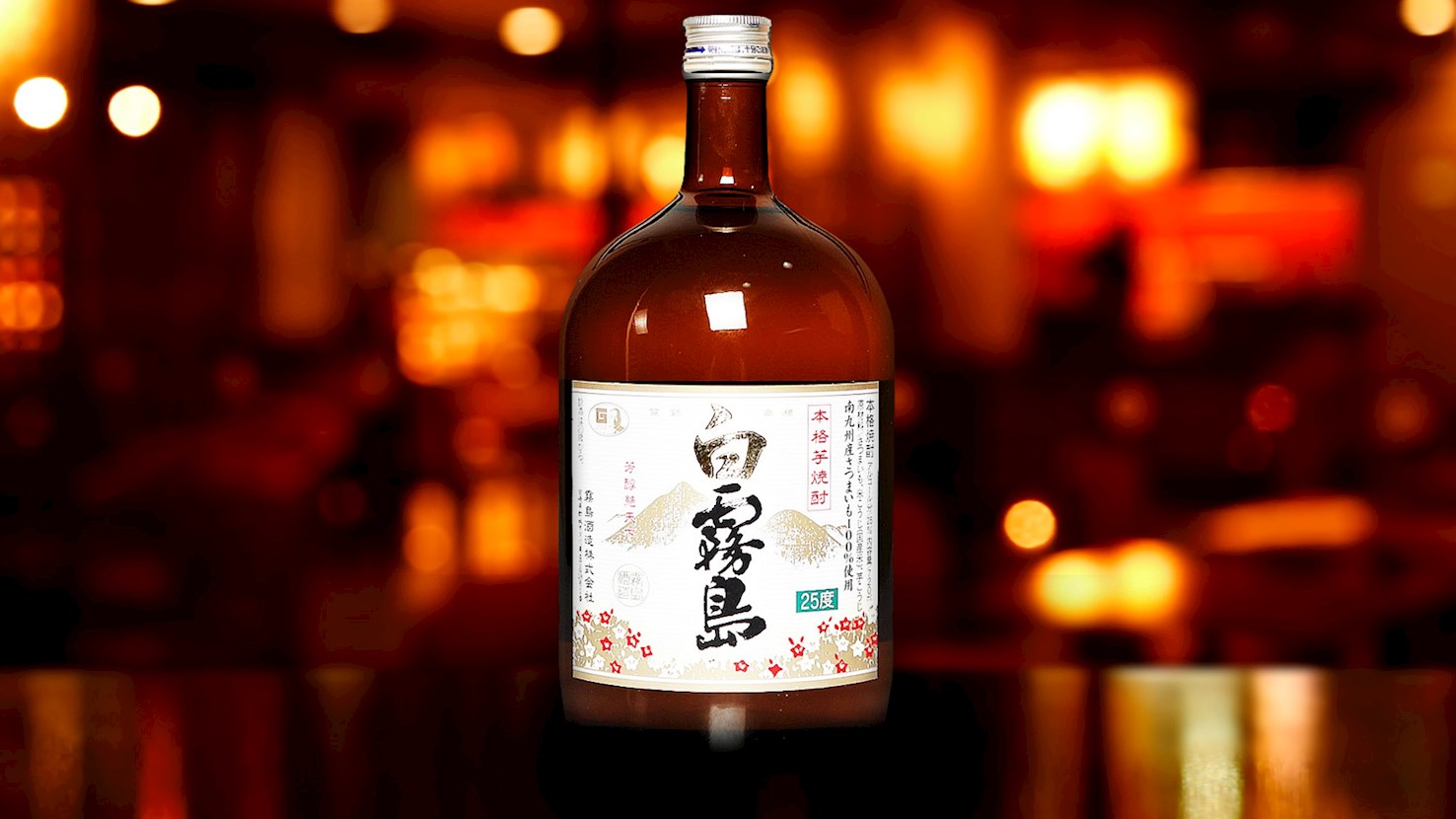
Imo shōchū

3.2 ·

The use of sweet potatoes in the production of shōchū was introduced in the 1700s. The drink is produced by steaming, or occasionally grilling or baking whole potatoes, before they are fermented with koji mold. With over 40 different types of potatoes used in the production of shochu, as well as the use of different manufacturing techniques, sweet potato shōchū can significantly differ in character and the final taste profile, while its quality greatly depends on the amount of starch in potatoes. Depending on the style, it can be served on the rocks or mixed with warm water.

06

Shōchū

3.3 ·

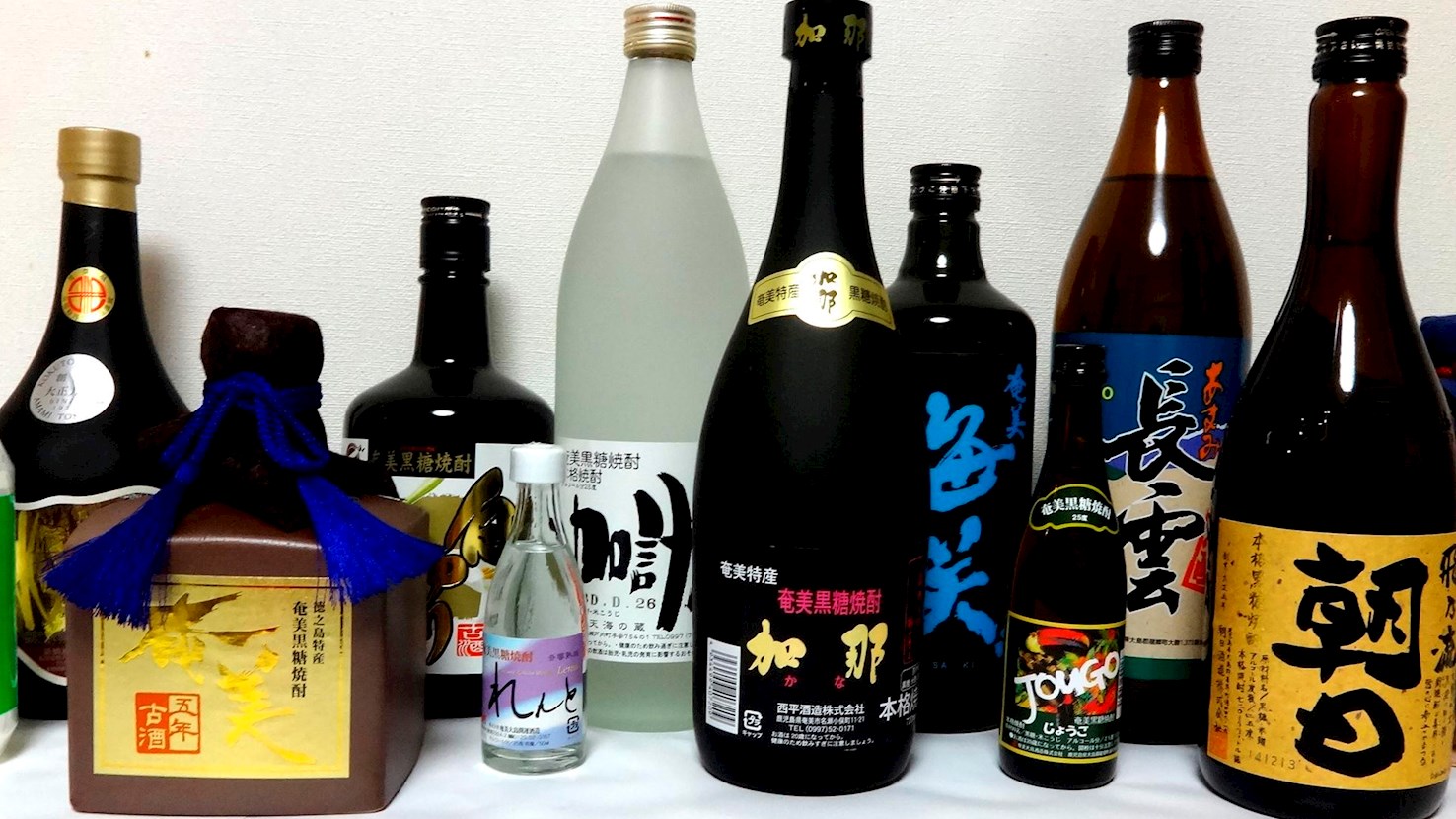
Shōchū is the most popular Japanese spirit that has been produced since the 16th century. It is distilled from fermented koji mold and various basic ingredients such as barley, sweet potatoes, rice, buckwheat, brown sugar, as well as sesame, chestnuts, carrots, or perilla leaves. The choice of the base ingredient and the type of koji used in the production are crucial since the top quality shōchū (honkaku) is distilled only once to show the true character of the base ingredient. Shōchū usually comes at 25% ABV, and traditionally it is not matured. It can be enjoyed neat or on the rocks, as well as diluted with oolong tea, fruit juices, and warm or cold water.

07

Sparkling Sake

3.3 ·

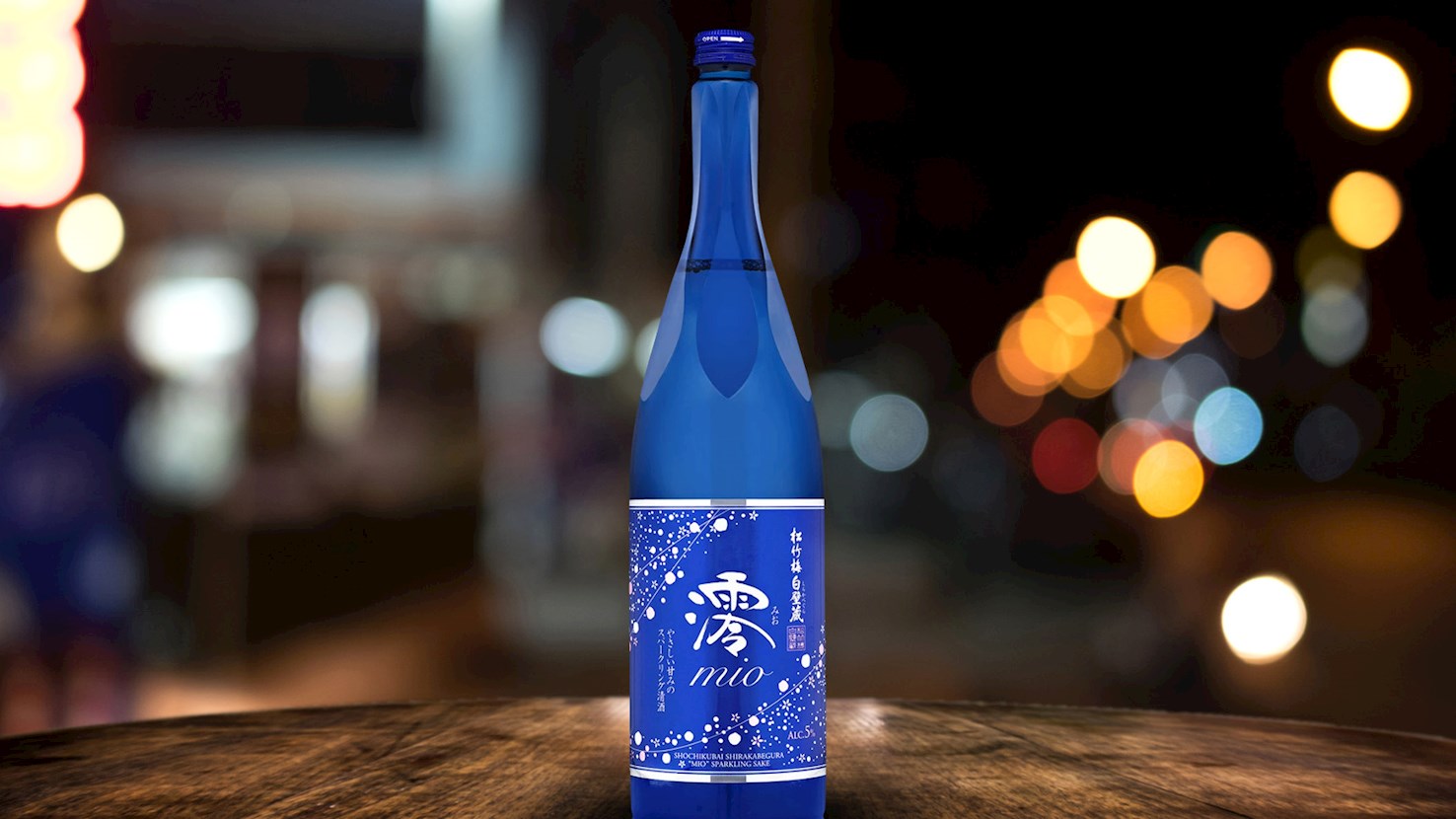
Sparkling sake is an effervescent sake variety that can be made by natural tank fermentation, by directly adding carbonation, or by adding yeast and then allowing sake to undergo the second fermentation in the bottle. They can vary from light-flavored and fruity styles to more intense and earthy varieties, but they often have lower alcohol content than traditional sake—around 10% ABV, but usually below that. Depending on the filtration method, sparkling sake can be clear or cloudy. This sparkling variety is a relatively new invention created in an effort to make sake more palatable and approachable for those who consider regular sake too potent and overpowering. The drink was heavily promoted, especially during marketing campaigns for the 2020 Summer Olympics, influencing more sake producers to venture in the production of this light, fizzy style, and to introduce novel techniques such as maturation and oak-aging. Sparkling sake is a great pairing with food, and despite differences in style, it will mostly work well with seafood, sushi, tempura, fresh fruit, and desserts. It should always be served chilled.

08

Highball (Japan)

3.4 ·

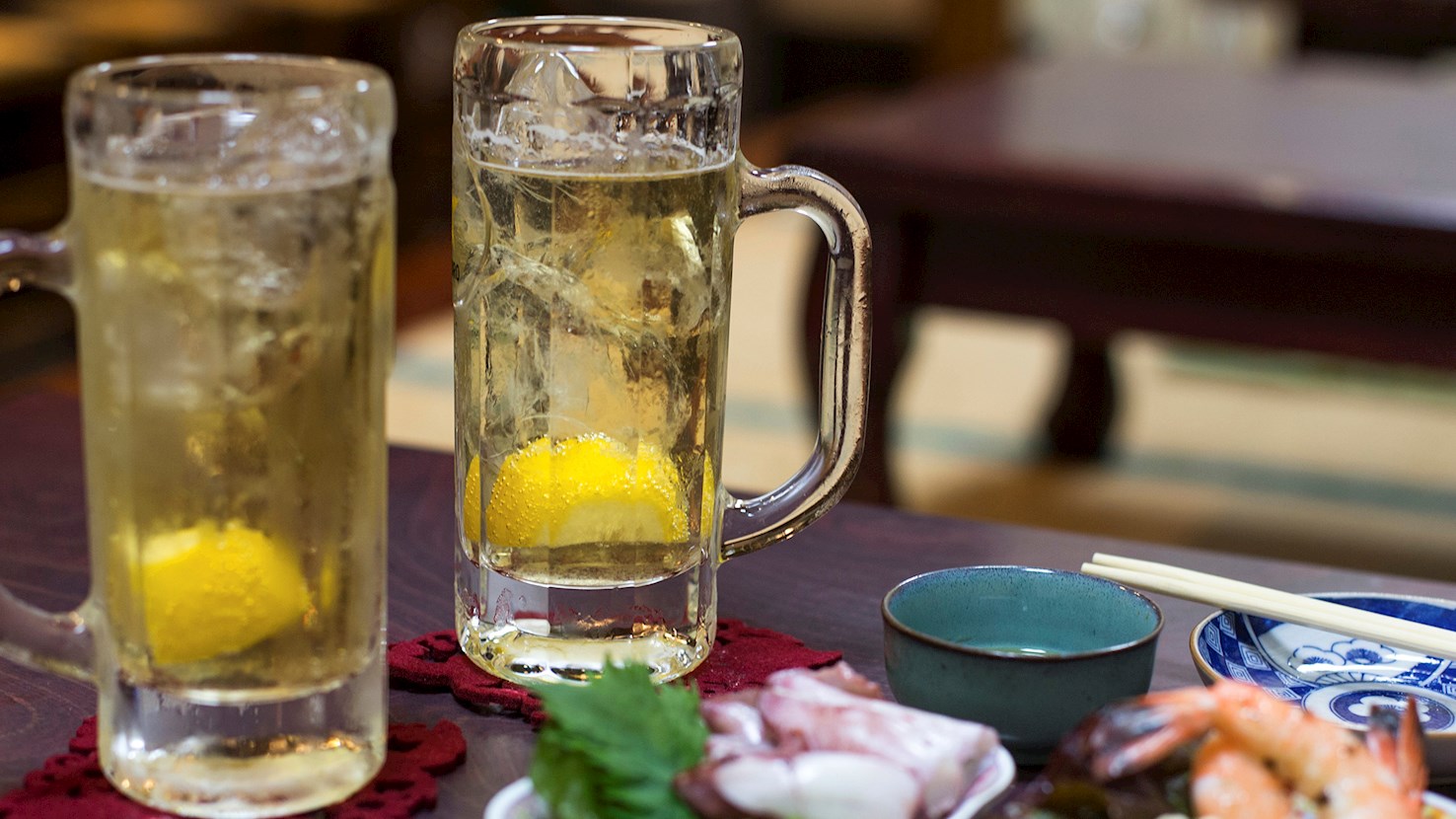
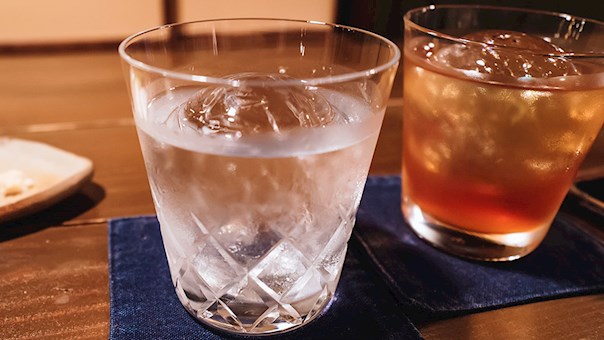
Haibōru or Japanese highball combines Japanese whisky and soda water, and though it may sound simple, the preparation of this cocktail entails tedious steps that have been elevated almost to an art form. The best versions would use a perfectly carved cube of ice that is first stirred until frost appears on the glass. Any excess water should be removed, and another block of ice is added before the whisky is slowly poured in the glass. The finishing touch is another block of ice, and the cocktail is then topped off with soda water. Optionally, a lemon wedge can be used as a garnish. For a perfect Japanese highball, only the best-quality Japanese whisky should be used, and it is said that when the whisky is added, the drink should be stirred exactly thirteen times clockwise. Japanese highball is a staple drink throughout the country, and apart from the high-quality versions, many izakayas—informal Japanese establishments—will also serve a cheaper version where the guest does not choose the type of whisky. Interestingly, pre-mixed canned versions are also quite popular. Although it first appeared in the 1920s, Japanese highball slowly fell out of fashion after 1980s, but Japanese whisky producer initiated its revival in the mid-2000s.

09

Midori

3.4 ·

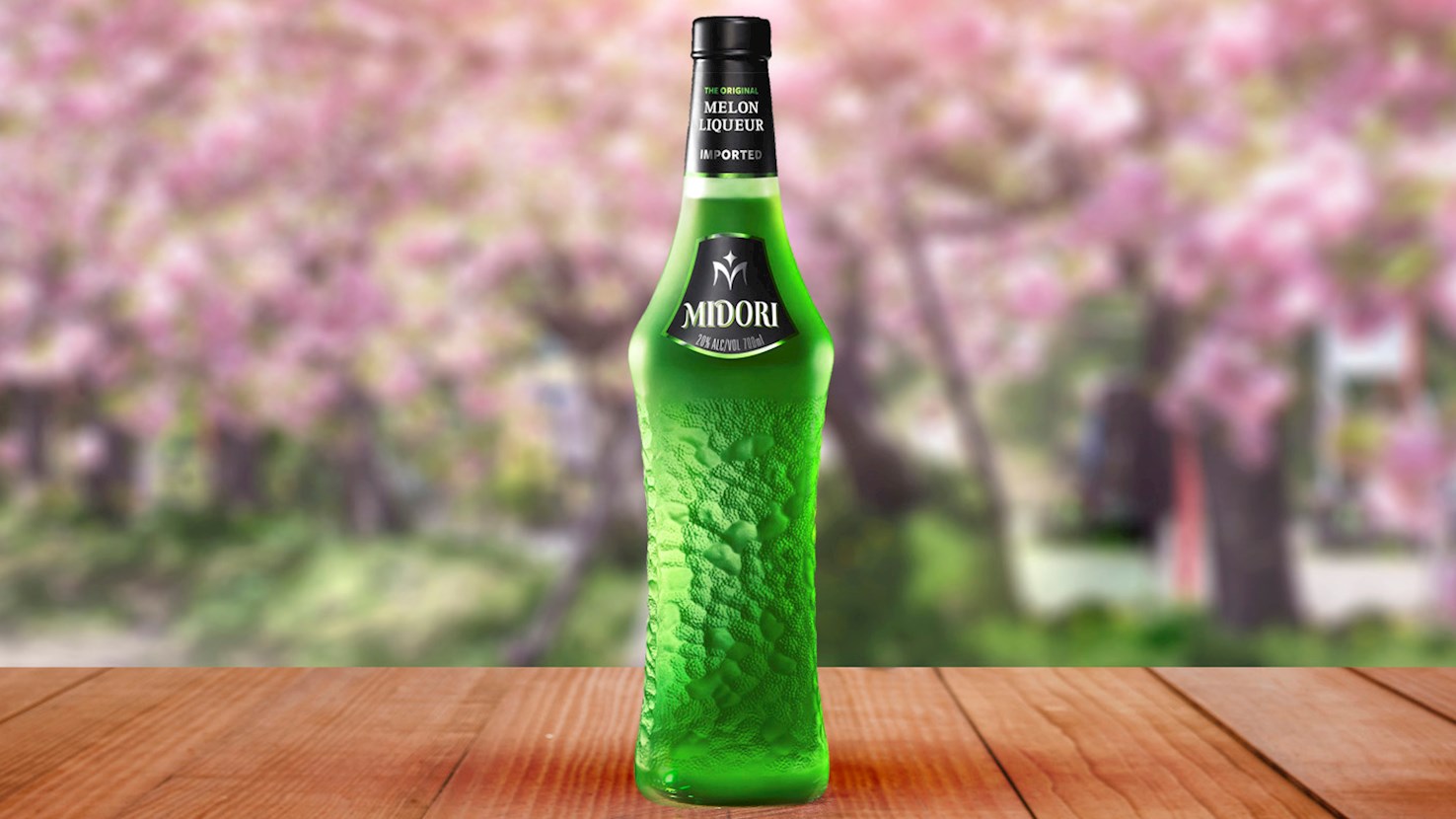
Midori is a vibrant green melon-flavored liqueur. It is made with a base spirit infused with yubari and musk melons, which are cultivated and sourced from Japan. The drink also includes sugar, brandy, and artificial coloring, which provides its distinctive green color. Midori is a clear and sweet liqueur with a subtle melon flavor. When it was released in 1964, it was initially named Hermes Melon Liqueur. The name Midori, which translates as green, was introduced in 1978. In the same year, the liqueur gained international attention after it was launched at the legendary ‘Studio 54’ in New York. Midori can be sipped on its own, but it is usually used as a cocktail ingredient. It goes especially well with citrus flavors, and it can be mixed with spirits, liqueurs, or fruit juice. Midori was initially solely produced in Japan, but some production was later moved to Mexico and France. It is bottled at 21% ABV.

10

Japanese rice lager

3.4 ·

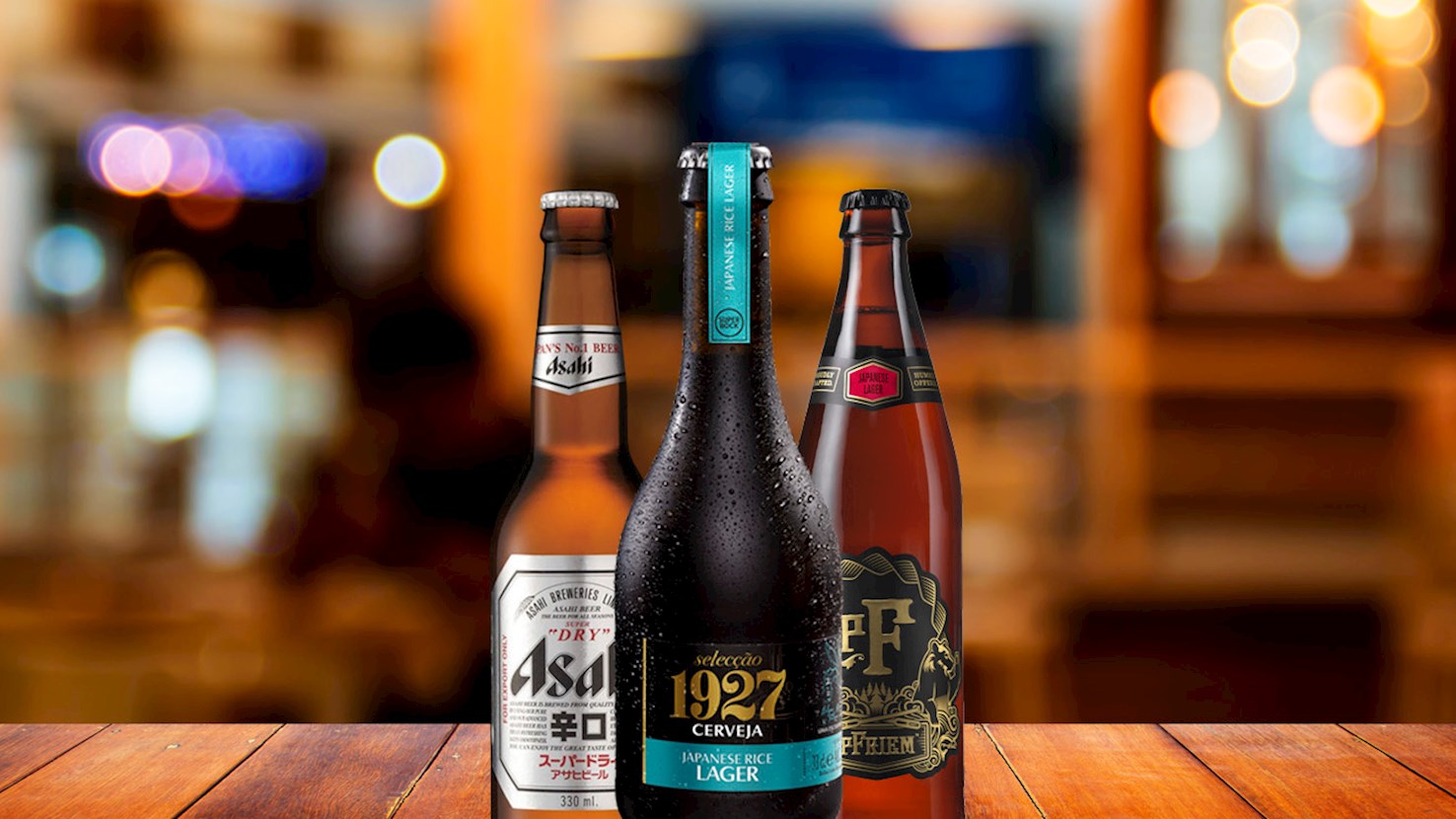
Japanese rice lager is a beer style that includes rice in the grain bill. Typically, rice will make one-third of the bill, while barley usually makes the rest. The style is traditionally associated with Japan, though some international brands and several craft breweries also include rice in their brews. Rice lagers are light and refreshing. They are clean and crisp, with a light color and body, a good balance of hops and malts, and a dry finish. Most are approachable and easy-drinking, with an alcohol content of around 5% ABV. Because of their light character, these beers are an excellent pairing with food. They work well with traditional Japanese dishes, but they can also match rich, fatty, and spicy fare.

12

Sake

3.5 ·
13

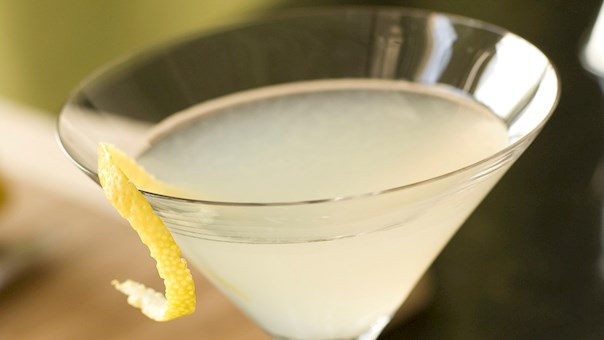
Kamikaze

3.5 ·
15

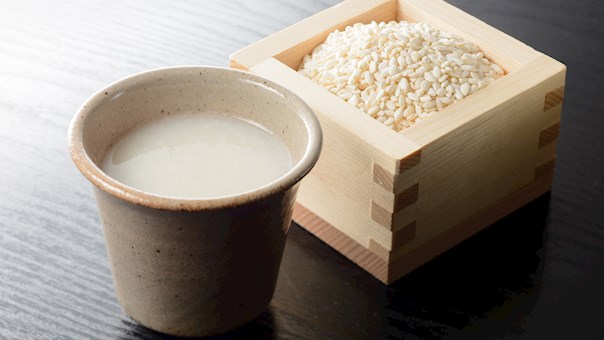
Amazake

3.6 ·
16

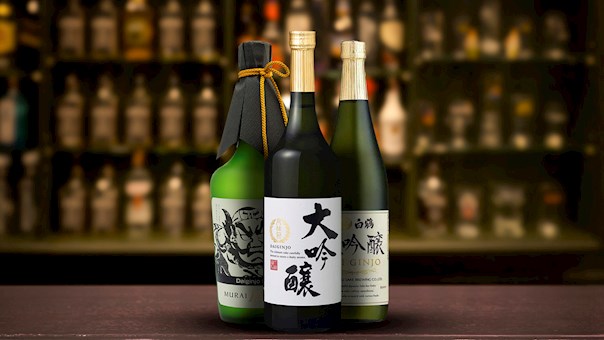
Daiginjo

3.6 ·
17

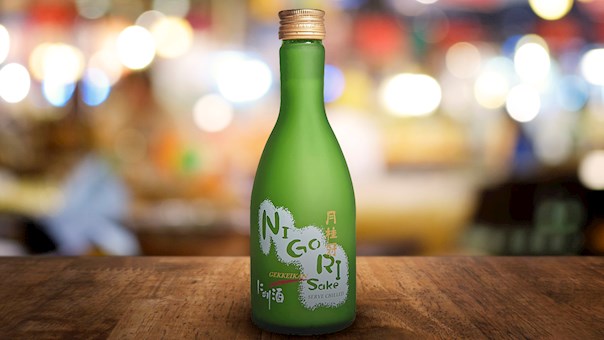
Nigori

3.7 ·
19

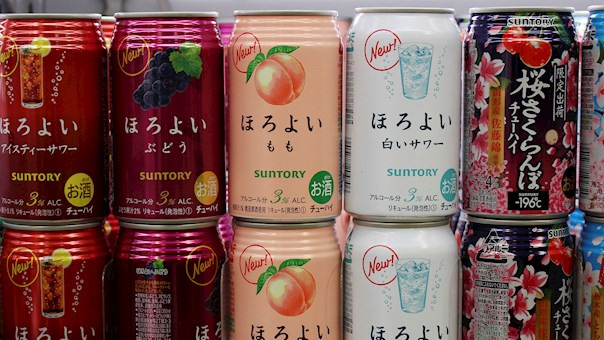
Chūhai

3.8 ·
20

Bancha

3.8 ·
Read more
View all
View map
About this ranking

TasteAtlas food rankings are based on the ratings of the TasteAtlas audience, with a series of mechanisms that recognize real users and that ignore bot, nationalist or local patriotic ratings, and give additional value to the ratings of users that the system recognizes as knowledgeable. For the “21 Worst Rated Japanese Beverages” list until May 21, 2026, 1,529 ratings were recorded, of which 1,326 were recognized by the system as legitimate. TasteAtlas Rankings should not be seen as the final global conclusion about food. Their purpose is to promote excellent local foods, instill pride in traditional dishes, and arouse curiosity about dishes you haven’t tried.

Similar lists