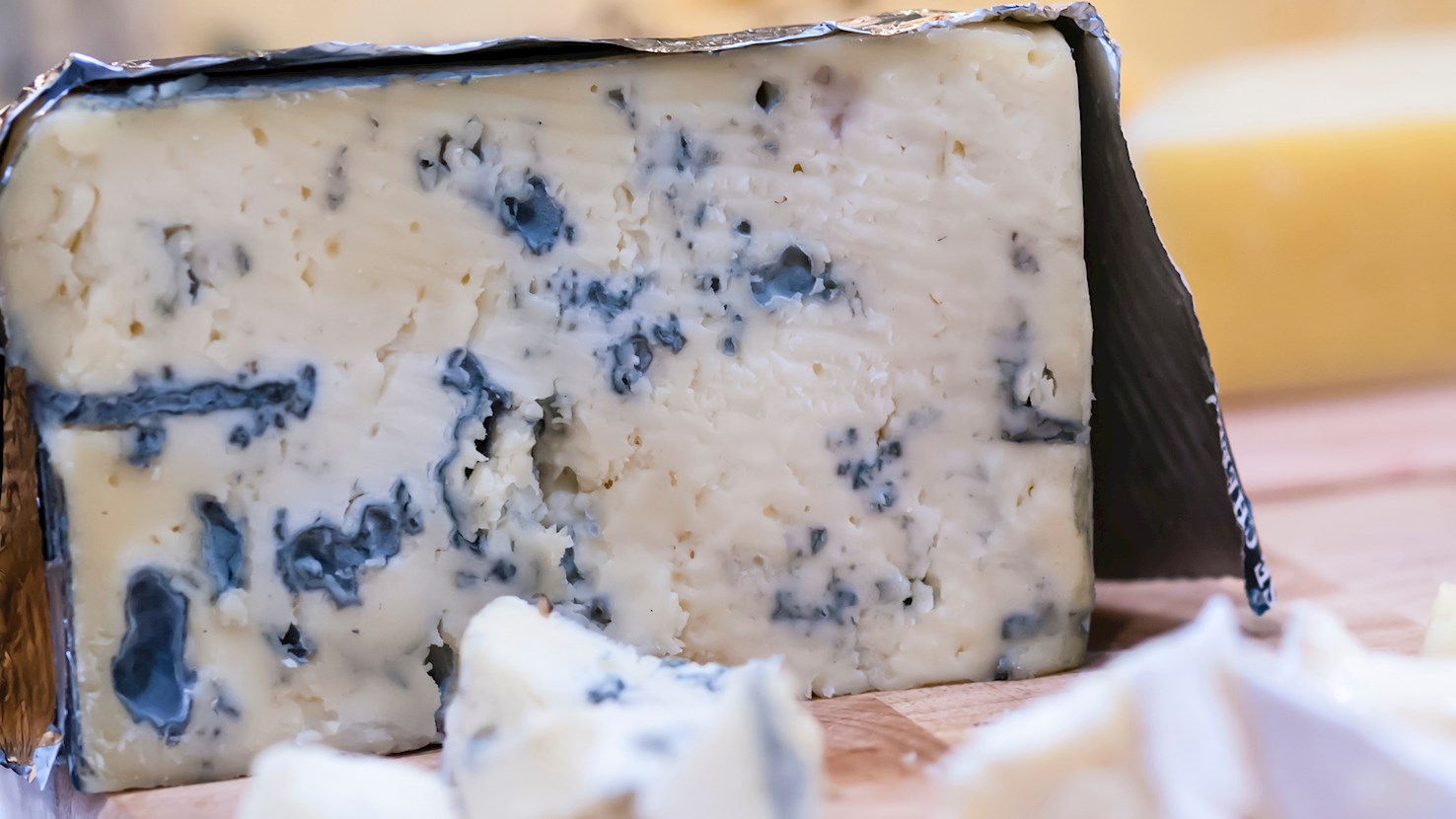
Cashel Blue is a farmhouse blue cheese from County Tipperary in Ireland, created in 1984 and recognized as the first blue cheese to be produced on the island. It was developed by Jane and Louis Grubb on their family farm near the town of Fethard, with the idea of using local cow’s milk to create a distinctive Irish interpretation of blue cheese that could stand alongside the well-established varieties of continental Europe. The timing coincided with a period when Irish cheesemaking was undergoing a revival, and Cashel Blue became one of the most significant names associated with that movement. The cheese is made from pasteurized cow’s milk, usually sourced from Friesian herds grazing on the lush pastures of Tipperary. Production involves adding starter cultures and Penicillium roqueforti to the milk, which gives the cheese its blue veining during maturation. After the curds are cut, drained, and shaped, the wheels are pierced to allow oxygen into the interior, encouraging the growth of the blue mold. Maturation typically lasts from six to ten weeks, during which the cheese develops a creamy texture balanced by a tangy flavor, with younger wheels being milder and firmer, while longer-aged ones grow softer and more pronounced in character. On the table, Cashel Blue is served in a variety of ways. It can be sliced onto a cheeseboard, melted into sauces, or crumbled over salads, and it is often paired with pears, apples, or walnuts, where its creaminess complements the sweetness or crunch of the accompaniments. It also pairs well with Irish brown bread, where the rustic qualities of the bread highlight the depth of the cheese. As for drinks, Cashel Blue works with both sweet and robust pairings, such as dessert wines that offset its saltiness, or stouts and porters that balance its tang.
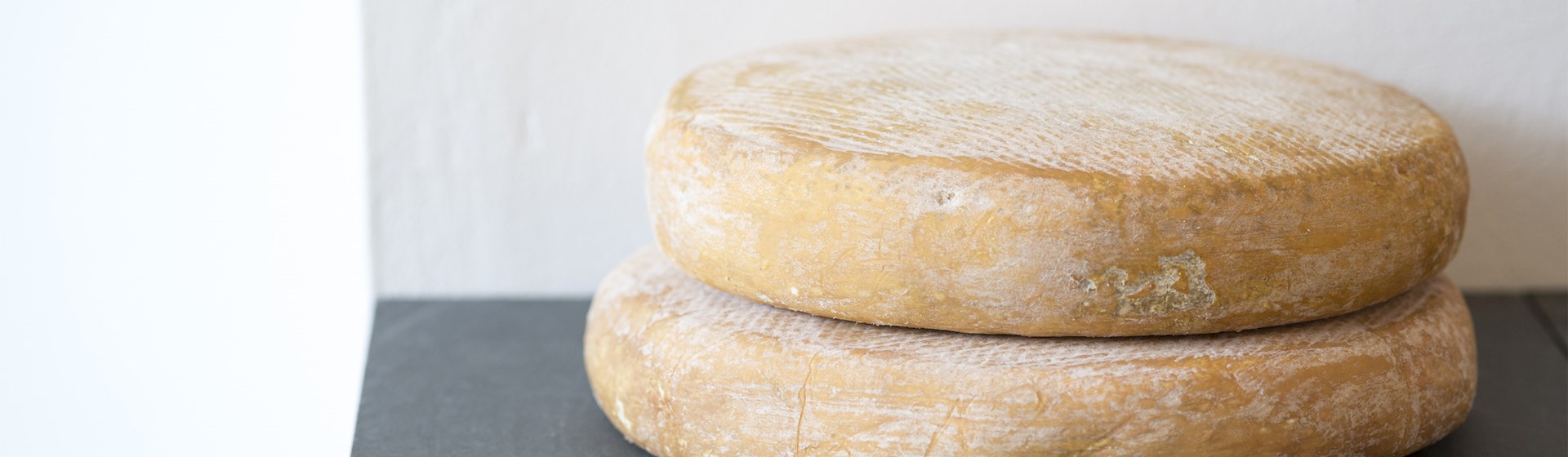
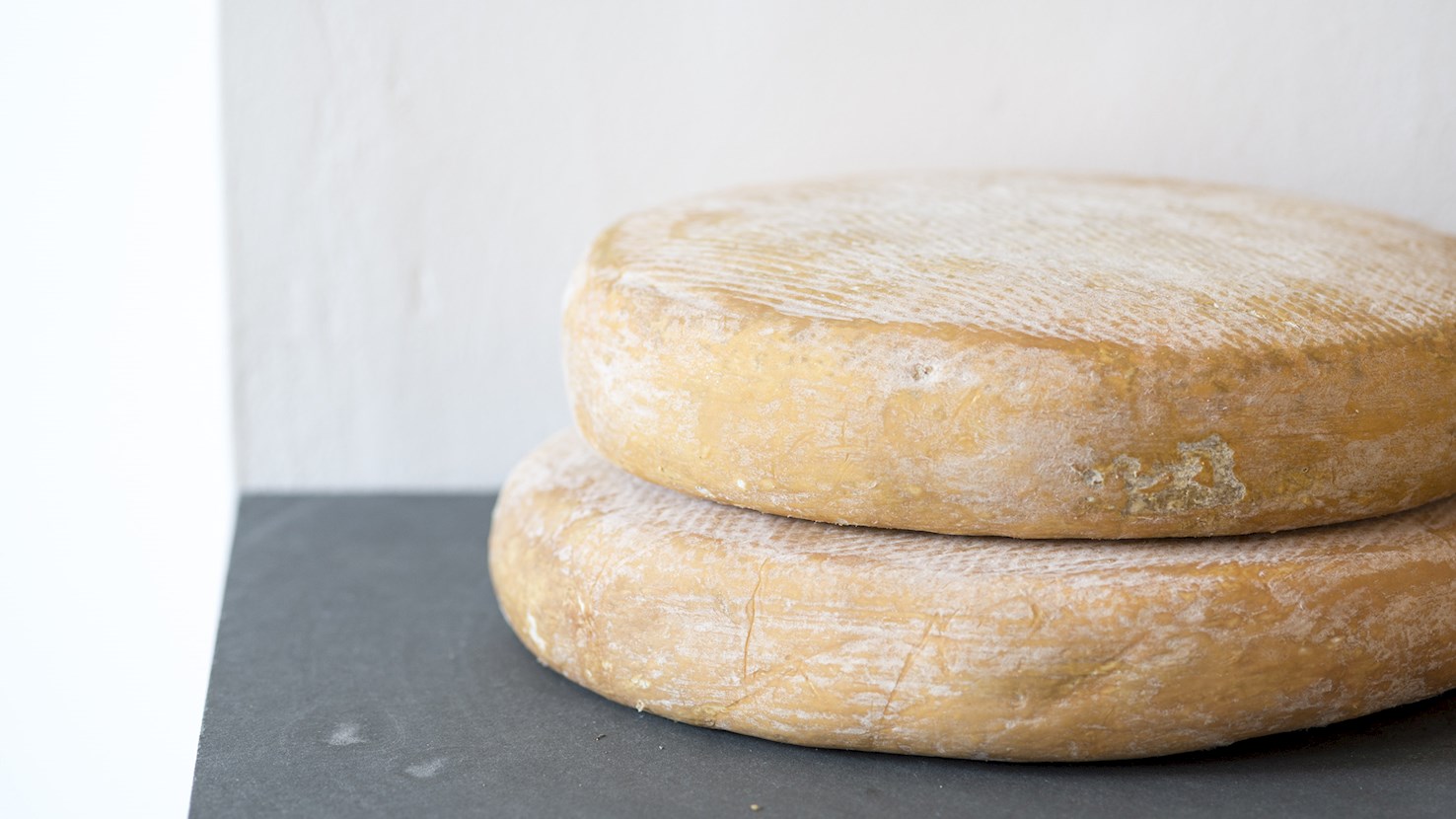
Durrus is a farmhouse cheese from the valley of Coomkeen in West Cork, an area known for its rugged coastline, damp climate, and fertile pastures. It is a semi-soft cow’s milk cheese with a washed rind, celebrated for its balance of creaminess and complexity that reflects both the land and the careful craft of its makers. The origins of Durrus lie in the small-scale cheesemaking movement that gained ground in Ireland in the 1970s, when a handful of artisan producers began reviving old European techniques and adapting them to local conditions, helping to spark a renaissance in Irish farmhouse cheese. From its beginning, Durrus was produced in modest quantities using milk sourced from nearby herds, with the natural bacteria of the environment shaping its rind and giving each wheel a distinct character. The production of Durrus involves washing the rind repeatedly during its maturation, which encourages the development of a golden-brown bloom and a pungent, earthy aroma. The paste is supple and smooth, softening further as the cheese ripens, and its flavors range from mild and buttery in young examples to stronger, nutty, and slightly tangy as it matures. The washed rind process also creates a delicate interplay between the surface flora and the paste beneath, which has become a hallmark of this style. The cheese’s distinctive character comes from its reliance on the moist, maritime air of West Cork, which contributes to the specific microbial environment that shapes both texture and taste. When served, Durrus is versatile. It is eaten as part of a cheese board, spread over crusty bread, or incorporated into warm dishes where its melting qualities can enrich sauces and gratins. Its earthy flavor pairs naturally with Irish accompaniments such as apple or pear preserves, oatcakes, and brown bread. It also sits well beside a pint of stout, craft ales, or a glass of medium-bodied white wine, which balance its richness. In Ireland, it is often enjoyed casually at home as well as in restaurants that highlight artisan produce, while abroad it is found in specialty shops that seek to showcase the diversity of Irish cheesemaking.
Gubbeen is a farmhouse cheese from County Cork in the southwest of Ireland, where the mild and damp coastal climate has long influenced local farming and food production. It is a semi-soft cow’s milk cheese, recognizable for its washed rind that develops a pinkish hue and contributes to its distinctive aroma and flavor profile. The story of Gubbeen is tied to family cheesemaking practices that emerged in the late twentieth century, part of a broader revival of Irish farmhouse cheeses, when small producers began turning to artisanal methods to bring new life to rural food culture and diversify farm income. The cheese is made from the milk of cows grazing on the lush pastures of the Gubbeen estate, with each batch carefully monitored from milking to maturation. The process involves washing the rind during aging, which encourages the growth of specific bacteria that shape both the color and the complex, savory taste of the finished cheese. When served, Gubbeen offers a pliant texture that softens further at room temperature, making it suitable for slicing on bread, melting into warm dishes, or presenting on a cheese board. Its flavor sits between creamy and earthy, with subtle nutty and meaty undertones that evolve as it matures. One aspect that sets it apart is the strong connection between the cheese and its place of origin, not only through the milk but also in the way the rind flora reflects the local environment, giving each wheel an unmistakable stamp of its terroir. Today Gubbeen is enjoyed both in Ireland and abroad, found in specialty cheese shops and on restaurant menus where Irish artisanal products are celebrated. It can be eaten on its own, paired with rustic bread, or included in cooked dishes where its melting quality shines. Pairings often highlight Irish accompaniments such as oatcakes, apple chutney, or cured meats, while drinks like craft beer, stout, or a medium-bodied red wine balance its richness.
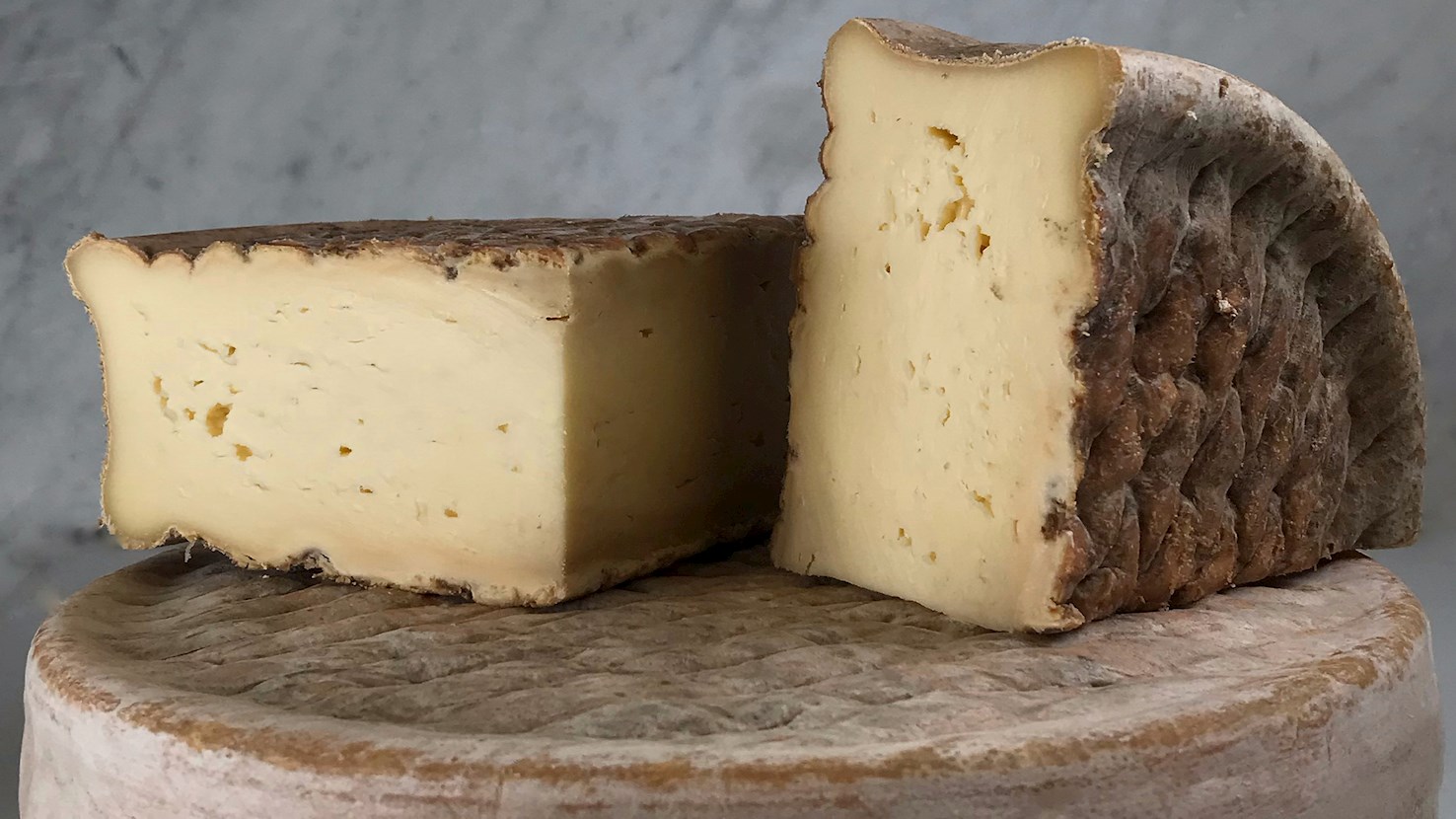
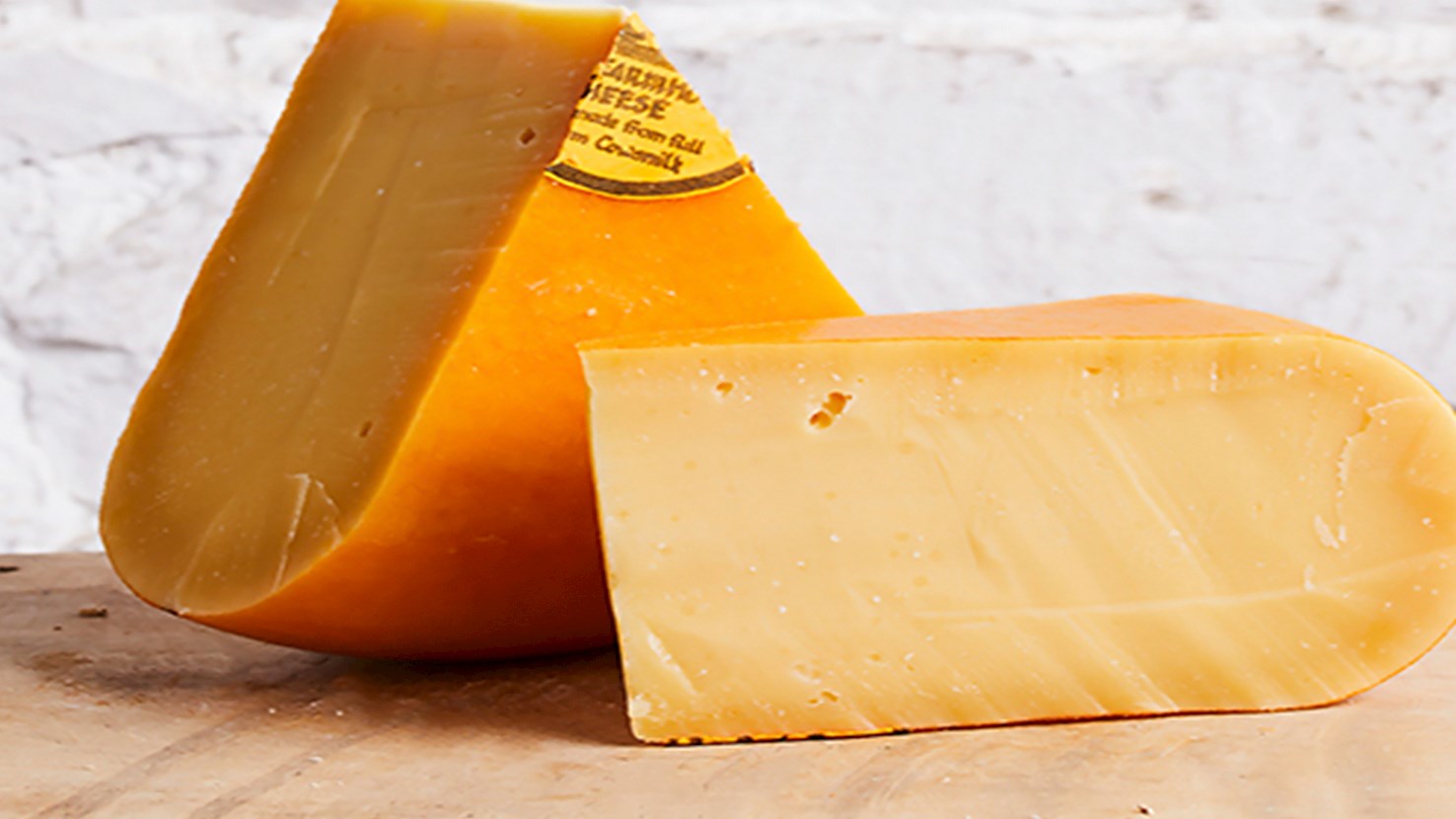
Coolea is a farmhouse cheese produced in the mountains of County Cork, made from cow’s milk and known for its firm texture and mellow, nutty flavor that deepens with age. Its origins lie with Helene and Dick Willems, a Dutch couple who moved to Ireland in the late 1970s and began cheesemaking as a way of bringing a taste of their home country with them. Drawing inspiration from Dutch Gouda while using Irish milk and conditions, they created a cheese that quickly gained recognition for being distinctly Irish despite its continental roots. The making of Coolea follows a process that emphasizes both precision and patience. Fresh cow’s milk is warmed, cultured, and set with rennet to form curds, which are cut, drained, and pressed into wheels. The cheese is then brined, a step that enhances flavor and aids preservation, before being left to mature for anywhere from a few months to over a year. Young wheels are supple and mild with sweet notes of butter and caramel, while longer-aged Coolea develops a firmer, crystalline texture with flavors that edge toward toffee and hazelnut, making it highly versatile for both cooking and eating on its own. At the table, Coolea finds its place on cheeseboards, grated over pasta, or melted into sauces and baked dishes, where its sweetness complements both savory and hearty foods. It pairs well with crisp apples and pears, dark breads, and cured meats, and its toffee-like finish makes it a natural partner for fruit preserves. In terms of drinks, it works well with robust red wines, Belgian-style beers, and Irish stout, which balance its sweetness, while dessert wines like Sauternes bring out its caramel notes.
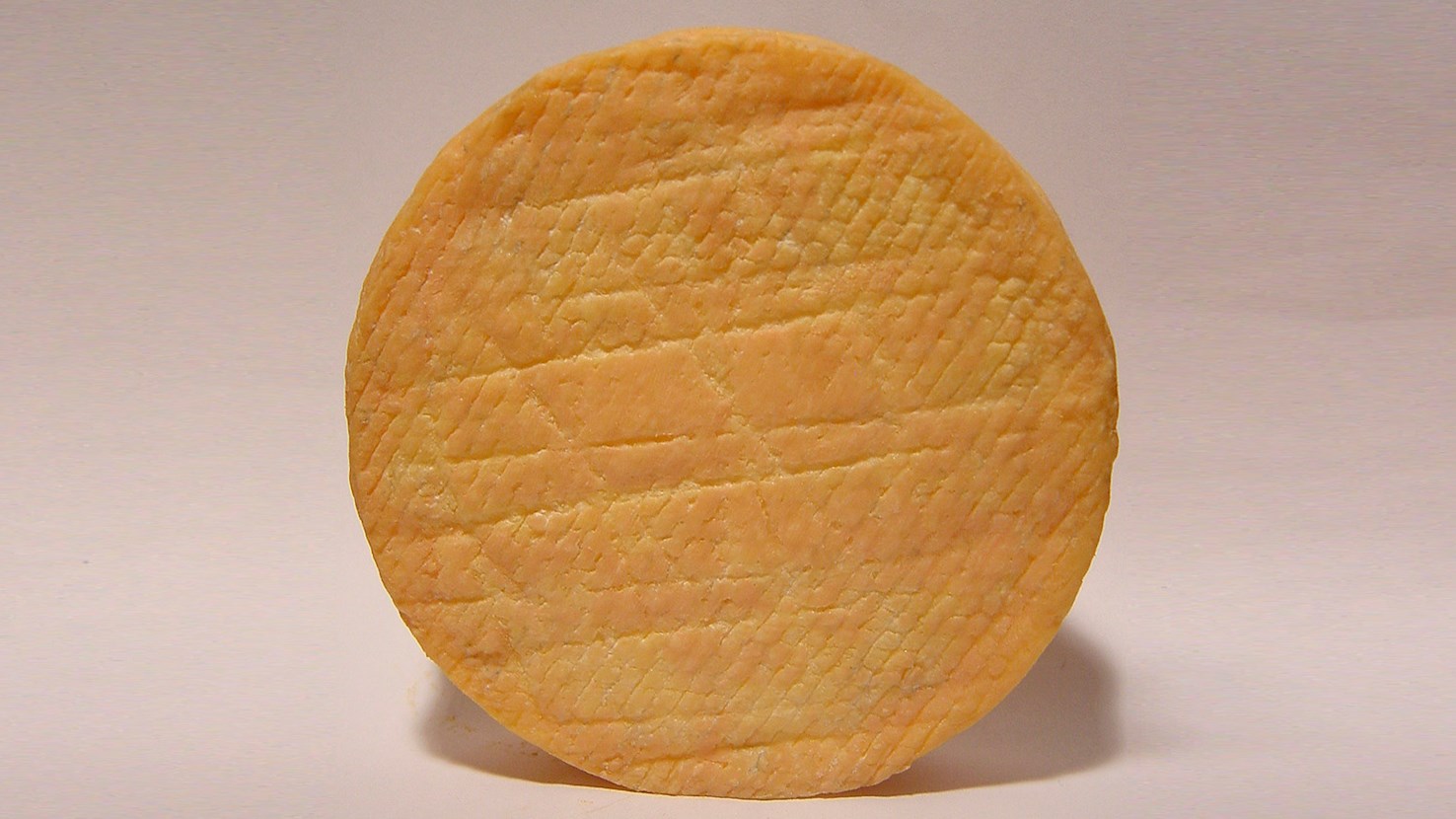
Milleens is a soft washed-rind cheese that comes from the Beara Peninsula in County Cork, Ireland, a rugged coastal area known for its damp climate that lends itself well to cheesemaking. It first emerged in 1976, when Veronica and Norman Steele began producing it on their farm in Eyeries, pioneering the small-scale farmhouse cheese movement in Ireland at a time when industrial production dominated. What set Milleens apart in its early days was the use of milk from Friesian cows grazing on the lush, salty pastures of the region, which gave the cheese a distinctive character and helped demonstrate that Irish farmhouse cheeses could stand alongside European varieties. The cheese is made from cow’s milk and is known for its soft, supple interior with a thin orange-red washed rind that develops during aging. The rind is created by washing the cheese regularly in brine during maturation, encouraging the growth of bacteria that contribute to its earthy aroma and complex flavor. Depending on its age, Milleens can range from mild and creamy with subtle grassy notes to more robust, pungent, and tangy as it ripens. Small wheels are often ready to eat after four to six weeks, while larger formats can develop deeper flavors with longer aging. Milleens is eaten both simply and as part of composed dishes. On its own, it pairs well with Irish brown bread, oatcakes, or fresh apples and pears. It is also enjoyed melted, where its rich texture adds depth to potatoes, vegetables, or grilled dishes. When it comes to pairings, it works well with full-bodied Irish stouts, crisp white wines, or even ciders, each complementing its evolving flavors.
TasteAtlas food rankings are based on the ratings of the TasteAtlas audience, with a series of mechanisms that recognize real users and that ignore bot,
nationalist or local patriotic ratings, and give additional value to the ratings of users that the system recognizes as knowledgeable.
For the “5 Worst Rated Irish Cheeses” list until May 21, 2026, 180 ratings were recorded, of which 135 were recognized by the system as legitimate.
TasteAtlas Rankings should not be seen as the final global conclusion about food. Their purpose is to promote excellent local foods,
instill pride in traditional dishes, and arouse curiosity about dishes you haven’t tried.