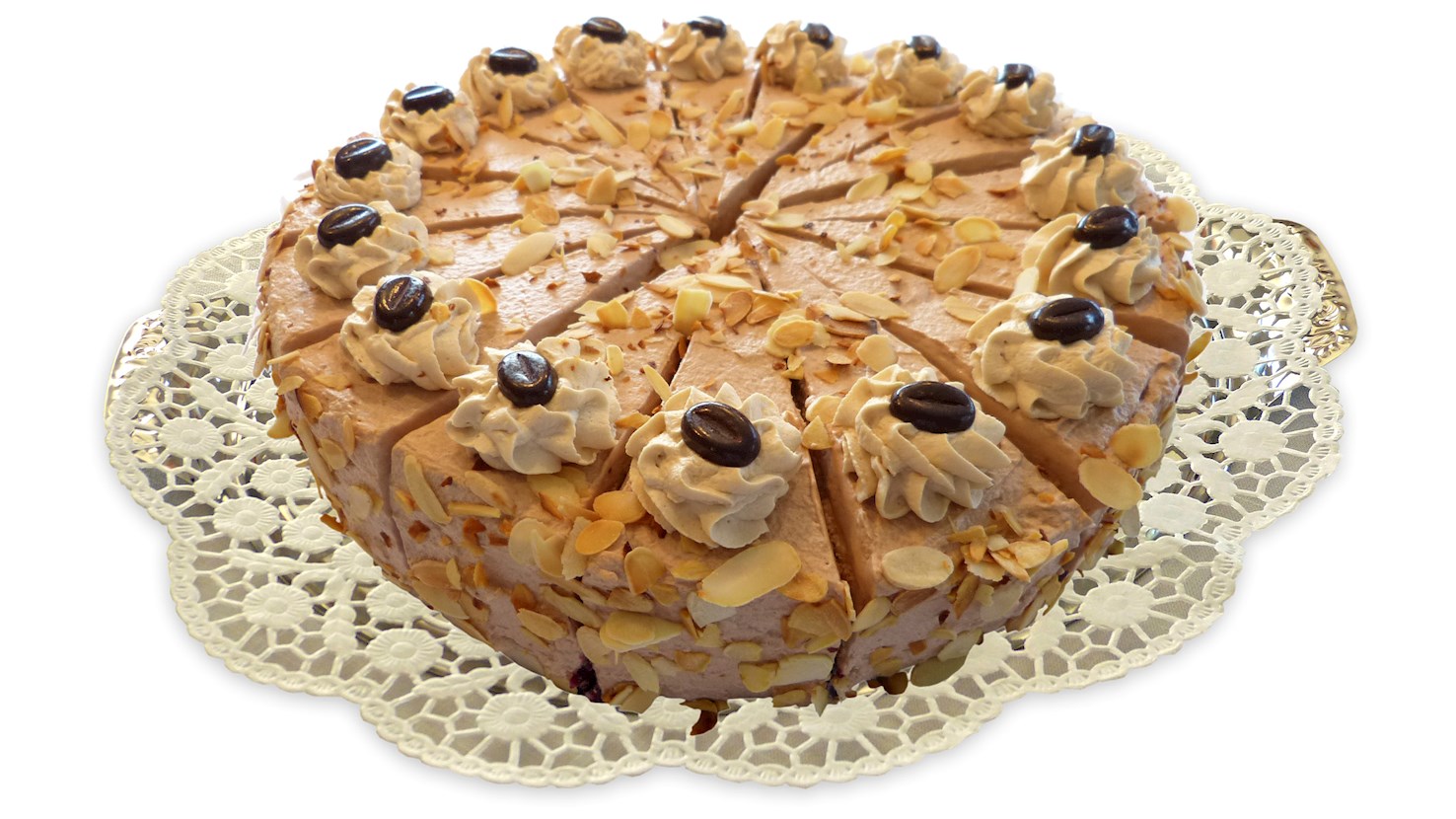
Gâteau moka is a classic French cake. It consists of two layers genoise sponges that are soaked with coffee syrup. The layers and the whole cake are then coated in a coffee-flavored buttercream. The sides of the cake are usually garnished with chopped almonds or almond flakes, while the top is decorated with piped buttercream and chocolate-covered coffee beans. Moka cake was invented in 1857 by a Parisian pastry chef Guignard, and it was probably named after Mocha, a port city on the Red Sea coast of Yemen that was once a center of the coffee trade.
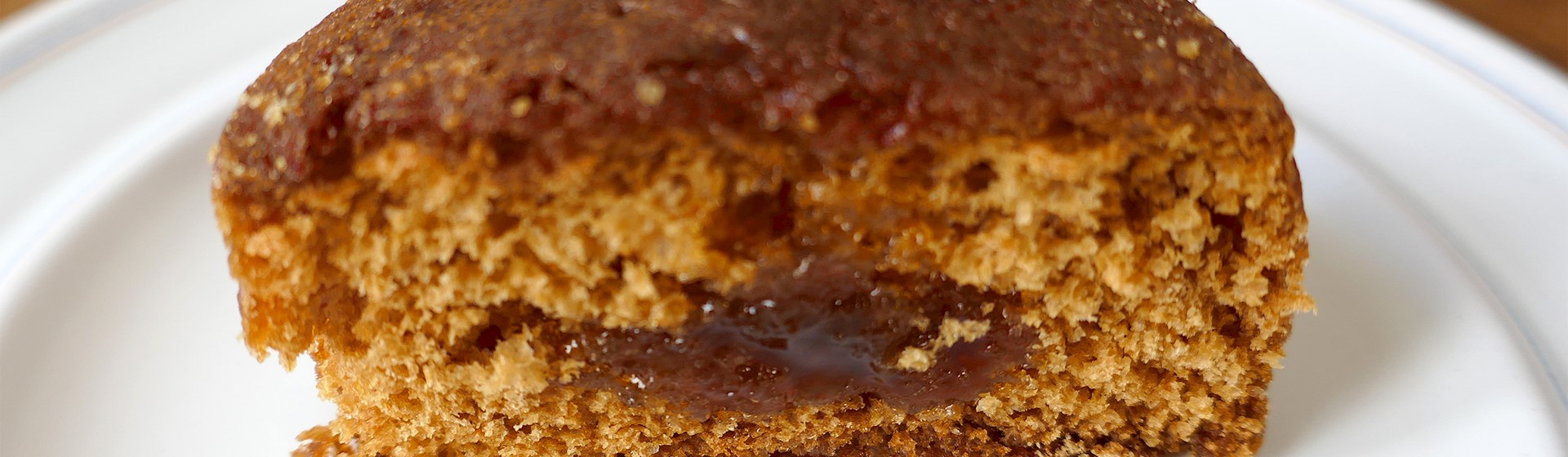
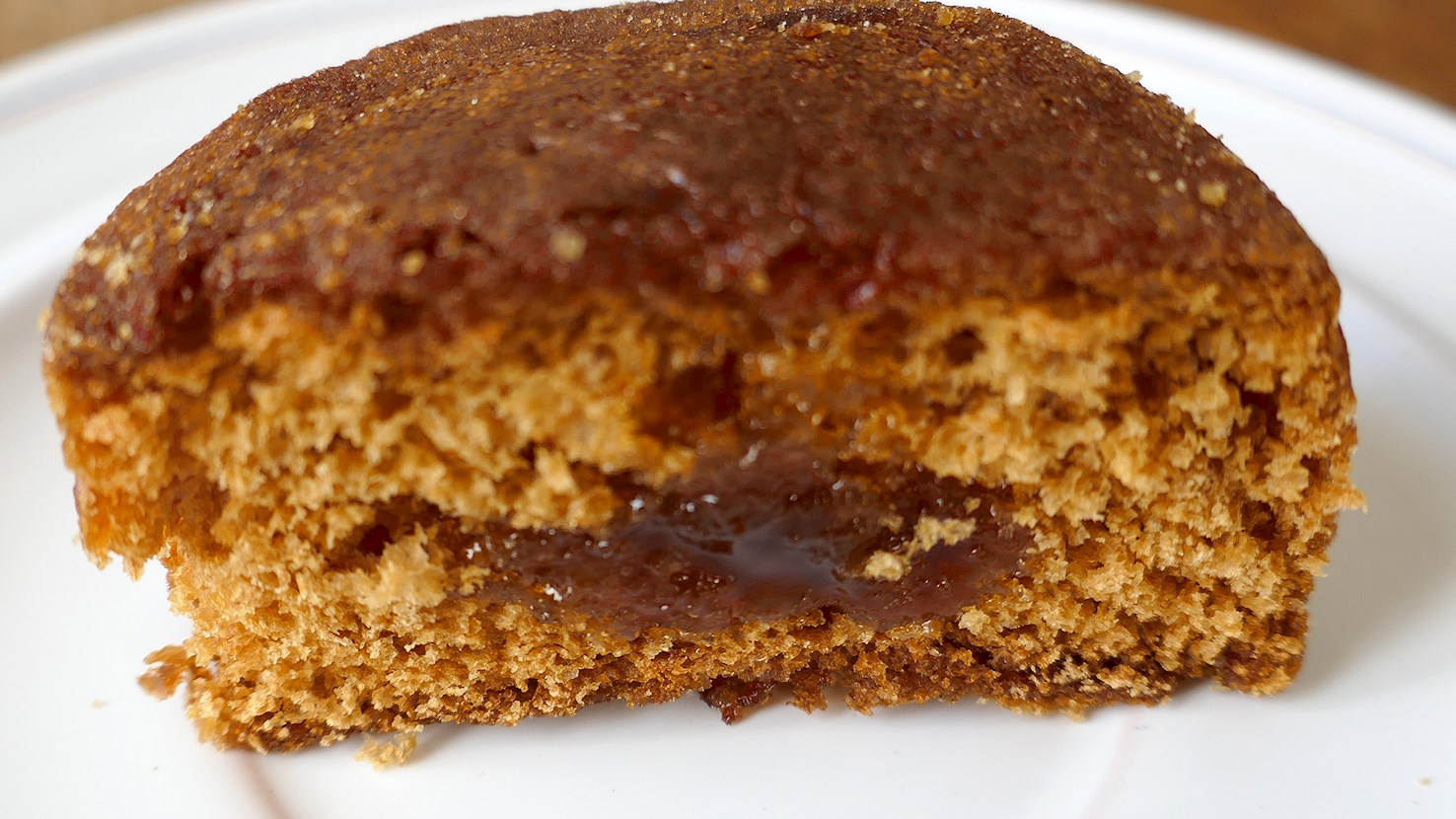
The delicate nonnettes, or jam-filled individual cakes, are one of the classic French desserts. Although there are several different variations of the cake, essentially all of them are gingerbread cakes that are filled with aromatic orange jams and sweetened with honey. The sponge of the little nonnette is soft, usually made with the addition of rye flour and honey, and generously spiced with the gingerbread spice mixture, which includes cinnamon, nutmeg, anise, cardamom, and ginger. At the heart of each cake, there is a pungent orange marmalade. Occasionally, these tiny delicacies are glazed with a mixture of egg whites, sugar, and lemon juice. They are usually connected to the winter season, and are commonly offered during the St. Nicholas festivities in December, although they can be enjoyed all year round. Translated from French, the name nonnettes means little nuns, referring to the origin story of these French classics. In the Middle Ages, the nuns used to prepare these fragrant cakes at the local monasteries, and in the 19th century, they were commonly offered as a sweet refreshment to travelers who would pass in the vicinity of the monasteries. It is believed that they originate from Dijon, but today they can be found in other parts of France as well. Nonnettes can be found at local bakeries, or bought in stores, which offer pre-packaged versions of these sweet delicacies.
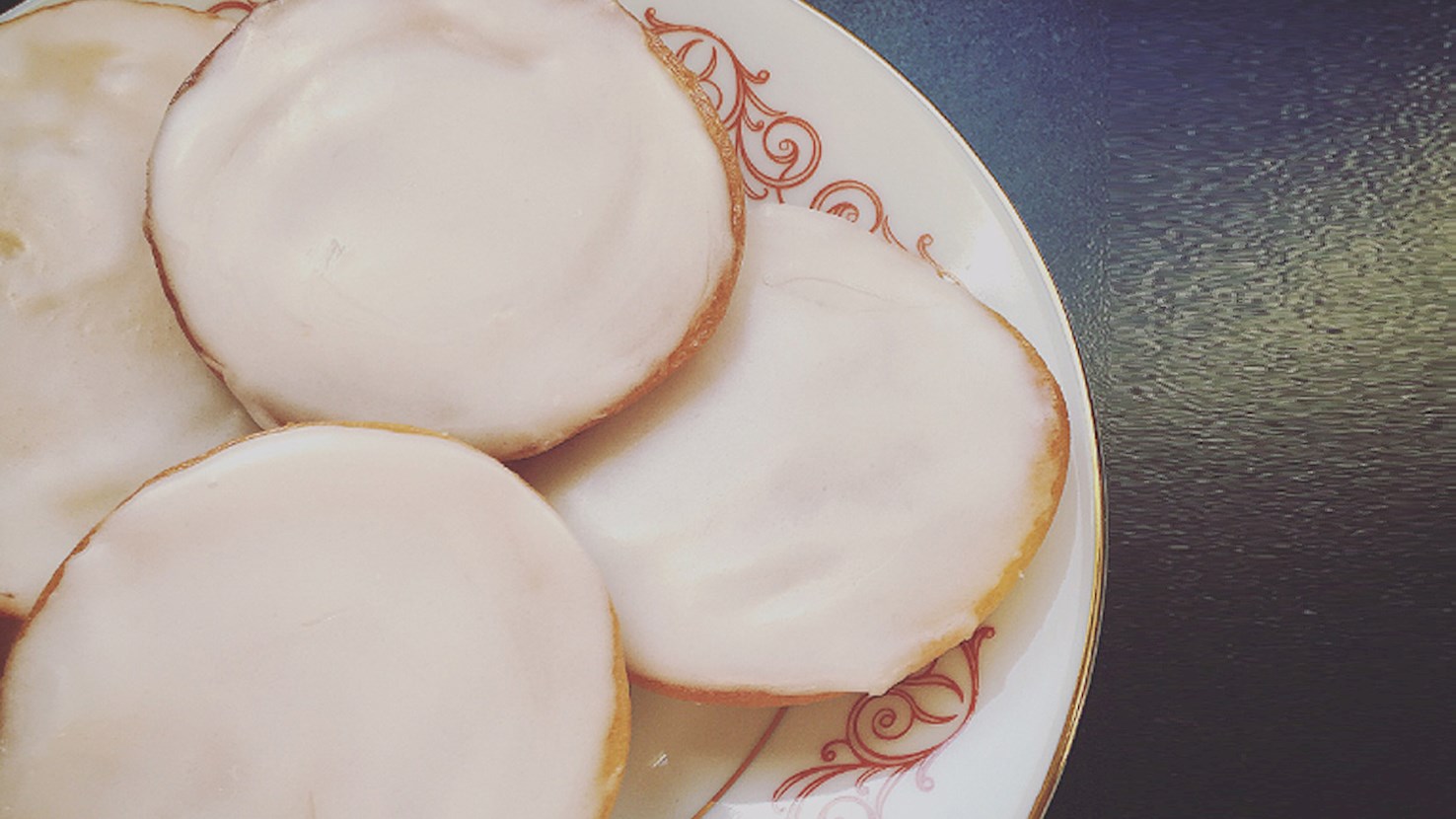
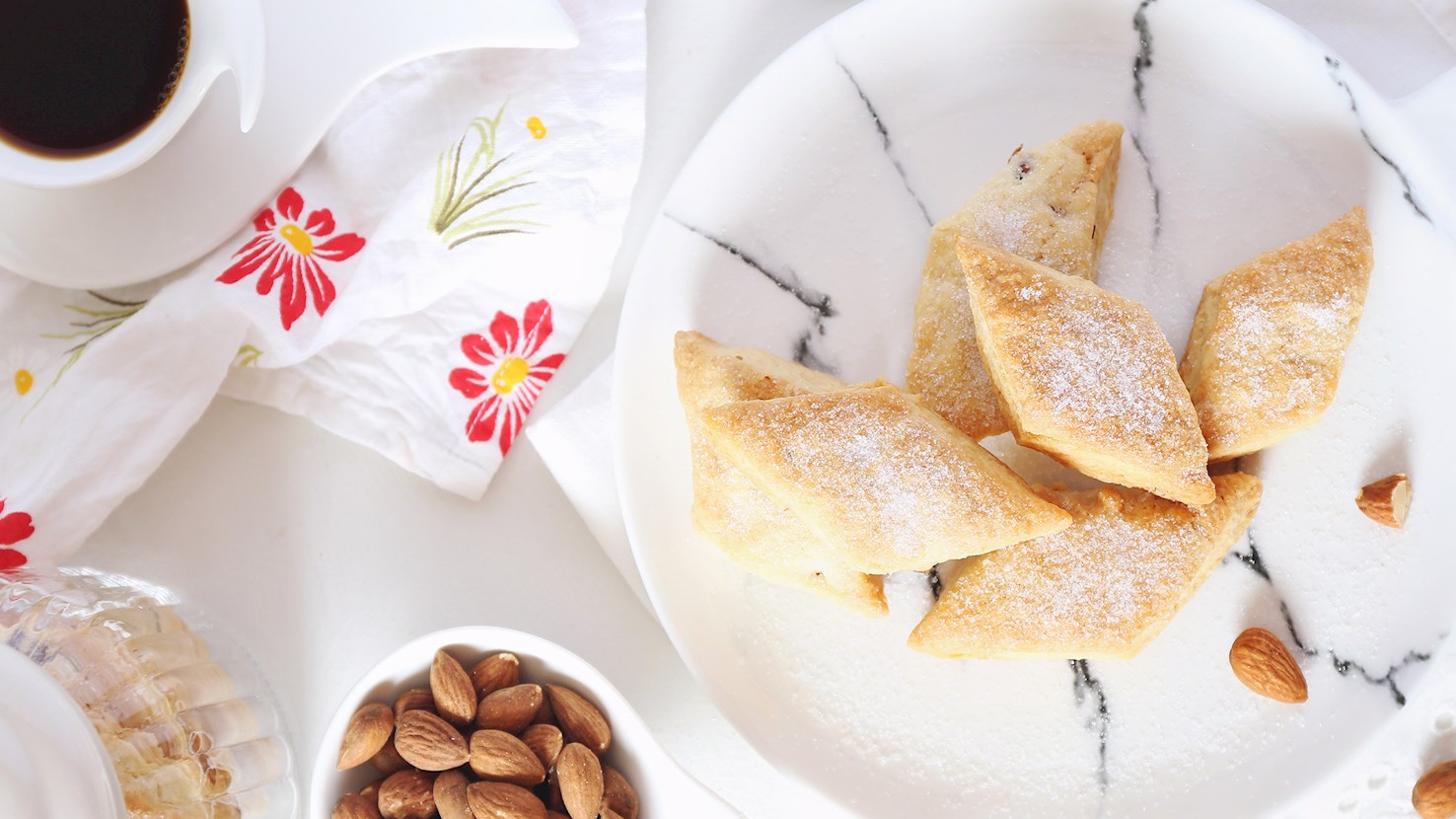
The crisp, buttery palets de dames (lit. ladies' pucks) are a specialty of the North of France and Belgium, and they are found in virtually any pâtisserie. These delectable cookies are typically covered with apricot jam and lemon-flavored sugar icing, while some varieties are flavored with rum, vanilla, or aniseed. Palets are sometimes even studded with currants, raisins, or nuts. These delicate cookies are traditionally enjoyed as a snack with afternoon tea.
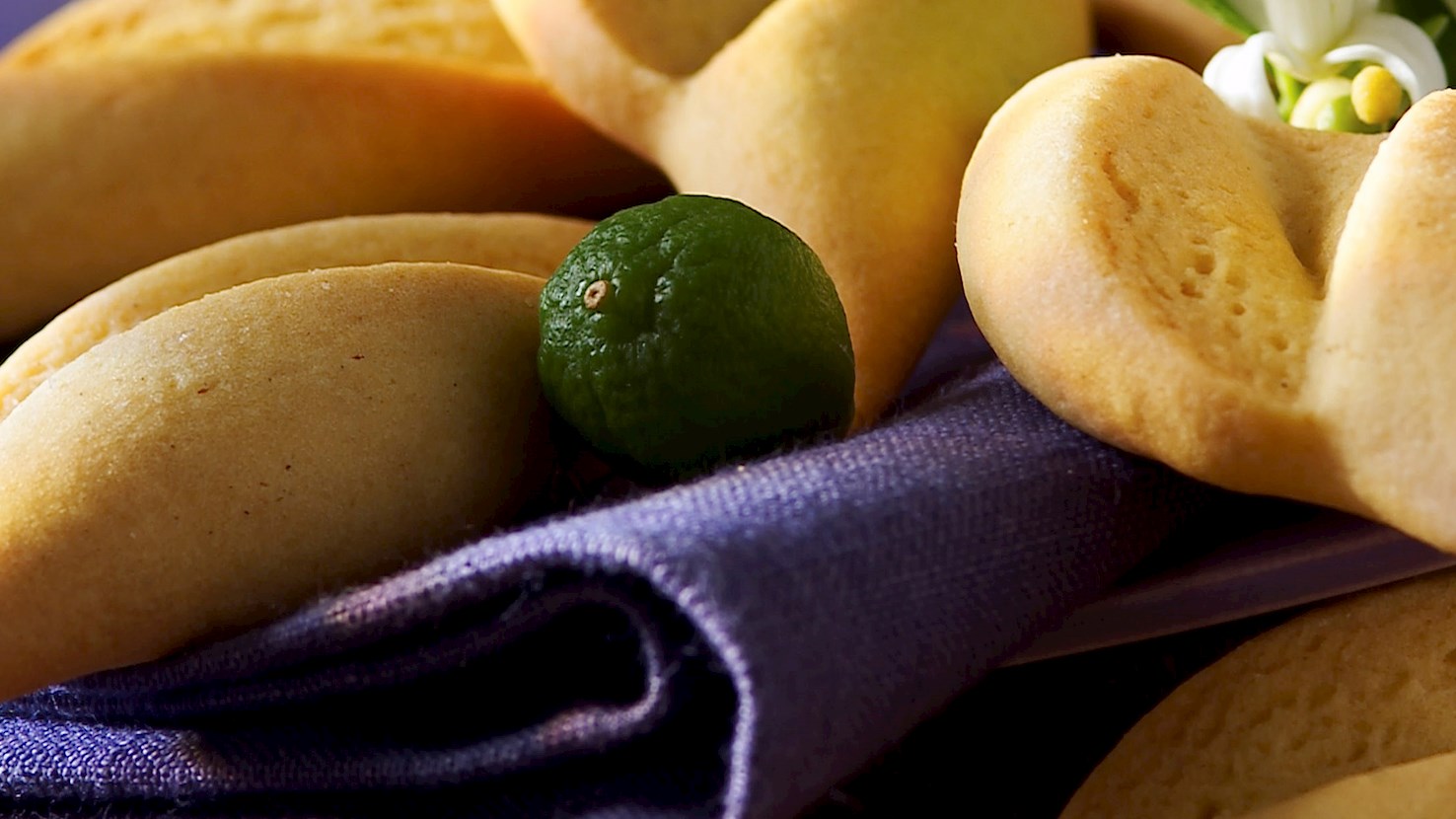
Navettes are cookies from Marseilles that are shaped like a boat or a shuttle. Their characteristical shape is said to commemorate Mary Magdalene and Saint Martha and their voyage to Marseilles by boat, about 2000 years ago. The cookies are flavored with orange-flower water and are traditionally consumed on February 2nd, known as Candlemas Day, although they can be bought all year round in the Four Des Navettes bakery in the center of Marseilles. The bakery hasn't stopped producing these cookies since 1781. Although orange-flavored navettes are the most popular choice, there are also varieties with cinnamon, chocolate, vanilla, and lavender.
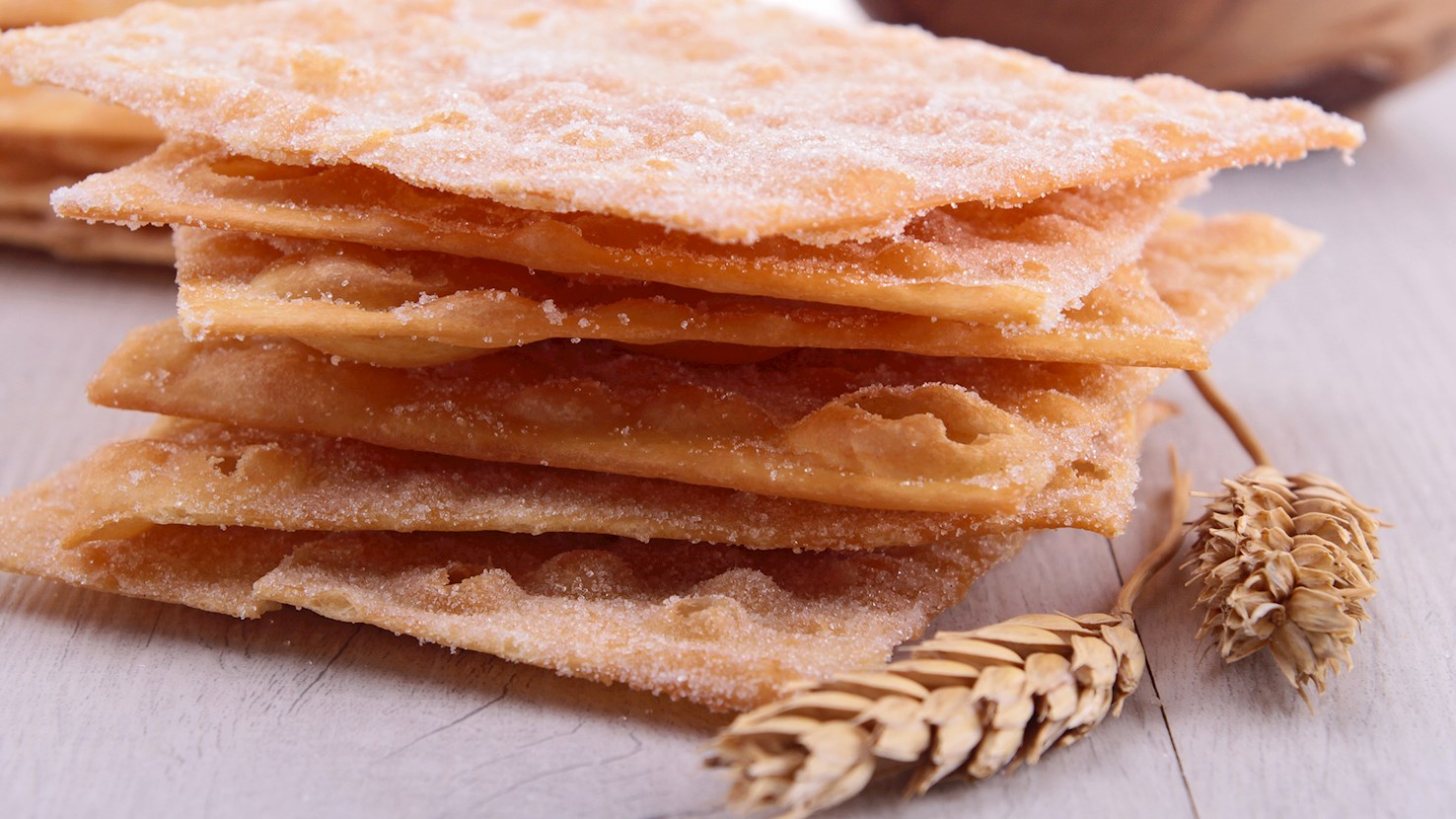
Hailing from Provence, oreillettes are the thin, rectangular sheets of deep-fried dough. They are prepared with flour, eggs, and butter, and are usually enriched with citrus zest and orange flower water. Traditionally enjoyed during the Carnival season, they are best served freshly prepared and generously coated in powdered sugar. These crispy fritters are also enjoyed in the neighboring Occitanie region.
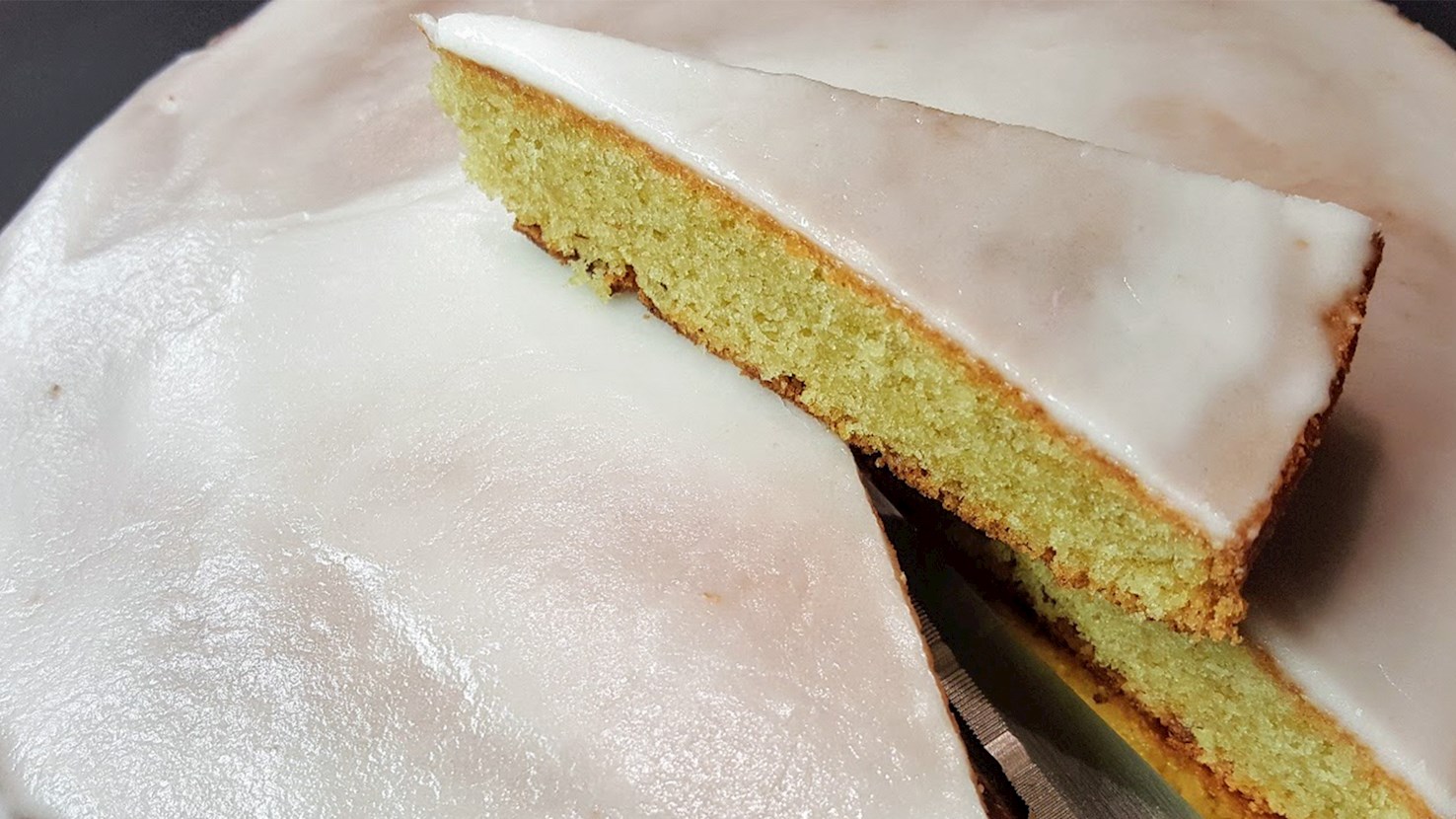
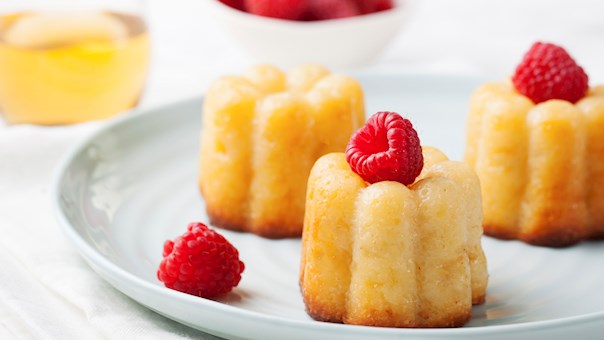
Gâteau Nantais is a traditional Nantes cake consisting of butter, sugar, flour, eggs, ground almonds, and rum. When baked, the sponge is doused in a rum-infused syrup, and it is then topped with a white sugar glaze that is often also spiked with rum. Occasionally, the center is sometimes coated in a layer of apricot jam. It is believed that the cake was created in 1820 by a French baker Rouleau. At the time, Nantes was an important port, and many ingredients such as rum, sugar, or vanilla were imported to the city and used in the creation of local desserts. Because it has a long shelf life, gâteau Nantais is also known as gâteau du voyageur (traveler’s cake).
Hailing from Corsica, these traditional shortbread cookies typically consist of flour, sugar, white wine, and flavorings such as anise or lemon zest. Canistrelli are double baked, and because of that they are incredibly crispy and have a long shelf life. The cookies are commonly enjoyed for breakfast, when they are usually paired with hot beverages, but canistrelli also make an excellent sweet snack when paired with white wine.
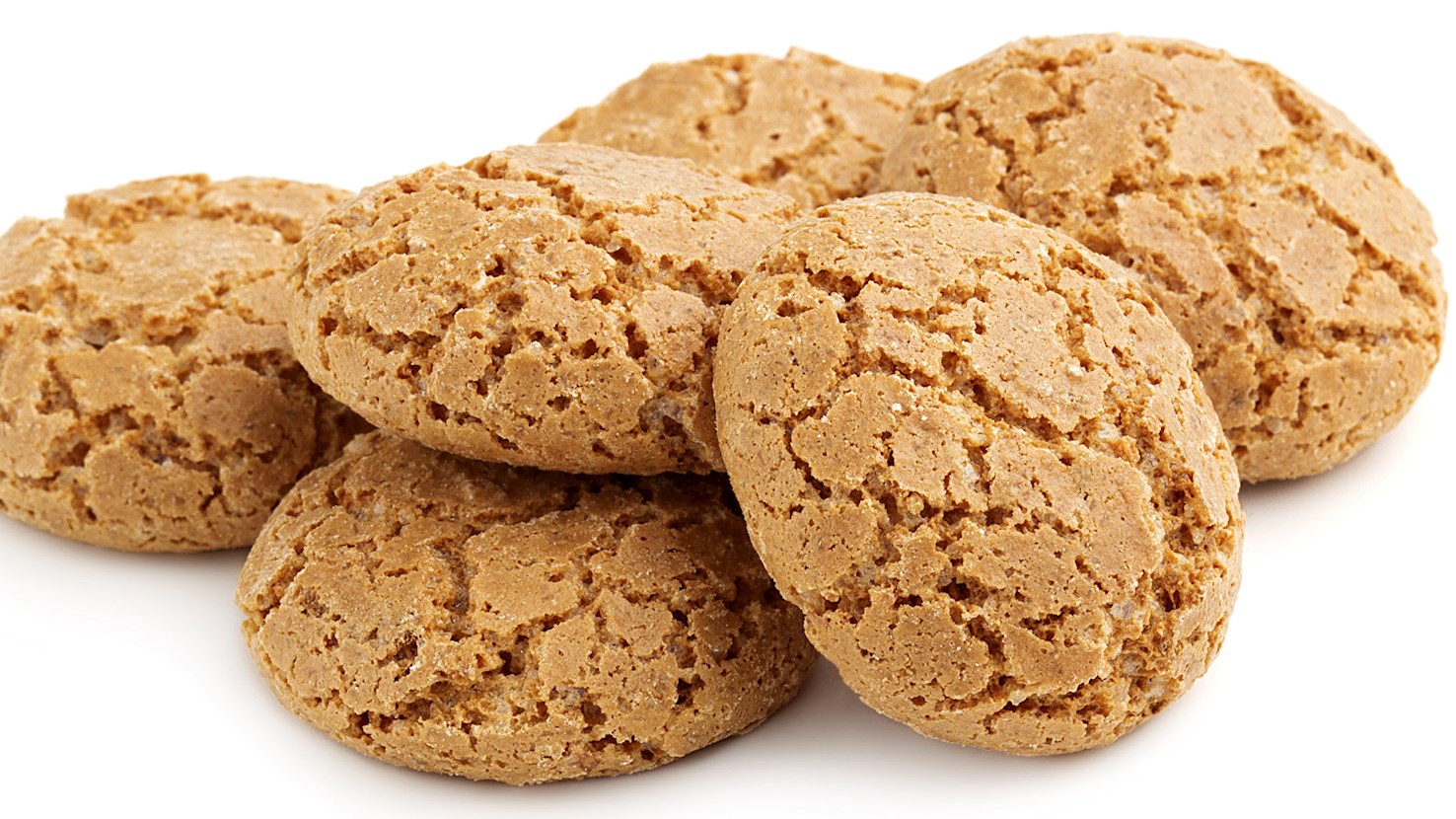
A macaron is a sweet treat that is prepared throughout France, its name derived from the italian maccarone, referring to the crushing of the almond paste, which is the main ingredient of these delectable treats. Originally, the daughter of Charles III, Duke of Lorraine founded a monastery called Les Dames du Saint-Sacrement, right in the center of the French city called Nancy. As meat was forbidden in the monastery, the nuns started to bake numerous pastries, amongst them the popular macarons. Upon their abolishment from the monastery, nuns Marguerite and Marie-Elisabeth sought refuge in the house of a local doctor, and started to make and sell macarons in order to survive. The sweets gained huge popularity, and in 1952, the city of Nancy honored the macaron sisters by naming a part of the street where they lived after them. The recipe for these famous treats is still kept a secret, guarded by Nicolas Génot of the Maison des Soeurs Macarons in Nancy.
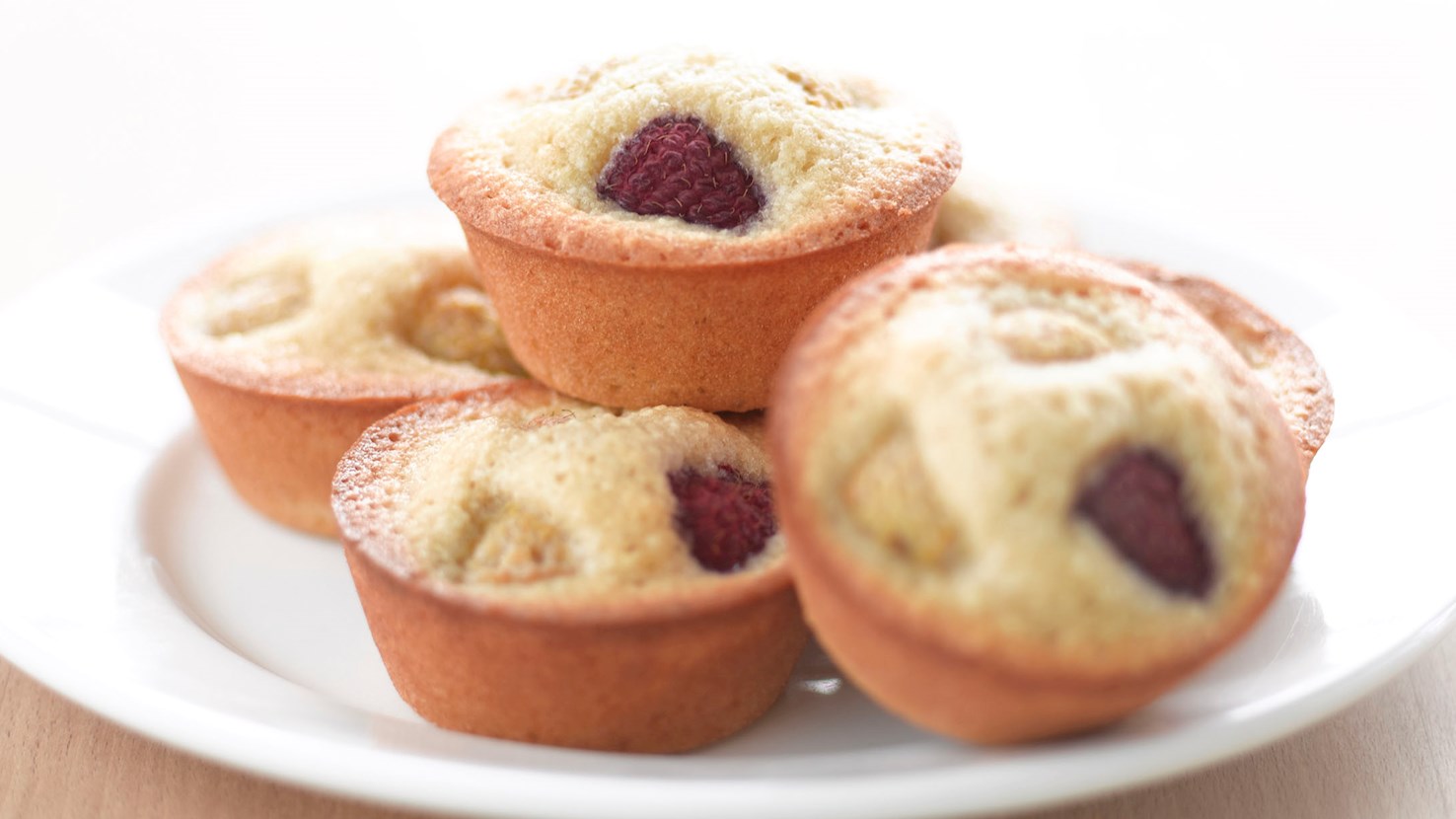
These small, delicate French cakes are similar to muffins in appearance and texture. They consist of egg whites, butter, sugar, and almond flour. These small cakes are often flavored with various ingredients such as chocolate, nuts, or pieces of fruit. They get their distinct oval shape from the special molds used to bake them. In addition to being wildly popular in France, friands are also commonplace all over Australia and New Zealand. They are said to go best with a dollop of ice cream, fruit, or a cup of hot coffee.
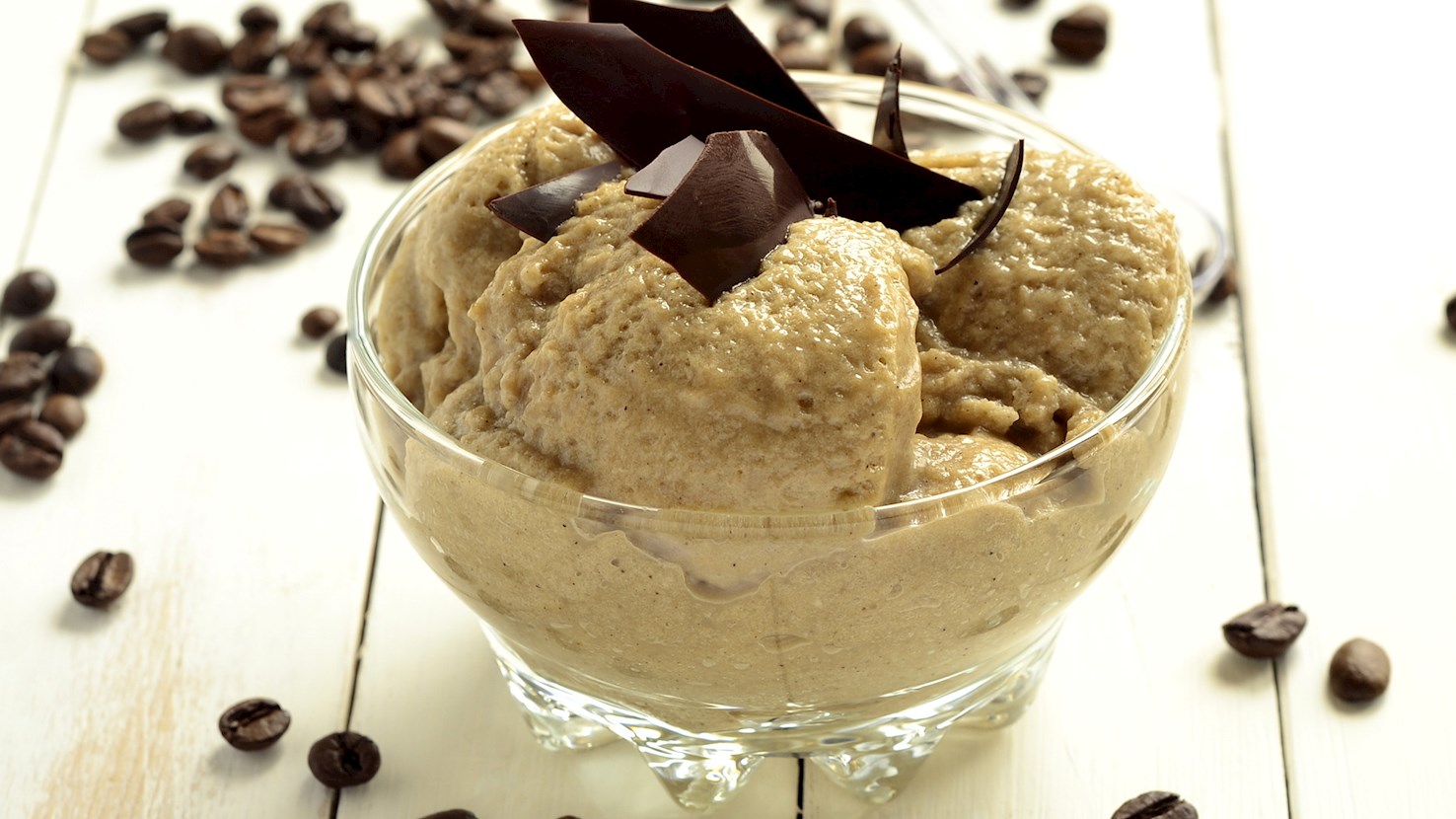
Though it hails from traditional French cuisine, this delicate treat enjoys immense popularity worldwide. Similar to other mousse varieties, it is created with a base of whisked egg yolks and sugar, which is then infused with coffee. The essential additions are beaten egg whites or whipped cream that give this delicacy its authentic, airy texture. Typically served in dessert glasses, mousse au café is a light sweet treat that makes a perfect ending to any meal.
TasteAtlas food rankings are based on the ratings of the TasteAtlas audience, with a series of mechanisms that recognize real users and that ignore bot,
nationalist or local patriotic ratings, and give additional value to the ratings of users that the system recognizes as knowledgeable.
For the “52 Worst Rated French Desserts” list until October 16, 2026, 16,366 ratings were recorded, of which 14,496 were recognized by the system as legitimate.
TasteAtlas Rankings should not be seen as the final global conclusion about food. Their purpose is to promote excellent local foods,
instill pride in traditional dishes, and arouse curiosity about dishes you haven’t tried.



What People Say