


shutterstock

97 Worst Rated Italian Desserts

Last updated on August 16, 2026
01

Gelato alla liquirizia

2.2 ·

Gelato alla liquirizia is a licorice-flavored gelato. It is made with a creamy base of milk, cream, and sugar, while the flavoring is attained from soft or powdered licorice. This ice cream typically has a light brown color, and it is usually garnished with soft licorice or licorice roots. Licorice gelato is mainly associated with Calabria, the biggest licorice producer in Italy, but it is also available in other Italian regions.

02

Sanguinaccio

2.5 ·

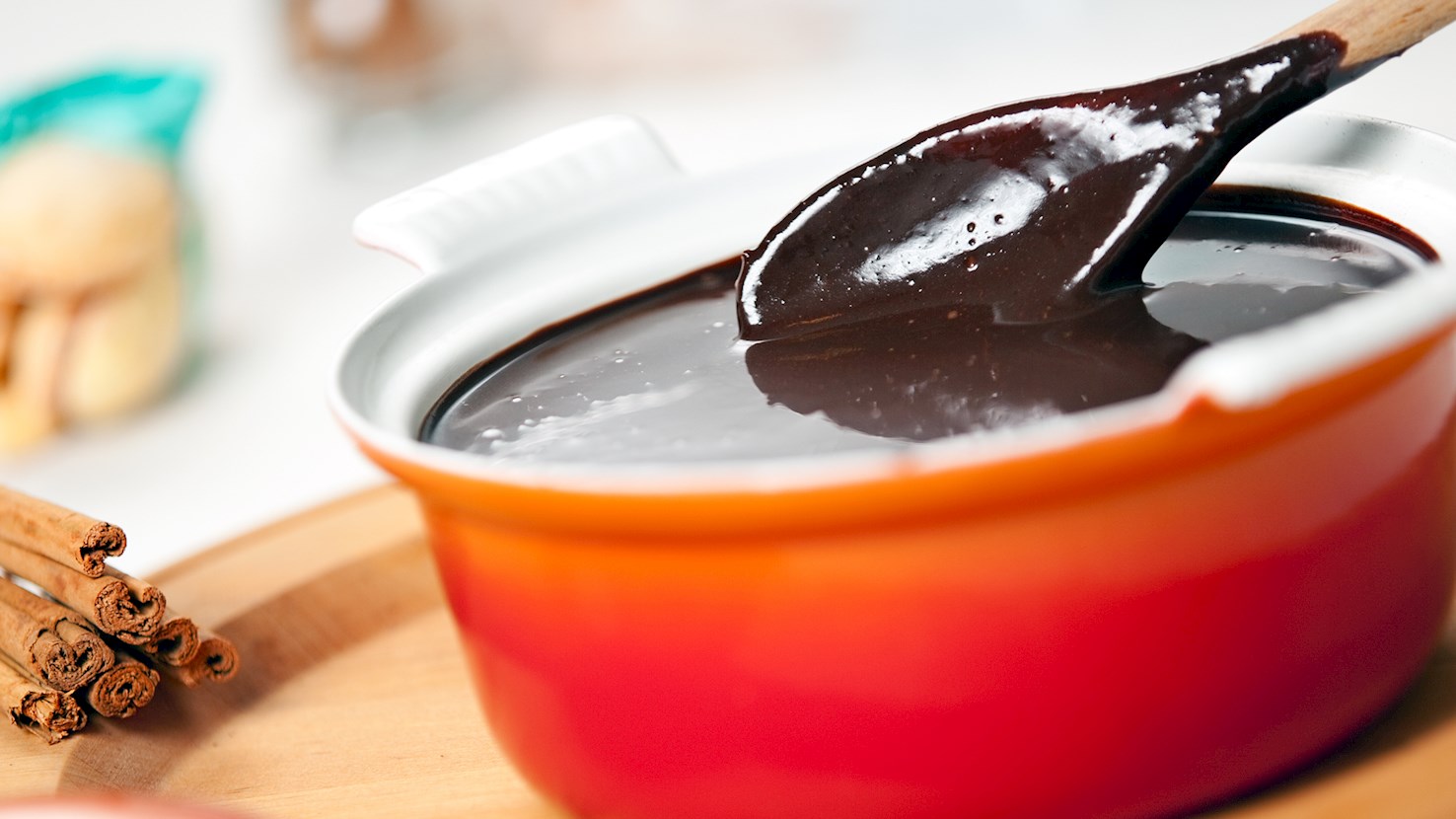
Hailing from the time when animals were butchered in a true snout-to-tail culinary fashion without a morsel going to waste, sanguinaccio emerged as a special dessert making use of those nasty but tasty bits: this Italian sweet pudding is made from fresh pork blood, milk custard, and melted bittersweet dark chocolate. For a richer version, the pudding is often flavored with cinnamon and cloves or lemon zest, and sometimes studded with raisins, toasted almonds, pine nuts, and candied fruit, whereas in some regions it is cooked with the addition of rice. In Naples and the rest of southern Italy, sanguinaccio is traditionally prepared during the Carnival season, and enjoyed with crispy fried ribbons of pastry called chiacchiere, an Italian version of angel wings, but it can also be served with cookies to dip, either the hard, crunchy biscotti or the tender Italian ladyfingers.

03

Schiacciata con l'uva

2.7 ·

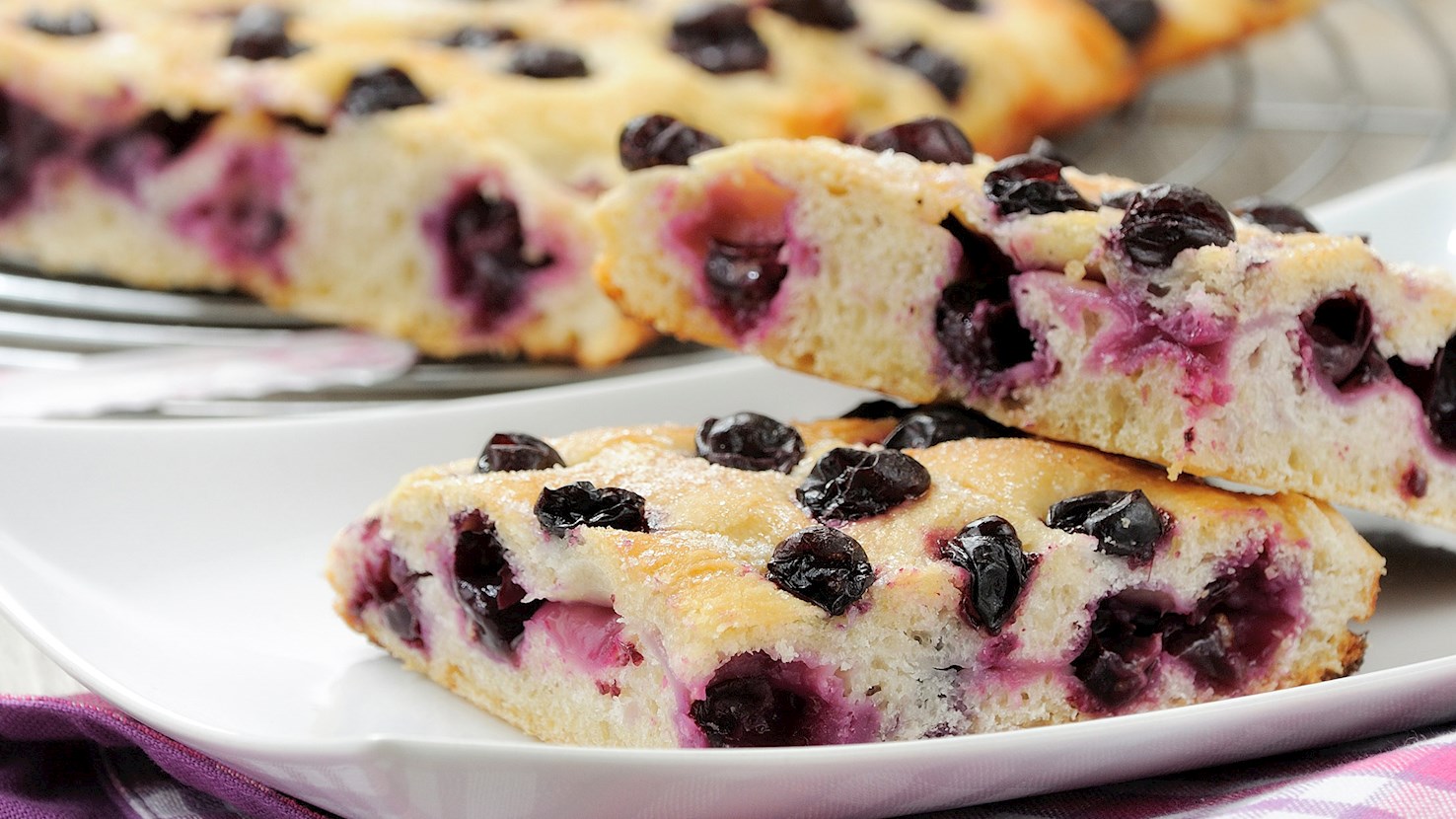
Traditionally prepared in fall to celebrate the Tuscan grape harvest, schiacciata con l'uva is considered a typical Florentine dessert or snack, even though it is often said to be of ancient Etruscan origin. It is a type of sweet, double-layered, focaccia-style flatbread studded with fresh grapes, typically of the fragrant Isabella variety. Known in Italy as uva fragola (lit. strawberry grapes), these aromatic red grapes are prized especially for their sweetness, which wonderfully complements the olive oil scented bread. This Tuscan treat can only be found in September and October, and once the harvest is over, it takes a whole year for the flavorful schiacciata con l'uva to appear again in local bakeries, when it can be enjoyed freshly baked not only for breakfast but at any other time of the day.

04

Anicini

2.8 ·

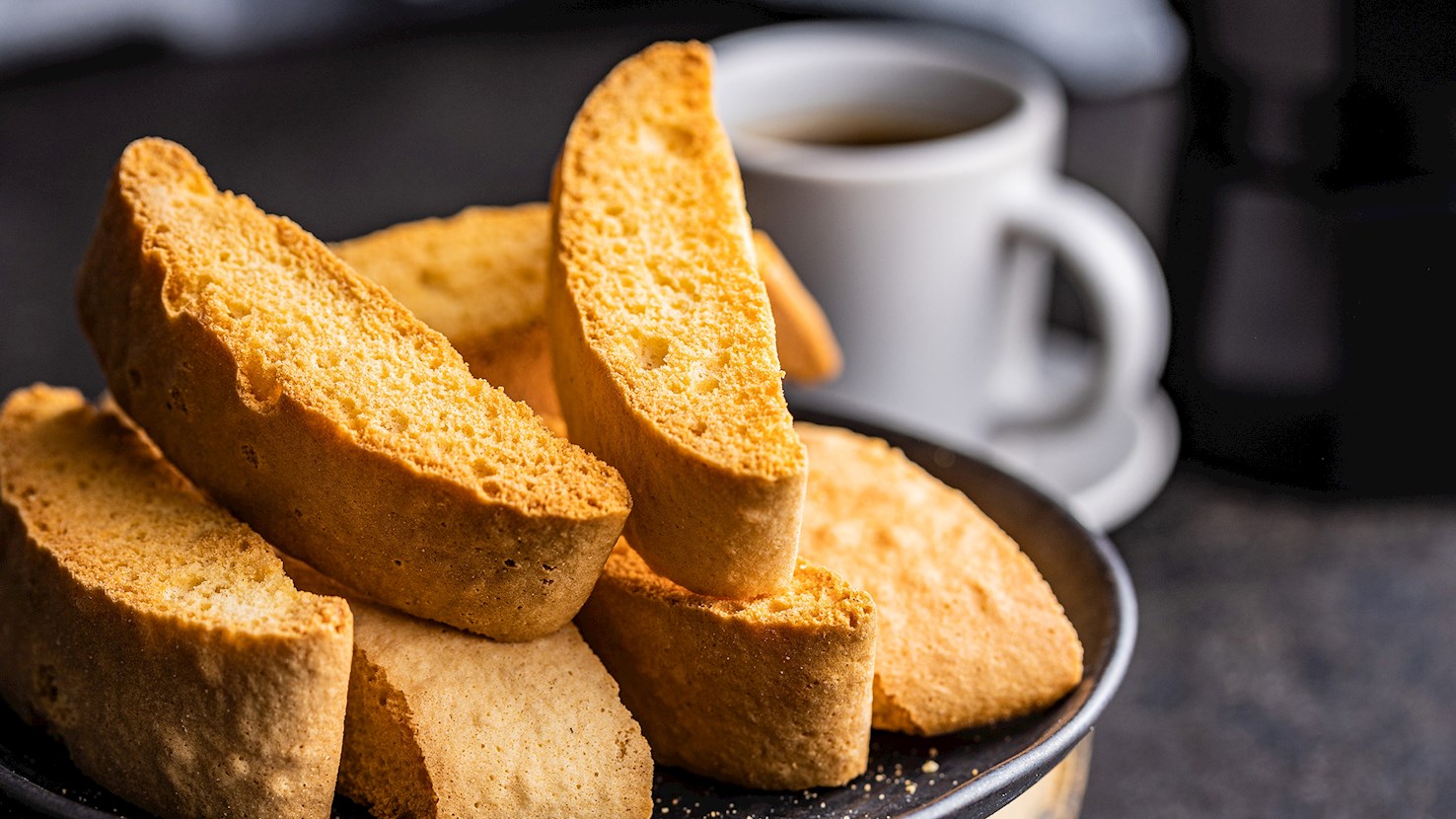
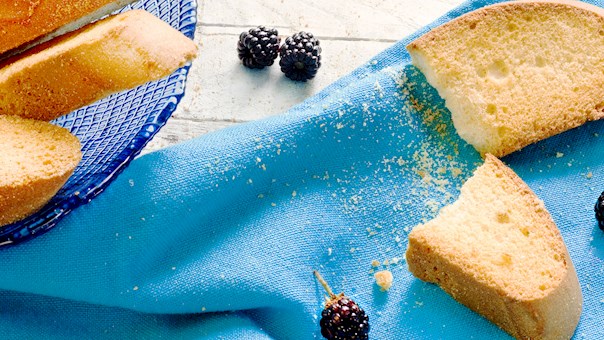
Sometimes also called finocchini, anicini are popular anise-flavored biscotti prepared in many Italian regions, but they are especially beloved in Sardegna and Liguria. First, a loaf made with eggs, flour, sugar, orange blossom water, and aniseed is baked. After it has slightly cooled, the loaf is carefully sliced and baked again until the slices turn golden and crispy. Delicate, light, and crunchy, anicini are perfect cookies for dunking in coffee or milk, but due to digestive properties of aniseed, they are also perfect for fine pasto, served at the end of a meal.

05

Roccoco

2.9 ·

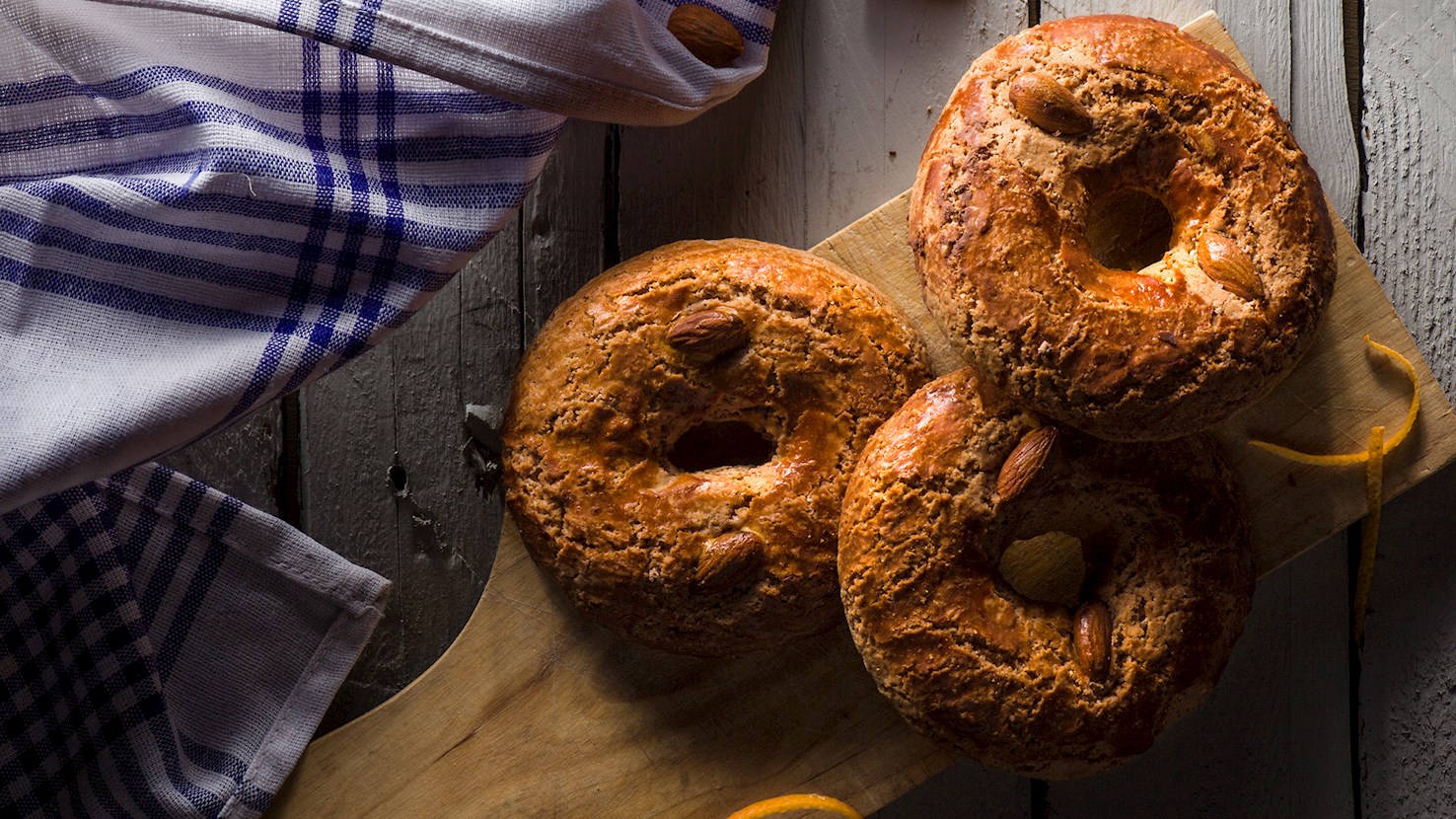
Roccoco are traditional Christmas cookies originating from Naples. They're made with a combination of flour, almonds, sugar, candied fruit, and pisto – a mixture of cinnamon, cloves, nutmeg, and coriander. These cookies have been known for their dry and hard texture since 1320, when the nuns of the Real Convento della Maddalena first started preparing them. It's recommended to serve roccoco biscotti with a glass of limoncello, marsala, or spumonte.

Best restaurants
06

Torta di tagliatelle

2.9 ·

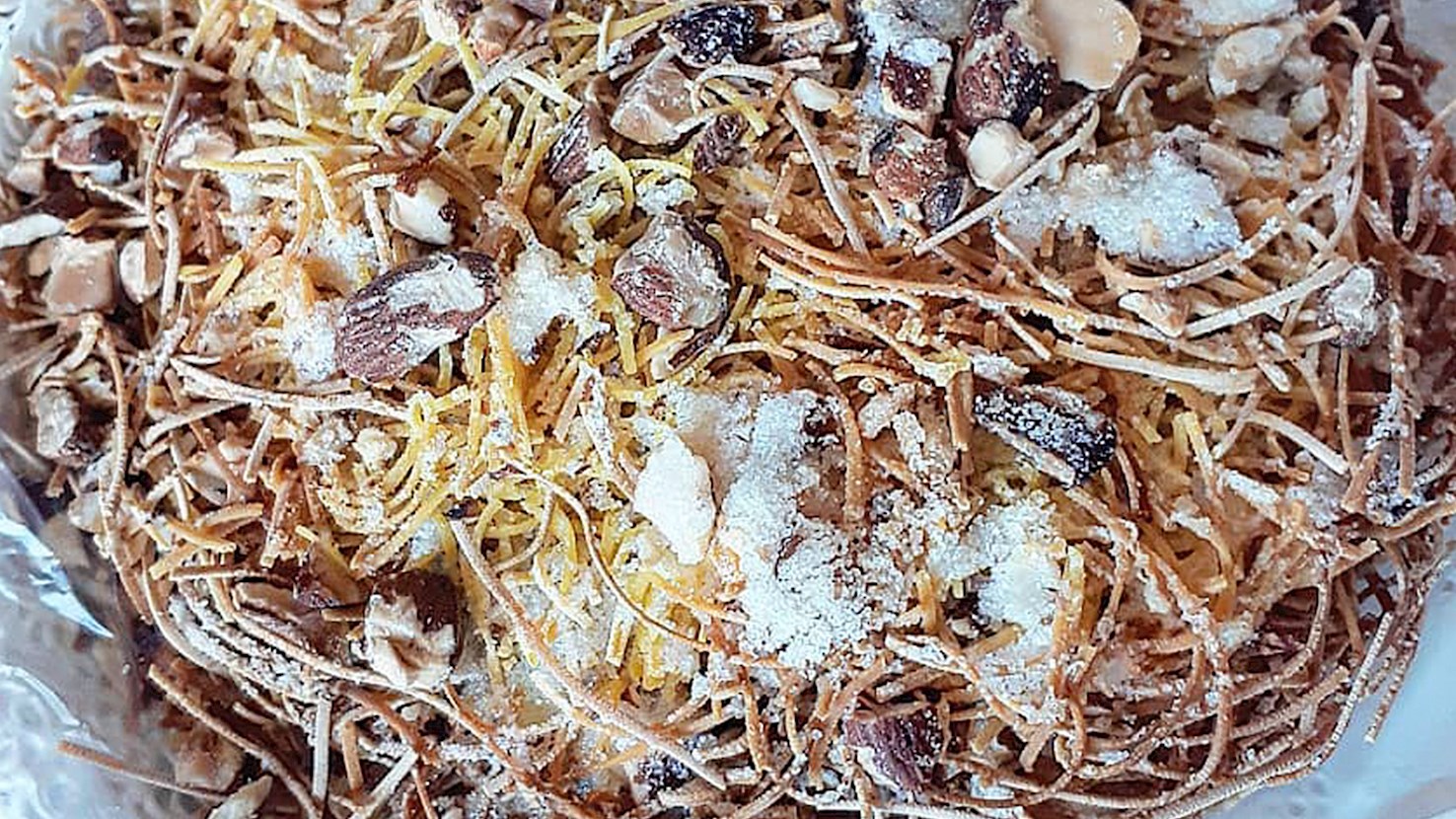
Traditionally prepared for festive occasions such as Christmas or Easter, torta di tagliatelle or torta ricciolina is a very elaborate cake with a golden crust, typical for the Emilia-Romagna region. Composed of a shortcrust pastry base filled with the thinnest, freshly made egg tagliatelle wrapped in a mixture of sugar, almonds, and butter, then baked until crisp, it is best served generously soaked in almond liqueur and dusted with sugar. Cities of Mantua and Ferrara both claim the invention of the recipe, although they prepare it a bit differently - locals from Mantua prefer a simplified version without the shortcrust pastry base, claiming that it just adds the extra work and hides the beauty of this unusual, visually appealing cake.

07

Agnello pasquale

2.9 ·

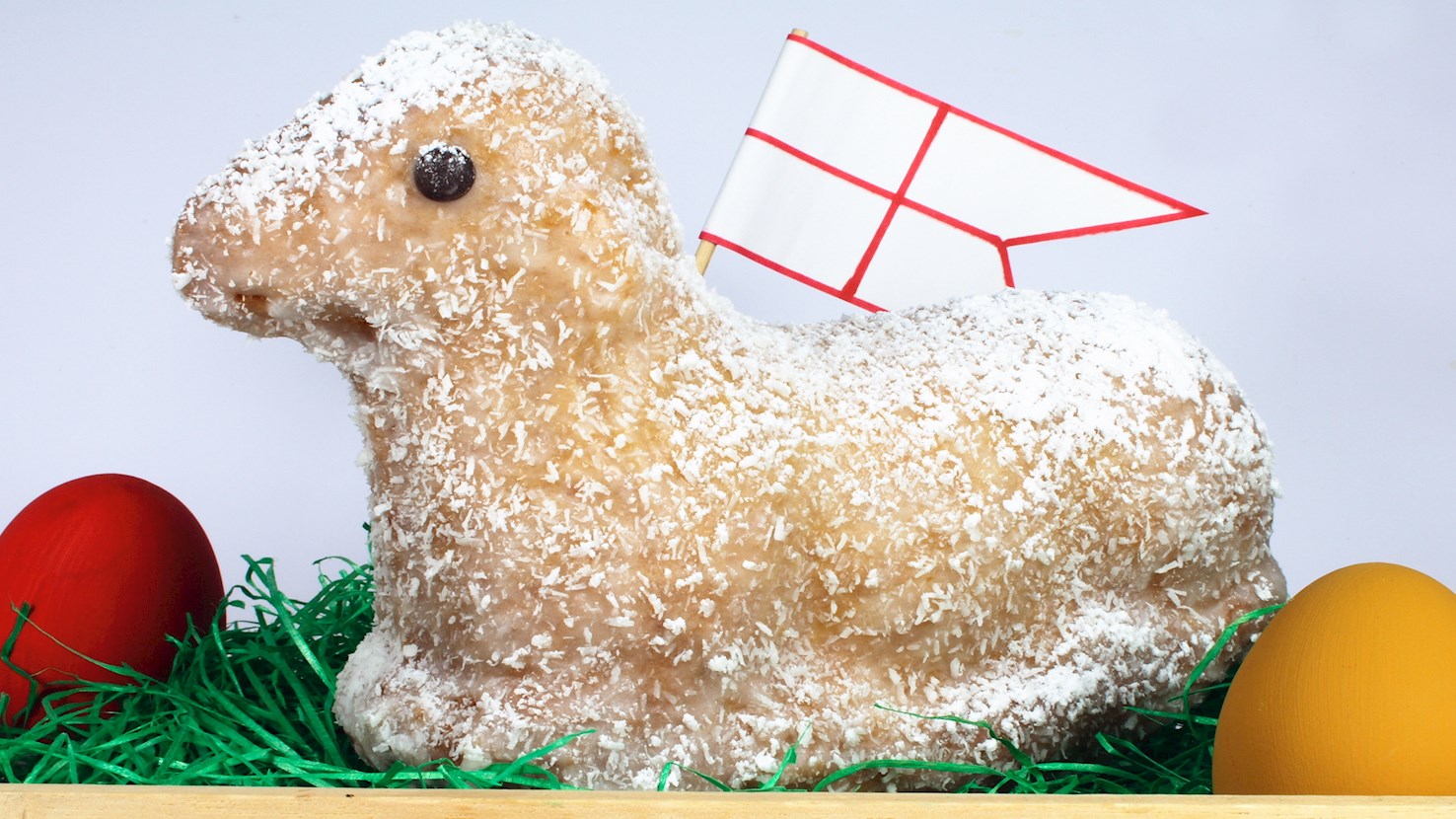
This classic Italian dessert whose name translates to Easter lamb was supposedly first prepared in the early 1900s by Dominican nuns of the Collegio di Maria convent in Favara, Sicily. Agnello Pasquale is traditionally made with a mixture of almond and pistachio meal, which is flavored with either lemon zest or vanilla and often studded with candied fruit, raisins, and almonds. The dish is baked in a lamb-shaped cake mold and then covered with butter frosting. During Eastertime, you can find this traditional delicacy in numerous pastry shops throughout the country.

08

Mustacciuoli

2.9 ·

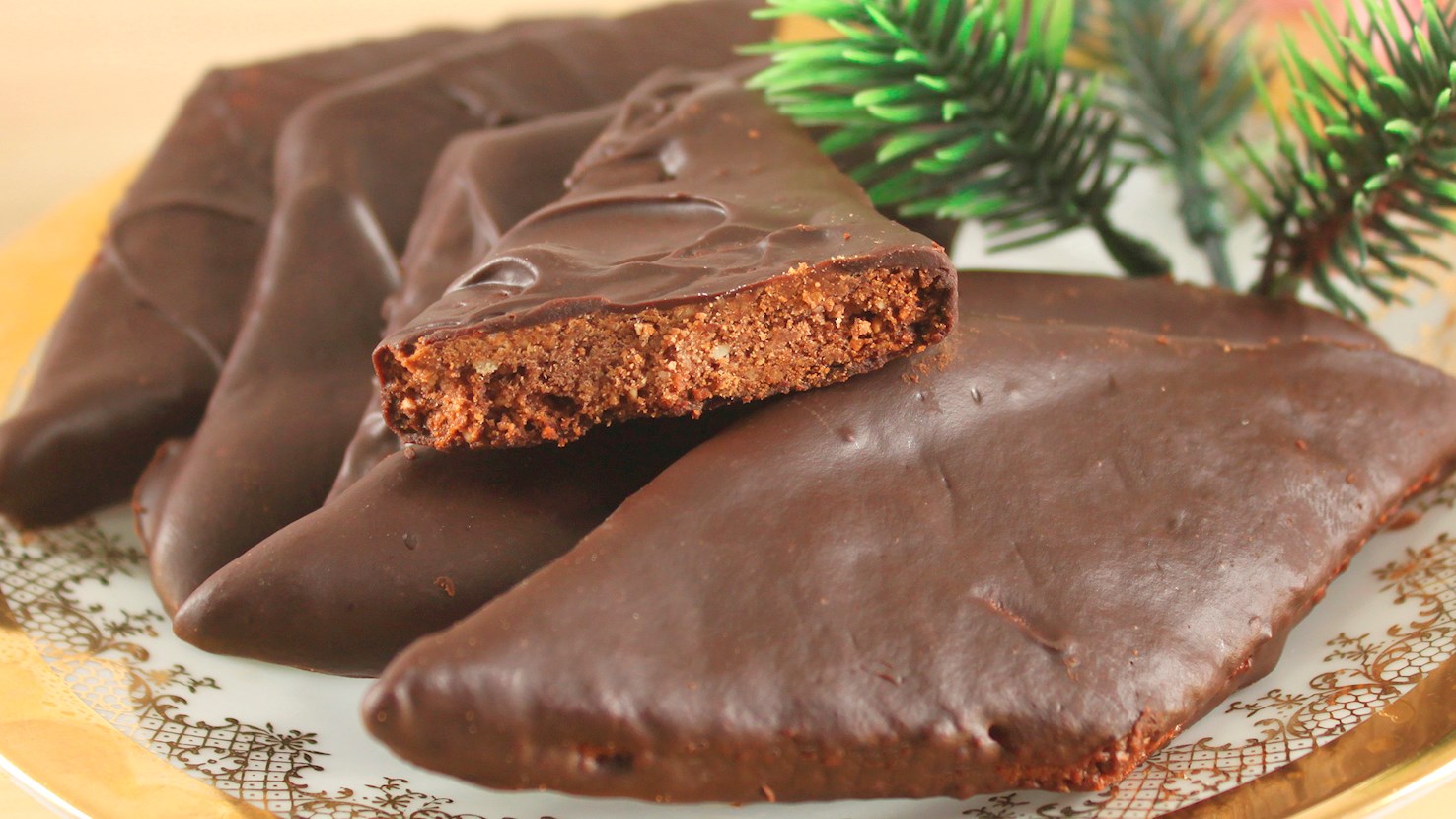
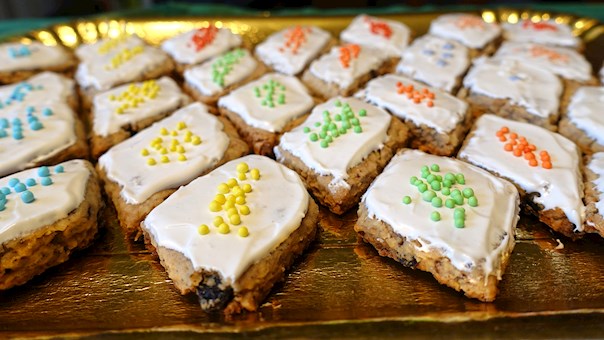
These chocolate-glazed cookies are a Christmas staple in Naples and throughout Campania, but similar varieties can be found in other parts of southern Italy. Mustacciuoli are usually prepared with a combination of honey, sugar, flour, citrus zest, and spices such as cinnamon, cloves, coriander, star anise, and nutmeg. The dough is traditionally cut into diamond-shaped pieces that are later coated with dark chocolate. Modern variations may opt for a white chocolate glaze or icing sugar, as well as the addition of candied fruit, while some regional variations add a splash of Strega liqueur. Mostaccioli take their name from the tradition of using mosto (grape must) as a sweetener when sugar and honey were unavailable. During Christmastime, these spiced cookies are a staple at numerous pastry shops.

09

Baicoli

2.9 ·

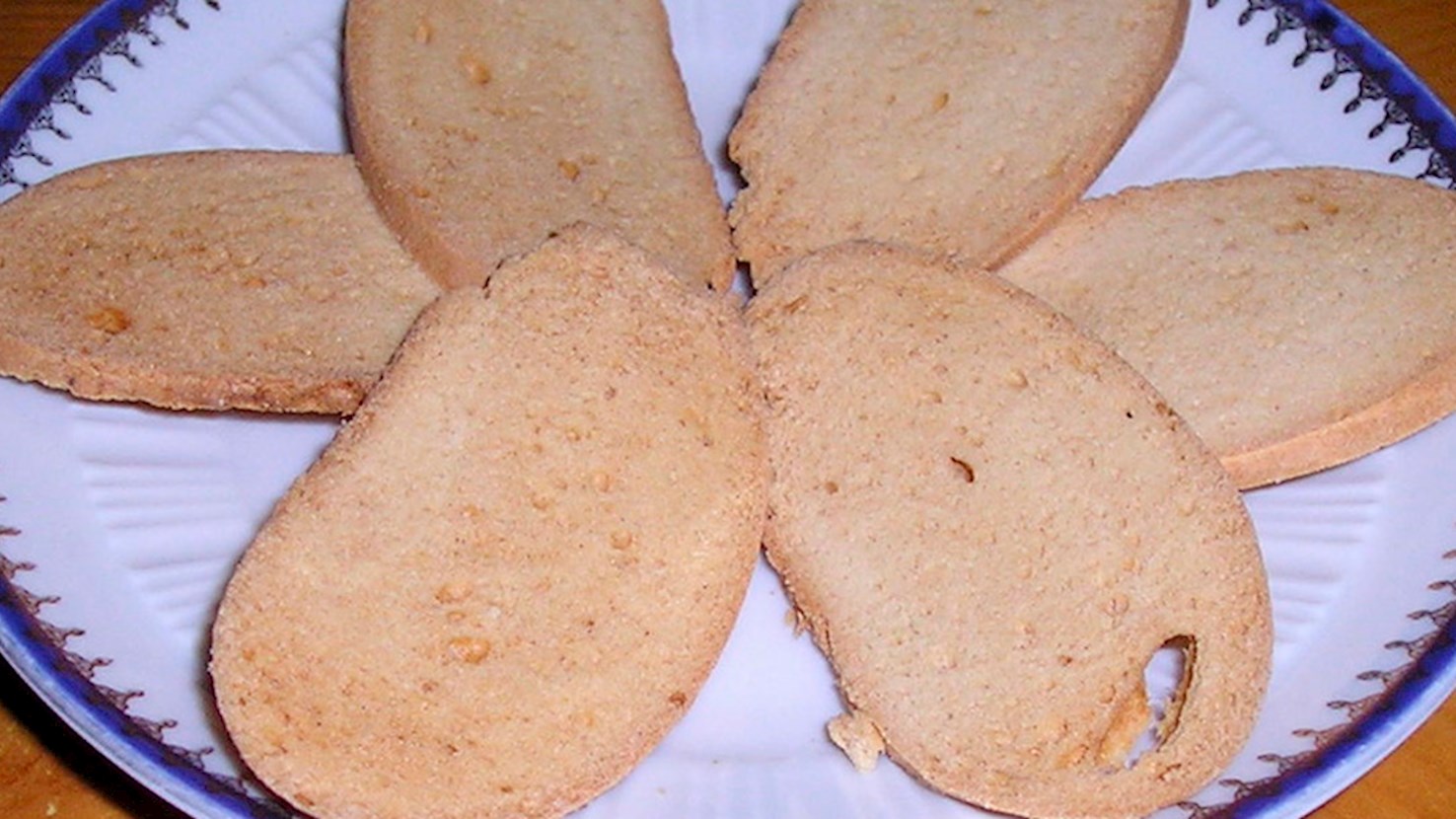
Invented in the 18th century by a Venetian baker, baicoli are small, slightly sweet biscotti consisting of flour, butter, sugar, yeast, egg whites, milk, and a pinch of salt. The name baicoli, meaning sea bass, refers to the shape of these cookies, which is similar to that of a small sea bass, elongated and slightly flattened. Due to their prolonged shelf life, baicoli were also a staple on numerous boats and war ships. Today, they are most often served with coffee and a light, foamy dessert known as zabaglione.

10

Nadalin

2.9 ·

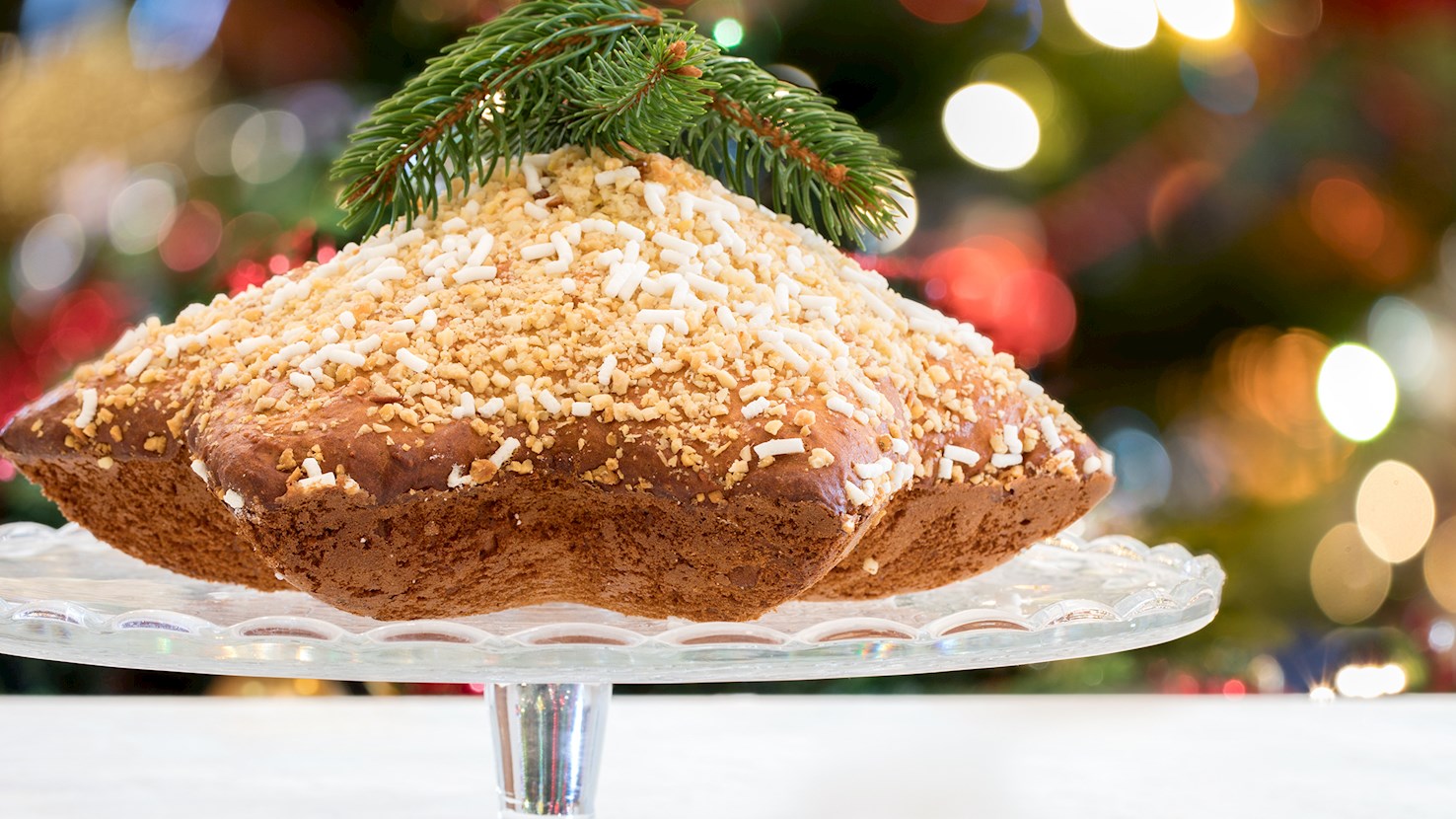
This classic Italian dessert was invented in the 13th century to celebrate the first Christmas in Verona under the Scala family, a dynasty that ruled the city for over a century. Nadalin is the ancestor of the more famous pandoro, but despite having similar ingredients, it is less buttery, sweeter, and has a denser texture. Though both breads are emblematic of Verona’s cuisine, many locals prefer nadalin, which received a municipal designation of origin in 2012. Just like many other Italian Christmas breads, the dough is flavored with vanilla and lemon zest. But what sets nadalin apart is its crunchy top crust made from granulated sugar, marsala wine, almonds, and pine nuts.

About this Ranking

TasteAtlas food rankings are based on the ratings of the TasteAtlas audience, with a series of mechanisms that recognize real users and that ignore bot, nationalist or local patriotic ratings, and give additional value to the ratings of users that the system recognizes as knowledgeable. For the “97 Worst Rated Italian Desserts” list until August 16, 2026, 14,304 ratings were recorded, of which 11,517 were recognized by the system as legitimate.

TasteAtlas Rankings should not be seen as the final global conclusion about food. Their purpose is to promote excellent local foods, instill pride in traditional dishes, and arouse curiosity about dishes you haven’t tried.

What People Say

Similar Lists