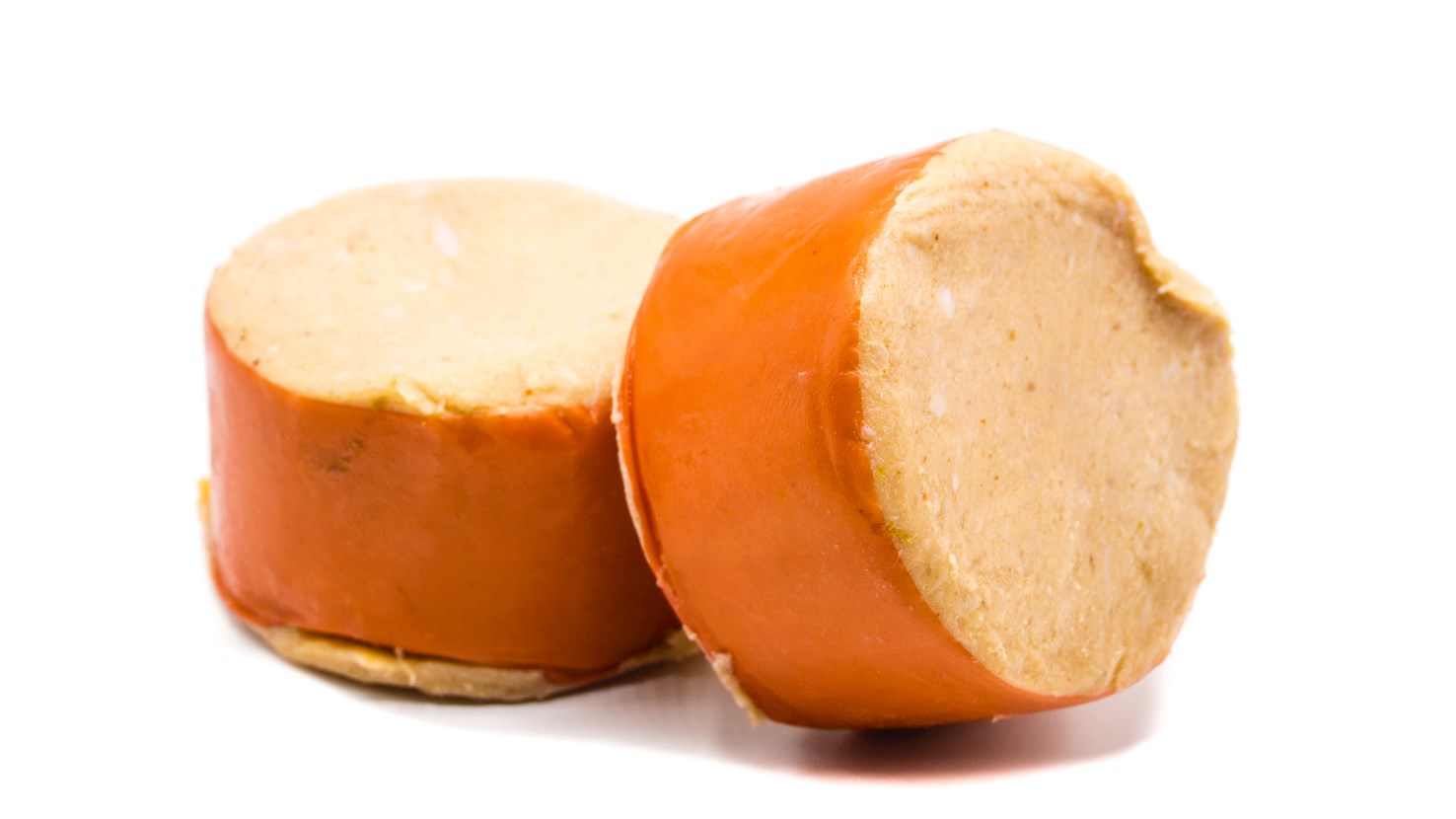
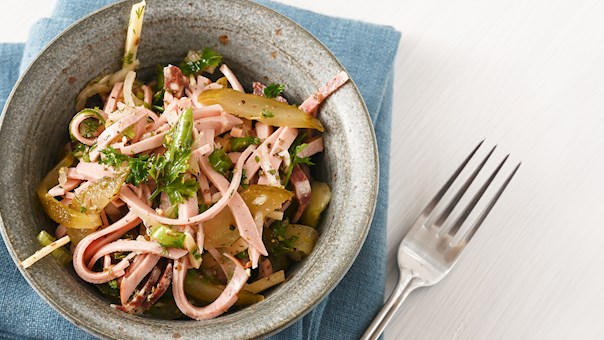
Schmierwurst, along with mettwurst and teewurst, belongs to the category of uncooked or raw sausages (rohwurst) that are typically fermented and smoked. The sausage usually consists of finely ground pork, bacon, and spices such as white pepper and coriander, which are combined into a smooth mixture and then added into a natural or artificial casing. The preparation of the final product involves fermentation and gentle smoking, yielding a soft sausage that is perfectly good to be enjoyed without additional cooking and can easily be spread over a slice of bread. It is this distinctive soft and spreadable nature of the sausage that has probably been the reason why it had earned the name schmierwurst, meaning smear sausage or sausage spread.
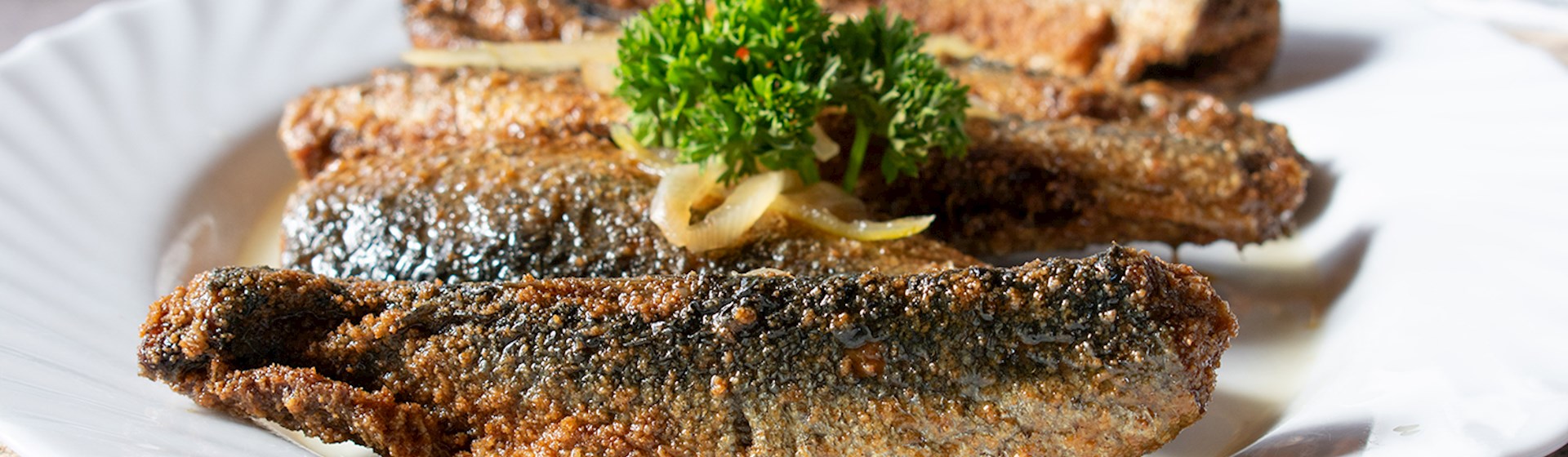
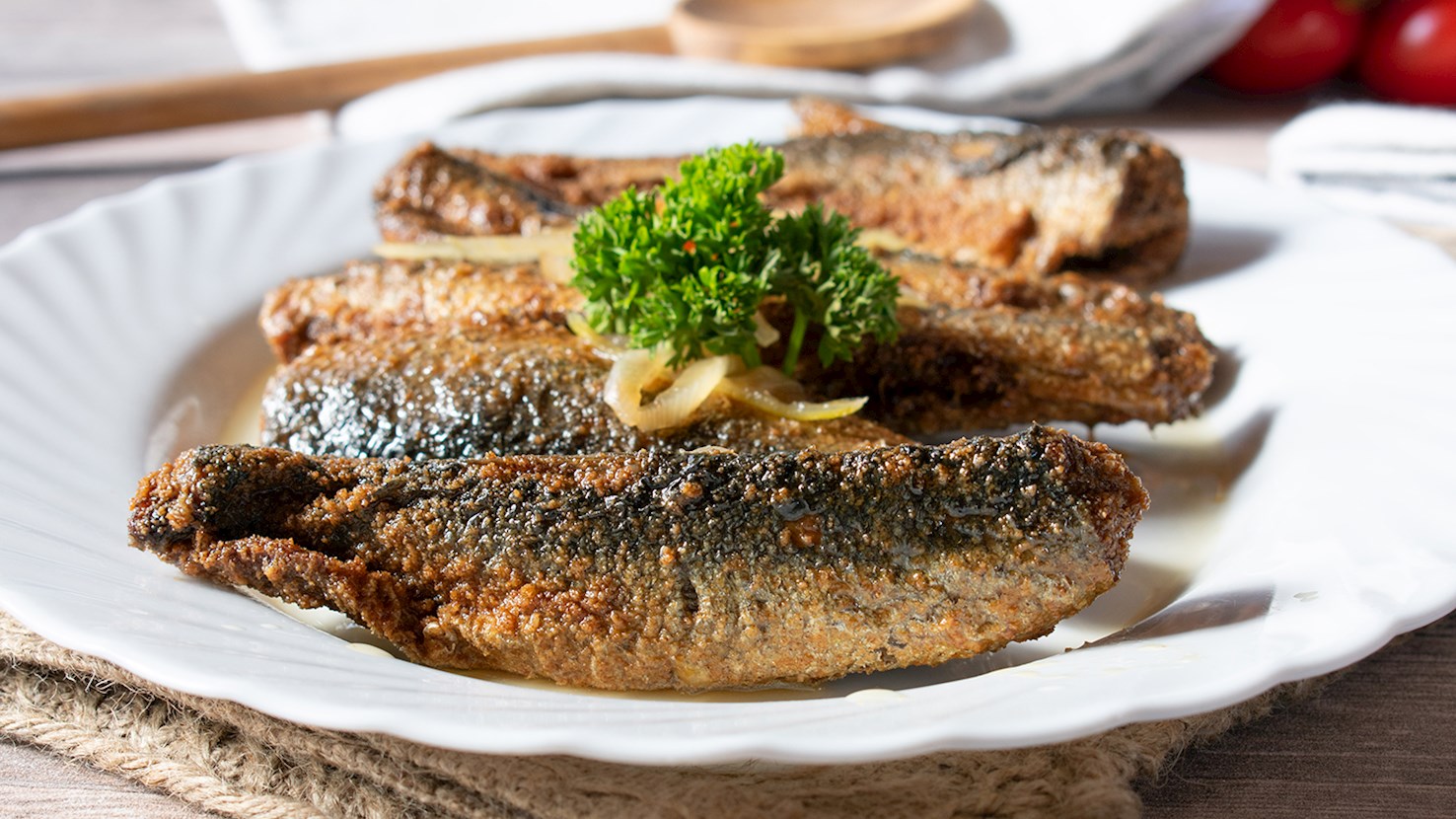
Brathering is a traditional fish dish originating from Germany, consisting of marinated fried herring. Fresh herrings are rolled in flour or breaded, pan-fried, and marinated in a mixture of white wine vinegar, onions, sugar, salt, pepper, mustard seeds, and bay leaves. The dish is traditionally served cold, and it’s typically accompanied by fried potatoes, rösti, or potato salad. The herrings can also be used in sandwiches, and nowadays canned brathering can be bought in most stores. The dish is usually enjoyed for lunch or as a snack at street food stands.
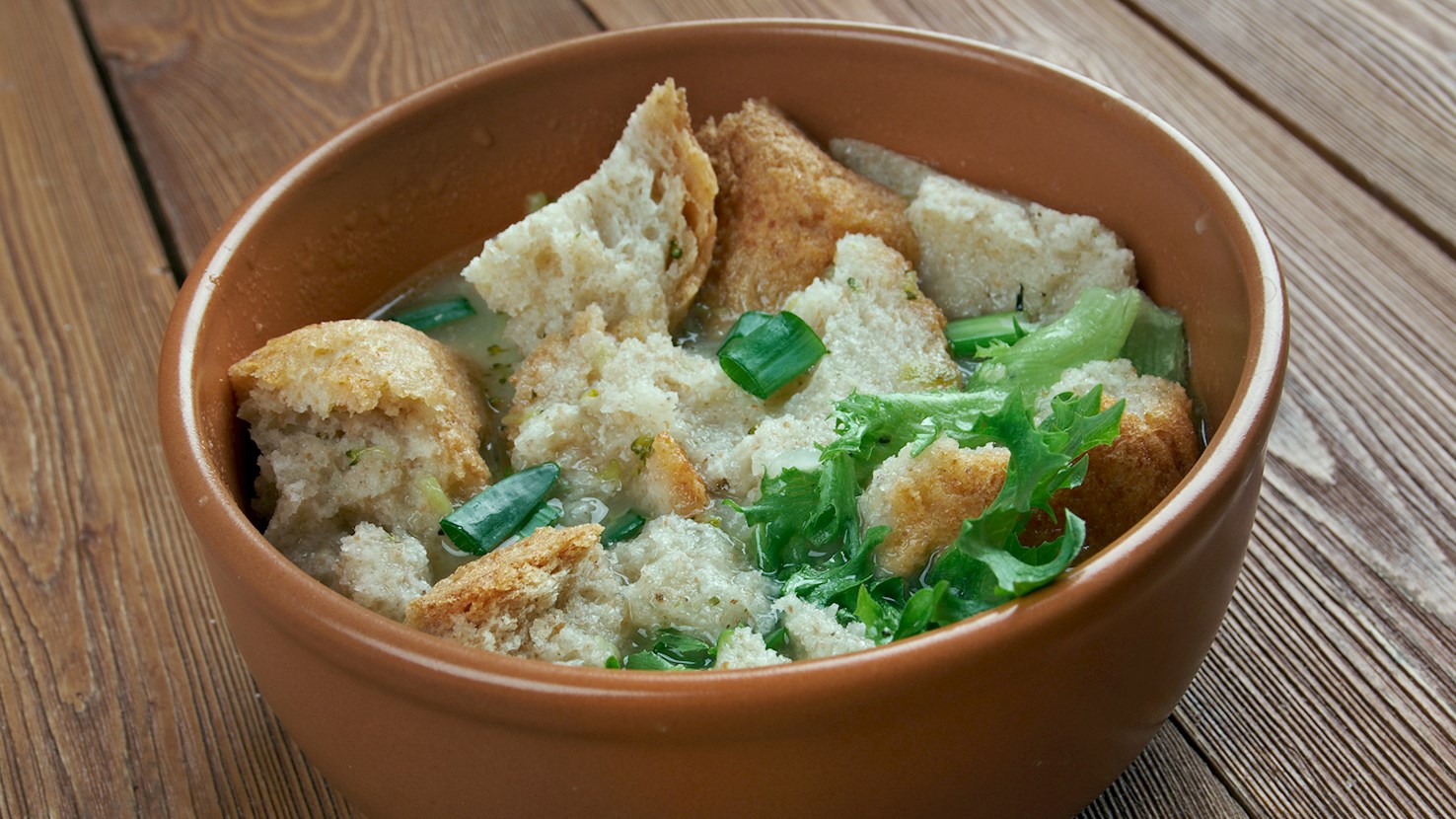
Brotsuppe, meaning bread soup, is a humble German dish based on stale bread and meat broth (usually beef) or vegetable broth. Pieces of leftover bread (usually rye bread) are fried in butter or lard alongside onions until nicely colored and crispy before they are added to a hot broth seasoned with salt and pepper and enhanced with aromatic spices such as marjoram, caraway, or nutmeg. Some variations of the soup call for the addition of meat, egg yolks, or cream for extra flavor, and a more filling meal. Brotsuppe is also often referred to as fränkische brotsuppe as it is mainly associated with the region of Franconia, although different versions of the soup have been traditionally consumed in other parts of the country as well. Vegetarian bread soups have been a common dish prepared during Lent, especially in the rural areas. This simple soup is typically served piping hot, and it is often finished with freshly chopped chives, parsley, or lovage on top.
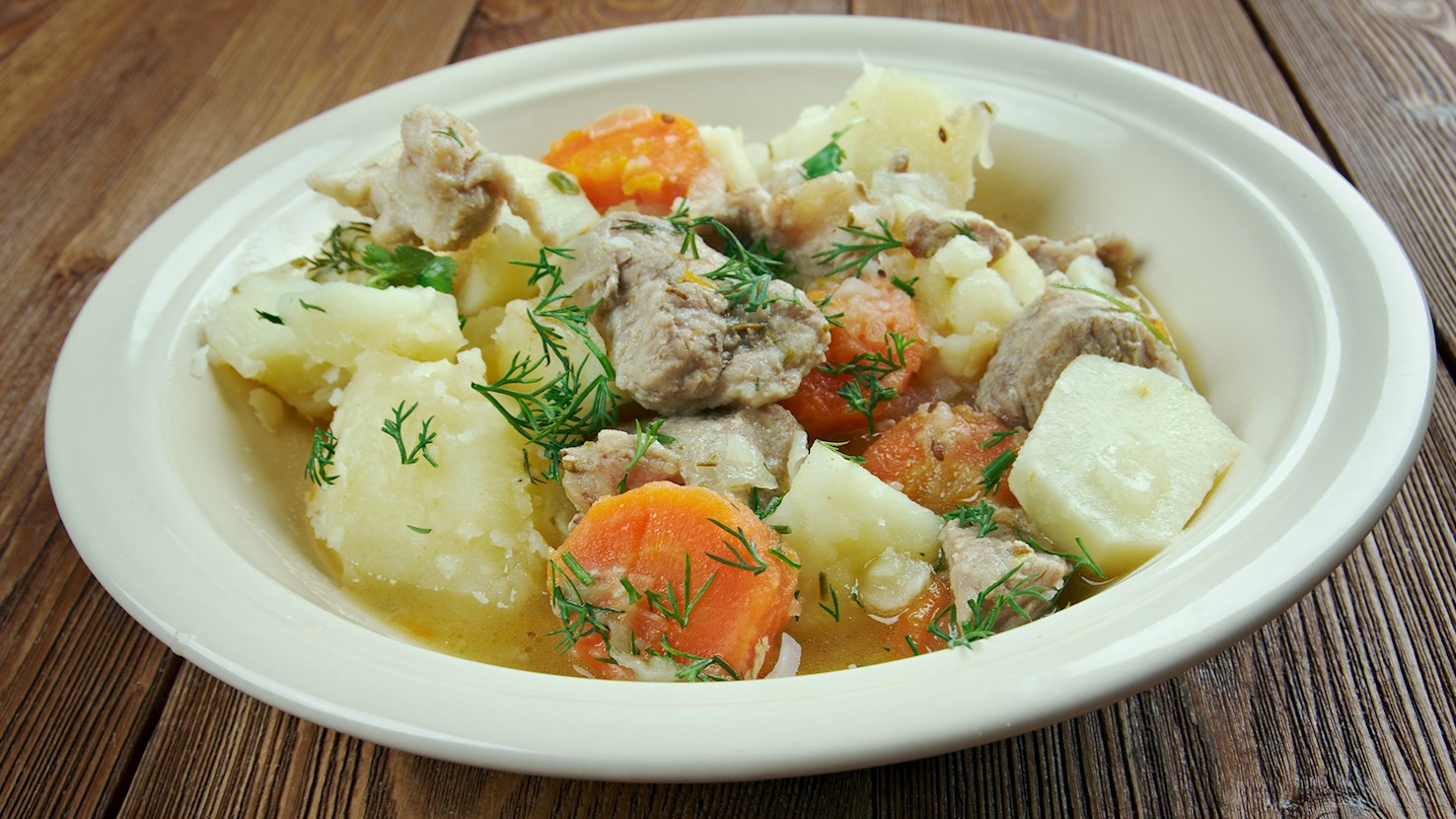
Pichelsteiner is a thick German stew made with several kinds of meat and vegetables. Pork, beef, and mutton are the main ingredients alongside potatoes, carrots, cabbage, and leeks. Various other vegetables can be added for extra flavor, such as onions, celery, and garlic. The stew is seasoned with salt and pepper, then sprinkled with fresh parsley. Pichelsteiner is considered an all-time classic in Bavaria, where the dish originated from in the 19th century. Auguste Winkler, an innkeeper from the small village of Grattersdorf, is credited with inventing the stew at an open-air cooking festival in 1879. The first mention of this dish appeared in a German cookbook from 1894. Since then, Pichelsteiner became associated with open-air cooking festivals in Germany. It is traditionally served piping hot on cold and rainy days.
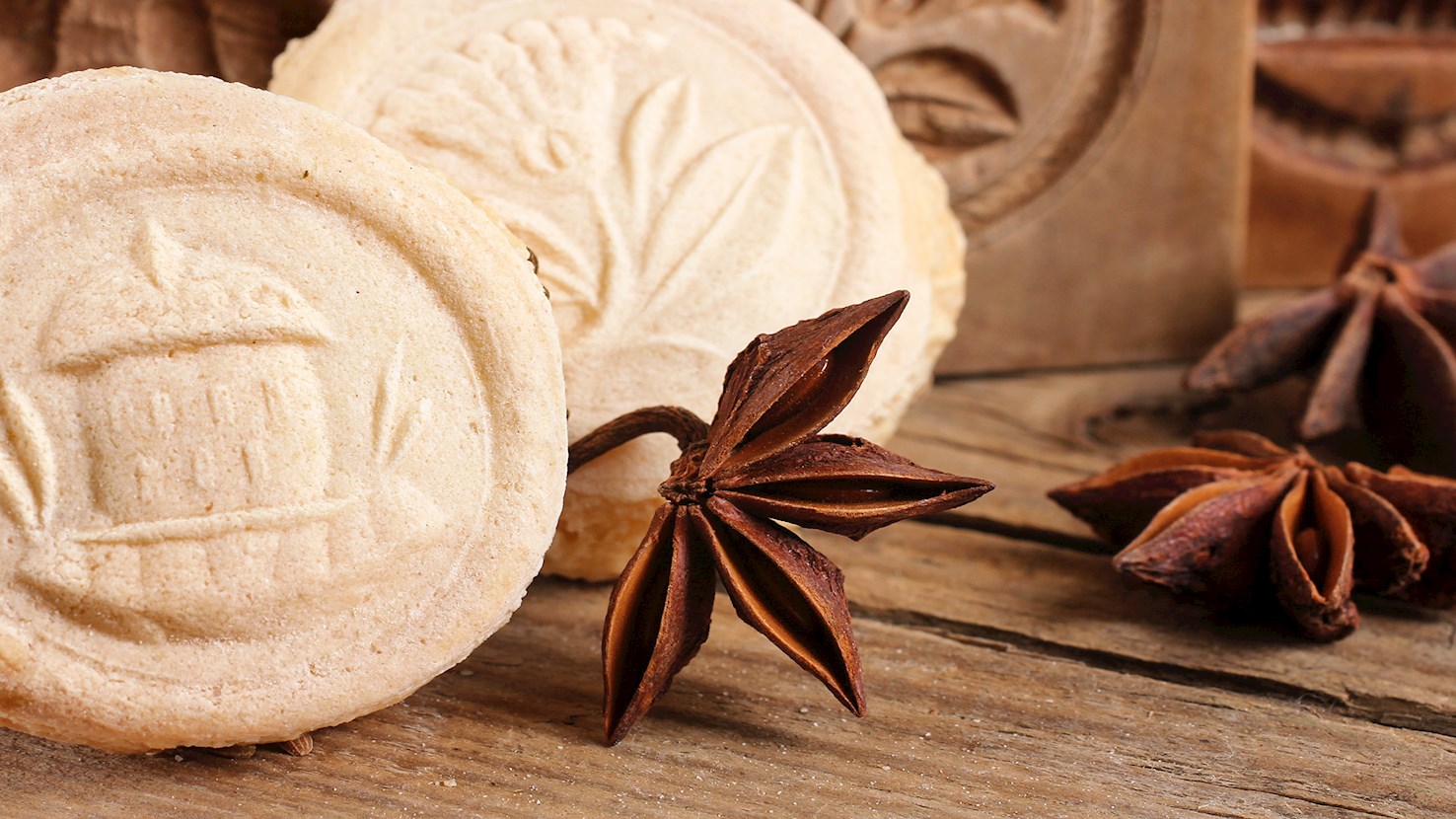
Also known as little jumper or little knight, springerle is an anise-flavored biscuit made from wheat flour, eggs, and powdered sugar. In the past, the dough used to be leavened with hartshorn salt, but modern day recipes typically use baking powder. The designs and images on top are made with flat molds, presses, and boards, or specially crafted wooden rolling pins. The origin of these biscuits can be traced back to southwestern Germany and the 14th century. The oldest mold for springerle comes from Switzerland, and it was also made in the 14th century.
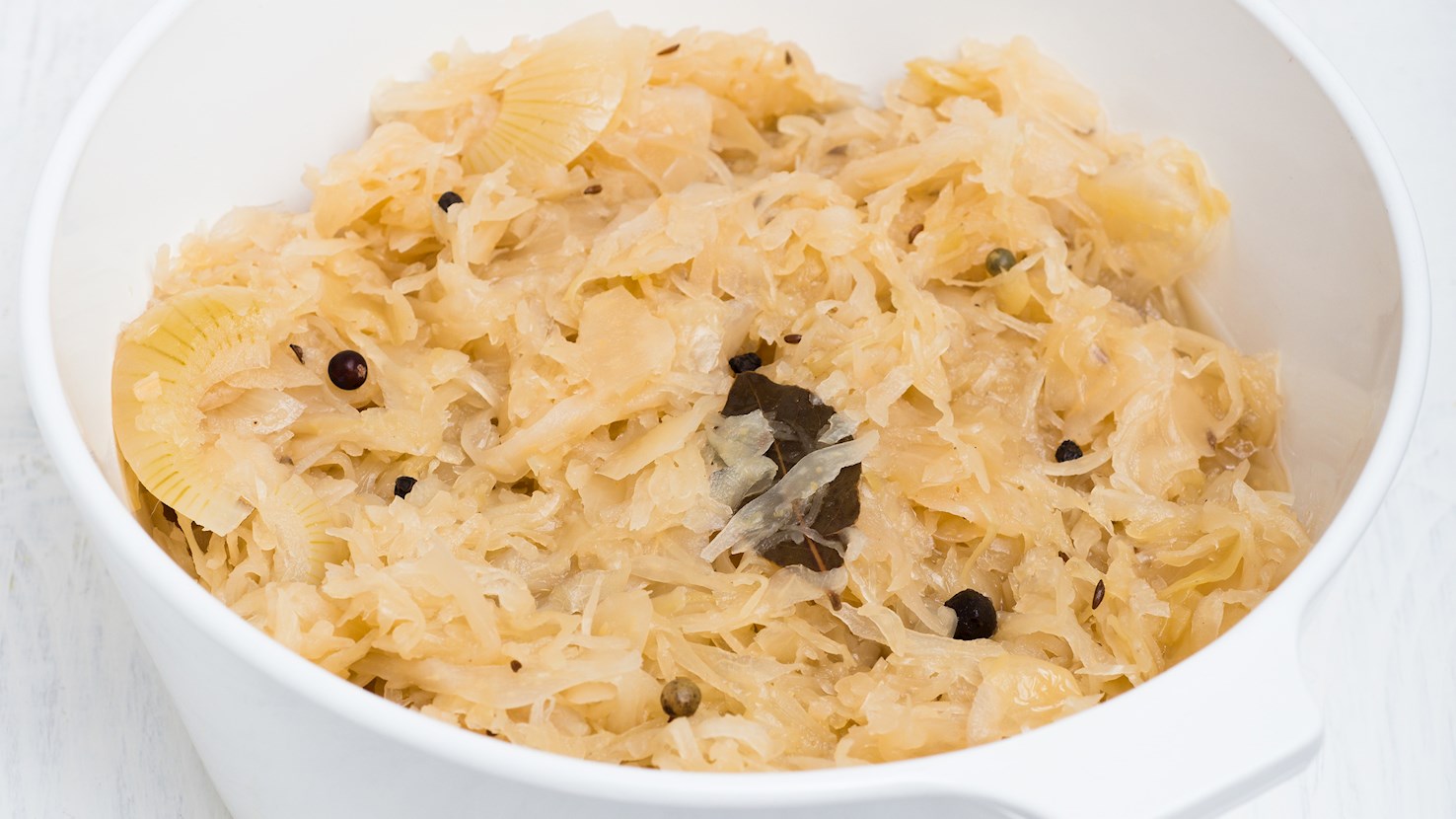
Weinkraut is a traditional side dish and a version of the famous sauerkraut. It's usually made with a combination of sauerkraut, butter, onions, sweet apples (e.g. Red Delicious), bay leaves, juniper berries, white wine, and peppercorns. The onions are sautéed in butter until translucent, and then mixed with thin strips of apple, sauerkraut, juniper berries, bay leaves, peppercorns, water, and white wine. The dish is cooked over low heat until the sauerkraut is not too dry nor too liquid and it's then served with grilled sausages.
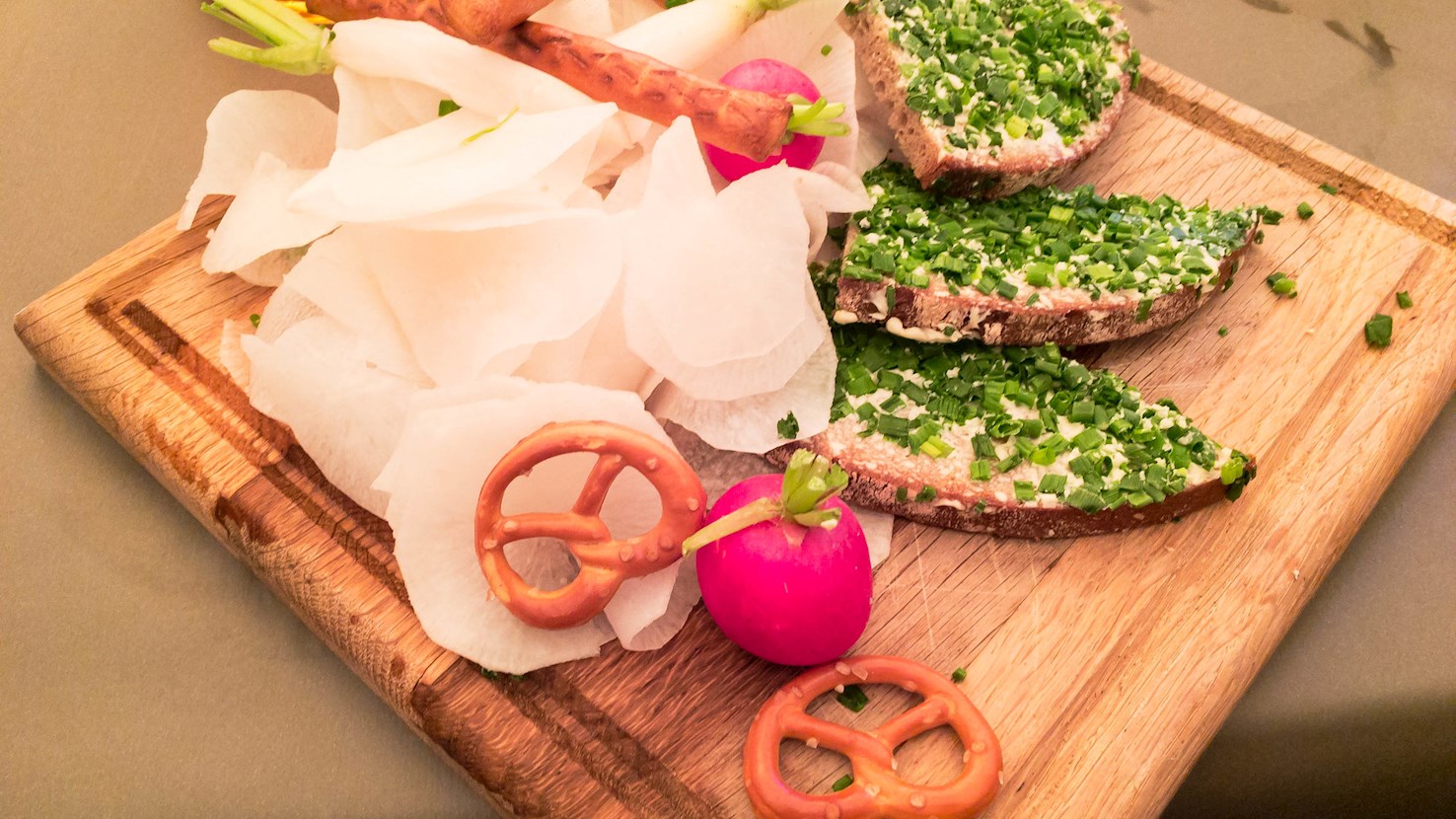
Radi is a traditional snack originating from Bavaria. The snack is made by spiralizing a radish, then sprinkling it with salt, and sometimes ground pepper and chives. This radish-based snack is always served with beer and it’s eaten with the fingers. A German pretzel on the side is also a common option. The type of radish used for radi should be the locally grown Munich beer radish. Radi is especially popular during the famous Oktoberfest.
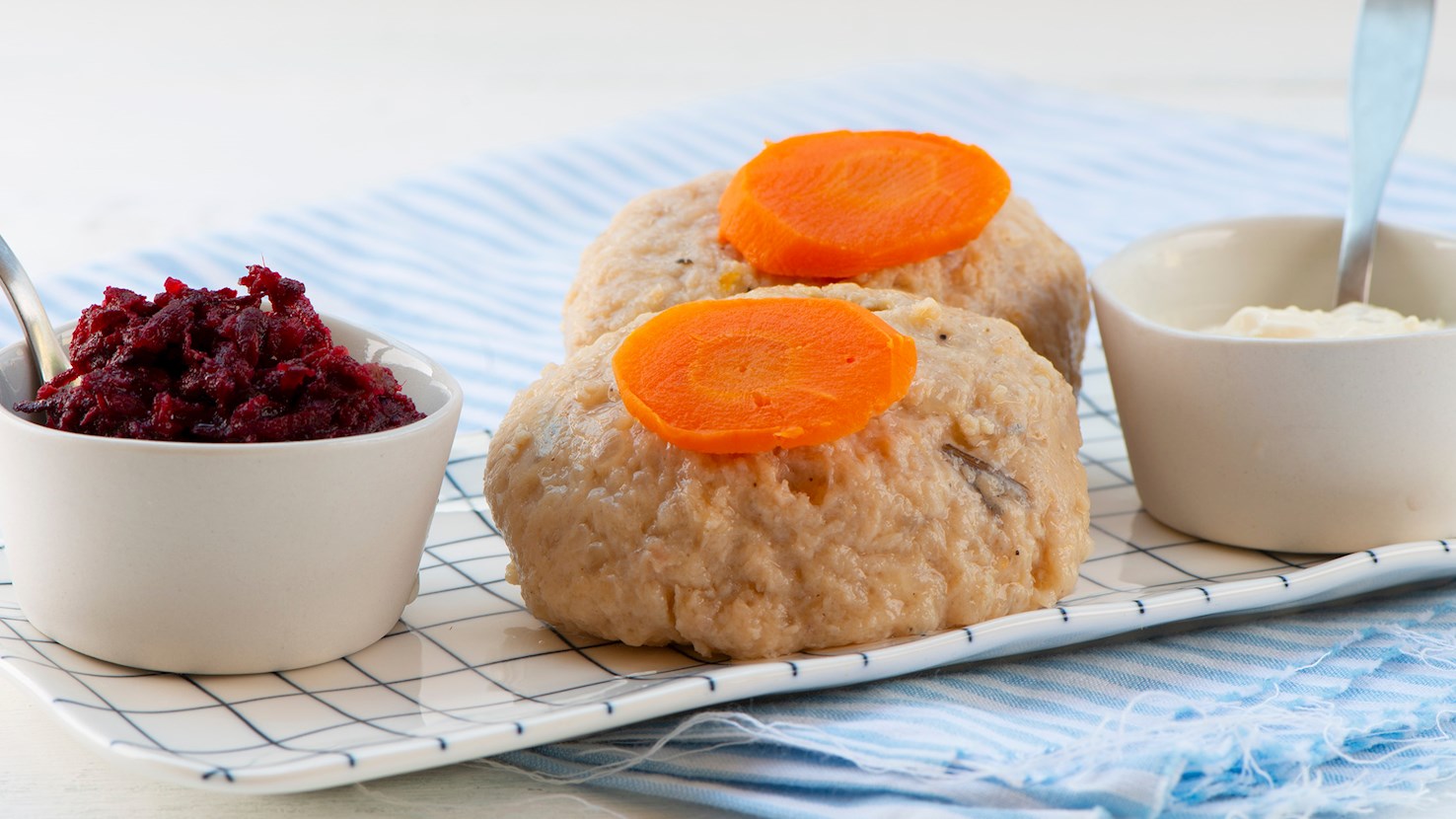
Gefilte fish, or stuffed fish (from gefilte, which means filled or stuffed in Yiddish), is a ubiquitous Jewish appetizer that is based on chopped or ground fish. This dish is typically prepared with ground carp, pike, or whitefish that is combined with a variety of other ingredients before it is shaped into balls or oval patties, which are then usually simmered in fish stock. Typical ingredients that go into gefilte fish include matzo meal, eggs, onions, carrots, leeks, parsley, goose fat or oil, and various seasonings and spices such as salt, pepper, allspice, sugar, cinnamon, or bay leaves. Gefilte fish may be more on the savory side, with a distinctive peppery flavor, as it is usually prepared in countries such as Lithuania and Russia, or sweet, a version that is typical of Polish cuisine. Believed to date back to medieval Germany, this specialty has been attributed to the Ashkenazi Jews, and despite the many different theories regarding its creation, the dish has most likely been invented out of poverty and the need to feed many people with as little expense as possible. Today, gefilte fish balls or patties are available in jarred or frozen versions, though many people prefer the homemade versions over the store-bought ones as these are almost always rather bland-tasting and unappetizing. The dish is usually enjoyed chilled or at room temperature, topped with boiled carrots and onions, and accompanied by a side of chrain (ground horseradish, often mixed with beets). Gefilte fish has been traditionally consumed for Shabbat, although it is also eaten for a number of Jewish holidays such as Passover Seder and Rosh Hashanah, the Jewish New Year.
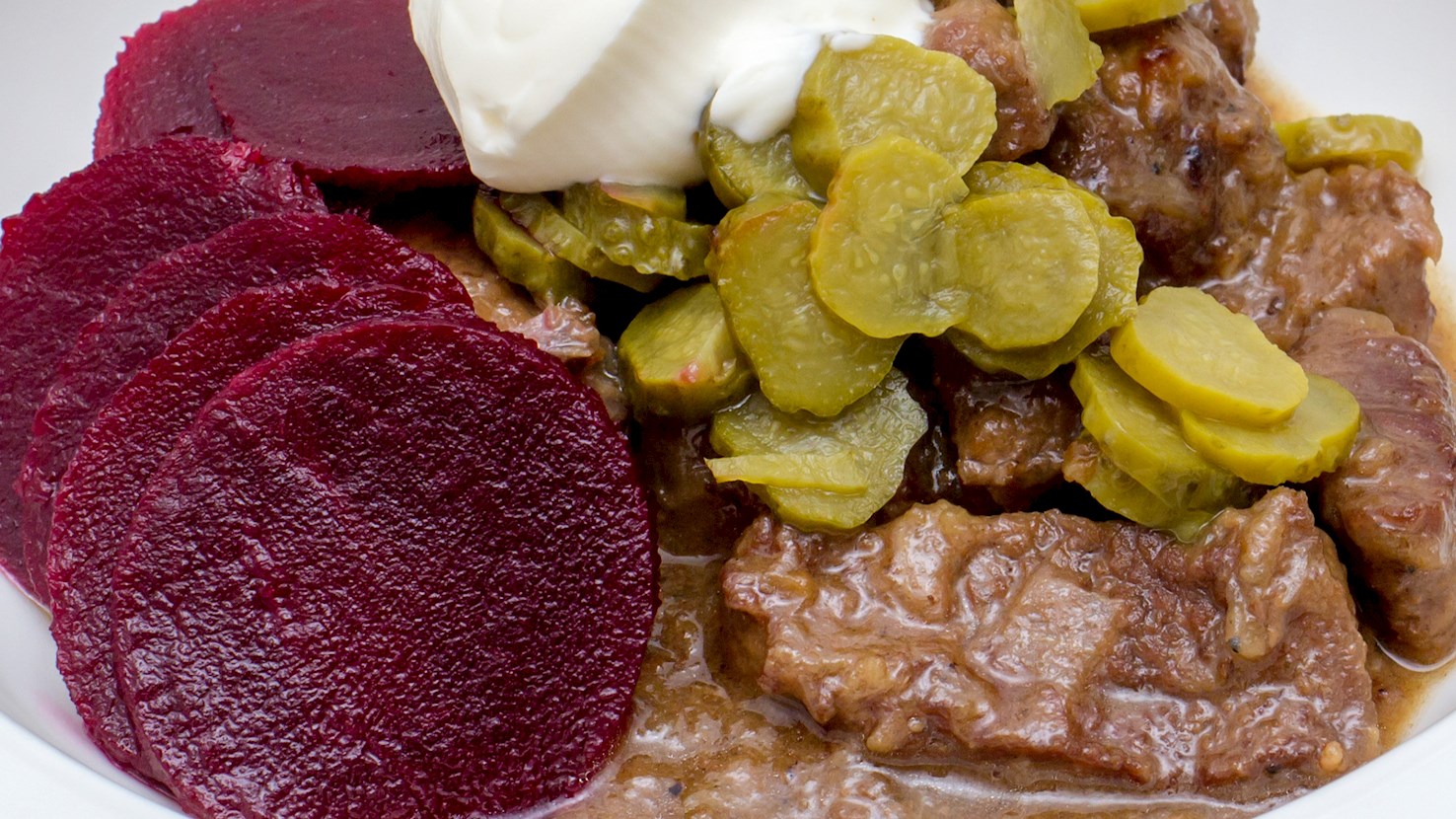
Pfefferpotthast is a traditional meat stew hailing from Westphalia. It consists of pieces of beef that are simmered in a seasoned broth along with onions, soup vegetables, spices, and herbs. The meat is typically first browned in a little oil or lard before it's cooked with the other ingredients, and the broth is usually thickened with crumbled bread, traditionally with the classic Westphalian pumpernickel rye bread. Spices such as cloves, juniper berries, allspice, bay leaves, salt, and pepper are typically used for seasoning the broth. Warming and flavor-packed, the dish is perfect for a chilly fall or winter lunch or dinner, and it is usually accompanied by pickled gherkins, salt potatoes (Salzkartoffeln), beetroots, and a German beer on the side. The first mention of this Westphalian specialty dates back to 1378 in Dortmund, where an annual Pfefferpotthast Festival is held each September, usually at the end of the month.
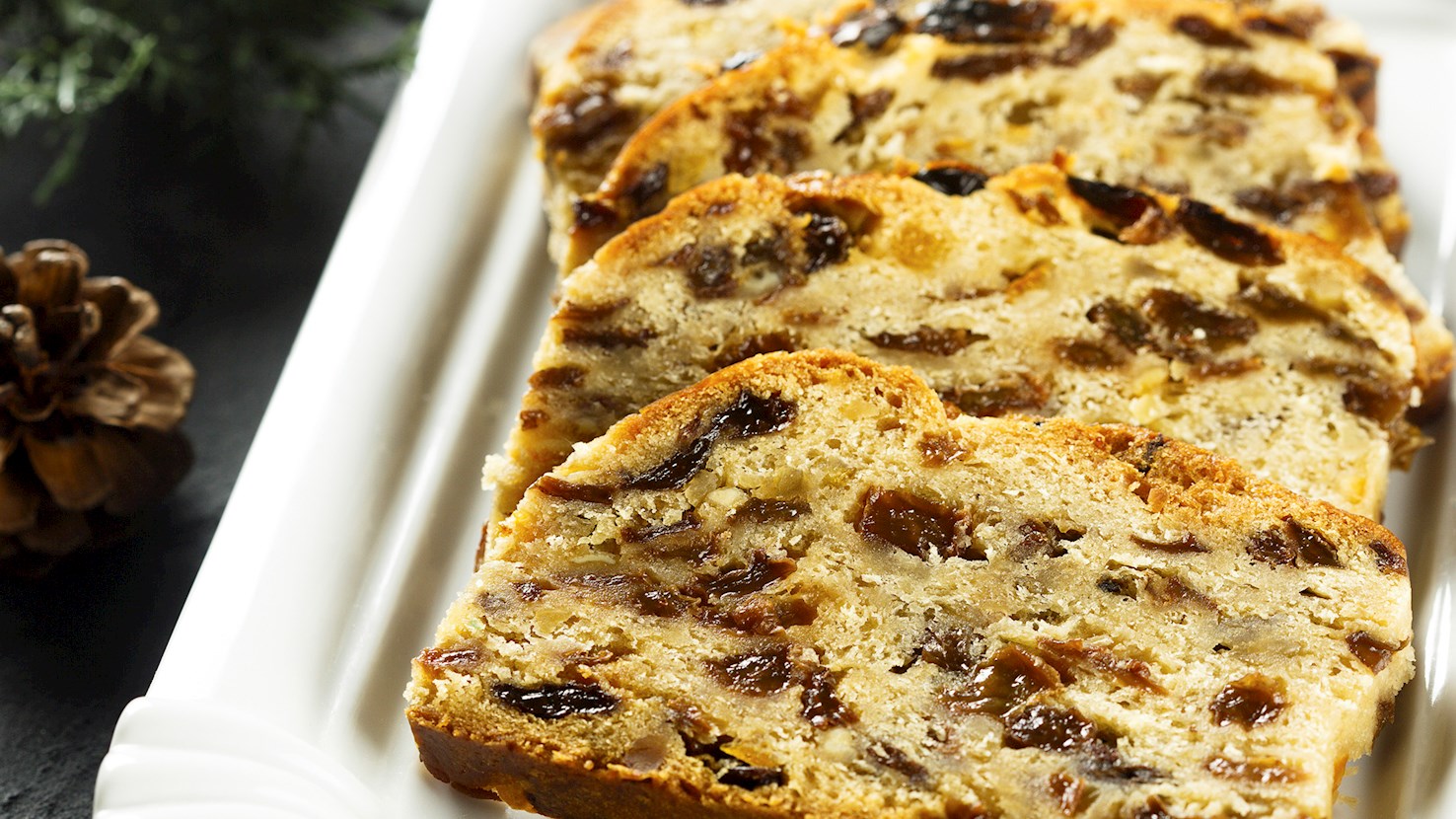
This rich sweet bread is made with a heavy yeast dough mixed with candied fruit and nuts. It is one of the many traditional specialties of Bremen's cuisine. The recipe for Klaben dates back to the 16th century, when bakers in Hanseatic League cities gained access to exotic ingredients they were able to obtain through their member cities. The sweet bread is filled with raisins, almonds, various nuts, and orange and lemon peel. It is not sugar-dusted after baking, as opposed to Dresdner Stollen. The distinctive taste of this holiday favorite comes from the addition of cardamom, rum, or nutmeg. Klaben is usually baked at the beginning of December, and it can stay fresh until Easter.
TasteAtlas food rankings are based on the ratings of the TasteAtlas audience, with a series of mechanisms that recognize real users and that ignore bot,
nationalist or local patriotic ratings, and give additional value to the ratings of users that the system recognizes as knowledgeable.
For the “100 Worst Rated German Foods” list until September 16, 2026, 18,556 ratings were recorded, of which 16,144 were recognized by the system as legitimate.
TasteAtlas Rankings should not be seen as the final global conclusion about food. Their purpose is to promote excellent local foods,
instill pride in traditional dishes, and arouse curiosity about dishes you haven’t tried.







What People Say