



shutterstock

100 Worst Rated Italian Foods

Last updated on June 17, 2026
01

Nervetti

2.1 ·

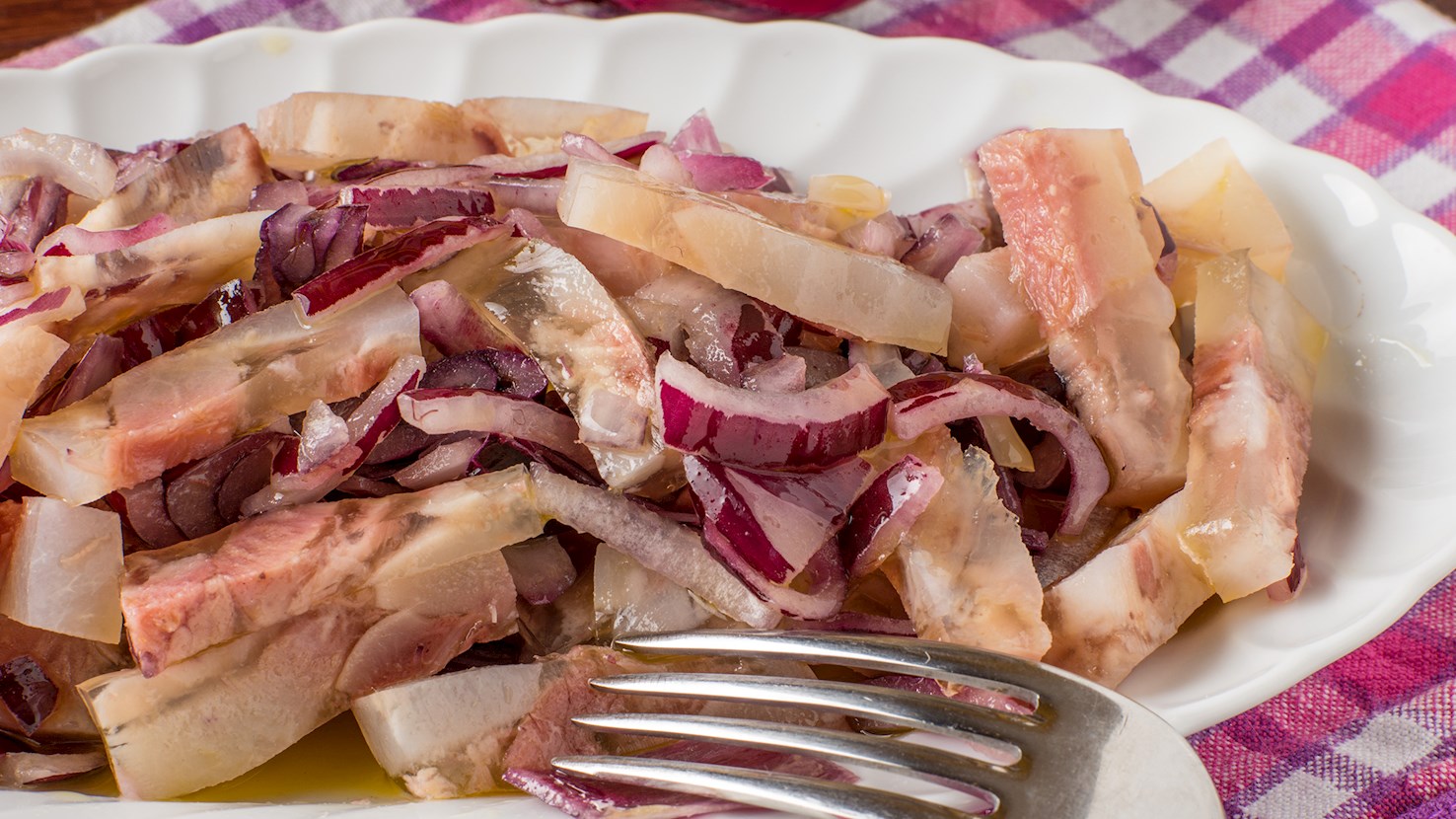
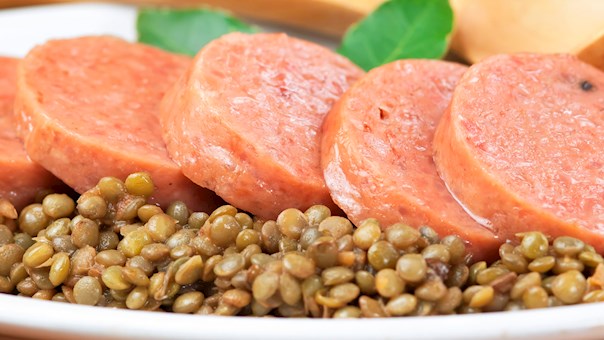
Often referred to as nervetti in insalata, this classic northern Italian dish consists of meat, cartilage, and tendons from beef shank that are cooked on the bone. When tender, all of the elements are removed from the bones and left to set, allowing the gelatinous properties to create a firm, jelly-like treat. Though it is often prepared plain, various ingredients such as olives, onions, or peppers are occasionally added to the mixture. Nervetti is always served well-chilled, thinly sliced, and is mainly combined with various vegetables. The whole combination is seasoned and served in the form of a salad that is usually enjoyed as a cold appetizer.

02

Gelato alla liquirizia

2.2 ·

Gelato alla liquirizia is a licorice-flavored gelato. It is made with a creamy base of milk, cream, and sugar, while the flavoring is attained from soft or powdered licorice. This ice cream typically has a light brown color, and it is usually garnished with soft licorice or licorice roots. Licorice gelato is mainly associated with Calabria, the biggest licorice producer in Italy, but it is also available in other Italian regions.

03

Risotto alle fragole

2.5 ·

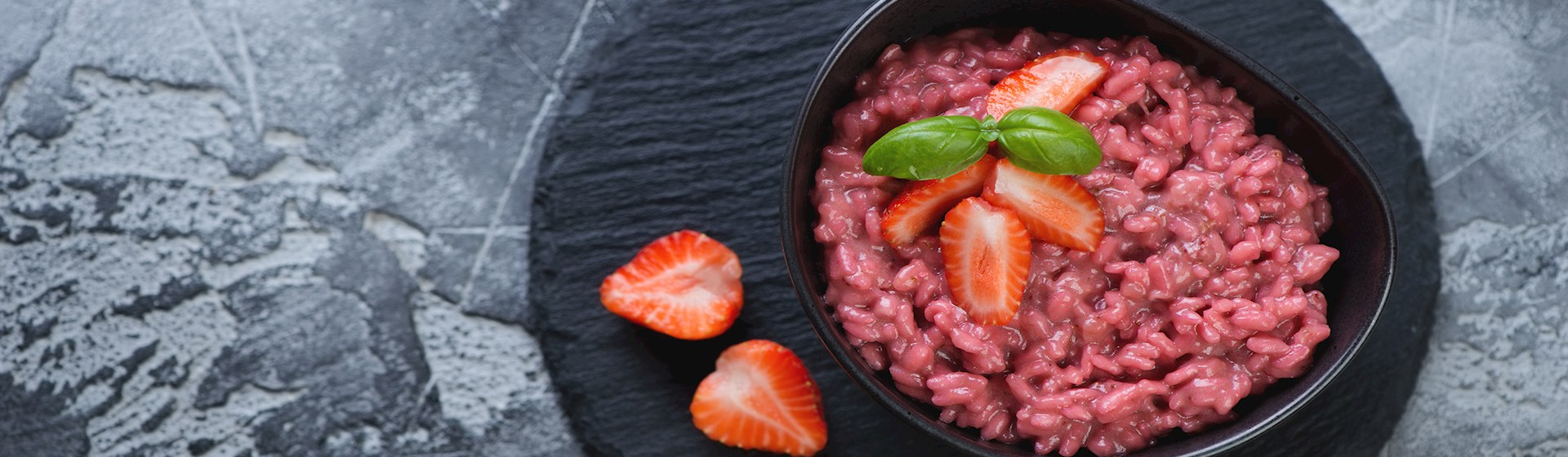
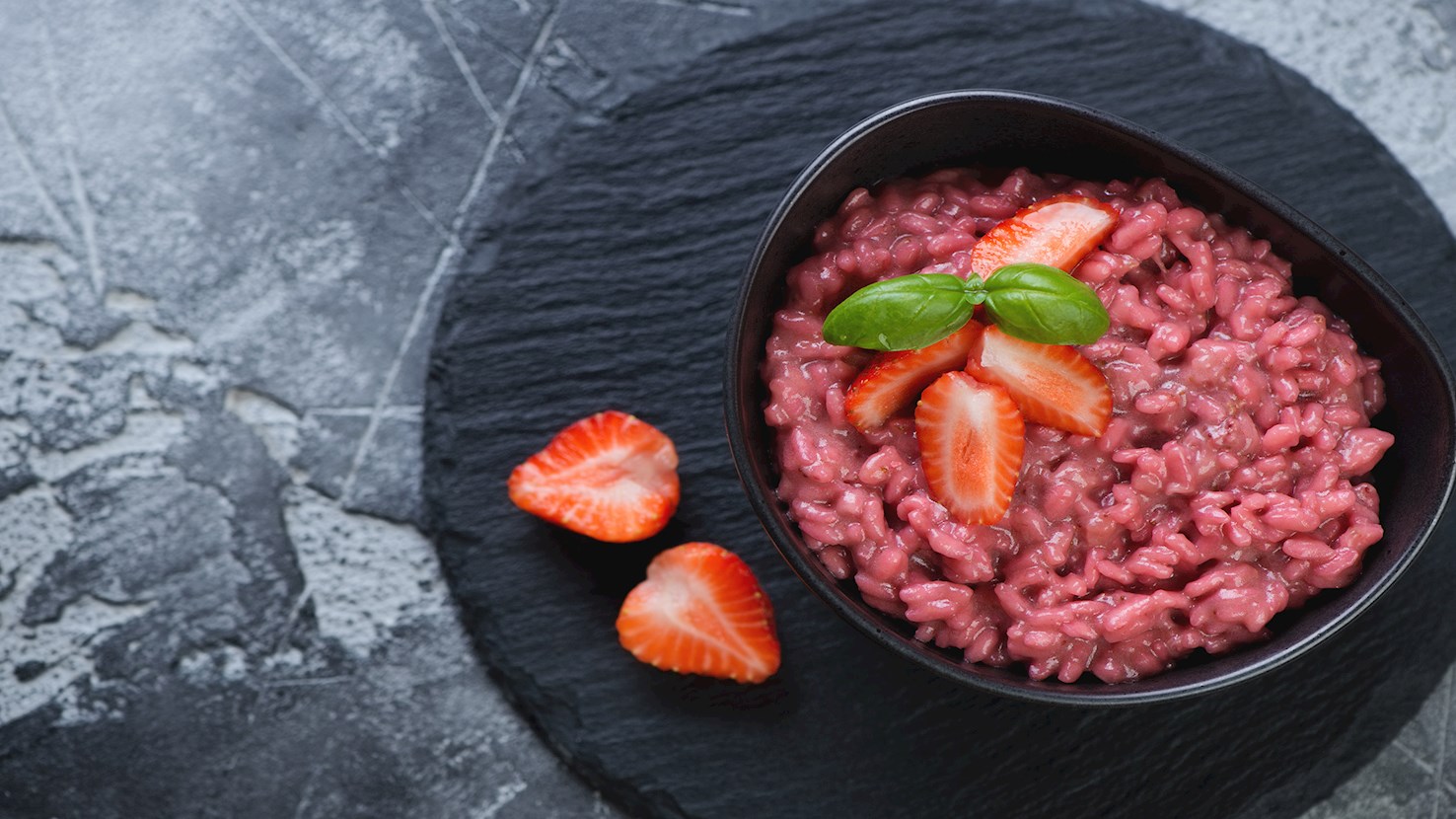
Risotto alle fragole is a popular Italian risotto with contrasting, sweet and savory flavors coming from the unlikely pairing of strawberries and rice. Other ingredients include onions, carrots, butter, white wine, and grated cheese. This risotto is best prepared in spring, when the strawberries are as fresh as they can be. It is recommended to garnish the plate with sliced strawberries, and many cooks like to add an extra touch of class by drizzling some balsamic vinegar from Modena on the rice.

Best restaurants
04

Sanguinaccio

2.5 ·

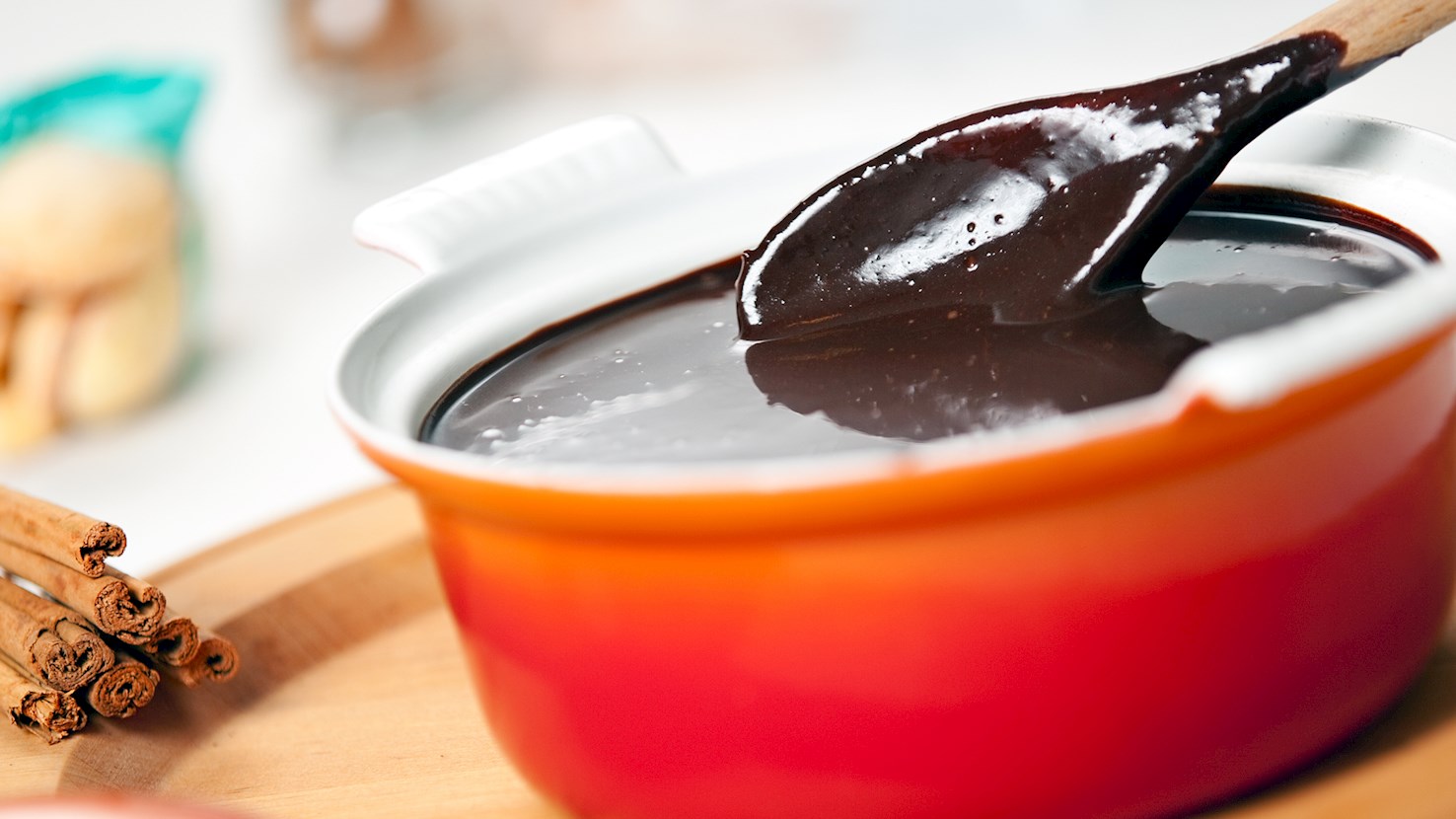
Hailing from the time when animals were butchered in a true snout-to-tail culinary fashion without a morsel going to waste, sanguinaccio emerged as a special dessert making use of those nasty but tasty bits: this Italian sweet pudding is made from fresh pork blood, milk custard, and melted bittersweet dark chocolate. For a richer version, the pudding is often flavored with cinnamon and cloves or lemon zest, and sometimes studded with raisins, toasted almonds, pine nuts, and candied fruit, whereas in some regions it is cooked with the addition of rice. In Naples and the rest of southern Italy, sanguinaccio is traditionally prepared during the Carnival season, and enjoyed with crispy fried ribbons of pastry called chiacchiere, an Italian version of angel wings, but it can also be served with cookies to dip, either the hard, crunchy biscotti or the tender Italian ladyfingers.

05

Quaresimali

2.7 ·

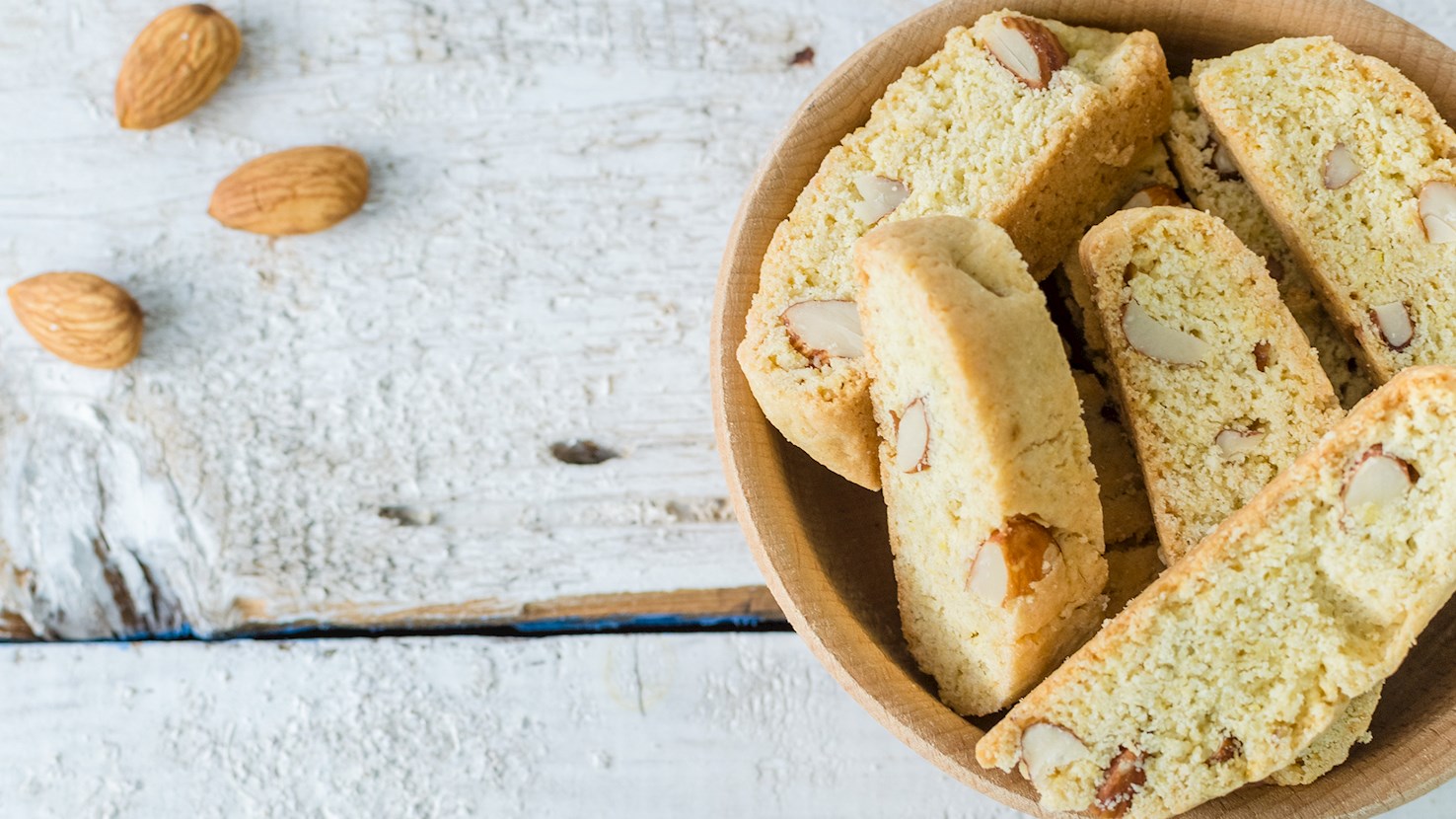
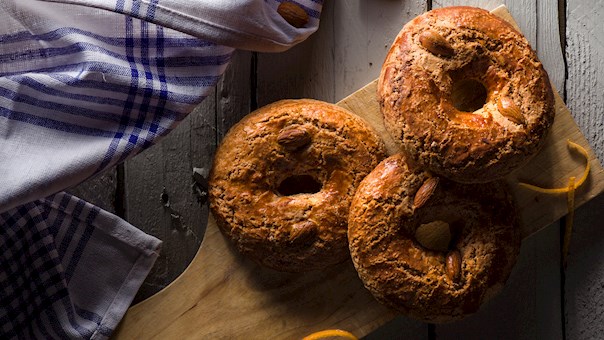
Quaresimali are traditional Italian biscuits with a crunchy texture. There are variations across the country, but most often they consists of butter, eggs, almonds, and flavorings such as cinnamon, sugar, honey, and cloves. These sweet treats are traditionally baked for Lent, since quaresima means Lent in Italian. They've been served for Lent since the Renaissance, when they were prepared with just flour, water, and caramelized sugar, which developed a dark color that symbolied Christ's blood.

06

Pizza mimosa

2.7 ·

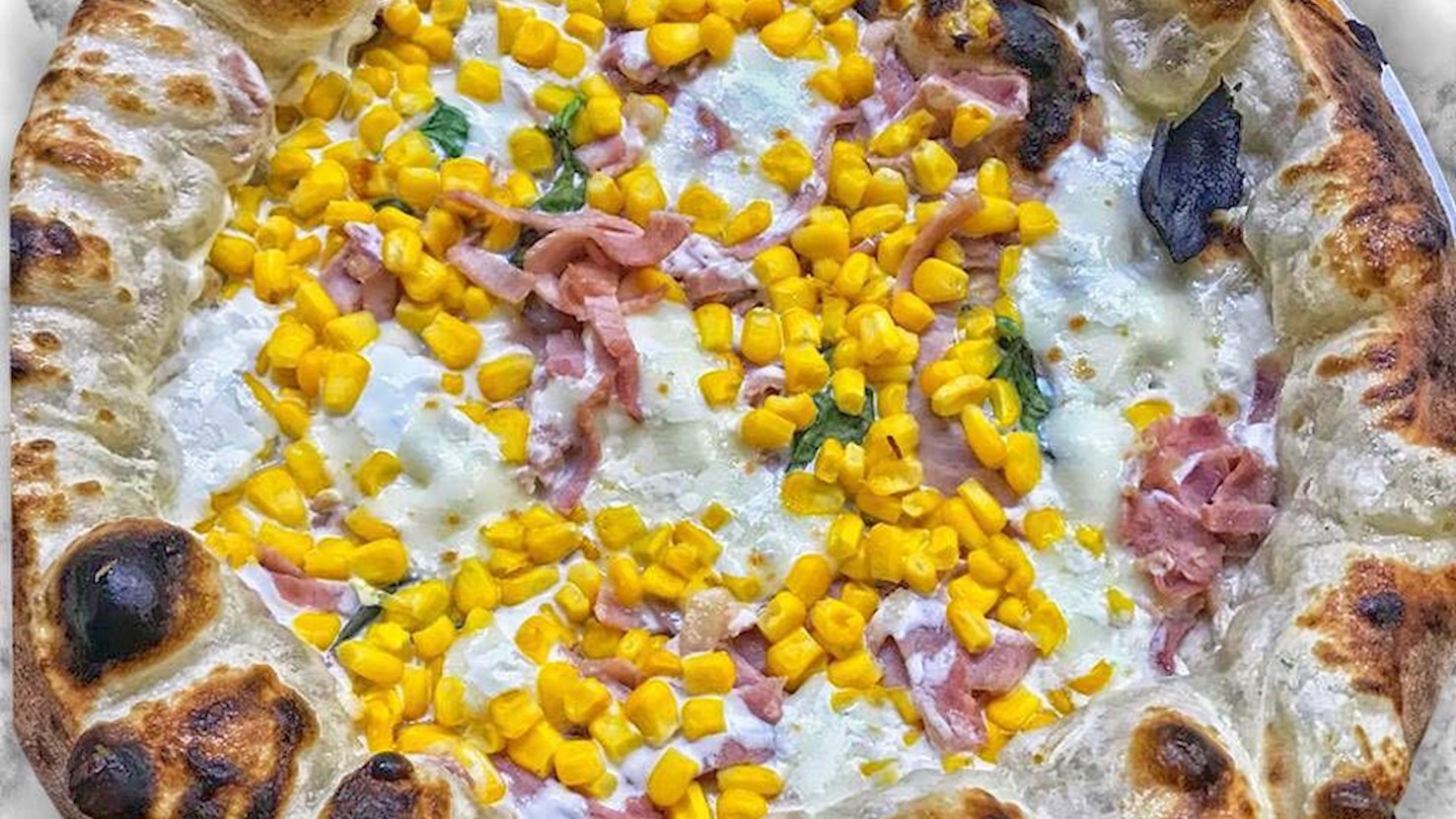
Pizza mimosa is a variety of Italian pizza bianca or white pizza that is topped with cream, cooked ham, corn, and mozzarella cheese. Commonly referred to as panna prosciutto e mais or pizza con prosciutto e mais, the pizza is usually drizzled with olive oil and garnished with fresh basil leaves. There is also a vegetarian and gluten-free version of pizza mimosa that calls for topping the pizza with scamorza cheese or mozzarella, arugula, and olive oil. Pizza mimosa is occasionally prepared with a layer of tomato sauce underneath the creamy and cheesy toppings.

07

Trippa alla Romana

2.8 ·

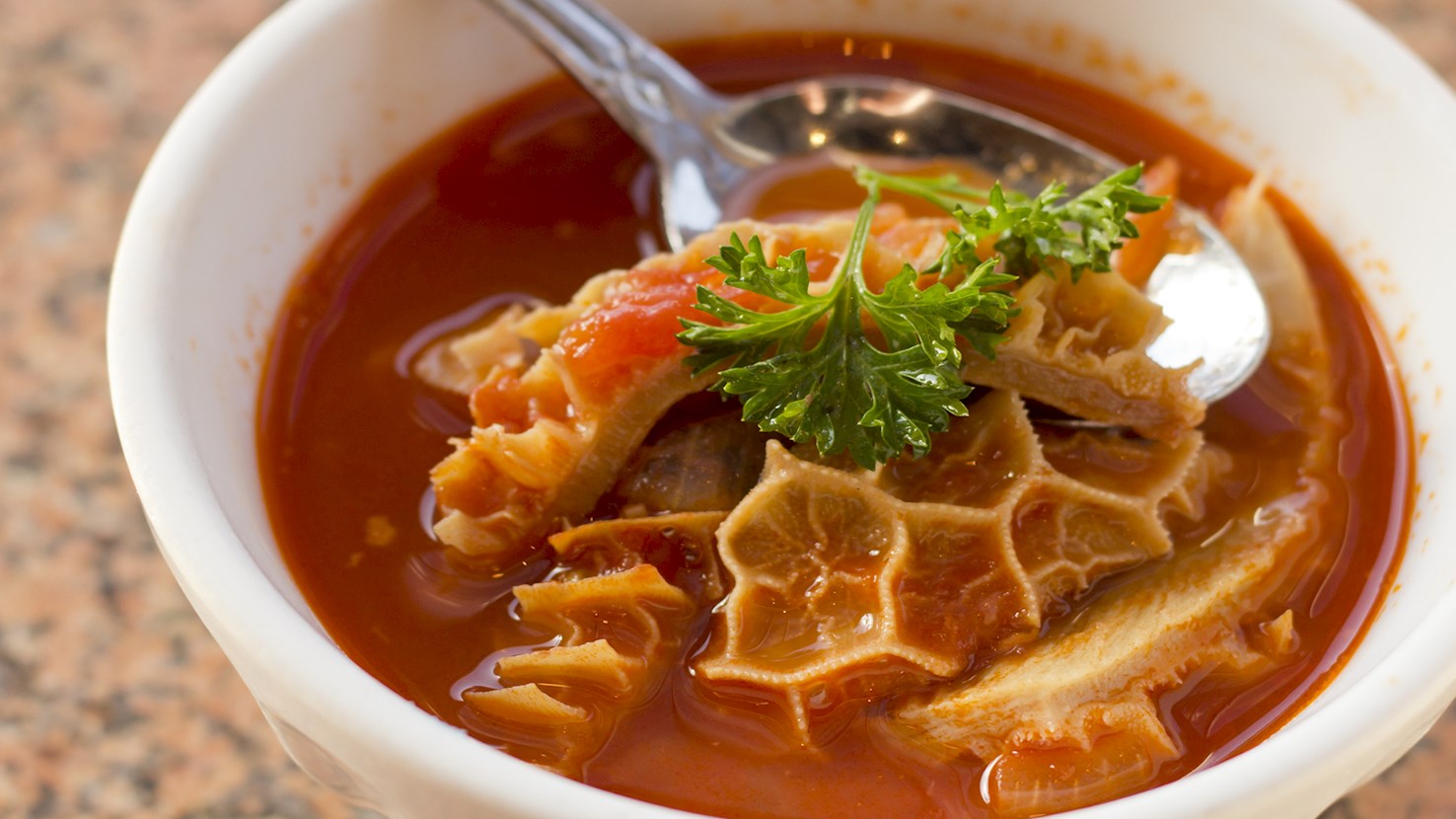
This classic Roman dish is made by stewing tripe in a tart tomato sauce along with finely chopped fresh herbs. The dish is additionally flavored with garlic and onions. When ready to serve, it is recommended to finish the dish off by topping it with grated cheese such as Parmigiano Reggiano or Pecorino Romano.

08

Anicini

2.8 ·

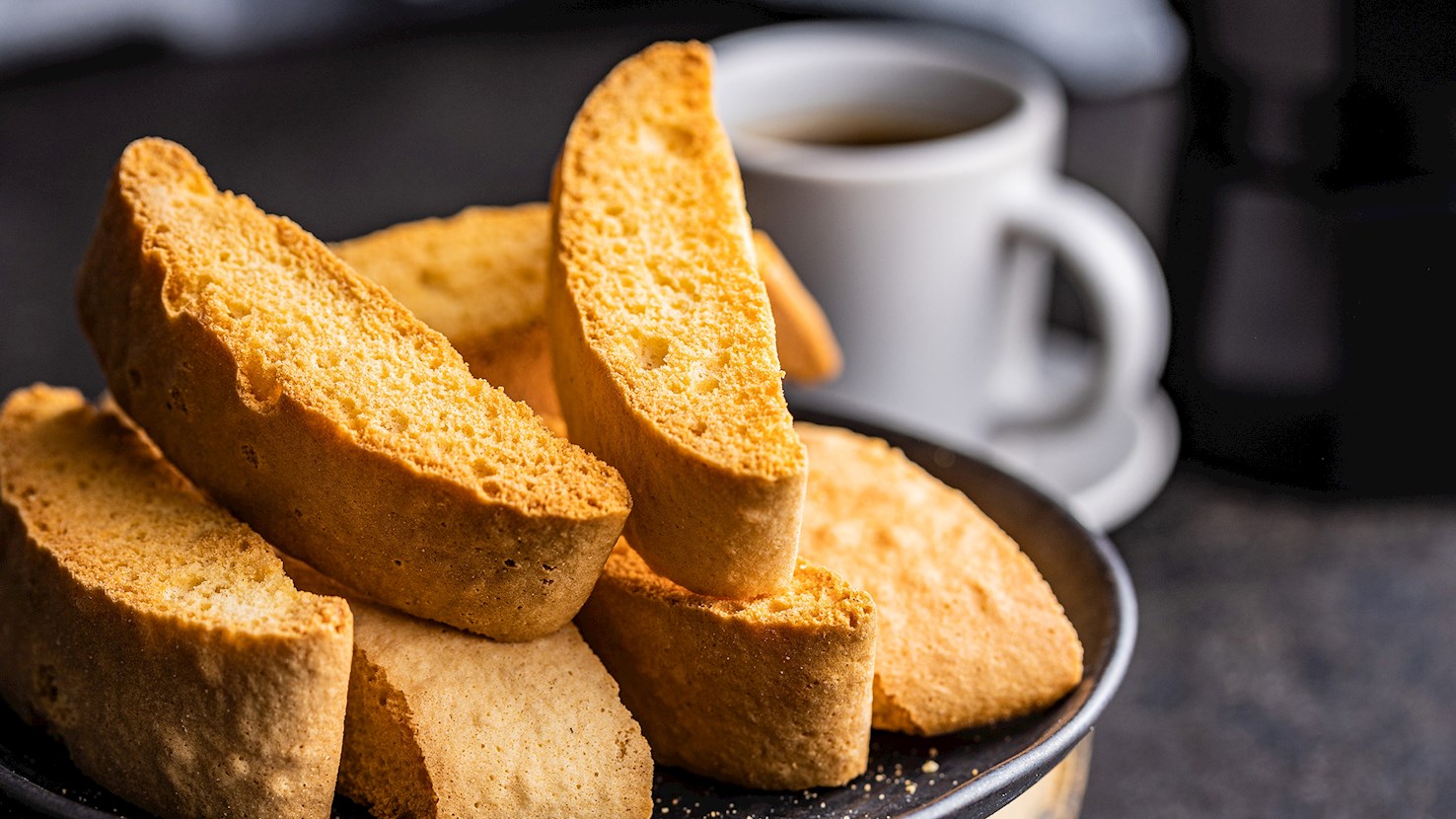
Sometimes also called finocchini, anicini are popular anise-flavored biscotti prepared in many Italian regions, but they are especially beloved in Sardegna and Liguria. First, a loaf made with eggs, flour, sugar, orange blossom water, and aniseed is baked. After it has slightly cooled, the loaf is carefully sliced and baked again until the slices turn golden and crispy. Delicate, light, and crunchy, anicini are perfect cookies for dunking in coffee or milk, but due to digestive properties of aniseed, they are also perfect for fine pasto, served at the end of a meal.

09

Insalata di carciofi e bottarga (Artichokes and Bottarga Salad)

2.8 ·

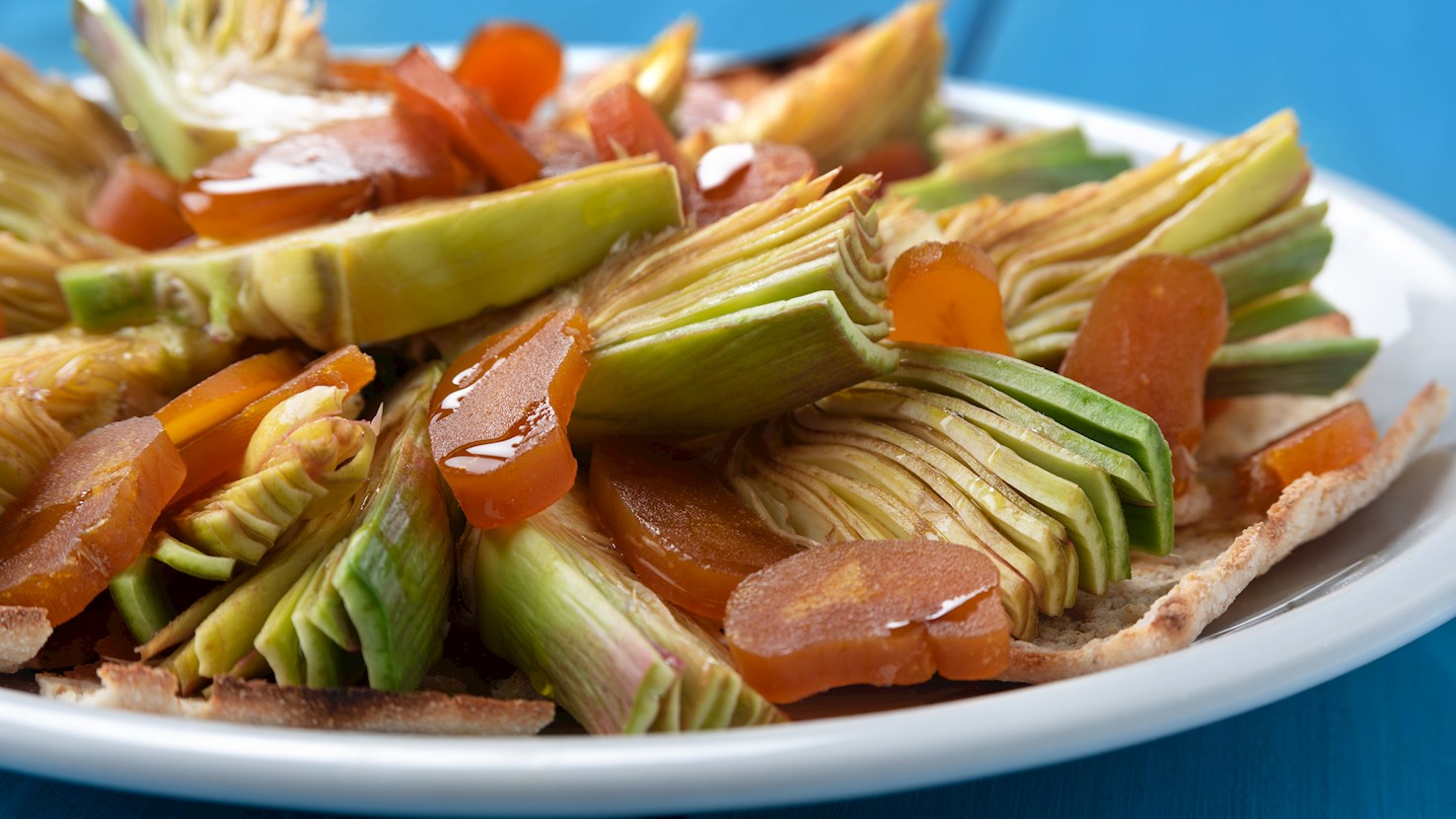
Insalata di carciofi e bottarga is a traditional salad originating from Sardinia. The salad is usually made with a combination of artichokes (kept in lemon water), lemon juice, olive oil (preferably local), salt, radicchio, and bottarga. The artichokes are sliced and dressed with a mixture of lemon juice and olive oil. They're seasoned with salt, tossed, mixed with shredded radicchio, and arranged on a platter. The bottarga is thinly sliced and sprinkled over the top of the salad before serving.

10

Schiacciata con l'uva

2.8 ·

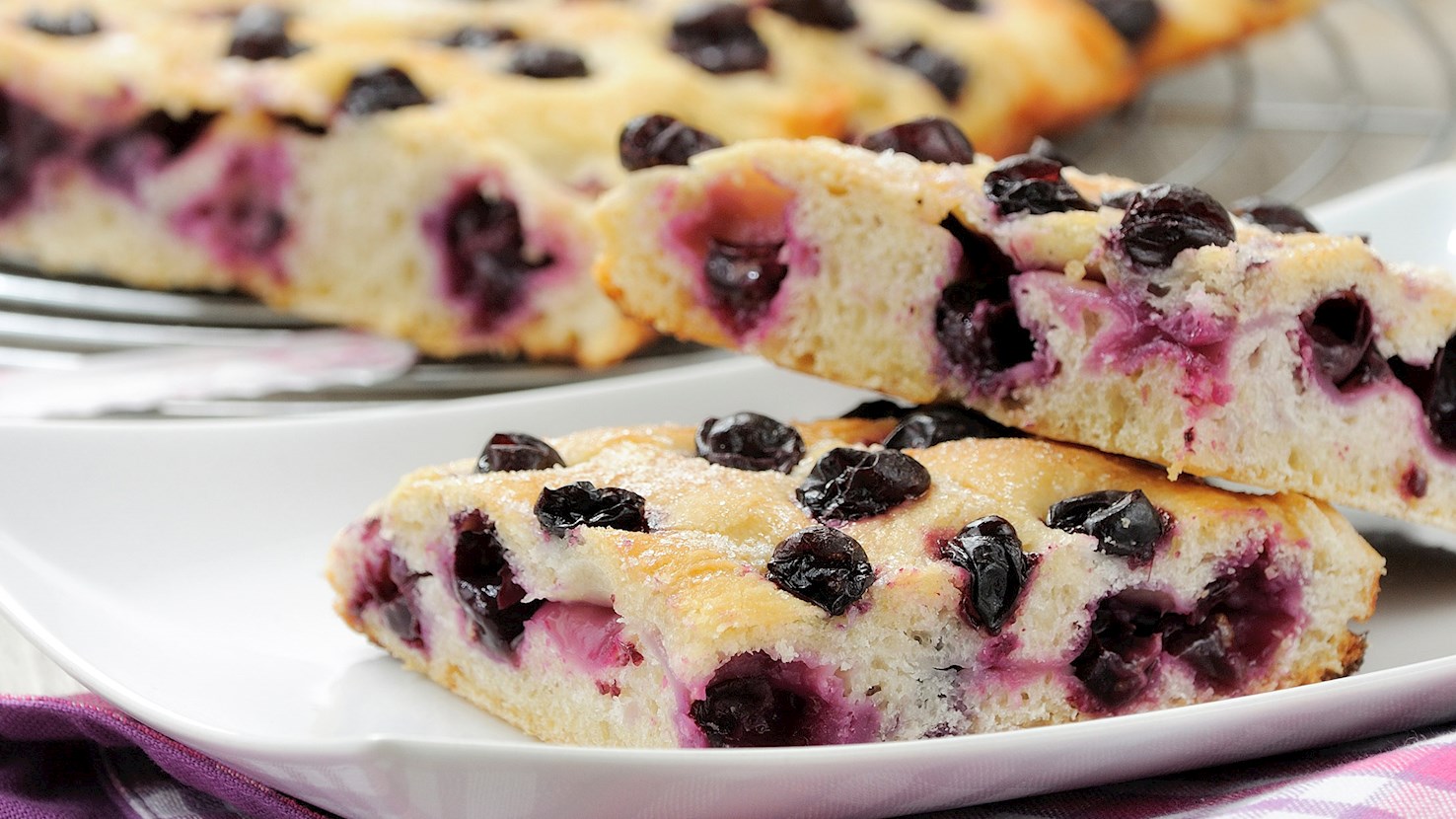
Traditionally prepared in fall to celebrate the Tuscan grape harvest, schiacciata con l'uva is considered a typical Florentine dessert or snack, even though it is often said to be of ancient Etruscan origin. It is a type of sweet, double-layered, focaccia-style flatbread studded with fresh grapes, typically of the fragrant Isabella variety. Known in Italy as uva fragola (lit. strawberry grapes), these aromatic red grapes are prized especially for their sweetness, which wonderfully complements the olive oil scented bread. This Tuscan treat can only be found in September and October, and once the harvest is over, it takes a whole year for the flavorful schiacciata con l'uva to appear again in local bakeries, when it can be enjoyed freshly baked not only for breakfast but at any other time of the day.

Read more
View all
View map
About this ranking

TasteAtlas food rankings are based on the ratings of the TasteAtlas audience, with a series of mechanisms that recognize real users and that ignore bot, nationalist or local patriotic ratings, and give additional value to the ratings of users that the system recognizes as knowledgeable. For the “100 Worst Rated Italian Foods” list until June 17, 2026, 71,291 ratings were recorded, of which 57,465 were recognized by the system as legitimate. TasteAtlas Rankings should not be seen as the final global conclusion about food. Their purpose is to promote excellent local foods, instill pride in traditional dishes, and arouse curiosity about dishes you haven’t tried.

Similar lists