

shutterstock

73 Worst Rated Korean Foods

Last updated on August 17, 2026
01

Hongeo

2.4 ·

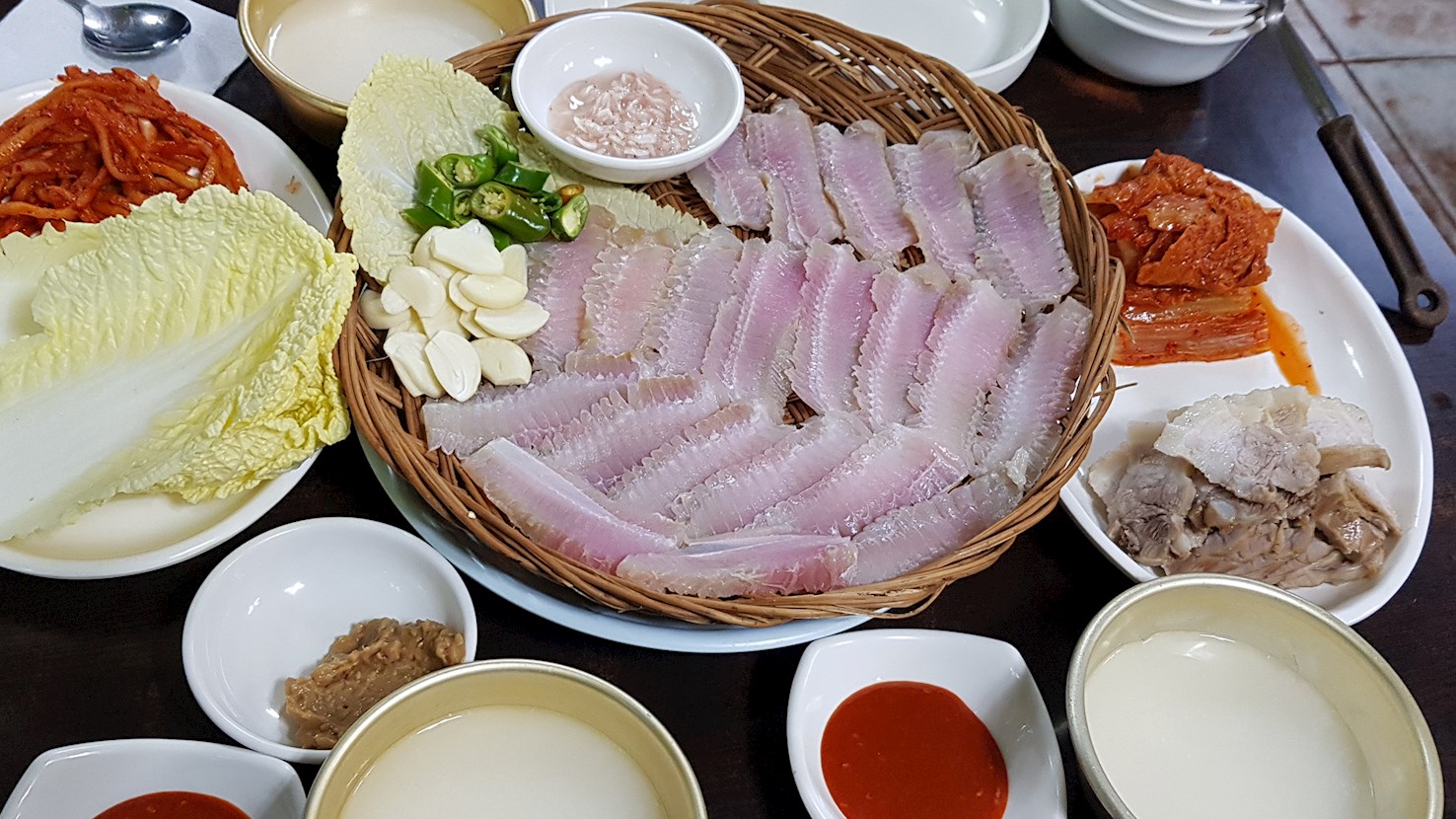
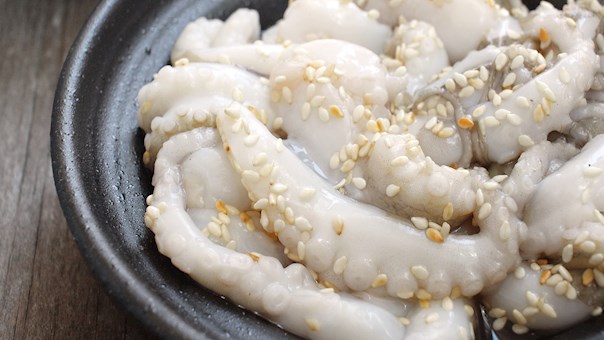
Hailing from the province of Jeolla, hongeo or hongeo-hoe is a South Korean specialty that consists of skate that gets fermented in its urine. This cartilaginous fish is known to eliminate urine through its skin, thus allowing for natural fermentation to take place in the flesh and helping to preserve it. The process lends the fish its signature aromas that bring to mind the strong and pungent odors of ammonia and dirty public toilets. As this unpleasant odor follows diners long after they’ve had their share of hongeo, restaurants which specialize in this delicacy often offer their customers services such as keeping their jackets in sealed bags and spraying them with deodorant upon leaving. Odor aside, the fish is appreciated for its chewy texture, distinctive flavor, and the unusual, stinging sensation it leaves in the mouth due to high levels of ammonia. Hongeo is typically paired with slices of steamed pork belly and kimchi, a combination that is called samhap, and it is commonly washed down with alcoholic beverages such as soju (a distilled Korean spirit) or makgeolli (rice wine). This pungent-smelling dish is mainly associated with the city of Mokpo, where it has played a significant role in the region’s economy and culture.

02

Kongnamulbap

2.4 ·

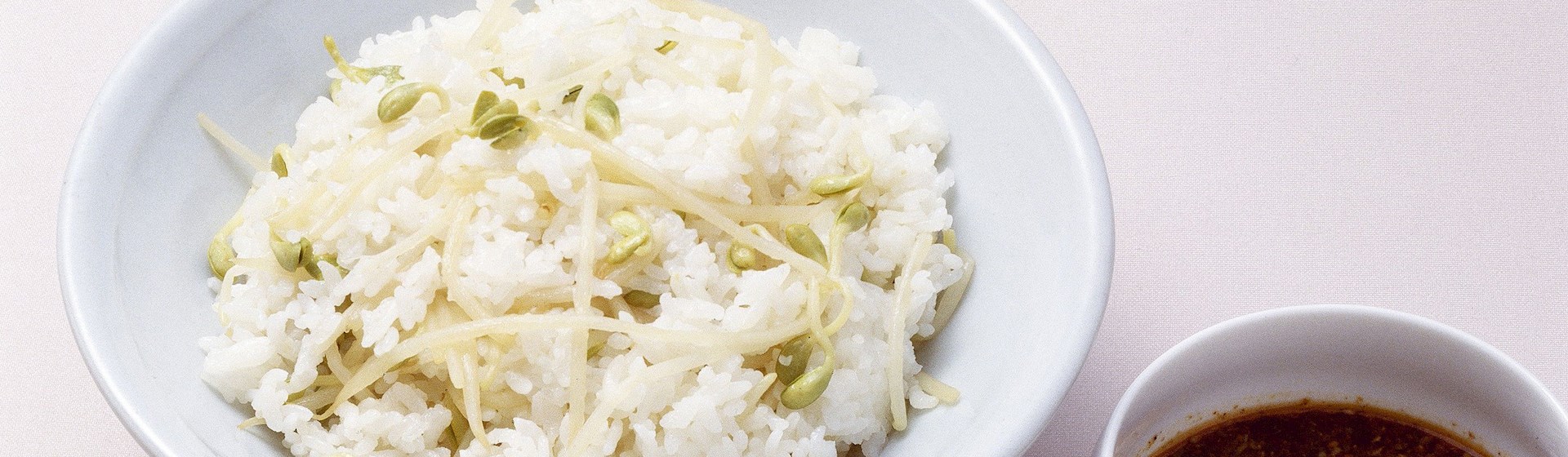
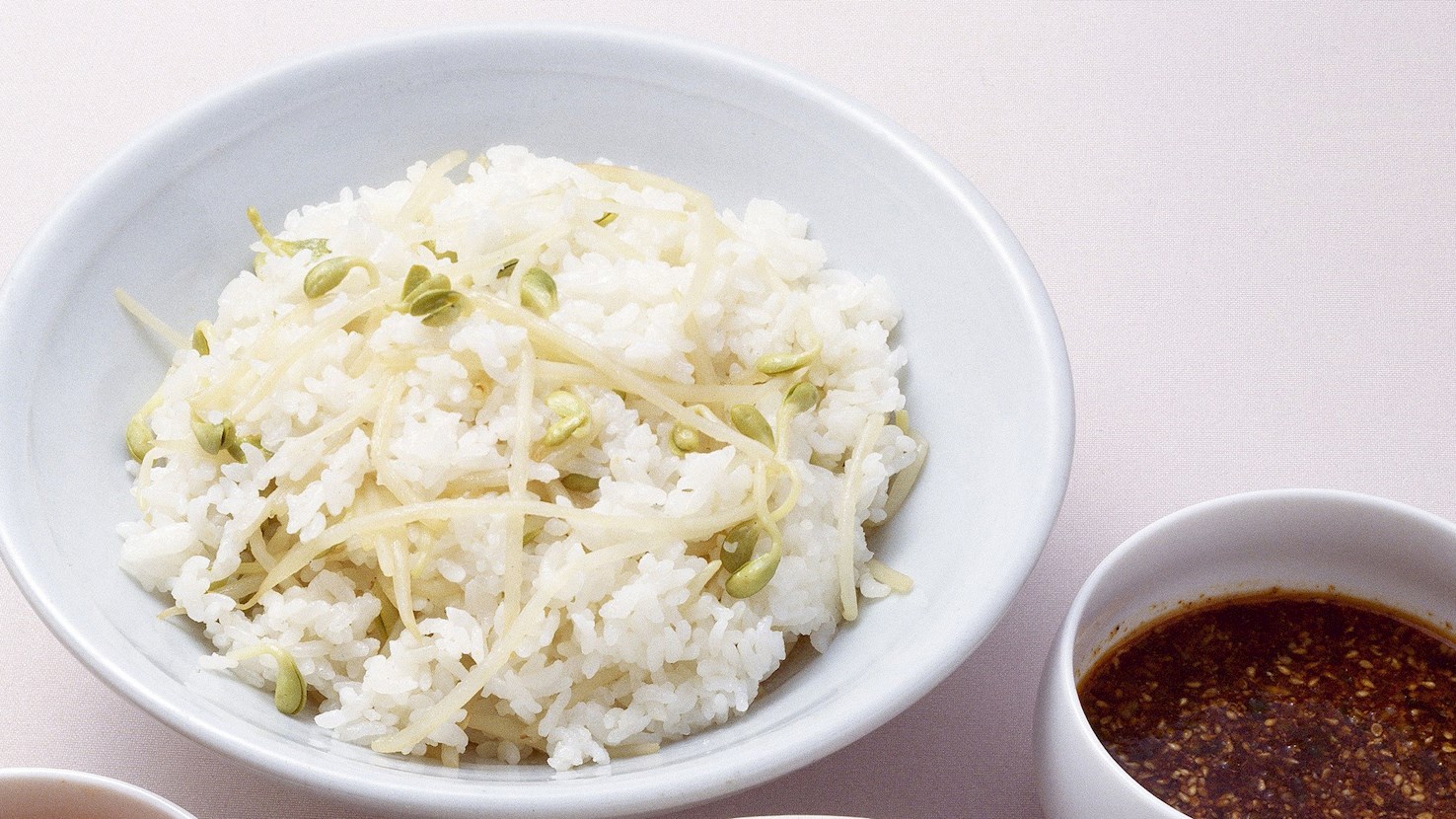
Kongnamulbap is a traditional type of bibimbap originating from South Korea. The dish consists of rice cooked with soybean sprouts. Other ingredients such as ground meat (beef or pork), kimchi, garlic, and sesame oil are often added to the dish for extra flavor. During cooking, the rice will soak up the nutty and earthy flavors of the soybean sprouts. Once prepared, kongnamulbap is traditionally served with a sauce consisting of rice wine, soy sauce, minced garlic, sugar, scallions, and black pepper.

03

Yeot

2.5 ·

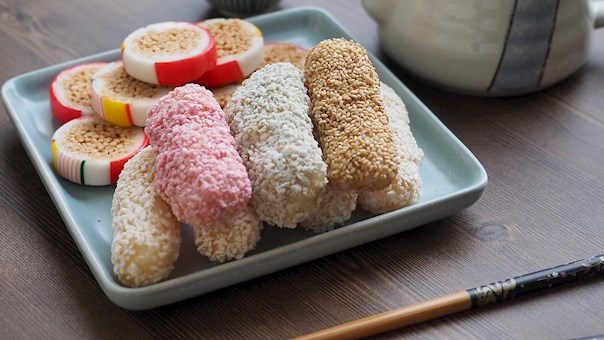
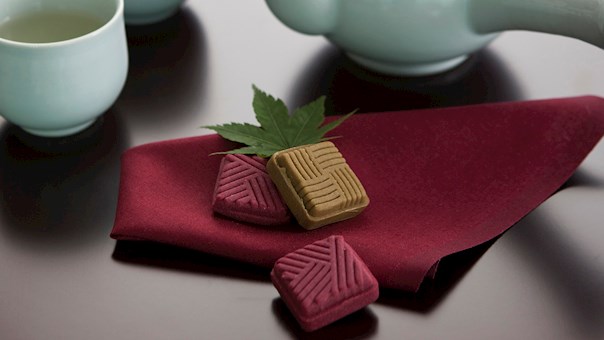
Yeot is a group of South Korean confectionery made with steamed glutinous rice, sweet potatoes, and corn. There is a big variety of yeot candies such as hobakyeot (made with pumpkin), kkaeyeot (rolled in sesame seeds), and boriyeot (made with barley). These traditional products can be produced either in liquid or solid form. Solid yeot is commonly consumed as a snack, while liquid yeot is often used as a replacement for sugar in a variety of sweet dishes.

04

Dubujeon

2.5 ·

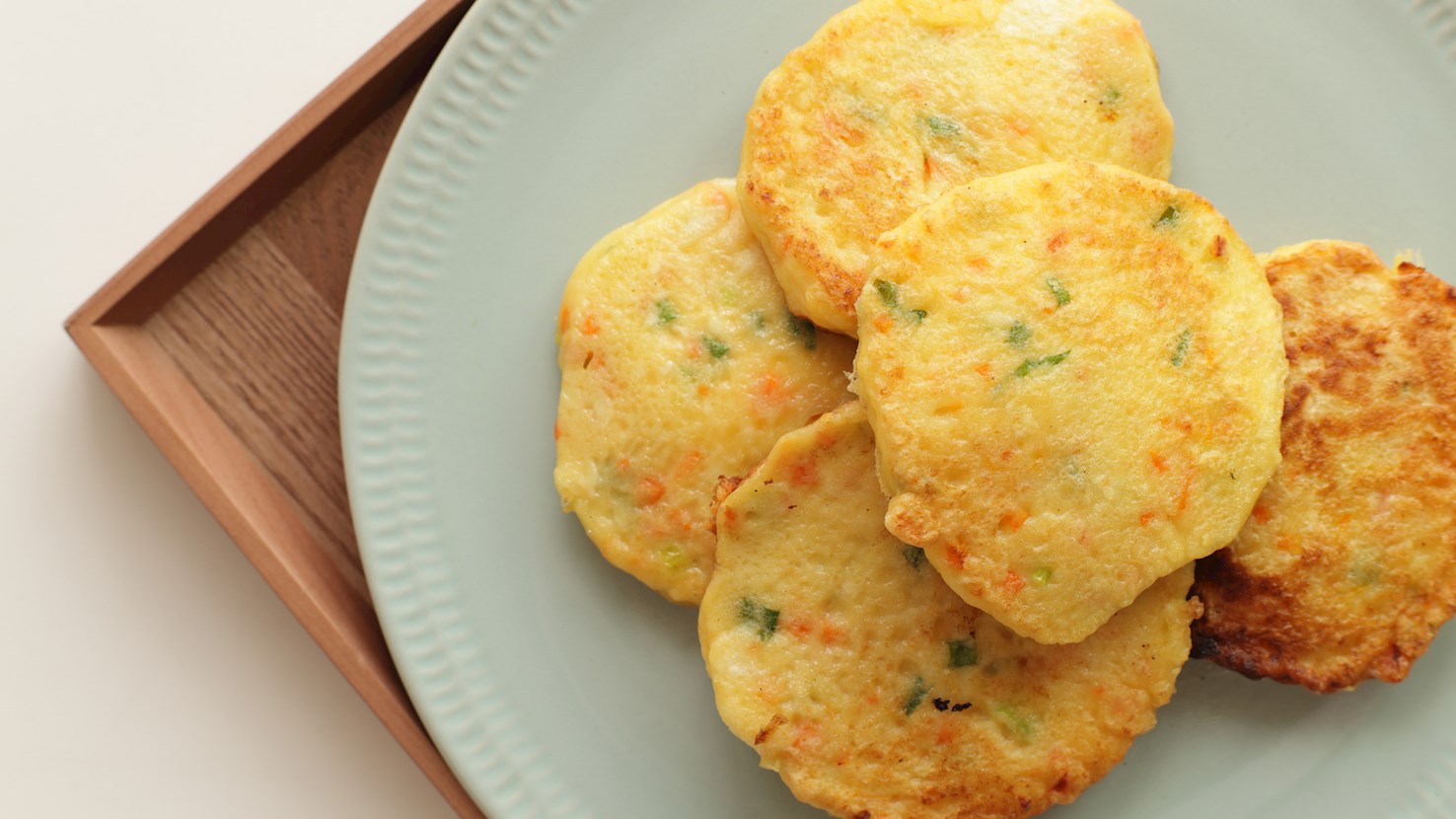
Dubujeon is a traditional dish originating from South Korea. This type of jeon (pan-fried battered food) is made with tofu. Other ingredients usually include flour, oil, eggs, scallions, salt, pepper, and vegetables such as onions and carrots. The tofu and the vegetables are chopped and mixed together with beaten eggs, flour, and salt. The mixture is divided into smaller portions and pan-fried in hot oil on both sides until golden and fully cooked. Once done, dubujeon is served hot with a dipping sauce on the side.

05

Jeonbokjuk (Abalone Porridge)

2.6 ·

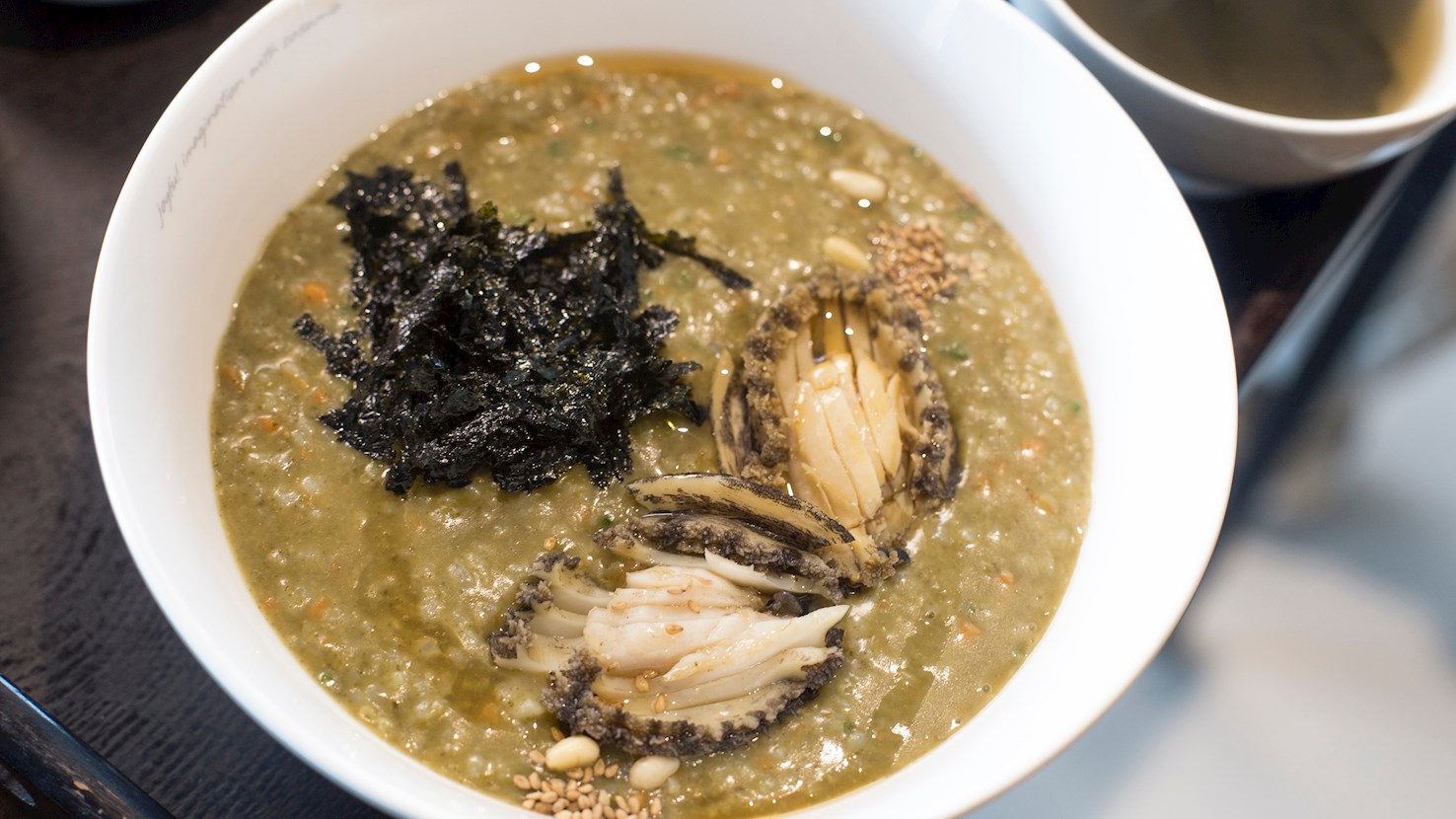
Jeonbokjuk is a traditional porridge originating from South Korea. The porridge is made with a combination of abalone, rice, sesame oil, water, and soy sauce. The abalone is removed from its shell, cleaned, cut into strips, and gently stir-fried in sesame oil. The rice is soaked for three hours before cooking and it's added to the pot along with the water. The mixture is simmered over low heat until the porridge becomes thick. It's occasionally stirred while simmering, and once done, it's served with soy sauce on the side. In the past, abalone porridge used to be reserved for special occasions, but nowadays it's a comfort food for most Koreans. If desired, carrots, scallions, and garlic can be added to the porridge for extra texture and flavor.

06

Sirutteok

2.6 ·

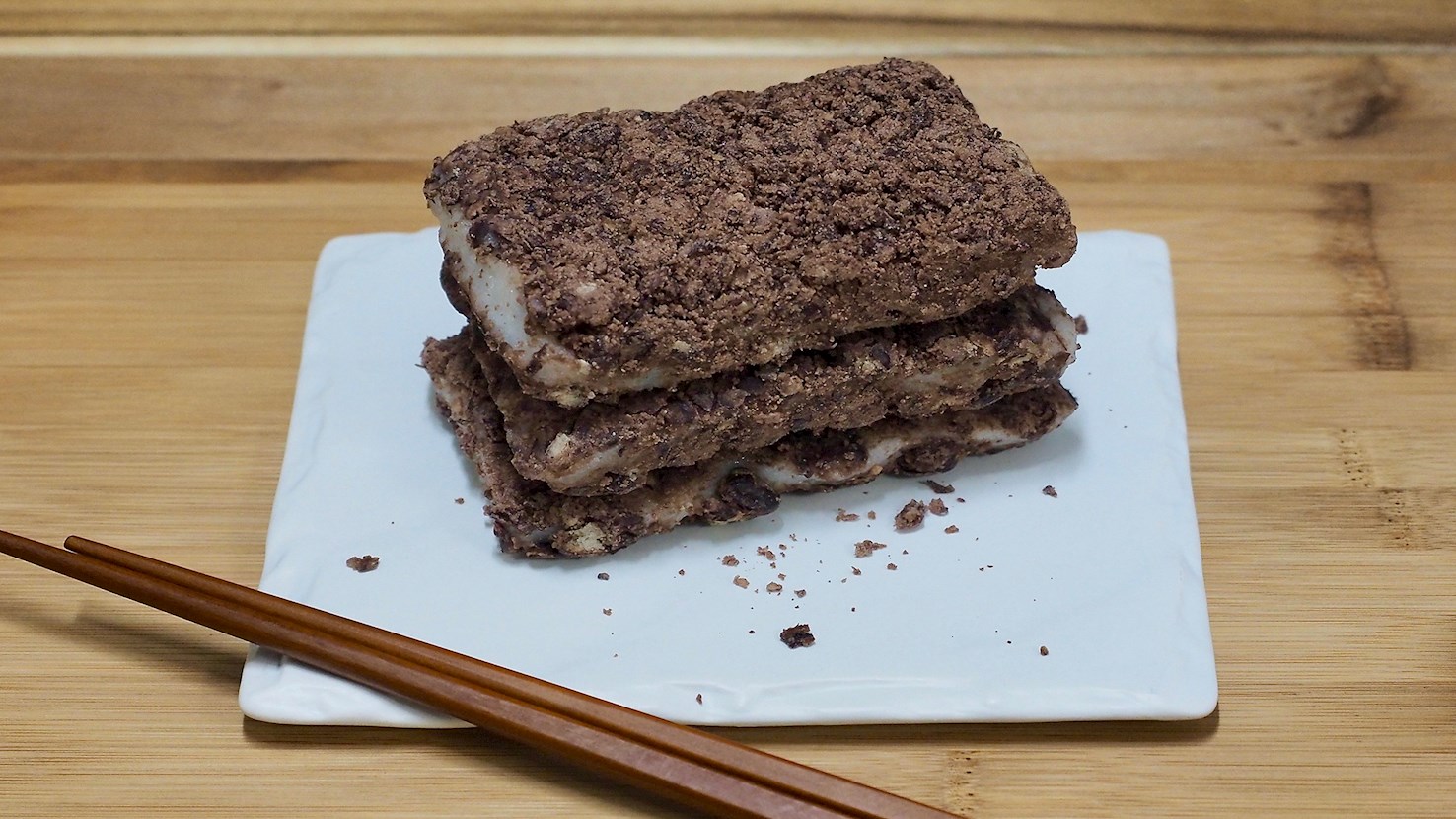
Sirutteok is one of the oldest Korean tteok (rice cakes). In its basic form, the cake is prepared by steaming rice or glutinous rice along with a layer of partially crushed red beans in a traditional steamer known as siru. Apart from its basic form, the cake can be altered with the addition of other beans, as well as various flavorings, fruits, or nuts. Sirutteok has strong cultural significance in Korean folklore since it is believed that red beans ward off evil spirits. It is still usually prepared and served on special occasions.

07

Sogeum-ppang (Salt butter rolls)

2.6 ·

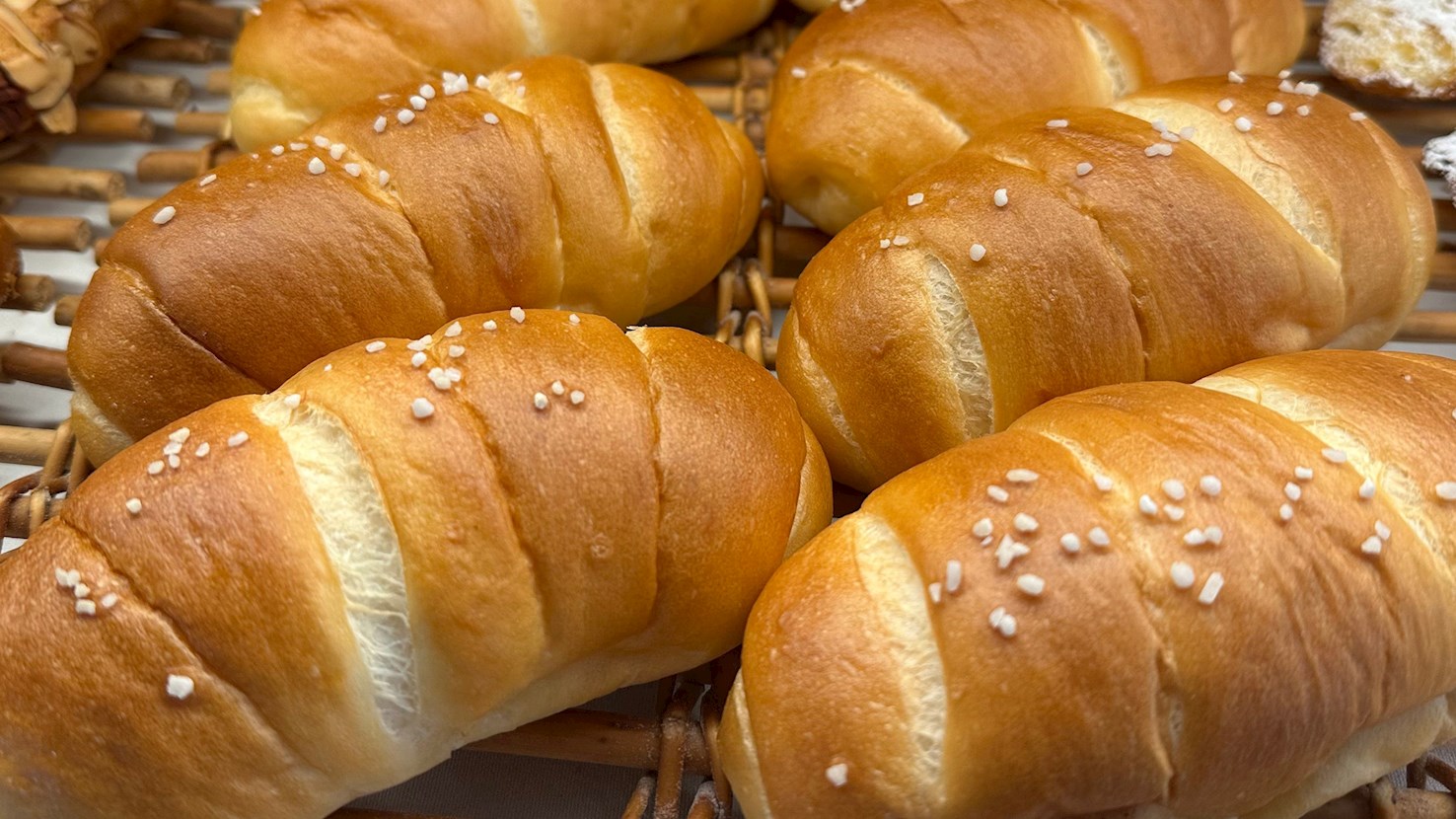
Sogeum-ppang is a Korean bread roll made from flour, butter, yeast, sugar, salt, and milk, featuring a crispy golden crust and a soft, airy interior. The dough is enriched with butter, and during baking, additional butter melts, creating a buttery flavor with a slightly salty finish. Inspired by the Japanese shio pan, it has become a popular item in Korean bakeries, known for its simple yet rich taste. The bread is lightly salted on top, enhancing its flavor and making it a perfect balance of savory and slightly sweet.

08

Beondegi

2.7 ·

Beondegi is a classic South Korean street food consisting of silkworm pupae insects. These tiny animals are usually boiled or steamed and then seasoned before they are served in small cups. Although of an acquired taste, beondegi is available at numerous street stalls throughout the country, while the canned version is occasionally found in supermarkets. Some restaurants even serve the insects as a side dish. Beondegi became a popular option during Korean War when food was scarce, and there was a shortage of protein-rich ingredients.

09

Gamjasaelleodeu (Korean Potato Salad)

2.7 ·

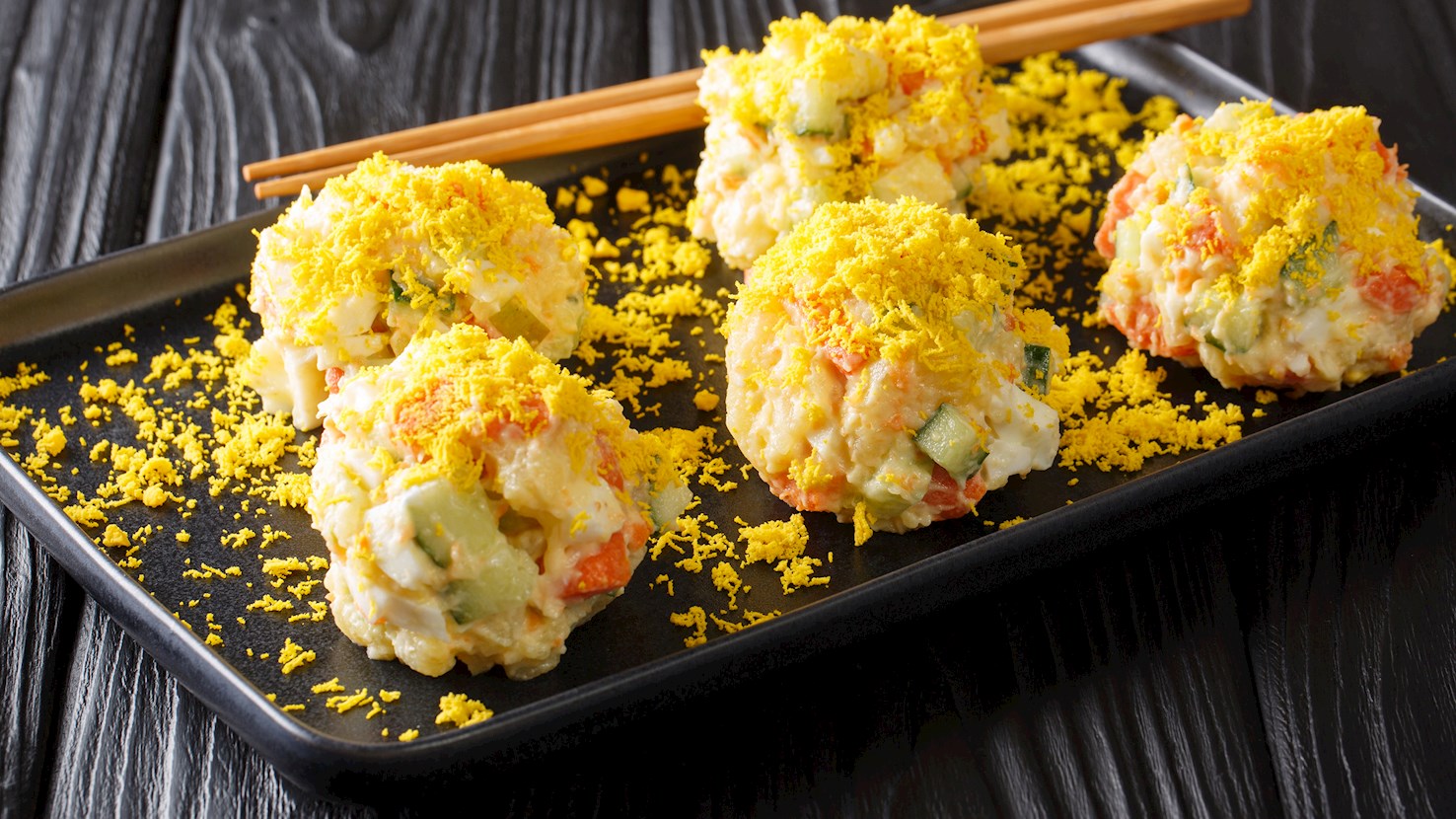
Gamjasaelleodeu is a traditional potato salad originating from South Korea. Although there are many variations, the salad is usually made with a combination of potatoes, carrots, cucumbers, onions, hard-boiled eggs, Fuji apples, mayonnaise (Kewpie is preferred), salt, and black pepper. The potatoes and carrots are cut into cubes and boiled until fully cooked. The cucumbers and onions are diced and sprinkled with salt. The potatoes are gently mashed and mixed with the carrots, cucumbers, onions, eggs, apple chunks, and mayonnaise. The salad is seasoned with salt and pepper to taste before serving. It's usually served as a side dish at Korean BBQ restaurants and goes really well with bulgogi and galbi.

10

Naengguk

2.7 ·

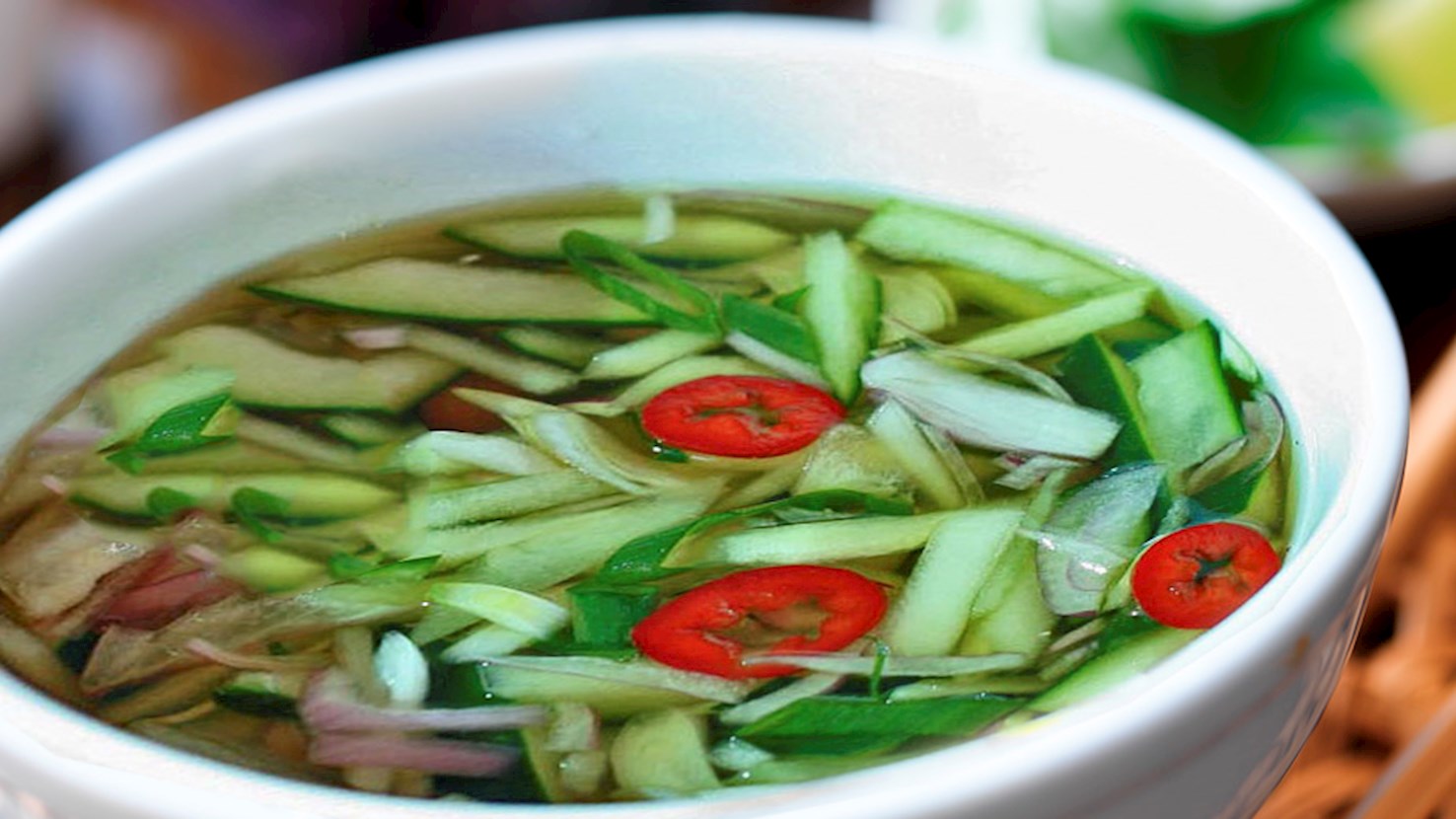
Naengguk is a common name for a group of South Korean cold soups that are usually consumed during summer. It is believed that there is no better refreshment than a bowl of cold naengguk on a hot summer day. The soups are typically divided into two main categories: for the first one, cold water is combined with vinegar and ingredients such as cucumbers, spring onions, garlic, wakame, or nori seaweed. The second category of naengguk is reserved for soups that benefit health, such as the ones made with sesame, soybeans, or chicken. Naengguk first appeared in the 12th century in a poem written by Yi Gyu-bo, where it was referred to as soup with sunchae and was praised for its refreshing, clear flavor.

11

Yugwa

2.7 ·
12

Beondegi Soup

2.7 ·
13

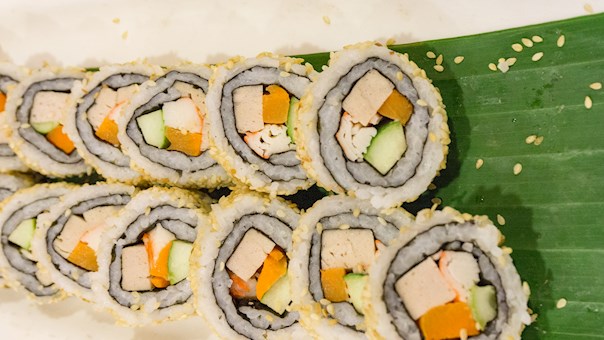
Nude-gimbap

2.7 ·
14

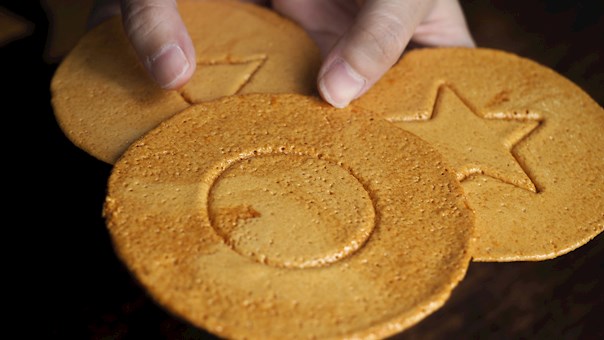
Dalgona Candy

2.8 ·
15

Sannakji

2.9 ·
16

Gopchang-gui

2.9 ·
17

Dasik

3.0 ·
19

Kongnamul guk

3.1 ·
20

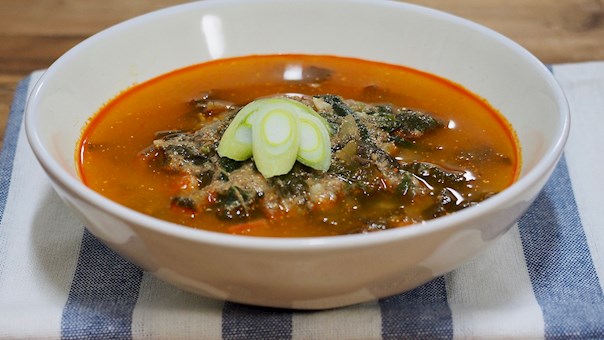
Chueotang

3.1 ·
About this Ranking

TasteAtlas food rankings are based on the ratings of the TasteAtlas audience, with a series of mechanisms that recognize real users and that ignore bot, nationalist or local patriotic ratings, and give additional value to the ratings of users that the system recognizes as knowledgeable. For the “73 Worst Rated Korean Foods” list until August 17, 2026, 8,226 ratings were recorded, of which 7,318 were recognized by the system as legitimate.

TasteAtlas Rankings should not be seen as the final global conclusion about food. Their purpose is to promote excellent local foods, instill pride in traditional dishes, and arouse curiosity about dishes you haven’t tried.

What People Say

Similar Lists