

shutterstock

11 Worst Rated Italian Fresh Cheeses

Last updated on June 16, 2026
01

Ovolini mozzarella

3.4 ·

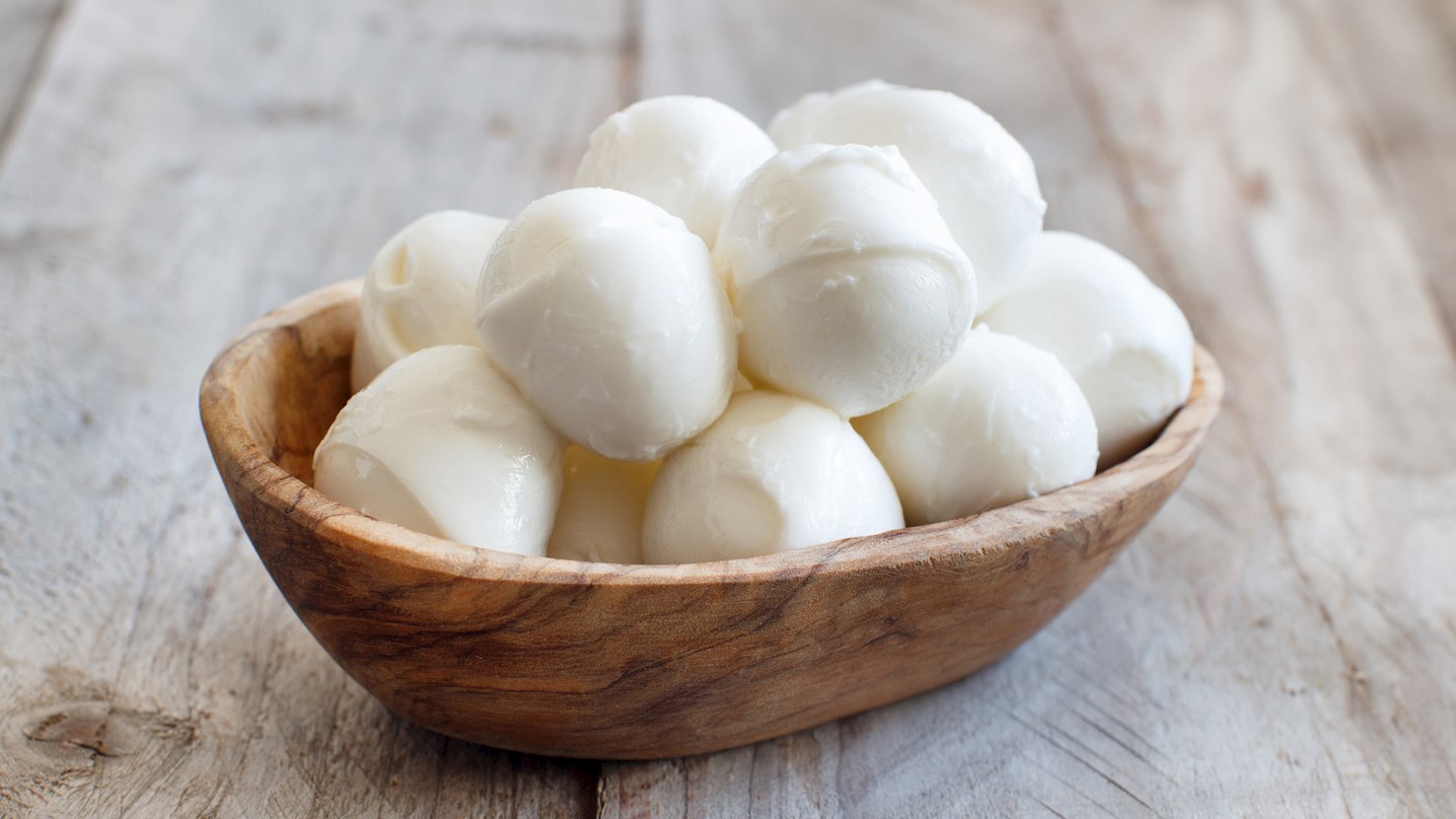
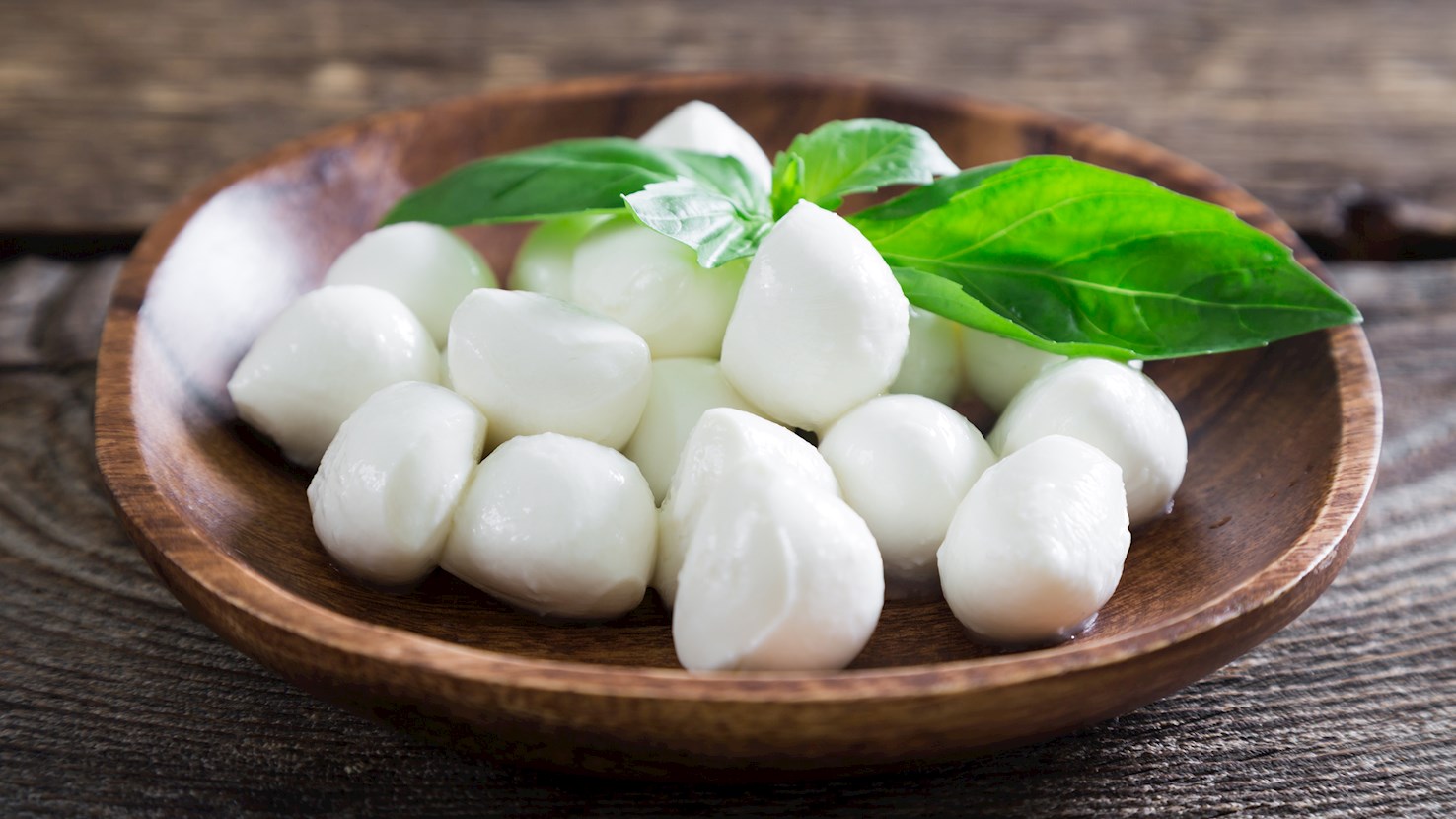
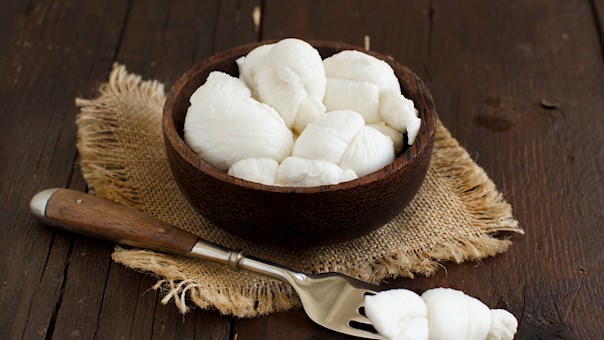
Ovolini is a traditional type of mozzarella cheese. It consists of small and smooth white balls of mozzarella that's made with pasteurized cow's milk or sometimes water buffalo's milk. The texture is soft, elastic, and spongy, while the flavors are mild, fresh, milky, and delicate. These mozzarella balls are about the size of an egg and are often enjoyed in salads (such as caprese for one or two people) and appetizers, although they can be enjoyed on their own as well. The name ovolini is derived from the Italian word for an egg, referring to the size of the cheese.

02

Ricotta forte

3.5 ·

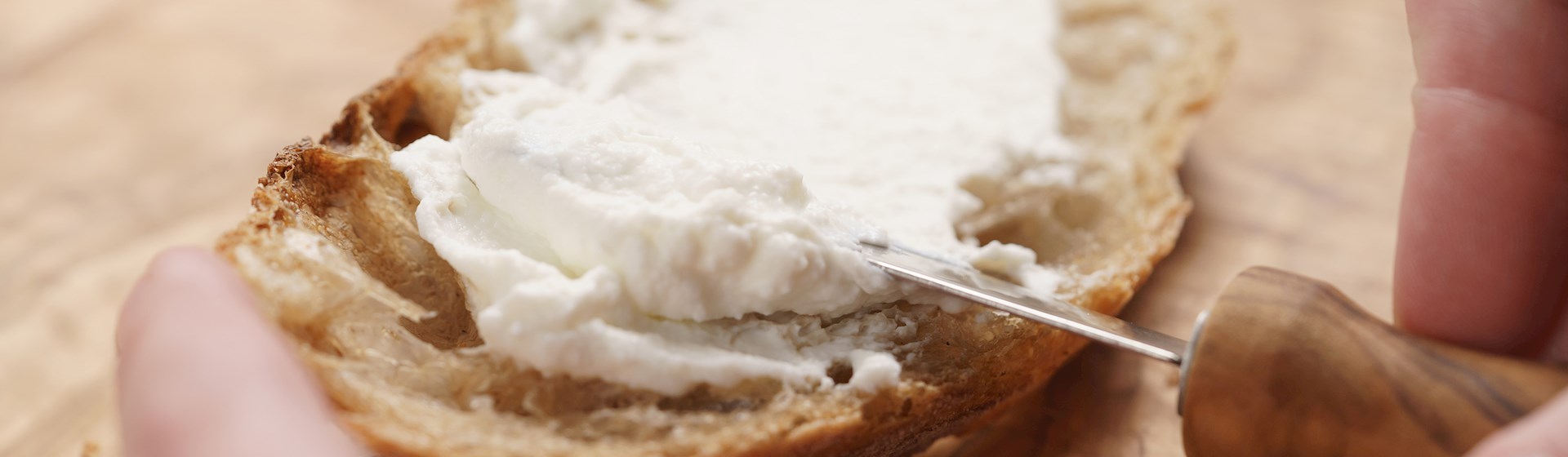
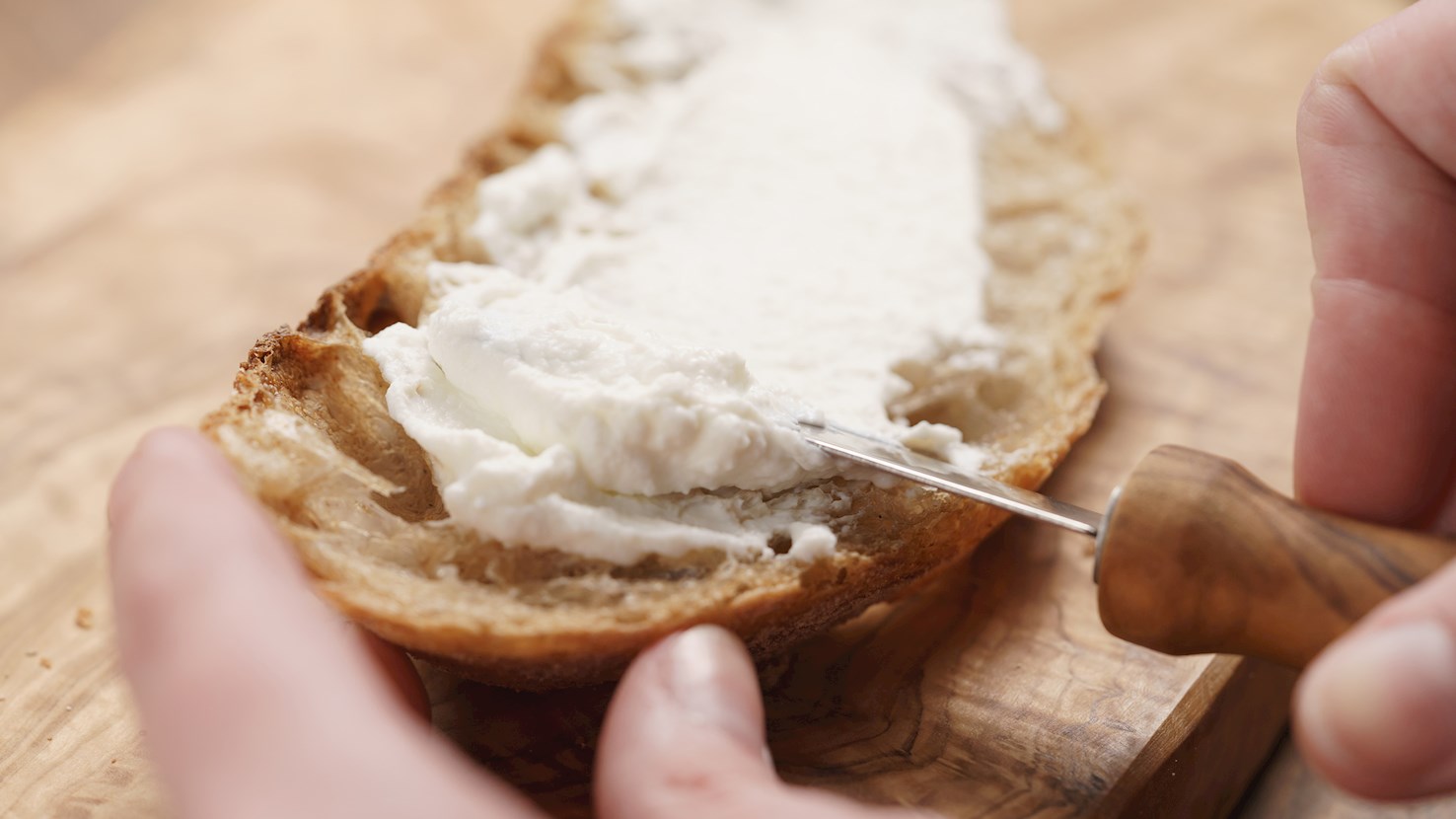
Ricotta forte is a traditional Apulian cheese. This white cheese is made from sheep's or goat's milk. The texture is creamy and spreadable, the aromas pungent, and the flavors spicy and intense. Originally, it was produced by the shepherds who made it as a way to use the surplus of ricotta production. They placed it to wooden or clay containers with some salt, and the cheese was then mixed a couple times per week for at least 3 months. Finally, the cheese was covered with fig leaves and then left to mature and drain. Ricotta forte is traditionally spread on warm bread, and in the past it was offered to guests as a sign of welcome, always with some red tomatoes on the side. It can also be fried in stuffed zucchini blossoms or combined with a traditional Italian long pasta type known as sagne 'ncannulate. Pair it with full-bodied red wines.

03

Ricotta Romana

3.6 ·

Ricotta Romana is a fresh milk product made with sheep’s milk whey obtained from animals in the Lazio region that are pasture-grazed or fed on forage that grows in the region. Pastures and grass reserves are the only food for the sheep and the reason behind the sweet flavors of the whey. At the beginning of 1900, it was the only source of food for the sheep herders who produced it. The sheep’s particular diet, which mainly consists of typical grassland and pastures in the geographical production area, influences the quantity of lactose in the milk whey (no less than 3,55 %). This attribute gives Ricotta Romana the sweetish taste that distinguishes it. Ricotta Romana is made following traditional techniques: whey is warmed up to 90°C and stirred lightly to help it coagulate in small flakes. Flakes are gathered and put in the traditional cone shaped pots called fuscelle. Ricotta Romana is white and lumpy with a characteristically sweet and milky taste. The cheese can be eaten on its own or used as an ingredient in the preparation of various dishes. It is particularly recommended to pair it with rye bread or dill bread.

04

Perlini mozzarella

3.6 ·

Perlini is a traditional type of mozzarella cheese. This type of mozzarella is the smallest of them all and it's about the size of pearls, hence the name. The cheese is made from pasteurized cow's milk, or sometimes water buffalo's milk. The texture is soft and fresh, while the flavors are delicate, mild, and milky. The small size of this type of mozzarella is highly suitable for savory tartlets as it will melt quickly and won't add much water. Perlini are also often used in salads, appetizers, and pasta dishes.

05

Cacioricotta Pugliese

3.7 ·

This traditional Apulian delicacy is a cross between a cheese and fresh ricotta. Made with the mixture of milk from pasture-fed goats or sheeps, it is produced by combining ricotta and traditional cheese-making methods. The fresh milk is first heated to 85-90 degrees, then left to cool down to 37 degrees before adding the rennet, which causes both the milk and the whey to coagulate. The end result is a soft, ricotta-like cheese, which becomes semi-hard and straw-yellow when aged for two or three months. Eaten fresh, it is fragrant, salty, and slightly acidic. When aged, it becomes tangier and is perfect both on its own or grated over local pasta dishes, such as orecchiette with basil-flavored tomato sauce.

06

Ricotta

3.8 ·

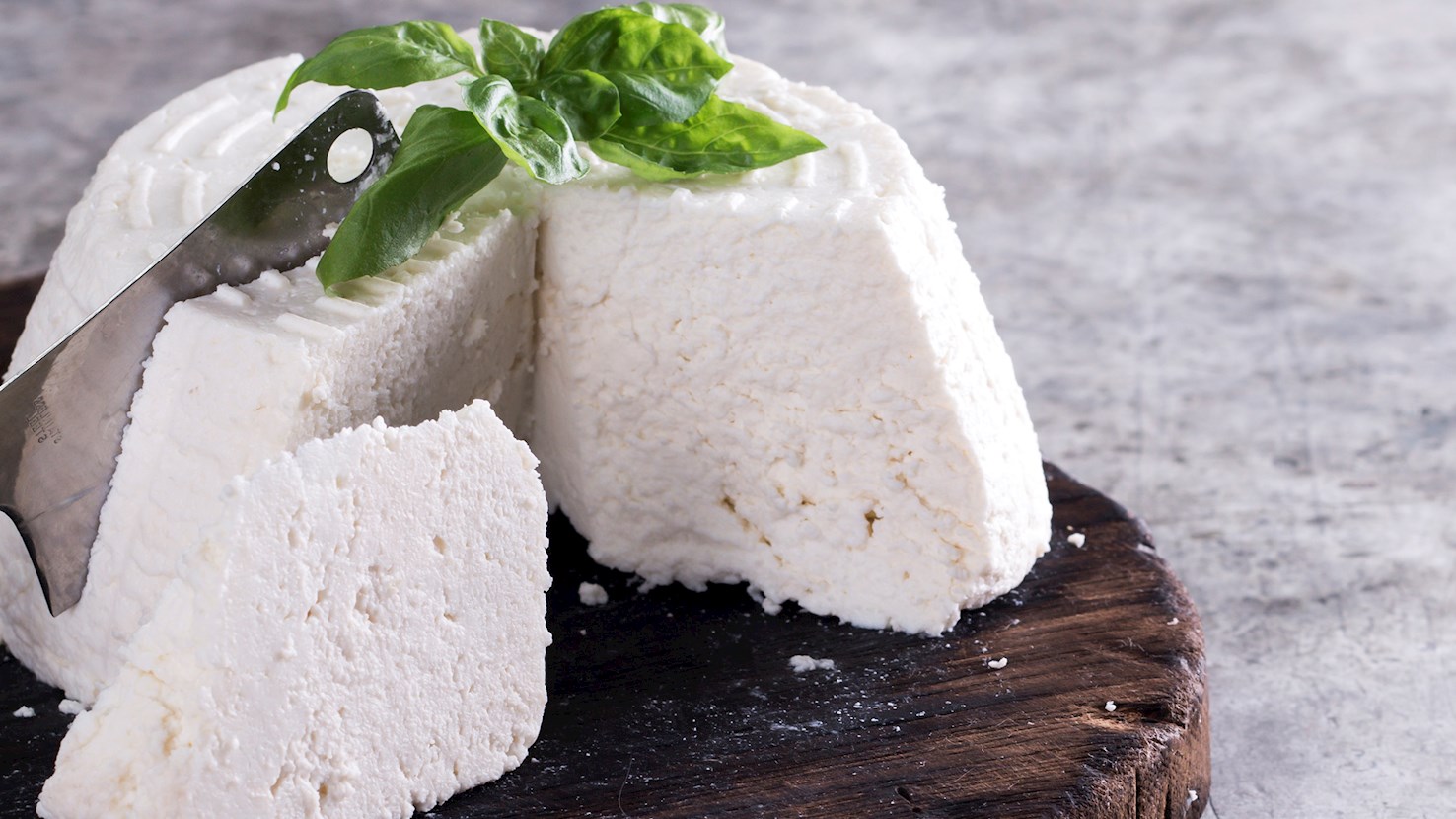
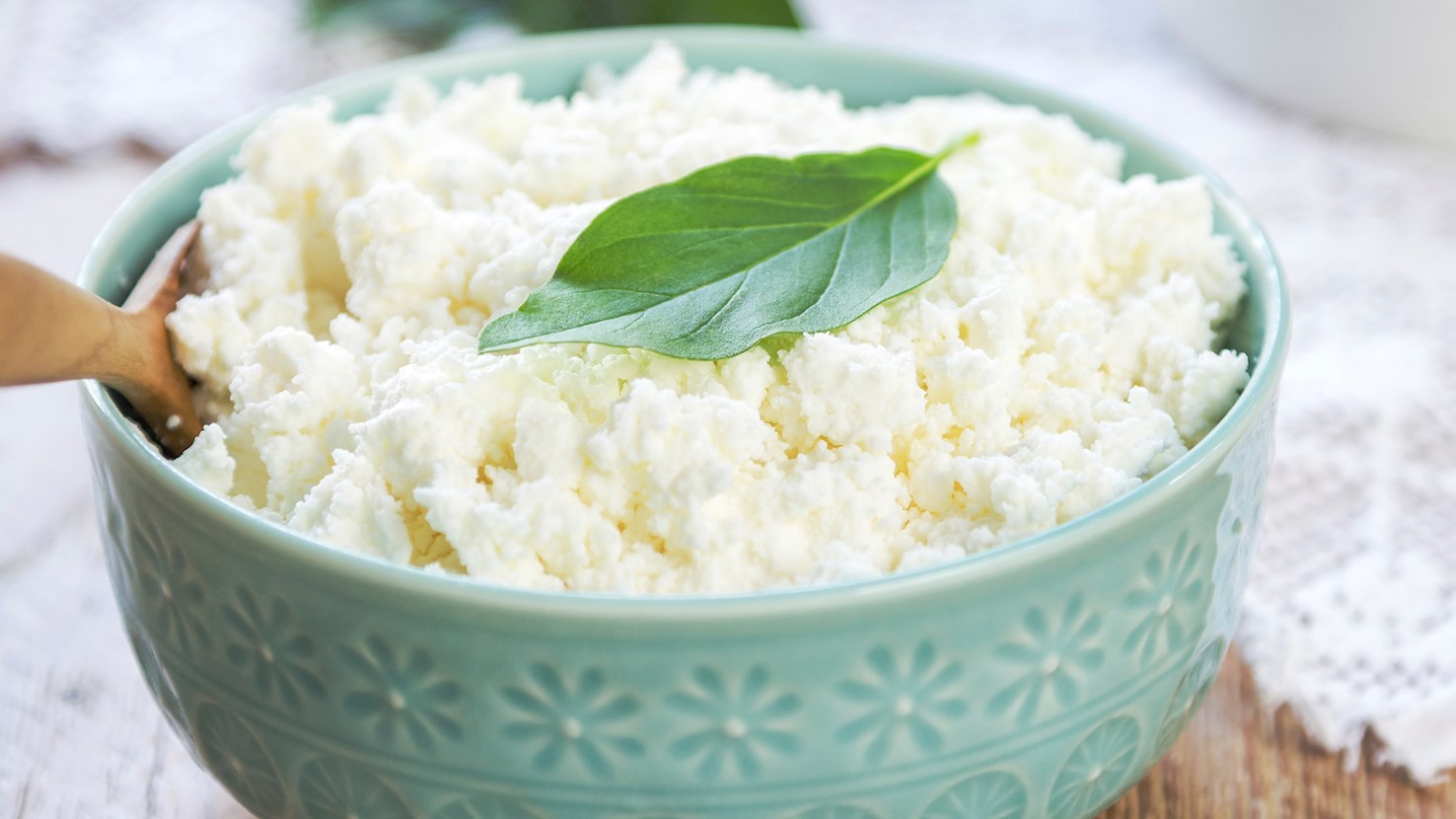
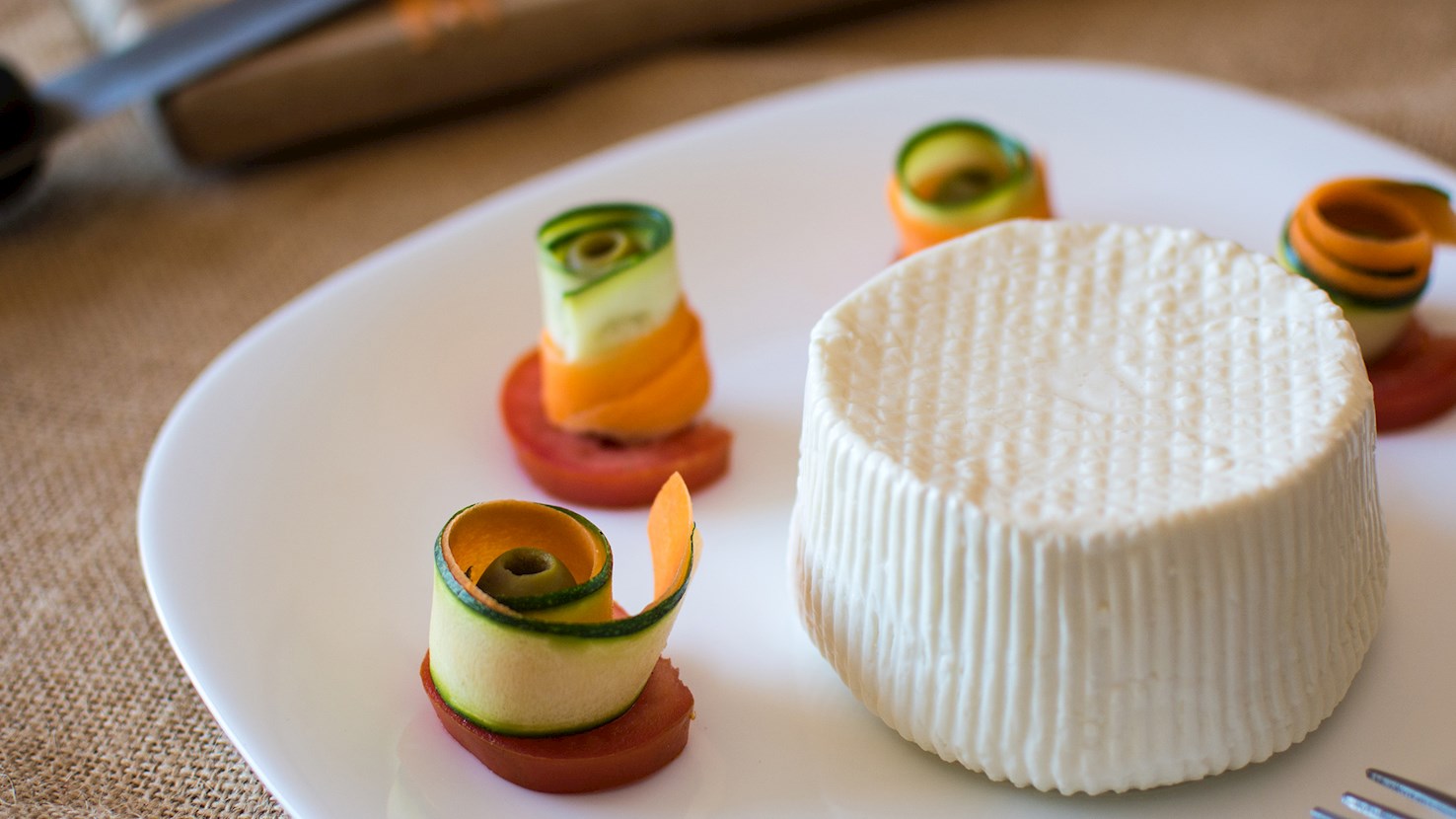
Ricotta is a fresh, soft cheese made from sheep's, cow's, goat's or Italian water buffalo's milk. Technically, it is not a cheese but a creamy curd made by reheating the whey, a byproduct of cheesemaking – hence the name ricotta, which literary means re-cooked. Ricotta curds are white and creamy, very fresh, and slightly sweet in taste. The shape and weight might vary, depending on the milk used in the process, but it usually has a conical shape achieved by the usage of fuscella - a traditional container in which the cheese is placed after skimming in order to drain. It can be consumed alone or accompanied by other cheeses or cold cuts, but its subtle aroma also makes it an excellent ingredient in many recipes.

07

Squacquerone di Romagna

3.8 ·

Also called Squacquarone or Squaquaròn, this full-fat soft cheese has a tradition dating back for centuries. It is made with whole cow's milk and produced in the provinces of Ravenna, Forlì-Cesena, Rimini, Bologna and partly Ferrara, all located in the Emilia-Romagna region. Since it doesn't take more than four days to mature, this cheese should only be consumed fresh, within a few days of production. Squacquerone di Romagna is creamy and has a particularly delicate, slightly sour flavor. Squacquerone is perfect as a spread, especially on Piadina Romagnola, a type of flatbread traditionally prepared in the Romagna region.

08

Cacioricotta

3.8 ·

Cacioricotta is a cross between cacio (meaning cheese in the local dialect) and fresh ricotta, produced by combining two techniques of cheese-making. Originally hailing from the Apulian city of Salento, nowadays it is produced in many southern Italian regions using – depending on the region – goat, sheep, or cow milk. Generally, the milk is heated to 85-90 degrees, then left to cool down to 37 degrees before adding the rennet, which causes both the milk and the whey to coagulate. The curd is then hand-squeezed, formed into small cylinders using basket-shaped containers, and left to dry. The end result is a soft cheese similar to dried ricotta, which becomes semi-hard and straw-yellow if aged for two or three months. Eaten fresh, it is fragrant, salty, and slightly acidic. The aged version becomes much tangier, and it is typically enjoyed on its own or served accompanied by bread and a glass of full-bodied red wine, although it an also be grated over pasta dishes.

09

Treccia

3.8 ·

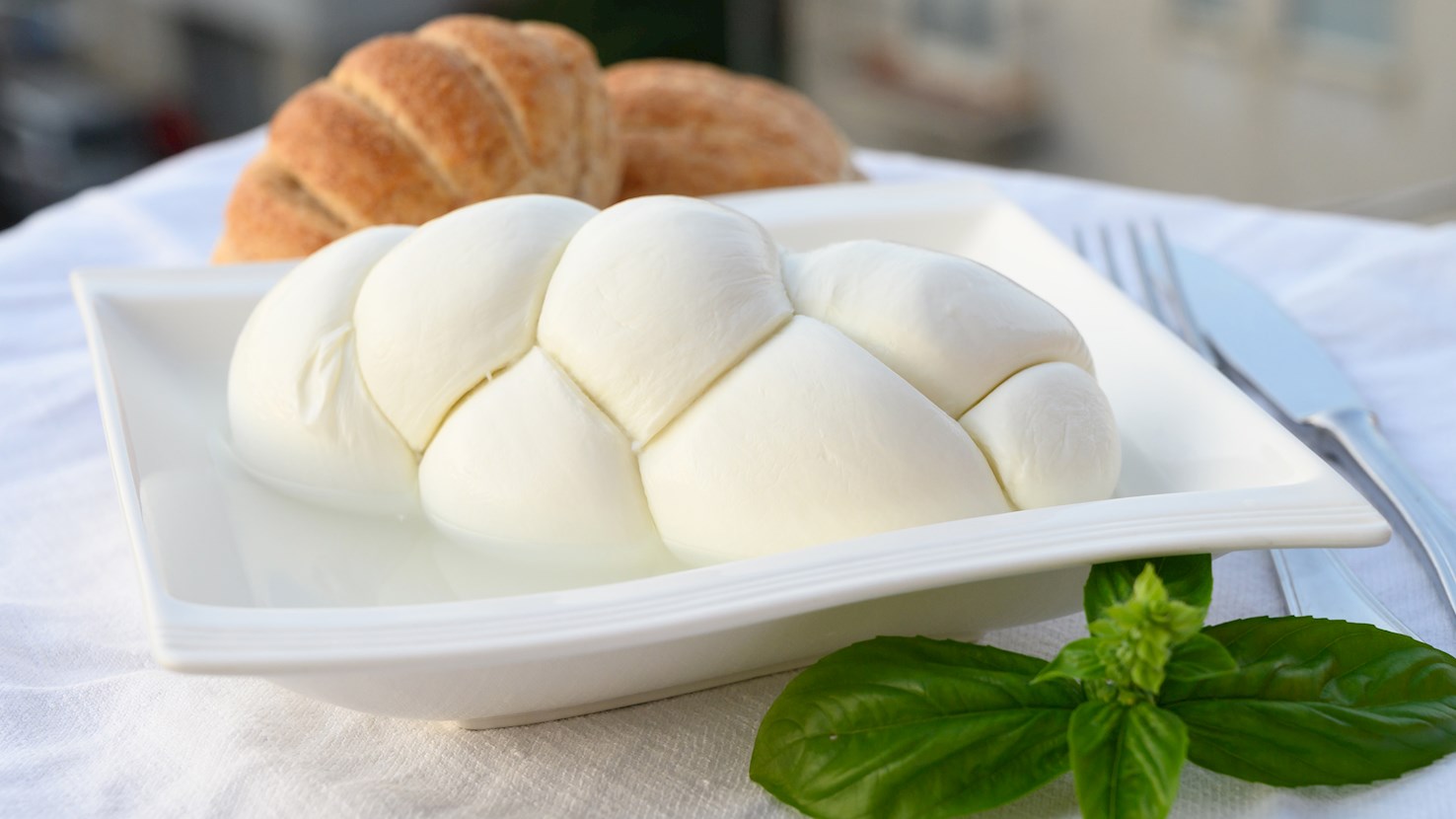
Treccia is a traditional mozzarella-style cheese. This mozzarella variation is characterized by its braided shape and shiny surface. The cheese is made from pasteurized cow's milk or sometimes with water buffalo's milk. The texture is stringy, elastic, and soft, while the flavors are fresh, delicate, and milky. The cheese is typically sold in its own brine. Treccia di mozzarella is often enjoyed on its own or served with cold cuts and fresh vegetables.

10

Mascarpone

3.9 ·

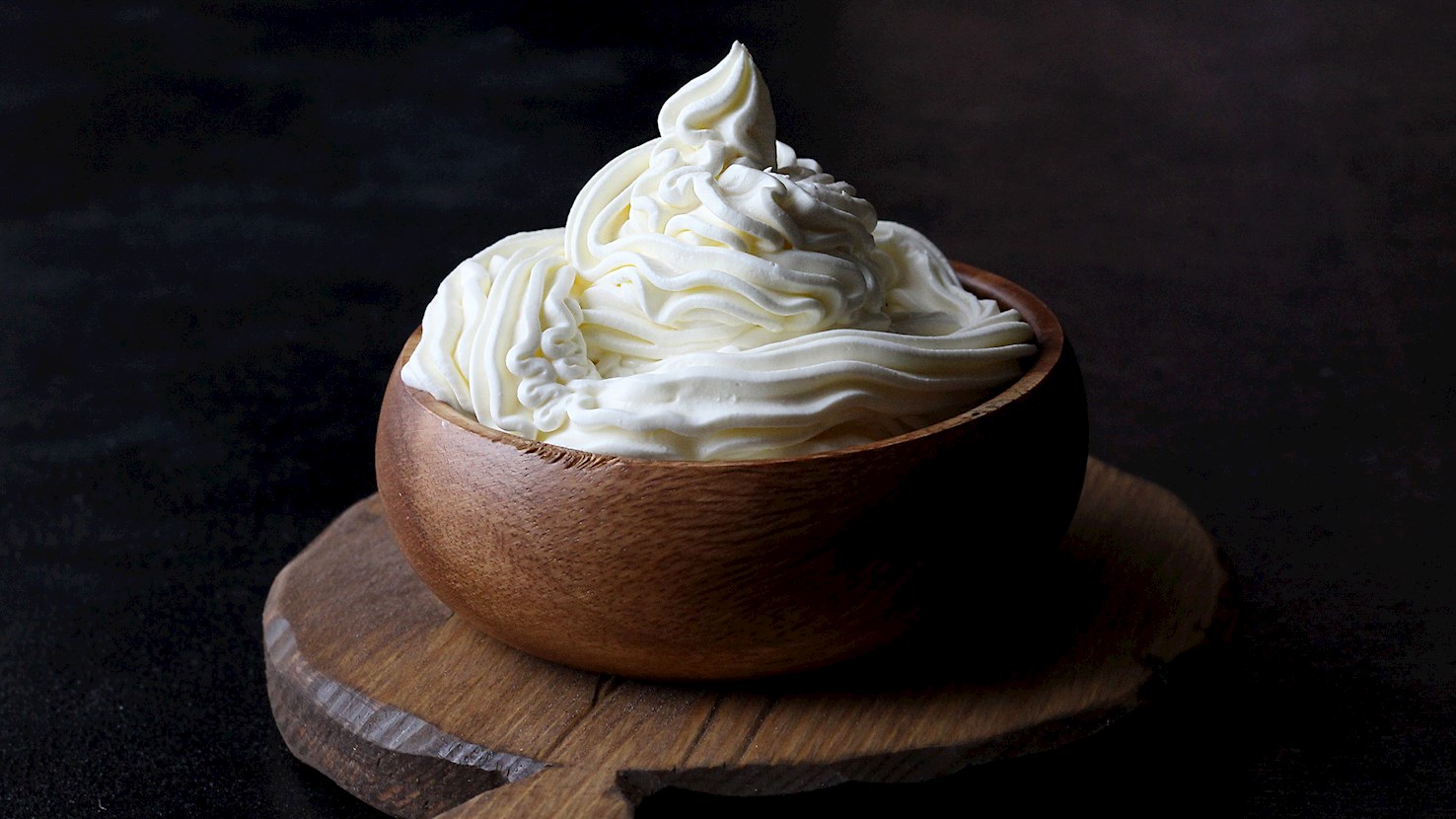
Mascarpone is a cheese from the Italian region of Lombardy, characterized by its very high fat content, ranging from 60% to 75%. Its texture can be smooth, creamy, or buttery, depending on the production process, while the flavors are lemony, sweet, full, and buttery. It is an essential ingredient in the preparation of desserts such as cheesecake, zabaglione, and tiramisu. Mascarpone is often mixed with coffee or cocoa, although it can also be used in savory dishes, accompanied by mustard, fresh herbs, or anchovies. It is believed that mascarpone originated during the late 16th and the early 17th century, its name thought to be a deviation of the Spanish phrase mas que buene, meaning better than good. Others claim that its name stems from the word mascarpia, meaning Ricotta in the local Italian dialect. Regardless of the origins of its name, mascarpone remains one of the most popular Italian cheeses that is praised for its versatility and flavor. For a unique experience, serve it with apple slices with sugar and lemon.

11

Nodini mozzarella

3.9 ·
Read more
View all
View map
About this ranking

TasteAtlas food rankings are based on the ratings of the TasteAtlas audience, with a series of mechanisms that recognize real users and that ignore bot, nationalist or local patriotic ratings, and give additional value to the ratings of users that the system recognizes as knowledgeable. For the “11 Worst Rated Italian Fresh Cheeses” list until June 16, 2026, 5,695 ratings were recorded, of which 4,453 were recognized by the system as legitimate. TasteAtlas Rankings should not be seen as the final global conclusion about food. Their purpose is to promote excellent local foods, instill pride in traditional dishes, and arouse curiosity about dishes you haven’t tried.

Similar lists