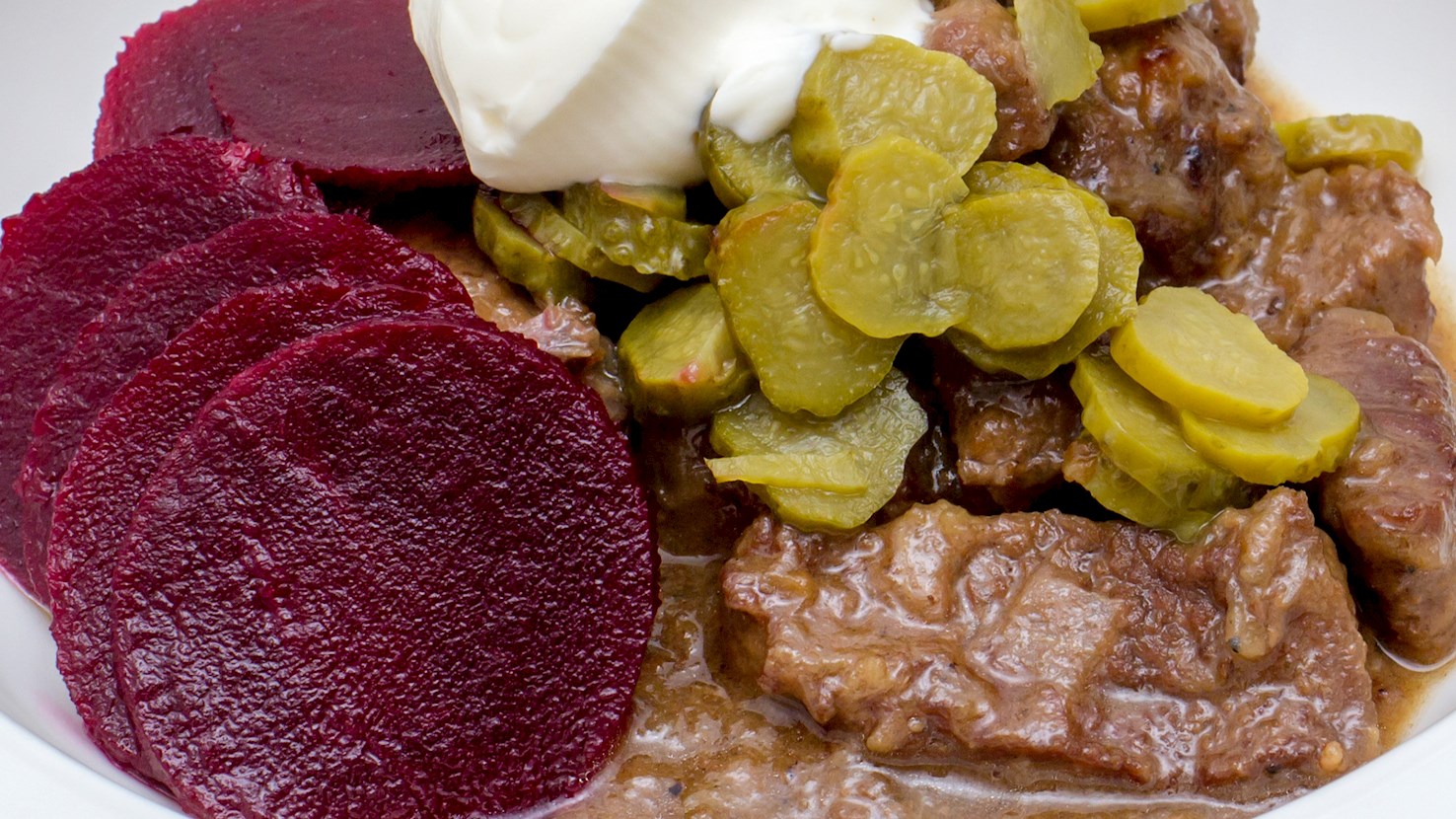
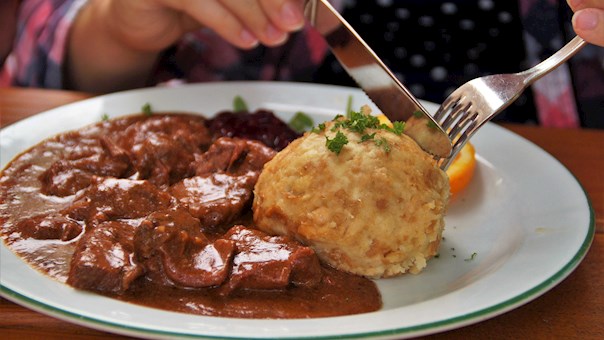
Pfefferpotthast is a traditional meat stew hailing from Westphalia. It consists of pieces of beef that are simmered in a seasoned broth along with onions, soup vegetables, spices, and herbs. The meat is typically first browned in a little oil or lard before it's cooked with the other ingredients, and the broth is usually thickened with crumbled bread, traditionally with the classic Westphalian pumpernickel rye bread. Spices such as cloves, juniper berries, allspice, bay leaves, salt, and pepper are typically used for seasoning the broth. Warming and flavor-packed, the dish is perfect for a chilly fall or winter lunch or dinner, and it is usually accompanied by pickled gherkins, salt potatoes (Salzkartoffeln), beetroots, and a German beer on the side. The first mention of this Westphalian specialty dates back to 1378 in Dortmund, where an annual Pfefferpotthast Festival is held each September, usually at the end of the month.
Saumagen is a large, intact pig’s stomach, densely packed with pork, diced potatoes, and sharp spices. The stomach is not merely a casing but an essential structural part of the meal. Unlike thin artificial casings or standard intestines, it is a thick, resilient, muscular organ that can hold a substantial amount of chopped meat and starch. During the final cooking stages, its outer wall forms a dense, crisp crust around the softer filling. Because of the organ’s size and toughness, the preparation requires considerable manual labor, from cleaning and processing the stomach to filling and securely sealing it. The stuffing depends on precise dicing and a broad mixture of aromatics, partly to balance the strong offal notes of the raw casing. The base is built from equal ratios of lean pork and firm, waxy potatoes, both chopped into small, even cubes. Some recipes also add minced beef to deepen the savoriness. The main seasoning blend is assertive, with generous amounts of white pepper, freshly grated nutmeg, dried marjoram, and sharply flavored chopped onions. In addition to the typical seasonings, many versions also add a more complex layer of aromatics, including whole cloves, crushed coriander seeds, fresh thyme, minced garlic, dried bay leaves, ground cardamom, sweet basil, earthy caraway seeds, sharp allspice, and flat-leaf parsley. Once the raw ingredients are fully mixed, the stuffing is packed tightly into the cleaned stomach cavity. Both open ends are tied firmly with heavy butcher’s twine to prevent leakage. Cooking the stuffed stomach requires strict temperature control. It is lowered into a wide vat of hot water kept just below the boiling point. A rolling boil must be avoided, because excessive turbulence and heat can rupture the muscular wall and spill the meat-and-potato filling into the cooking water. After a long period of poaching, the stuffed stomach is cooled completely. It is then placed on a heavy wooden block and sliced crosswise into thick slabs, usually measuring between half an inch and one inch. These large circular slices are fried in an open pan coated with rendered fat until the exposed potatoes turn dark golden brown and the outer ring of stomach tissue blisters into a hard, brittle shell. The history of saumagen is closely tied to the Palatinate. Two main theories explain its origins. One documented theory connects it to 18th-century agricultural workers who developed the stuffed stomach as a practical way to use slaughtering leftovers, stretching scraps of meat and fat with cheap potato starch. A second documented theory holds that it served as the centerpiece of the local Schlachtfest, the ceremonial autumn pig slaughter festival marking the end of the grape harvest and the beginning of winter. During the early 20th century, Luise Wilhelmine Henninger helped bring the preparation back from obscurity. She ran Weinhaus Henninger in the municipality of Kallstadt from 1871 to 1951 and refined the ingredient ratios, elevating saumagen to a celebrated regional specialty. Her success directly prompted a nearby Riesling vineyard in Kallstadt to adopt the permanent name “Saumagen Kallstadt.” Saumagen gained a much wider international profile in the late 20th century through Helmut Kohl, who served as Chancellor from 1982 to 1998 and had a strong attachment to this specialty from his native Palatinate. He regularly placed saumagen on state dinner menus, serving thick slices of stuffed stomach to visiting heads of state, including Margaret Thatcher, Mikhail Gorbachev, Ronald Reagan, and Bill Clinton. Although domestic critics dismissed the menu choice as intensely provincial, local butchers saw a major rise in sales during and immediately after these state visits. Across the Atlantic, immigrant settlers from the Palatinate carried the concept of saumagen into Pennsylvania Dutch communities in the United States. There, the dish is known as seimaage, hogmal, stuffed hog maw, or “Dutch goose.” Unlike the poached version from the Palatinate, this adaptation skips the water bath entirely. The raw stuffed stomach is placed directly into a hot oven and baked for several hours. It historically served as the main course for Thanksgiving harvest meals, taking the place of roasted turkey. Modern culinary competitions, especially the Internationale Pfälzer Saumagen-Wettbewerb held in Landau, have pushed the filling in more unconventional directions, including versions made with chopped deer meat or freshwater fish. In Schifferstadt, the Schlotte Carnival society has also awarded a literal Order of the Saumagen every year since 1992. At the table, the sizzling pan-fried slices are served straight from the skillet on a wide ceramic plate. A large, steaming mound of sharp fermented sauerkraut and a heavy scoop of smooth mashed potatoes sit beside the meat. In the eastern wine-growing districts of the Palatinate, the rich pork and starches are usually paired with a tall glass of completely dry white wine. Farther west, toward the dense Palatinate forest, large mugs of cold locally brewed beer replace the wine.
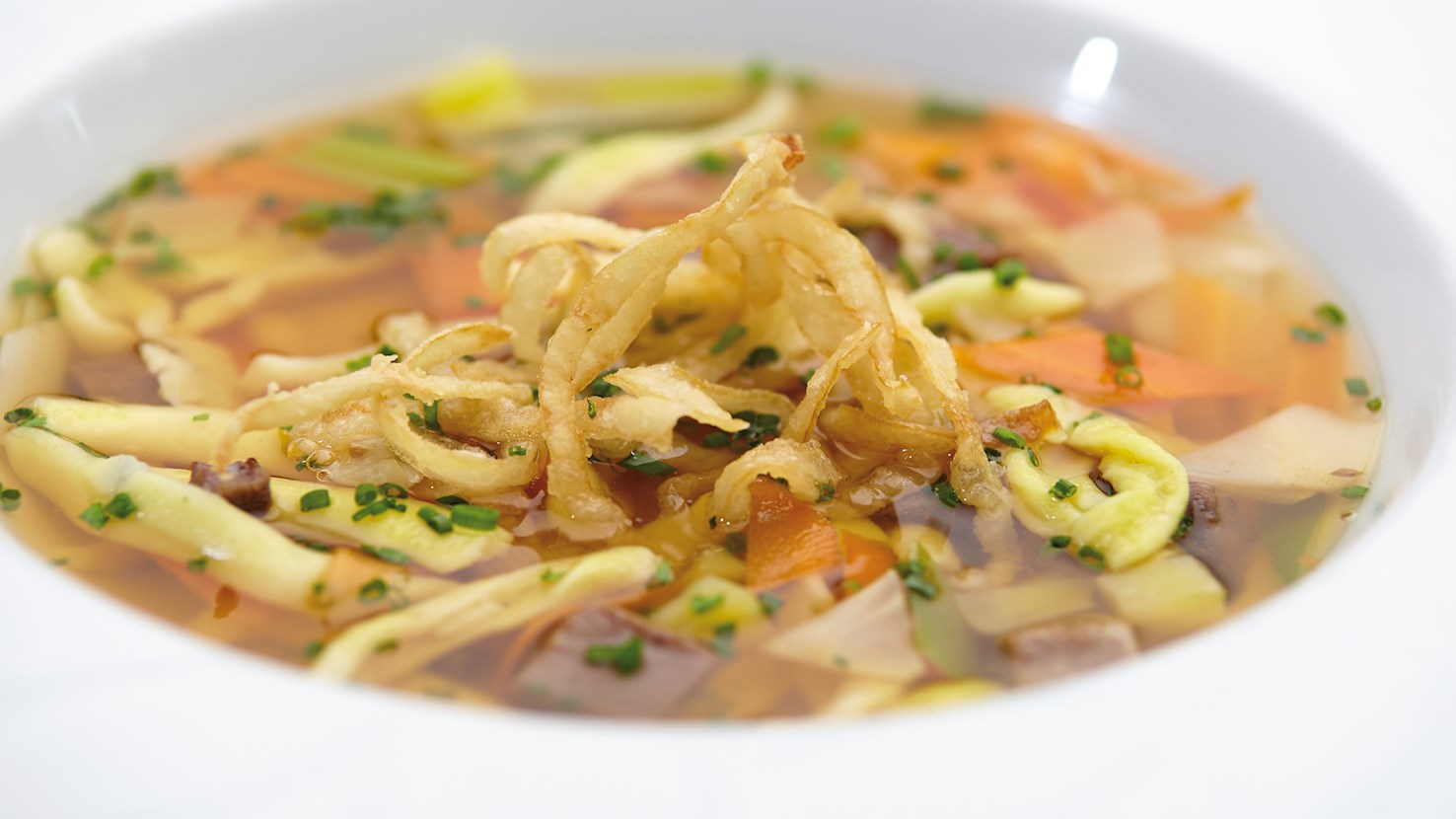
A German specialty originating from Swabia, gaisburger marsch is a meat stew based on beef cooked with a rich meat broth and vegetables. Once ready, the beef is usually cut into bite-sized pieces, accompanied by potatoes, carrots, and spätzle, all drizzled with the broth. Warm and packed with flavors, the dish is typically topped with roasted onions, parsley, and chives. There are several stories behind the name of this classic dish, which translates as the march of Gaisburg in English. Some say the stew was a favorite among officer candidates who would march to one of the Gaisburg restaurants to have a bowl of it, while other sources credit the wives of certain imprisoned Gaisburg locals for the creation of this stew. Regardless of who created the dish, this hearty Swabian stew remains a common traditional specialty beloved by many.
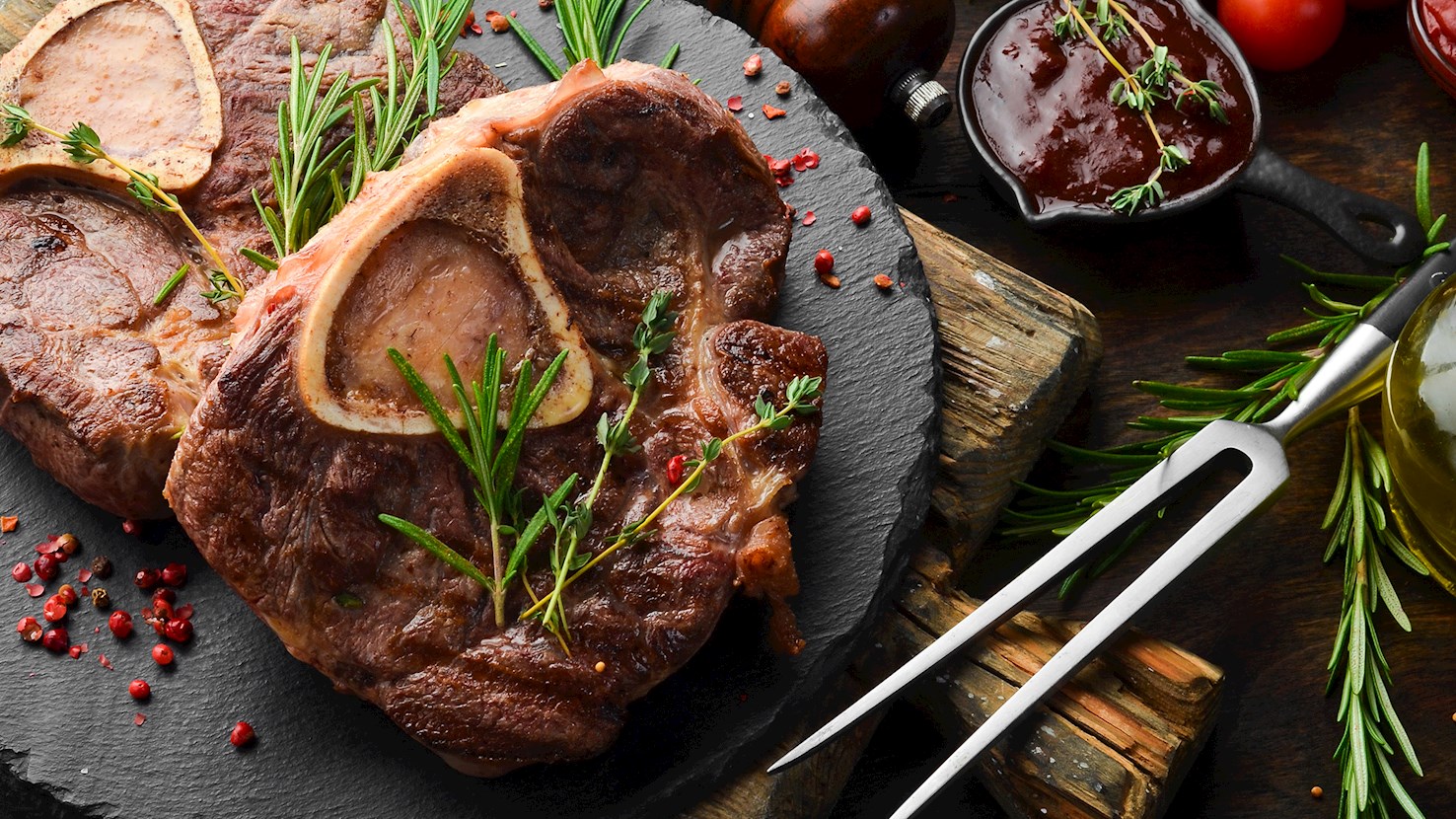
In the American, German, and Brazilian systems of primal beef cuts, the shank (hesse, músculo) is the term used for the leg portion of the cow. There are both front and hind shanks, coming from the legs of the steer. The shank is known to be one of the toughest cuts due to the fact that it comes from a part of the animal that is heavily exercised. As such, it contains a high amount of connective tissue, which can be made tender and flavorful through slow, moist-heat cooking methods like braising. The meat from the shank is often used in dishes like soups and stews. Shank is also commonly used for making bone broths and stocks, as the bones from the shank contain marrow, which adds depth and richness to the liquid.
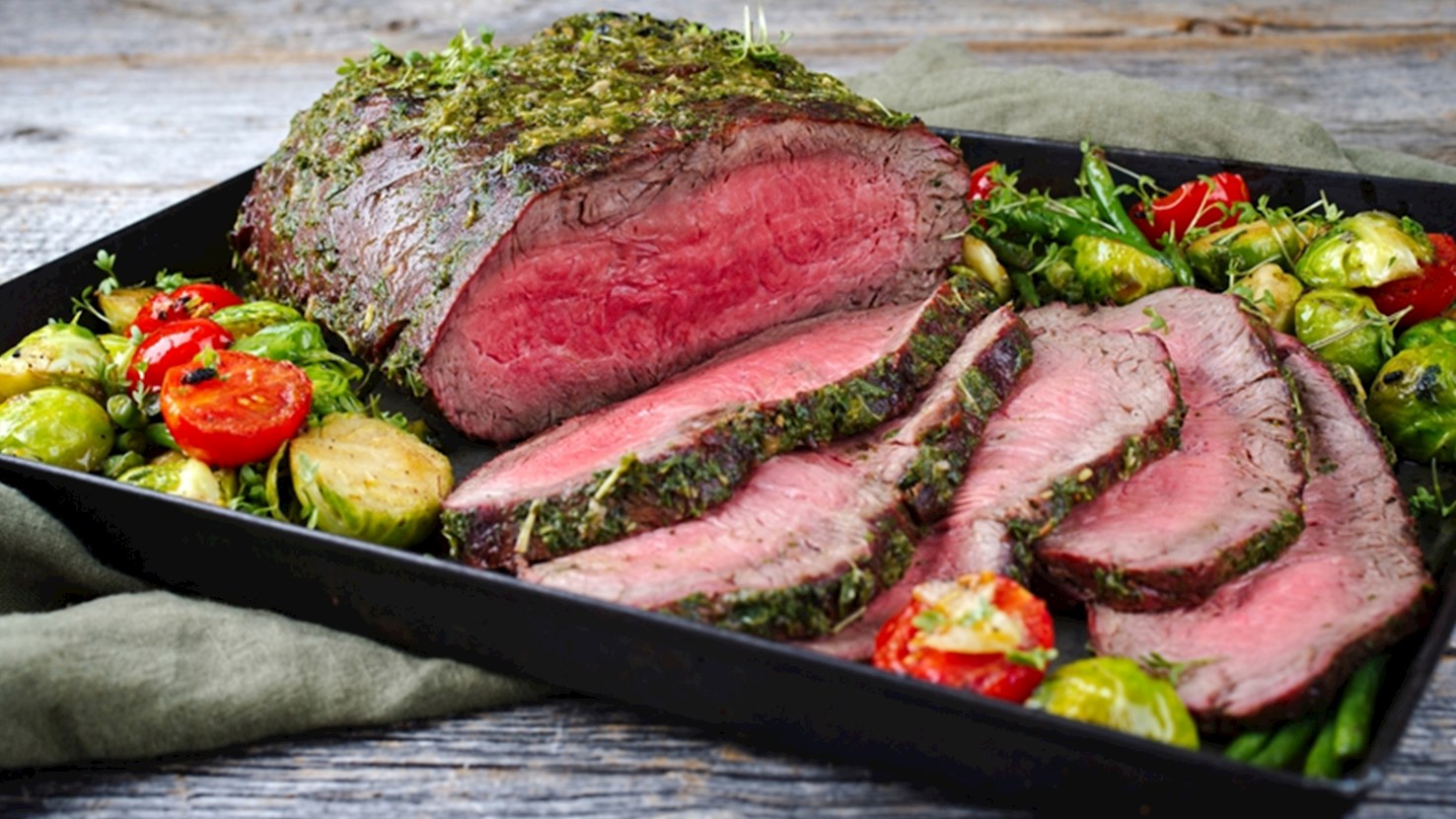
The term rostbraten is used in German-speaking countries, including Germany and Austria, to refer to certain cuts of beef as well as dishes made from these cuts. Regarding cuts, the rostbraten usually refers to a section from the rump or loin of the cow, which corresponds to parts of the sirloin or rump steak in the UK and the US. This cut is known for being lean and quite tender, making it well-suited to various cooking methods, including roasting, grilling, or pan-frying. When used in a dish also called rostbraten, this cut of beef is often seared in a hot pan and then further cooked in the oven or simmered with onions and broth, depending on regional variations of the recipe.
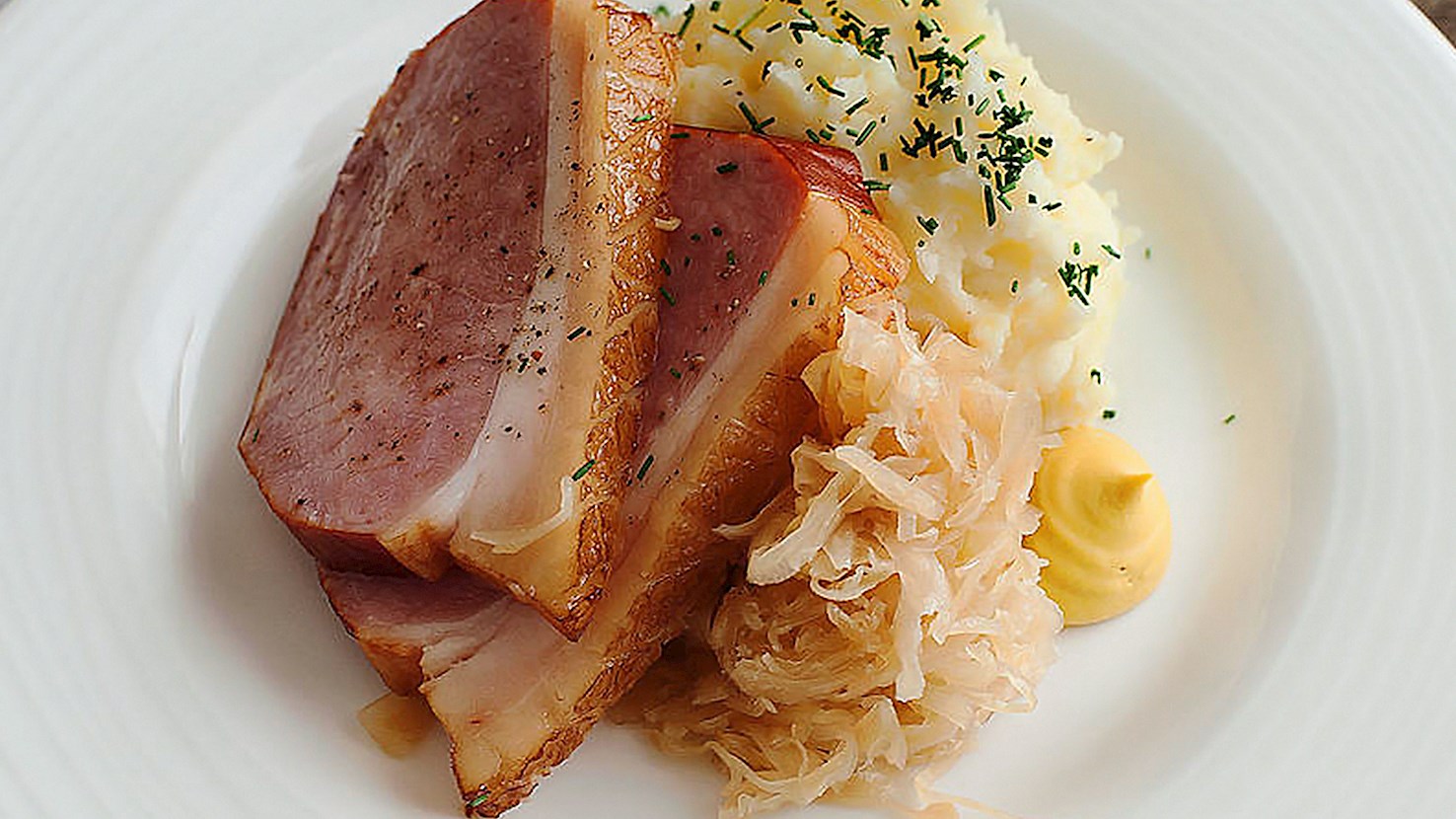
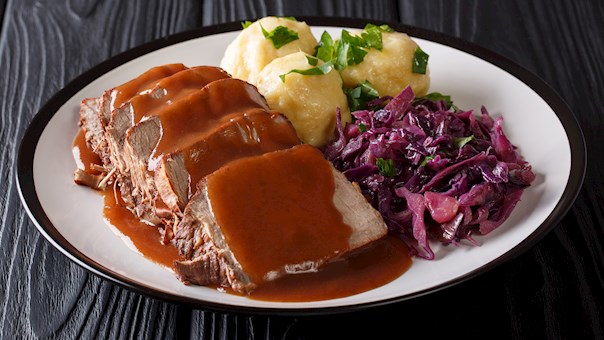
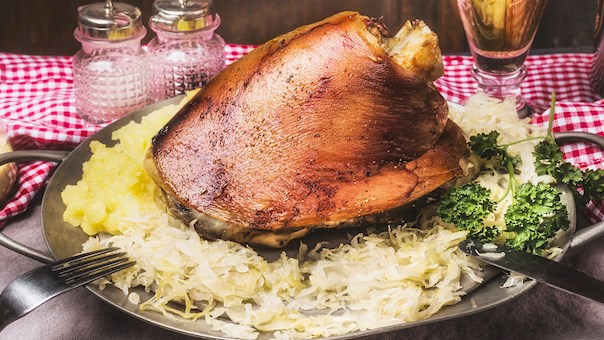
Kassler is a traditional Oktoberfest dish made with cured and smoked pork. The meat is usually smoked with alder or beechwood. When served, pork is almost always accompanied by sauerkraut and mashed or boiled potatoes on the side. The origin of the name is still unknown, although some claim that it was named after a Berlin-based butcher called Cassel in the 19th century.
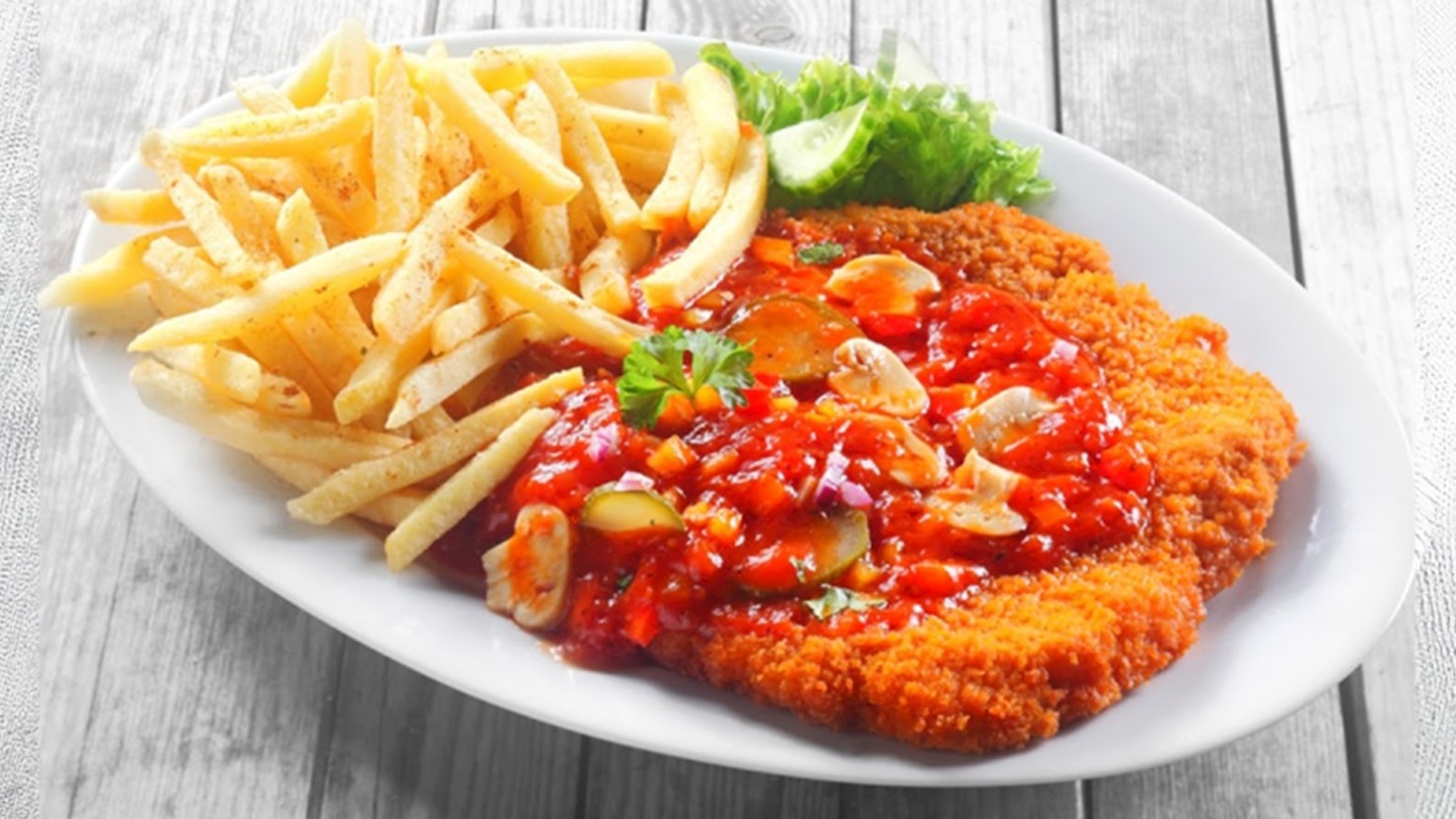
Zigeunerschnitzel is a German specialty consisting of a thin, breaded, and pan-fried veal cutlet (but pork, or chicken can also be used) that is finished with a spicy sauce on top just before serving. This schnitzel was named after the sauce it is topped with, which is called zigeuner sauce or gypsy sauce and is typically made with a combination of bell peppers of different colors, onions, tomato paste or tomatoes, mushrooms, wine, water, broth, and spices such as sweet and hot paprika. In Germany, the dish is not a common home-cooked meal but a typical food item that can be enjoyed at restaurants, cafeterias, and food stalls. Zigeunerschnitzel is usually accompanied by sides such as french fries, salzkartoffeln (salt potatoes), and salads, but it also pairs well with rice or spätzle. The name of this dish has been deemed offensive and politically incorrect toward the Romani people, which has led to a ban of its use in some parts of Germany and the rise of alternative names for this schnitzel such as balkanschnitzel or paprikaschnitzel.
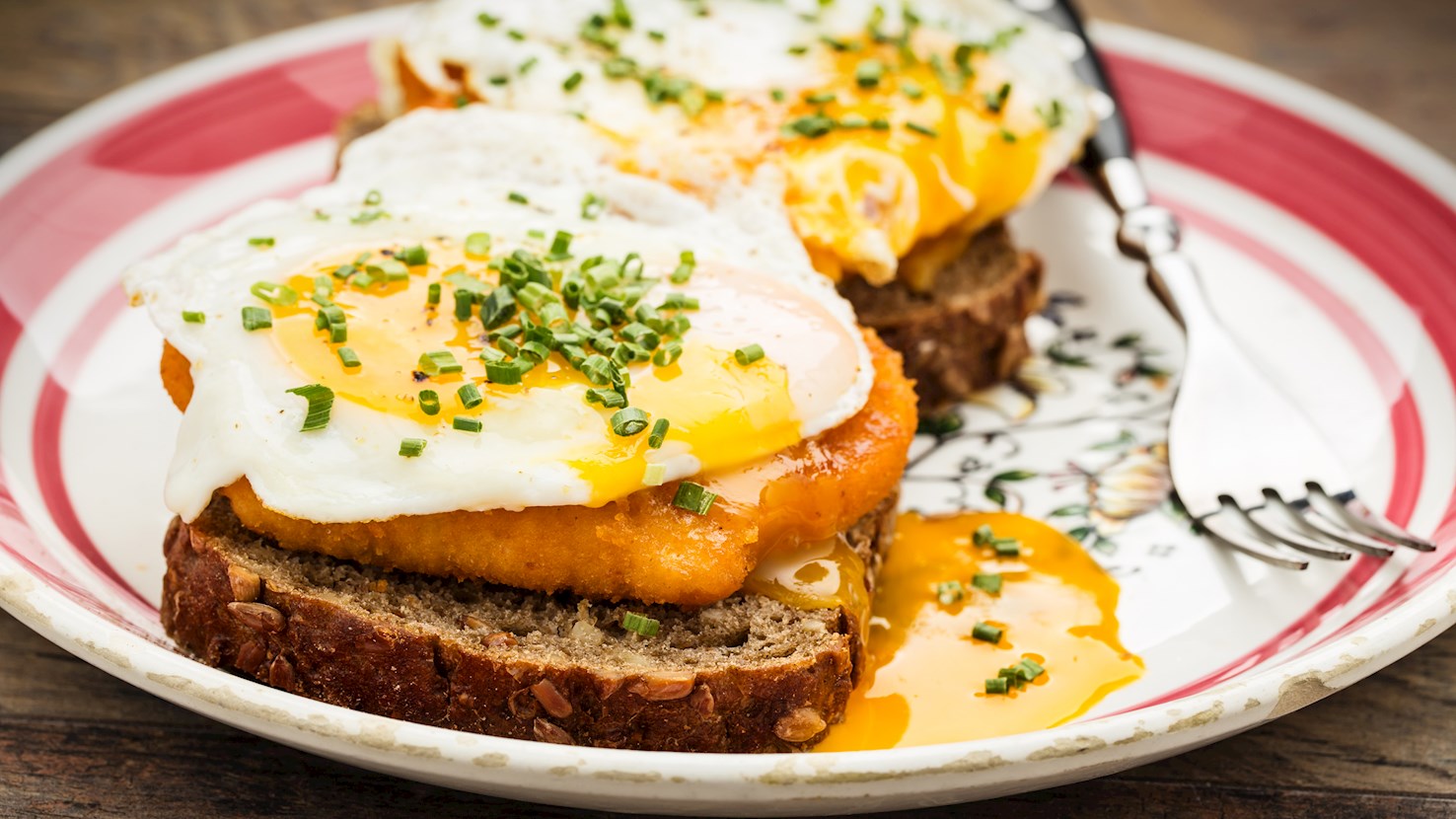
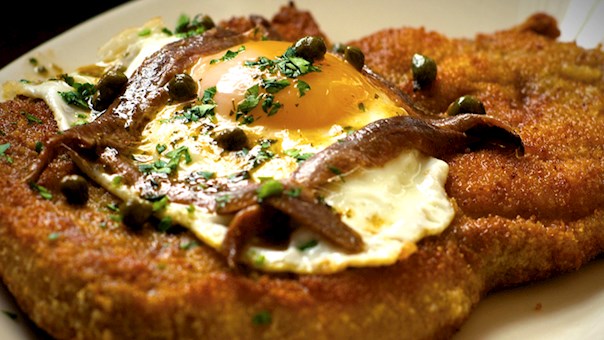
Krüstchen schnitzel is a traditional dish originating from Frankfurt and the surrounding areas. The dish usually consists of a schnitzel that's served on a slice of toasted bread or rye bread. It's topped with a fried egg and traditionally served with french fries, pickles, roast potatoes, or potato salad on the side. The meat used for the preparation of the schnitzel is typically pork. The meat is pounded thin, coated with flour, dipped in beaten eggs, dredged in breadcrumbs, and then fried in butter or a mixture of oil and butter until golden brown and crispy.
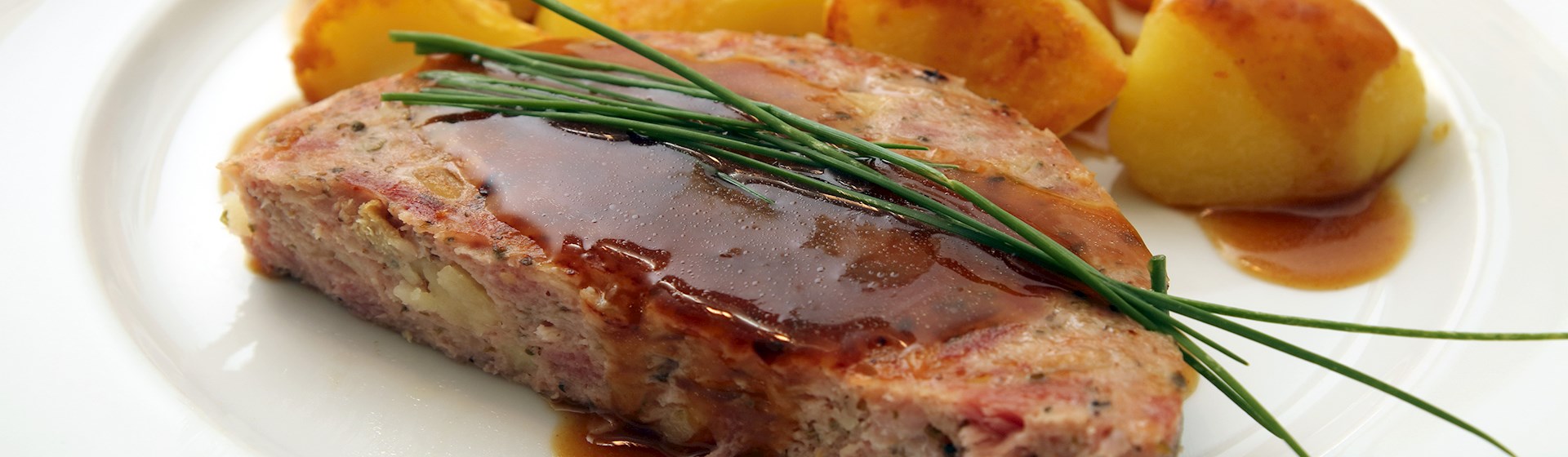
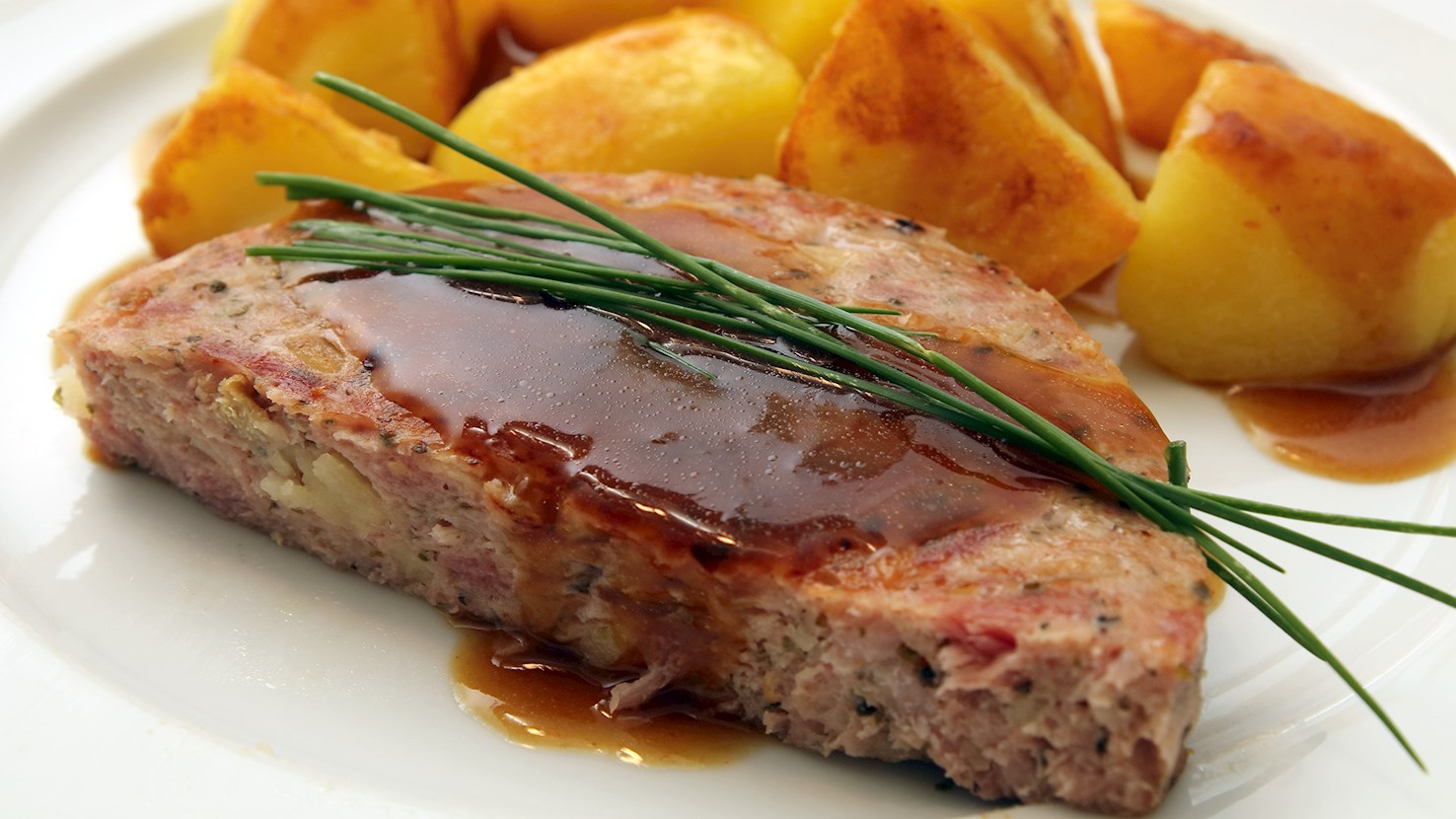
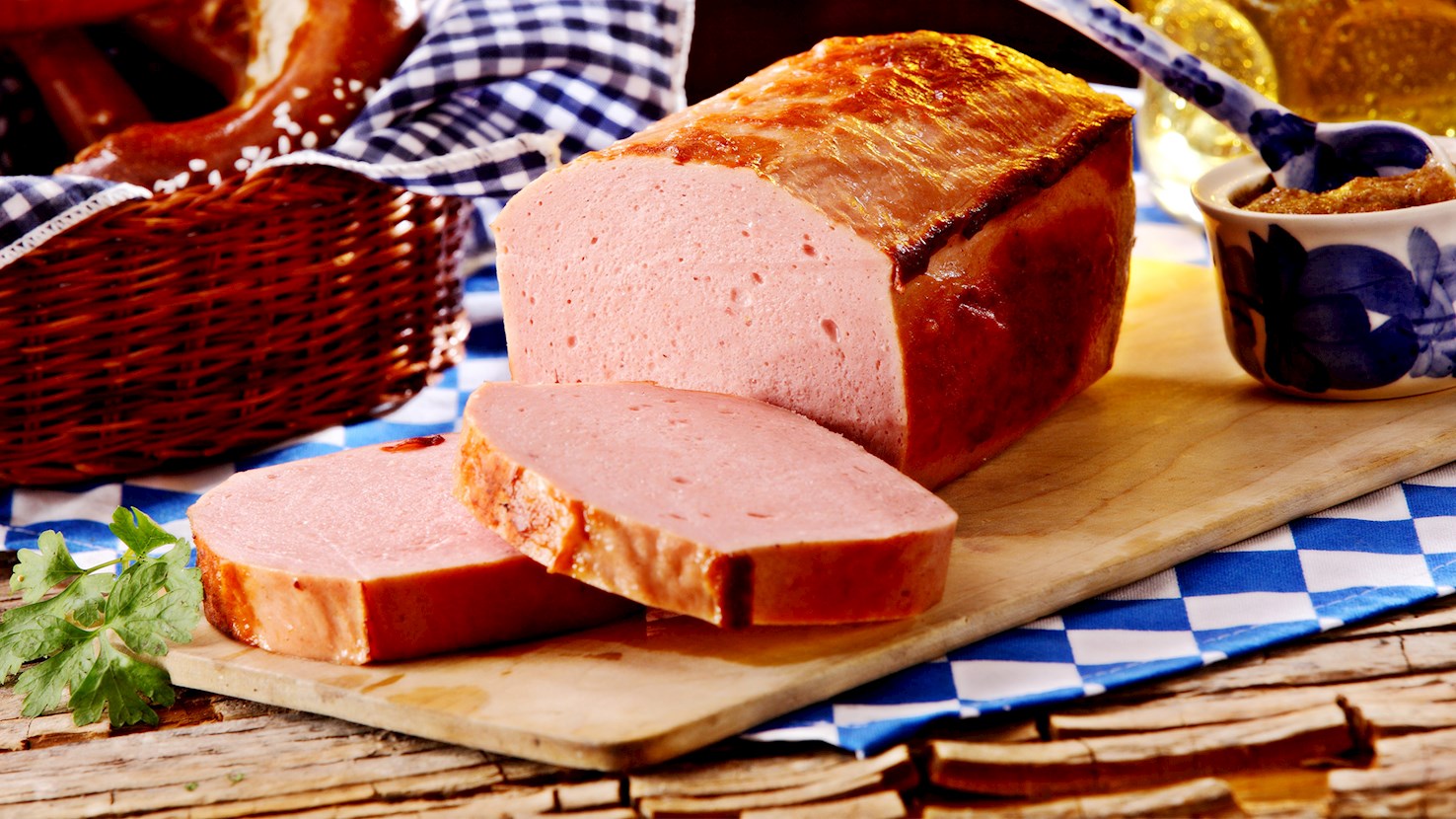
Leberkäse is a traditional product consisting of ground meat that is flavored with onions and baked into a meatloaf. The loaf is characterized by a crispy crust on the exterior, while the interior remains juicy and pink. The dish can be served either hot or cold, and it is recommended to pair it with mustard and bread, while some like to fry the slices of meatloaf in a pan and consume it as a quick snack.
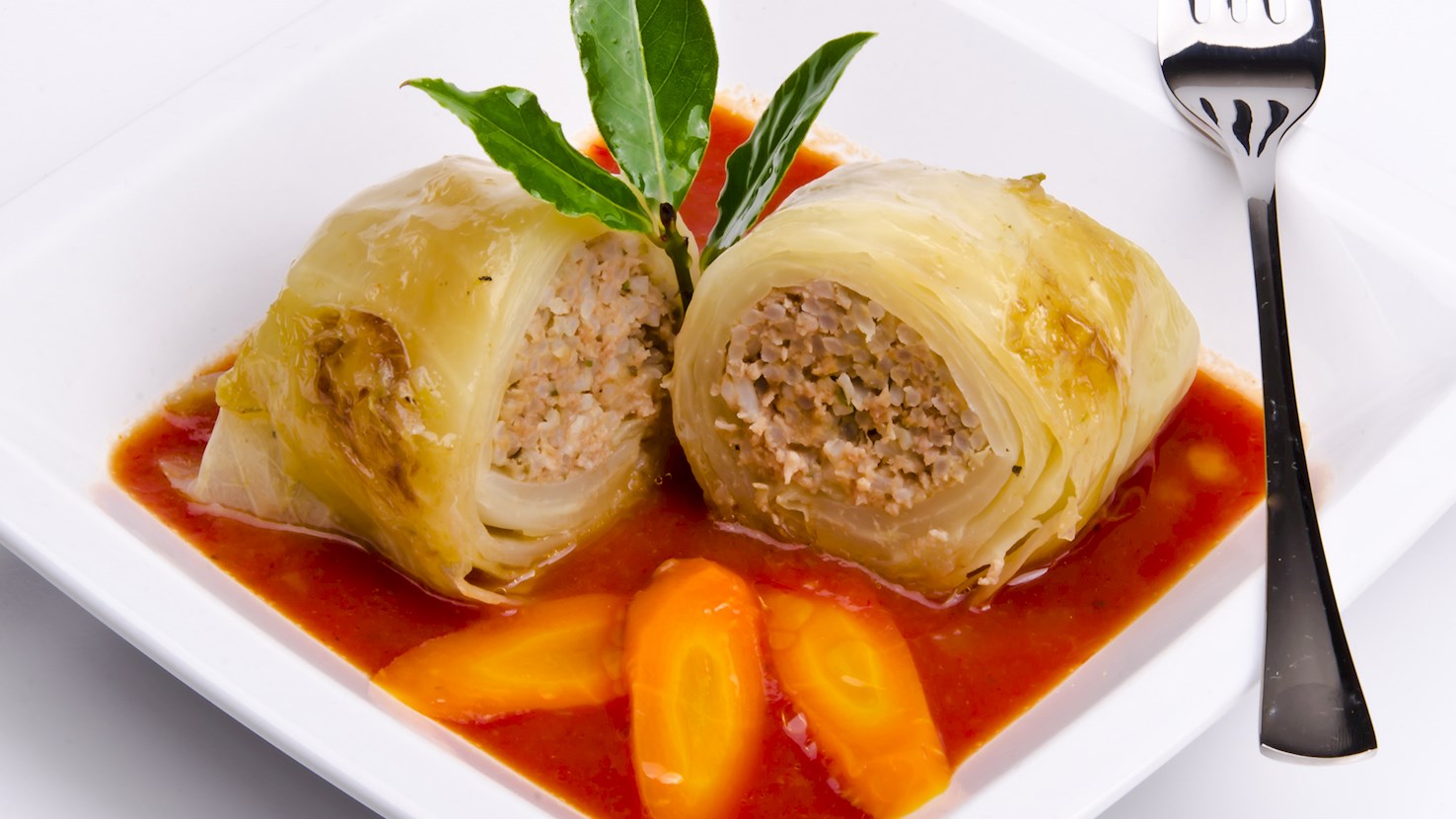
Kohlroulade is a German version of stuffed cabbage rolls, consisting of blanched cabbage leaves that are tightly rolled around a filling of ground meat, breadcrumbs, eggs, onions, and a variety of spices. After assembling the cabbage rolls, they are first lightly browned before being simmered in meat broth until fully cooked and tender. Caraway, mustard, or tomato sauce can optionally be added to the sauce or the meat mixture for extra flavor. These stuffed cabbage rolls are typically enjoyed with a side of potatoes, cucumber salad, and a glass of beer. In Germany, kohlroulade is commonly prepared during winter, and it can be made with different types of meat including beef, pork, turkey, or chicken.
TasteAtlas food rankings are based on the ratings of the TasteAtlas audience, with a series of mechanisms that recognize real users and that ignore bot,
nationalist or local patriotic ratings, and give additional value to the ratings of users that the system recognizes as knowledgeable.
For the “20 Worst Rated German Meat Dishes” list until July 16, 2026, 3,194 ratings were recorded, of which 2,789 were recognized by the system as legitimate.
TasteAtlas Rankings should not be seen as the final global conclusion about food. Their purpose is to promote excellent local foods,
instill pride in traditional dishes, and arouse curiosity about dishes you haven’t tried.