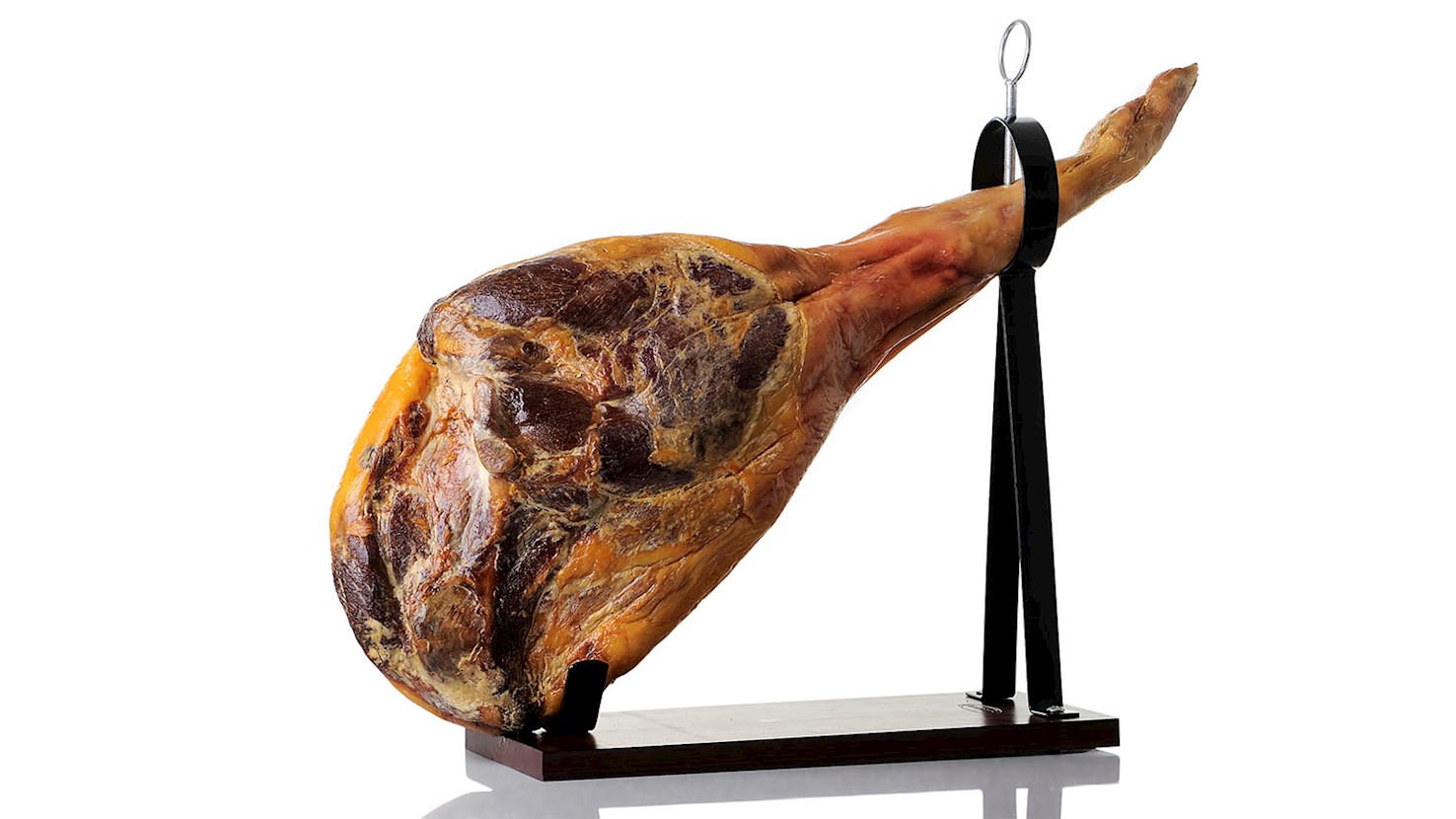
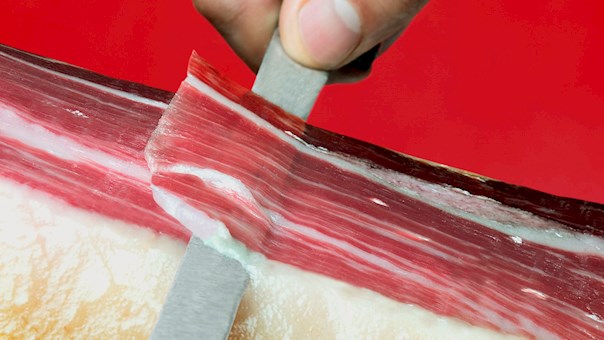
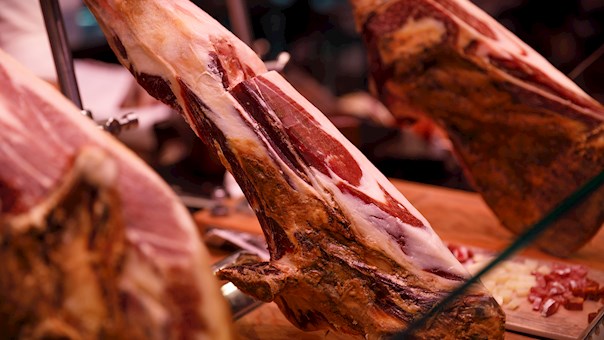
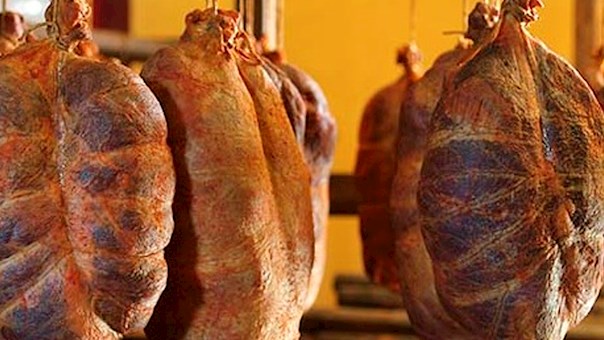
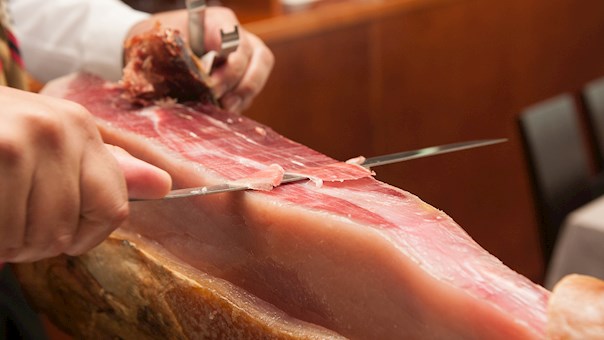
Jamón de Trevélez is a cured ham produced in the southeast of the province of Granada. This famous ham has been manufactured in the region of Granada for more than two hundred years and has been recognized for its exceptional quality and characteristics. The meat that is used for this ham comes from pigs of the Landrace, Large White and Duroc–Jersey breeds. The climate and environment in which this ham is produced make it different from hams produced elsewhere. Because this region has very cold winters and cool summers, it is possible to cure and dry the meat for extended periods of time without using any preservatives and additives. This ham is made in four separate steps that include salting, washing, post-salting, and drying or maturation. Not much salt is used during the making of Jamón de Trevélez, which makes it only slightly salty and brings out sweet notes that complement the flavor beautifully. The taste is intense and complex, as it is the case with most cured meats, with dominating woody and nutty notes. When cut, Jamón de Trevélez is bright pink and red with evenly distributed fat that makes this ham exceptionally juicy and succulent.
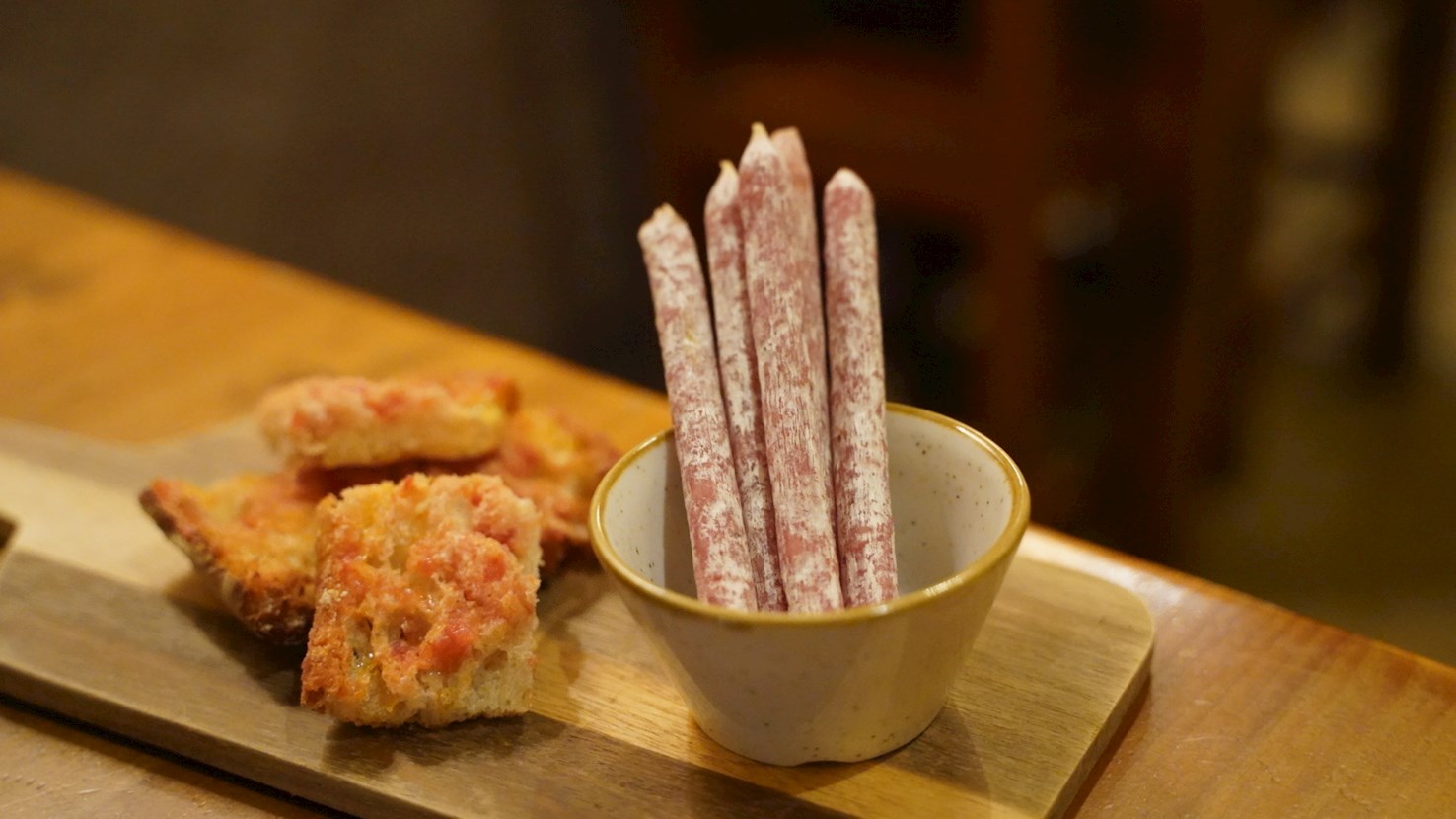
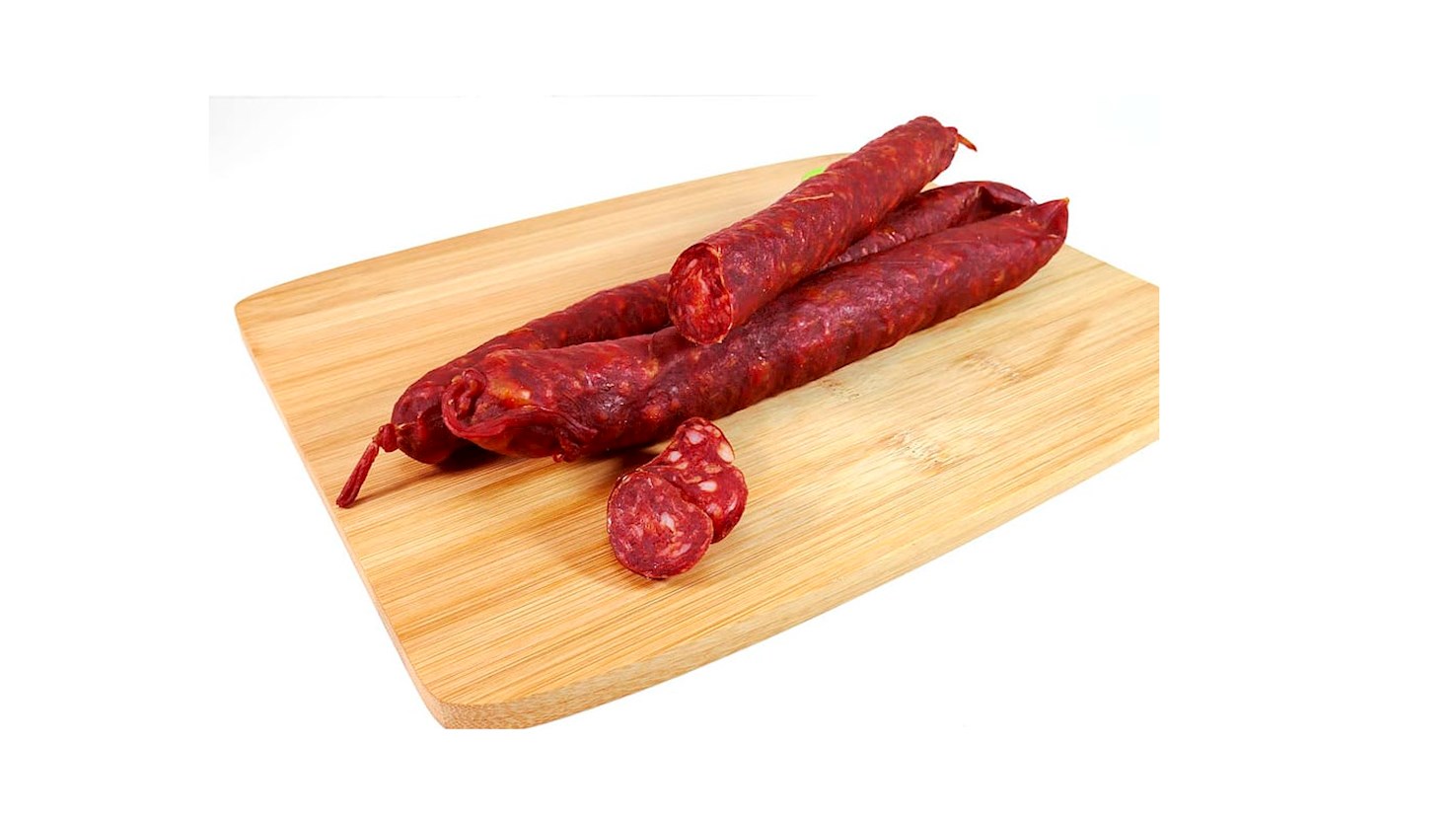
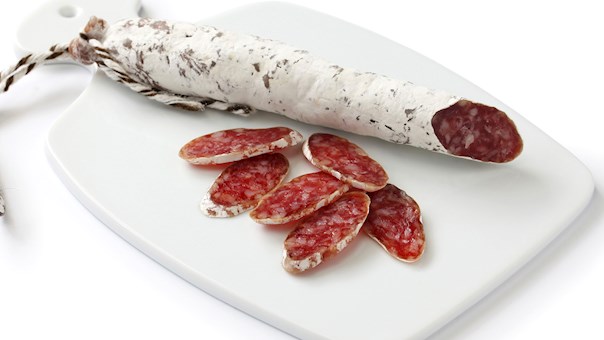
Secallona is a type of fuet and a traditional Spanish sausage originating from Catalonia. This sausage is made with a combination of lean pork and bacon, and it's seasoned with salt and three types of black peppercorns – powdered, whole, and cracked. Once stuffed into natural sausage casings and shaped into a horseshoe, secallona is matured and dried for several days. When compared with fuet, secallona is thinner and longer, and it doesn't have mold on the exterior. It's recommended to cut the sausage into thick slices and serve it at room temperature. Secallona is used in tasting boards as an appetizer, and it's typically paired with a crusty baguette that's drizzled with Spanish olive oil.
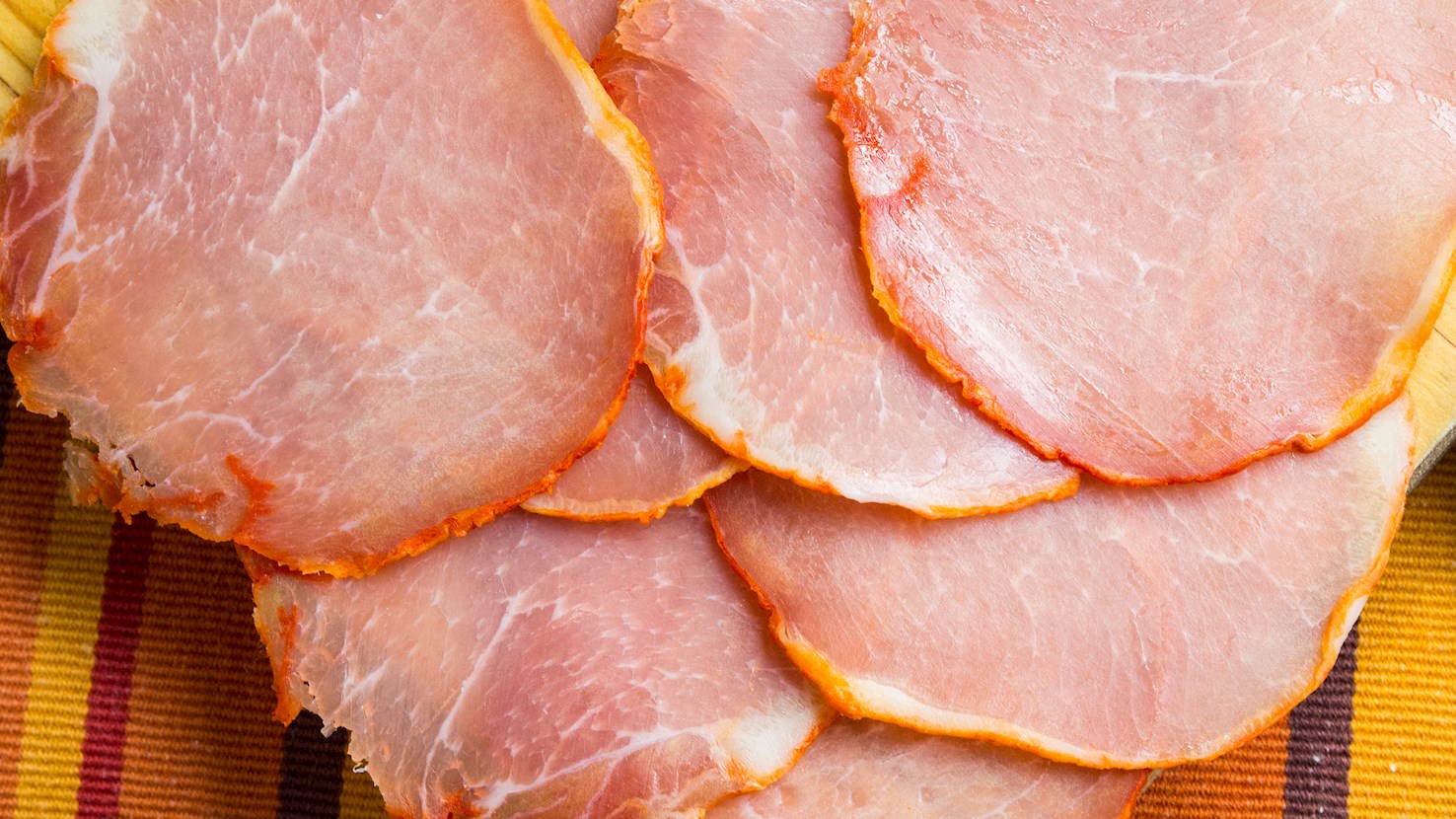
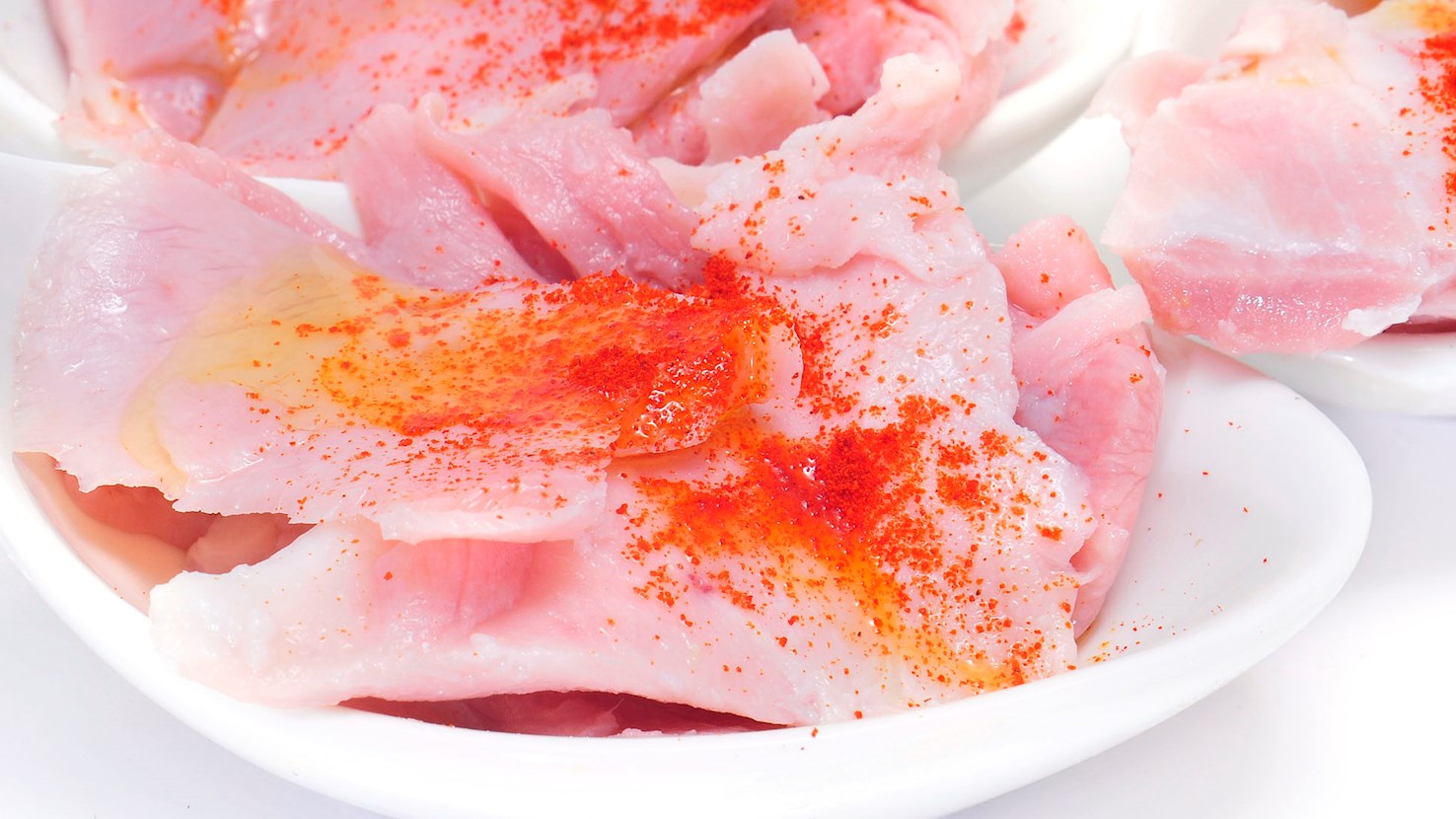
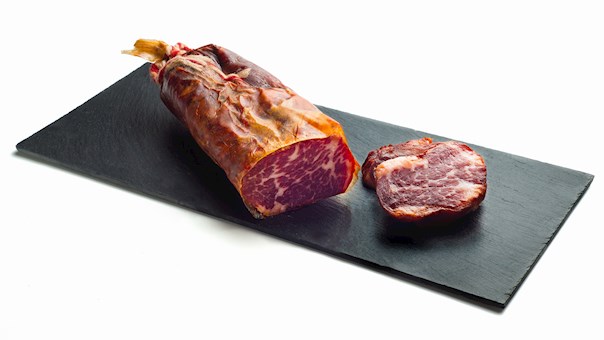
Lomo embuchado de capa blanca is a traditional pork loin. This pork loin is made from white-coated non-Iberian pigs that have a much lower fat infiltration. It's also bigger in size than those loins obtained from Iberian pigs. The flavor is described as good, but not as good or flavorful as the one of the Iberian varieties of pork loin. It's better known as lomo embuchado (stuffed loin). When served, lomo is traditionally sliced thin and accompanied by breads, drizzled with olive oil, or wrapped around other foods such as cheese or fruit.
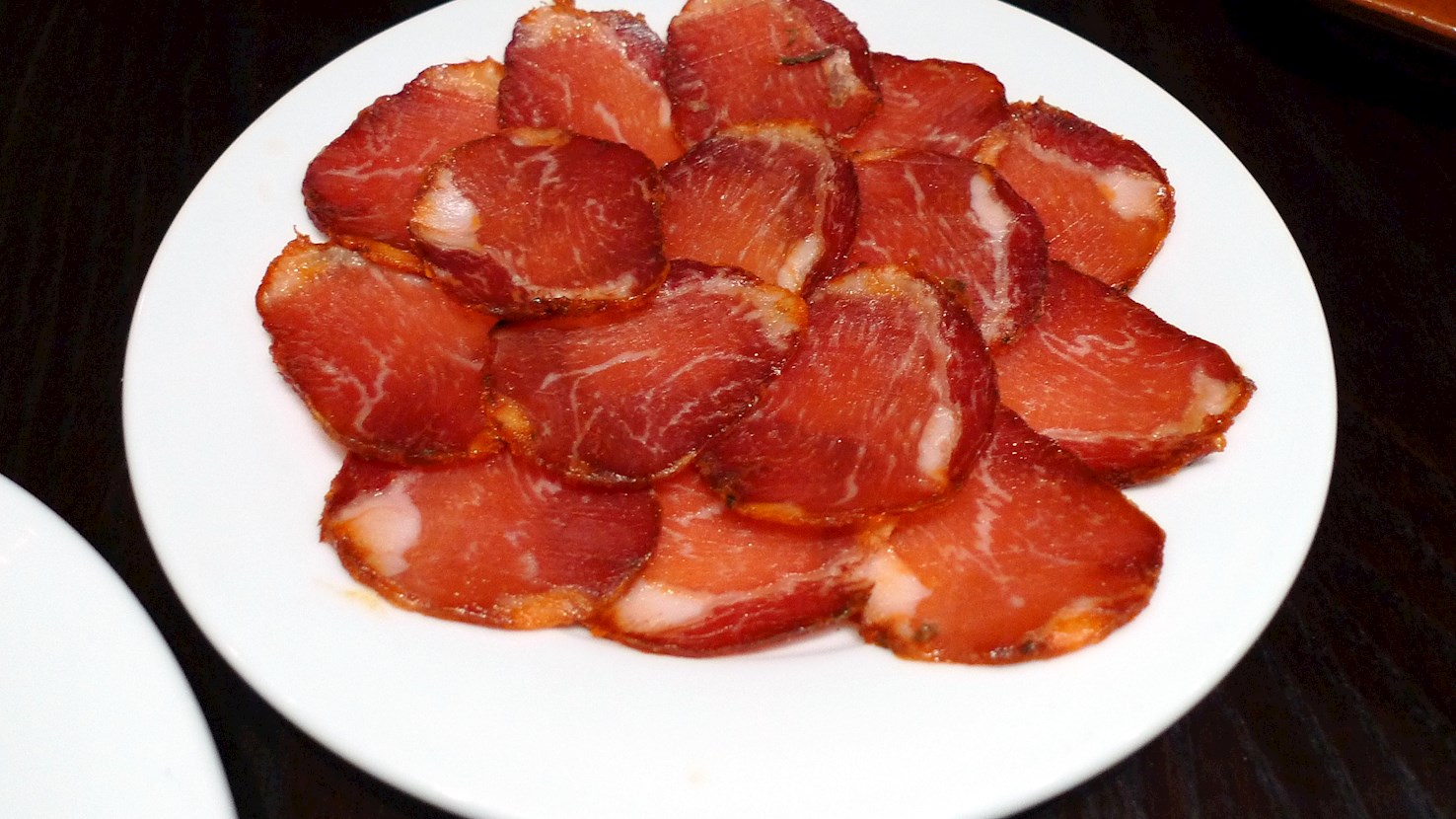
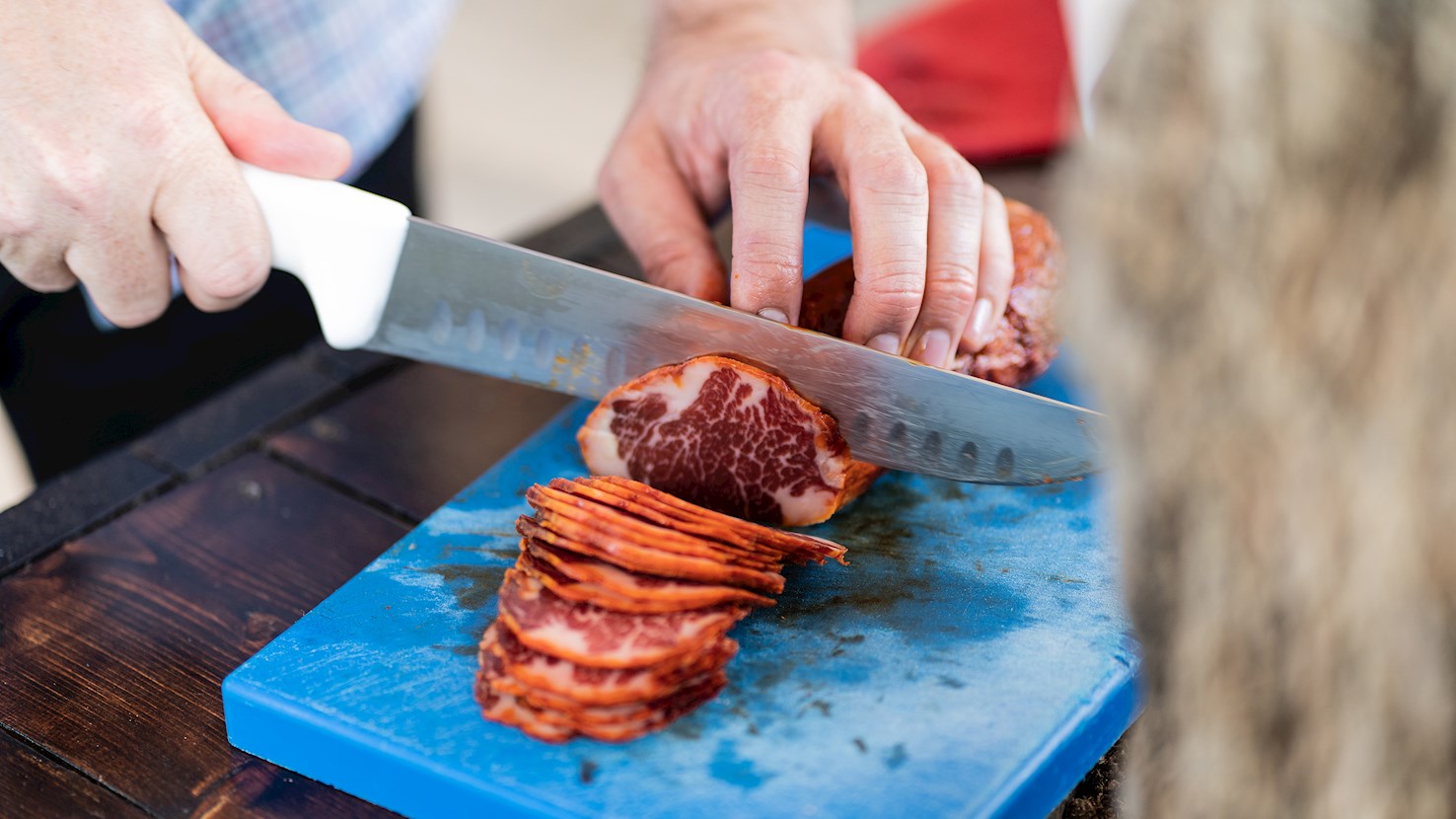
Lomo de cebo ibérico is a traditional pork loin produced from Iberian pigs that feed on high-quality fodder such as barley. Visually, it can be seen that the loin presents more infiltrated fat than the loins produced from white-coated pigs. It's also said that lomo de cebo ibérico is much tastier than those loins made from white-coated pigs. When served, lomo is traditionally sliced thin and accompanied by breads, drizzled with olive oil, or wrapped around other foods such as cheese or fruit.
Salchichón 100% Ibérico is one of Spain’s finest cured sausages, made exclusively from purebred Ibérico pigs, renowned for their exceptional marbling, rich flavor, and tender texture. Unlike chorizo, which is defined by its smoky paprika seasoning, salchichón has a more refined, delicately spiced flavor, typically seasoned with black pepper, nutmeg, salt, and occasionally a hint of garlic or other aromatic spices. This dry-cured sausage is produced using only the highest-quality cuts of Ibérico pork, ensuring a perfect balance between lean meat and fine, melt-in-your-mouth fat. The intramuscular fat of the Ibérico pig—often compared to the marbling of Wagyu beef—enhances the sausage’s smooth texture and depth of flavor, making it one of the most luxurious products in Spanish charcuterie. Salchichón 100% Ibérico undergoes a meticulously controlled curing process, where it is stuffed into natural casings and left to age slowly for several months in drying chambers or underground curing cellars. The cool, dry climate—often in regions like Extremadura, Salamanca, and Andalusia—allows the sausage to develop its complex, nuanced taste while maintaining a firm yet tender consistency. Throughout this time, the seasoning penetrates the meat, and natural fermentation enhances the subtle nutty, umami-rich, and slightly sweet undertones characteristic of Ibérico pork. Unlike many industrially produced salamis, true artisanal Salchichón 100% Ibérico is made following centuries-old techniques, preserving its authentic Spanish heritage and unmistakable flavor. The taste of Salchichón 100% Ibérico is complex yet smooth, offering a mild spiciness from the black pepper, a gentle warmth from the nutmeg, and a silky texture from the rich Ibérico fat. The absence of paprika allows the natural depth of the meat to shine, making it a favorite for those who appreciate pure, well-balanced cured meats. The texture is firm yet supple, with fine, marbled fat that melts delicately on the palate, giving way to an elegant, lingering flavor. Traditionally enjoyed thinly sliced, salchichón is a staple of Spanish charcuterie boards, served with Manchego cheese, rustic bread, and a glass of Rioja or Ribera del Duero.
As the name suggests, longaniza de Pascua is a Valencian sausage that is traditionally prepared for Easter (Pascua means Easter in Spanish). This dry sausage is made with a combination of lard, salt, pepper, aniseed, and equal parts lean pork and beef. The combination is stuffed into natural casings and tied with a string. The curing process typically lasts between 7 and 10 days.
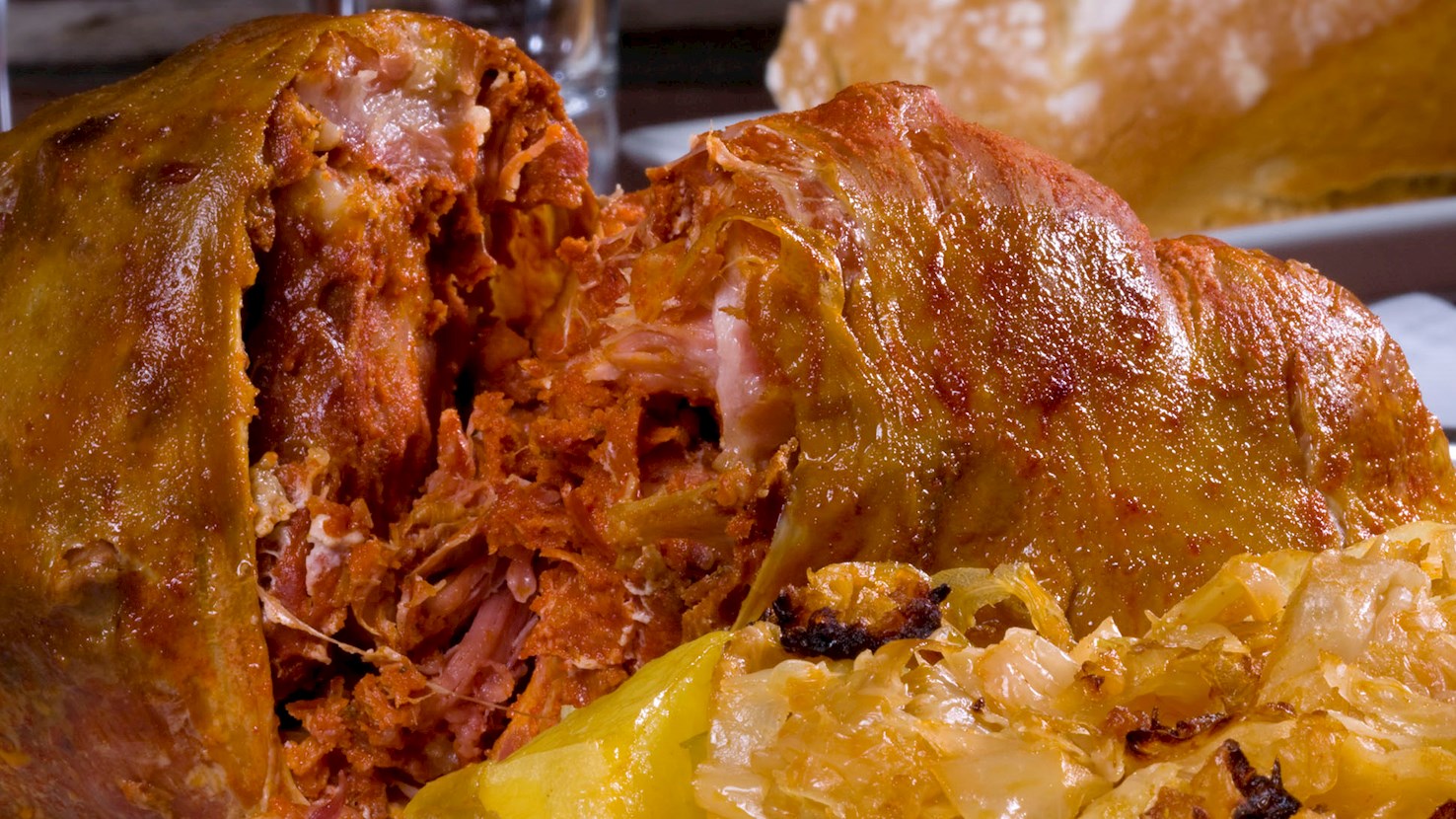
Botillo del Bierzo is a meat product made by stuffing various cuts of pigs meat, mostly rib and tail meat, into the casing. Botillo del Bierzo is then marinated with garlic and paprika, smoked and cured. It is traditionally produced in the region of El Bierzo. It is oval-shaped, red in color and usually weighs between 500 and 1600 grams. Botillo del Bierzo has an intense flavor and smokey aroma. One of the main ingredients in this product is paprika, which has been traditionally cultivated in the Bierzo region and is used in this product as a preservative.
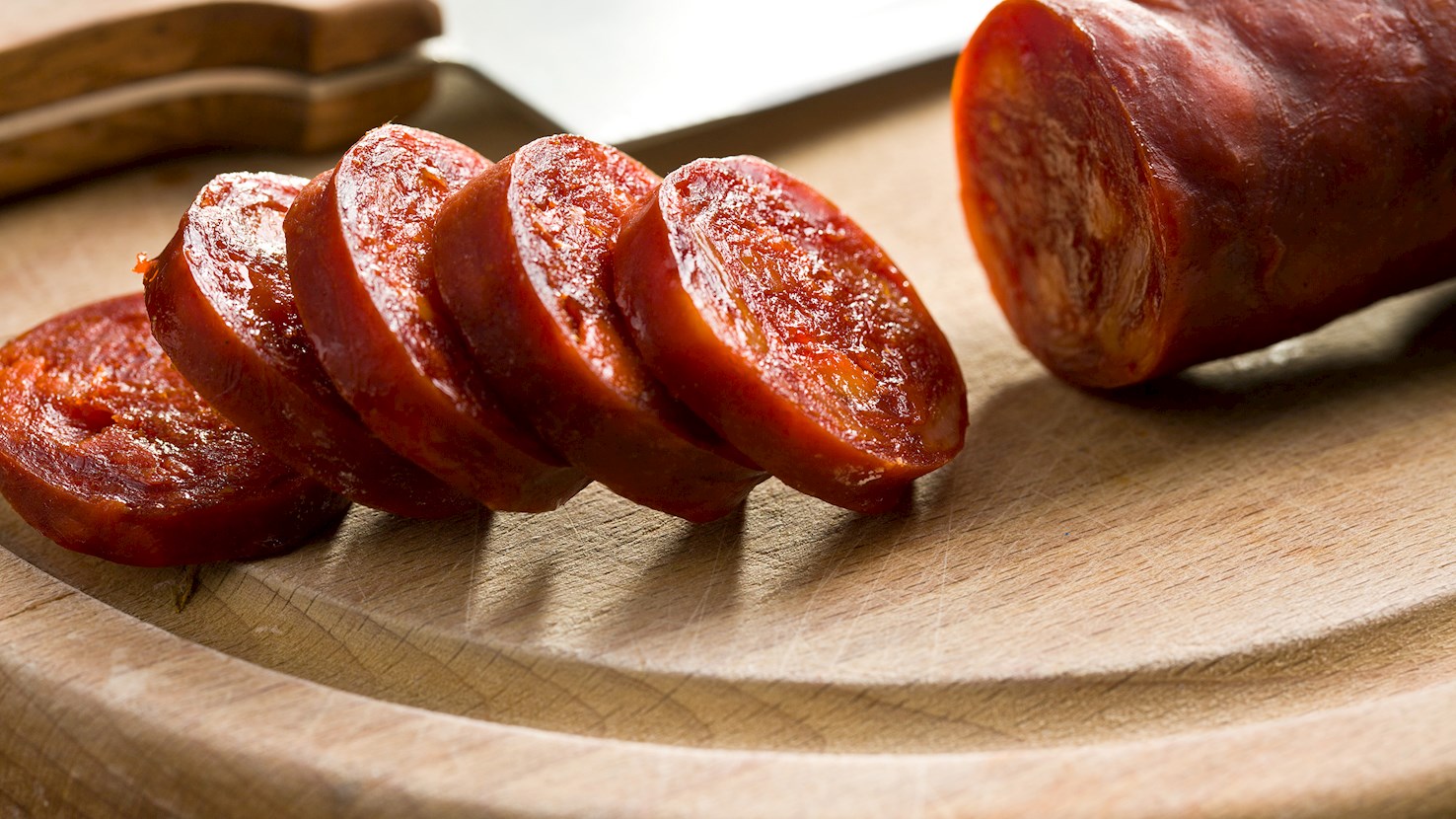
Chorizo de Cantimpalos is a cured variety of sausage made with pork meat that's mixed with salt, pepper, and spices such as garlic and oregano. There are three varieties of this sausage, depending on the thickness; sarta, achorizado and cular. Chorizo de Cantimpalos is dark red and dotted with white particles of fat. It is juicy and smooth in texture and has a very aromatic and mild flavor. The sausage is produced in the province of Segovia from local pig breeds. After casing, it is cured and smoked over low heat.
Lacón Gallego is a cured and dried ham produced in the region of Galicia. This type of ham, unlike the jamon, is produced solely from pigs' shoulders. The breeds used in the production of this ham are Celt, Large White, Landrace or Duroc. There are two types of Lacón Gallego, depending on how the pigs are fed. Traditional Lacón Gallego is made from pigs that have been fed with acorns, grains, and vegetables for at least three months before the slaughter. The other type of ham does not contain 'traditional' in its title and is made of meat from pigs fed on the feed authorised by the regulatory board up until the slaughter. This ham has a bright pink to purple color and shiny appearance when cut. Lacón Gallego is made in four separate steps that include salting, washing, post-salting, and drying or maturation. The taste is intense and complex, as it is the case with most cured meats, with dominating woody and nutty notes.
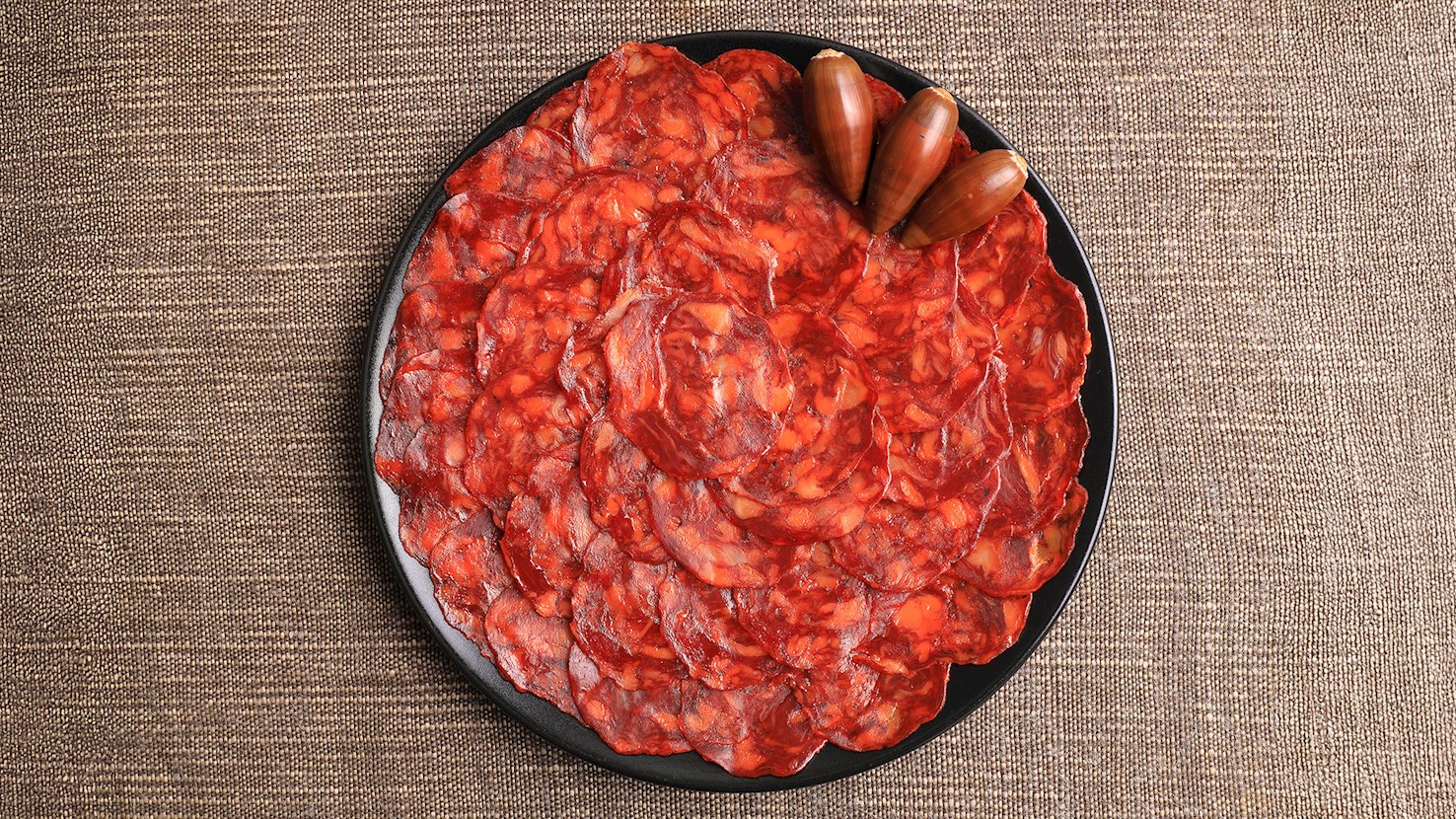
Lomo de bellota ibérico is a traditional pork loin. This pork loin is made from pigs that have been fed on acorns, giving it an extra flavor. The flavors gain in intensity and they're much better than in most other pork loin varieties. The size of lomo de bellota ibérico is somewhat smaller than other pork loins, while the fat infiltration is very high. When served, lomo is traditionally sliced thin and accompanied by breads, drizzled with olive oil, or wrapped around other foods such as cheese or fruit.
TasteAtlas food rankings are based on the ratings of the TasteAtlas audience, with a series of mechanisms that recognize real users and that ignore bot,
nationalist or local patriotic ratings, and give additional value to the ratings of users that the system recognizes as knowledgeable.
For the “17 Worst Rated Spanish Meat Products” list until June 16, 2026, 2,405 ratings were recorded, of which 1,711 were recognized by the system as legitimate.
TasteAtlas Rankings should not be seen as the final global conclusion about food. Their purpose is to promote excellent local foods,
instill pride in traditional dishes, and arouse curiosity about dishes you haven’t tried.