


dreamstime

9 Worst Rated Spanish Pasteurized Milk Cheeses

Last updated on June 16, 2026
01

Queso de Burgos

3.4 ·

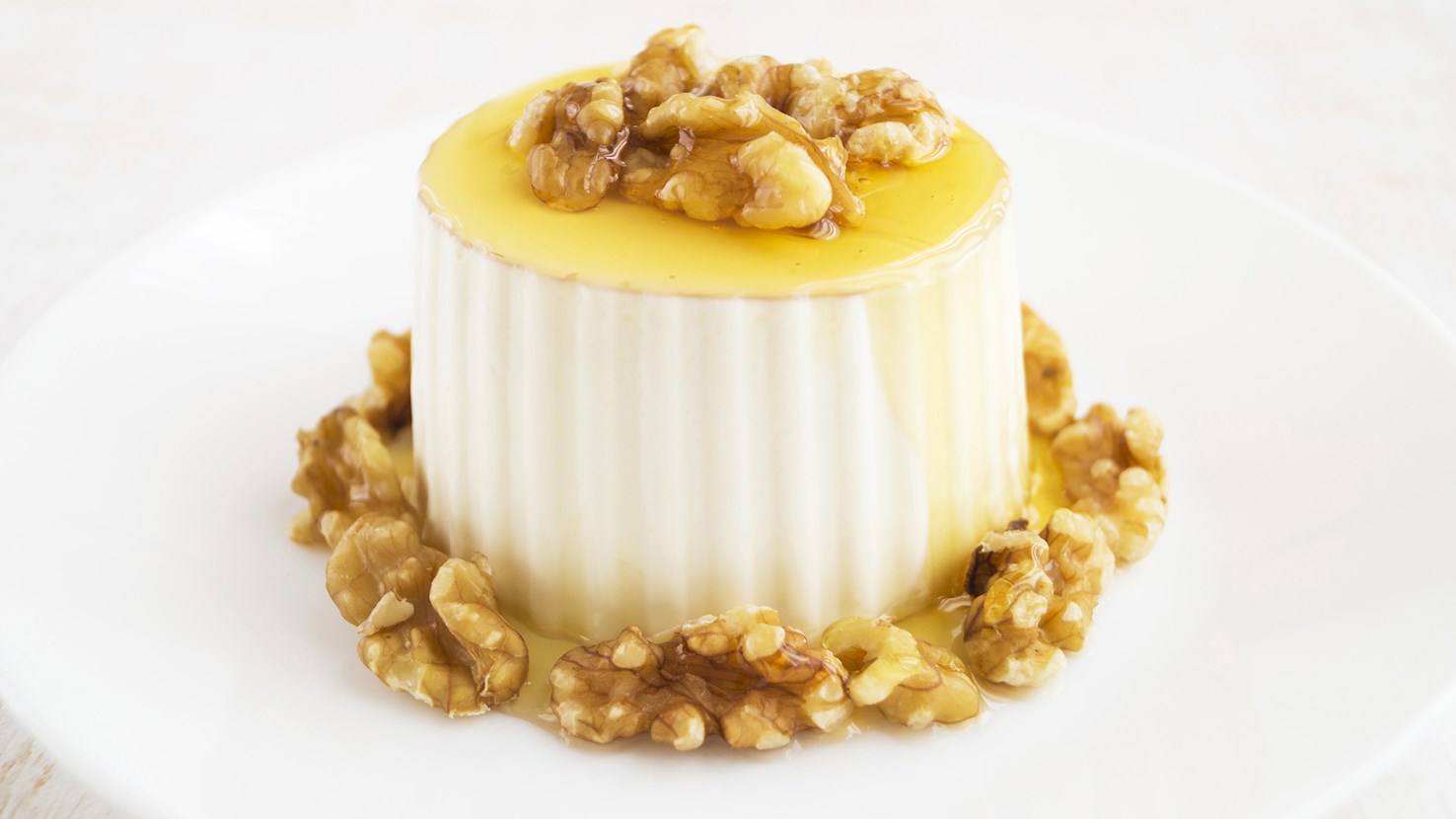
Queso de Burgos is a Spanish cheese made from pasteurized or unpasteurized cow's and sheep's milk. The cheese has a pure white color, and it is traditionally shaped into a wheel with characteristical ridges on top. Its texture is silky and creamy, while the flavors are very mild, fresh, milky, and slightly acidic. It is recommended to pair it with honey, walnuts, and dry white wines.

02

Afuega'l Pitu

3.5 ·

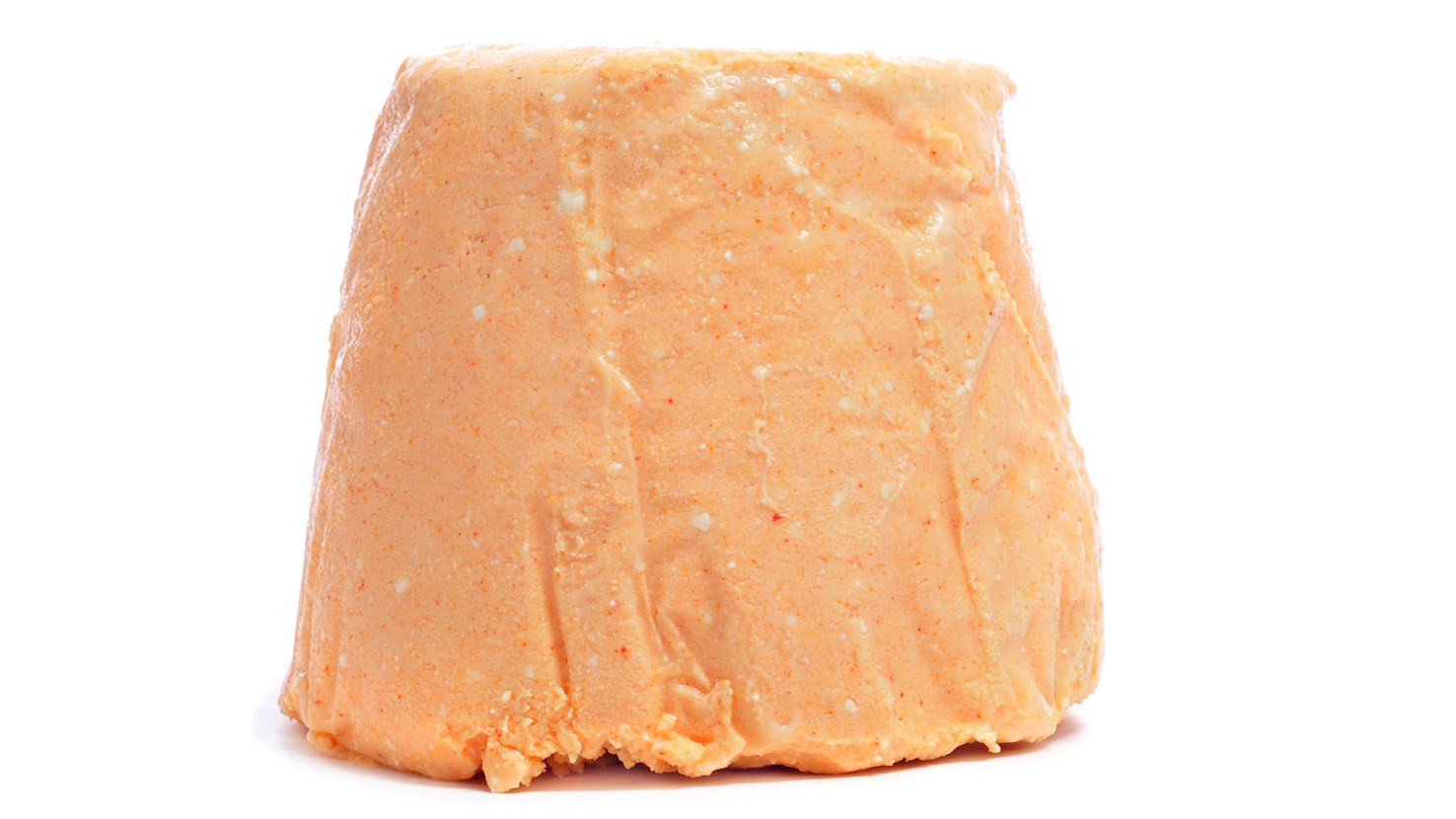
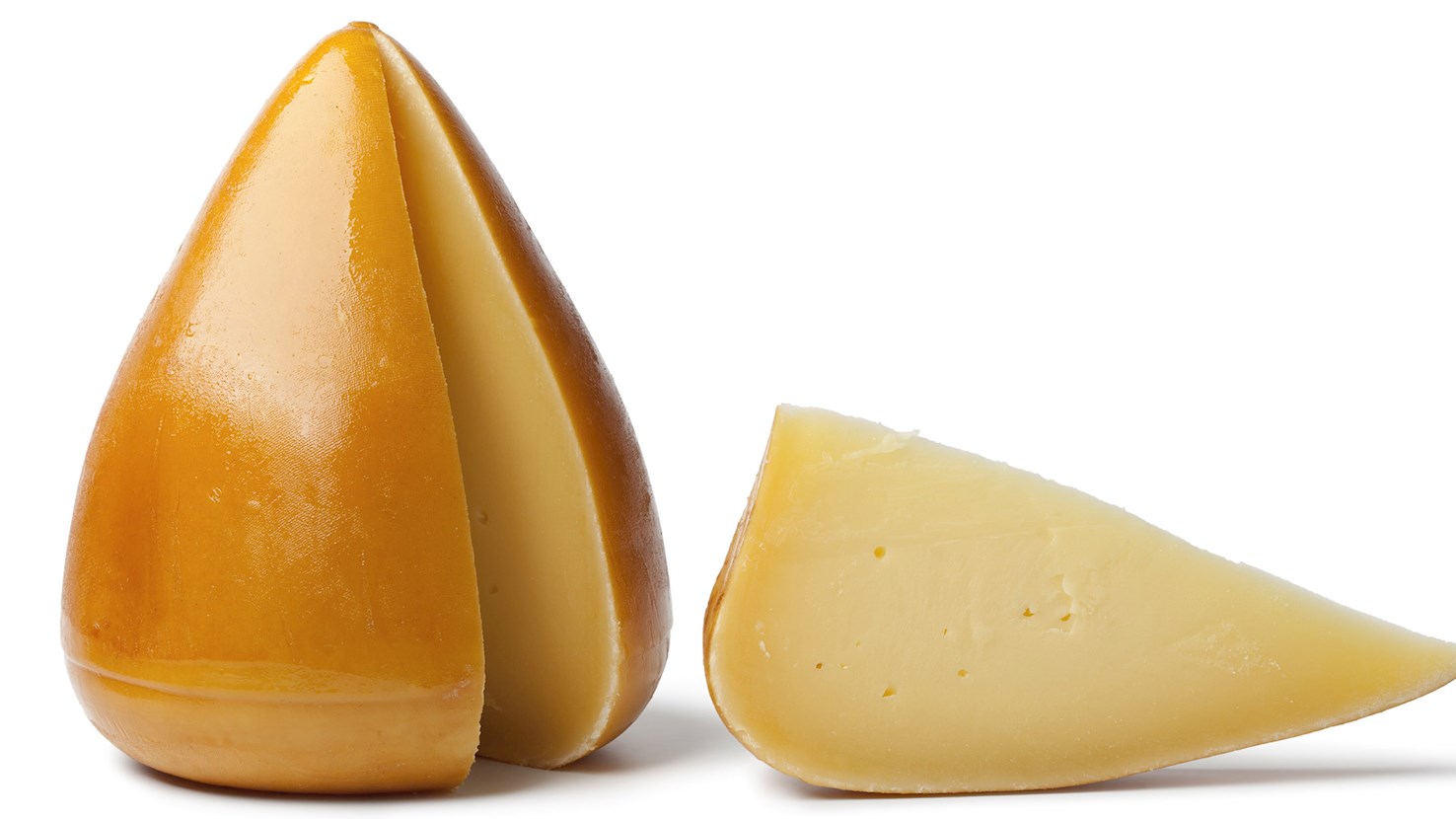
Afuega'l Pitu is one of the most famous and oldest Spanish cheeses. It is a full-fat cheese, made from pasteurized whole cows’ milk, that has a very sharp and piquant flavor and is sometimes seasoned with a mixture of paprika and chili powder. It is slightly salty and acidic, creamy and soft in texture and has a mild aroma. The majority of this cheese is made during the winter and spring in the municipality of Grado. Afuega'l Pitu is cone shaped, usually weighs between 200 and 600 grams, and is white to orange in color. In Asturian dialect, the name means choking cheese, referring to its texture, which makes the cheese stick to the palate when consumed.

03

Queso Mallorca

3.5 ·

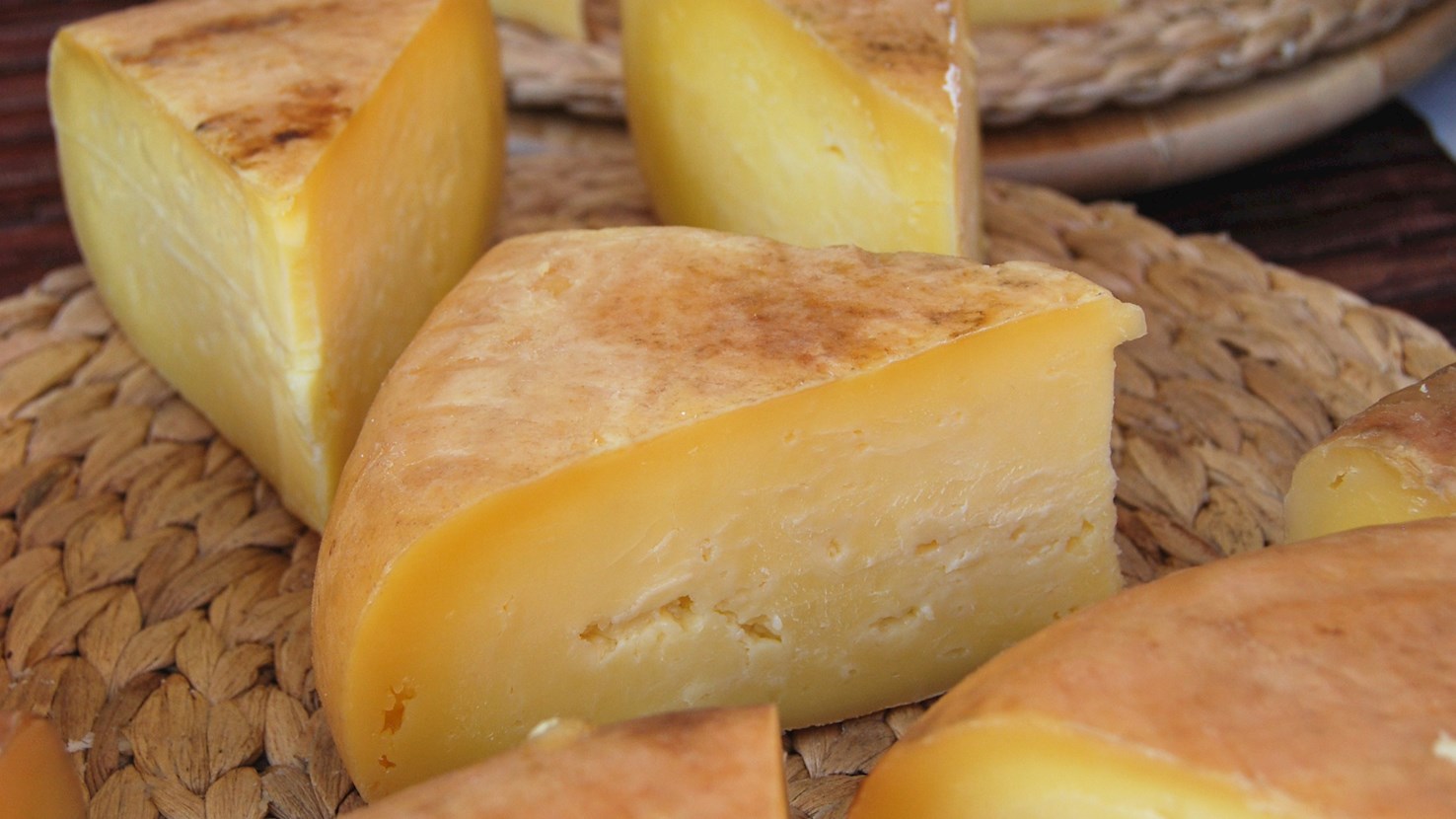
Queso Mallorca is a Spanish cheese hailing from Mallorca. The cheese is made from blended milk of local cows, goats, and/or sheep. It comes in three varieties, depending on the aging period: semi-cured (at least 20 days), cured (at least 45 days), and aged (at least 100 days). The rind is washed in brine and rubbed with olive oil. Underneath it, the texture is firm, smooth, dense, and slightly elastic. The aromas are milky and buttery, increasing with the age of each wheel. The flavors are salty and acidic, while matured cheese might have a slight peppery flavor and a more intense aftertaste. It's recommended to serve the cheese on its own as a snack or pair it with nuts.

04

Tupí

3.5 ·

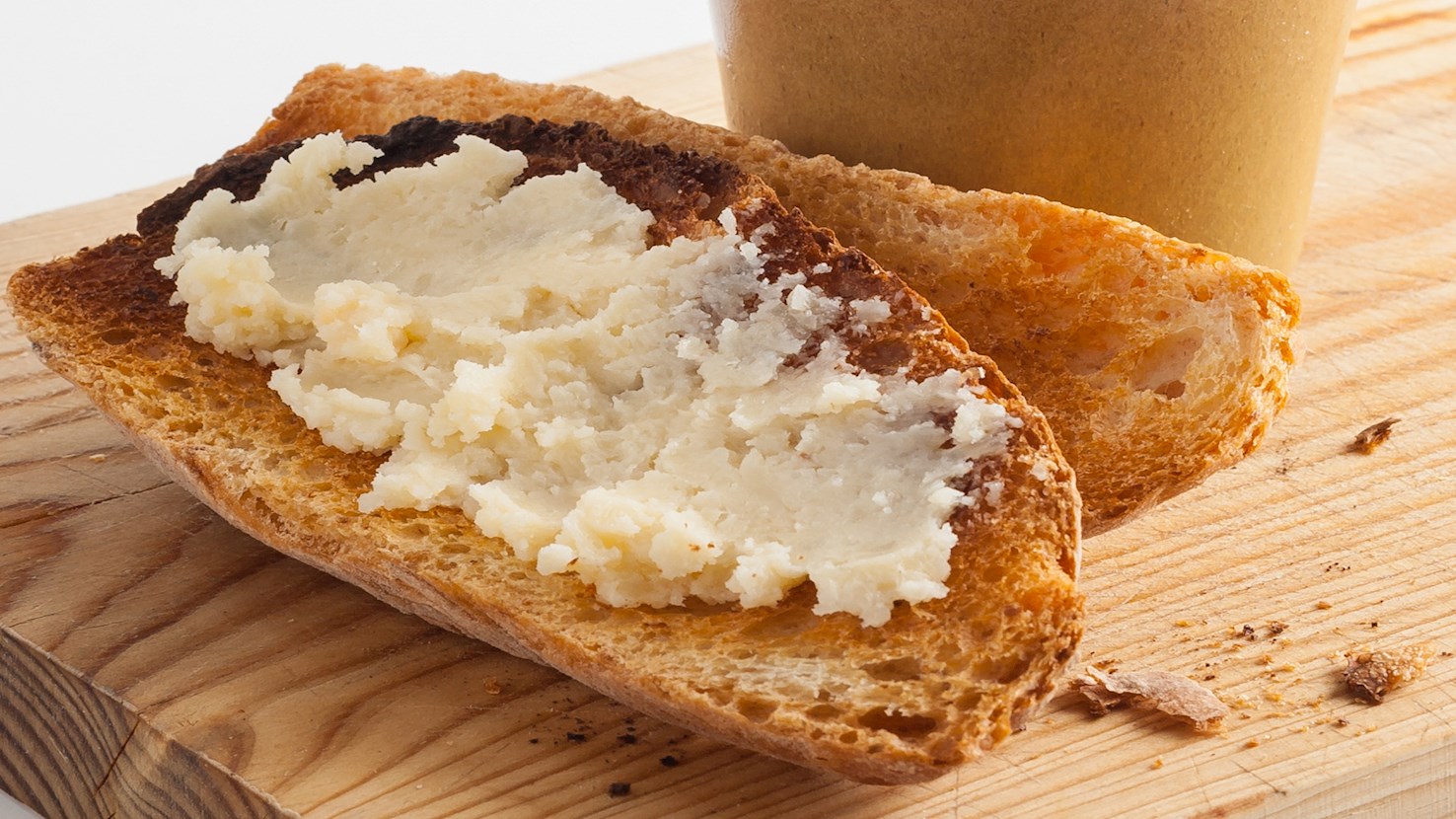
Tupí is a traditional Catalan cheese made from cow's, goat's, or sheep's milk that is mixed with liqueurs or olive oil. The cheese is fermented in a clay pot (called tupí, hence the name) and has an intense, spicy, tangy, and fruity flavor. It doesn't need to be refrigerated, so it is traditionally consumed straight from the pot. Tupí is often seasoned with garlic, and in order to subdue its powerful flavor, it is sometimes combined with honey, butter, or tomato sauces. It is recommended to serve this spreadable cheese with bread and a glass of strong wine.

05

San Simón da Costa

3.7 ·

San Simón da Costa is a cheese made from raw or pasteurized cow's milk of the Galician blond, Swiss brown, and Friesian breeds in the District of Terra Chá, in the province of Lugo. It is sold in two versions; large, which is aged for a minimum of 45 days, weighing between 0,8 and 1,5 kg, and the smaller Bufón, aged for at least 30 days with a final weight of between 0,4 and 0,8 kg. This cheese acquires its typical ochre-yellow color and aroma through the smoking process, for which only birch from the local woods is used. It is sometimes immersed in olive oil to inhibit the growth of mold. For an interesting twist, the young and smoky San Simón da Costa is best enjoyed with homebaked bread and sweet caramelized apple marmalade.

06

Queso de Valdeón

3.8 ·

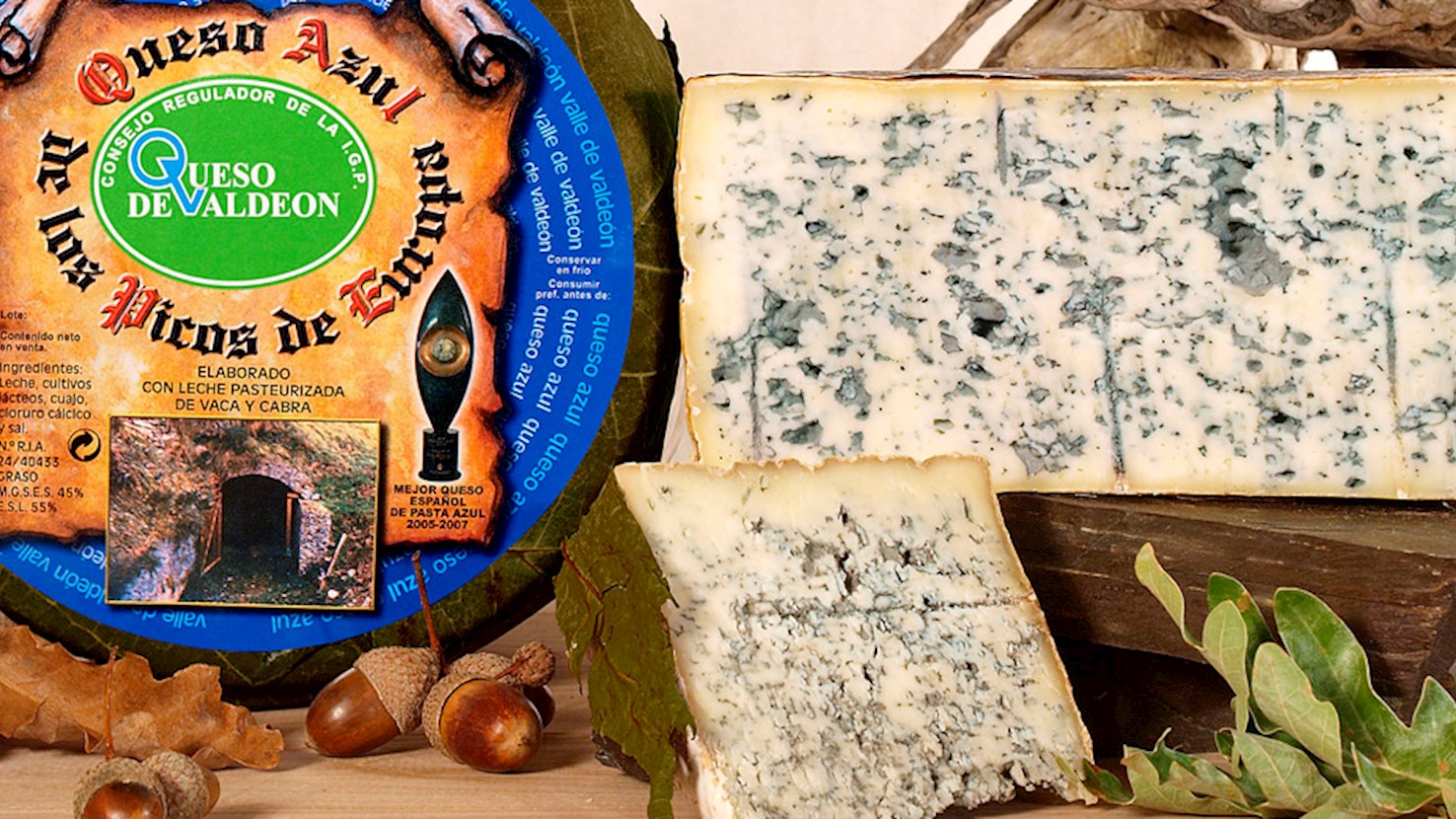
One of the great blues of Europe, this Spanish cheese is produced in the Picos de Europa Mountains, namely the valley of Valdeón. The smooth and creamy Valdeón blue cheese is made from either pure cow's milk or a combination of cow's, sheep's, and goat's milk. It is matured for about 45-60 days and sold wrapped in sycamore maple or chestnut leaves. Although it has all the character of a blue and a very intense, piquant flavor, Valdeón's bite is not as strong as the one in most other blue cheeses. It is best paired with sherry and young, fresh white wines, which offer a good counterpoint to Valdeón's richness and pungency.

07

Cebreiro

3.8 ·

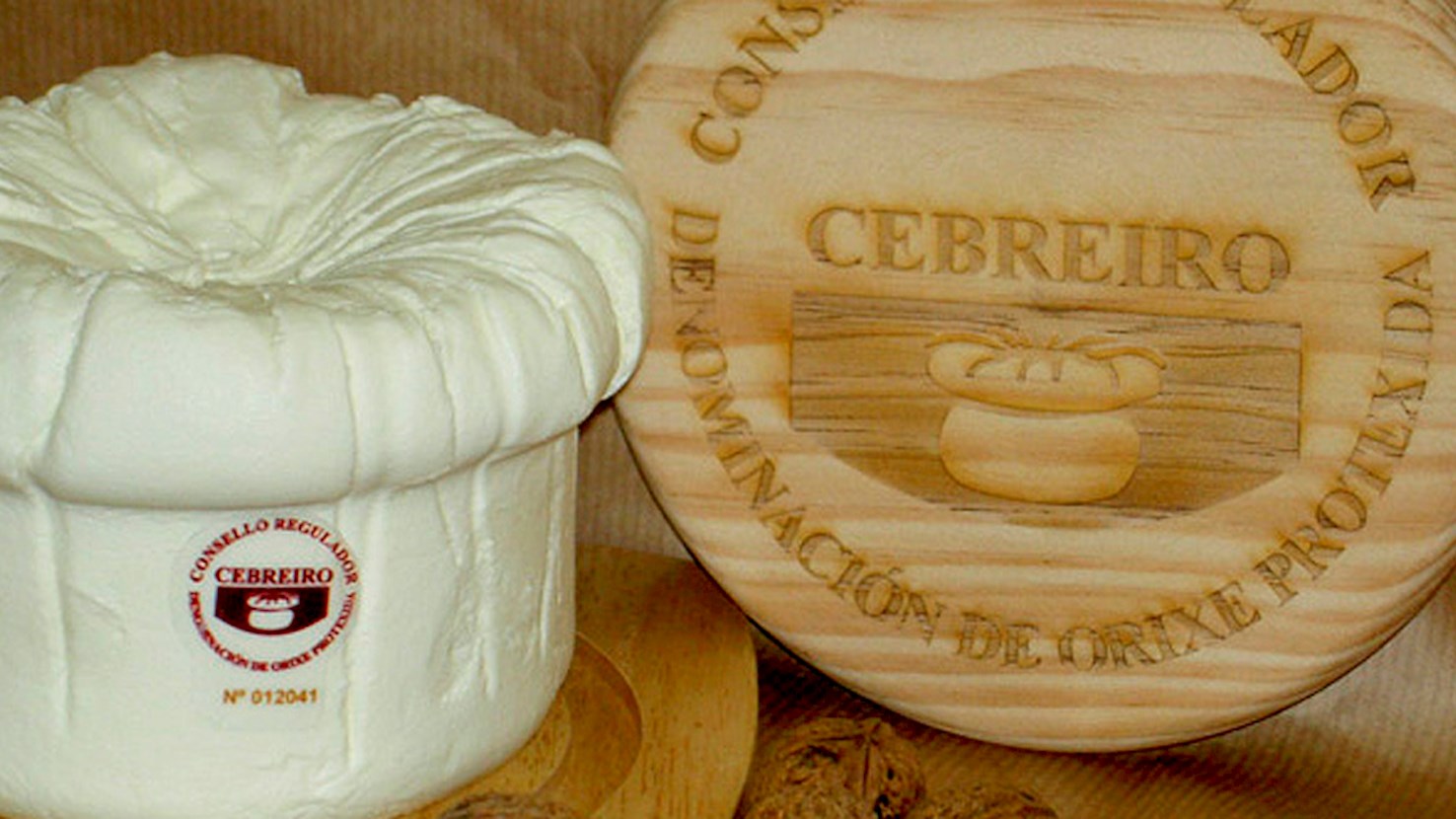
Cebreiro is an unripened or ripe, mushroom-shaped cheese made from pasteurised cow's milk produced in the province of Lugo. Monks from the village of Cebreiro first started making this cheese in the 9th century. The whole milk used in the making of this cheese comes from Galician blond, brown Swiss and Friesian cows. Unripened Cebreiro is white, grainy and soft, very creamy in texture and melts in the mouth. The flavor is slightly sharp and piquant. The ripe version of this cheese is more yellow in color, harder and denser in texture, and has a more pronounced piquancy and sharpness.

08

Cana de Oveja

3.9 ·

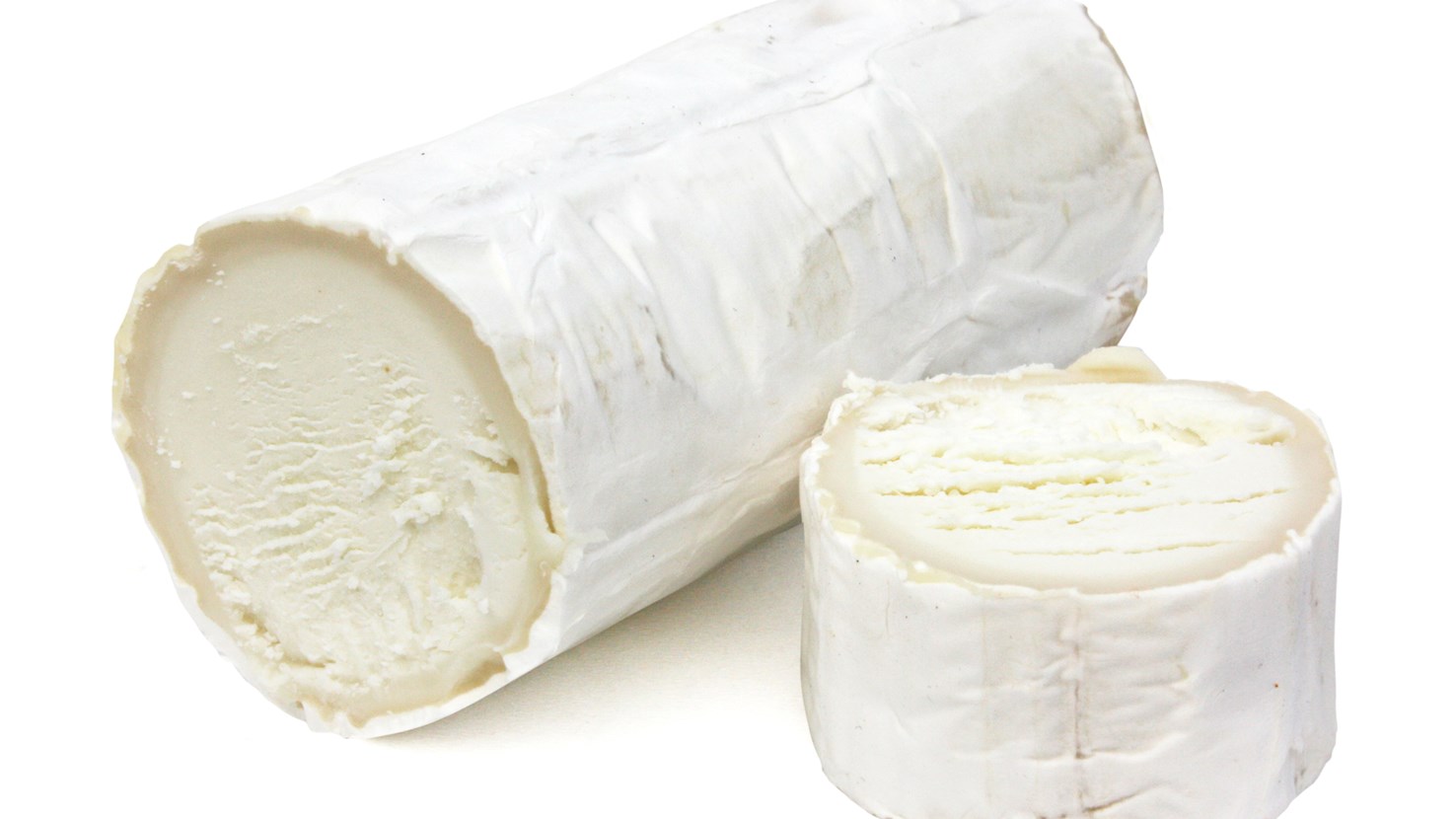
Cana de Oveja is a traditional soft-ripened cheese hailing from Murcia. The cheese is made from pasteurized sheep's milk and it's similar to the French Bucheron because it also comes in the shape of a log. Underneath its bloomy rind, the texture of Cana de Oveja is crumbly, buttery, and flaky. The aromas are buttery, while the flavors are tangy and creamy. The cheese is left to age for 21 days, and as it ages, the aromas and flavors intensify. It's recommended to pair it with a glass of white wine and some almonds on the side.

09

Queso Garrotxa

3.9 ·

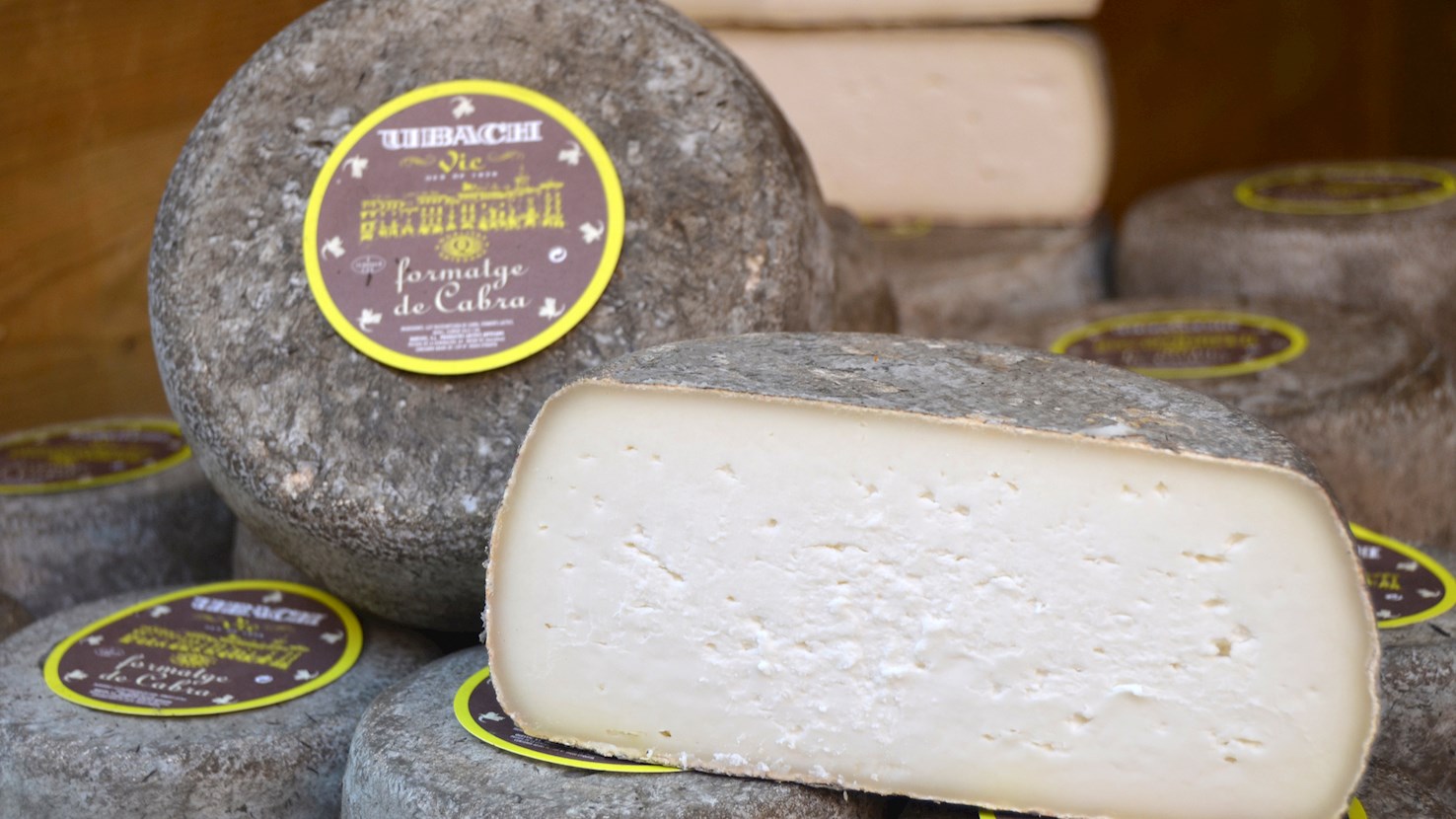
Garrotxa is a traditional Catalan goat cheese originating from the Garrotxa area in Catalonia. The cheese is made from the milk of Murciana goats and is aged in caves for about 1 to 2 months, which helps to develop its mold and enhance the flavor. It is characterized by a powdery gray or grayish-blue rind, an ivory-colored interior, and a semi-soft texture. The flavor profile of Garrotxa is described as earthy with a mild acidity, making it a versatile cheese that pairs well with crusty country bread, pears, nuts like toasted hazelnuts, almonds, or walnuts, and can be served as tapas or at the end of a meal. For wine pairings, white wines such as a Catalan Priorat, Pinot Gris, Verdejo, or Chardonnay are recommended. Its wheels are small, typically around three pounds, and mature relatively quickly​. Garrotxa was nearly extinct by the early 1980s. However, it was revived by a cooperative of young cheesemakers and goat farmers, beginning in 1981. Today, Garrotxa is celebrated for its artisanal production and has become widespread.

Read more
View all
View map
About this ranking

TasteAtlas food rankings are based on the ratings of the TasteAtlas audience, with a series of mechanisms that recognize real users and that ignore bot, nationalist or local patriotic ratings, and give additional value to the ratings of users that the system recognizes as knowledgeable. For the “9 Worst Rated Spanish Pasteurized Milk Cheeses” list until June 16, 2026, 1,558 ratings were recorded, of which 1,200 were recognized by the system as legitimate. TasteAtlas Rankings should not be seen as the final global conclusion about food. Their purpose is to promote excellent local foods, instill pride in traditional dishes, and arouse curiosity about dishes you haven’t tried.

Similar lists