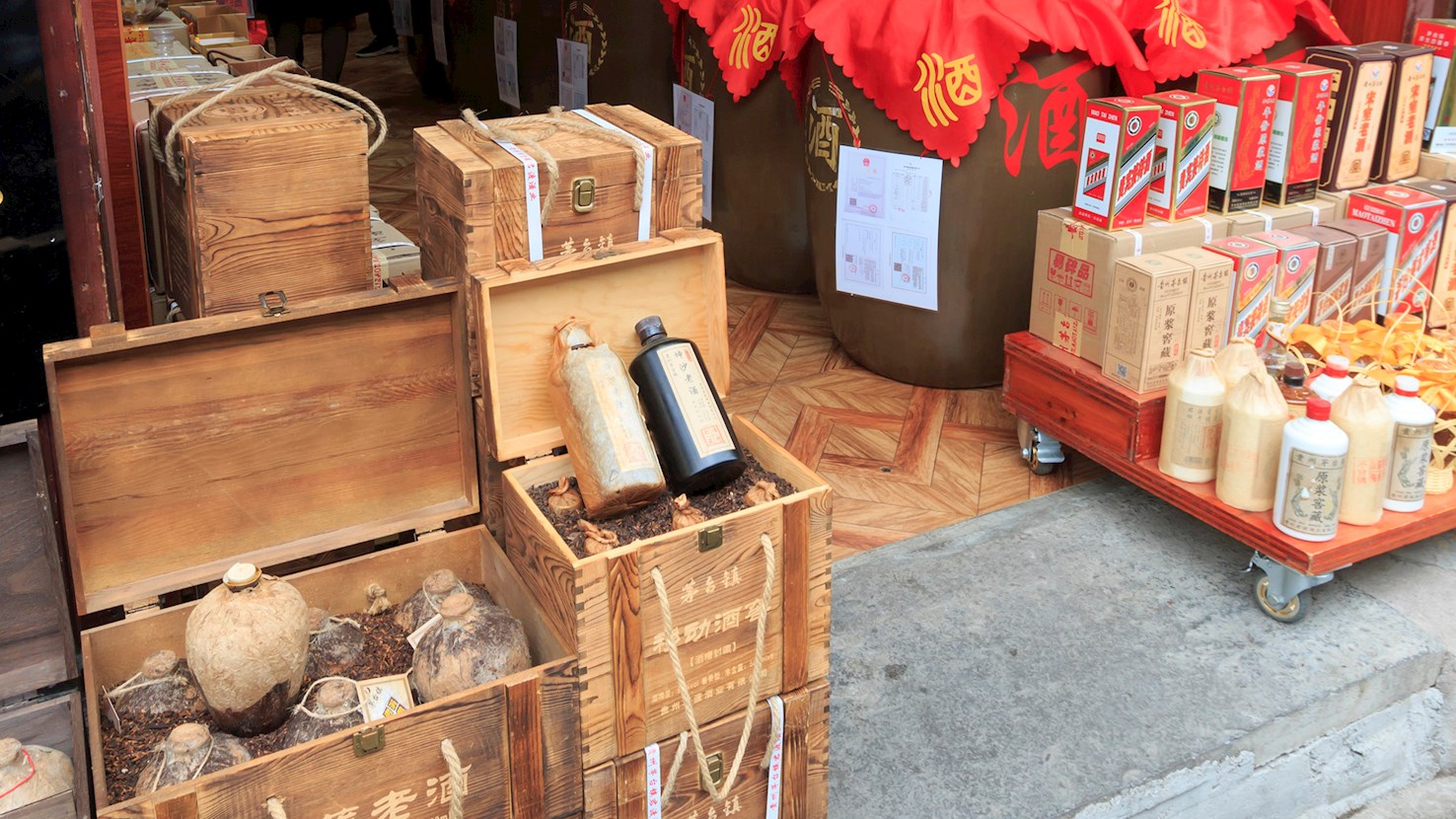
Mǐjiǔ is a sweet, low-alcohol rice wine originating in China, made by fermenting glutinous rice with a starter culture that breaks down starches into sugars and alcohol. It has been part of Chinese culinary and social life for centuries, linked to seasonal rituals, family celebrations, and everyday meals. Ancient records show its presence as early as the Shang and Zhou dynasties, when it was produced in small quantities for ceremonial use and domestic enjoyment. Over time, production methods spread across regions, each adapting the technique to local rice varieties, climate conditions, and taste preferences, resulting in subtle differences in flavor and aroma. The process of making mǐjiǔ begins with soaking and steaming glutinous rice until soft and sticky. Once cooled, it is inoculated with a fermentation starter known as qū, which contains enzymes and microorganisms that convert the rice starch into sugar and alcohol. The mixture ferments in clay or ceramic vessels for several days to weeks, depending on the desired sweetness and strength. The resulting liquid is filtered, producing a clear to slightly cloudy beverage that is typically between 8% and 20% alcohol by volume. It is often mildly sweet, smooth, and aromatic, with a taste that reflects the specific rice and fermentation conditions. Mǐjiǔ is consumed in various ways. It can be served warm or at room temperature as a table drink, used in cooking to enhance sauces and marinades, or incorporated into desserts such as sweet soups and rice-based sweets. In some regions, it is also enjoyed fresh and unfiltered, which yields a thicker, sweeter beverage known as jiǔniàng. Because of its mild profile, it pairs well with delicate dishes such as steamed fish, poached chicken, and vegetable stir-fries, and it is often present during festive meals and family gatherings. Its versatility and balance of sweetness and gentle alcohol have allowed it to remain an enduring element of Chinese food culture, both as a drink and a cooking ingredient.
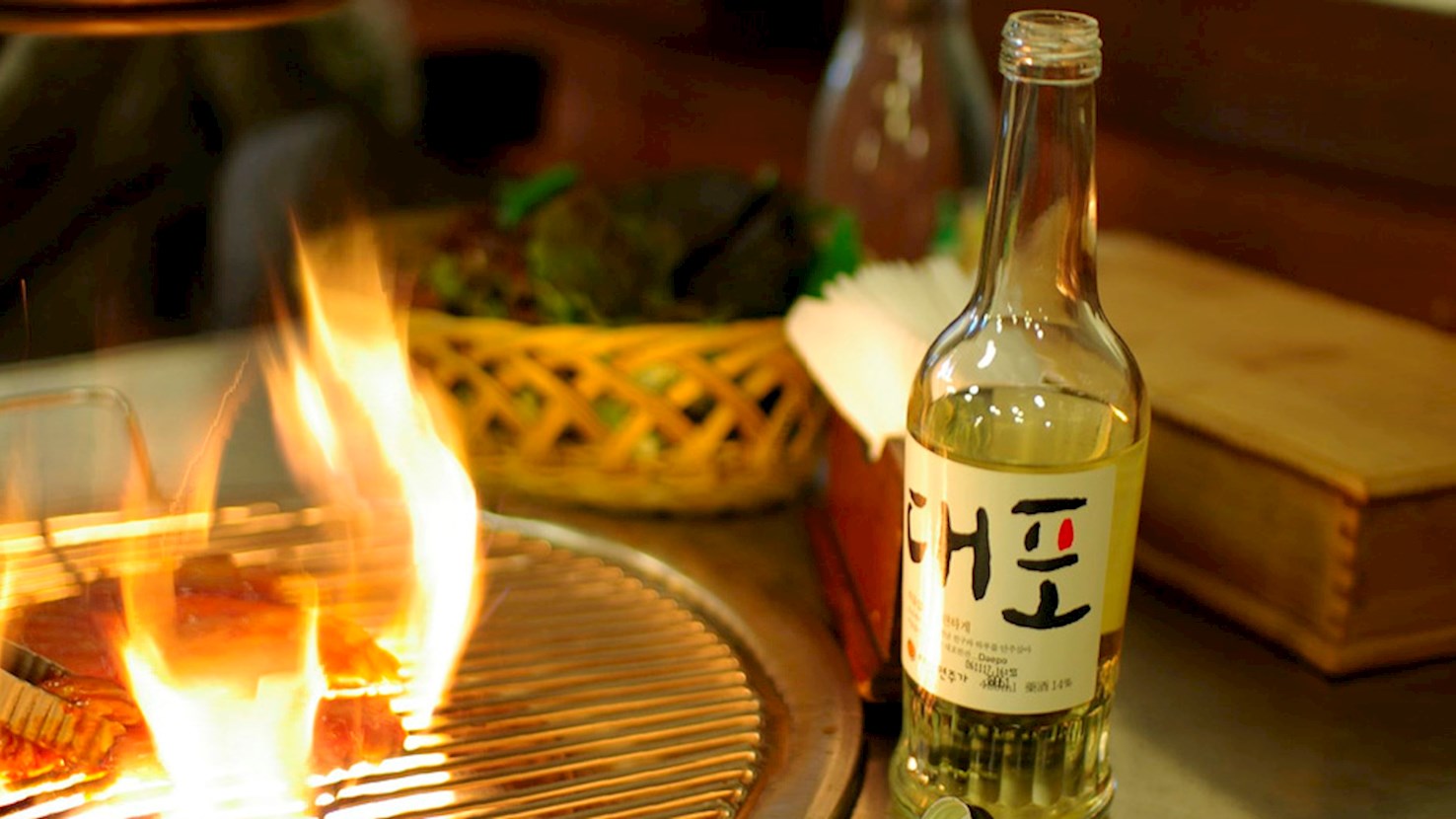
Cheongju is a variety of South Korean rice wine that is made from fermented polished rice. It is then filtered to produce a clear, crisp drink with a subtly sweet flavor. Cheongju is an ancient beverage that was once enjoyed on the royal court, and it is still often used a ceremonial or a welcome drink. It is also commonly employed in cooking, primarily in marinades and various sauces.
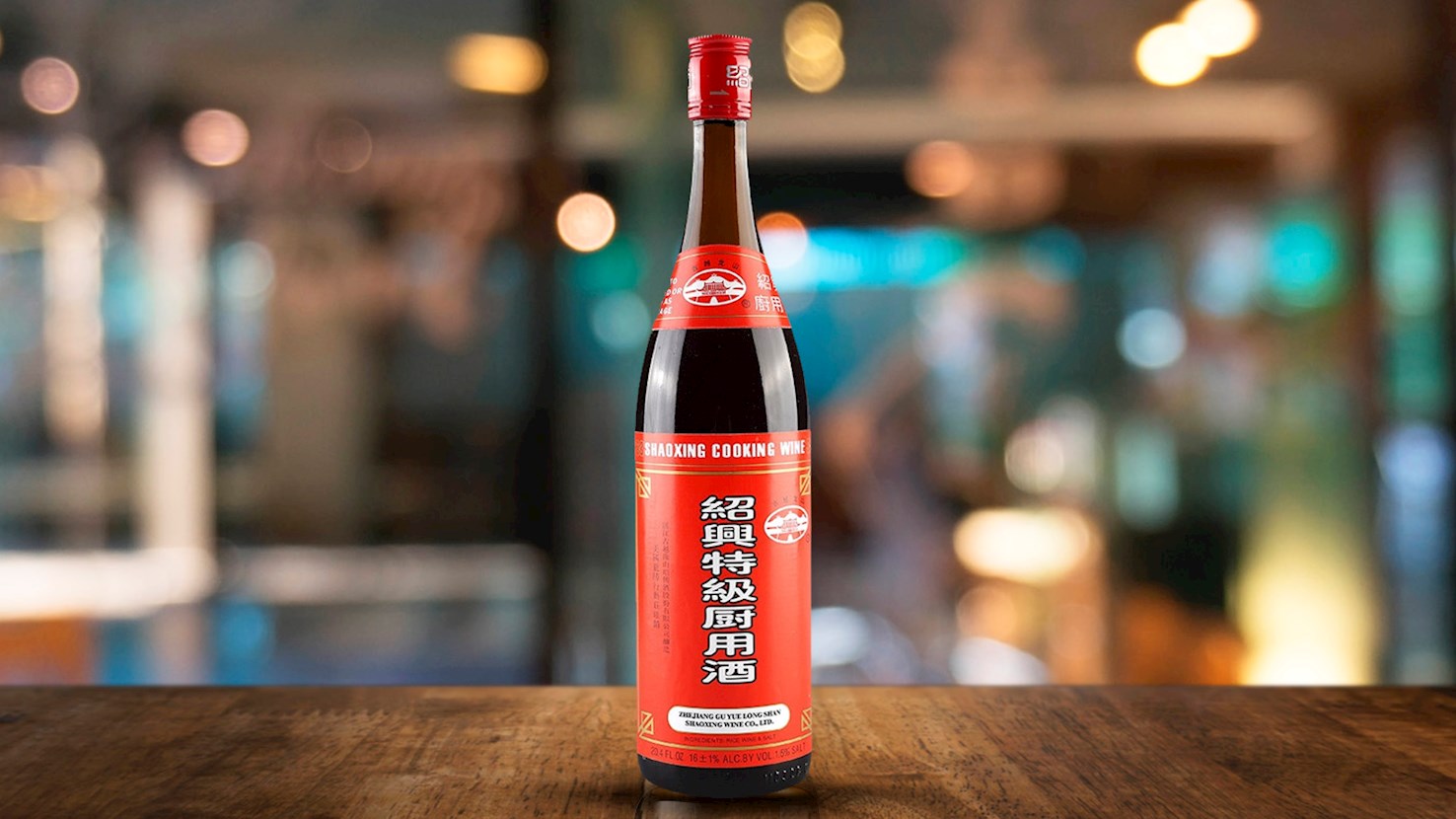
Shaoxing is a type of Chinese rice wine produced in the eponymous city in the Zhejiang province. It is made from brown glutinous rice, and it is typically aged for decades. Although the name is mainly associated with cooking, authentic Shaoxing is also commonly enjoyed as a drink. It is a clear, amber-colored wine with a mild and mellow flavor, nutty aroma, and a warming finish. The alcohol content is typically around 18% ABV. Shaoxing is usually used as a flavoring in fillings, marinades, and stir-fries, but it also works well in sauces or braised dishes. Authentic Shaoxing is generally of very good quality, but the original version should not be confused with inferior quality varieties often labeled as Shaoxing cooking wine. These versions don’t share any similarities with the original. They often contain salt and can be artificially flavored.
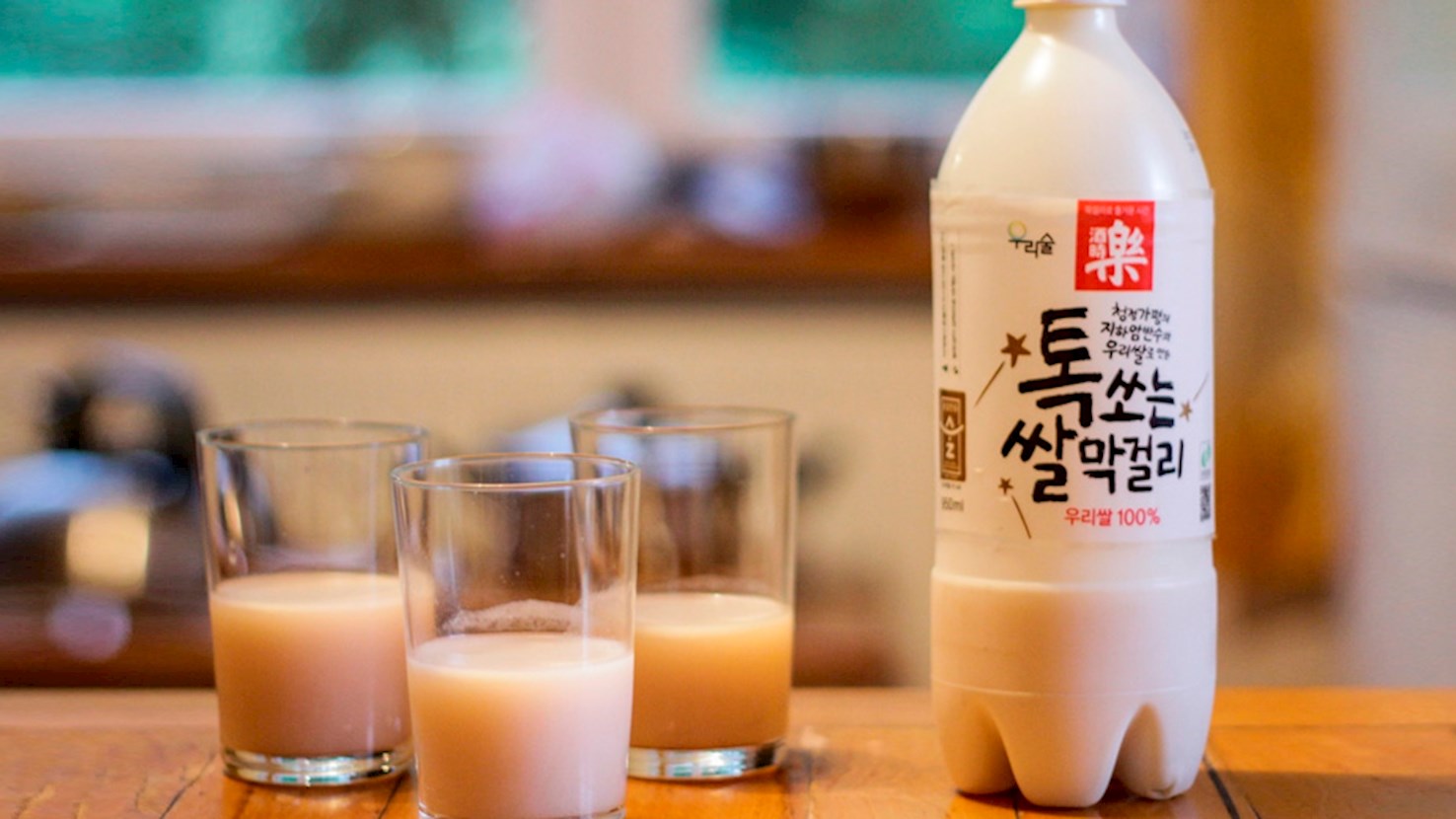
Makgeolli is the oldest Korean rice wine that dates back to the 10th century. It is usually made from rice which is fermented with nuruk—traditional Korean starter. The fermentation process produces a lightly fizzy drink with a typical milky appearance and a slightly sweet flavor. Makgeolli was the most popular Korean drink until the 1980s when it was largely overshadowed by imports, and it gained the status of a farmer’s drink (nongju). However, in the last decade, the drink has seen an increase in popularity, and it can be found in many South Korean bars. Makgeolli is best enjoyed cold and should be stirred before it is served.
TasteAtlas food rankings are based on the ratings of the TasteAtlas audience, with a series of mechanisms that recognize real users and that ignore bot,
nationalist or local patriotic ratings, and give additional value to the ratings of users that the system recognizes as knowledgeable.
For the “4 Worst Rated Rice Wine in East Asia” list until June 16, 2026, 123 ratings were recorded, of which 115 were recognized by the system as legitimate.
TasteAtlas Rankings should not be seen as the final global conclusion about food. Their purpose is to promote excellent local foods,
instill pride in traditional dishes, and arouse curiosity about dishes you haven’t tried.