


shutterstock

6 Worst Rated Russian Soups

Last updated on July 16, 2026
01

Shchi

3.2 ·

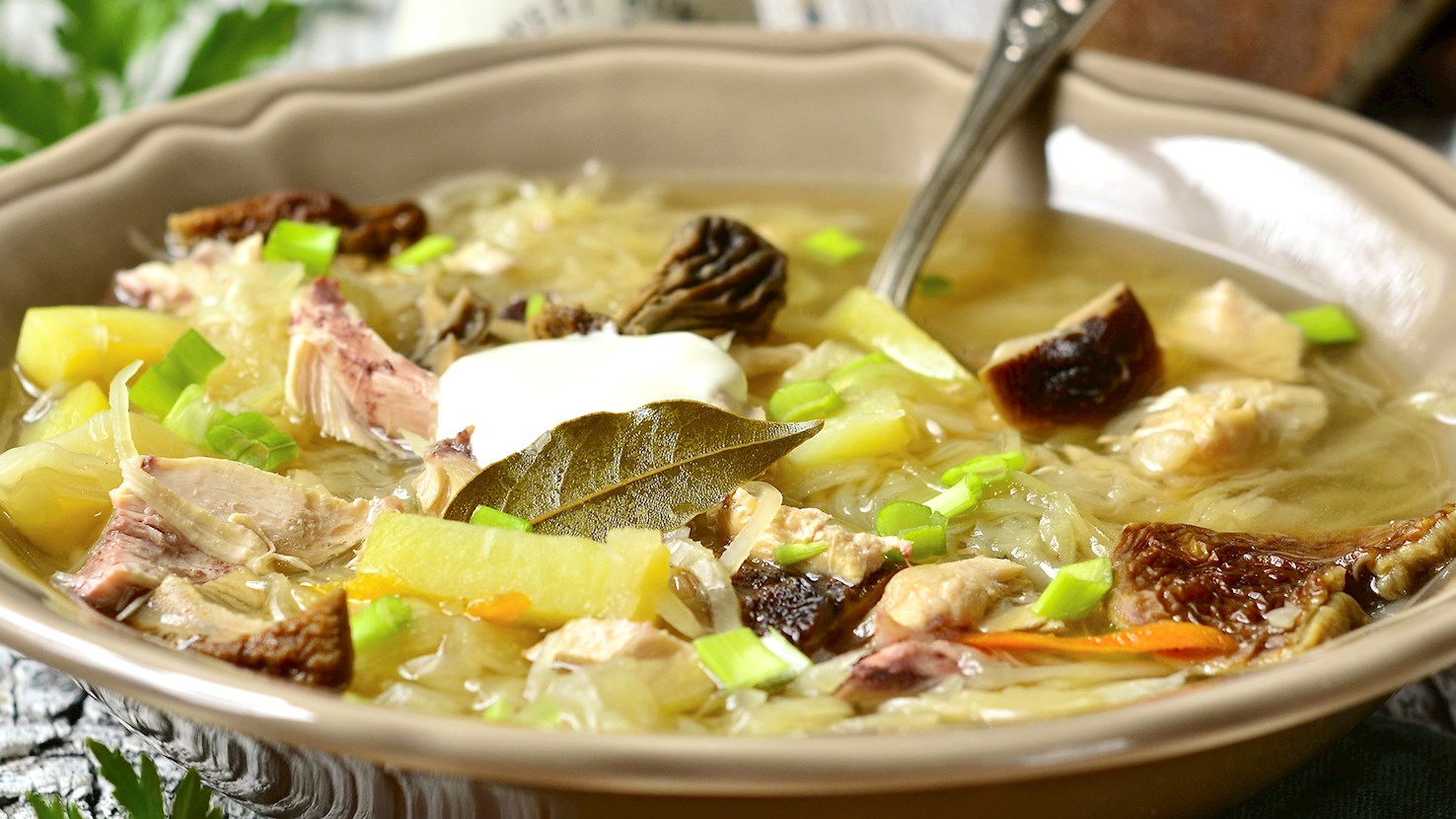
Shchi is a popular, traditional Russian soup made with sour cabbage, meat, mushrooms, flour, and seasonings. Originally, cabbage and meat such as beef, poultry, or pork were cooked separately, and smetana cream was added later as a garnish. The soup has been known since the 9th century, and over time, the ingredients have changed, so today the flour is not added to the dish, the spices are expanded with bay leaves and pepper, and meat is sometimes replaced by fish. Depending on the region, shchi may be called differently: if it's made with meat, it is called bogatye (rich), and if there is no meat, it is called pustye (empty) or bednye (poor). Shchi is traditionally served with a few slices of rye bread on the side.

02

Rassolnik

3.3 ·

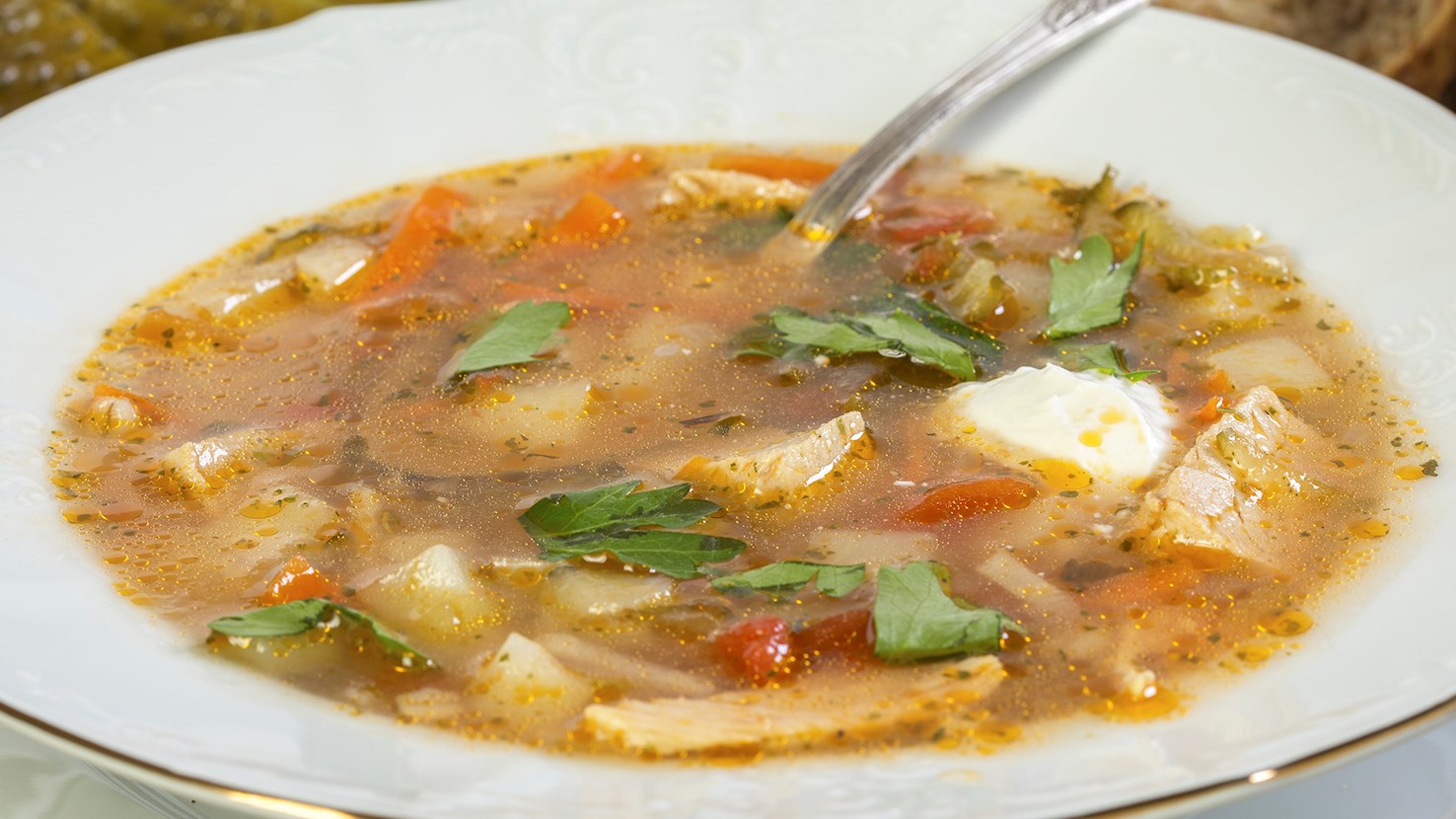
Rassolnik is a popular Russian soup with a unique aroma and flavor coming from pickled cucumbers, pearl barley, vegetables such as potatoes, onions, and carrots, fresh herbs, and offal such as chicken liver and beef or pork kidneys. Originally, rassolnik was called kalya and was made with fish instead of offal. It was often prepared as a meal for kings and nobles. Since the 19th century, kalya became rassolnik, and fish was left out of the equation. It is believed that rassolnik has great hangover-curing properties and today, the soup is usually garnished with finely chopped dill and a dollop of sour cream on top.

03

Klotski

3.5 ·

Klotski is a simple Russian dish consisting of a clear broth filled with flavorful potato dumplings. The dumplings are made from potatoes, flour, and eggs. Although the dish is Russian in origin, the dumplings are also popular in countries such as Hungary and Ukraine. There is also a Belarusian version of the dish, where the only difference is that the dumplings are stuffed with mushrooms.

04

Okroshka

3.6 ·

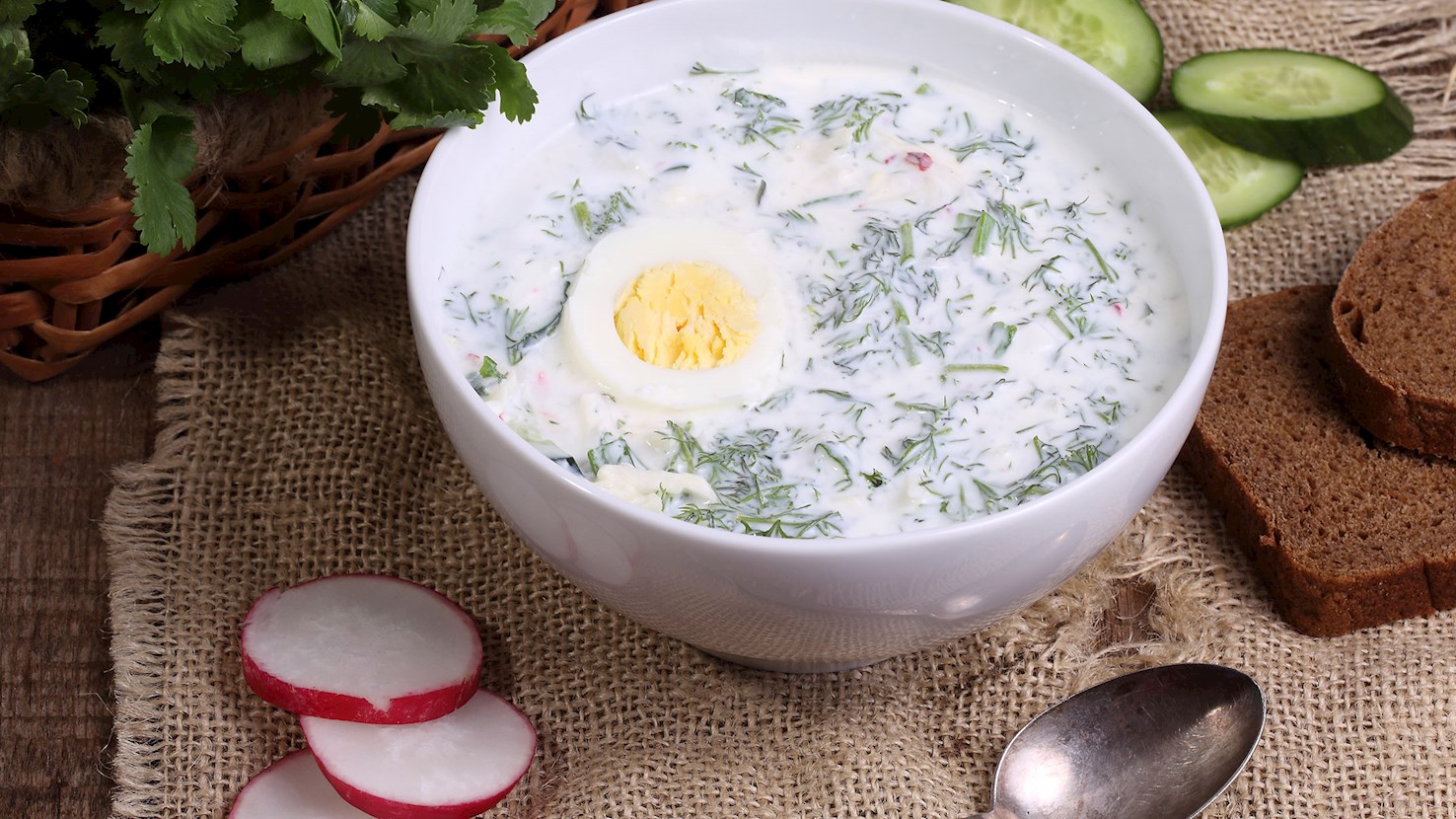
Okroshka is a classic Russian cold soup consisting of chopped vegetables, cooked meats, and potatoes in a base of kvass (a fermented wheat drink) or kefir. Depending on the regional varieties, the meat used in okroshka can range from tongue or sausages to smoked fish, ham, and doktorskaya kolbasa (bologna-style sausage). Almost all versions of the soup contain cucumbers, scallions, dill, radishes, and hard-boiled eggs, while some versions use fruits such as cherries and apples. It is said that the ratio of vegetables and meat should always be 1:1. The name of the soup is derived from the Russian verb kroshit, meaning to crumble or chop. Okroshka is extremely popular during the summer in Russia, because it is always served cold as a refreshment, along with being a highly versatile dish that is easy to prepare.

05

Ukha

3.6 ·

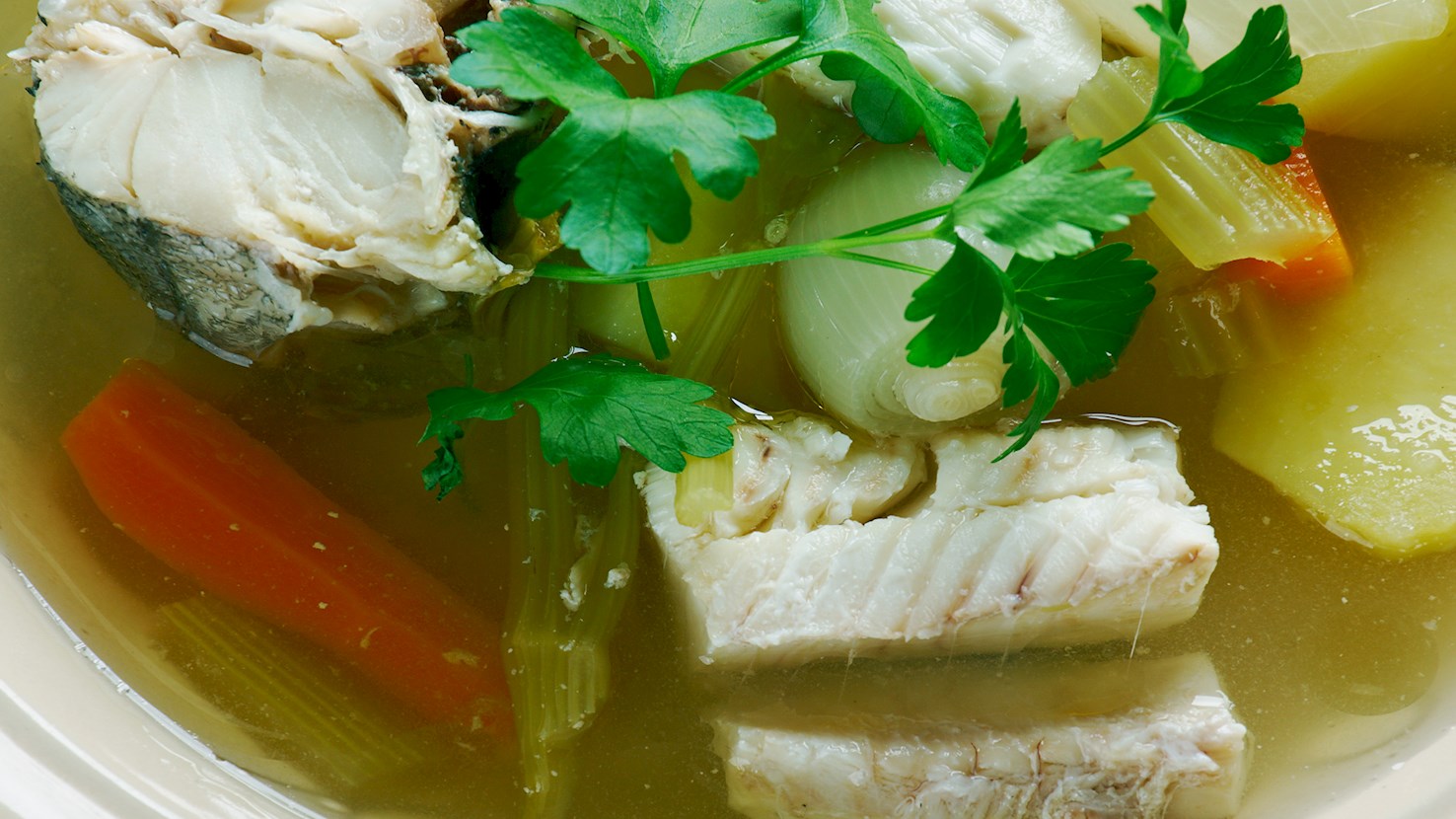
Ukha is a rustic Russian soup consisting of a broth filled with herbs, seasonings, root vegetables, and fish such as salmon, cod, perch, and trout. A bit of vodka is often added into the pot while the soup is simmering. Although it originated as a simple broth, it evolved into an elaborate dish during the 16th and 17th centuries, when it was served in Russian courts. Apparently, the soup is so good that it was even a favorite of Ivan the Terrible.

06

Solyanka

3.8 ·

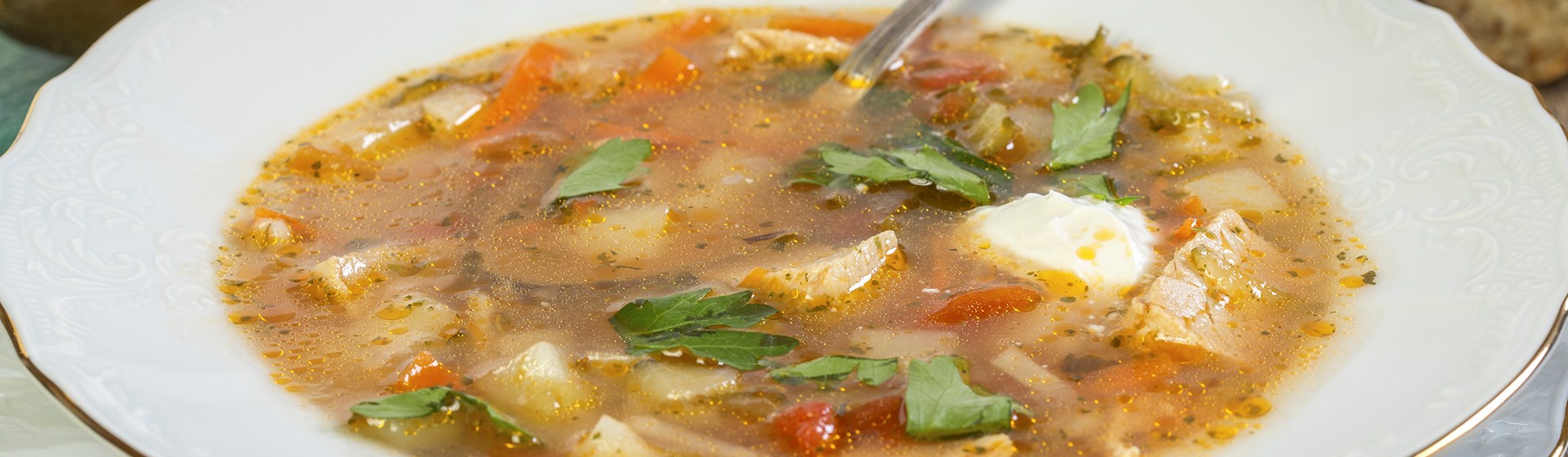
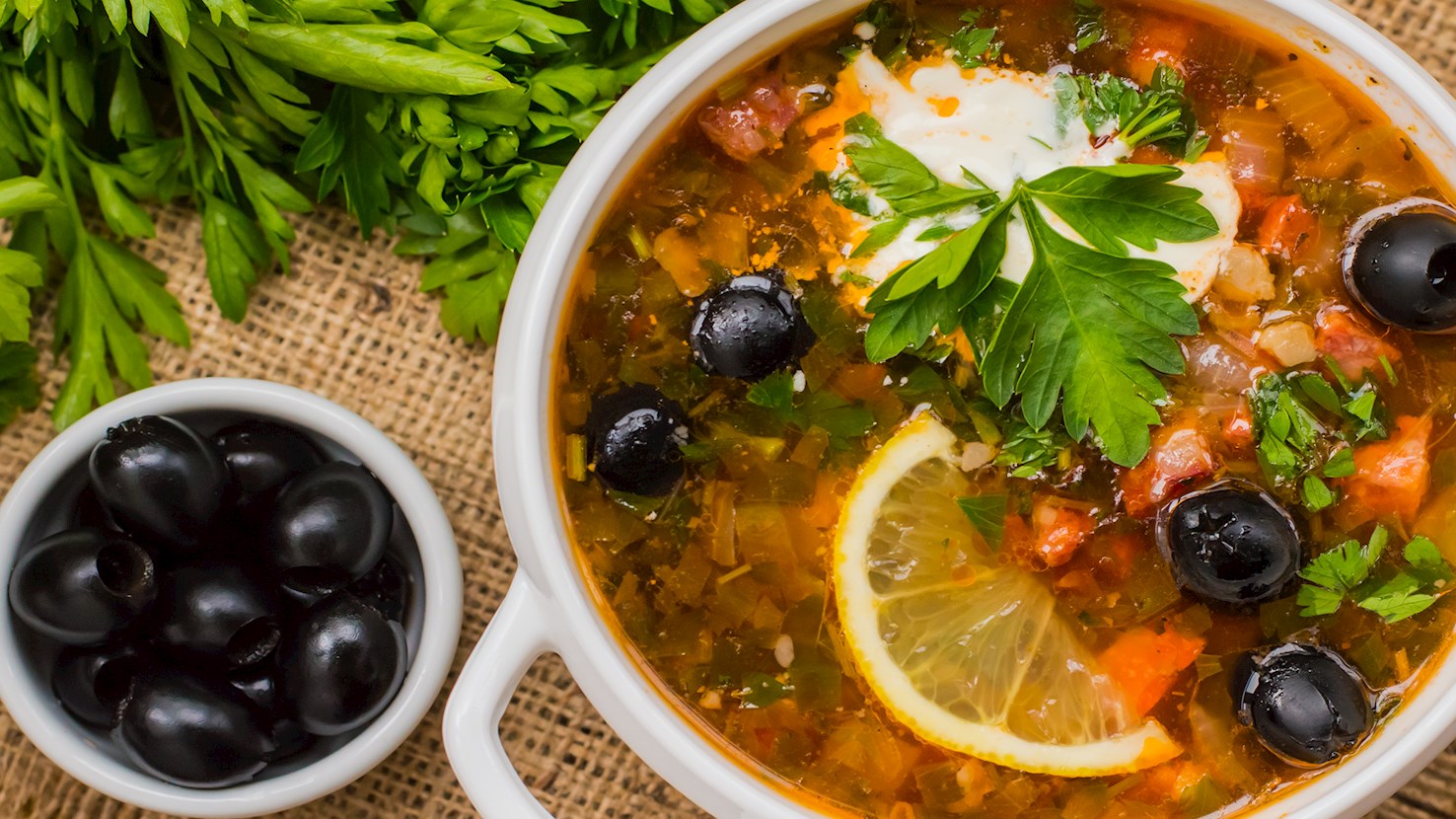
Solyanka is a traditional soup made with meat, fish, or mushrooms, and vegetables such as tomatoes, onions, olives, and cabbage. The soup is usually served with lemon wedges on the side, but it is also flavored with lemon juice during the cooking process. If meat is used, it is typically beef, pork, or chicken. Solyanka is also well-known as a hangover cure and it is traditionally served with sour cream.

Read more
View all
View map
About this ranking

TasteAtlas food rankings are based on the ratings of the TasteAtlas audience, with a series of mechanisms that recognize real users and that ignore bot, nationalist or local patriotic ratings, and give additional value to the ratings of users that the system recognizes as knowledgeable. For the “6 Worst Rated Russian Soups” list until July 16, 2026, 1,053 ratings were recorded, of which 722 were recognized by the system as legitimate. TasteAtlas Rankings should not be seen as the final global conclusion about food. Their purpose is to promote excellent local foods, instill pride in traditional dishes, and arouse curiosity about dishes you haven’t tried.

Similar lists