


7 Worst Rated Italian Sparkling Wines

Last updated on June 16, 2026
01

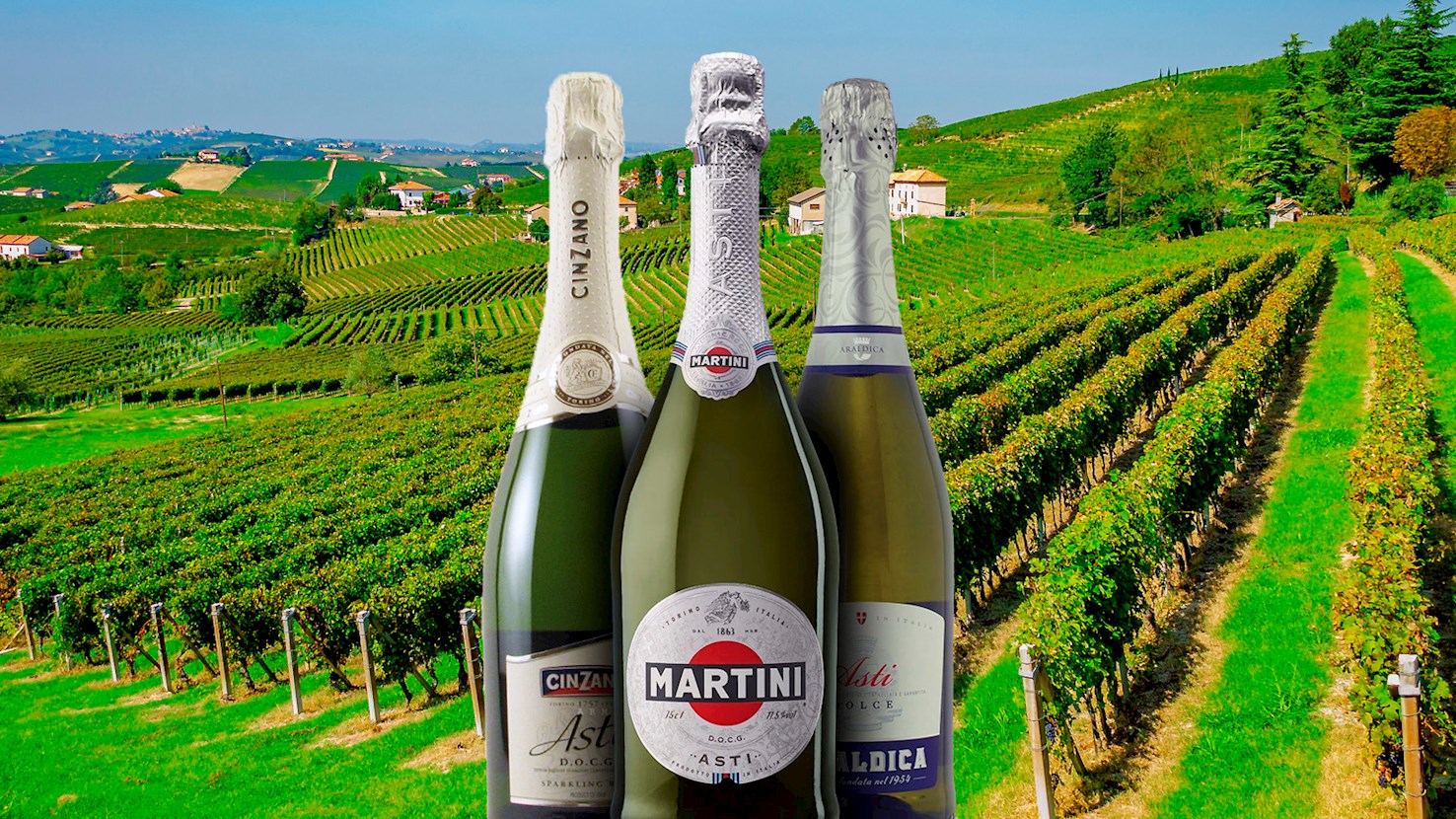
Asti Spumante

3.3 ·

Asti Spumante is a fully sparkling wine produced under Asti DOCG appellation. It is made from Moscato Bianco grapes and most commonly by Charmat method, in which fermentation takes place in pressurized tanks. If it is made using the traditional method, where the wine undergoes a second fermentation in the bottle, it is labeled Asti Spumante metodo classico. The best examples of Asti Spumante are light, fresh, and sweet, without being cloying. Flavors and aromas are floral and fruity, reminiscent of peaches, pears, oranges, acacia, and honeysuckle. Asti Spumante wines are traditionally paired with desserts, but they also make a great aperitif and go well with charcuterie. The same appellation also includes the more prestigious Moscato d'Asti. Though the wines are often mixed up, Asti Spumante has more bubbles, slightly higher alcohol content (between 7 and 9% ABV), and less aromatic complexity than Moscato d'Asti. Asti Spumante is usually more affordable.

02

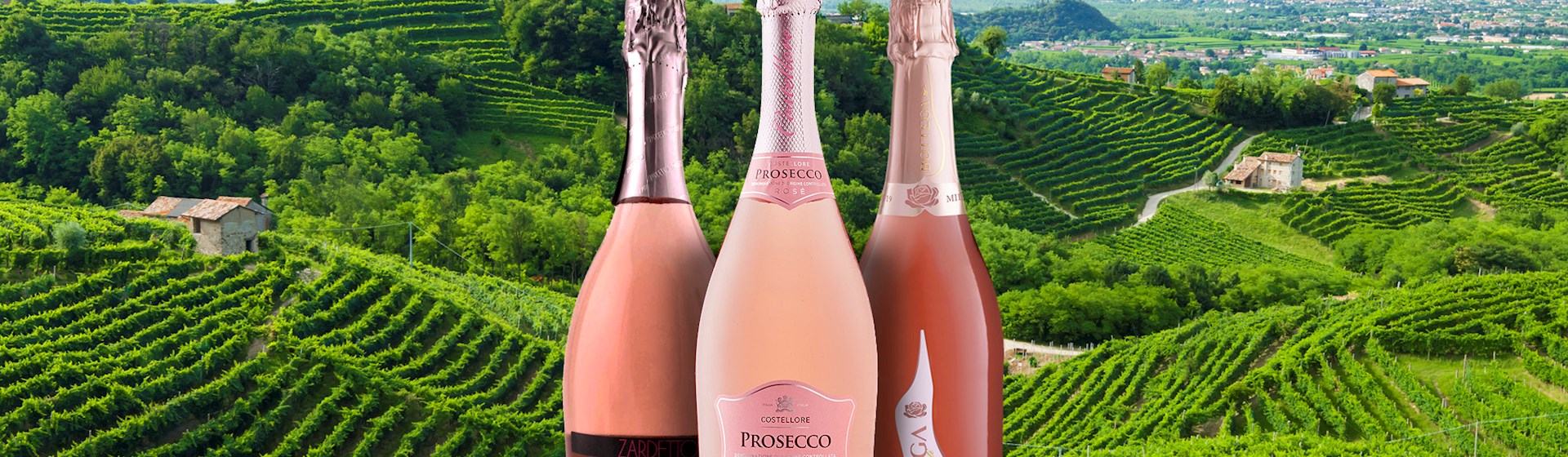
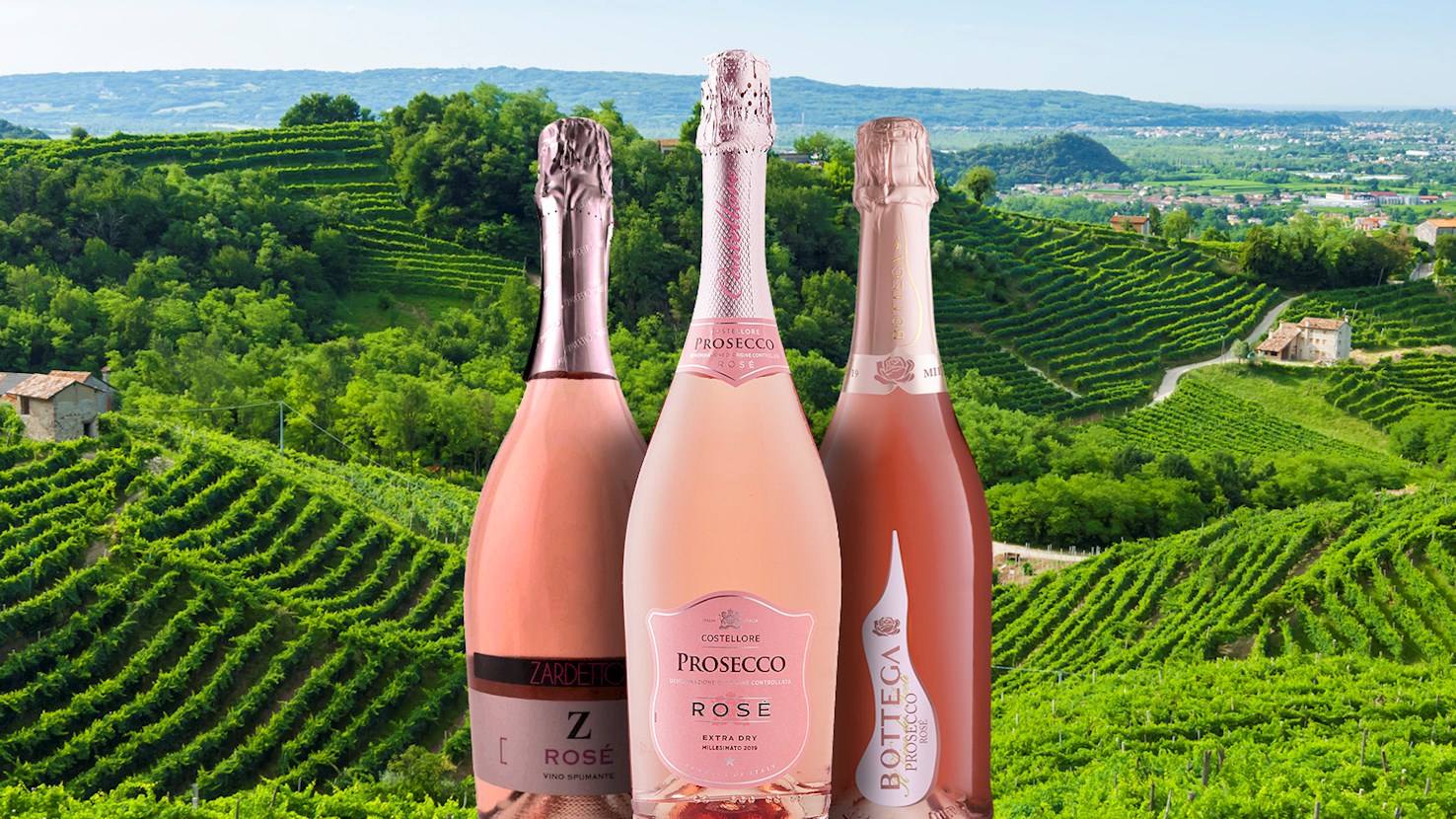
Prosecco Rosé

3.5 ·

In 2020, the production of Prosecco rosé has been officially approved by the Italian government. The wine can be made with Glera and Pinot Noir (Pinot Nero) varieties, with a maximum of 10-15% of Pinot Noir. It has to be produced using the Charmat-Martinotti method, in which the second fermentation, which has to last for at least 60 days, takes place in pressurized tanks. Prosecco has long been one of the most popular Italian sparkling wines and was only available in the classic white (bianco) version. The decision to include rosé styles has long been in the works, with some of the producers strongly opposing the idea, arguing that rosé styles significantly move away from the original Prosecco identity. Regardless of the opposition, the decision has been approved, the rules have been updated, and it is expected that more than 30 million bottles of Prosecco rosé will be produced annually. Prosecco rosé can range from Brut Nature to Extra Dry, and it can be released on January 1 after the harvest. It should be noted that the decision to include rose styles is only approved for Prosecco DOC and does not include Asolo Prosecco and Conegliano Valdobbiadene DOCGs.

03

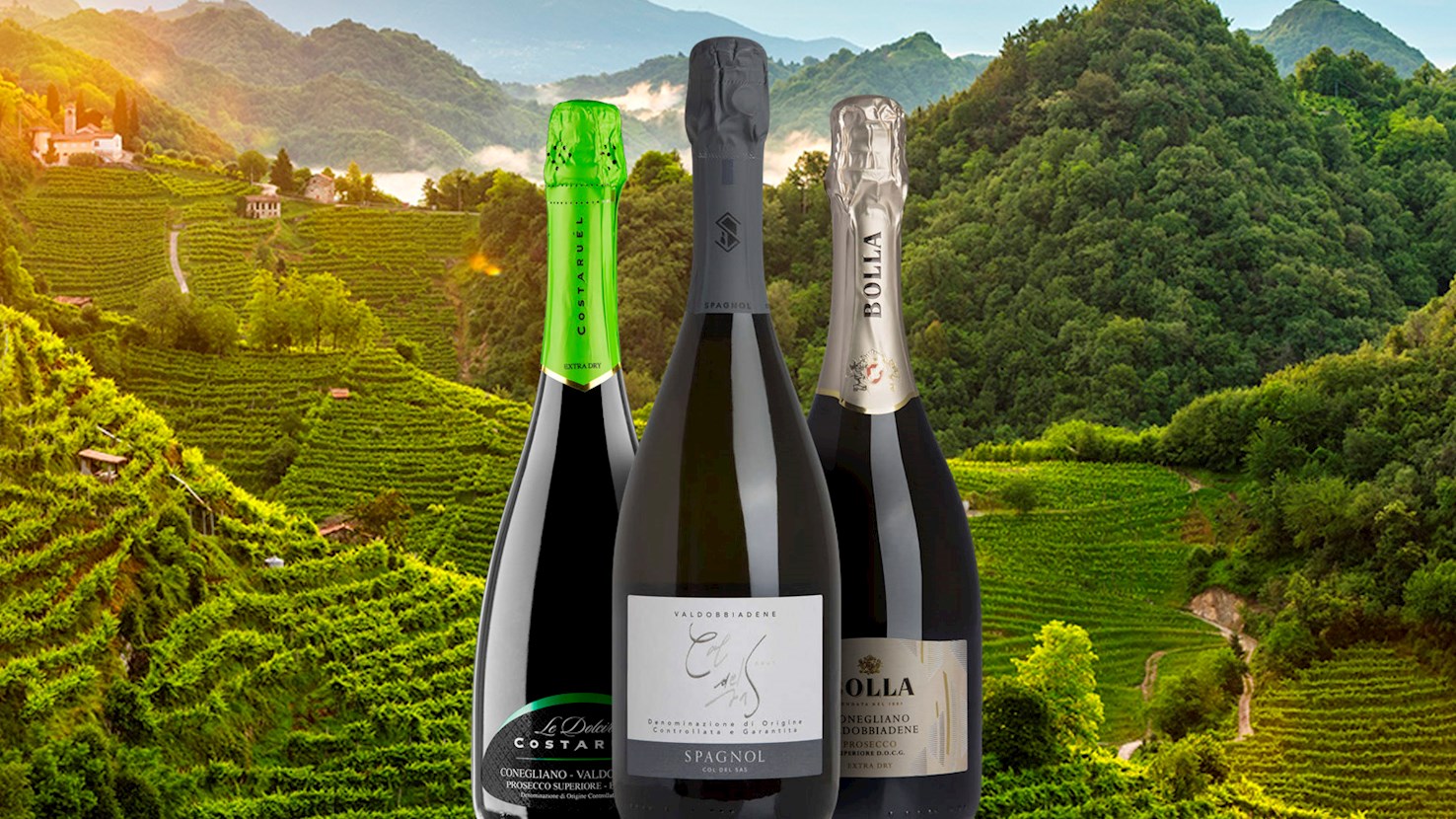
Conegliano Valdobbiadene Prosecco Superiore

3.5 ·

Conegliano Valdobbiadene Prosecco Superiore is a prestigious type of sparkling wine from the Trentino province in Italy. It is produced in a specific area between the towns of Conegliano and Valdobbiadene, located in the hills north of Treviso. Conegliano Valdobbiadene Prosecco Superiore has the status of a Denominazione di Origine Controllata e Garantita (DOCG), and is one of three types of Conegliano Valdobbiadene Prosecco DOCG (other two being Conegliano Valdobbiadene Prosecco Superiore Rive and Conegliano Valdobbiadene Superiore di Cartizze). This means it must adhere to strict guidelines in terms of grape variety, yield, winemaking practices, and aging. Prosecco Superiore is made primarily from the Glera grape. The wines are light, crisp, and aromatic, typically showcasing flavors of green apples, pears, and floral notes. The wines are generally made using the Charmat method (also called the Italian method), where the secondary fermentation occurs in large pressurized tanks rather than individual bottles. This helps to preserve the fresh, fruity characteristics of the wine. Conegliano Valdobbiadene Prosecco Superiore pairs well with a variety of foods. It is often enjoyed as an aperitif but also matches nicely with seafood, salads, and light pasta dishes. It's usually best served chilled, in a flute or white wine glass to preserve the bubbles and allow the aromas to concentrate.

04

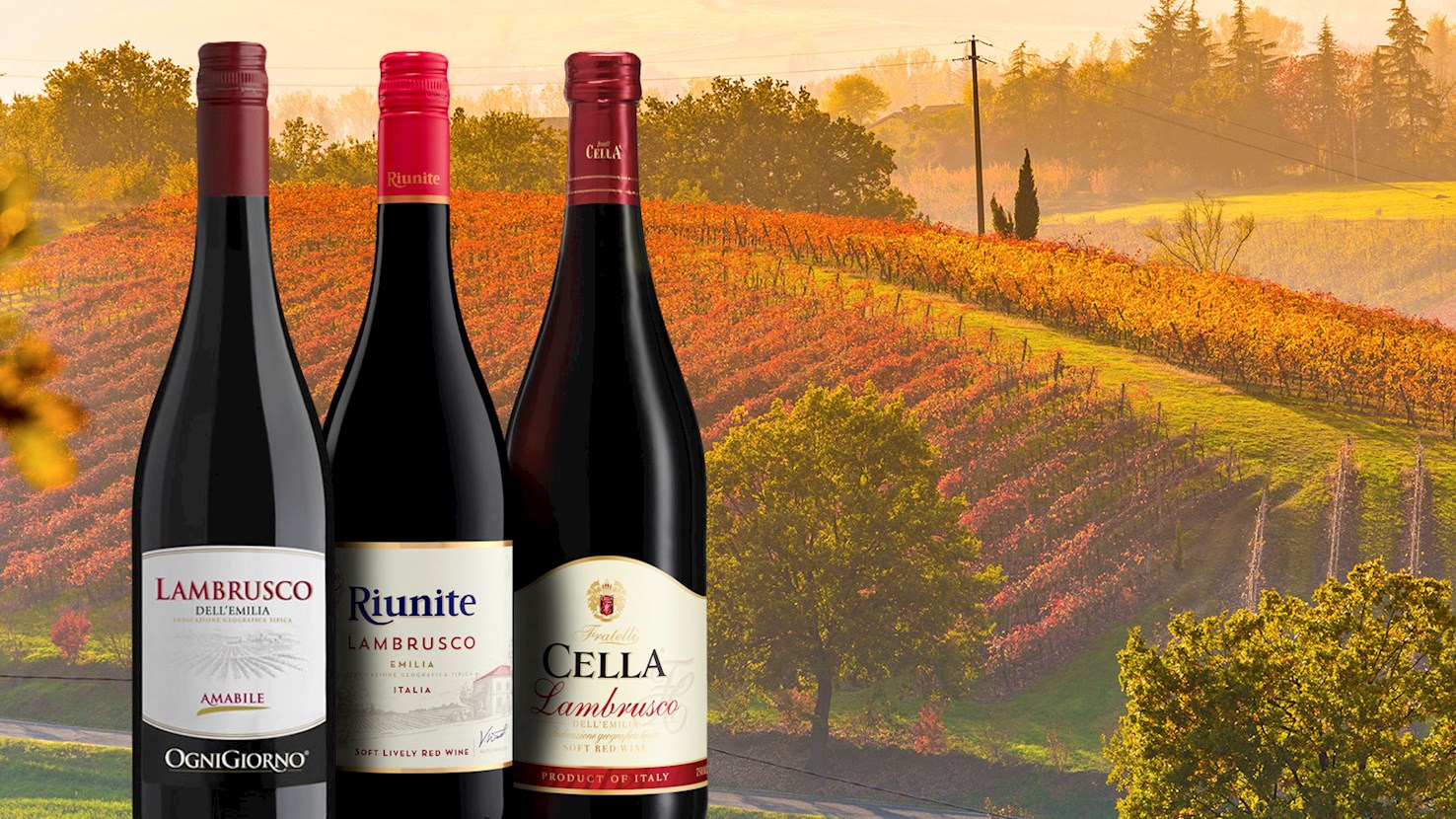
Lambrusco

3.6 ·

Lambrusco is a sparkling red wine hailing from the Emilia-Romagna and Lombardy region of Italy, particularly from areas around Modena, Reggio Emilia and Mantua. This wine is made from several varieties of the Lambrusco grape, each contributing different characteristics to the final product. Lambrusco wines are typically light and frothy, with a range of sweetness levels from dry (secco) to sweet (dolce). They exhibit a vibrant ruby-red color and often have a delightful effervescence due to their natural sparkle. The aromatic profile of Lambrusco includes notes of red berries, cherries, and sometimes floral hints like violets. On the palate, these wines are known for their refreshing acidity, light tannins, and fruity flavors, which can include strawberries, raspberries, and blackberries. The sweetness can vary, but even the sweeter versions maintain a balance with their acidity, making them enjoyable and easy to drink. Lambrusco is best enjoyed chilled and is a popular choice for pairing with a variety of foods. It goes particularly well with the rich and savory dishes of Emilia-Romagna, such as cured meats, cheeses, pasta with hearty sauces, and even pizza.

05

Lambrusco di Sorbara

3.6 ·

This high-quality Lambrusco wine is produced from a namesake grape variety, grown in vicinity of Modena and the village of Sorbara. The region has been awarded DOC in 1970 and has been known to produce fragrant, red and rosé sparkling wines. They can vary in sweetness but the second fermentation must take place in the bottles or autoclaves. The wines are characterized by their fruity, floral notes, and because of their pronounced acidity, they pair well with hearty dishes, such as grilled or braised meat, rich meat or cheese based sauces, and strong, well-aged cheese varieties.

06

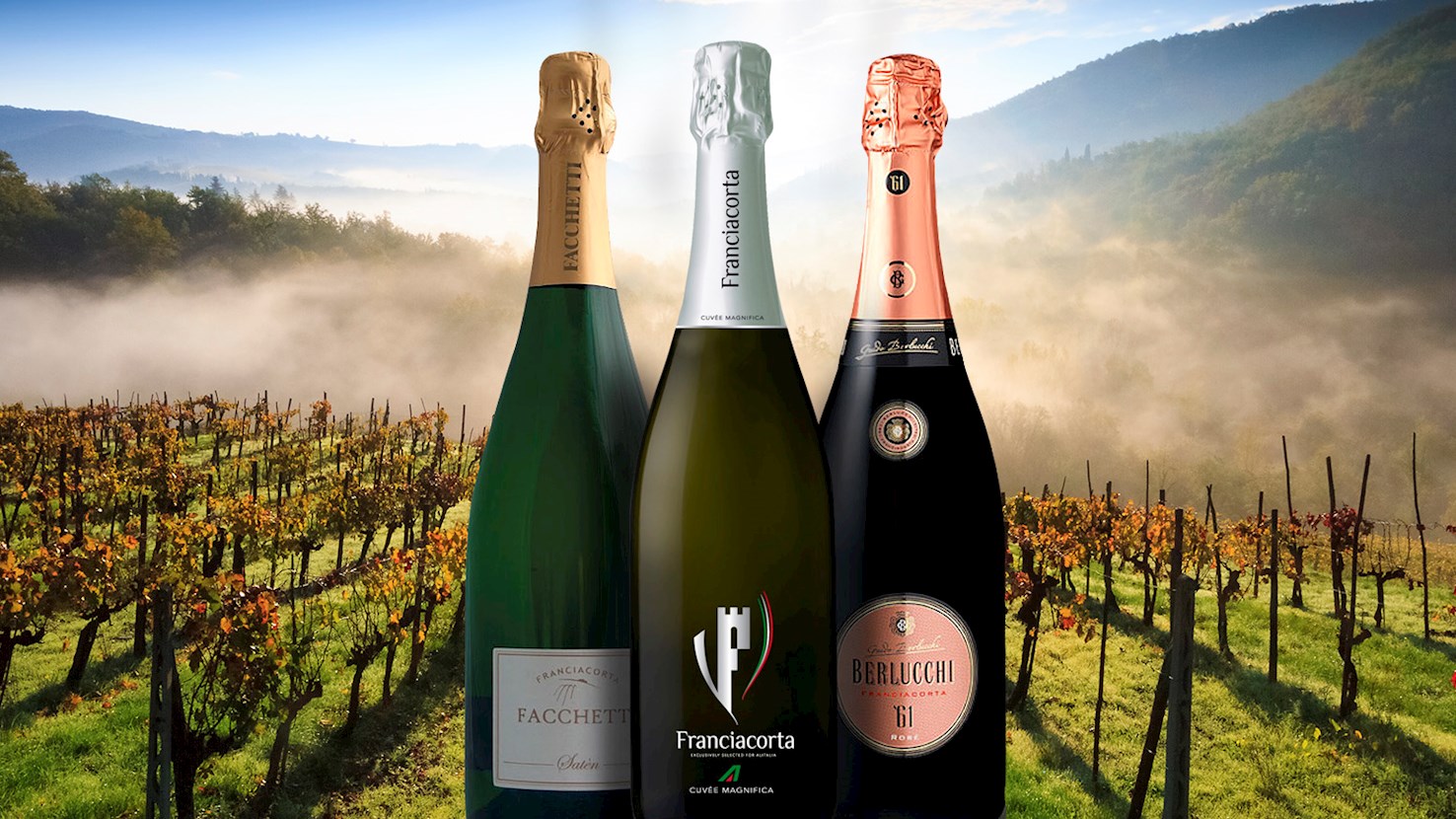
Franciacorta

3.8 ·

Widely regarded as the finest Italian sparkling wine, Franciacorta is made using metodo classico—just like Champagne and Cava. It is produced with a typical blend of Chardonnay, Pinot Bianco, and Pinot Nero, and comes in non-vintage, millesimato or vintage, and riserva form. Apart from the standard white version, there are also Franciacorta Satèn—made exclusively with Chardonnay and Pinot Bianco grapes—and Franciacorta Rosé made with a base of at least 25% Pinot Nero. Depending on its style, this delicate wine with subtle notes of white fruits, flowers and peaches provides excellent pairing for a wide range of dishes, from delicious Lombard desserts like bossolà and sbrisolona to pasta and seafood dishes, as well as cheese and charcuterie.

07

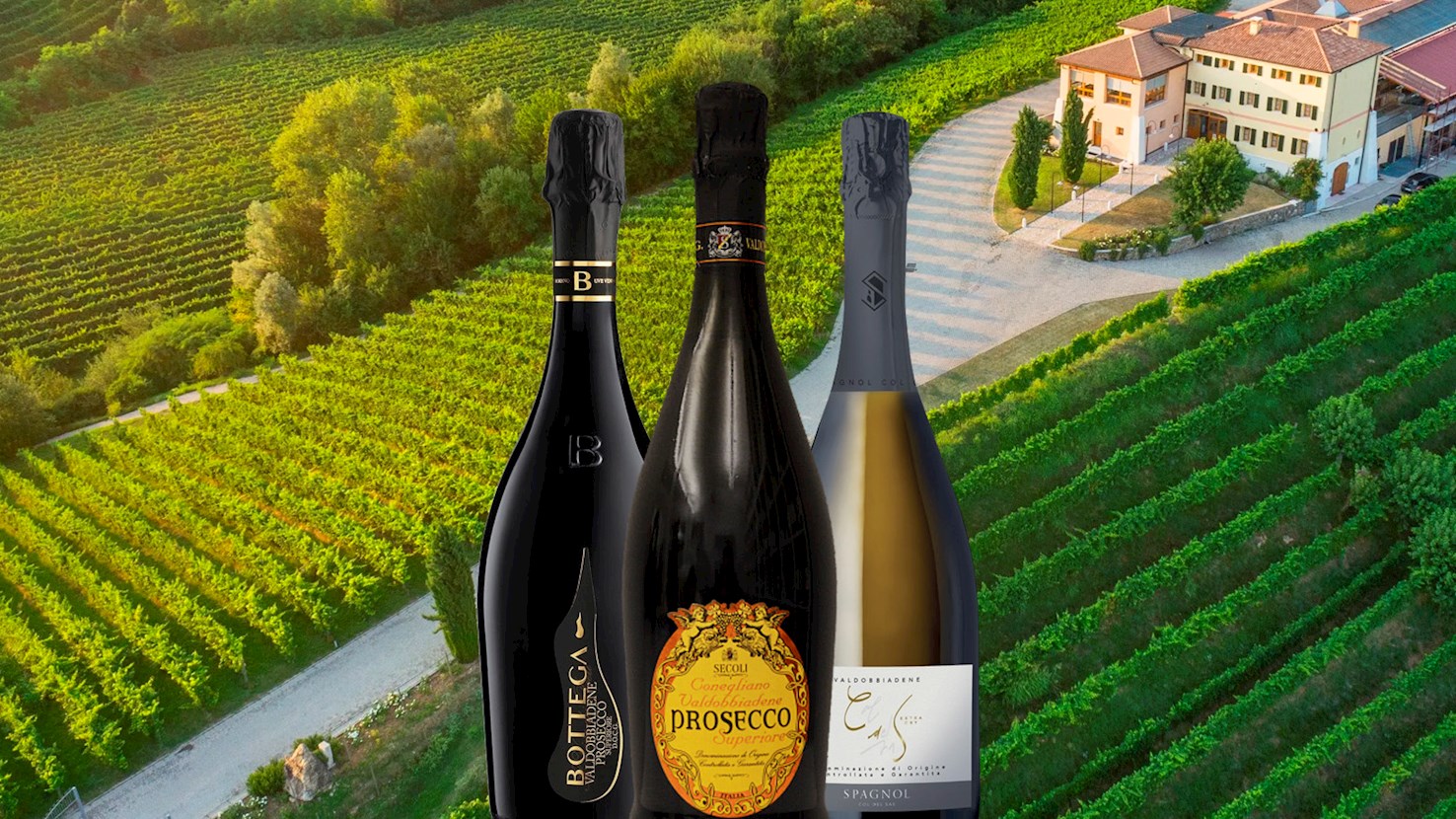
Conegliano Valdobbiadene Prosecco

3.9 ·

Conegliano Valdobbiadene Prosecco is a DOCG region in Italy that produces premium, high-quality Prosecco. These prized sparkling wines are made with Glera as the principal grape variety, while common additions include Bianchetta Trevigiana, Perera, and/or Verdiso. The wines produced in the region are refined and well-balanced with a straw-yellow color and fine effervescence. The aromas are floral and fruity, reminiscent of wisteria, acacia, rose, and white-fleshed fruits such as apple, pear, and peach. They also might display subtle citrus nuances. These wines can be enjoyed as an aperitif or an accompaniment to light appetizers and snacks. They also pair well with fish, vegetable-based main courses, and salads. The region mostly produces fully sparkling (spumante) wines, though there is a small amount of semi-sparkling (frizzante) and still wines, but only spumante versions can be labeled as Superiore. The region also includes prestigious Cartizze and Rive subzones, and there is also a small number of col fondo (sur lie) Prosecco, in which the second fermentation takes place in the bottle and the sediment remains in the bottle.

Read more
View all
View map
About this ranking

TasteAtlas food rankings are based on the ratings of the TasteAtlas audience, with a series of mechanisms that recognize real users and that ignore bot, nationalist or local patriotic ratings, and give additional value to the ratings of users that the system recognizes as knowledgeable. For the “7 Worst Rated Italian Sparkling Wines” list until June 16, 2026, 550 ratings were recorded, of which 416 were recognized by the system as legitimate. TasteAtlas Rankings should not be seen as the final global conclusion about food. Their purpose is to promote excellent local foods, instill pride in traditional dishes, and arouse curiosity about dishes you haven’t tried.

Similar lists