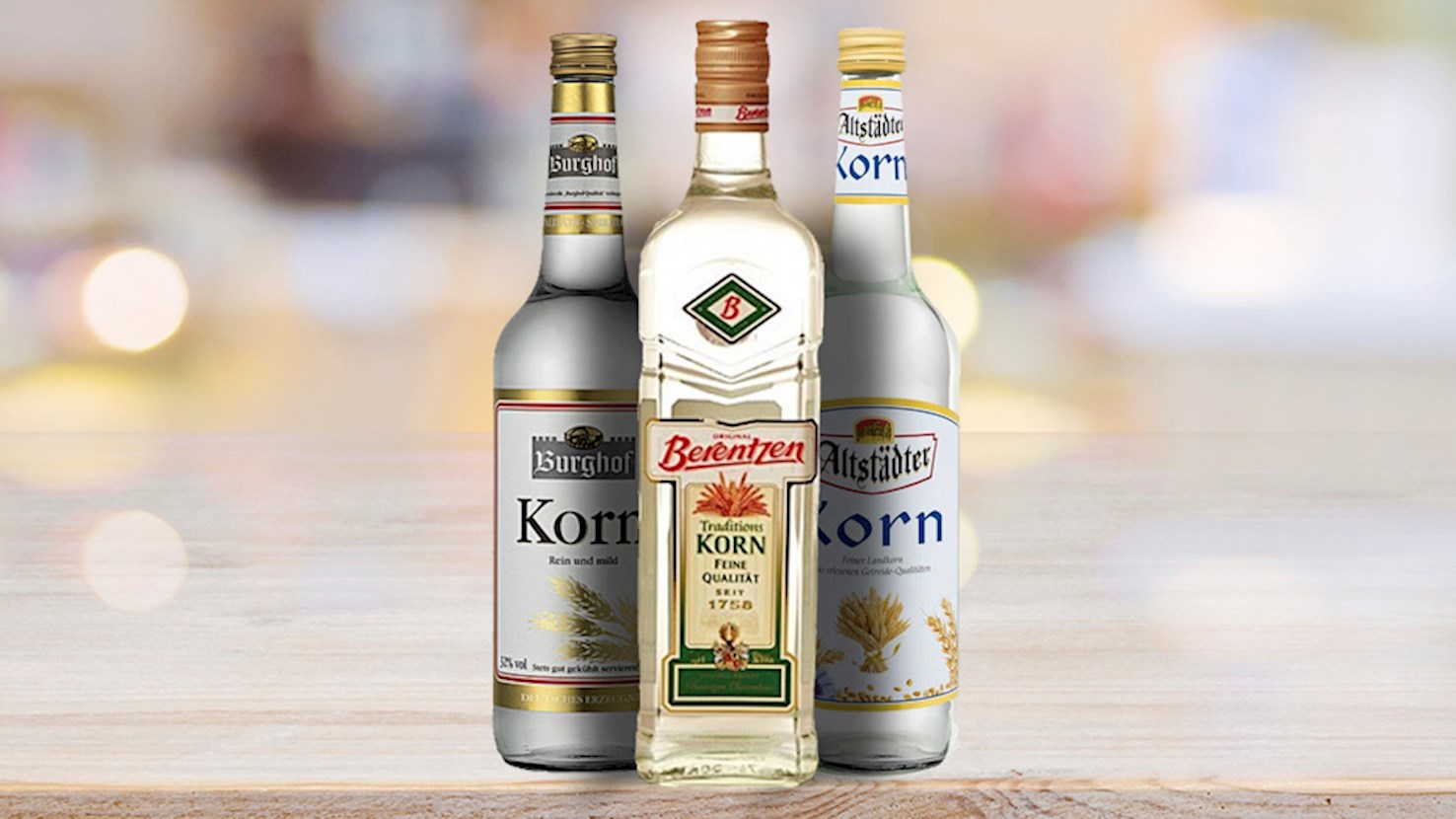
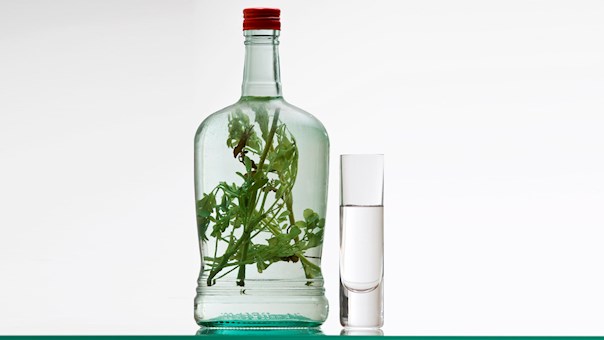
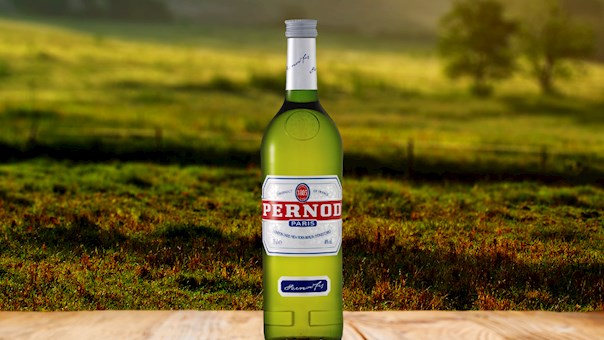
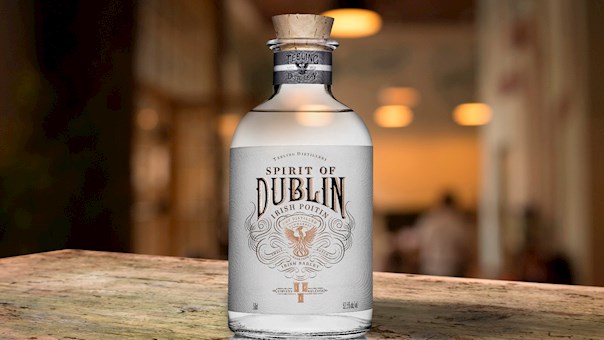
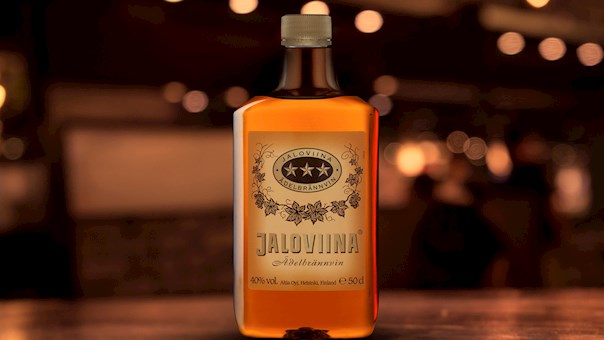
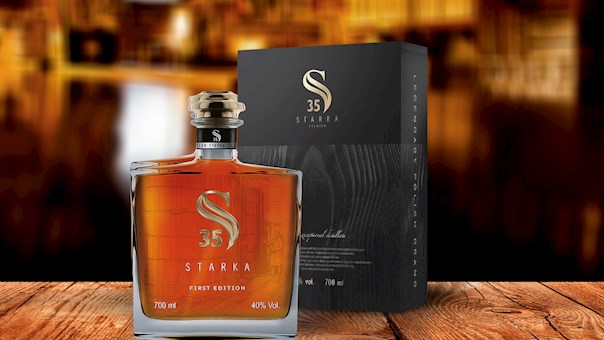
Korn is a German grain spirit that is traditionally distilled from fermented mash of wheat, rye, buckwheat, barley or oats. This strong colorless drink is never sweetened or flavored, and it has to have a minimum of 32% ABV, but if the alcohol content is higher than 37.5% the drink is named Kornbrand. It is believed that the production of Korn started in the 15th century, and although it is enjoyed throughout the country, it is especially popular in the northern parts of Germany. The drink is usually low-priced, but oak-aging may provide for more complex and better-quality expressions. Korn is mainly enjoyed straight from shot glasses, but it is also commonly combined with carbonated soft drinks, while a popular combination known as Herrengedeck (gentlemen’s menu) includes beer with a shot of Korn.
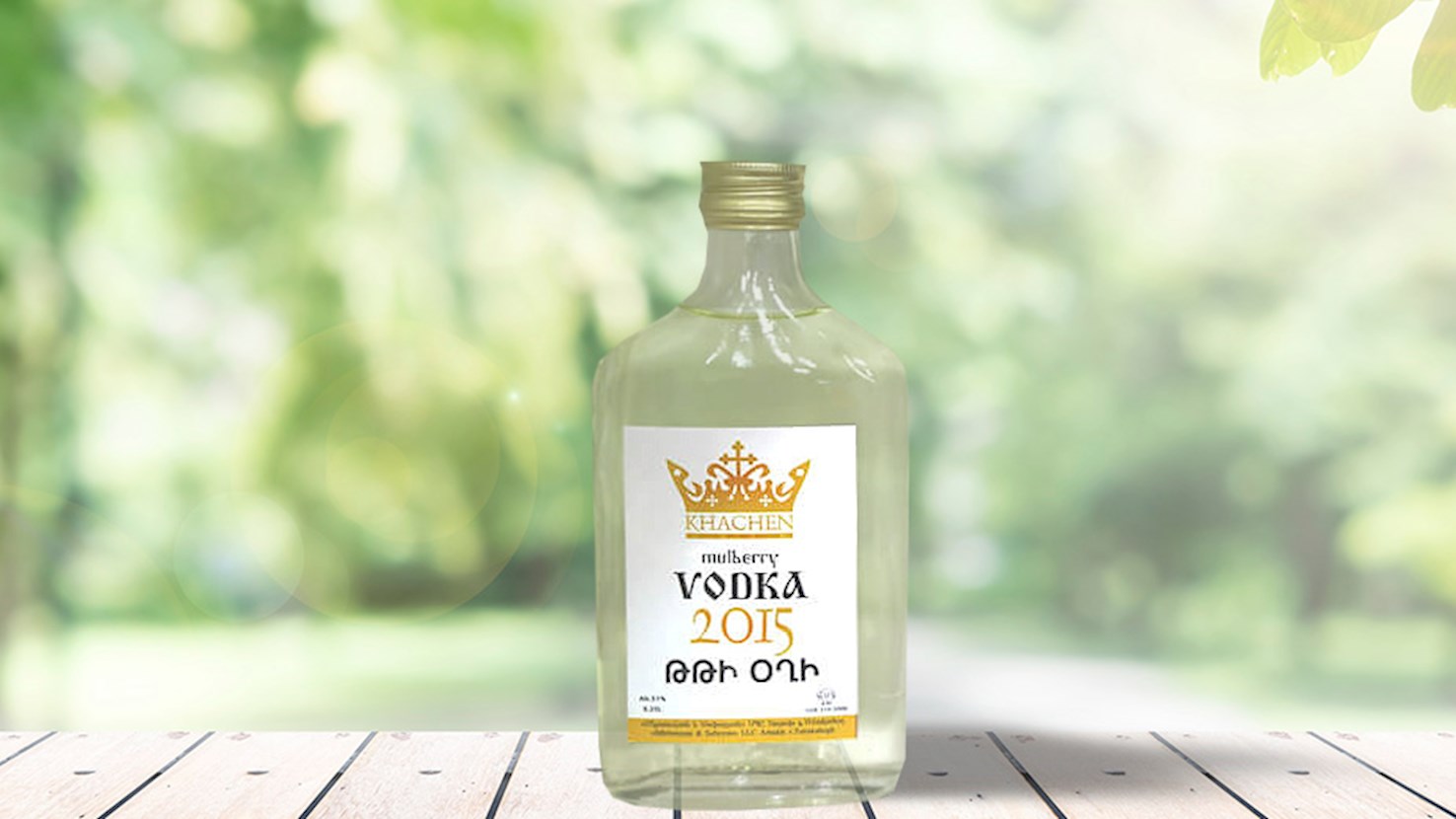
Often dubbed as Armenian vodka, oghi is a strong Armenian spirit that is distilled from various fruit and berries. The drink is traditionally produced as a local moonshine variety, with many households distilling their versions from various available fruit. Mulberries, apricots, pears, cherries, grapes, or plums can all be used in the production of oghi. The fruit is distilled to produce a clear spirit whose flavor reflects in the use of base material. Oghi is usually served in small shot glasses, and it is often enjoyed for breakfast or to accompany hearty Armenian dishes.
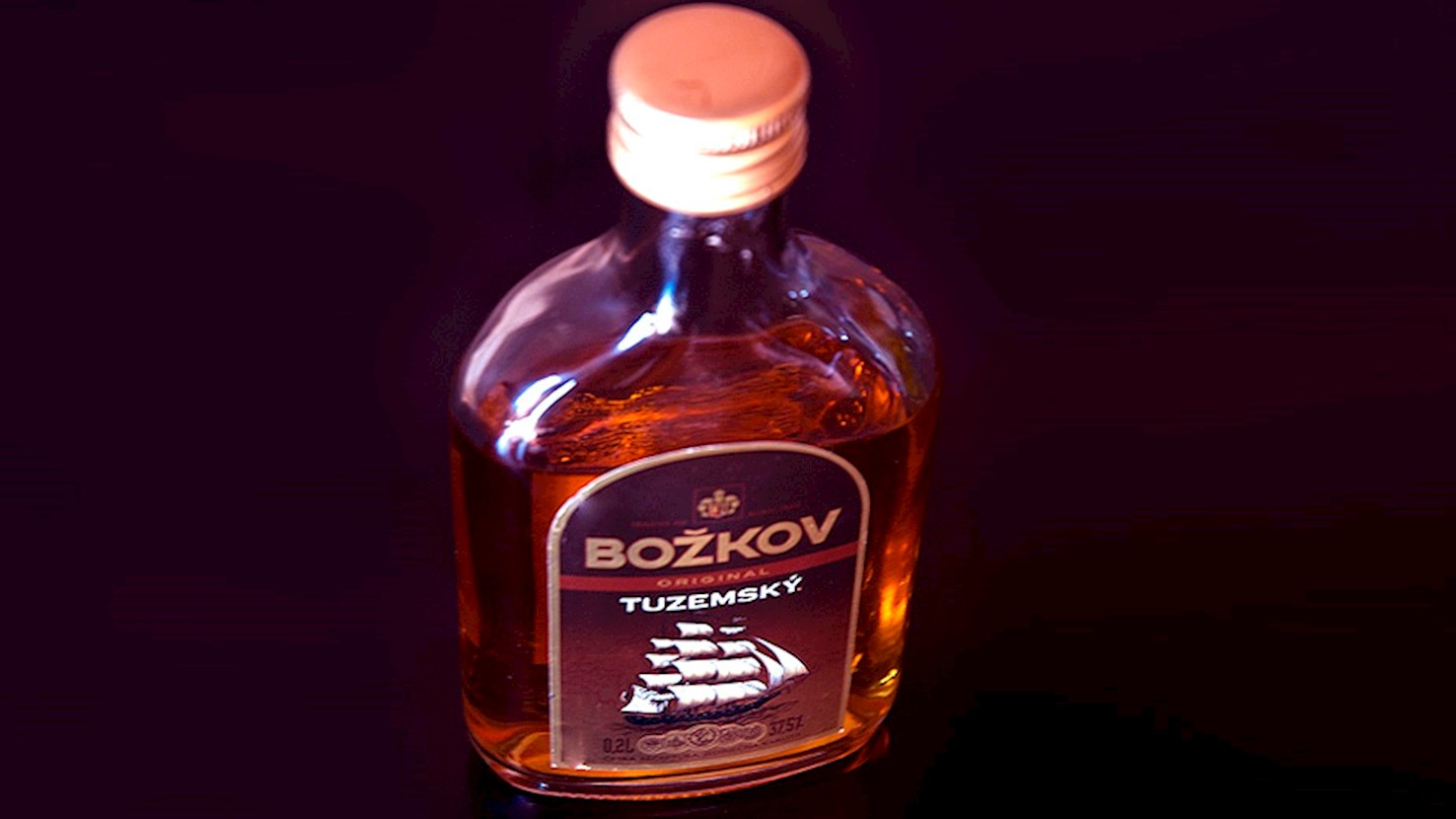
This traditional Czech drink was invented in the 19th century as a substitute for the original Caribbean rum. It is usually distilled from potatoes or sugar beets to create a base that is then enriched with rum essence. The drink was initially classified as rum and carried the name tuzemský rum (domestic rum), but since it is not distilled from sugarcane, European regulations prohibited its original name and classification. Tuzemák is still produced in the same way, and it is a staple drink across the country. It can be enjoyed neat or in cocktails, but it is also used in the preparation of desserts, especially traditional Czech Christmas cookies (vánoční cukroví).
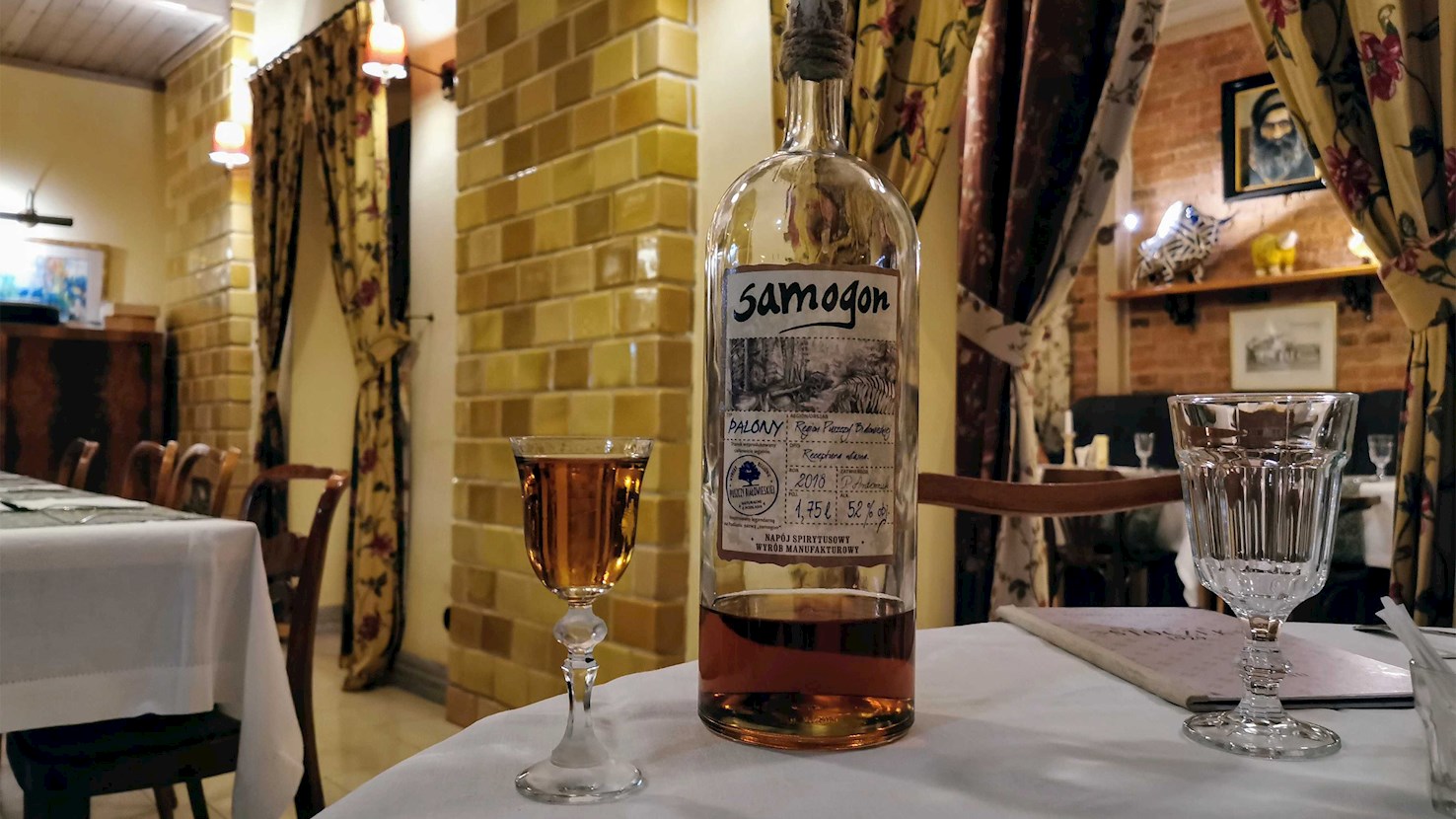
Often dubbed as Russian moonshine, samogon is a potent drink that can be distilled from virtually anything, but the most common base ingredients include grains, corn, beets, sugar, potatoes, bread, or various fruits. The name of this centuries-old drink roughly translates as self-distilled. The exact time when samogon first appeared is not known, but it is suggested that it even might precede the all-time-favorite Russian vodka. Through history, samogon was a drink of choice among lower social classes and in rural areas in Russia. Starting with the reign of Ivan the Terrible, any liquor that was not state-produced was outlawed, and vodka and wine were mainly promoted as suitable options. This practice continued in the Soviet era, but throughout this period, samogon was still produced, mostly in rural areas by the so-called samogonschiki. Following the fall of USSR, the regulations have changed, and from 1997 home distilling has been made legal, but home-distilled beverages cannot be promoted or sold. However, the change of regulations has also influenced the appearance of several brands which make artisanal and commercially produced versions that are sometimes even distilled from grapes, wines, or pomace. The final taste profile of samogon can significantly vary due to the use of different raw materials and the choice of various flavorings. The alcohol content of samogon is usually about 40 percent, but homemade versions can often reach higher numbers.
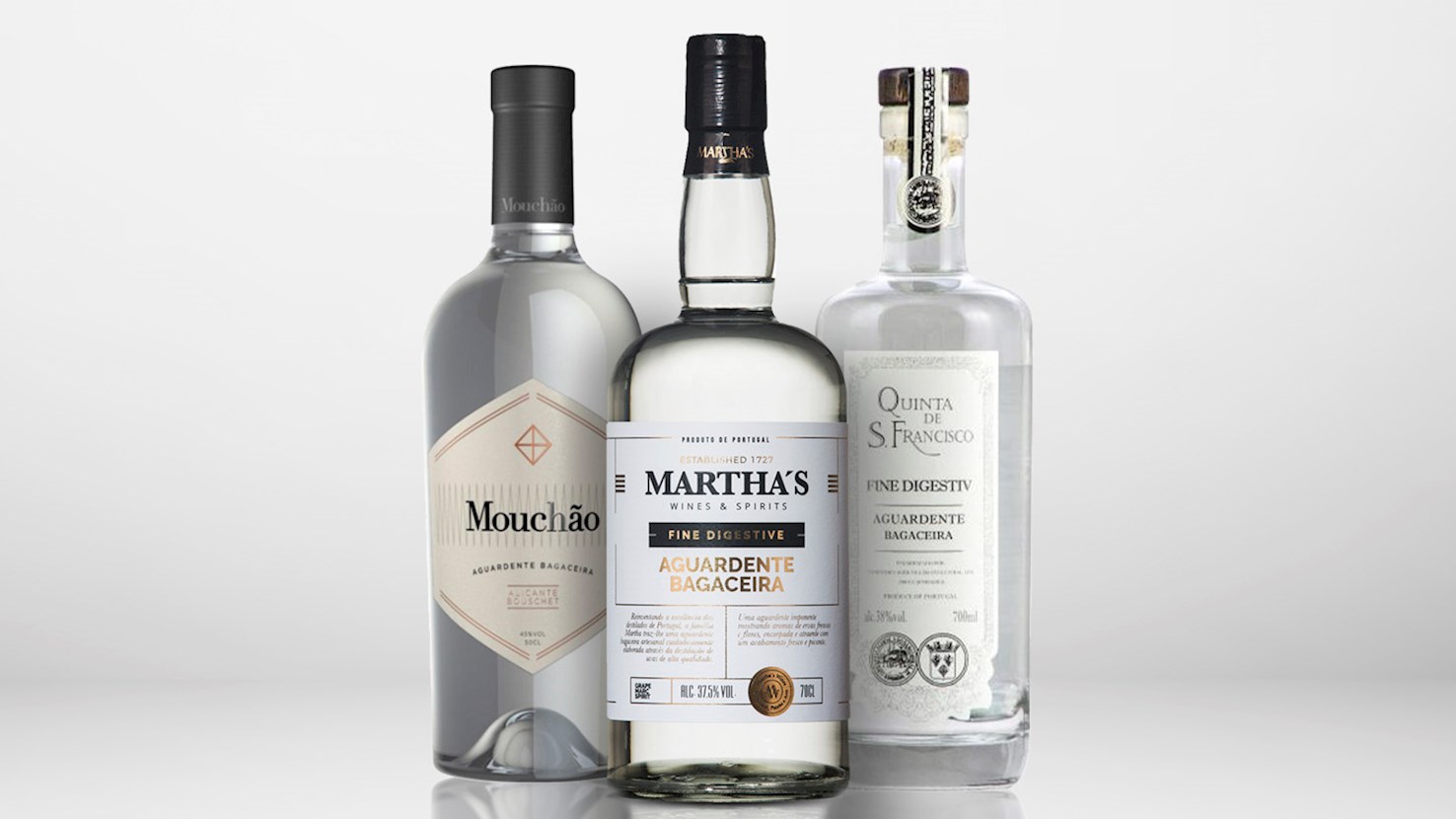
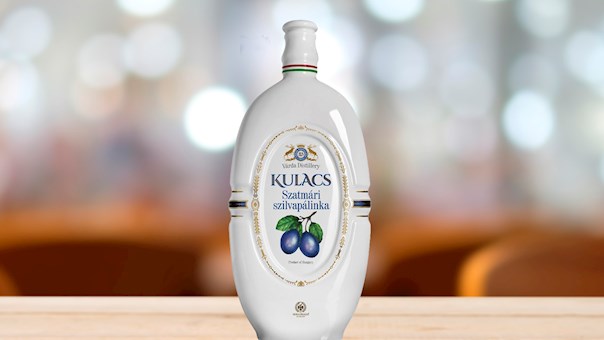
Aguardente bagaceira is a clear and colorless Portuguese spirit distilled from grape pomace—the skins and pulps left as a by-product of winemaking. It is made by winemakers, but it is mostly produced in rural areas as a type of rustic drink that is not intended for commercial production. Aguardente bagaceira can vary in quality, depending on the distillation and the base ingredient. The best examples should be powerful but with a smooth, warming finish and a fruity grape aroma. The distillate is sometimes aged to produce a softer, mellower style known as bagaceira velha. Aguardente bagaçeira is usually enjoyed neat, preferably as a digestif. The local tradition is to add a splash of aguardente to espresso, making the popular café com cheirinho. It can also be used as a cooking ingredient. The alcohol content is typically around 40% ABV.
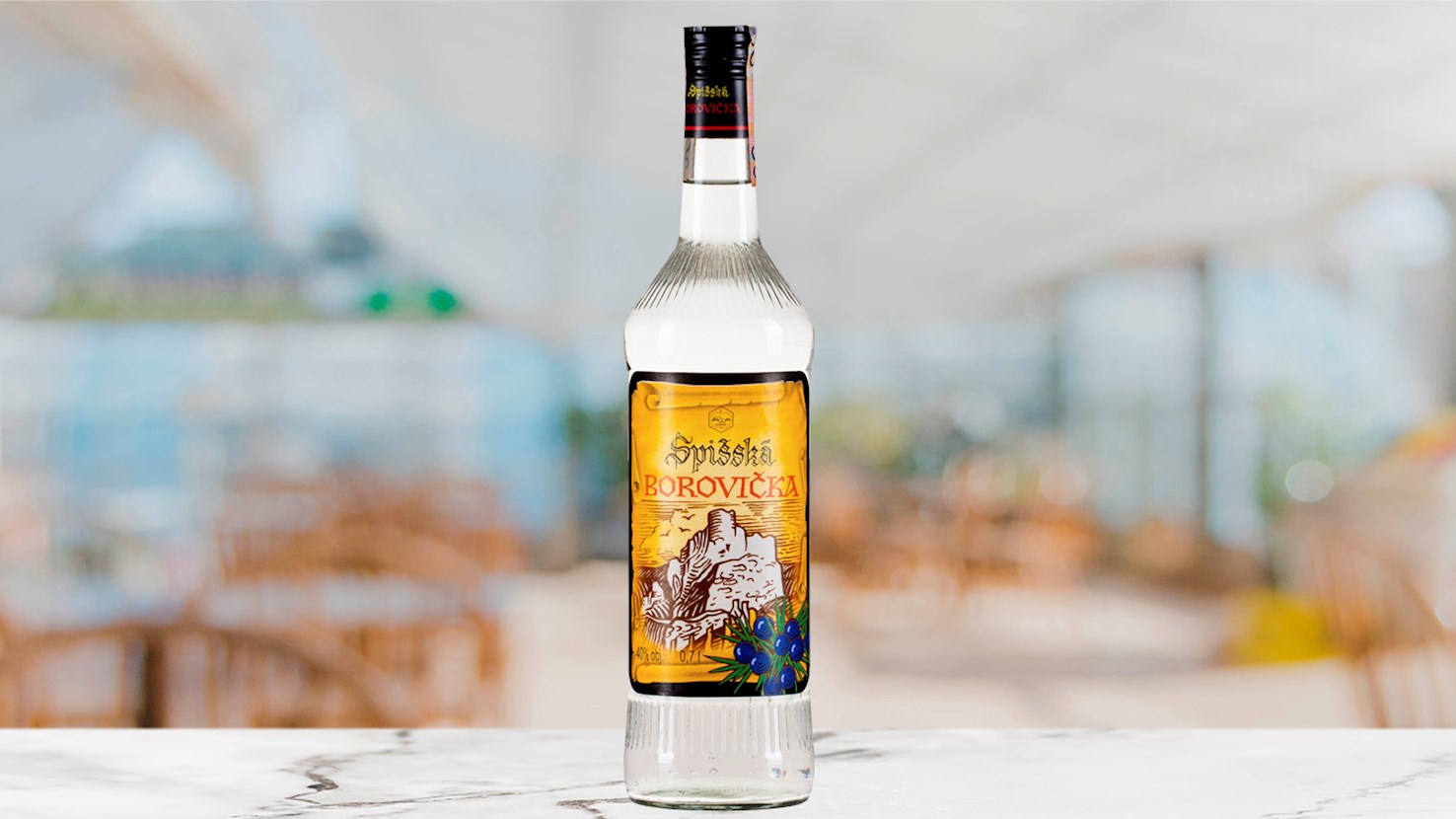
Spišská borovička is a Slovak juniper-flavored spirit that is often bottled with dried juniper berries or a sprig of common juniper. It is made with juniper and grain spirit distillates and purified spring water from the Tatra mountains. The ingredients are locally sourced, and the production must take place in the designated Spiš area. This clear spirit typically has a light-yellow hue and a mild, juniper-like aroma and flavor. It is a potent drink with 40 % ABV. Borovička is produced in other regions and comes in several different styles. In Spiš, which is now administratively divided between Poprad and Košice, this style has a centuries-long tradition. It is believed that a combination of traditional distilling techniques and specific terroir greatly influences the aromatic component of this juniper-flavored spirit. This borovička is best served chilled, neat or on the rocks. It also works great mixed with tonic water.
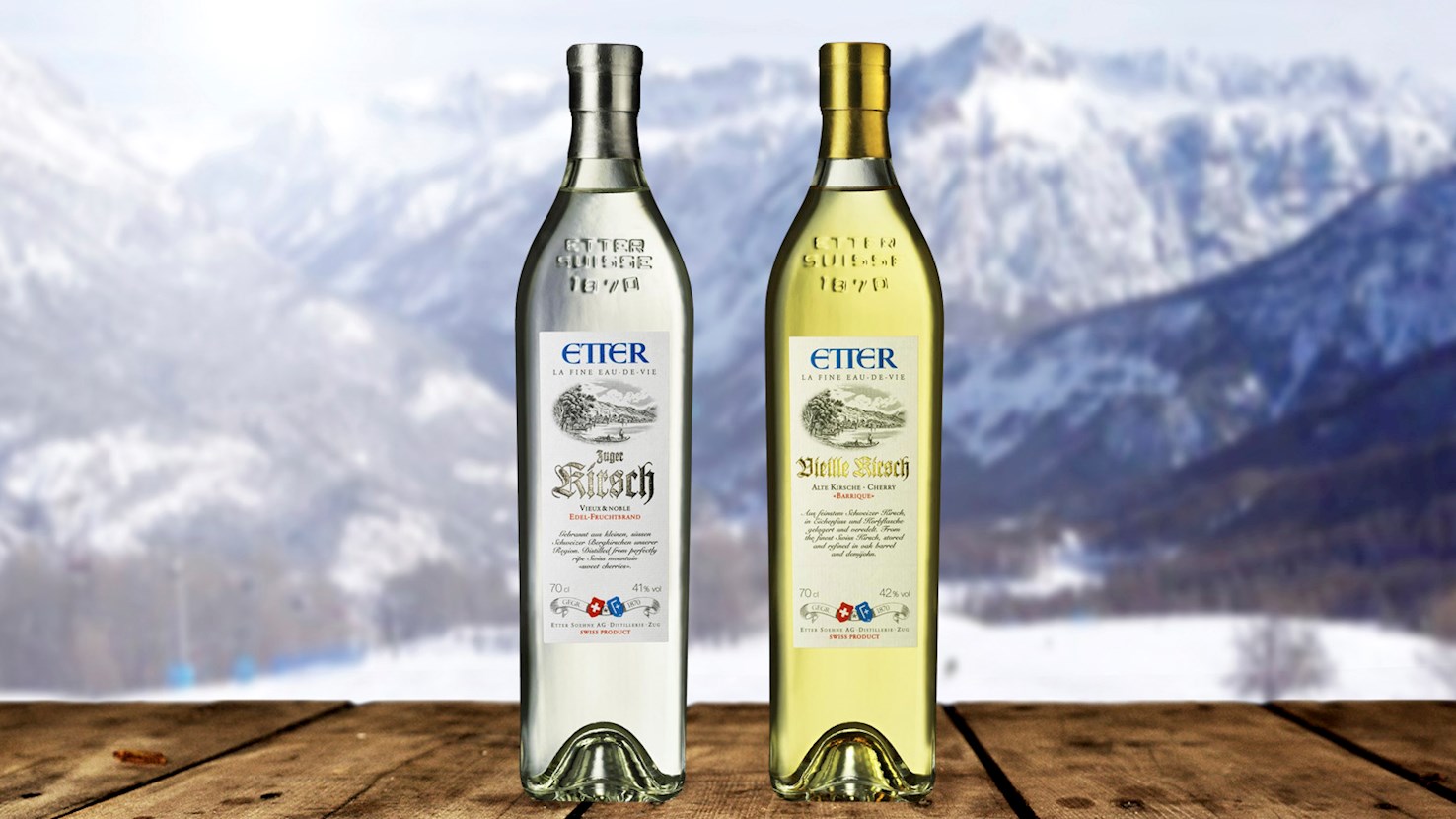
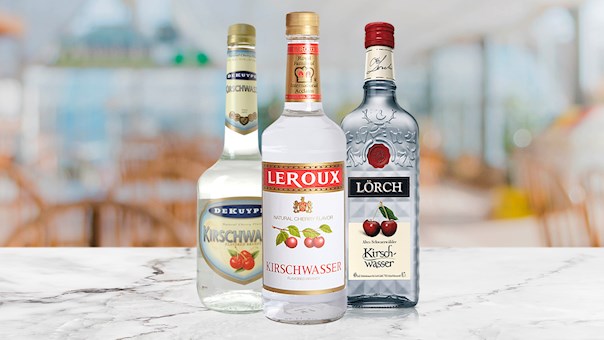
This renowned cherry brandy has been produced in the Zug region for over two hundred years. It is distilled from local cherry varieties and results in a clear, colorless spirit that is characterized by an intense, fruity flavor and subtle almond nuances. Best served slightly chilled, Zuger kirsch is traditionally enjoyed neat, preferably as a digestif. The brandy is also known for its versatile culinary use. It is one of the essential ingredients in Zuger kirschtorte (Zug cherry cake) and spiced Basler läckerli cookies.
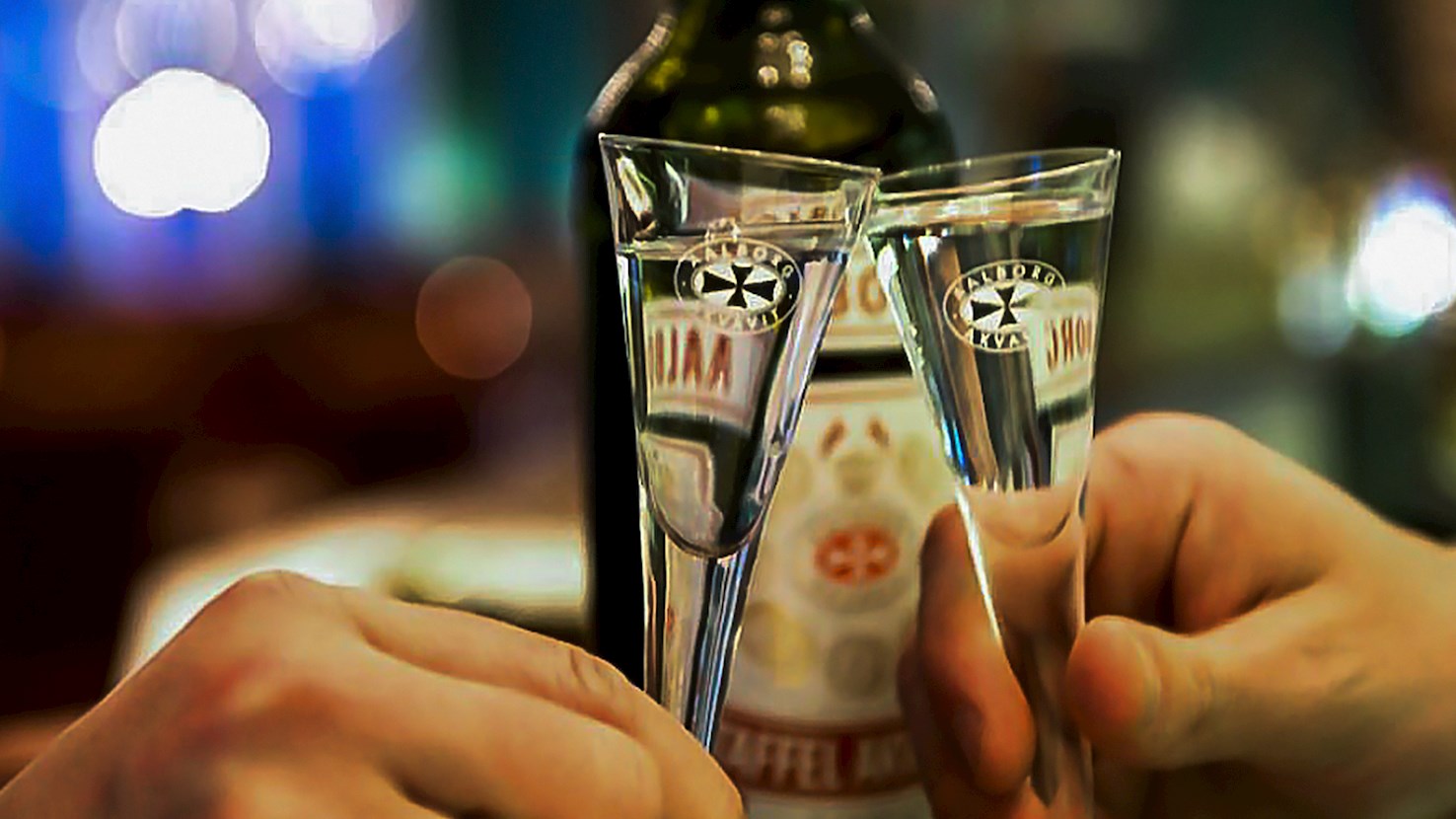
Akvavit is a Scandinavian spirit that is usually distilled from grains or potatoes. After distillation, it is infused with various botanicals, though the most common are caraway and dill. Other options may include fennel, coriander, cloves, or cumin. The drink can vary in color, and its flavor profile can greatly differ depending on the age and the base ingredients. Danish and Swedish akvavit is typically clear and colorless, while the Norwegian version is sometimes aged in sherry casks, allowing it to attain golden-like color and slightly stronger flavor. All varieties must have a minimum of 37,5 % ABV. Akvavit, whose name derives from aqua vitae (the water of life), has been produced since the 15th century. The first mention appears in a letter dated April 13th, 1531, that was sent from the Danish Lord Eske Bille to Norwegian Archbishop Olav Engelbrektsson. April 13th is celebrated as the akvavit day in Norway. The biggest producers come from Norway, Sweden, and Denmark. Although this strong spirit is usually enjoyed well-chilled, some prefer to serve it at room temperature. In Scandinavia, akvavit is mainly enjoyed as an aperitif, and it is one of the mandatory drinks during festive lunch and dinners. It perfectly pairs with local specialties.
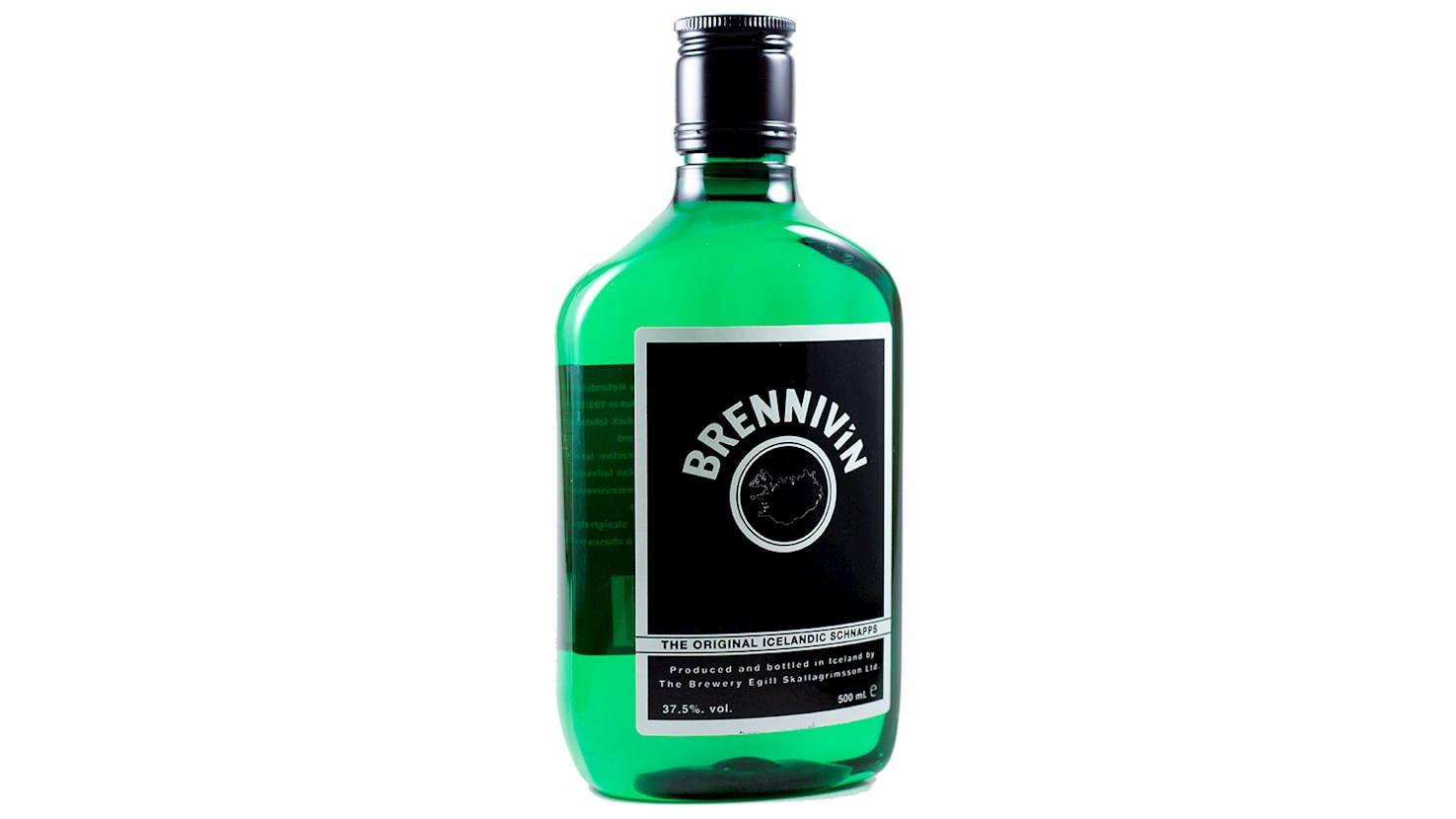
Brennivín is distilled from potato mash, and it is traditionally flavored with various herbs and spices, including caraway seeds, cumin, and angelica. Although the name Brennivín translates to burning wine, this strong spirit was nicknamed Svarti Dauði, meaning Black Death, presumably because the bottle once had a label depicting a black skull, while some claim the nickname originated due to the distinctive, sharp taste of the drink. This Icelandic staple is best enjoyed well-chilled, served in a shot glass and paired with hákarl - cured shark flesh.
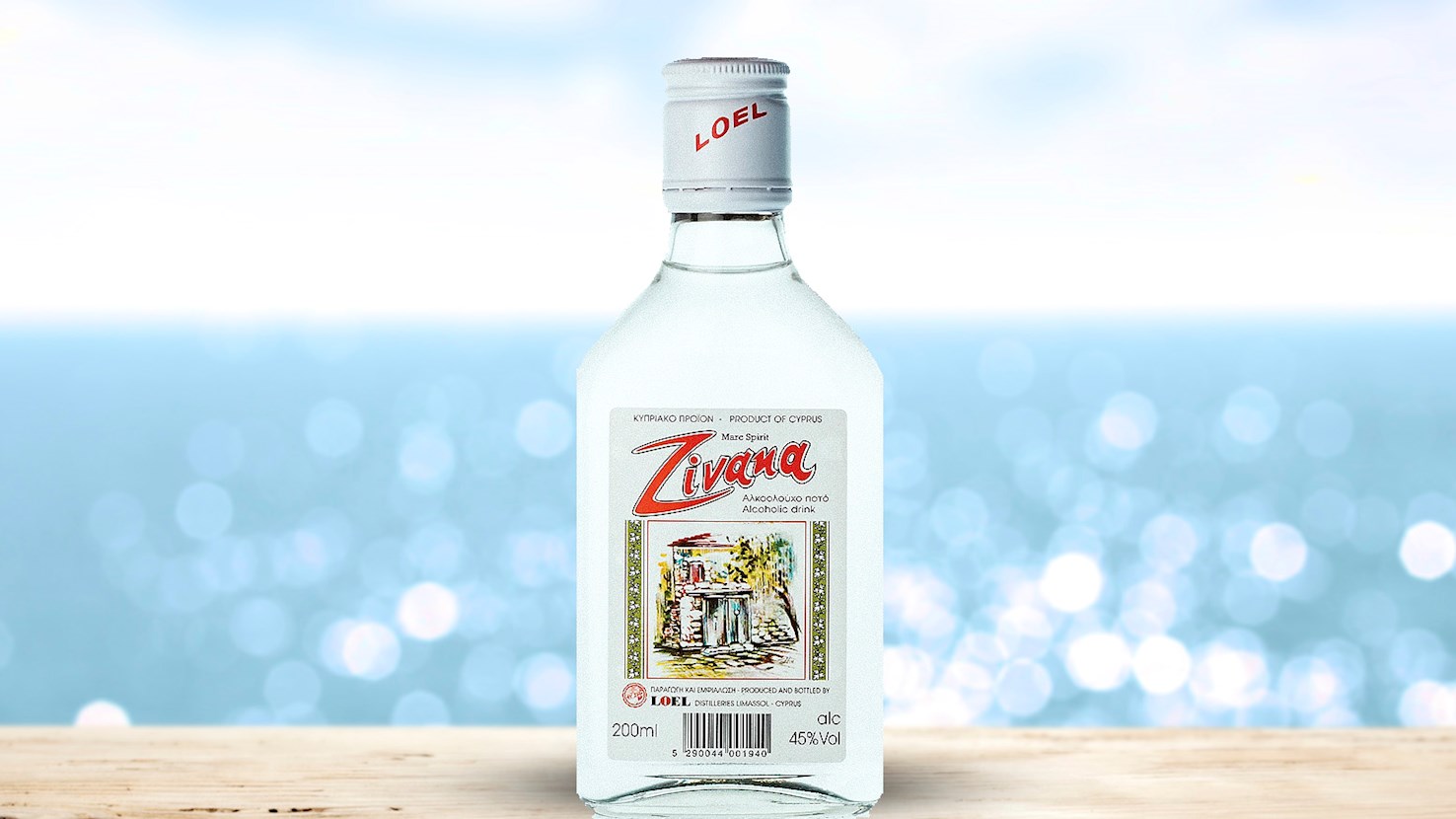
Zivania is a Cypriot brandy produced from grape pomace—solid components of grapes that are left after the juice has been pressed. The distillate is then mixed with dry wines which are traditionally produced from native Mavro and Xynisteri grapes. Although it is quite strong, with a typical alcohol content of 45%, zivania is appreciated for its subtle notes of raisins and citrus. It is usually enjoyed as an aperitif, but it is also commonly paired with nuts or meze—a selection of small dishes.
TasteAtlas food rankings are based on the ratings of the TasteAtlas audience, with a series of mechanisms that recognize real users and that ignore bot,
nationalist or local patriotic ratings, and give additional value to the ratings of users that the system recognizes as knowledgeable.
For the “61 Worst Rated European Spirits” list until June 16, 2026, 5,091 ratings were recorded, of which 3,838 were recognized by the system as legitimate.
TasteAtlas Rankings should not be seen as the final global conclusion about food. Their purpose is to promote excellent local foods,
instill pride in traditional dishes, and arouse curiosity about dishes you haven’t tried.